Get Premium
Dark mode theme is available exclusively for premium users. Learn more about the benefits of subscribing.
No fees, cancel anytime.

 Dark Mode Ad-Free Browsing Unlimited Content
 Ad-Free Browsing Unlimited Content Dark Mode
Join 1.2 million Panda readers who get the best art, memes, and fun stories every week!
It is Wednesday. Or Monday. Or whatever day it is that feels like it has been going on for four business weeks with no sign of resolution. The emails are not going to stop arriving. The meetings are not going to start making sense. And somewhere between the third cup of coffee and staring at the same spreadsheet for forty minutes, you deserve a break.
Not a productive break. Not a "use this time to stretch or practice mindfulness" break. A memes break. Thirty of them, specifically curated for the purpose of making the next five minutes significantly better than the last five. No context required. No takeaways. Just a bunch of images that understand your life better than your therapist.
More info: Instagram
This post may include affiliate links.

"Installing Updates..1% Complete. Estimated time remaining: 20 minutes"
It's better to have loved and lost than to never have been in this sketchy neighborhood in the first place.
Memes have graduated. They are now being seen as legitimate cultural artefacts worthy of formal study. The University of Amsterdam examines internet culture through the lens of digital sociology, and the Meme Studies Research Network unites scholars globally around the premise that the image of a dog sitting in a burning room saying "this is fine" is advanced academia.
The Bard College Memetics Lab goes so far as to talk about the digital labor surrounding memes and their morals. Is it really that deep? Turns out, it is! Memes are, at their core, compressed cultural commentary; jokes that encode shared anxieties, social observations, and collective experiences into a format so efficient it can be understood in under three seconds.
The fact that they're funny doesn't make them culturally insignificant. If anything, the speed at which they travel, mutate, and get replaced tells researchers more about how ideas move through a society than almost any other medium currently available. The academics are paying attention, so let’s say something worth saying.
In the lead-up to January 1st 2026, a viral campaign called The Great Meme Reset proposed something radical: that all online content and humour should revert to 2010s classics and purge timelines of modern AI-generated content and what the internet has taken to calling brainrot.
It was, largely, a meta-joke about internet nostalgia rather than a genuine movement. But the sentiment underneath it was real enough to resonate widely, and that sentiment is worth paying attention to. There is a generation of young people who have grown up in an era of infinite scroll, algorithmic content, and AI-generated everything, and who are now expressing a genuine longing for a version of the internet that had edges.
There was a time when a feed ended, and a timeline could be finished. The early internet had limitations that felt like frustrations at the time and feel, in retrospect, like a form of mercy. You could reach the bottom of the page. There was a bottom of the page. The content stopped, and you went outside, because the internet ran out.
The earliest widely recognised internet meme format is "All Your Base Are Belong to Us," a phrase lifted from a badly translated Japanese video game that spread across the early internet around 2000. Shortly after, LOLcats popularised the image macro format with bold white Impact font overlaid on animal pictures that became the visual template for essentially every meme that followed.
What's remarkable about those early formats is how completely they established the grammar of internet humour before anyone knew they were doing it. Text on image. Relatable situation. Absurd delivery. The specifics have evolved beyond recognition now, but the underlying structure has remained essentially unchanged for over twenty years.
Every meme in this article is a direct descendant of a badly translated Sega Mega Drive game from 1991. The internet contains multitudes, but its family tree is surprisingly compact.
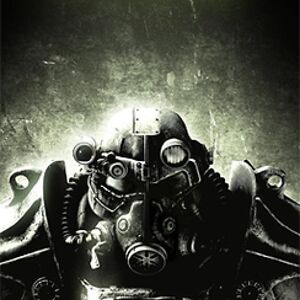
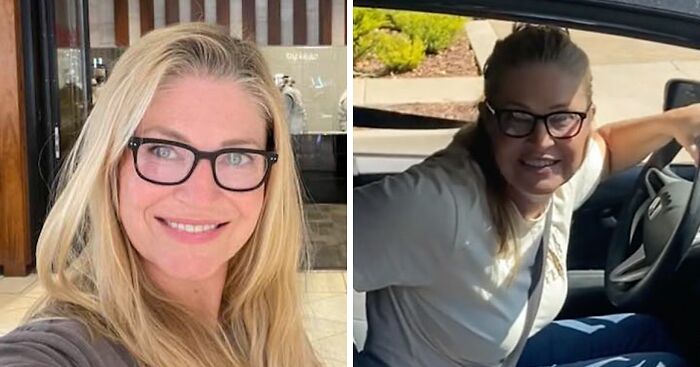
or when you try to go to sleep in your settlement and you dream of Preston Garvey telling you another settlement needs your help.
Some of the faces behind the most famous meme formats have managed to turn their accidental virality into actual money. “Disaster Girl” was Zoë Roth, who sold the original image as an NFT for over $500,000. Bad Luck Brian, the unfortunate school photo that became synonymous with things going catastrophically wrong, earned Kyle Craven approximately $20,000 through licensing and merchandise.
The NFT era opened a brief and chaotic window where meme subjects could finally monetise the images that had been shared billions of times without their permission or participation, and several of them walked through it decisively. Whether NFTs turn out to be a lasting mechanism for this kind of value transfer or an elaborate digital tulip bubble is a debate for another article.
What isn't debatable is that Zoë Roth, who was photographed in front of a fire as a small child and became one of the internet's most enduring images, ended up with half a million dollars from it. Which is, in its own strange way, a satisfying ending to a story that started with someone's house burning down.
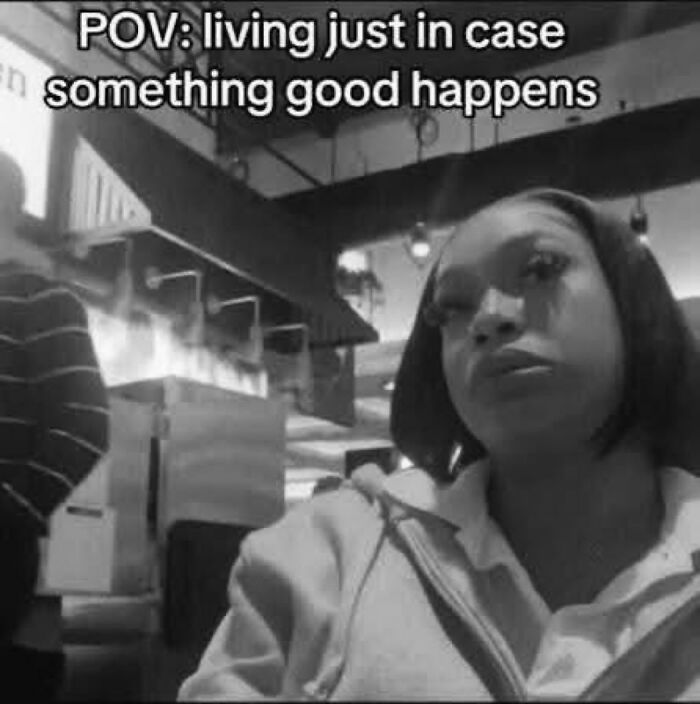
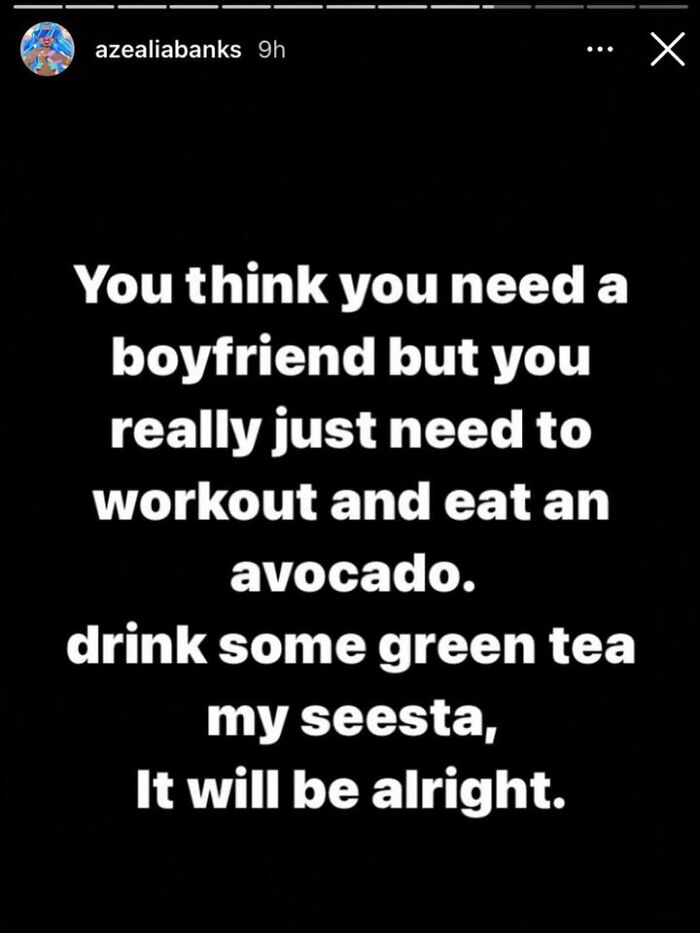
see the trick is to make your plans while in a bad mood so if something good happens you'll be pleasantly surprised.
The word ‘meme’ was coined by Richard Dawkins, the Oxford evolutionary biologist, in his 1976 book ‘The Selfish Gene’. His intention was to describe how ideas spread through culture the way genes spread through populations: replicating, mutating, competing for survival, passing from host to host.
The term was meant to be serious evolutionary theory. It did not remain serious evolutionary theory for long, because the internet took the word and used it to describe a photo of a cat with bad grammar. Dawkins' original theory has been largely discredited, but the word stuck because it turned out to describe something real and useful.
Internet memes do spread like viruses. They do mutate as they travel. They do compete for attention and survival in a crowded information environment. The mechanism isn't biological, but the behaviour is close enough that the word fits. Viral, indeed.
What is your favorite meme from the early days of the internet? Let’s get nostalgic in the comments!
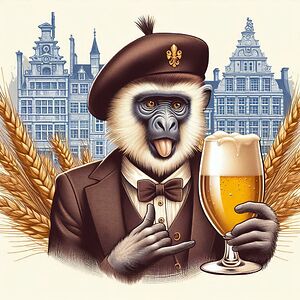
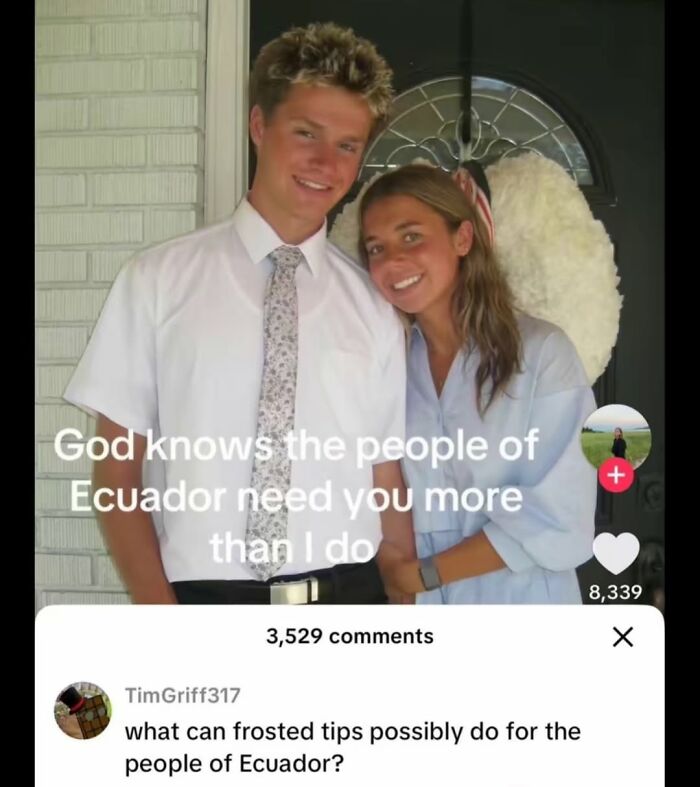
I remember boarding a flight with a bunch of young people on a mission. Jeez. What a bunch of self-important twats...
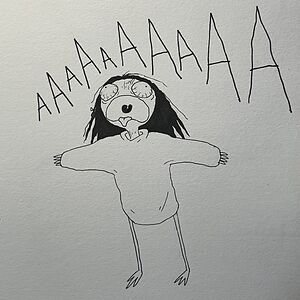
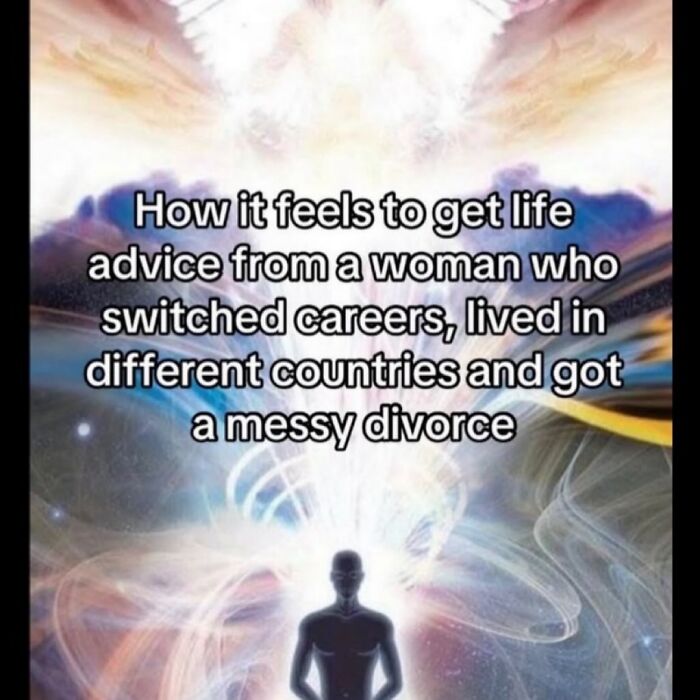
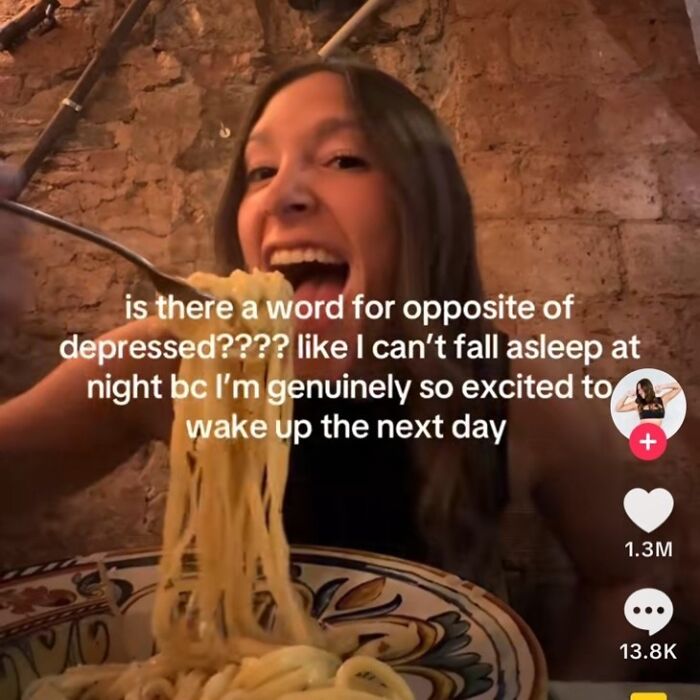
or a 50 years old, that is unbothered by her company firing over 10% of the employees, because she has been through worse and it will all be ok, even if she is one of the fired ones.

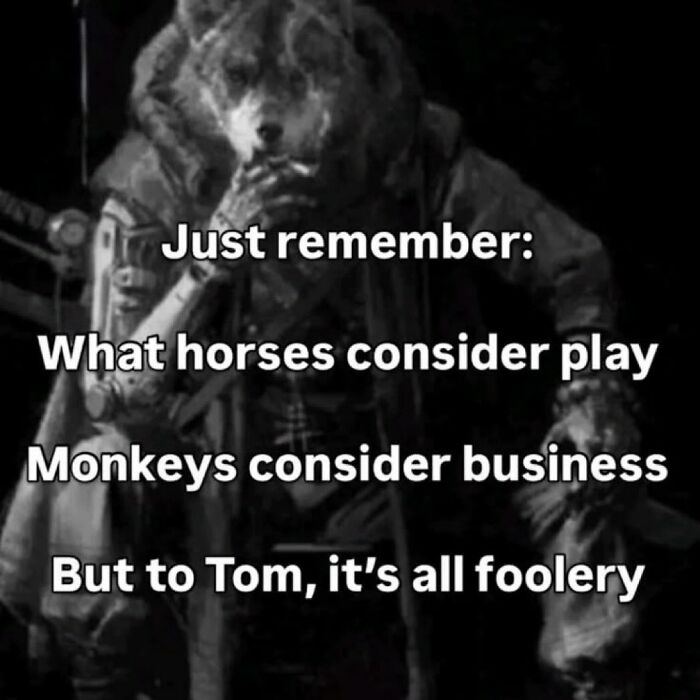
It's a reference to idioms in English: horseplay, monkey-business, and tomfoolery. I usually like to let people chew on riddles and the like, but this one relies on knowledge of idioms/slang and that can be confusing to people who learned English from a technical linguistic standpoint!
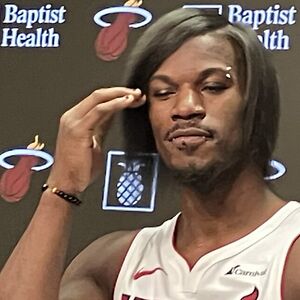








 No fees, cancel anytime