Get Premium
Dark mode theme is available exclusively for premium users. Learn more about the benefits of subscribing.
No fees, cancel anytime.

 Dark Mode Ad-Free Browsing Unlimited Content
 Ad-Free Browsing Unlimited Content Dark Mode
Join 1.2 million Panda readers who get the best art, memes, and fun stories every week!
27submissions
Finished
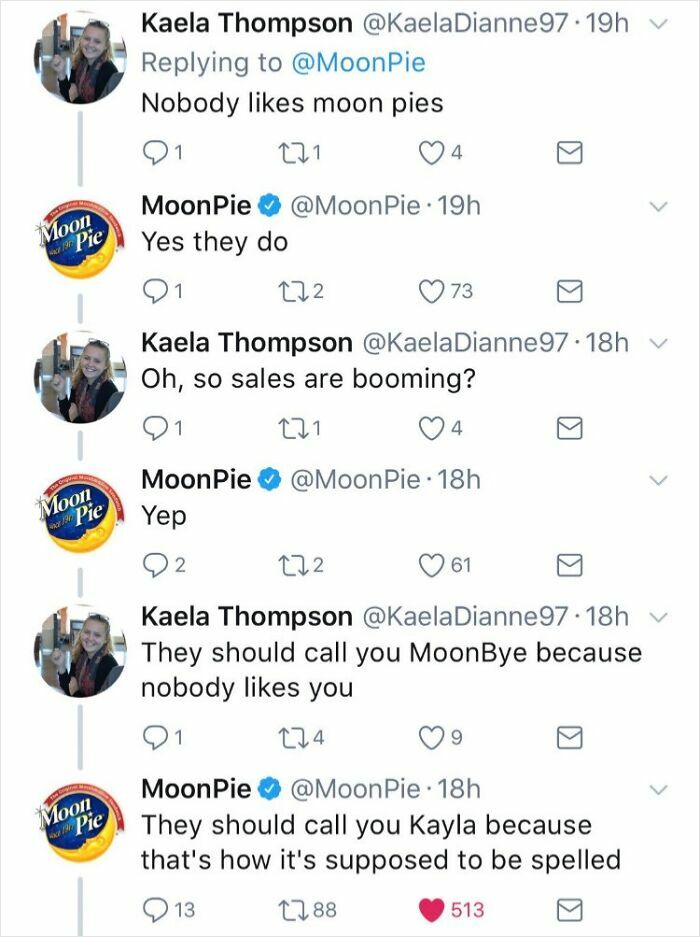
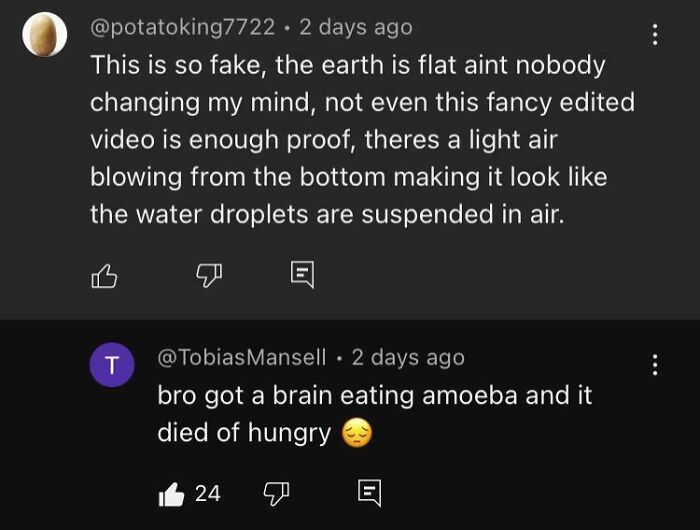
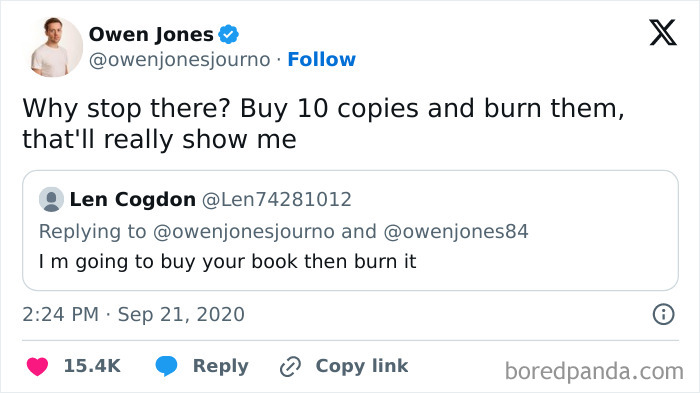
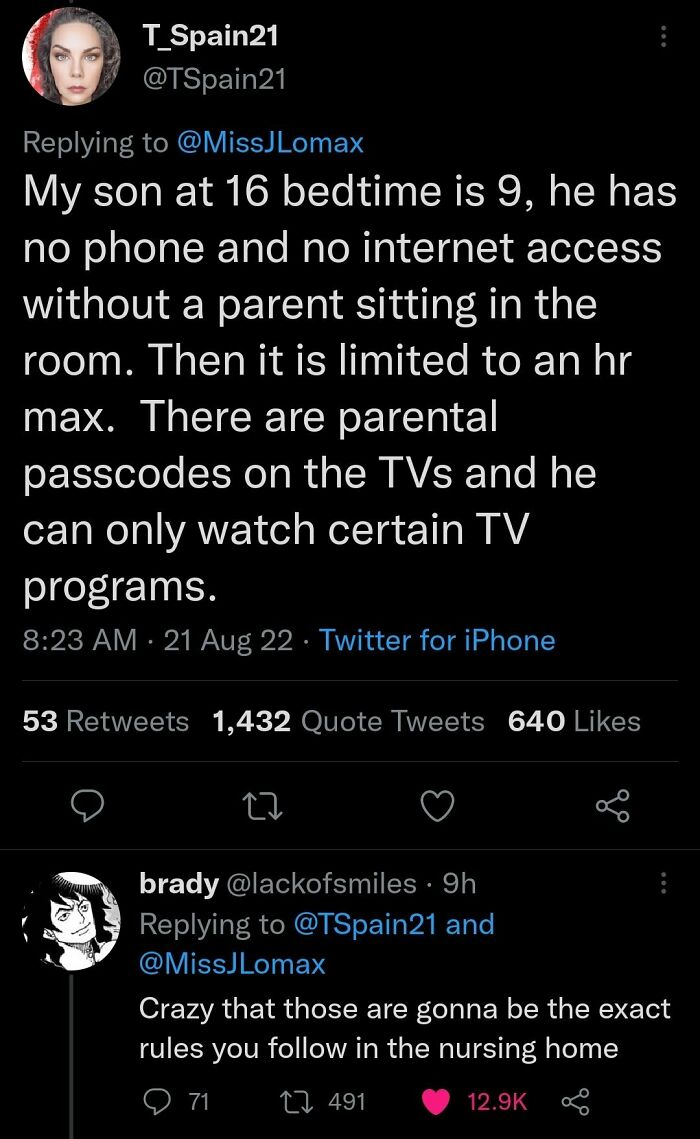
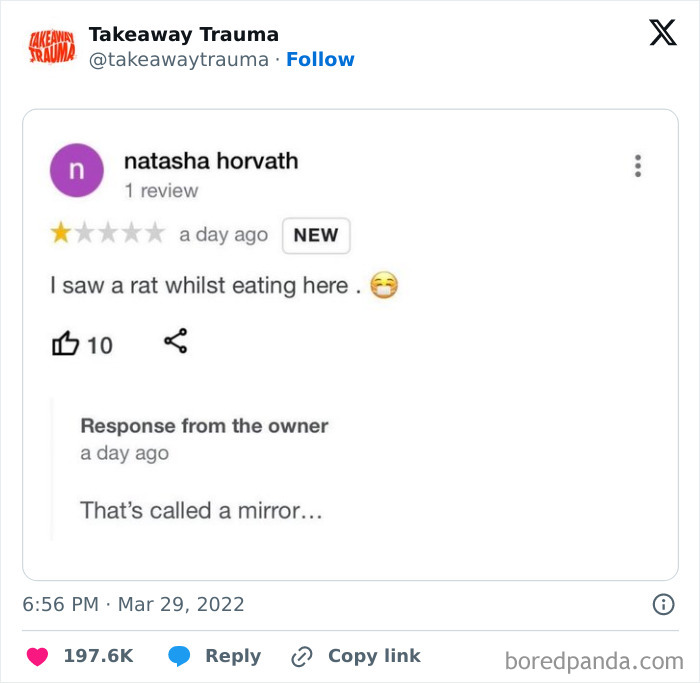
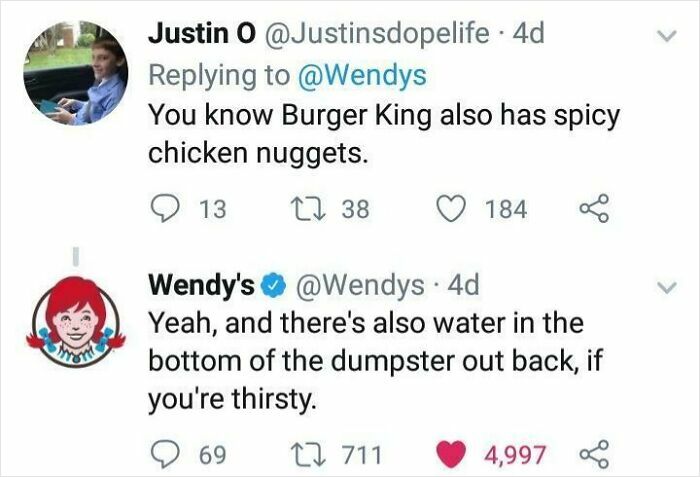
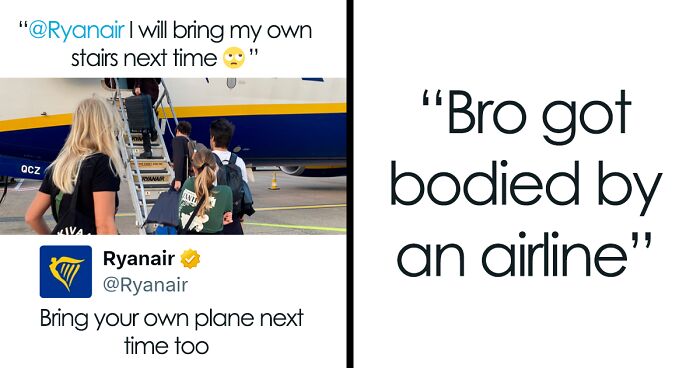
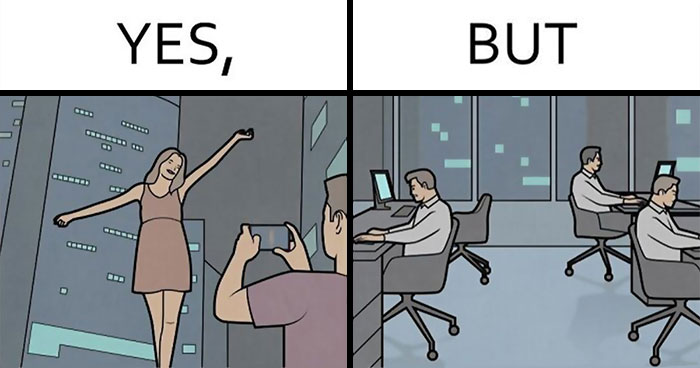
Some people have such a way with words they can even make insults sound good. In reality, you don't even have to channel your inner Shakespeare to make an insult pleasant to one's ears. It just has to be clever enough to make the other person want to disappear inside their shell like a turtle.
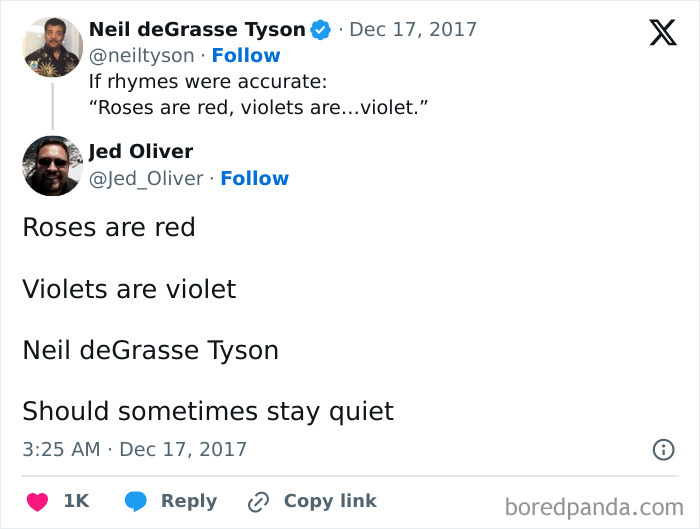
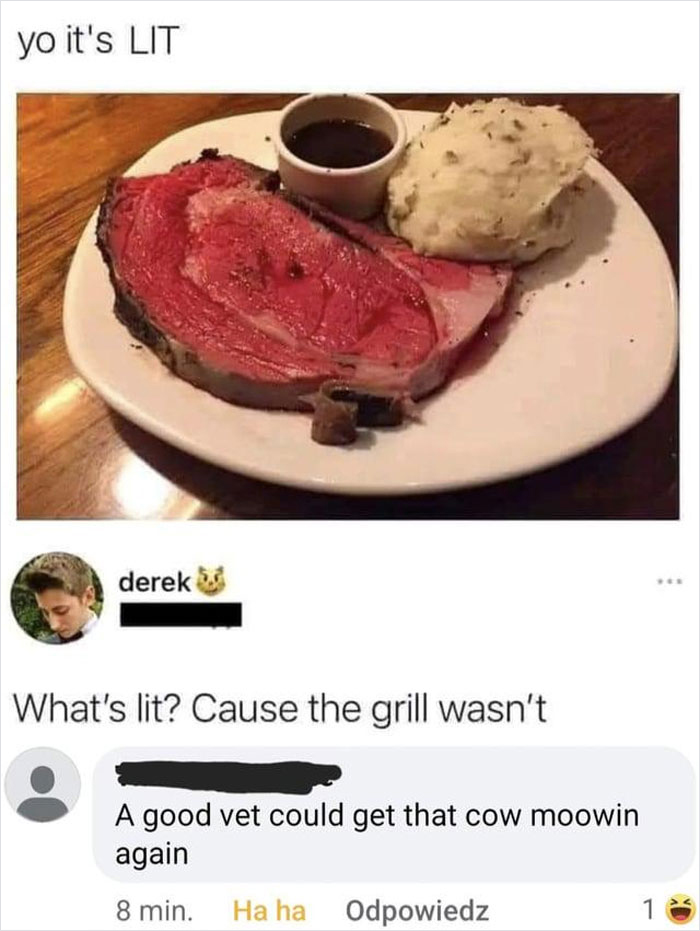
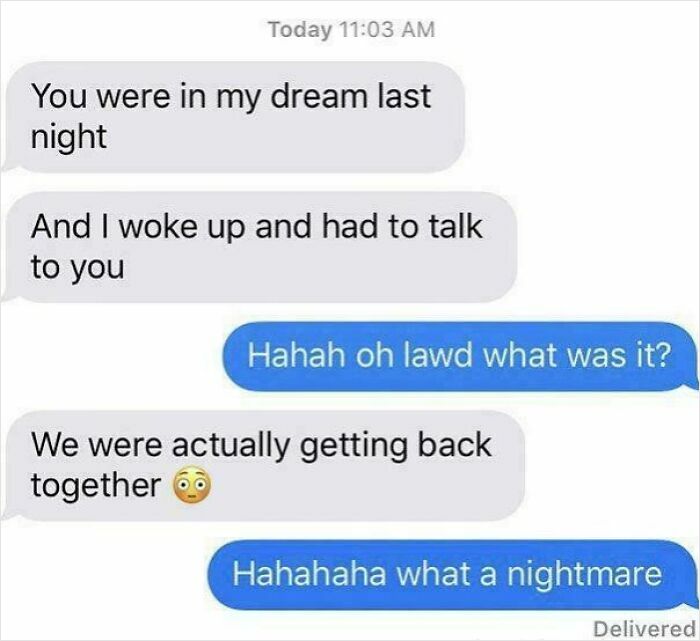
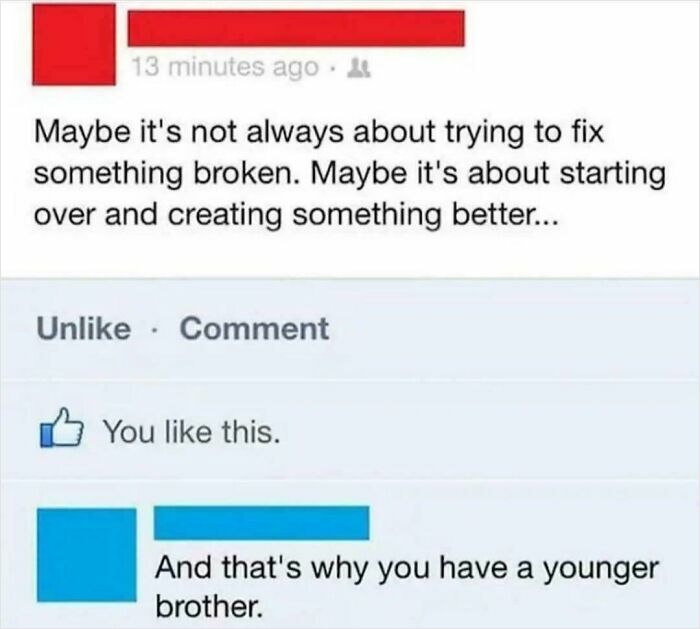
We're fans of wordplay and justice here at Bored Panda, so, we've got a collection of the sickest and most inventive burns that people have dished out on the Internet. If you're looking for inspiration or want to see some cleverly-crafted justice where jerks got put in their place, check out these clever comebacks!
Click here & follow us for more lists, facts, and stories.
This post may include affiliate links.
Did you think Twitter invented people throwing insults at each other in a public space? Well, think again! Back in the olden days, poets would engage in insult rap battles referred to as "flyting." Today, we can find examples of flyting in classical works such as Beowulf and King Lear, but other cultures have their versions as well: the Japanese haikai and the Arabic naqa'id.
The most famous example of poets giving each other lashings in verbal form would probably be "The Flyting of Dunbar and Kennedie." That medieval rap battle was the first instance a poet used an excrement-related joke and also used the now-ubiquitous curse that starts with an F.
What was the point of these flytings? Not just to flex the poets' rhyming muscles, if you were wondering. Just like diss tracks today, they could make or break them: the poets' image, honor, and social standing depended on their performance. The poets performed the flyting to the royal court, but people outside the court could read their insults and boost their profiles.
Nothing was off-limits during flytings. As Christine M. Robinson writes, Dunbar listed many of Kennedy's defects: "his highland origins, begging, cowardice, treachery, ugly appearance, venereal disease, jaundice, and sexual activity." Well, at least he didn't accuse him of downloading PDF files.
Most Old English insults would be borderline nonsensical today, but we can't deny they sound pretty fun. Let's take "Blowsabella," for example. Yes, it's an insult to women, but not what you might've thought. It's a comment on a woman's hair, most often about how disheveled and unkempt it looked.
Other old insults which might sound like they came straight from a five-year-old's vocabulary, are Gollumpus and Grumbletonian. And no, they don't have anything to do with The Lord of The Rings or [private part] Wonka and the Chocolate Factory. Gollumpus was a "large, clumsy fellow," probably originating from the verb galumph (to move clumsily with a heavy tread). And a Grumbletonian was someone who complained all the time, no matter how good they had it.
Not all Old English insults sounded so nonsensical; some were worded quite normally. Like 'Afternoon Farmer', used to describe lazy people, perhaps because farmers would rise early and grind through the day. If people wanted to call someone emaciated or skinny like a skeleton, they would call them '[End's] Head Upon a Mop Stick.'
But how can we talk about insults without talking about The Bard himself whose put-downs were almost second to none? Truly, who else could come up with quips like "froward and unable worms," "fat guts," "clay-brained guts," "luxurious mountain goat," or "February face"?
Shakespearean insults aren't just for name-calling. He was also a master of witty retorts. In Henry IV, Chief Justice tells Falstaff: "You are as a candle, the better burnt out." Or how about this very politically incorrect observation: "No longer from head to foot than from hip to hip, she is spherical, like a globe; I could find countries in her."
The reality is that we don't live in a Shakespeare play. When someone insults us, we spend way too much time thinking of a comeback. A good retort only comes to us when we're lying in bed at night the following night. Psychologists say that's because the parts of our brains that are responsible for coming up with a witty remark turn off at that moment; they're sensing a threat.
Psychotherapist Melanie Williams says that "Are you okay?" is the most universal response when someone says something wildly inappropriate to you. "There's so much packed in this short comeback," she told TIME. This flips the attention back at the insulter, not so much what they were talking about. Also, Williams notes, it invites the insulter to self-reflect.
You Might Also Like: 39 times plumbers found confusing and unexpected things while on the job


















 No fees, cancel anytime