Get Premium
Dark mode theme is available exclusively for premium users. Learn more about the benefits of subscribing.
No fees, cancel anytime.

 Dark Mode Ad-Free Browsing Unlimited Content
 Ad-Free Browsing Unlimited Content Dark Mode
Join 1.2 million Panda readers who get the best art, memes, and fun stories every week!
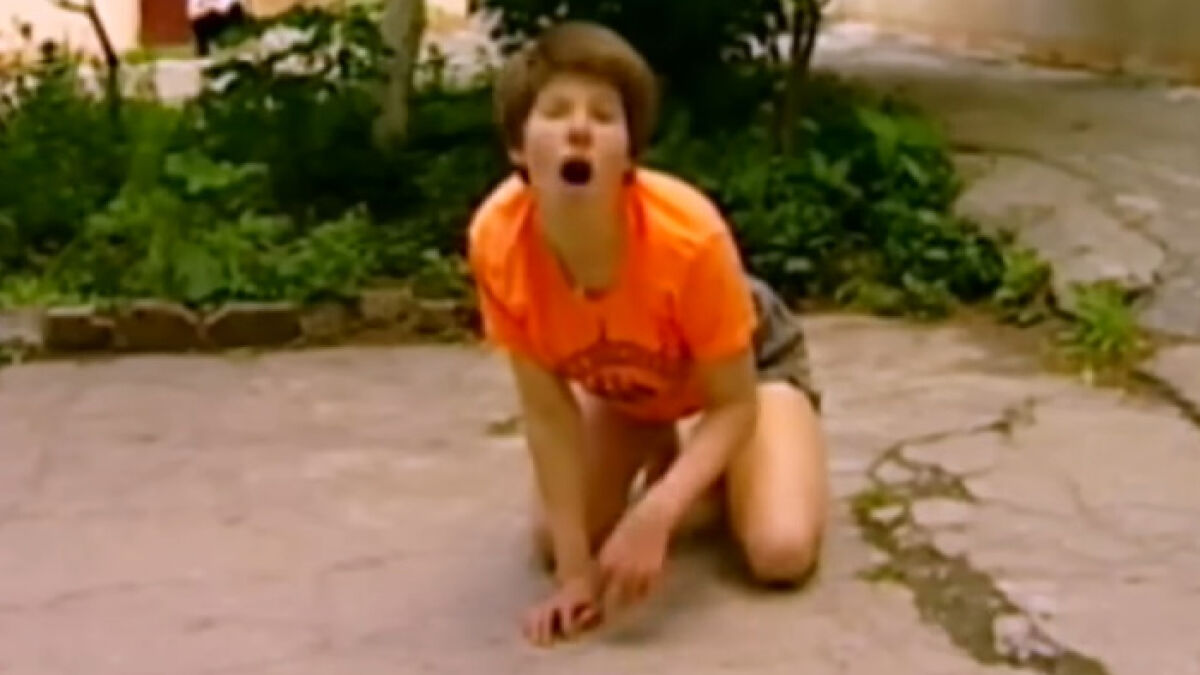
On a bitterly cold night in rural Ukraine, a little girl who should have been asleep in her bed ended up outside in the dark.
She was just three years old.
By morning, she had found warmth in the only place available to her: a dog kennel.
That decision, made by a neglected child trying to survive the cold, became one of the most disturbing childhood cases ever documented. Oxana Malaya, later widely described as a “feral child,” would spend nearly five years living among dogs after allegedly being abandoned by her parents.
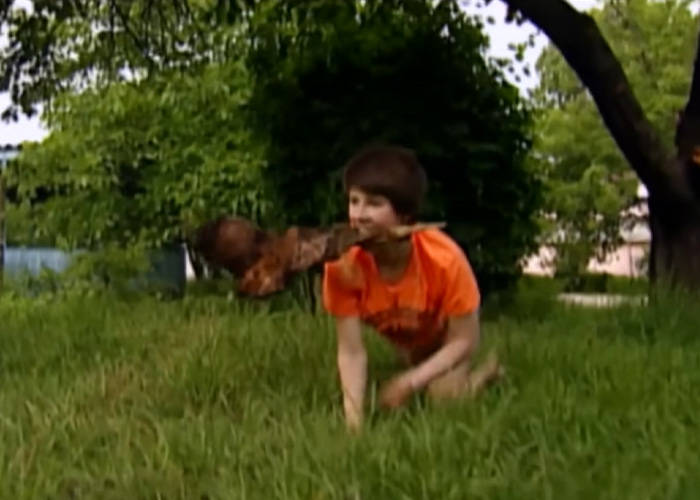
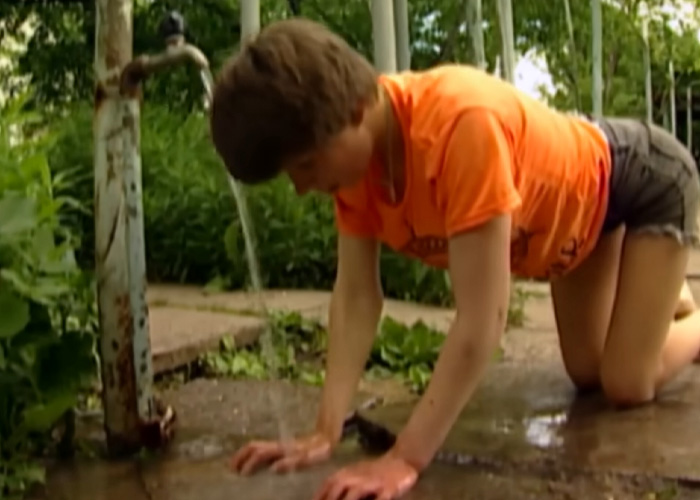
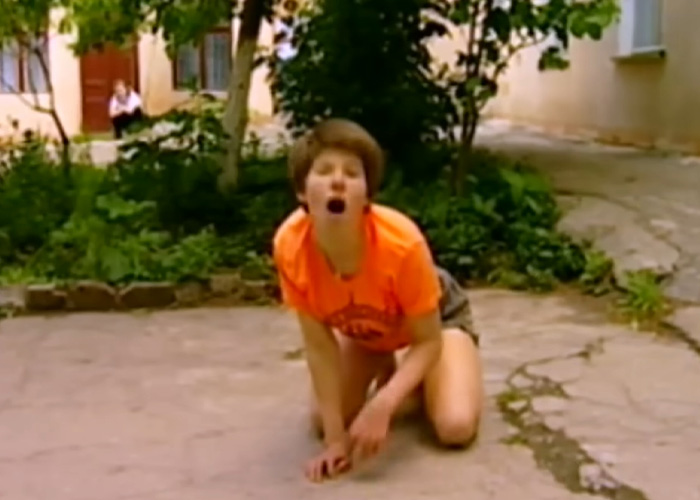
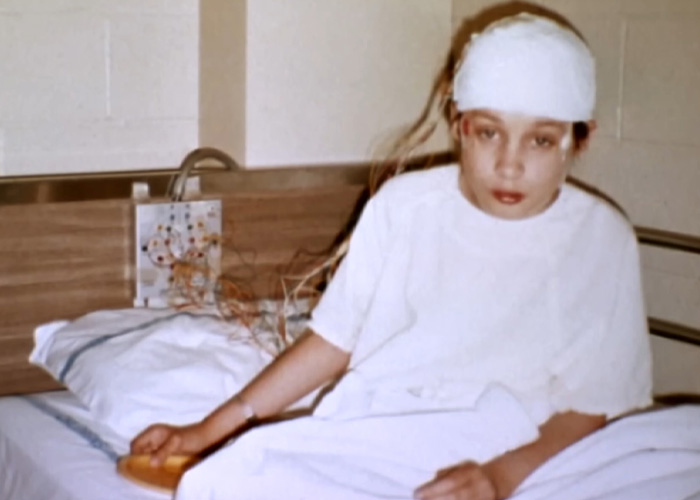
When authorities finally found her at age seven, she could not speak, moved on all fours, barked, slept on the floor, and behaved more like an animal than a child.
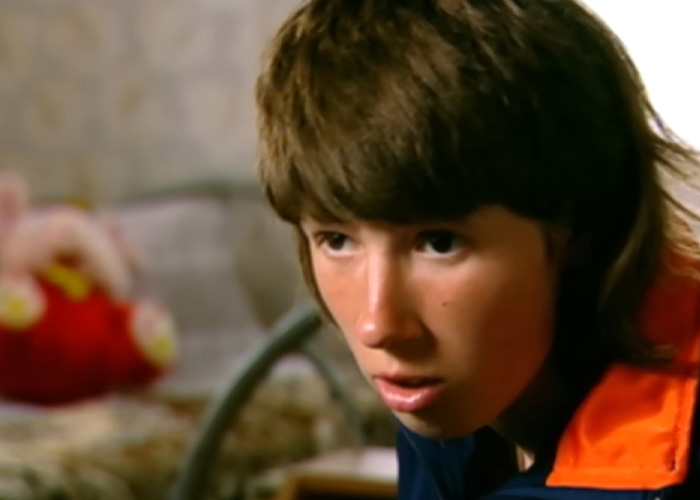
Image credits: 60 Minutes Australia/YouTube
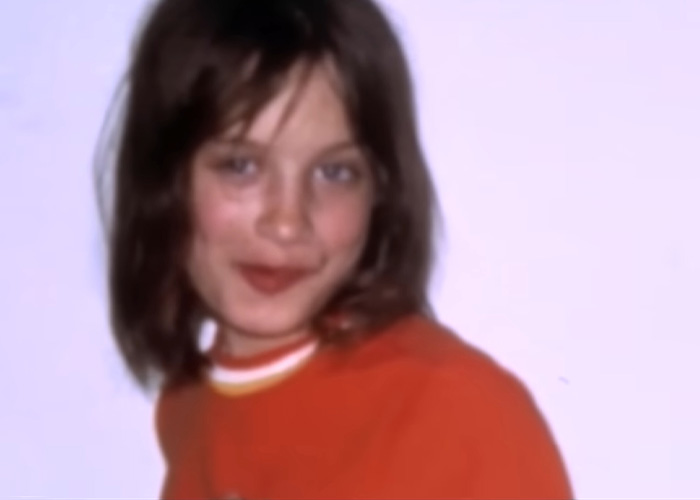
Oxana, also known as Oksana Oleksandrivna Malaya, was born on November 4, 1983, in the village of Nova Blahovishchenka in Hornostaivka Raion, Kherson Oblast, then part of the Ukrainian SSR.
According to doctors and medical records, she was a normal child at birth.
Oxana grew up in poverty, in a home reportedly marked by drinking and neglect. Her parents, by multiple accounts, ignored her for much of her childhood. Years later, when asked about those early years, Oxana reduced the dysfunction to a few plain words.
“Mum had too many kids,” she recounted in a 2023 interview with 60 Minutes. “We didn’t have enough beds.”
Image credits: 60 Minutes Australia/YouTube
At some point when she was three, the neglect became something even worse. One account says her drunk father left her outside overnight. Another says she was simply locked out of the house one night and no one came looking for her.
Either way, the result was the same. A toddler was left out in the cold, alone. Desperate for warmth, Oxana followed the family dog, Naida, into the family’s dog kennel.
She did not come back inside.
Oxana remained there for nearly five years, living in and around the kennel and among a pack of dogs that became her only constant companions. She reportedly survived on raw meat and scraps and learned to function in the world immediately around her, which was no longer a human one.
She gradually stopped speaking.
Image credits: CaptAisha
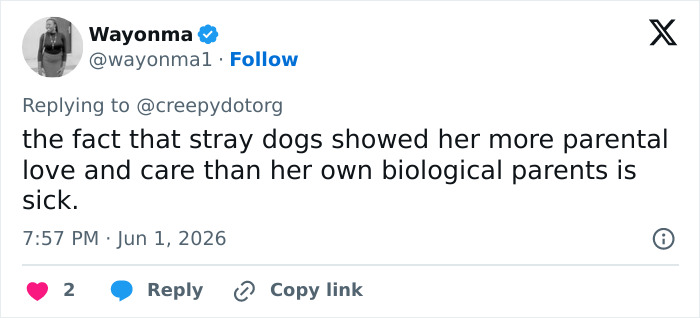
Image credits: wayonma1
Instead of human language, Oksana learned to communicate in barks and growls.
“I would talk to them, they would bark and I would repeat it,” she later said. “That was our way of communication.”
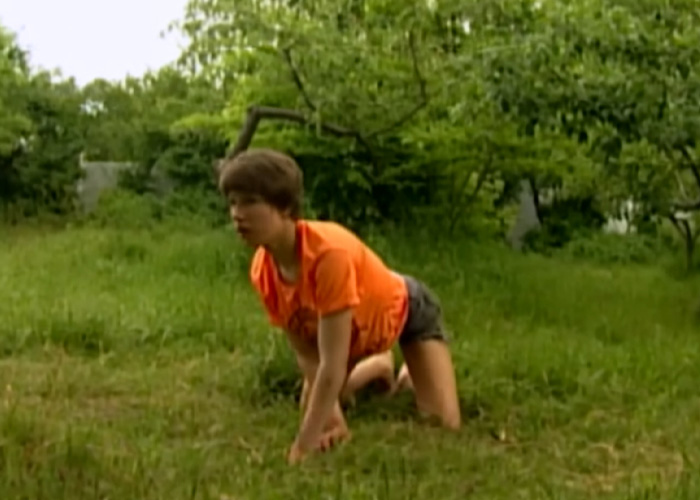
Oksana slept on the floor. She moved on all fours. She ate and handled basic hygiene in ways that doctors later said resembled a dog’s behavior.
For nearly five years, her living situation appears to have gone unnoticed. One account says that changed in 1991 when Oxana barked at a neighbor, exposing what had been happening.
Image credits: 60 Minutes Australia/YouTube
By the time officials found Oxana, the dogs around her appeared to see her as part of the pack.
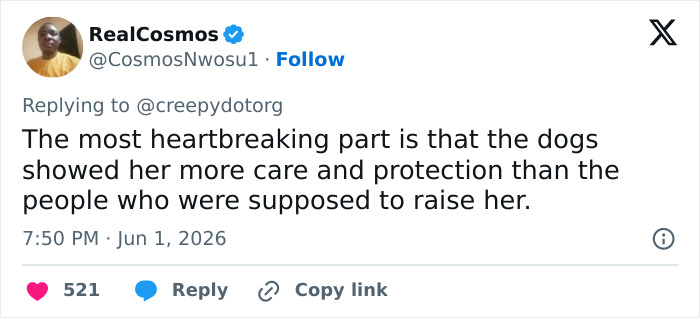
They were protective and would not let police get near her. Officers had to lure the dogs away with food before they could reach the little girl and take her into custody.
Social services removed her from her parents’ custody.
Those who first examined Oxana said years without normal human contact had deeply affected her development and behavior.
Image credits: 60 Minutes Australia/YouTube
“She was more like a little dog than a human child,” the director of the institute told 60 Minutes.
“She used to show her tongue when she saw water and she used to eat with her tongue and not her hands.”
Oxana was taken into institutional care and was eventually transferred to a foster home for mentally disabled children in Barabol, in Ovidiopol Raion of Odesa Oblast. There, the long process of rehabilitation began.
As for her parents, there are no available reports of criminal charges or legal punishment being filed against them.
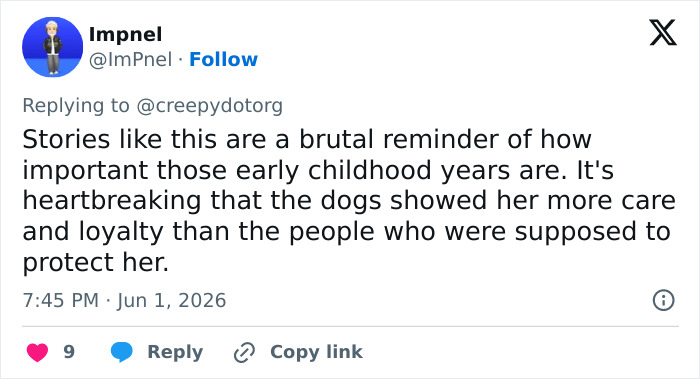
Image credits: ImPnel
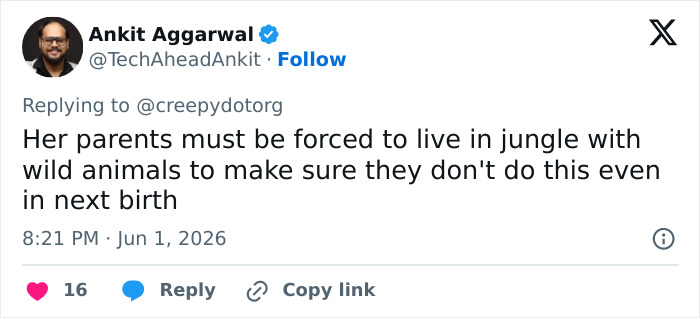
Image credits: TechAheadAnkit
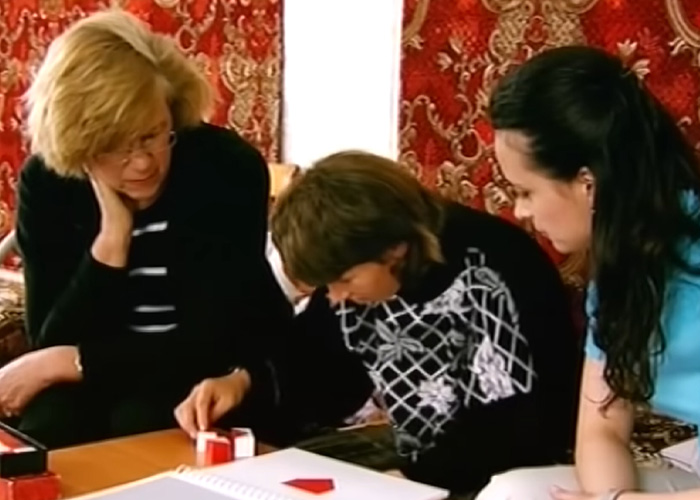
The process of rehabilitation was slow and highly specialized. She had entered care with almost none of the basic skills children normally gain through ordinary family life. Even so, she began to make progress.
Though she reportedly did not speak any human language until she was almost eight, she later learned to speak fluently and intelligibly. She also gained other everyday skills that once seemed lost to her.
Still, her doctors remained cautious, with most not believing she would ever be completely rehabilitated into normal society.
Image credits: 60 Minutes Australia/YouTube
As she grew older, Oxana was taught to suppress the dog-like behavior and was eventually able to work on a farm milking cows. In later accounts, she was described as living in a special care home and spending much of her time looking after animals.
But rehabilitation did not erase the damage.
Reports about her adulthood have consistently said she remained intellectually impaired. Some researchers and later accounts described her level of development and intellectual capacity as comparable to that of a six-year-old, even after years of therapy.
Image credits: 60 Minutes Australia/YouTube
In 2013, Oxana appeared on the Ukrainian talk show Hovoryt Ukraina and spoke publicly about the life she had been forced to build after a childhood of neglect, isolation, and survival.
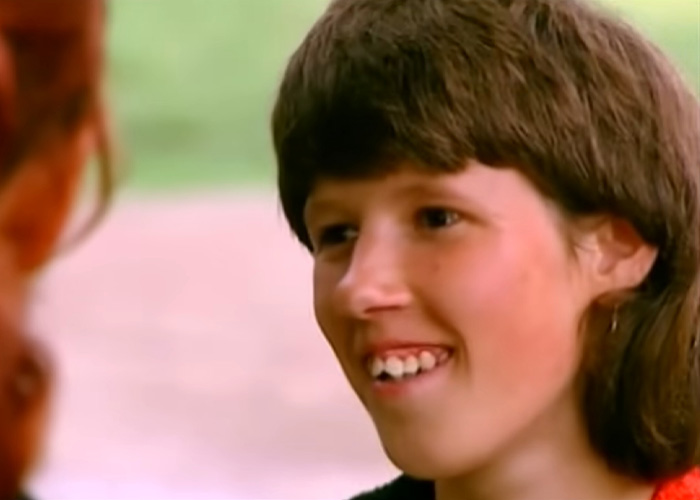
By then, her story had been told and retold for years, often through the most sensational details, but what came through in that interview was something quieter. Oxana said she wanted to be treated like a normal human being, and admitted it hurt when people reduced her to the “dog-girl” in the news.
Beneath the headlines was a woman still carrying the ache of being left behind.
Image credits: HellBint
For all the years that had passed, she held no ill will towards her family, and wanting nothing more than to reconnect. She said she wanted her brothers to visit her more often, and said the greatest dream of her life was to see her biological mother again.
She also revealed she had gotten herself a boyfriend, and that her life working with animals on the farm was peaceful.
What lingered most heavily, however, was loneliness.
Image credits: 60 Minutes Australia/YouTube
The years she spent among dogs had begun in abandonment and cold, yet those animals had also been the companions that kept her alive and warm when no human being did.
“When I feel lonely… I crawl on all fours,” she said. “Because I have nobody, I spend my time with dogs, I go for walks and do anything I want to. Nobody notices that I walk on all fours.”
Cases like Oxana’s suggested that early development can be profoundly altered when a child is denied ordinary human contact and socialization.
Scientists have broadly moved toward the view that both nature and nurture matter. The harder question has always been which exerts the stronger force in specific circumstances. Oxana’s case has often been cited as powerful evidence of how deeply the environment can shape a child.
In more recent years, that conversation has overlapped with epigenetics, the study of how environmental pressures can affect the way genes function. That has helped popularize the idea of “nature through nurture,” which argues that inherited traits and lived experience are constantly interacting.
Oxana Malaya was just 3 years old when her parents locked her outside, leaving her to survive with stray dogs in rural Ukraine.
For the next five years, the animals became the only family she ever knew.
When authorities finally found her around age 7, they… pic.twitter.com/FS4SHBHpqF
— Creepy.org (@creepydotorg) June 1, 2026
This line of research is often discussed in relation to extreme emotional distress, mental illness, and personality disorders. One example frequently raised is psychopathy, where some researchers argue that a genetic predisposition can be worsened or activated by severe environmental stress.
“Epigenetic stressors during early childhood can make certain genetic traits like the hallmarks of psychopathy turn against someone in a bad way,” wrote Dr. Caroline Leaf.
“The cortisol from trauma or being abandoned can shape how they interact with others by affecting the development of their ability to socialize.”
Image credits: wired4wonder
Image credits: Jakob_M4L
“Genie” is the pseudonym given to an American girl born in 1957 whose case became one of the most studied in linguistics and abnormal child psychology.
When Genie was around 20 months old, her father, Clark Wiley, began keeping her locked in a room. After his own mother lost her life to a drunk driver, he reportedly spiraled into rage and depression.
He kept Genie in near-total isolation and forbade others from interacting with her.
Image credits: 60 Minutes Australia/YouTube
The case came to the attention of Los Angeles County child welfare authorities in November 1970, when she was 13 years and seven months old. By then, the damage was so severe that doctors at Children’s Hospital Los Angeles reportedly called her “the most profoundly damaged child they had ever seen.”
She weighed under 60 pounds and initially appeared far younger than she really was.
Like Oxana, Genie had missed the ordinary developmental window for language. Scientists quickly focused on her case, hoping it might help answer questions about critical periods in language acquisition.
Image credits: 60 Minutes Australia/YouTube
Over time, Genie made substantial gains in her mental and psychological development. She developed strong nonverbal communication and gradually learned some social skills. She continued to acquire vocabulary and other language abilities.
But, unlike Oxana, she never fully learned a first language.
Susan Curtiss, the linguistics professor who studied and befriended Genie, concluded the window for full language development begins closing when a child is between five and 10 years old.
After that, some vocabulary and forms of communication can still be learned, but grammar and sentence-building may remain permanently limited.
As of June 2026, Oxana Malaya is alive in Ukraine, is 42 years old, and continues to live in state-run care in the Odessa region.
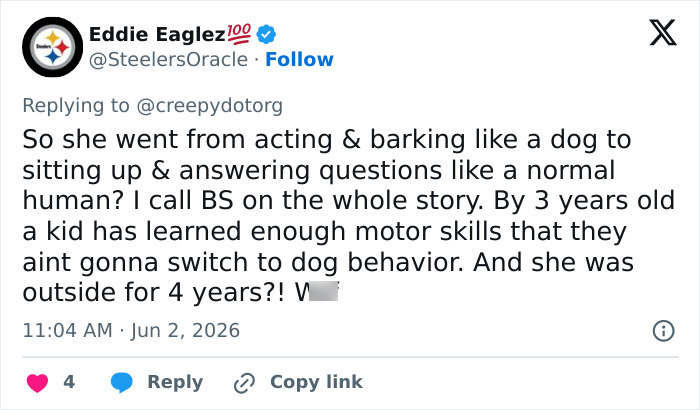
Image credits: SteelersOracle
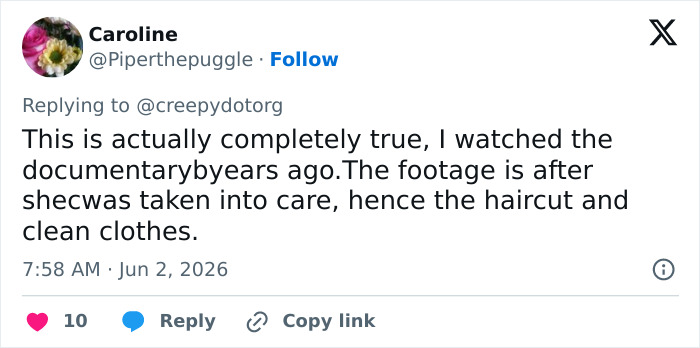
Image credits: Piperthepuggle
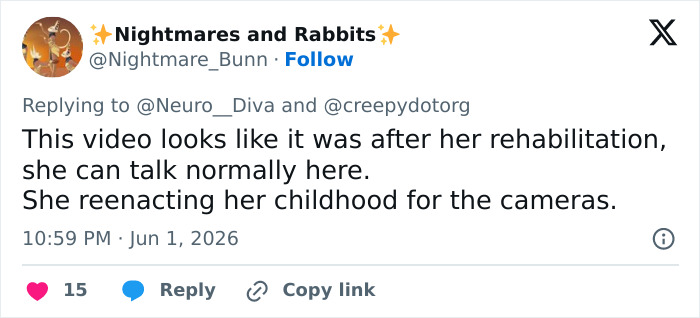
Image credits: Nightmare_Bunn
Image credits: SibabalweStorm
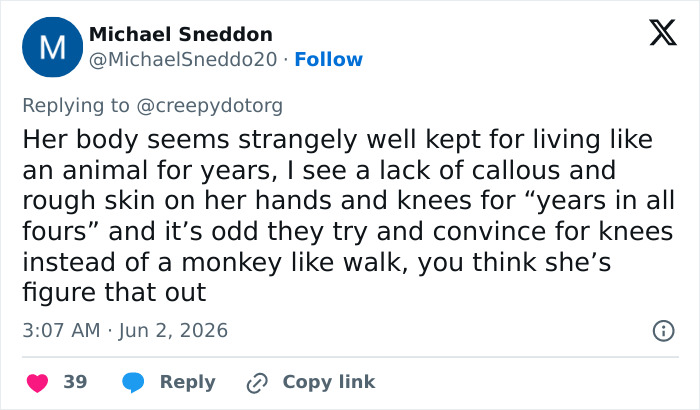
Image credits: MichaelSneddo20
Image credits: exmiladventurer
Image credits: BidenHcrackpipe
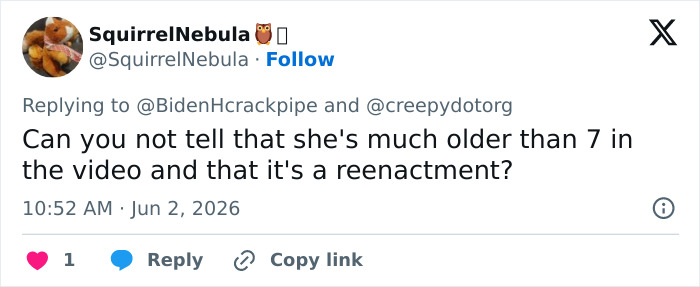
Image credits: SquirrelNebula
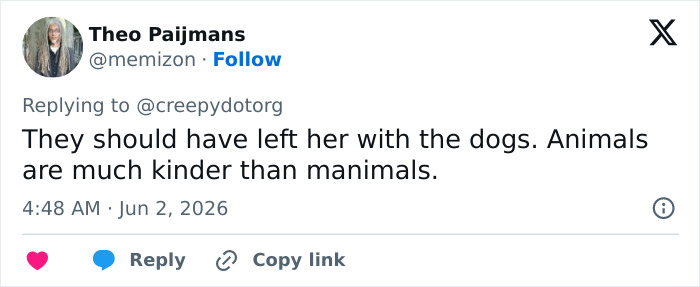
Image credits: memizon
Image credits: CosmosNwosu1

By entering your email and clicking Subscribe, you're agreeing to let us send you customized marketing messages about us and our advertising partners. You are also agreeing to our Privacy Policy.
Thank you! You've successfully subscribed to newsletters!





























 No fees, cancel anytime











30
0