Get Premium
Dark mode theme is available exclusively for premium users. Learn more about the benefits of subscribing.
No fees, cancel anytime.

 Dark Mode Ad-Free Browsing Unlimited Content
 Ad-Free Browsing Unlimited Content Dark Mode
Join 1.2 million Panda readers who get the best art, memes, and fun stories every week!
Often, when we scroll through memes or funny posts, there’s usually some sense of context behind them. Adorable pet memes capture those soft, wholesome moments that make you smile instantly, while work memes hit a little too close to home because they’re painfully relatable. There’s usually an “oh yeah, I get this” moment attached to them.
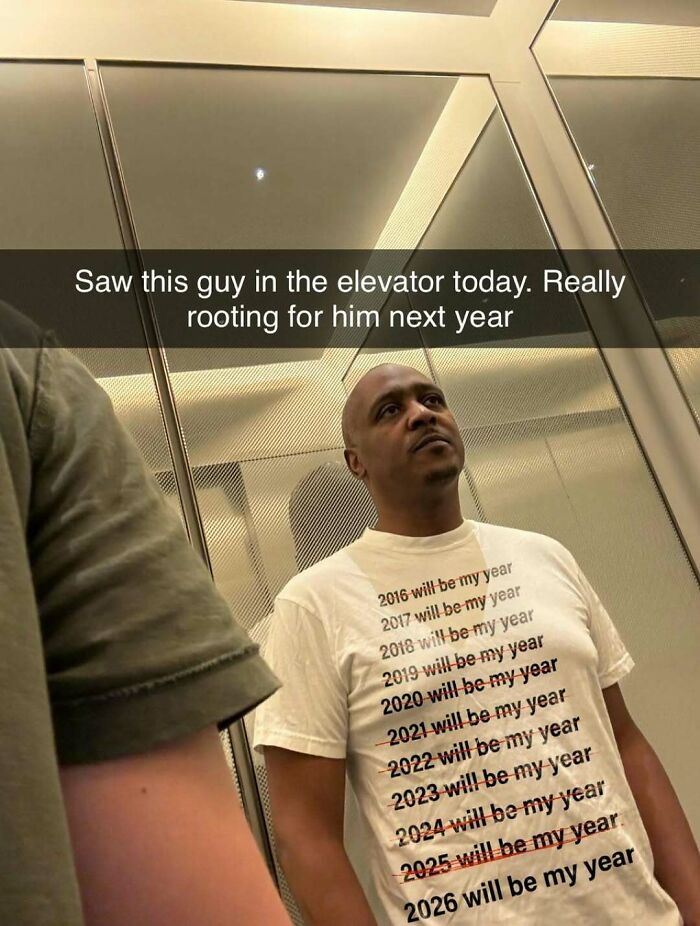
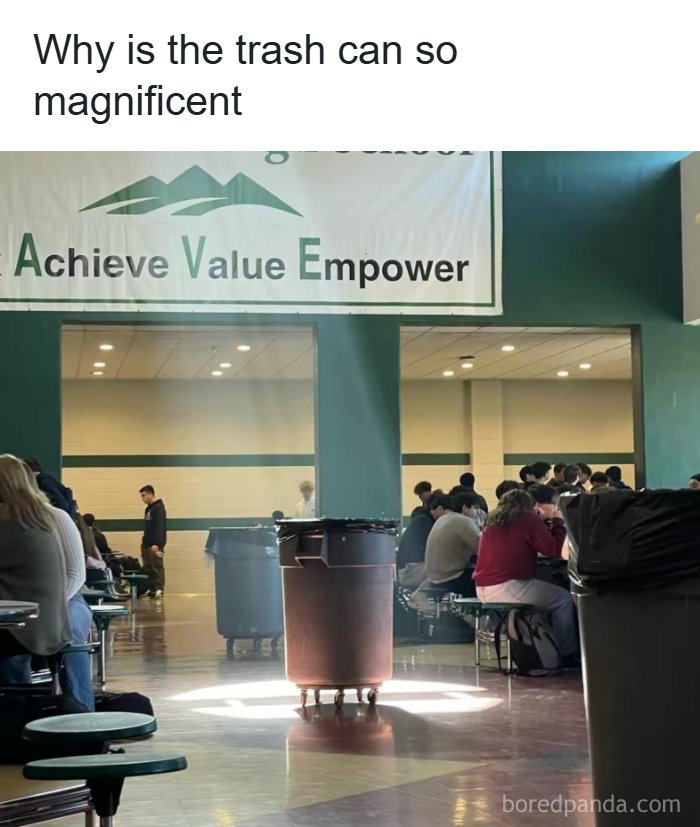
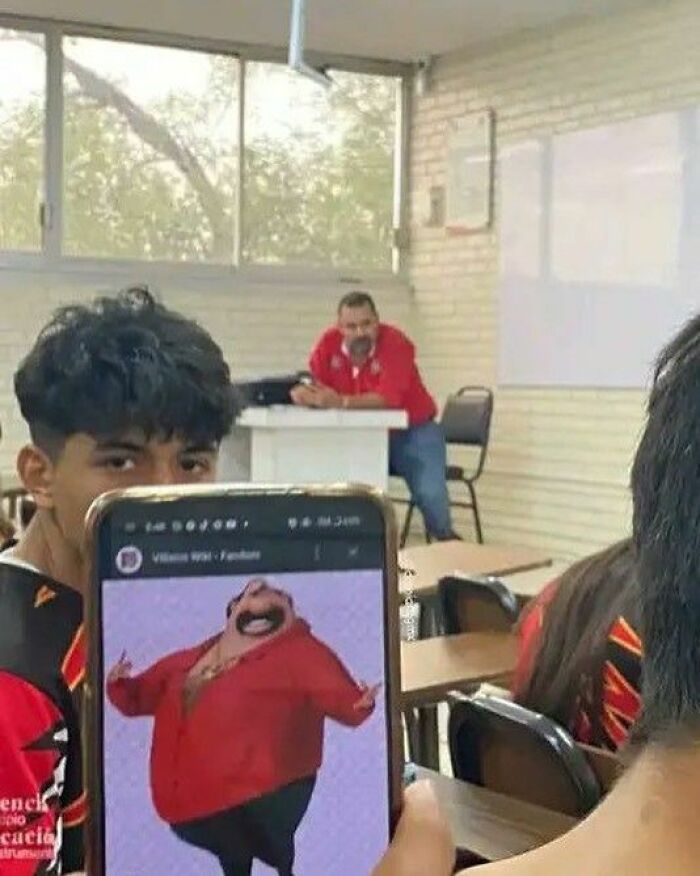
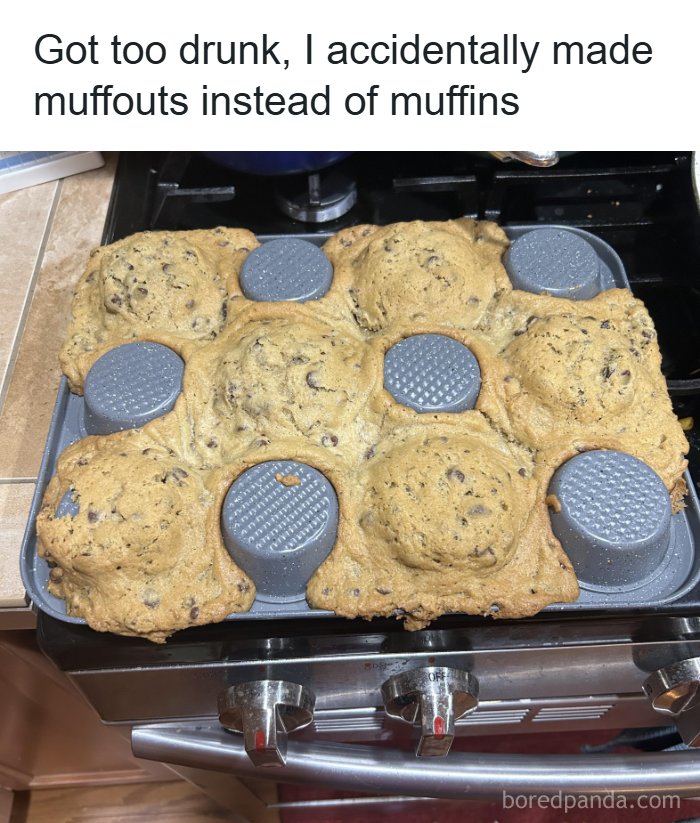
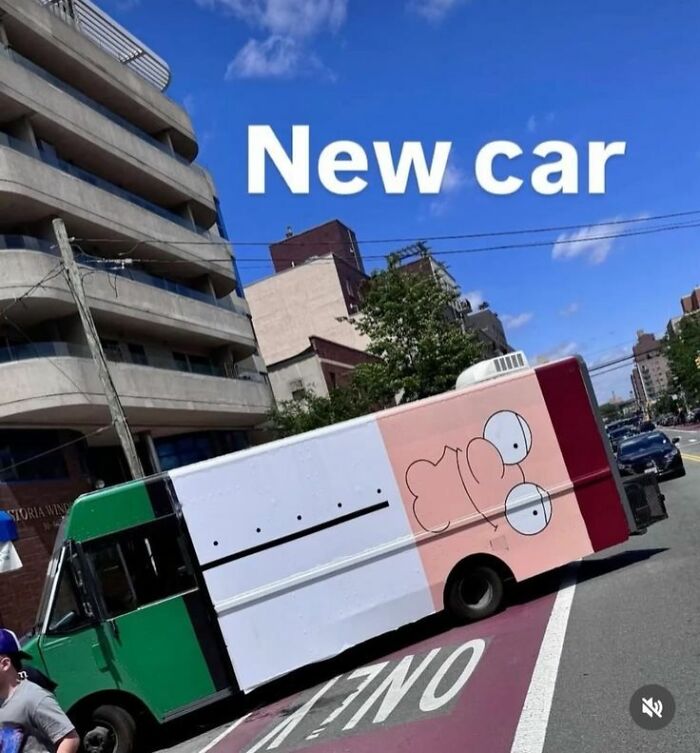
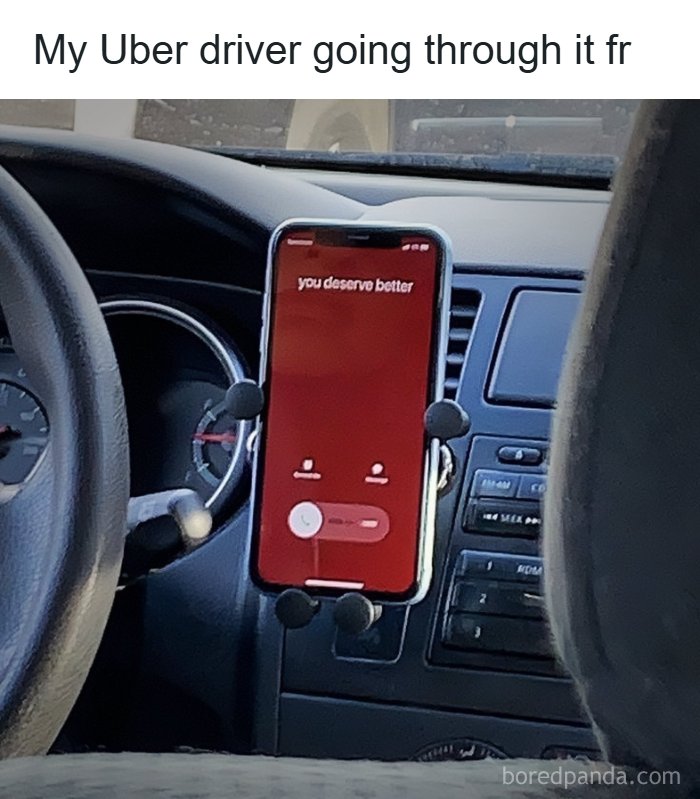
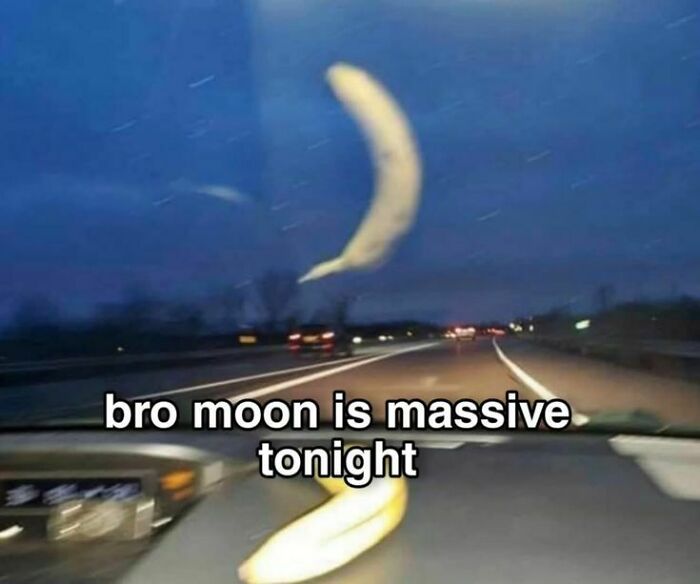
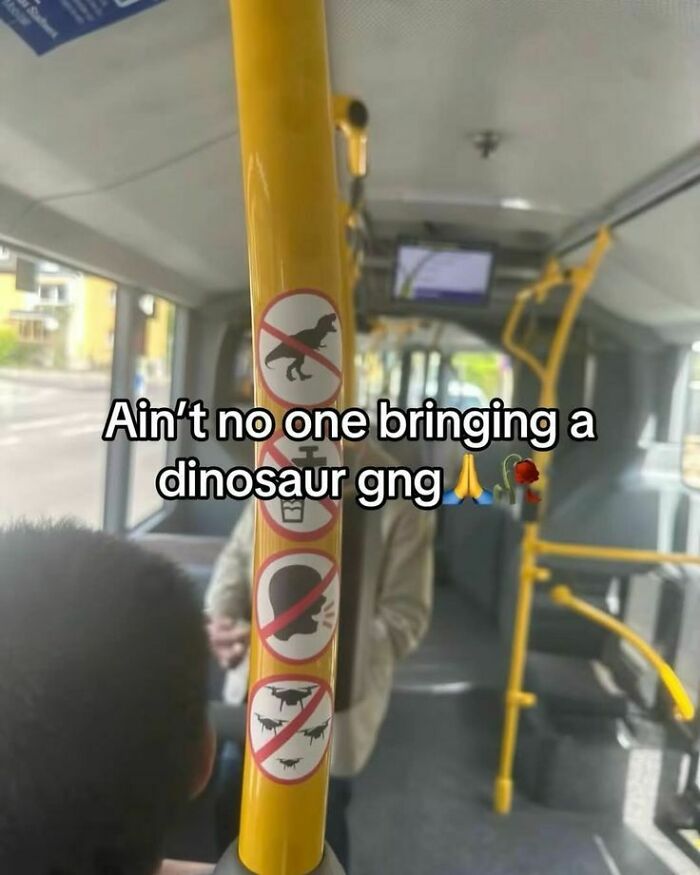
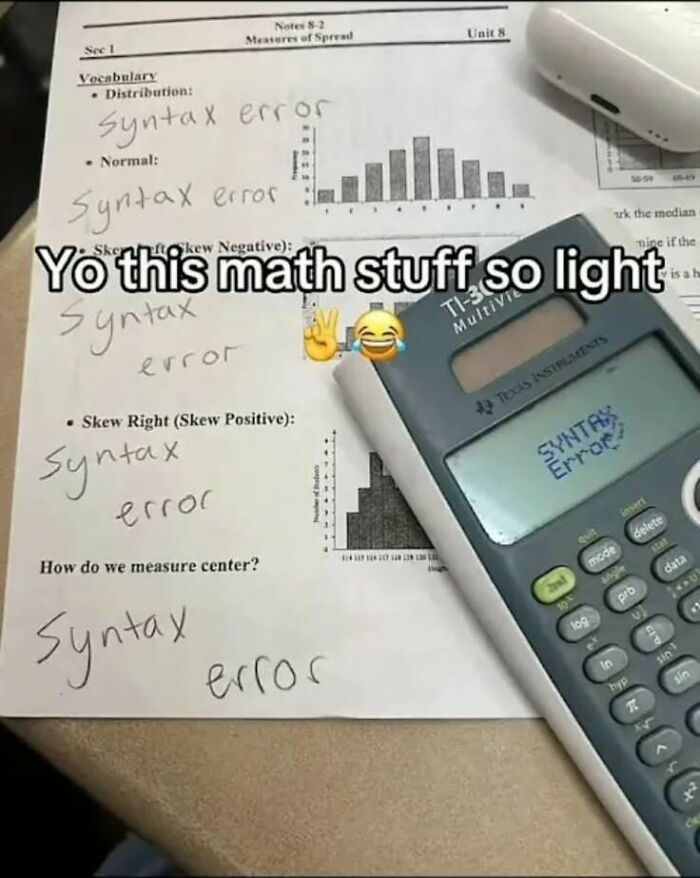
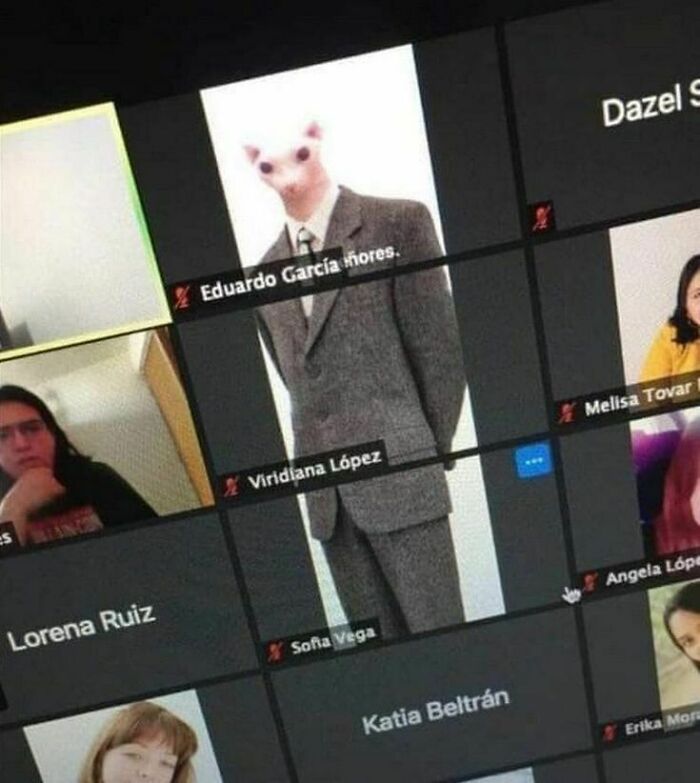
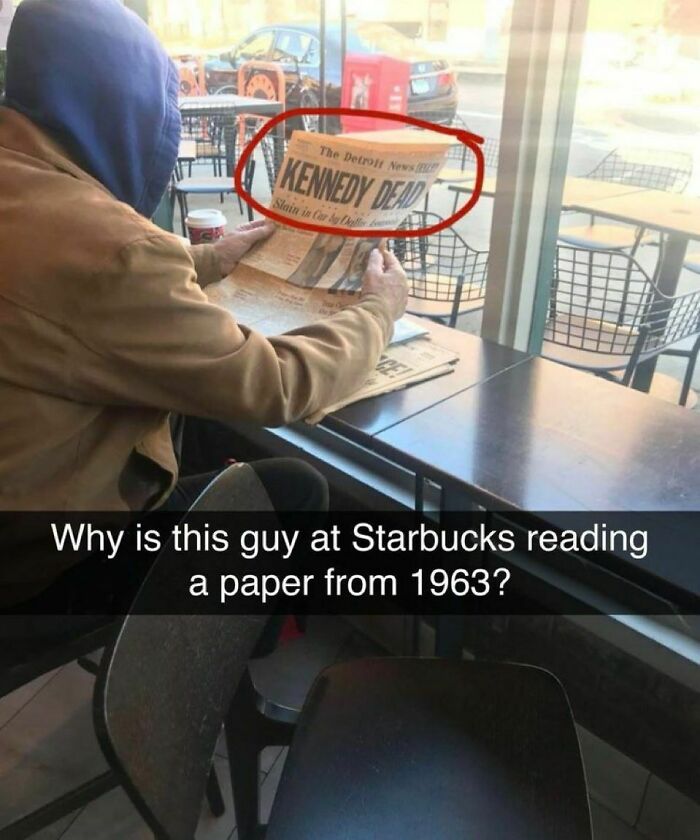
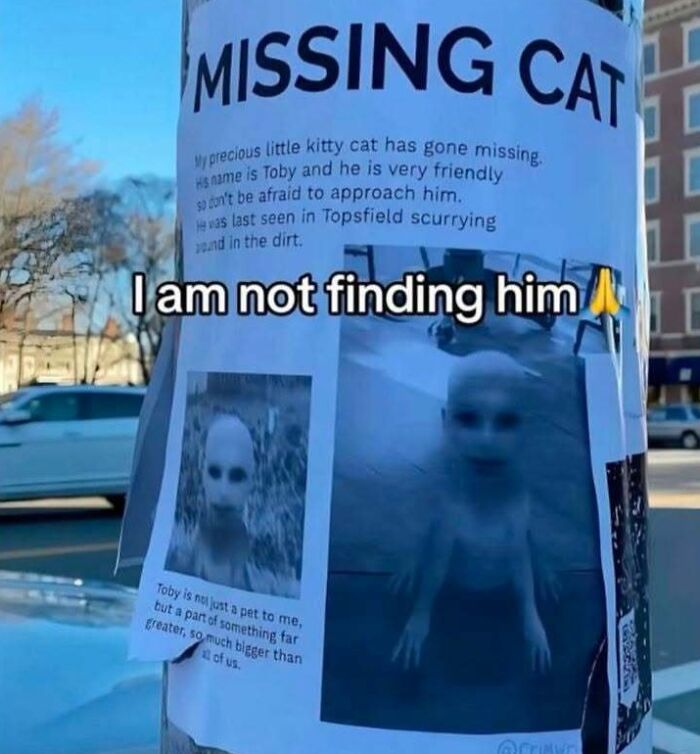
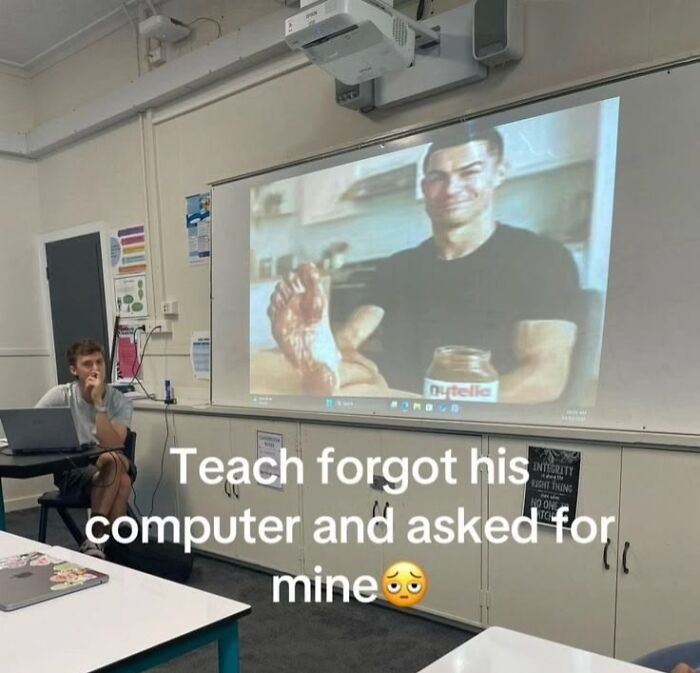
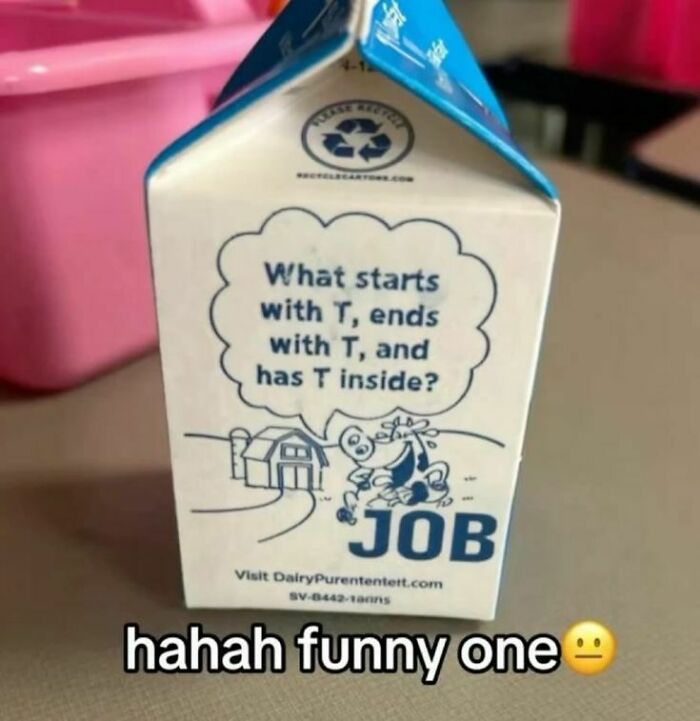
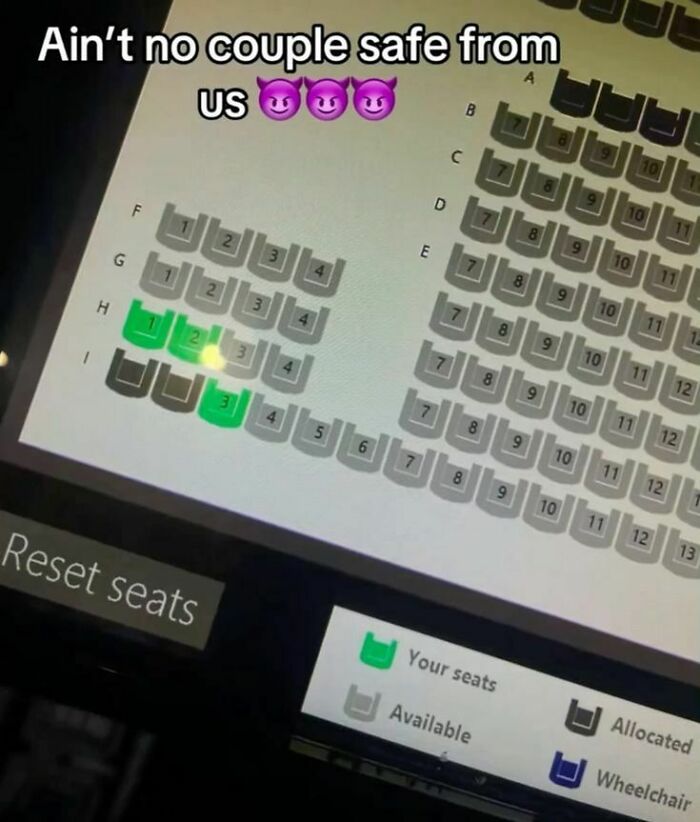
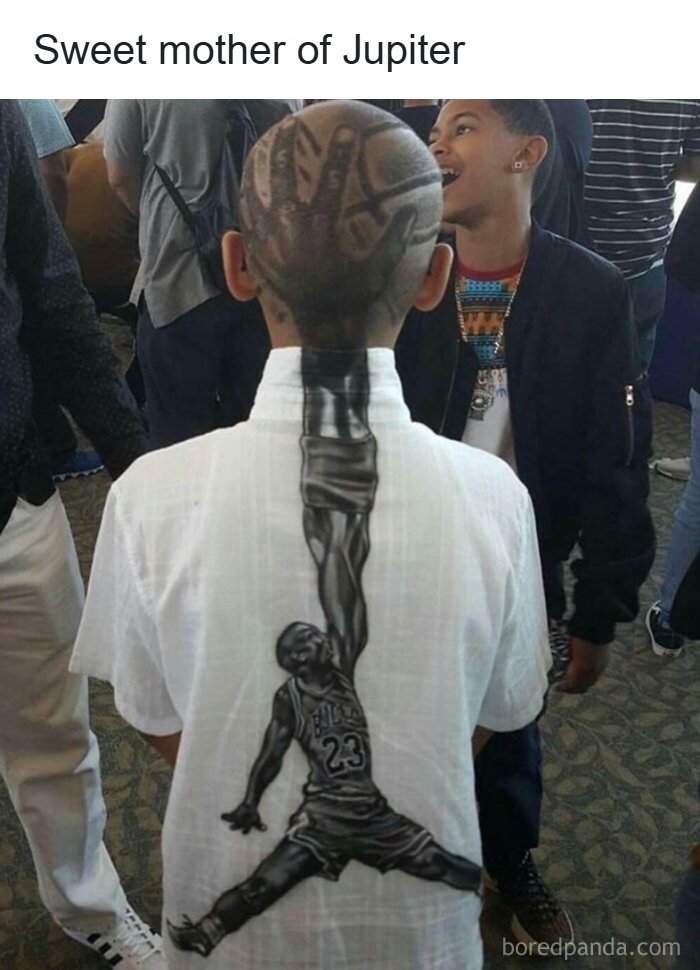
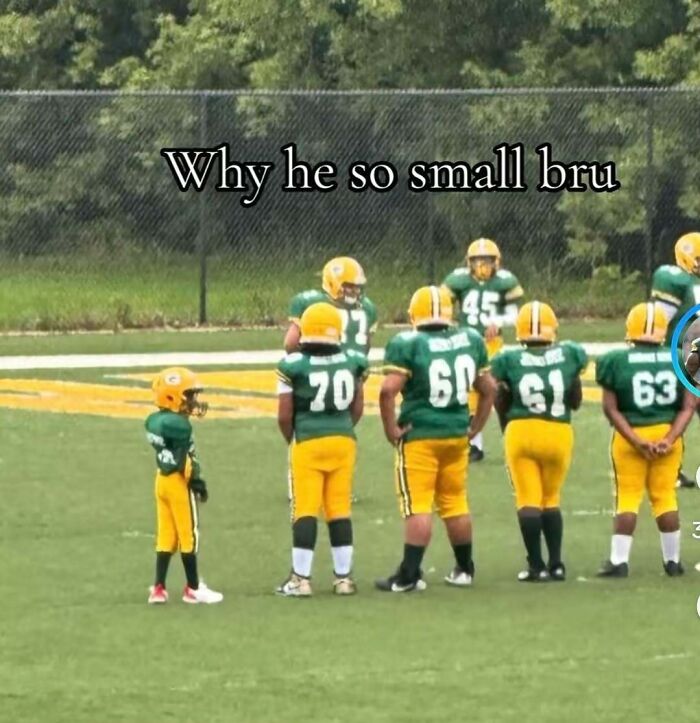
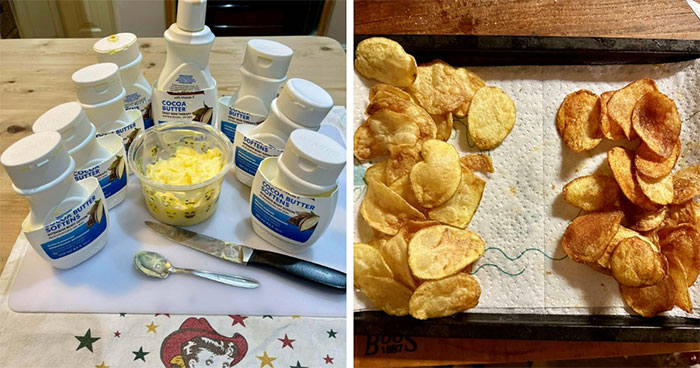
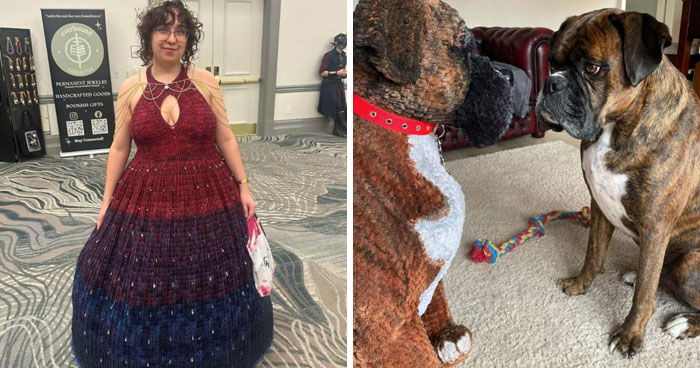
But then…there are those posts that completely break that pattern. Today, we dove into an Instagram account that lives in its own little universe of chaos, where sometimes logic takes a back seat. From “muffins”…no wait, “muffouts” (don’t even ask) to feet dipped in Nutella, it’s a parade of bizarre, unhinged moments that make absolutely no sense but somehow keep you scrolling anyway. Sit back, relax… and prepare to be confused in the best way possible.
This post may include affiliate links.
These unhinged pics definitely get a laugh out of us, but have you ever wondered why? One simple way to explain it is through something called the Incongruity Theory of humor. In easy terms, it suggests that we find things funny when they don’t match what our brain expects. So instead of everything making perfect sense, we’re actually reacting to moments that feel a little “off” in a surprising way. It’s that tiny mental jolt that turns confusion into comedy almost instantly. And the more unexpected it is, the harder it is not to react.
The idea is pretty simple: humor kicks in when there’s a gap between expectation and reality. When we see something that breaks our normal mental rules (something that feels random, illogical, or just plain out of place), our brain briefly gets confused. And in that split second of confusion, it releases a small burst of dopamine, turning a “what is happening right now?” moment into a “okay, that’s actually funny” reaction. It’s like your brain trying to make sense of chaos and giving up halfway through. That surrender is often what we experience as laughter.

Even philosophers noticed this long before memes existed. In Critique of Judgment, 18th-century German thinker Immanuel Kant explained it like this: “In everything that is to excite a lively laugh there must be something absurd… Laughter is an affection arising from the sudden transformation of a strained expectation into nothing.” In simple words, he basically meant that we laugh when our brain expects something serious or logical, but instead gets nothing that makes sense, and the tension just flips into laughter. It’s fascinating how something so modern in our digital culture was observed centuries ago in philosophy. The human reaction, it turns out, hasn’t really changed.
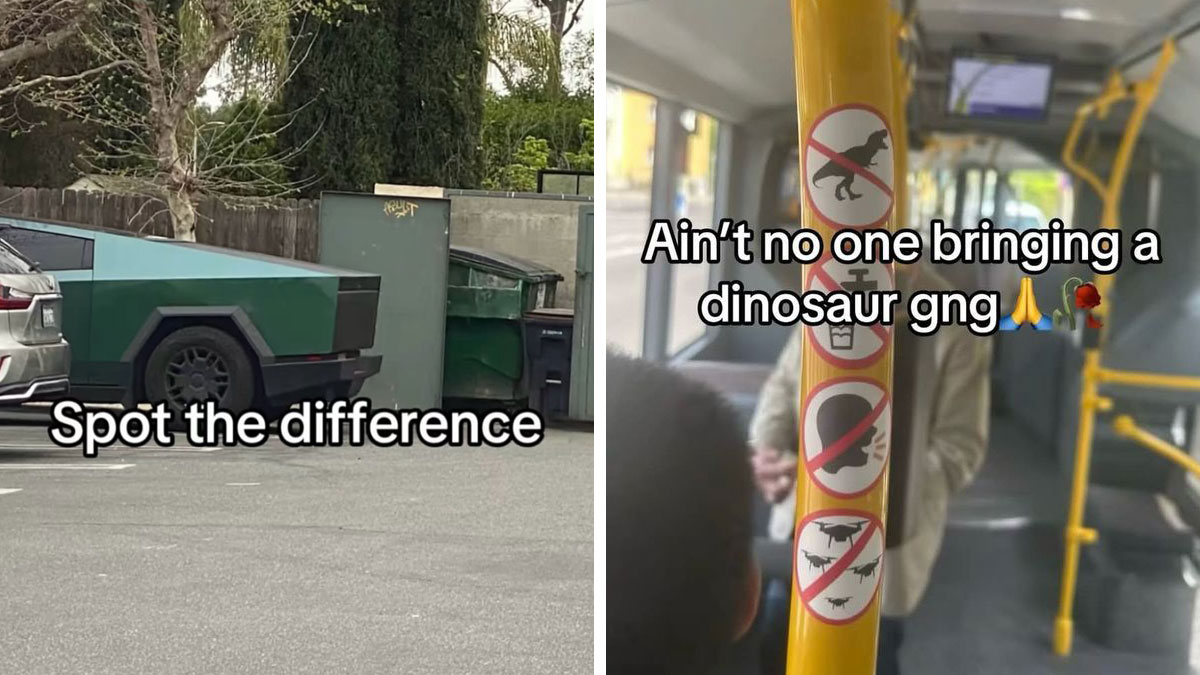
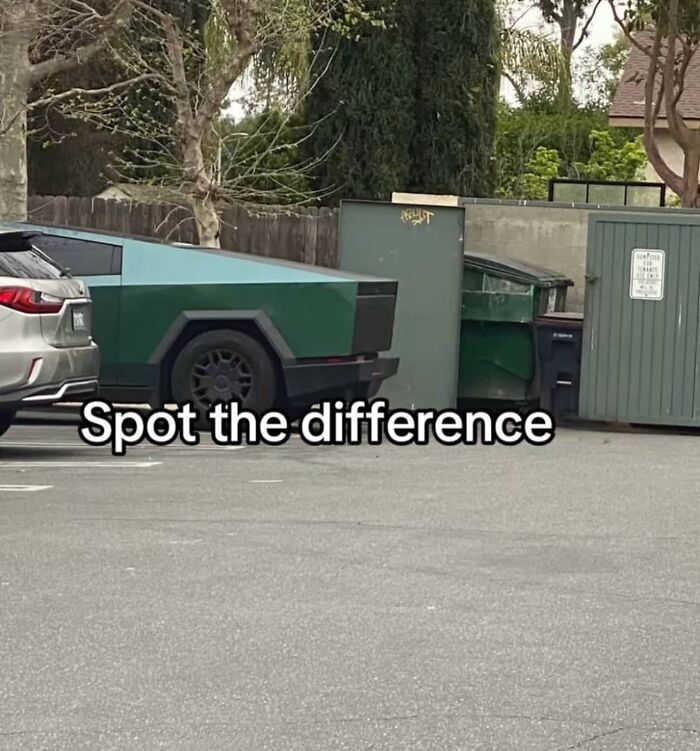
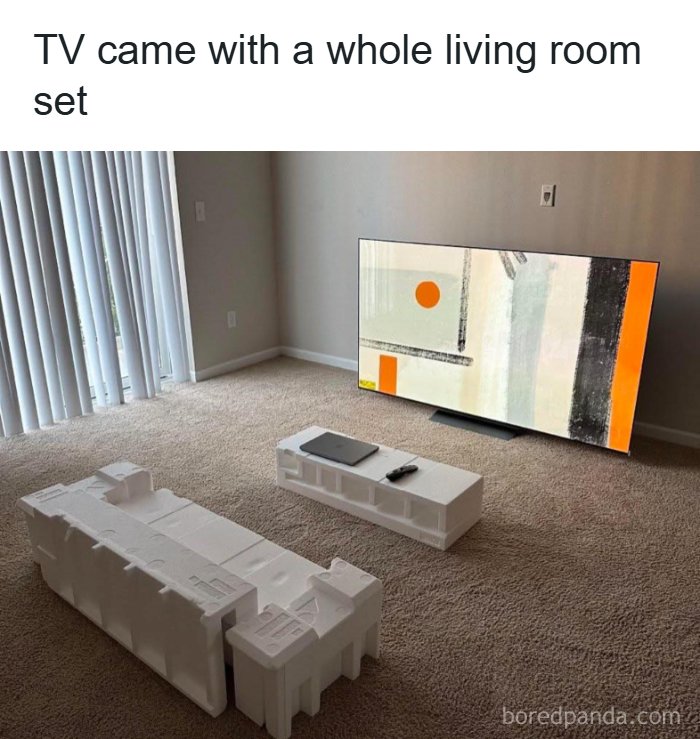
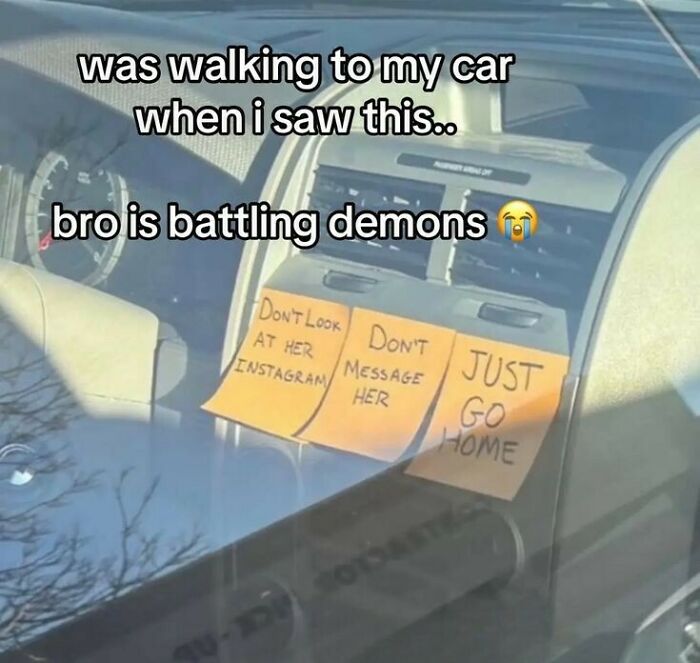
In today’s digital world, where content is endless, and scrolling is almost automatic, absurd images have become a kind of attention magnet. These “unhinged” visuals stand out because they break the flow of normal content. Instead of blending in, they force you to pause and process what you’re seeing. That pause is exactly what makes them so shareable; people feel compelled to send it to others just to say, “you need to see this chaos.” And once shared, the confusion multiplies into collective amusement.
That reaction is known as the “double-take effect.” It’s when something is so unexpected that your brain refuses to move on immediately. A horse in a supermarket, a completely illogical object placement, or a scene that makes no narrative sense forces your mind out of autopilot mode. Instead of passive scrolling, you suddenly switch into active thinking, trying to decode what you’re looking at. And that brief interruption is exactly what makes the content stick in your memory longer than typical posts.
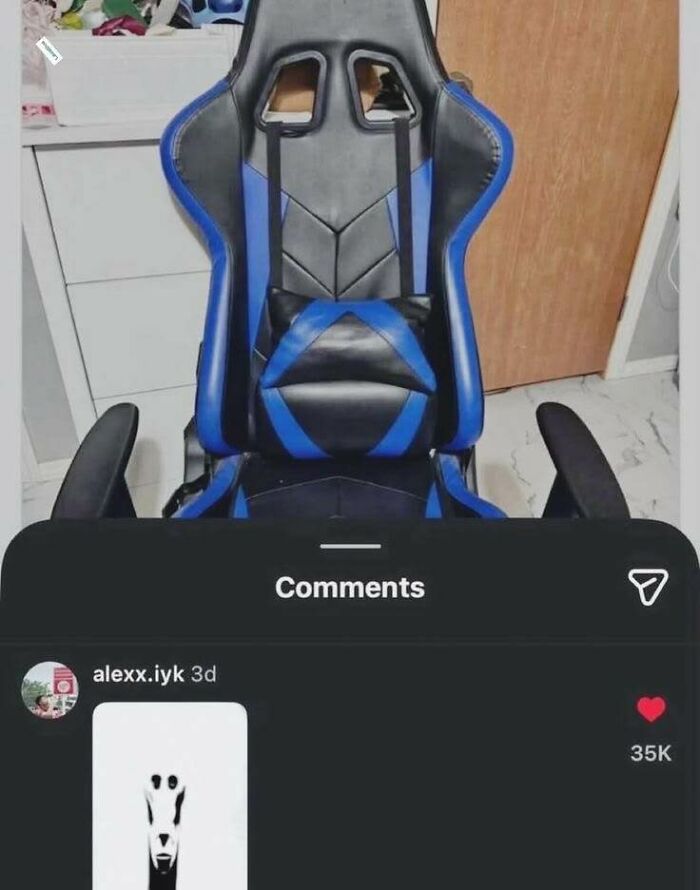
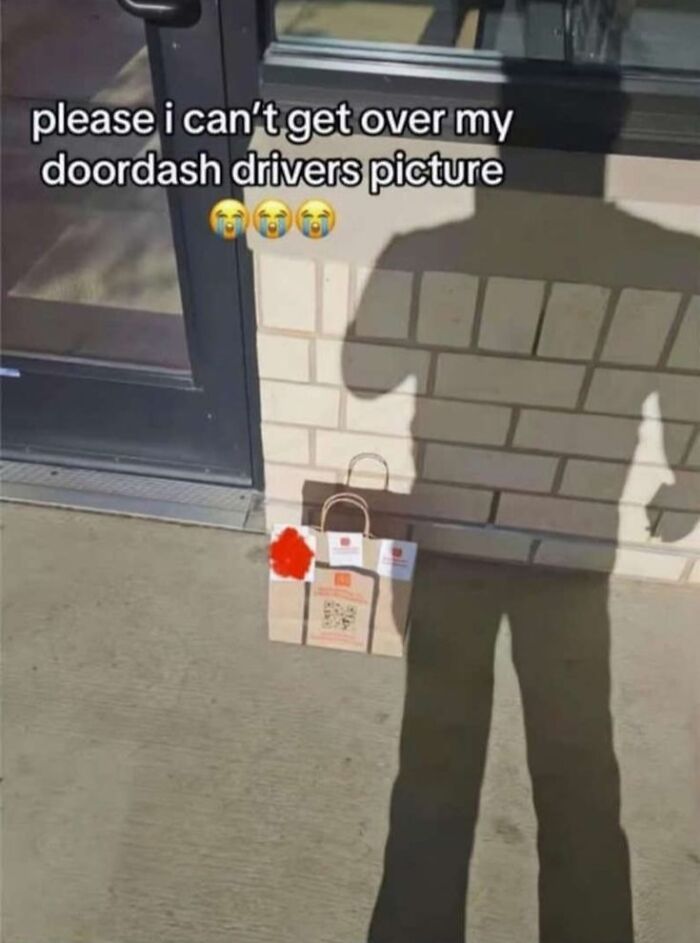
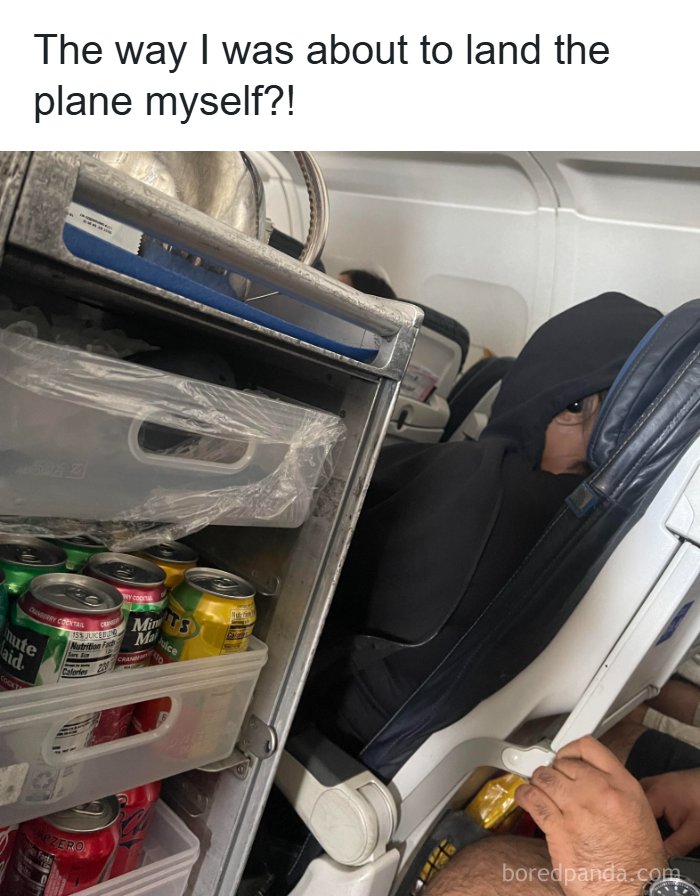
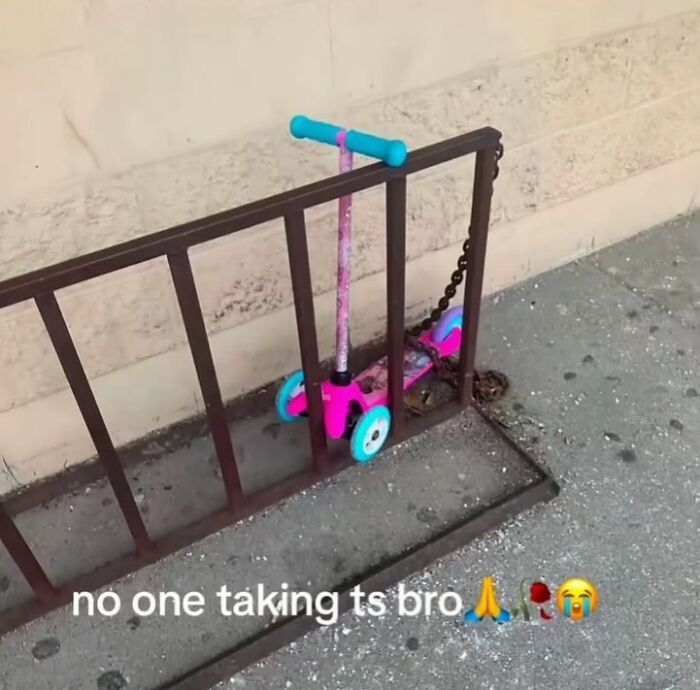
The idiot left it at the door of a business instead of taking it inside.....lazy.
And it’s not just anecdotal; humor dominates online behavior. With over 3 billion people using social media globally, around 60% actively engage with or share memes and humorous content. That alone shows how central comedy and absurdity have become in how we communicate and connect online. It’s not just entertainment anymore; it’s a shared cultural language that crosses borders instantly. Funny, weird, or chaotic content travels faster than almost anything else online.
Studies also suggest that sharing humorous or strange content isn’t just about entertainment; it’s also about expression. People use these moments to react emotionally, connect with others, and sometimes just make sense of how bizarre everyday digital life can feel. It becomes a way of saying “I saw this, I felt something, and I want you to feel it too.” Laughter, in this sense, becomes social glue in a fast-moving online world.

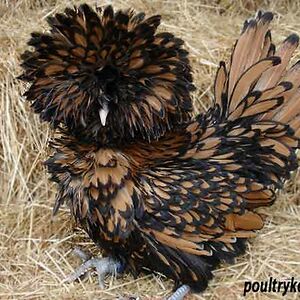
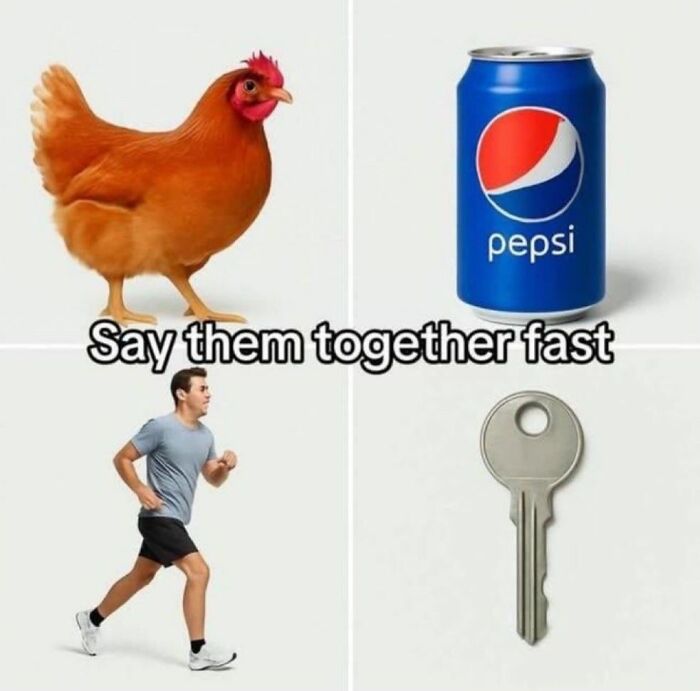
It's spelled chicken can run key, but it's pronounced Throat Wobbler Mangrove
At the end of the day, unhinged photos do more than just make us laugh. In a world that often feels structured, predictable, and algorithm-driven, they remind us that randomness still exists. Life doesn’t always have to make sense to be entertaining. Sometimes, it’s the chaos that brings the most joy. So coming back to these posts—which one of these made you pause, smile, or question reality for a second?

Is OP the System AI from the Dungeon Crawler Carl books? (It has a foot, uh, fixation, shall we say)

The poll question doesn't have enough choices. There should be OTHER as a choice.
The poll question doesn't have enough choices. There should be OTHER as a choice.









 No fees, cancel anytime