Get Premium
Dark mode theme is available exclusively for premium users. Learn more about the benefits of subscribing.
No fees, cancel anytime.

 Dark Mode Ad-Free Browsing Unlimited Content
 Ad-Free Browsing Unlimited Content Dark Mode
Join 1.2 million Panda readers who get the best art, memes, and fun stories every week!

Nobody’s perfect, and we all make mistakes, but while people are generally willing to forgive, some blunders may be so absurd and hilarious that they deserve shaming. At work, people make mistakes when they’re distracted, and research shows that even a three-second distraction can cause people to make twice as many mistakes when they return to the task at hand.
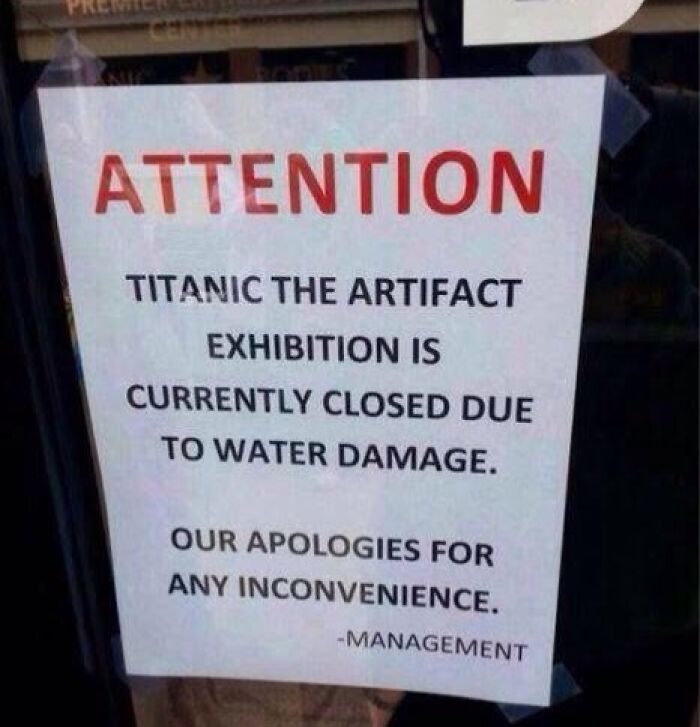
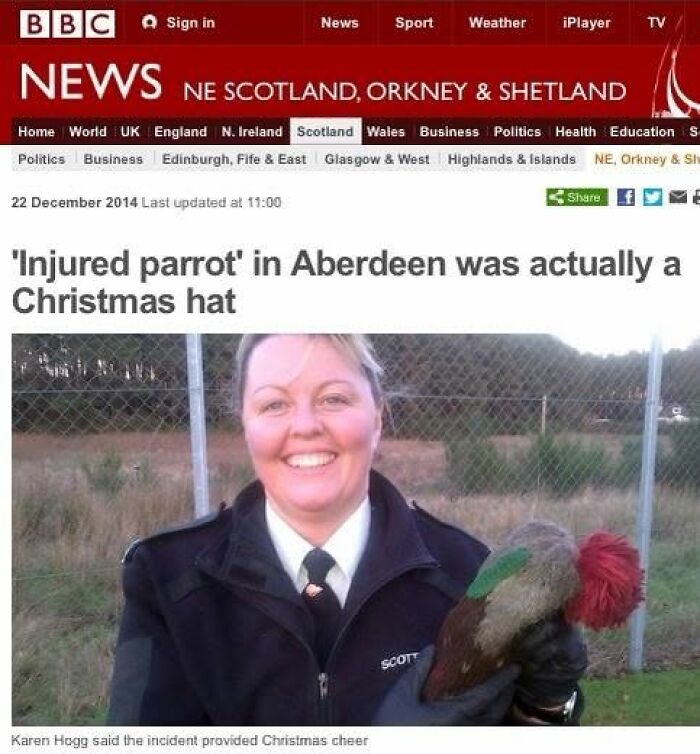
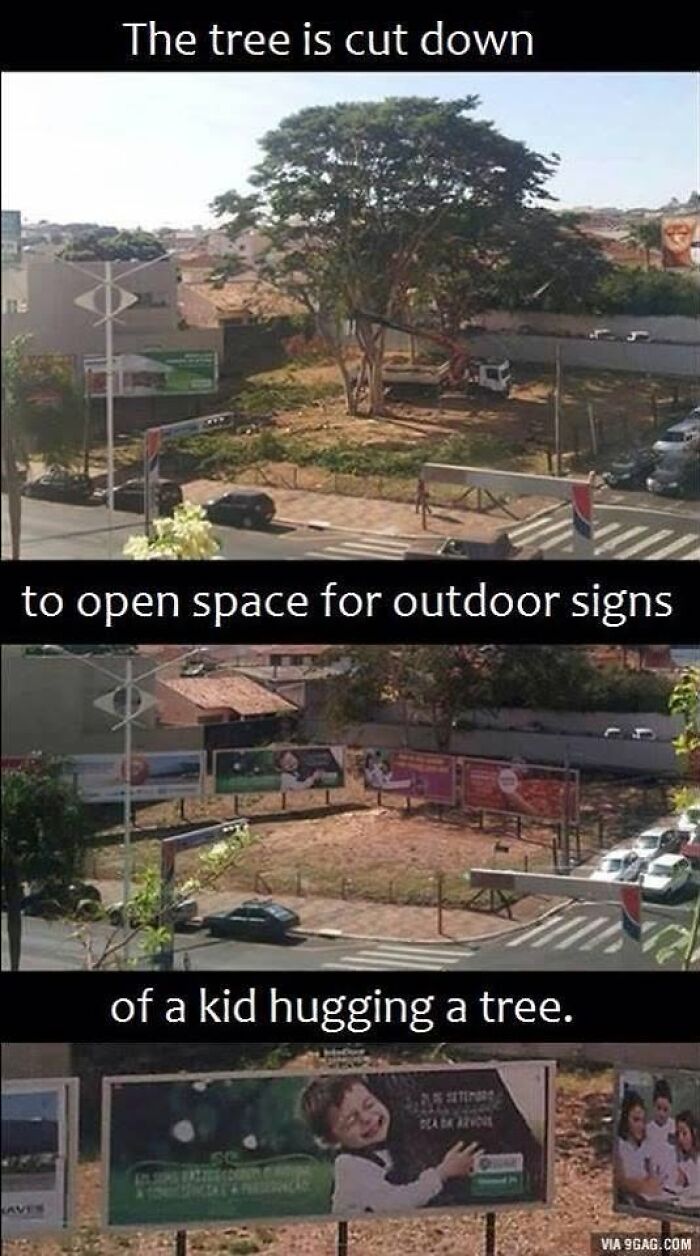
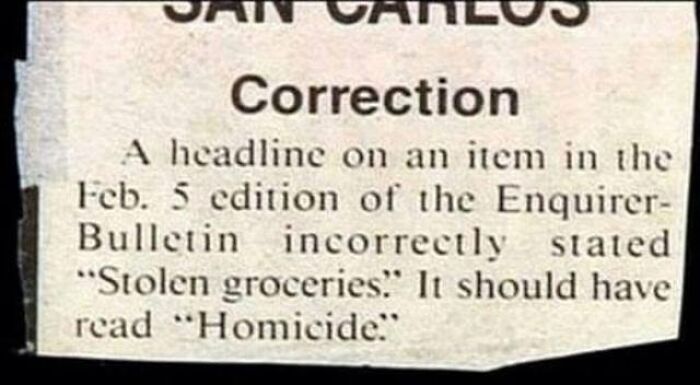
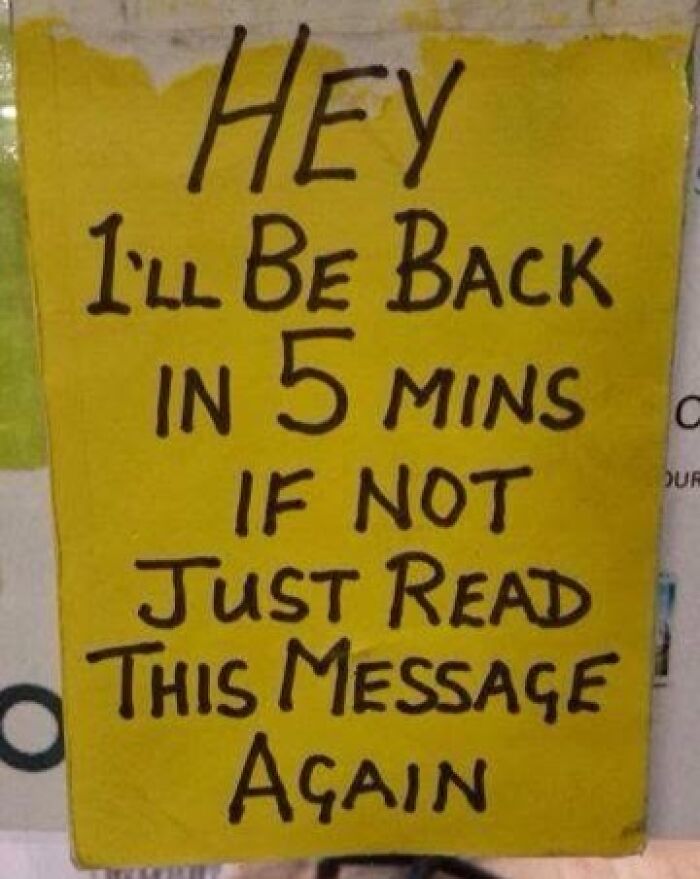
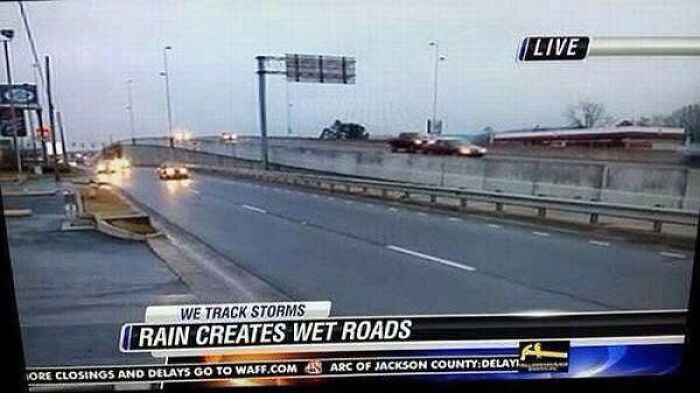
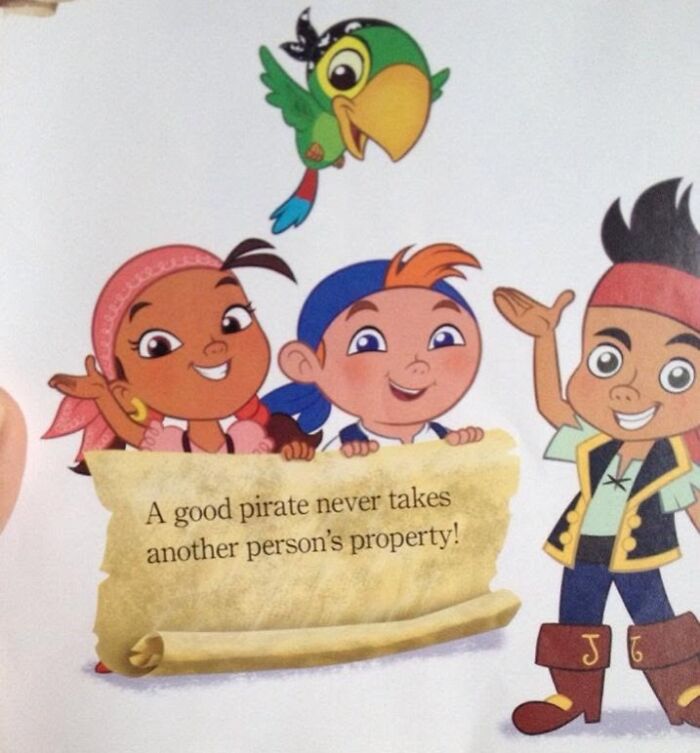
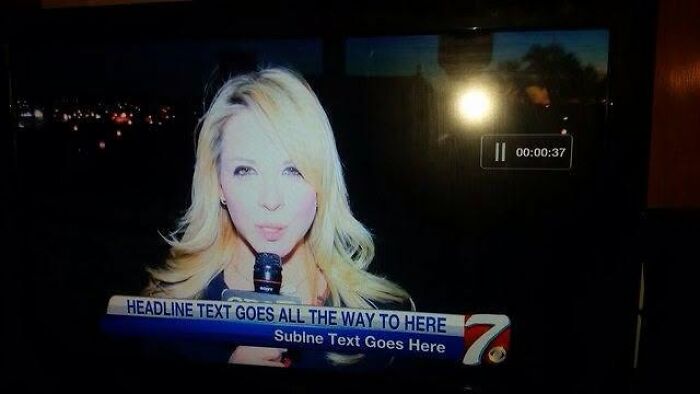
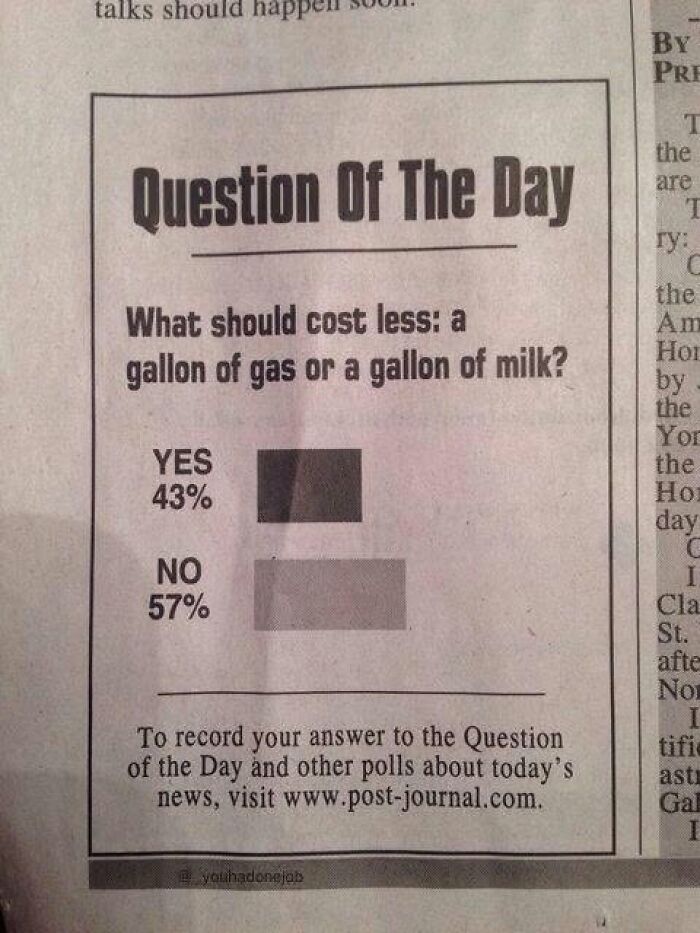
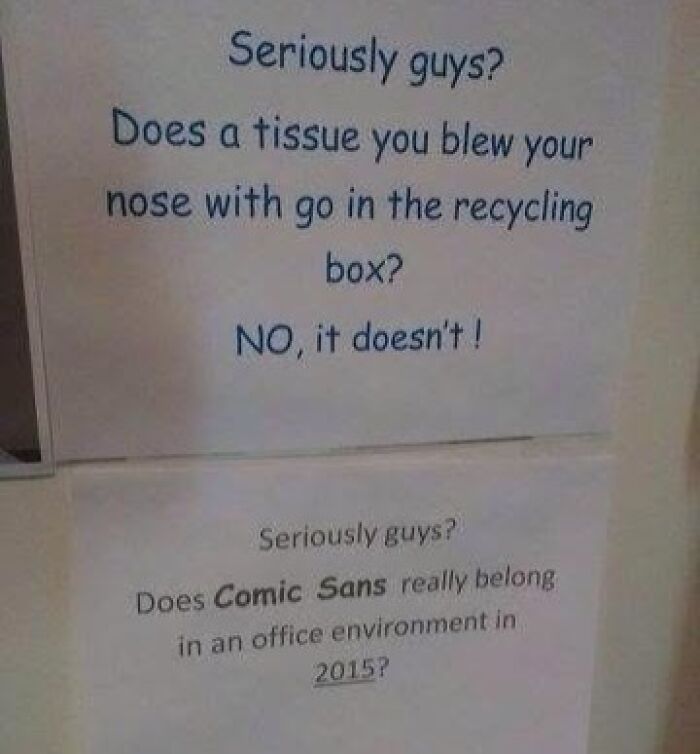
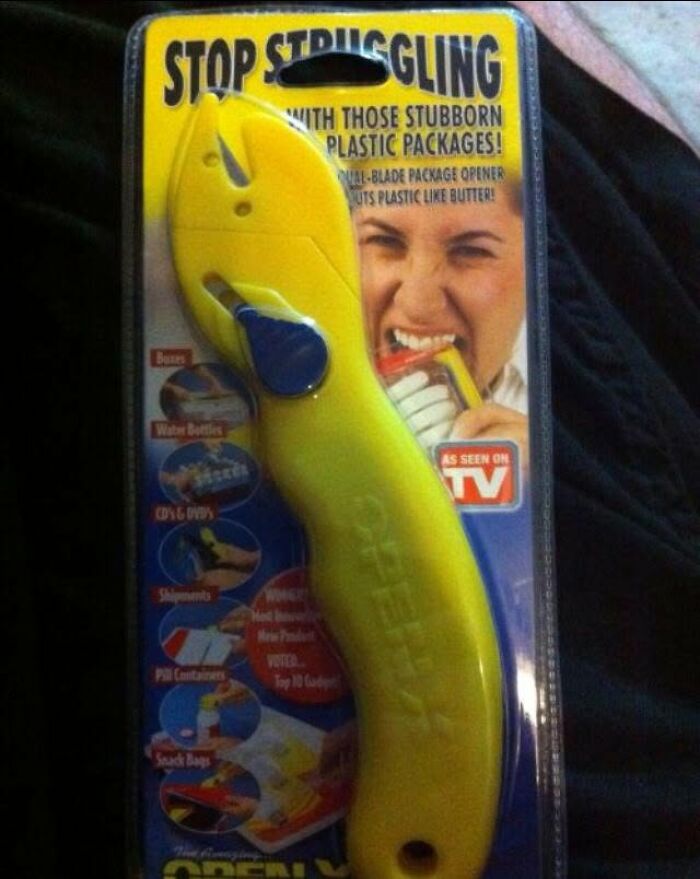
Well, judging by that, the folks who ended up on this list were probably distracted for way longer than just three seconds. These funny fails come from the Facebook page “You Had One Job” and feature mildly annoying pictures of something or someone doing a questionable job of executing a task.
More info: Facebook
This post may include affiliate links.
It’s frustrating when things that are supposed to work don’t. The way we try to make sense of blunders and fails is by trying to understand how someone could mess up so badly. In reality, it’s no great mystery — humans are fallible, make mistakes, have short memories, and are sometimes just clumsy butterfingers in general.
How often do you forget where you put something, Pandas? A 2025 UK-based study by the insurance tech company Esure found that an average person misplaces something up to nine times a day. At least one or two of those times cause significant stress or lead to losing the item entirely. The objects people lose most often are phones, keys, and wallets — essentials that would cause stress to almost anyone if lost.
Why are we so forgetful and why do we constantly lose things? One theory is that we run on autopilot. We might just have other things on our minds. According to psychology professor Daniel Schacter, we can forget and lose almost anything if we’re not thinking about it at that moment.
“When you’re thinking about ‘What am I going to say to my friend when we meet up? or ‘What am I going to have for a meal at this restaurant?’ you’re just heightening the chances of forgetting something like your phone charger,” he told Vice. The trick? Put your keys, wallet, and phone in your bag when you are thinking about them or handling them.
Spelling mistakes seem dumb in the age of AI and autocorrect, but maybe they’re why we sometimes cringe in shame? Autocorrect can cause ridiculous misunderstandings, and, according to one survey, 22% of texters send autocorrect blunders several times a week, and 8% sometimes even do so a few times a day.
The simplest solution would seem to be to quit using autocorrect, yet for many Americans, that’s probably not viable. A 2022 survey shows that a whopping 79% of people rely on autocorrect when texting, writing emails, or editing documents. And who said that written communication has to be perfect? Life is much more fun when we have autocorrect fails to chuckle at.
Not all fails have to be embarrassing or something to be ashamed of. People can even be proud of some of their blunders. IKEA furniture falls into this category for a lot of folks. When we assemble something with our own hands, even if it’s wobbly, missing a few parts, or not as nice-looking as it is in the picture, we’re still prouder of it than if someone else built it. That’s the IKEA Effect: the phenomenon that the more effort and labor we put into something, the more valuable it feels to us, regardless of the end result.
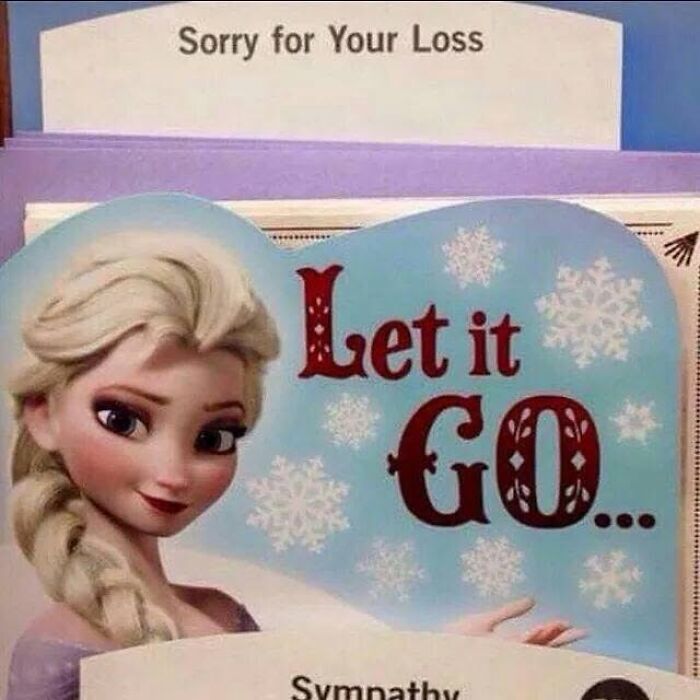
So, why do these “You Had One Job” fails trigger us so much? Probably because we often think of them as a personal flaw of the person who commits them. When we see a birthday card in the sympathy section, we might jump to the conclusion that an employee put it there by mistake and judge them as a bad employee. We don’t take into account other possibilities or circumstances: maybe some kids did it as a prank, perhaps the employee was distracted, or maybe they did it on purpose to revolt against a jerk manager or the fact that they hadn’t had a promotion in 10 years.
Researchers call this lack of consideration the fundamental attribution error. We’re biased to think that people’s personality traits override situational factors. For example, we get mad at people who cut us off in traffic and assume they’re reckless drivers who aren't generally thoughtful. What we fail to realize is that they might’ve been on their way to an emergency or a hospital, and this is uncharacteristic.

Look closely. The handles have points where they detach. This is just the fire department connection point, so no one that's not fire department should be using what's in there anyway.
“Adjusting our perception to account for the situation takes effort, and we might not always have the time or cognitive resources to do so,” co-founders of The Decision Lab, Dan Pilat and Dr. Sekoul Krastev, write. “Other times, we ignore the situation because we believe that it’s not relevant, instead seeing behavior as diagnostic of certain personality traits.” If we approach things with more empathy and a willingness to put ourselves in other people’s shoes, we might see people and their situations more balancedly.
How many of these “You Had One Job” fails made you laugh, Pandas? Do you think you fell into the trap of the fundamental attribution error and judged the people who made these blunders? Share your thoughts with us in the comments! And to lift your spirits, we recommend checking out these wholesome good news stories and the satisfying times experts flaunted their knowledge in front of idiots.

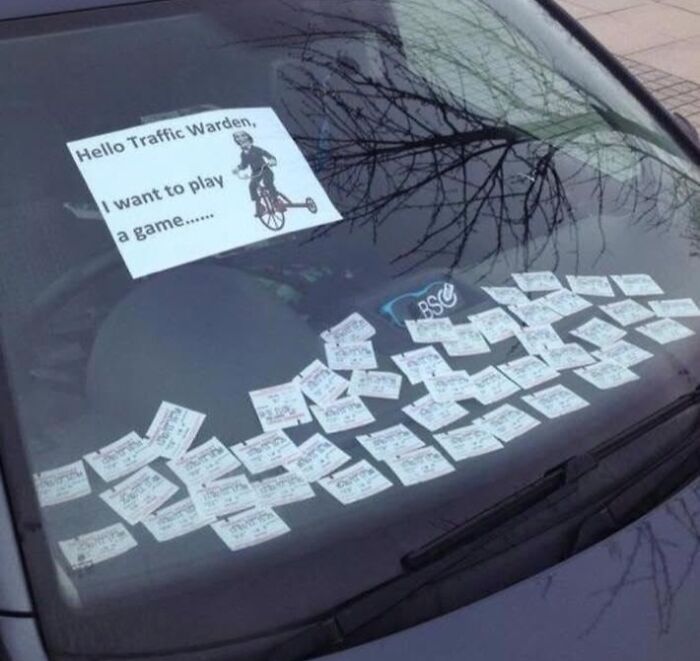
Tickets have to be displayed clearly, in this case they are not easy to see so they will get a valid fine.

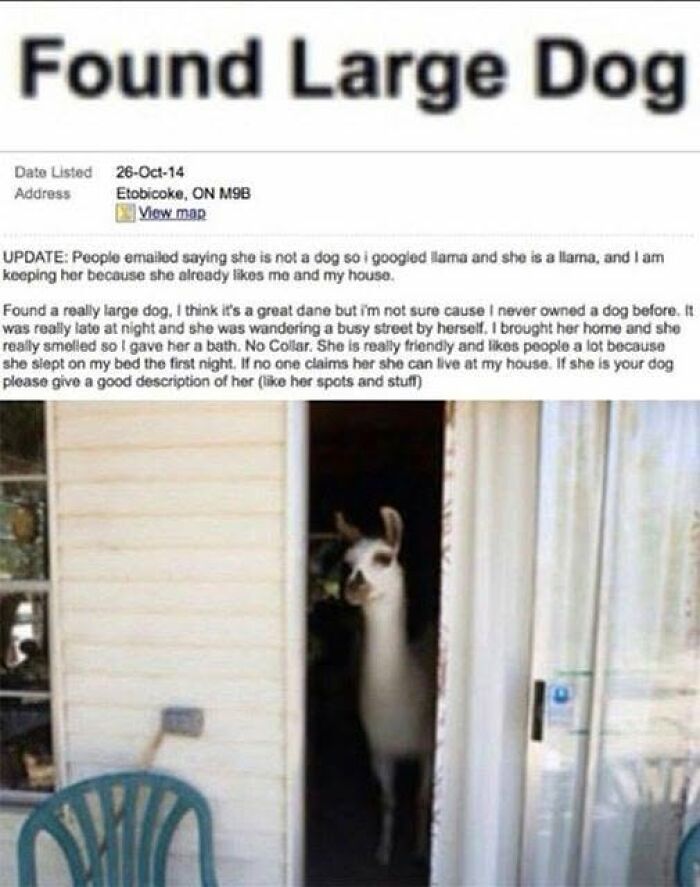
Where the h*ll did a llama wander off from in Etobicoke (the western portion of the city of Toronto)? They cannot legally be kept as pets within city limits, and there are none in any public attractions in that area. The closest possibility would be the High Park Zoo, to which this animal was hopefully returned (or introduced, if she had been kept privately in violation of city bylaws). I am aware of highly publicized cases of capybaras and peacocks having escaped from High Park, but I can't recall the news ever covering a runaway llama (though they certainly have some, and they would be accustomed to being around people; my son had a chance to meet and feed them once while attending summer camp at Colborne Lodge, also in the park).



























 No fees, cancel anytime