Get Premium
Dark mode theme is available exclusively for premium users. Learn more about the benefits of subscribing.
No fees, cancel anytime.

 Dark Mode Ad-Free Browsing Unlimited Content
 Ad-Free Browsing Unlimited Content Dark Mode
Join 1.2 million Panda readers who get the best art, memes, and fun stories every week!

One upside of being on the internet today is that there always seems to be a joke for almost every situation. Every awkward social interaction, relationship misadventure, and even the harsh realities of aging have a corresponding meme or wisecrack that makes it identifiable to everyone online.
The Tastefully Offensive social media page, for one, has been adept at poking fun at daily mundanities. It has racked up hundreds of thousands of followers across platforms, proving there is always something to gently mock about life's absurdities.
Bored Panda has collected some of the most relatable posts from the page, most of which could make you say, “Yup, I’ve been there.”
This post may include affiliate links.

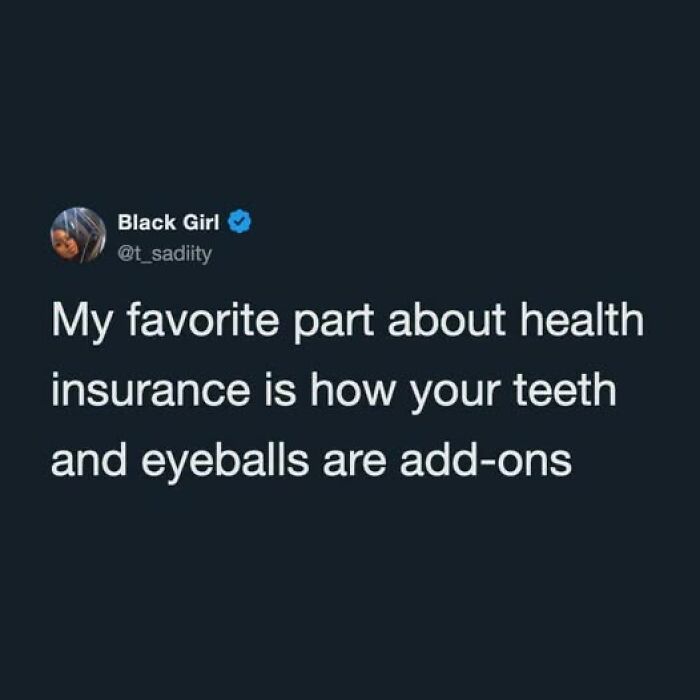
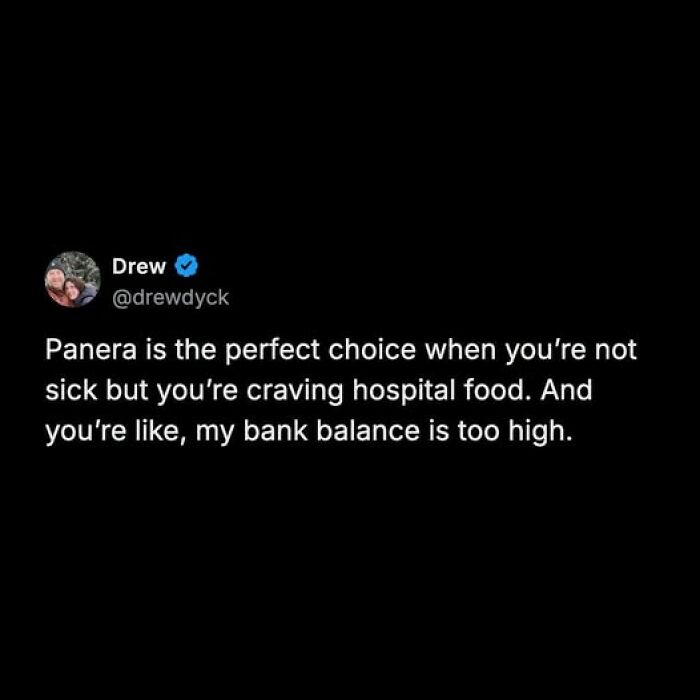
Wait until the health insurance rep informs you that your heart is also an addon.
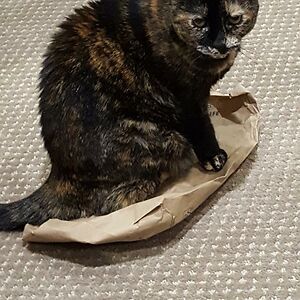
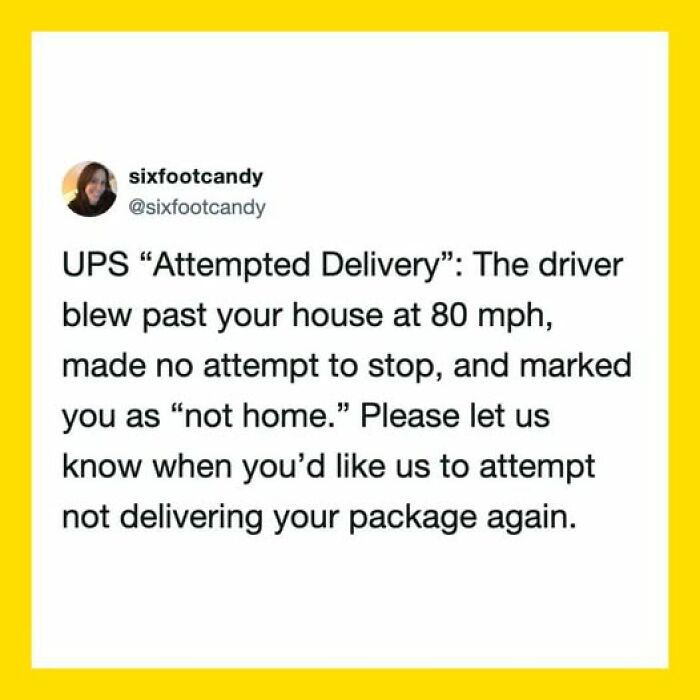
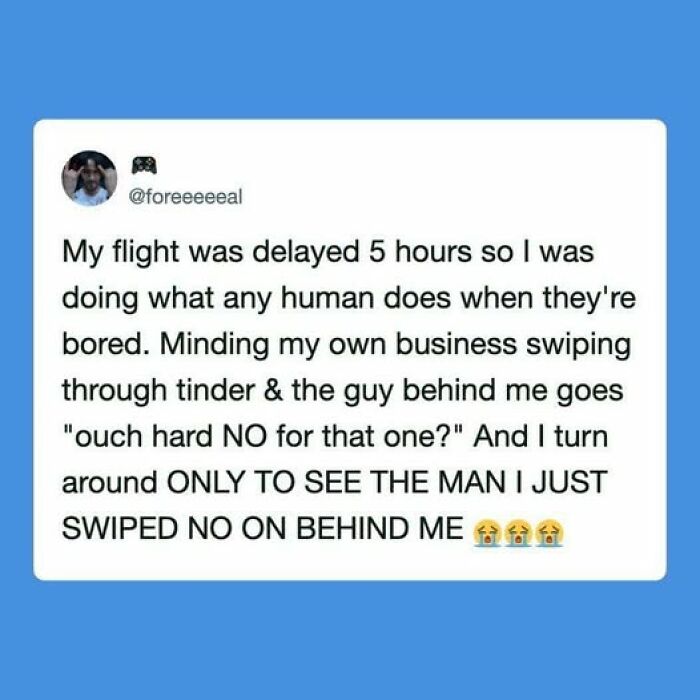
One time I was waiting on a laptop for my new job. The delivery guy literally knocked ONCE quietly (instead of using the doorbell like everyone else) and then RAN right off my porch. If I hadn't been standing there I never would have known he showed up. I had to yell at him to come back, as he was already halfway to his truck. 🙄 Can someone make any sense of this? I seriously don't get it!

AKA "Just when you think you're winning the rat race, along come faster rats"

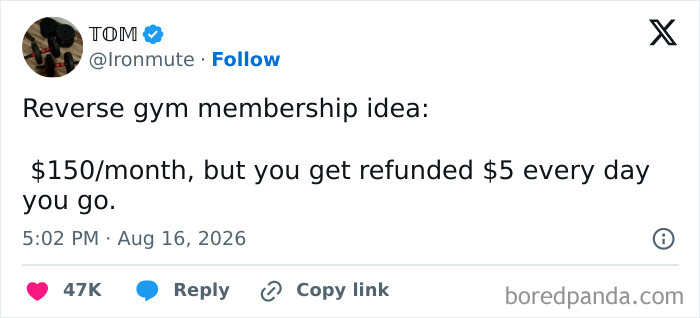
Actually, that might work. There are studies that show adding a small reward increases compliance.

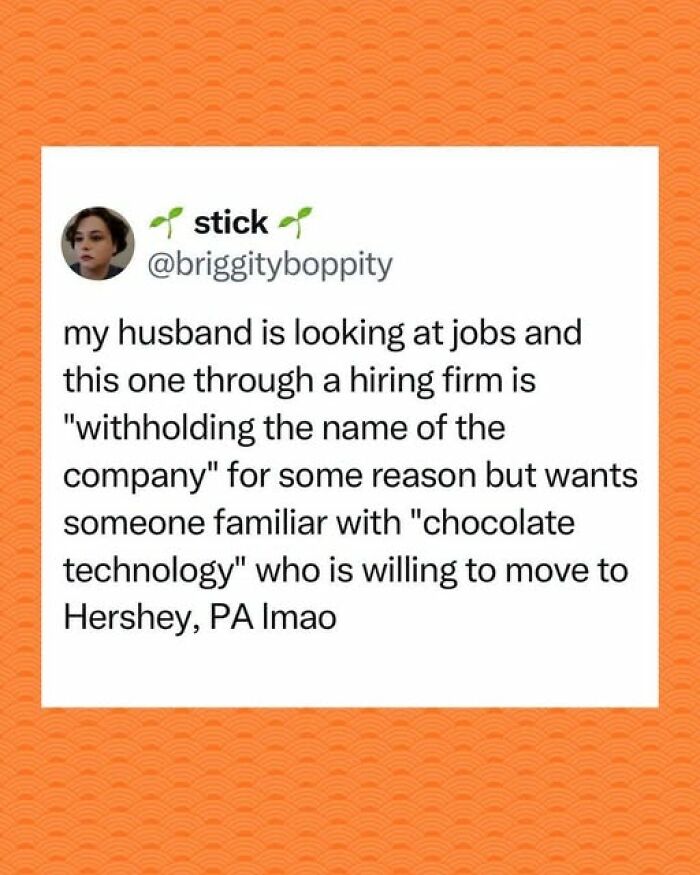
I wonder who I could be? It’s a mystery. Side note, never liked Hershey chocolate

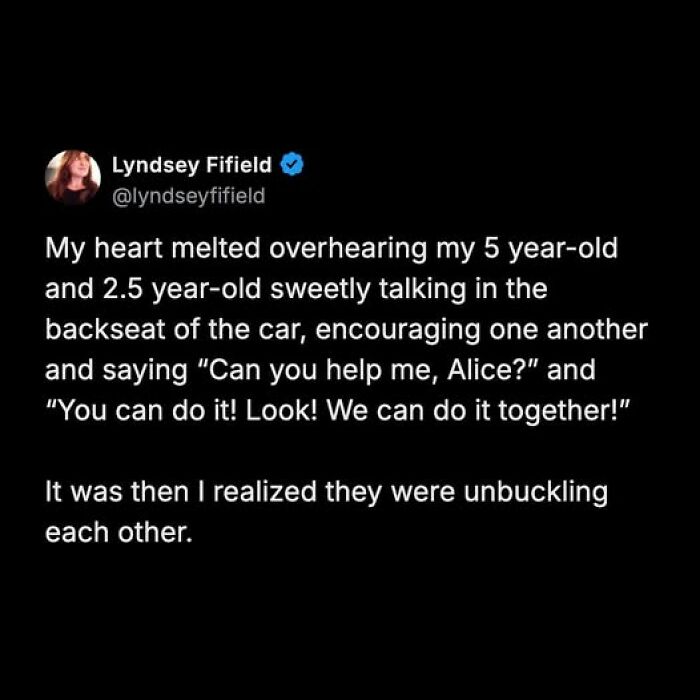
Lmao yea this sounds like my kids when they were about that age!
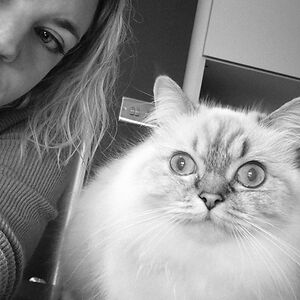
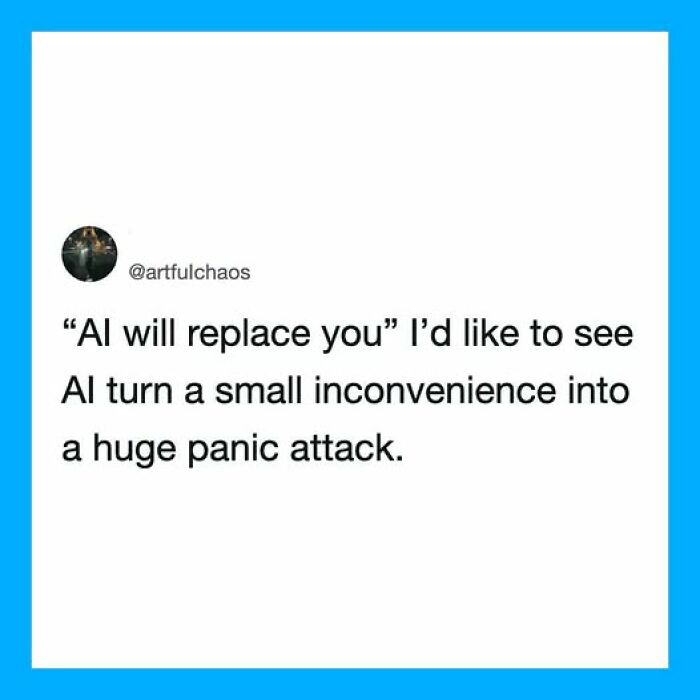
Literally everytime I ChatGPT my symptoms its telling me to go to hospital... its already evolved

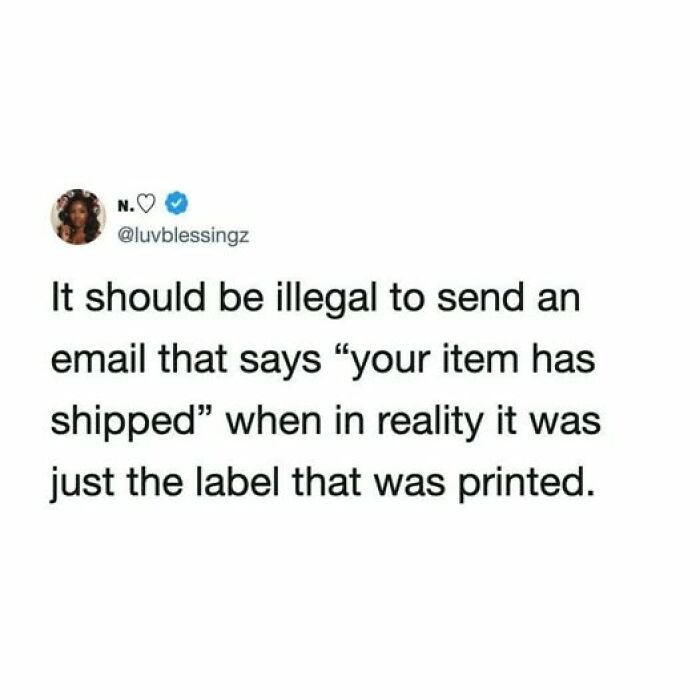
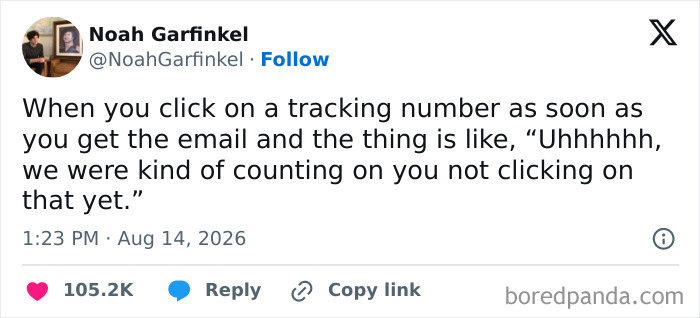
Just a few moments ago. Then I got an email apologizing that my package would be late and that it would be here one day earlier than stated in the previous email. [you read that right] Then I got the previously email with the original, already updated, delivery date
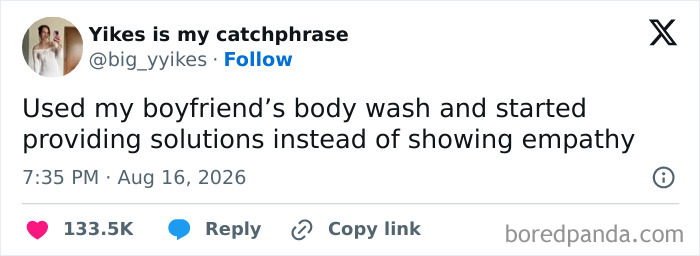
Sometimes offering solutions is a love language or what people are seeking. Communication is key

I end up making comments on MSN like "How can you tell if Mitch McConnell is just unconscious if he's braindead?" and MSN keeps taking them down.

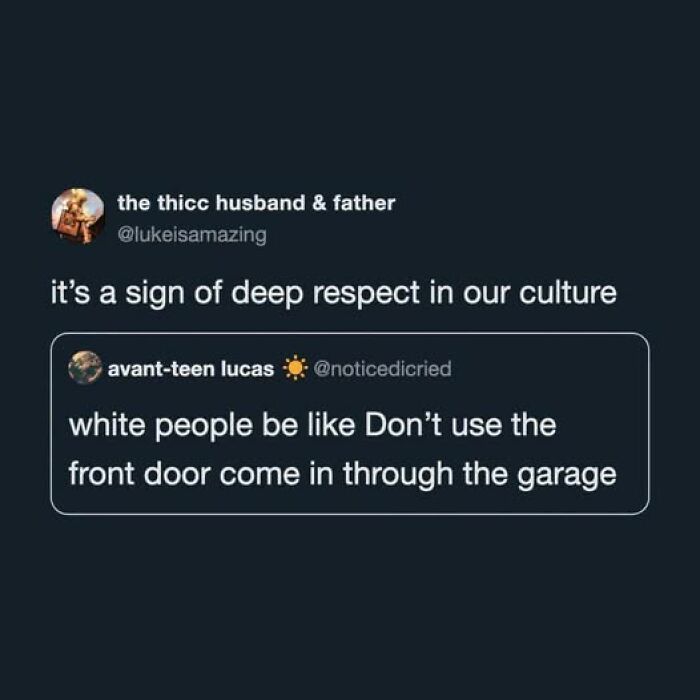
That's how you know you're family! Also, if you come in through the front door, you'll scare the cat.
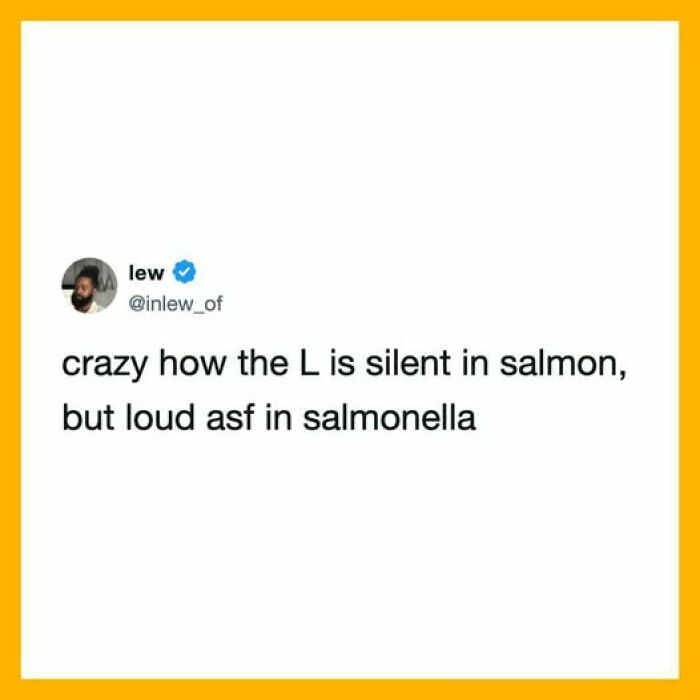
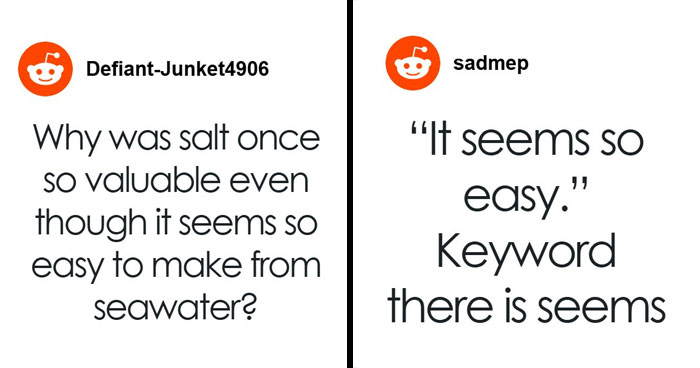
It's not crazy. The ancient Latin word for the fish was salmo, where the 'l' was pronounced. The French dropped the 'l' sound. English borrowed the French pronunciation but added the 'l' back into the spelling. The spelling changed but pronunciation remained. As for Salmonella, it is named after Daniel Elmer Salmon, the scientist who helped discover this bacteria.

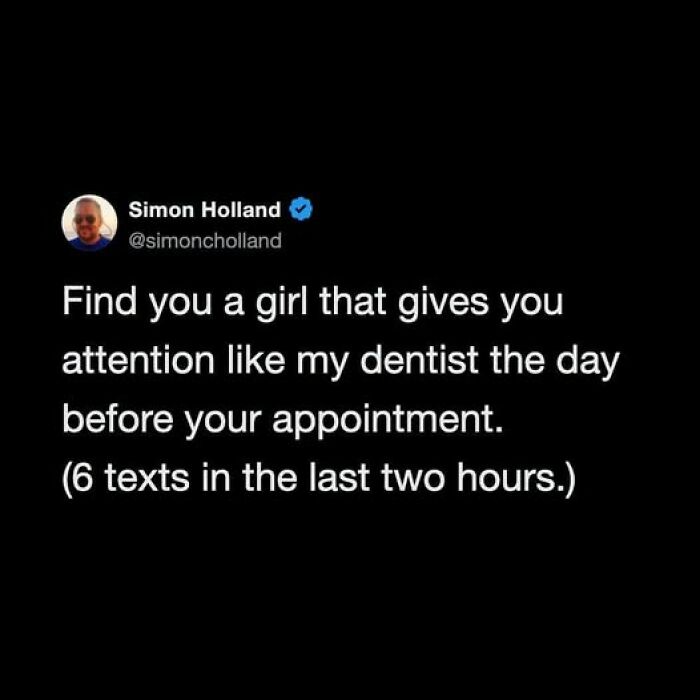
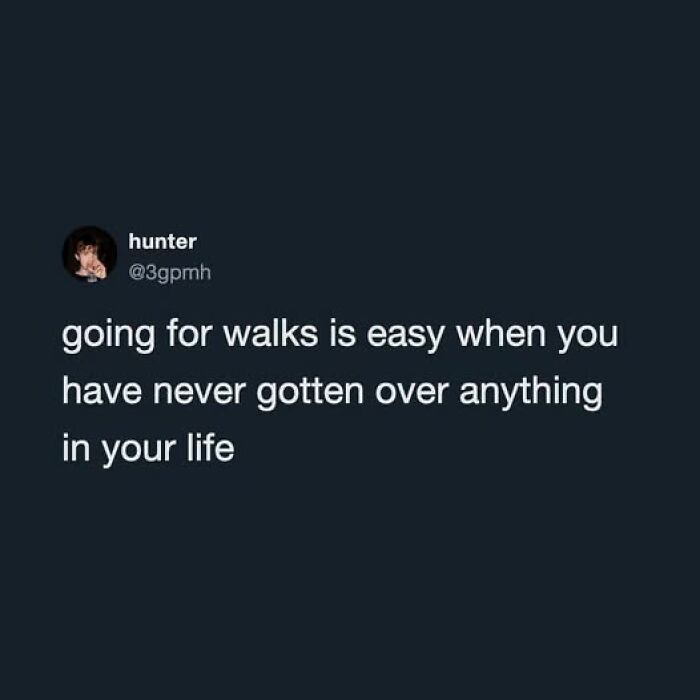
Who else spends an hour trying to find something to watch, only to give up and do something else?

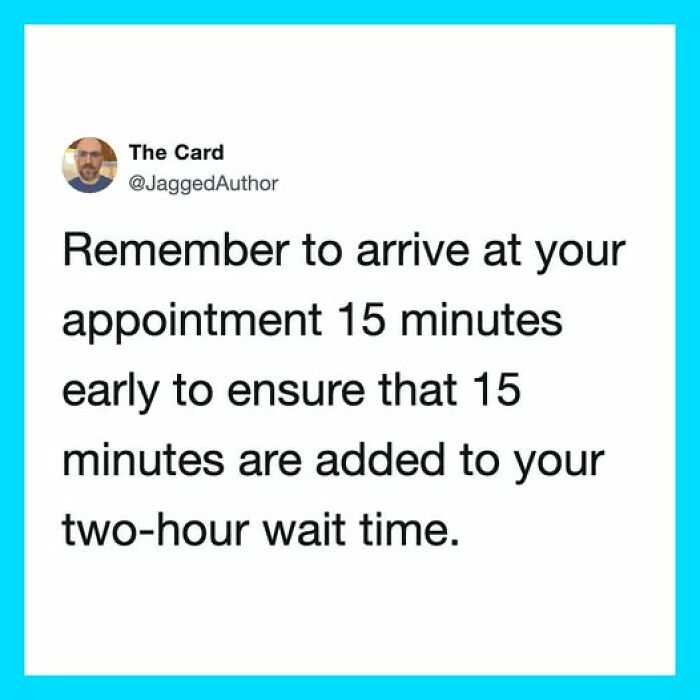
Yeah do you know how many people miss appointments, then people complain when they can't get an appointment for X weeks or months?
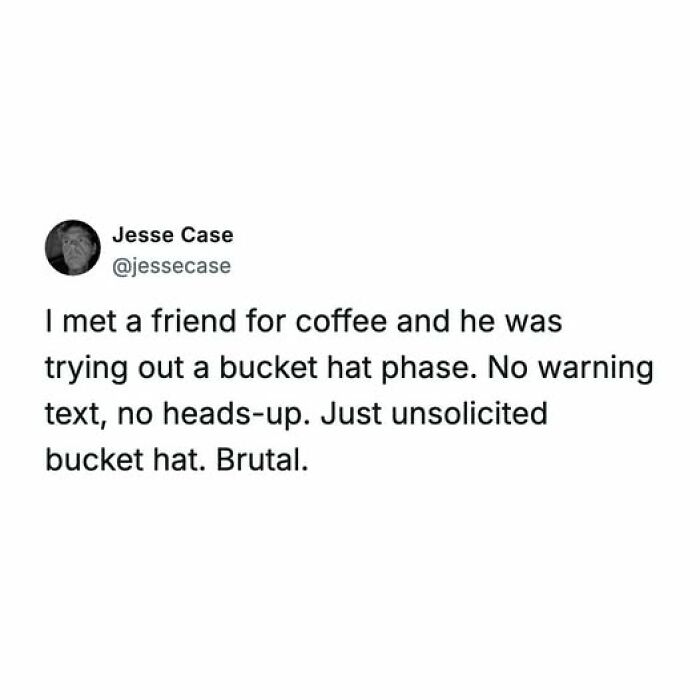
Why are bucket hats even a thing outside of fisherman needing a handy spot to store their lures? And even then, tackle boxes are also a thing so what even is the point?

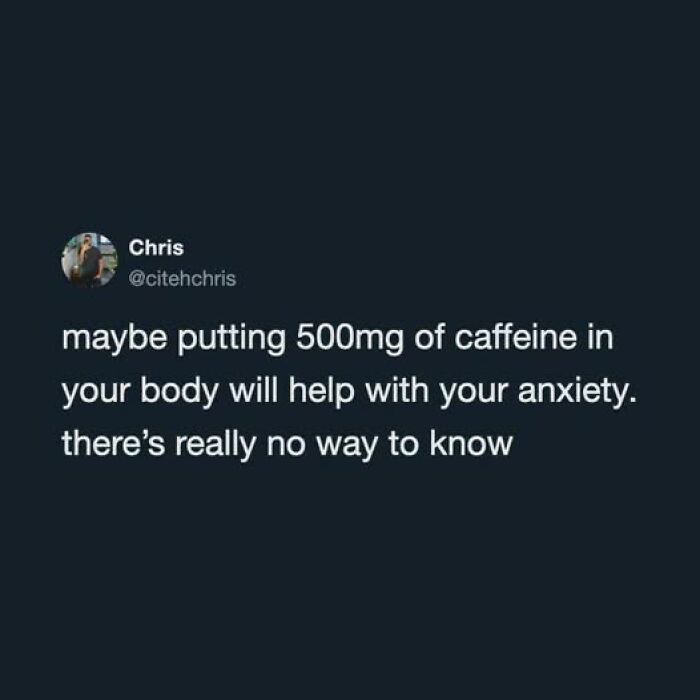
Theanine Common and Mild Side Effects Upset stomach: Mild nausea or gastrointestinal discomfort can happen, especialy if taken on an empty stomach or in large amounts.Headaches or dizziness: Caffeine-related effects: If you consume L-theanine through large amounts of caffeinated tea or combined energy products, you might experience caffeine side effects like jitteriness, irritability.

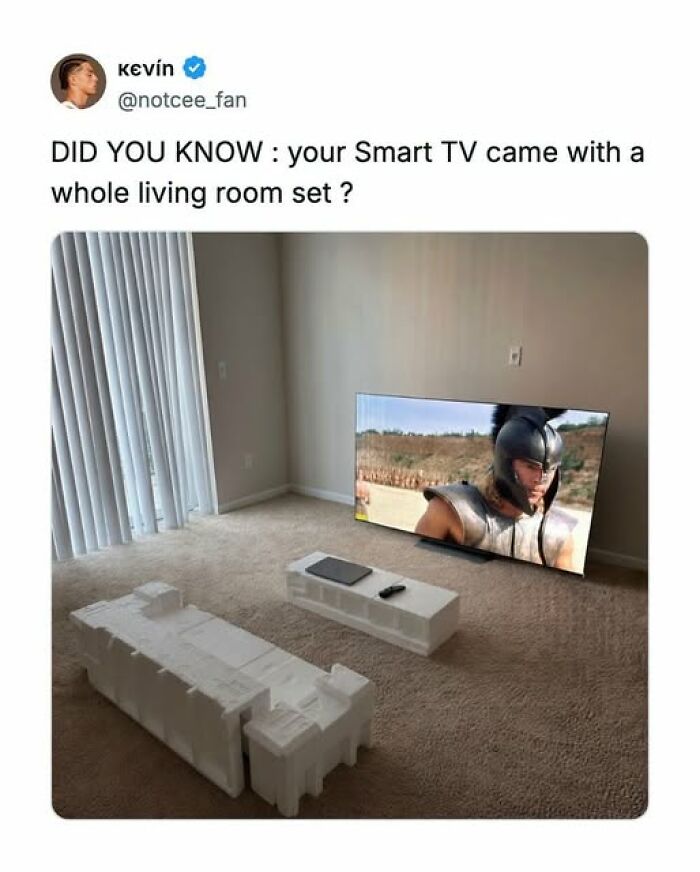
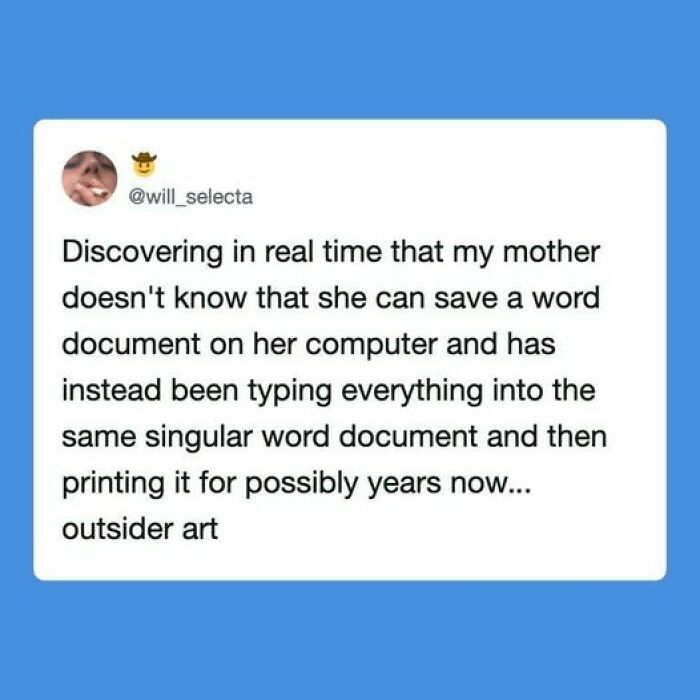
So this was how DOS basically worked back in the day. If you wanted to save the document, you needed to put it on a floppy.
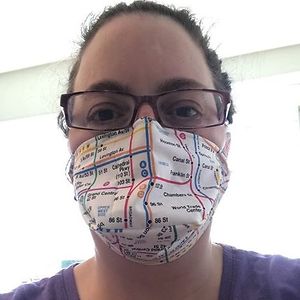
Right?! And then if you have to slam on the breaks? Flying ducks everywhere!

Subway trademarked the word “footlong” to cover for the fact that their footlong sandwiches aren’t always 12”.
BP needs to stop posting this one. It ends up in all sorts of lists, from 'things that never happened ' , 'facepalms', 'this group posts what no one say in real life' , 'this online group wants you to scream silently', 'posts for when you want to d*e inside'.......

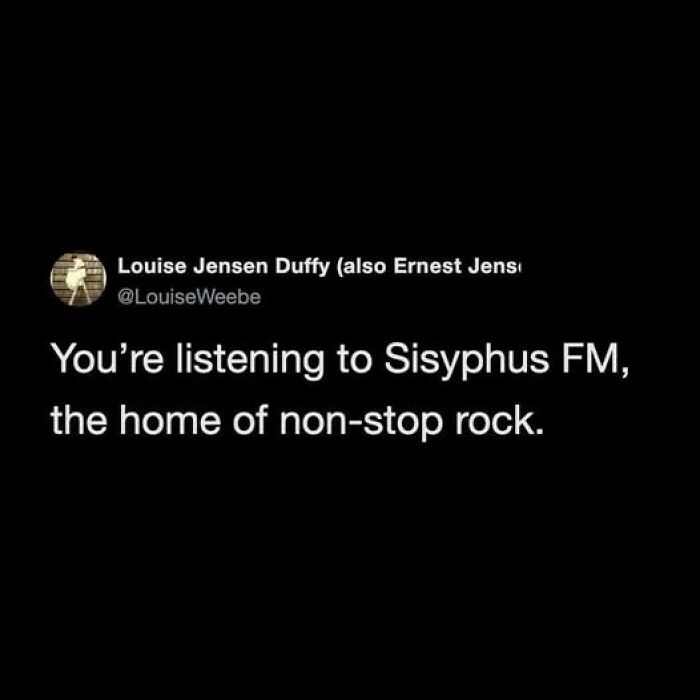
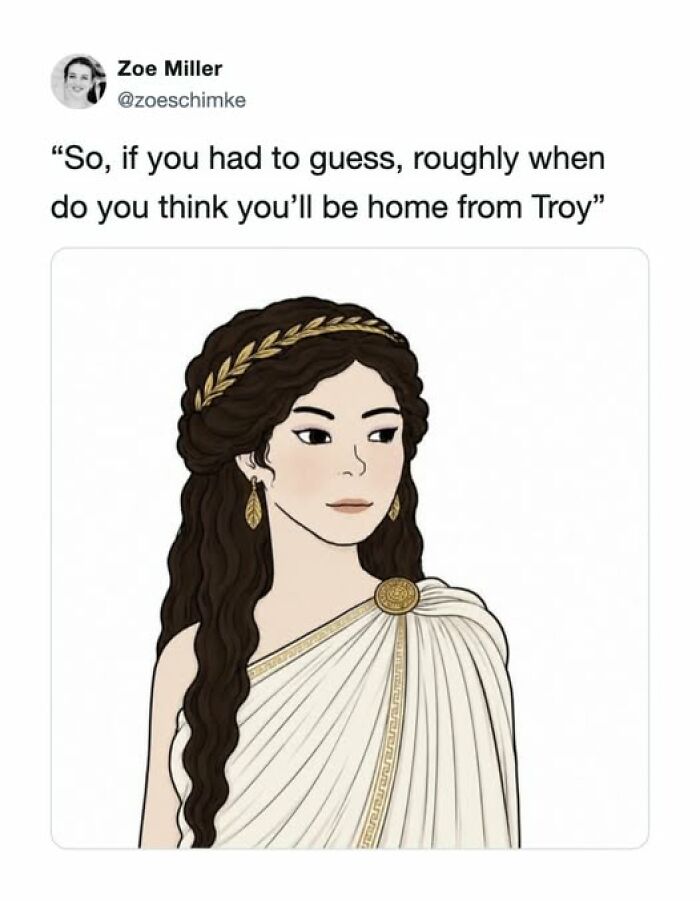
"What is an Odyssey?" - One of Odysseus' men "It is a long trip named after the only survivor" - Odysseus
Yes, agrees every parent who just got back from dropping their kid off at college!

I sometimes wonder if people understanding the meaning of the word 'meme'. Check with Richard Dawkins.

I got a degree in Education in the ‘80s and we learnt the original meaning of meme and why they're important. I’m kinda annoyed by this nonsense because we’ve lost the original meaning and therefore even the vocabulary to reference it.
Load More Replies...
The purpose of comedy is to process pain. It can also be used to amuse others in the hopes of reciprocal social interactions, but "laughter is the best medicine" didn't come out of nowhere.
I sometimes wonder if people understanding the meaning of the word 'meme'. Check with Richard Dawkins.
I got a degree in Education in the ‘80s and we learnt the original meaning of meme and why they're important. I’m kinda annoyed by this nonsense because we’ve lost the original meaning and therefore even the vocabulary to reference it.
Load More Replies... The purpose of comedy is to process pain. It can also be used to amuse others in the hopes of reciprocal social interactions, but "laughter is the best medicine" didn't come out of nowhere.





















 No fees, cancel anytime