Get Premium
Dark mode theme is available exclusively for premium users. Learn more about the benefits of subscribing.
No fees, cancel anytime.

 Dark Mode Ad-Free Browsing Unlimited Content
 Ad-Free Browsing Unlimited Content Dark Mode
Join 1.2 million Panda readers who get the best art, memes, and fun stories every week!
There are over a dozen Slavic countries across Central, Eastern, and Southeastern Europe, and every single one has its own rich history and identity. But spend enough time getting to know them, and you’ll notice they also have a whole lot in common.
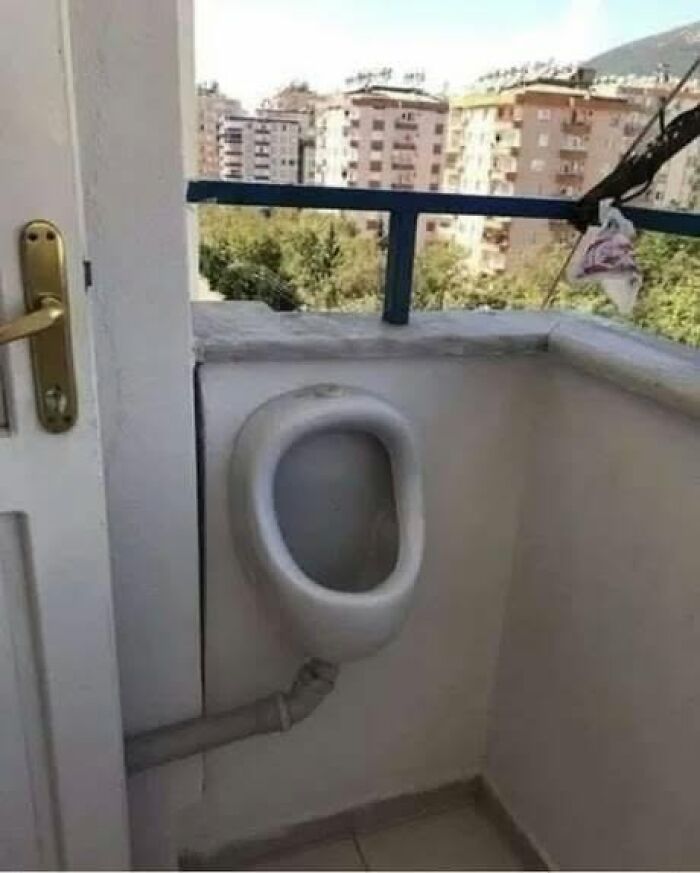
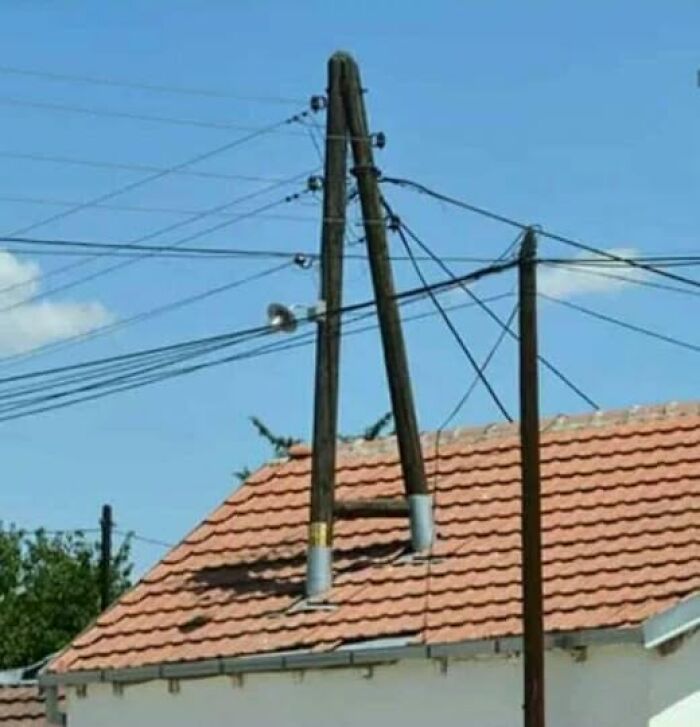
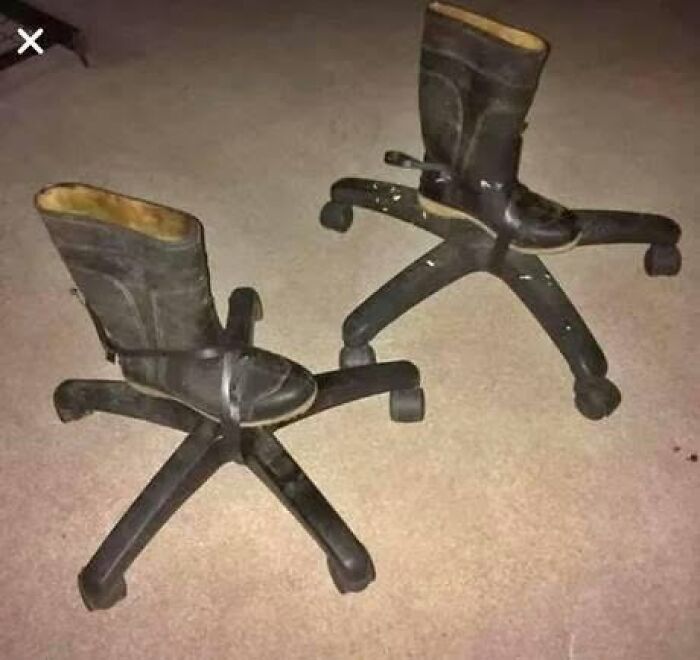
No matter where you go, there will be grandmas who refuse to let you leave the table hungry, slippers waiting for you at every door and a strong collective belief that drafts cause every illness known to man. And their approach to home repairs is, well, creative enough to make an engineer cry.
Still, they wouldn’t have it any other way. We’ve gathered some hilarious photos that capture this side of Slavic culture perfectly, so scroll down and enjoy.
More info: Instagram | Facebook | Instagram
This post may include affiliate links.
Sure, these things are undeniably funny and they definitely happen.
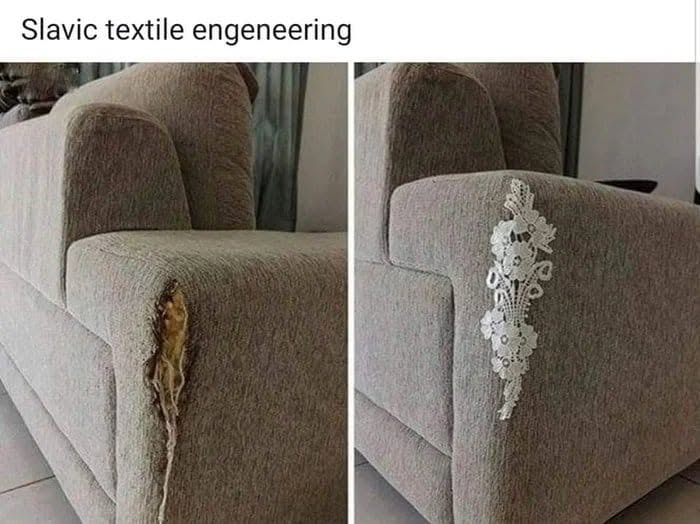
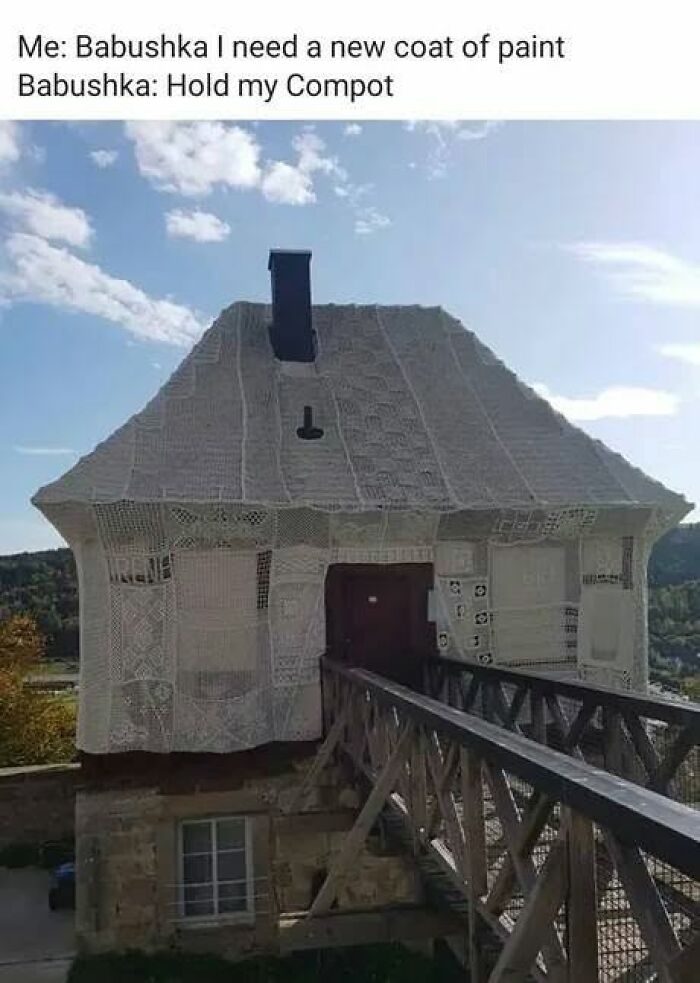
Walk into a Slavic apartment and there’s a good chance you’ll find crocheted covers on everything from the table to the TV to the remote. Drive around long enough and you’ll spot a car bumper held together with zip ties and what looks like a cutting board.
But as hilarious as these photos are, they only tell one side of the story.
Slavic nations are often reduced to stereotypes that can be pretty harmful and don’t reflect who they actually are. These countries have centuries of history, deeply rooted traditions and genuinely fascinating cultures.
If anything, the creative fixes in these photos prove exactly that. The people behind them are resourceful, inventive and never afraid to think outside the box (even if, um, the results aren’t always safe).
So instead of just laughing at the memes, here are some traditions from across the region that are recognized by UNESCO and show just how far that creativity really goes.
Take Ukrainian pysanky, for example. This is the centuries-old tradition of decorating eggs using wax and dye. Artists apply patterns and symbols to the egg with wax, then dip it into color. The waxed areas resist the dye, and the process gets repeated to build up layers of intricate designs.
Each symbol carries a personal meaning or wish, and the tradition goes all the way back to pre-Christian times, even though it’s now mostly associated with Easter.

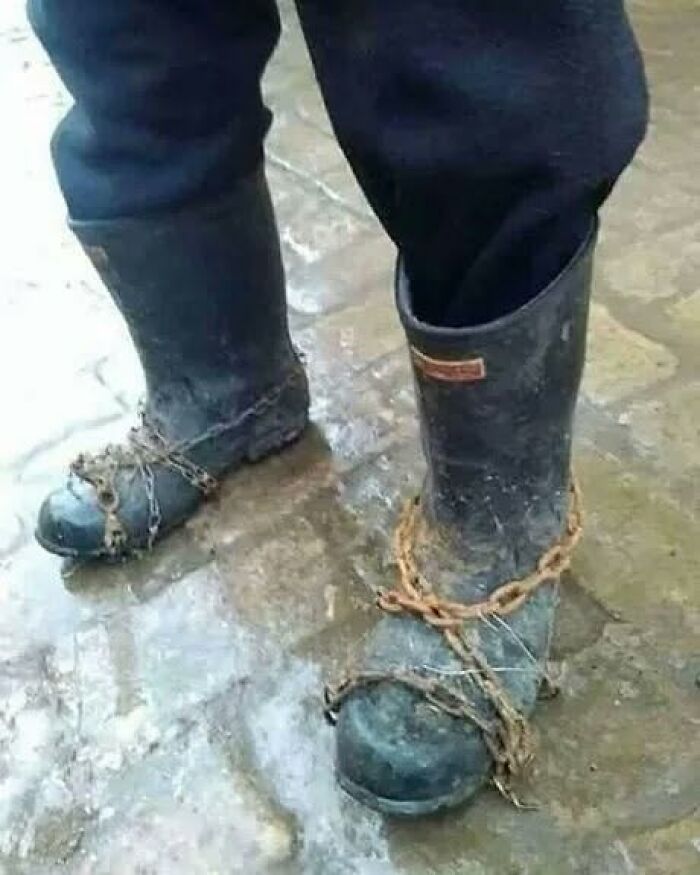
Homemade ice cleats. Not attractive, but they look like they get the job done.


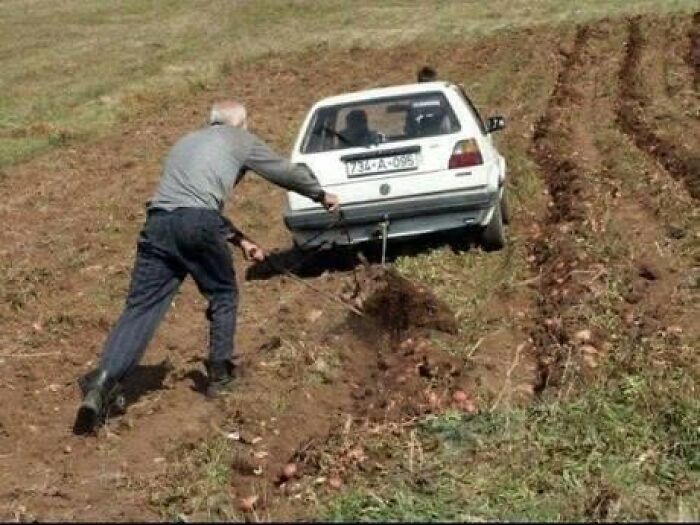
These will go straight from the icy field to the metal show!
For Ukrainian families, pysanky are a real source of pride. Families develop their own specific patterns and pass them down through generations. The decorated eggs are exchanged as gifts for major life events like births, christenings and weddings.
After Easter, blessed pysanky are even kept in homes as a form of protection. The practice is still going strong today, transmitted through families, workshops and community classes.

I've seen this twice now in northern Germany. Some like horse-drawn carriages, some like heavy machinery. Despite the fact that marriage itself is ridiculously anachronistic and weddings are a waste of money: as long as no one gets hurt and everything is consensual, do as you like.
Poland’s contribution to the UNESCO list includes the polonaise, a traditional processional dance with a long history. It was originally reserved for nobility and involves pairs marching in formation, following the lead of the first couple.
The basic step is simple, one leg bends while the other steps forward, and because the tempo is moderate, pretty much anyone can join in after watching for a minute or two.
Today it’s most closely tied to studniówka, the Polish high school prom, where students perform it as the opening dance. It also shows up at weddings, New Year’s celebrations and carnival balls, and it symbolizes unity and equality.
And laugh all you want at the amount of lace and crochet in a typical Slavic home, but it’s a tradition that goes back generations and takes serious craftsmanship. In Croatia alone, lacemaking is a UNESCO-recognized tradition with three distinct styles, each tied to a specific region.
In Pag, women create needle-point lace by building geometric patterns on a spider web base. In Lepoglava, the technique uses bobbins to braid thread into lace ribbons often worn with folk costumes. And on the island of Hvar, Benedictine nuns make lace from threads pulled out of fresh aloe leaves.
Each of these styles has been practiced for generations by local women, and all three are still very much alive today.

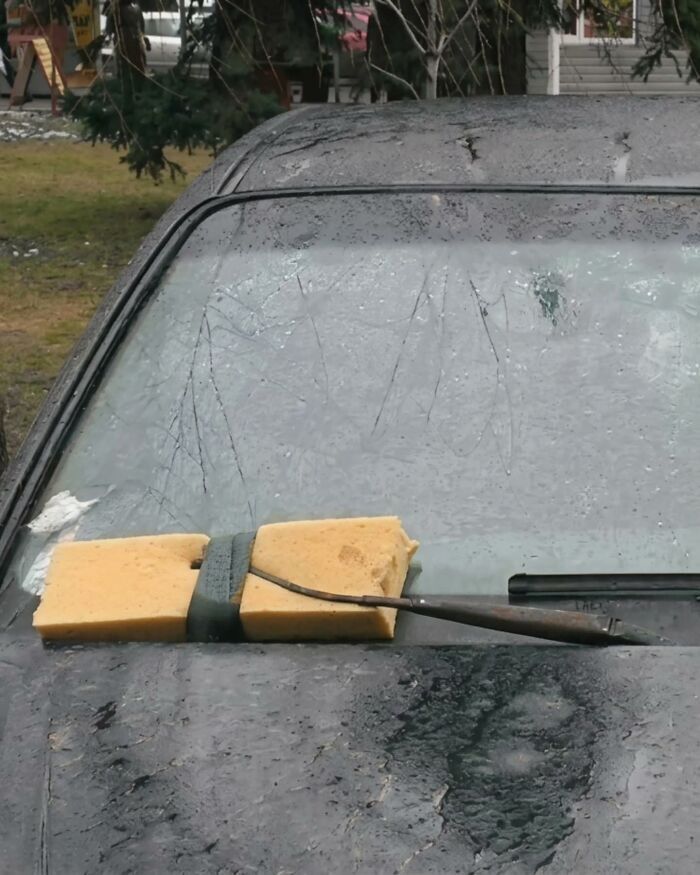
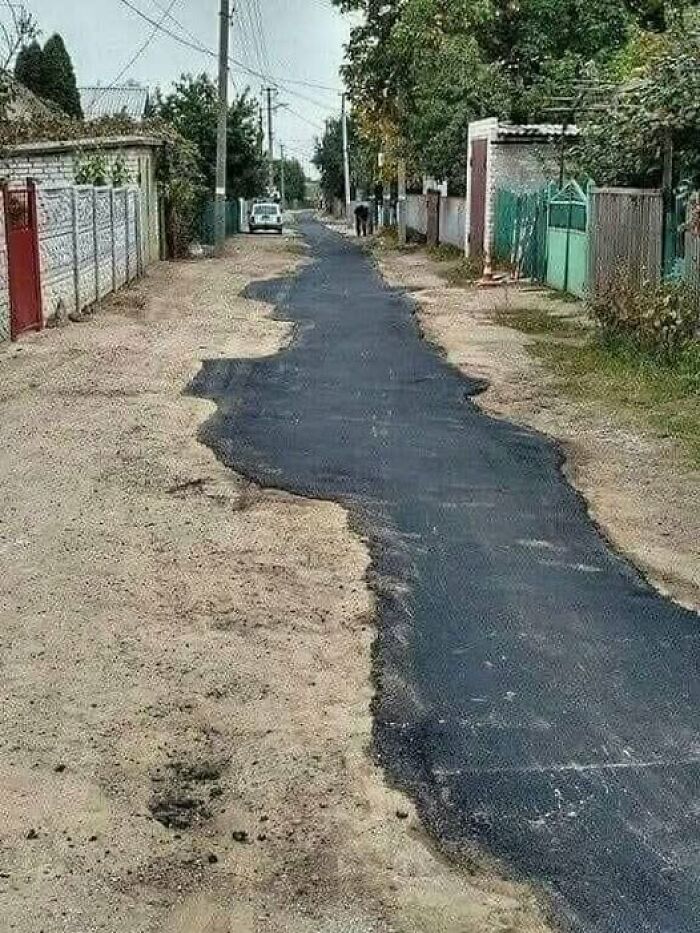
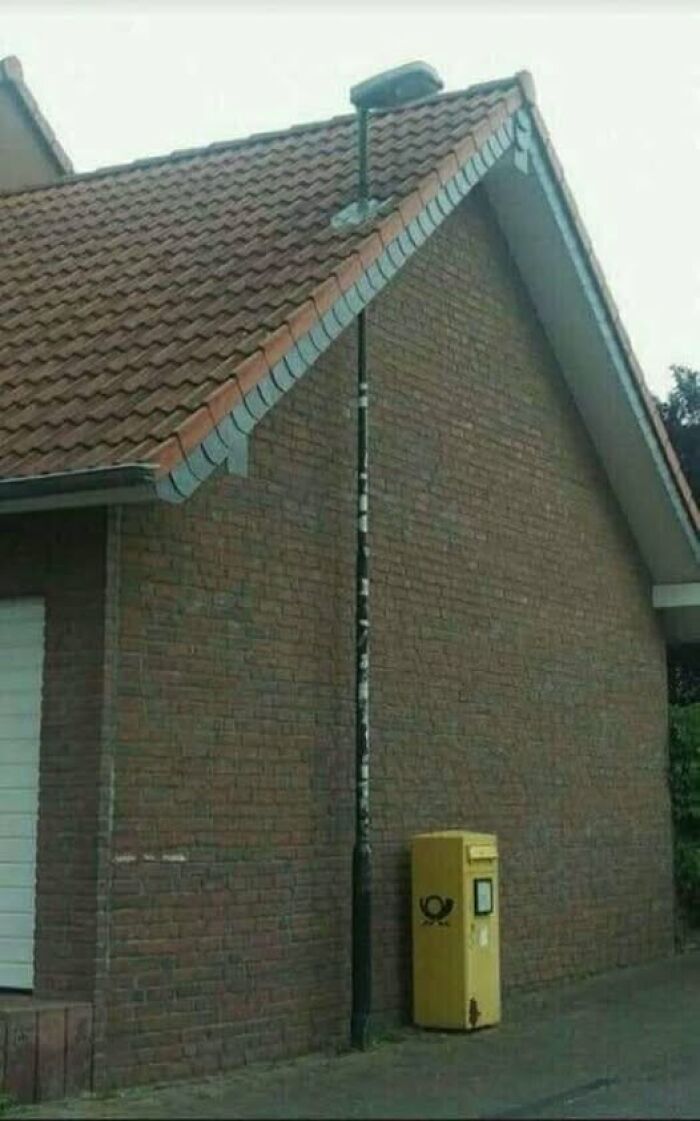
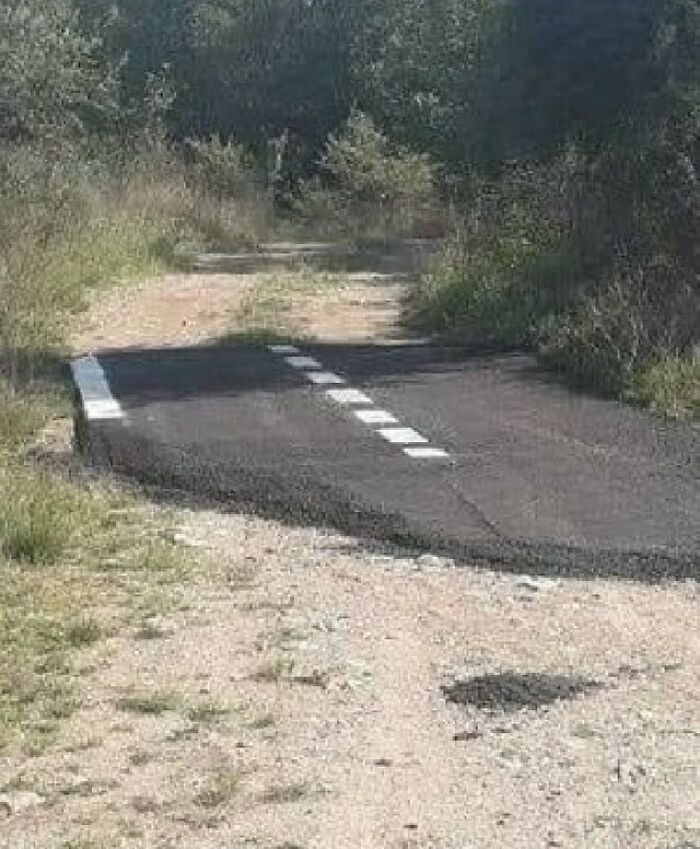
That looks like Lightening McQueen's first attempt at fixing the road in Radiator Springs.
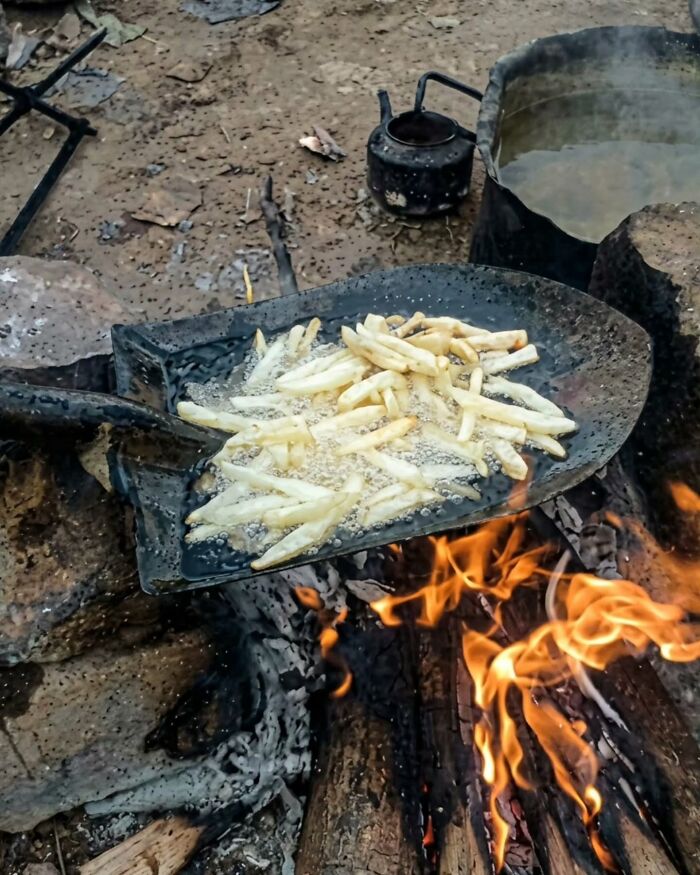
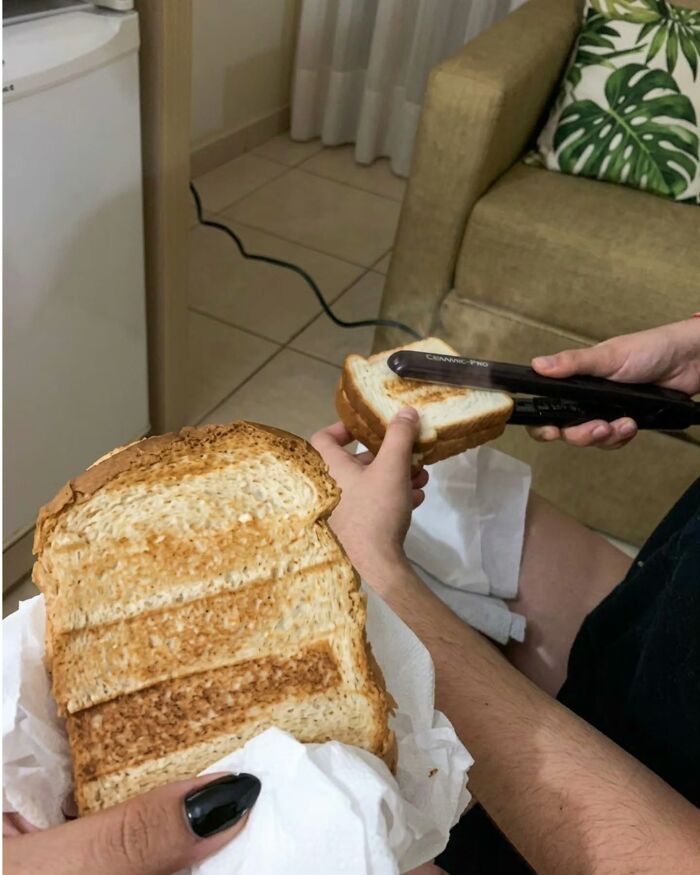
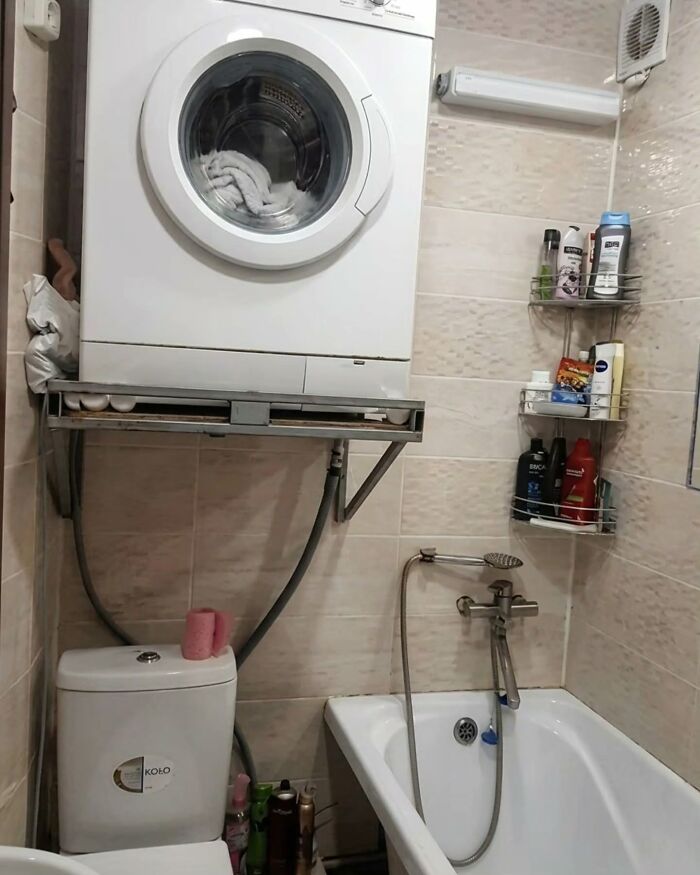
Hey, that's not so much weird as practical. I once made toast on a clothes iron. My toaster didn't survive the move to a new apartment, but the iron was fine.
Then there’s puppetry in Slovakia and Czechia, which has a long tradition as both entertainment and education. Puppet shows use mostly wooden figures brought to life through various animation techniques, and the stories they tell carry messages about moral values alongside plenty of humor.
The tradition started with families of traveling puppeteers who absorbed local influences wherever they performed. Today, the craft includes performers, playwrights, puppet makers, costume designers and stage builders. Skills get passed down through puppetry dynasties in Slovakia and through workshops and arts schools in both countries.
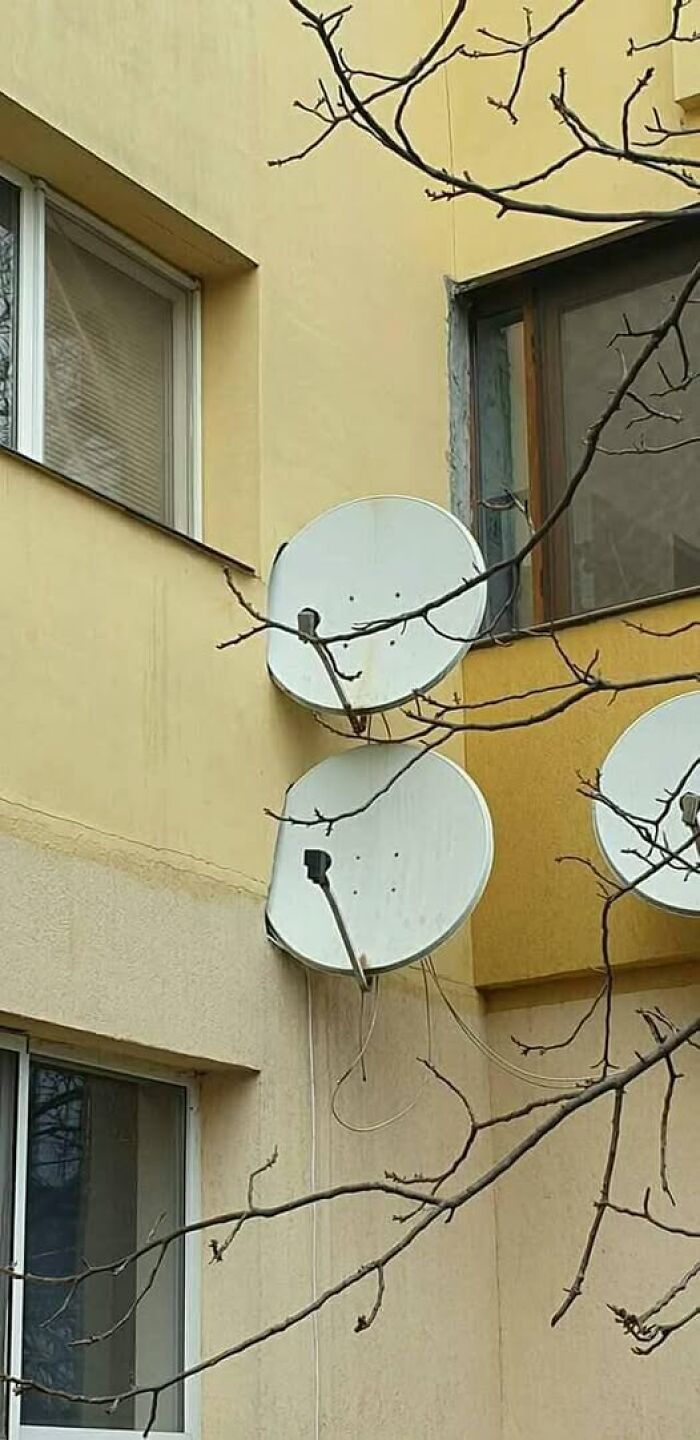
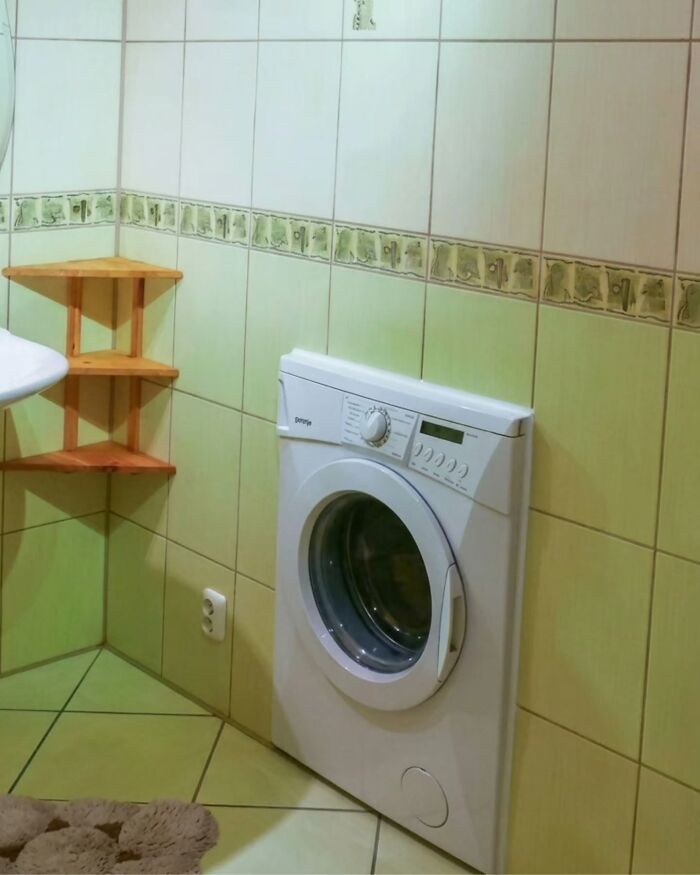
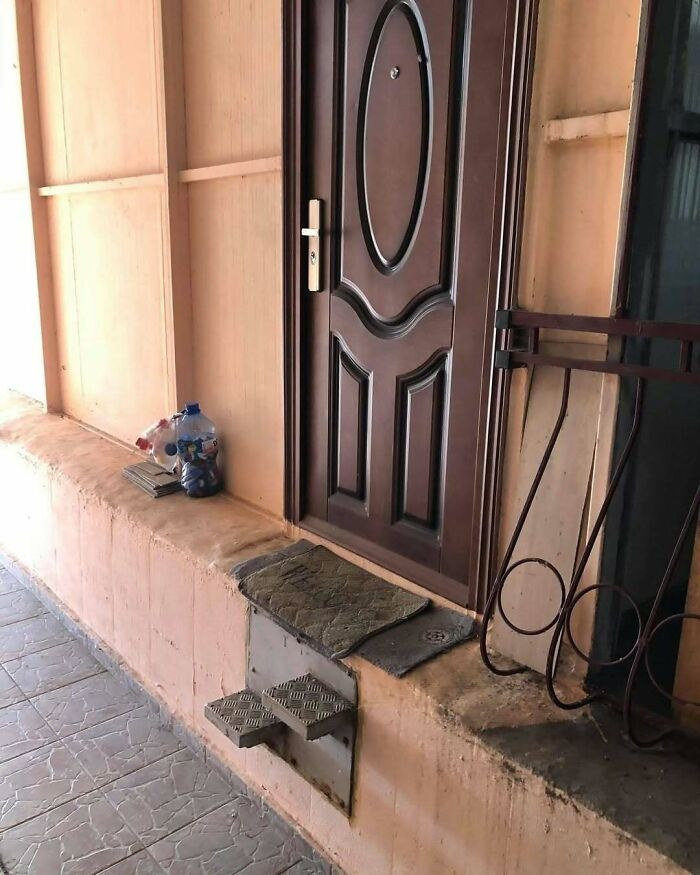
"the best connection would be in this direction. I suggest that we get different mounts, or attach them to wooden blocks to get them further out from the wall" Uncle boris: "no"
So hopefully, you walk away from this list remembering that as much as these photos will make you laugh, there’s a whole lot more to Slavic countries than what goes viral online.
There are centuries of tradition, craftsmanship and a culture that knows how to make the best out of any situation. It’s a great part of the world that deserves to be appreciated for a lot more than its memes.

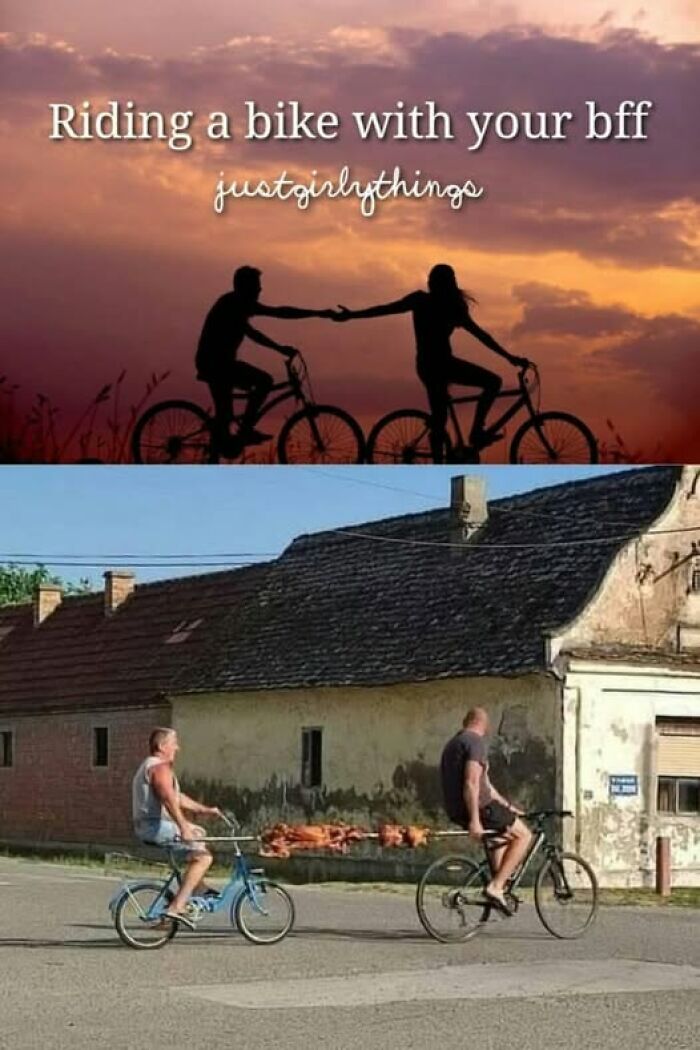
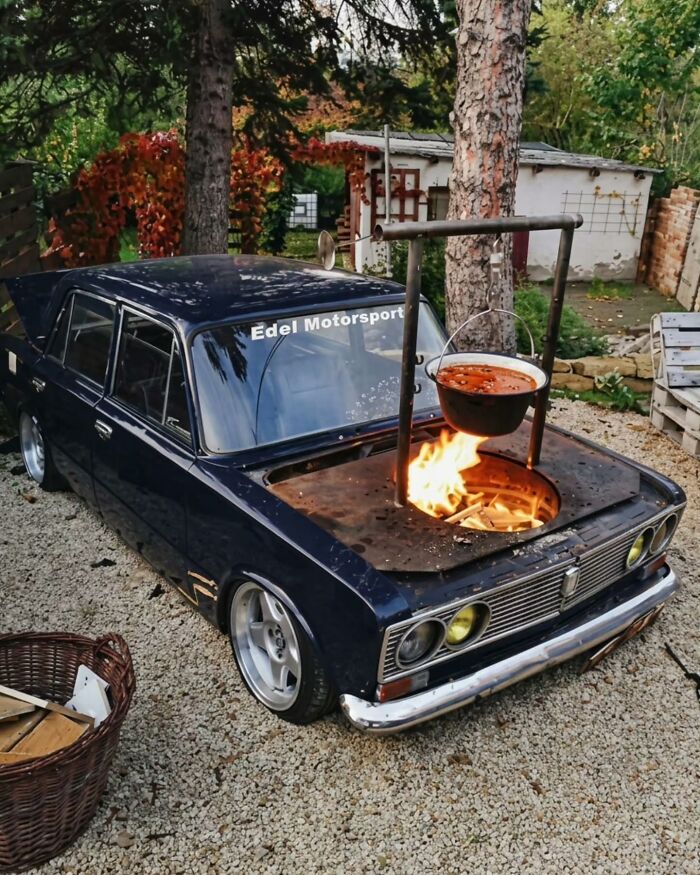
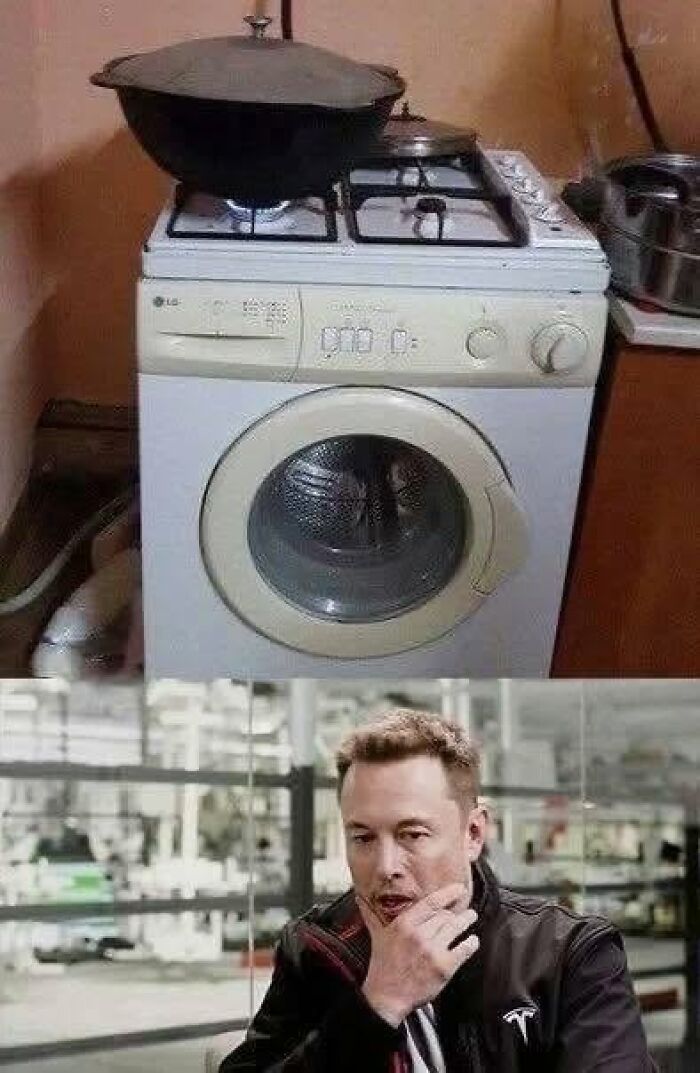
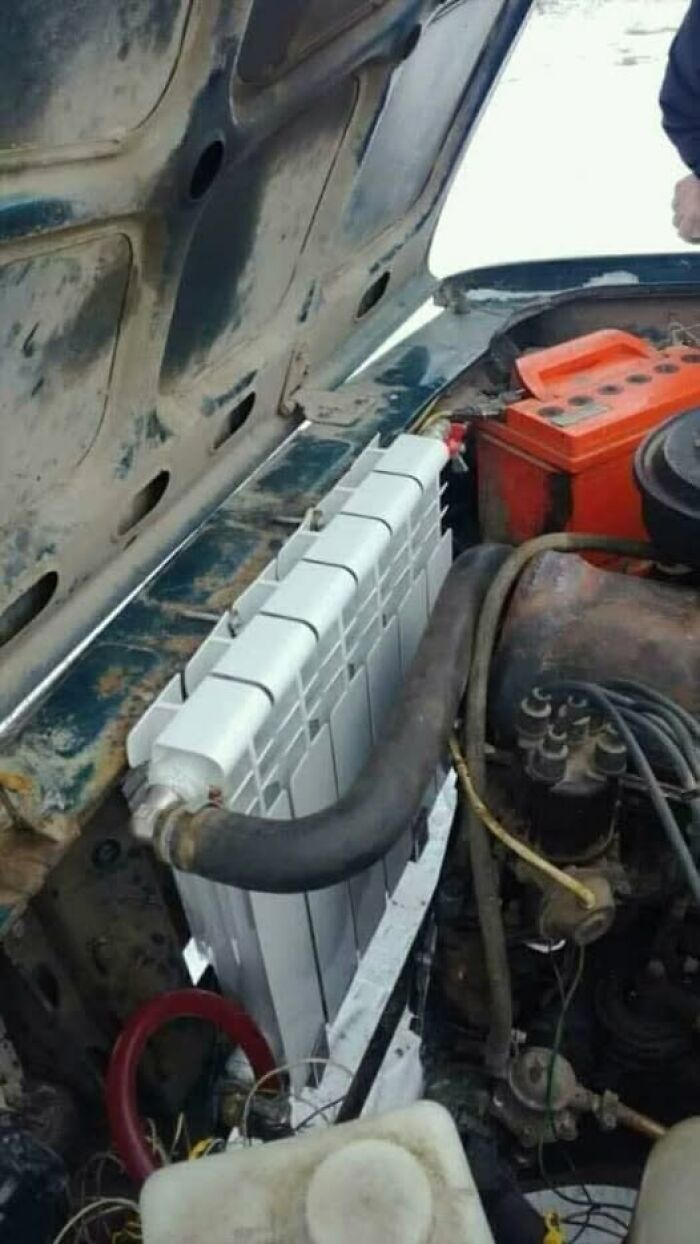
It all started with the cooking in dishwashers trend, then one person dared to ask, about rotisserie chicken.
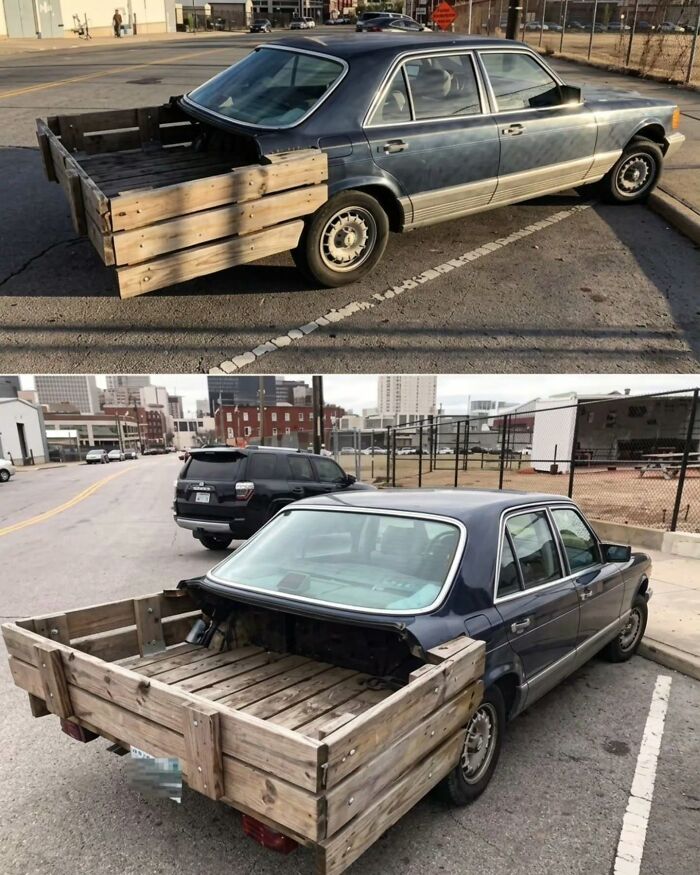
Slam on the breaks, get rear-ended. Since you aren't wearing a seat belt I guess both of you will be thrown out the window.

I, for one, welcome our Slav overlords. Honestly, this is so close to the redneck engineering I saw in my youth it's scary. It's not dumb if it works.
My last salary was $8750, ecom only worked 12 hours a week. My longtime neighbor yr estimated $15,000 and works about 20 hours for seven days. I can't believe how blunt he was when I looked up his information, This is what I do..... 𝐉𝐨𝐛𝐀𝐭𝐇𝐨𝐦𝐞𝟏.𝐂𝐨𝐦
Load More Replies... Do they sell insurance in Slavic countries? I guess no code or regulations enforced by governments.

In my experience, my first husband was from that neck of the woods, they regard laws as something quote, "only for fools stupid enough to obey".
Load More Replies... I, for one, welcome our Slav overlords. Honestly, this is so close to the redneck engineering I saw in my youth it's scary. It's not dumb if it works.
My last salary was $8750, ecom only worked 12 hours a week. My longtime neighbor yr estimated $15,000 and works about 20 hours for seven days. I can't believe how blunt he was when I looked up his information, This is what I do..... 𝐉𝐨𝐛𝐀𝐭𝐇𝐨𝐦𝐞𝟏.𝐂𝐨𝐦
Load More Replies... Do they sell insurance in Slavic countries? I guess no code or regulations enforced by governments.
In my experience, my first husband was from that neck of the woods, they regard laws as something quote, "only for fools stupid enough to obey".
Load More Replies...
























 No fees, cancel anytime