Get Premium
Dark mode theme is available exclusively for premium users. Learn more about the benefits of subscribing.
No fees, cancel anytime.

 Dark Mode Ad-Free Browsing Unlimited Content
 Ad-Free Browsing Unlimited Content Dark Mode
Join 1.2 million Panda readers who get the best art, memes, and fun stories every week!
There’s so much to juggle as an adult: bills to pay, rent to cover, errands that never seem to end. It’s no surprise life can start to feel overwhelming from time to time. In the middle of all that chaos, though, it’s important to pause, take a breath, and find a small reason to smile.
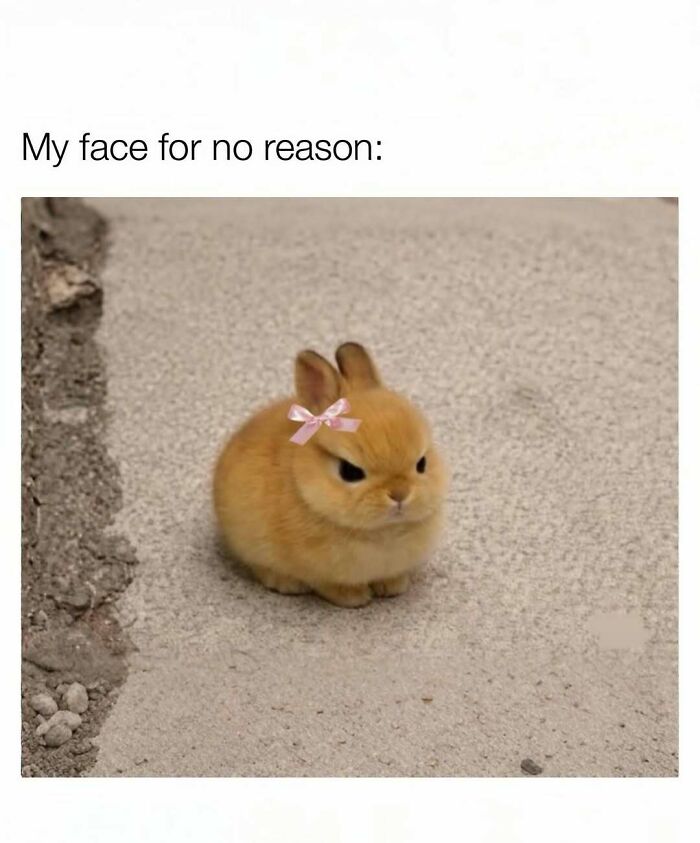
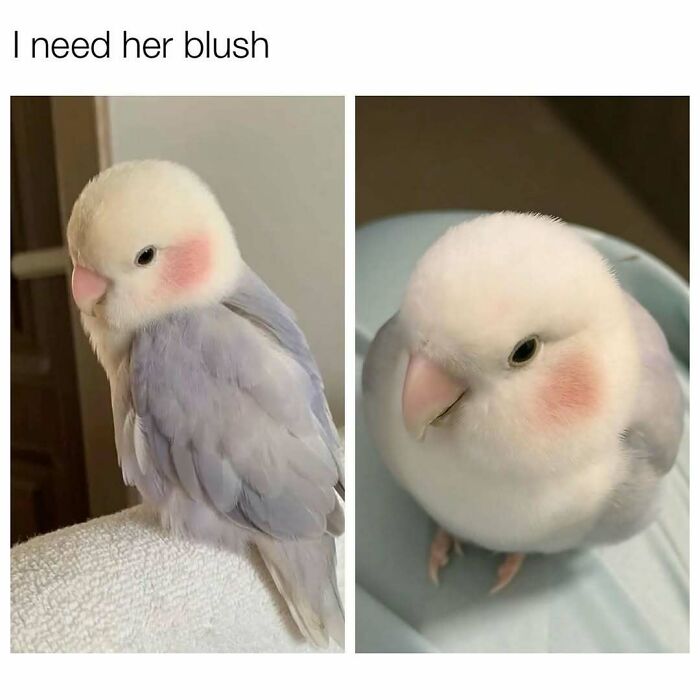
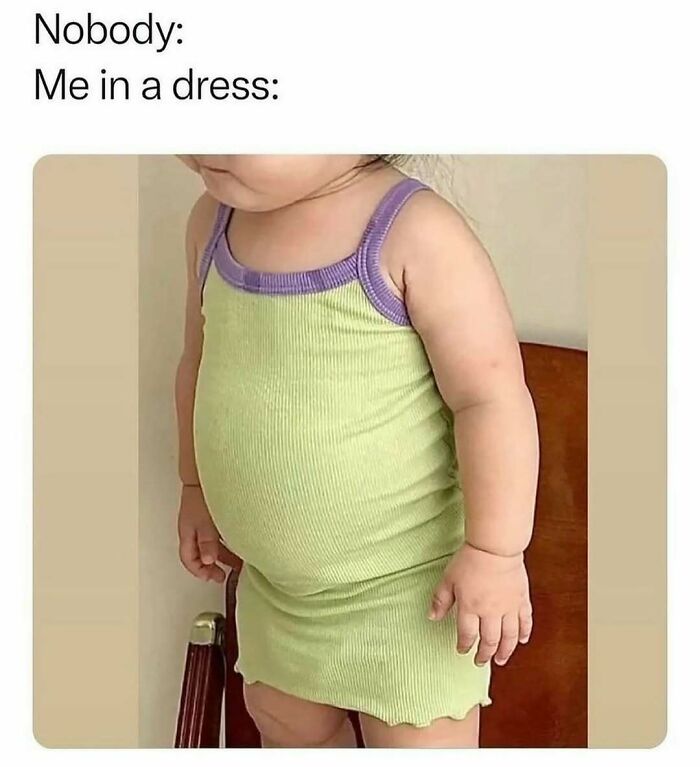
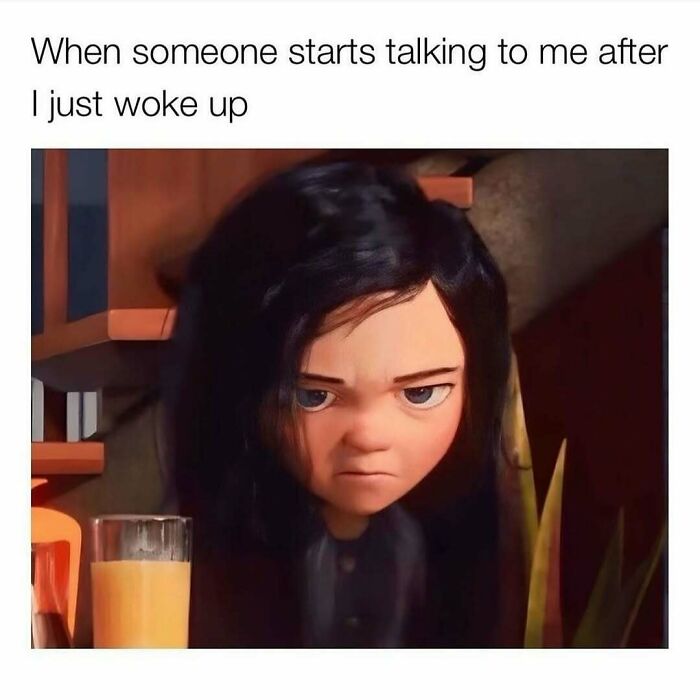
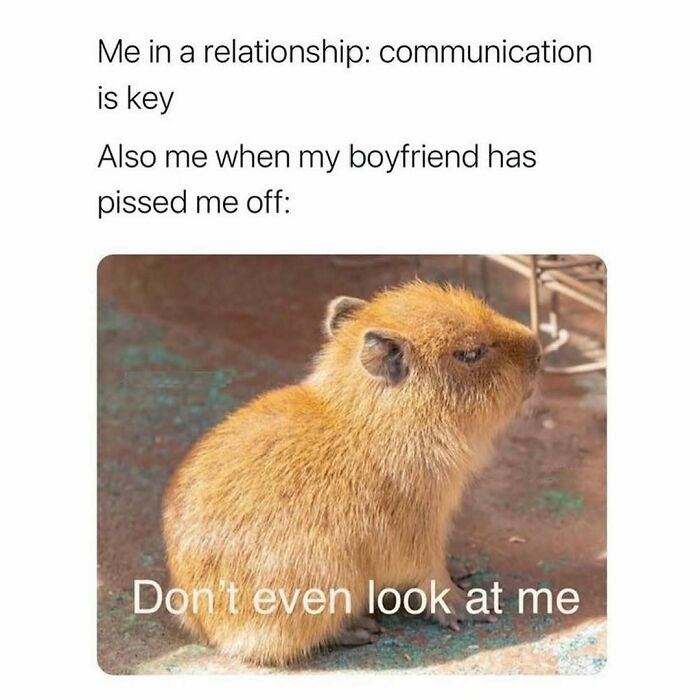
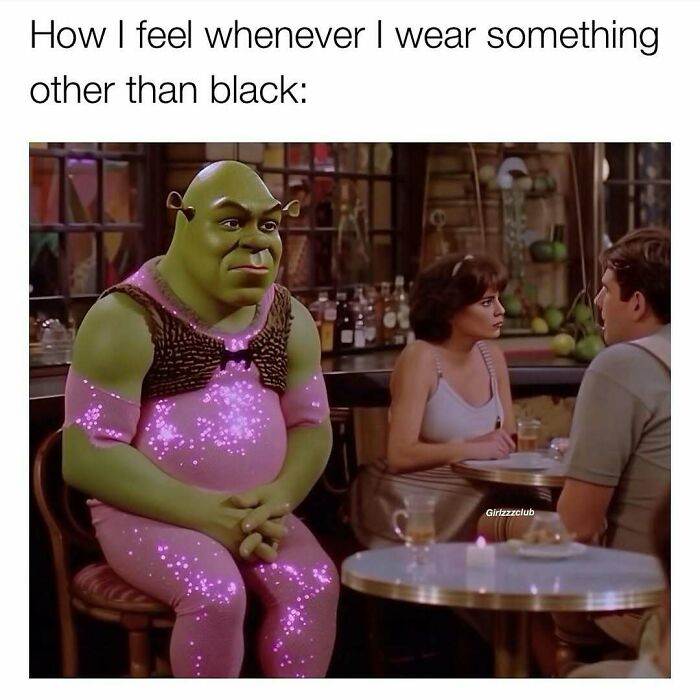
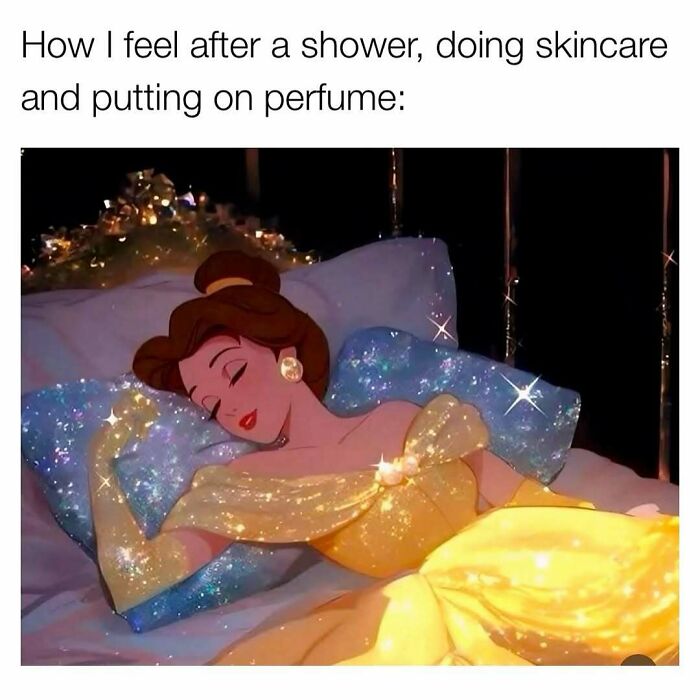
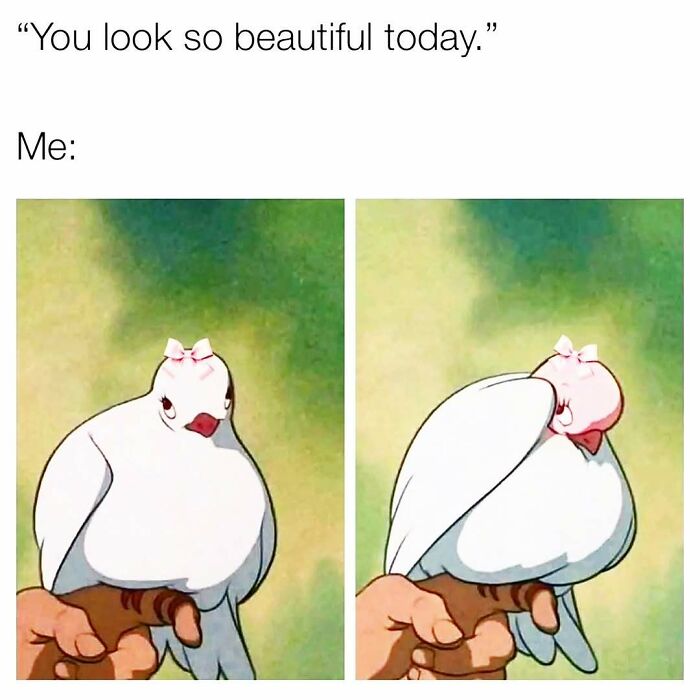
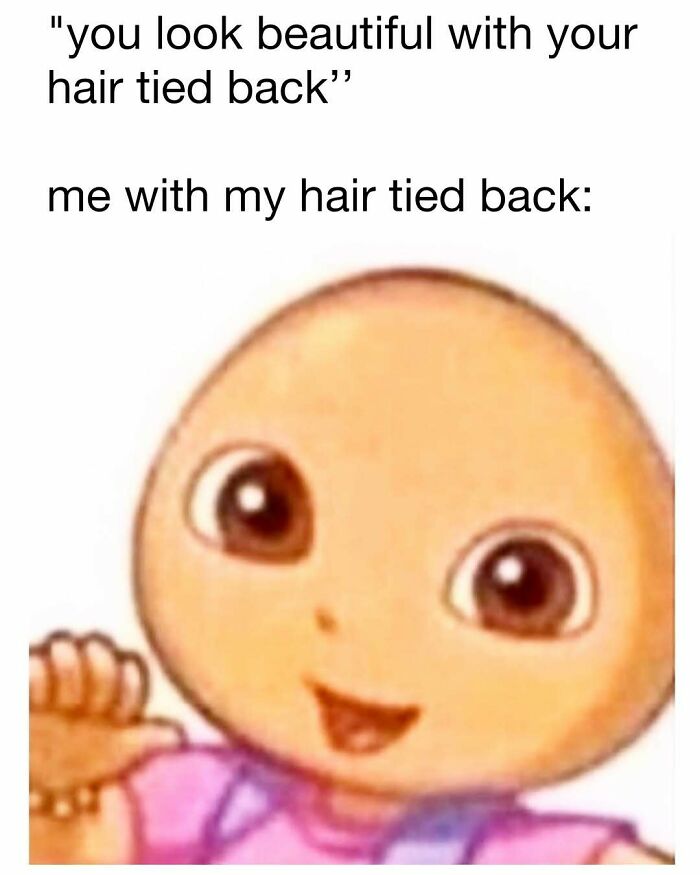
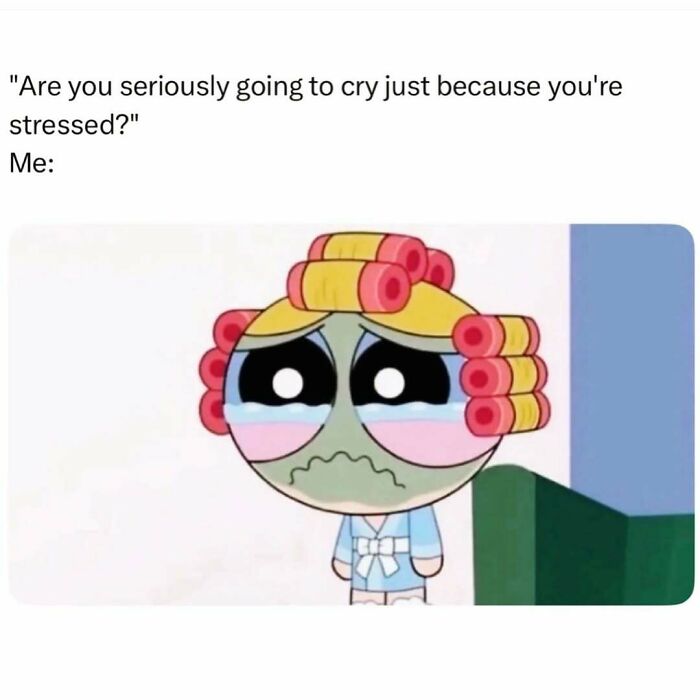
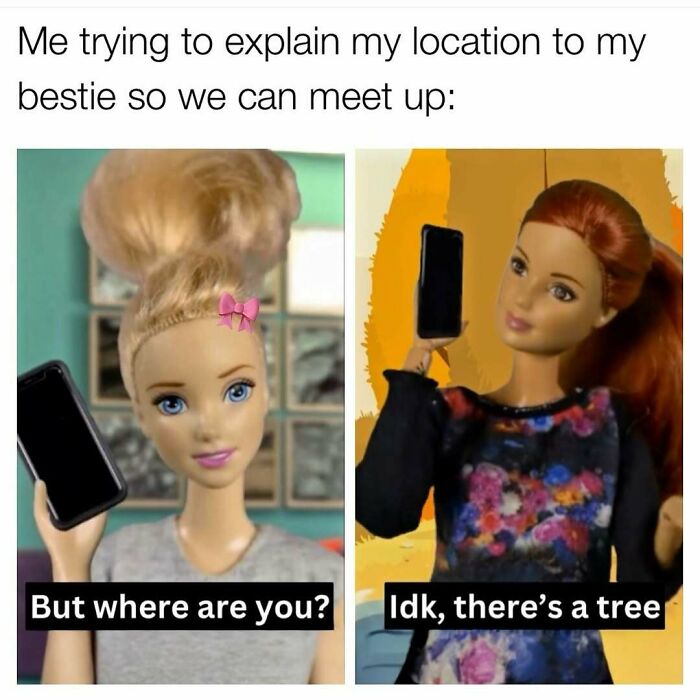
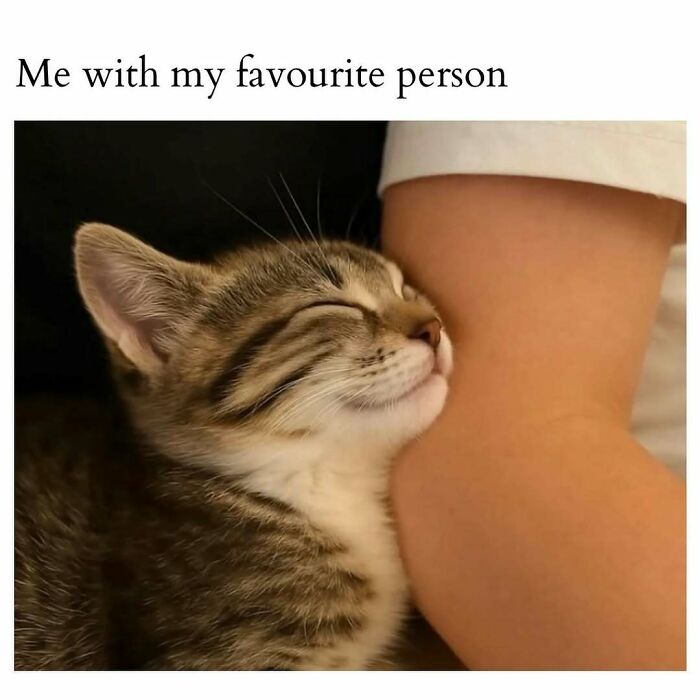
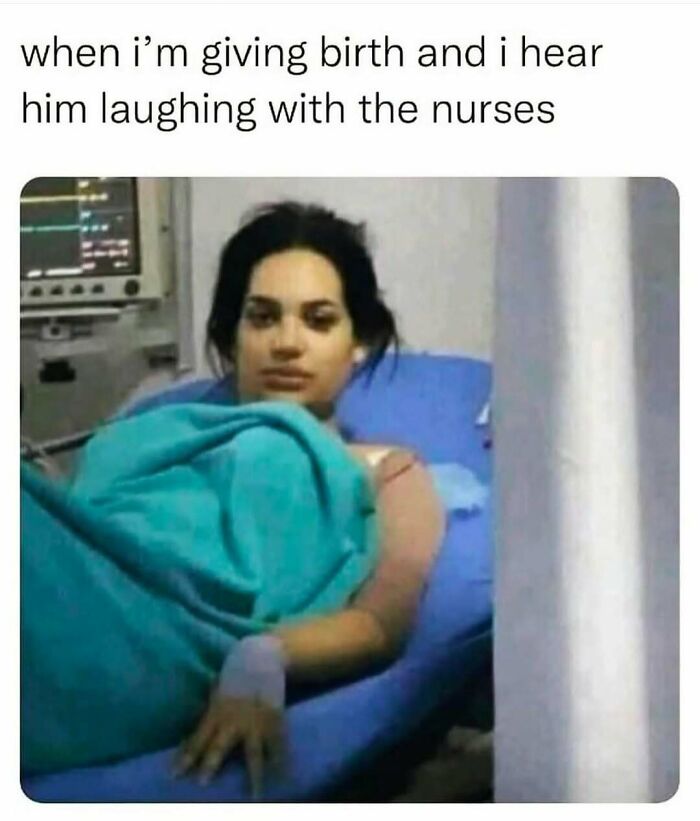
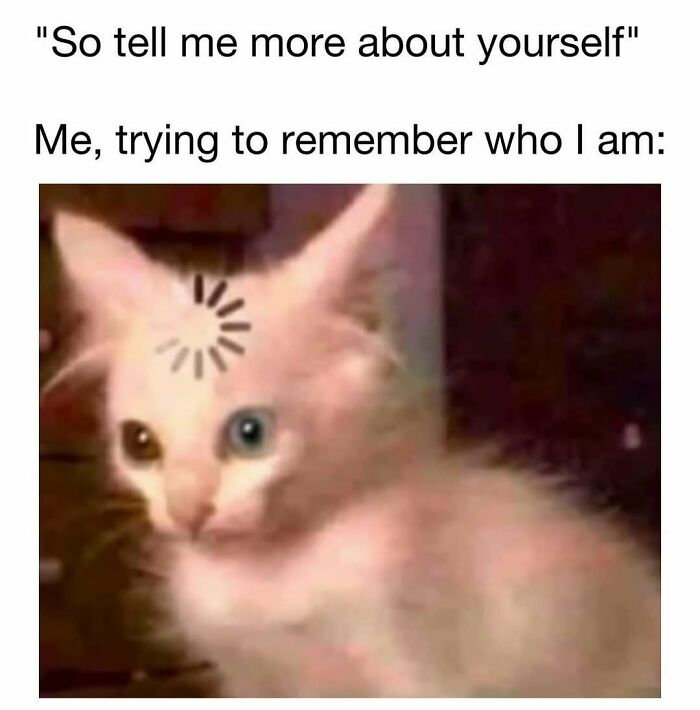
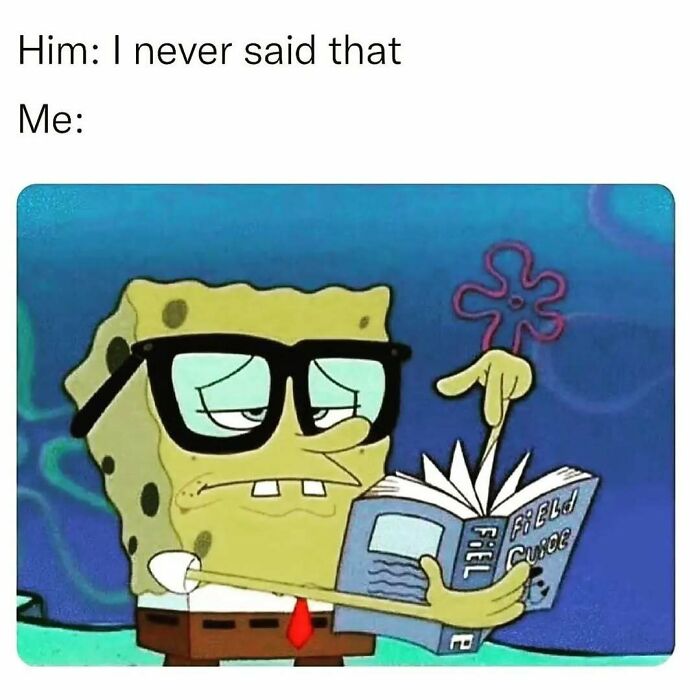
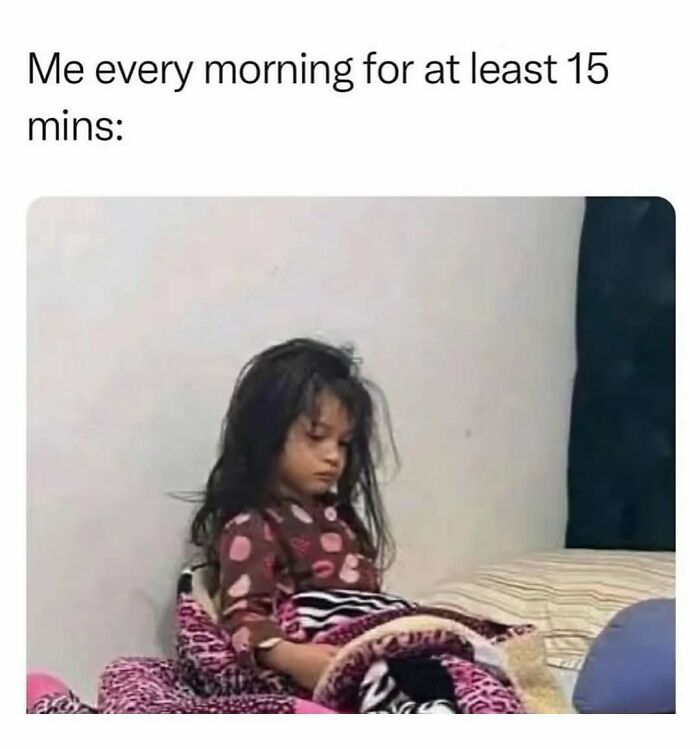
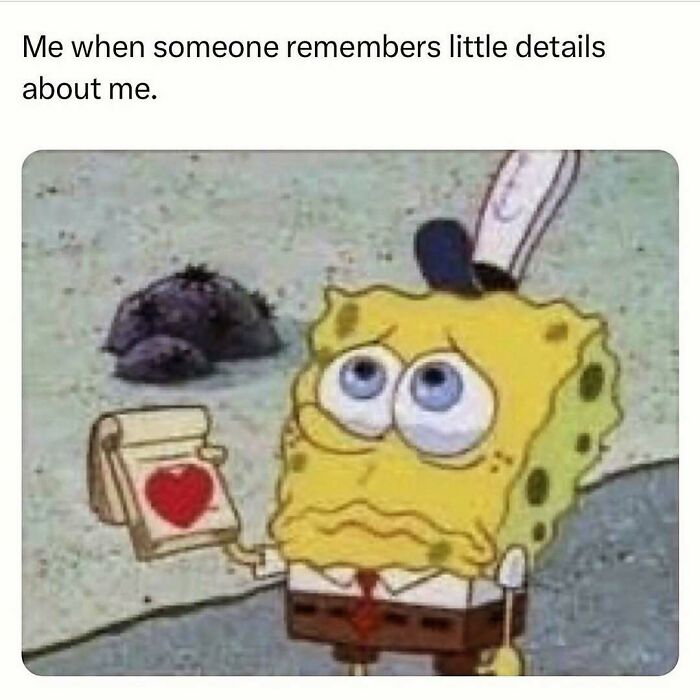
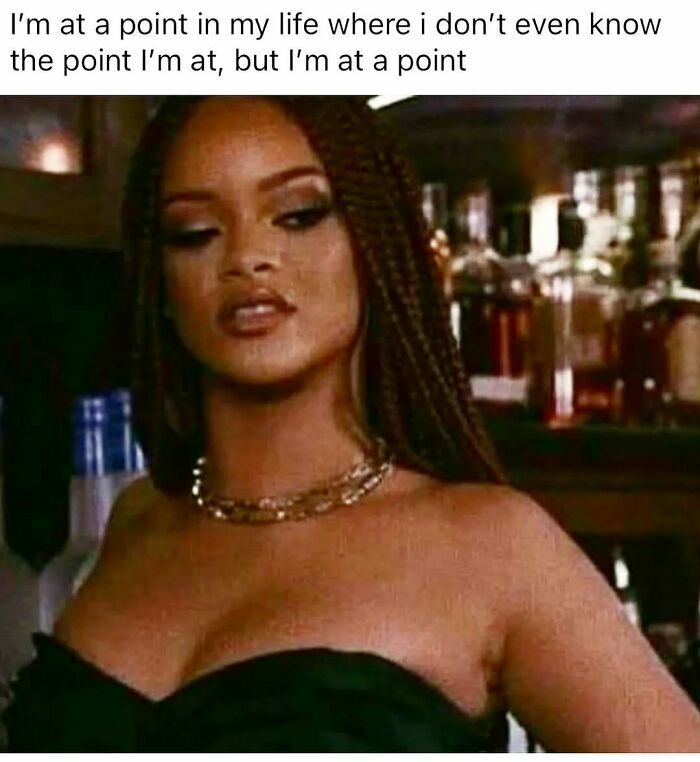
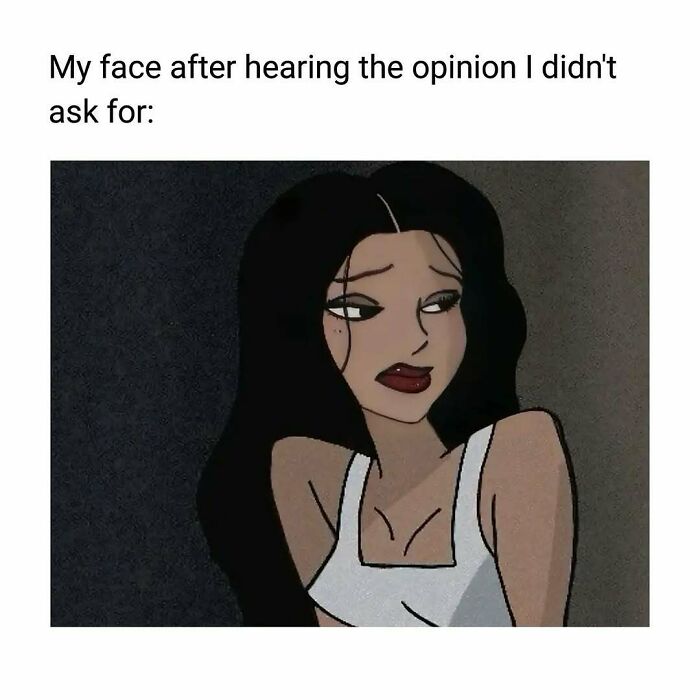
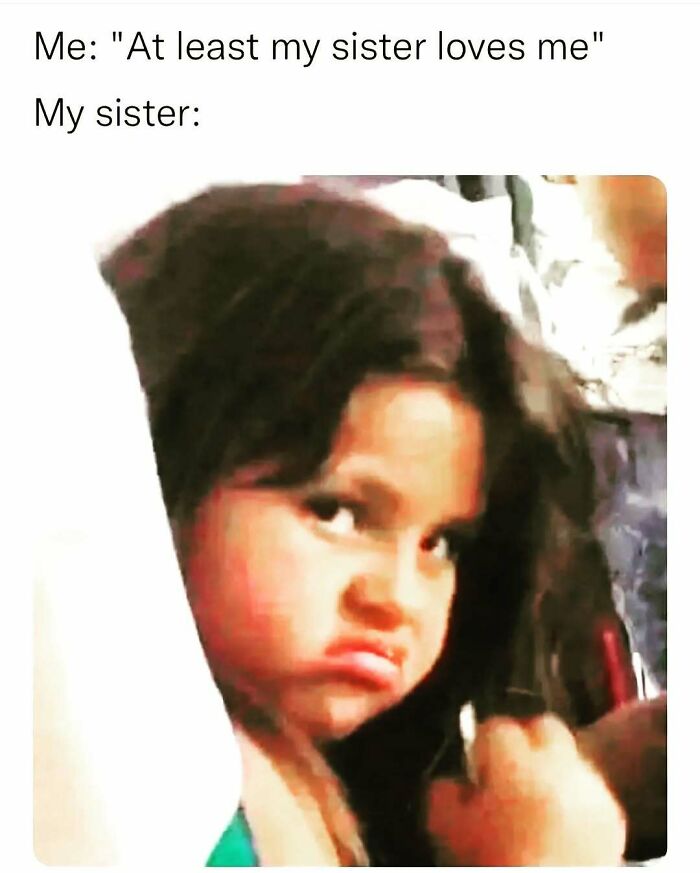
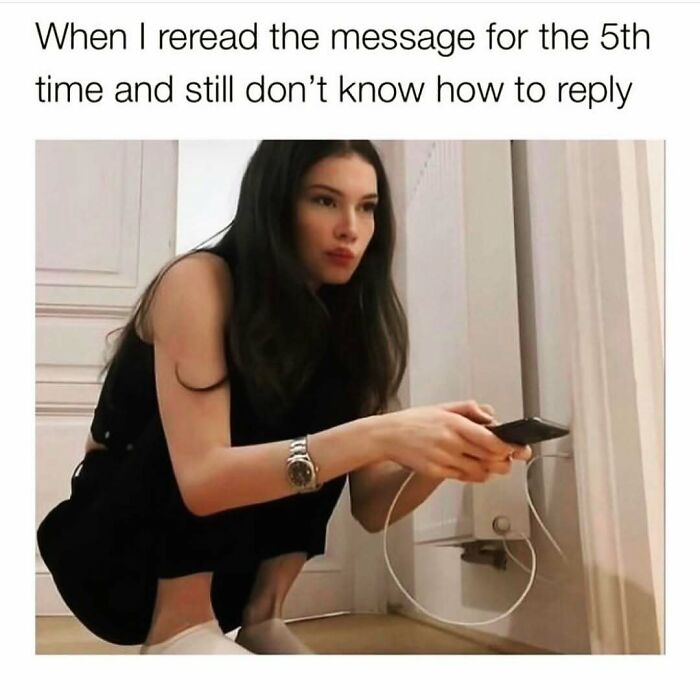
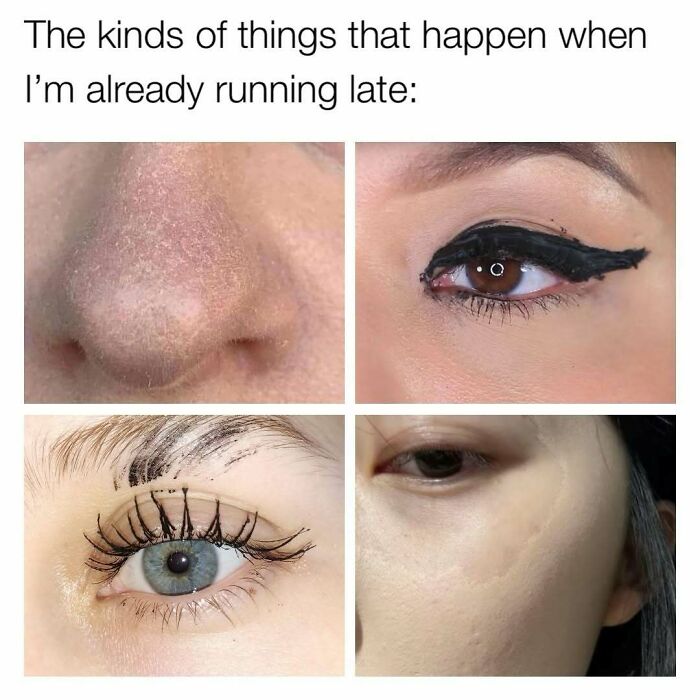
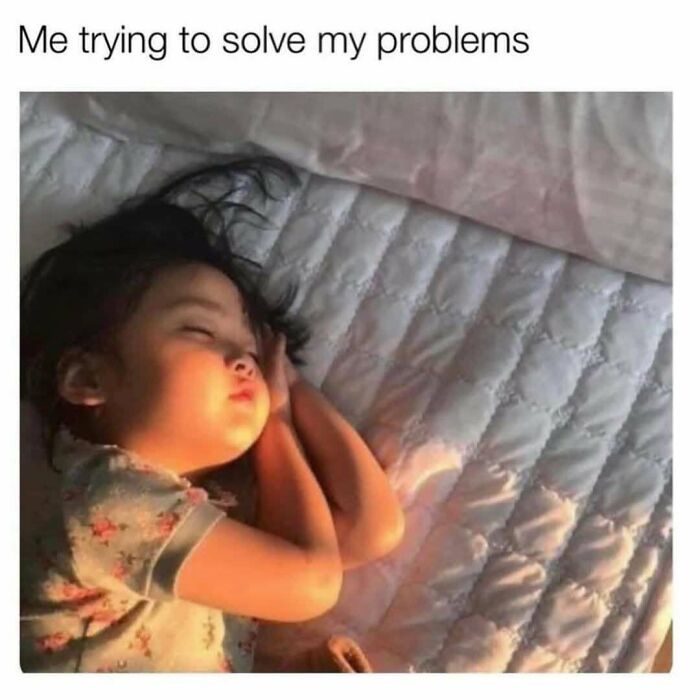
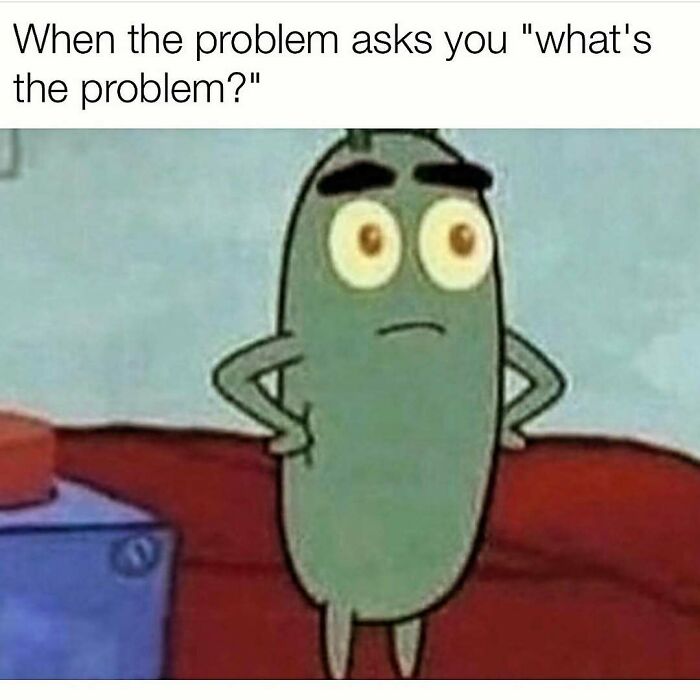
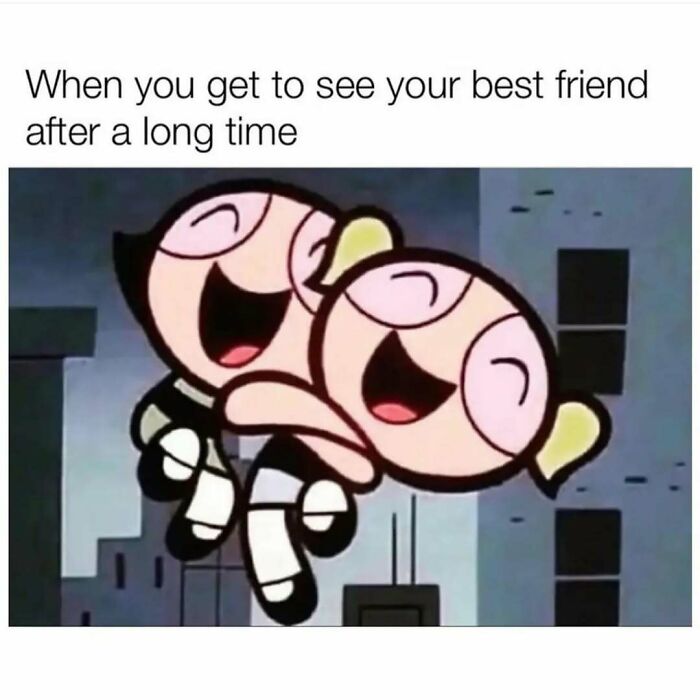
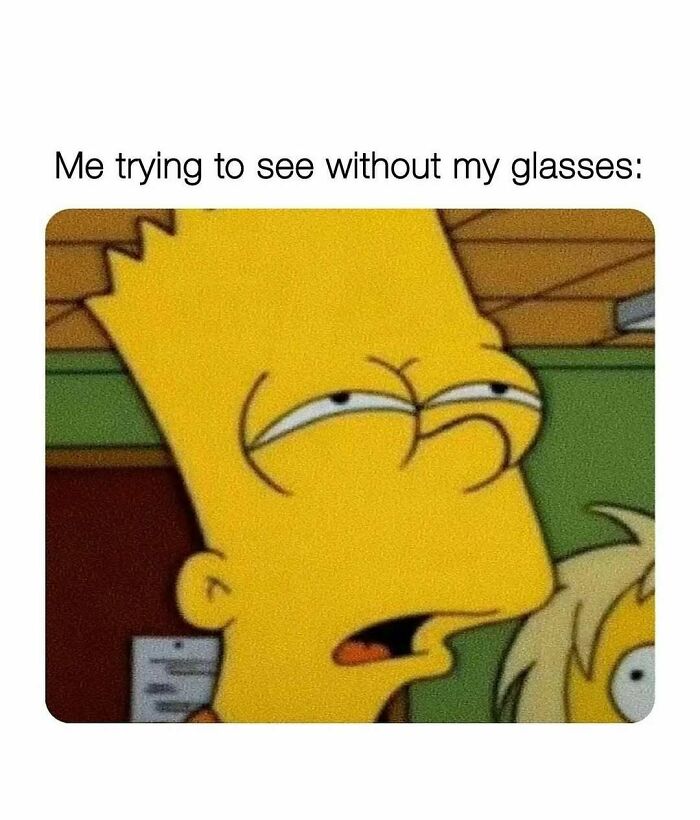
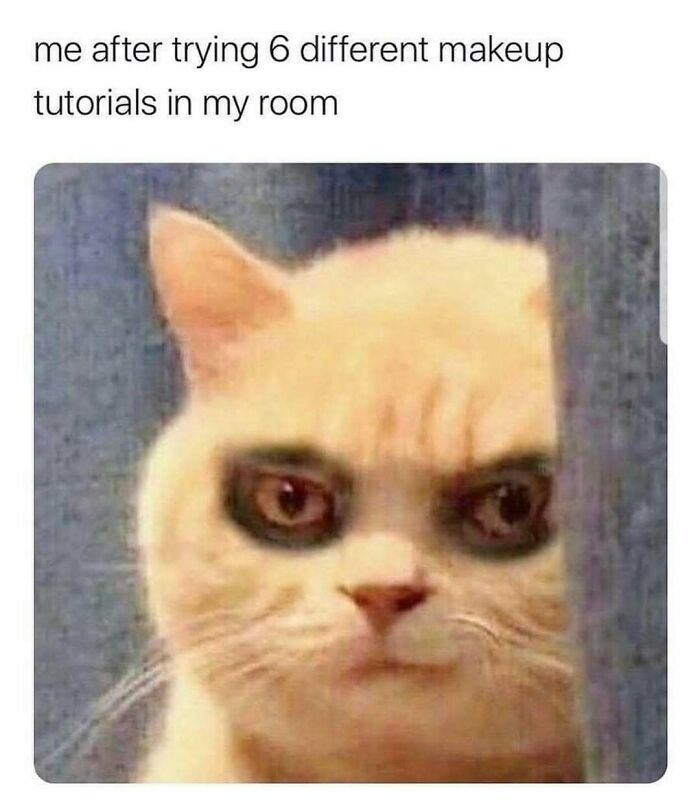
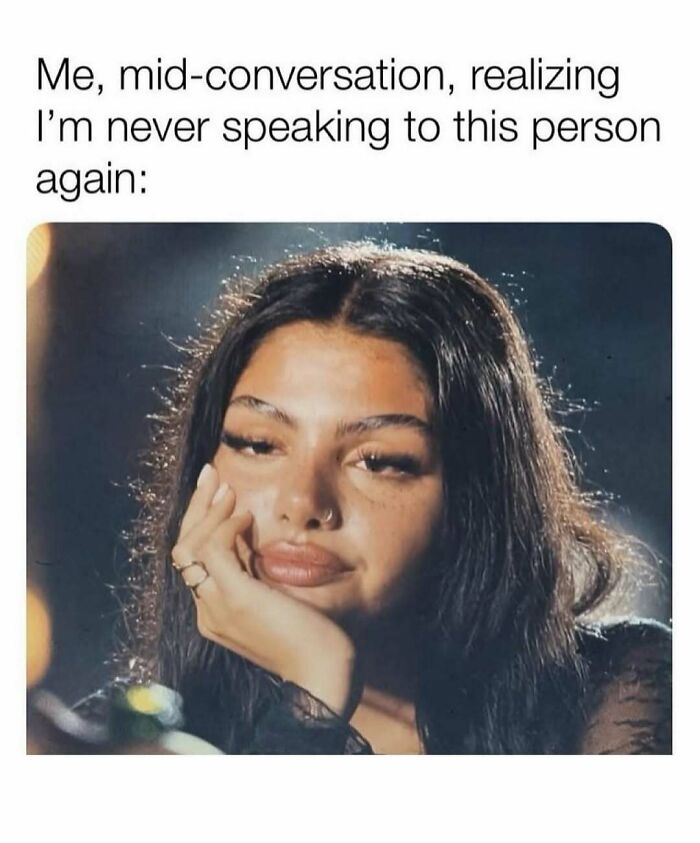
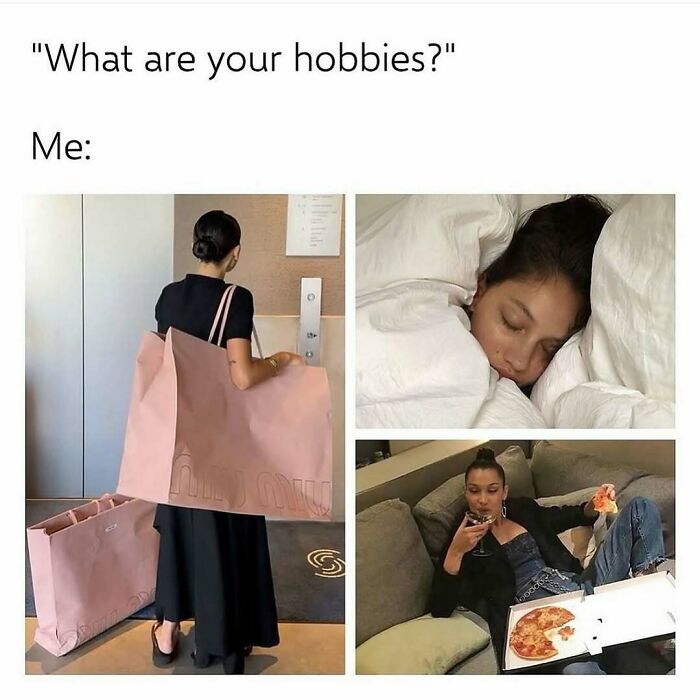
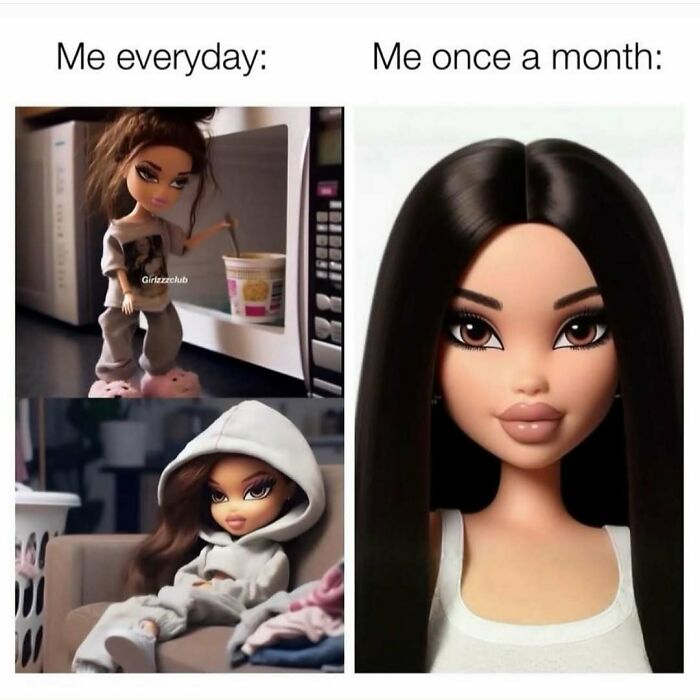
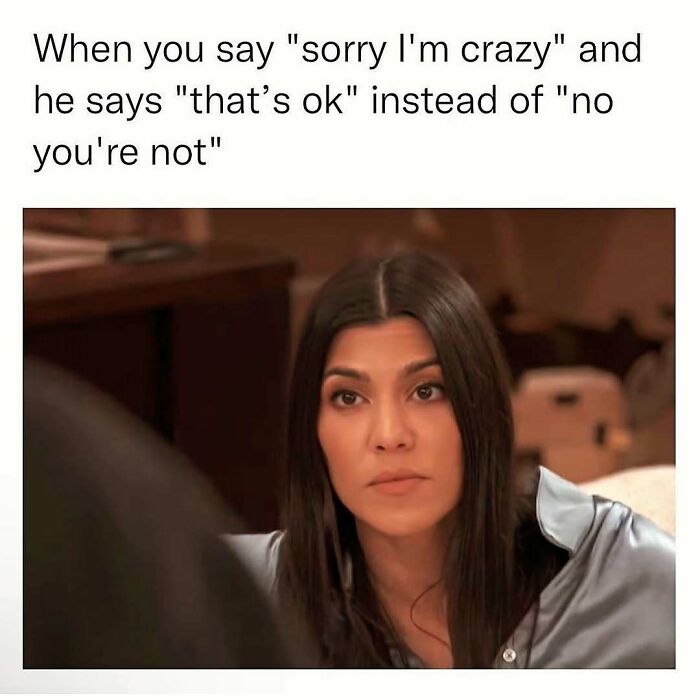
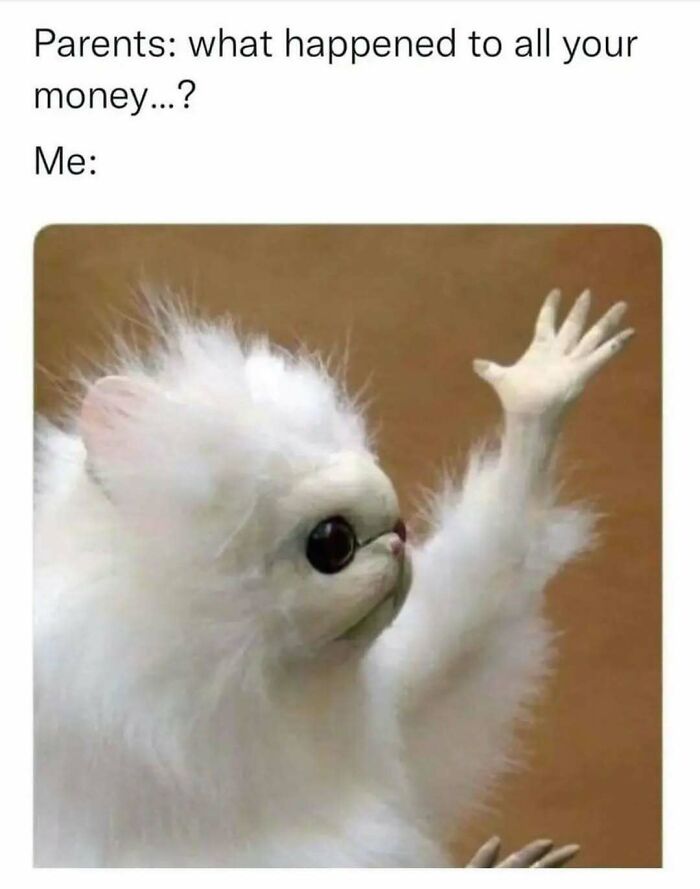
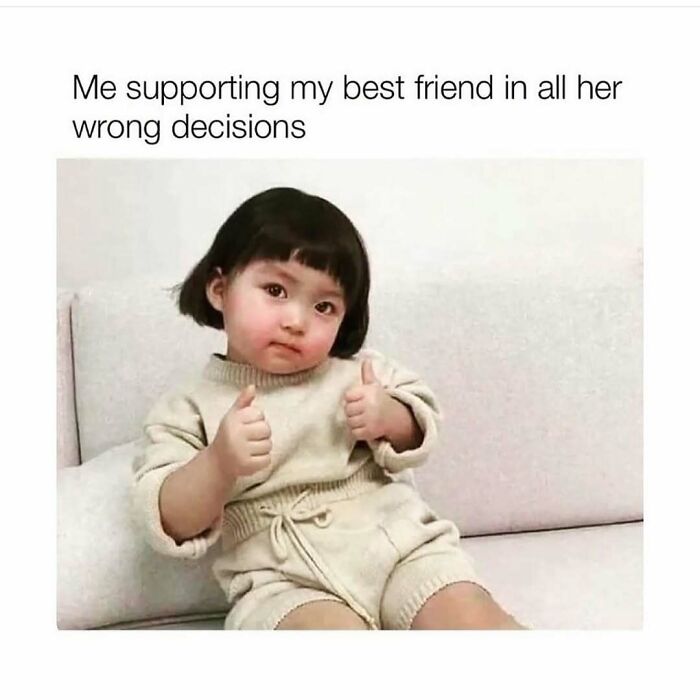
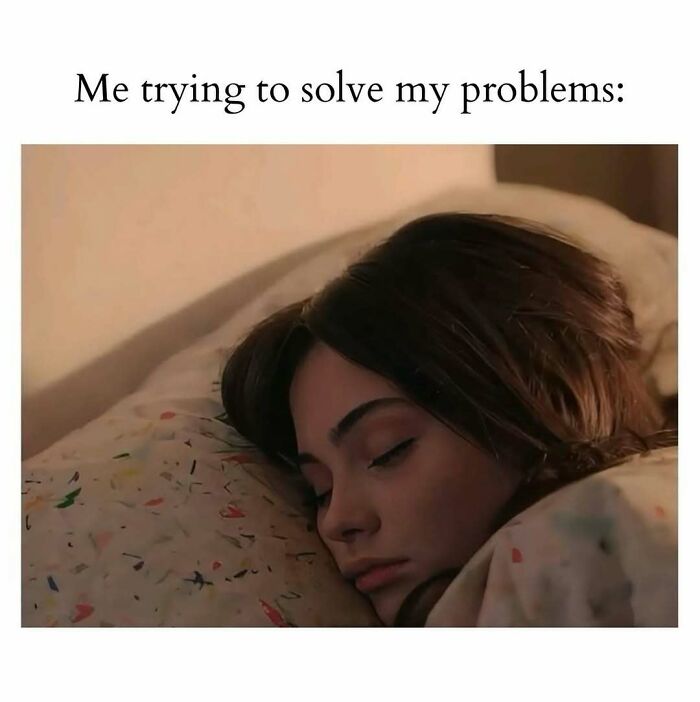
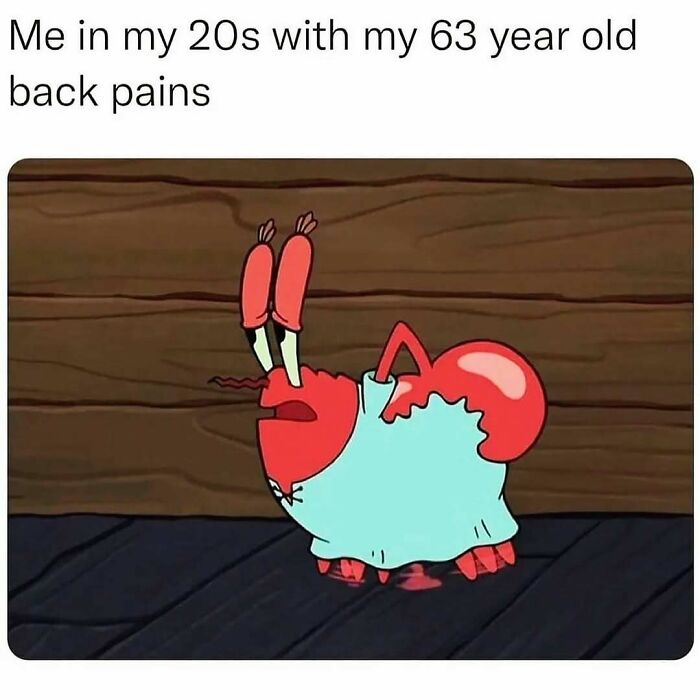
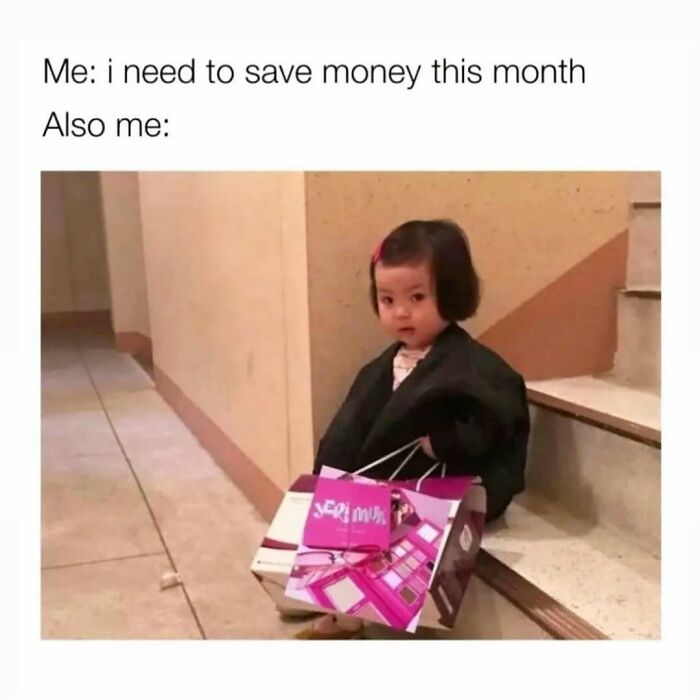
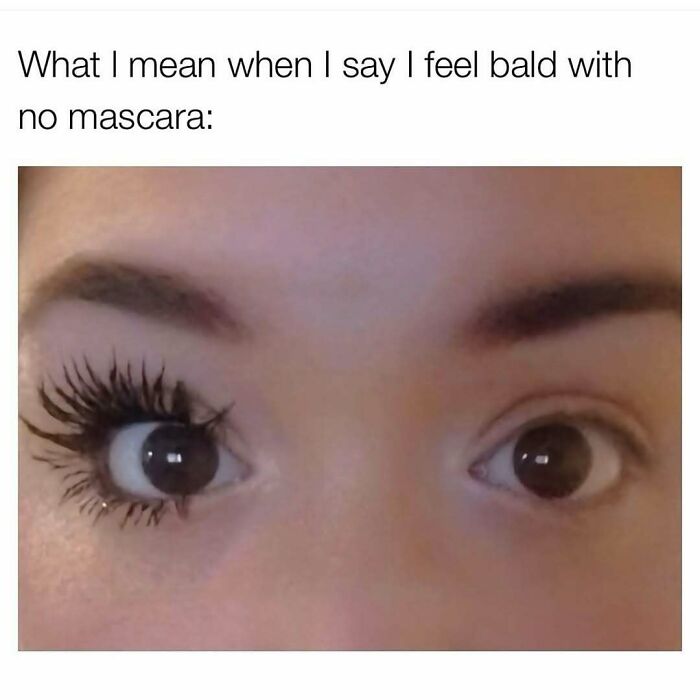
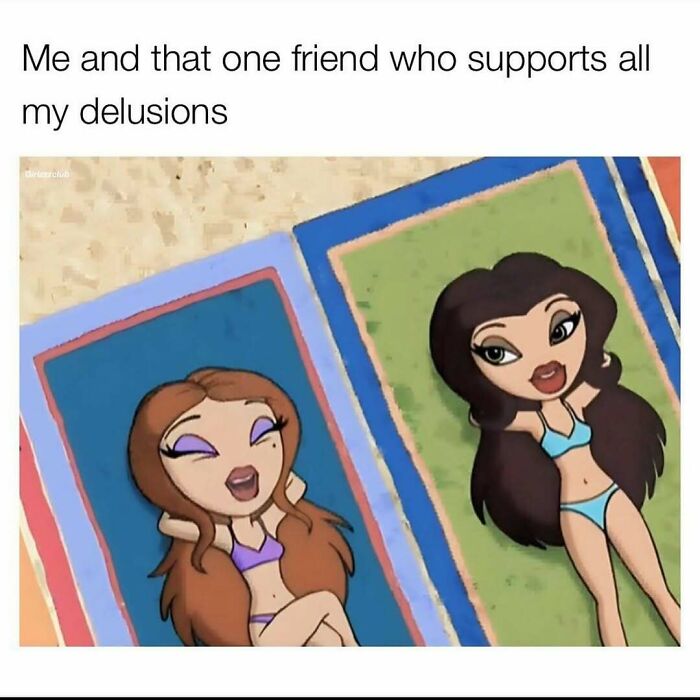
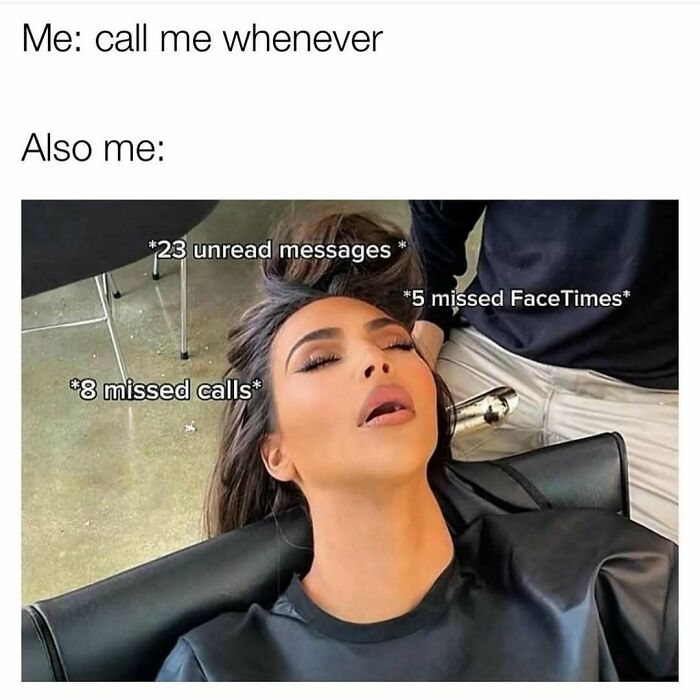
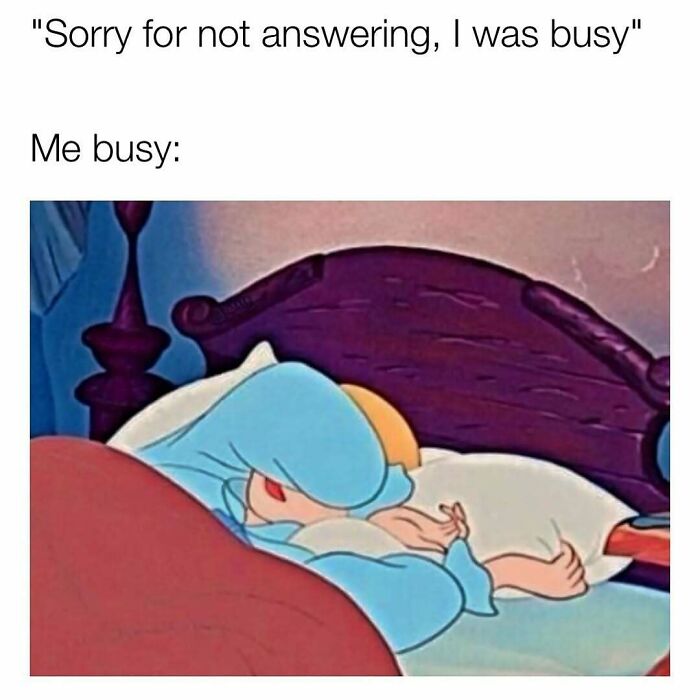
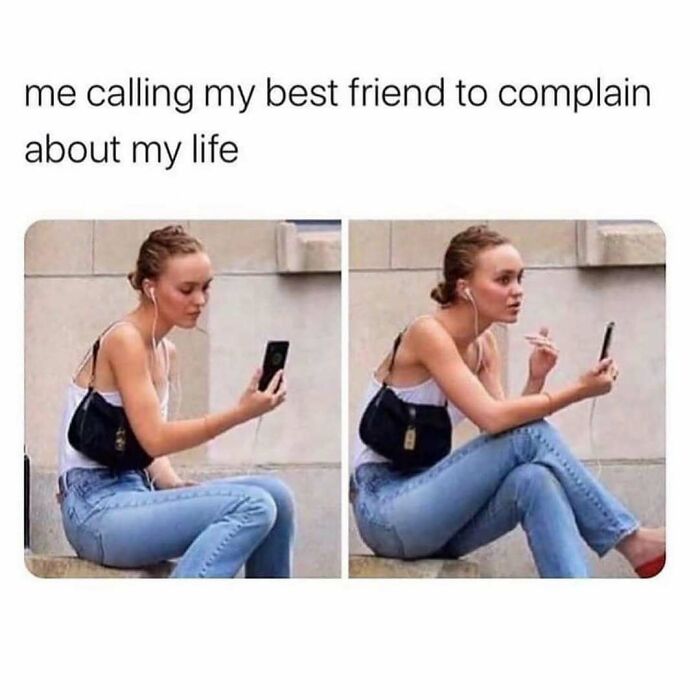
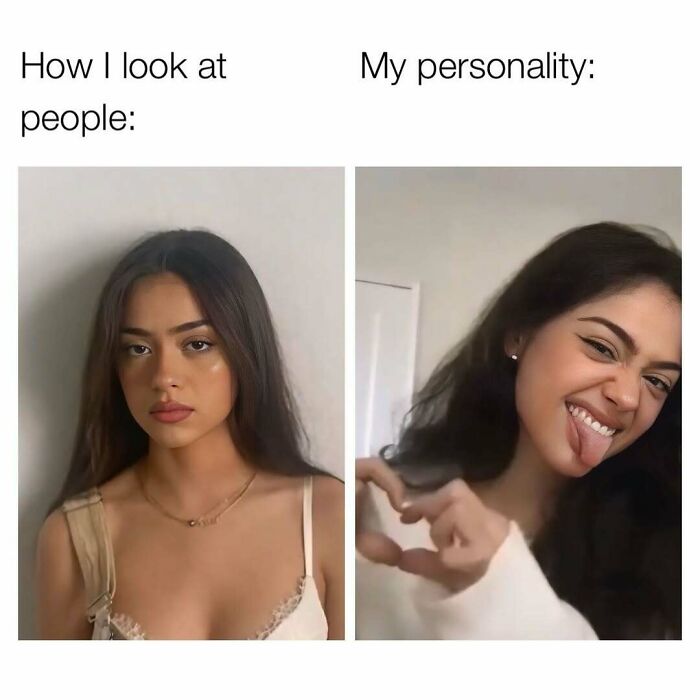
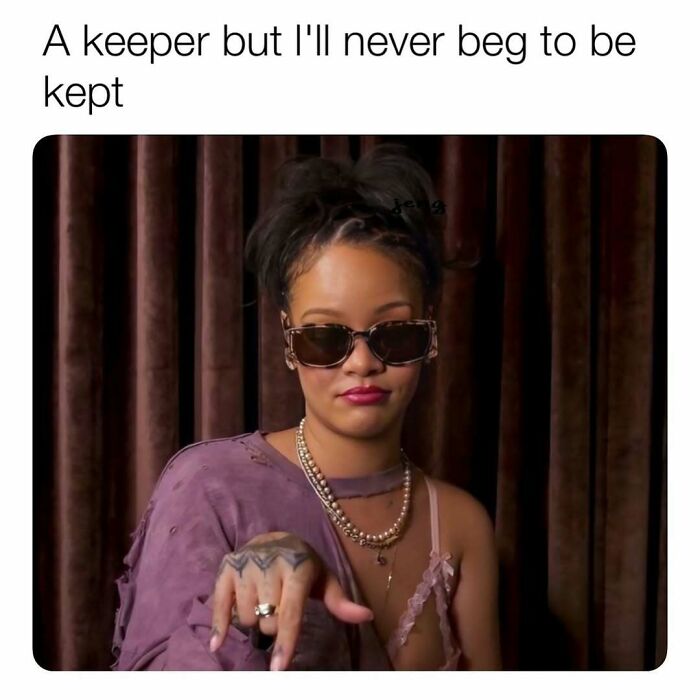
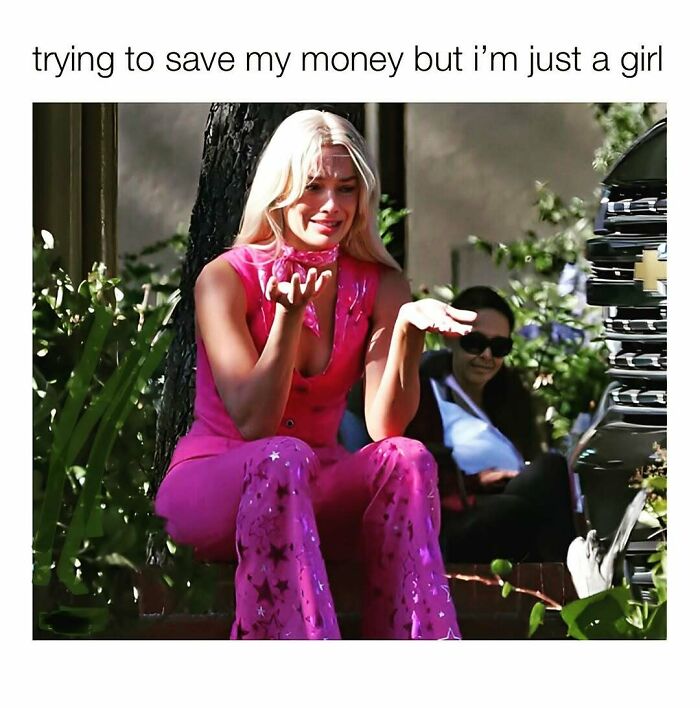
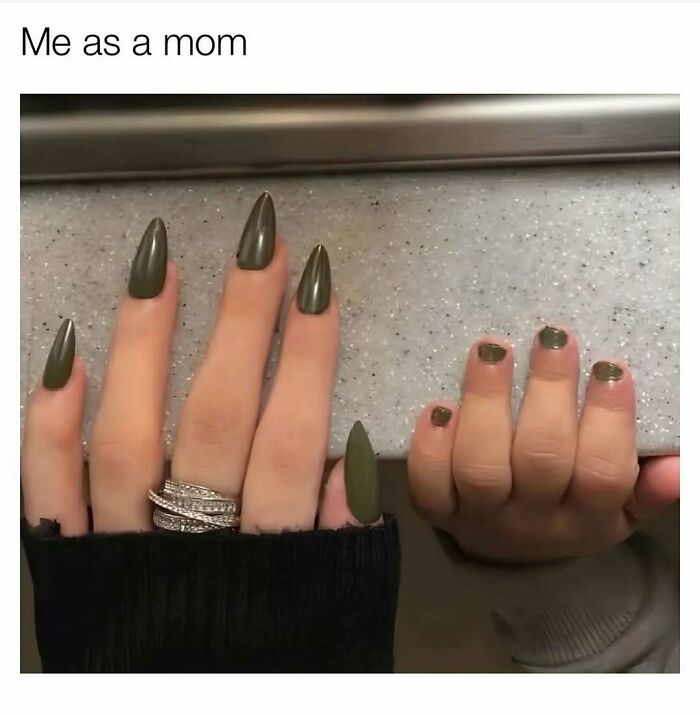
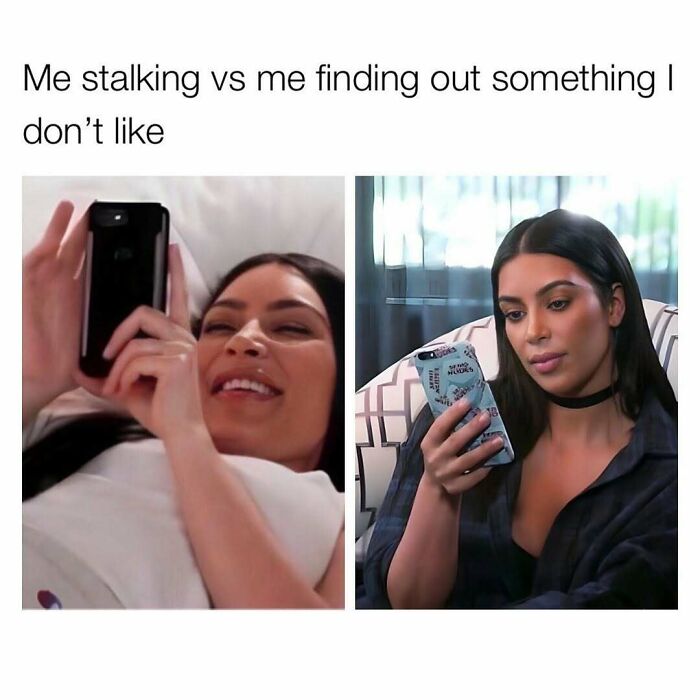
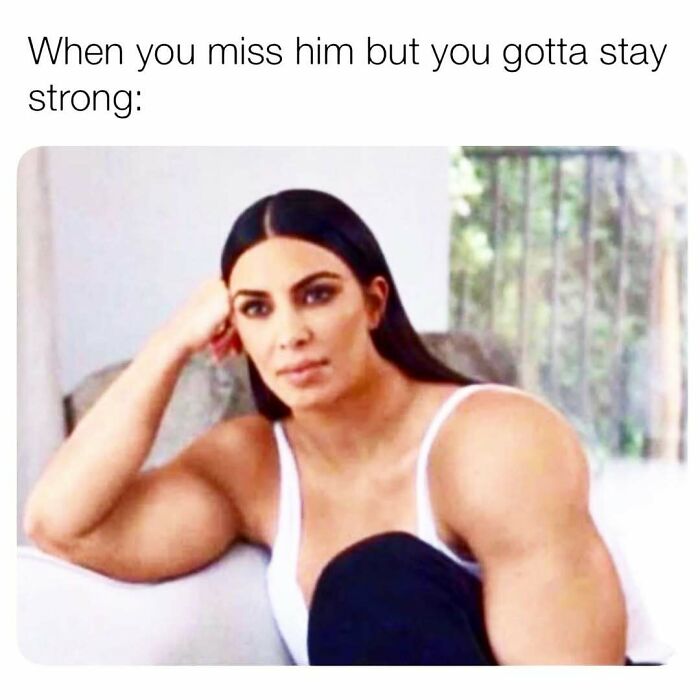
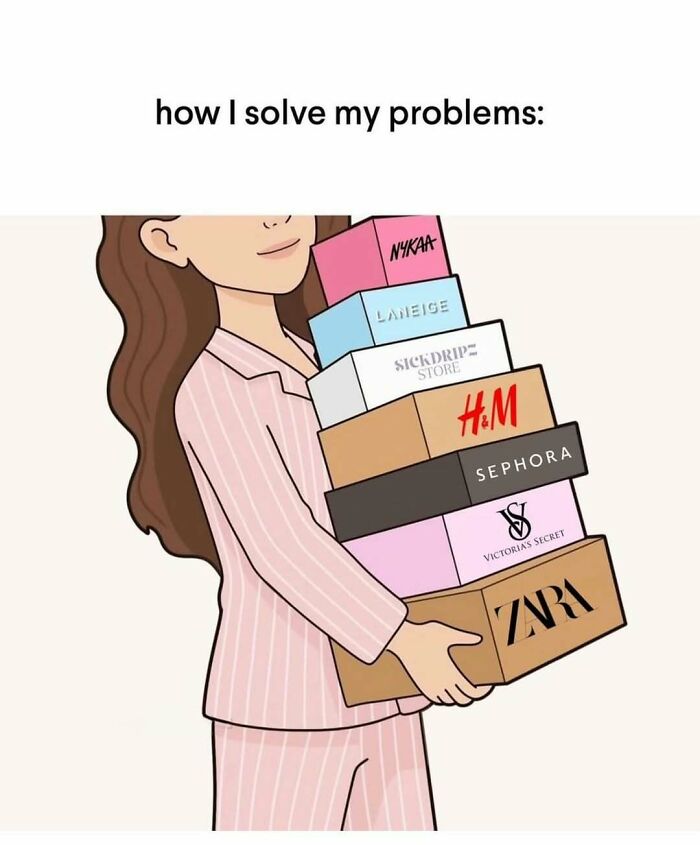
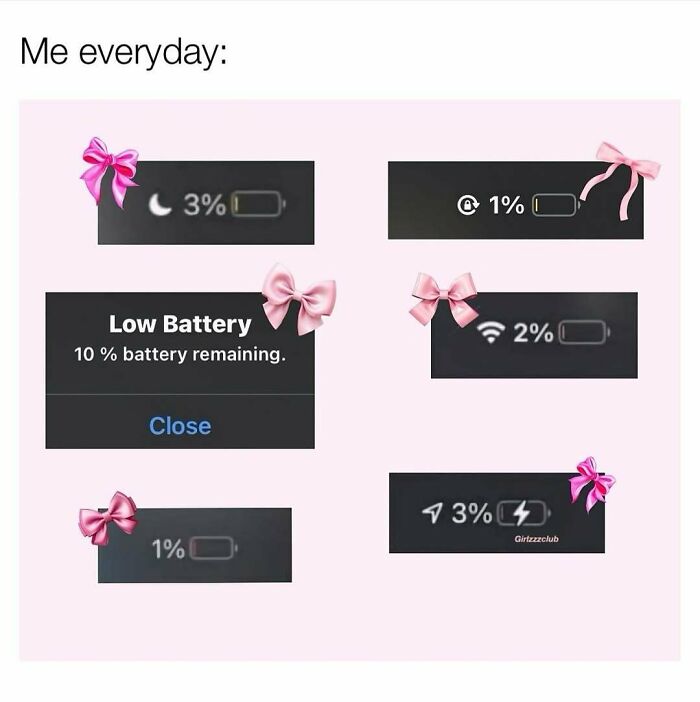
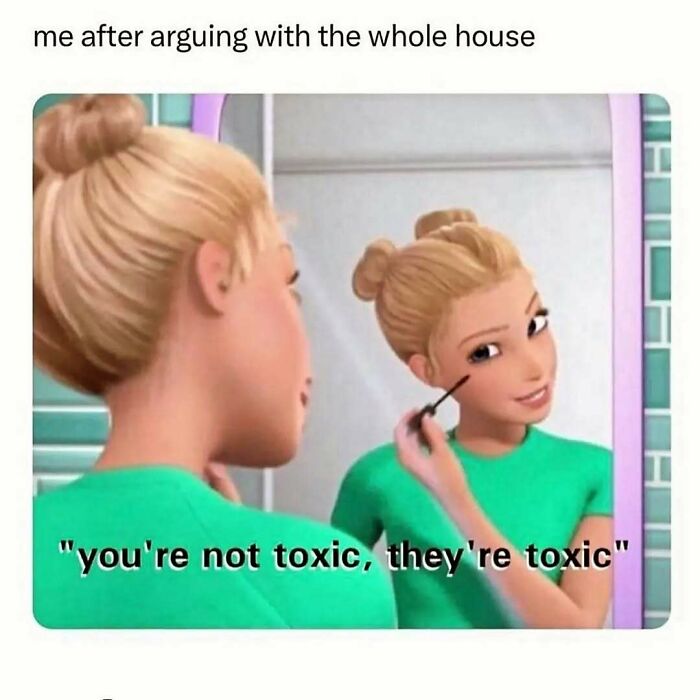
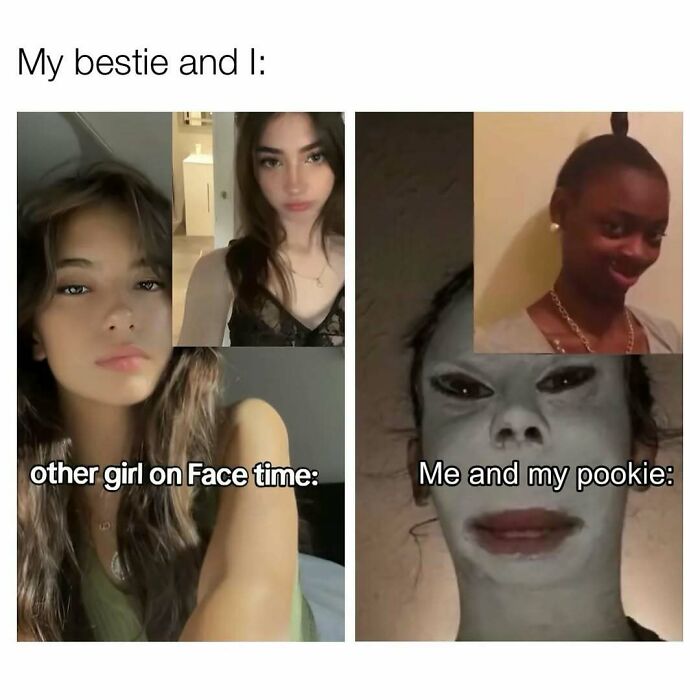
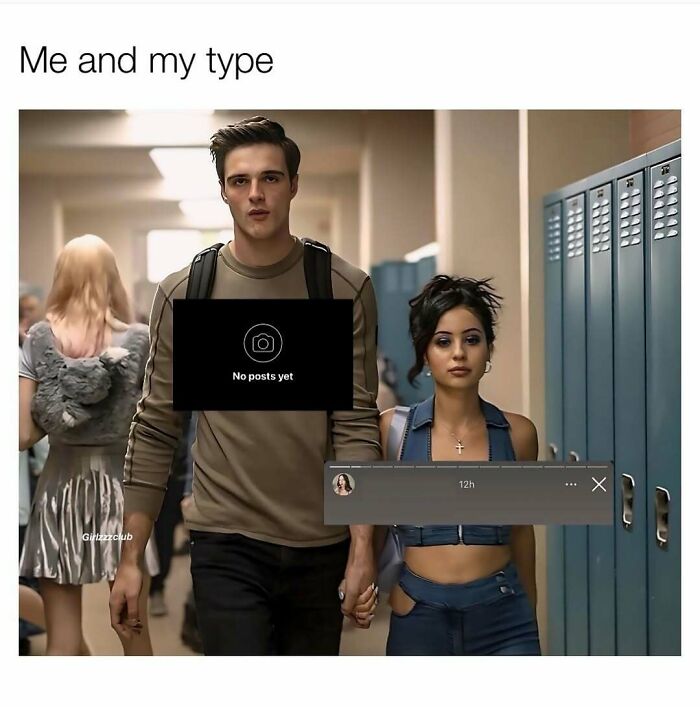
And honestly, what better way to do that than with memes that feel a little too relatable? We’ve gathered some gems from a popular Instagram account that perfectly capture everyday struggles — especially the kind that’ll make the ladies laugh and nod in agreement. Keep scrolling for a dose of humor you probably didn’t know you needed.
This post may include affiliate links.
Often, when something goes missing at home: a sock gone rogue, a bed cover that needs changing, or a tricky meal to make, we run straight to mom. She’s the one who keeps the household running, cooking, cleaning, organizing, and making sure everything works like clockwork. From early mornings to late nights, she handles chores we rarely notice, manages schedules, and takes care of everyone’s needs. And yet, much of this labor goes unpaid and unrecognized, even though it’s essential to keeping families and homes functioning smoothly.
Globally, women perform an extraordinary amount of unpaid work every single day. If we tried to assign a monetary value to everything women do at home, it would surpass 40 percent of GDP in some countries. Women and girls spend more than 2.5 times as many hours each day on unpaid care work than men. Cooking, cleaning, caring for children or elderly family members — all of it adds up to an immense contribution to society. Despite its importance, this work is often invisible and undervalued, and it keeps women from opportunities outside the home.

This inequality starts early. When girls don’t have equal access to education, their future opportunities shrink. Over the past decades, progress has been made, but there’s still a long way to go. According to a 2025 UN report, 122 million girls around the world remain out of school. Without education, girls miss out on essential skills and knowledge that could allow them to pursue careers, break cycles of poverty, and claim their rights. Access to learning is a foundation for equality, and when it’s denied, the ripple effects last a lifetime.
Even when women enter the workforce, the challenges continue. Globally, women earn about 20 percent less than men for the same work. Structural barriers, such as job segregation, discrimination, and penalties for caregiving responsibilities, keep women from earning what they deserve. This gap doesn’t just impact income; it affects savings, pensions, and long-term financial security. Women often juggle unpaid household labor alongside paid work, making it even harder to break free from inequality and reach their full potential.
Women continue to struggle for representation in leadership positions. Men are more likely to be promoted, even when women perform equally well or better. Leadership pipelines are often shaped by bias, mentorship gaps, and traditional gender expectations. Women have proven time and again that they excel in management, policy, and innovation, yet they are still underrepresented in top positions across industries, politics, and institutions worldwide.
Part of the problem lies in decision-making. Nearly 75 percent of lawmakers today are men, and 103 countries have never had a woman serve as Head of State. Policies and laws that shape society are often made without women’s input, which perpetuates inequality. Women’s absence from lawmaking bodies means their perspectives, priorities, and solutions are missing, making it harder to create equitable societies.

Beyond leadership, women’s legal rights remain restricted in many areas. Globally, women only hold about 64 percent of the legal rights enjoyed by men. In 51 percent of countries, there are at least one or more restrictions preventing women from doing the same jobs as men. These barriers limit economic opportunities, reinforce dependency, and maintain systemic inequality. Legal restrictions may seem subtle, but they accumulate over a lifetime, affecting education, work, financial independence, and personal freedom.

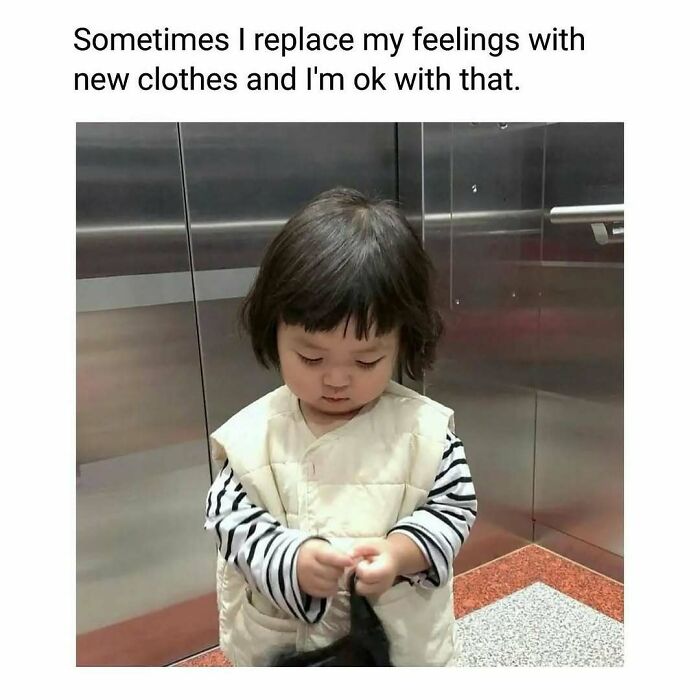
I'm more of a new-kitchen-equipment kinda gal. I just bought a gorgeous molcajete with a one liter capacity and a large cast iron comal. Salsas and tortillas from scratch!
All of these forms of gender inequality — unpaid labor, limited education, wage gaps, leadership barriers, and legal restrictions — make life more difficult for women every day. They increase stress, reduce opportunities, and perpetuate cycles of disadvantage. Yet, addressing these inequalities is not just a moral issue; it benefits society as a whole. By creating policies that promote fairness, equal pay, education for girls, and women’s leadership, we can begin to close the gap. Equality isn’t just about rights; it’s about building a world where everyone has the freedom to thrive.

''That comment is very helpful. Thank you.'' *Whispers* ''A_sehole''.
And while there’s still a long way to go toward true gender equality, every small step counts in making life a little easier for the women around us. Even something as simple as a relatable meme can bring a smile, a chuckle, or a brief escape from daily worries. So go ahead — share it with a woman you admire, appreciate, or just want to brighten the day for. Little moments of joy matter, and celebrating them helps remind us that support and recognition can come in many forms.

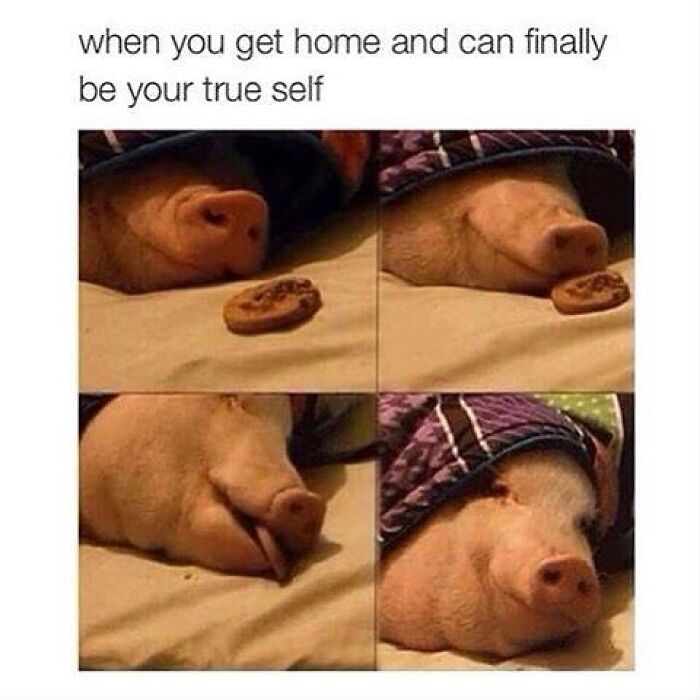
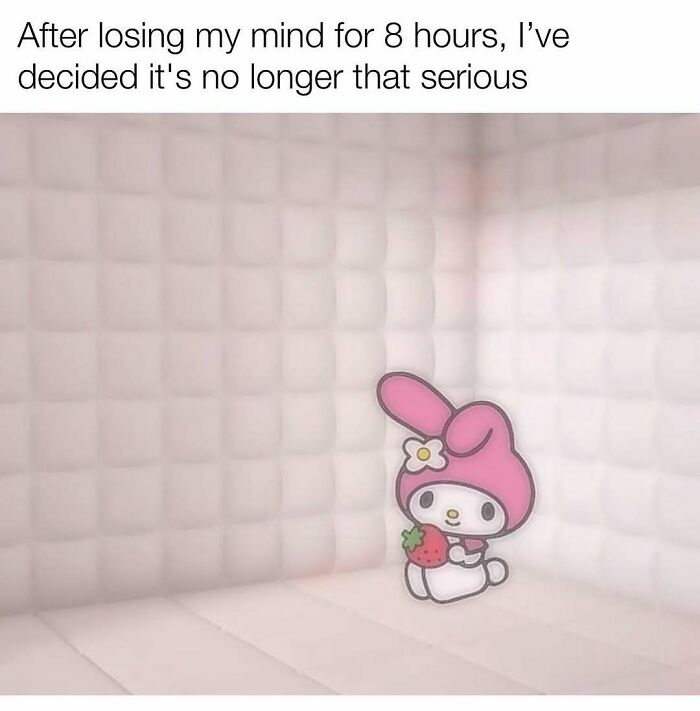
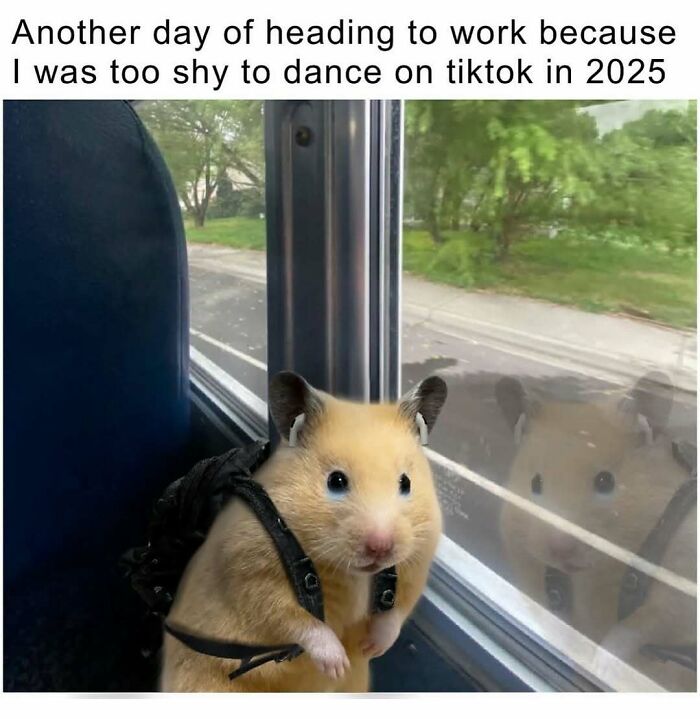
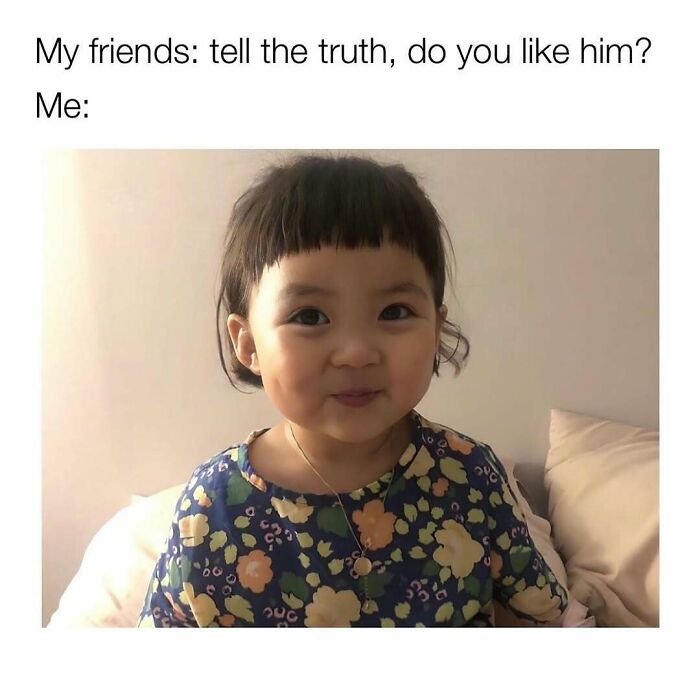
our life goal should be to be as happy as that little guy
Sometimes when someone types it makes absolutely no sense and it’s not always me, sometimes people can’t type 😭
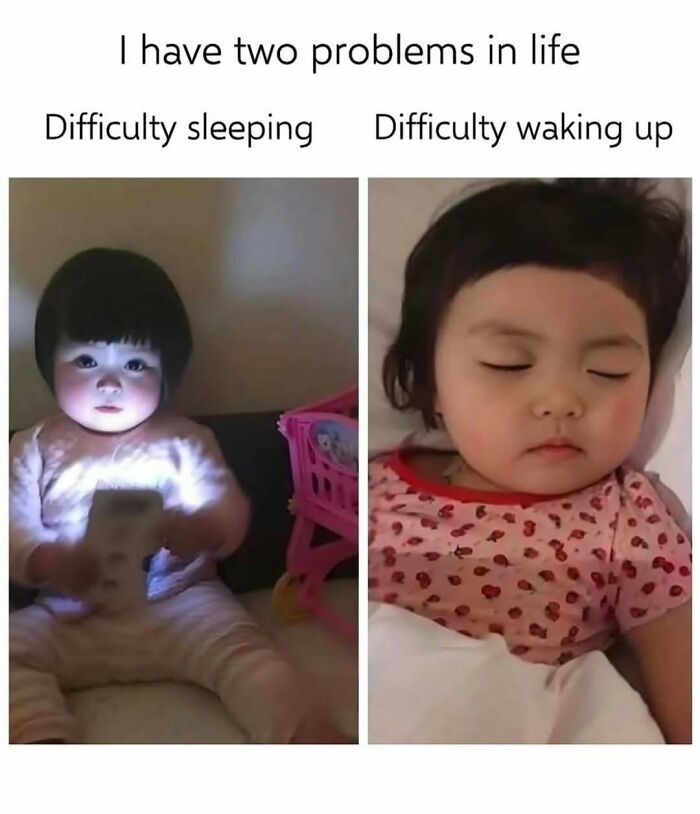
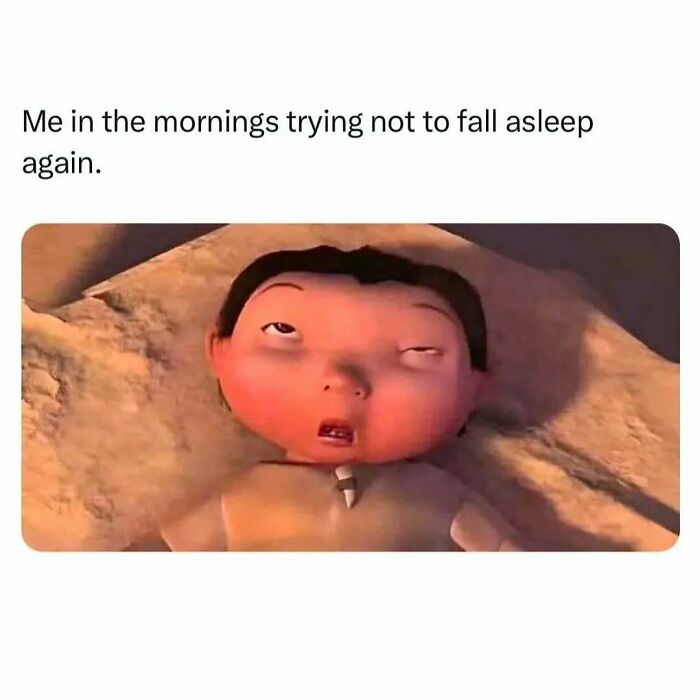
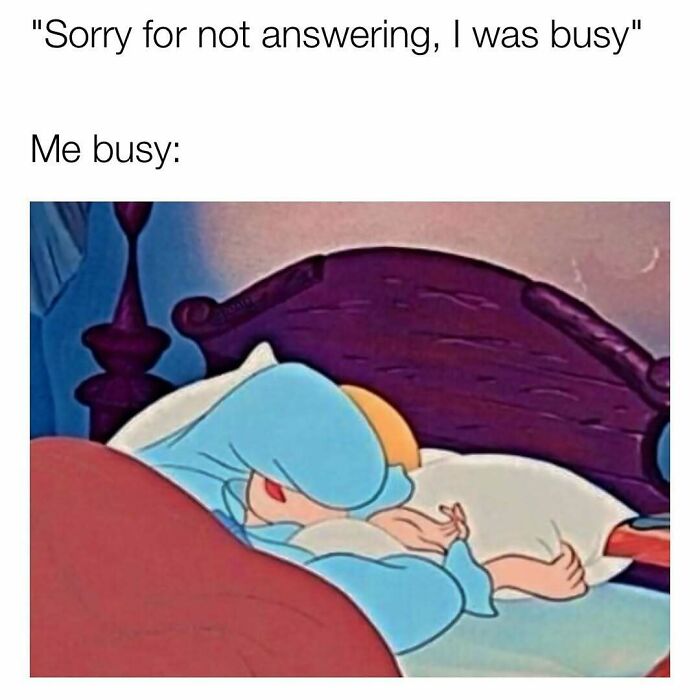
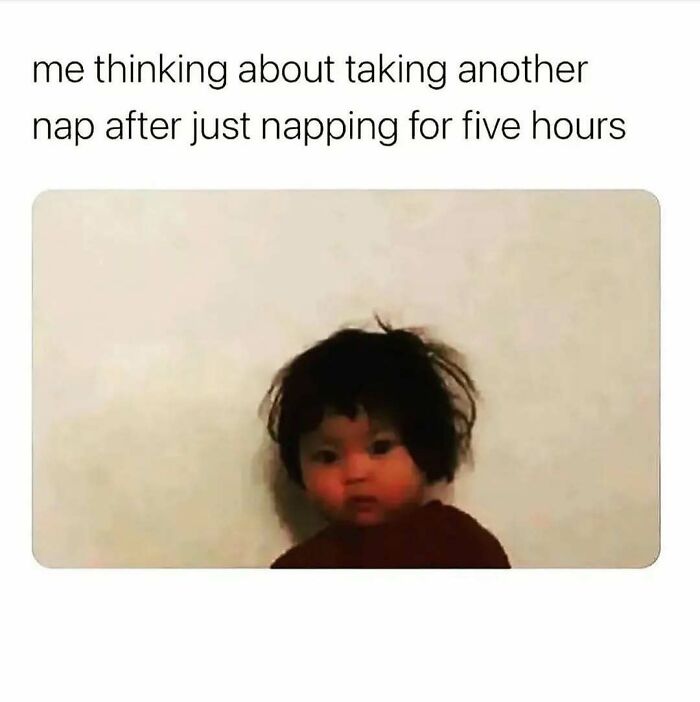
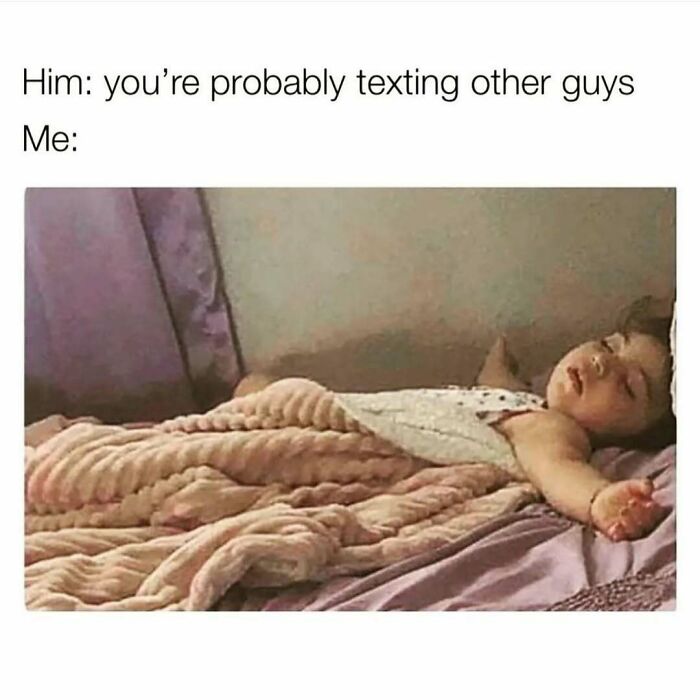
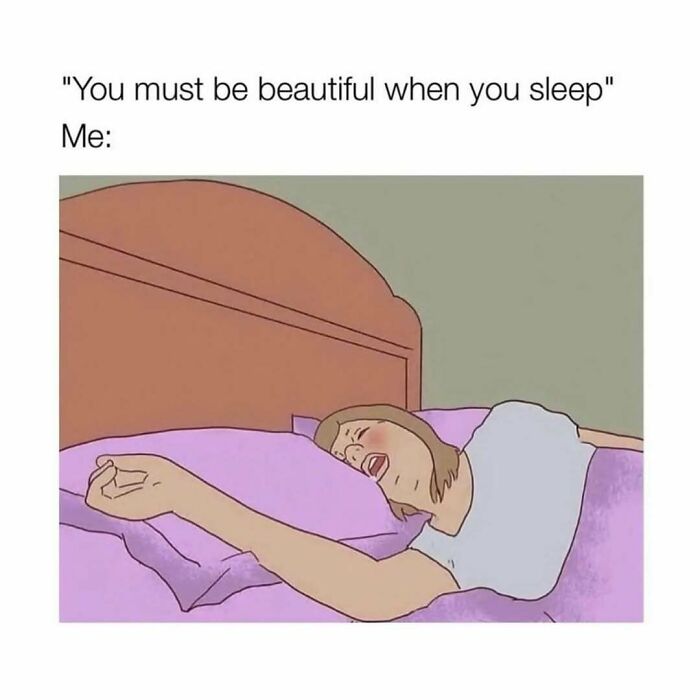
one of my main problems is not getting enough sleep so yeah its accurate
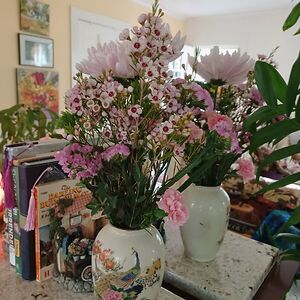
Knowing that if I do fall asleep again, it could be hours before I wake back up!

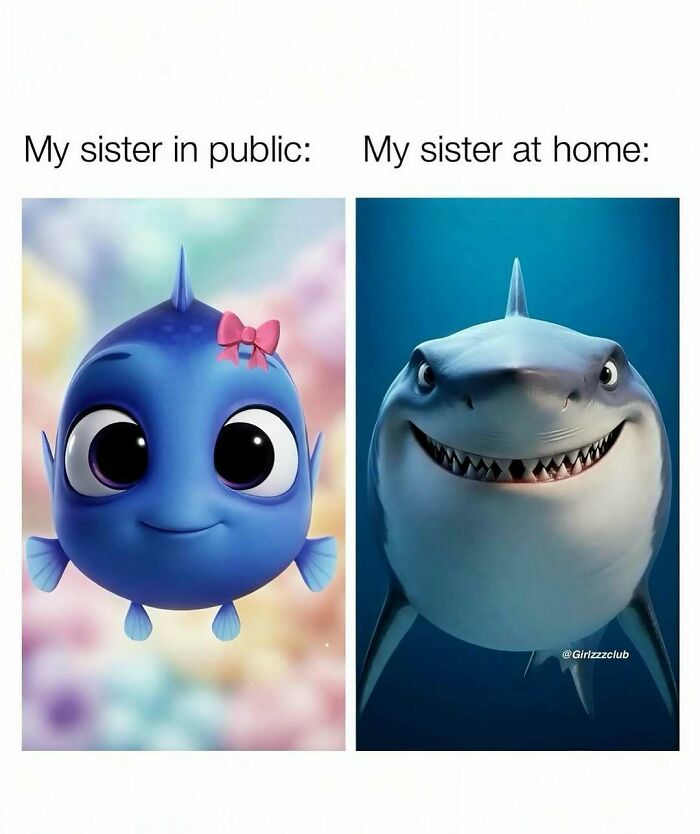
I have four sisters so I looked up what a group of sharks are called. It's a Shiver. Next time we are all together I'm going to call them that. Pray for my soul after my early demise...
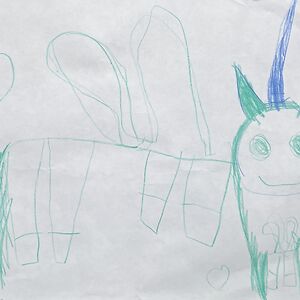
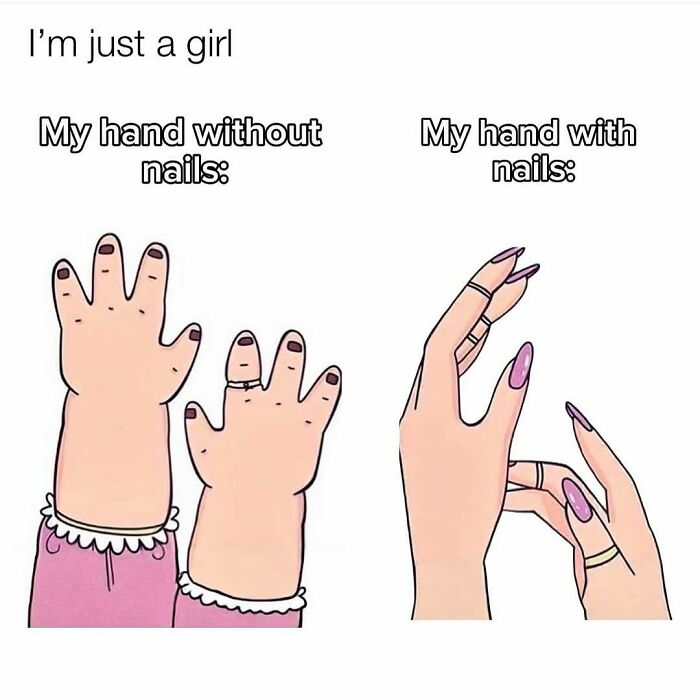
i want to share with you sisters: if you do this alluring lip-bite thing it really depends on which lip you bite on -i mean the upper or lower one. whole differnt effect!
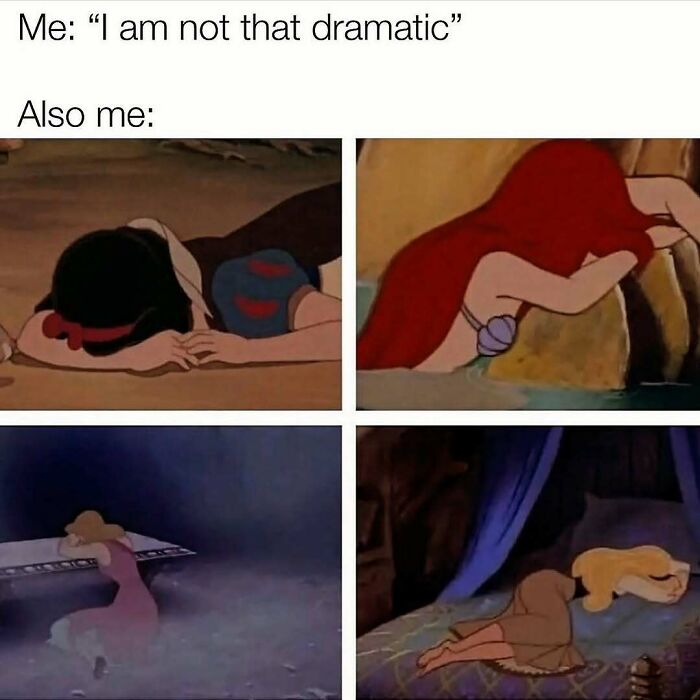
Oh I absolutely am that dramatic. But my husband knows, since I told him, let me have my dramatics then I'll come back to rational thinking. :P

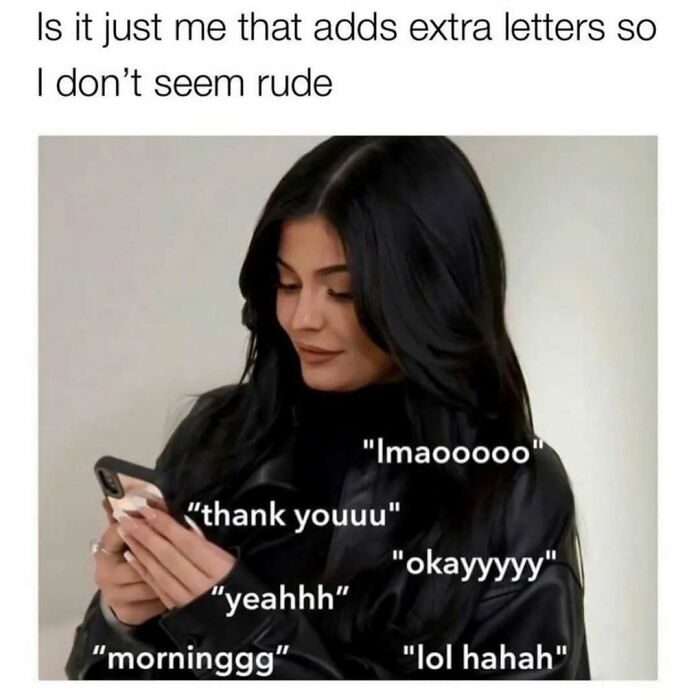
Drives me nuts when people text things like "niceeeee" and "I loveeeee it." You don't pronounce those words that way. Do it like Leanne here!
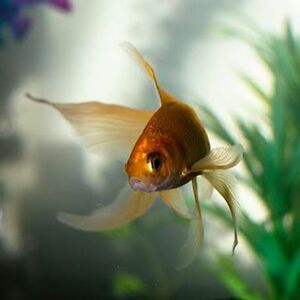
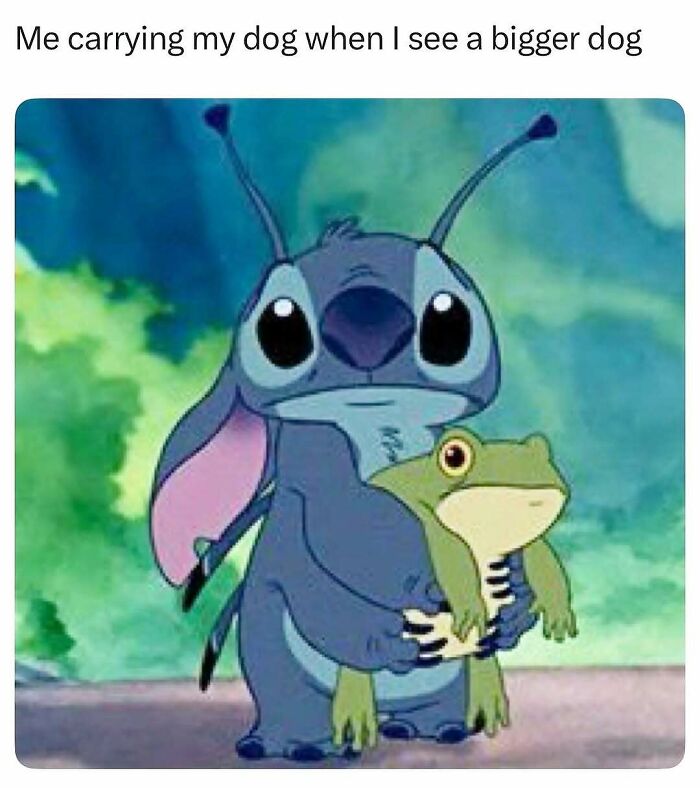
I wish people would understand that this is not a clever thing to do. Dogs know how to interact in the ground, and if the larger dog is proving to be a real threat then you can drop the leash and let your dog run away rather than get bit. If you scoop your dog up into your arms it becomes *more* of a target, it cannot escape if the worst happens, AND you're putting your body in the attack zone.

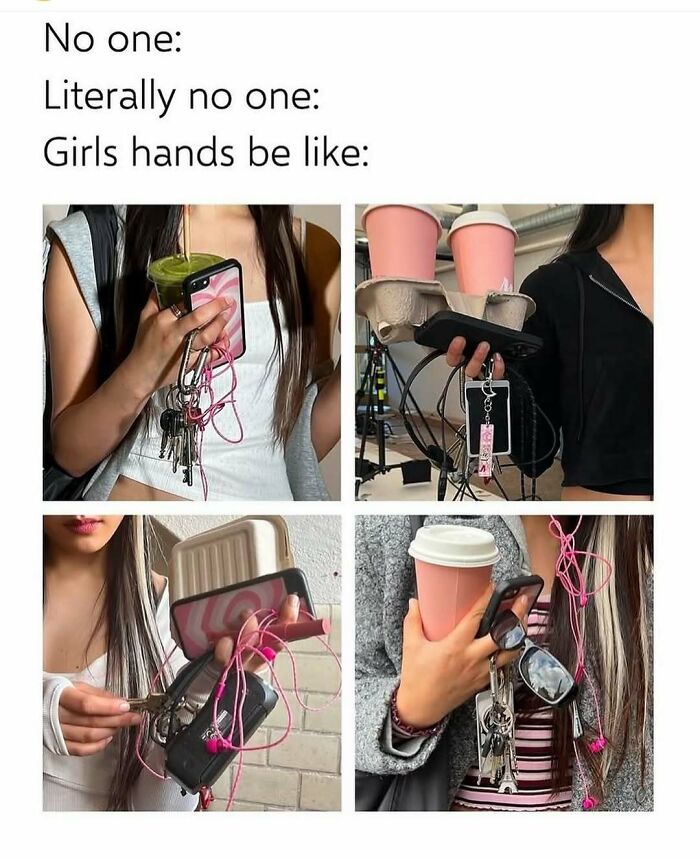
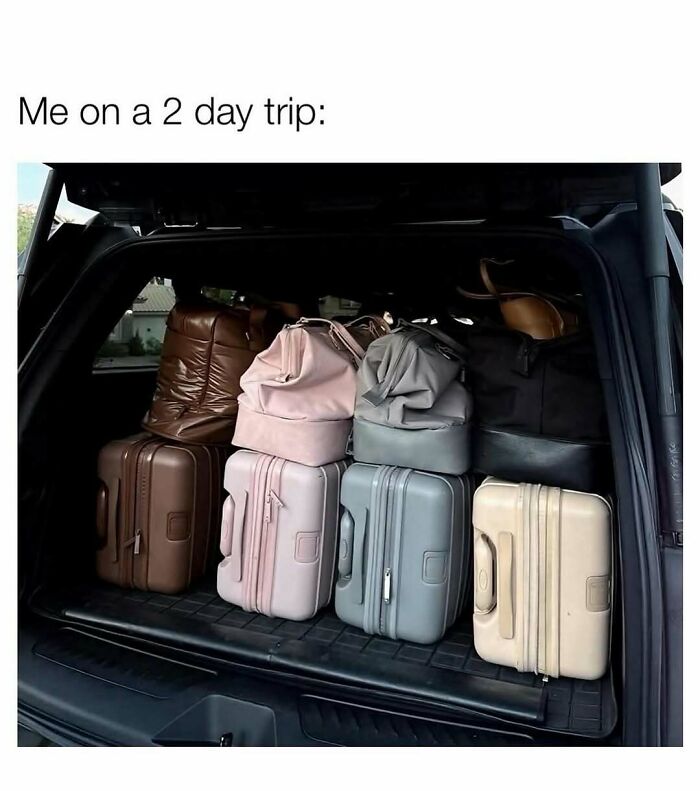
Went to a wedding in Tampa , we live in Michigan. Daughter and boyfriend went with, we had our nice clothes packed along with beachwear. Total:1 larger suitcase. Daughter and boyfriend show up : 2 HUGE suitcases+ all the accessories. They didn't wear HALF of what they brought.

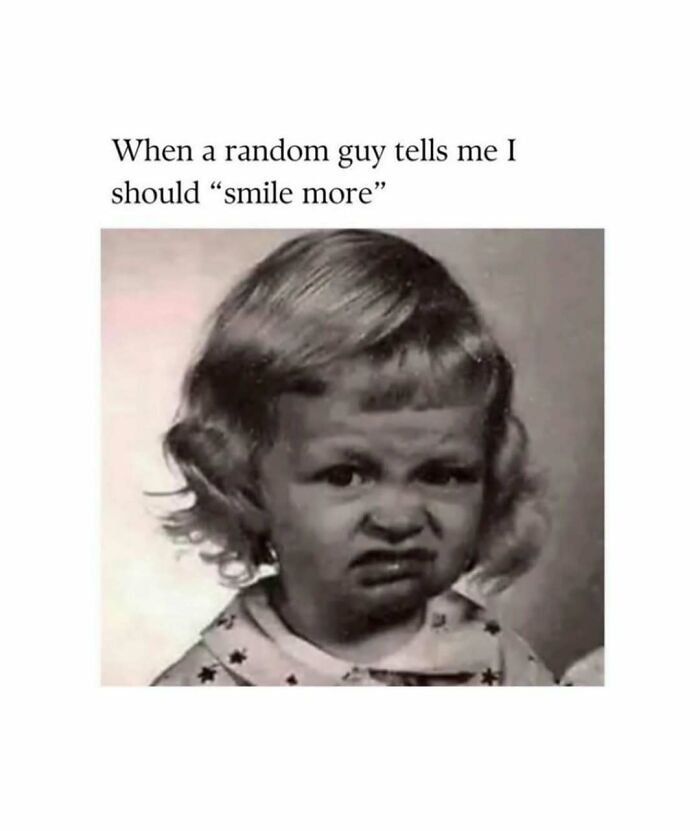
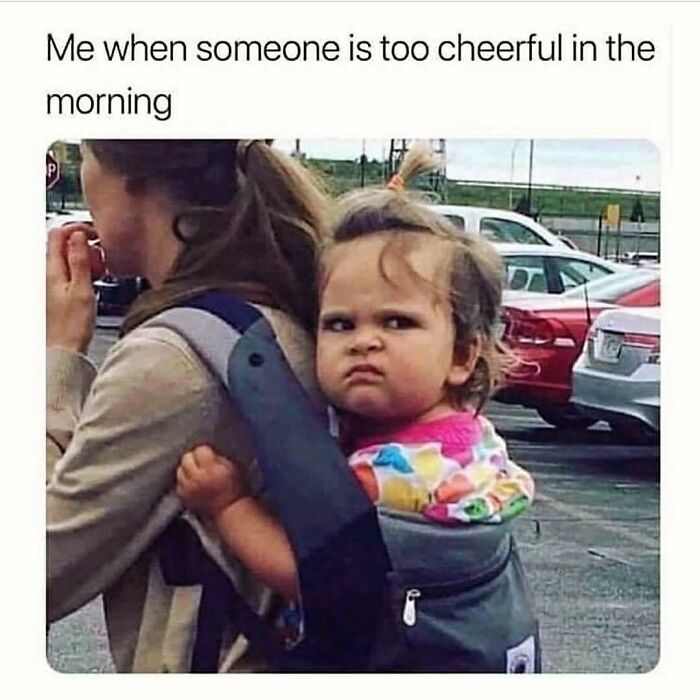
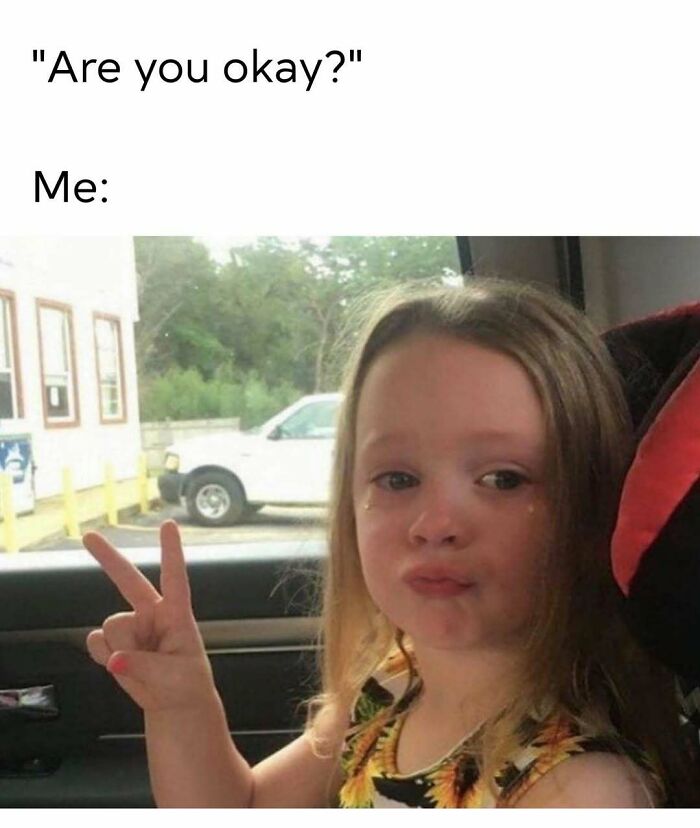
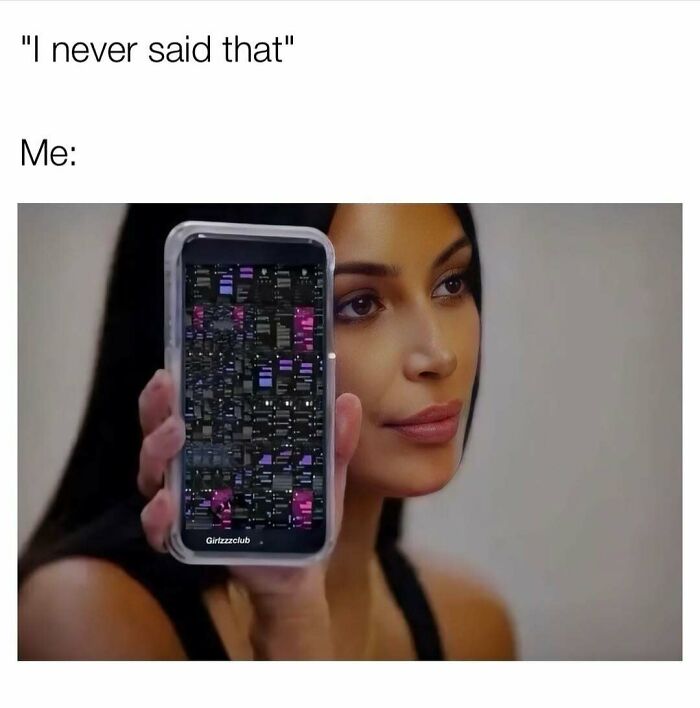
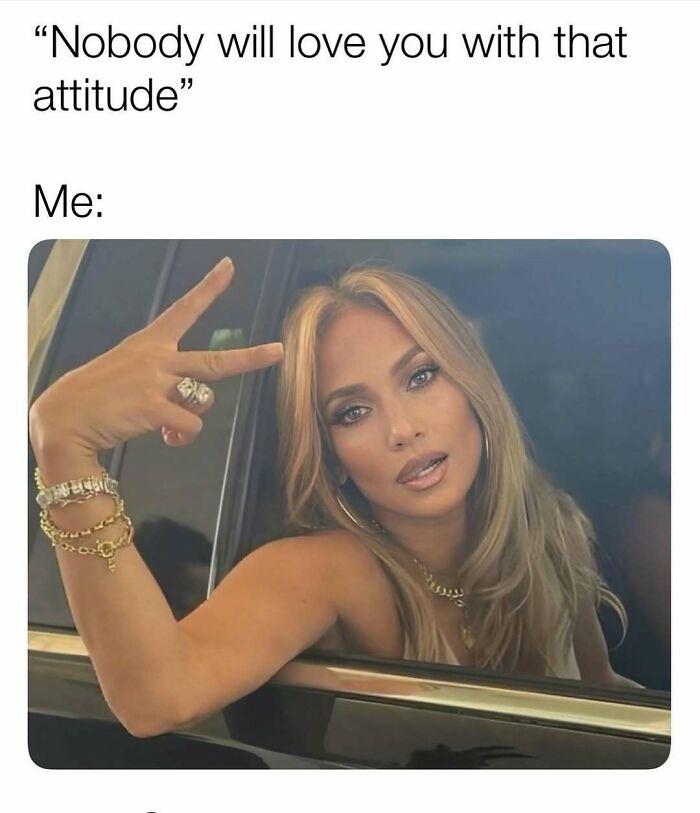
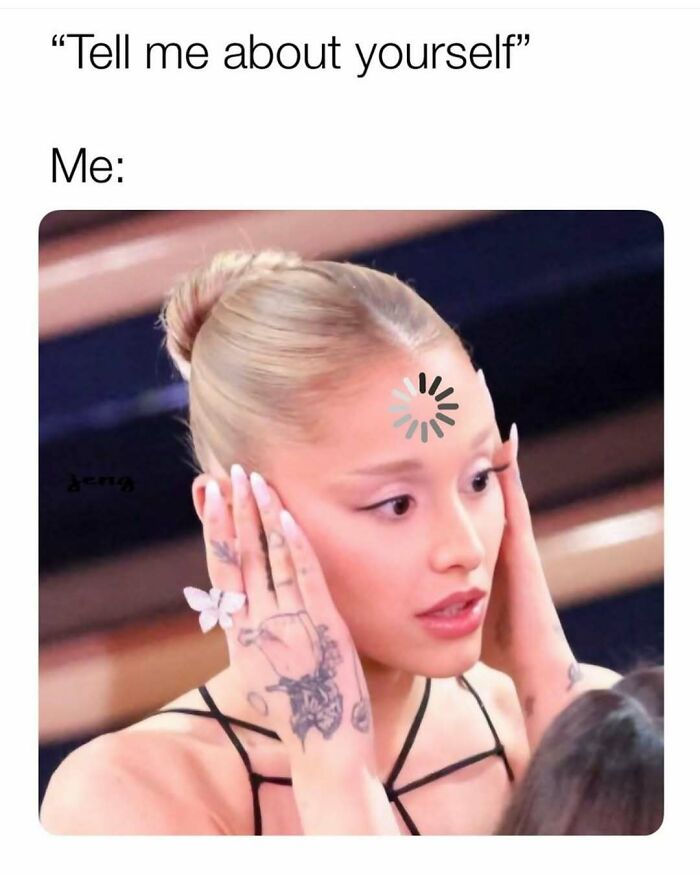
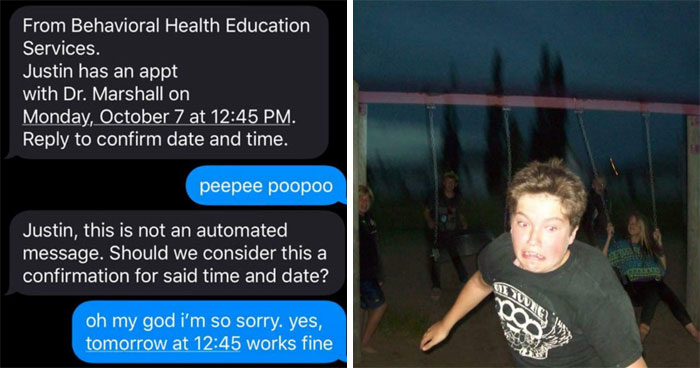
So: Meme = picture of someone making some kind of face + caption "Me when ..."
So: Meme = picture of someone making some kind of face + caption "Me when ..."



 No fees, cancel anytime