Get Premium
Dark mode theme is available exclusively for premium users. Learn more about the benefits of subscribing.
No fees, cancel anytime.

 Dark Mode Ad-Free Browsing Unlimited Content
 Ad-Free Browsing Unlimited Content Dark Mode
Join 1.2 million Panda readers who get the best art, memes, and fun stories every week!
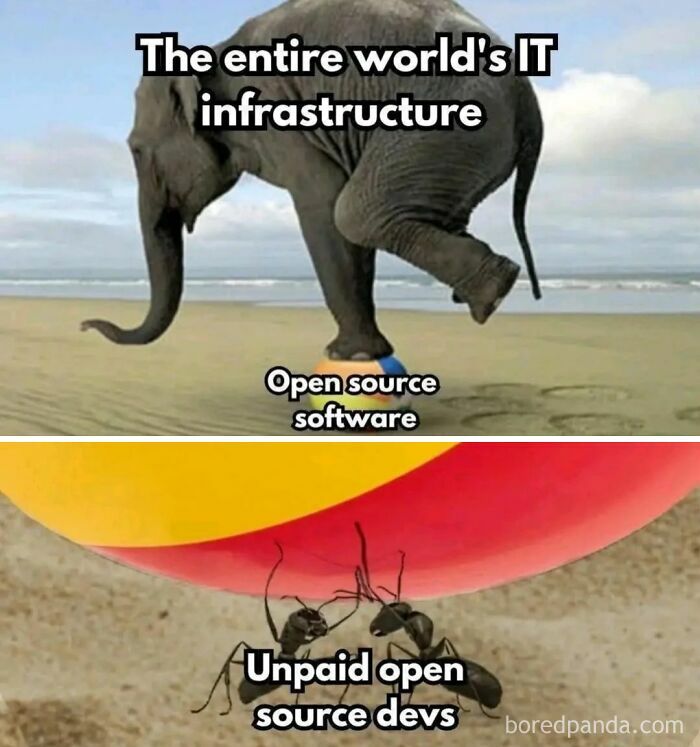
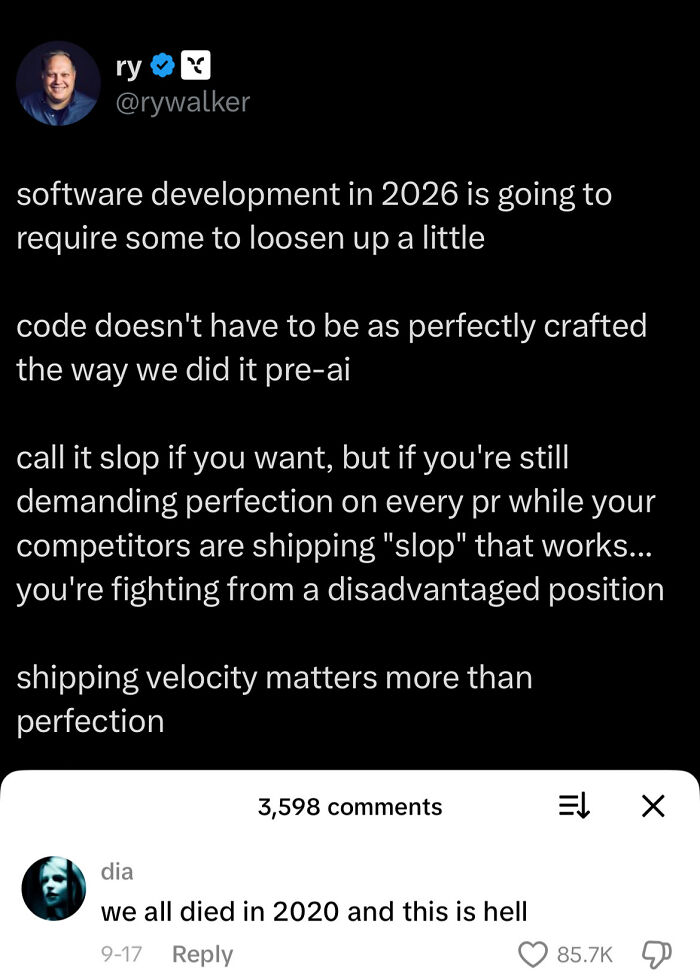
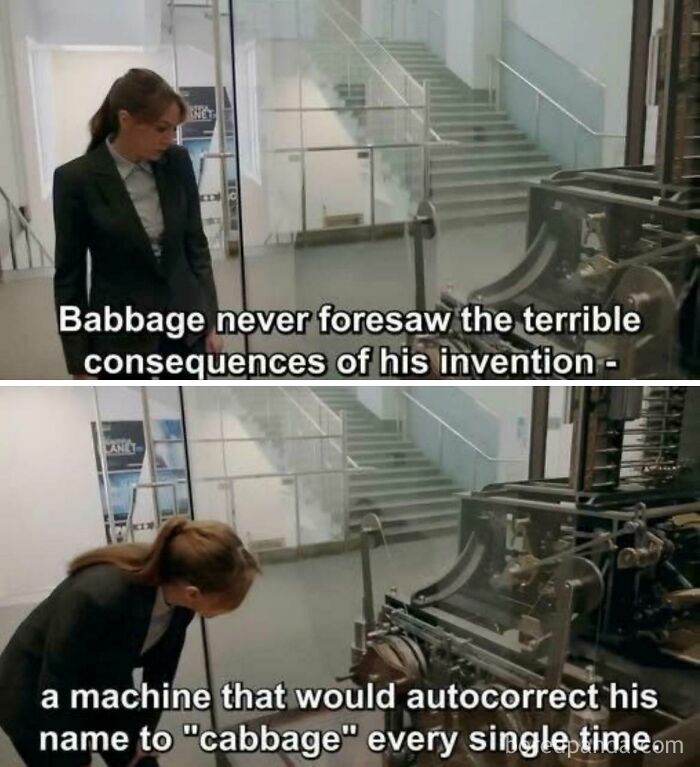
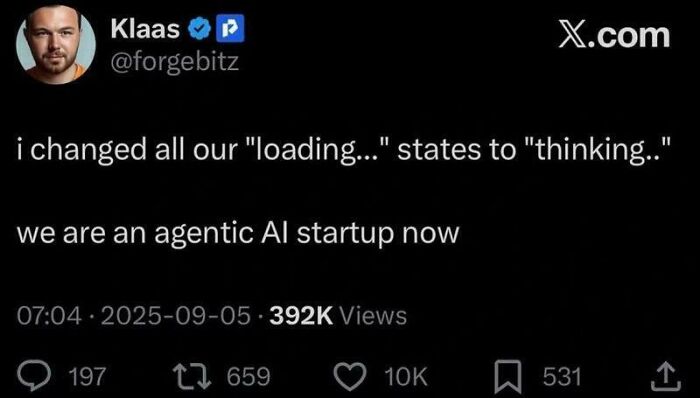
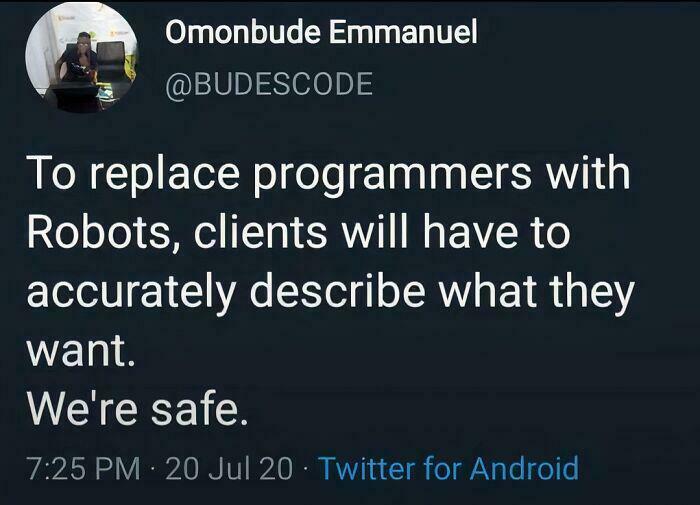
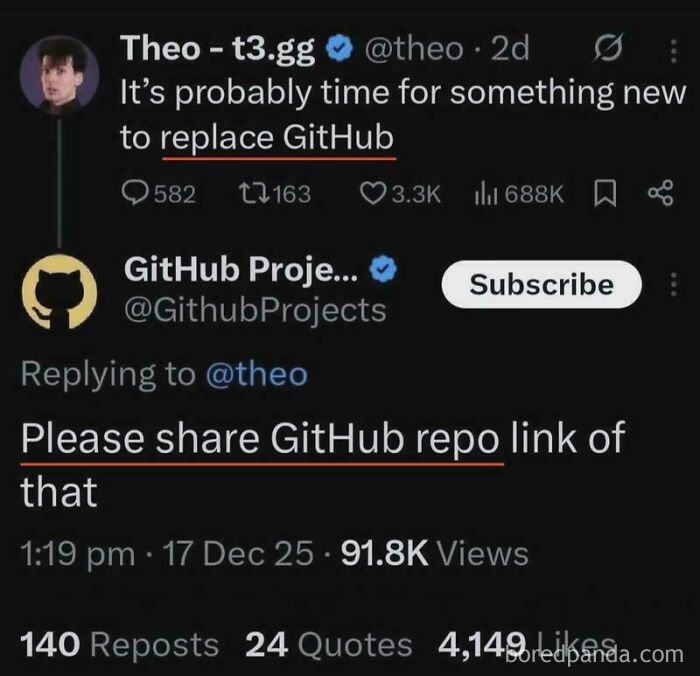
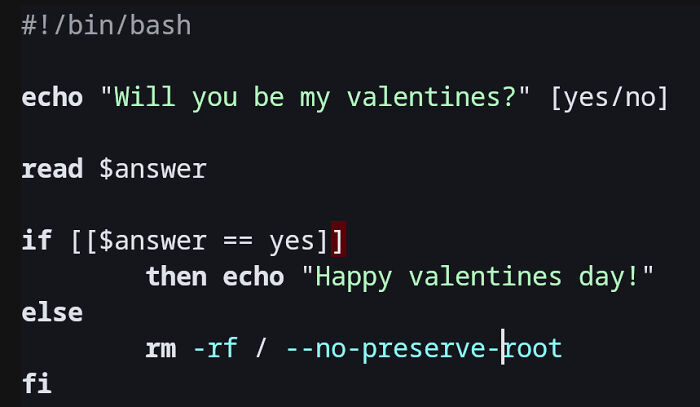
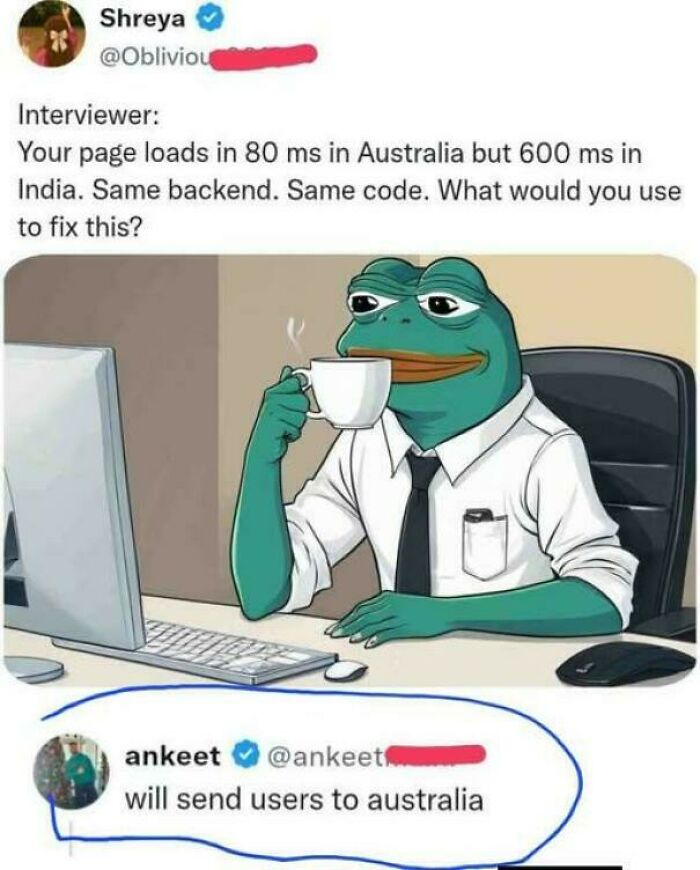
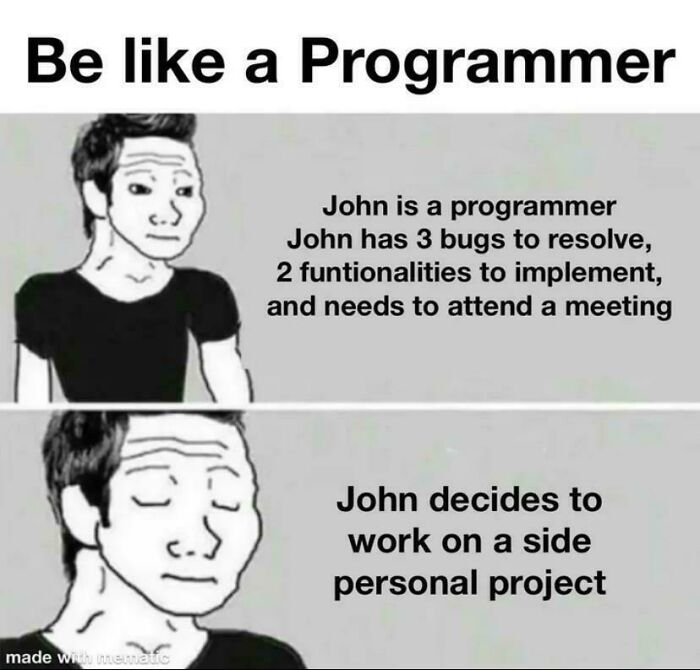
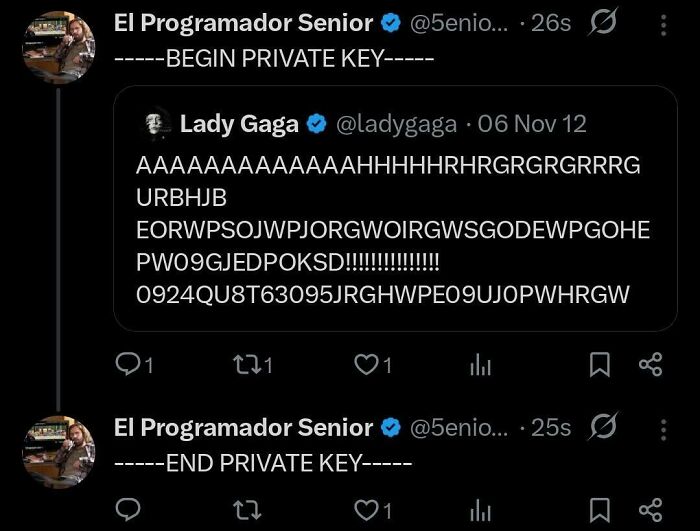
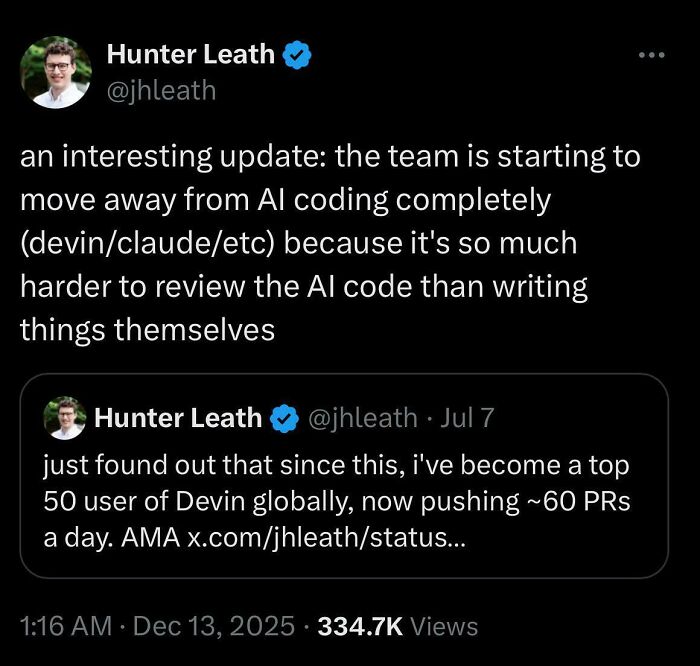
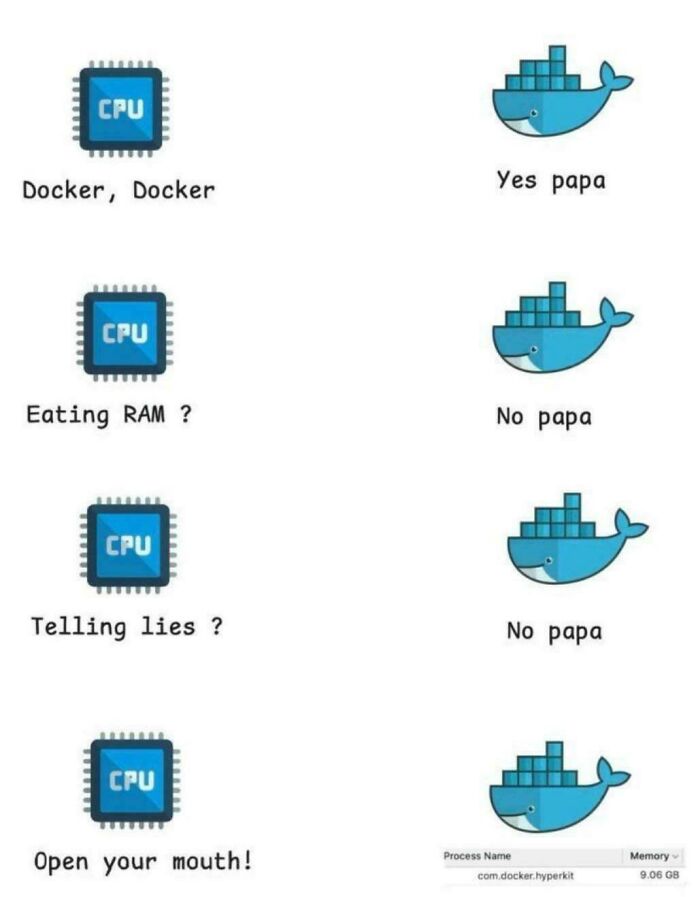
Every job has its quirks. But some feel almost like a world of their own. Like programming—we (indirectly) interact with it every day, yet many of us know surprisingly little when it comes to what actually goes on behind the screens.
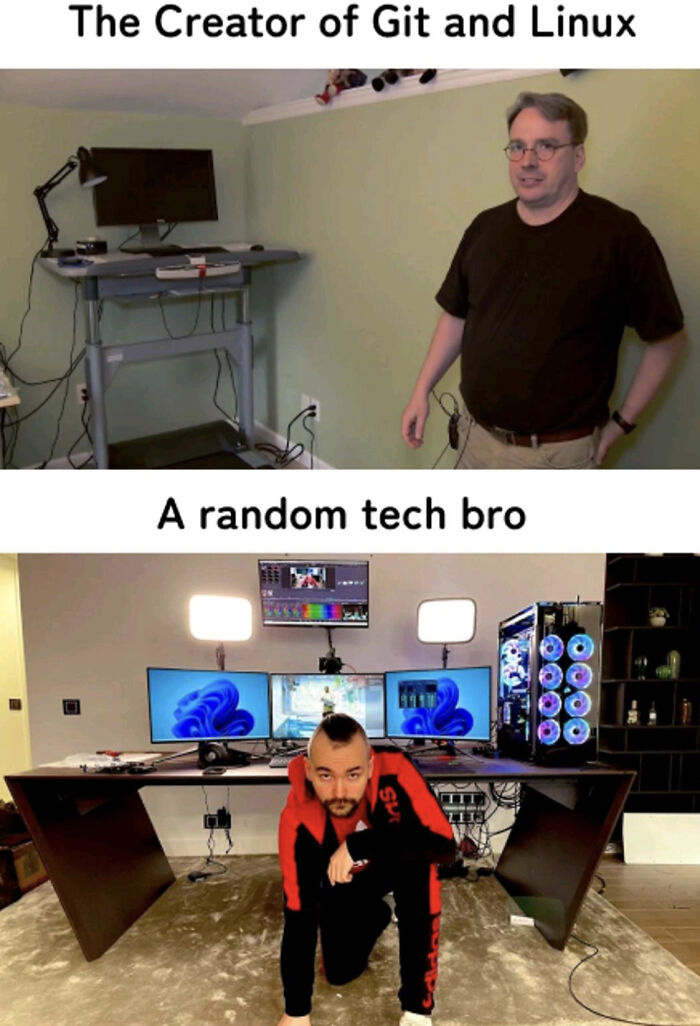
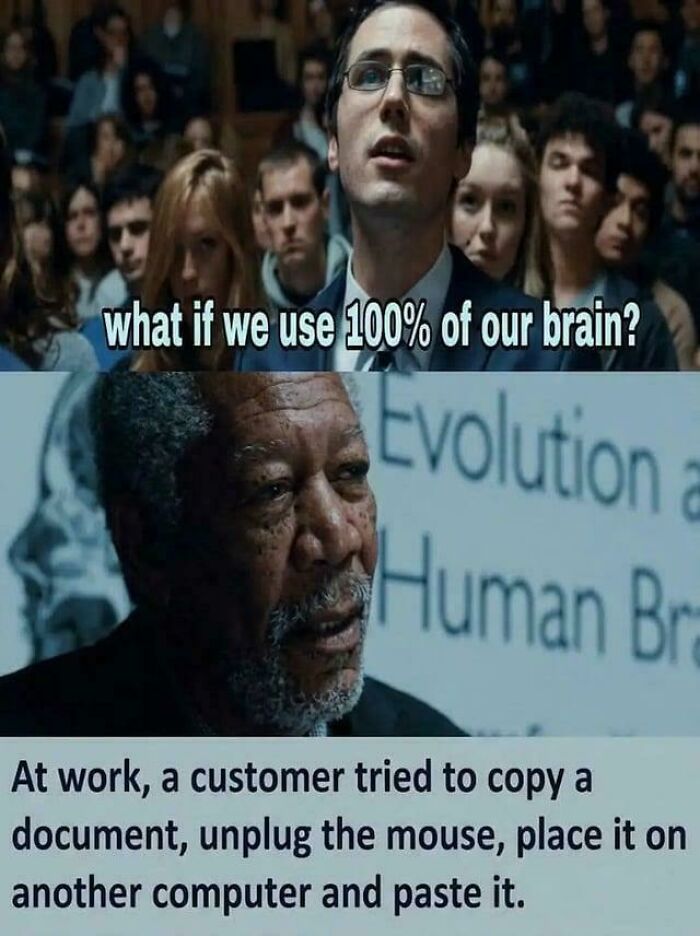
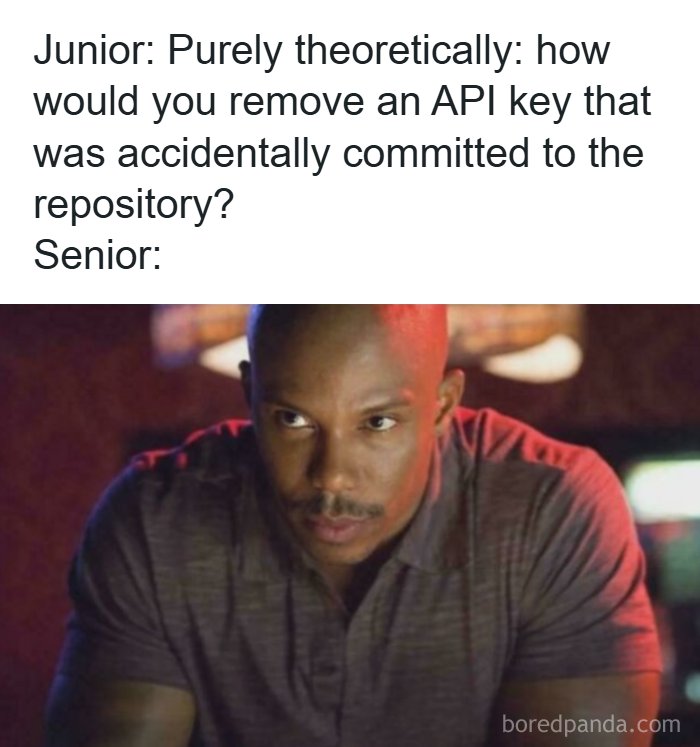
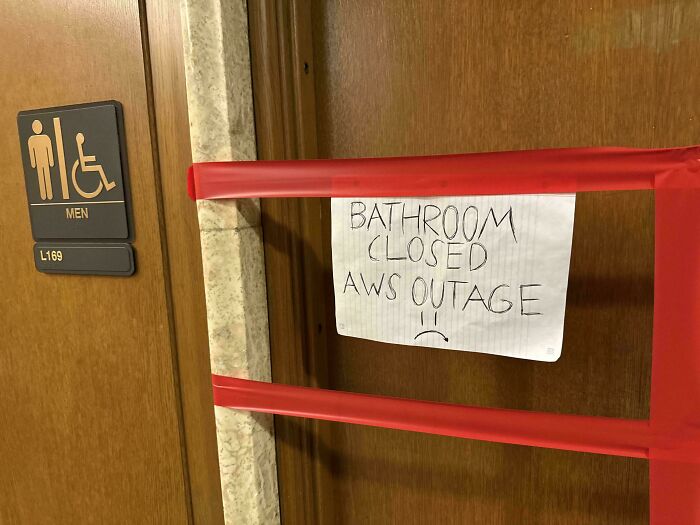
The subreddit ‘Programmer Humor’ is the perfect place to bridge this gap. It allows them—and pretty much everyone involved in computer science—to air their frustrations and give the rest of us a better understanding of what their day-to-day really looks like. Here are some of the funniest memes we’ve seen there recently.
Click here & follow us for more lists, facts, and stories.
This post may include affiliate links.
While the memes are certainly funny, their popularity reveals a bigger problem: 79 percent of tech professionals are experiencing some level of burnout, including 24 percent who are “moderately” and 22 percent who are “critically” worn down.
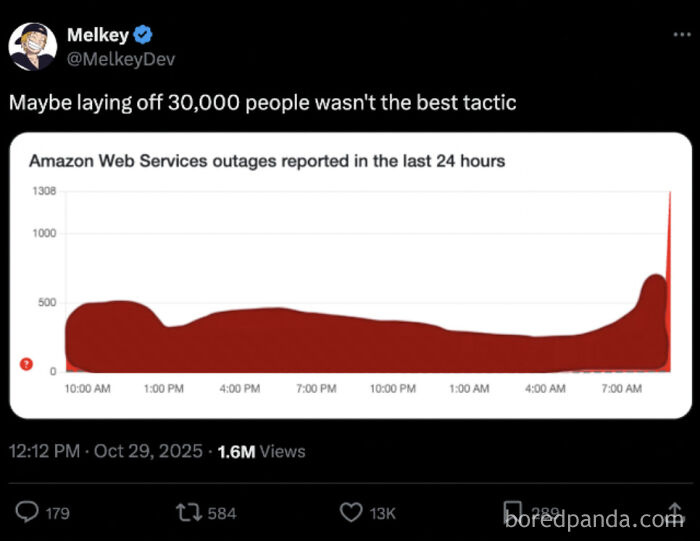
These growing numbers coincide with an ongoing wave of layoffs that began in 2023, following a precedent set by Meta CEO Mark Zuckerberg, who criticized bloated corporate hierarchies.
For those who’ve weathered layoffs, relief isn’t the main emotion; rather, survivor’s syndrome is, manifesting as guilt, anxiety, and reduced morale.
“There’s a constant fear of being next,” says Kelly Vaughn, senior engineering manager at Zapier.
Employees experiencing survivor’s syndrome often overcompensate. They try to work harder, say yes to more, and suppress concerns out of fear of speaking up, even if “they are drowning.”
Workers often feel pressured to be grateful just to “still have a job.”
“People don’t raise red flags — the flags get buried,” adds Vaughn.
Frequent reorganizations, shifting priorities, and unclear strategy make it difficult for developers to feel secure in their roles or see long-term value in their work. Recognition feels inconsistent, and progress starts to feel more like ticking boxes than creating meaningful impact.
Vaughn believes that without systematic changes, the issues will persist.
“If the company doesn’t provide clarity, resources, or stability, motivation will continue to decline, no matter how good your manager is.”
The damage of layoffs can be undone, Vaughn argues, but only if companies shift their mindset.
“Organizations need to stop managing based on optimism and start managing based on reality,” says Vaughn.
To reverse the damage caused by all the burnout, organizations need to fundamentally rethink how they operate.
This starts with aligning work to actual team capacity rather than idealistic or overly ambitious plans, being intentional about what goes on the roadmap, and cutting scope where necessary to keep workloads manageable.
To get a sense of the scope, consider this: according to Harness’ State of Developer Experience report, tech-worker burnout costs companies as much as $1 trillion per year.
“As a largely ignored portion of our workforce, developers are underappreciated, overworked, and, in turn, leaving their jobs,” a spokesperson for the company says.
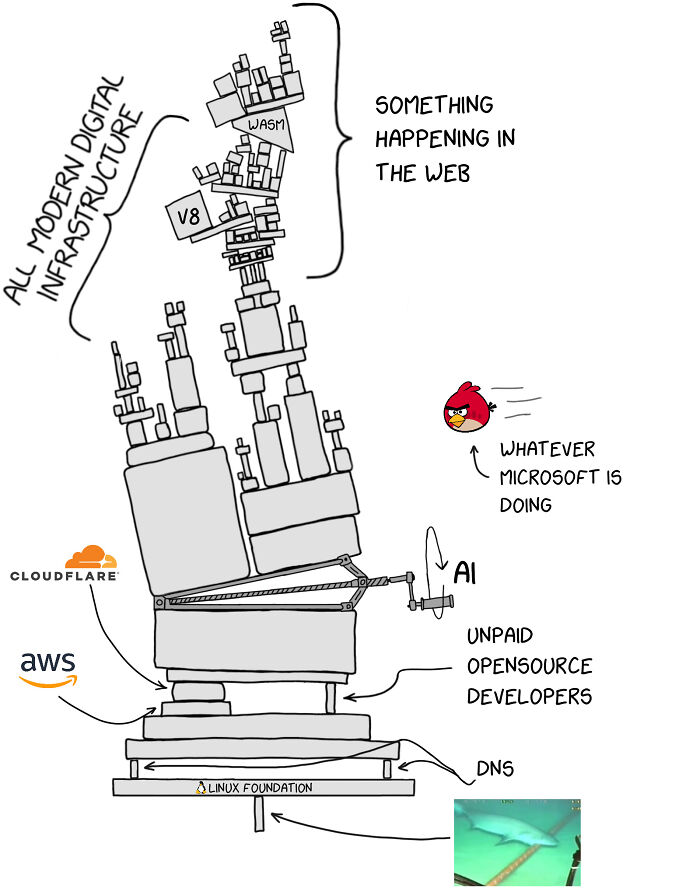
A huge factor in growing developer workloads is that many are forced to contend with an expanding array of vendor tools, Harness said. The report noted that this is creating a disparate ecosystem that hampers productivity and collaboration within developer teams.
More than half (54 percent) of developers say it takes longer than a week to learn new DevOps tools, and Harness estimates that a new developer needs an average of 100 days to onboard, given the multitude of tools involved.
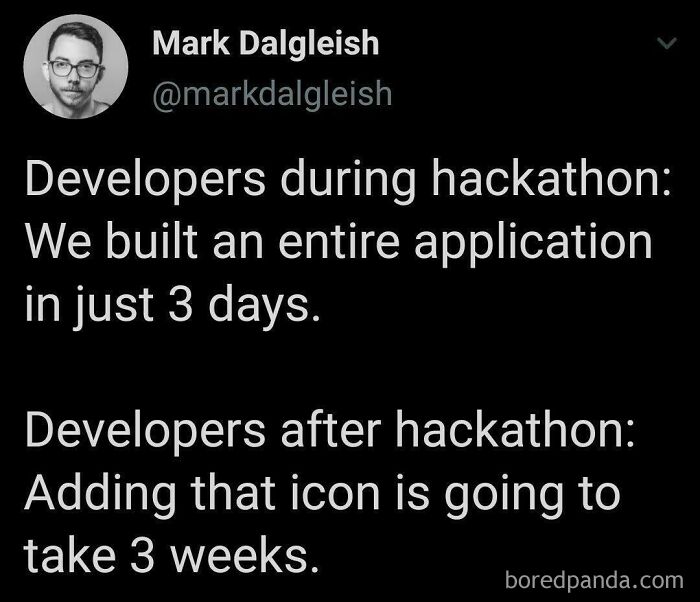
Developers often spend valuable time troubleshooting compatibility issues, updating plugins, and applying patches, and 6-in-10 report it takes a week or longer to build internal tooling.
Virtually all — 97% — say they context-switch because their tools come from multiple vendors.
Having to juggle multiple tools also means developers need to switch between interfaces, learn different workflows, and manage separate accounts and licenses.
No wonder they need to vent online!
You might also like: 68 People Share Bizarre Facts They’ve Learned That Are Actually True




































 No fees, cancel anytime