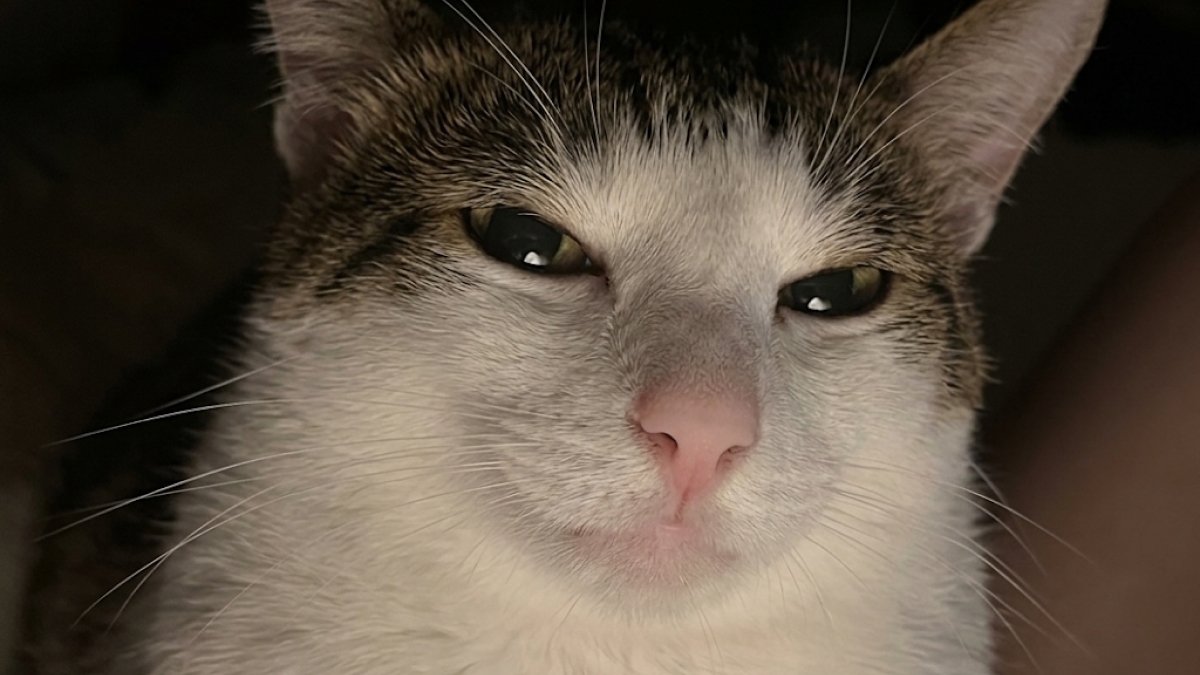
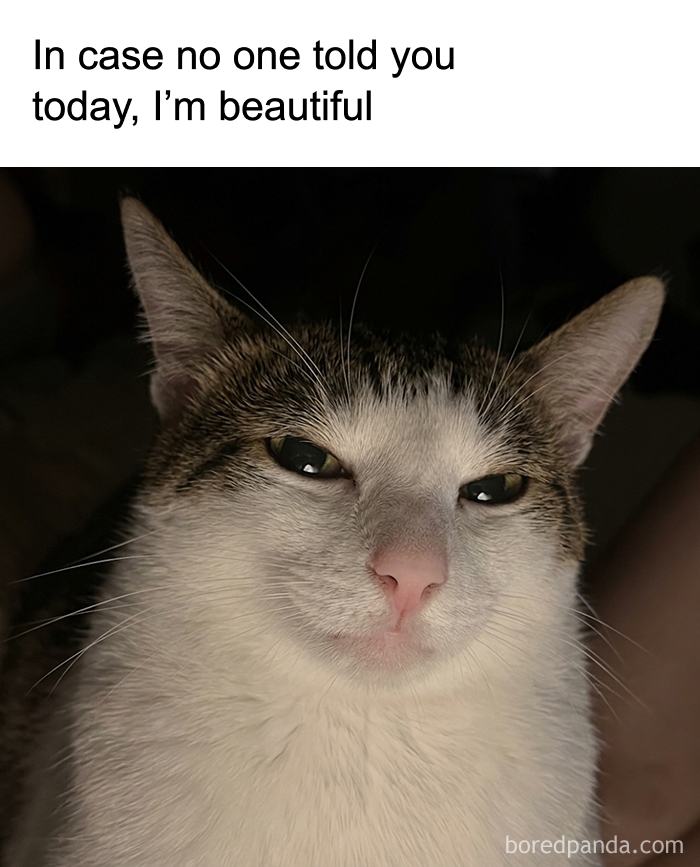
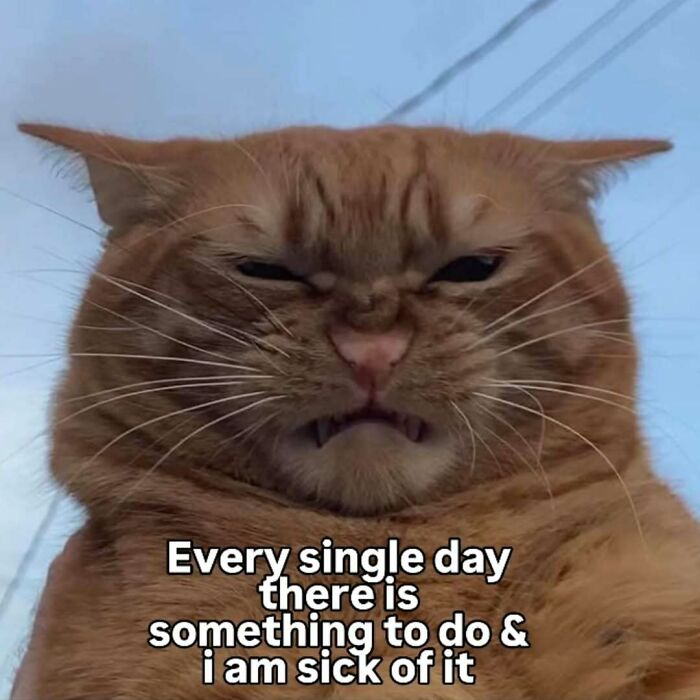
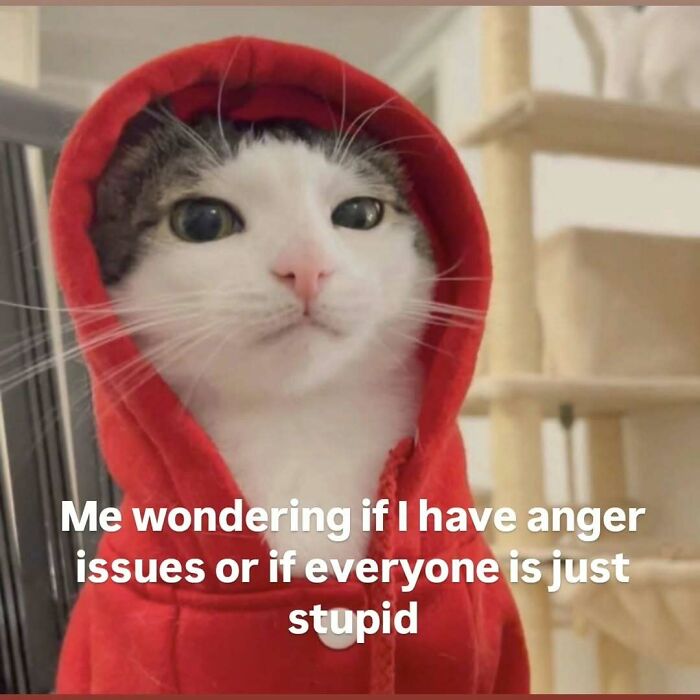
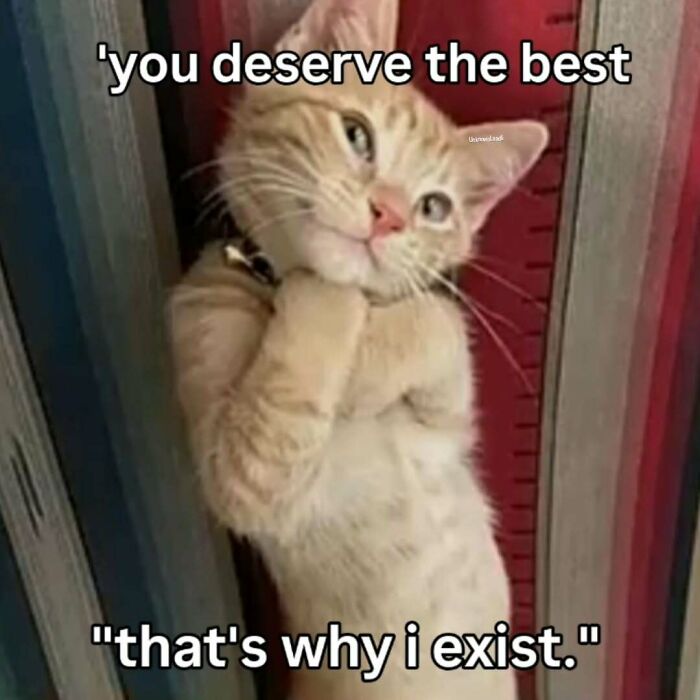
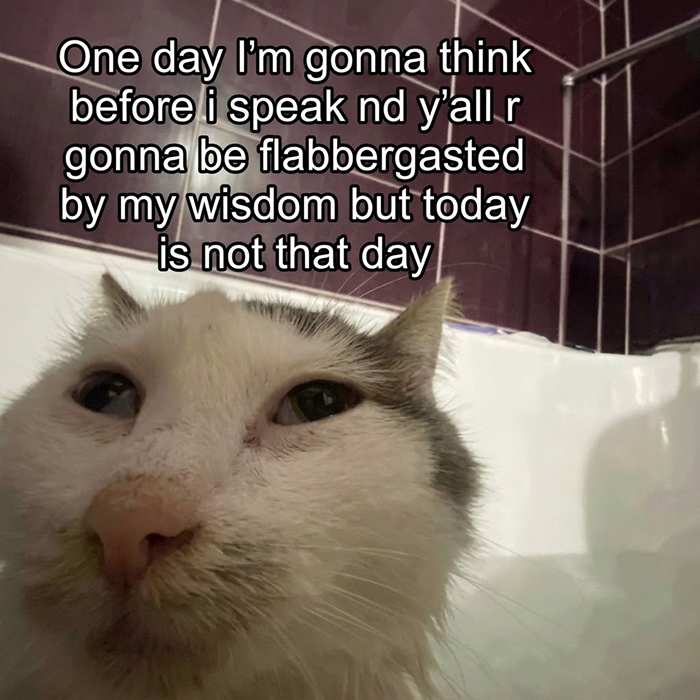
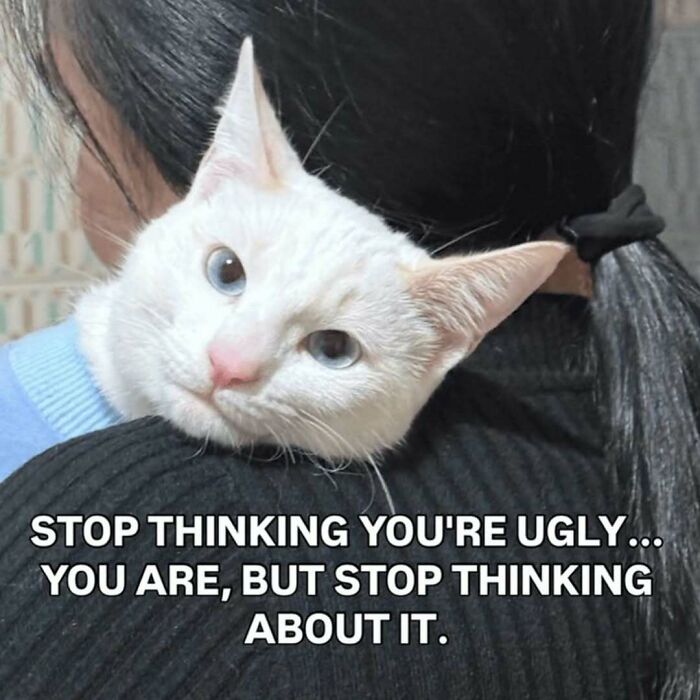
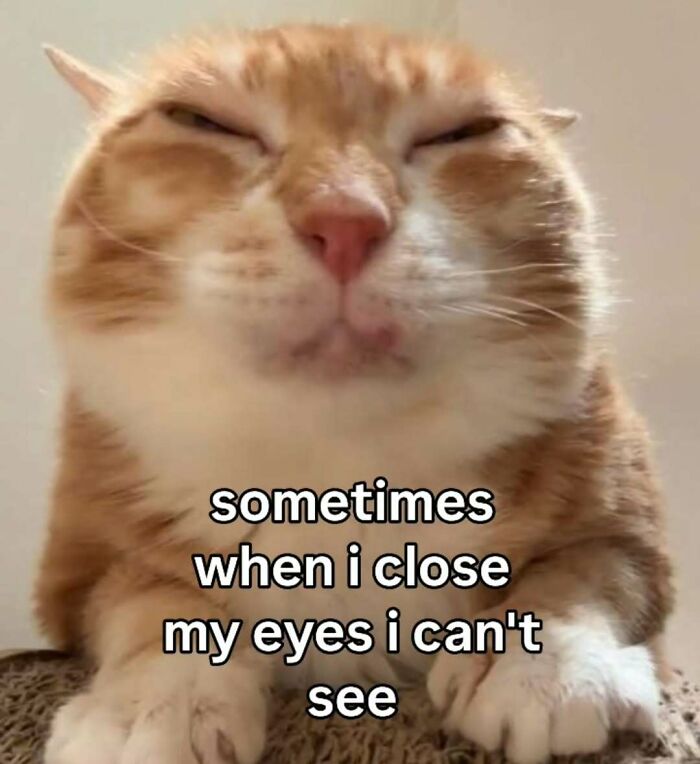
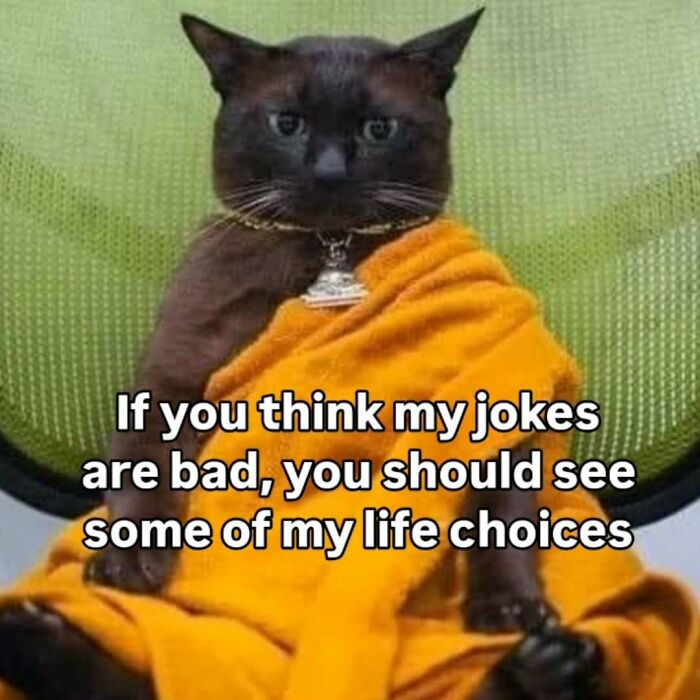
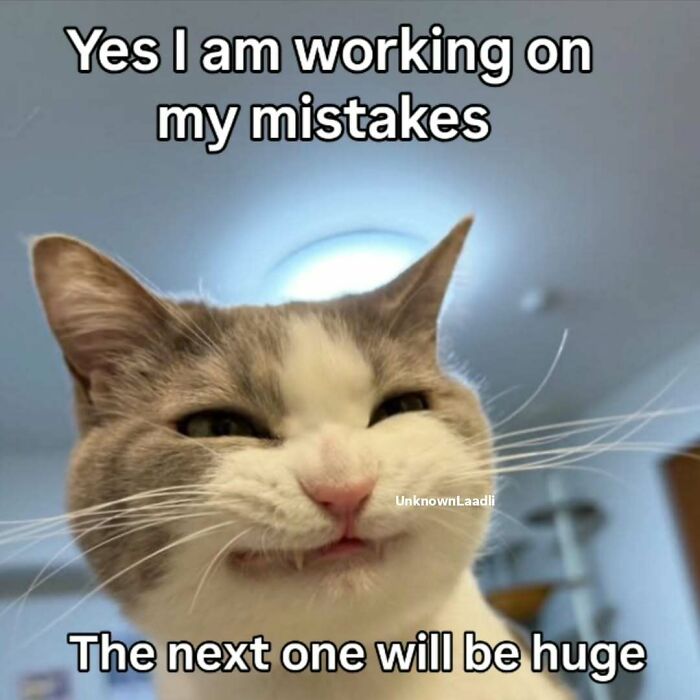
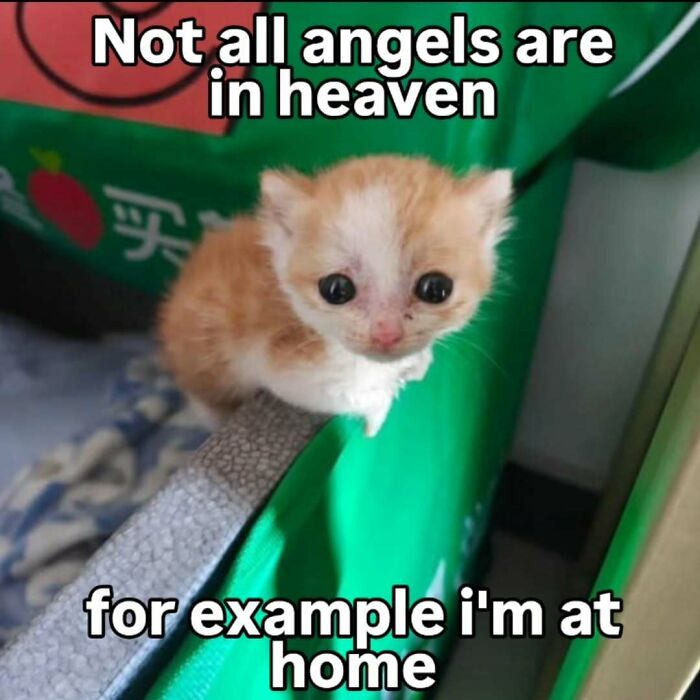
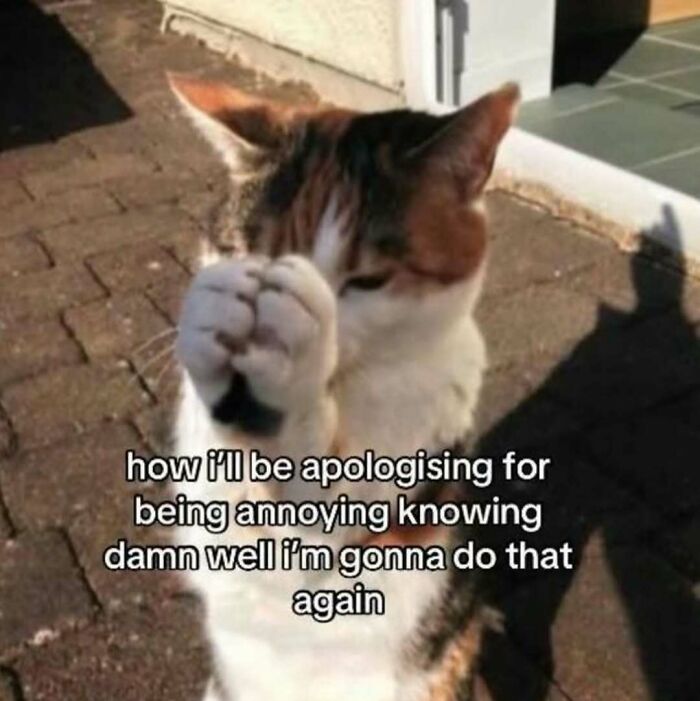
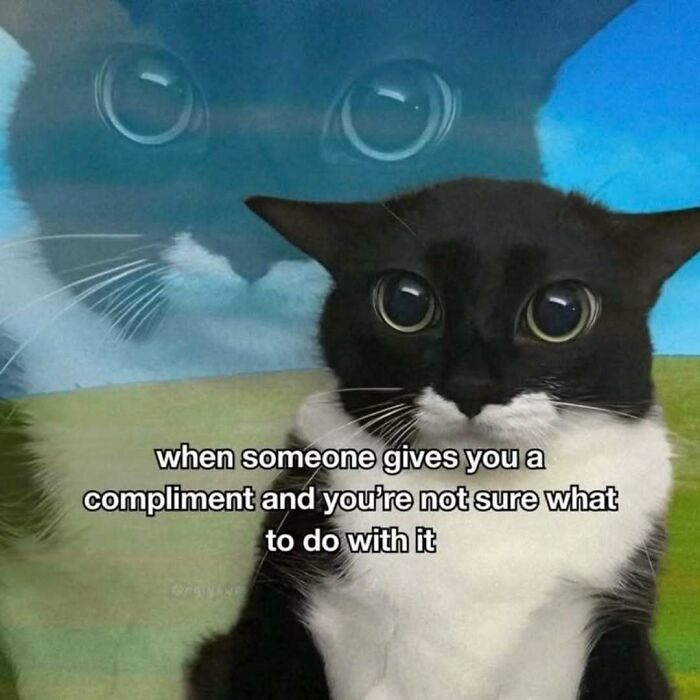
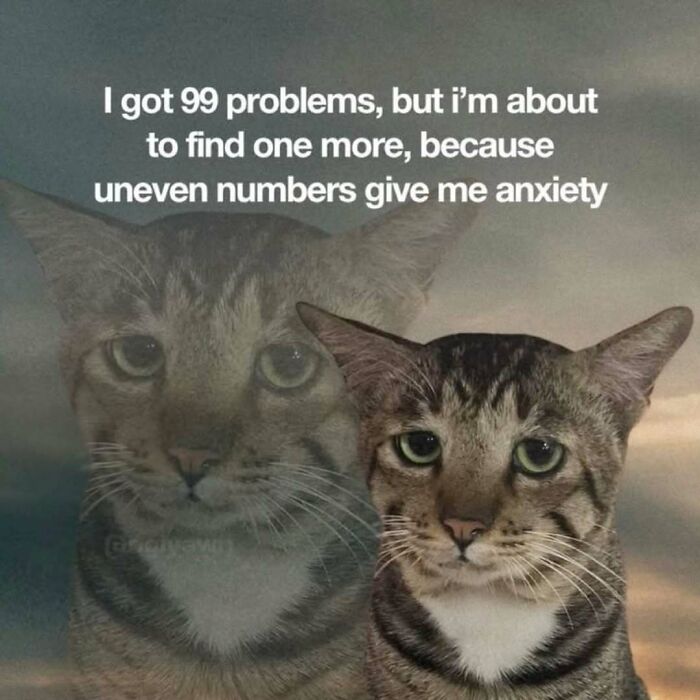
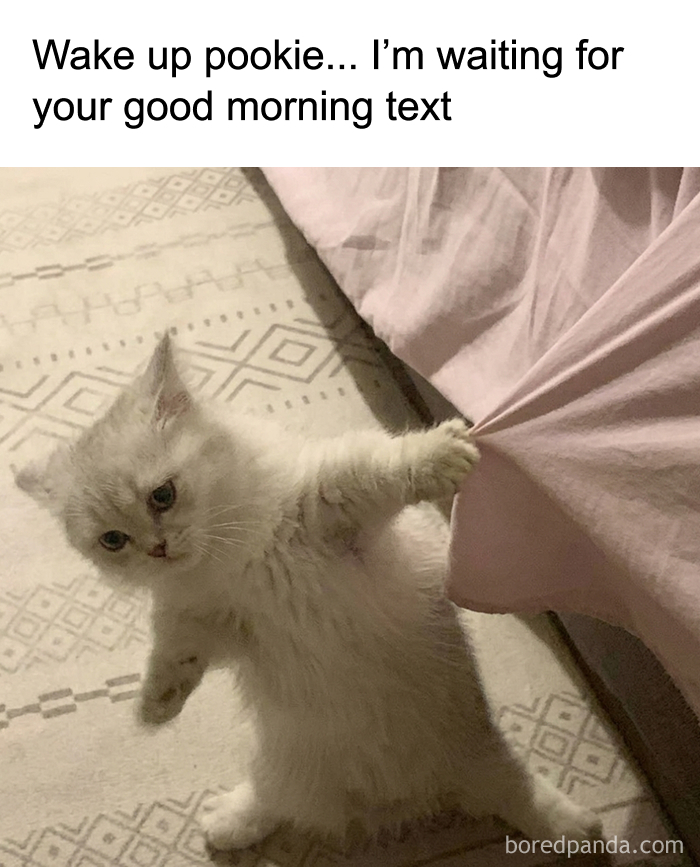
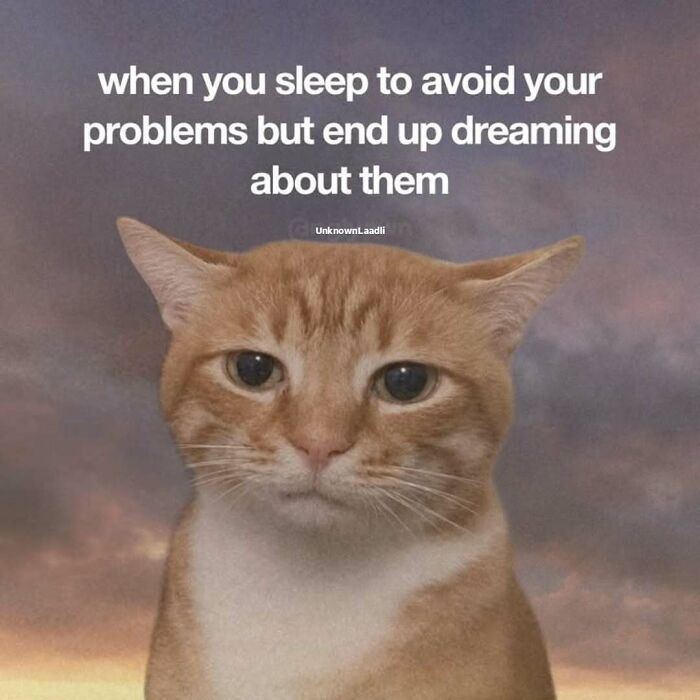
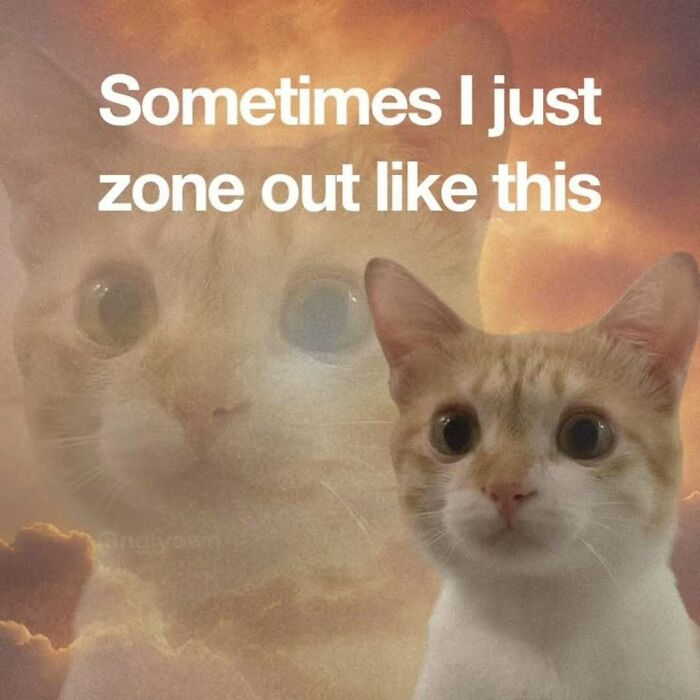
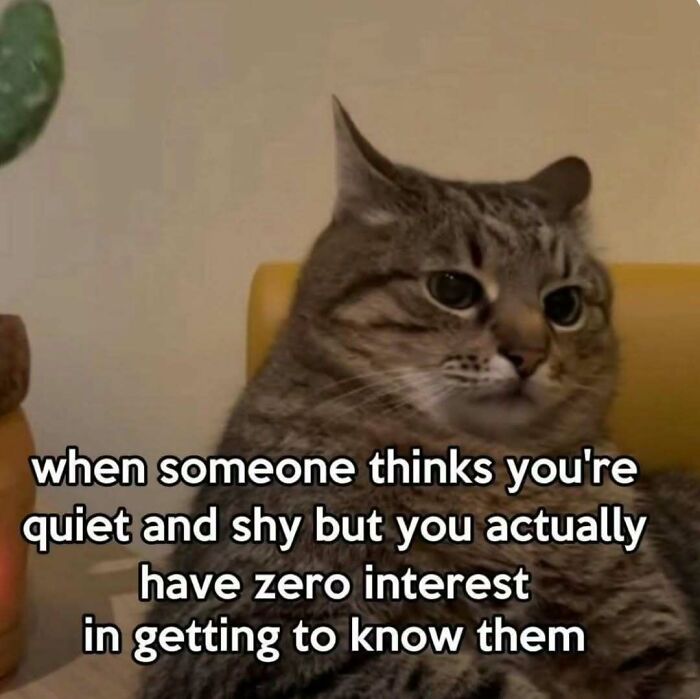
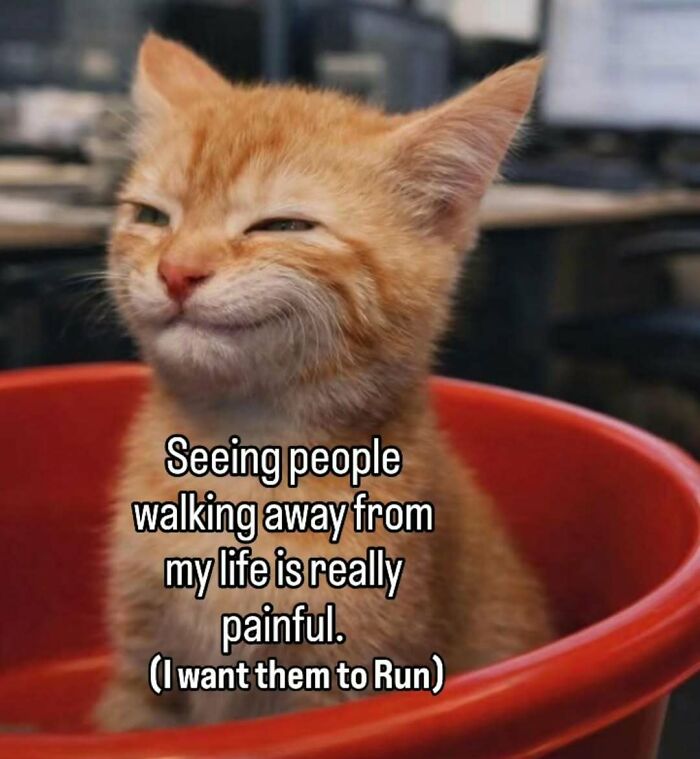
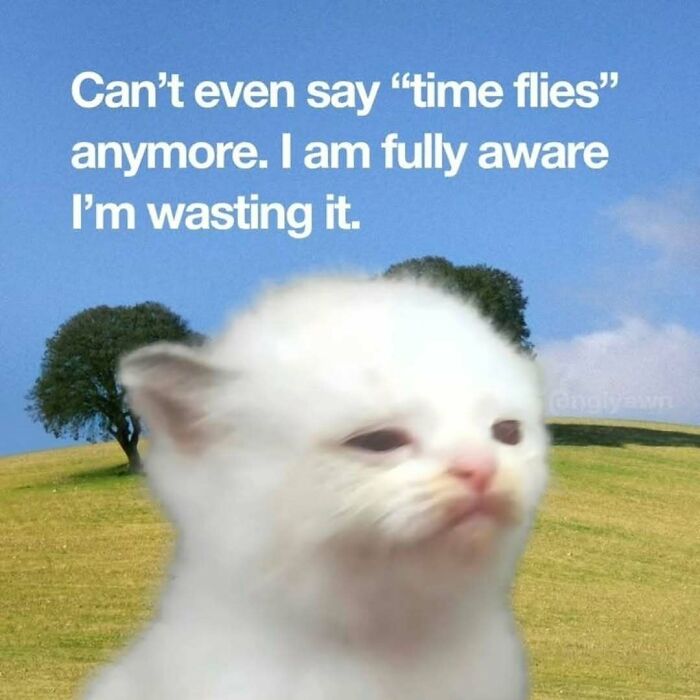
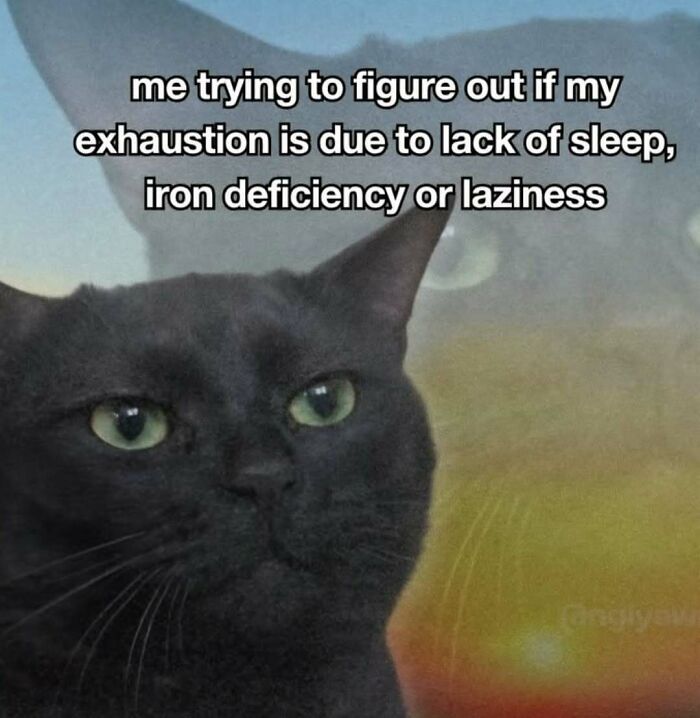
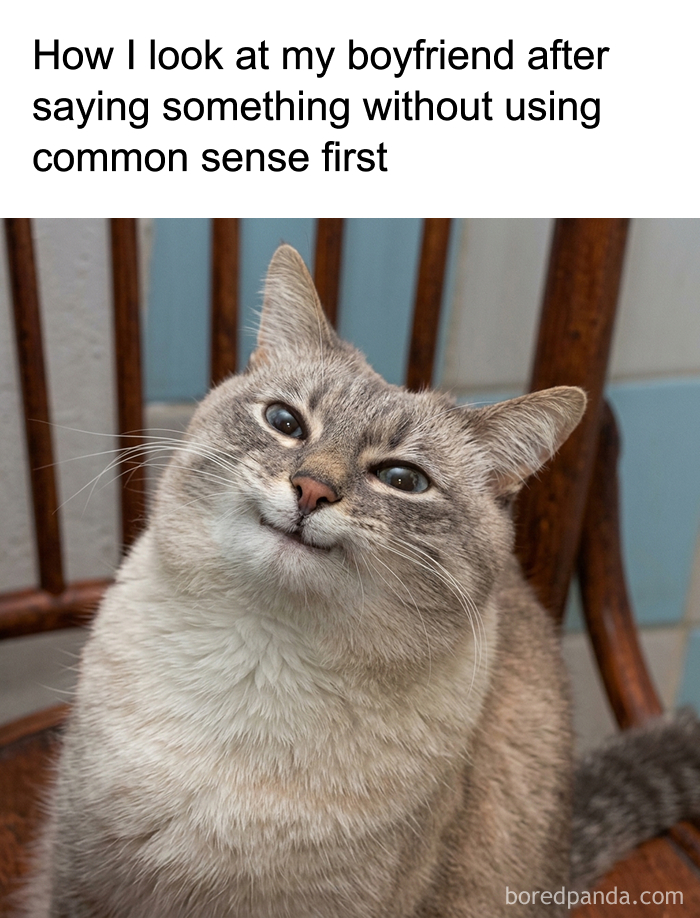
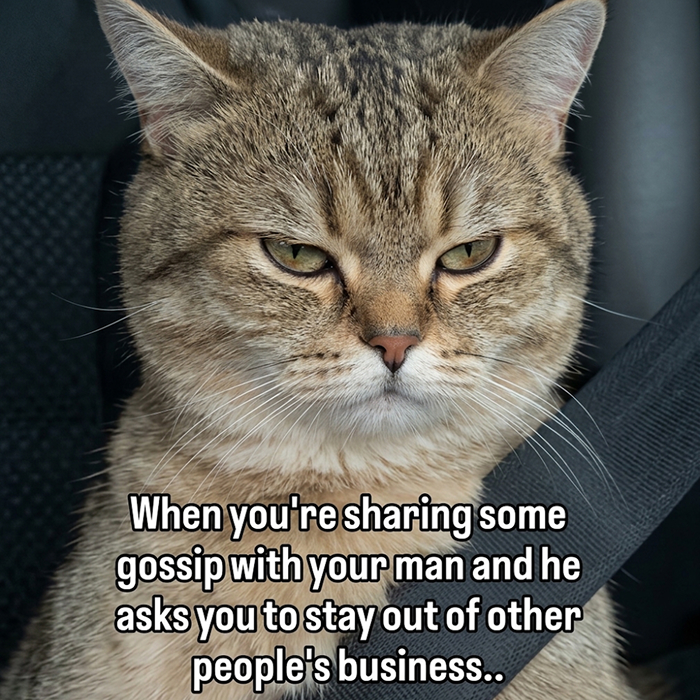
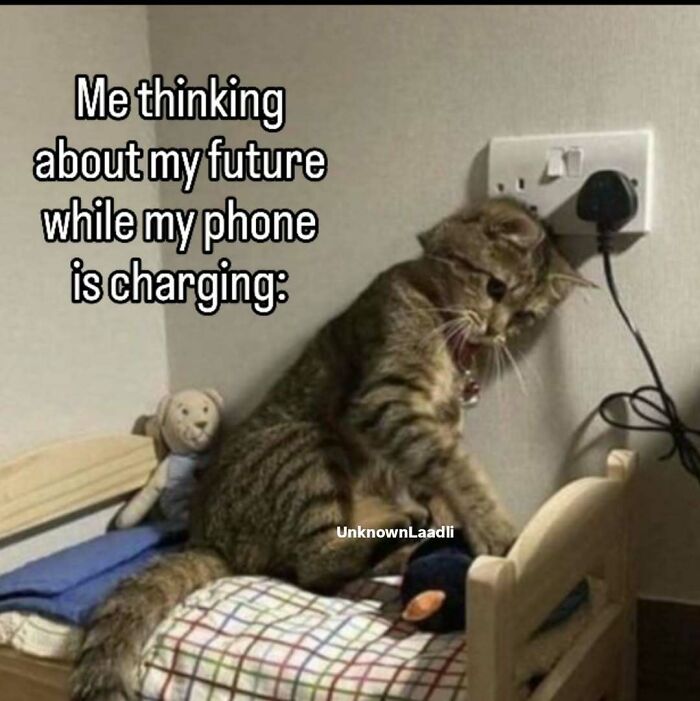
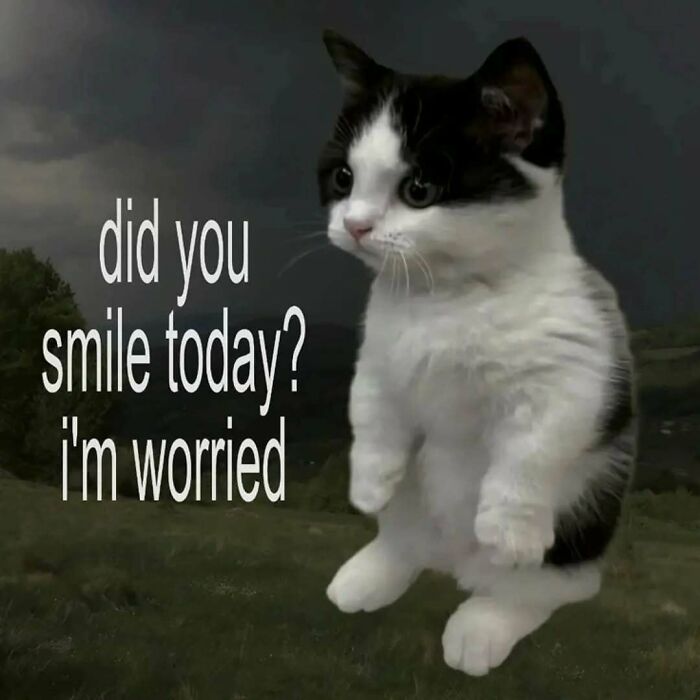
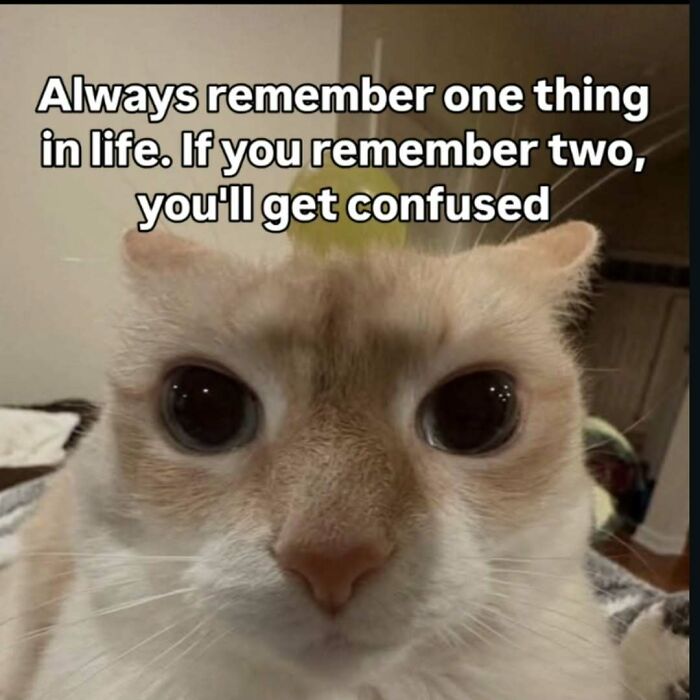
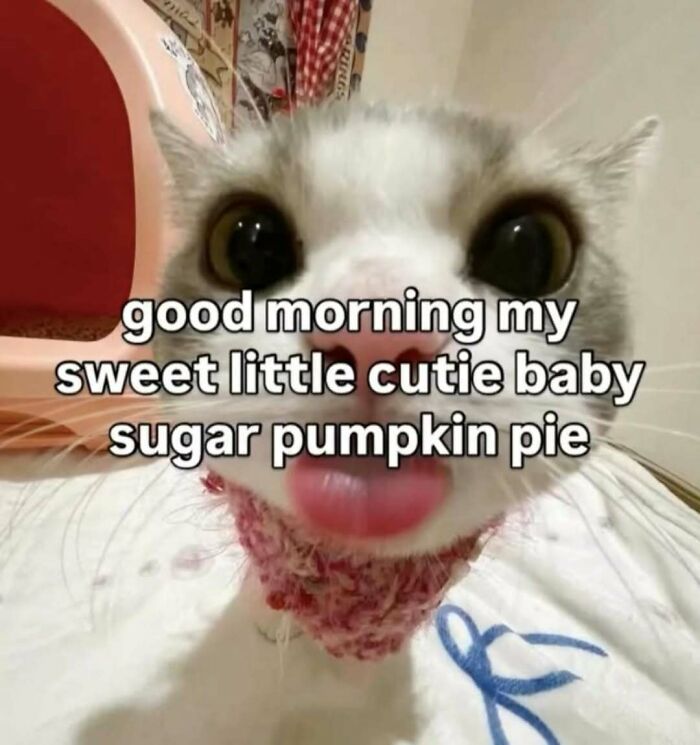
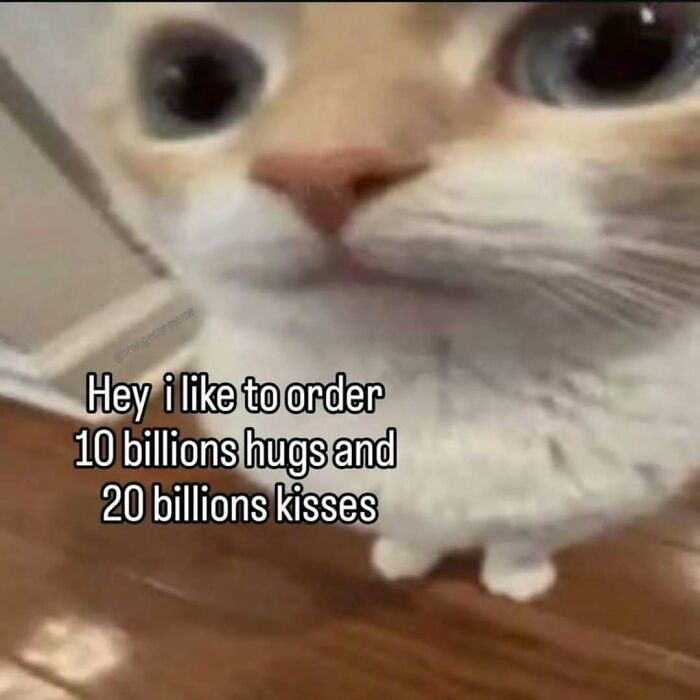
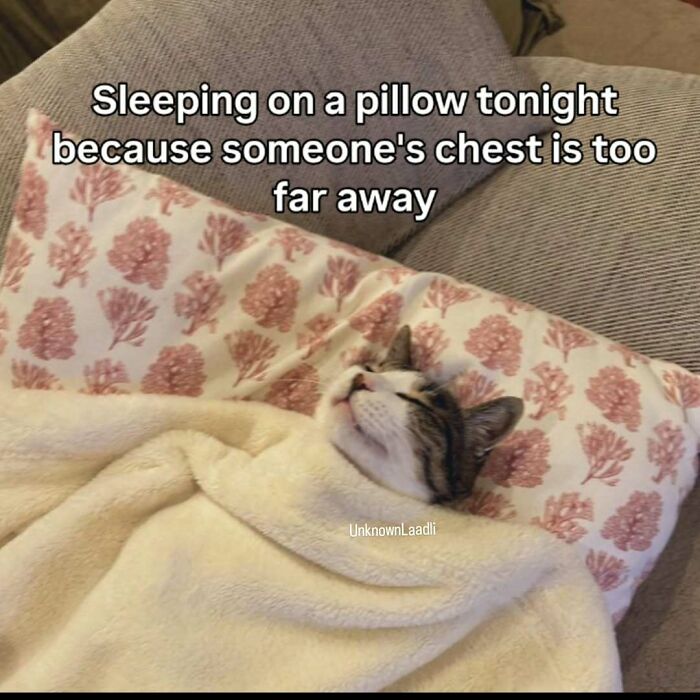
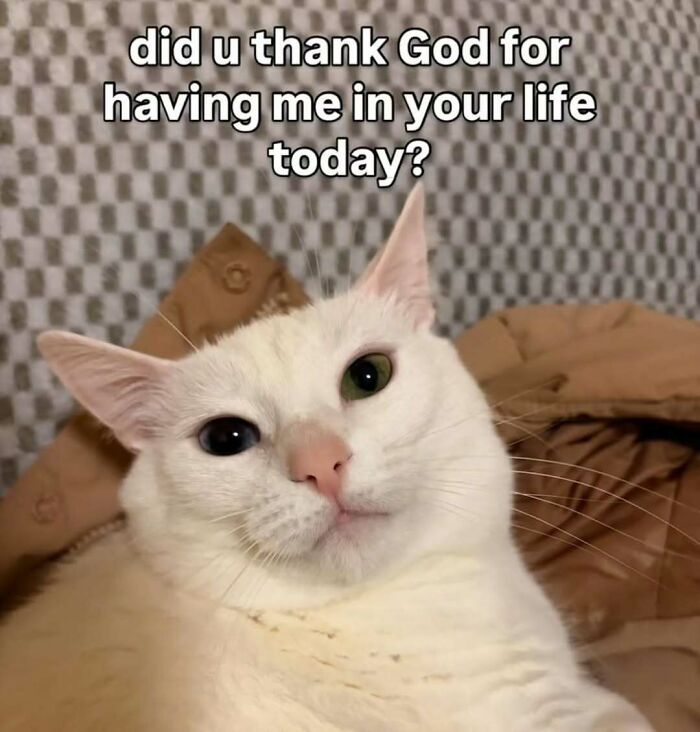
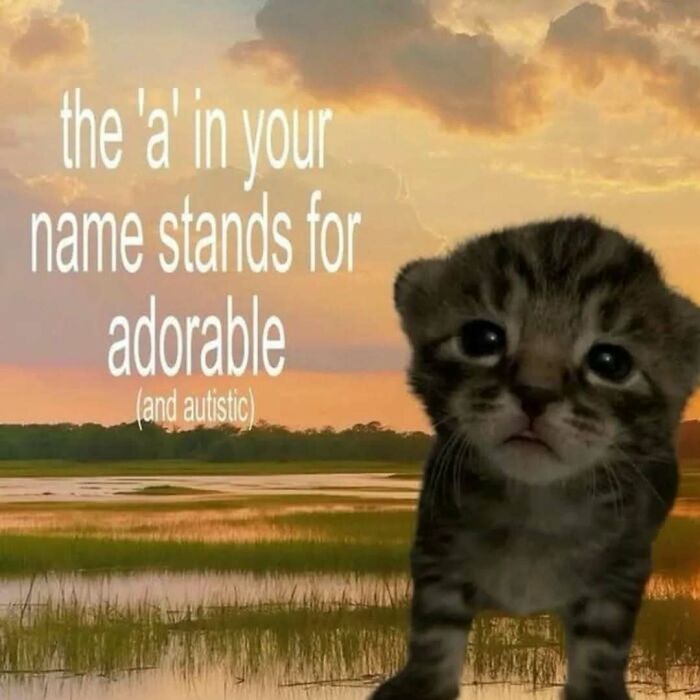
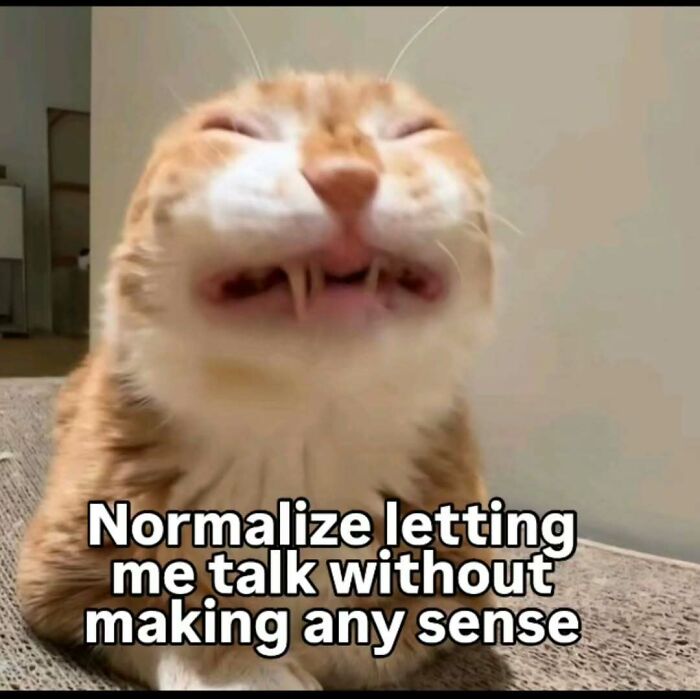
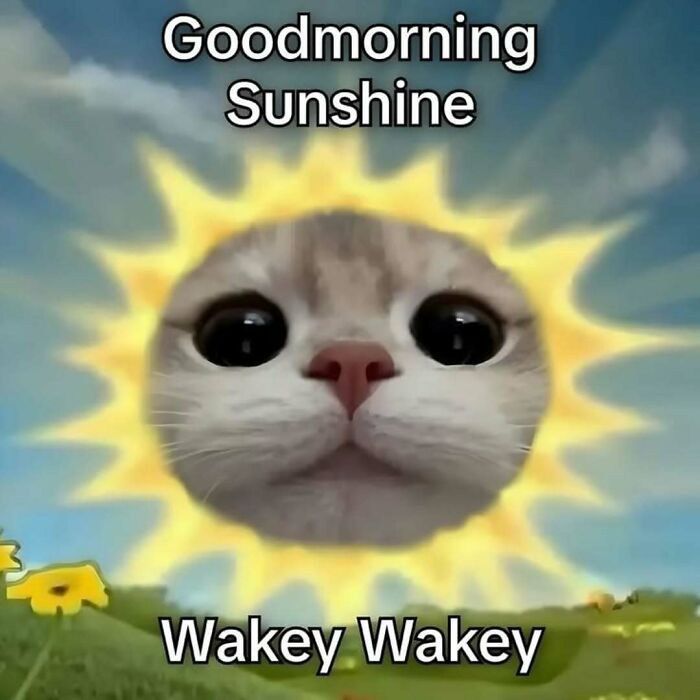
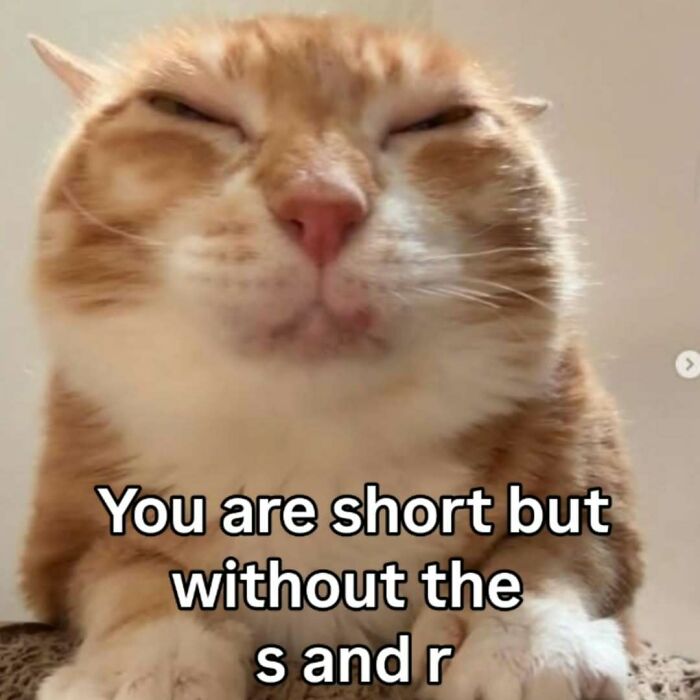
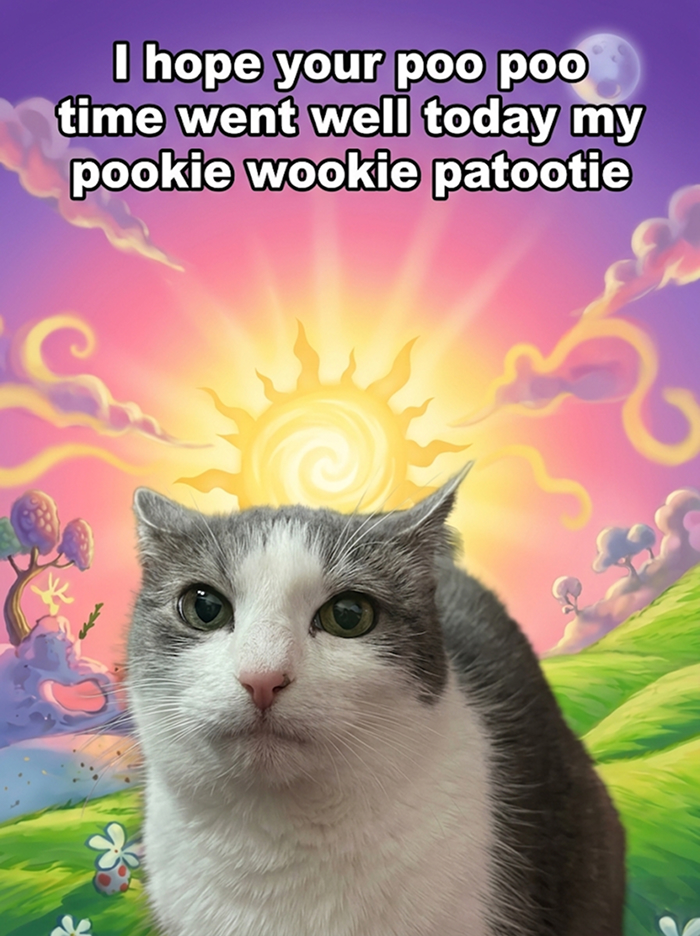
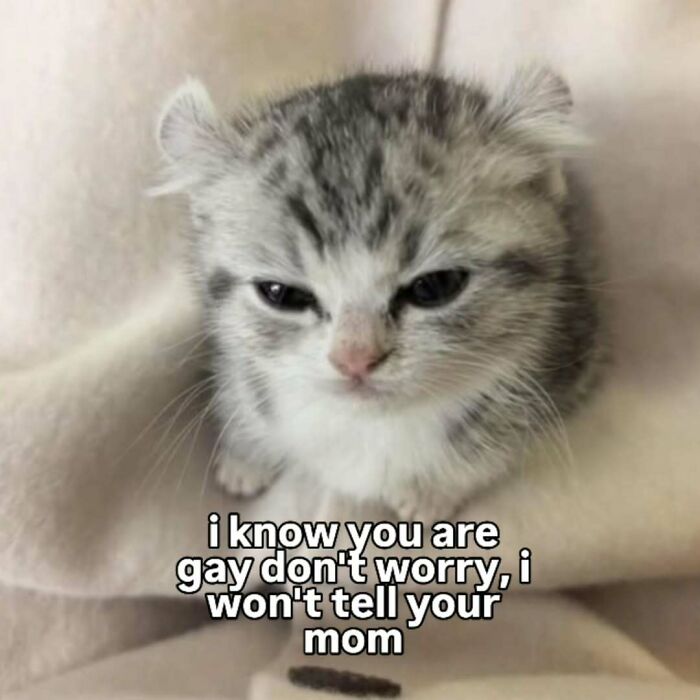
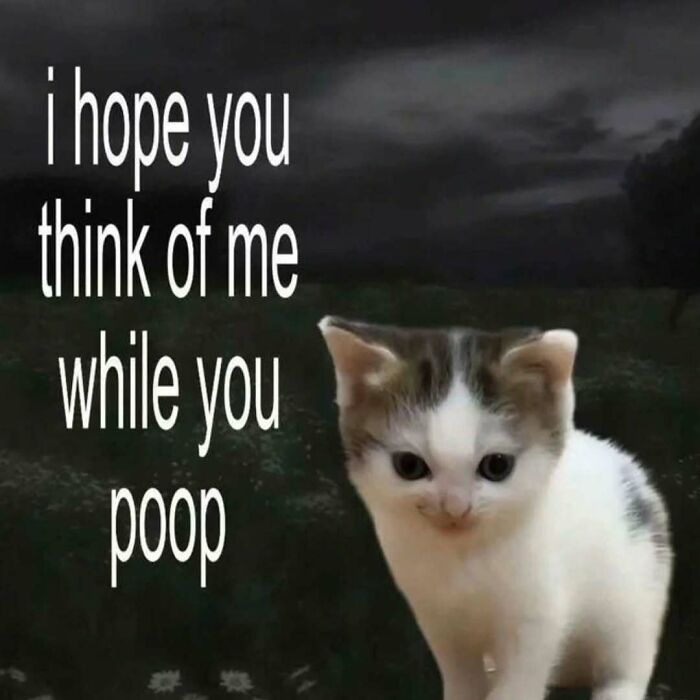
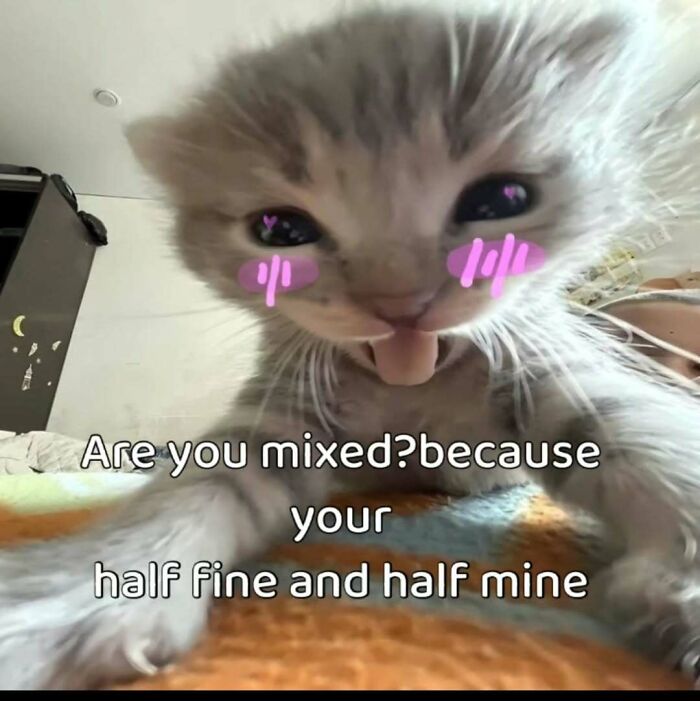
Something about cats makes them the perfect subjects for memes. From just lying in the sun all day to having the craziest zoomies with unpredictable consequences, many people can see a lot of themselves in cats. That’s how they end up in the most relatable and hilarious content the internet has to offer.
At this point, there’s a part of the internet carved out for every taste and interest. Do you love cats reflecting on relationships, work-life, finances, and other struggles? Over 42 thousand like-minded people follow _.meowmemes06 on Instagram to find just that. We’ve collected some of the best ones to brighten your day.
Also, don’t miss the chat we had with Dr. Madeleine Totham, veterinary surgeon and ABTC-registered Veterinary Behaviorist at Cat Behaviour Vet.
This post may include affiliate links.

Dr. Madeleine Totham is a UK-based veterinary surgeon and ABTC-registered Veterinary Behaviorist at Cat Behaviour Vet. She provides both home-based and fully online consultations for cats. “Cats are very expressive, and people often interpret their behavior as familiar human emotions, which makes them particularly easy to anthropomorphize.” Dr. Madeleine Totham explained to Bored Panda. This makes them a frequent subject in relatable online memes.
“Unfortunately, some memes portray cats as spiteful or difficult when the behavior shown may reflect fear, frustration, or pain.” She expands by saying, “A great deal of feline body language and behavior is misinterpreted. Rolling onto the back and exposing the belly is not necessarily an invitation to touch; it may indicate that a cat feels secure, although context is important.”
A misunderstanding floats in online forums that pet cats are selfish creatures. Dr. Madeleine Totham says, “This idea comes from misunderstanding their behavior and needs, particularly when these differ from what humans want from them. Cats need a secure territory and reliable access to essential resources, and restrictions or competition around these can cause stress and anxiety. They prefer frequent, low-intensity interactions with humans in which they retain choice and control.” A better understanding of feline body language is necessary to respond appropriately and improve cats’ welfare.

Although cats lend themselves to humorous online content, “Deliberately frightening or provoking a cat to obtain a “funny” reaction is not acceptable and may increase anxiety and undermine the cat’s trust in people,” says Dr. Madeleine Totham. “The best memes capture their individuality and everyday quirks without causing distress or suggesting that normal feline behavior is malicious or ridiculous.”

Pet ownership is becoming increasingly popular. A recent survey revealed that over 75% of people live in dog-owning households, and almost 60% in cat-owning households in the US. While dog ownership is growing slowly, cat ownership has grown by nearly 10% in recent years.
So what is making pets, and especially cats, more and more desirable? While internet culture may play a role, doctors and experts across various fields increasingly recommend having pets for their proven benefits to people’s mental and physical health. Yes, they’re funny and relatable, but more importantly, they’re great companions.
“Humans are social creatures” has become axiomatic. Our need to be understood, loved, and important is innately social. We seek connections and have evolved around interdependency.
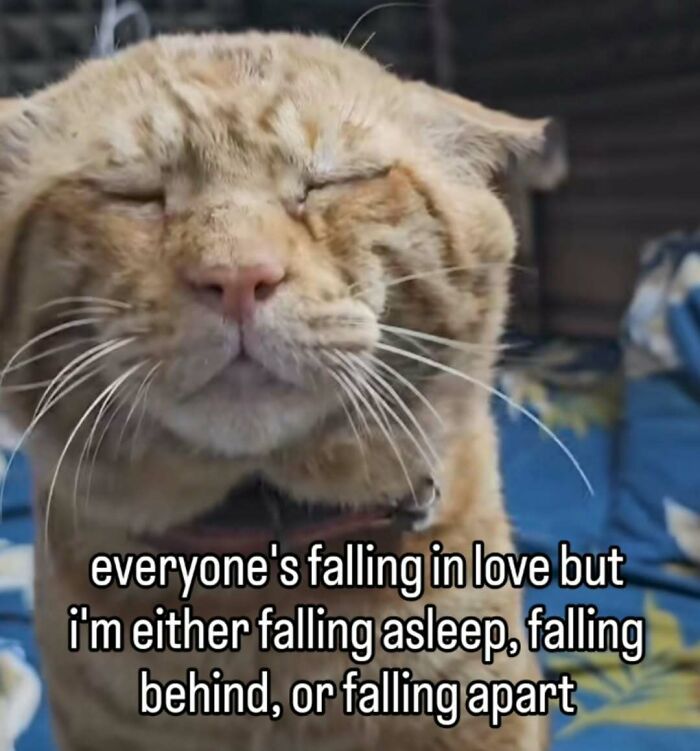
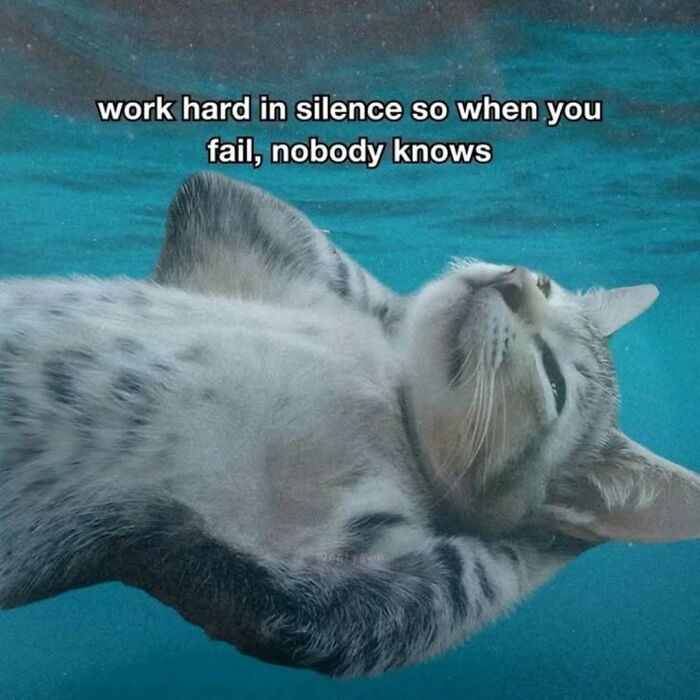
Dr. Jason N. Linder, Psy.D., thinks that pets are one of the ways we satisfy this social circuitry. Their loyalty and dependence feed into our needs. Pets make us feel special and appreciated. They pick up the slack where human connection fails, and they do so unconditionally. This kind of treatment, even from pets, strongly influences self-esteem.
Linder expands on his ideas around pets, explaining that another reason people love attention from their pets is their purity. Pets have no ulterior motives. Even if they leave an unpleasant surprise on the prized carpet, there is no intent to hurt you.
According to the psychologist, having pets can help people who are hurting improve their social lives. Feeling valued by a pet is therapeutic and can help mend the holes left by previous toxic relationships.
Linder adds that people see a lot of themselves in their pets because of how they seek connection in a non-judgmental way. Pets don’t understand political or religious beliefs and don’t look down on others for them. They bond through emotion and usually match your energy.
Pets feel relatable because they depend on human connection as much as most people. The psychologist states that a bond with a pet can be just as valuable to one’s mental health as a human relationship, though an overreliance should be avoided.
Pet ownership improving mental health isn’t just speculative. A study by Genieve Zhe Hui Gan, Anne-Marie Hill, Polly Yeung, Sharon Keesing, and Julie Anne Netto suggests owning a pet improves socialization skills, provides a sense of purpose, reduces loneliness, and increases resilience to mental health disorders.
Beyond improving the owner’s mental health, pets have also been shown to benefit physical health. A study by Karen Allen, Jim Blascovich, and Wendy B Mendes shows that owning a pet may lead to significant cardiovascular and behavioral benefits.
Because of the increasing popularity of pets and the benefits they bring, they’re often perceived as members of the family. As a result, pet wellness is a top priority. Owners are constantly looking for higher-quality pet food and pet safety products, showing greater care for their companions.
Humanization makes pets more relatable and more likely to appear in online memes. Millions of cats have appeared online for entertainment, and many gained massive popularity. A study by Jessica Gall Myrick attempts to explain why cat videos, in particular, are so loved online. The results suggest that watching cat videos has tangible emotional benefits.
The way cats communicate is another factor that makes them more relatable. An article by the International Cat Care organization explains the types of signals felines tend to use, many of which resemble human behavior. For example, cats are said to have one of the widest vocabularies among carnivore species. They use specific vocalizations for greetings, courtship, hostility, and mother-kitten interactions.
Cats also use tactile communication, like rubbing their bodies against a loved one, curling up together, and touching noses. These forms of communication can be compared to intimate human behaviors, like snuggling and kissing.
Finally, cats use their bodies to visually signal their moods and intentions. For example, the tail held up usually signals friendly intent. The tail swaying side to side may signal frustration, and the tail tucked between the back legs usually shows anxiety and fear. If the tail fur is puffed up, along with the rest of the body and an arched back, the cat is trying to look larger and more hostile. This wide range of communication makes our feline friends one of the most versatile subjects in internet meme culture. There’s a cat pic out there for any humorous situation, but it's important not to cause distress in pursuit of online humor.