Get Premium
Dark mode theme is available exclusively for premium users. Learn more about the benefits of subscribing.
No fees, cancel anytime.

 Dark Mode Ad-Free Browsing Unlimited Content
 Ad-Free Browsing Unlimited Content Dark Mode
Join 1.2 million Panda readers who get the best art, memes, and fun stories every week!
While we tend to think of boundaries one sets as being a way to stave off controlling parents or perhaps a rather toxic partner, sometimes we need them for our friends too. After all, just because you’ve known someone for a long time doesn’t mean they aren’t capable of doing something pretty weird.
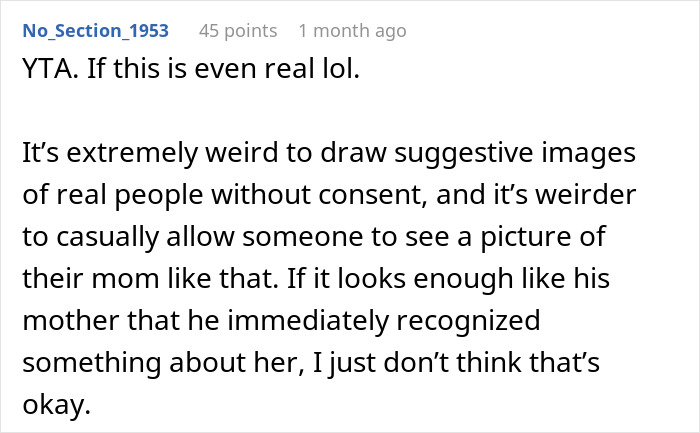
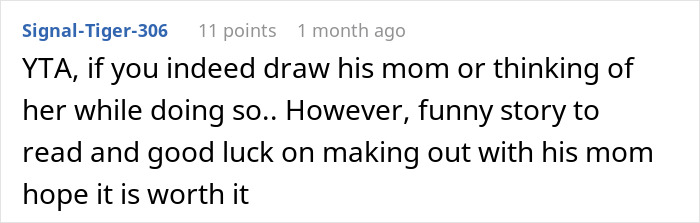
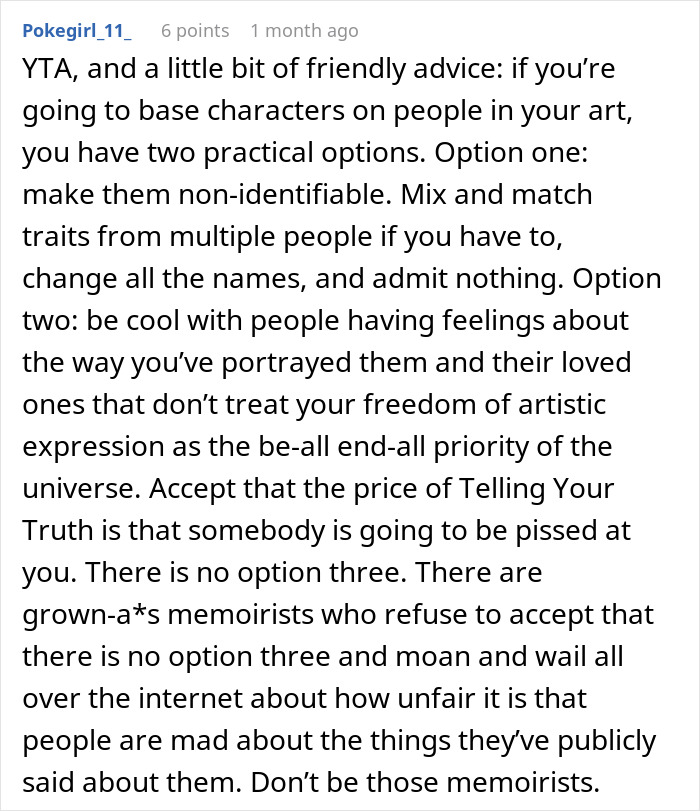
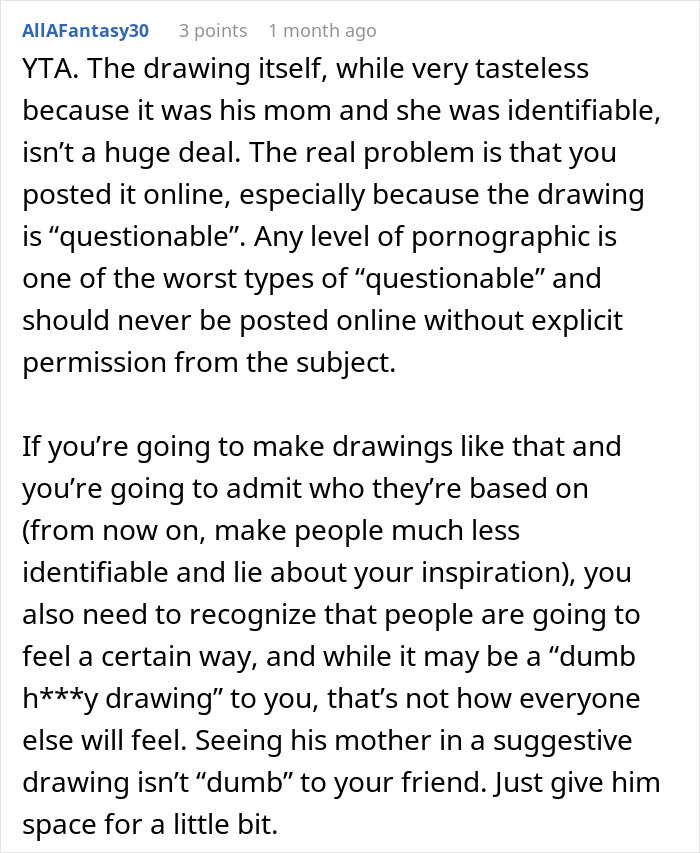
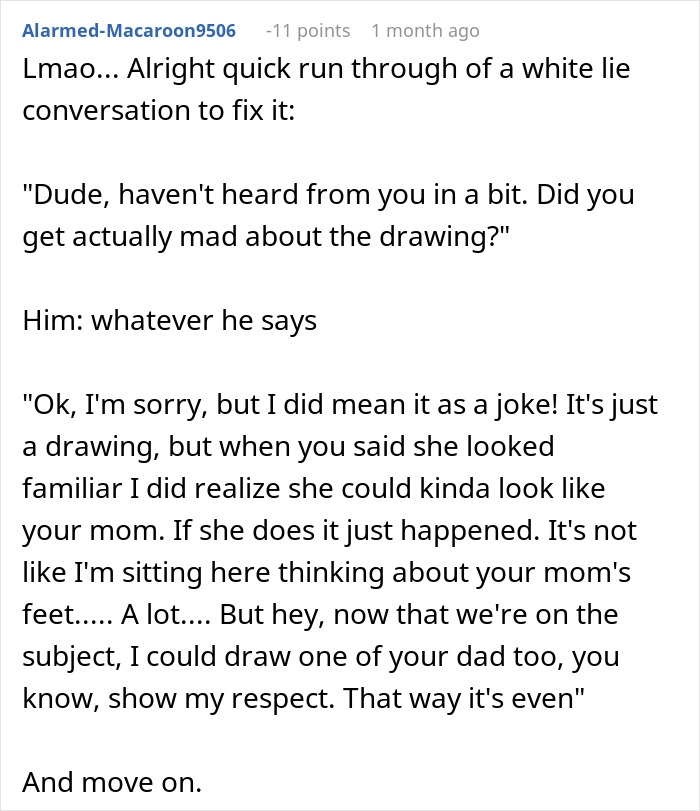
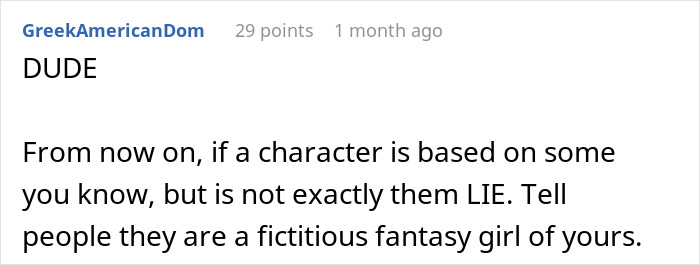
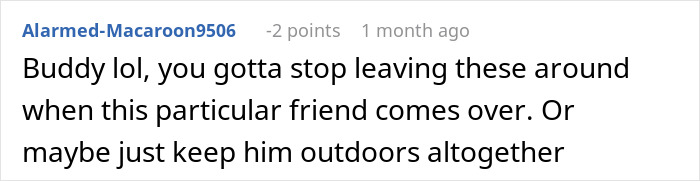
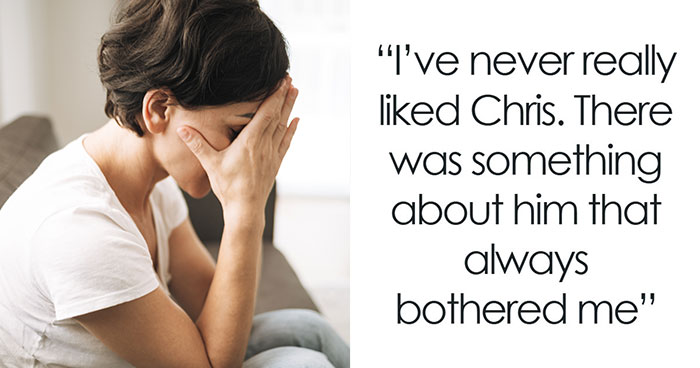
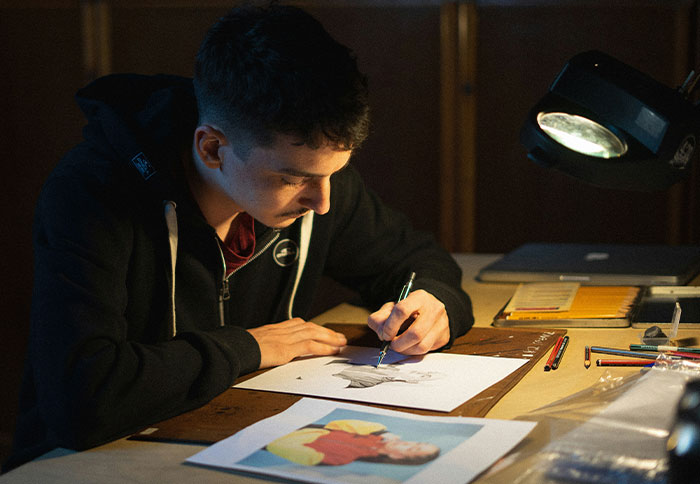
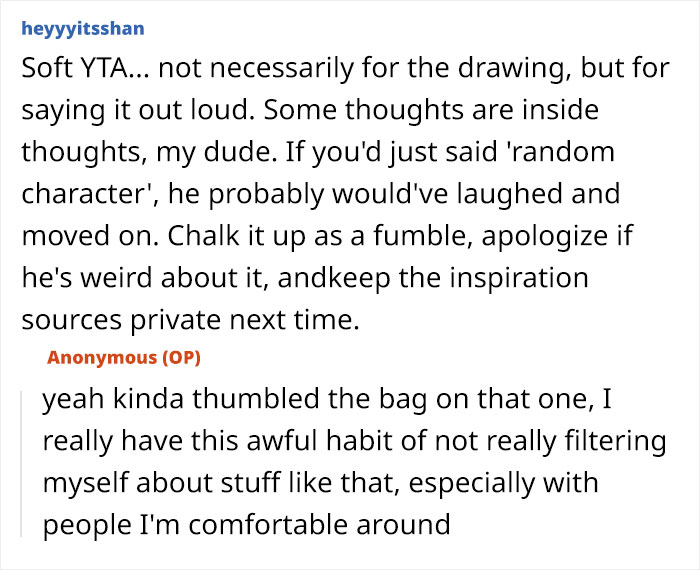
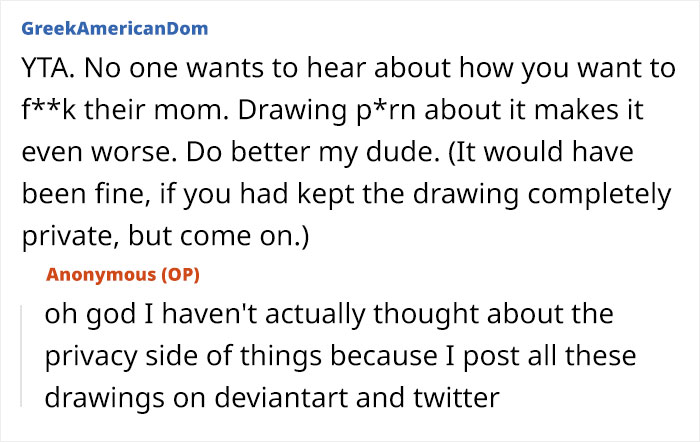
A man asked the internet what he could do to salvage his relationship after his friend, while looking through his art, realized that he had made some “questionable” drawings that resembled his mother. Readers were not at all sympathetic and a debate about his actions and how to proceed broke out in the comments.
Image credits: Martin May (not the actual photo)
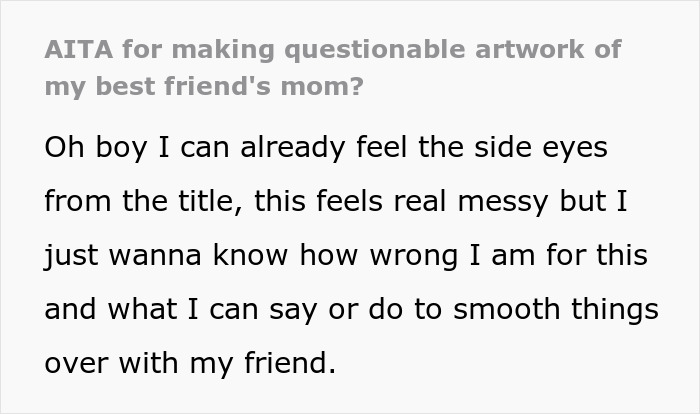
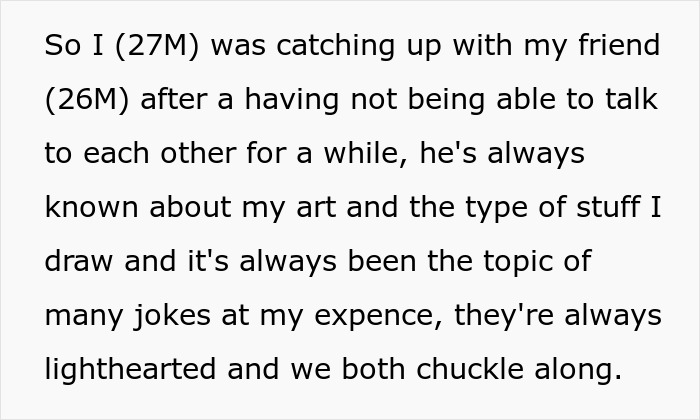
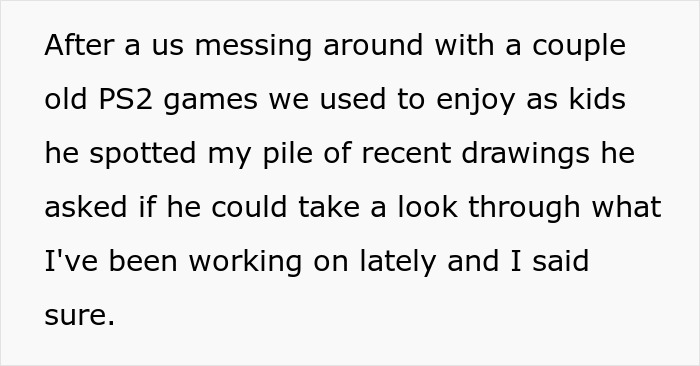
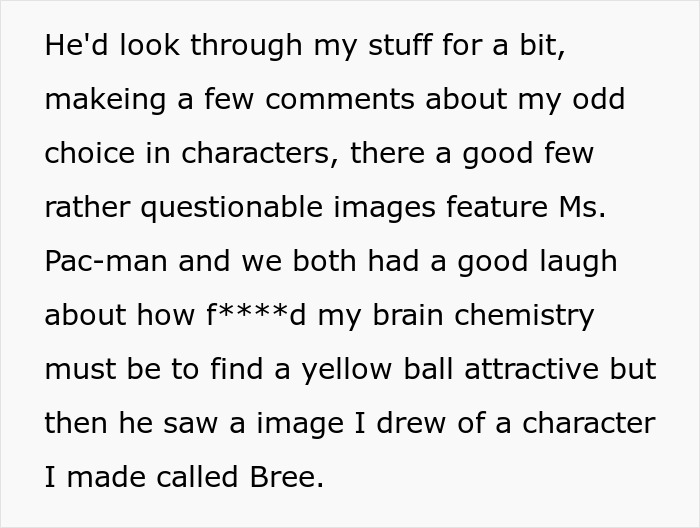
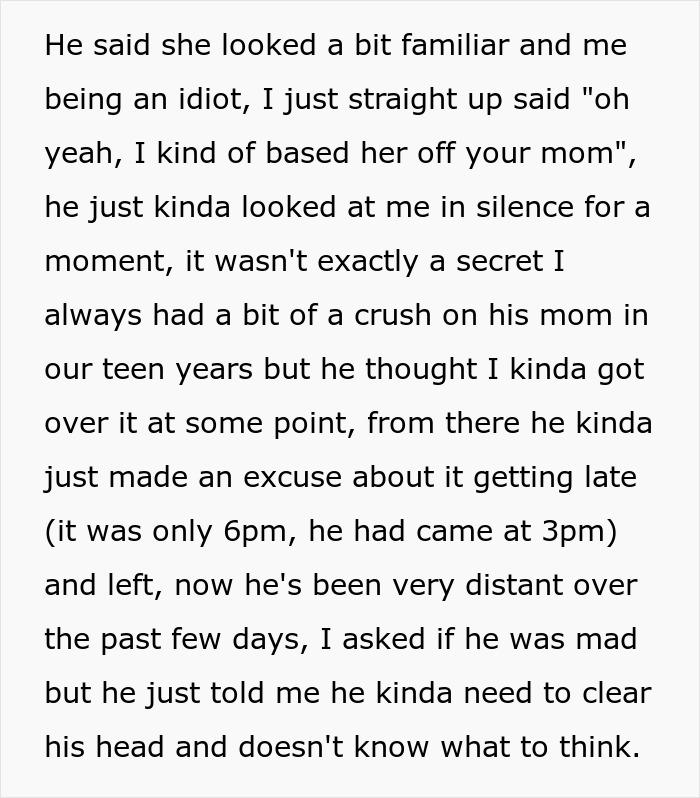
Image credits: Ahmet Kurt (not the actual photo)
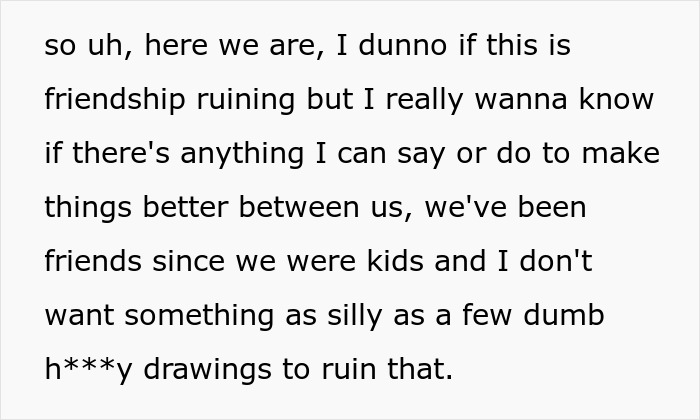
Image source: anonymous
Image credits: Getty Images (not the actual photo)
The concept of a psychological boundary is often invisible until someone steps right over it and leaves you wondering how things got so complicated so quickly. In long term friendships, we often assume the lines are clearly drawn because we have spent years building a shared language of jokes and experiences. Familiarity can sometimes breed a dangerous level of comfort where one person thinks they are being edgy or funny while the other person feels a deep sense of violation. When a friend shares their creative world with you, there is an unspoken agreement of vulnerability and respect.
However, using a friend’s parent as a muse for suggestive artwork introduces a level of complexity that most social contracts are not designed to handle. It stops being about the quality of the drawing and starts being about the violation of a sacred social space. Most people view their parents as figures deserving of a specific kind of dignity and privacy. When that dignity is stripped away for the sake of a hobby or a lingering crush, the resulting discomfort is not just a minor disagreement but a fundamental shift in how the friendship is perceived.
It is important to recognize that while art is often a private outlet, the moment you share the inspiration behind it, you are inviting another person into your mental process. If that process involves their family, you have essentially forced them into a situation they never asked to be part of. This is why a person might feel the need to leave a social gathering early or stop responding to messages. They are not just avoiding a conversation. They are likely trying to reconcile the friend they grew up with with the person who just admitted to something quite unsettling. Building healthy relationships requires a constant recalibration of what is acceptable and what is not. When you realize you have caused that much discomfort, the first step is not to defend the art as silly or harmless. Instead, the focus should be on validating the other person’s feelings of betrayal or weirdness. You cannot tell someone that their reaction is overblown when you are the person who introduced the awkwardness into the room.
Image credits: Vitaly Gariev (not the actual photo)
The silence that follows such a revelation is a form of emotional processing. When someone says they need to clear their head, they are often dealing with the “ick” factor, which is a visceral reaction to a boundary violation that feels impossible to ignore. In this specific context, the artist might feel that their friend is overreacting because they have joked about weird topics for years. However, jokes are usually abstract. Using a real person who is a foundational part of your friend’s life turns the abstract into something uncomfortably concrete. It creates a mental image that the friend can never unsee. This is why smoothing things over requires more than just a quick text or a casual shrug. It requires an acknowledgment that the boundary was not just pushed but entirely ignored.
To move forward, it is essential to give the other person space without putting pressure on them to return to normal immediately. True apologies involve taking accountability without making excuses about your brain chemistry or your creative quirks. You have to be willing to admit that your choice was disrespectful to the friendship. If you value the bond you have built since childhood, you must prioritize your friend’s comfort over your desire to be seen as a misunderstood artist. It might take a long time for the air to clear, and even then, things might never feel quite the same.
Understanding social cues and respecting the privacy of others’ families are basic pillars of maturity. When those pillars are knocked down, the only way to rebuild is through consistent, respectful behavior and a genuine effort to understand why your actions caused such a rift. You have to prove that you can be trusted again, and that starts with putting the questionable artwork away for good and focusing on being a supportive, grounded friend who knows where the line is drawn.




By entering your email and clicking Subscribe, you're agreeing to let us send you customized marketing messages about us and our advertising partners. You are also agreeing to our Privacy Policy.
Thank you! You've successfully subscribed to newsletters!
8Kviews
Share on Facebook
I don't really feel this is a friendship breaker. Sure, it's going to be weird for a while but it's not like he drew his actual mother. It might even become a running joke in years to come. Ok, yes, I'm weird.
I don't really feel this is a friendship breaker. Sure, it's going to be weird for a while but it's not like he drew his actual mother. It might even become a running joke in years to come. Ok, yes, I'm weird.
















 No fees, cancel anytime










23
12