Get Premium
Dark mode theme is available exclusively for premium users. Learn more about the benefits of subscribing.
No fees, cancel anytime.

 Dark Mode Ad-Free Browsing Unlimited Content
 Ad-Free Browsing Unlimited Content Dark Mode
Join 1.2 million Panda readers who get the best art, memes, and fun stories every week!
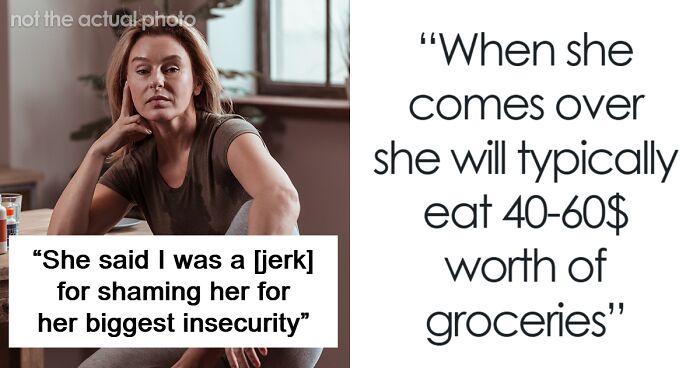
Food is central to our day-to-day life and well-being. That’s why it’s important to have a healthy relationship with it, which means eating nutritious food that makes us feel good physically and mentally. However, diet culture, nutrition trends, health advice online, mental health struggles, and other various complicated reasons make achieving this much harder for some individuals.
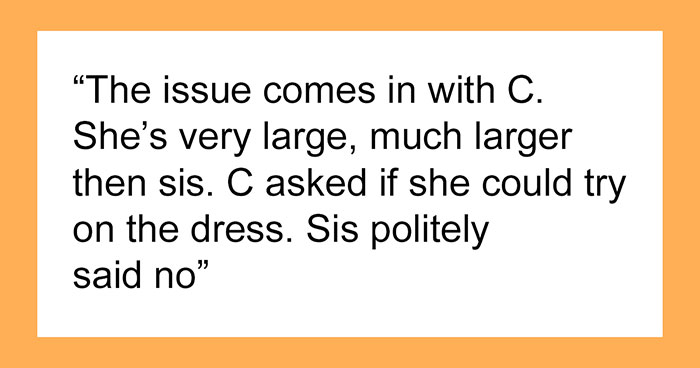
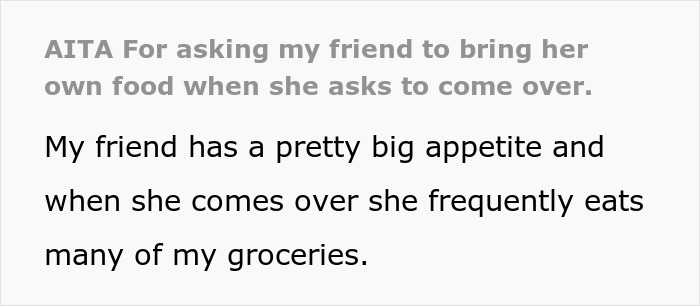
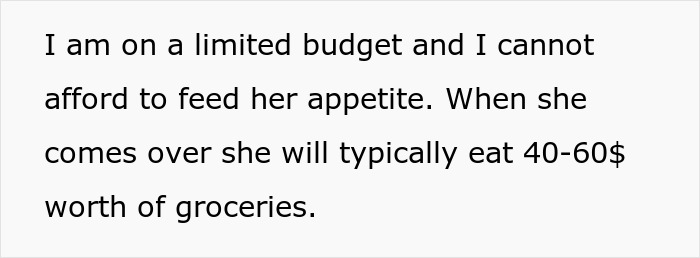
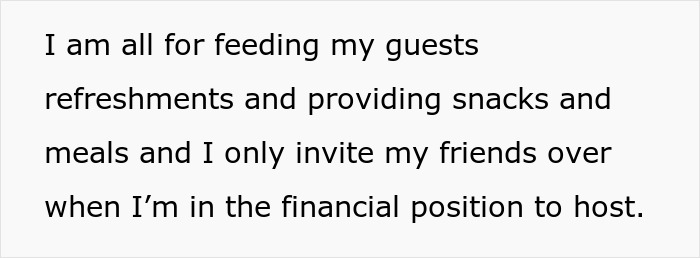
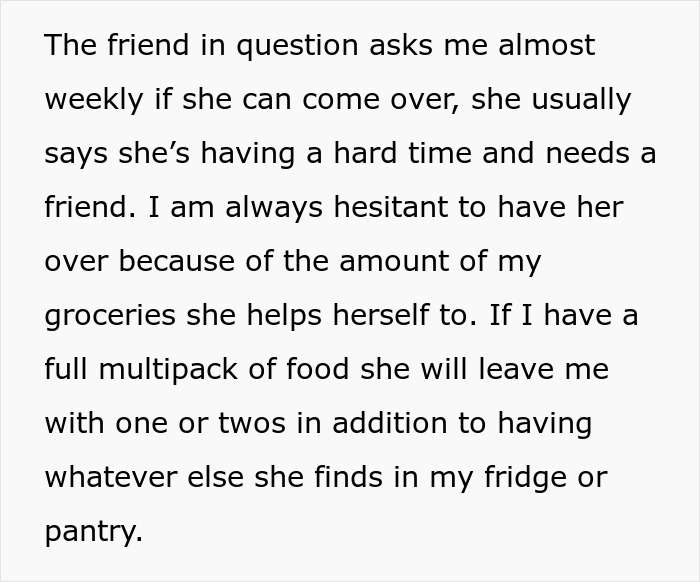
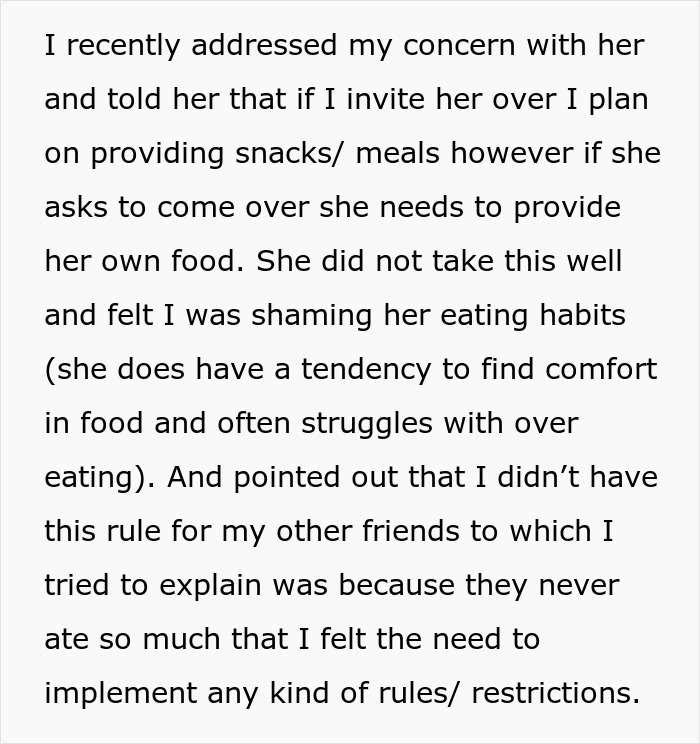
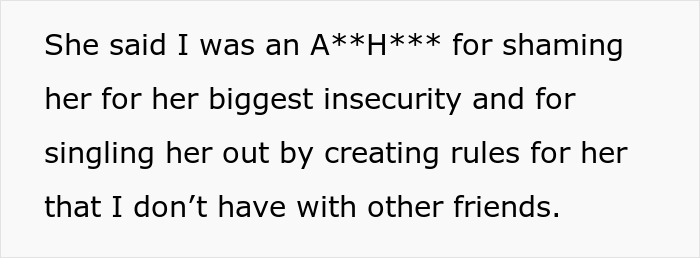
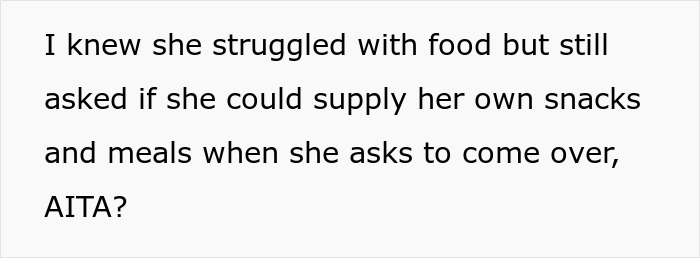
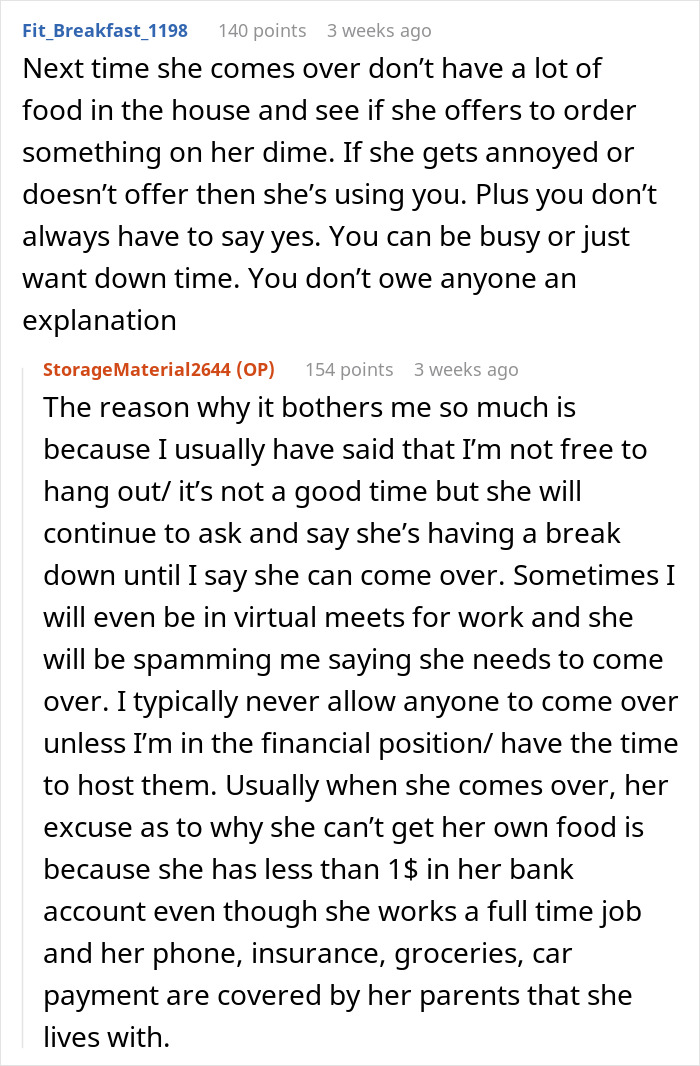
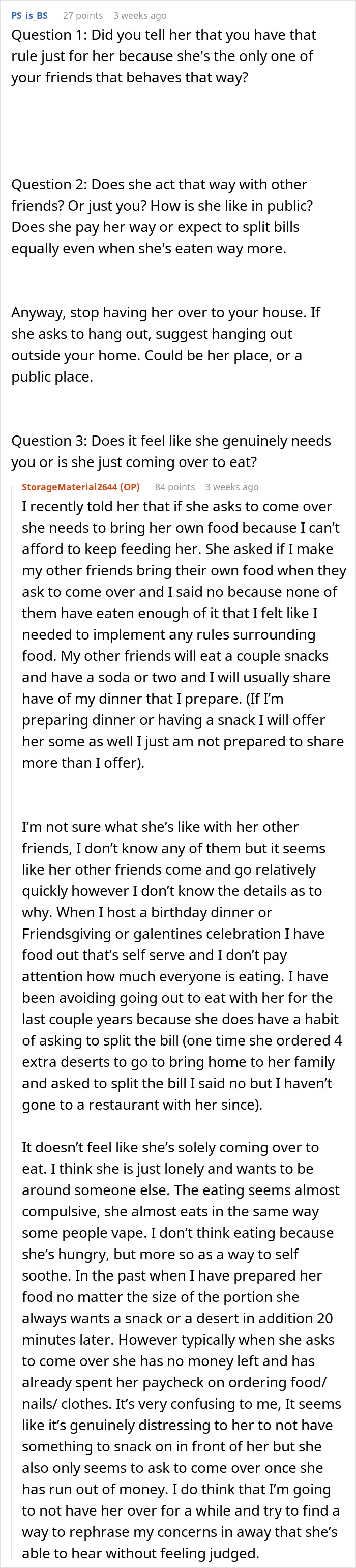
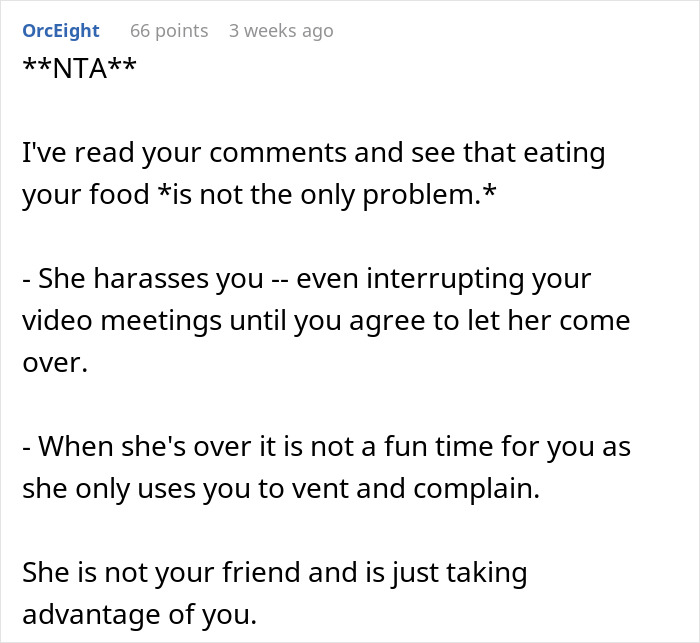
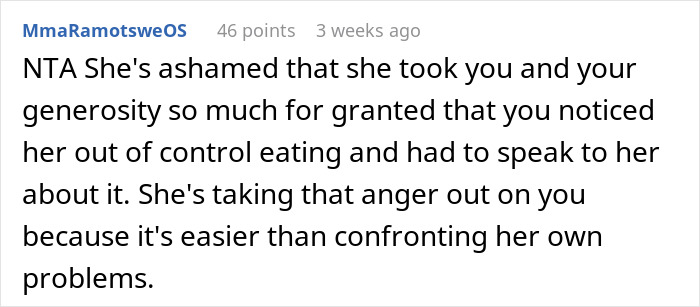
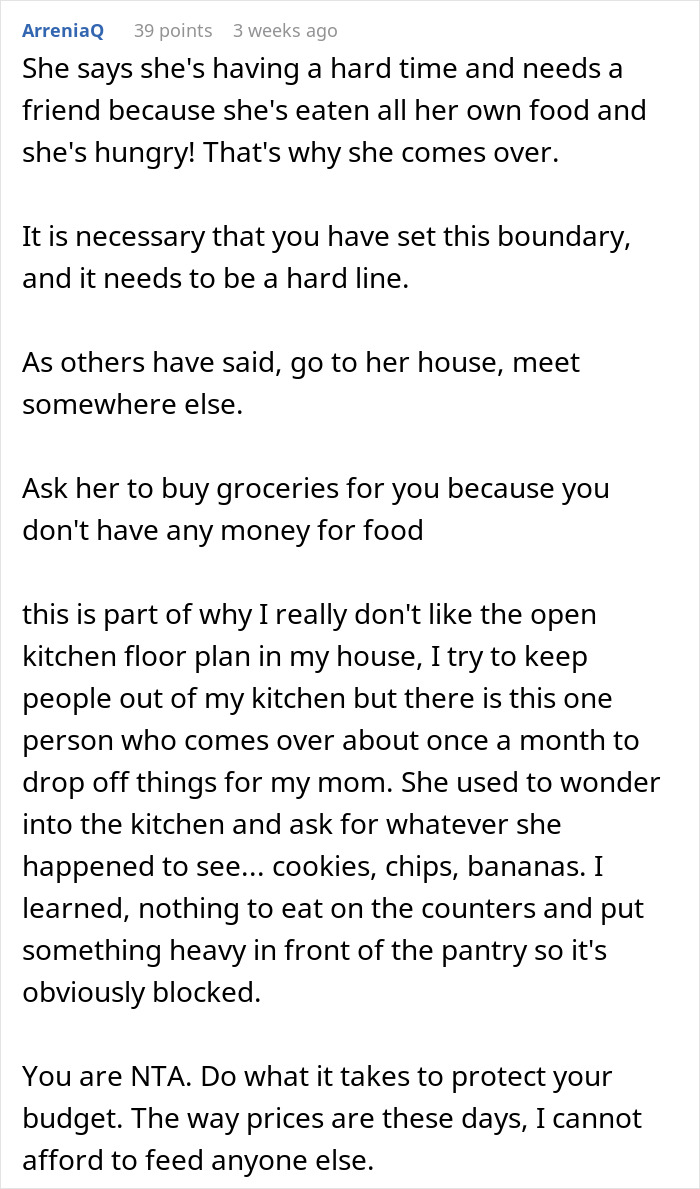
Recently, this woman noticed that her friend comes to her house only when she feels lonely or stressed and makes a sizeable dent in all her snacks and groceries. Worried about her overeating tendencies and her modest budget, she decided to speak up about it, which unfortunately caused a quarrel between them.
Scroll down to find the full story and conversation with an eating psychology coach Jenny Eden Berk, M.S.Ed., who kindly agreed to tell us more about what can hinder our relationship with food.
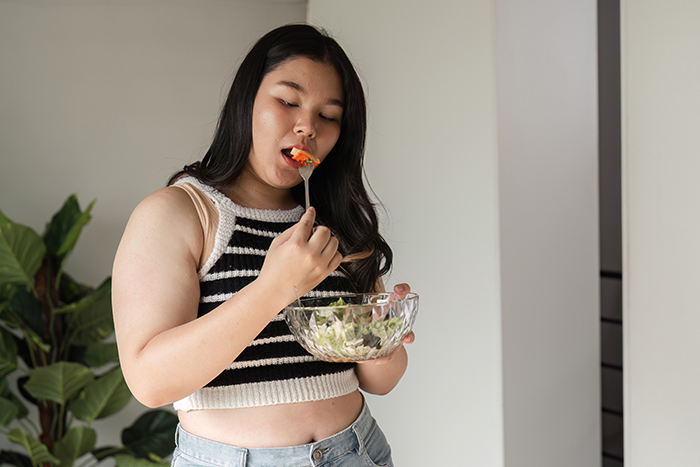
Image credits: wichayada69 / envato (not the actual photo)
Image credits: vadymvdrobot / envato (not the actual photo)
Image credits: StorageMaterial2644
While food might seem to be simply nourishment for our bodies, it also plays a big part in our complicated behaviors and psyches. Healthy eating habits don’t particularly have anything to do with what kind of food we eat but rather how and why we choose to eat them. A healthy relationship with food usually involves accepting all kinds of food and eating intuitively, which means respecting hunger and fullness cues from our body.
However, this doesn’t come naturally or easily to everyone, and it’s important to pinpoint the signs when that relationship is starting to decline. “An unbalanced or unhealthy relationship with food often manifests through behavioral and psychological patterns rather than just eating habits alone,” explains eating psychology coach Jenny Eden Berk, M.S.Ed.
“Signs include rigid categorization of foods as ‘good’ or ‘bad,’ experiencing guilt or shame after eating certain foods, eating in secret, using food as a surrogate to cope with uncomfortable emotions, obsessively counting calories or macronutrients, skipping social events involving food, and experiencing anxiety or overwhelm around mealtimes. Physical signs might include weight cycling, but it’s important to understand that disordered eating exists across all body types and isn’t always visible externally.”
There are many factors that can make a person develop an unhealthy relationship with food, including diet culture and media that create unrealistic expectations about body sizes and eating, says Berk.
“Childhood experiences where food was restricted, used as punishment or reward, or where body criticism was the norm can establish unhealthy eating patterns. Parental modeling of food restriction, dieting or “body-checking” can sometimes tacitly and subconsciously affect eating patterns as well,” she adds.
“Traumatic experiences may have led to using food as a coping mechanism, which eventually became an ingrained habit or response to any physical or emotional distress. Physiological factors like restrictive dieting can trigger biological responses that intensify food focus and a scarcity mindset that triggers consuming highly palatable foods. Social environments and friend groups that emphasize appearance and constantly discuss dieting create vulnerability. The development is rarely attributable to a single cause but rather emerges from this complex interplay of biological, psychological, and social influences,” Berk further explains.
Over time, an unhealthy relationship with food can become problematic and significantly affect quality of life and health outcomes, says Berk. “When food becomes a source of anxiety rather than nourishment, it can affect everything from your ability to adequately detect hunger and satiety cues to digestion and even your immunity and ability to fully absorb nutrients from a meal. Eating fast while multitasking or standing up exacerbates these problems.”
It can impact the relationship with those around us too, she notes. “Chronic, long-term dieting or weight cycling can potentially contribute to metabolic dysfunction. Nutritional health may suffer from either restriction or overeating behaviors. Social connections can deteriorate as individuals avoid food-related gatherings or situations that deliberately involve a lot of food.”
And even evolve into clinically diagnosed eating disorders, “which have among the highest mortality rates of any mental health condition,” says Berk. “Even when not meeting clinical thresholds, chronically disrupted eating patterns can compromise immune function, hormone regulation, and cognitive performance.”
If family or friends notice their loved one exhibits signs of having an unhealthy relationship with food, Berk says they should approach them with sensitivity and care. “Before speaking up, loved ones should educate themselves about disordered eating and reflect on their own beliefs and biases about food and bodies. When expressing a concern, try to focus on what you have observed rather than weight or appearance comments,” she advised.
“Avoid language that sounds accusatory or judgmental. And for goodness sake, do not say, “I’m just worried about your health,” because most people who have struggled with disordered eating and body image issues see that as disingenuous and unhelpful. Offer specific support like finding professional resources or accompanying them to appointments. Be prepared for resistance, as awareness can be frightening, and taking action is challenging. Most importantly, stay supportive irrespective of their readiness or willingness to change.”
The path to restoring a healthy relationship with food requires a lot of hard work and is more about finding a compassionate approach to nourishment and not trying to have perfect eating habits.
“This process often requires doing the hard work of uncovering deeper beliefs about worthiness and control. For many, working with an eating coach and learning mindful and intuitive eating practices can be very helpful. Being in communities that emphasize body diversity and reject diet mentality can be healing spaces during recovery. The research consistently shows that sustainable improvement comes through developing internal attunement rather than external food rules,” Berk concludes.

By entering your email and clicking Subscribe, you're agreeing to let us send you customized marketing messages about us and our advertising partners. You are also agreeing to our Privacy Policy.
Thank you! You've successfully subscribed to newsletters!


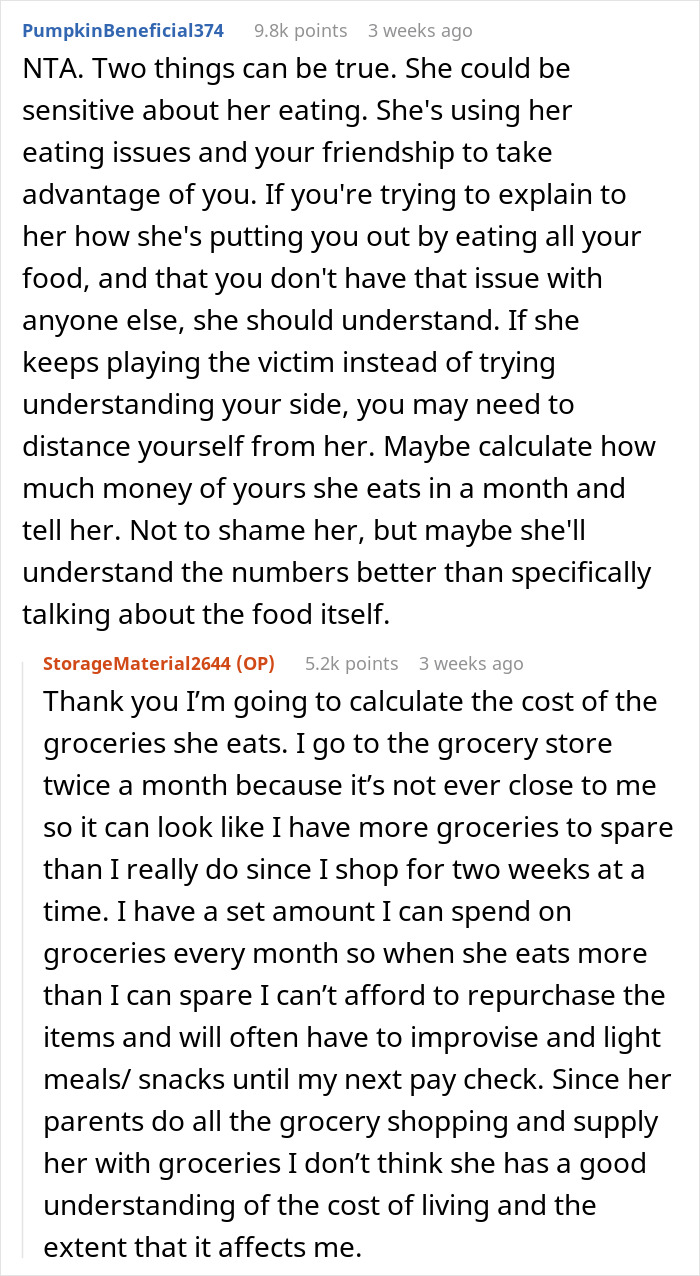
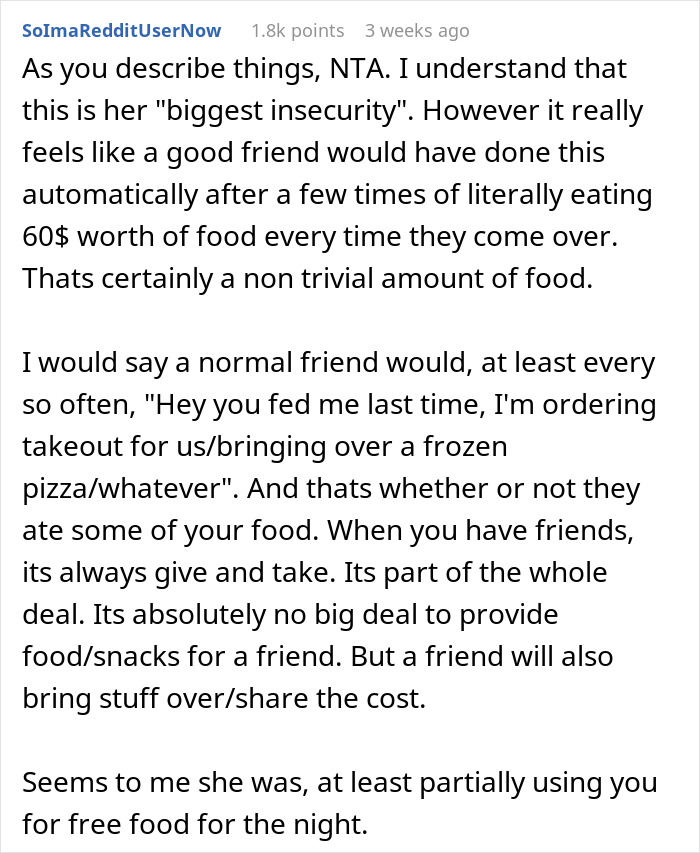
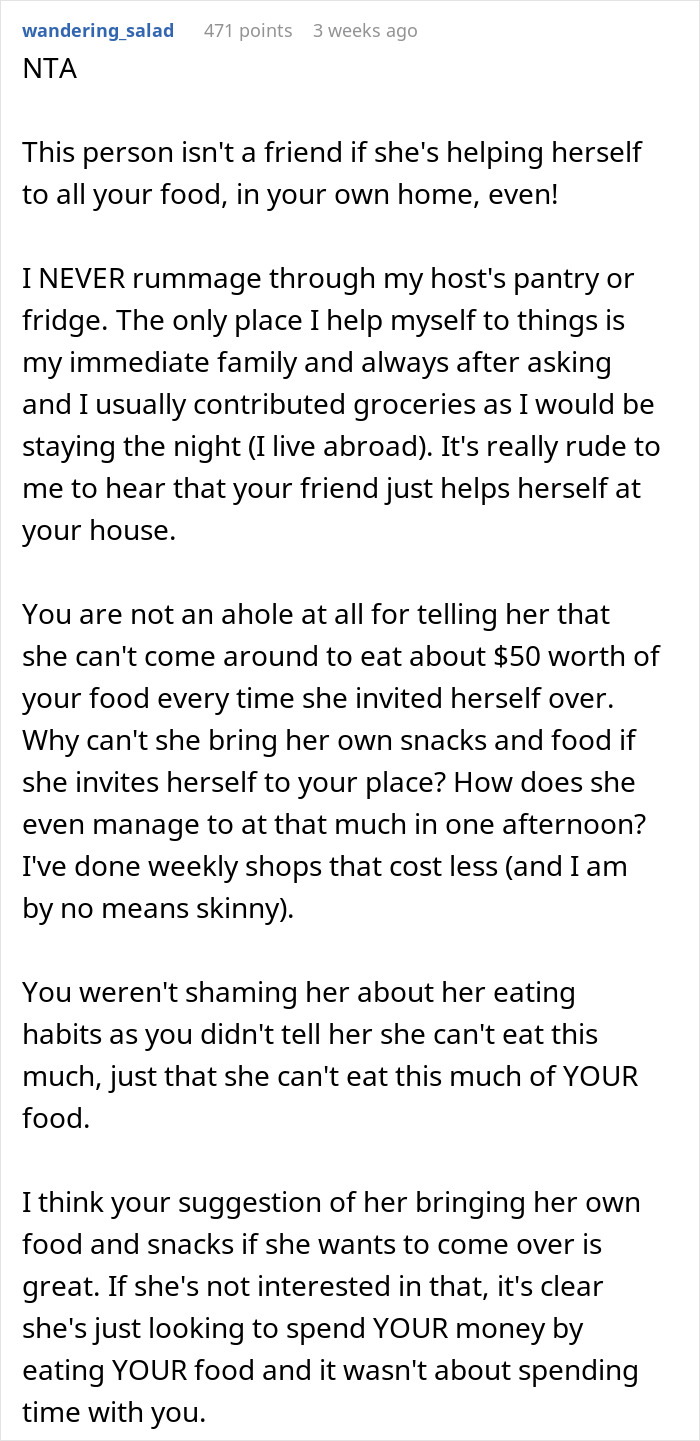
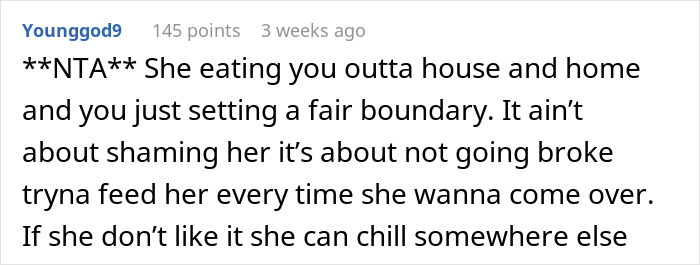
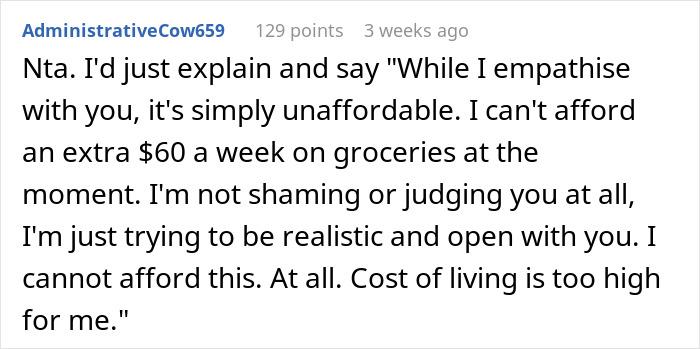
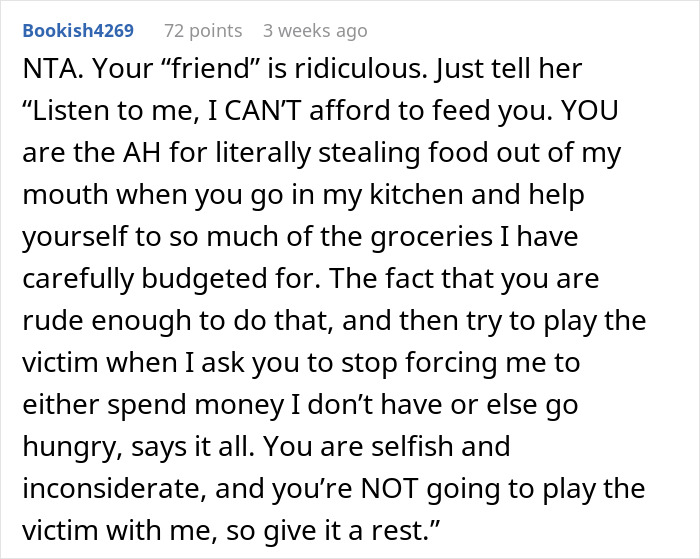
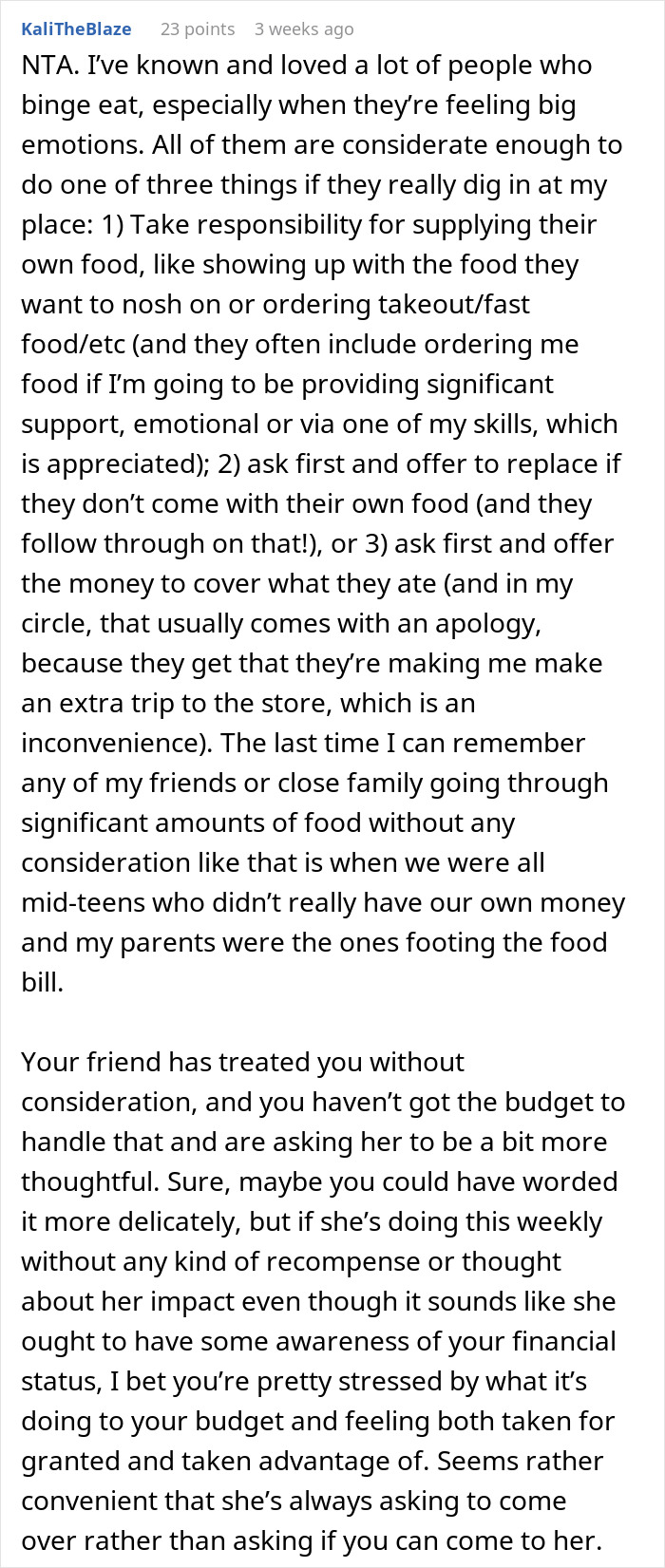
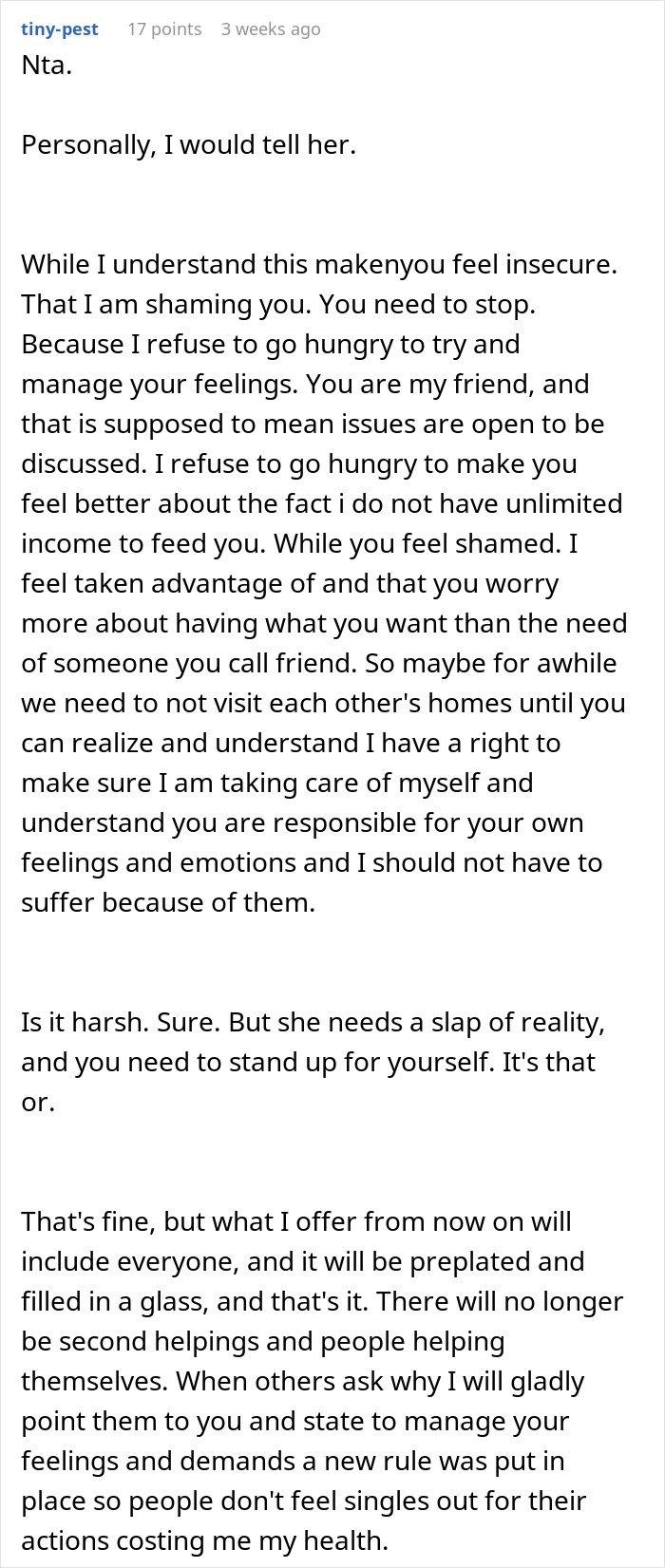
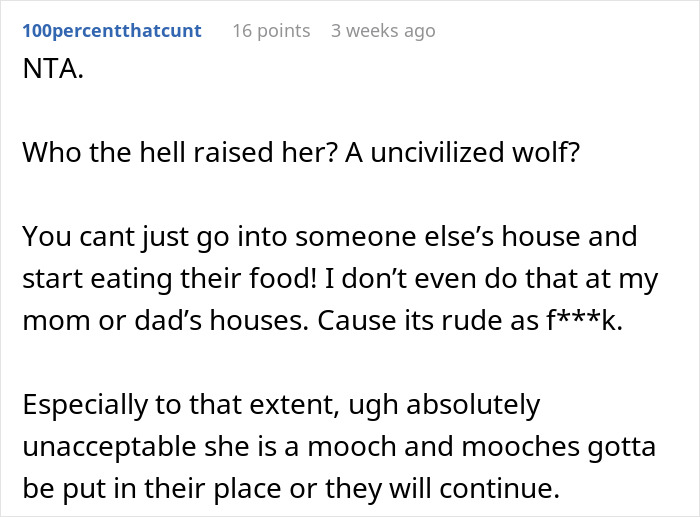
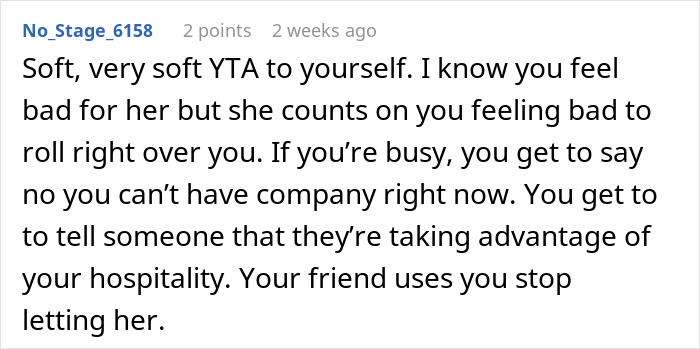
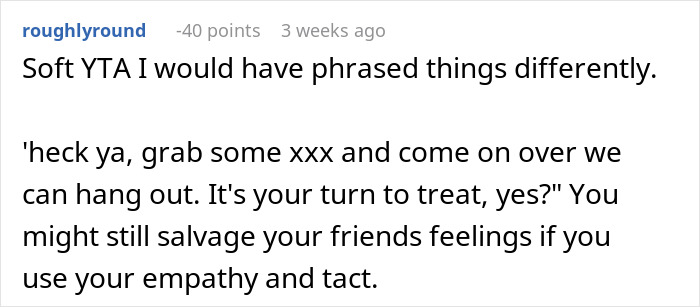
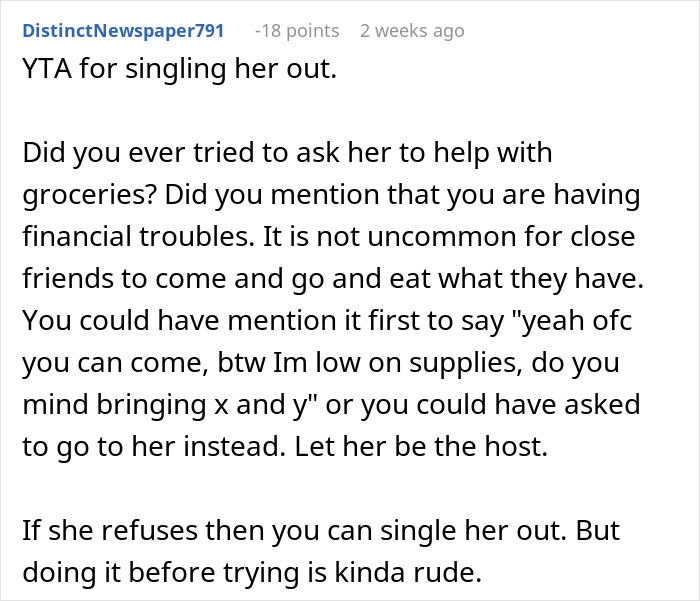
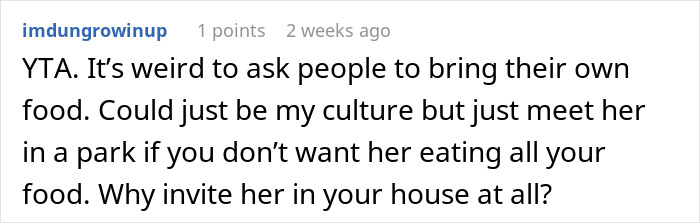
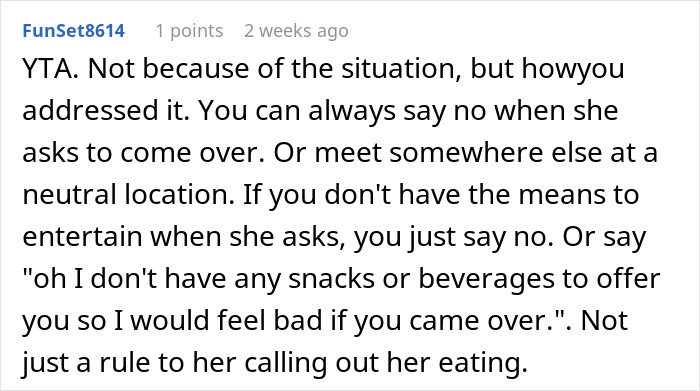
If "friend" is coming over once a week and eating *half* of OP's groceries, "friend" need to give OP $$$ or start bringing her own food. Off the top, sounds like "friend " is using OP as a therapist that feeds her. 😡


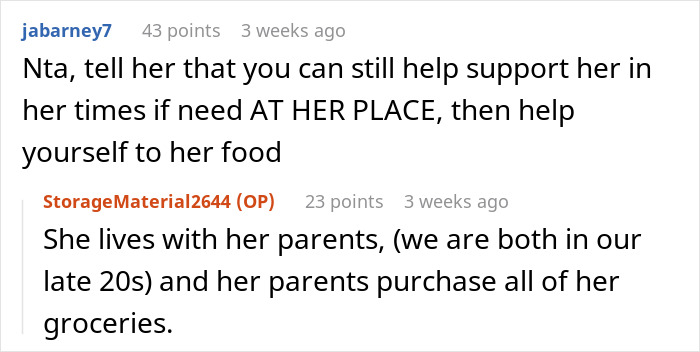
YTA are crazy, the OP already said that the mooch lives with her parents! She's not poor and struggling to buy food, she's deliberately using OP in order to get free food. I'd drop her in a flash, let her go eat someone else out of house and home. Also, I suffered from compulsive eating disorder as a teenager and I never did this. The extra food I binged on, I bought myself.

Forget the food. She is pestering OP to let her come over until OP gives in! Even if they are busy with work! THAT would annoy me the most
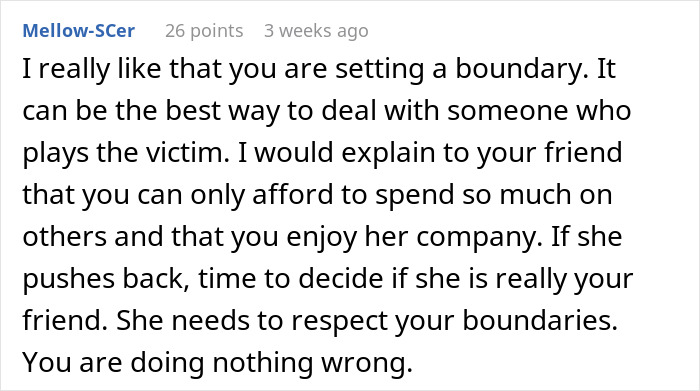
Load More Replies... If you're going over to someone's house once a week, it's crazy that she's not bringing something over. It OP wants to continue the friendship, consider going to the friends place or meeting halfway. Or just be firm, say you'll set out snacks and she's not to help herself.
If "friend" is coming over once a week and eating *half* of OP's groceries, "friend" need to give OP $$$ or start bringing her own food. Off the top, sounds like "friend " is using OP as a therapist that feeds her. 😡
YTA are crazy, the OP already said that the mooch lives with her parents! She's not poor and struggling to buy food, she's deliberately using OP in order to get free food. I'd drop her in a flash, let her go eat someone else out of house and home. Also, I suffered from compulsive eating disorder as a teenager and I never did this. The extra food I binged on, I bought myself.
Forget the food. She is pestering OP to let her come over until OP gives in! Even if they are busy with work! THAT would annoy me the most
Load More Replies... If you're going over to someone's house once a week, it's crazy that she's not bringing something over. It OP wants to continue the friendship, consider going to the friends place or meeting halfway. Or just be firm, say you'll set out snacks and she's not to help herself.















 No fees, cancel anytime








40
52