Get Premium
Dark mode theme is available exclusively for premium users. Learn more about the benefits of subscribing.
No fees, cancel anytime.

 Dark Mode Ad-Free Browsing Unlimited Content
 Ad-Free Browsing Unlimited Content Dark Mode
Join 1.2 million Panda readers who get the best art, memes, and fun stories every week!
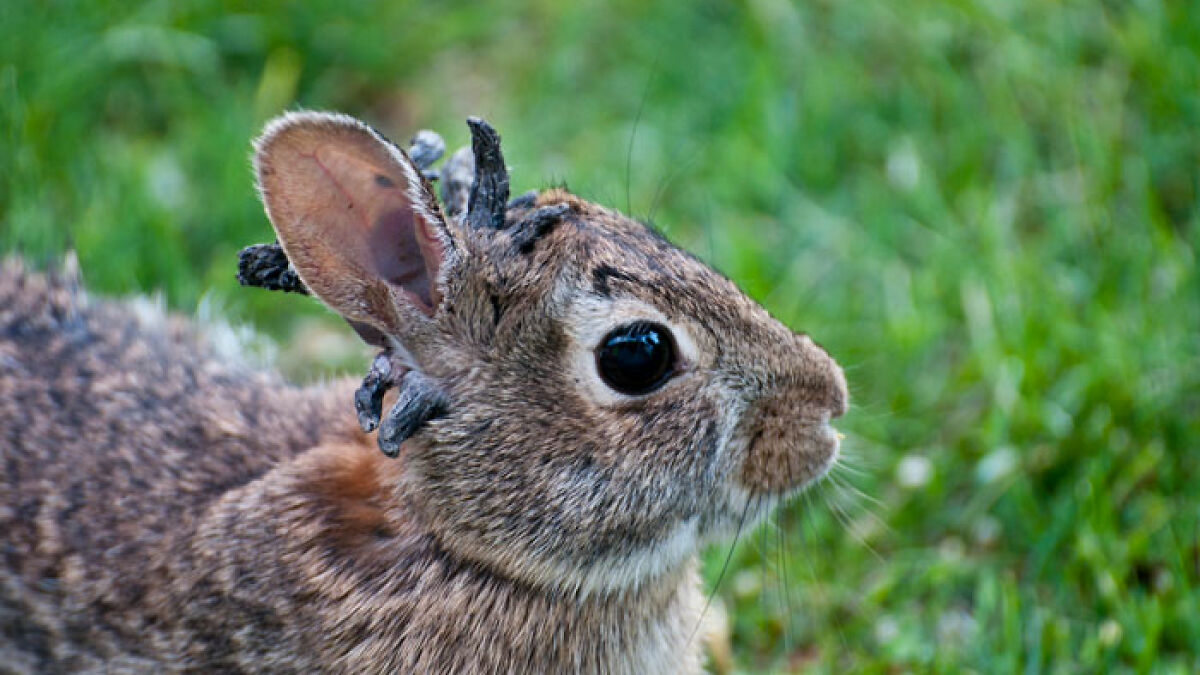
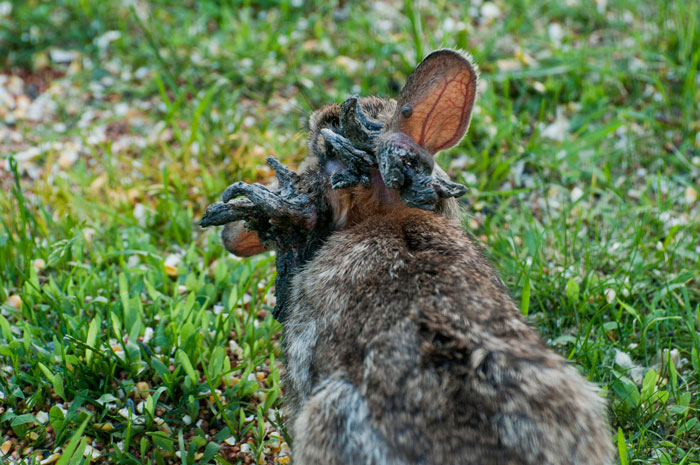
Wildlife officials in Colorado are warning residents to steer clear of rabbits infected with a rare virus that gives them grotesque, horn-like growths on their heads.
The condition has been observed in rabbits at Fort Collins, and experts say it could spread to cottontail populations throughout the Midwest.
While the illness poses no known threat to humans or pets, authorities are urging the public not to touch any of the infected animals.
Image credits: Jeremy Hynes/Unsplash
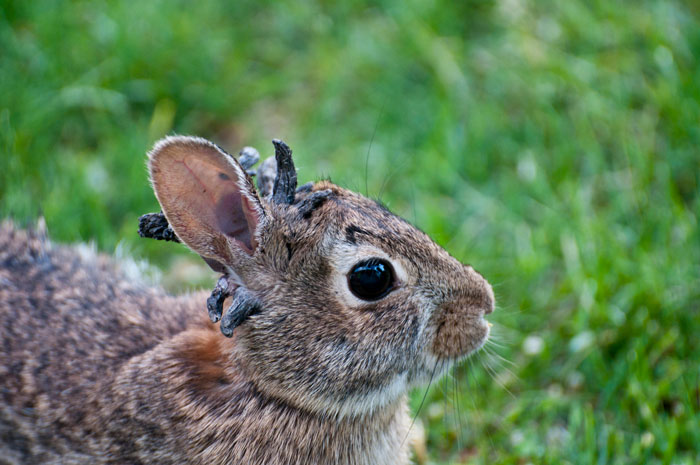
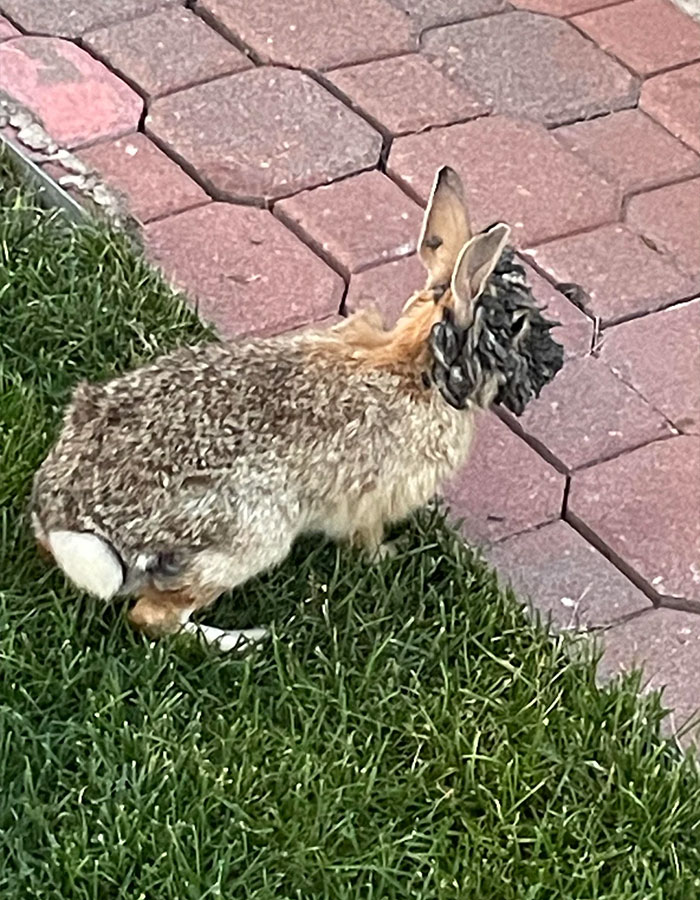
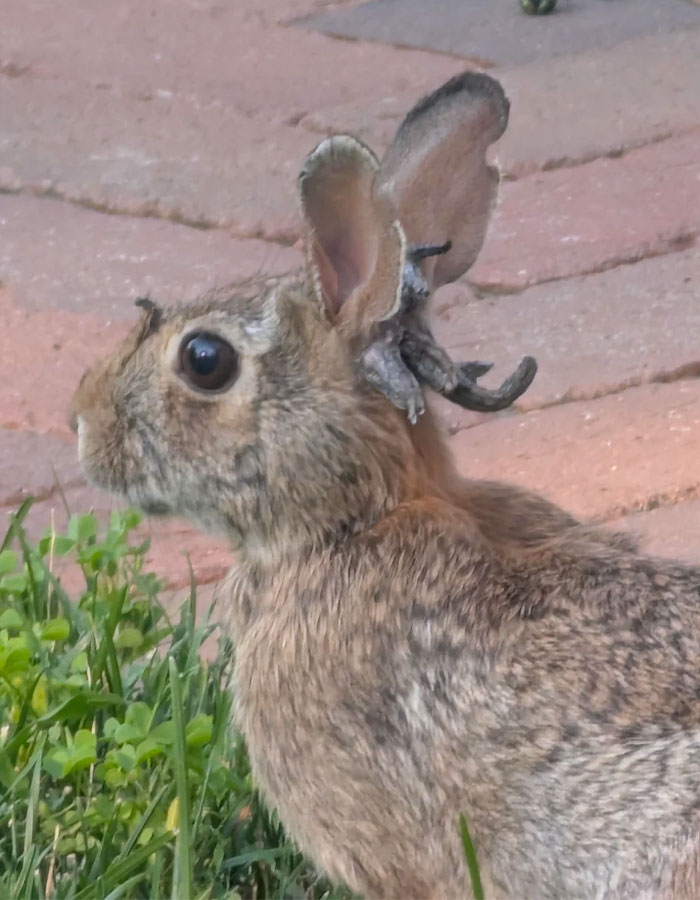
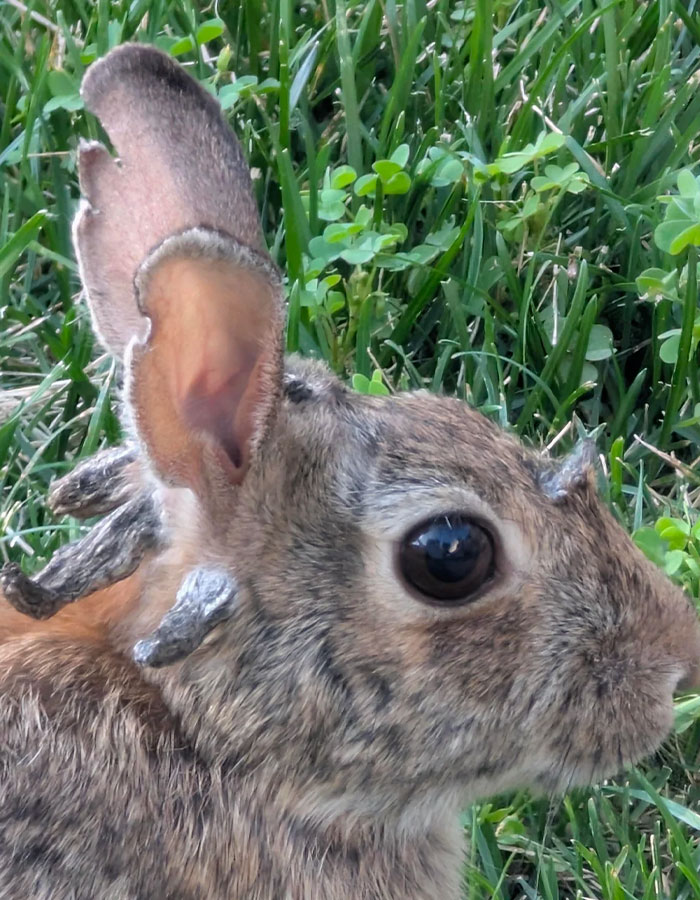
In recent weeks, alarming images have been popping up on local social media feeds featuring wild rabbits with antler-like spikes jutting out from their faces or necks.
Fort Collins resident Susan Mansfield shared her experience with one of the infected “Frankenstein” rabbits in a comment to the media.
“It looked like black quills or black toothpicks sticking out all around its mouth. I thought he’d die off during the winter, but he didn’t. He came back a second year, and it grew,” she said.
While some speculated that the condition was the result of a fungal outbreak, the truth is more unsettling. The condition is caused by the cottontail papilloma virus (CRPV), also called Shope papilloma virus, according to the Daily Mail.
Image credits: Education Images/Getty
First documented in the 1930s by cancer researcher Richard Shope, the virus targets the skin of cottontail rabbits, triggering abnormal keratin growth that can appear as spikes, horns, or tentacle-like protrusions.
The first signs of the condition involve red, raised spots on the rabbits’ skin. These eventually turn into wart-like tumors, and later, the disturbing protrusions.
The growths tend to form around the head, face, and eyelids. The protrusions can get so severe that they can end up completely obscuring the animal’s eyes or mouth.
Image credits: Education Images/Getty
Despite their monstrous appearance, these “Frankenbunnies” are not known to infect humans, cats, or dogs.
Wildlife veterinarians have stated that there is no evidence that the virus can jump species, and it’s not something a human can catch by simply seeing an infected animal.
The real danger is to the rabbits themselves. The growths can grow so large that they interfere with basic survival, preventing the rabbits from eating, drinking, or spotting predators.
Image credits: wicomo2
Some rabbits actually manage to live with the condition for months, but many ultimately pass away from starvation or predation.
Colorado Parks and Wildlife officials are asking residents to resist the urge to “help” infected rabbits by capturing or attempting to treat them. Experts are clear that people should never touch the infected rabbits.
Infected animals should be reported to local animal control or wildlife agencies for monitoring.
@sauti_science Cottontail Rabbit Papilloma Virus #greenscreen#science#biology#animals#cryptid#virus#cottontailrabbitpapillomavirus#jackalope#rabbit#virology♬ Horror train, horror, BGM(1230542) – syummacha
Interestingly enough, the cottontail papilloma virus isn’t passed directly between rabbits. Instead, it relies on blood-sucking insects such as mosquitoes and ticks to carry it from host to host.
When these insects bite an infected rabbit, they pick up the virus and transfer it to the next rabbit they feed on.
Because the illness is insect-borne, outbreaks are more common in warmer months when mosquitoes and ticks are active, according to a New York Post report.
Image credits: BirdWolfBelda
Colorado Parks and Wildlife experts have stated that residents must keep pet rabbits indoors or in secure areas to prevent accidental interaction with wild cottontails.
While the virus is species-specific, keeping pets away from infected wildlife reduces the risk of secondary infections and parasites.
If a pet rabbit does get infected, veterinarians could surgically remove the tumors from the virus before they become malignant.
Image credits: BirdWolfBelda
However, it should be noted that the cottontail papilloma virus does not have a direct cure.
Considering that CRPV has no known cure, some netizens have stated that they would definitely stay away from the infected animals.
“Sounds like a plot for The Last of Us being made into reality,” one commenter wrote.
“Oh, D*MN! Yeah, you needn’t worry about ME ever touching that thing!” wrote another.
Image credits: Gary Bendig/Unsplash
Others also argued that euthanizing the infected rabbits might be a better choice than leaving the infected animals alone.
“How about a mercy-k*lling? Would not culling the infected reduce the spread?” one commenter asked.
“Is it more humane to kill them when (they’re) like that or just leave them alone?” another wondered.

By entering your email and clicking Subscribe, you're agreeing to let us send you customized marketing messages about us and our advertising partners. You are also agreeing to our Privacy Policy.
Thank you! You've successfully subscribed to newsletters!


Guessing this is the disease that inspired the cryptozoology animal, the jackelope?

Guessing this is the disease that inspired the cryptozoology animal, the jackelope?






































 No fees, cancel anytime



















35
3