Get Premium
Dark mode theme is available exclusively for premium users. Learn more about the benefits of subscribing.
No fees, cancel anytime.

 Dark Mode Ad-Free Browsing Unlimited Content
 Ad-Free Browsing Unlimited Content Dark Mode
Join 1.2 million Panda readers who get the best art, memes, and fun stories every week!
Camouflage is mainly related to survival. Animals make use of their appearance to blend in with the surroundings, avoiding predators or sneaking up on prey. Similarly, military camouflage colors of green, brown, and tan are employed to hide personnel or equipment from the keen eye of an enemy. However, camouflage doesn’t always have to be about life or end. It can also be associated with fun, like looking for Waldo hiding in plain sight.
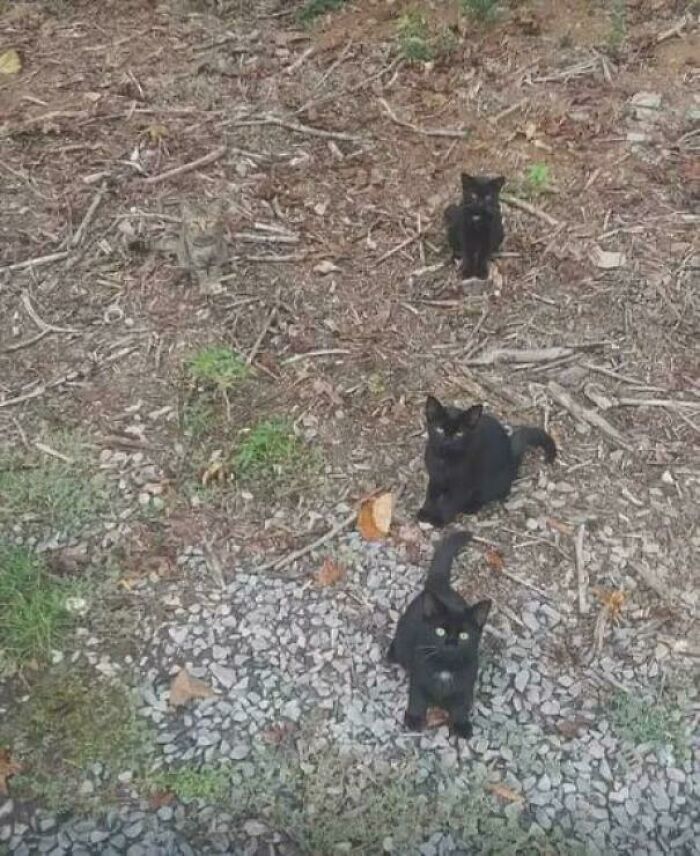
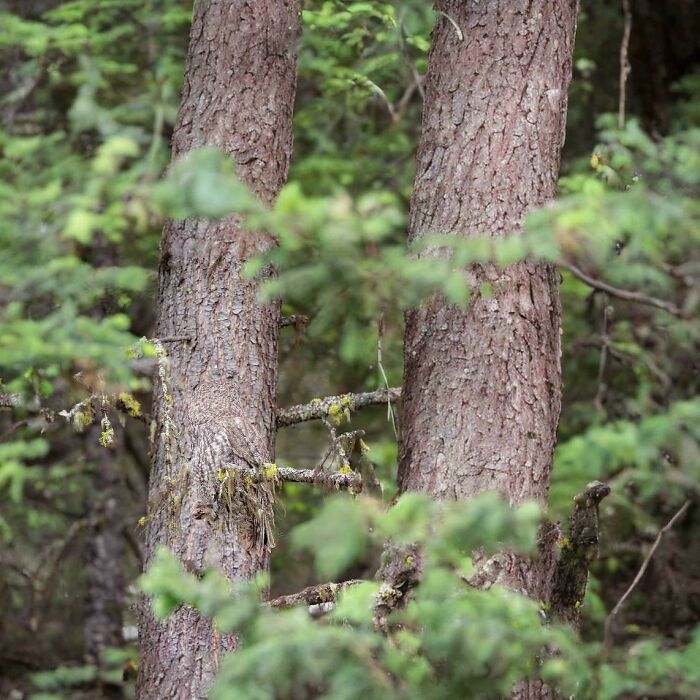
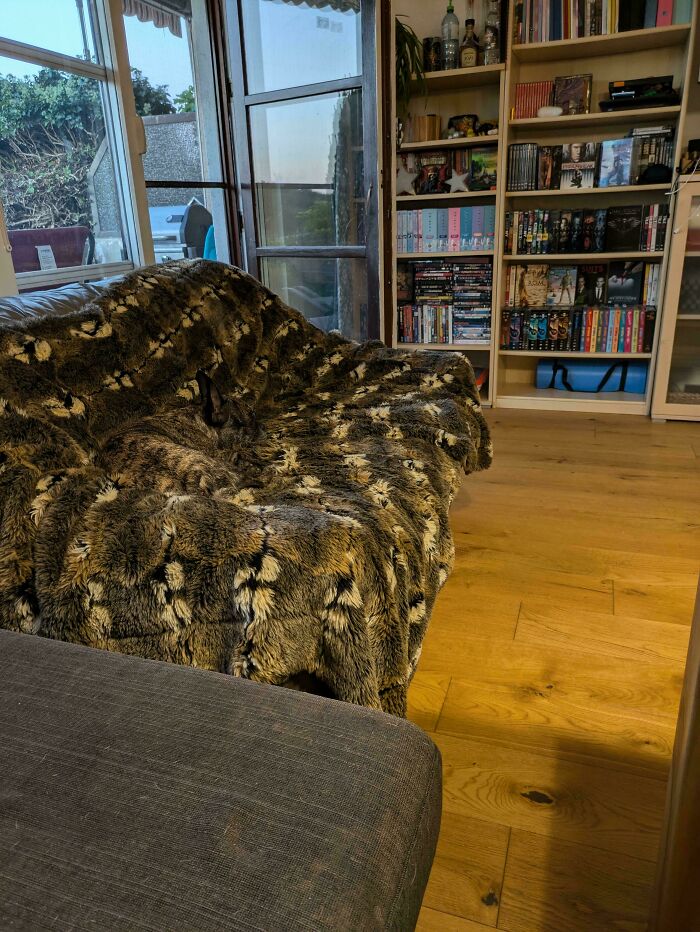
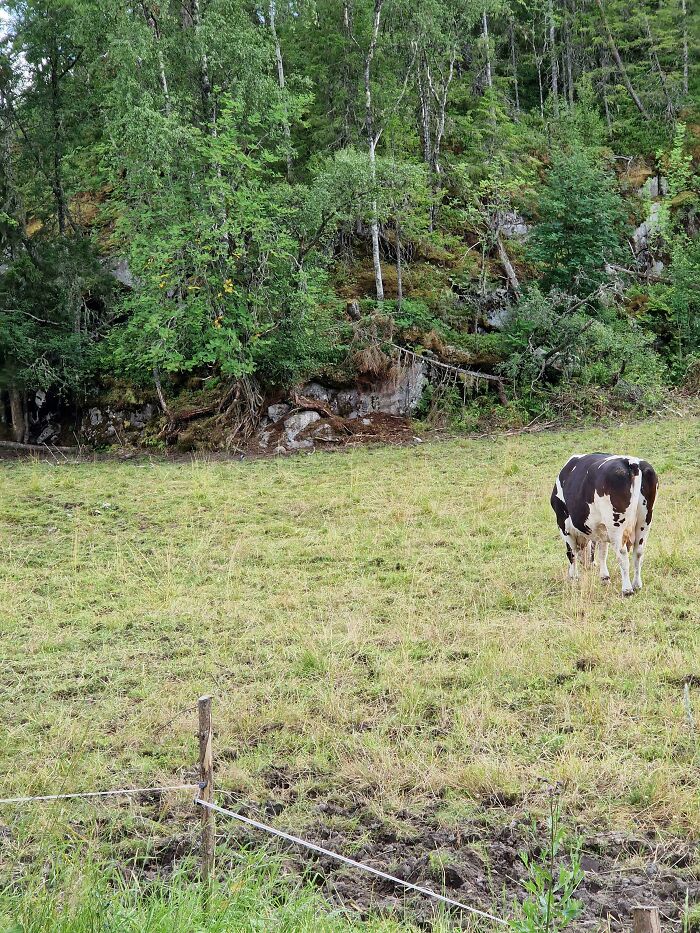
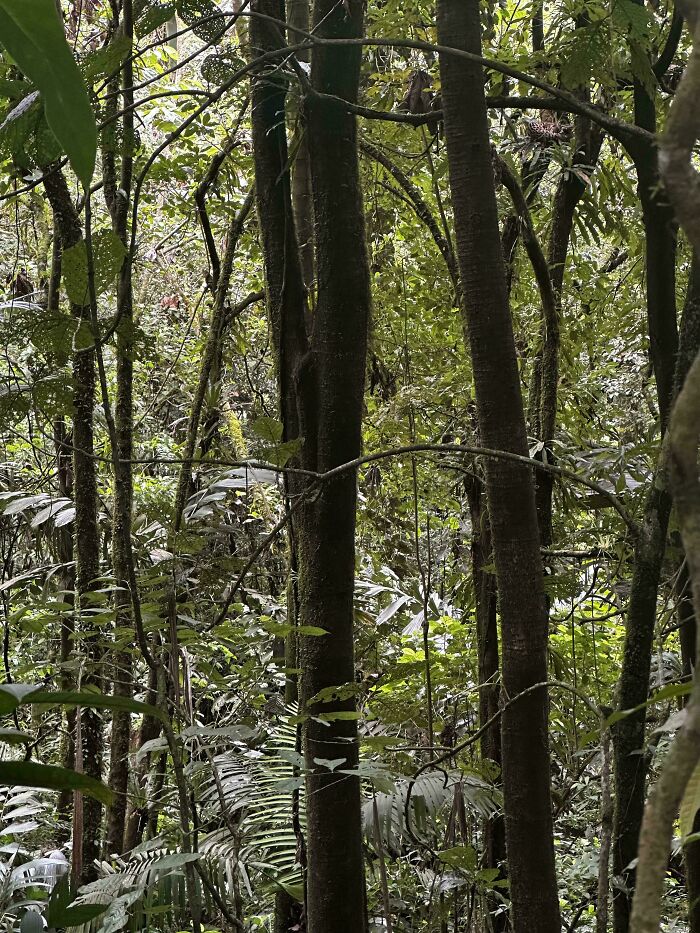
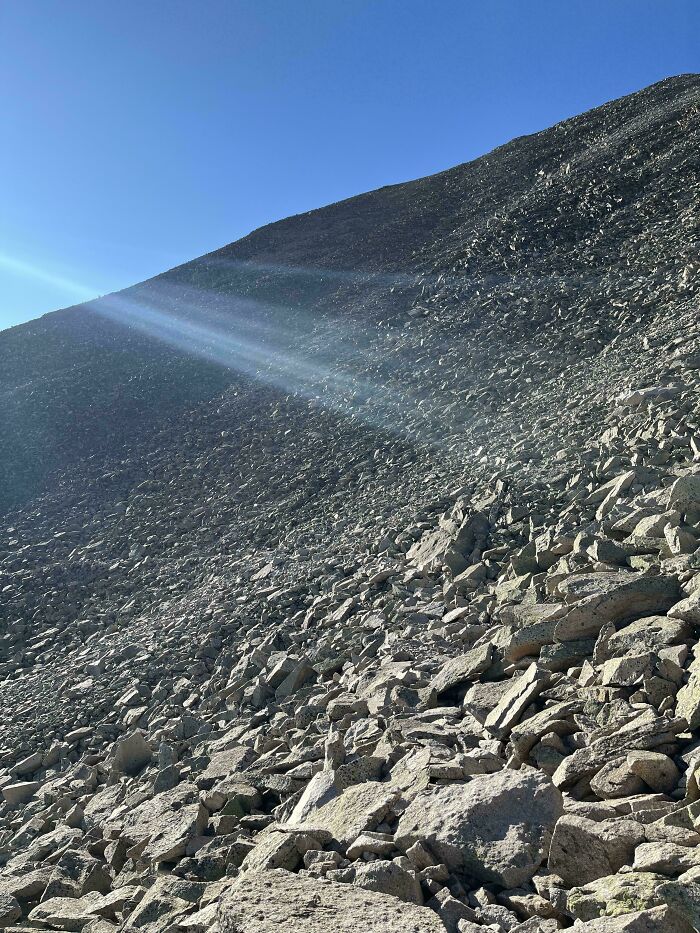
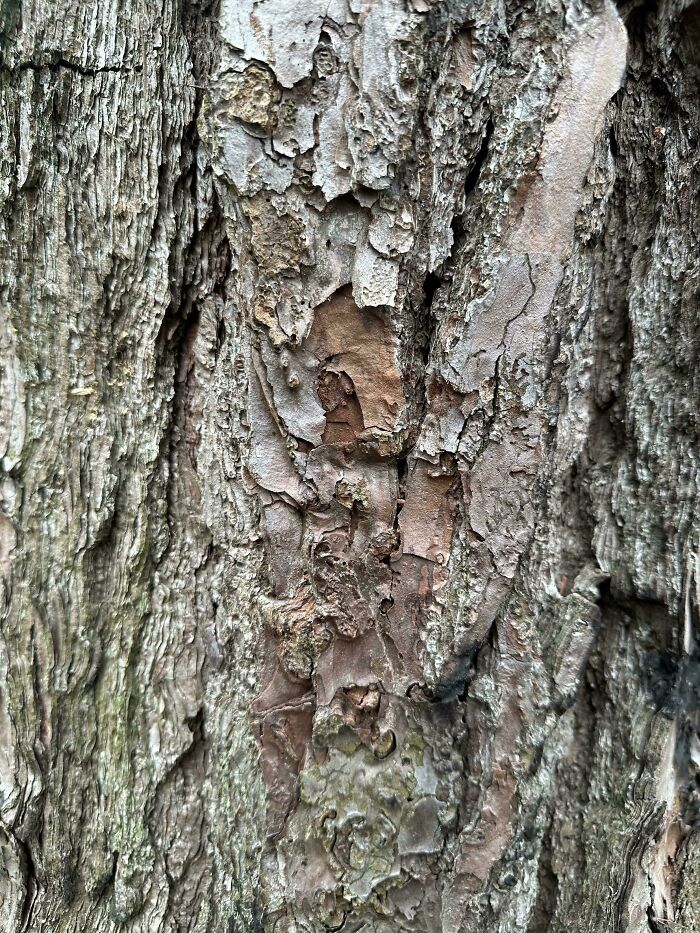
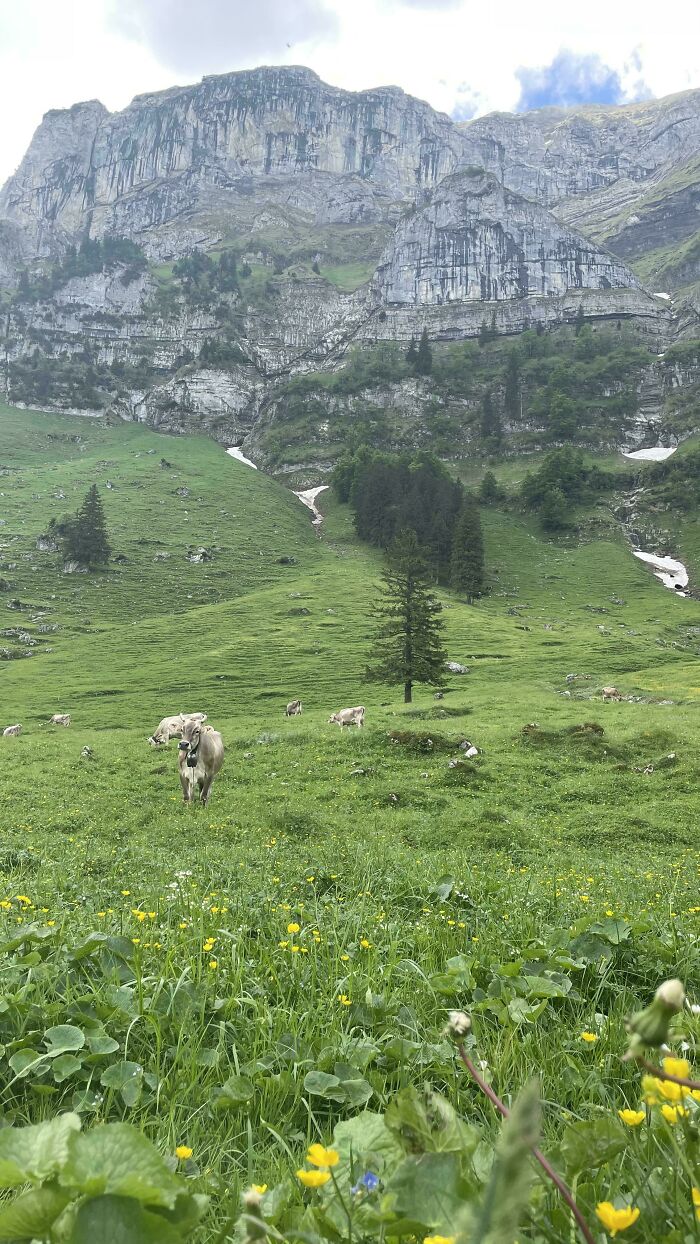
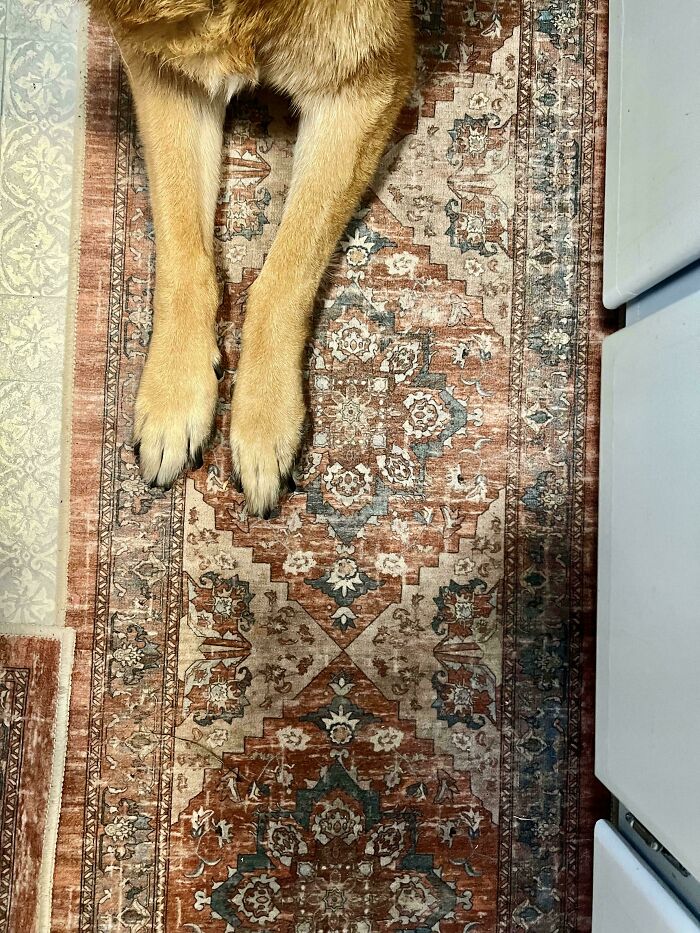
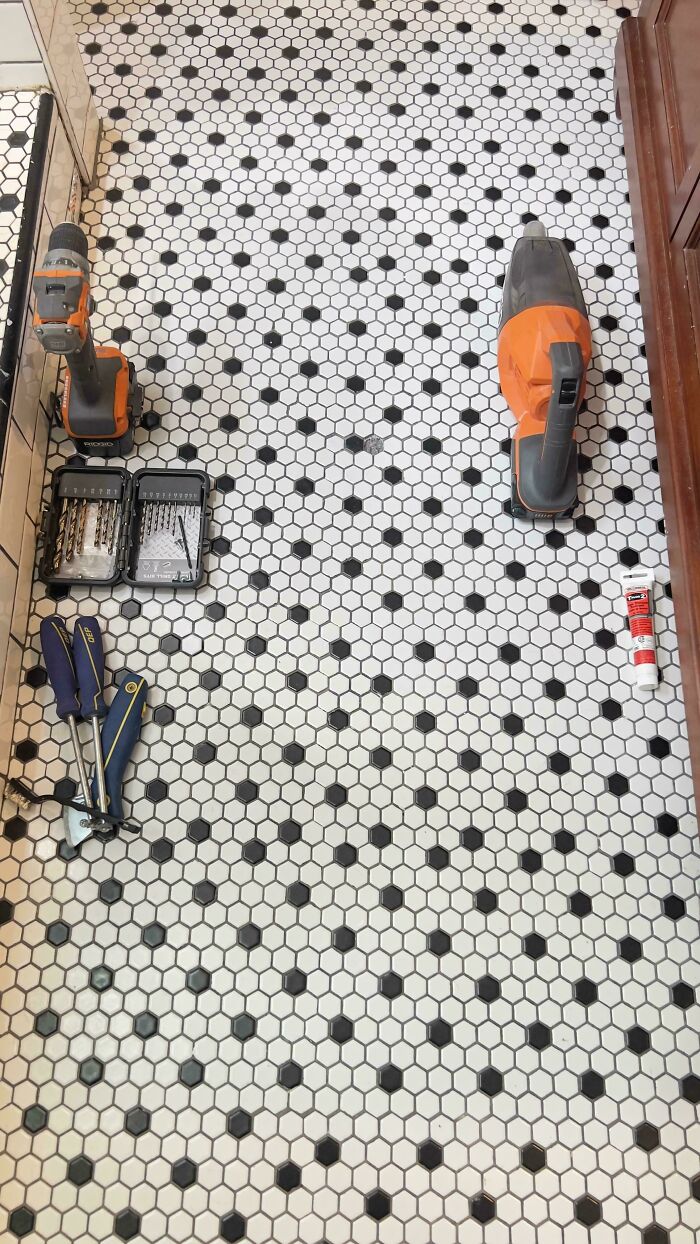
Today we’re looking at camouflage as exactly that—an enjoyable pastime, courtesy of the “Find The Sniper” subreddit. Despite its name, it invites its community members to look for various objects that are blended into the background so well that one has to really squint to find them. Scroll down to find them, and don’t forget to upvote the ones that challenged you the most so others can struggle too!
While you’re at it, make sure to check out a conversation with wildlife biologist and digital creator Brian Grossman, who kindly agreed to tell us more about camouflage in nature.
This post may include affiliate links.
“Camouflage is an animal's way of blending in with its environment either to hide itself from predators or to aid it in being able to ambush other animals for food,” explains wildlife biologist and digital creator Brian Grossman.
“By using natural colors found in the area, along with lines and shapes to break up the overall shape of the animal (or person), the animal is able to blend in and be less visible to potential predators or prey.”
Grossman has over 20 years of experience working with wildlife and its habitats in the southeastern U.S. He’s been an avid hunter, fisherman, and outdoorsman for even longer—35 years.
He’s also the owner of Georgia Afield, a site dedicated to hunting and fishing in the state of Georgia. One of their values is to promote responsible and sustainable hunting and fishing practices to preserve the environment and wildlife for future generations.
Some of the most impressive camouflage cases are found in snakes and lizards, says Grossman. “I've always been fascinated by the leaf-tailed gecko that not only uses color to blend in with its surroundings but also the very unique shape of its tail that has a leaf-like appearance.”
Another fascinating case of animal camouflage is the Arctic fox. It’s fur changes depending on the season. Since it’s habitat changes dramatically, it has to adapt to it too. Therefore, in winter the fox’s fur turns white to blend in with the snow, while in summer it becomes brown to fuse with the greenery.
Some animals decorate themselves with materials found in their environment to blend in. For example, Caddisfly larvae use pieces of debris and sand to cover themselves and become almost invisible on the bottom of a river. Others even have disruptive patterns, like zebras, which allows them to visually confuse a predator when running together in a herd.
Humans have hugely taken inspiration from nature’s camouflage, which allowed them to produce camouflage clothing for the military and hunters. “Over the years, humans have taken to know how various colors and shapes help conceal animals in nature and used those insights to create clothing that helps humans blend in with nature in a similar fashion,” says Grossman.
One of the first to notice animal’s camouflage trickery was the British biologist Edward Poulton in the 19th century. He observed that color was often employed to deceive peers. “By far the most widespread use,” he wrote, “is to assist an animal in escaping from its enemies or in capturing its prey.” When he discovered this, he probably wasn’t aware of the fact that it will guide military camouflage in the upcoming decades.
The invention of military camouflage belongs to artists Lucien-Victor Guirand de Scévola and others. It was developed around 1914 in France. The group of artists were a part of a movement that recognized the need to hide military personnel and equipment from the enemy, particularly during World War I.
You Might Also Like: 51 toxic phrases employees have actually heard from their bosses








































 No fees, cancel anytime