Get Premium
Dark mode theme is available exclusively for premium users. Learn more about the benefits of subscribing.
No fees, cancel anytime.

 Dark Mode Ad-Free Browsing Unlimited Content
 Ad-Free Browsing Unlimited Content Dark Mode
Join 1.2 million Panda readers who get the best art, memes, and fun stories every week!

People often assume domestic abuse is always physical. But in many marriages and intimate relationships, the abuse is financial, and it can be just as damaging.
Instead of using physical force, the abuser controls money, income, or access to basic needs. This control can make a person feel trapped and dependent.
Image credits: reallifemafia3 / Instagram
In many relationships, one partner may handle more of the finances. That alone is not abuse. It becomes abuse when someone uses money to control, threaten, or limit the other person’s freedom.
Here’s how to recognize the signs of financial and economic abuse and understand how it affects victims.
Financial abuse, also known as economic abuse, happens when one person uses money or financial resources to control another person in a relationship or marriage.
According to the National Domestic Violence Hotline, this abuse occurs when one partner seeks power and control over the other by controlling their finances or limiting their ability to support themselves through employment or public assistance.
It is a form of domestic abuse, often appearing in intimate relationships, families, or caregiving situations. The abuser may control bank accounts, block access to cash, or decide how every dollar is spent.
In some cases, they prevent the other person from working, force them to hand over their income, or make financial decisions without their consent.
Image credits: Sad Women / Facebook
The goal of the abuser is to control the victim, and it’s rarely about bad money management.
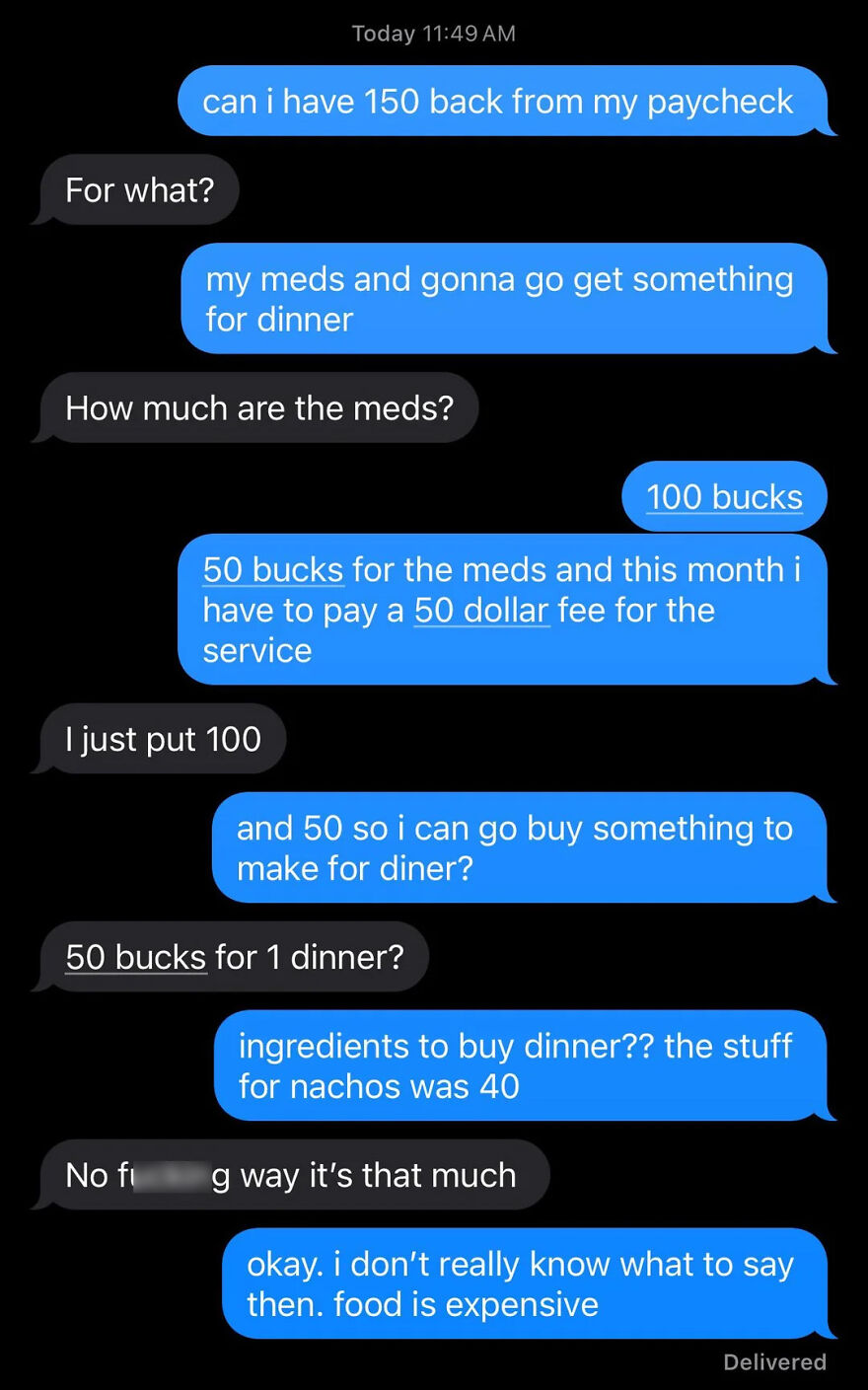
The abuser may track the amount of money you spend, demand that you give them receipts for every purchase, block job opportunities, deny access to financial assets, and decide how every dollar gets used.
Over time, this constant restriction creates dependence. Someone experiencing this type of abuse may feel trapped because they cannot save money, make financial decisions, or leave the relationship without support.
Financial abuse in marriage often develops slowly. At first, the behavior may look like “concern about money” or strict budgeting.
But over time, the pattern becomes clear, and it becomes evident that one person uses money and financial decisions to control the other person’s freedom.
Image credits: pingpongjapanman / reddit
If you notice several of the signs below, it may point to financial or economic abuse.
If the relationship involves children, leaving may also require navigating co-parenting with a toxic ex, since financial control often continues after separation through child support disputes and shared expenses.
In many relationships, one person naturally takes on more responsibility for budgeting or paying bills. Because of this, financial abuse signs are not as easy to spot as those of emotional abuse.
It took one woman who financially supported her boyfriend almost a decade to identify financial abuse in her relationship. What looks like financial planning is actually a way to gain control.
A Reddit user shared her experience of her husband coercing her into giving him all her savings, totaling over $85,000, in a desperate plea for legal help, totaling over $85,000, leaving her financially depleted.
He used her money for property, business, and personal gain while excluding her from ownership or equity.
Image credits: Huckleberry-Solid / Reddit
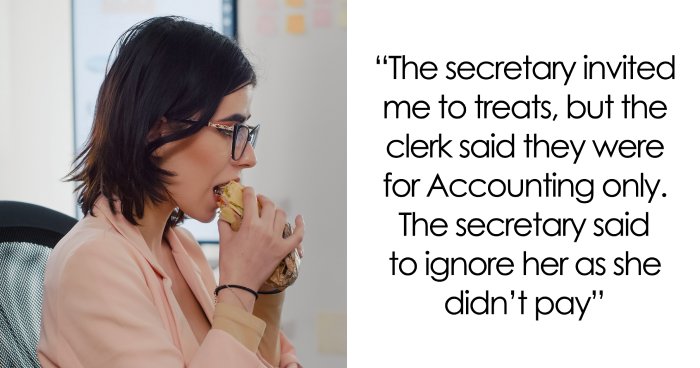
Abusers often disguise control as responsibility. They may say things like, “I’m just better with money.”
Unlike a healthy financial partnership in parenting, where both partners have transparency and shared decision-making, financial abuse creates a one-sided arrangement that slowly erodes the other person’s independence.
When the victim questions this behavior, the abuser often shifts the blame. They might say the victim is “bad with numbers” or tell them they should be grateful they take care of the bills. This is a form of gaslighting; the abuser makes the victim doubt their own judgment.
In some cases, this dynamic mirrors scapegoating patterns in abusive relationships, where one person is consistently blamed and made to feel responsible for problems they didn’t create.
After hearing these responses repeatedly, the victim may start to believe them. They may feel embarrassed to bring up money or question financial decisions. This silence allows the abuse to continue while appearing normal from the outside.
Economic abuse does not just affect a person in the moment. Its effects can last for years, even after the relationship ends.
When someone controls your access to money and financial decisions, it can damage your financial stability and limit future opportunities.
Image credits: Chiccco- / Reddit
Some of the long-term effects of financial abuse are:
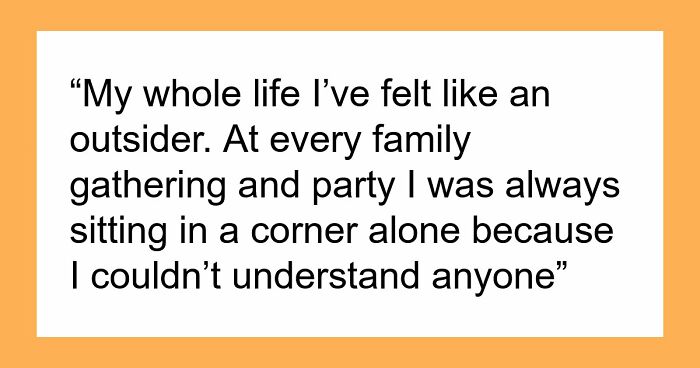
Survivors often describe a lasting sense of shame and isolation, not just financial, but personal.
Many report feeling like the black sheep of the family, cut off from both resources and support networks that others take for granted.
Once you recognize the signs of financial abuse, the most important step is to begin rebuilding your independence safely and gradually. These practical actions can help you move toward financial independence.
1.) Gather Documentation
Start collecting copies of important financial records. These documents help you understand your financial situation and may be useful if you need legal or financial support later.
Save copies of tax returns, bank statements, credit card records, pay stubs, insurance policies, loan documents, and account numbers.
Keep them in a safe location outside the home if possible. You can also store digital copies in a secure cloud account or email account that your partner cannot access.
2.) Establish Your Own Account
If you can do so safely, open a bank account in your name only. Choose a bank that your partner does not use. This account can help you start building financial independence.
Set up electronic statements so no paper statements are delivered to your home. Even saving small amounts over time can help create a financial cushion.
3.) Check Your Credit
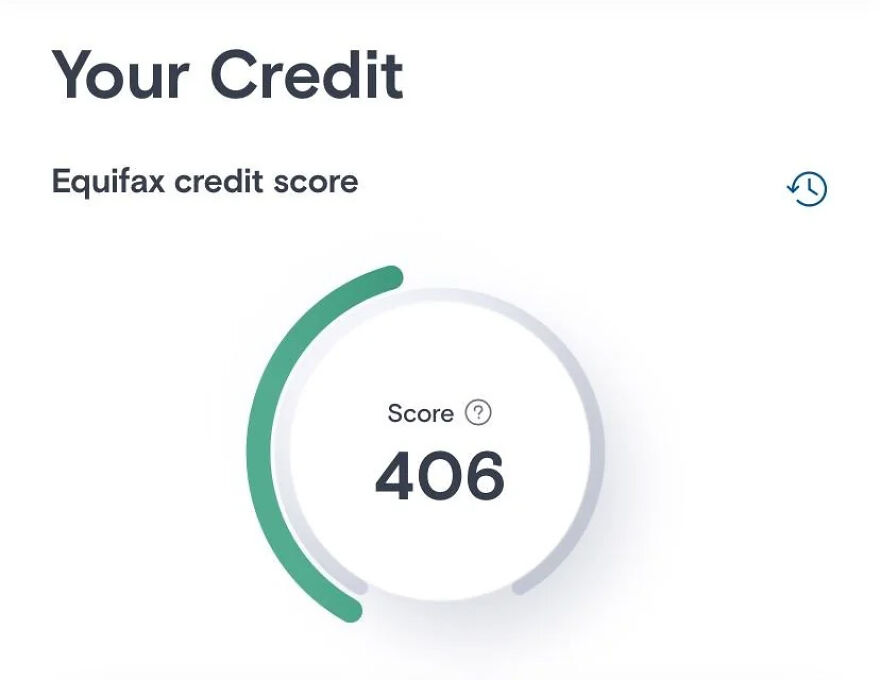
Abusive partners sometimes open loans or credit cards in their partner’s name without permission. Check your credit report regularly to make sure no unauthorized accounts appear.
If you notice unfamiliar debts or accounts, you may need to contact your bank and credit card companies to change your account numbers, passwords, and PINs.
4.) Start a Small Emergency Fund
If possible, begin setting aside small amounts of money. Even a small emergency fund can help cover transportation, food, or basic expenses if you need to leave quickly.
Some people save loose cash, gift money, or part of their paycheck when they can do so safely.
5.) Protect Your Financial Access
Change passwords for personal email, banking apps, and financial accounts if you believe your partner may have access to them.
Use strong passwords and enable two-factor authentication when available. Avoid using shared devices when accessing sensitive financial information.
6.) Learn About Your Financial Rights
Take time to understand your legal and financial rights. This may include property rights, access to joint accounts, or rights within a marriage or partnership.
A legal aid organization or financial counselor can help explain your options.
7.) Build a Support Network
Financial abuse can isolate victims. Reach out to trusted friends, family members, or professionals who can support you, and stay connected.
Even having someone who understands your situation can make the process easier. Support from a trusted family member helped one woman recognize her fiancé’s controlling financial behavior before it was too late.
8.) Speak with a Professional Advocate
Domestic violence advocates, financial counselors, and legal aid groups are trained to help people facing financial abuse.
They can help you create a safety plan, understand your options, and connect you with resources such as emergency housing or financial assistance.
9.) Safety First
If you believe your partner may react with violence, prioritize your safety. Do not attempt to leave, hide money, or confront the abuser without professional guidance.
A domestic violence advocate can help you create a safe exit plan and guide you through the process step by step.
Image credits: roofonthewit / Instagram
Financial independence is not just about money. It is about personal freedom. Regaining control over your finances gives you the power to make choices, plan your future, and live without fear.
Everyone deserves agency over their own life, and taking even small steps toward financial security and independence can be the first step toward safety, confidence, and lasting freedom.
For more guidance on navigating complex family dynamics, explore the Bored Panda Family Hub.
In some cases, yes. Financial abuse can involve crimes like identity theft, credit fraud, or coercing someone to hand over assets.
In divorce proceedings, courts can factor financial abuse into property division, spousal support, and child support rulings. Contact a family law attorney or a legal aid organization to understand your options in your area.
Yes, financial abuse can be illegal. Laws vary by region, but actions like identity theft, credit fraud, stealing income, or coercing someone to give up money can be crimes.
Even without criminal charges, financial abuse can be legally addressed in family court for divorce, child support, or property division.
Disclaimer: If you are in immediate danger, call 911. For confidential support (US), contact the National Domestic Violence Hotline at 1-800-799-7233 or text “START” to 88788. If you are outside the US, search for a domestic violence hotline in your country.

By entering your email and clicking Subscribe, you're agreeing to let us send you customized marketing messages about us and our advertising partners. You are also agreeing to our Privacy Policy.
Thank you! You've successfully subscribed to newsletters!

Sad but true. I'm going through financial a***e at this time and it s***s. I'm paying for almost everything and struggling to pay bills and barely have enough in my bank account because my husband wants me to pay for everything and I do it to keep him happy. I can't even afford a savings account. I tried once but couldn't maintain it. So that's the story of my financial a***e

Is there anything that you can change in the situation? Does he control you ability to communicate with others? I'm asking because I'm worried if you're able to document the a***e and consult someone to help you leave.
Load More Replies...
"Where a person uses money to control a partner". That isn't what financial ab*se is! Financial ab*se is draining all the money out of your partner's accounts.
Some of the signs in the article may be from a partner trying to reign in another's overspending. One of my relatives handles finances and the household budget - but her spouse trusts her, knows what it's in their bank account, and fully consented to having a personal allowance to spend as he sees fit.
Load More Replies... Sad but true. I'm going through financial a***e at this time and it s***s. I'm paying for almost everything and struggling to pay bills and barely have enough in my bank account because my husband wants me to pay for everything and I do it to keep him happy. I can't even afford a savings account. I tried once but couldn't maintain it. So that's the story of my financial a***e
Is there anything that you can change in the situation? Does he control you ability to communicate with others? I'm asking because I'm worried if you're able to document the a***e and consult someone to help you leave.
Load More Replies... "Where a person uses money to control a partner". That isn't what financial ab*se is! Financial ab*se is draining all the money out of your partner's accounts.
Some of the signs in the article may be from a partner trying to reign in another's overspending. One of my relatives handles finances and the household budget - but her spouse trusts her, knows what it's in their bank account, and fully consented to having a personal allowance to spend as he sees fit.
Load More Replies...





























 No fees, cancel anytime










20
6