Get Premium
Dark mode theme is available exclusively for premium users. Learn more about the benefits of subscribing.
No fees, cancel anytime.

 Dark Mode Ad-Free Browsing Unlimited Content
 Ad-Free Browsing Unlimited Content Dark Mode
Join 1.2 million Panda readers who get the best art, memes, and fun stories every week!

If you’re worried about your finances, the economy, and the entire world—you really should be. The global situation is very chaotic and precarious right now, and there’s no knowing what even the short-term future might hold.
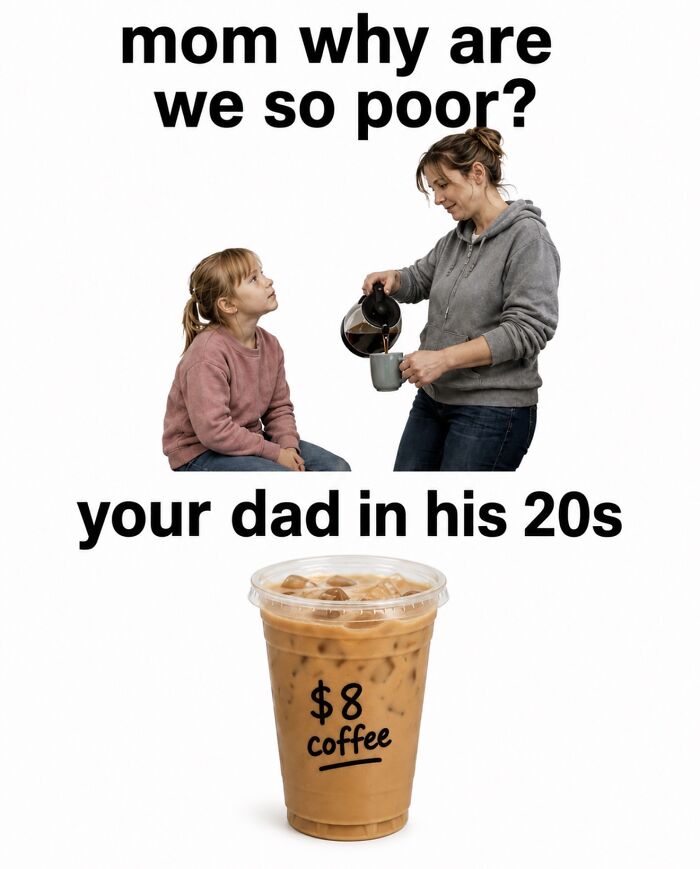
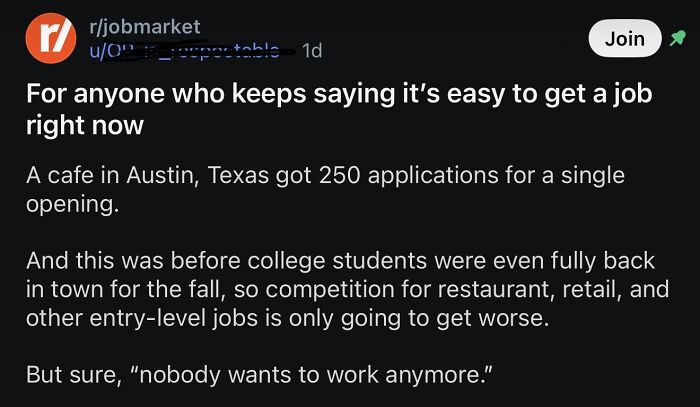
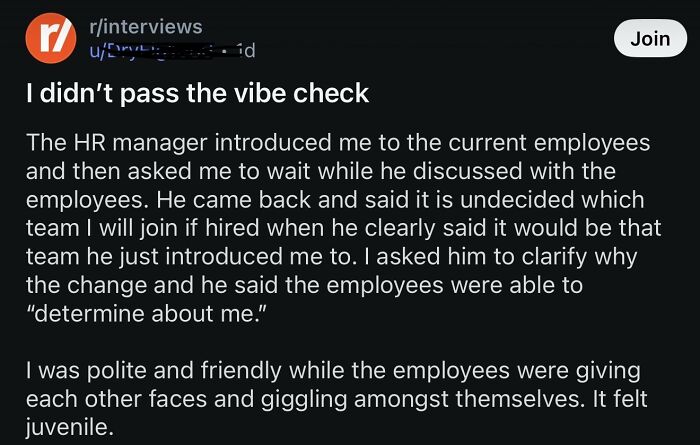
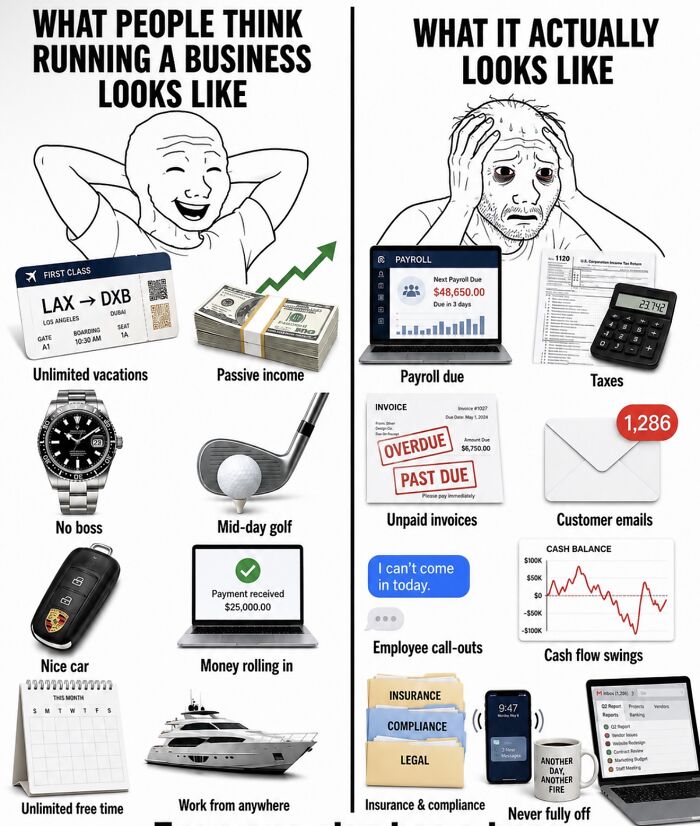
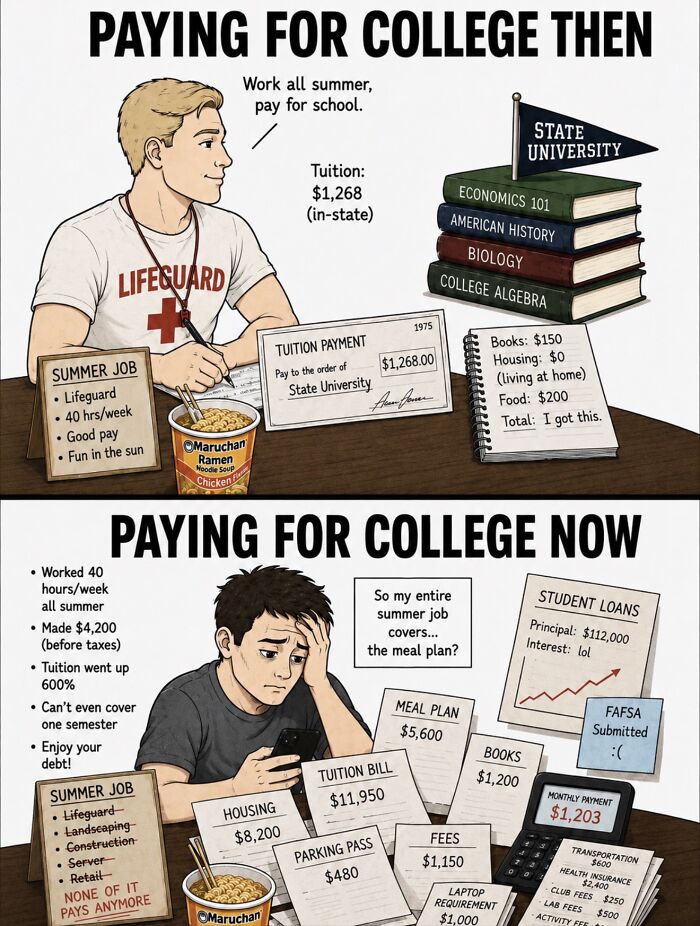
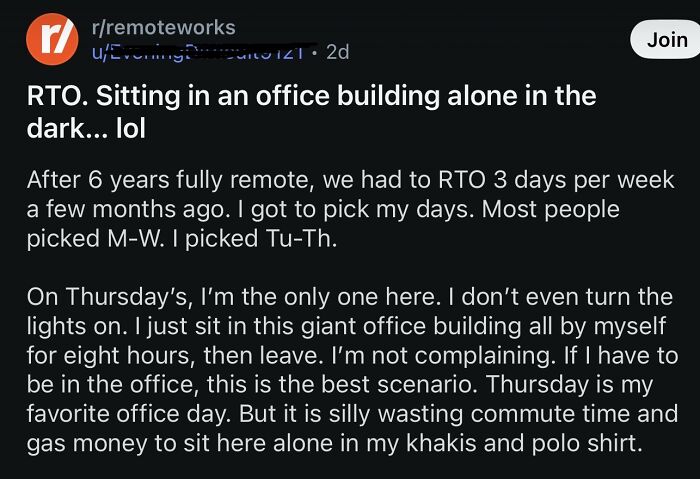
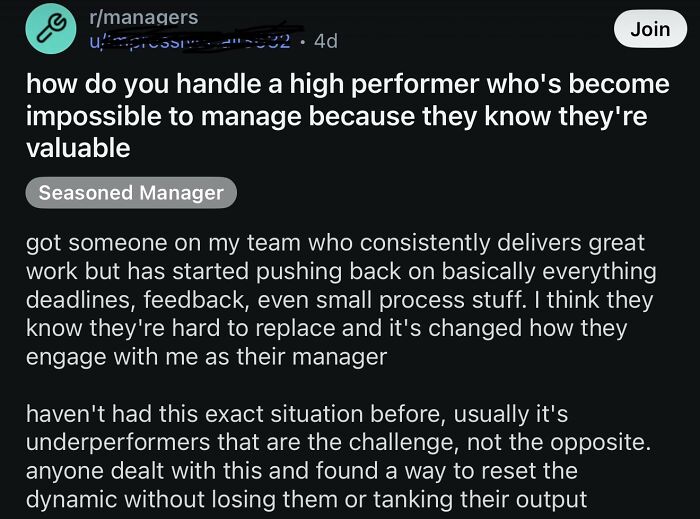
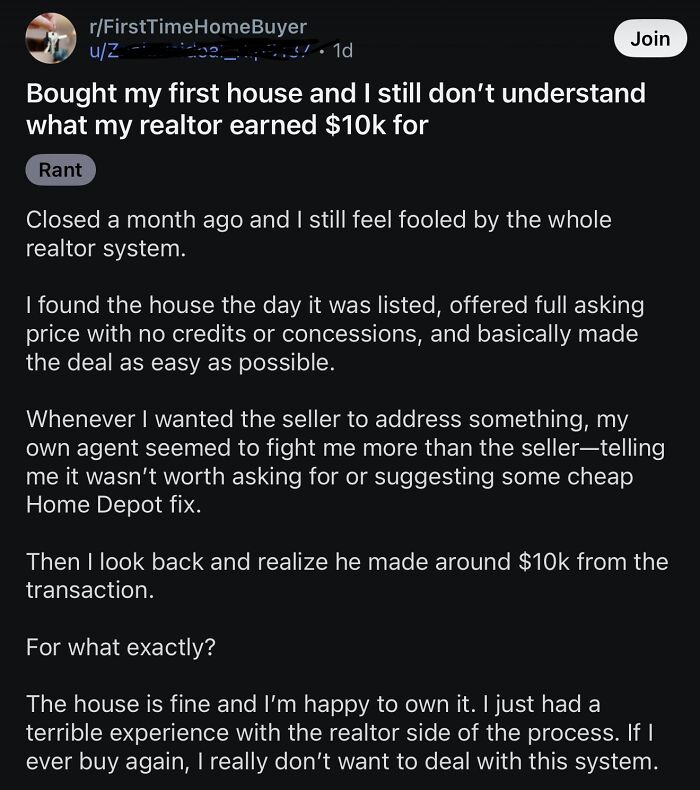
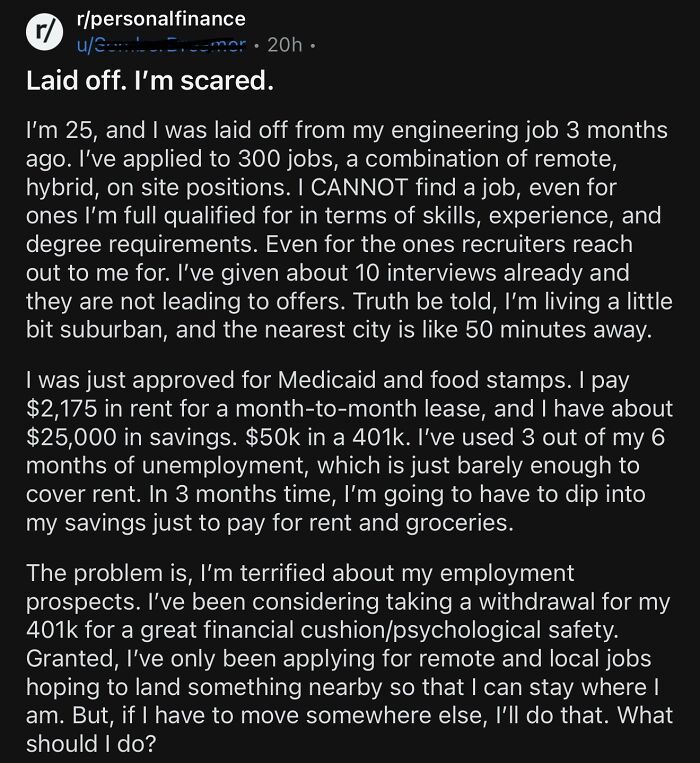
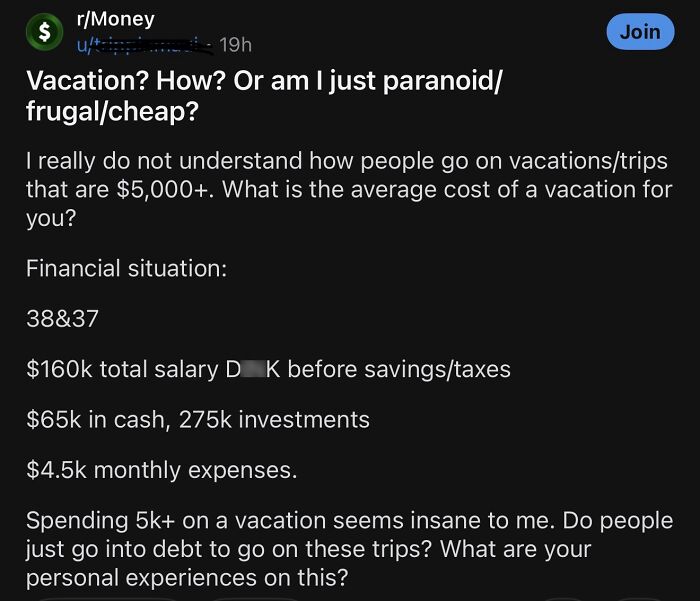
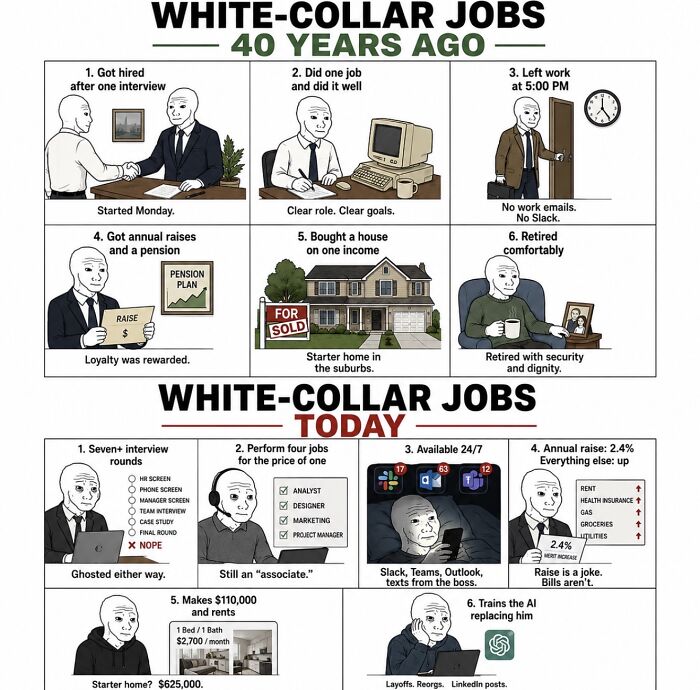
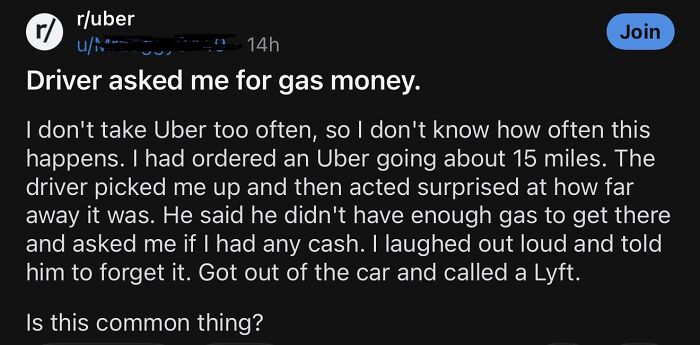
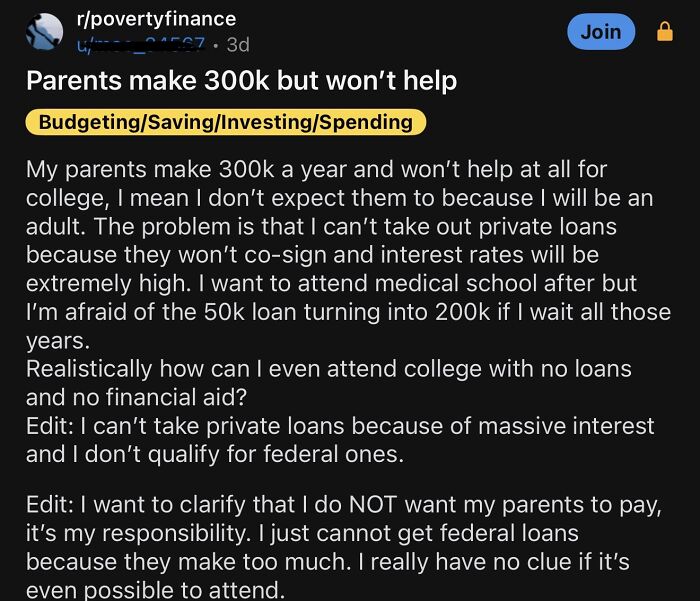
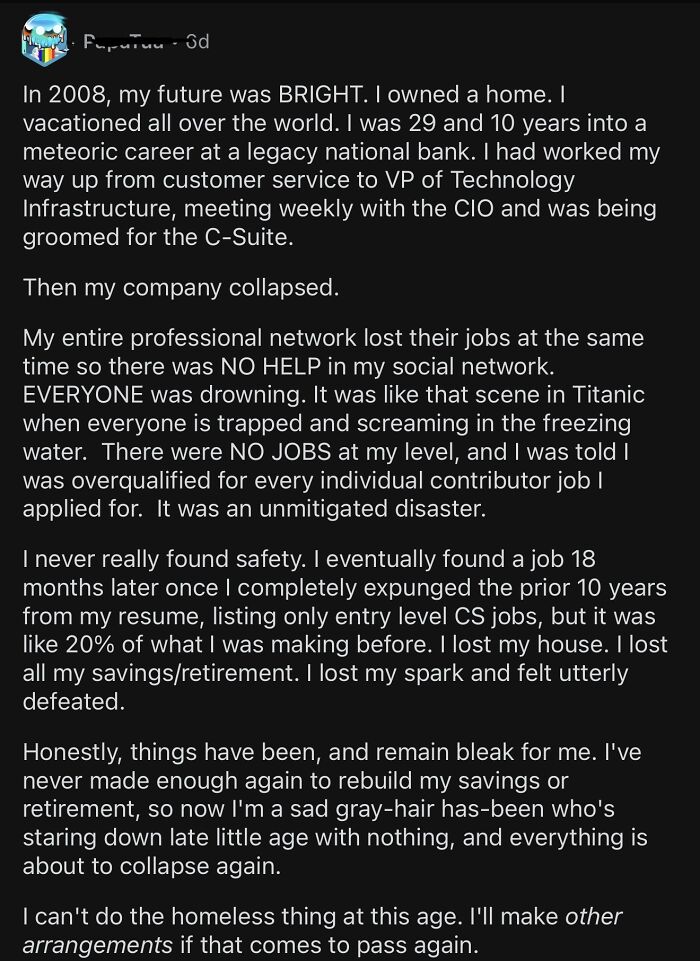
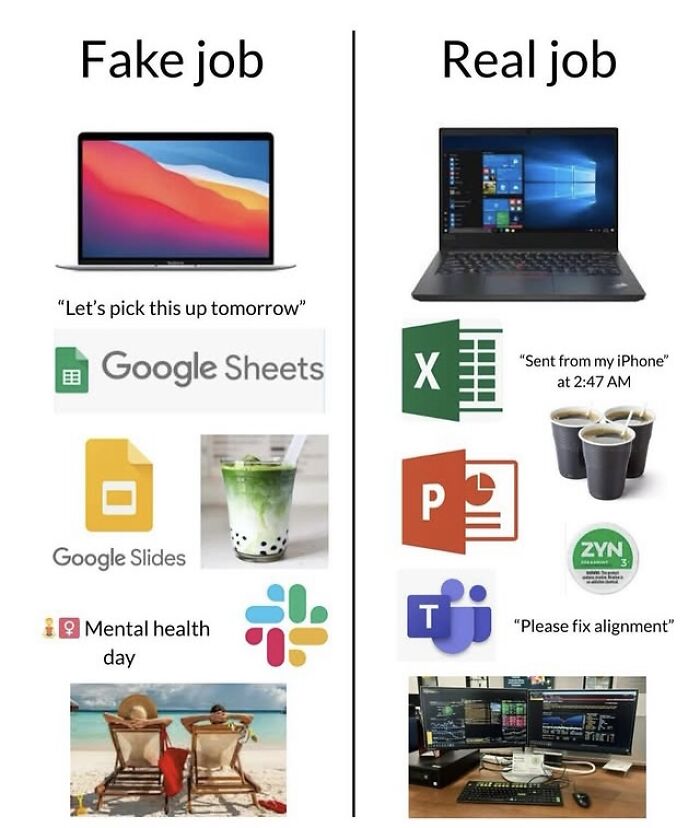
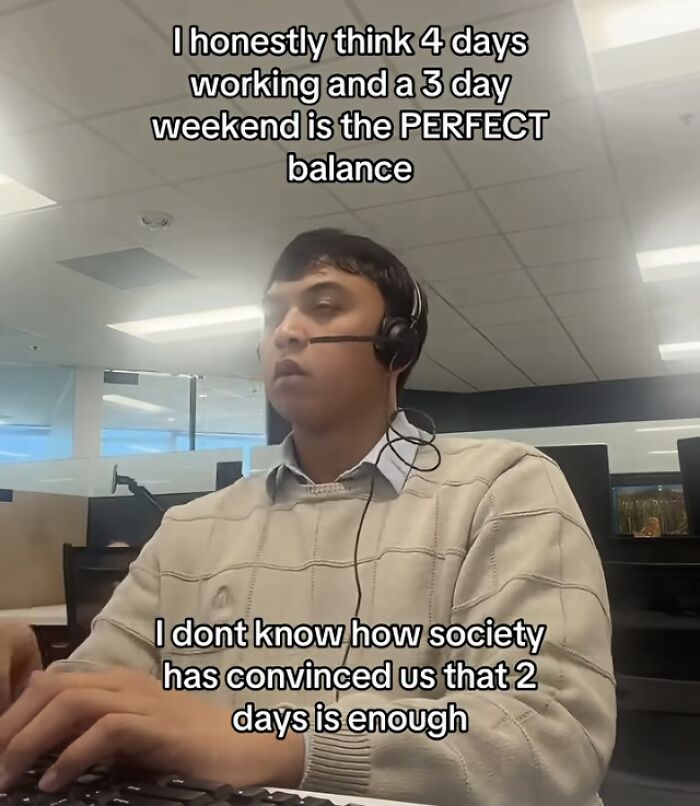
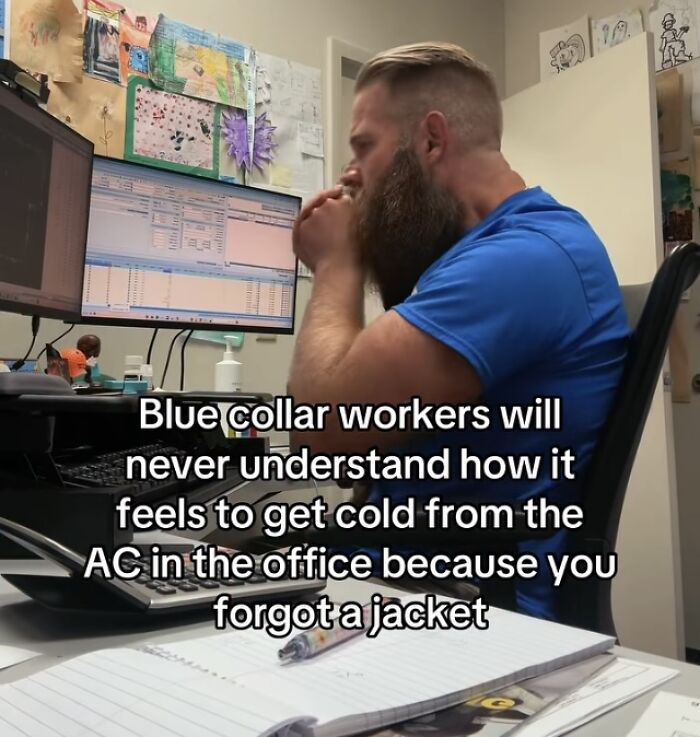
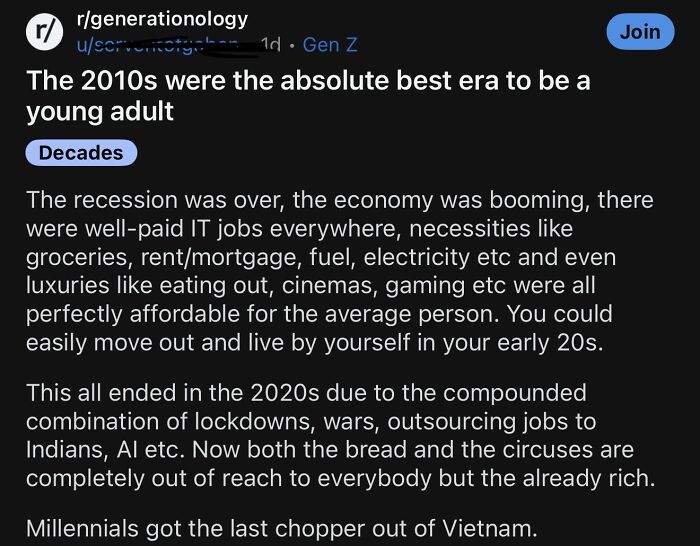
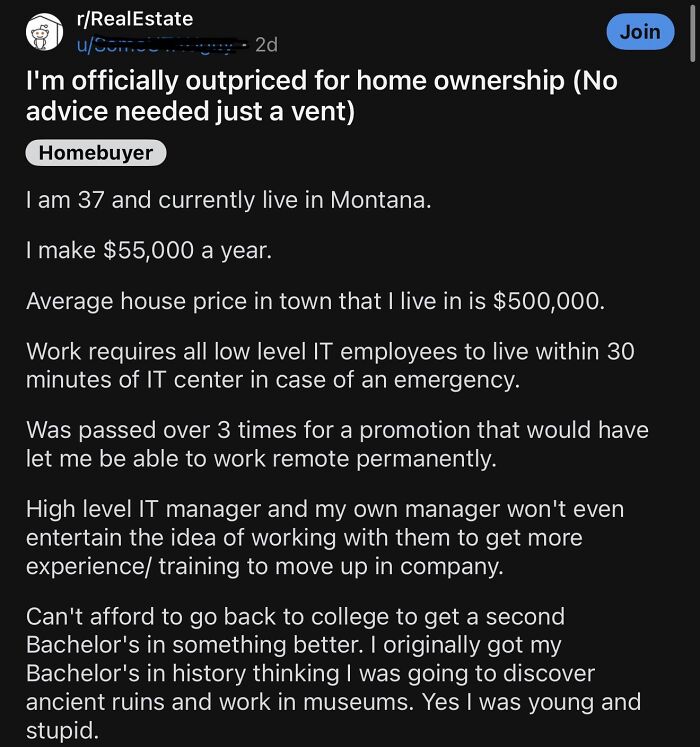
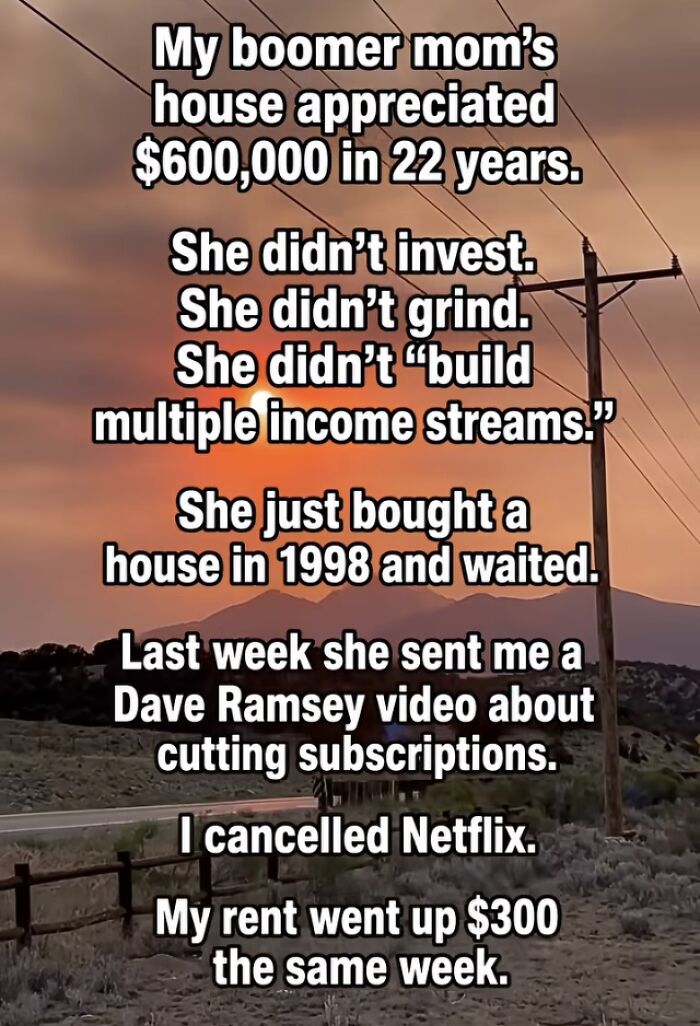
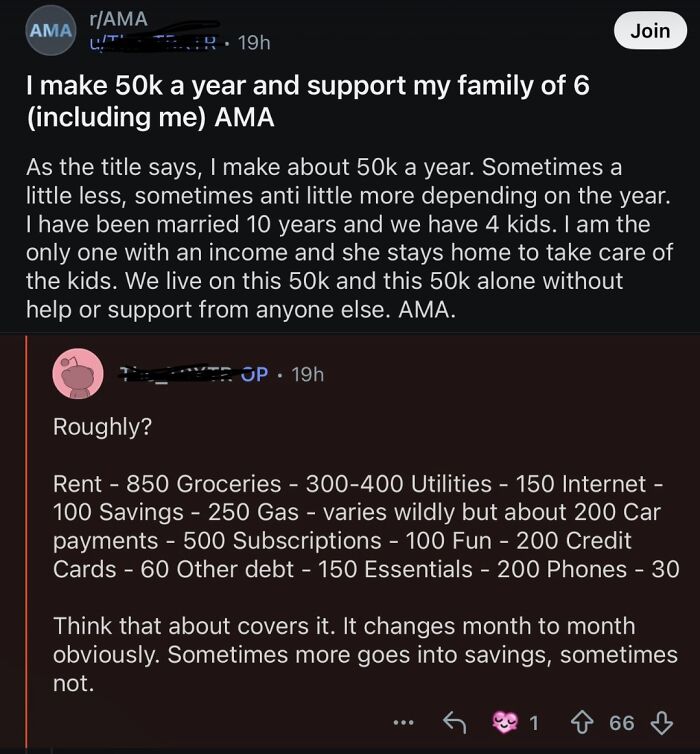
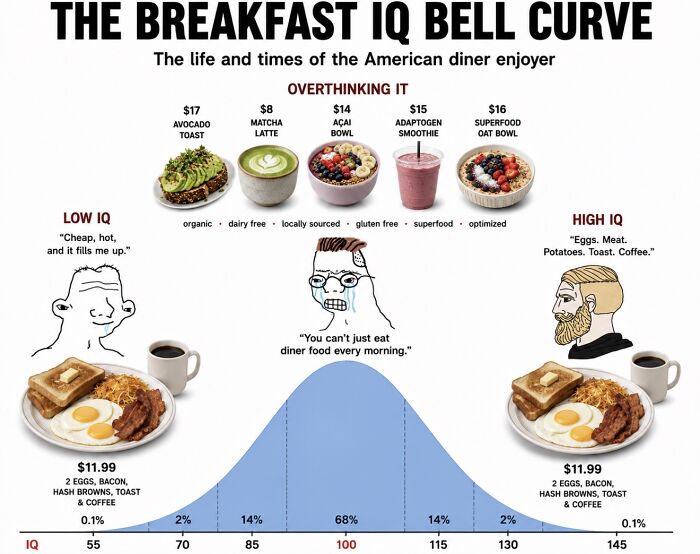
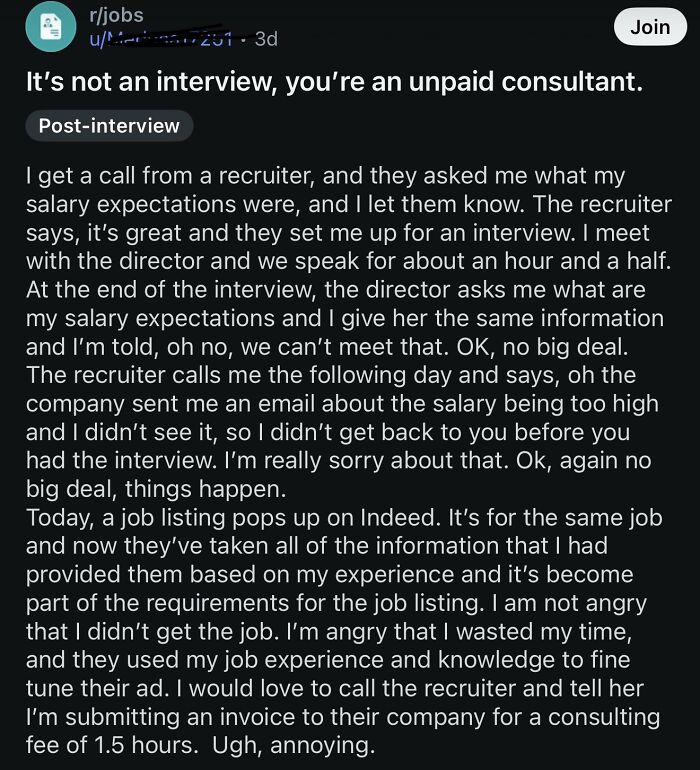
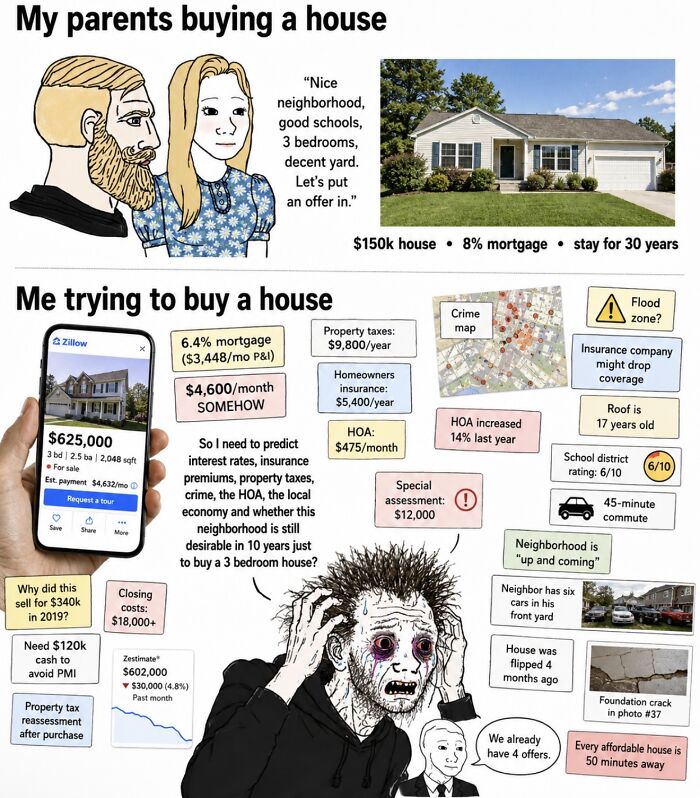
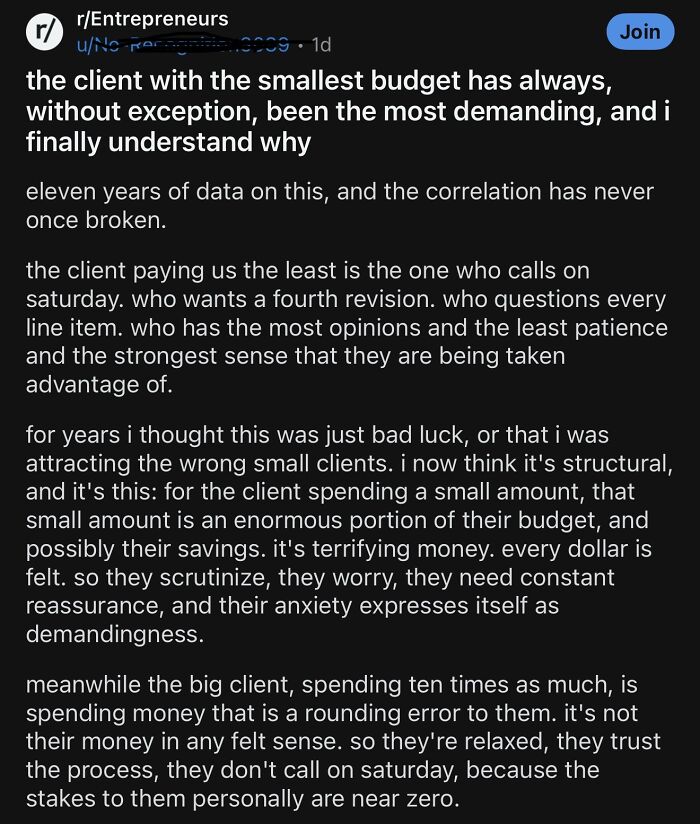
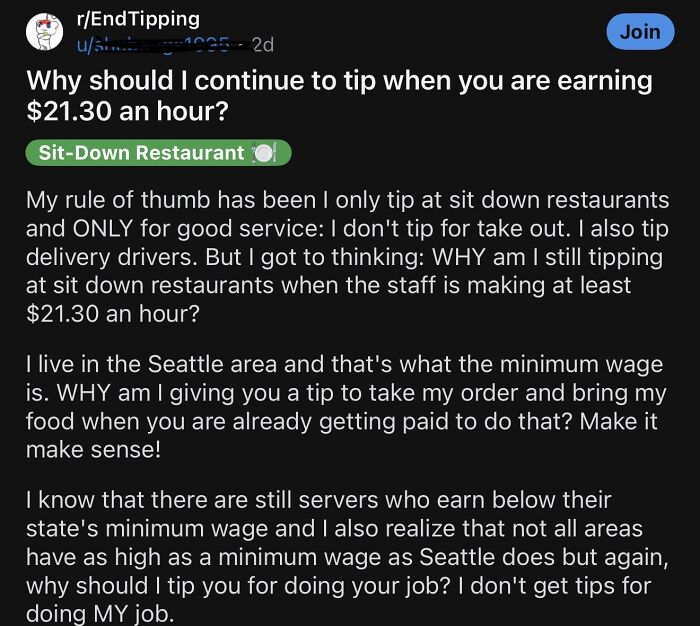
The aptly named ‘Financial Dystopia’ social media account shares posts and memes that are both painfully funny and eerily accurate. Our team has picked out the most relatable ones that prove that dystopian societies aren’t just found in books and on TV. You’re probably living in one right now.
This post may include affiliate links.
In the past few years, it feels like the world is stuck in a loop of perpetual crises. And affordability has suffered.
Many people’s budgets are getting tighter as their spending increases, and they are taking on more debt. Meanwhile, owning a home still feels out of reach for many young people, no matter how hard they try to rein in their spending, get a better job, and boost their savings.
In short, the future feels even more uncertain than it usually does. So, what do you do with your finances when uncertainty is the name of the game?
For example, it can be tough to know what to prioritize if you have a bit of extra cash: do you pay off part of your debt, invest the money, or focus on building up an emergency fund?
According to certified financial planner Douglas Boneparth, you have to look at the math.
“If your [loan’s interest] rate is above 6%, using your extra money to aggressively pay down your debt is compelling. That’s because paying it off sooner likely will save you more in interest payments than what you’d earn if you invest the extra money in the market, where it’s hard to consistently get a return over 6% without taking risk,” he told CNN.
“If, however, your rate is below 5% and you’ve got an emergency fund in place, investing the extra money (especially in tax-advantaged accounts) may serve you better over the long-term,” Boneparth explained.
From his perspective, however, you should prioritize extra funds toward building an emergency fund (whether 3, 6, or 9 months) first, without exception.
“Next, contribute enough to your workplace savings plan to capture any employer matching contributions, because that’s free money,” the expert told CNN.
“If you’re all set on both those fronts, and your loan’s interest rate is above 6%, use your extra money to attack your debt aggressively. Rate below 5%? Consider investing it. If your rate is somewhere between 5% and 6%? Split it! Put some of your extra money toward loans and some toward savings or investment.”
If you’re worried about gas prices, barring a handful of very quick miracles, they’re unlikely to ease in the near future. Affordability, already a top issue for many people, will remain problematic.
According to CNBC, “gas prices have been elevated ever since the start of the Iran war, and little relief is expected ahead of the midterm elections on Nov. 3.”
“Speculators on prediction market platform Kalshi give an 87% chance that the AAA national average for gas prices will remain above $4 per gallon on Nov. 3. But while they expect prices to stay above that mark, they do think there’s a chance they’ll come down from the levels where they currently are, giving just a 42% chance the average is above $4.25 on Election Day. As of Thursday, the national average is currently at $4.36 per gallon,” CNBC writes.
“Gas prices peaked at an average of $4.56 per gallon in late May, following an initial spike in March after the start of the Iran war and the latter country’s closure of the Strait of Hormuz, a critical passageway for oil exports from the Middle East. They then fell to as low as $3.79 per gallon in early July before rising again throughout the rest of the summer.”
Meanwhile, diesel prices soared, hitting new peaks in September. On September 22, this reached almost $6.53 per gallon. This has a knock-on effect on large agricultural industries that rely on diesel fuel.
CNBC notes that current gas prices have increased the chances for changes in the US Senate during the midterm elections.
The curator who runs the ‘Financial Dystopia’ account on X (formerly Twitter) has been amusing—not to mention gently demotivating and not-so-subtly scaring—internet users since October 2021.
Over the past 5 years, they have grown by leaps and bounds. Currently, 428.7k people worldwide follow the account.
And it’s easy to see why. There’s a good balance of humor and relatability in these memes and posts. So, they resonate with many internet users.
Grab a drink or a snack, finish upvoting the most relatable pics in this list, and join the conversation in the comments.
What are the biggest financial challenges that you’ve run into in recent months? What are you doing to adapt and overcome them?
What advice would you give anyone completely new to the job market who is incredibly overwhelmed and anxious about the state of, well, everything?
How pessimistic or optimistic are you about the future of the global economy, society as a whole, and your local area?
Let us know!
































 No fees, cancel anytime