Get Premium
Dark mode theme is available exclusively for premium users. Learn more about the benefits of subscribing.
No fees, cancel anytime.

 Dark Mode Ad-Free Browsing Unlimited Content
 Ad-Free Browsing Unlimited Content Dark Mode
Join 1.2 million Panda readers who get the best art, memes, and fun stories every week!

If you’re told to work overtime for no extra pay, you should either run for the hills or use your big brain to teach your toxic company a lesson. You can learn a lot about a company’s values, brand priorities, and management’s view of staff by looking at its overtime culture and WFH/WFO policy.
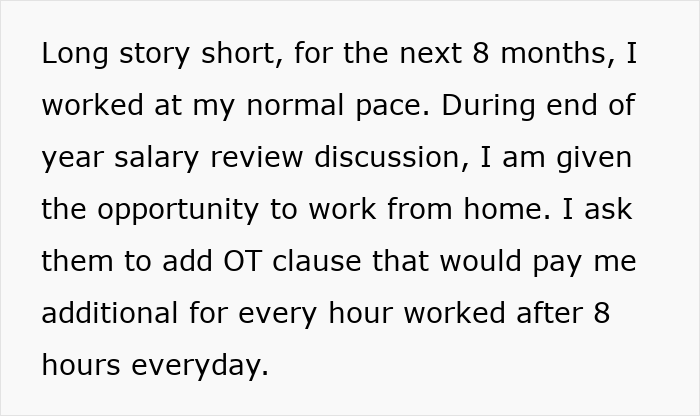
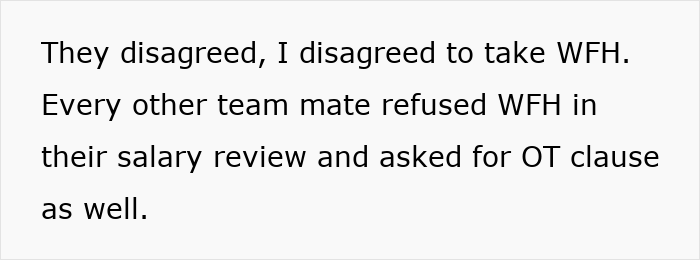
One brilliant employee went viral online by sharing how he used a toxic company’s extremely strict work from office rules to protect himself from unpaid overtime and burnout. Keep scrolling to find out how he did it, how management reacted to his move, and what the internet had to say about it.
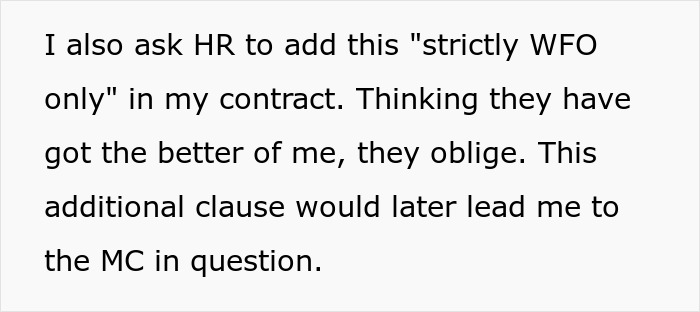
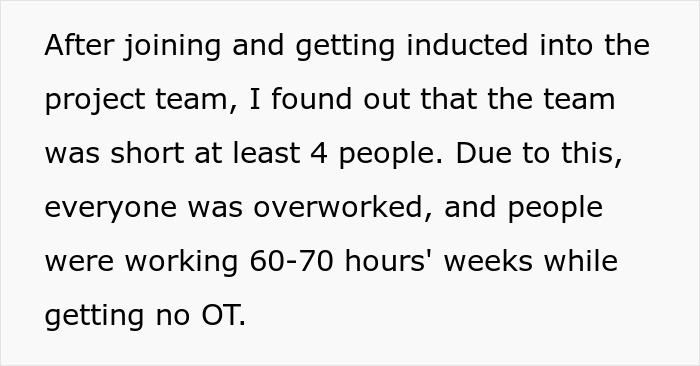
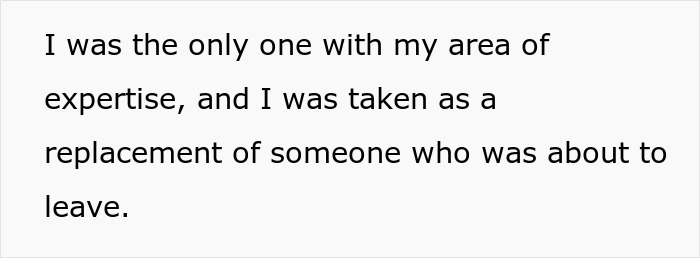
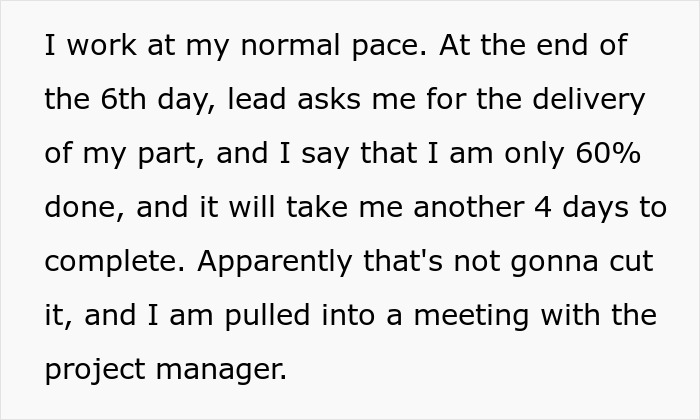
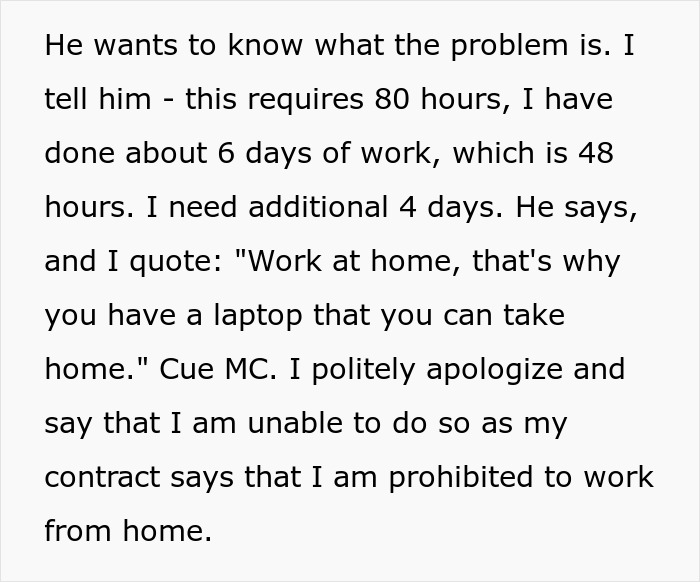
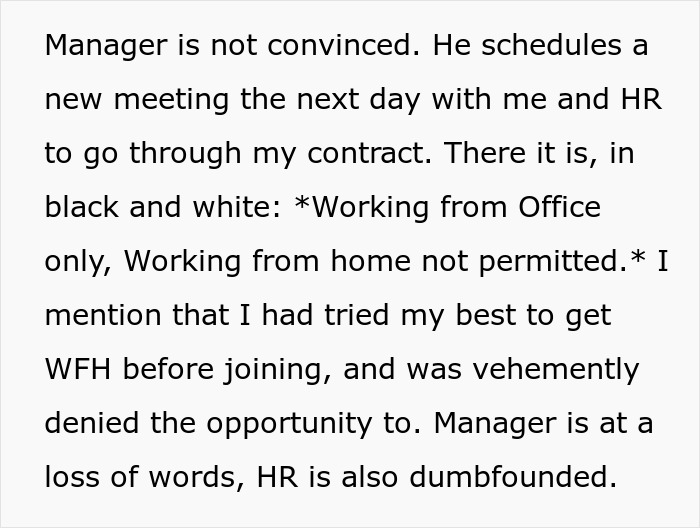

Your decision whether to stay at a toxic workplace or leave is going to be a deeply personal one. Nobody can make the decision for you because nobody else knows your financial situation, responsibilities, priorities, boundaries, relationship with your colleagues, and mental health situation.
That being said, in a nutshell, you have three main strategies at your disposal. First, you can start looking for a new, better job with a more respectful environment. If your mental health is suffering and you have enough savings, you may want to quit and leave the toxic situation. Otherwise, if you have big financial responsibilities, you may need to look for a new job while still working your old one.
Secondly, you can accept the situation for what it is, grit your teeth, and bear it. You might choose to do this if you desperately need the cash or if you have a long-term career plan that you think is worth your current sacrifices. No judgment, no matter your choice.
And thirdly, you can actively strive to make your and your colleagues’ situation better. If talking to your supervisor, manager, boss, or human resources doesn’t work, you might need to get a bit more creative. Like using your work contract to your advantage.
Ideally, however, you’ll learn to recognize the signs of a toxic workplace either before joining the company or soon after starting your probation period. You need to learn to see the signs so that you can make the right decision, no matter what it is.
In a nutshell, a toxic work environment is one that is full of negativity, aggression, and doubt. It leads to chronic stress, poor performance, and strained relationships. If left unresolved, this environment can affect your physical and mental health.
For example, if you’re in a toxic workplace, you might have a physical and nauseated reaction to work. You might have trouble sleeping, you might struggle with anxiety, and you have stress-related tightness in your muscles. You probably also won’t have much motivation to work or improve your performance.
According to clinical health psychologist Amy Sullivan, PsyD, a toxic work environment is more a feeling rather than a checklist.
“Pay attention to what your gut is sharing with you, as well as any physical responses you have before, during and after work,” she advises.
“A toxic work environment is an environment where there’s inconsistent, biased and confusing communication, and where your leader is not respectful or responsive to your needs,” Dr. Sullivan says.
“Leaders need to be able to communicate. Employees also need a safe space for communication and to ask for help. And if help isn’t offered, that’s a huge sign something is wrong.”
Toxic companies tend to have very high turnover and burnout rates, as well as low morale. They also lack transparency and accountability, and there is little to no trust in workplace leadership or human resources.
The reality is, it is unprofitable to run a toxic company. For one, you spend more time and resources replacing employees who have had enough and leave. Moreover, you’ll find it tougher to attract and hire top talent because of your company’s reputation and culture. Why would a top-tier skilled professional ever want to work somewhere where they are undervalued and disrespected, when they have so many better options?
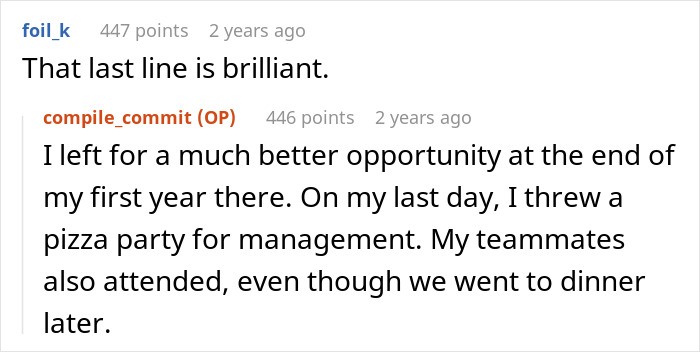
We’d like to hear your perspectives in the comments, too, Pandas. What did you think of the way the employee insured himself against burnout? Have you ever felt pressured to work unpaid overtime? If so, what happened, and how did you protect your boundaries? What advice would you give any new worker who finds themselves in the middle of a truly toxic work environment? Let us know.










By entering your email and clicking Subscribe, you're agreeing to let us send you customized marketing messages about us and our advertising partners. You are also agreeing to our Privacy Policy.
Thank you! You've successfully subscribed to newsletters!

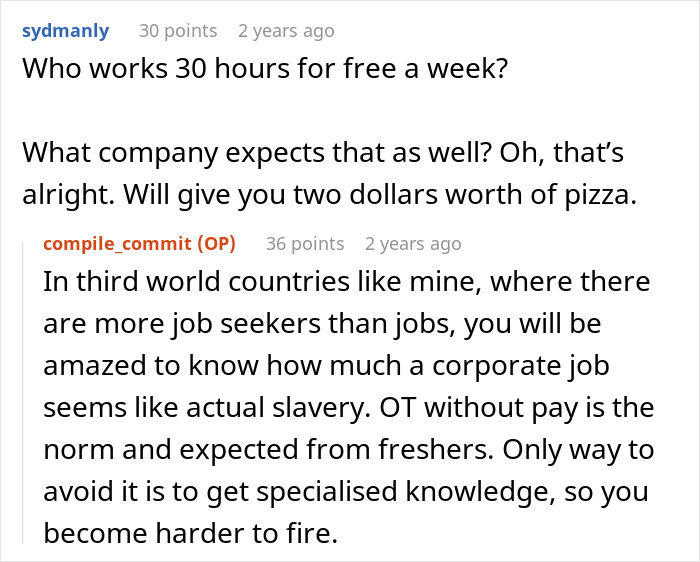
Was this really necessary though? On being asked to take the laptop home and work over the weekend you simply say "sure, as long as it's all paid, at time and a half or double time on Sunday". Not paid? Not done.

you can tell the priviledge of living in a first world country by the ignorance of how most countries work
Load More Replies... Was this really necessary though? On being asked to take the laptop home and work over the weekend you simply say "sure, as long as it's all paid, at time and a half or double time on Sunday". Not paid? Not done.
you can tell the priviledge of living in a first world country by the ignorance of how most countries work
Load More Replies...



































 No fees, cancel anytime











30
3