Get Premium
Dark mode theme is available exclusively for premium users. Learn more about the benefits of subscribing.
No fees, cancel anytime.

 Dark Mode Ad-Free Browsing Unlimited Content
 Ad-Free Browsing Unlimited Content Dark Mode
Join 1.2 million Panda readers who get the best art, memes, and fun stories every week!

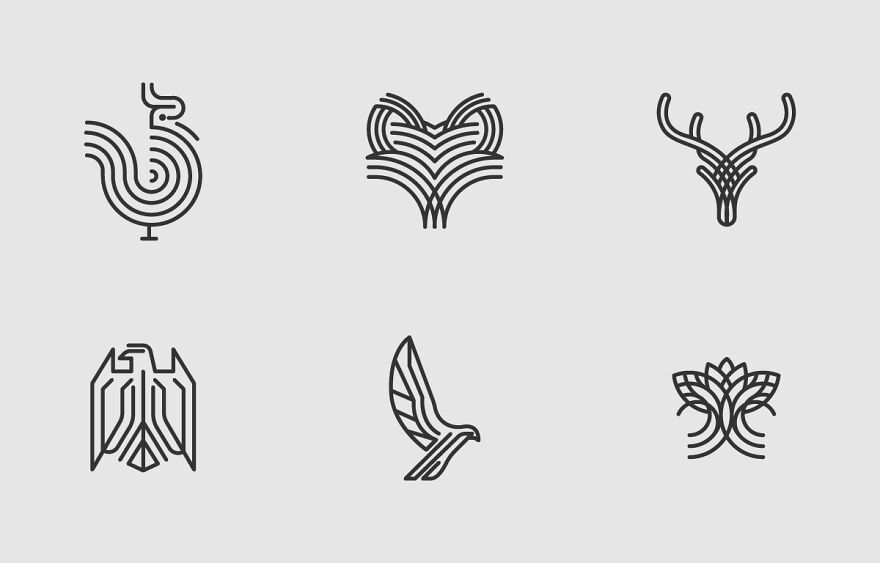
In today’s competitive business landscape, establishing a strong brand identity is crucial for success. One of the key elements in brand recognition is a logo that effectively represents your brand’s values and message. Line art logos have emerged as a popular choice among businesses looking for a minimalist yet impactful visual identity. In this article, we will explore the concept of line art logos and their significance in brand recognition.
1. Introduction
Introduce the importance of brand identity and how logos play a pivotal role in brand recognition. Highlight the rise of line art logos and their visual appeal.
2. Understanding Line Art Logos
Explain what line art logos are and how they differ from other logo styles. Discuss their minimalist approach and use of simple lines to convey meaning.
3. Benefits of Line Art Logos for Brand Recognition
Explore the advantages of line art logos in terms of versatility, scalability, and adaptability across various marketing channels. Discuss their ability to create a memorable visual identity.
4. Elements of an Effective Line Art Logo
Outline the key elements that make a line art logo effective, such as simplicity, balance, and symbolism. Discuss the importance of conveying the brand’s core message through the logo.
5. Choosing the Right Style for Your Line Art Logo
Provide insights into different line art styles, such as single-line, multi-line, or illustrative line art, and how to select a style that aligns with your brand’s personality and target audience.
6. Designing a Line Art Logo: Step-by-Step Guide
Provide a comprehensive guide to designing a line art logo. Break down the process into the following steps:
6.1 Conceptualizing Your Logo
Discuss the importance of understanding the brand’s values, target audience, and industry before starting the design process. Encourage brainstorming and exploring various concepts.
6.2 Sketching the Initial Design
Explain the significance of sketching as a starting point for logo design. Highlight the need to experiment with different shapes and compositions using simple line work.
6.3 Refining the Logo in Digital Format
Guide the readers on transferring the sketched design into a digital format using vector-based software. Discuss the benefits of vector graphics for scalability and adaptability.
6.4 Adding Details and Fine-Tuning
Explain how to add depth, texture, and subtle details to the line art logo without compromising its simplicity. Discuss the importance of finding the right balance.
6.5 Testing and Finalizing the Logo
Guide the readers on testing the logo across different backgrounds, sizes, and applications. Emphasize the importance of feedback and iterations to refine the final design.
7. Tips for Creating Memorable Line Art Logos
Provide practical tips and insights on creating line art logos that leave a lasting impression. Discuss the significance of unique concepts, negative space, and memorable visual elements.
8. Examples of Successful Line Art Logos
Showcase a selection of successful line art logos from various industries. Analyze their design elements and how they effectively represent the respective brands.
9. Case Studies: Brands that Utilize Line Art Logos
Present case studies of well-known brands that have successfully implemented line art logos. Highlight the impact of these logos on their brand recognition and customer perception.
10. Implementing Line Art Logos Across Branding Collateral
Explain how line art logos can be integrated into different branding collateral, such as websites, packaging, stationery, and social media profiles. Provide best practices for maintaining consistency.
11. Line Art Logo Trends and Future Outlook
Discuss current trends in line art logo design and speculate on future directions. Address the evolving preferences of consumers and the role of technology in logo design.
12. Conclusion
Summarize the key points discussed in the article. Reinforce the importance of line art logos for brand recognition. Encourage businesses to consider this style for their visual identity.
FAQs
1. Are line art logos suitable for all types of businesses?
Line art logos can be adapted to suit various industries and business types. However, it’s essential to consider your brand’s personality and target audience when selecting this style.
2. Can I create a line art logo without professional design skills?
While professional design skills can enhance the quality of your line art logo, there are online tools and resources available that can assist you in creating a basic line art logo without extensive design experience.
3. How can I ensure my line art logo stands out from competitors?
To make your line art logo stand out, focus on creating a unique concept, incorporating elements specific to your brand, and exploring innovative design approaches.
4. Is it necessary to trademark my line art logo?
Trademarking your line art logo is highly recommended to protect your intellectual property and prevent others from copying or misusing your brand identity.
5. Can I use color in a line art logo?
While line art logos traditionally use black or grayscale, the addition of limited color can be considered to add emphasis or enhance the logo’s visual impact. However, it’s important to use colors judiciously and maintain simplicity.
More info: modernminimalistlogo.com
In today’s competitive business landscape, establishing a strong brand identity is crucial for success. One of the key elements in brand recognition is a logo that effectively represents your brand’s values and message. Line art logos have emerged as a popular choice among businesses looking for a minimalist yet impactful visual identity. In this article, we will explore the concept of line art logos and their significance in brand recognition.
1. Introduction
Introduce the importance of brand identity and how logos play a pivotal role in brand recognition. Highlight the rise of line art logos and their visual appeal.
2. Understanding Line Art Logos
Explain what line art logos are and how they differ from other logo styles. Discuss their minimalist approach and use of simple lines to convey meaning.
3. Benefits of Line Art Logos for Brand Recognition
Explore the advantages of line art logos in terms of versatility, scalability, and adaptability across various marketing channels. Discuss their ability to create a memorable visual identity.
4. Elements of an Effective Line Art Logo
Outline the key elements that make a line art logo effective, such as simplicity, balance, and symbolism. Discuss the importance of conveying the brand’s core message through the logo.
5. Choosing the Right Style for Your Line Art Logo
Provide insights into different line art styles, such as single-line, multi-line, or illustrative line art, and how to select a style that aligns with your brand’s personality and target audience.
6. Designing a Line Art Logo: Step-by-Step Guide
Provide a comprehensive guide to designing a line art logo. Break down the process into the following steps:
6.1 Conceptualizing Your Logo
Discuss the importance of understanding the brand’s values, target audience, and industry before starting the design process. Encourage brainstorming and exploring various concepts.
6.2 Sketching the Initial Design
Explain the significance of sketching as a starting point for logo design. Highlight the need to experiment with different shapes and compositions using simple line work.
6.3 Refining the Logo in Digital Format
Guide the readers on transferring the sketched design into a digital format using vector-based software. Discuss the benefits of vector graphics for scalability and adaptability.
6.4 Adding Details and Fine-Tuning
Explain how to add depth, texture, and subtle details to the line art logo without compromising its simplicity. Discuss the importance of finding the right balance.
6.5 Testing and Finalizing the Logo
Guide the readers on testing the logo across different backgrounds, sizes, and applications. Emphasize the importance of feedback and iterations to refine the final design.
7. Tips for Creating Memorable Line Art Logos
Provide practical tips and insights on creating line art logos that leave a lasting impression. Discuss the significance of unique concepts, negative space, and memorable visual elements.
8. Examples of Successful Line Art Logos
Showcase a selection of successful line art logos from various industries. Analyze their design elements and how they effectively represent the respective brands.
9. Case Studies: Brands that Utilize Line Art Logos
Present case studies of well-known brands that have successfully implemented line art logos. Highlight the impact of these logos on their brand recognition and customer perception.
10. Implementing Line Art Logos Across Branding Collateral
Explain how line art logos can be integrated into different branding collateral, such as websites, packaging, stationery, and social media profiles. Provide best practices for maintaining consistency.
11. Line Art Logo Trends and Future Outlook
Discuss current trends in line art logo design and speculate on future directions. Address the evolving preferences of consumers and the role of technology in logo design.
12. Conclusion
Summarize the key points discussed in the article. Reinforce the importance of line art logos for brand recognition. Encourage businesses to consider this style for their visual identity.
FAQs
1. Are line art logos suitable for all types of businesses?
Line art logos can be adapted to suit various industries and business types. However, it’s essential to consider your brand’s personality and target audience when selecting this style.
2. Can I create a line art logo without professional design skills?
While professional design skills can enhance the quality of your line art logo, there are online tools and resources available that can assist you in creating a basic line art logo without extensive design experience.
3. How can I ensure my line art logo stands out from competitors?
To make your line art logo stand out, focus on creating a unique concept, incorporating elements specific to your brand, and exploring innovative design approaches.
4. Is it necessary to trademark my line art logo?
Trademarking your line art logo is highly recommended to protect your intellectual property and prevent others from copying or misusing your brand identity.
5. Can I use color in a line art logo?
While line art logos traditionally use black or grayscale, the addition of limited color can be considered to add emphasis or enhance the logo’s visual impact. However, it’s important to use colors judiciously and maintain simplicity.
More info: modernminimalistlogo.com
 No fees, cancel anytime



-2
0