Get Premium
Dark mode theme is available exclusively for premium users. Learn more about the benefits of subscribing.
No fees, cancel anytime.

 Dark Mode Ad-Free Browsing Unlimited Content
 Ad-Free Browsing Unlimited Content Dark Mode
Join 1.2 million Panda readers who get the best art, memes, and fun stories every week!
It’s been a hot European summer. But it’s not just the record-breaking heat waves or devastating wildfires that have everyone sweating. Magnified by the climate crisis, the high temperatures and lack of rain have caused water levels to plunge across Europe, with Western Europe particularly hard hit—crippling waterways, wreaking havoc on power production and shipping, and causing crops and countryside to wither.
The consequences of this historic drought are alarming—for human activity, ecosystems, and economies alike. But because those can sometimes be harder to put a face to, we’ve gathered some photos that show just how severe the situation has become. Keep scrolling for the stark reality of Europe’s drought.
This post may include affiliate links.
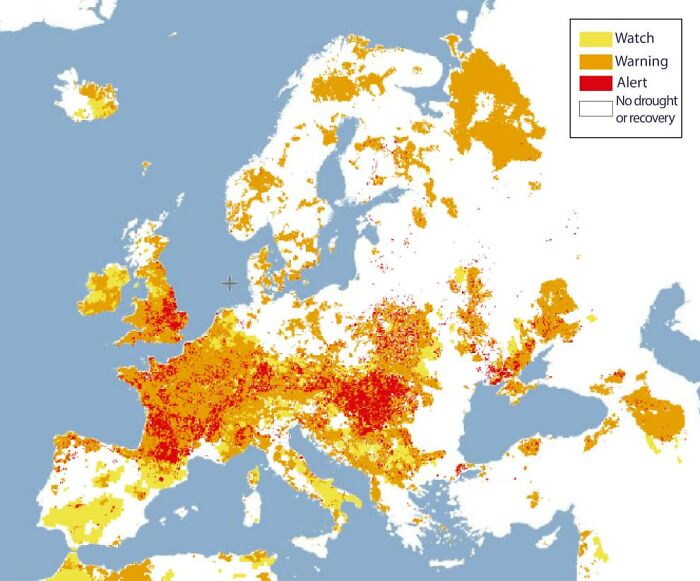
Drought in Europe - July 2026 - 2nd ten-day period.

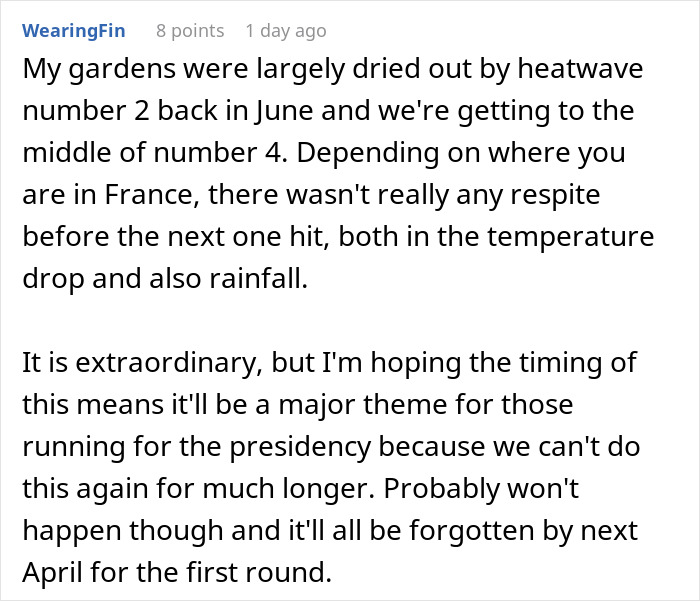
That would be my area of southwest France in the bright red.
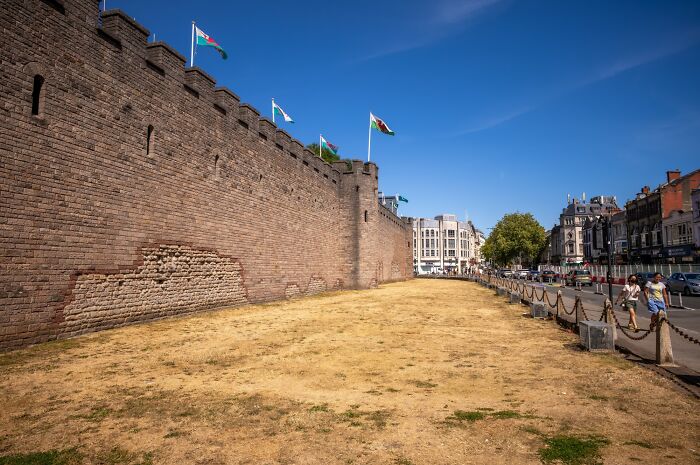
CARDIFF, WALES - AUGUST 9: Dry grass near Cardiff Castle on August 9, 2026 in Cardiff, Wales. Natural Resources Wales (NRW) has officially declared a nationwide drought across the whole of Wales following sustained high temperatures and an exceptional lack of rainfall.

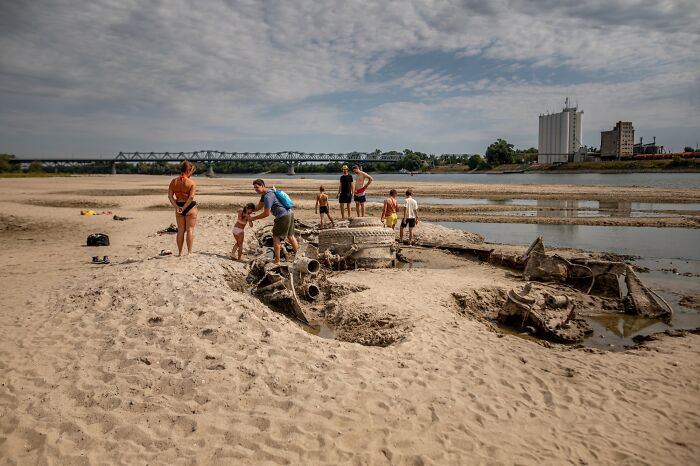
AUGUST 8: People gather along the exposed riverbed of the Danube, after exceptionally low water levels revealed the remains of an old World War II-era ship from the riverbed in Baja, Hungary on August 8, 2026. The emergence of the wreck has attracted hundreds of curious visitors to the site.
If you live just about anywhere in Europe, you already know the past few months have been hot, relentlessly hot—to a point well beyond pure discomfort. Amid record-breaking temperatures, some even above 40 degrees Celsius (104 degrees Fahrenheit), the European Commission’s Joint Research Centre notes, “excess mortality has risen sharply during the most extreme episodes.” With data still being collected, the World Health Organization (WHO) reported more than 10,000 excess deaths in just five countries, while data compiled by Bloomberg put the figure at 25,000.
Western Europe experienced its hottest June and July on record this year, with July marking its “third consecutive month of exceptional heat,” according to Samantha Burgess, strategic lead for climate at the European Centre for Medium-Range Weather Forecasts. In Central Europe, Slovakia’s Dolne Plachtince reached 42.2 degrees Celsius (108 degrees Fahrenheit) on August 6, while Austria’s Bad Deutsch-Altenburg hit an all-time high of 41.2 degrees Celsius (106.2 degrees Fahrenheit) on August 5.
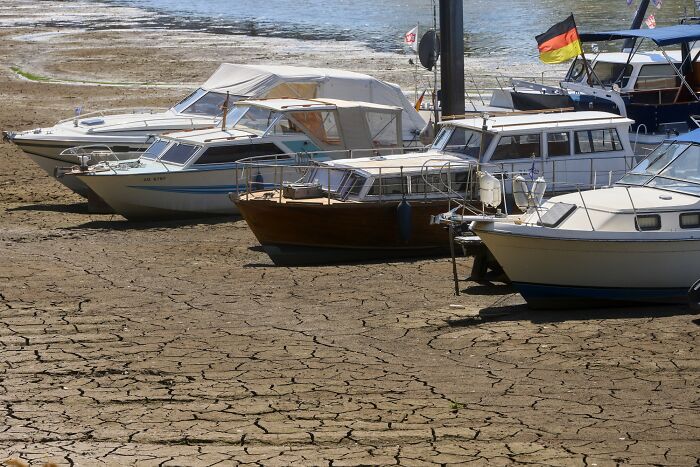
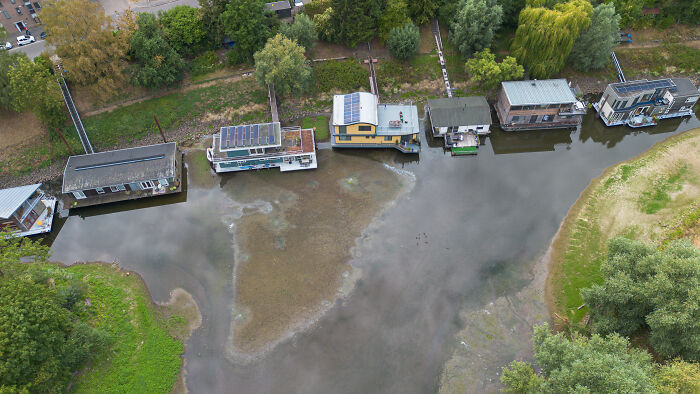
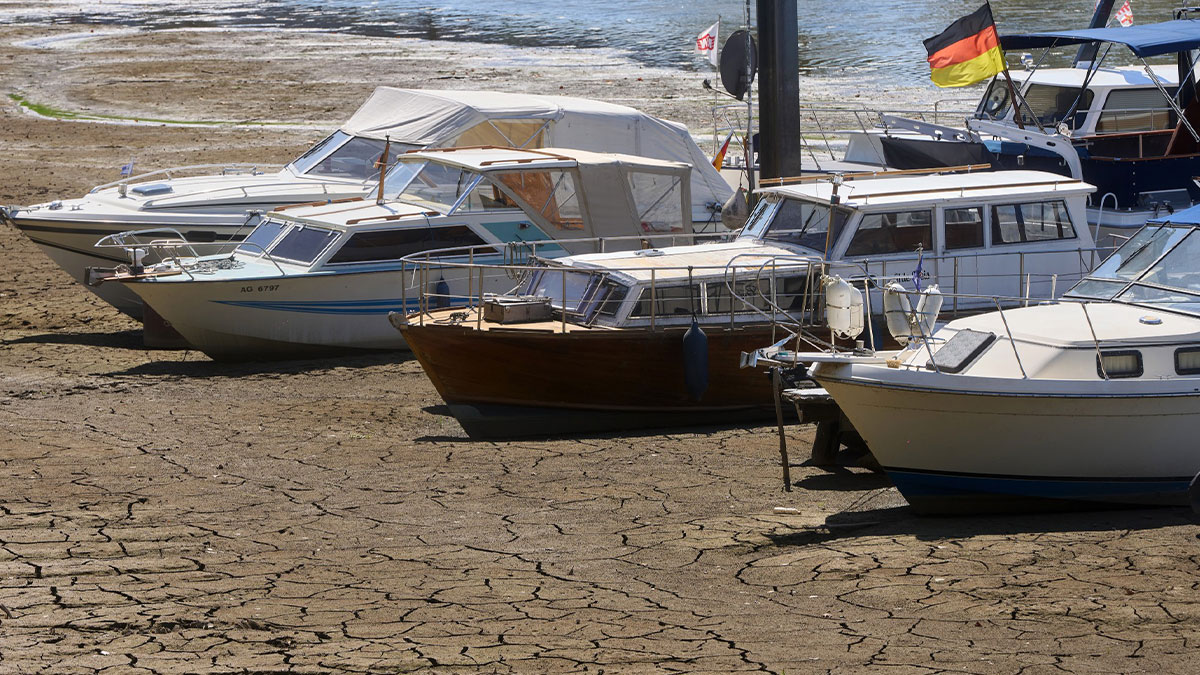
10 August 2026, Rhineland-Palatinate, Koblenz: Boats at the recreational marina in Koblenz-Ehrenbreitstein are sitting on dry land. The heat and drought of the past few weeks have caused the water level to drop.
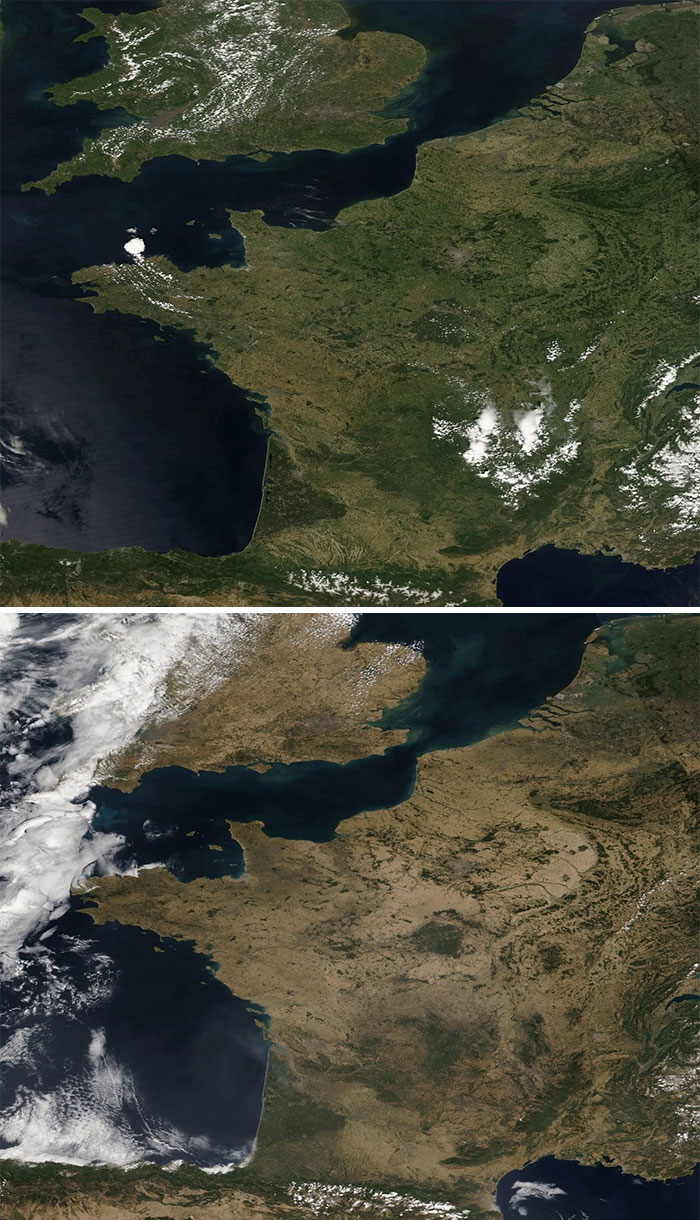
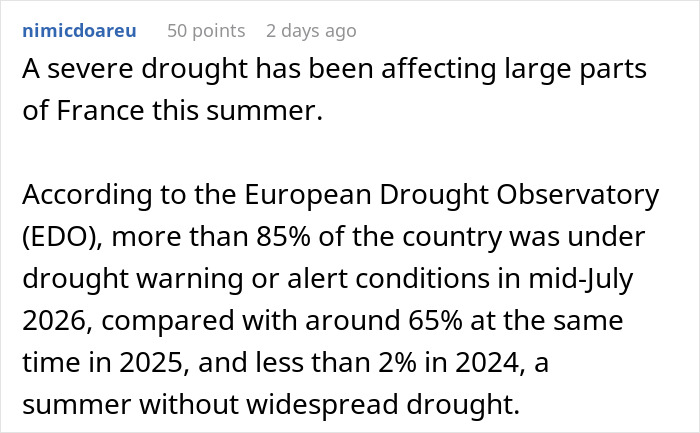
Severe drought has overtaken England and France, and satellite images showing the transformation of both countries from late May to late July are just shocking.

It’s so dry here in the uk. Not had rain for ages. Yet while the water companies impose hosepipe bans and demand we cut water usage, they are losing millions of litres of water per day in leaks they seem to have no sense of urgency to fix, some of the companies have been given permission to raise their prices again. They also dump untreated sewage into rivers and seas and to top it off they still pay their execs millions on bonuses rather than using that money to invest in the infrastructure. We are getting shafted every way possible.
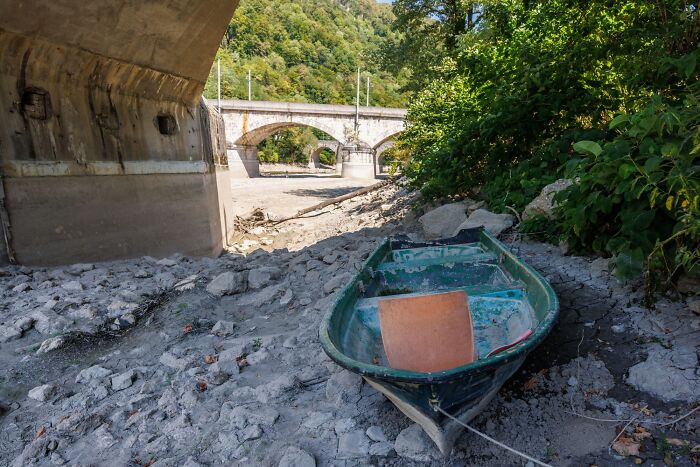
ZIDANI MOST, SLOVENIA - 2026/08/06: A boat is seen stranded under a bridge in a mostly dry riverbed of Savinja river near its confluence with Sava river in Zidani Most. Slovenia faces record low water levels due to longlasting drought and a recent heatwave, causing the Krko Nuclear Power Plant to reduce power and a temporary suspension of fishing on several rivers.
In Italy, also on August 6, authorities put all 27 of the country’s major cities on the highest heat alert for the first time this year. Official warnings advised people to avoid direct sunlight between 11 a.m. and 6 p.m. Even the UK was bracing for another spell of intense heat in August, with temperatures in parts of southeast England expected to reach 36 degrees Celsius (97 degrees Fahrenheit).
But these extreme temperatures, scientists warn, are not anomalies. Rather, they’re part of a recurring pattern of dry, heatwave-filled summers across Europe—a trend linked to global warming that scientists say could become increasingly normal as the climate warms. And it’s this bigger picture that brings us to the drought affecting much of Europe.
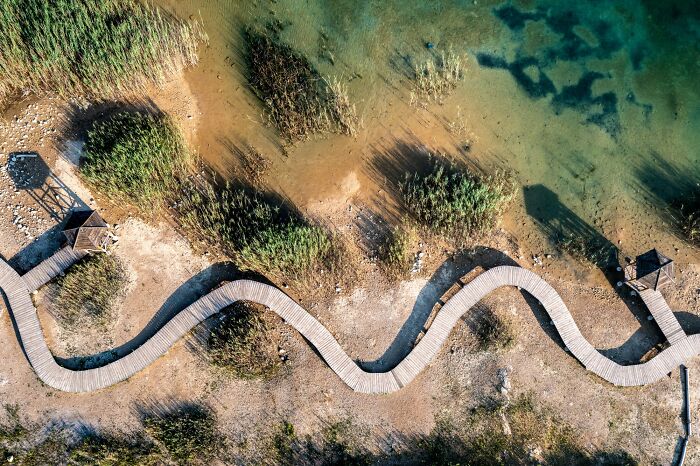
An aerial view on a wooden path that used to lead over a lake which dries up slowly because of high temperatures and geological drought on August 6, 2026 in Jaworzno, Poland. The Park has been a tourist attraction for years due to a lake with turquoise clear water.
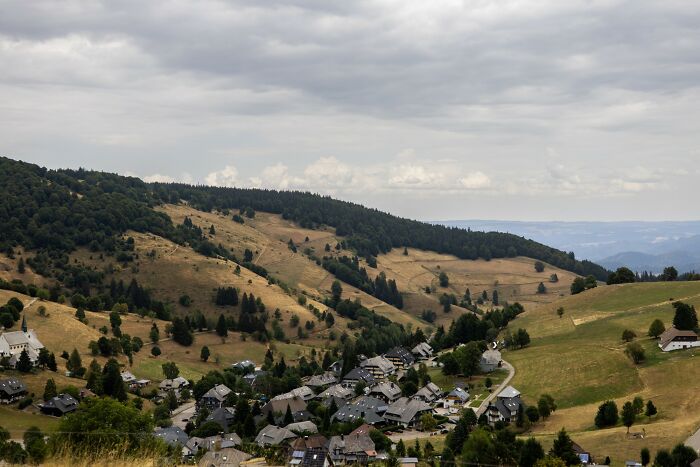
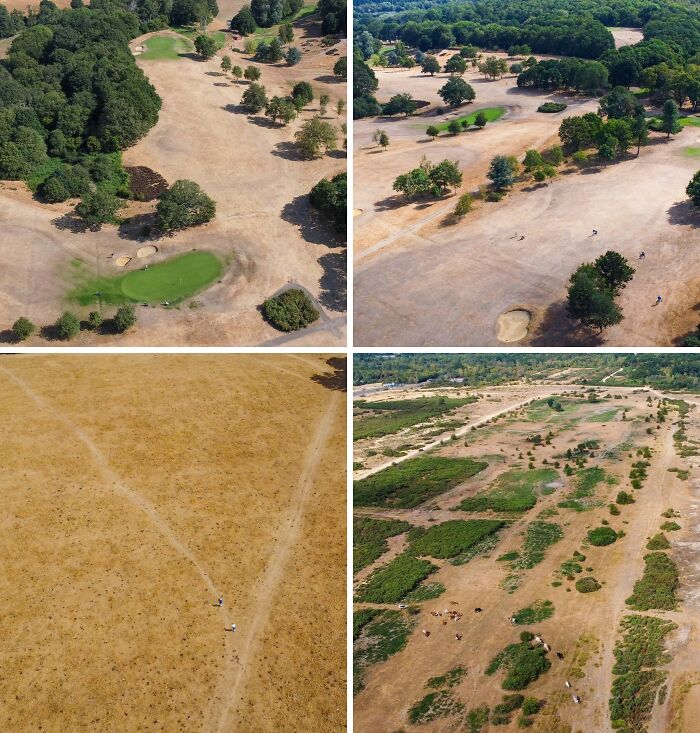
10 August 2026, Baden-Württemberg, Oberried: Dried-up pastures can be seen below the Schauinsland. Given the ongoing drought, the drinking water supply in Baden-Württemberg is currently a concern.
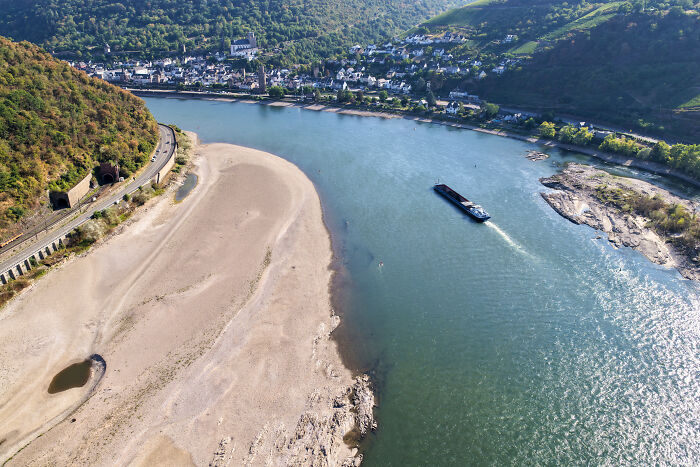
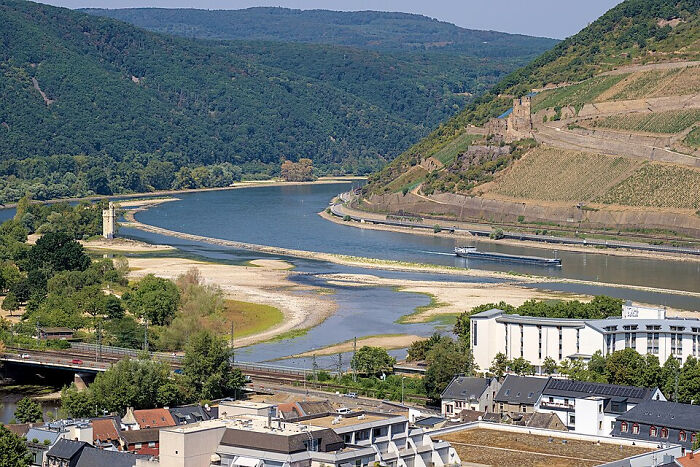
A bulk carrying cargo vessel navigates a channel on the River Rhine past the exposed riverbed during low water levels between Oberwesel and Loreley near Kaub, Germany, on Monday, Aug. 10, 2026. Low water levels on the Rhine are disrupting the supply of raw materials to Thyssenkrupp's plant in Duisburg.
It disrupts any cargo transportation since the Rhine is quite important for that.
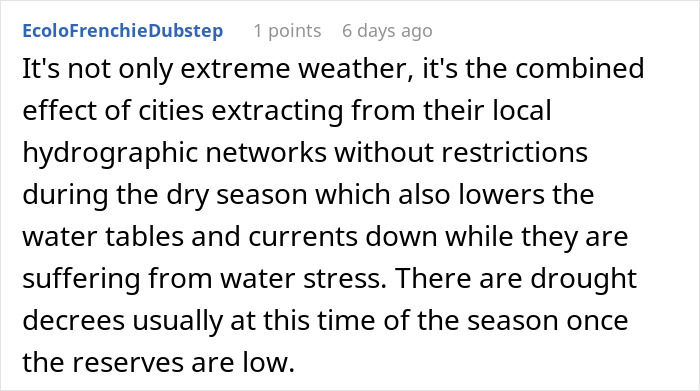
A sequence of extreme heatwaves, combined with lower-than-average rainfall since early spring, has compounded drought conditions across Europe. According to the European Commission’s Joint Research Centre, warning- and alert-level drought conditions were in effect in most of Europe in late July, with hotspots in France, Germany, Hungary, Romania, and the UK. The consequences are far-reaching, putting pressure on water supplies, crops, energy systems, river transport, tourism, and ecosystems, while also helping fuel an intense wildfire season.
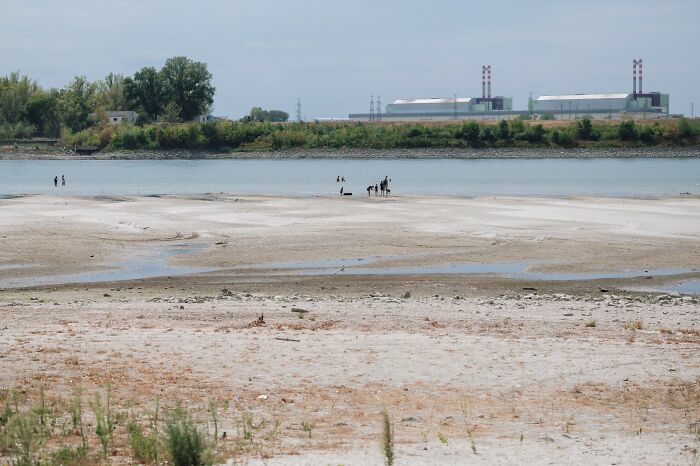
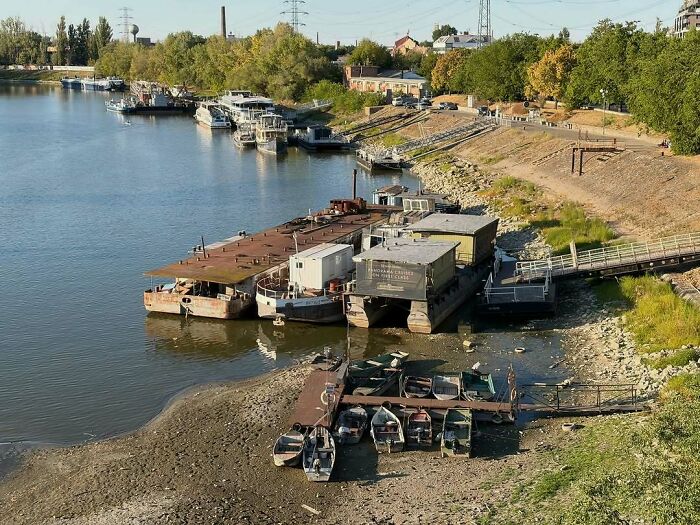
PAKS, HUNGARY - AUGUST 9: People cool off in the extremely low waters of the Danube near Paks, Hungary, with the Paks Nuclear Power Plant visible in the background on August 9, 2026. The plant is currently operating with only one of its four reactors at minimum output, an unprecedented situation in its nearly 40-year history, as historically low Danube water levels caused by severe drought have constrained the plantâs cooling capacity.
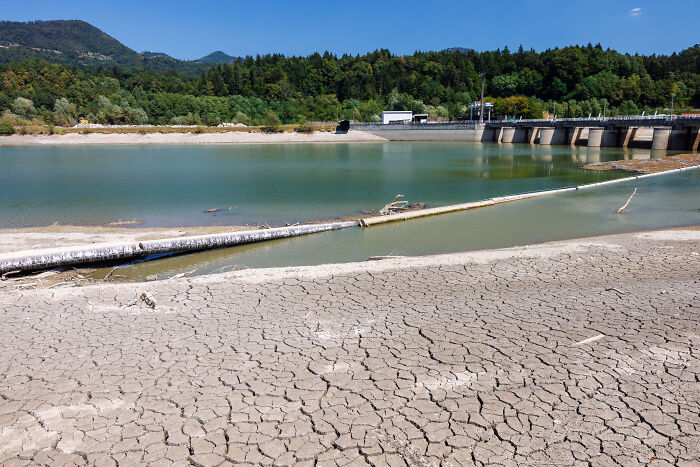
Due to the prolonged drought, the river level has dropped to an unprecedented low. Gravel banks are becoming visible in the river, and ships can only be partially loaded.
NIJMEGEN, NETHERLANDS - AUGUST 07: An aerial view of Nijmegen as prolonged dry weather has caused visibly reduced water levels, exposing riverbanks and normally submerged areas and highlighting the effects of the ongoing drought in Netherlands on August 07, 2026.
The effects are already visible in Europe’s waterways. The New York Times reports that rivers are running so low that cargo ships are being forced to reduce their loads, while hydropower generation and the cooling of nuclear reactors are also being affected. On the Rhine, a “vital economic artery” that stretches through six countries, water levels hit their lowest point since 1880, “disrupting supply chains, raising shipping costs and possibly forcing companies to scale back on production.”
Record-low water levels on the Danube, Europe’s second-longest river, are “forcing a scramble to keep electricity flowing in Hungary and Romania, which use water from the Danube to cool nuclear power reactors” while exposing the wrecks of World War II-era ships. Among other relics that have surfaced elsewhere, in Germany, the drought has even revealed a centuries-old “hunger stone” near Pirna, traditionally seen as a warning sign of the hardship that can accompany extreme dryness, when harvests are threatened, shipping is disrupted, and, in earlier times, famines could follow.
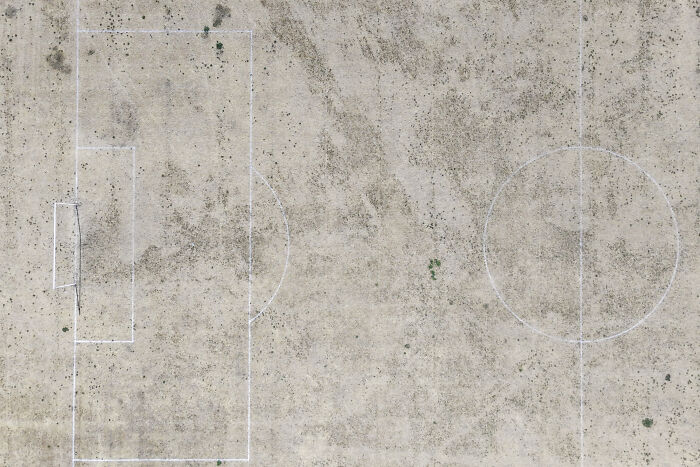
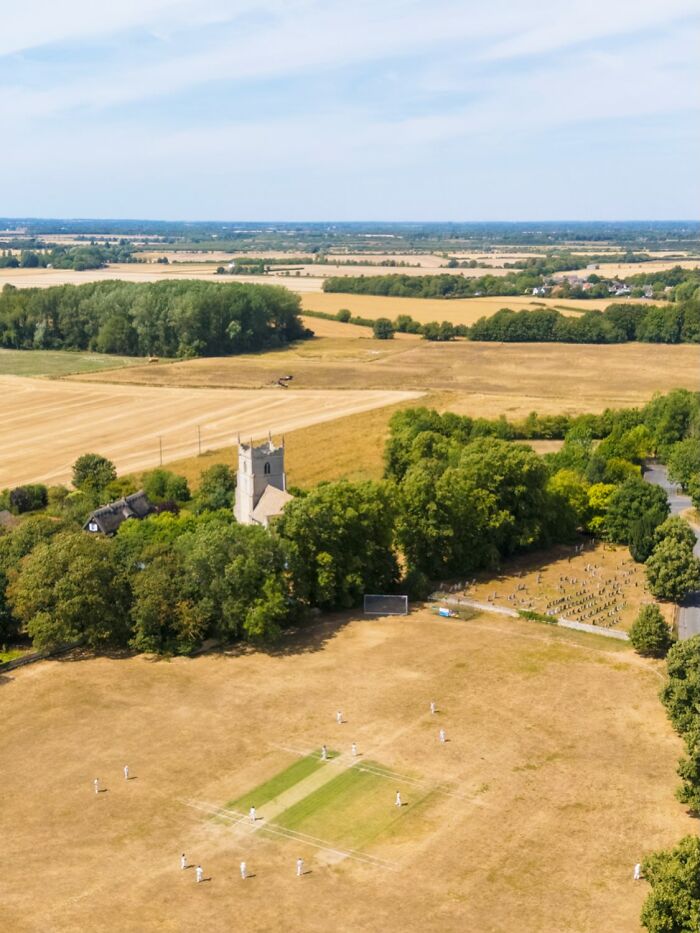
Aerial view of the dry grass of a football pitch at Hackney Marshes in London, England, on August 10, 2026, as drought conditions persist.
Now imagine some idiot throwing a still glowing cigarette b**t into that or someone grilling/making a small fire in that area.
VRHOVO, SLOVENIA - 2026/08/06: Slovenia faces record low water levels due to longlasting drought and a recent heatwave, causing the Krko Nuclear Power Plant to reduce power and a temporary suspension of fishing on several rivers.
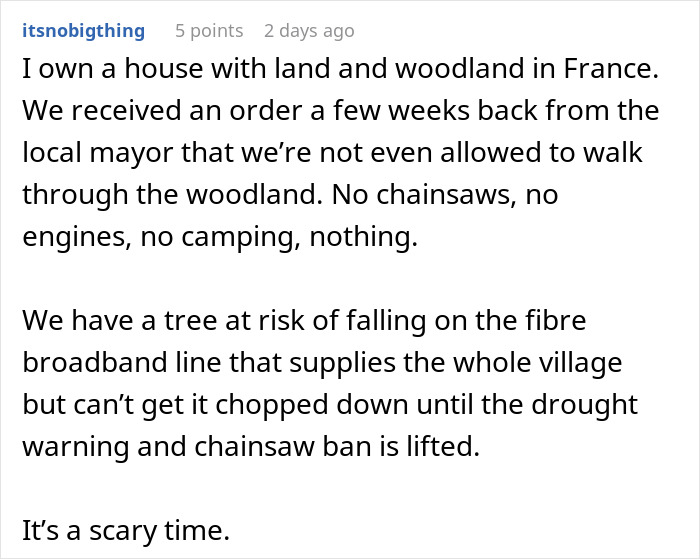
And the hardship once symbolized by those stones is becoming a modern reality, with farmers facing some of the driest soils on record and wildfires raging through Spain and France. About 9 million tonnes of grain are expected to be lost across Europe, with France facing its worst maize harvest in 50 years and Romanian farmers losing more than a million hectares of crops, Damian Carrington writes for The Guardian.
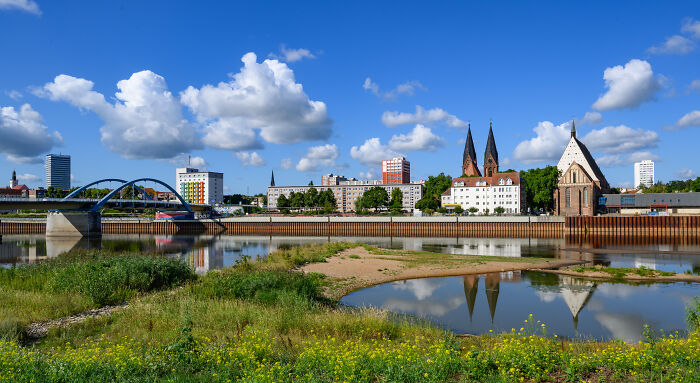
08 August 2026, Poland, Slubice: The drop in the water level along the banks of the Oder River is clearly visible. Frankfurt (Oder) in Brandenburg can be seen in the background. The ongoing drought is leaving a clear mark on the German-Polish border. In Frankfurt (Oder), the water level of the border river has dropped to just 88 centimeters.
There’s no getting around the fact that the heat—combined with a lack of rain and increased sunshine—is a key factor in all this. “Record-breaking heatwaves,” Carrington explains, “meant the hot atmosphere strongly evaporated water from rivers, lakes, soils and plants.” But climate change has amplified these drought conditions.
An analysis by World Weather Attribution found that the conditions were 80 times more likely due to global heating in Western Europe and 40 times more likely in Eastern Europe. Soil dryness was also made five times more likely by fossil-fuel pollution in the west and 11 times more likely in the east.
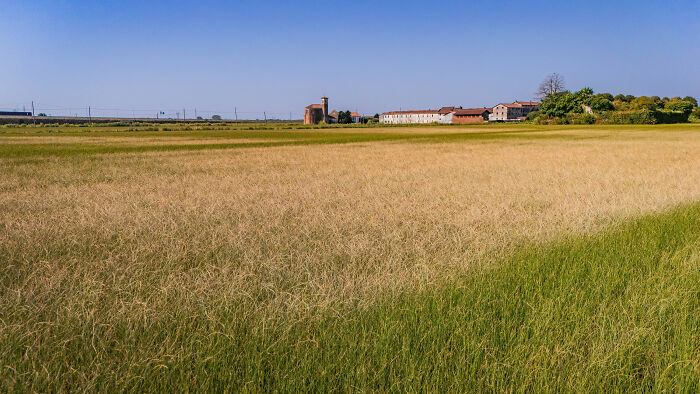
NOVARA, ITALY - AUGUST 06: A view of a rice field almost completely scorched by severe heat and water stress on August 06, 2026 in Novara, Italy. Northern Italy’s rice-growing region is under pressure from water scarcity, with reduced flows in the Sesia River and irrigation turnations forcing farmers to sacrifice some fields in order to save part of the crop. While some paddies remain flooded, others are left dry, revealing the growing fragility of one of Europe’s most important rice landscapes. At the same time, the research center of Italy’s Ente Nazionale Risi is testing rice varieties under different conditions, preserving seeds in its archive, developing new varieties through controlled cross-pollination, and carrying out quality control and anti-fraud support activities for the rice sector. Italy's Po Valley, shaped by the Po River, known in ancient times as Padus, is one of Europe's most intensively cultivated and densely populated regions. Agriculture, livestock farming, irrigation networks, food industries, cities and distribution systems form a single productive landscape, generating major outputs of rice, maize, wheat, dairy and other foods. Yet the same system faces overlapping pressures: pollution, shrinking Alpine snow reserves, drought, floods, heatwaves, saltwater intrusion and increasingly unstable seasons are disrupting water availability and traditional agricultural calendars. PADUS documents how climate change interacts with this engineered food system, revealing its environmental contradictions, its cultural consequences, and the ways farmers, fishers, institutions and local communities are attempting to adapt.
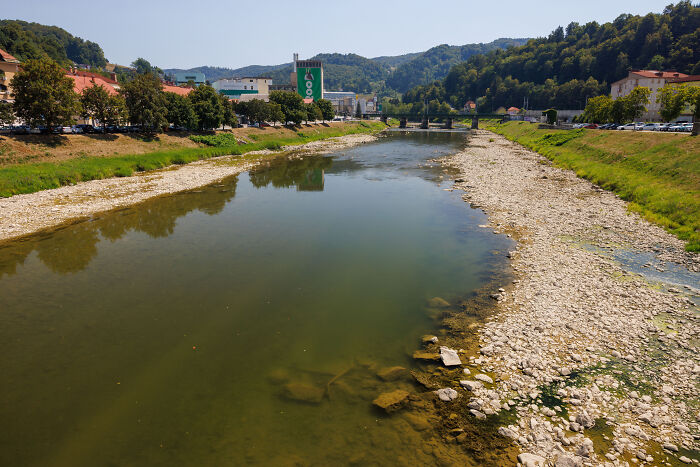
LAKO, SLOVENIA - 2026/08/06: The low water level of Savinja river is seen in Lako. Slovenia faces record low water levels due to longlasting drought and a recent heatwave, causing the Krko Nuclear Power Plant to reduce power and a temporary suspension of fishing on several rivers.
So no, it’s not as simple as high temperatures and low rainfall. As Carrington explains, the climate crisis is “redefining drought in Europe.” Citing the World Weather Attribution findings, he writes: “Today’s drought in western Europe is classified as ‘extreme’ but would have been ‘moderate’ in the world before the climate crisis, according to the analysis.”
Like those centuries-old hunger stones now reemerging from receding waters, worsening droughts are a warning of hardship to come. UN climate chief Simon Stiell called them “an unignorable red alert that our planet is overheating,” explaining that “until humanity stops burning huge amounts of coal, oil and gas, these brutal climate-driven droughts will only get more severe and more costly for households and whole economies alike.” The clear solution, he says, is to “move much faster to renewable energy.”
As parts of Europe burn, I know a drought when I see one yet we officially aren’t declared in one. No formal criteria apparently, so when and why the delay. Maybe the first drops of rain for over 30 days this morning has prevented it. I can’t even be bothered to look at the rain gauge it was so insignificant. On to the next heatwave,oh such joy.
But climate change isn’t the only factor shaping how severely drought is felt, as Léa Sanchez writes for Le Monde. Human activity has also altered Europe’s waterways and landscapes in ways that can make them less resilient when extreme heat and dryness arrive.
Rivers such as the Rhine, she reports, have been heavily engineered, with dams, locks, and other modifications affecting water temperatures and the river’s ability to withstand extreme conditions. As Carmen de Jong, a professor of hydrology at the University of Strasbourg, says, “Today, the Rhine is in poor condition. It is too engineered, it is not resilient, it is like a highway. If it had more meanders and multiple shaded channels, the temperatures would not be so high. And then, every dam and lock increases water temperatures.”
And it’s not just the waterways themselves that need reconsidering. In an interview with Le Monde, Simon Porcher, author of Nous sommes faits d'eau. L'avenir d'une ressource vitale (“We Are Made of Water: The Future of a Vital Resource”), argues that our water systems have long been built around the assumption of abundance. When it comes to adapting to scarcity, he says two things are key: “efficiency and moderation.”
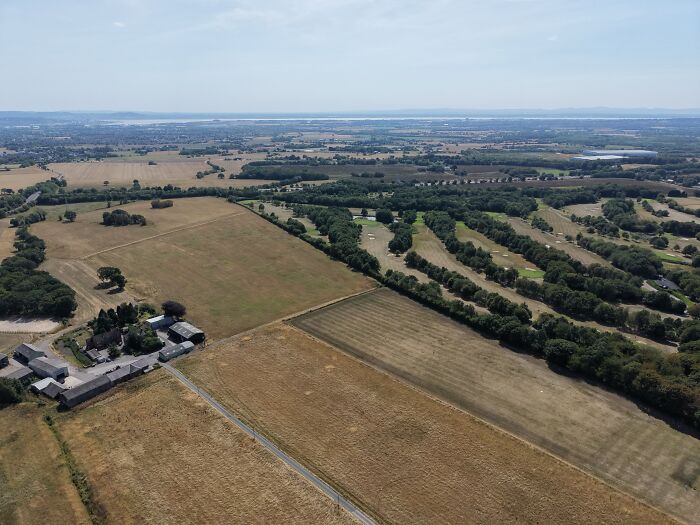
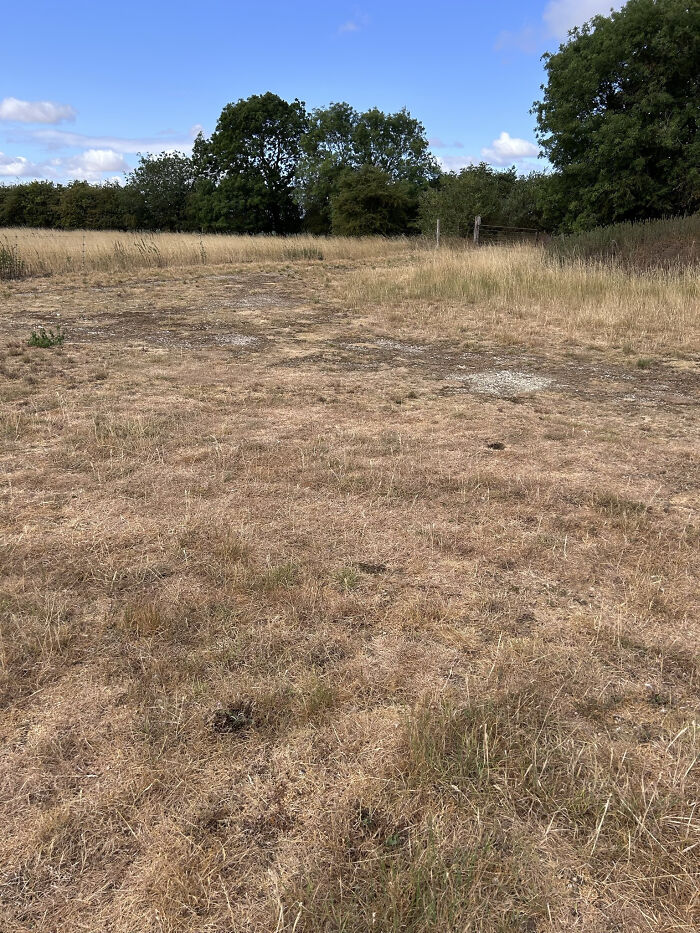
This is pretty much how it looks just a little ways from here.
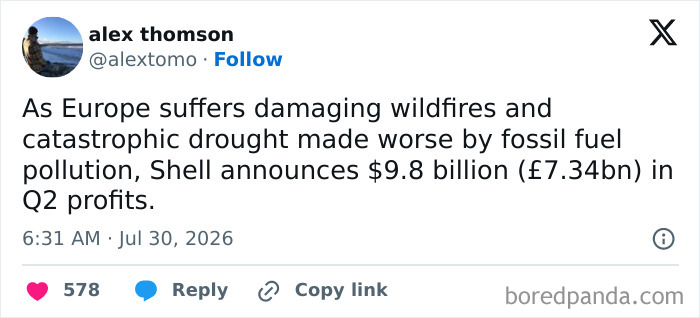
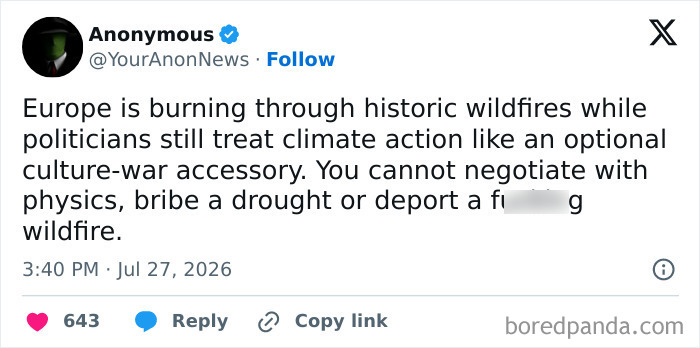





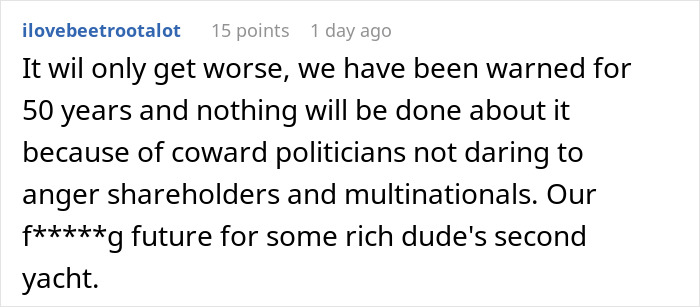
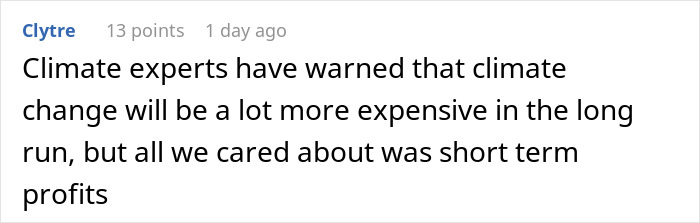
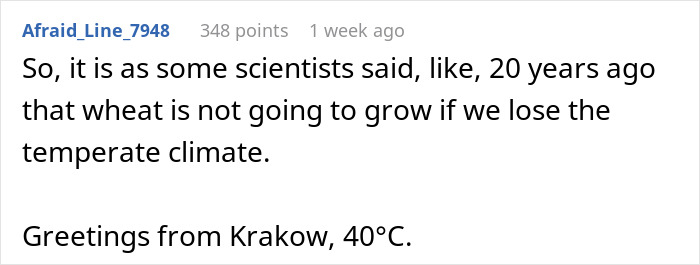
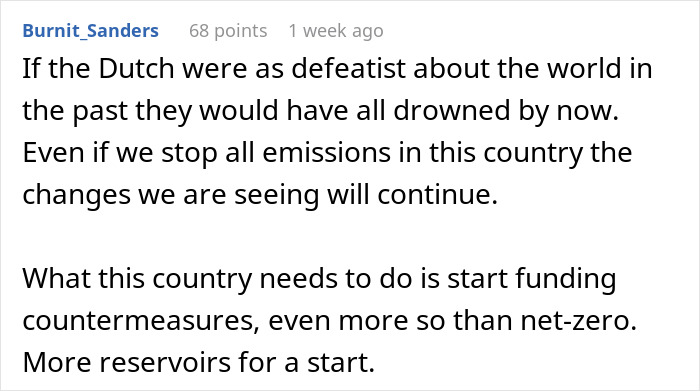
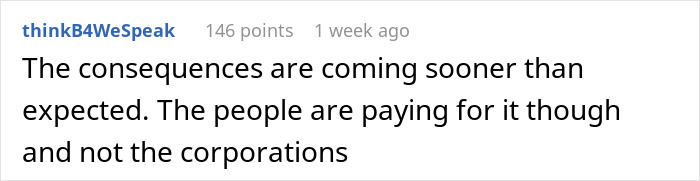


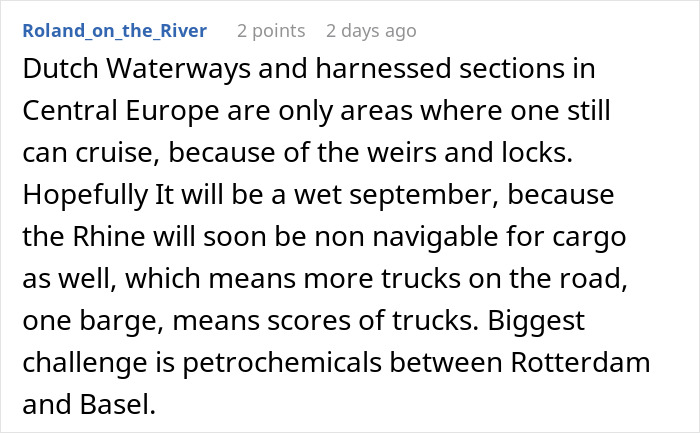
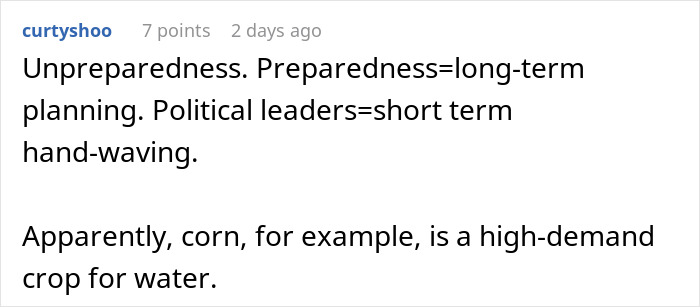





I see what you mean, and I agree to some extent. The tweet is still somewhat revealing tho, as many political parties have exploited the migration crisis for short-term political gain rather than focusing on far more urgent issues, such as climate change. Europe has wasted too many years on divisive politics, leaving us even less prepared to deal with this situation.
Load More Replies... 
in public hands in Scotland, perhaps stop voting for selfish cvnts whgo dont give a f**k about you?????
Load More Replies... I see what you mean, and I agree to some extent. The tweet is still somewhat revealing tho, as many political parties have exploited the migration crisis for short-term political gain rather than focusing on far more urgent issues, such as climate change. Europe has wasted too many years on divisive politics, leaving us even less prepared to deal with this situation.
Load More Replies... in public hands in Scotland, perhaps stop voting for selfish cvnts whgo dont give a f**k about you?????
Load More Replies...




































 No fees, cancel anytime