Get Premium
Dark mode theme is available exclusively for premium users. Learn more about the benefits of subscribing.
No fees, cancel anytime.

 Dark Mode Ad-Free Browsing Unlimited Content
 Ad-Free Browsing Unlimited Content Dark Mode
Join 1.2 million Panda readers who get the best art, memes, and fun stories every week!

However parents want to deny it, they most likely have a favorite child. They might not even be aware of it sometimes; nevertheless, experts say that a child’s age, gender, and temperament can all influence whether a parent likes them more or less than their other siblings.
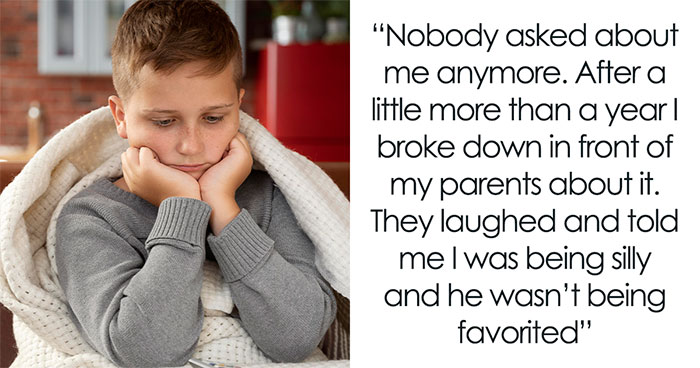
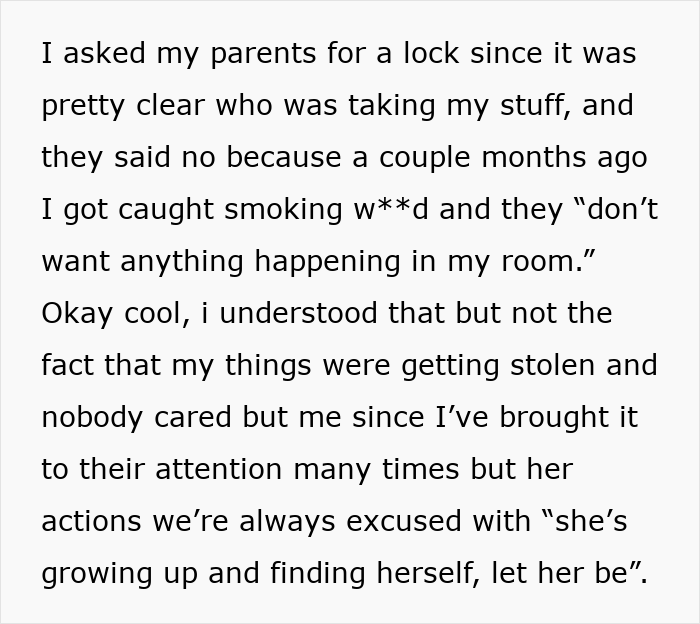
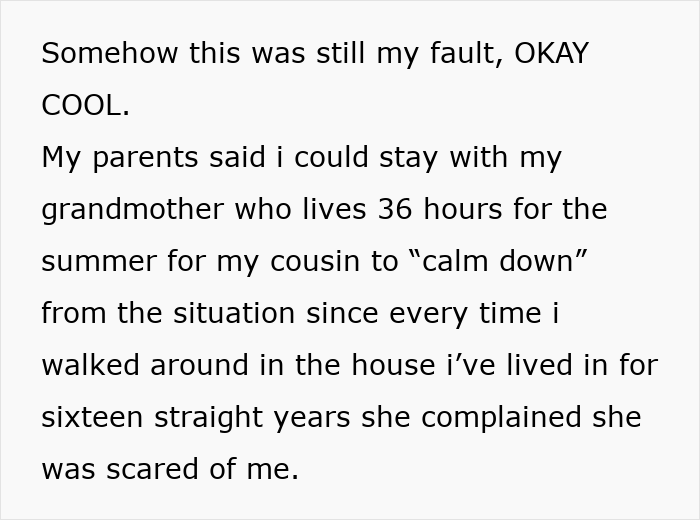
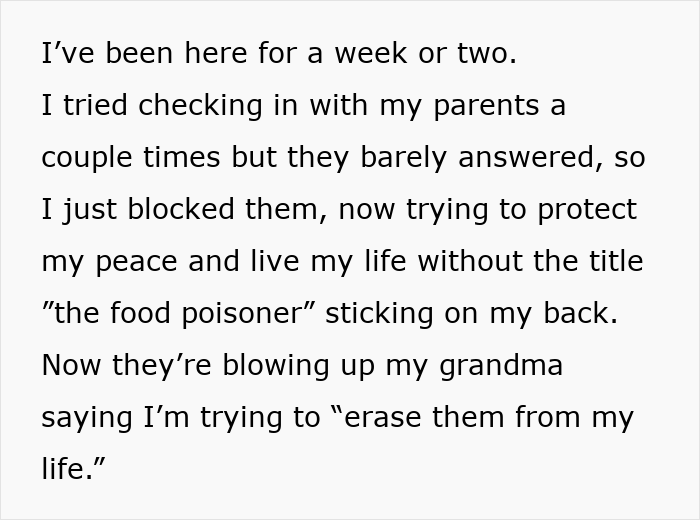
This teen experienced parental favoritism when her cousin moved in. Although the cousin was a troublemaker, the parents refused to see it and blamed their daughter. The situation escalated so much that she even had to go live with her grandma. After all that, the 16-year-old came online to ask people whether it would be unreasonable for her to cut ties with her parents, considering how they had treated her.
Image credits: khezez / Pexels (not the actual photo)
Image generated by Bored Panda using Google Gemini (not the actual photo)
Image generated by Bored Panda using Google Gemini (not the actual photo)
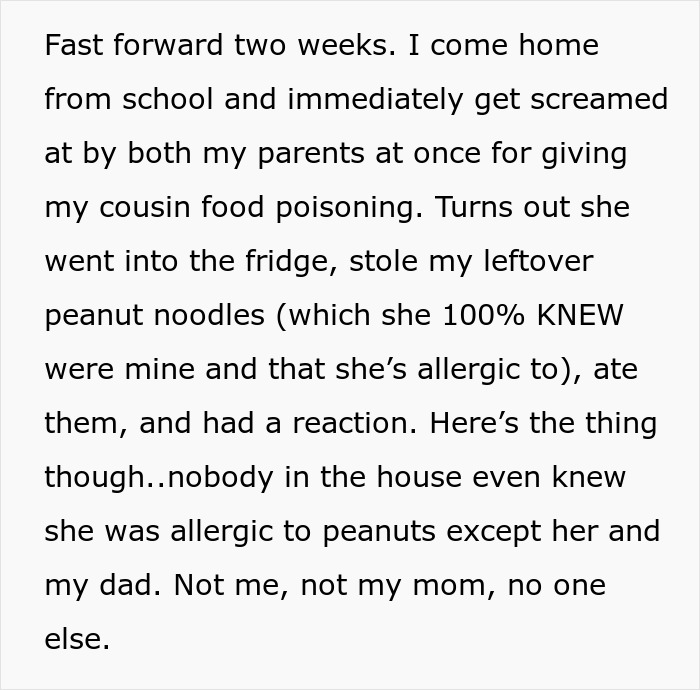
Image credits: Darina Belonogova / Pexels (not the actual photo)
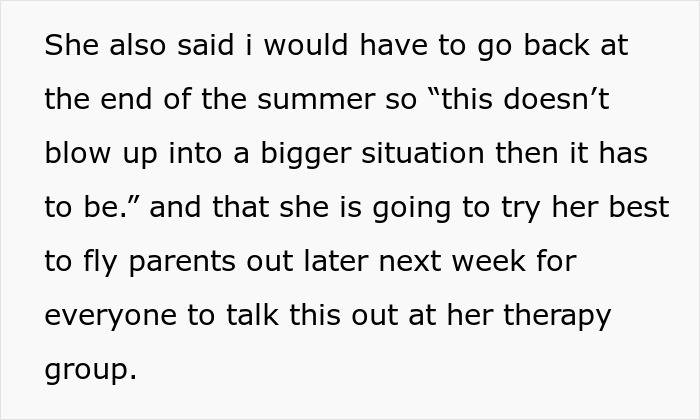
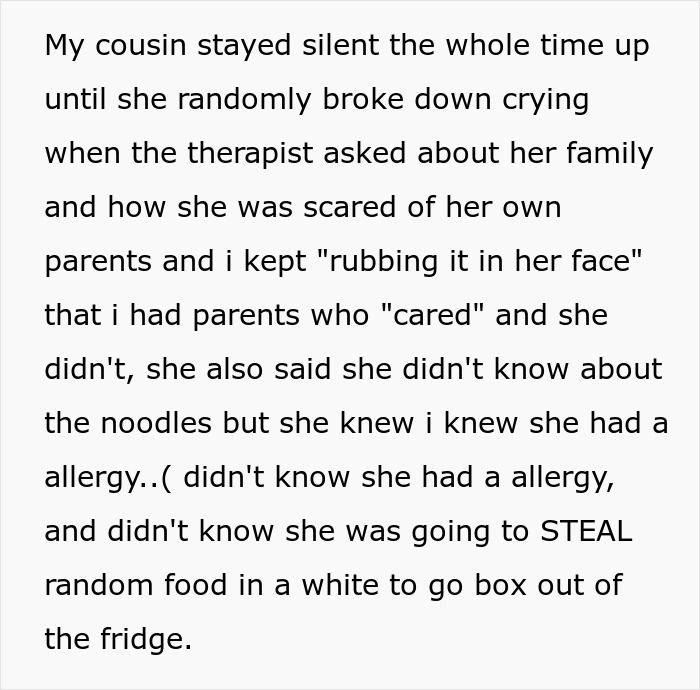
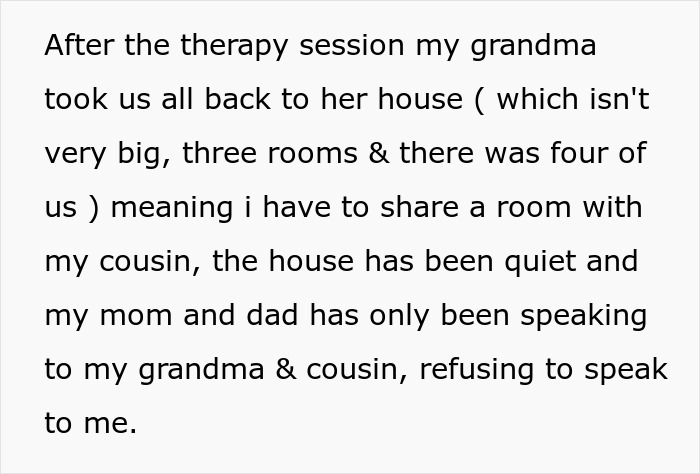
Image credits: Tiarra Sorte / Pexels (not the actual photo)
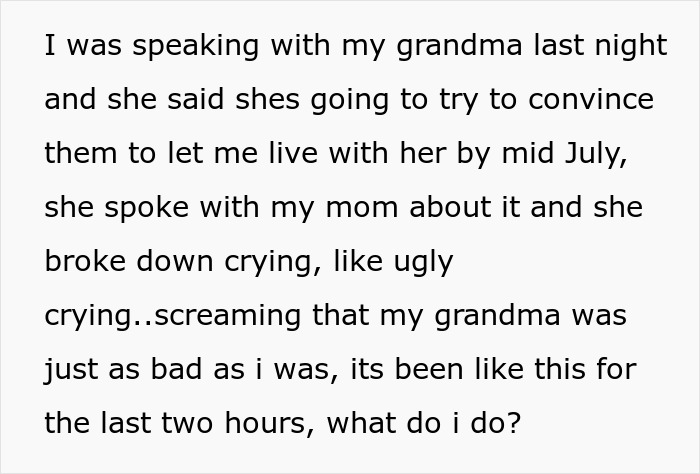
Image credits: More_Detective7918

Image credits: Kelly Sikkema / Unsplash (not the actual photo)
If you had siblings growing up, you probably experienced unfair treatment from your parents. When you’re a teenager, that feeling can amplify tenfold. Adolescents might feel that parents aren’t giving them enough freedom, aren’t buying them the things they want, or are controlling their lives too much.
Although most parents say that years 12 to 14 are the hardest to parent, later adolescence can be just as challenging. Early teens is the period when kids start gaining independence, questioning authority, and wanting to do things their way. So, parents have to compromise, relinquishing some of the control they’ve had when the teen was a child.
Each teenager has their own temperament, but how they were raised impacts what kind of adolescent they’ll grow up to be. Research shows that children who have experienced conflict in early childhood are more likely to exhibit behavior problems. The OP doesn’t detail what her relationship with her parents was like before her cousin moved in, but experts say that behavioral problems don’t appear from nowhere.
It’s possible that she started acting out more after her extended family member moved in. Researchers are noticing a trend where more and more teenagers experience fluctuations in their family situation, where certain family friends, step-parents, or extended family members move in and out of their homes. This can create a sense of instability for a teen, causing them to act out, too.
Their reactions to unfairness or someone taking their belongings can be heightened. Teens tend to be quite possessive with their things, often because they associate them with their identity. Therefore, someone taking their belongings equals theft of a part of their identity.

Image credits: Curated Lifestyle / Unsplash (not the actual photo)
The teen in this story complains about how she has become the scapegoat in the eyes of her parents. Almost nothing she does is ever right, and the family conflict most often gets blamed on her and her shortcomings.
Unfortunately, many people experience something similar. “Family scapegoating” is a term that mental health experts recognize and use. Usually, parents choose a child to blame for all the family’s problems. It’s neither fair nor healthy, but it is done because the family dynamic is dysfunctional.
Although some commenters speculated that she might not be the biological child and that the cousin is, scapegoating can happen for different reasons as well. Some parents may choose the eldest child, others the youngest. One child might be singled out because of the color of their skin, another because of their intellect or gender.
Most parents who turn their child into a scapegoat do so because they’re projecting. In many cases, they imagine or are reminded of someone else when they look at the child. Hence, the different treatment.
Experts note that scapegoating has many negative effects on children and teens. They might develop a complex of feeling unworthy, incapable, and unlovable. Later in life, scapegoated children are more likely to enter toxic relationships and think that the behavior they saw at home is the norm. They also have difficulties setting boundaries, becoming people-pleasers or too sensitive.

Image credits: Alex Durynin / Unsplash (not the actual photo)
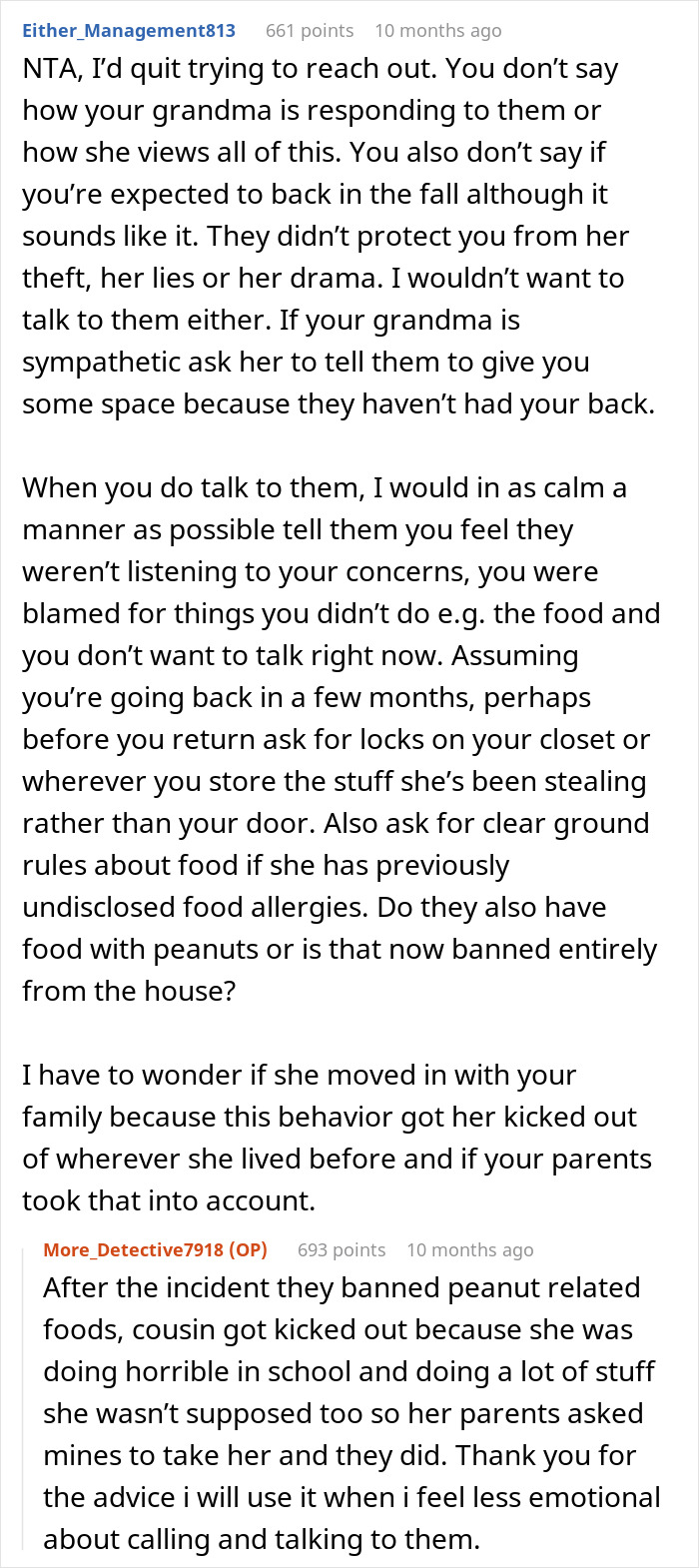
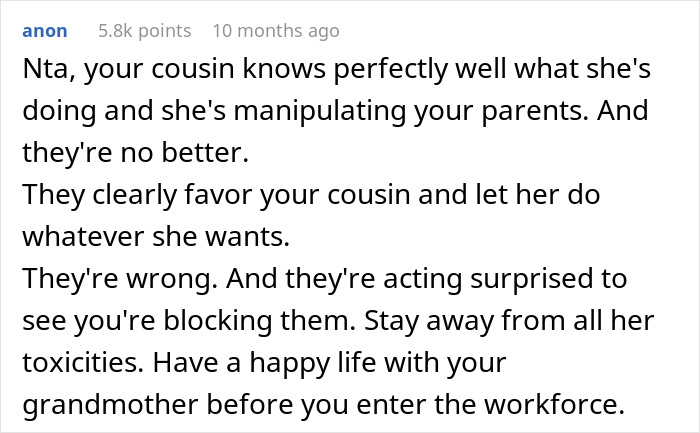
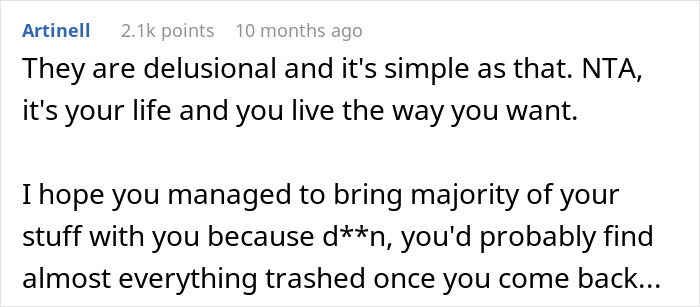
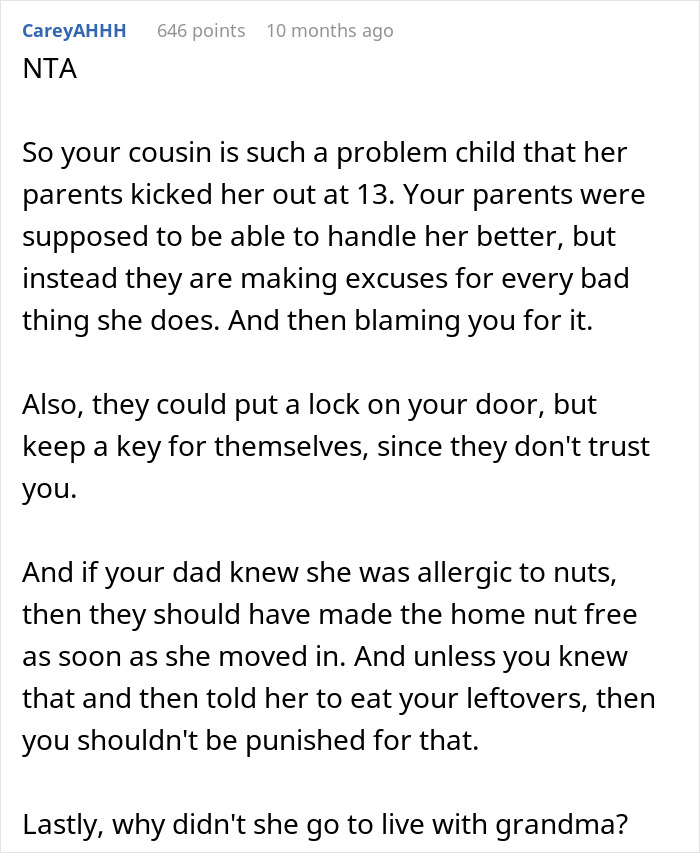

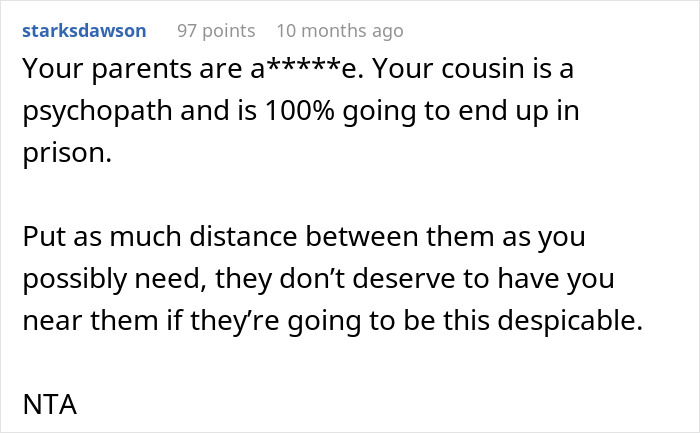
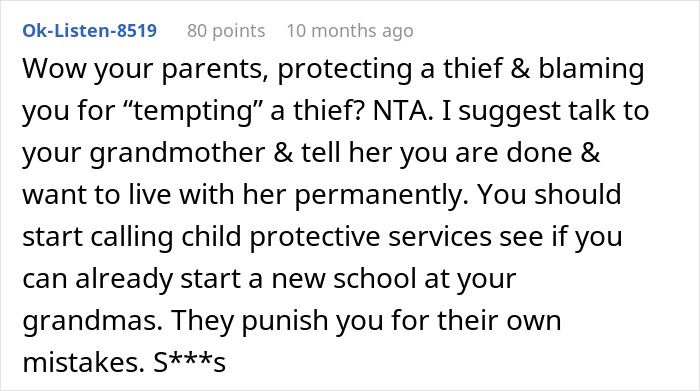
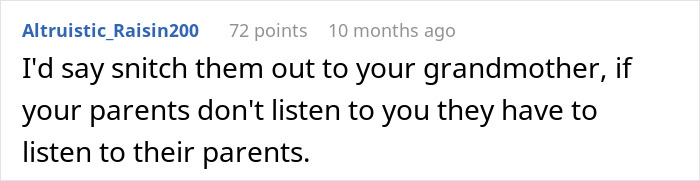
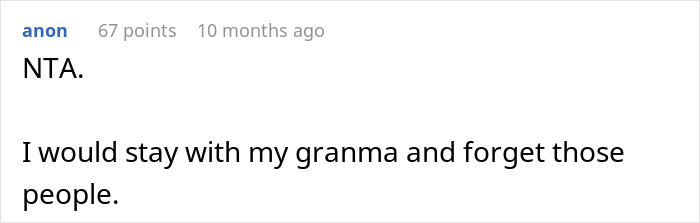
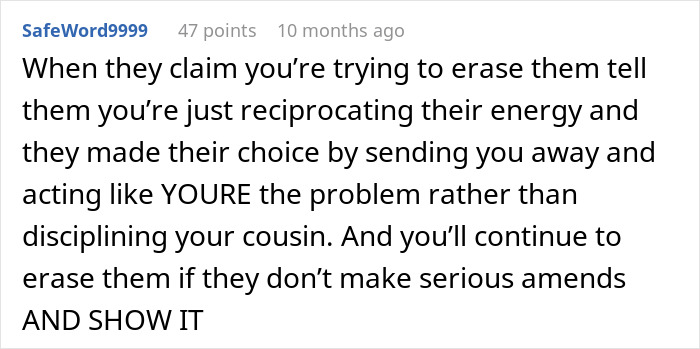
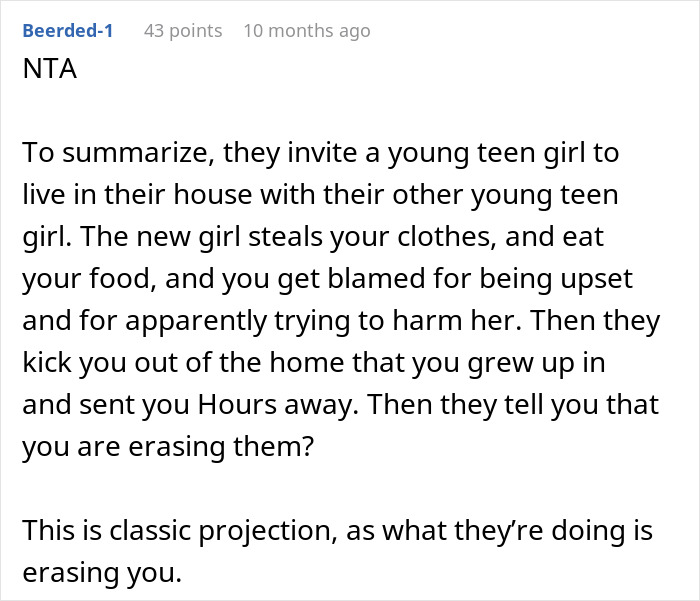
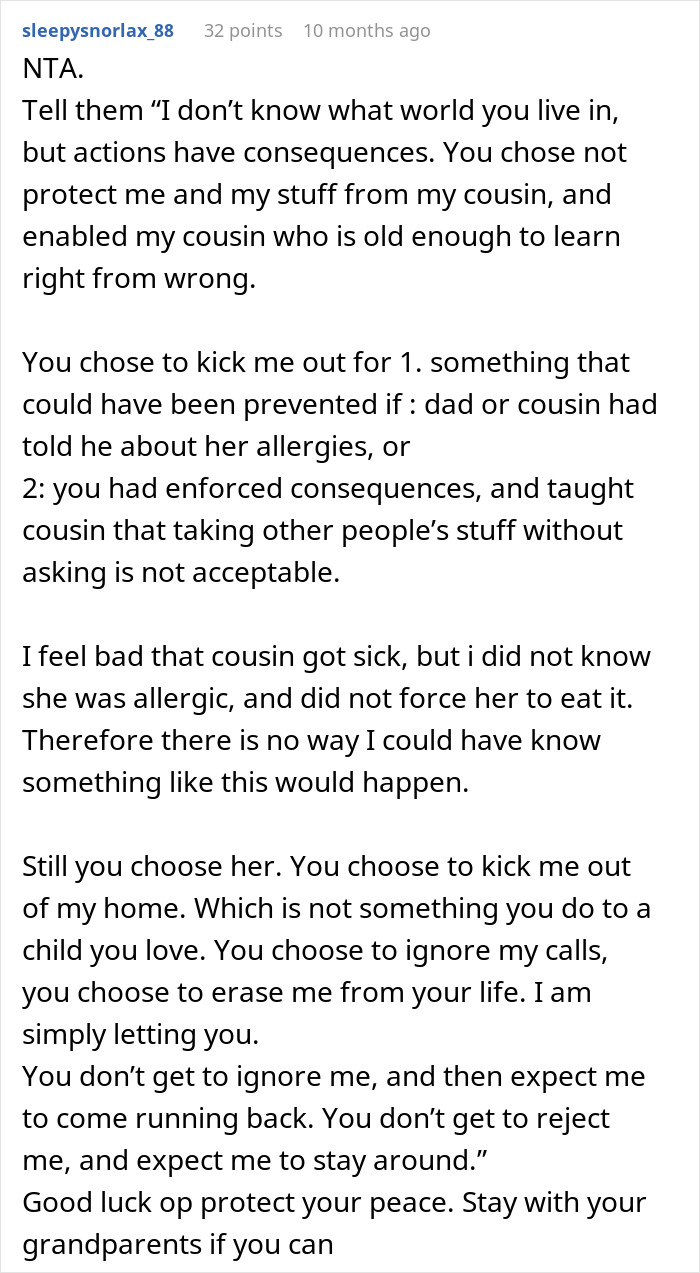
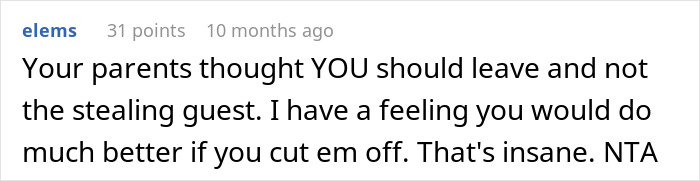
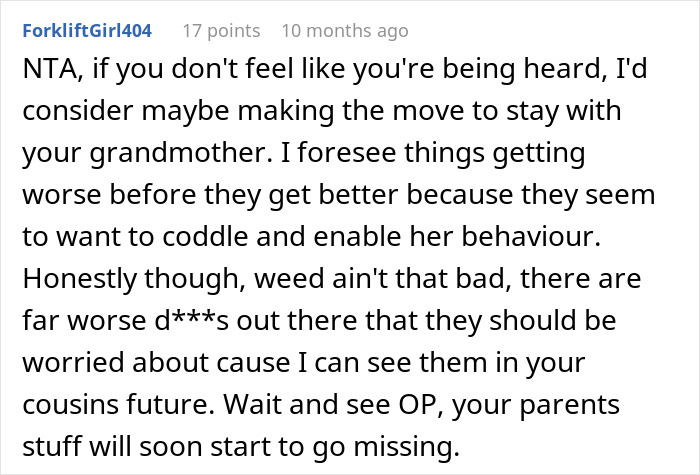

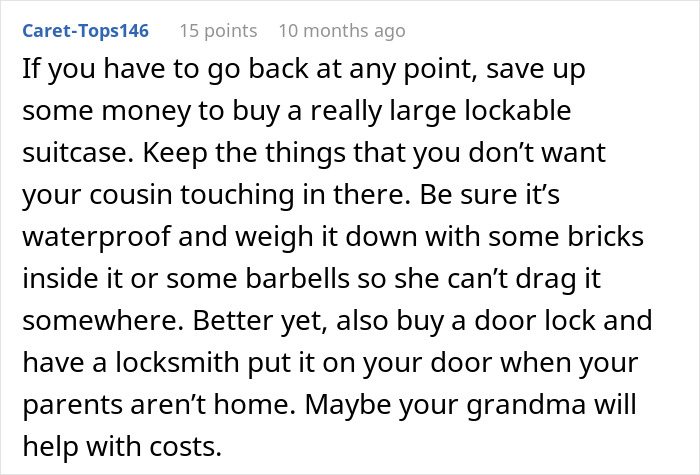
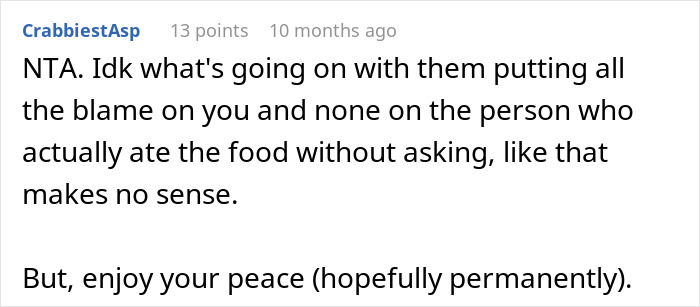
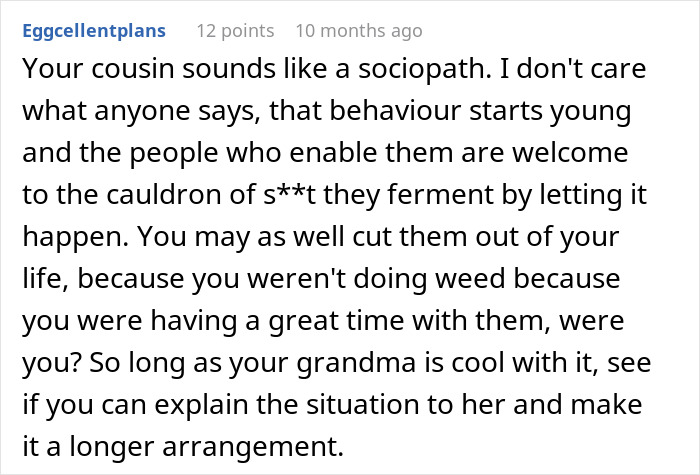
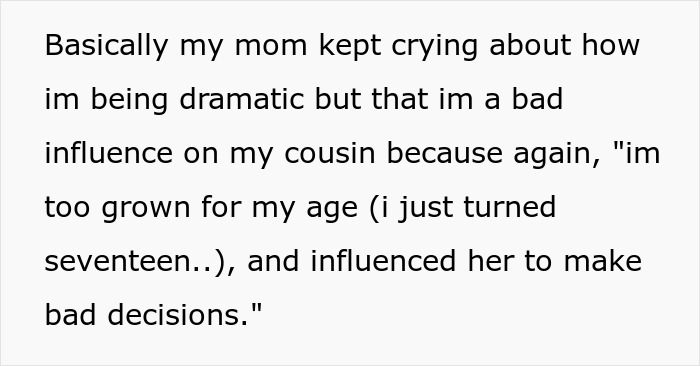
Image credits: cottonbro studio / Pexels (not the actual photo)
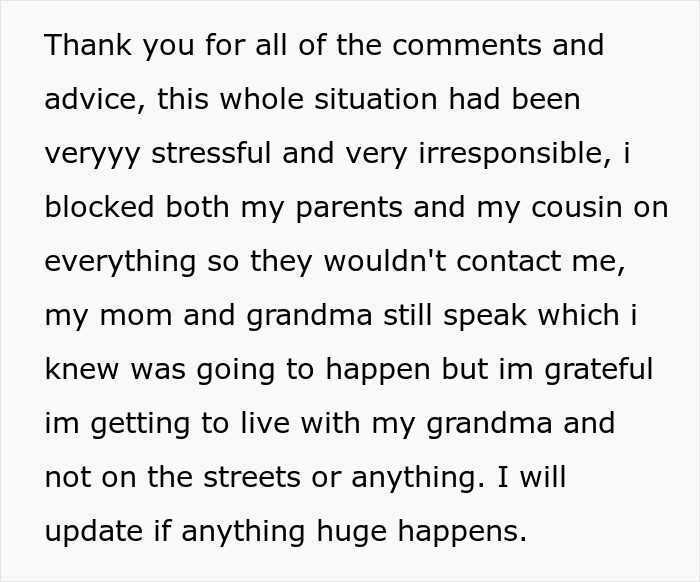
Image credits: More_Detective7918

By entering your email and clicking Subscribe, you're agreeing to let us send you customized marketing messages about us and our advertising partners. You are also agreeing to our Privacy Policy.
Thank you! You've successfully subscribed to newsletters!


What in the hells is wrong with these people?! 🤬 Good for grandma to help op 👍🏼

and that comment about why didnt the brat go live with Grandma, JFC no just no, poor poor Grandma. terrible set of parents all round. they failed their kids hard.
Load More Replies...

Or, hear me out, you could quit whining and go read something else. No one is forcing you to read BP.
Load More Replies...
What in the hells is wrong with these people?! 🤬 Good for grandma to help op 👍🏼
and that comment about why didnt the brat go live with Grandma, JFC no just no, poor poor Grandma. terrible set of parents all round. they failed their kids hard.
Load More Replies... Or, hear me out, you could quit whining and go read something else. No one is forcing you to read BP.
Load More Replies... 























 No fees, cancel anytime












35
30