Get Premium
Dark mode theme is available exclusively for premium users. Learn more about the benefits of subscribing.
No fees, cancel anytime.

 Dark Mode Ad-Free Browsing Unlimited Content
 Ad-Free Browsing Unlimited Content Dark Mode
Join 1.2 million Panda readers who get the best art, memes, and fun stories every week!

If you’ve ever worked a regular 9-to-5, chances are you’ve crossed paths with a difficult coworker or an overbearing boss. Some are just mildly annoying… and others cross the line into full-blown toxicity.
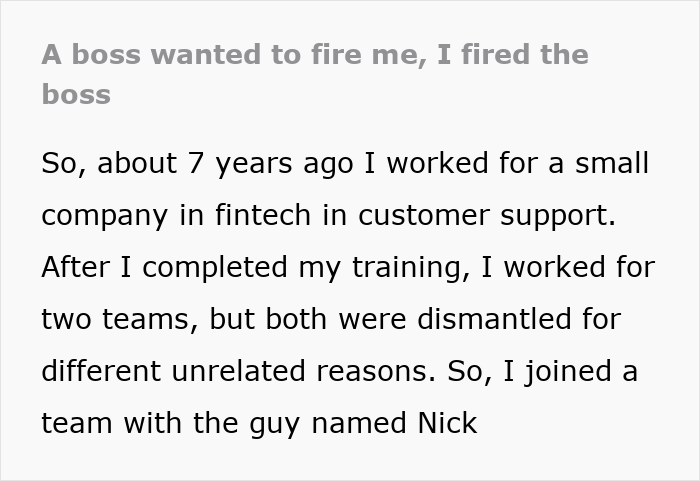
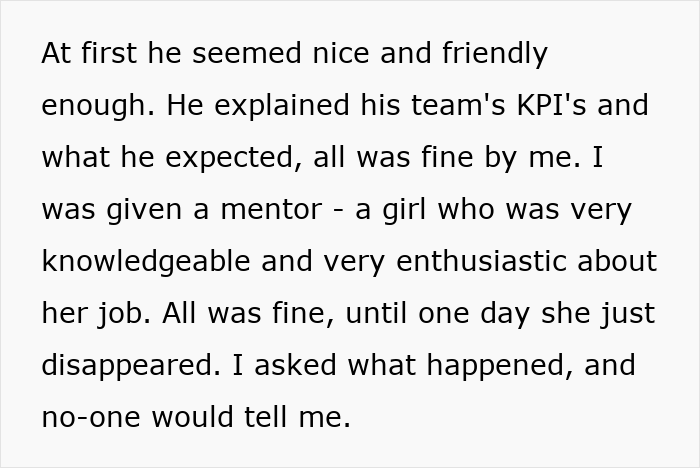
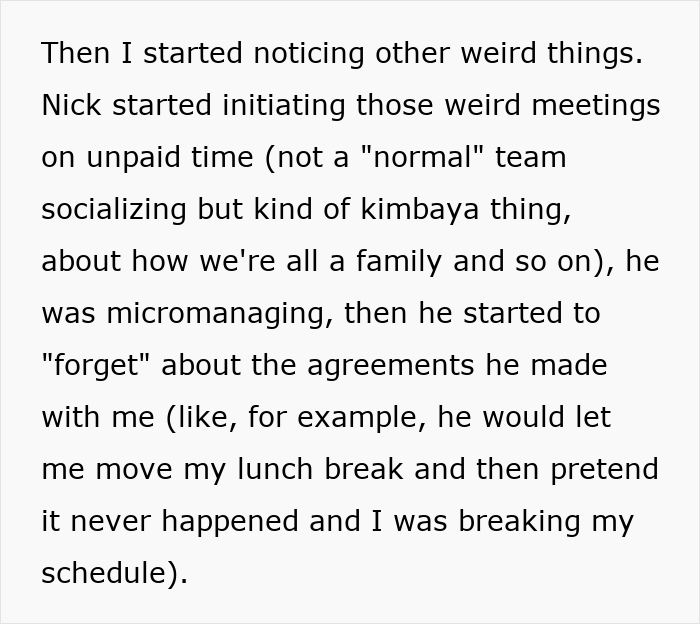
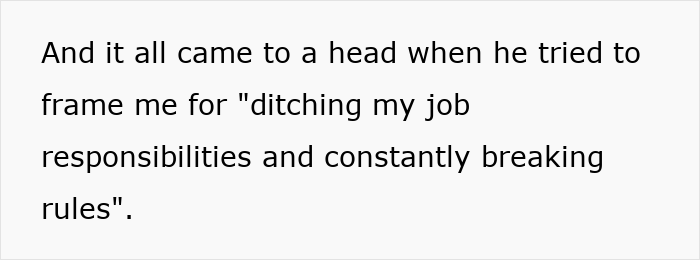
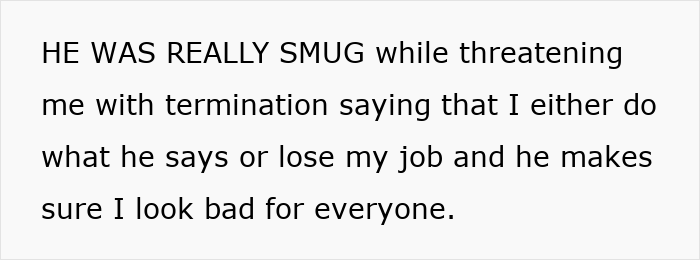
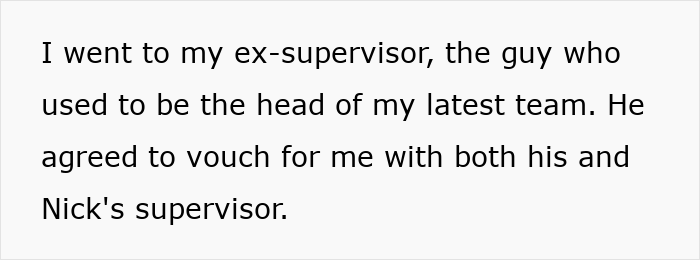
In one such case, an employee shared how their newly assigned team leader began micromanaging their every move and even started sending harassing messages. But instead of putting up with it, the employee took action. They quietly collected screenshots of the messages, reached out to their former managers, and exposed the team leader’s behavior. Keep reading to see how everything unfolded.
Image credits: user25451090 (not the actual image)
Image credits: diana.grytsku (not the actual image)
Image credits: Drazen Zigic (not the actual image)
Image credits: Anonymous
No one particularly enjoys working with a bad boss; they can turn an otherwise decent job into something you dread every morning. While no manager is perfect, there are very clear signs that separate truly good leaders from those who make life unnecessarily difficult. Their behavior doesn’t just impact productivity; it affects morale, confidence, and the overall work environment. When the signs start piling up, you quickly realize the root of the problem isn’t the job, it’s the person leading it. Recognizing these behaviors early can help you prepare, respond, or even remove yourself from a toxic situation. Because sometimes, knowing the signs is the first step toward protecting your well-being.
One of the biggest red flags is a boss who constantly overworks their team without acknowledgment or support. Instead of managing workloads fairly, they pile on tasks with no regard for your capacity or personal time. This creates burnout, resentment, and a work culture where exhaustion becomes the norm. Employees stop feeling like valued contributors and start feeling like disposable resources. Over time, this pattern causes even the most dedicated workers to disengage. Good leaders understand balance; bad ones don’t see it at all.
A supportive boss lifts their team up, but a toxic one does the opposite—they take credit for your work while offering nothing in return. When bosses fail to advocate for you, it becomes harder to grow, be recognized, or feel secure in your role. Instead of celebrating your achievements, they present them as their own accomplishments. This kind of behavior slowly chips away at your motivation because you realize your efforts aren’t being seen. A workplace where your contributions disappear behind someone else’s ego is deeply demoralizing. Over time, employees stop giving their best because they see no benefit in doing so. A trustworthy leader would highlight your success, not steal it.
Another clear sign of poor leadership is the inability or refusal to appreciate the work you put in. Even small gestures of gratitude can uplift a team, yet some bosses avoid acknowledging effort entirely. They act as though your hard work is simply expected, never something worth recognizing. When the only feedback you receive is criticism, motivation quickly fades. A workplace shouldn’t feel like a constant uphill battle for acknowledgment. Good managers build people up; bad ones barely notice them.
Micromanagement is one of the most exhausting behaviors to deal with in a boss. Instead of trusting their team, they hover over every detail, second-guessing and controlling each step of the process. This not only slows productivity but also destroys creativity and confidence. The constant oversight creates pressure and strips away autonomy, making even simple tasks feel stressful. Micromanagers don’t realize that trust fuels strong performance. Without trust, the entire workflow becomes rigid and suffocating.
Image credits: freepik (not the actual image)
Communication is key in any workplace, but bad bosses often fail to provide even the basics—like clear deadlines or expectations. They give vague instructions and then become frustrated when the results don’t match what they envisioned. This creates confusion, unnecessary errors, and tension among team members who are trying to guess what their manager wants.
A toxic boss has little understanding of boundaries; they’ll message you after hours, pile work on your weekends, or expect you to be available at all times. This disregard for personal time erodes work–life balance and creates long-term stress. When your boss treats your schedule as their property, it becomes harder to rest or disconnect. Respect is essential in a healthy workplace, and bosses who ignore this often end up driving employees away. Balance shouldn’t be a luxury; it should be standard.
Some bosses simply don’t listen. They dismiss concerns, minimize problems, and make decisions without considering how they affect others. A good leader leads with compassion, making people feel safe and understood. But bad bosses focus solely on results, ignoring the human element that holds a team together. When empathy is missing, trust disappears, communication breaks down, and morale declines. A workplace without empathy becomes a place people endure, not enjoy.
Finally, there are the truly toxic bosses—the ones who push boundaries, manipulate situations, and thrive on control. They create tension wherever they go and often target employees who challenge them. These individuals don’t just mismanage; they actively harm the environment around them. Toxic managers cause turnover, conflict, and emotional stress that follows workers long after they leave the job.
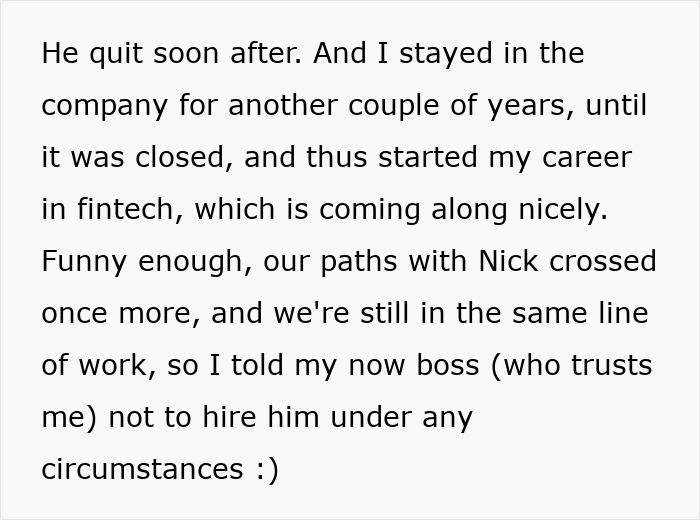
In this particular case, the team lead’s behavior had crossed well beyond firm management and slipped into clear intimidation. Their constant pressure became so unbearable that one employee eventually quit just to escape the toxic environment. But the author refused to tolerate the mistreatment and chose to take action instead of remaining silent. By gathering evidence and involving former managers, they exposed the team lead’s pattern of behavior and finally held them accountable. Have you ever dealt with a difficult boss? How did you handle the situation? Share your experience in the comments below.
Image credits: katemangostar (not the actual image)

By entering your email and clicking Subscribe, you're agreeing to let us send you customized marketing messages about us and our advertising partners. You are also agreeing to our Privacy Policy.
Thank you! You've successfully subscribed to newsletters!

They do say not to step on anyone on your way up the ladder, because you’re going to meet them again on your way down—-and by that time, some of them will have moved up too, and be doing the hiring for a job you want.

The way I heard it phrased was, "Don't step on any fingers on your way up the ladder, they might be attached to the a*s you have to kiss on your way back down."
Load More Replies... Had a similar situation. Former Co-worker, not a supervisor, but a PITA. Used his 'seniority' to pass his work onto others. Years later I was on a hiring panel for a desirable location. His name was on the list, then it wasn't on the list.
They do say not to step on anyone on your way up the ladder, because you’re going to meet them again on your way down—-and by that time, some of them will have moved up too, and be doing the hiring for a job you want.
The way I heard it phrased was, "Don't step on any fingers on your way up the ladder, they might be attached to the a*s you have to kiss on your way back down."
Load More Replies... Had a similar situation. Former Co-worker, not a supervisor, but a PITA. Used his 'seniority' to pass his work onto others. Years later I was on a hiring panel for a desirable location. His name was on the list, then it wasn't on the list.


































 No fees, cancel anytime










36
3