Get Premium
Dark mode theme is available exclusively for premium users. Learn more about the benefits of subscribing.
No fees, cancel anytime.

 Dark Mode Ad-Free Browsing Unlimited Content
 Ad-Free Browsing Unlimited Content Dark Mode
Join 1.2 million Panda readers who get the best art, memes, and fun stories every week!
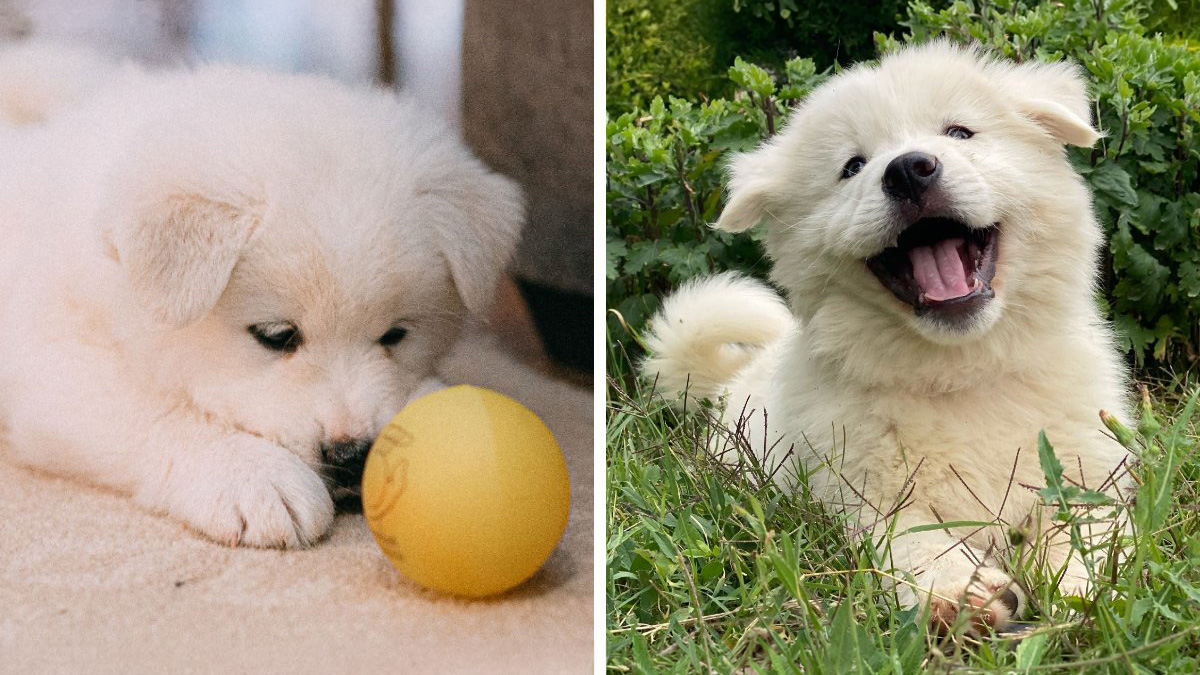
Dogs may be known as humanity’s best friend, but that doesn’t mean we always understand them as well as we think. From wagging tails and wet noses to eating grass, barking, and displays of “guilt,” plenty of familiar dog behaviors have accumulated explanations that sound convincing but don’t necessarily match what researchers know about canine behavior.
Part of the problem is our tendency to interpret dogs through a human lens. A wagging tail is often assumed to mean happiness, a guilty-looking face can be mistaken for remorse, and certain behaviors are still explained using outdated ideas about dominance. In reality, canine body language and behavior are more nuanced, and factors such as context, learning, genetics, and environment can dramatically change what a particular action means.
Curious which popular dog “facts” hold up and which deserve a second look, Bored Panda asked a dog behavior expert Dr. Kristina Spaulding to weigh in.

More info: sciencemattersllc.com | Facebook | Instagram
This post may include affiliate links.
Dogs often show discomfort through subtle body language long before they bark or growl. Lip licking, turning the head away, freezing, yawning, avoiding eye contact, or showing the whites of their eyes can all be early signs of stress or anxiety.
A growl is often a dog's way of saying, "I'm uncomfortable," "I'm scared," or "Please give me some space." Punishing a dog for growling may suppress the warning without addressing the underlying emotion.
Research consistently shows that dogs learn faster and develop stronger relationships with their owners when training focuses on positive reinforcement instead of punishment.
Punishment can work, especially in the short-term. But, it can also often make the behavior worse, damage the relationship, teach the dog not to give warning signs, and create a number of other side effects.

Ditto with kids. Love and rewards much more effective than scolding and anger
A wagging tail simply means a dog is emotionally aroused. Depending on the position, speed, and stiffness of the wag, it can signal excitement, curiosity, nervousness, or even frustration, not just happiness.
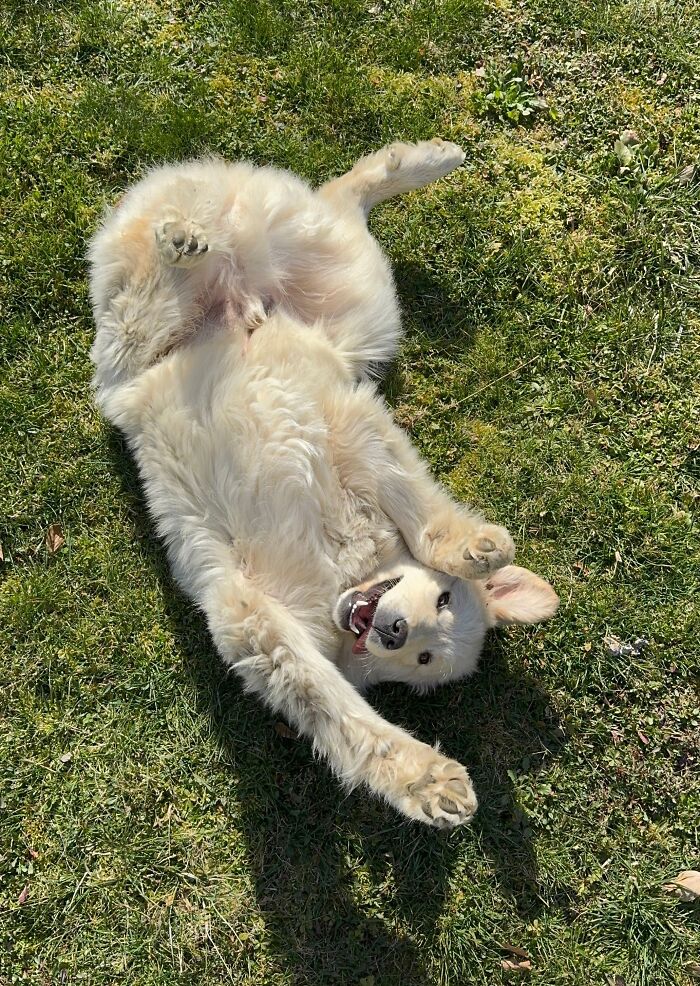
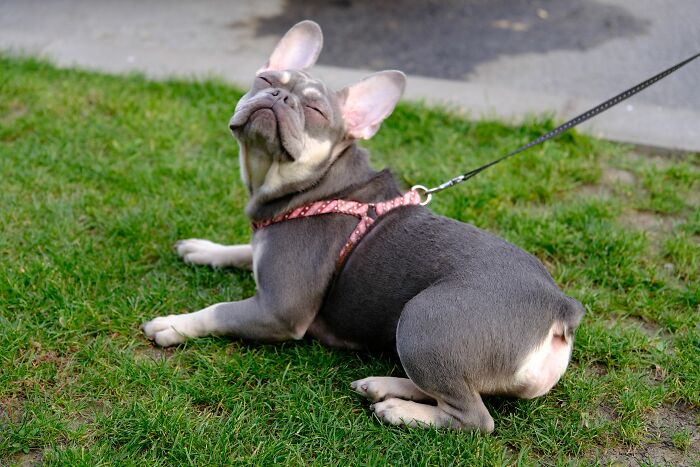
Although this position can signal relaxation, many dogs also sleep on their backs simply because it's comfortable or helps them cool off by exposing their belly.
Dogs will also sometimes go belly up when they are feeling threatened, so it can actually be an appeasement signal as well.

Sleeping belly up and “going” belly up are two completely different things.
Dogs often yawn when they're feeling stressed, overwhelmed, or uncertain. It's one of several calming signals they use to cope with uncomfortable situations.

There's a clear difference between a stress yawn, a play yawn and a sleepy yawn.
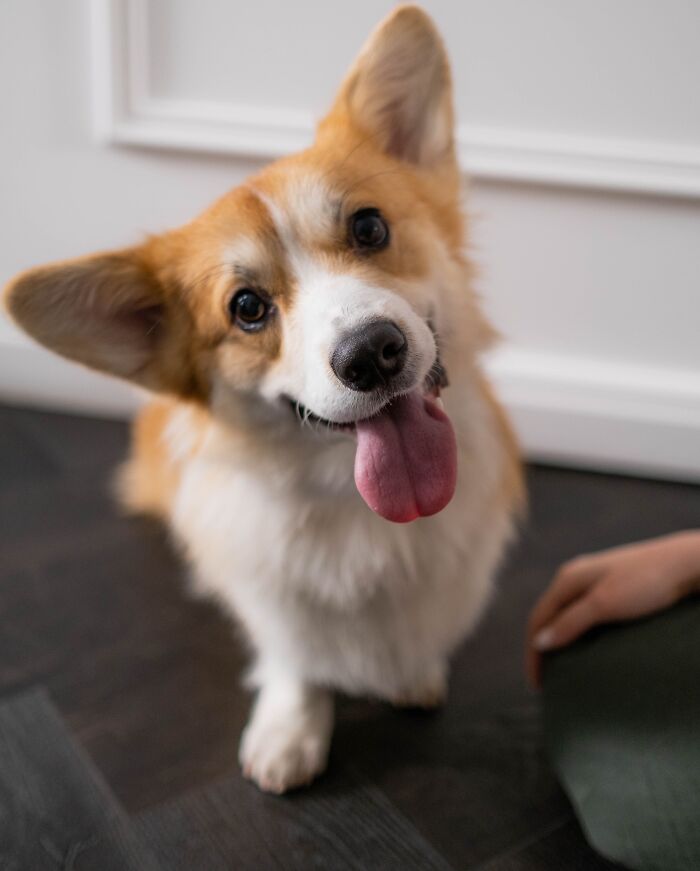
That famous "guilty look" usually appears because dogs are reacting to their owner's tone of voice and body language. Rather than admitting they did something wrong, they're responding to the situation unfolding around them.
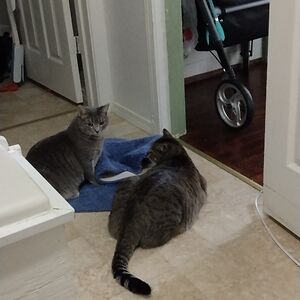
Cats, of course, just ignore their soft can-openers.
Age isn't the biggest obstacle to learning. Healthy senior dogs are fully capable of learning new behaviors, commands, and routines when training is patient, consistent, and rewarding.
While genetics influence certain tendencies, a dog's personality is shaped by many factors, including early socialization, training, environment, health, and individual experiences.
The idea that dogs are constantly trying to become the "alpha" has largely been abandoned by modern animal behaviorists. Most unwanted behaviors stem from fear, stress, confusion, excitement, or a lack of training, not a desire for control.
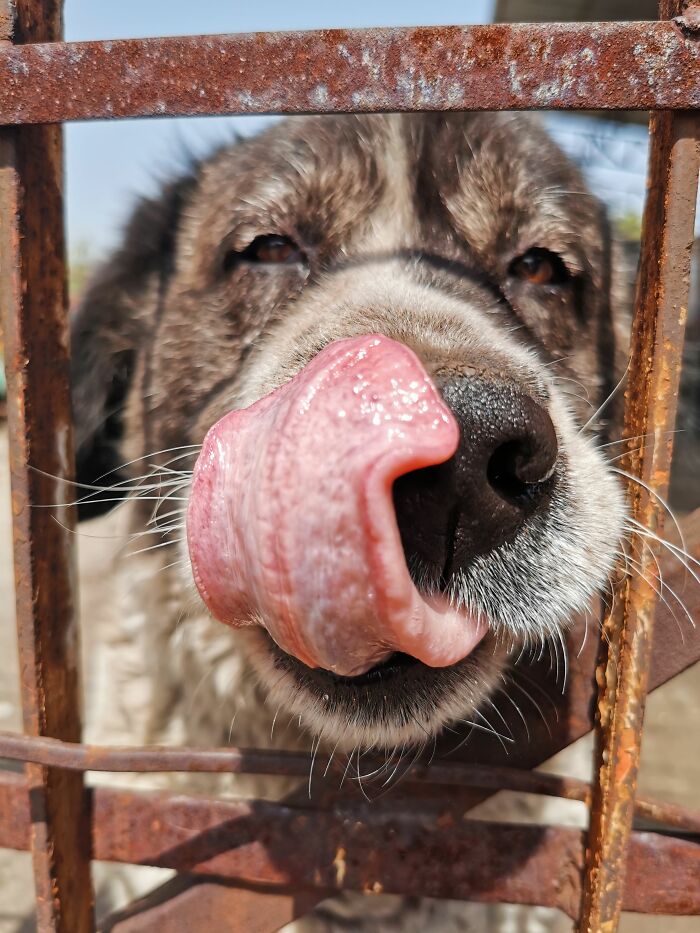
Dogs lick for many different reasons. They may be greeting you, seeking attention, gathering information through taste and scent, showing submission, or simply soothing themselves.
Just like people, dogs have different social preferences. Some enjoy meeting every dog they see, while others feel happier interacting only with familiar companions.
A dog that doesn't respond to a command may be distracted, confused, anxious, overstimulated, or simply unsure of what's being asked, not intentionally disobedient.
Dogs don't experience colors the same way humans do, but they aren't colorblind. They can distinguish shades of blue and yellow, although reds and greens appear much less vivid.
Effective socialization is not just about exposure. The goal is to help puppies develop positive—or at least neutral—associations with the world around them. Experiences should be gradually and carefully introduced at a level the puppy can comfortably manage. Puppies should be able to move away or opt out rather than being forced to interact. They can be comforted if they seek comfort. If they are placed into situations where they feel uncomfortable or unsafe, it can actually contribute to increased fear and have the opposite effect of what people are seeking.
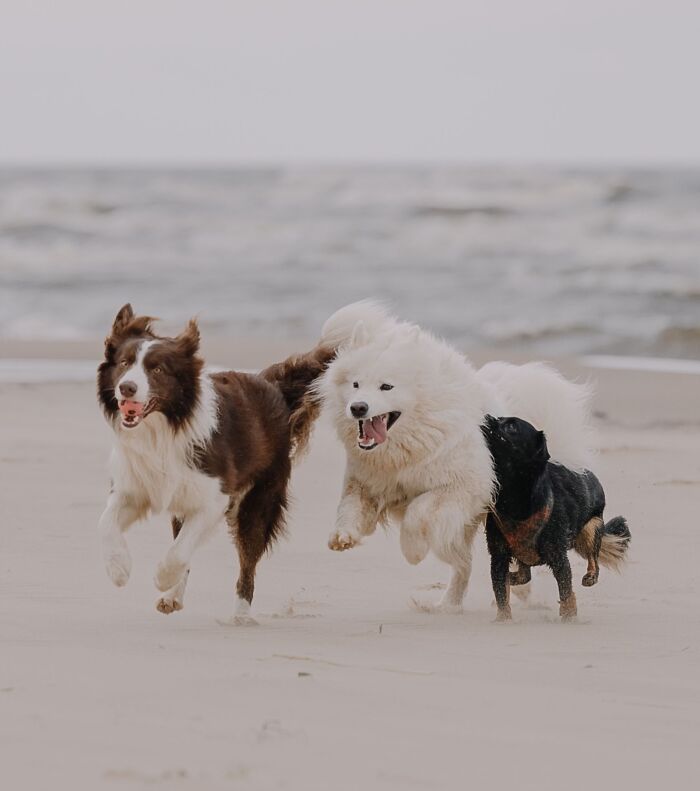
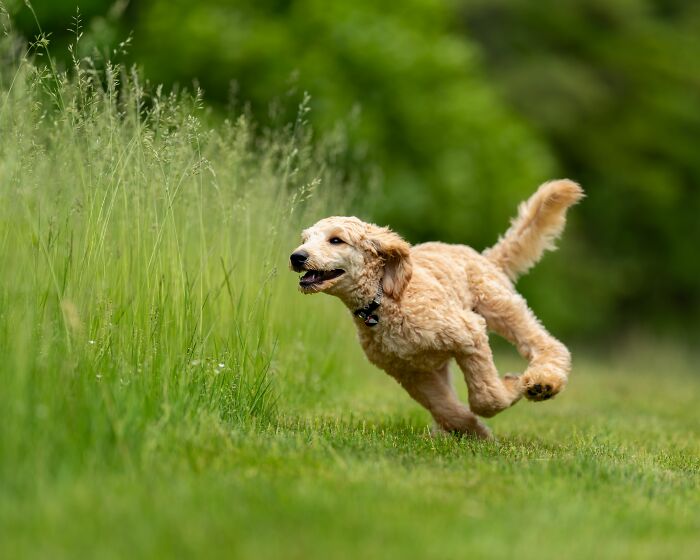
Those sudden bursts of frantic running, officially known as Frenetic Random Activity Periods (FRAPs), are a healthy way for many dogs to release excitement and excess energy.
When dogs chew furniture, have accidents indoors, or destroy belongings, there's usually an explanation such as boredom, anxiety, stress, frustration, or unmet physical and mental needs, not revenge.
If my dog was mad at a family member in particular (maybe you have her a bath or disturbed her rock collection on the front step) she had a specific revenge tactic. Not only would she face away if the person came in the room (or huff if she was already turned to emphasise she wasn't speaking to you) she would stare at my dad, knock over my mom's books, pull the kid's pillow off the bed and then shower the other siblings with affection. Even if you offered food, she wouldn't take it from you until some set number of hours last. It was hilarious l, but definitely targeted misbehaviour. Wonderful dog.
I guess it's good these Are being cleared up? Do people actually believe this?
People often prefer to believe their fairy stories about their pets' behaviour than to confront the reality that their dog is a being with its own desires and needs and not a stuffy, a substitute for a baby, or their best friend.
Load More Replies... I guess it's good these Are being cleared up? Do people actually believe this?
People often prefer to believe their fairy stories about their pets' behaviour than to confront the reality that their dog is a being with its own desires and needs and not a stuffy, a substitute for a baby, or their best friend.
Load More Replies...
























 No fees, cancel anytime