Get Premium
Dark mode theme is available exclusively for premium users. Learn more about the benefits of subscribing.
No fees, cancel anytime.

 Dark Mode Ad-Free Browsing Unlimited Content
 Ad-Free Browsing Unlimited Content Dark Mode
Join 1.2 million Panda readers who get the best art, memes, and fun stories every week!
Scientists are making new discoveries and advancements every single day. Two hundred years ago, we didn’t even know that germs cause diseases. So it’s no surprise that the medical field has also transformed rapidly over the past couple of centuries. If you think going to the doctor is scary today, you would have hated what your great-grandparents had to endure!
To demonstrate just how horrific medicine was back in the day, Bored Panda has compiled a list of the most disturbing tools and treatments that doctors once used on their patients. Good luck getting through this list without getting goosebumps, and be sure to upvote the procedures that give you an even greater appreciation for modern medicine!
This post may include affiliate links.
Ancient Egyptian murals reveal a breathtaking level of medical sophistication showcasing tools that remarkably resemble modern surgical instruments. At the Temple of Kom Ombo, intricate carvings display a comprehensive surgical kit including scalpels bone saws, dental forceps and suction scales
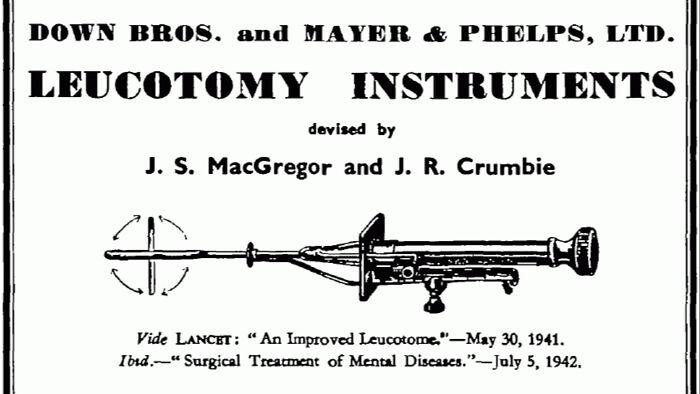
Mental illness got you down? It’s nothing a little 20th-century lobotomy can’t fix. Unfortunately, despite any real evidence supporting the procedure, this was doctors’ go-to cure. The main idea was that it targeted specific lobes in the brain, which would then “cure” patients of symptoms.
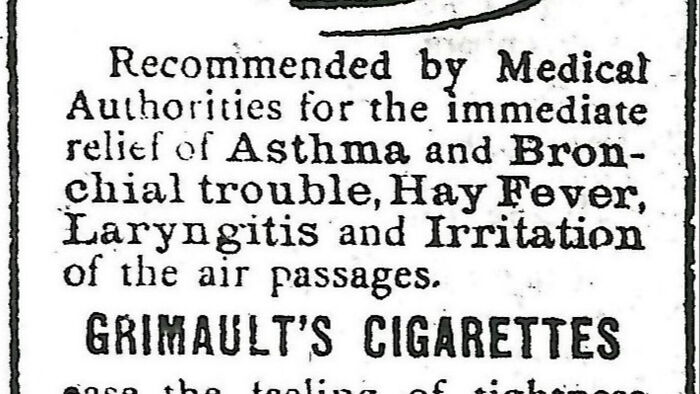
19th-century doctors used to prescribe cigarettes for a lot of respiratory troubles, including asthma. Technically, the boxes did state that they only provided temporary relief, but they also said anyone with hay fever or head colds could indulge, too. At least they specified that children under six should keep away.

My grandmother lived on the prairies in the 1930s. She had asthma and said she was prescribed smoking to 'regulate her breathing.'. (Also constricts blood vessels, I believe). Once inhalers were prescribable, she was told to quit smoking, but by then she was hooked. To her last, she denied that she was @ddicted and swore her smoking was still 'medicinal.'
Going to a doctor's appointment is rarely a pleasant experience. Even if you don’t have to have surgery or have blood drawn, the entire process is often uncomfortable, expensive, and time-consuming. But what we go through today is nothing compared to what our ancestors experienced. Even your parents probably have some horror stories from hospital visits in their youth!
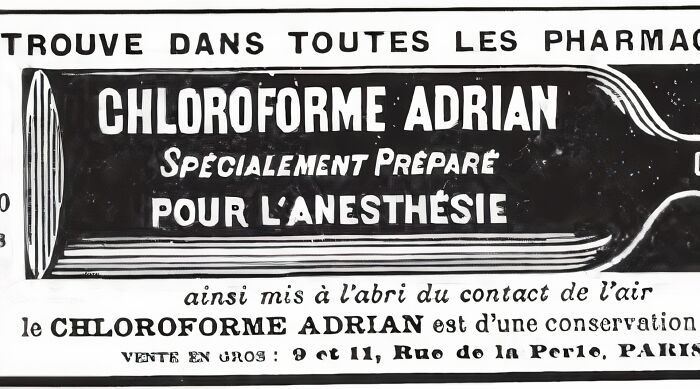
Harvard Medical School published a list of some of the most significant medical advancements of the past few centuries, and it may shock you to realize just how new some of these treatments and tools are. For example, the smallpox vaccine only became available in 1799. And anesthesia wasn’t used until 1846. Meanwhile, doctors didn’t even know what appendicitis was until 1886.
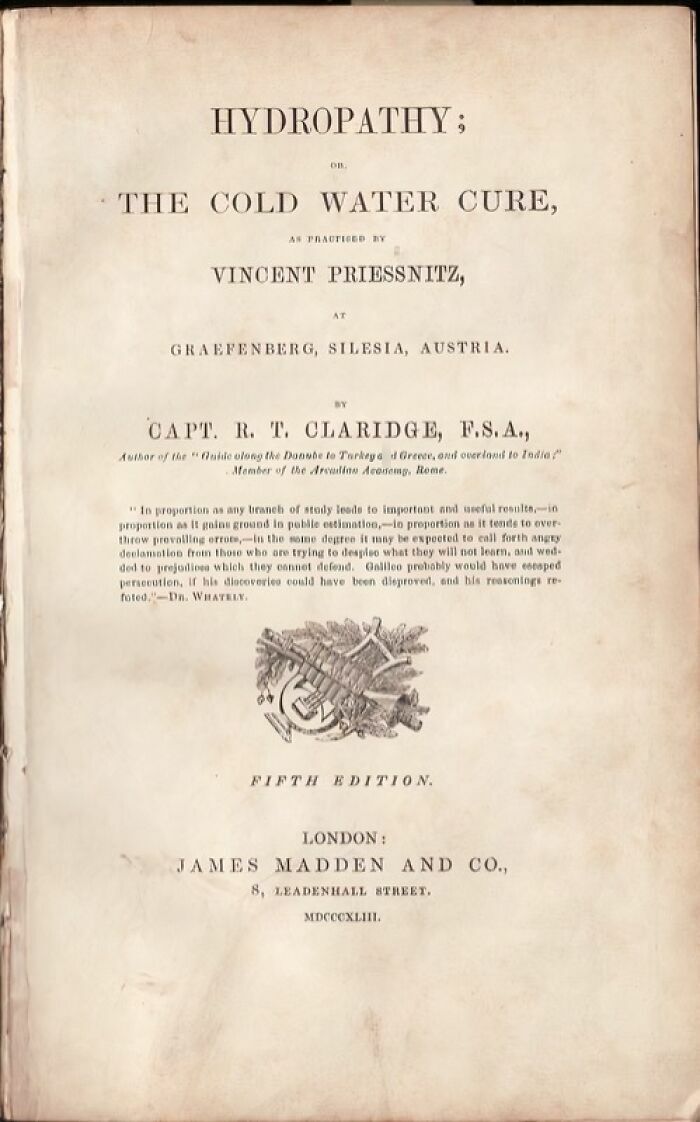
Hydropathy was heavily used to treat mental illness, particularly in 19th- and early 20th-century psychiatric asylums across Europe and North America. Before modern psychiatric medications existed, alienists (early psychiatrists) viewed water treatments as a way to regulate bodily tempers, control behavior, and calm or stimulate the nervous system.
Highly agitated, manic, or violent patients were submerged in tubs of warm water for hours—or even days—at a time. Canvas covers were often strapped over the tub with only the patient's head poking out to prevent escape, using thermal regulation to sedate and exhaust the individual.
Depressed, anxious, or lethargic patients were tightly swaddled in ice-cold, wet bedsheets. The physical restraint combined with the intense shock to the circulatory system was believed to slow racing thoughts and induce calm.
Patients experiencing catatonia or severe apathy were blasted with high-pressure jets of alternating hot and cold water to "shock" their nervous system back into responsiveness.
This general tonic was first introduced in the 1700s by physician Thomas Fowler. It contained 1% potassium arsenite and was initially sold as a cure for syphilis and malaria. However, it also remained a sought-after solution for cholera and eczema—until it was eventually discontinued
Until the 1890s, doctors were not aware that insects could transmit diseases to humans, but thanks to Theobald Smith, this was discovered. Smith is also responsible for discovering scurvy and developing the concept of heat-killed vaccines. In 1914, Paul Dudley White created the first electrocardiograph, and in 1922, Elliott Joslin introduced insulin to the United States.
The very first successful heart valve surgery took place in 1923, and the three-flanged nail to secure the bone in hip fractures wasn’t available until 1925. Women weren’t even getting pap smears until 1945, and oral birth control wasn’t even being trialed until 1954. Meanwhile, the first successful kidney transplant was performed in 1952.
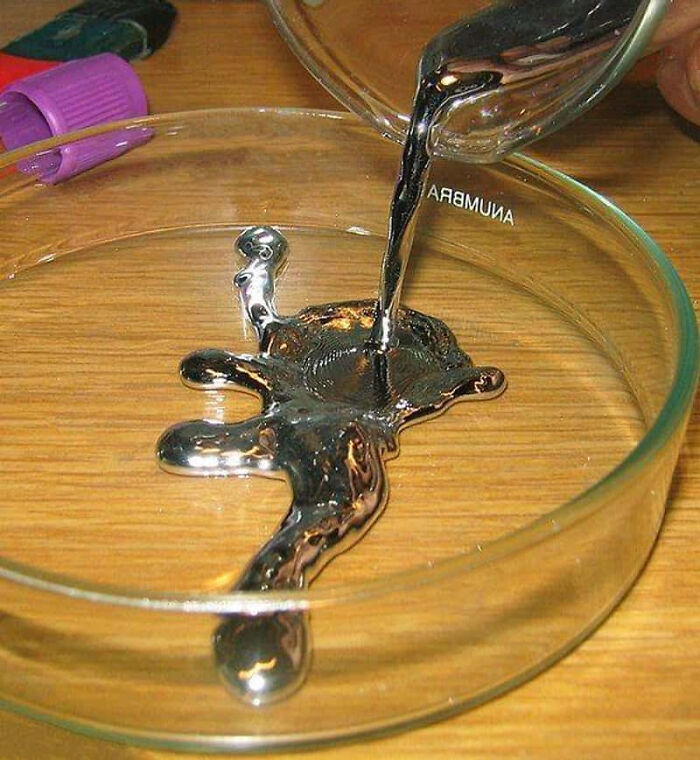
Around the 16th century, one of the main treatments for the STD was using mercury ointments. A typical mercury treatment was described in modern terms as:
A patient undergoing the treatment was secluded in a hot, stuffy room, and rubbed vigorously with the mercury ointment several times a day. The massaging was done near a hot fire, which the sufferer was then left next to in order to sweat. This process went on for a week to a month or more, and would later be repeated if the disease persisted.
The University of Oxford explains that snails would do their slime walk over a wart, someone would stab the snail to death (with a thorn, typically), and then while the snail withered away and perished, so too would the wart.

And now they’re using snail slime in skin products. Yes, I use it. Shut up.
Before we had all of these life-changing advancements, doctors were doing some questionable things to their patients. And while we can’t blame them for some of their quackery, as they really didn’t know better, there were some methods that must have seemed ridiculous, even back then.
Nate Pedersen and Dr. Lydia Kang wrote a book on this subject, Quackery: A Brief History of the Worst Ways to Cure Everything, where they explored the most absurd beliefs doctors held in the past. One such belief popularized by 16th-century physician Paracelsus was that drinkable gold would cure all illnesses. Unfortunately, his theory was incorrect, as drinking gold caused kidney damage and auric fever instead.
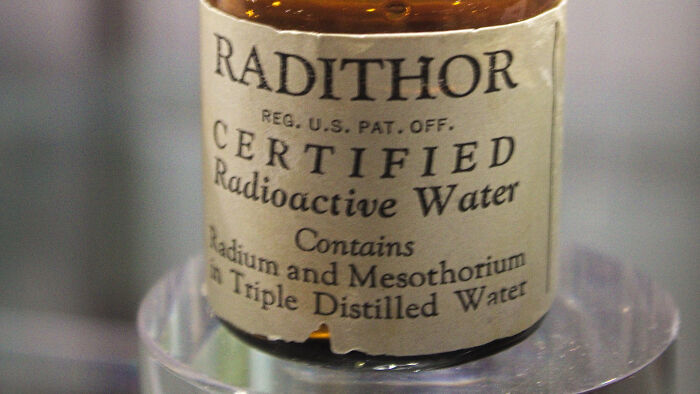
Early 20th-century energy tonics included radium-laced beverages sold in elegant glass bottles. The craze ended tragically when users, including a wealthy industrialist named Eben Byers, died from radiation poisoning due to prolonged consumption of the toxic drink.
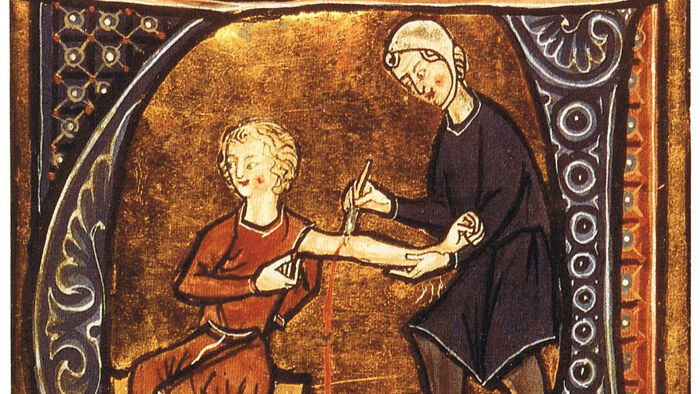
Bloodletting was actually one of the oldest remedies docs had. It traces back well over 3,000 years to the ancient Greeks and Romans. The idea was that by draining patients of blood, doctors would prevent or even cure disease. Even though it carried well into the 19th century, doctors eventually figured out that it’s more trouble than it’s worth.
This is still a treatment for polycythemia (high hematocrit/hemoglobin numbers). In some cases they’ll just have you donate blood whole blood every 12 weeks.
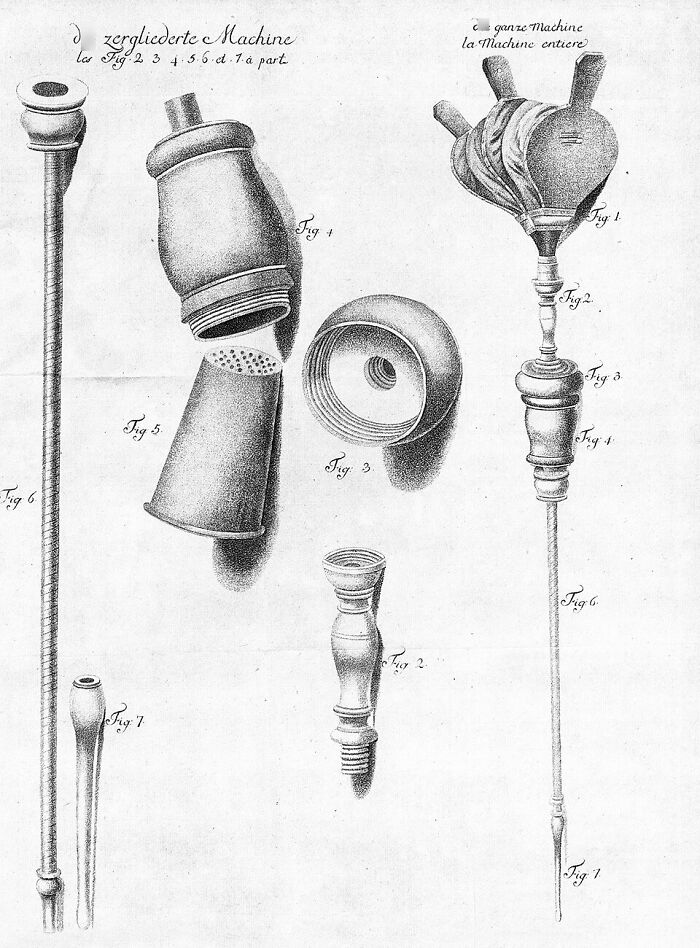
The tobacco smoke enema, an insufflation of tobacco smoke into the rectum by enema, was a medical treatment employed by European physicians for a range of ailments.
Another falsely held belief in the 1600s was that drinking excessive amounts of alcohol would cure the plague. This was Thomas Sydenham’s idea, but of course, it didn’t save any lives.
When it came to infertility, Hippocrates once suggested that a special mixture of red niter, cumin, resin, and honey should be used to open up the cervix. Unsurprisingly, this was extremely unpleasant for women, and it did not lead to an influx of babies being born.
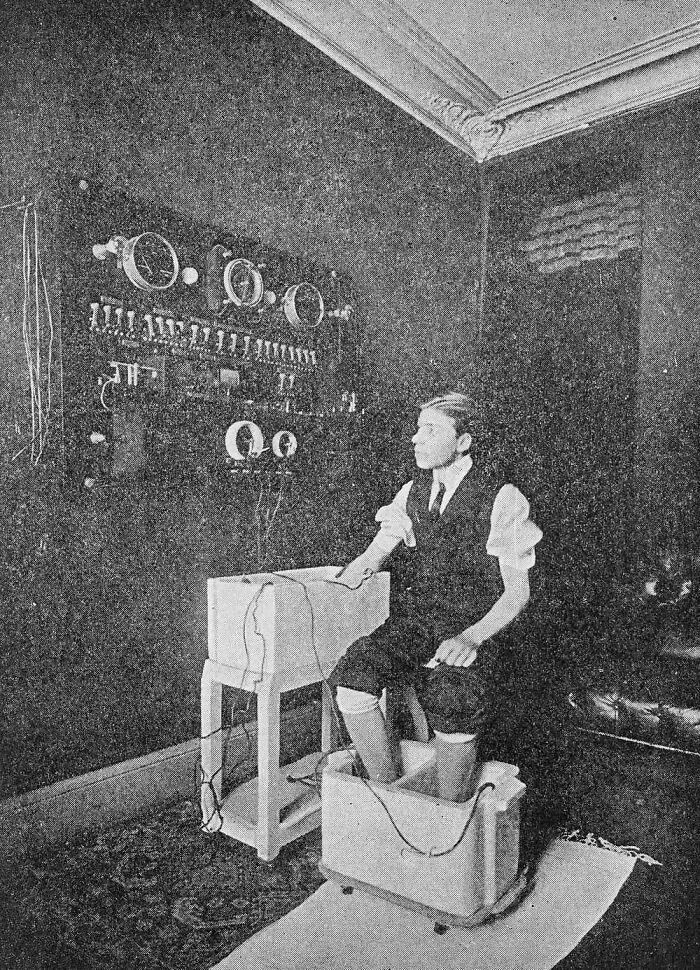
A hydro-electric bath was a late 19th-century medical treatment that combined hydrotherapy with electricity. The patient sat submerged in an insulated wooden or porcelain tub filled with warm water while mild electrical currents were passed through the water and into their body.
Electrodes connected to a generator were placed at opposite ends of the tub or held directly by the patient. Because water acts as a conductor, the electric current distributed evenly across the skin rather than concentrating on a single spot, allowing practitioners to deliver higher voltage with minimal discomfort.
Proponents claimed the bath could cure a wide range of ailments, including rheumatism, paralysis, gout, chronic fatigue, and nerve disorders. However, poor voltage regulation made the procedure risky, occasionally causing severe electrical shocks or burns. By the early 20th century, modern pharmacology and safer medical equipment rendered the hydro-electric bath obsolete.
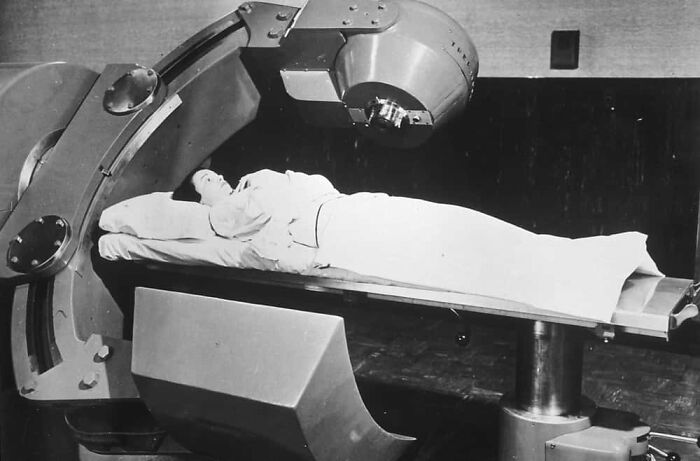
Cobalt-60 therapy (often dubbed the "cobalt bomb") was a revolutionary form of external beam radiation therapy developed in Canada in 1951 to treat deep-seated cancerous tumors.
The machine used cobalt-60, a synthetic radioactive isotope, to emit high-energy gamma rays. These powerful rays penetrated deep into body tissue to destroy cancerous cells' DNA and stop tumor growth, while minimizing damage to healthy skin—a major limitation of earlier X-ray treatments.
Because cobalt-60 units were durable, reliable, and did not require complex electrical systems, they drastically increased global access to effective cancer care throughout the mid-20th century. Although modern linear accelerators (LINACs) have largely replaced cobalt units in high-income nations due to higher precision, cobalt-60 therapy laid the foundation for modern radiation oncology and remains in use worldwide today.
Even tobacco was recommended by doctors not too long ago, but this was anything but a new trend.
Convinced that tobacco was a nostrum [remedy] and a potential cure for all manner of ills, Nicot bundled up some tobacco plants and made a triumphant return to France, where Catherine de’ Medici was ruling as queen,” Pederson and Kang wrote in their book. “In 1561, Nicot presented Catherine with tobacco plant leaves and instructions on how to powder the leaves and inhale them through her nose to relieve headaches.”
Apparently, kids in London were even told to smoke in school to ward off the plague in 1665.
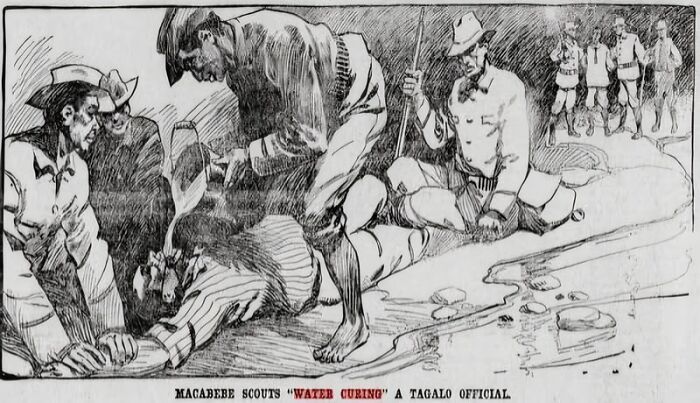
Waterboarding has become a well-known torture method that leaves its victims traumatized and fearful. But in the 1800s, the method was used as an attempt to rid people of their mental illness.
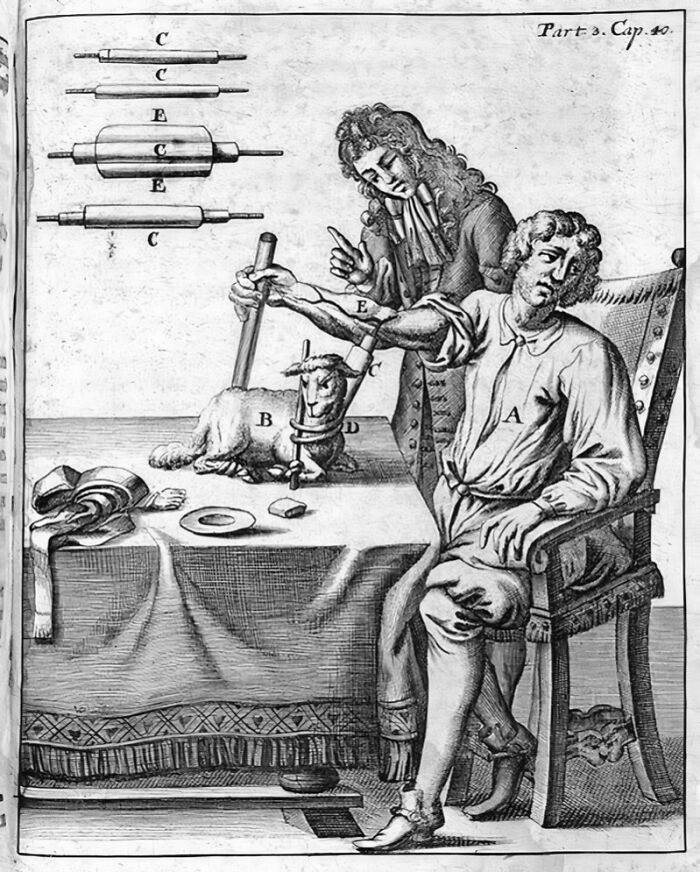
Their reasoning was that the fatty particles in the cow's milk would change into “white corpuscles,” or what we call today white blood cells. The doctors' first patient survived a transfusion of 12 ounces of milk pumped into his body. However, the following five patients, mostly fighting tuberculosis, didn't survive their milk transfusions. They fell into a comatose state and died shortly after.
Because humans centuries ago didn’t have access to the same information that doctors have today, Britannica explains that many relied on folklore, superstition, and religion to determine the best way to treat a patient. For example, many used vegetable products and herbs to treat ailments. Meanwhile, some assumed that certain diseases or illnesses were of supernatural origin, such as a demon possessing a person. In such cases, spells, incantations, and potions would be used to attempt to exorcise the being.
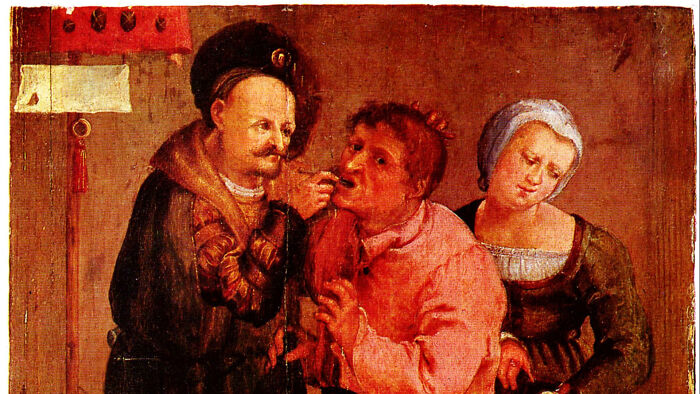
In Georgian England, wealthy patients could buy a fresh tooth extracted from someone desperate enough to sell theirs. The donor would wait outside the clinic, receiving payment before the tooth was handed over. This practice was part of the era’s dental treatment, where tooth transplantation was attempted despite significant risks such as infection and rejection—not to mention regret.

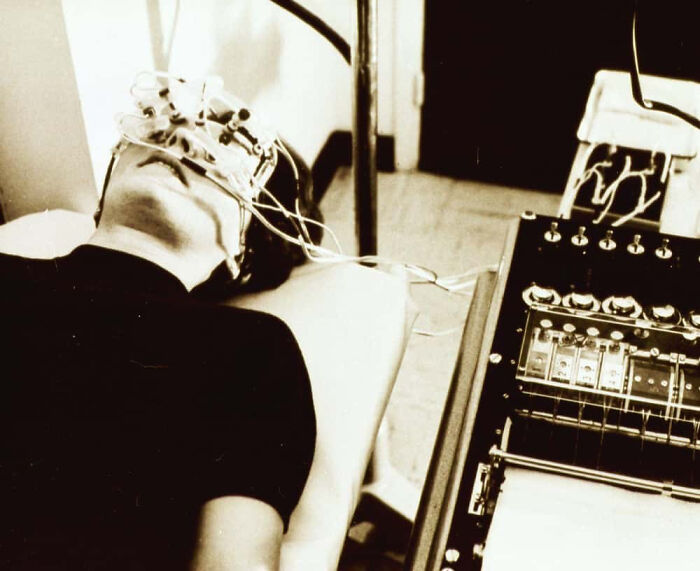
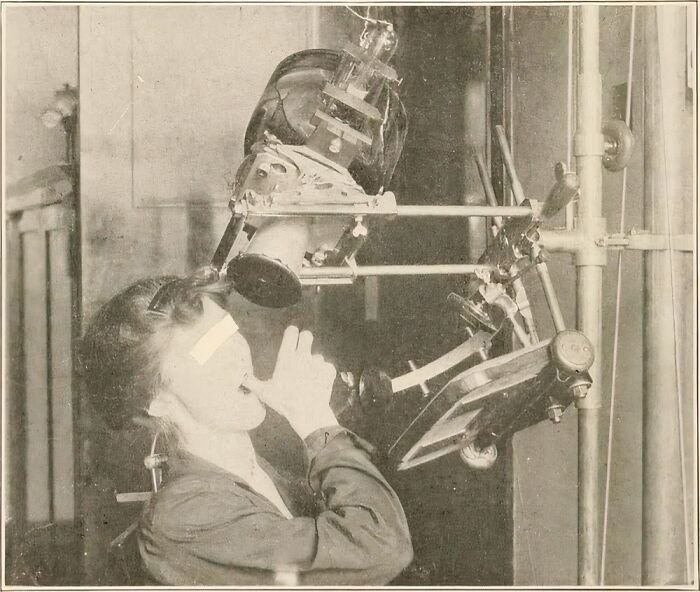
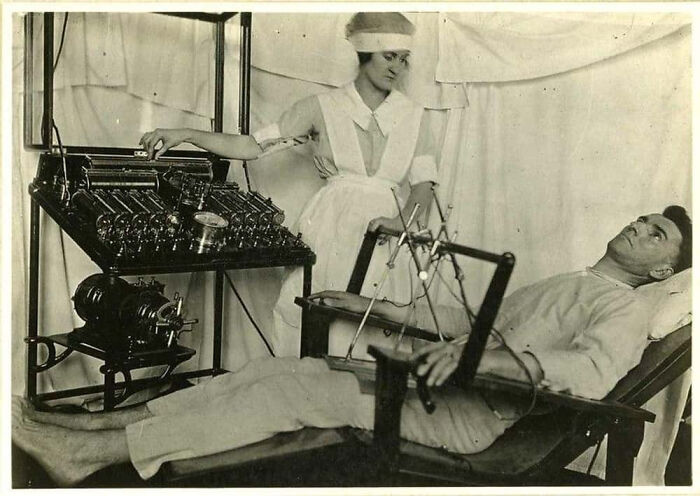
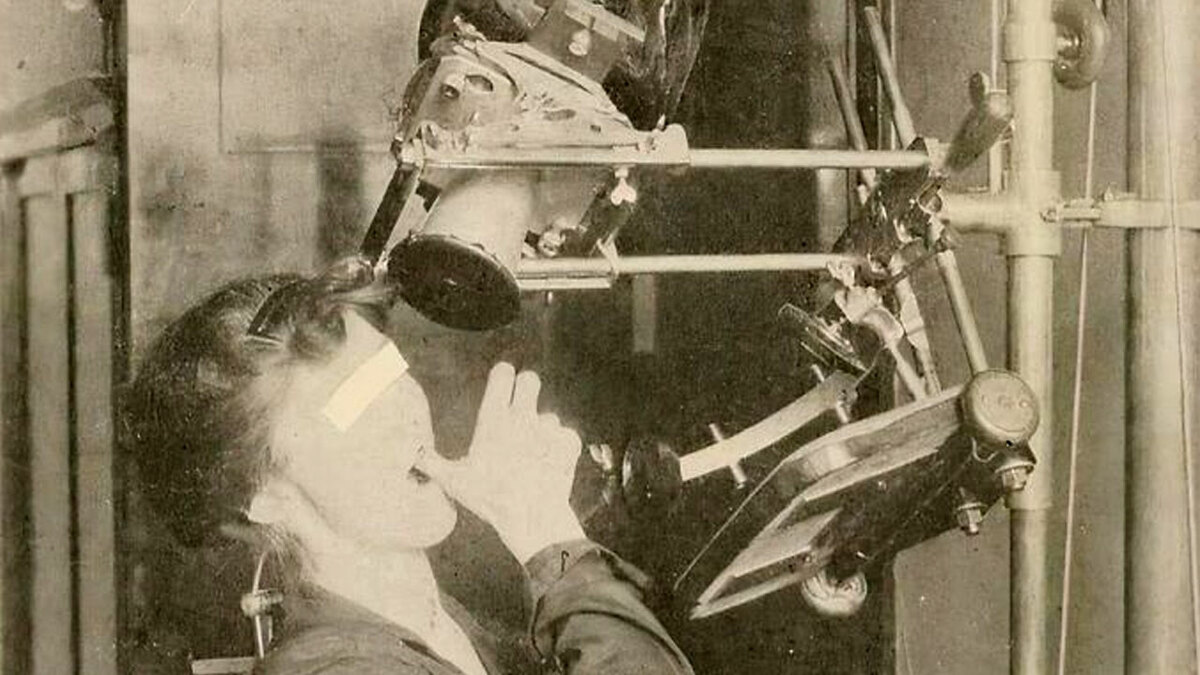
From original post: "Use of electrical apparatus. Bergonic chair for giving general electric treatment for psychological effect, in psycho-neurotic cases. World War 1 era."
Not every doctor was entirely clueless without modern medicine, though. Some were surprisingly spot-on, even if they lived hundreds of years ago. For example, pharmaceutical companies weren’t the first ones to discover how useful opiates can be.
According to a study published in Neurology Journals, people have been using the power of poppies to alleviate pain for hundreds, or perhaps even thousands, of years. And while we know today that opioids can be extremely dangerous, even a doctor will tell you that they can be amazing at relieving pain.
Thousands of years ago, if you got bit by a random dog, you couldn't simply go to the doctor and get an (albeit painful) shot.
Instead, ancient physicians had to do their best to come up with a remedy for a disease they very much didn't understand - rabies. This disease was particularly tricky because unlike other illnesses, which show symptoms right away, rabies could lay dormant for three months or even up to a year before making someone sick. This also meant that it was difficult to track any treatments to see what had actually helped.
So, doctors got creative. Pliny the Elder, a Roman philosopher, suggested that the person must catch the dog that bit them, remove some of its hair, burn it, then place the burnt hair on the bite wound.
If this sounds vaguely familiar, it's because this method is where the hangover cure phrase “hair of the dog that bit you” comes from.
While this may seem unpleasant, it's better than the ancient Chinese treatment for a dog bite: rubbing the brain of the recently [ended] dog on the wound.
Are all of these posts making you dread your upcoming check-up a bit less, pandas? Keep upvoting the ones that teach you something new, and let us know in the comments below which medical practices from today you’d like to see improve over time. Then, if you’re looking for another article from Bored Panda discussing similar themes, look no further than right here.
Ancient Greek physicians believed the uterus wandered through the body, causing hysteria. Their solution was to scent it back into place using sweet fumes that coaxed it downward. Conversely, foul odors drove it upward—or so they believed.
Biles have always been used in traditional Chinese medicine. Dating back to the 5th century, elephant bile was used to treat halitosis or bad breath.
While it seems a little counterintuitive, ancient Chinese doctors swore by it, diluting it with water and ordering their patients to gargle the mixture.
Python bile is a historical remedy from Traditional Chinese Medicine (TCM) used externally to treat genital ulcers, but it is not a recommended or safe treatment by modern medical standards.
I wonder what treatments they do today will be considered barbaric in the future?
I wonder what treatments they do today will be considered barbaric in the future?








































 No fees, cancel anytime