Get Premium
Dark mode theme is available exclusively for premium users. Learn more about the benefits of subscribing.
No fees, cancel anytime.

 Dark Mode Ad-Free Browsing Unlimited Content
 Ad-Free Browsing Unlimited Content Dark Mode
Join 1.2 million Panda readers who get the best art, memes, and fun stories every week!
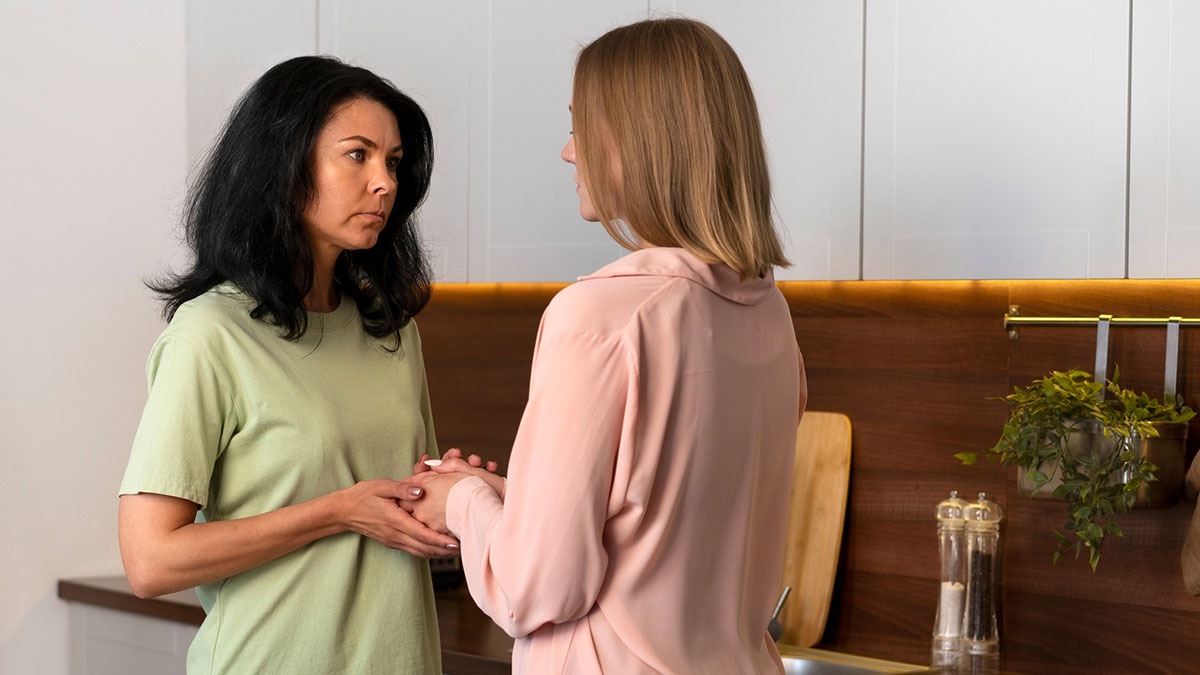
Families are often built on love, loyalty, and sacrifice, but sometimes, those very values collide with the practical realities of daily life. When caregiving responsibilities shift unexpectedly, siblings can find themselves facing impossible choices, with guilt and resentment never far behind.
This story captures exactly that struggle. It follows today’s Original Poster (OP) navigating the aftermath of her parents’ passing, her brothers’ conflicting needs, and the heartbreaking question of how far personal responsibility should stretch when caring for a sibling with special needs.
More info: Reddit
Image credits: standret / Freepik (not the actual photo)
Image credits: Fearless_Road785
Image credits: freeograph / Freepik (not the actual photo)
Image credits: Fearless_Road785
Image credits: freepik / Freepik (not the actual photo)
Image credits: Fearless_Road785
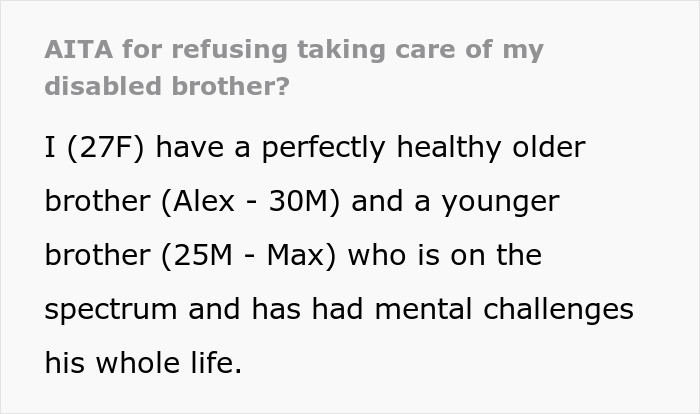
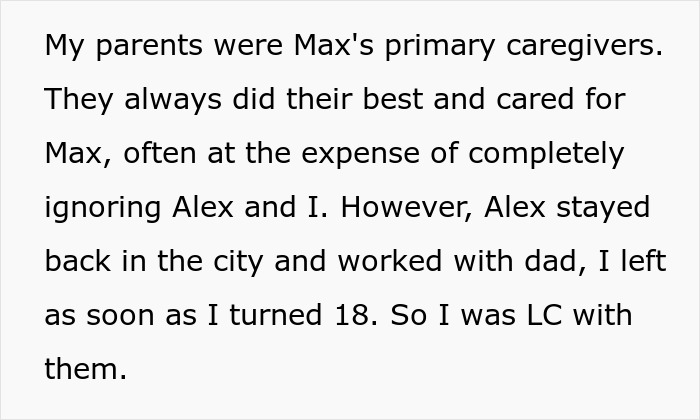
The OP grew up with two brothers, with the younger brother being on the autism spectrum and having had lifelong challenges. Their parents were devoted caregivers to him, but this often meant that both the OP and her older brother felt sidelined. While the older brother stayed close to home and worked with their father, the OP moved away at 18 and kept in low contact.
Unfortunately, their parents passed away during the pandemic, leaving the older brother to take full responsibility for the younger brother. For a while, he managed, but the strain of caring for him began to weigh heavily on him. Because of this, he asked her to take their younger brother in temporarily, hoping to ease his own physical and emotional exhaustion.
However, the OP, now a stay-at-home mom with two young children and a wife who works demanding hours, felt overwhelmed at the thought. She explained that she simply couldn’t manage her brother’s needs on top of her family’s. The older brother wasn’t happy with that answer and argued that the OP’s wife could afford outside help.
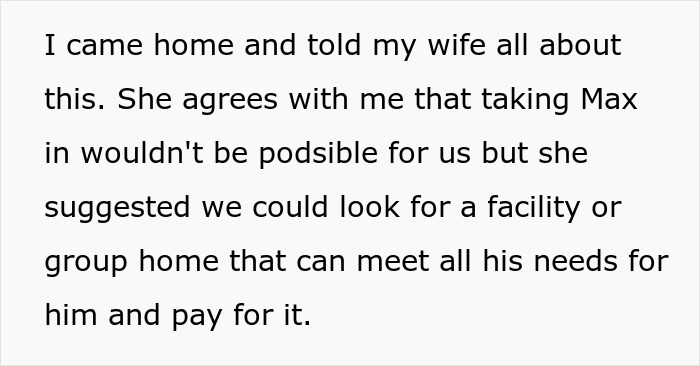
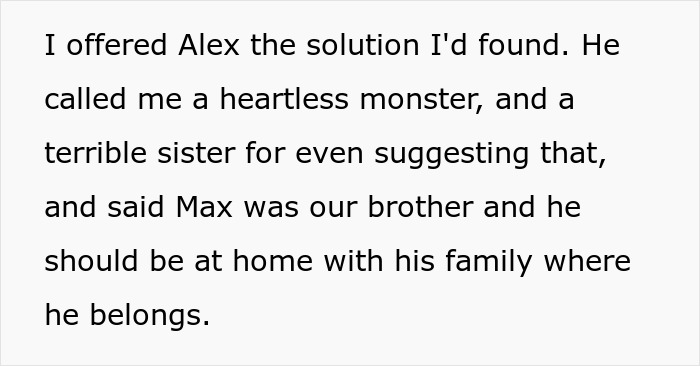
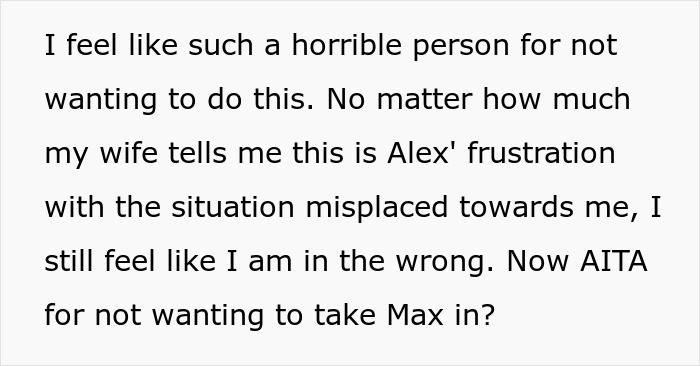
After talking it over with her wife, they suggested that they could look for a facility or group home and pay for it. However, when the OP told her brother, he was furious. He called her a “heartless monster” and “terrible sister” for even proposing the idea, and his words left the OP doubting herself, even though her wife reassured her that her brother’s anger was rooted in frustration, not truth.
Image credits: user18526052 / Freepik (not the actual photo)
Being a caregiver for someone with special needs is hard, that true, especially if that someone is your own brother. Caregiving within families often reshapes traditional roles, which can create strain and even conflict. CareLink highlights that individuals taking on caregiving duties often experience difficult emotions, such as sadness and feelings of being overwhelmed.
Without proper self-care, the demands of supporting a loved one can escalate into more serious issues like anxiety, depression, or full caregiver burnout. Signs of burnout include chronic exhaustion, heightened irritability, and emotional distancing from the person being cared for.
For this reason, the Mayo Clinic advises caregivers to focus on what can realistically be done, rather than striving for perfection, and set small, achievable goals that make responsibilities more manageable. Finally, they emphasize prioritizing personal health in order to sustain their energy and provide effective, compassionate support.
They also recommend home support services, and Integrity Inc. builds on this. They acknowledge that while caring for a loved one with autism can be a rewarding experience, it’s not totally possible to be there for them for the rest of your life. They explain that home support services provide crucial assistance to adults with autism, helping them to live independently and achieve their goals.
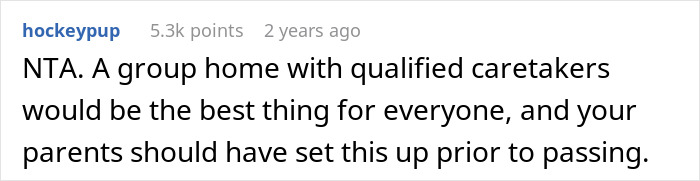
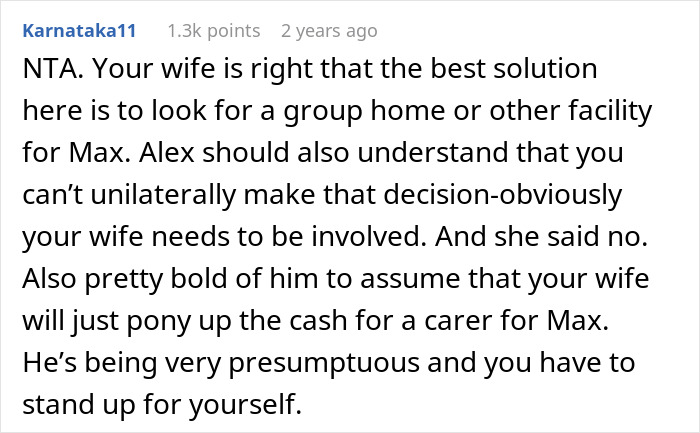
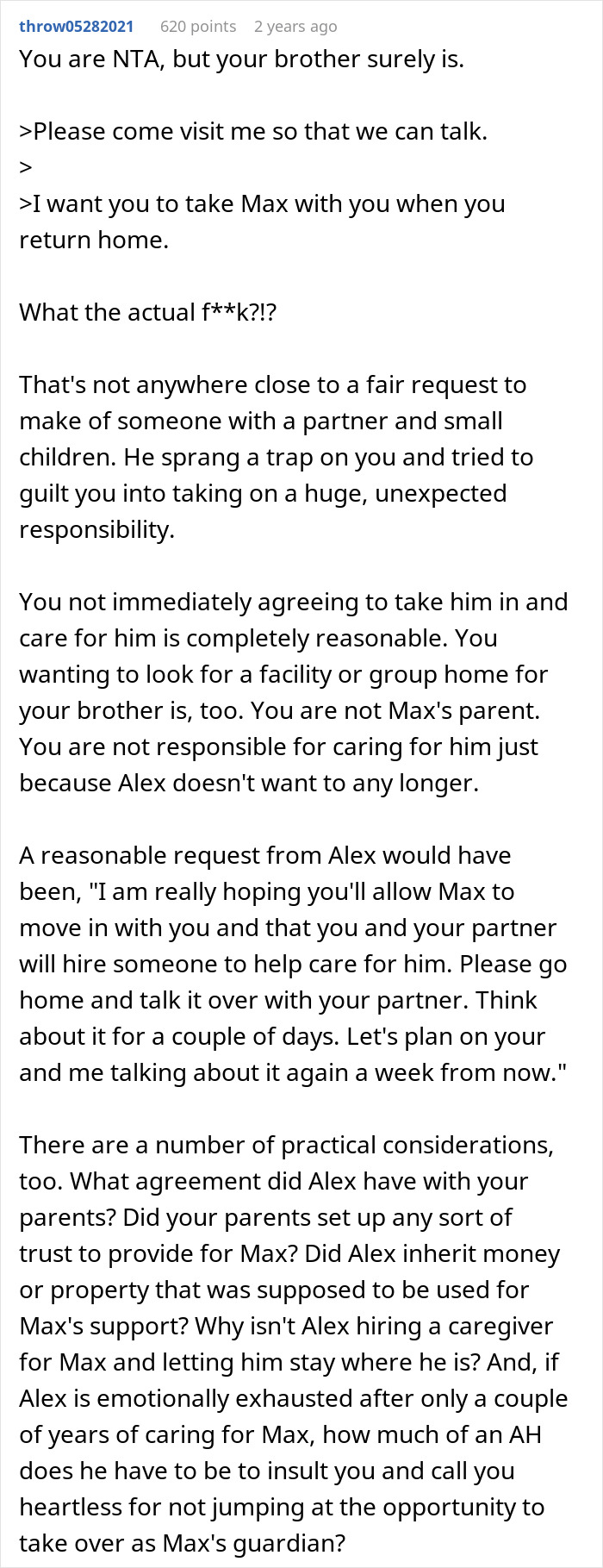
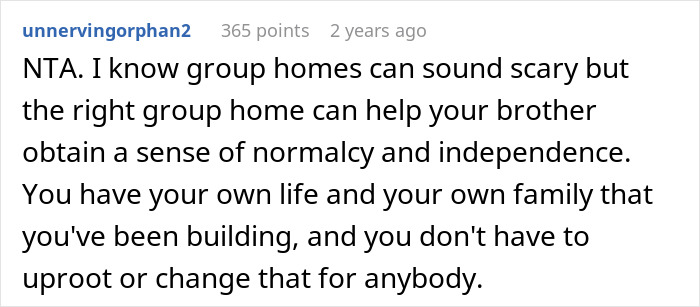
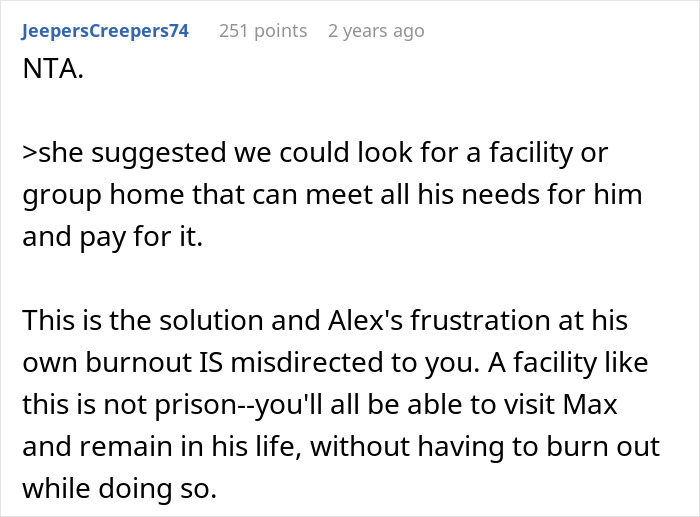
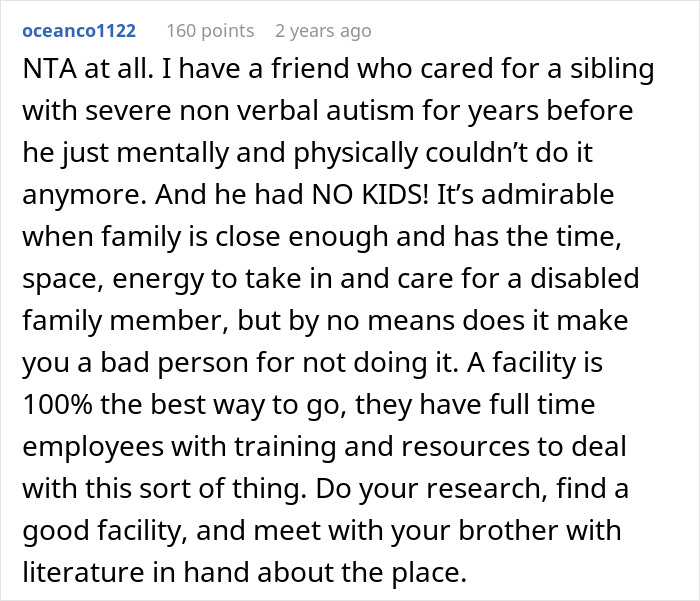
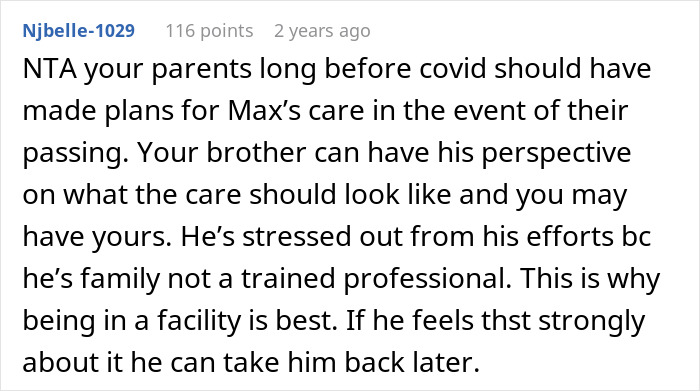
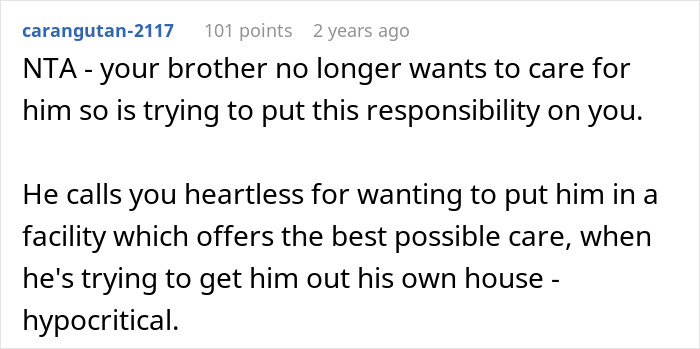
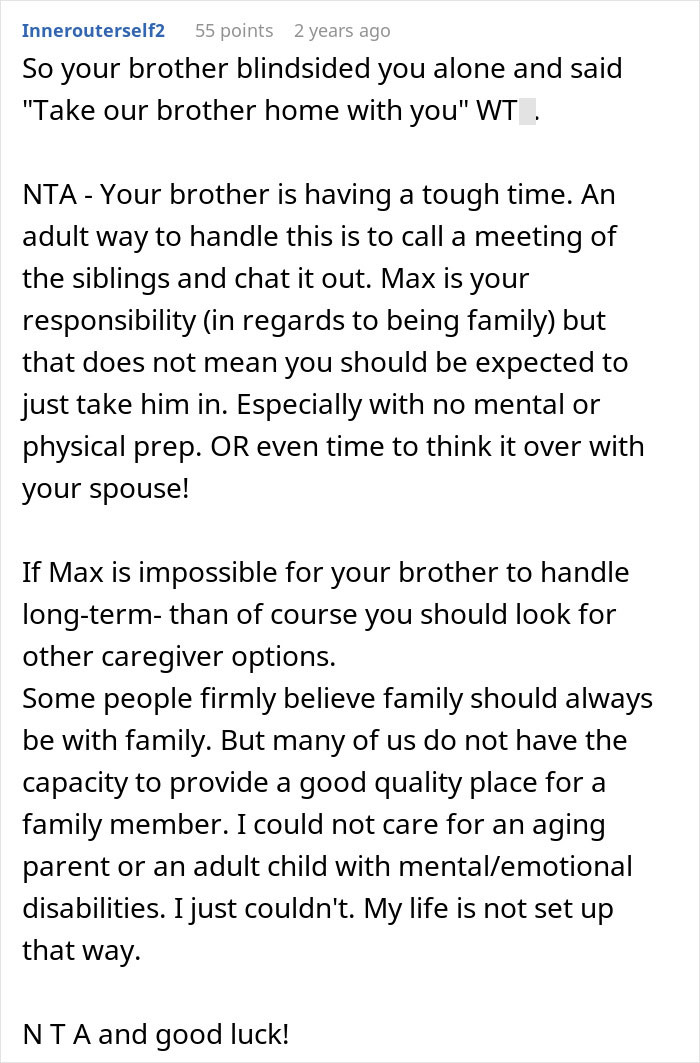
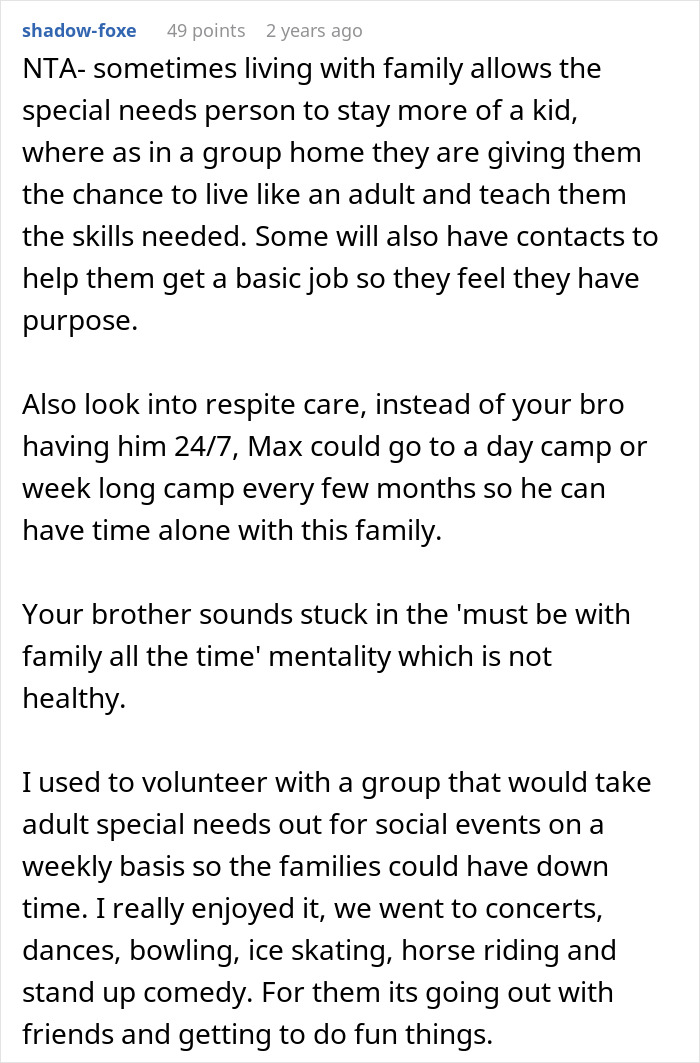
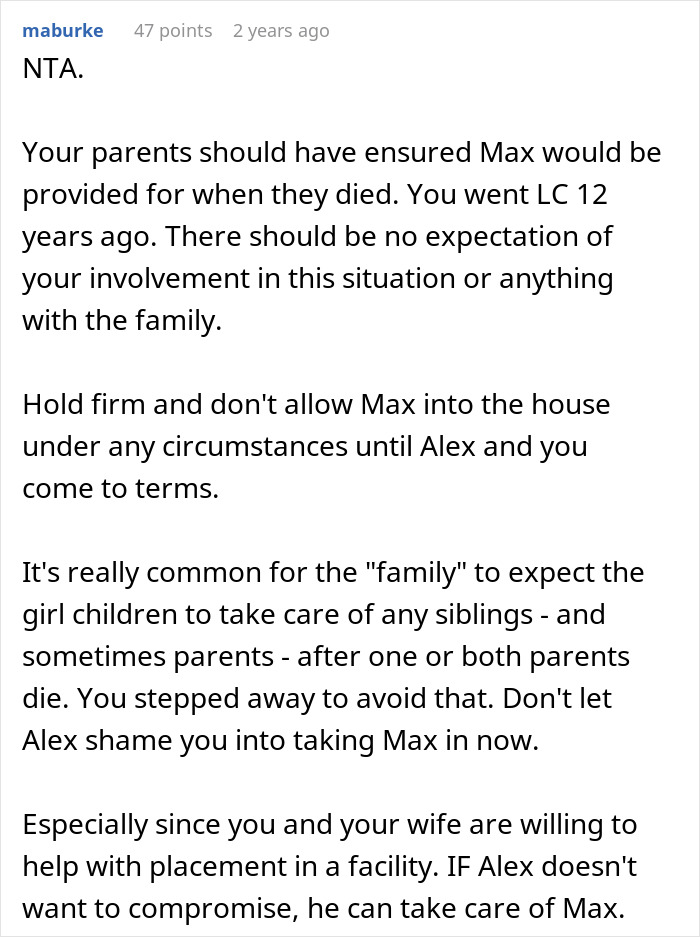
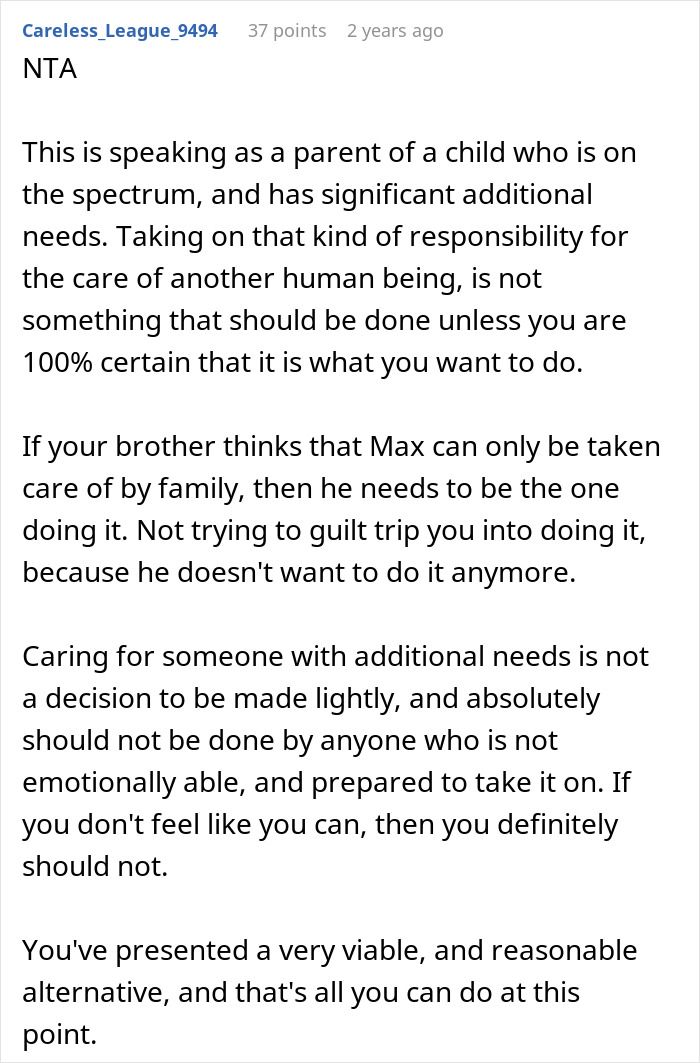
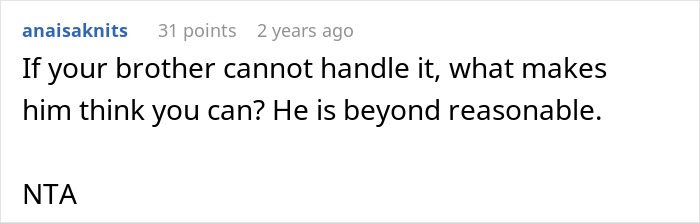
Netizens sided firmly with OP, stressing that choosing a group home was not only reasonable but likely the best long-term solution for the younger brother. Others emphasized the unfairness of her older brother’s expectations, noting that the OP has her own family and cannot be forced to shoulder such a responsibility.
What do you think about this situation? Was the OP wrong for suggesting a professional care facility, or is the brother being unfair by demanding she take the younger brother in? We would love to know your thoughts!

By entering your email and clicking Subscribe, you're agreeing to let us send you customized marketing messages about us and our advertising partners. You are also agreeing to our Privacy Policy.
Thank you! You've successfully subscribed to newsletters!


The “family should provide the care“ people are being ablest whether they realize it or not. Both the outside observer and the people responsible for a family members care. We don’t expect neurotypical people to live with families throughout their lives at the expense of their sense of wonder, independence, self governance, etc. Yet some people decide those who need assistance with their lives must never break free from family because no one else could provide better care. It’s a very myopic way to look at the situation. Group homes and other assisted living situations can provide such a bigger world with greater experiences and better learning & growing options for someone in Max‘s situation. It helps him thrive with that sense of independence and free will, supporting & expanding their life experiences. In ways they could never have trapped in the bubble of their family home care. Even if that restrictive bubbles exists out of wanting to do what’s thought to be best for them.

You makes excellent points. "But family is best" - not always. Another plus for a good group home: employees have training/education and don't have emotional baggage with the clients.
Load More Replies...
The group home is the only really viable long term solution. The brother can't handle it, and OP isn't in a position to take it on.

Alex is better suited to look after Max. He stayed in the same city as their parents, worked with their father and no doubt spent a lot more time with Max and his parents than OP did. OP said she left as soon as she turned 18 and was low contact with her family for the last nine years. Max barely knows OP and probably doesn’t want to move away from his home and people he knows there. It’s hard on Alex but if he can’t cope then he needs to hire a carer or put Max in a home like OP suggested.
Load More Replies...
People see family responsibility in different ways. Alex sees the priority as a larger group, and feels responsibility to siblings and his own children equally. OP understands that her responsibility is to her own kids first and then to the wider family. Caring for Max would detract from the care for OP's kids, and that's a line she won't cross. Prioritising his children would detract from Max's care, and that a moral line that Alex won't cross. This is a difference of value system, there won't be a resolution. If you see it Alex's way, OP will always be an AH. But, if you see it OP's way, Alex will always be the unreasonable AH. Everyone in the situation has to decide what their values are and act accordingly. OP needs to understand she and her brother are never going to agree, and whatever happens, they are going to fall out.
The “family should provide the care“ people are being ablest whether they realize it or not. Both the outside observer and the people responsible for a family members care. We don’t expect neurotypical people to live with families throughout their lives at the expense of their sense of wonder, independence, self governance, etc. Yet some people decide those who need assistance with their lives must never break free from family because no one else could provide better care. It’s a very myopic way to look at the situation. Group homes and other assisted living situations can provide such a bigger world with greater experiences and better learning & growing options for someone in Max‘s situation. It helps him thrive with that sense of independence and free will, supporting & expanding their life experiences. In ways they could never have trapped in the bubble of their family home care. Even if that restrictive bubbles exists out of wanting to do what’s thought to be best for them.
You makes excellent points. "But family is best" - not always. Another plus for a good group home: employees have training/education and don't have emotional baggage with the clients.
Load More Replies... The group home is the only really viable long term solution. The brother can't handle it, and OP isn't in a position to take it on.
Alex is better suited to look after Max. He stayed in the same city as their parents, worked with their father and no doubt spent a lot more time with Max and his parents than OP did. OP said she left as soon as she turned 18 and was low contact with her family for the last nine years. Max barely knows OP and probably doesn’t want to move away from his home and people he knows there. It’s hard on Alex but if he can’t cope then he needs to hire a carer or put Max in a home like OP suggested.
Load More Replies... People see family responsibility in different ways. Alex sees the priority as a larger group, and feels responsibility to siblings and his own children equally. OP understands that her responsibility is to her own kids first and then to the wider family. Caring for Max would detract from the care for OP's kids, and that's a line she won't cross. Prioritising his children would detract from Max's care, and that a moral line that Alex won't cross. This is a difference of value system, there won't be a resolution. If you see it Alex's way, OP will always be an AH. But, if you see it OP's way, Alex will always be the unreasonable AH. Everyone in the situation has to decide what their values are and act accordingly. OP needs to understand she and her brother are never going to agree, and whatever happens, they are going to fall out.



























 No fees, cancel anytime








27
17