Get Premium
Dark mode theme is available exclusively for premium users. Learn more about the benefits of subscribing.
No fees, cancel anytime.

 Dark Mode Ad-Free Browsing Unlimited Content
 Ad-Free Browsing Unlimited Content Dark Mode
Join 1.2 million Panda readers who get the best art, memes, and fun stories every week!

People are often quick to decide what a disability should look like. If someone is young, walking around, or seems perfectly fine on the outside, strangers can forget that appearances aren’t always a medical diagnosis and can be quite deceiving.
The young woman in our story had spent years dealing with a condition most people couldn’t see, along with the endless comments and assumptions that came with it. But one day, a relative made the familiar mistake of telling her she didn’t look disabled; she decided she was done arguing, and chose a response that left the other person wishing they had kept their mouth shut.
More info: Reddit
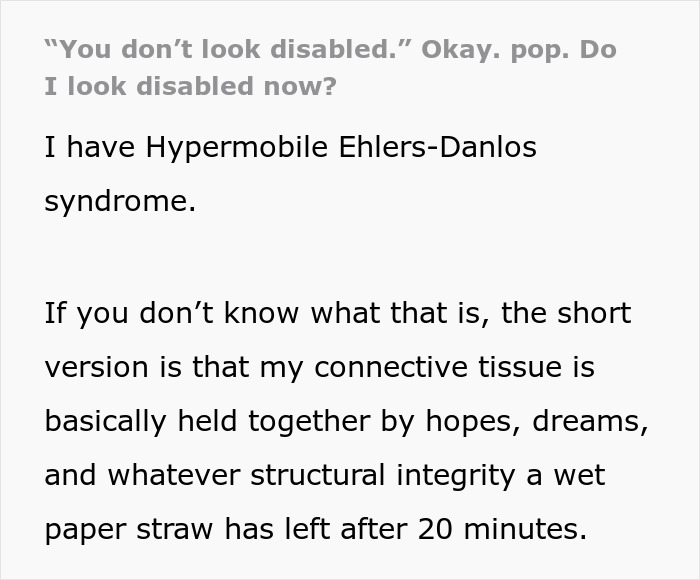
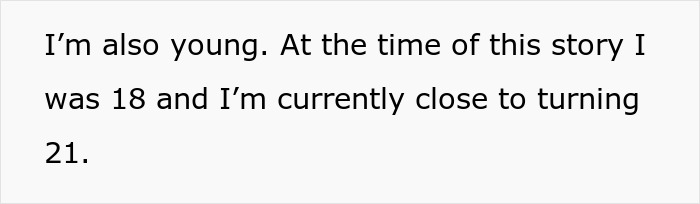
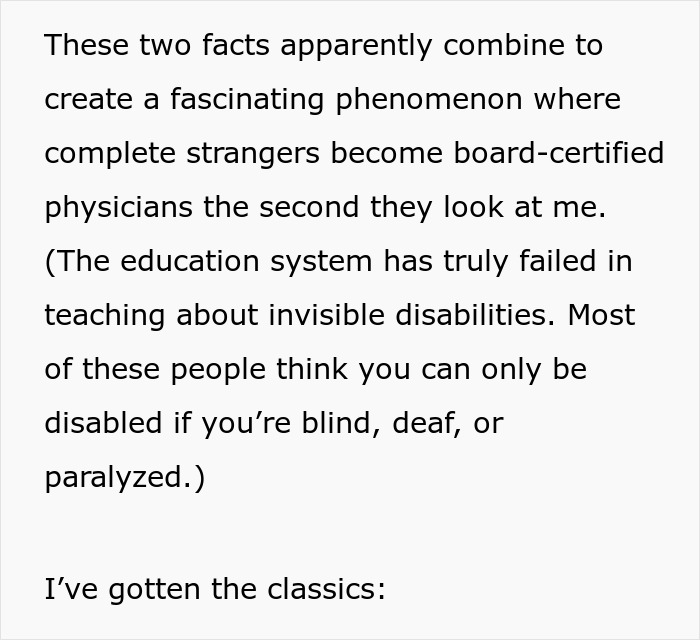

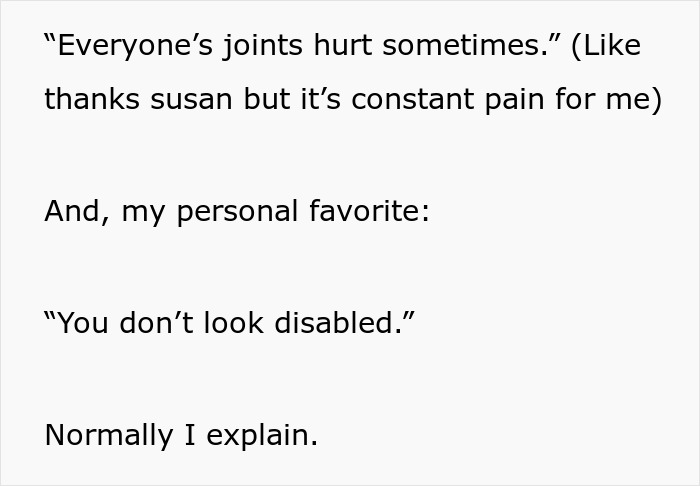





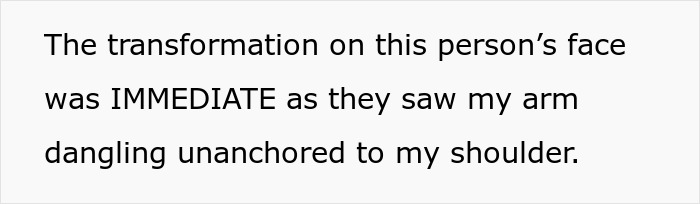

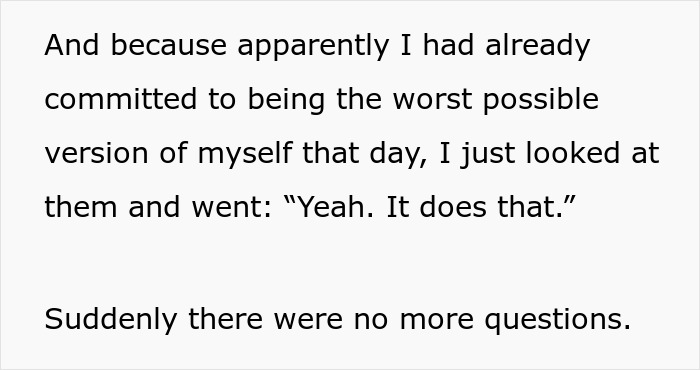



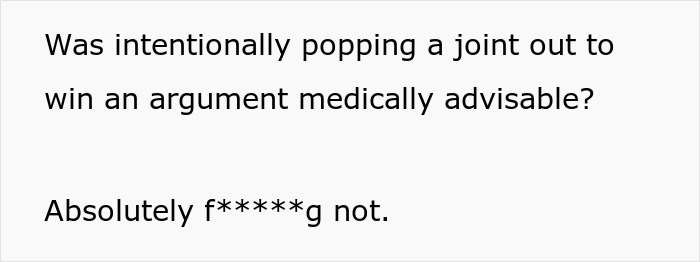
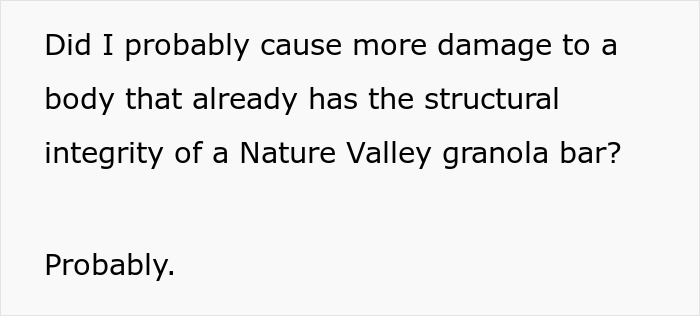
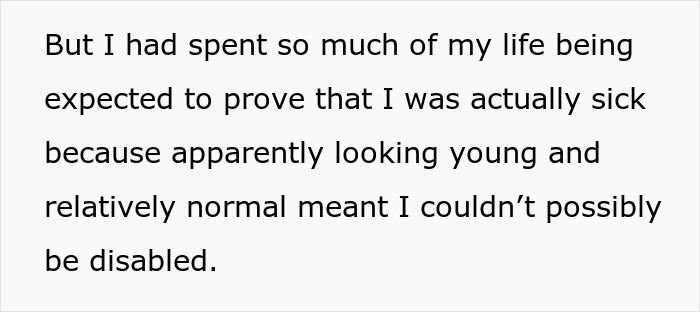



Image credits: No-Geologist-5141
The Original poster (OP) has hypermobile Ehlers-Danlos syndrome, a genetic condition that affects connective tissue and can leave her joints painfully unstable. Unfortunately, being 18 and looking relatively healthy seemed to make her a magnet for unsolicited medical opinions. She had heard everything from “you’re too young” to the classic “everyone’s joints hurt sometimes,” as if she was pretending.
Normally, she would launch into her well-practiced Ehlers-Danlos TED Talk. She explained over and over to intrusive strangers that disability doesn’t have a specific look and that being able to walk doesn’t mean her body works normally. But on this particular day, an extended family member hit her with the dreaded “you don’t look disabled” and then doubled down when she explained her condition.
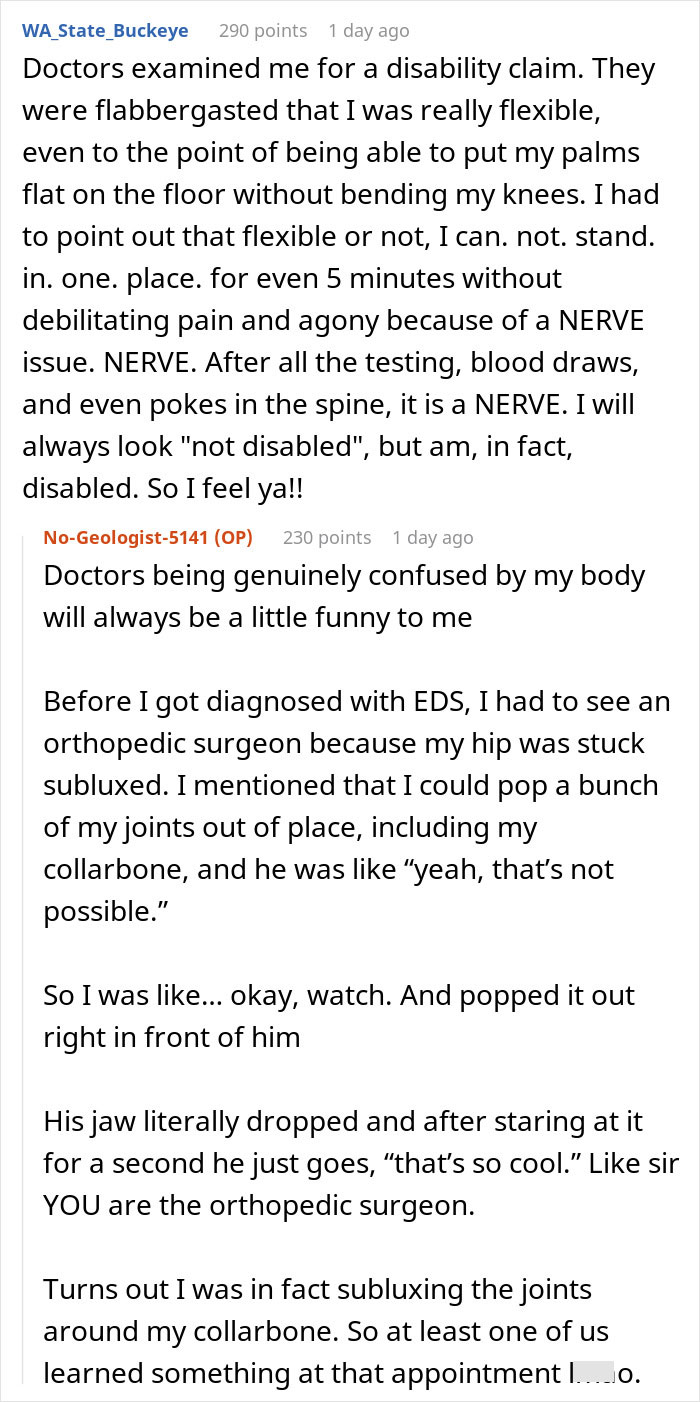
Something in her decided that words had failed and it was time for a practical demonstration. The poster deliberately popped one of her joints out, and the relative’s face transformed from skeptical to absolutely horrified in record time. After the demonstration, she looked at them and said, “Yeah. It does that.”
The narrator admitted that intentionally dislocating a joint was a spectacularly bad idea, even by her own standards. Afterward, she put everything back where it belonged and carried on with her day while the relative stared at her as if they had just watched a haunted doll rearrange its own limbs. The visual demonstration finally put to rest all the unqualified medical judgments.
The problem with hypermobile Ehlers-Danlos syndrome is that the symptoms can be anything but obvious. The Ehlers-Danlos Society explains that hEDS can involve joint instability, chronic pain, fatigue, and recurrent dislocations, meaning someone can look perfectly ordinary while dealing with significant physical problems.
That misunderstanding can make everyday life surprisingly difficult for people with conditions that aren’t physically visible. The NHS notes that joint hypermobility can range from causing no problems at all to producing pain, stiffness, sprains, and joints that repeatedly slip out of place. For someone like the poster, looking “fine” says very little about what is actually happening in their body.
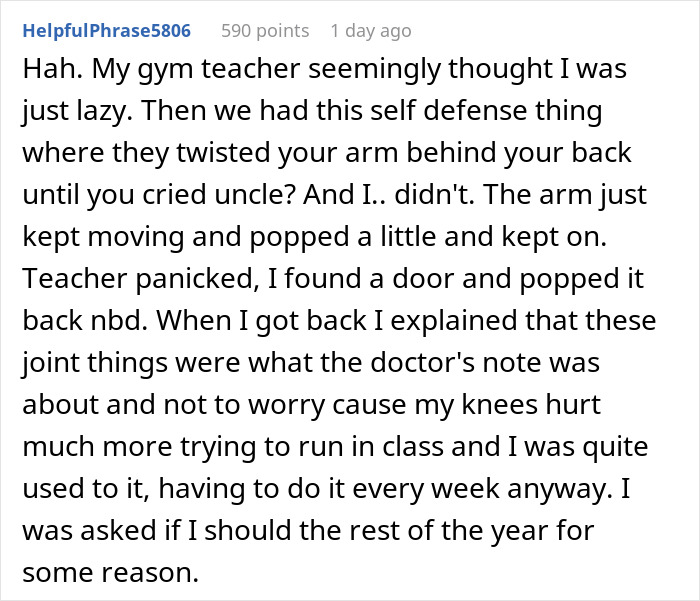
Still, the poster’s dramatic demonstration is definitely not something doctors would recommend copying. UCLH explains that dislocations and subluxations are common in people with hEDS and can be painful and distressing. At the same time, the Ehlers-Danlos Society stresses that joint instability can lead to injuries.
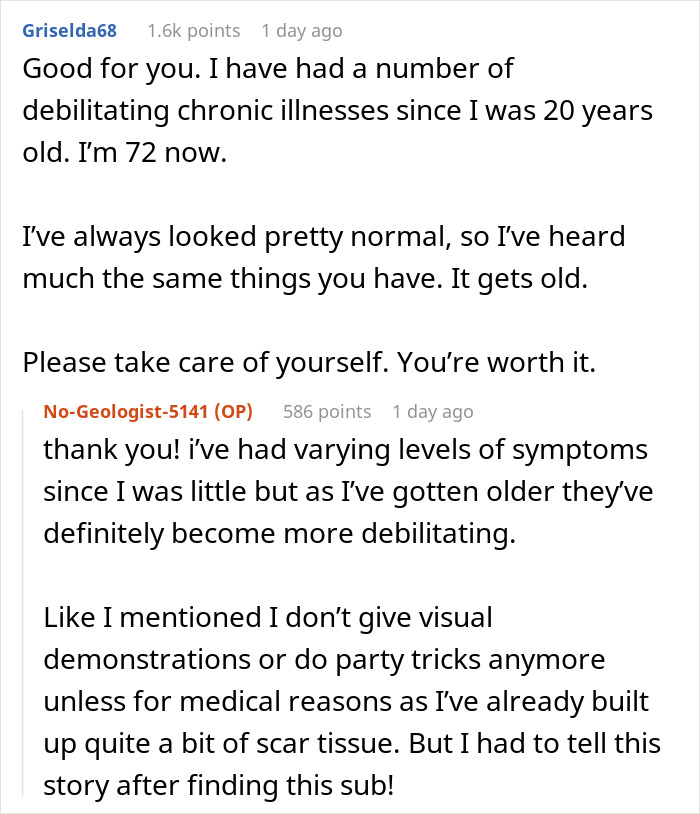
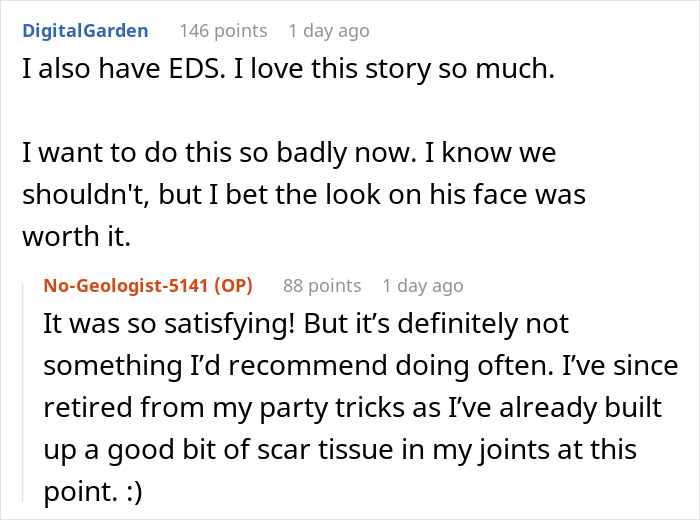
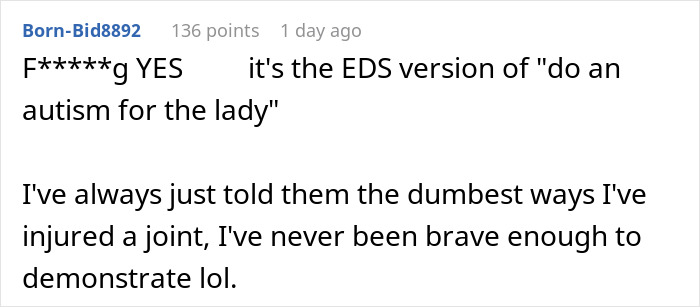
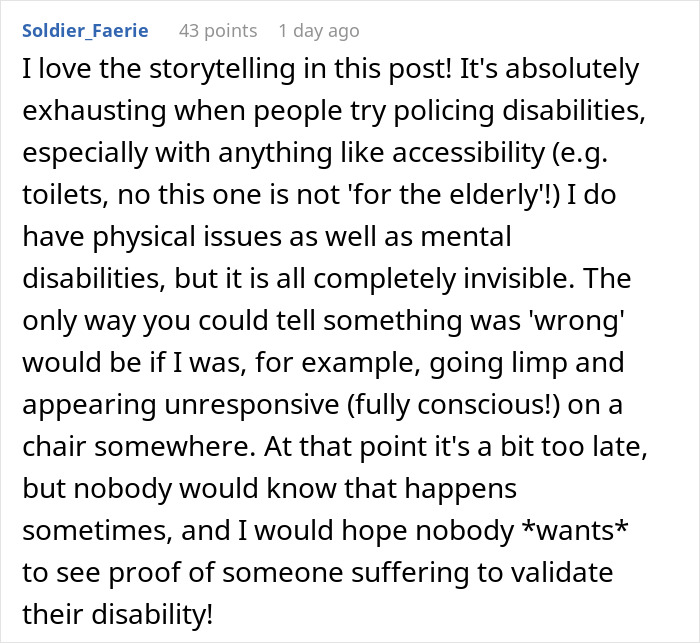
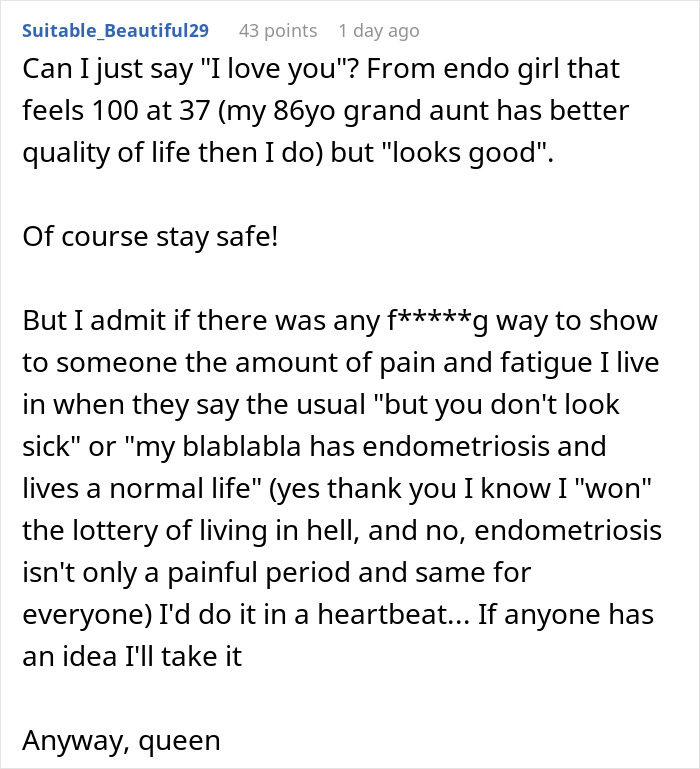
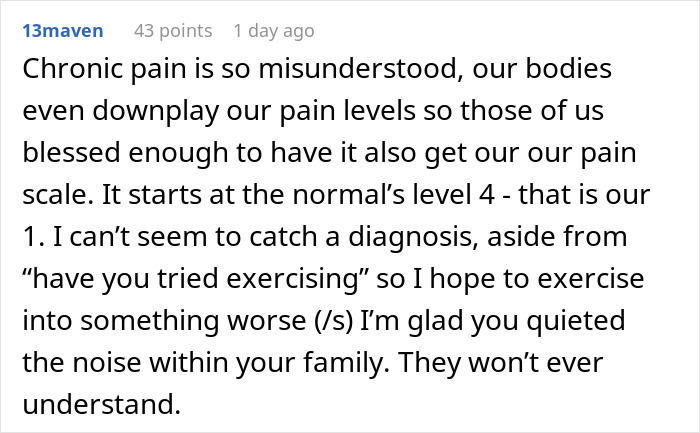
Commenters loved the narrator’s brutally effective “visual aid,” while others with invisible disabilities shared their own horror stories of being told they “look fine.” What do you think? Was her jaw-dropping demonstration satisfying or completely unhinged?




By entering your email and clicking Subscribe, you're agreeing to let us send you customized marketing messages about us and our advertising partners. You are also agreeing to our Privacy Policy.
Thank you! You've successfully subscribed to newsletters!

When I popped a joint out, my relatives weren't horrified. It was lighting it up at Thanksgiving dinner that caused them to run away screaming.

What did you light? The fuse on a stick of dynamite?
Load More Replies... My wife has a condition that makes her joints unstable: her hands are so badly deformed that she rolls them too loose and all the grass falls out. That's her own joke, before you start with the downvotes, and yes, she really is severely disabled and barely able to move any of her joints.

I'm partially deaf, particularity in the range of human voice. I've had it checked and hearing aids will not help. Haven't had any helpful advice from people but have been told I'm "just not trying hard enough" .

do you have tinnitus? It kind of blocks the clarity, like trying to have a conversation with the TV on too loud. If someone says you're not trying hard enough wither tell them what they were saying wasn't interesting enough to try or eff off
Load More Replies... When I popped a joint out, my relatives weren't horrified. It was lighting it up at Thanksgiving dinner that caused them to run away screaming.
What did you light? The fuse on a stick of dynamite?
Load More Replies... My wife has a condition that makes her joints unstable: her hands are so badly deformed that she rolls them too loose and all the grass falls out. That's her own joke, before you start with the downvotes, and yes, she really is severely disabled and barely able to move any of her joints.
I'm partially deaf, particularity in the range of human voice. I've had it checked and hearing aids will not help. Haven't had any helpful advice from people but have been told I'm "just not trying hard enough" .
do you have tinnitus? It kind of blocks the clarity, like trying to have a conversation with the TV on too loud. If someone says you're not trying hard enough wither tell them what they were saying wasn't interesting enough to try or eff off
Load More Replies...

























 No fees, cancel anytime











39
24