Get Premium
Dark mode theme is available exclusively for premium users. Learn more about the benefits of subscribing.
No fees, cancel anytime.

 Dark Mode Ad-Free Browsing Unlimited Content
 Ad-Free Browsing Unlimited Content Dark Mode
Join 1.2 million Panda readers who get the best art, memes, and fun stories every week!

If you really want to understand something, merely reading a sentence about it won’t cut it. We need the “who,” the “what,” the “when,” the “where,” and the “why.”
So we invite everyone who enjoys interesting facts about the world to take a look at some of our favorite posts on the Instagram account “Detailed Explanation.”
It strives to break things down in a clear, accessible way and is perfect for when you have a minute or two and would hate to simply waste them.
More info: Instagram
This post may include affiliate links.
At 21 years old, Lois Gibson was a model and dancer in Los Angeles when she was attacked, raped, and left for dead by a serial murderer. She survived. And instead of running from it, she turned it into a career dedicated to making sure the same thing didn’t happen to others.
She taught herself to draw portraits by sketching tourists at a riverside walkway in San Antonio — completing over 3,000 drawings before she ever walked into a police department. When she finally did, she told them she could draw criminals from witness memory alone. They let her try. Her first sketch led directly to an arrest.
She never stopped.
Over a 32-year career at the Houston Police Department, Lois Gibson helped identify 1,313 criminals — a number verified by Guinness World Records, making her the most successful forensic sketch artist in history. Murderers, rapists, kidnappers, and robbers were all caught because a witness sat across from her for an hour and described a face.
Two suspects saw their own sketches on the news and turned themselves in.
She retired in 2021 at the age of 71. Before she left, she said there was “nothing more rewarding” than knowing her work had given victims the justice she once desperately needed herself.
Whenever we're reading something on the internet, we need to know if we can trust it. There’s a lot of content out there that’s twisted or completely made up, created with the goal of fooling people.
Fake news is a type of disinformation: false information that’s created on purpose to mislead. According to experts, disinformation includes not only fake news, but also other kinds of claims, like those spread as government propaganda or by social media accounts or brands trying to sell a product or service.
Misinformation, on the other hand, is any kind of false or inaccurate information — whether it’s shared on purpose or not. People often spread misinformation because they truly believe it’s correct and don’t realize they’re passing along something wrong.
Nesting beaches and migration routes are getting crowded again
That’s the visible end of years of conservation work. When poaching drops, habitat stays protected, fishing gear gets safer, and damaged ecosystems get restored, species that looked finished can start coming back.
What makes these recoveries so striking is how ordinary the fix often is: fewer traps, cleaner water, more space, more time. Nature responds fast when survival stops being a daily fight.

Meanwhile, humans discuss if drinking bleach prevents viral infections or if Tylenol causes autism... #devolution
Modern AI can be used to create lifelike images, videos (“deepfakes”), audio, and even write articles that look like real news. AI‑driven bots can also flood social media with the same false story again and again, making it seem like lots of people believe it.
So whenever you’re getting your news — whether it’s random facts or something more serious — and something feels off, it’s a good idea to check a few different sources to see if there’s a better chance it isn’t misinformation.
A quick Google search can help you see whether other reliable sources discuss the same topic. If they aren’t, the chances that it’s fake go way up.
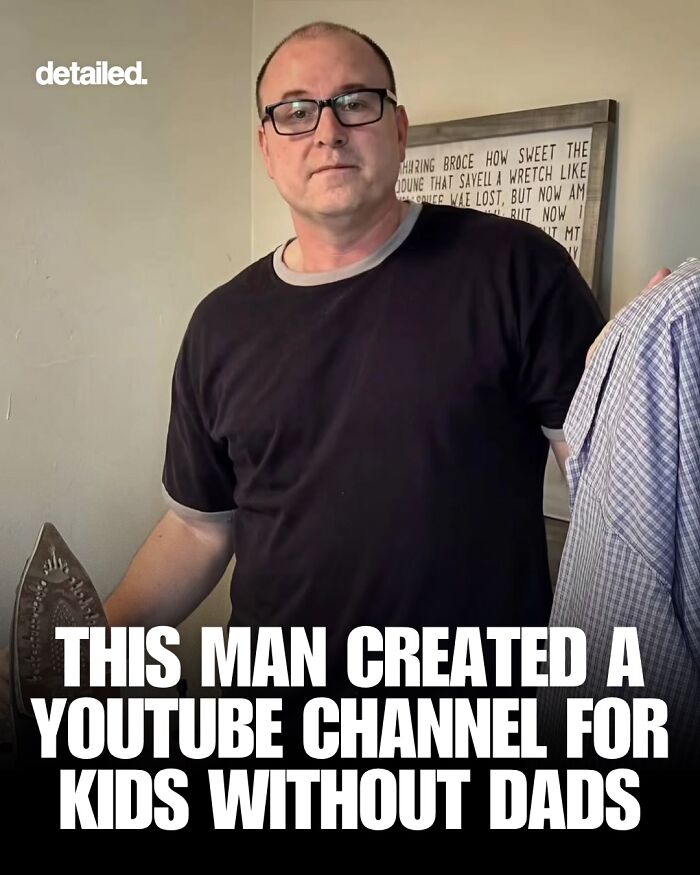
Rob Kenney grew up without a father and later decided he didn’t want other kids to feel the same absence.
So he created a YouTube channel called “Dad, How Do I?”, where he teaches simple life skills many children learn from a parent, from tying a tie to fixing things around the house.
What started as a few helpful videos quickly reached millions of people around the world. For many viewers, the channel became more than tutorials. It became guidance, reassurance, and support when they needed it most.

I'm saying nothing about Kenney, but the image behind him is supposed to be the lyrics to Amazing Grace; it looks like AI slop.
When in doubt if what you're reading is legitimate, choose which information requires further investigation or follow-up questions. With information that comes from social media, tracing back the original source is a great way to fight misinformation.
If the information comes from a less-than-reputable source or is contrary to expert opinion, be skeptical of the information presented, and make a note that the channel where you found the information may not be reliable.
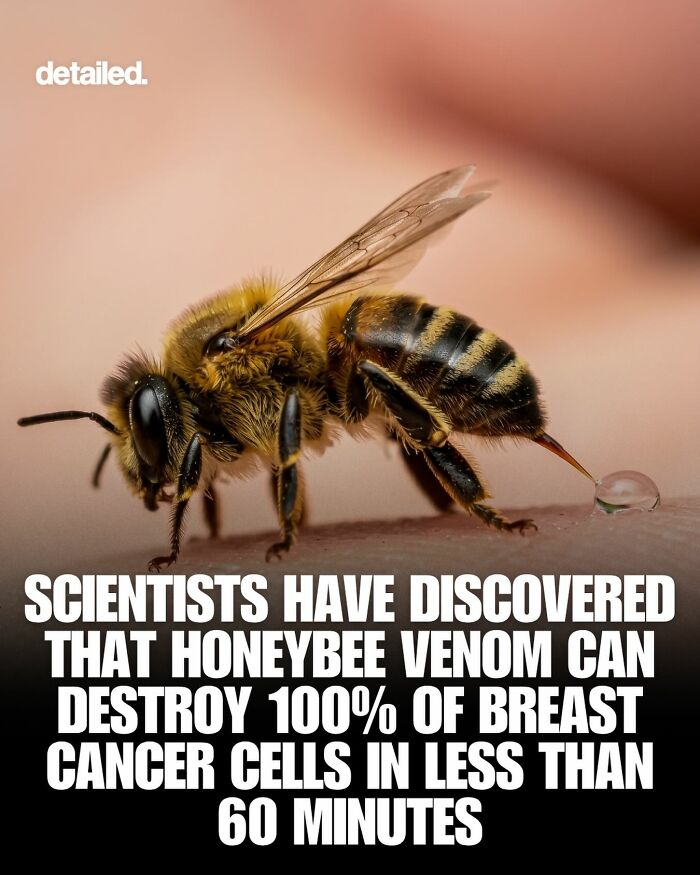
Scientists at the Harry Perkins Institute of Medical Research in Perth, Australia, discovered that bee venom, and especially its active compound melittin, can kill 100 percent of triple negative and HER2 positive breast cancer cells in lab (in vitro) tests.
Published in 2020, the study showed that melittin works by puncturing cancer cell membranes and blocking key growth signals such as EGFR and HER2. This shuts down the cancer cells’ ability to grow and divide.
The most promising part is that it left healthy cells largely unharmed when used in carefully controlled doses.
Since then, researchers have been developing safe delivery systems, including melittin loaded nanoparticles and niosomes, to help turn this natural compound into a potential treatment. Human trials have not begun yet, but scientific progress is buzzing.
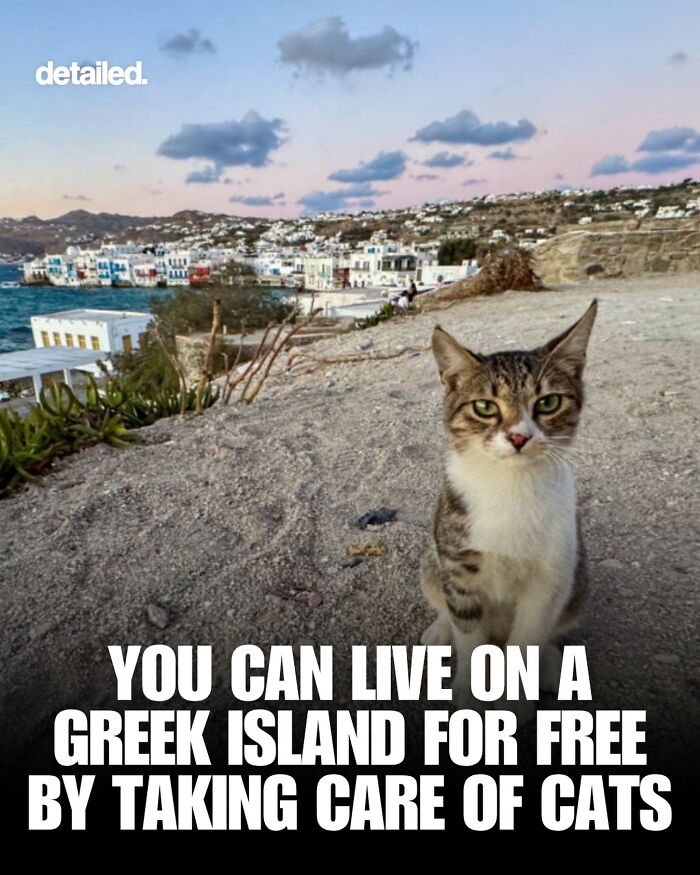
On the Greek island of Syros, there’s a volunteer opportunity that sounds almost too good to be real.
Volunteers can live on the island with free housing and some meals covered in exchange for helping care for hundreds of stray cats. The work includes feeding them, cleaning, giving basic care, and supporting local rescue efforts.
Most volunteers spend a few hours a day helping out and usually stay for about a month. In return, they get to experience a slower, quieter life on a Mediterranean island, with a daily routine built around purpose, simplicity, and a lot of cats.
It is not exactly a normal vacation, but for the right person, it might be even better.
If you care about truth, you should also pay attention to the people who call themselves (or are labeled by others) as experts.
With any piece of content, once you find the source, it’s important to look into the author’s background. Does this expert have an advanced degree related to the topic? Do they have years of experience in their field? Are they seen as reputable by others who work in the same area? Is this peer‑reviewed information from a credible academic journal?
Once you have the facts in front of you, try to be clear and direct yourself. If you spot something false and want to help others avoid it, explaining why it’s wrong is much more effective than simply calling it “fake news.”
NASA has identified dozens of exoplanets that are often described as “impossible” because they challenge the fundamental laws of planetary formation as we currently understand them. While there isn’t a single official count of “inexplicable” planets, astronomers have highlighted around 10 to 15 specific cases that directly contradict established scientific models.
Here are a few of them.

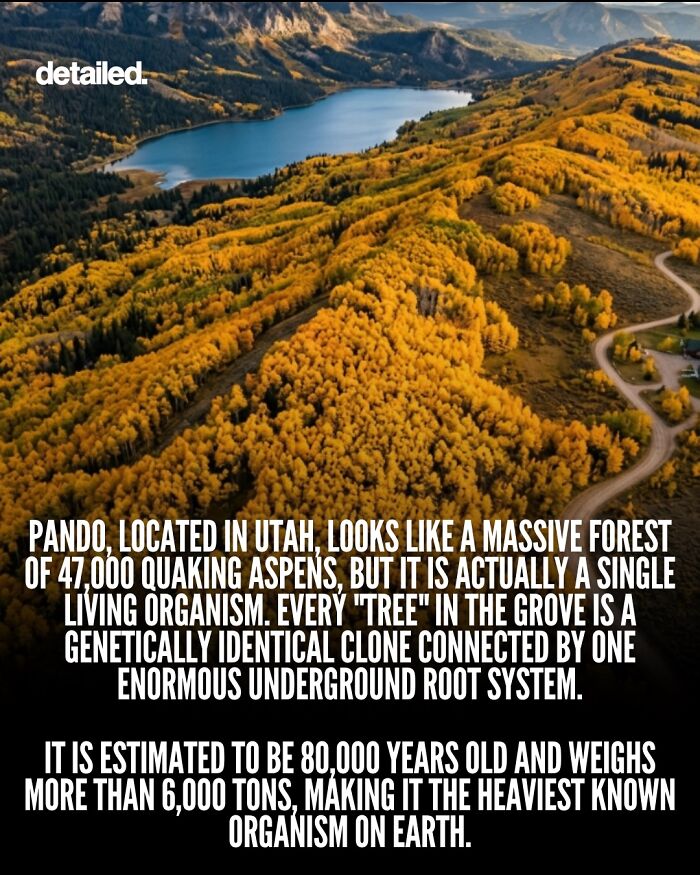
I've seen several televised educational videos mention Pando and am entranced by it. We have many large swaths of aspen in the Rocky Mountains in the US, but this takes the cake. How many others are out there? From Wikipedia, "While many emphasize that Pando is the largest clonal organism, other large trees, including Redwoods can also reproduce via cloning." Just amazing!
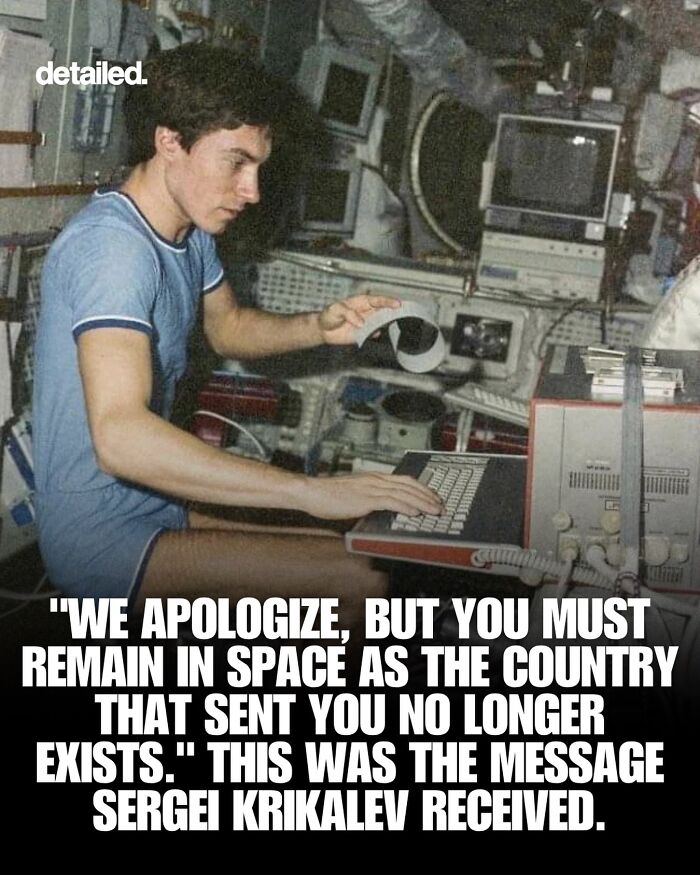
In 1991, while aboard the Mir space station, Soviet cosmonaut Sergei Krikalev received a message that essentially informed him the country that sent him into orbit no longer existed. As the Soviet Union collapsed, the political and financial infrastructure required to bring him home vanished.
Mission Control informed Krikalev that there were no funds for a rescue mission. Originally scheduled for a five-month stay, he remained in space for 311 days, nearly double his planned duration. Known as the “last Soviet citizen,” he finally returned in March 1992, landing in the newly independent Kazakhstan as a citizen of the Russian Federation.
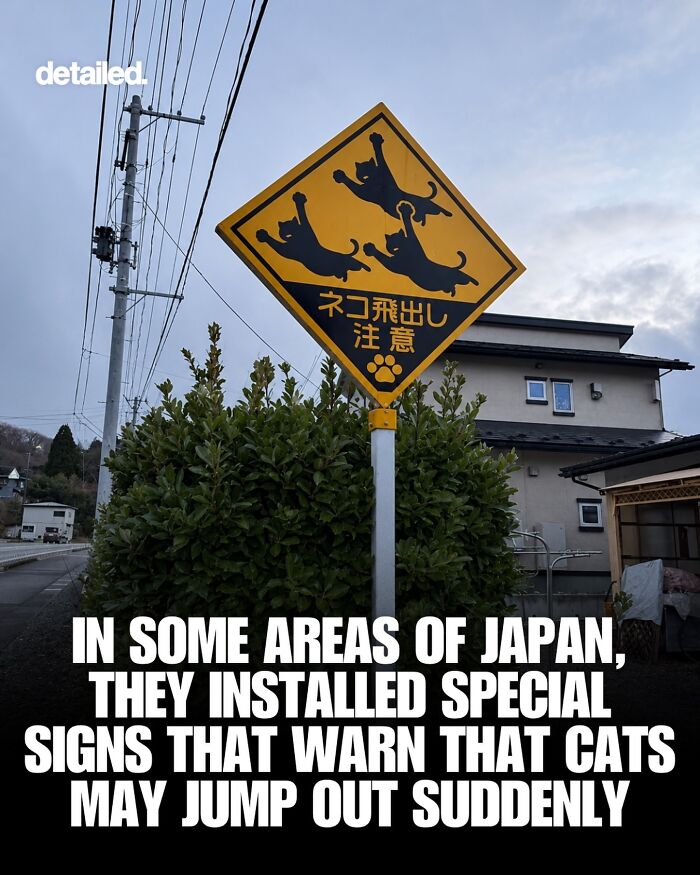
The sign says ネコ飛出し注意, read as neko tobidashi chūi, which means “Caution: cats may suddenly dart out.” The funny part is that 飛出し means suddenly jumping, dashing, or popping out into the road, so the cat silhouettes look like they are flying.
It is basically a local traffic safety warning telling drivers to slow down because cats may run out from hedges, alleys, houses, or narrow roadside areas.

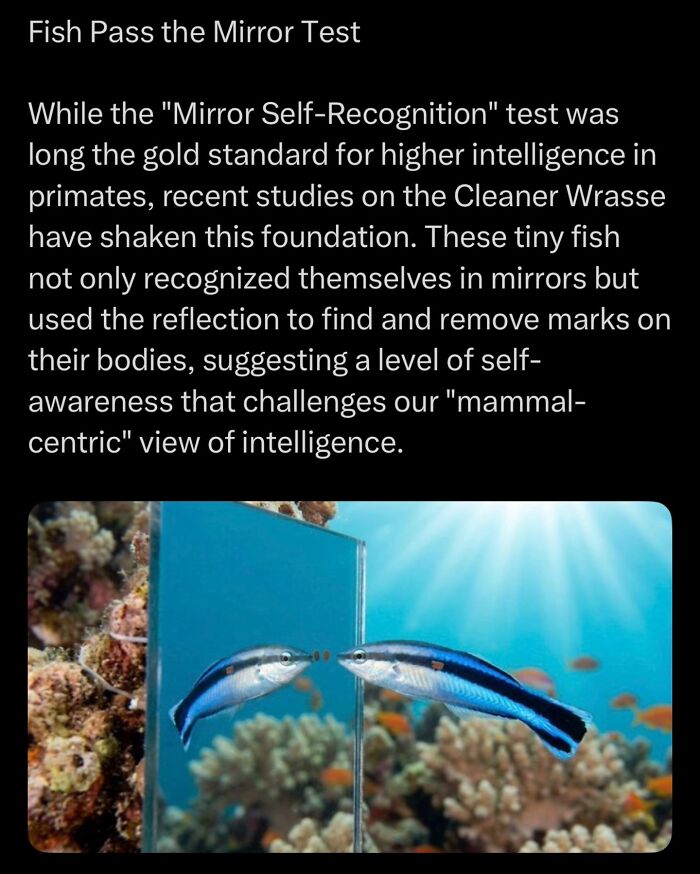
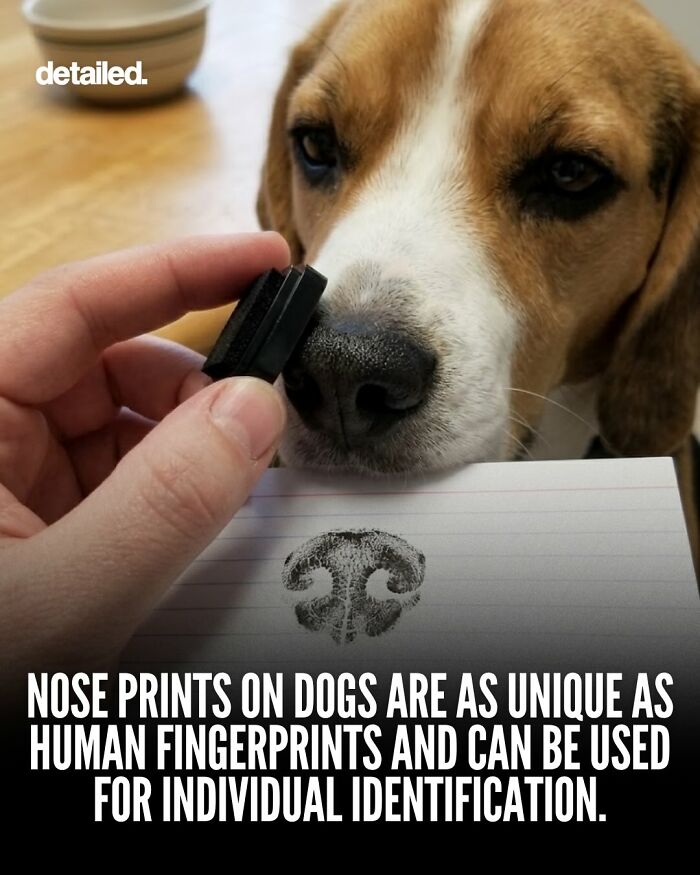
Mirror test is skewed to favor animals that use sight as the primary identifier. Dogs for example often don't pass, because the mirror doesn't mirror smells

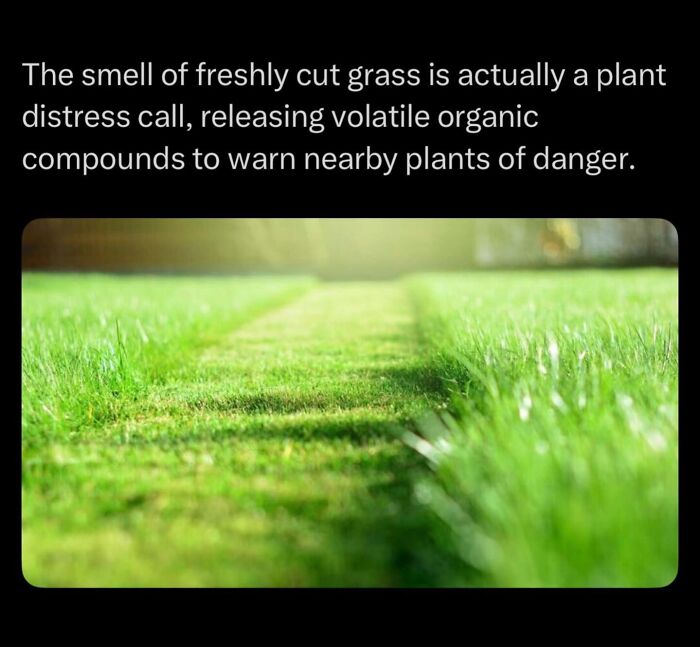
OK, but what're the nearby plants supposed to do about it? Duck and cover?

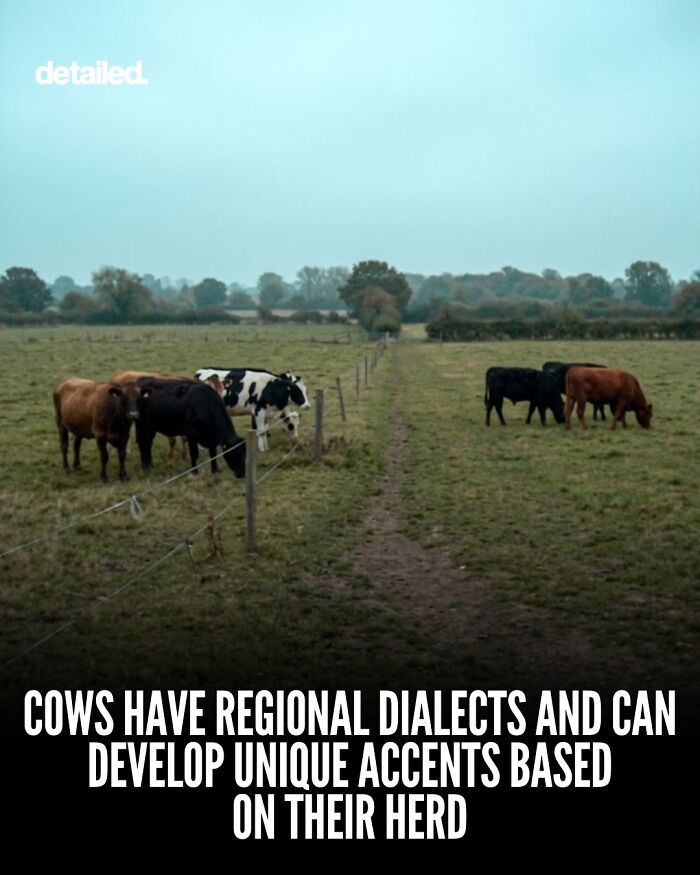
"It's pronounced 'Cheshire' you bovidiot." "Oh, my sweet summer calf, oh so udderly wrong. It's pronounced 'Cheshire.'"
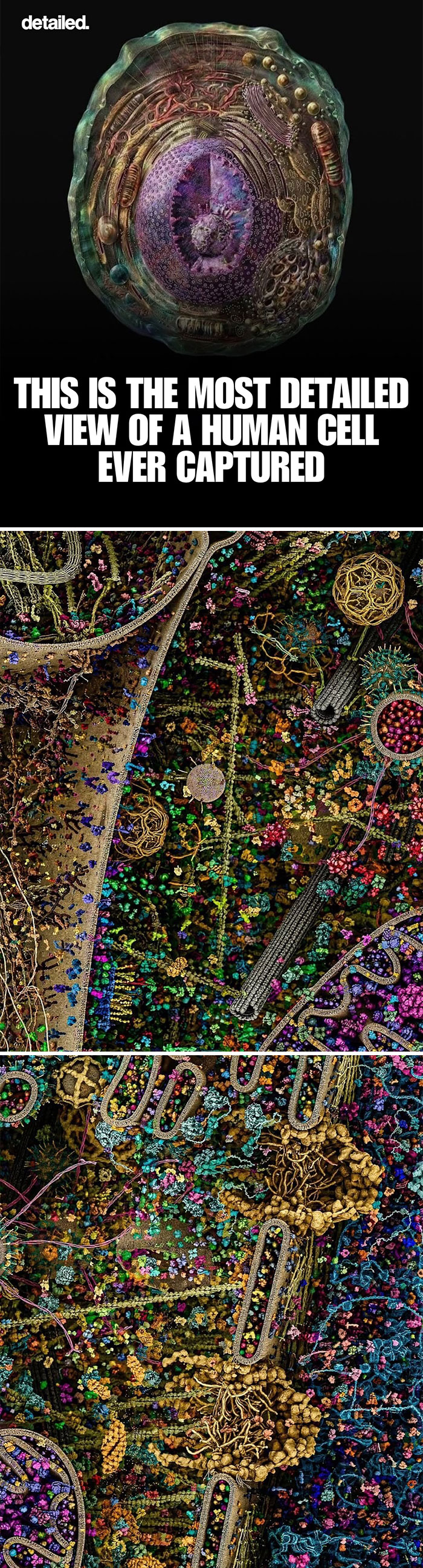
This reconstruction turns molecular data into a 3D scene using X-ray crystallography & electron microscopy. With light & transparency, it feels like you’re looking inside the cell, not at it. It works because it’s based on real data, making complex processes easier to see and understand.
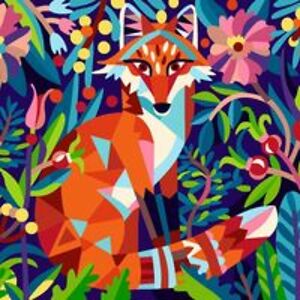
I would very much like to recreate this with embroidery, beads and sequins.
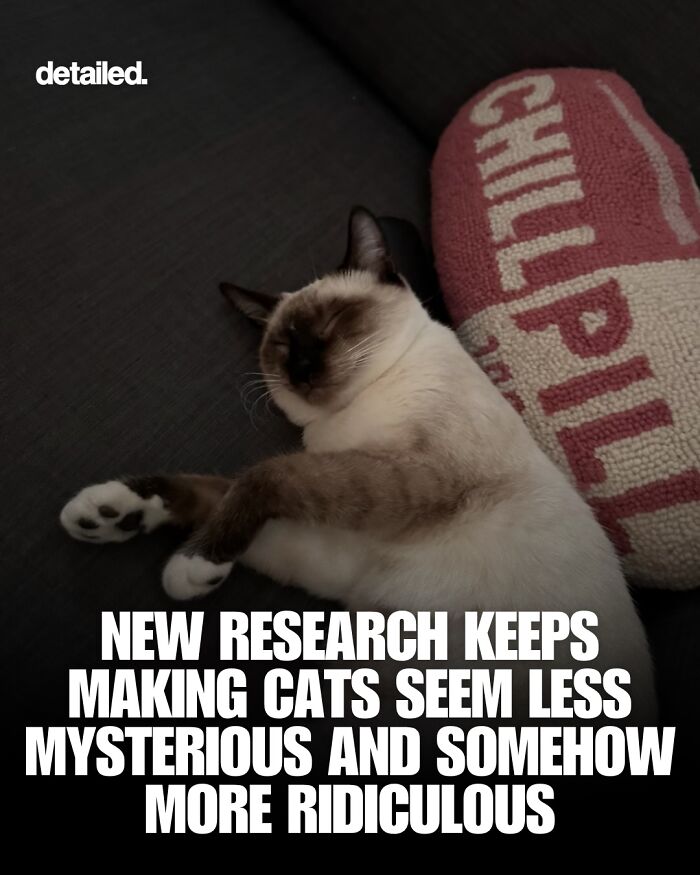
Cats playing fetch is more common than people think. A 2024 study found many cats retrieve thrown objects, especially playful indoor cats, but usually on their own terms. A 2025 study found cats may meow more at male caregivers during greetings. Researchers think cats might vocalize more because men may be less responsive to quieter cues. A 2025 study suggested a cat's purr may identify them better than its meow. Meows change depending on context, but purrs appear more stable and individual. A 2025 study found some cats have traits suited for therapy work. These cats were more social, tolerant of handling, attention seeking, and comfortable around people. A 2024 study found cat meows change depending on the situation. This suggests cats may use different vocal patterns for food, attention, doors, or complaining.
My boys are litter mates, but different in almost every way. Chaos absolutely loves playing fetch, and will bring toys to me or to my son until we agree to play. His brother, Mayhem, will chase thrown toys, but never retrieves them. I can't decide if he fails to grasp the concept of fetch, or if he has deemed it beneath him.
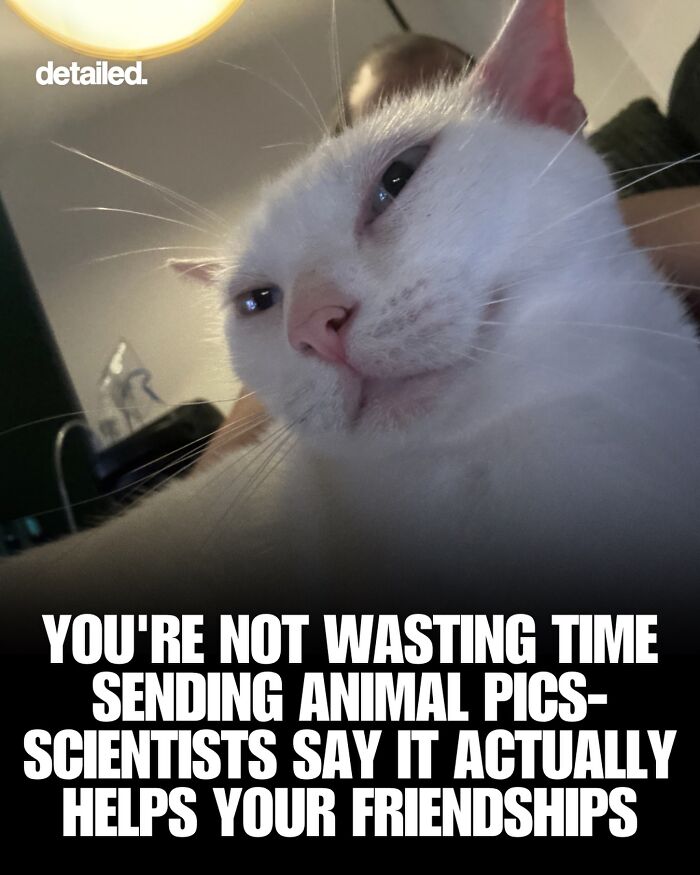
Scientists have finally solved the mystery of why cute animal content dominates the internet—and it’s not just about getting likes. A study from Concordia University and ESSEC Business School reveals that sharing videos of cute animals actually strengthens human relationships in ways we never understood before.
Researchers Zeynep Arsel and Ghalia Shamayleh discovered that sending animal content creates “digital affective encounters”—moments that trigger genuine positive emotions between people.
The study, published in the Journal of Consumer Research, interviewed animal content creators and consumers to understand this phenomenon. What they found was shocking: people put serious thought into which animal posts they share, using them to recall shared memories and show deep personal knowledge of their friends.
The research reveals that animal content acts as a “social lubricant” online, creating what scientists call “digital affective networks”—entire relationship systems built around mood-boosting content. Someone might send a video of baby pandas falling over with the caption “You and me at our first yoga class,” instantly connecting past experiences with present laughter.
This isn’t mindless scrolling—it’s sophisticated emotional communication. In a world where social media gets criticized for toxic content, cute animals have become our secret weapon for maintaining genuine human connections across digital spaces.
The findings suggest that your daily dose of cat GIFs isn’t digital junk food—it’s relationship maintenance disguised as entertainment.
No better way to get rid of stress and get some positivity than looking at cute animals

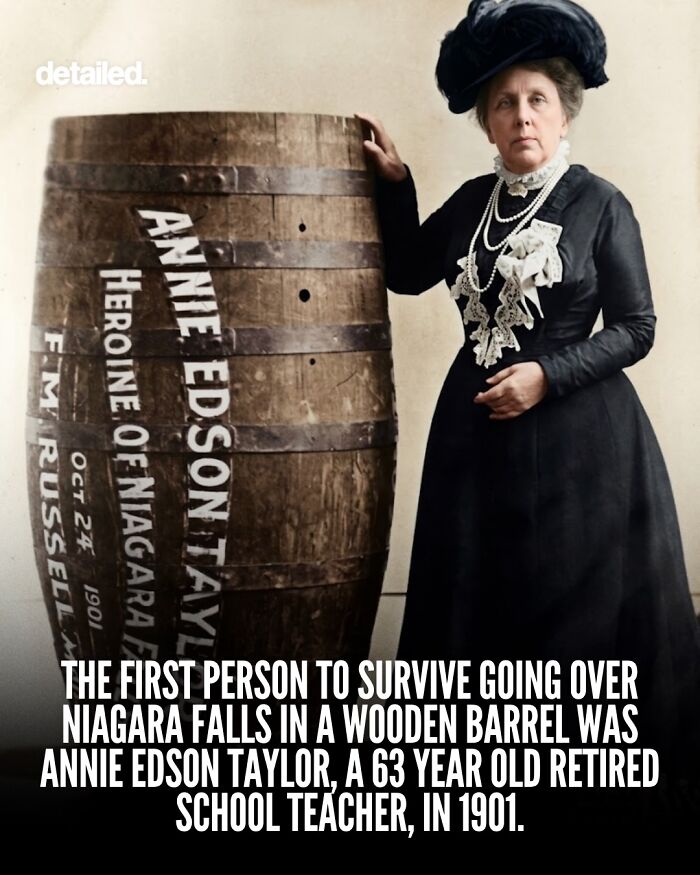
I honestly wonder what would possess someone to do that - especially when most people don't survive!
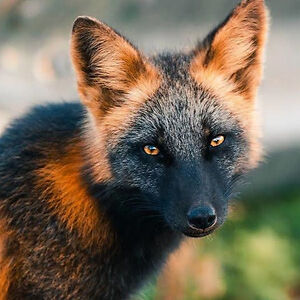
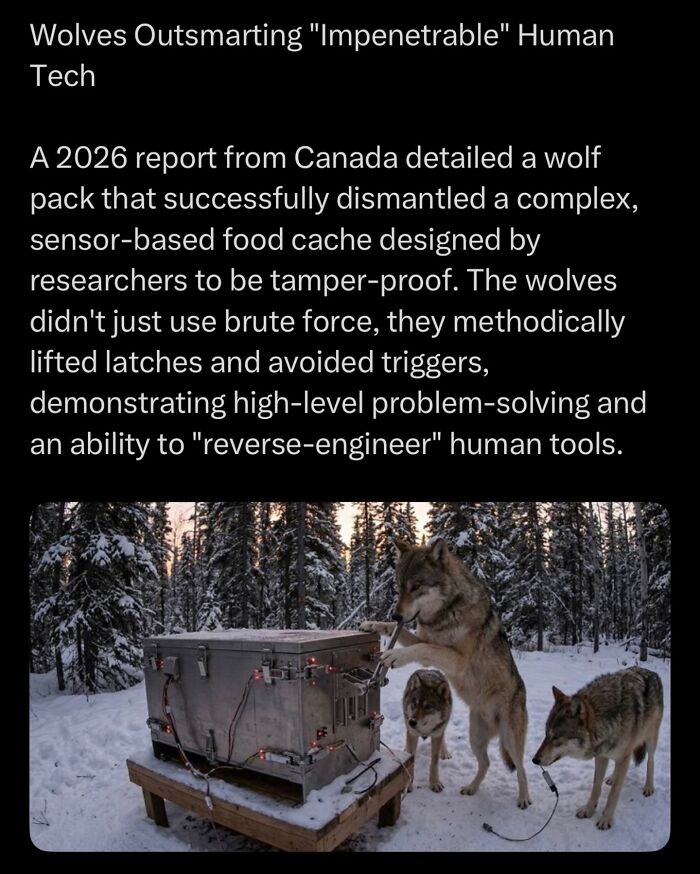
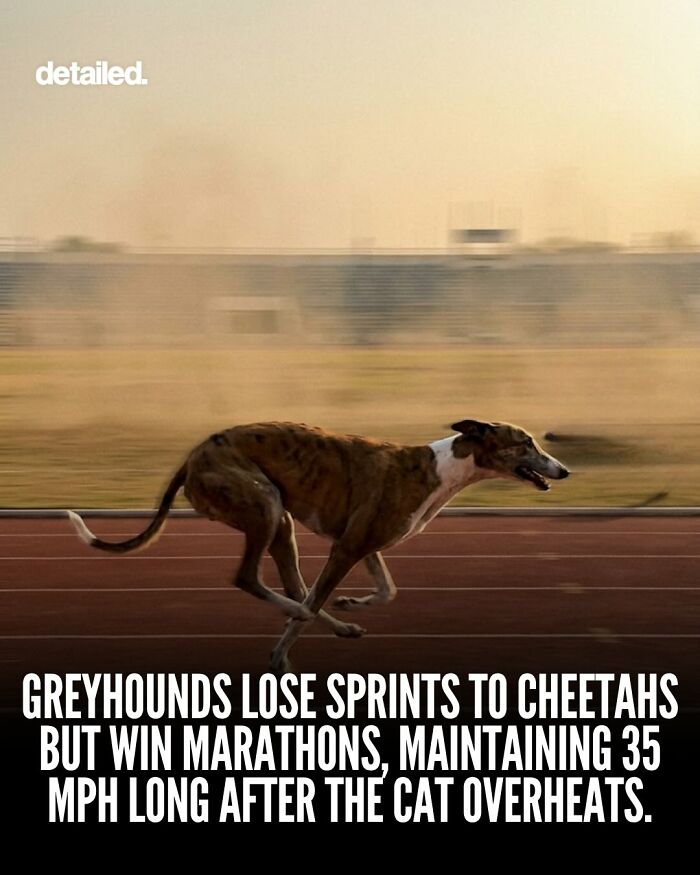
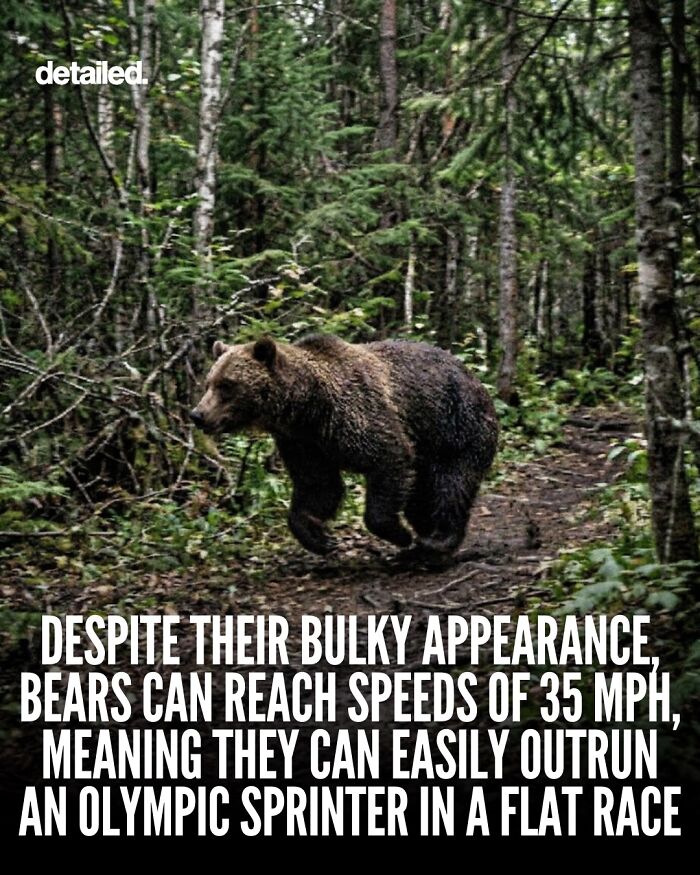
Makes sense as wolves , and therefore dogs, are endurance hunters like we humans are - We lack speed but have the energy retention to just follow prey for way longer than it can outrun us
And this is why living without a gun and a license at Svalbard is forbidden
An army that makes you wear a noose around your own neck may not have your long term interests in mind.
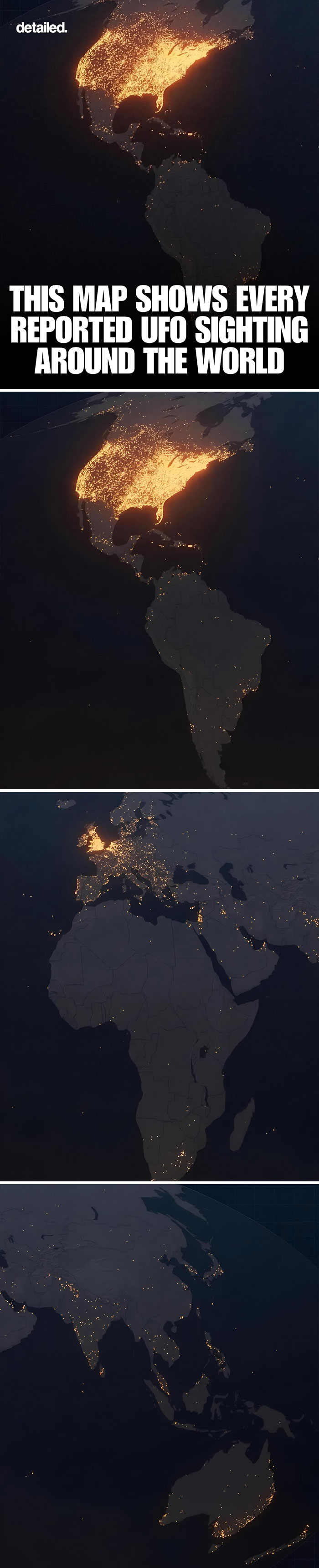
Seems like aliens really love America
Aliens are really looking in the wrong place for intelligent life! 😁 (I'm American so I'm allowed to say this)

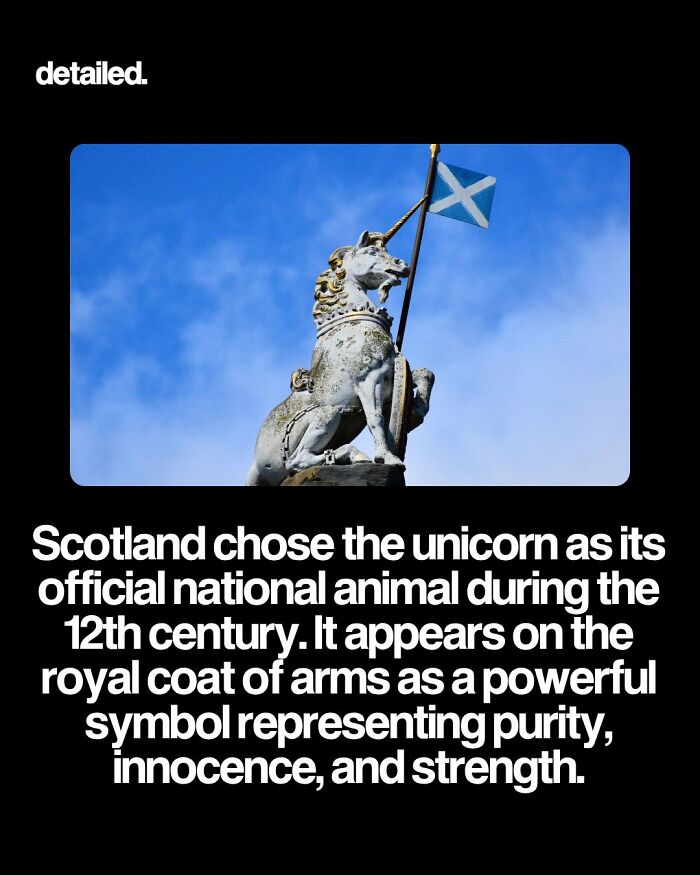
Not quite. Notice the chain around the unicorn. Scotland harnessed and contained an unstoppable force. It had no need for lions, it had something far more ferocious. Notice also the position of the unicorn on newer (after the joining of crowns) Scottish heraldry - the position of honour. The English lions get to sit in obedience. 😂 So strength, yes. But the innocence and purity part was written by a clueless person who thinks that unicorns fart rainbows, whereas in the middle ages they were something fearsome.

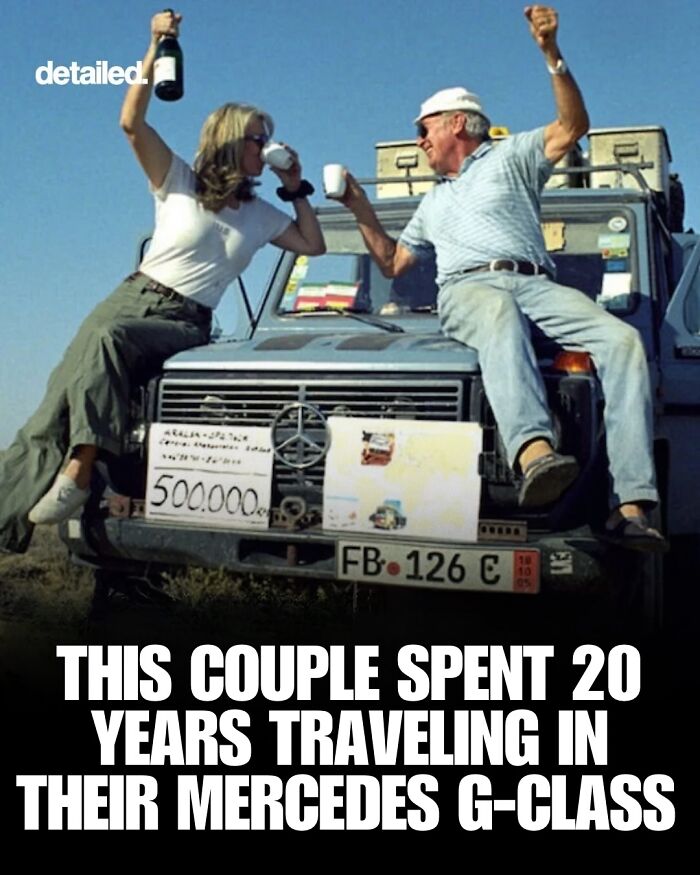
Gunther Holtorf was born in Germany in 1937 and spent many years working in the aviation and shipping industries, including a role at Lufthansa and later as a managing director at Hapag-Lloyd. In 1988 (or late 1988/early 1989), he made a radical decision: he quit his job, bought a 1988 Mercedes-Benz G-Wagen (nicknamed “Otto”), and set out on what was supposed to be an approximate 18-month trip across Africa.
But what began as a short adventure turned into a multi-decade world tour. Gunther and Christine traveled for many months each year (eventually nearly continuously) in Otto, covering hundreds of thousands of kilometers. Reports record over 800,000 km (about 500,000+ miles) and visits to more than 170 countries or territories over 20+ years. They ventured into places many travelers rarely attempt, from remote African regions and the Himalayas to North Korea. Gunther is believed to have been among the first Westerners to drive a private car into North Korea.
The journey wasn’t about luxury. They didn’t rely on hotel comforts; they often slept in their vehicle, cooked their food, and kept their costs low. Shipping the car between continents and dealing with border formalities were major parts of the adventure. In one article, Gunther estimated total expenses (fuel, spare parts, shipping) over the course of the trip to be roughly €450,000, which is surprisingly moderate when spread over many years.
Christine became ill with cancer and eventually passed away in 2010. Gunther continued traveling on his own or with companions until he concluded the journey around 2014. His car “Otto” was later placed in the Mercedes-Benz Museum in Stuttgart as a tribute to the feat.
Throughout the journey, Gunther emphasized that it wasn’t about being famous or collecting stamps. It was about seeing the world, especially beyond familiar tourist façades, exploring remote places, meeting people, and living simply. He often said that “Otto is the most traveled vehicle on earth” and that the car, perhaps more than the traveler, was extraordinary.
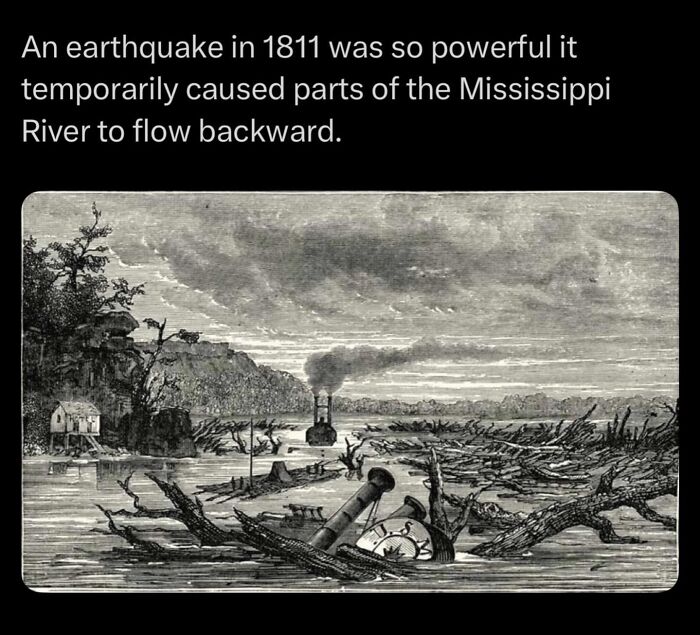
The New Madrid (Missouri) quake. It also rang church bells in Boston. (N.B.: New Madrid is pronounced New MAD-rid. Not like the city in Spain.)
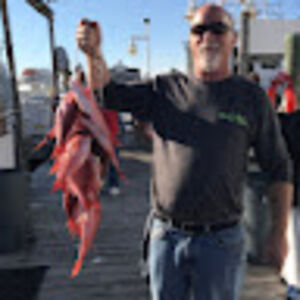
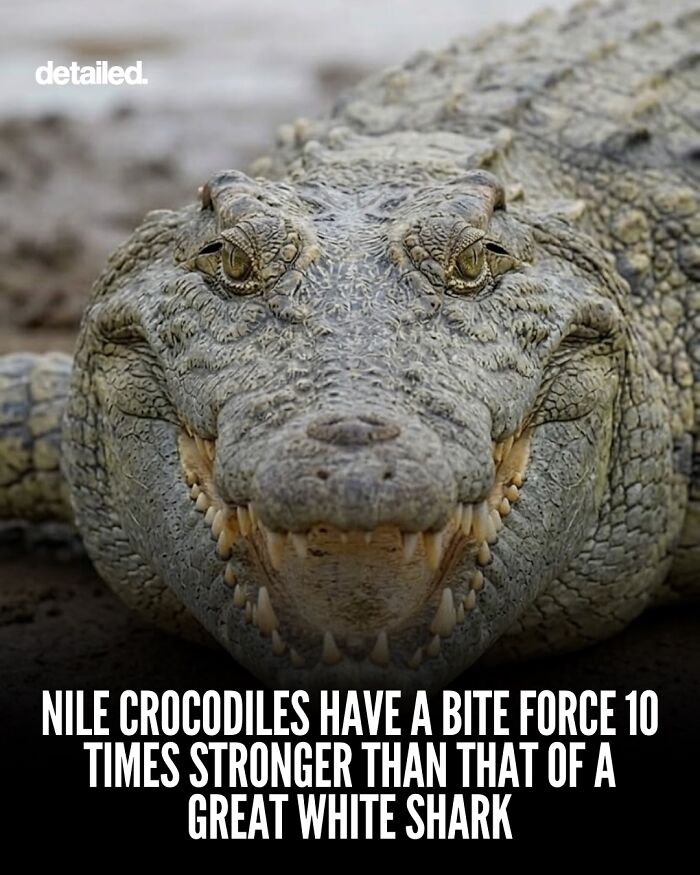
Wonder if you can hold their jaws together like you can with 'gators?
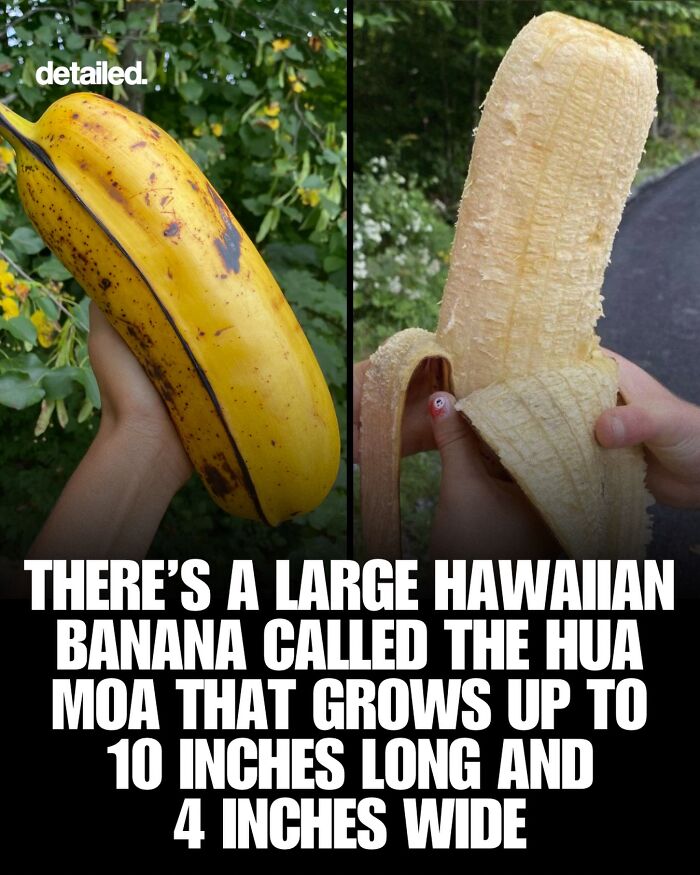
Hua Moa bananas are a rare Polynesian banana variety, sometimes called “Hawaiano,” known for being unusually large, thick, and dense. They likely originated in Polynesia and became popular in places like Tahiti, Hawaii, and later South Florida.
Unlike the common Cavendish banana, Hua Moa can be eaten ripe and fresh or cooked while green. Its texture is heavy, creamy, and almost plantain like, which makes it great for frying, smashing, or making tostones. When fully ripe, it becomes sweeter and softer, but still has a rich, dense bite.
Growers value it for its unique size and flavor, but it is not the easiest banana to grow. The University of Florida notes that Hua Moa has poor cold tolerance and is susceptible to Panama disease, so it needs warm, protected growing conditions.
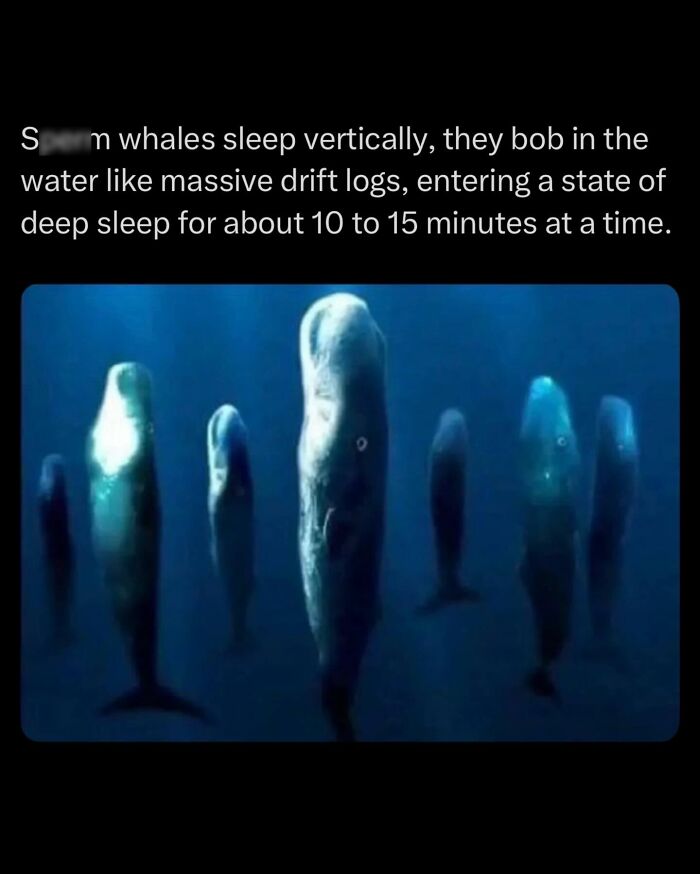
Imagine scuba diving and suddenly running in to a huge pod of s.perm whales all sleeping together like this! I'd need to change my wetsuit.
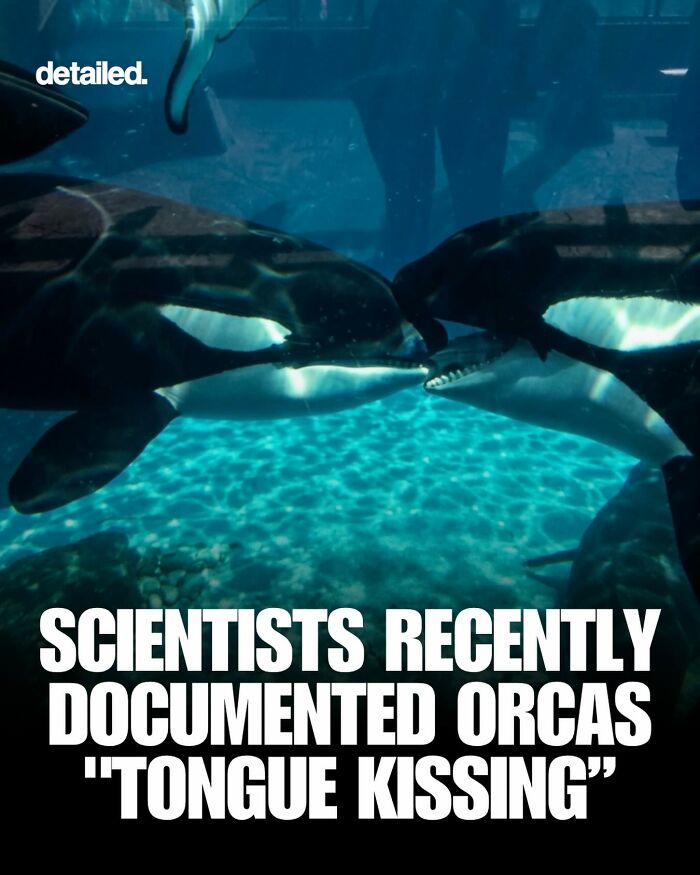
Scientists recently documented wild orcas in the Kvænangen fjords of Northern Norway engaging in a behavior known as “tongue-nibbling,” marking the first time this interaction has been recorded in the wild.
During the encounter, two orcas remained face-to-face for nearly two minutes as they took turns protruding their tongues and gently touching or nibbling them. While this behavior was first noticed in captive whales decades ago, this new sighting confirms that it is a natural part of their repertoire rather than a result of confinement, offering a rare glimpse into the intimate social lives of these apex predators.
Researchers believe this tactile interaction serves as a vital tool for social bonding, conflict resolution, or sensory play. Much like grooming in primates, the act likely reinforces relationships within the pod or serves as a peaceful gesture to reconcile after a disagreement.
The discovery, detailed in a 2025 study, emphasizes the sophisticated emotional intelligence of orcas and highlights how much of their complex underwater culture remains hidden from human observation.
The image above of 2 orcas from Seaworld San Diego tongue kissing.
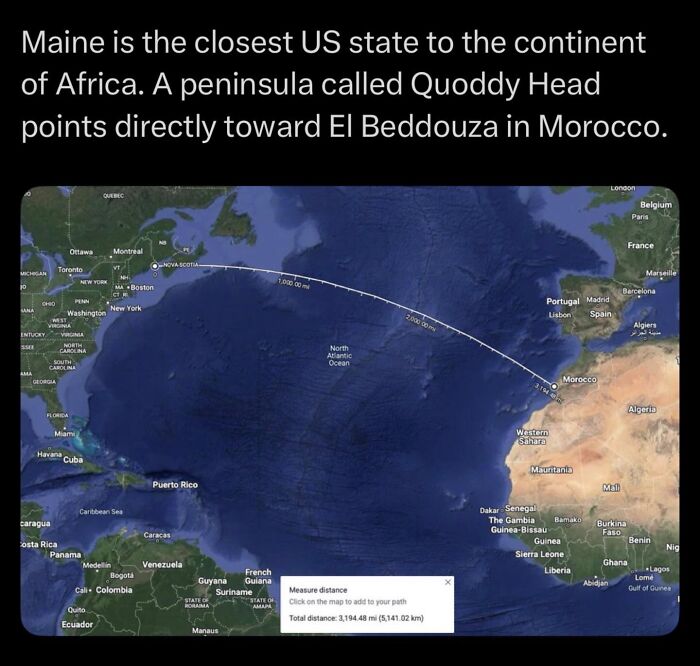
In the original Pete's Dragon from the 70's the name of the town in Maine is Passamaquoddy. 😁 Still my favorite Disney movie of all time.

The Earth will likely be fine. It's the surface infestations that will go.
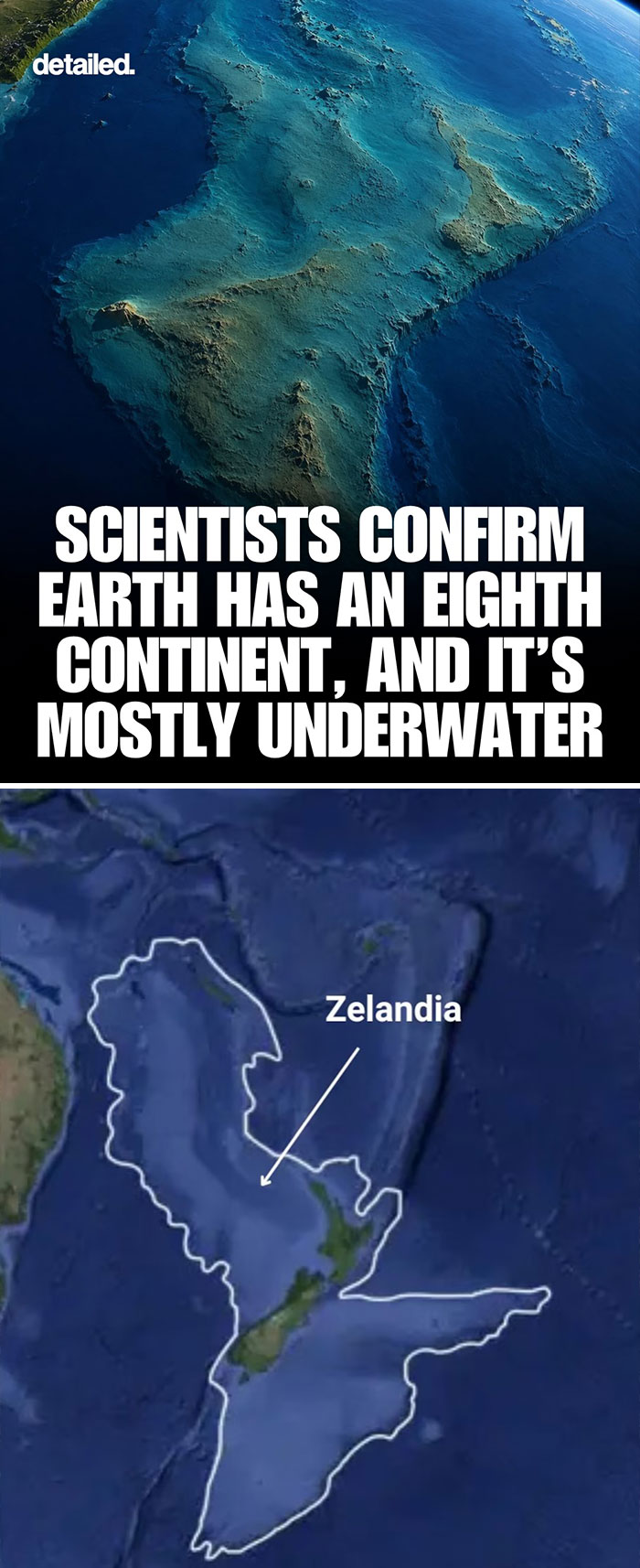
Scientists have officially confirmed the existence and full extent of Zealandia, widely regarded as Earth’s eighth continent — a vast, mostly submerged landmass beneath the South Pacific Ocean.
Covering nearly 5 million square kilometers (about 2 million square miles), Zealandia is roughly the size of India. Only around 5% of it rises above sea level, primarily forming the islands of New Zealand and New Caledonia. For decades, geologists debated whether this region qualified as a true continent or merely scattered fragments. Recent research has settled the question by demonstrating that Zealandia possesses all the defining geological characteristics of a continent.
Zealandia began separating from the ancient supercontinent Gondwana approximately 85 million years ago. Tectonic stretching thinned its crust, causing much of the landmass to gradually subside beneath the ocean while remaining structurally intact. Researchers mapped its boundaries using rock samples dredged from the seafloor — including sandstone, volcanic rocks, and basalt dated between 145 and 34 million years old — combined with magnetic anomaly data from the crust. These “magnetic fingerprints” revealed a coherent geological structure across the entire region, confirming it is not ordinary oceanic crust but a unified continental block shaped by ancient volcanism and plate tectonics.
Because most of Zealandia has remained submerged for tens of millions of years, it offers a unique window into processes of continental rifting, thinning, and breakup that are difficult to study on dry land.

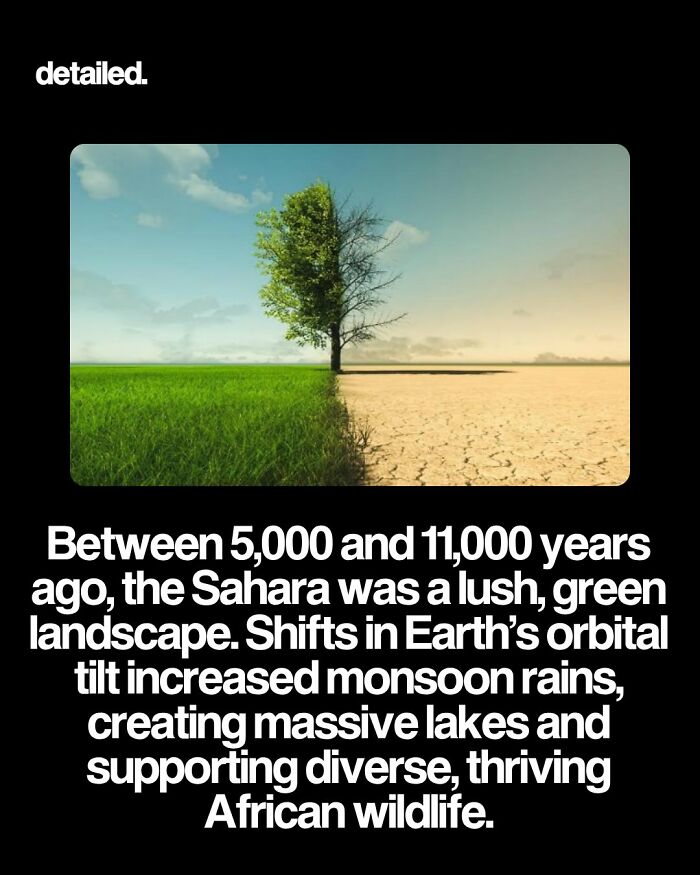
Now, millions of tons of nutrient-rich dust from the Sahara blows across the Atlantic each year to fertilize the Amazon Basin.

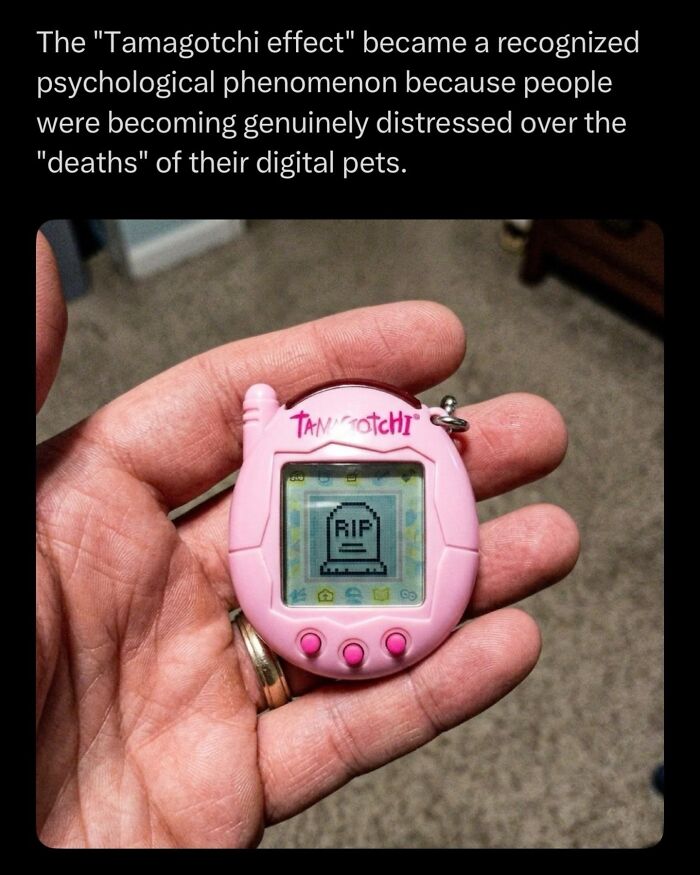
"The Tamagotchi effect is the development of emotional attachment with machines, robots or software agents. It has been noticed that humans tend to attach emotionally to inanimate objects devoid of emotions of their own. For example, there are instances when people feel emotional about using their car keys, or with virtual pets. It is more prominent in applications which simulate or reflect some aspects of human behavior or characteristics, especially levels of artificial intelligence and automated knowledge processing." (Tamagotchi effect, Wikipedia)
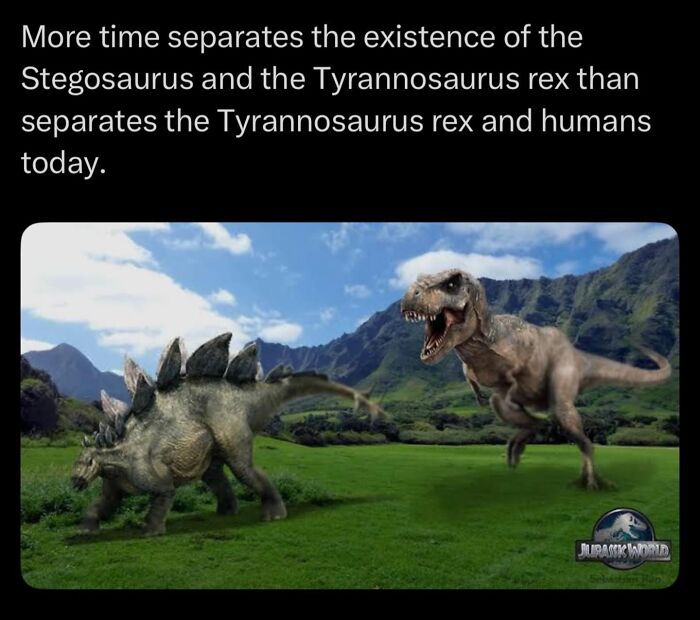
Which is why I get so irritated at seeing them at the same time in low budget movies "with dinosaurs". [Jurassic Park/World don't count as they were recreate in modern times]
The Star Wars galaxy is a lot closer than you think .
Tatooine was Tunisia. Hoth was a real glacier in Norway. Yavin 4 was a 2,500-year-old Mayan temple complex in Guatemala.
Naboo’s royal palace was the Caserta Palace in Italy, while Anakin and Padmé’s lake retreat was Villa del Balbianello on Lake Como, originally an 18th-century monastery.
Every one of these locations is still standing. Every one of them is still visitable.
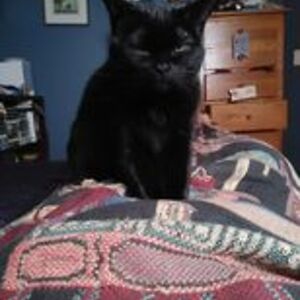
NASA has uncovered some truly unsettling facts about our universe, dark energy driving a runaway expansion, rogue planets drifting alone in the void, black holes lurking in the center of almost every galaxy, the eerie silence of a cosmos filled with trillions of worlds, stars that die and somehow reignite, gamma-ray bursts that could erase a planet in seconds, and massive asteroids that slip past Earth before we even see them.

The 'great silence' is most likely a consequence of two factors: the speed of light (and therefore the speed radio waves travel) and how long ago alien species developed radio technology. There may be millions or even billions of technological civilisations in the Universe; their radio emissions just haven't had time to reach us yet. For context, radio transmissions from Earth will currently be detectable within 120 light years of our planet. To any civilisation further away than that, the Earth would not appear to have radio technology.
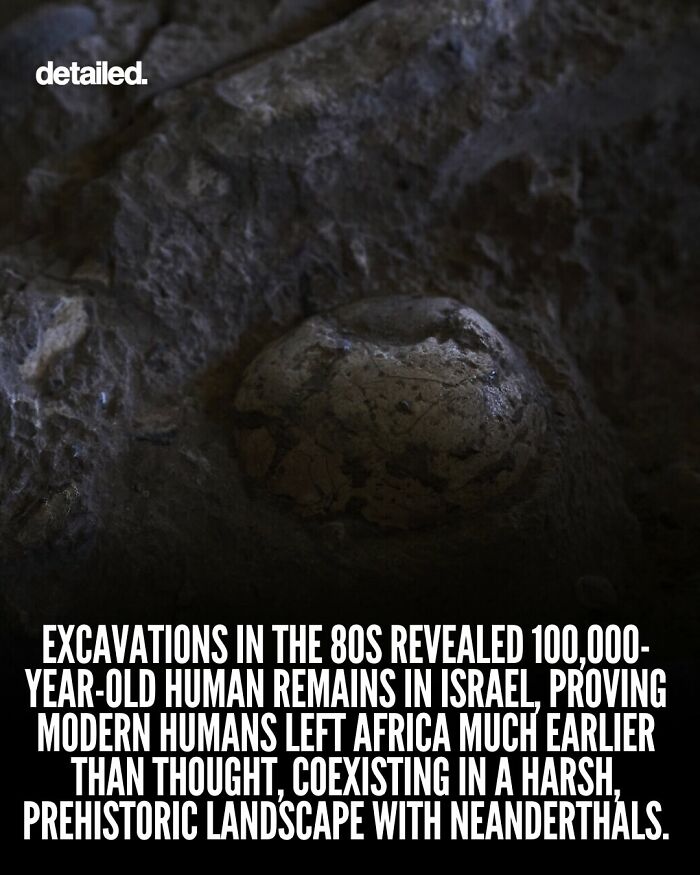
Aside from native africans every human population has traces of Neanderthal DNA
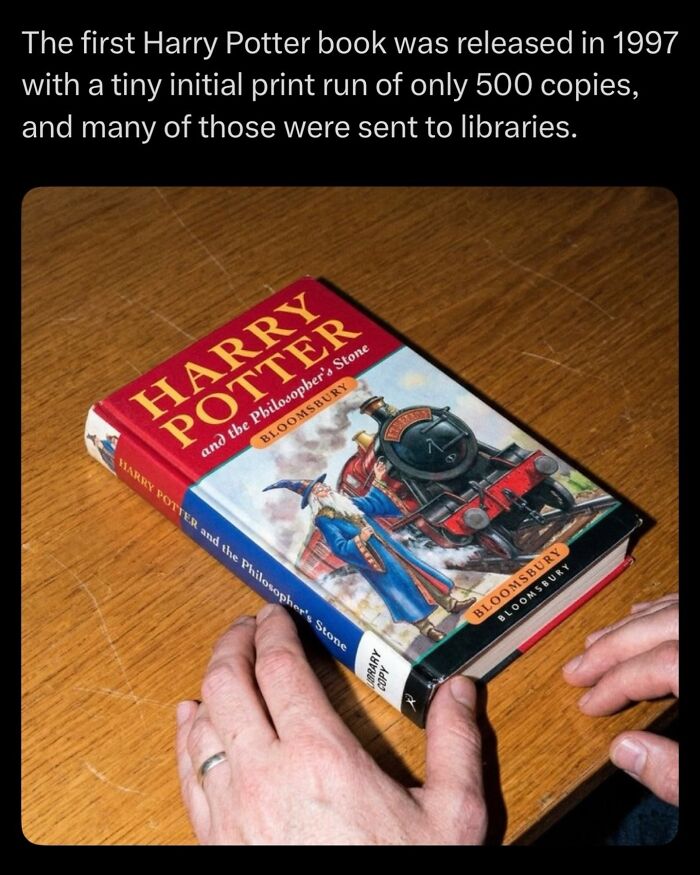
I worked at a bookshop during my student years and will never forget the excitement when a new Harry Potter book came out. Embargoed until midnight, when we would receive a code via phone to unlock the chests, with queues of fans outside in costume. There was so much excitement and anticipation, it truly was a lovely experience. At that point, I hadn't even read any of them!
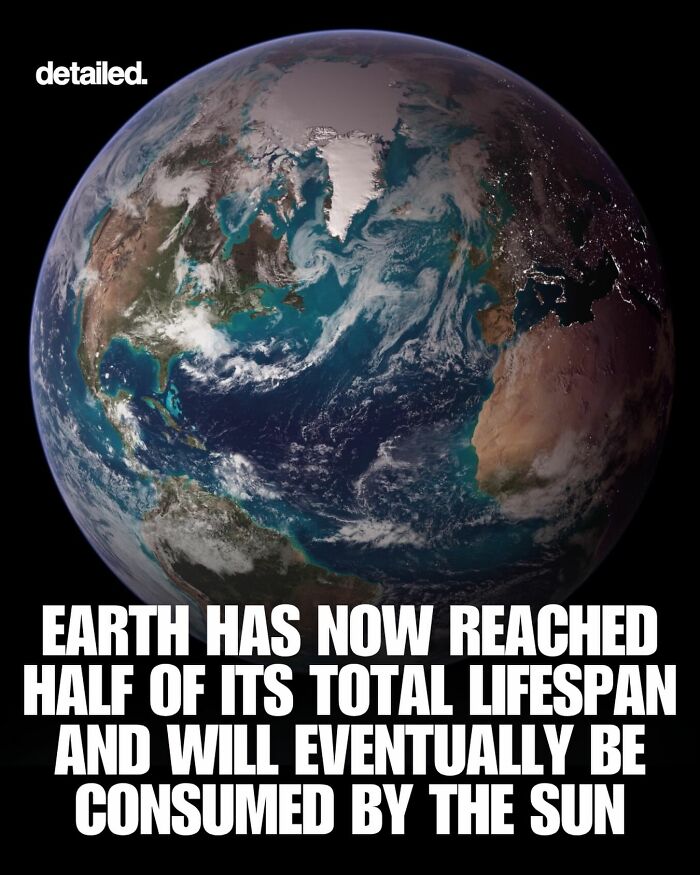
We’re officially at the cosmic halftime show.
Earth is 4.5 billion years old, meaning we’ve hit the midpoint of its habitable life. In about 1 billion years, the Sun’s luminosity will increase by 10%, triggering a runaway greenhouse effect that evaporates our oceans.
Fast forward 5 billion years, and the Sun expands into a Red Giant, likely consuming Earth entirely.
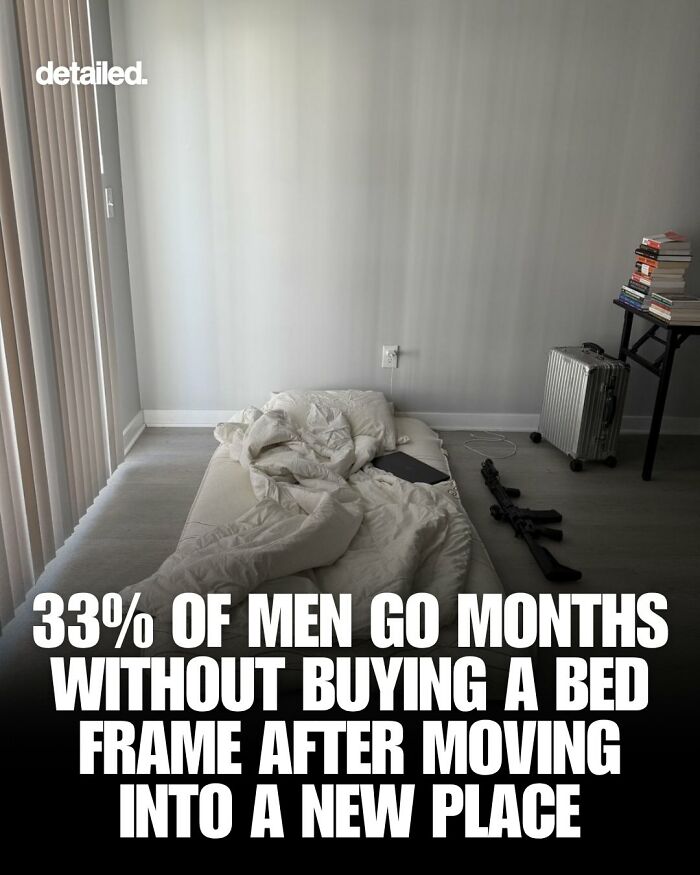
Real-world data from the National Sleep Foundation and consumer moving reports show that roughly 33% of men live with their mattress on the floor after moving into a new place
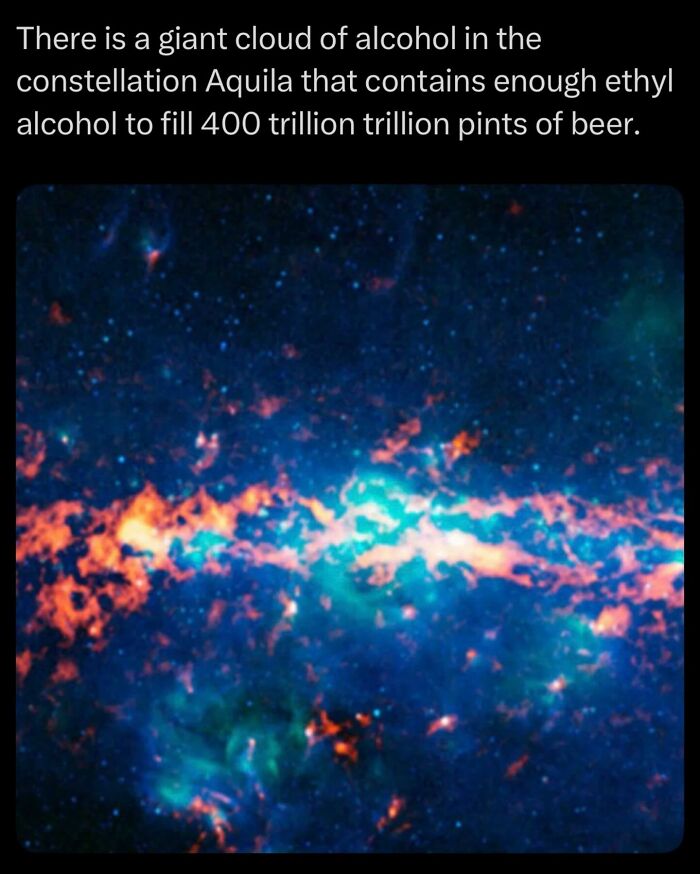
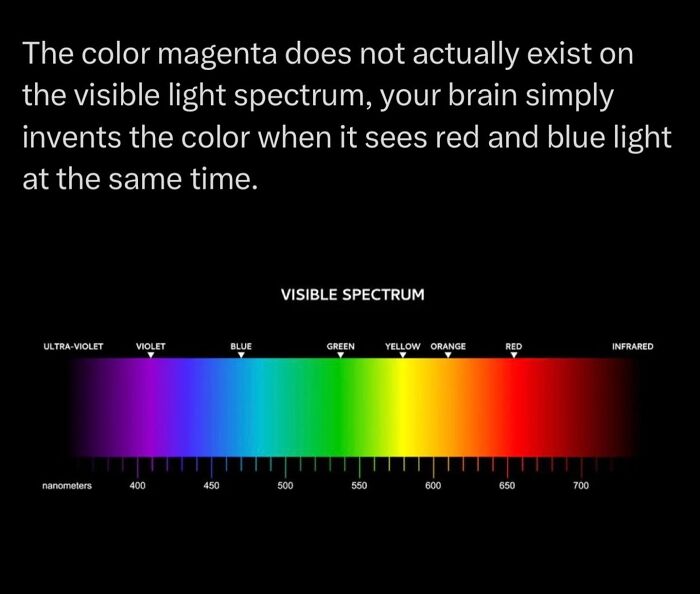
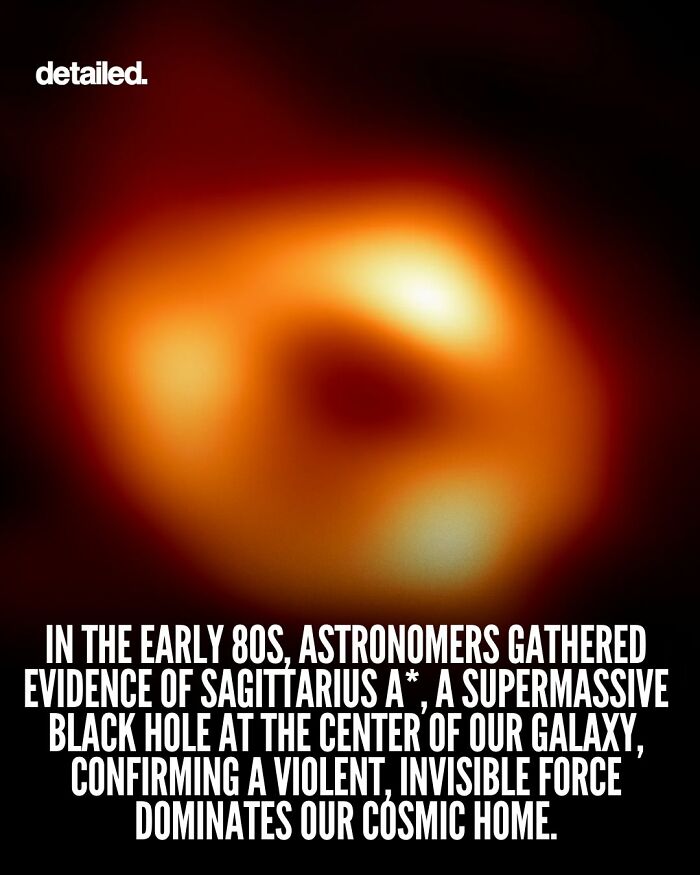
Just FYI - that's not a word being censored. It's actually called Sagittarius A*. I had to look it up because I was confused. 😊
The URI is correct, but the text is AI generated bollocks. That's not what's actually there...

A fascinating fact: the mycelial network (tiny threads that serve as the root system to the fruiting bodies of fungi), if separated out and laid end-to-end, would stretch to the Sun and back 750 million times. It is absolutely bonkers to me that something that gigantic could fit on our tiny blue marble planet!

I read an article last week mocking the use of "POV" in memes, since the maker often doesn't understand the meaning of "POV." I kind of wonder this about "Detailed." Was it necessary?
It's like when people talk about their descendants, who lived hundreds of years ago.
Load More Replies... A fascinating fact: the mycelial network (tiny threads that serve as the root system to the fruiting bodies of fungi), if separated out and laid end-to-end, would stretch to the Sun and back 750 million times. It is absolutely bonkers to me that something that gigantic could fit on our tiny blue marble planet!
I read an article last week mocking the use of "POV" in memes, since the maker often doesn't understand the meaning of "POV." I kind of wonder this about "Detailed." Was it necessary?
It's like when people talk about their descendants, who lived hundreds of years ago.
Load More Replies...















 No fees, cancel anytime