Get Premium
Dark mode theme is available exclusively for premium users. Learn more about the benefits of subscribing.
No fees, cancel anytime.

 Dark Mode Ad-Free Browsing Unlimited Content
 Ad-Free Browsing Unlimited Content Dark Mode
Join 1.2 million Panda readers who get the best art, memes, and fun stories every week!
Would you fall for a scam?
Scams are everywhere—suspicious emails, too-good-to-be-true deals, or “long-lost relatives” suddenly leaving you millions. How good are you at spotting the red flags?
This fun trivia quiz will test your cybersecurity instincts with everyday scenarios you might face online. Answer honestly and find out how safe you really are in the digital world!
Ready? Let’s dive in! 🔍
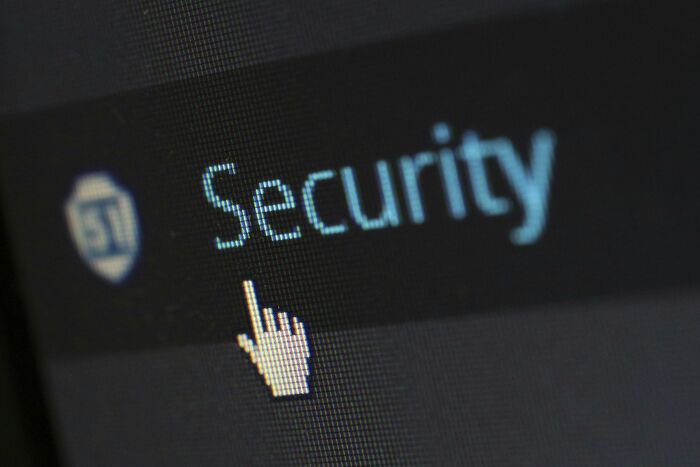
Image credits: Pixabay
Not Quite Done Yet!
Subscribe Premium to Compare Your Stats with Others
| User | Result | Reward |
|---|---|---|
  | / 15 | |
| | / 15 | |




Most of them are pretty well common sense in this computer age (I hope). Perhaps ten years back or so, many people would get caught more often.

Only a couple of weeks ago there was a story of someone who got scammed twice by someone claiming to be Keanu Reeves. It still happens. Perhaps 20-25 years ago, in the early days of email for many, it was worse - I see old issues of Judge Judy where people who don't have bank accounts (why on earth not?) got cashed cheques, by other people, that turned out to be bogus - from Nigerian investments and, most absurdly, from the Spanish lottery. I suspect there are still people dumb, greedy and naïve enough to believe that you can win a lottery without buying a ticket.
Load More Replies...
Some of these don't quite have the answers that are what I do. For example, I do write passwords down, but in form that is not decipherable by anyone but me. Secure password managers are actually not 100% secure, and if compromised, would reveal all your passwords. Ironically, I use them for my insecure passwords. Online banking passwords are not saved anywhere! And when creating passwords, I now normally use a multi-word phrase with a mixture of upper and lowercase lettes and a few numbers and symbols thrown in. These are not easy to brute force using a dictionary attack, and are longer than most standard passwords, but have the advantage that they are relatively easy to type.
Most of them are pretty well common sense in this computer age (I hope). Perhaps ten years back or so, many people would get caught more often.
Only a couple of weeks ago there was a story of someone who got scammed twice by someone claiming to be Keanu Reeves. It still happens. Perhaps 20-25 years ago, in the early days of email for many, it was worse - I see old issues of Judge Judy where people who don't have bank accounts (why on earth not?) got cashed cheques, by other people, that turned out to be bogus - from Nigerian investments and, most absurdly, from the Spanish lottery. I suspect there are still people dumb, greedy and naïve enough to believe that you can win a lottery without buying a ticket.
Load More Replies... Some of these don't quite have the answers that are what I do. For example, I do write passwords down, but in form that is not decipherable by anyone but me. Secure password managers are actually not 100% secure, and if compromised, would reveal all your passwords. Ironically, I use them for my insecure passwords. Online banking passwords are not saved anywhere! And when creating passwords, I now normally use a multi-word phrase with a mixture of upper and lowercase lettes and a few numbers and symbols thrown in. These are not easy to brute force using a dictionary attack, and are longer than most standard passwords, but have the advantage that they are relatively easy to type.











 No fees, cancel anytime



13
30