Get Premium
Dark mode theme is available exclusively for premium users. Learn more about the benefits of subscribing.
No fees, cancel anytime.

 Dark Mode Ad-Free Browsing Unlimited Content
 Ad-Free Browsing Unlimited Content Dark Mode
Join 1.2 million Panda readers who get the best art, memes, and fun stories every week!
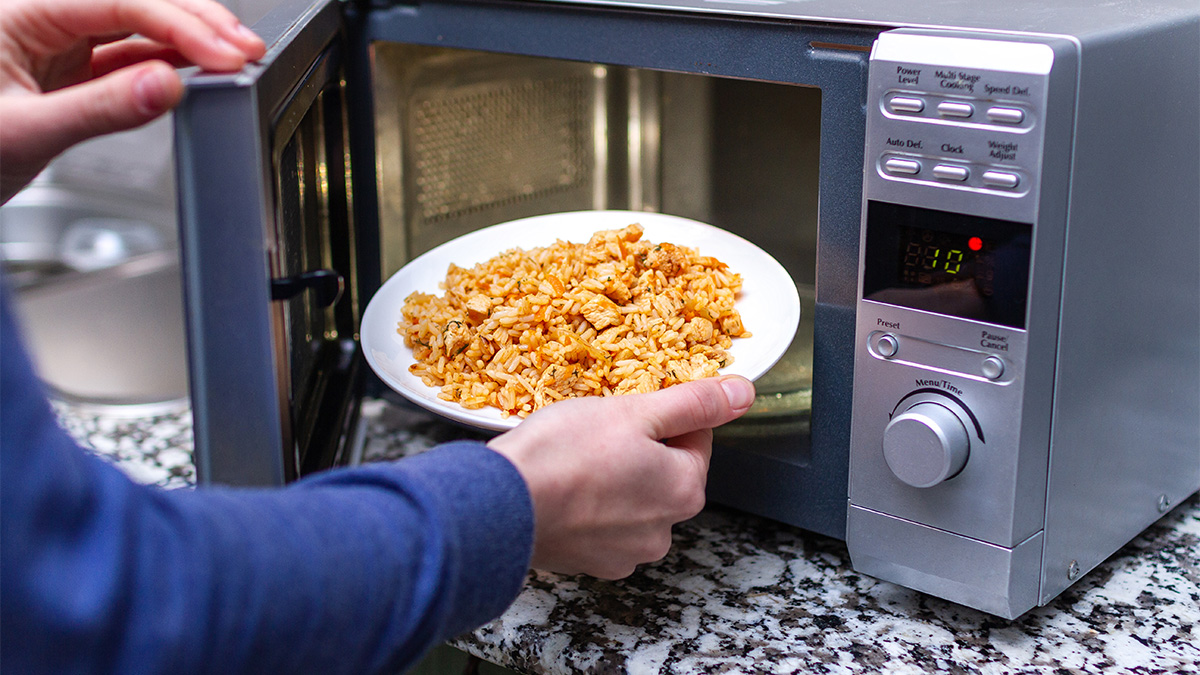
The first rule of eating lunch at the office? Don’t bring anything too smelly.
But what counts as “too smelly” really depends on who you ask.
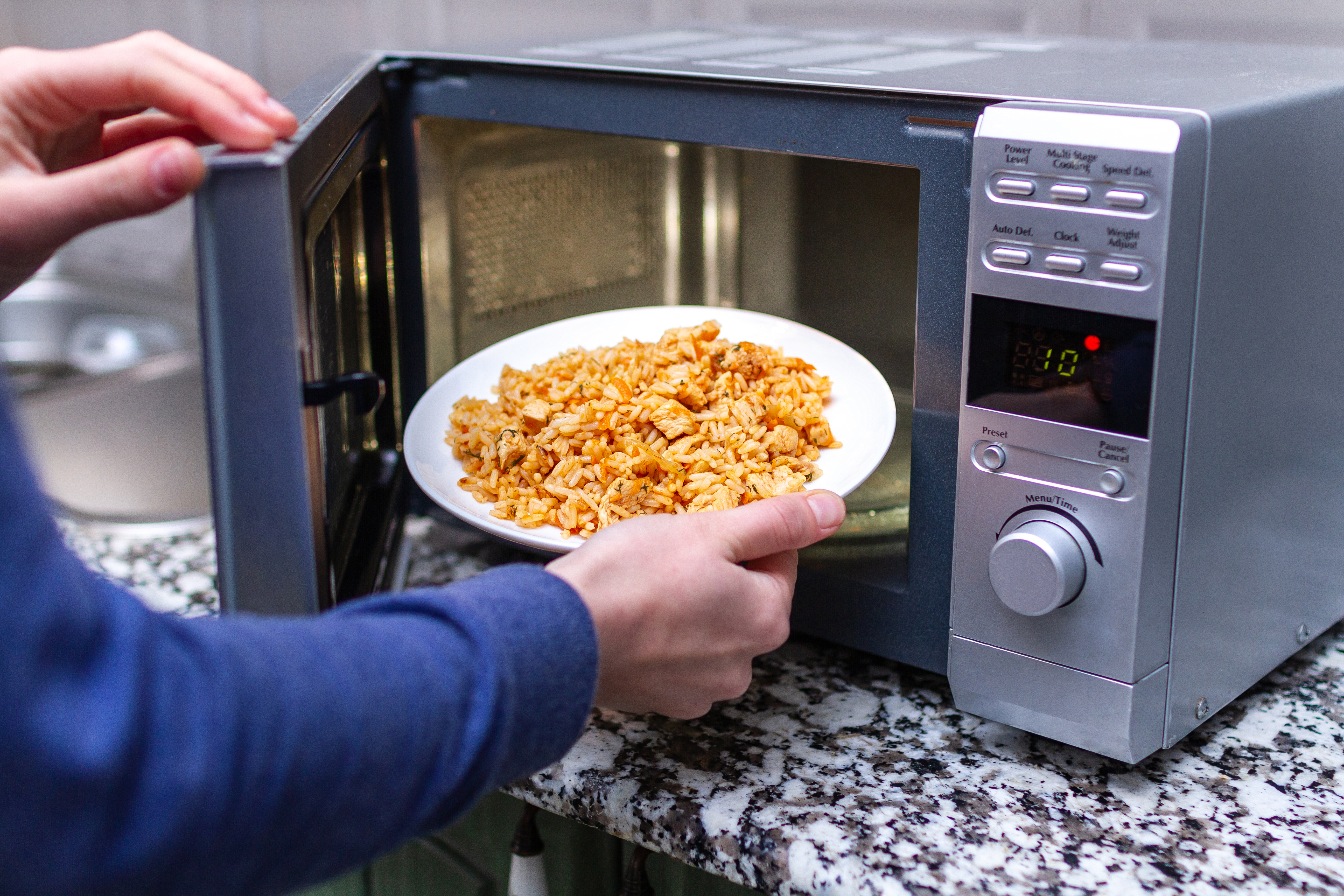
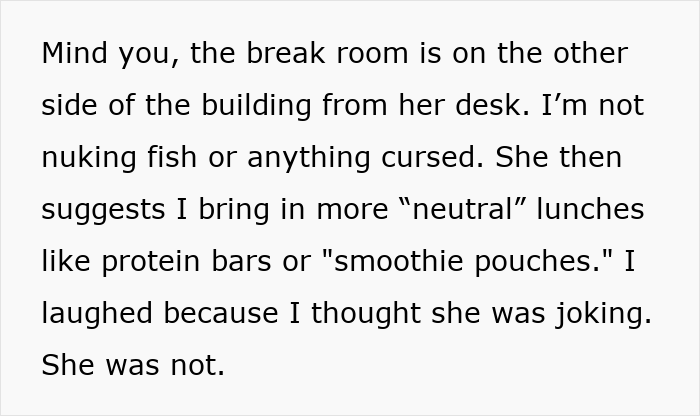
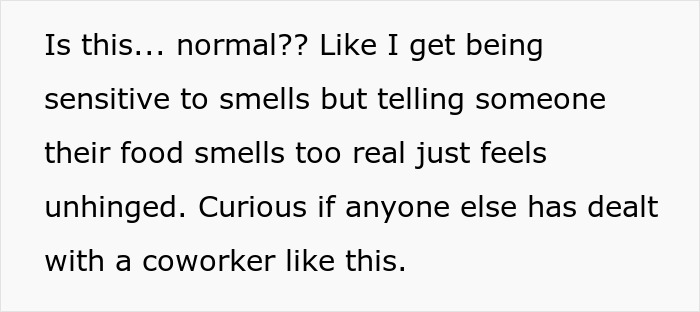
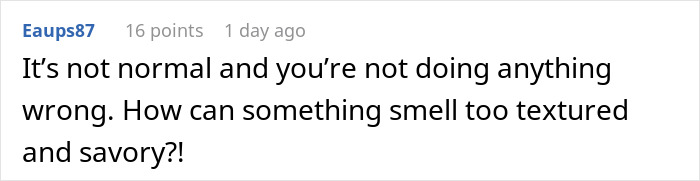
One Redditor regularly brought homemade meals to work—simple things like stir fry or pasta. Nothing outrageous by their standards. But a coworker had a different take, complaining that the food smelled “too real” and “too textured,” without offering much clarification.
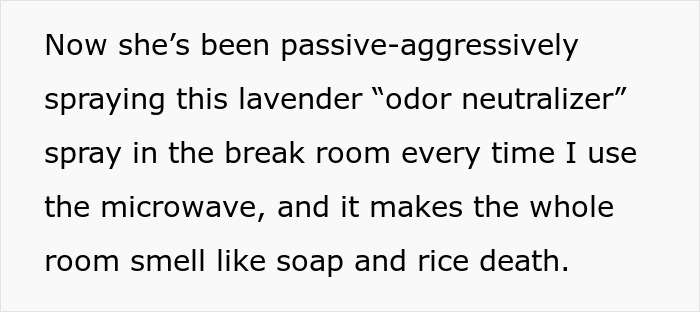
Next thing they knew, a passive-aggressive air freshener war had quietly begun. Read the full story below and decide whose side you’re on.
Image credits: goffkein (not the actual photo)
Image credits: kues1 (not the actual photo)
Image credits: [deleted]
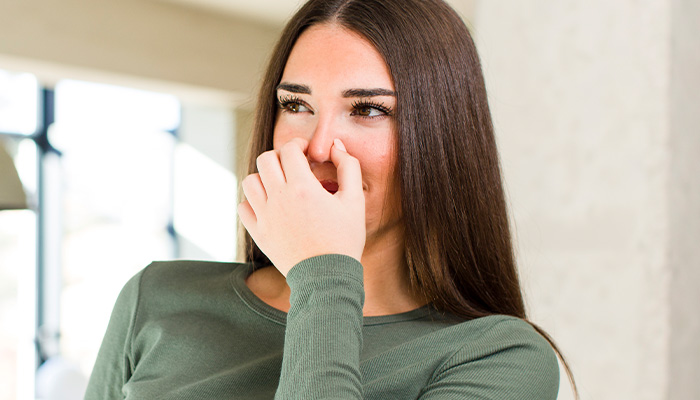
Image credits: Getty Images (not the actual photo)
There are few things more unpleasant in an office kitchen than an overpowering smell, except maybe realizing you’re the one causing it.
While most people agree that certain foods like fish or hard-boiled eggs are best avoided at work, things get murkier when it comes to meals that seem totally normal to some, like the lunch in the story above.
It’s often hard to tell whether a meal is genuinely disruptive or if it’s just one coworker with an overly sensitive nose. And while that’s something only the people involved can really figure out, there are still a few general office lunch etiquette rules—mostly unspoken—that are good to keep in mind.
Emily Heil, a reporter covering national food news and trends, shared an excellent guide on the topic in The Washington Post. Here are some key highlights:
Follow the rules
Ideally, workplace kitchen policies are shared during onboarding, but sometimes, these details get skipped or forgotten.
Heil recommends checking whether there are any existing rules: When is the fridge cleaned out? Is there a policy on how long you can store items? Some workplaces have stricter guidelines than others, and younger workers coming from more casual environments may be unaware of certain expectations. So it’s always worth asking.
Keep smells and sounds to a minimum
Keeping strong smells to a minimum is a basic rule most people know.
But there’s another factor many people overlook: sound. If you’re planning to eat lunch at your desk near others, it might be better to find a different spot.
Of course, cultural differences play a role.
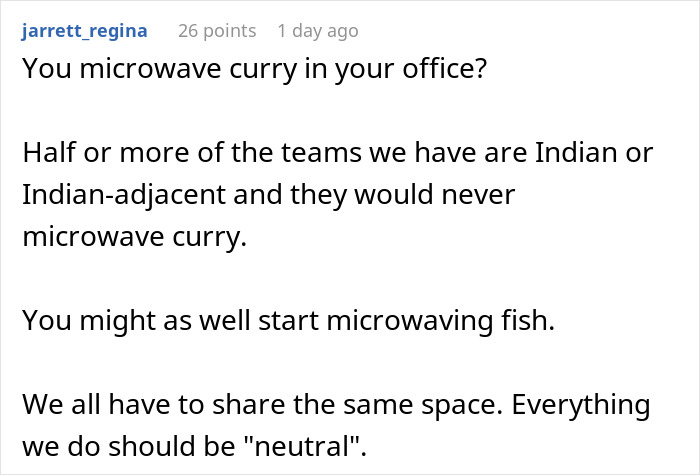
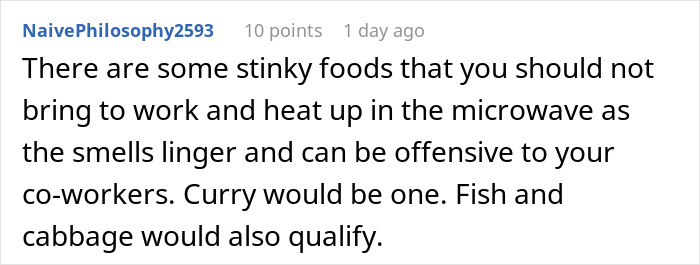
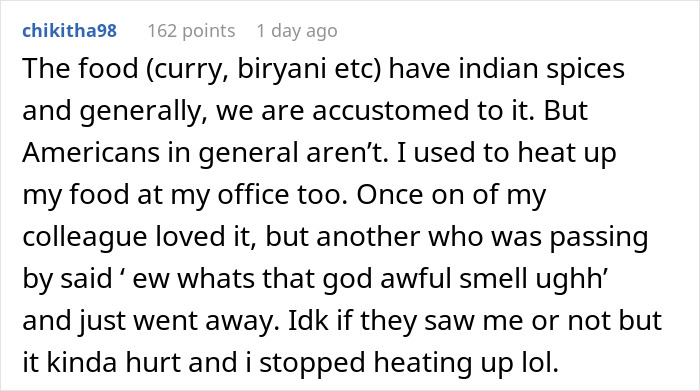
“One person’s comfort food might be another’s ‘too strong’ lunch,” says etiquette coach Myka Meier. “Instead of pointing fingers at what’s ‘appropriate,’ the best practice is to aim for neutrality in shared spaces, which means maybe saving especially fragrant meals, like fish or heavily spiced dishes, for home or a separate dining area if one’s available.”
Do your part to keep the kitchen tidy
The office kitchen is often a hotspot for frustration. From mystery spills to missing food, it can bring out the worst in coworkers.
Labeling your items is a simple but smart move. “Sadly, it is necessary, because there are people who think that, ‘Oh, if it doesn’t have a name on it, it means it’s perfectly fine,’” Nick Leighton, co-host of the podcast Were You Raised By Wolves?, told The Washington Post.
Don’t overcrowd the fridge—there’s no need to store an entire week’s worth of lunches—and always respect reminders to clean up after yourself.
Don’t eat in meetings unless everyone is
Unless a meeting is clearly labeled a working lunch or brown-bag session, experts say it’s best to avoid eating during it, even over Zoom.
Water bottles are generally acceptable, but it’s best to avoid bringing something like a massive neon Stanley cup into more formal meetings, especially when clients or upper management are present.
If you’re the host, you’re responsible
Whether it’s birthday cake, catered lunch, or team snacks, someone’s got to take the lead, and that person is the host.
“The host is responsible for the guest list, for the refreshments, and then also making sure that things are restored back how they were found,” Leighton says.
Hosting also means being considerate of dietary restrictions and labeling food when necessary.
When you can, go out with coworkers
Office food doesn’t always have to be a source of stress or passive-aggressive tension.
At its core, food brings people together. In a workplace setting, that can mean building relationships or expanding your network.
You might say, “Hey, boss, I would love to spend some time with you and learn a little more about your journey and what advice you might have as I’m continuing to navigate my career.”
Or to a colleague: “I would love to spend some time with you and hear a little bit more about how things are going with you, and just get to know you a little bit better so I can learn how I can better support you.”
After reading Heil’s piece, it becomes clear that good lunch etiquette really comes down to two simple things: be mindful of others’ comfort, and when there’s friction, communicate politely. That goes a long way in keeping the office lunch hour peaceful and scent-neutral.

By entering your email and clicking Subscribe, you're agreeing to let us send you customized marketing messages about us and our advertising partners. You are also agreeing to our Privacy Policy.
Thank you! You've successfully subscribed to newsletters!
16Kviews
Share on Facebook
I’d rather smell curry than lavender. Lavender makes me feel queasy. It seems a bit crazy to say “I don’t like smells” and then inflict another smell on people.

I love the smell of lavender the plant, but when it’s the essential oil or an artificial smell it absolutely makes me feel queasy too, I know what you mean
Load More Replies...
Okay, I LOVE every type of Indian food and cook it a lot, but microwaving curry or biryani? At work?? Nope, under no circumstances. I never bring such dishes to the office exactly due to the smells. Same goes with fish, garlic and other intense smelling dishes.

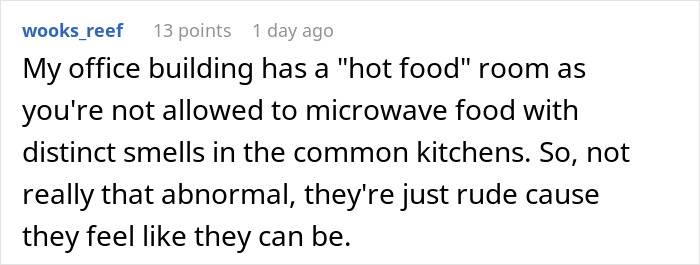
One place I worked banned smelly, hot (as in temperature) food completely. Started because someone brought in fish and chips and, unsurprisingly, many people suddenly craved fish and chips!! It wasn't something that bothered me terribly, but I accept that it does for some.
Load More Replies...
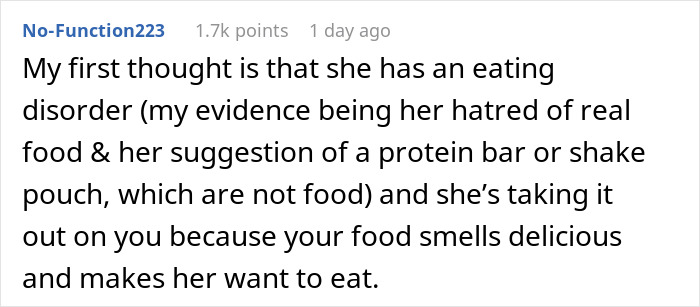
My first thought was that the coworker is dieting or has an eating disorder and the food smells too yummy, but really the op should report the darn aerosol scent attack and get to the bottom of what's got the coworker so up in arms
I’d rather smell curry than lavender. Lavender makes me feel queasy. It seems a bit crazy to say “I don’t like smells” and then inflict another smell on people.
I love the smell of lavender the plant, but when it’s the essential oil or an artificial smell it absolutely makes me feel queasy too, I know what you mean
Load More Replies... Okay, I LOVE every type of Indian food and cook it a lot, but microwaving curry or biryani? At work?? Nope, under no circumstances. I never bring such dishes to the office exactly due to the smells. Same goes with fish, garlic and other intense smelling dishes.
One place I worked banned smelly, hot (as in temperature) food completely. Started because someone brought in fish and chips and, unsurprisingly, many people suddenly craved fish and chips!! It wasn't something that bothered me terribly, but I accept that it does for some.
Load More Replies... My first thought was that the coworker is dieting or has an eating disorder and the food smells too yummy, but really the op should report the darn aerosol scent attack and get to the bottom of what's got the coworker so up in arms






























 No fees, cancel anytime














40
42