Get Premium
Dark mode theme is available exclusively for premium users. Learn more about the benefits of subscribing.
No fees, cancel anytime.

 Dark Mode Ad-Free Browsing Unlimited Content
 Ad-Free Browsing Unlimited Content Dark Mode
Join 1.2 million Panda readers who get the best art, memes, and fun stories every week!

Going through a miscarriage is an incredibly painful experience, both physically and emotionally. Having to carry on with everyday life after that, let alone return to work, can be exhausting on top of everything else.
So while one woman was recovering from her pregnancy loss, she was allowed to adjust her schedule. One coworker, however, noticed she kept coming in at different times and pressed her for an explanation. Thinking they were friends, the woman opened up about what had happened.
But instead of offering any compassion, the coworker did the unthinkable and blamed her for causing her own miscarriage. Completely blindsided by this cruel response, the woman turned to Reddit to share what happened. Read her story below.
Image credits: Getty Images / Unsplash (not the actual photo)
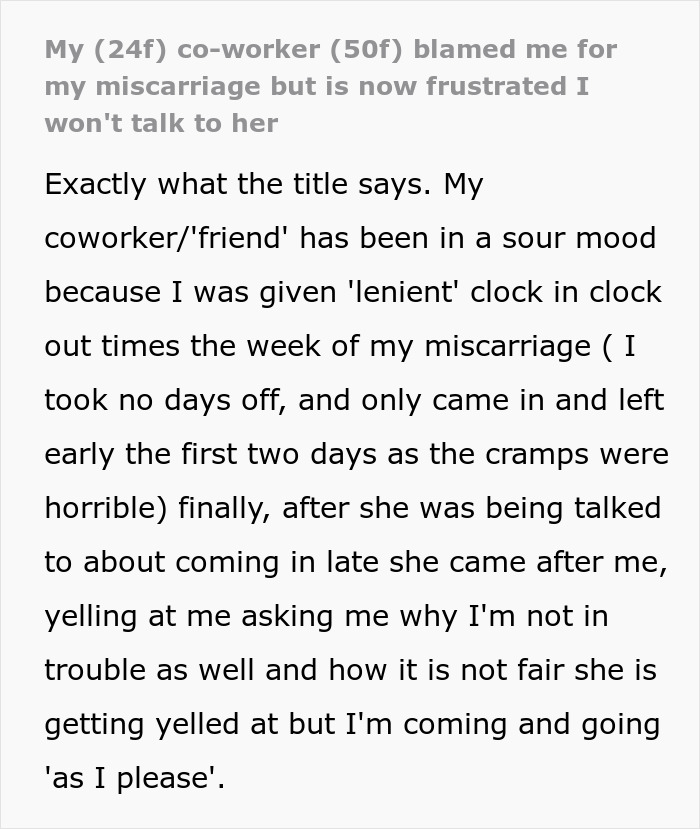
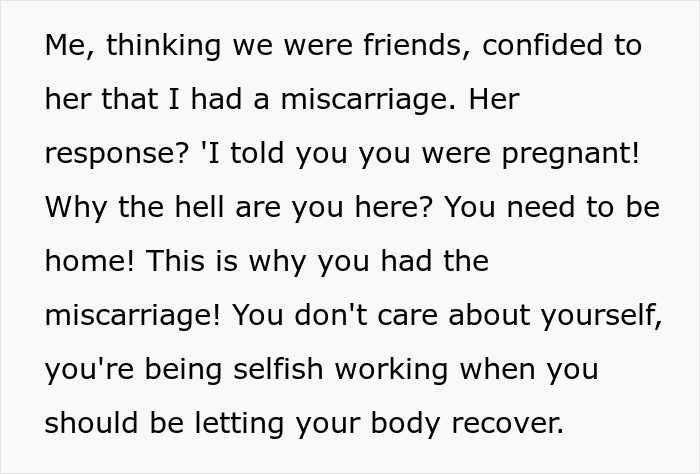
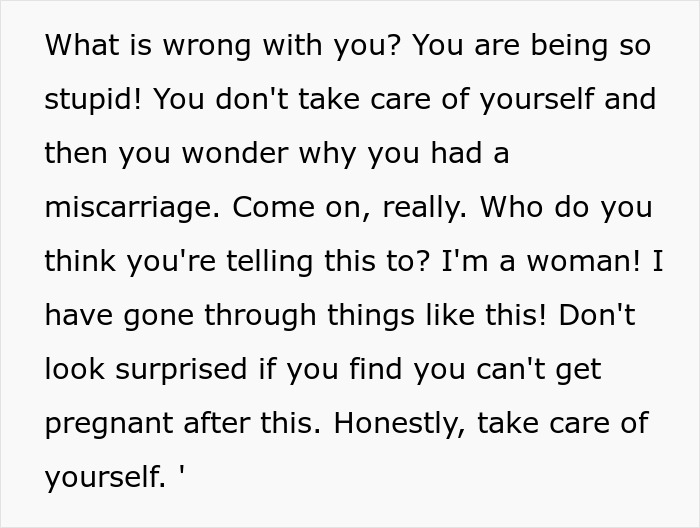
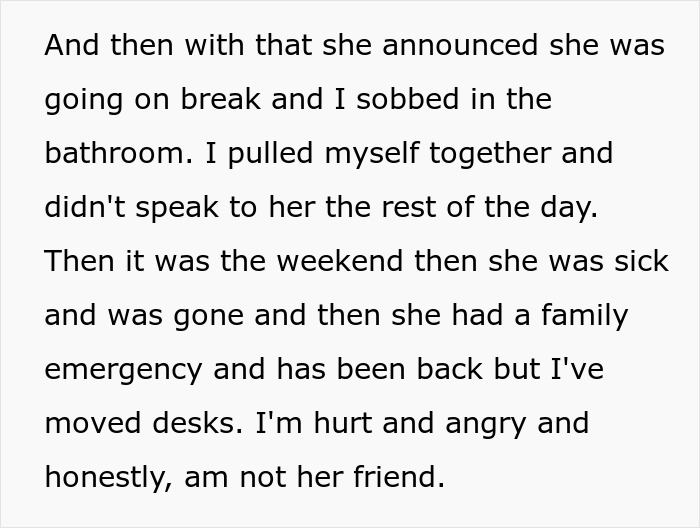
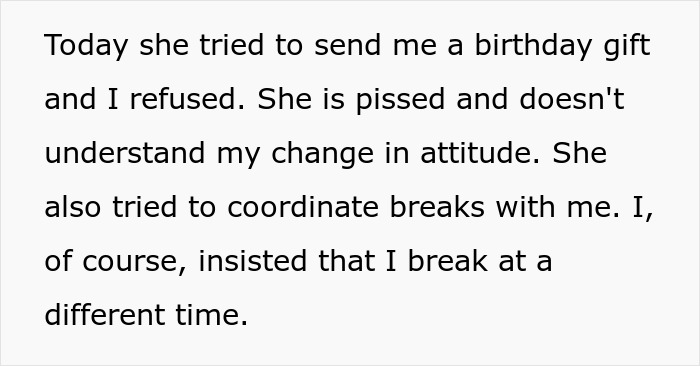
Image credits: FOERDER ZONE / Pexels (not the actual photo)
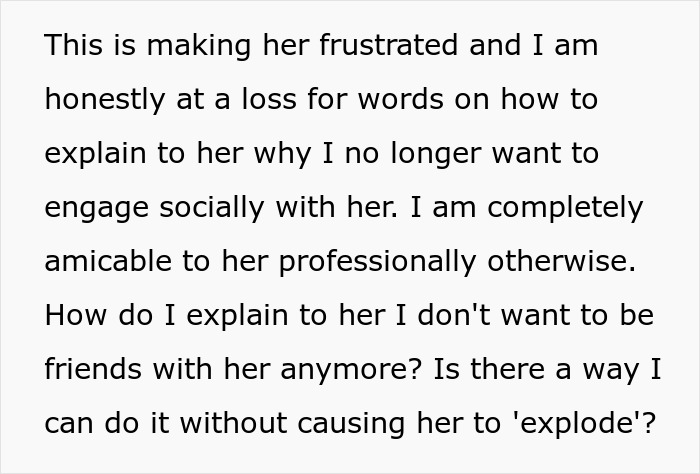
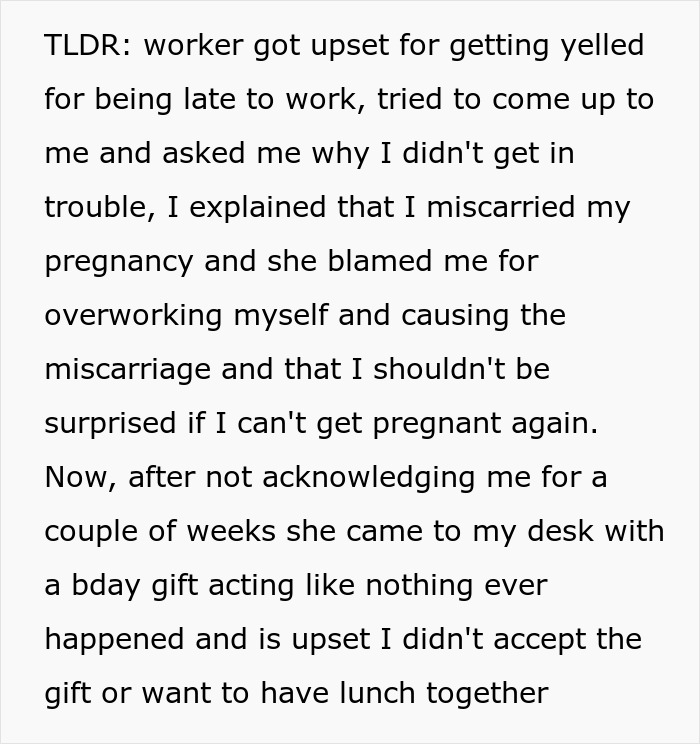
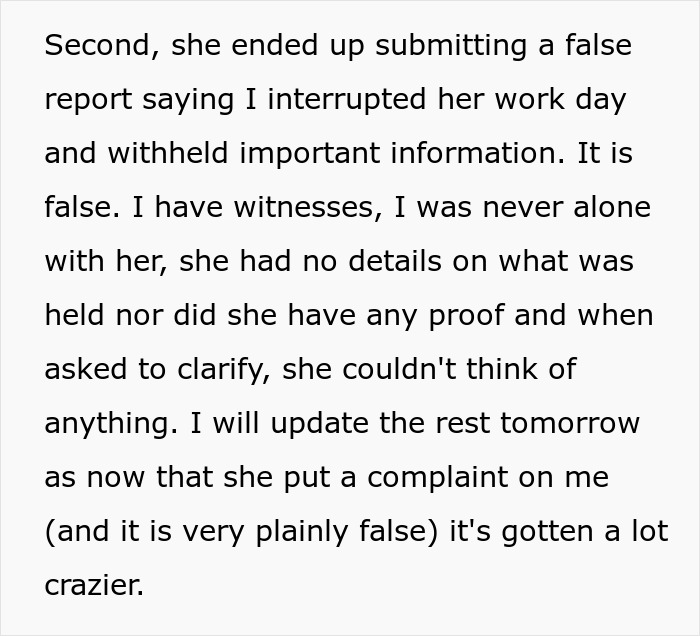
Image credits: Nellynervous
Image credits: Pablo Merchán Montes / Unsplash (not the actual photo)
What that coworker said to this woman was completely out of line. Of course, maybe she thought that by blaming the woman for the miscarriage, she was showing concern or worry. But no matter her intention, when someone is going through something this painful, the last thing they need is to be blamed. Her comment was cruel and hurtful at a time when this woman was already heartbroken.
On top of that, saying a miscarriage is a woman’s fault is not just deeply harmful, it’s factually wrong. According to Cleveland Clinic, between 10% and 20% of all known pregnancies end in miscarriage, and the reasons are almost never within anyone’s control.
About 50% of first-trimester miscarriages are caused by chromosomal abnormalities. Chromosomes are tiny structures inside the cells of your body that carry your genes. Genes determine all of a person’s physical attributes, such as hair and eye color and blood type.
These abnormalities happen randomly during development and have nothing to do with anything the mother did or didn’t do.
There’s also no scientific proof that things like everyday stress or moderate exercise cause miscarriage. Whatever the circumstances, it’s important to understand that many miscarriages simply happen. They’re not punishment and they’re certainly not anyone’s fault.
But of course, understanding the medical facts doesn’t erase the grief. A National Survey on Public Perceptions of Miscarriage found that the emotional toll is staggering.
Of those who experienced pregnancy loss, 37% felt they had lost a child. Nearly half felt guilty. And 41% believed they had done something wrong, even though they hadn’t. The same percentage felt alone in their pain. Perhaps most heartbreaking, 28% felt ashamed. These feelings are real and valid, even when we know intellectually that no one is to blame.
This is exactly why we need to show up with support for women who go through miscarriage. They need to feel less alone, not more isolated by judgment or silence.
Image credits: RDNE Stock project / Pexels (not the actual photo)
When someone is going through pregnancy loss, acknowledging their pain is far more helpful than making them feel like they did something wrong
When someone you know has a miscarriage, it can feel overwhelming to find the right words. You might worry about saying something wrong, or wonder if it’s better not to say anything at all. But according to the Miscarriage Association, acknowledging the loss is often what helps most.
Even in early pregnancy, women and their partners often feel a real connection to their baby and will grieve both the baby and the future they had imagined. Simple, sincere statements like “I’m very sorry that you have lost your baby” or “This must be really difficult for you” can be comforting.
What you want to avoid are comments that try to rationalize or minimize the loss, even if you mean well. Phrases like “Don’t worry, you’re young. You can always have another baby,” “It wasn’t meant to be,” or “At least you have other children” can feel dismissive and hurtful.
Another thing that can really make a difference is staying in touch. You might think giving someone space is the respectful thing to do, but it can actually leave them feeling isolated and alone. Something as simple as a card or text letting them know you’re thinking of them can mean the world during such a difficult time.
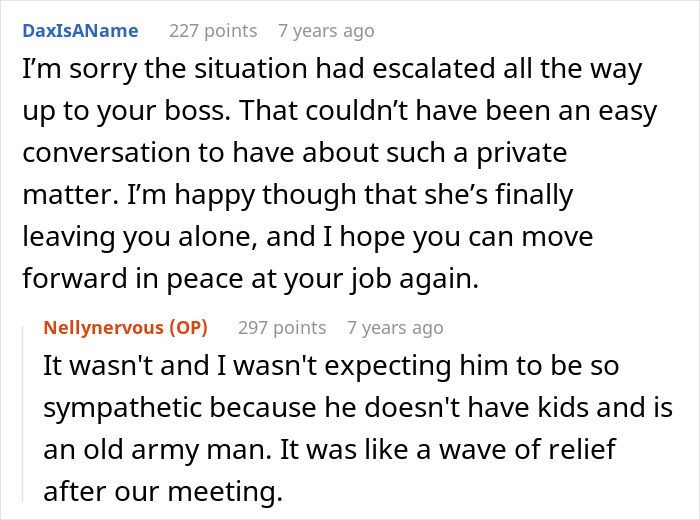
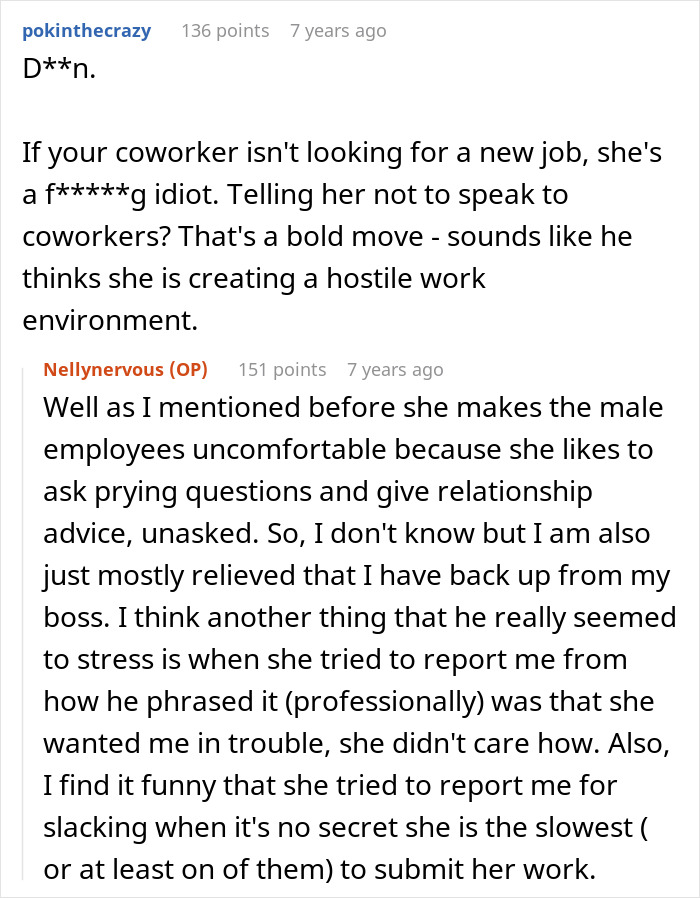
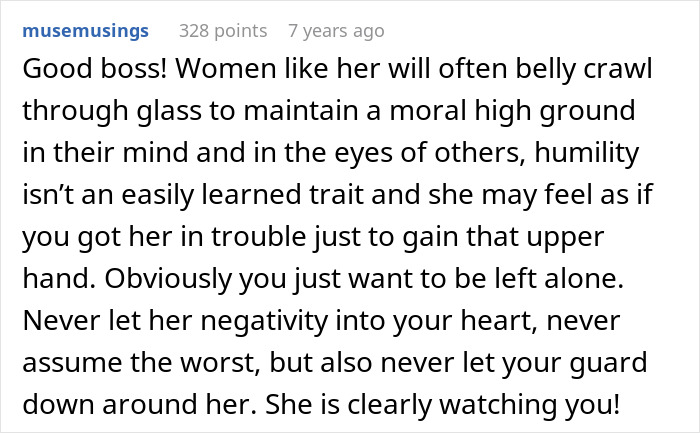
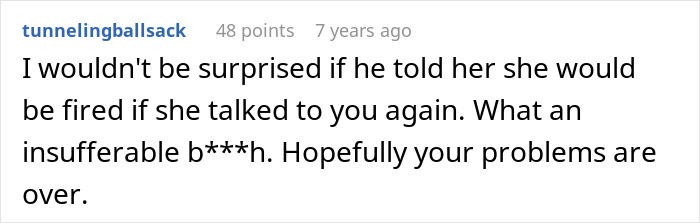
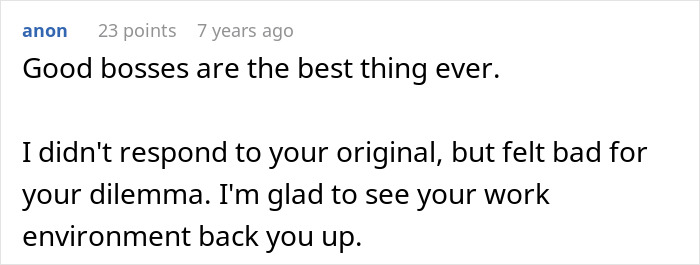
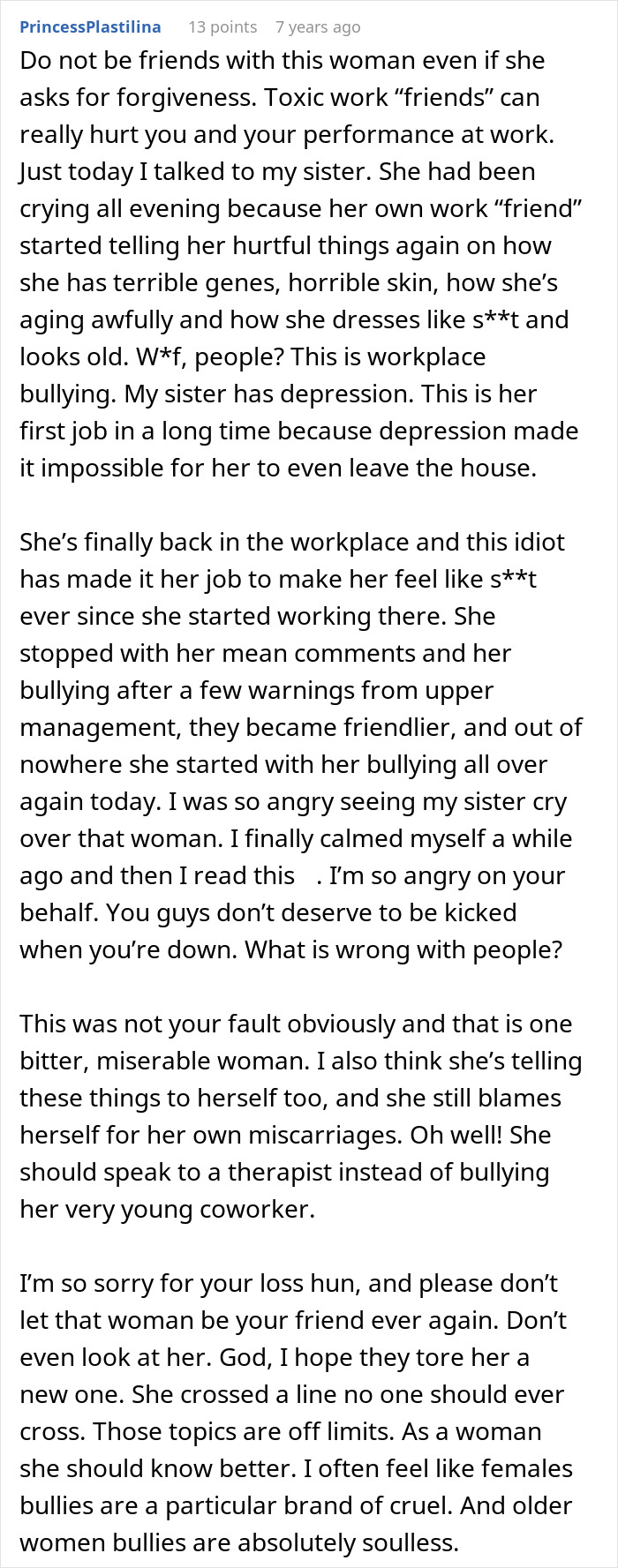
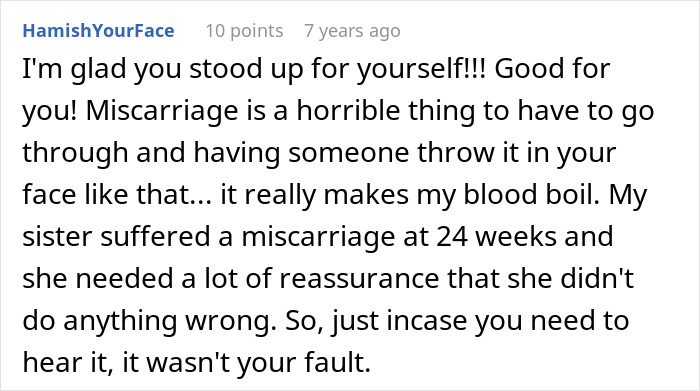
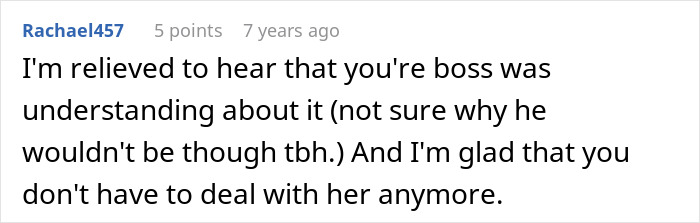
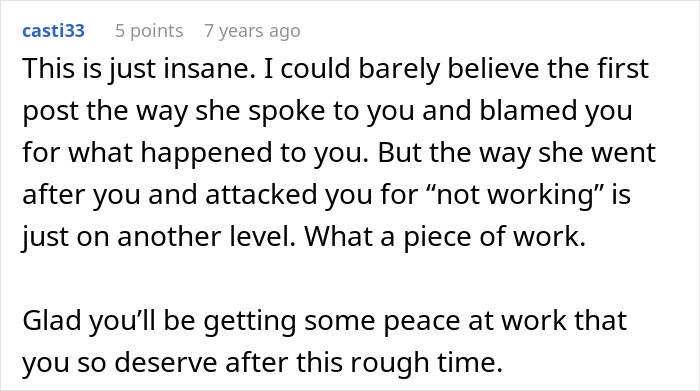
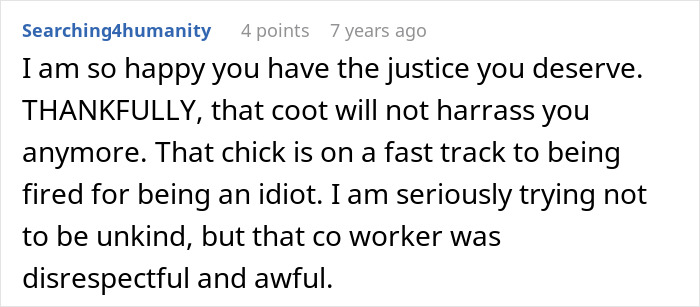
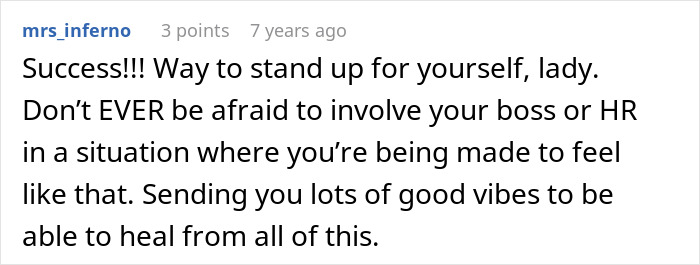
These are the kinds of things the coworker could have done instead of being so insulting. Or at the very least, she could have apologized after realizing how much pain she caused. Do you think she should face any professional repercussions in the workplace, as some readers suggested? Share your thoughts in the comments.
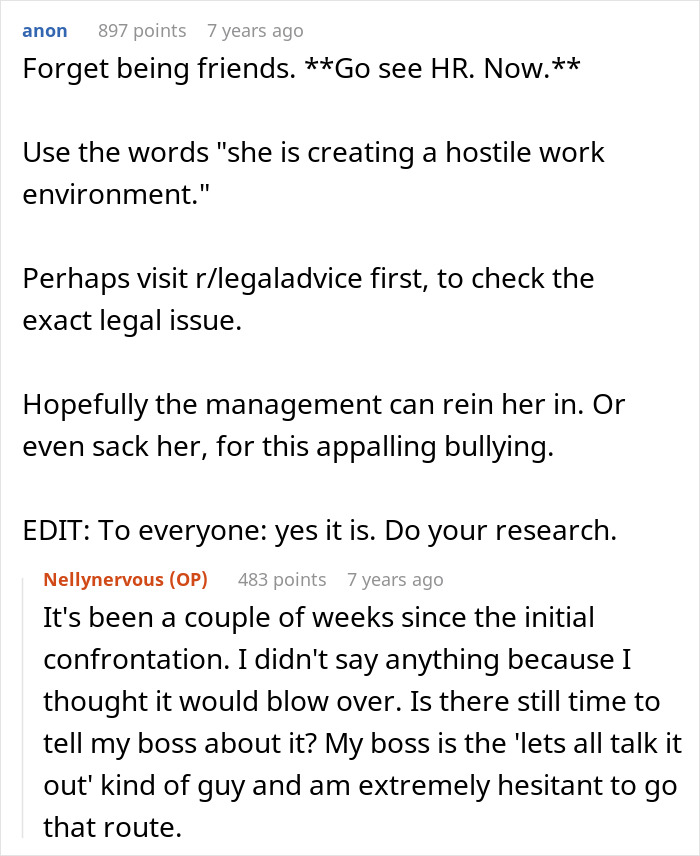
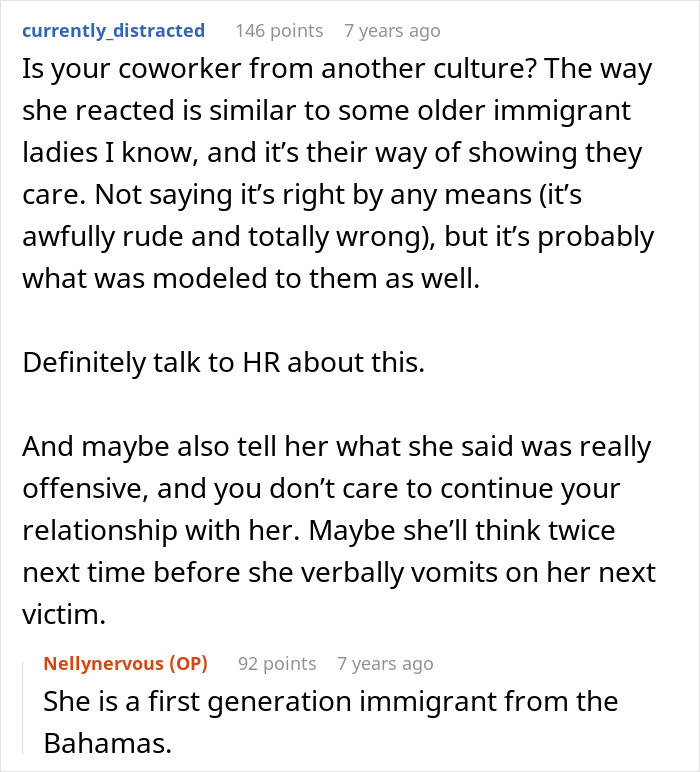
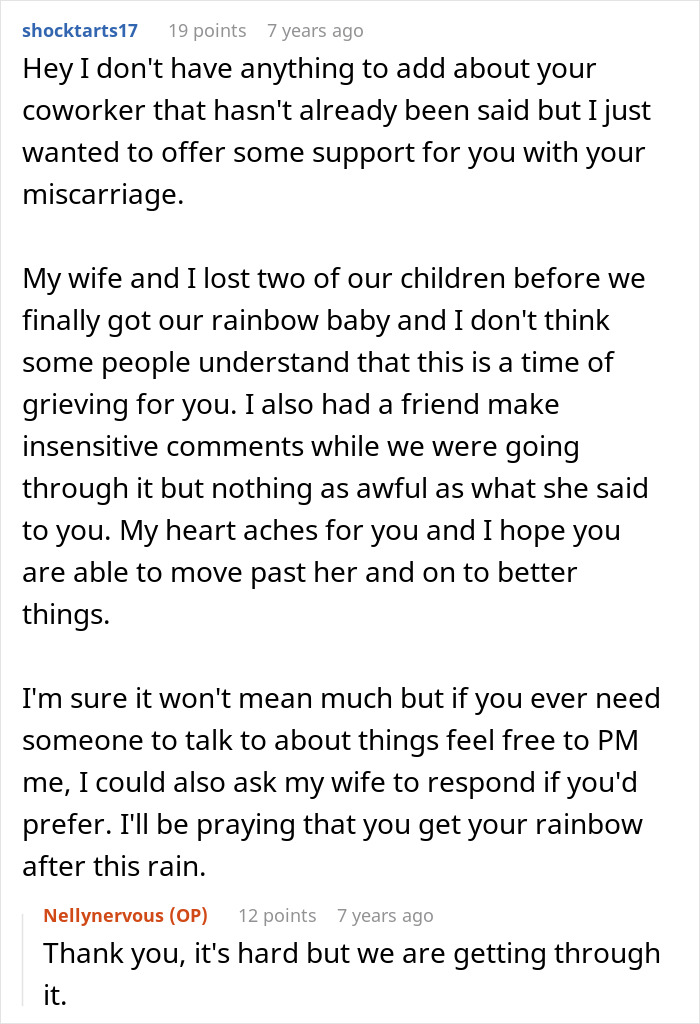
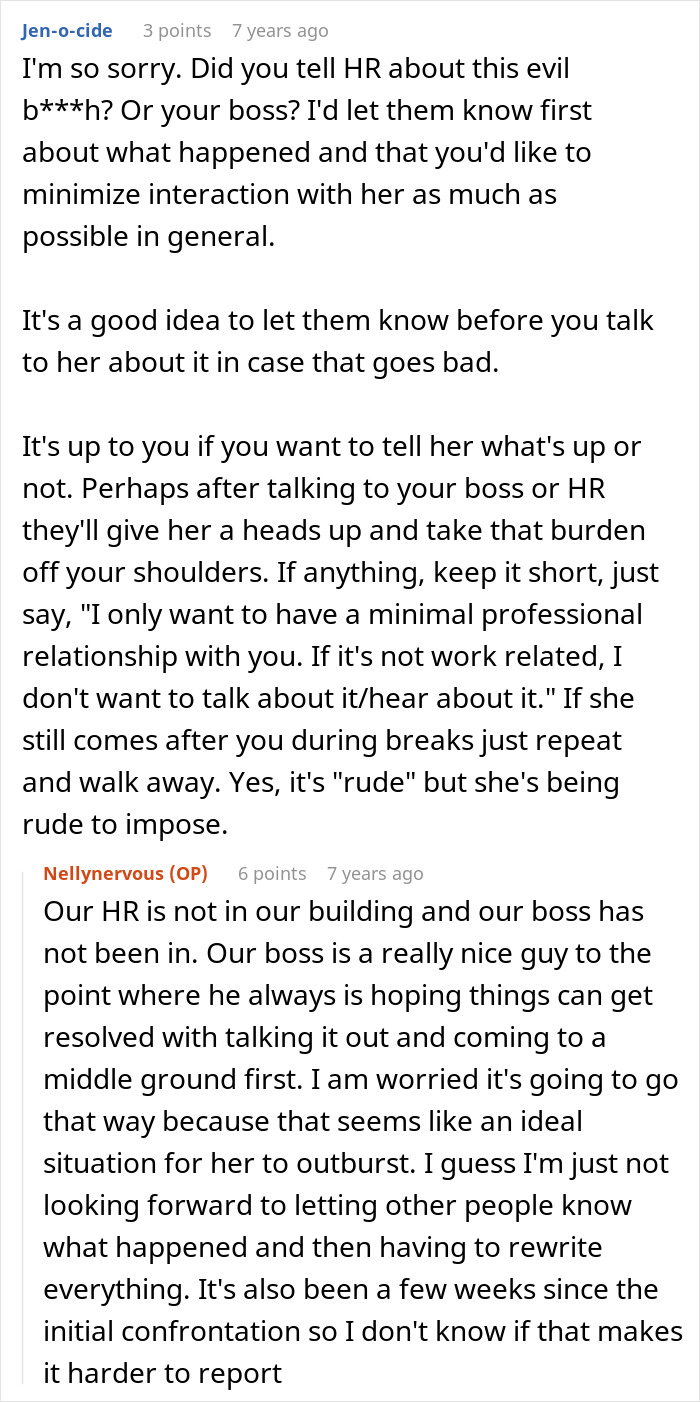
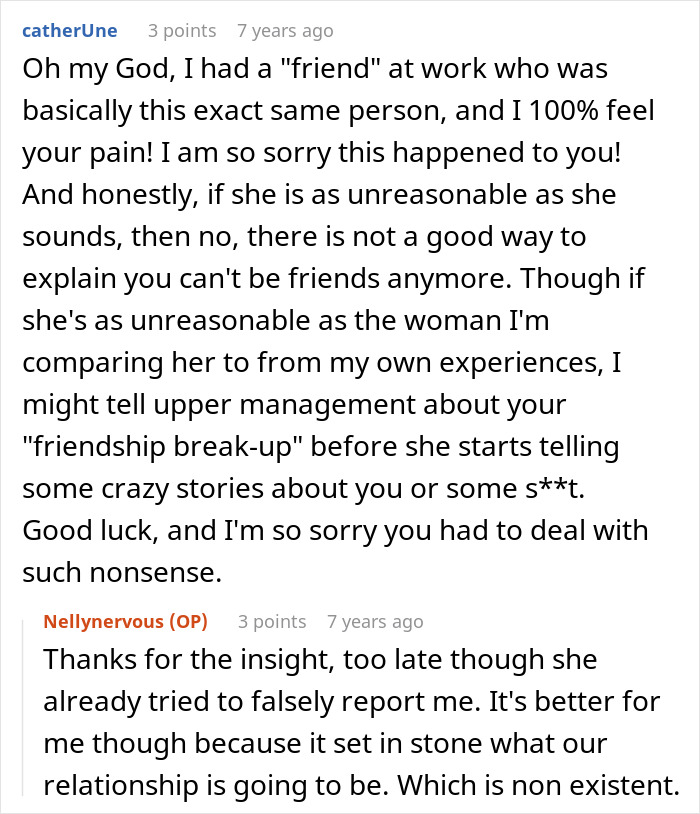
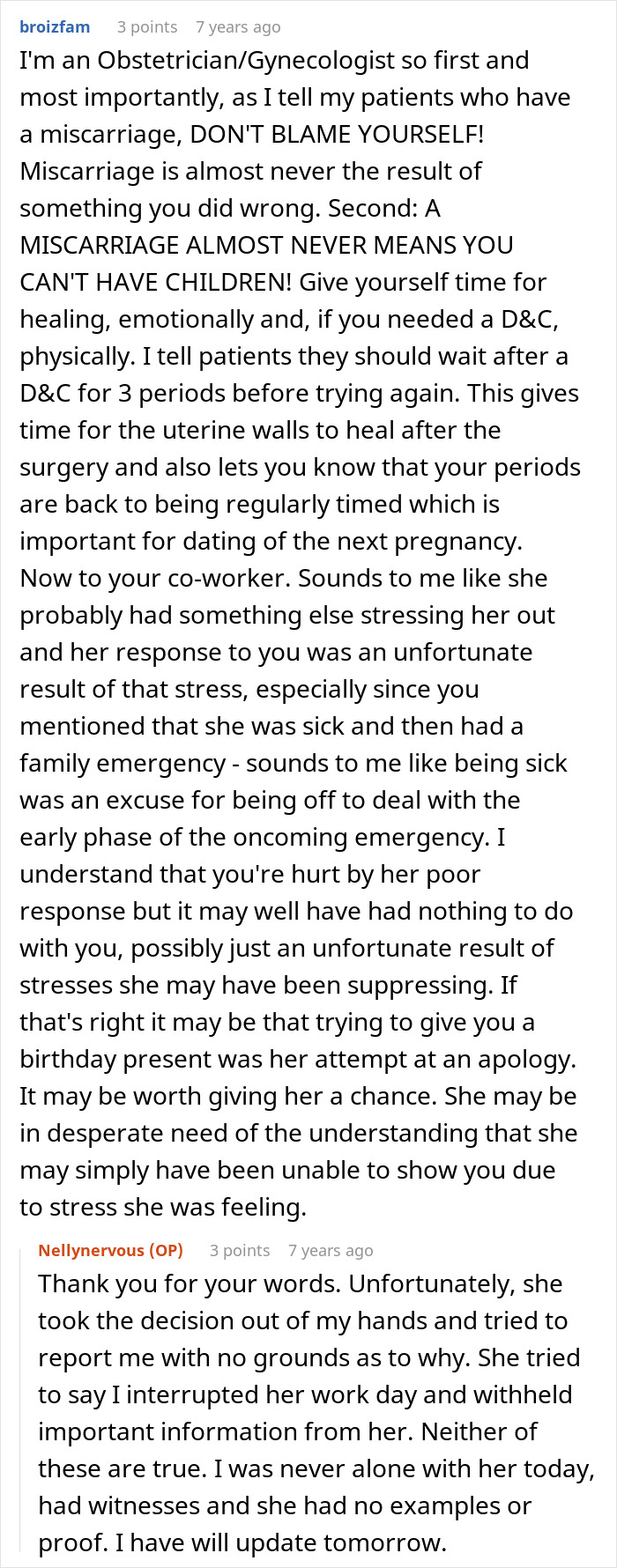
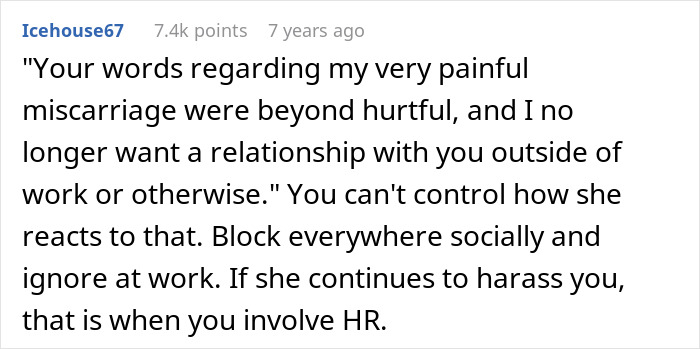
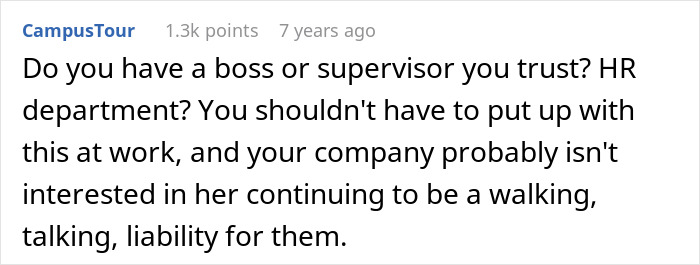
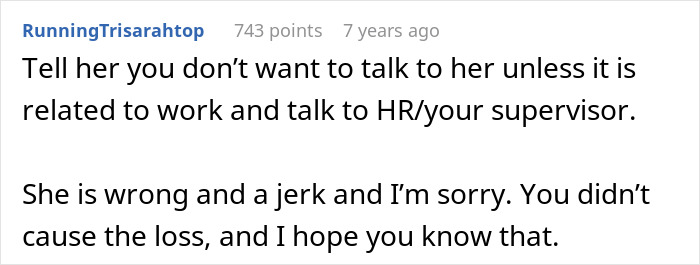

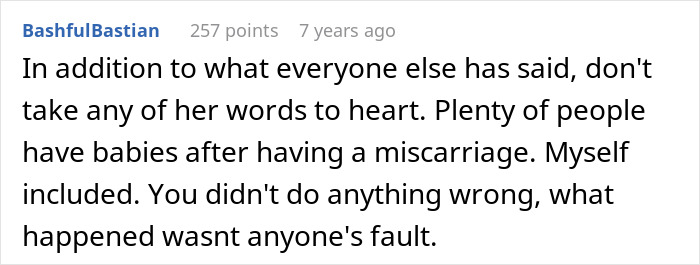
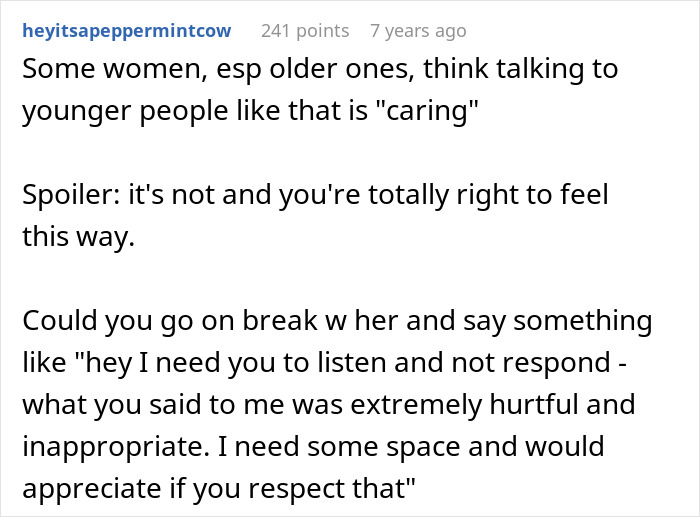


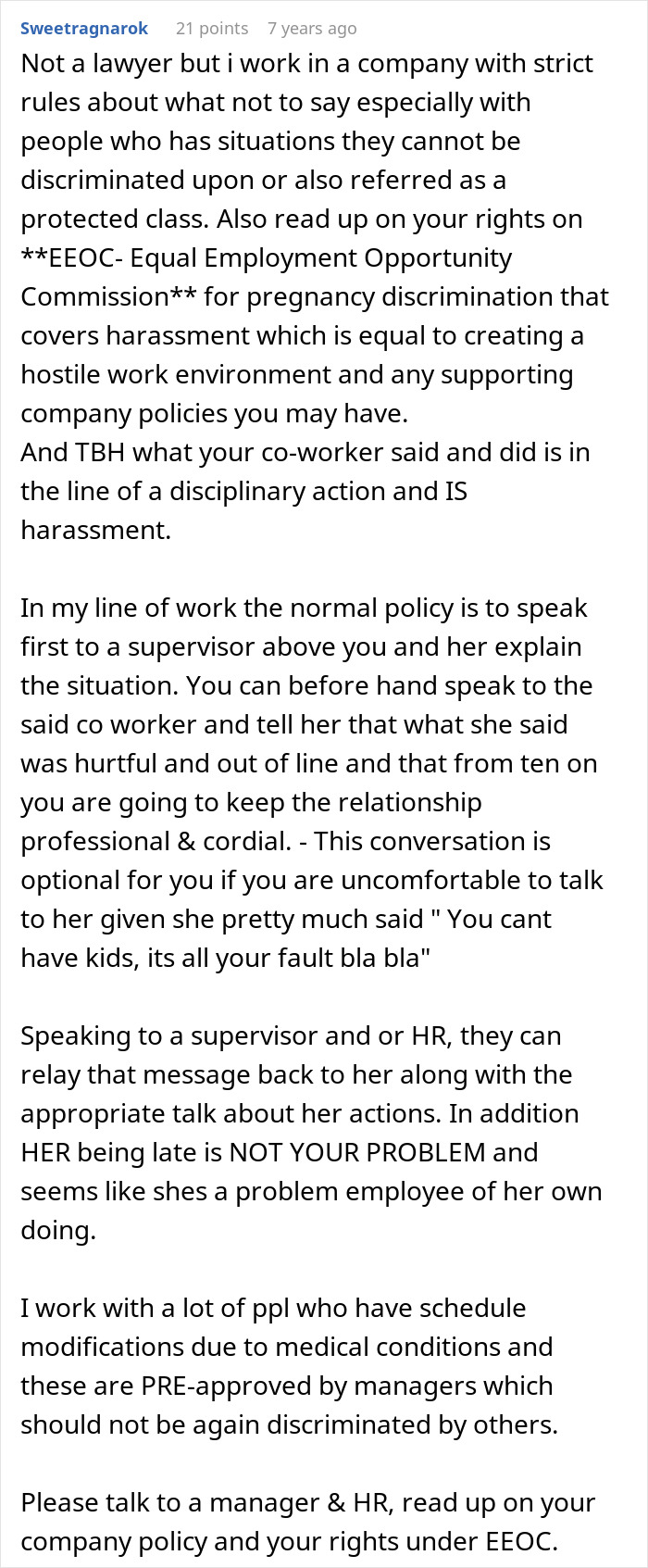
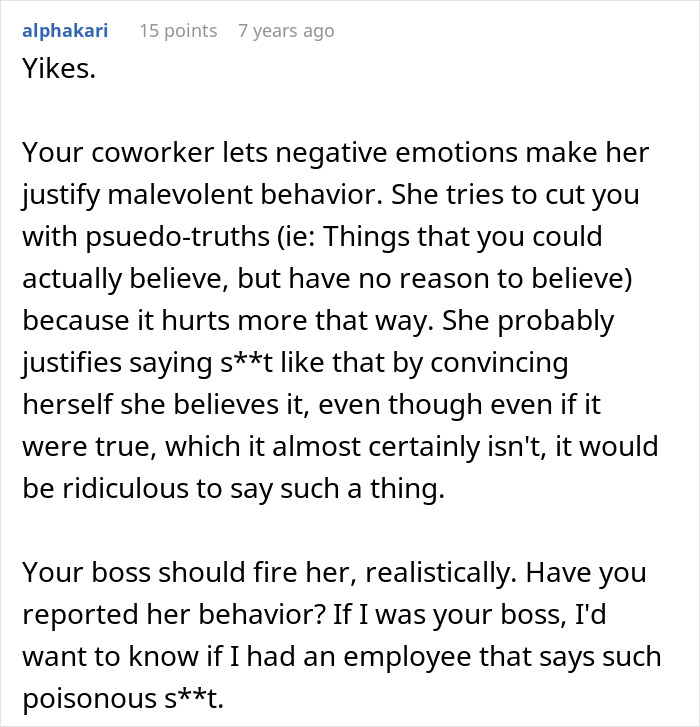
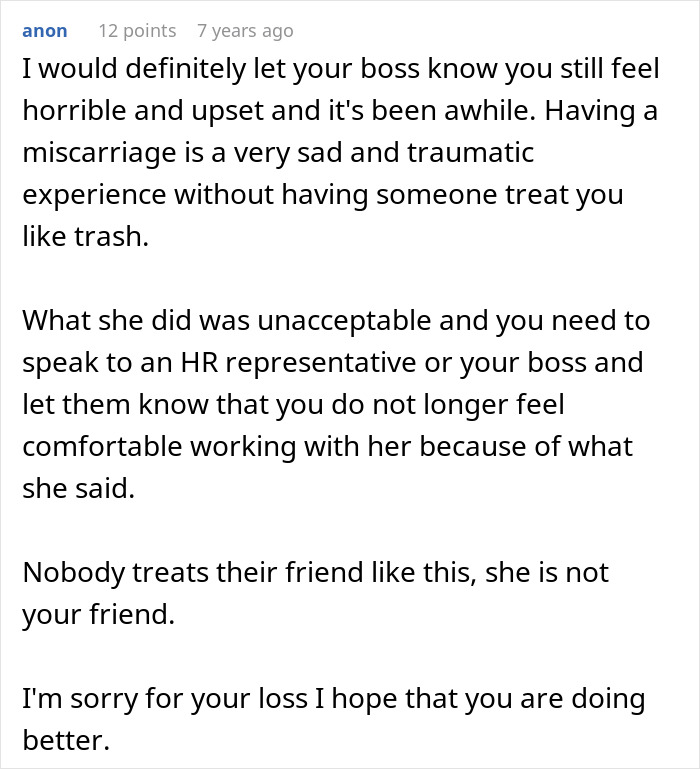

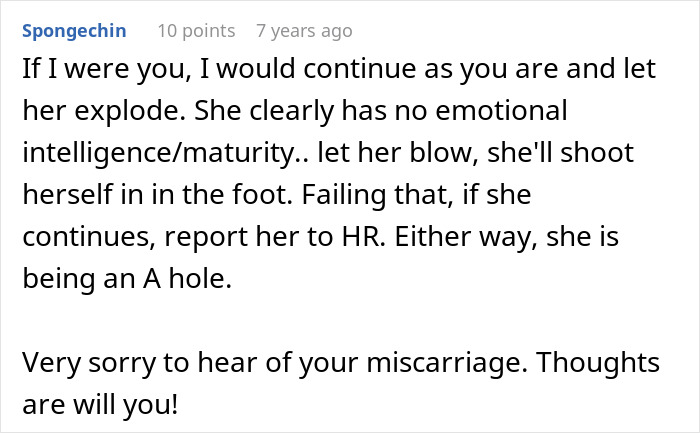


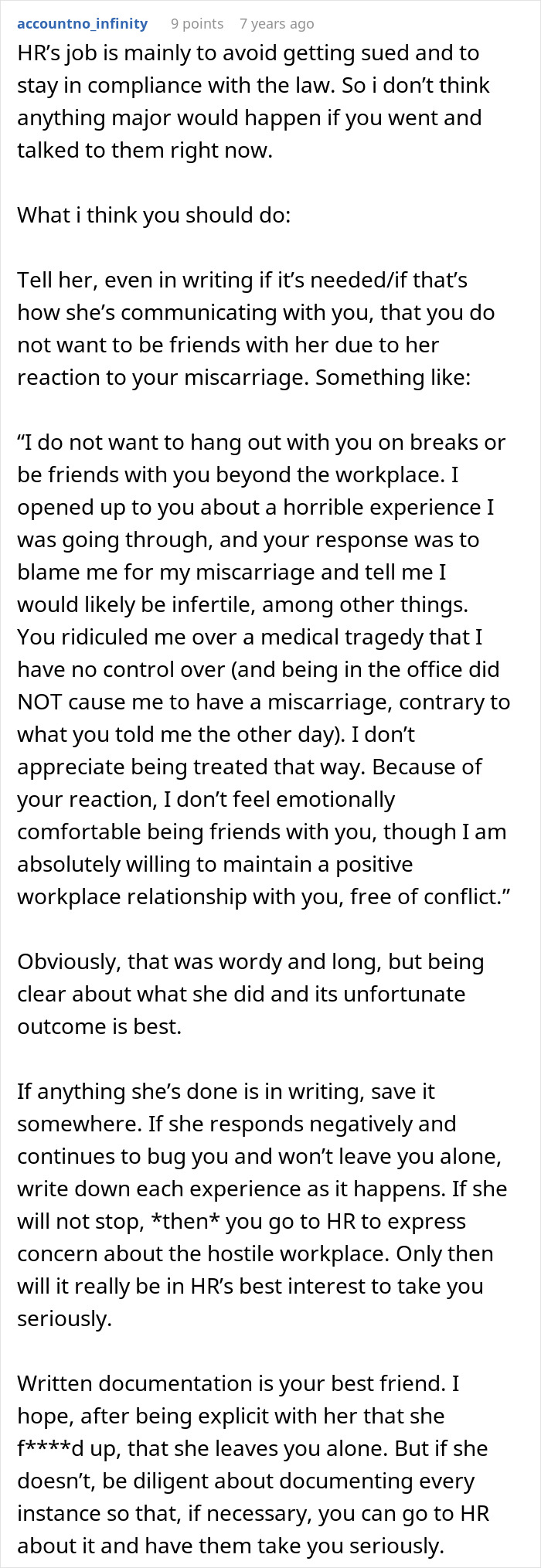
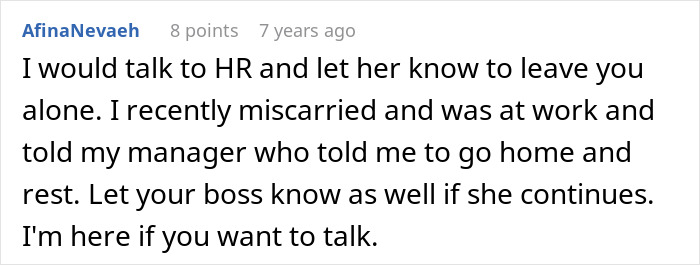


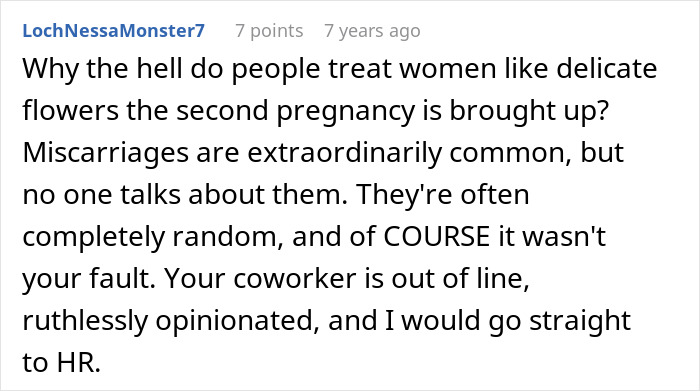
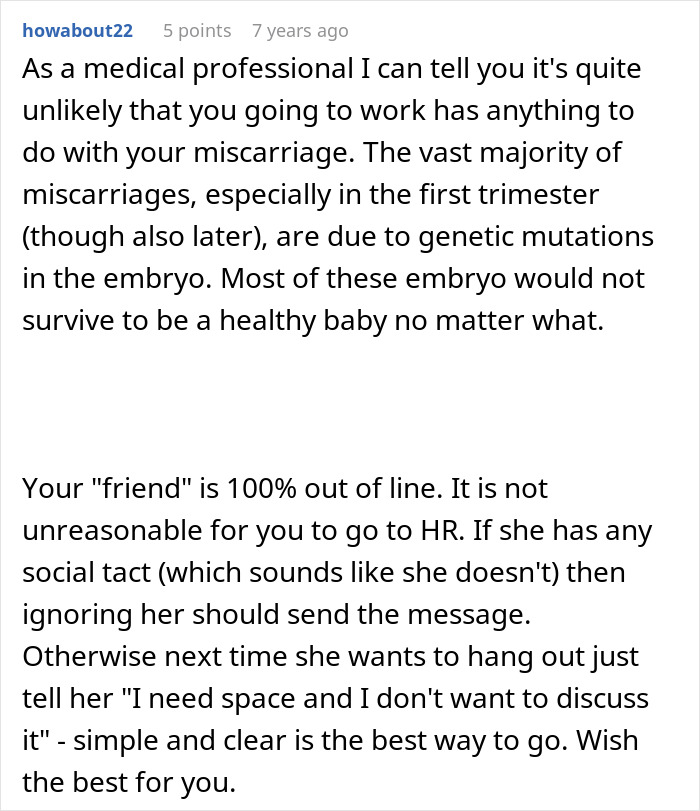
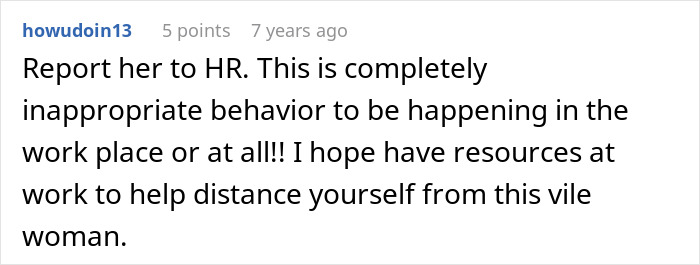


Image credits: MART PRODUCTION / Pexels (not the actual photo)
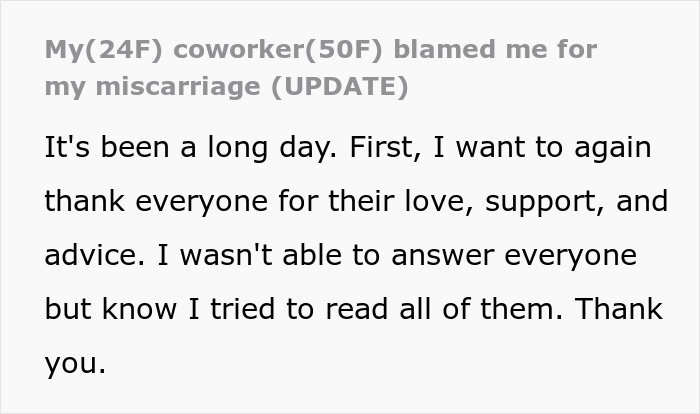
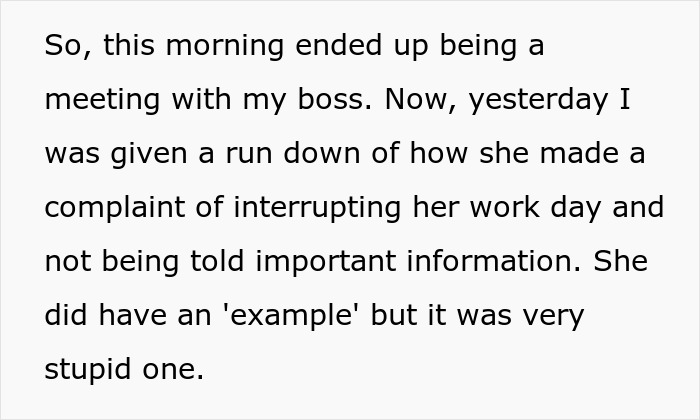
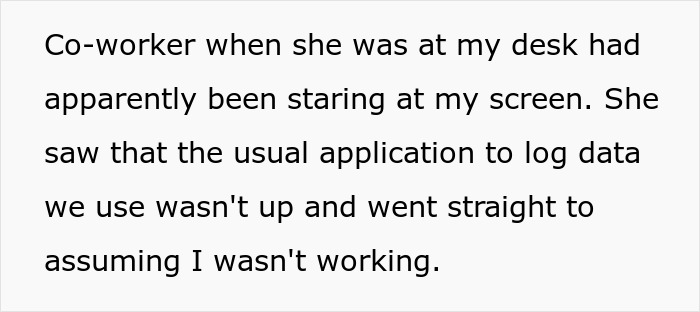
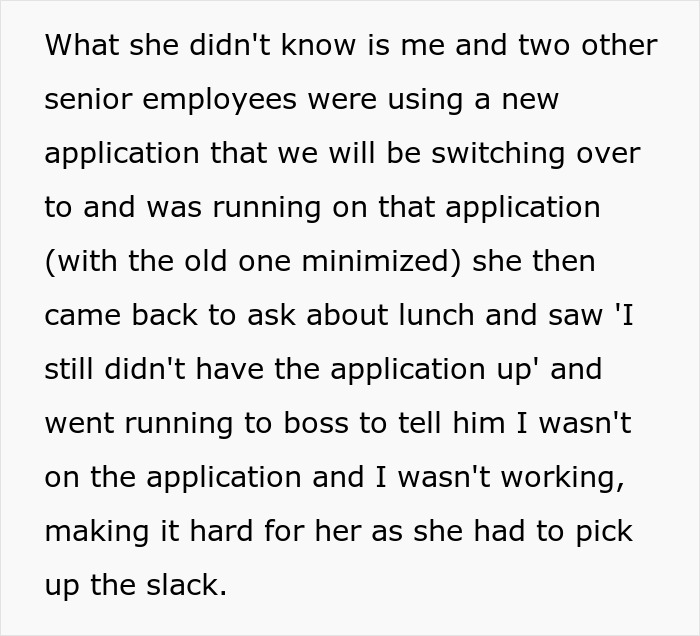
Image credits: Getty Images / Unsplash (not the actual photo)
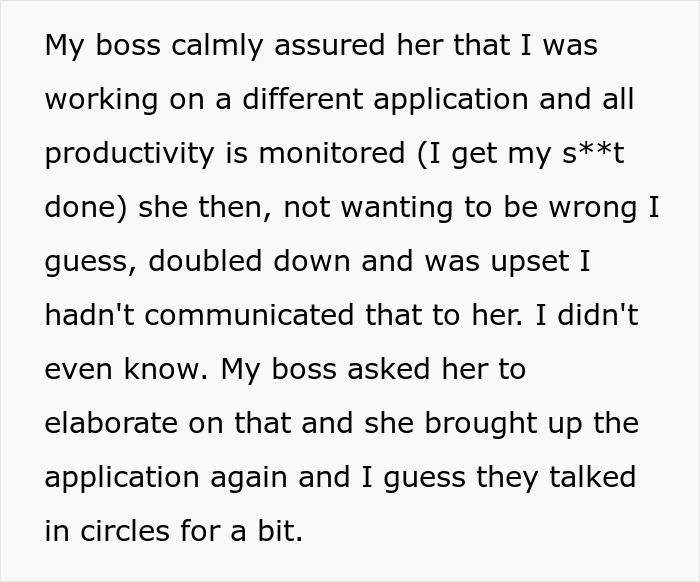
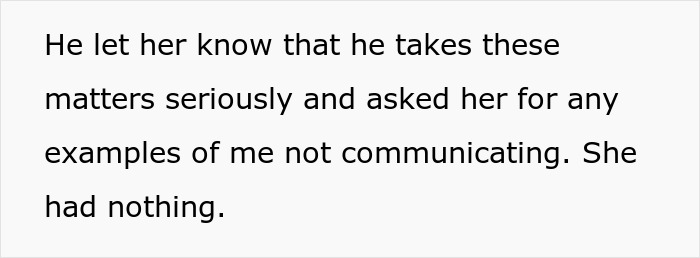
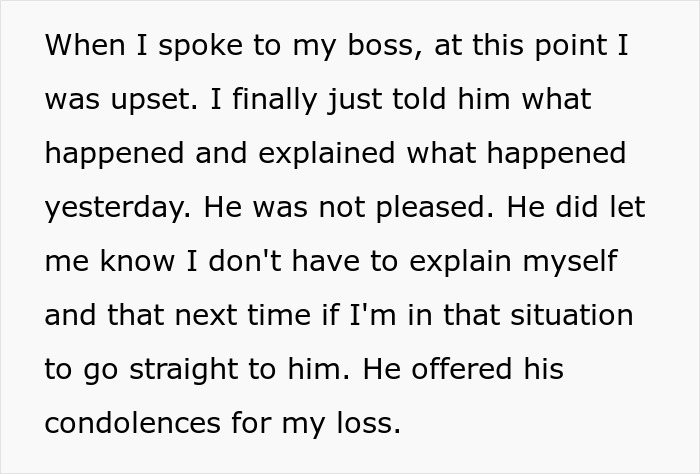
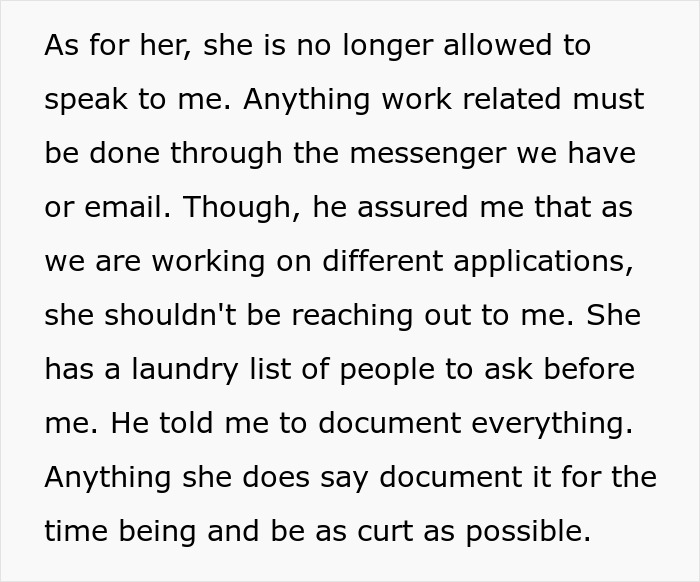
Image credits: Drazen Zigic / Freepik (not the actual photo)
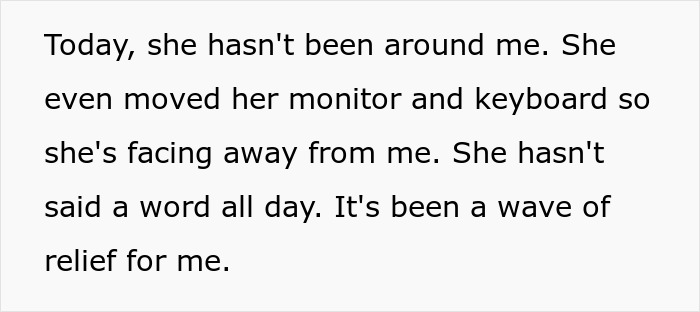
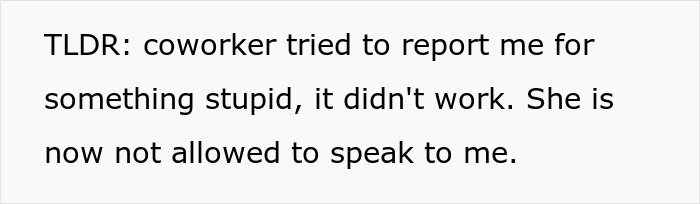
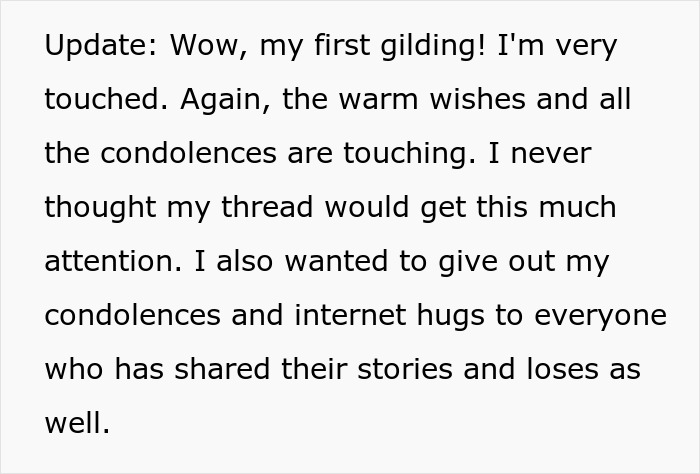
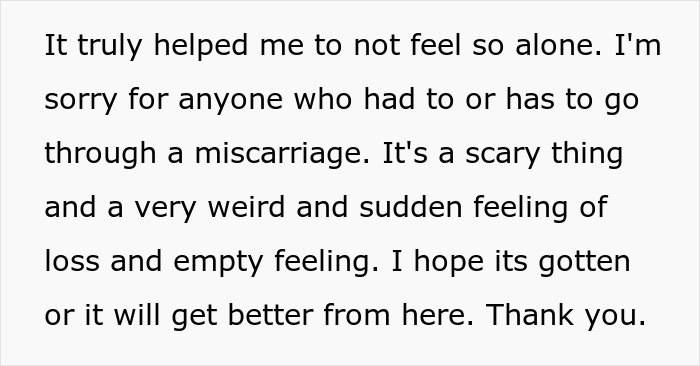
Image credits: Nellynervous




















By entering your email and clicking Subscribe, you're agreeing to let us send you customized marketing messages about us and our advertising partners. You are also agreeing to our Privacy Policy.
Thank you! You've successfully subscribed to newsletters!
























 No fees, cancel anytime














27
3