Get Premium
Dark mode theme is available exclusively for premium users. Learn more about the benefits of subscribing.
No fees, cancel anytime.

 Dark Mode Ad-Free Browsing Unlimited Content
 Ad-Free Browsing Unlimited Content Dark Mode
Join 1.2 million Panda readers who get the best art, memes, and fun stories every week!
When it comes to boundaries, things can get complicated fast, especially with family. Often, loved ones end up crossing lines without even realizing it, because emotions run high and expectations don’t always match. In many situations, people are eventually able to move past it and find common ground again. But there are also moments where boundaries aren’t just helpful, they’re necessary for protecting your peace. This is one of those situations where a simple choice turned into a much bigger emotional fallout than anyone expected.
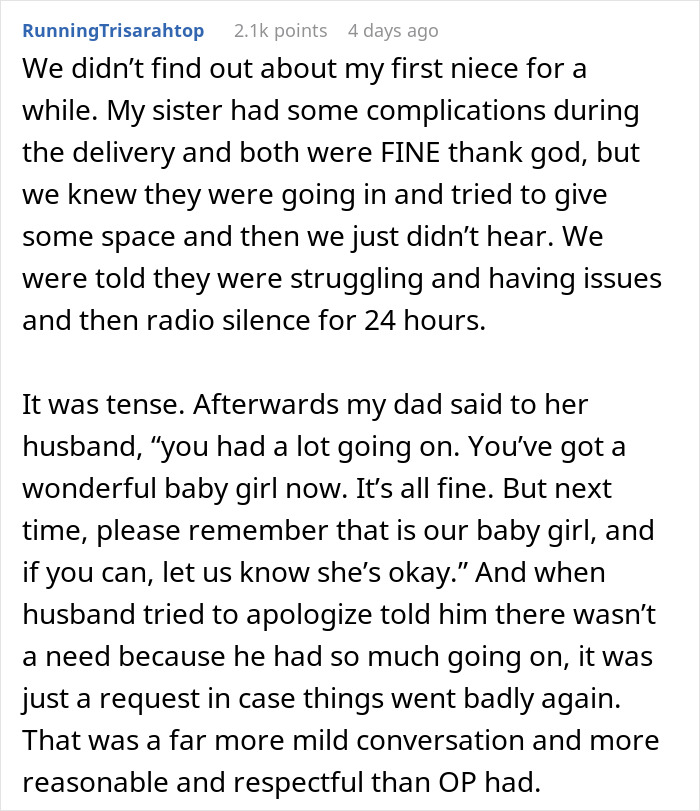
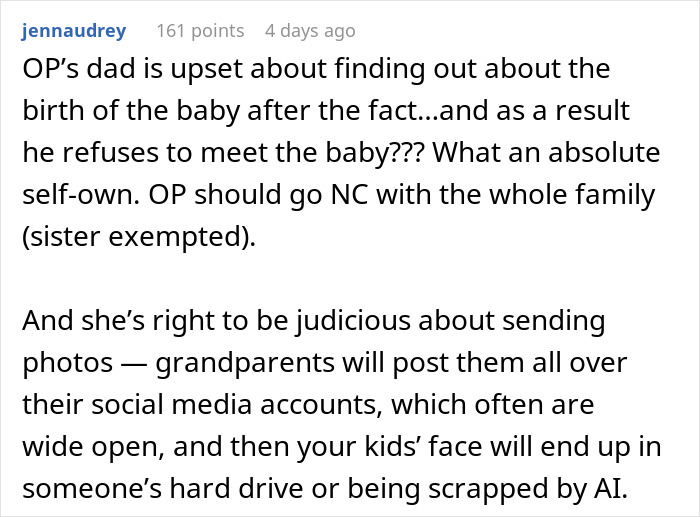
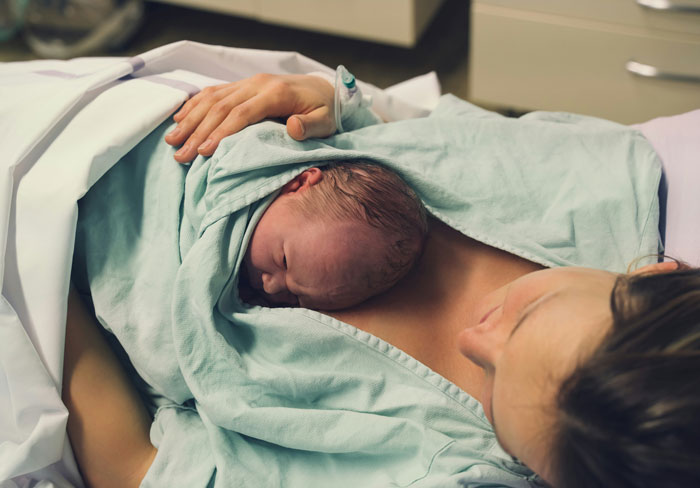
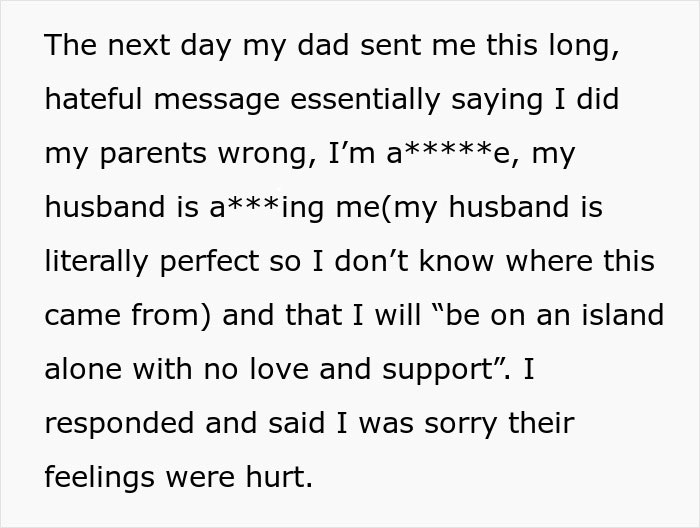
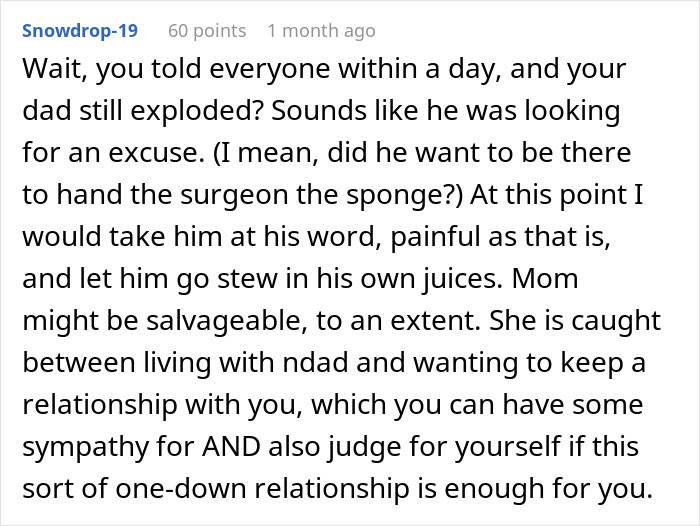
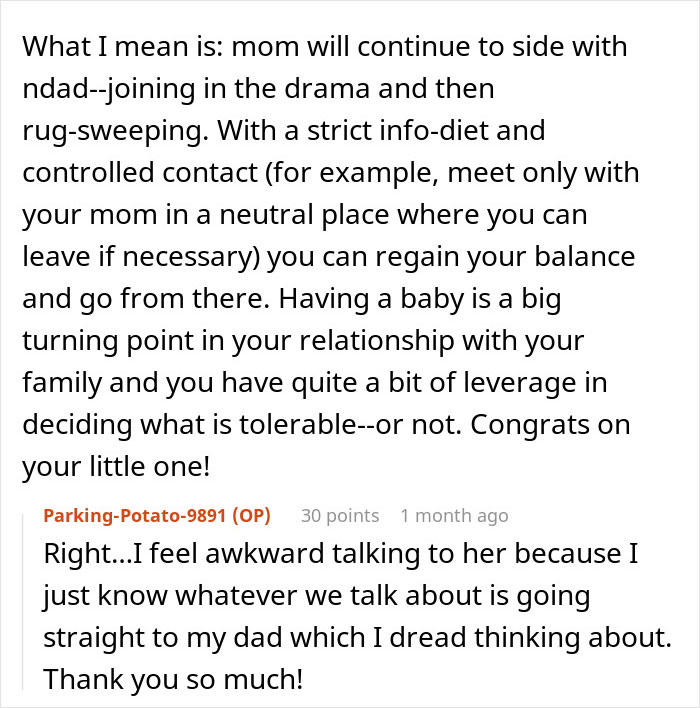
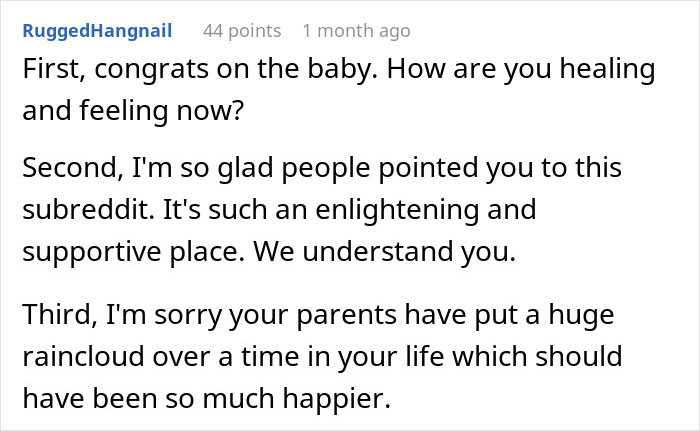
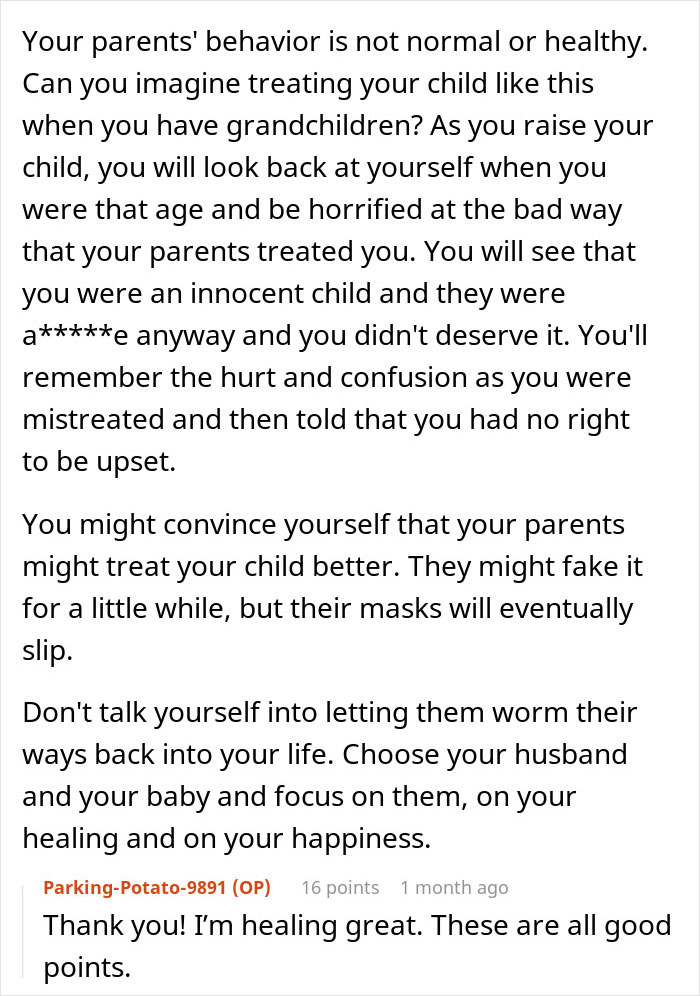
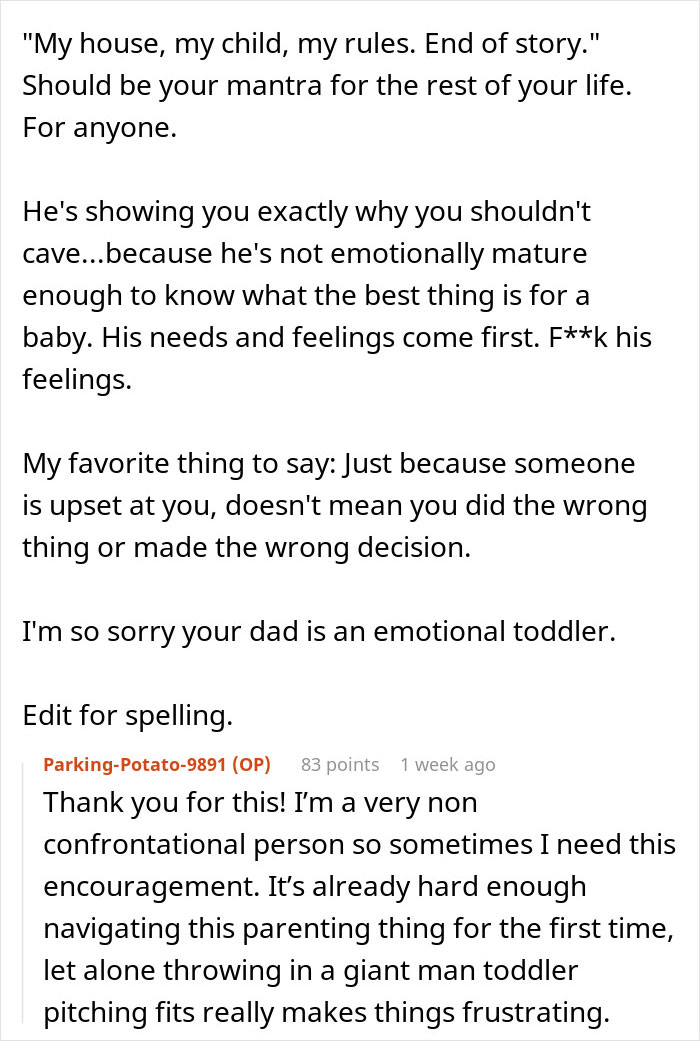
In this case, a couple made the decision to keep the birth of their baby private for just one day. They weren’t shutting anyone out permanently; they were simply exhausted after a long and difficult delivery and needed a short window to recover and adjust. When they finally shared the news, they expected excitement and joy. Instead, things took an unexpected turn. The woman’s family reacted strongly, with her father becoming angry and even choosing not to meet or bond with his new grandchild. What started as a short delay in communication slowly turned into days of tension, silence, and growing resentment. Keep reading to see how the situation unfolded.
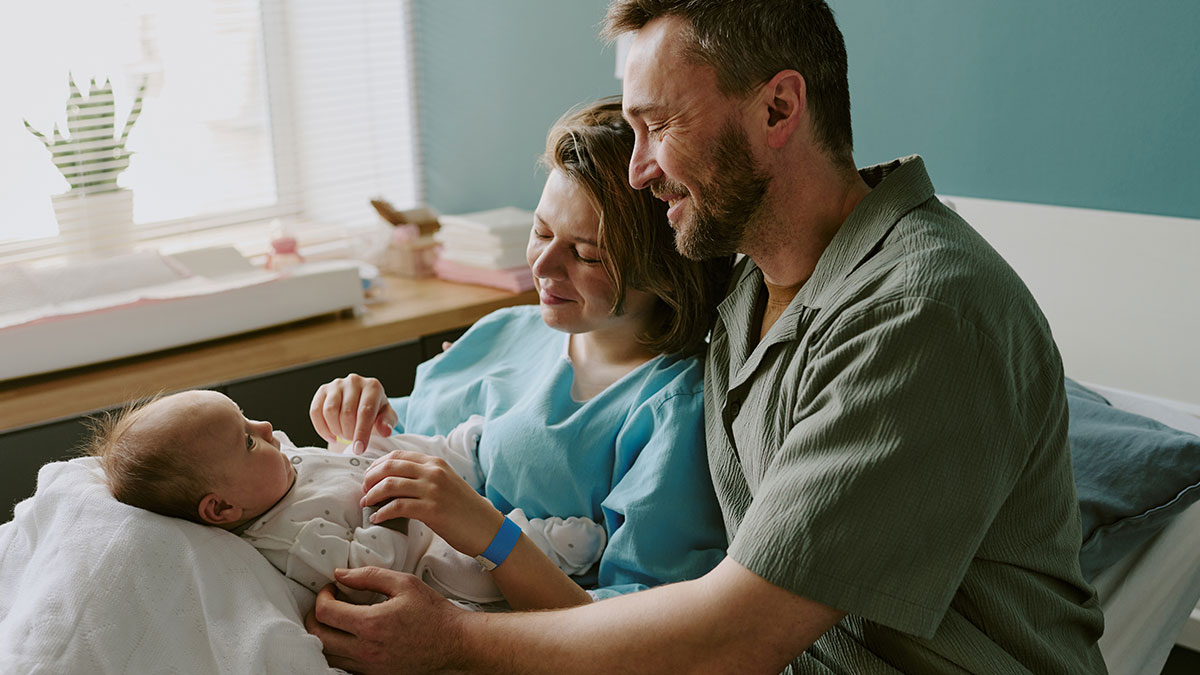
Image credits: Getty Images / Unsplash (not the actual photo)
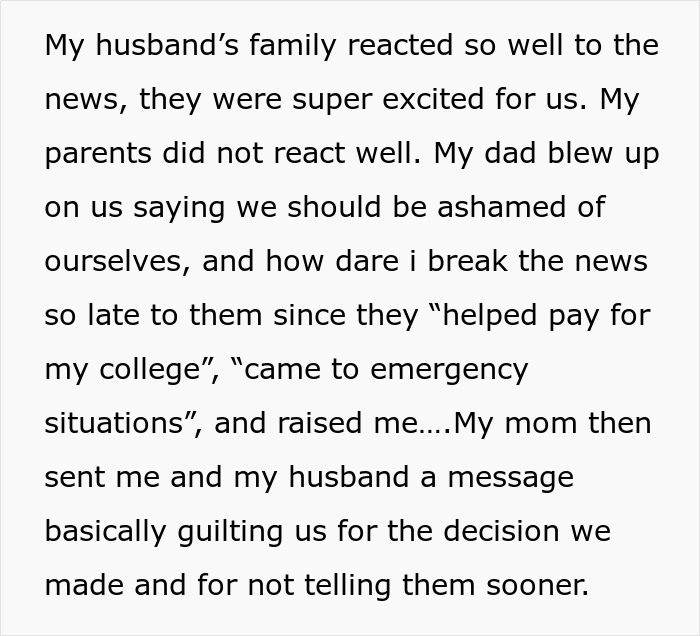
Image credits: Curated Lifestyle / Unsplash (not the actual photo)
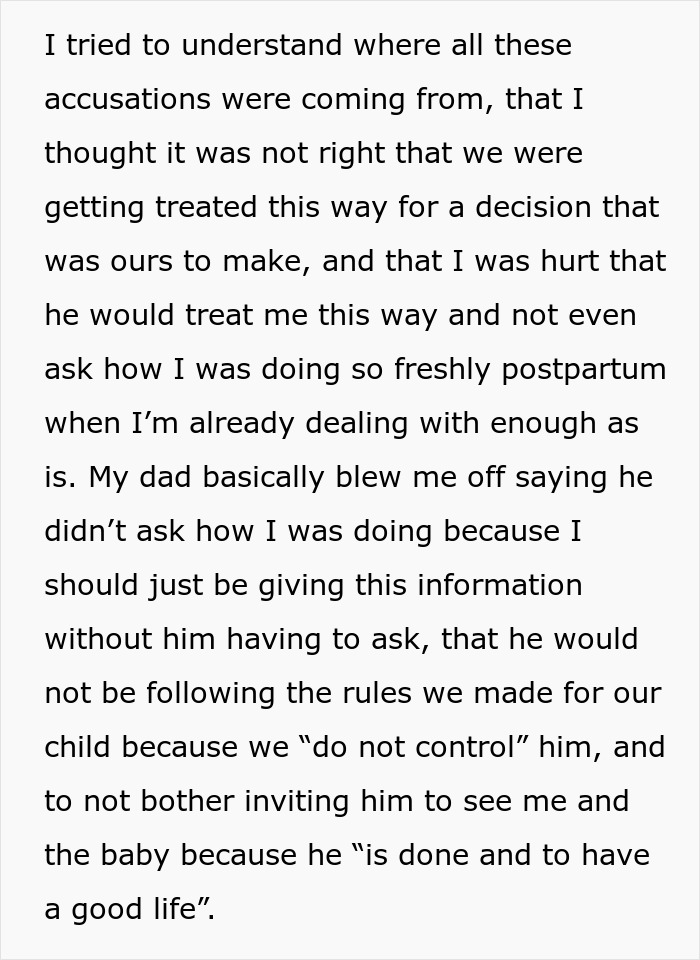
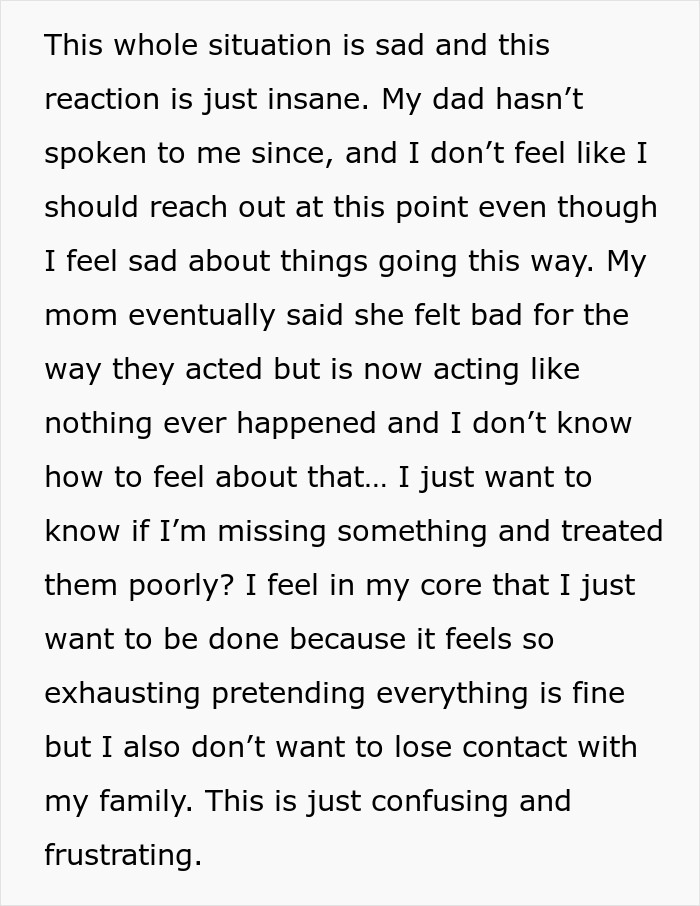
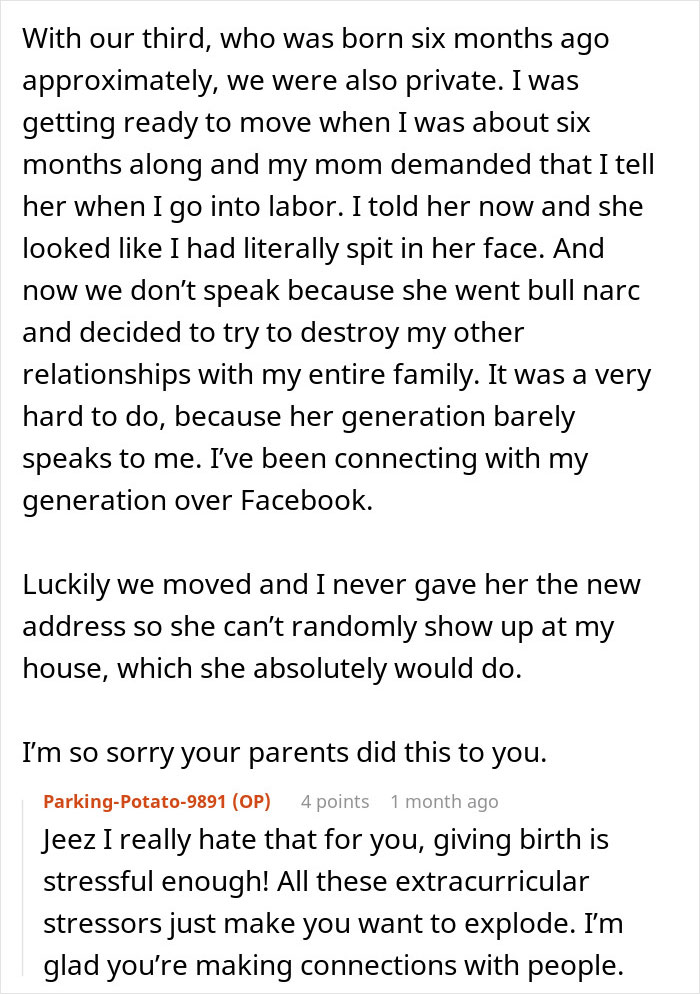
Image credits: Parking-Potato-9891
Bringing a baby into the world is often painted as one of life’s most magical milestones, and in many ways, it absolutely is. There’s joy, excitement, and that overwhelming feeling of meeting a tiny human you’ve waited months to hold. But what often gets left out of the picture is just how intense the postpartum period can be. For many women, it’s a season of enormous physical recovery, emotional adjustment, and mental exhaustion all happening at once. Your body is healing from one of the biggest events it can go through, your hormones are shifting dramatically, and your entire routine has been flipped upside down overnight. It’s beautiful, yes, but it can also be messy, overwhelming, and incredibly hard.
One of the biggest challenges almost every new mother faces is sleep deprivation. Newborns don’t exactly arrive with a schedule, and those first few weeks are often a blur of late-night feedings, diaper changes, and trying to function on tiny snippets of interrupted sleep. This kind of chronic exhaustion goes far beyond just feeling tired. It can make small tasks feel enormous and amplify every other postpartum struggle. When people say new parents are running on fumes, they’re usually not exaggerating.
Then there’s the emotional rollercoaster. Around 80% of new mothers experience what’s commonly known as the “baby blues” within the first few days after giving birth. This can involve sudden mood swings, tearfulness, irritability, and feeling unexpectedly overwhelmed. A lot of this comes down to the dramatic hormonal drop that happens after delivery, particularly with estrogen and progesterone. One moment, a mother may feel completely overjoyed, and the next she may find herself crying over something seemingly small. It can feel confusing and isolating, especially when society often expects constant happiness during this stage.
For some women, however, it goes beyond temporary emotional shifts. Postpartum depression and postpartum anxiety are very real and serious conditions that affect many mothers. These experiences can bring persistent sadness, intrusive worries, feelings of inadequacy, or a constant fear that something might happen to the baby. And because motherhood is so often romanticized, many women feel guilty admitting they’re struggling. That silence can make the experience even harder. The truth is, mental health challenges after childbirth are not a reflection of how much someone loves their child—they’re a medical and emotional reality that deserves support and compassion.
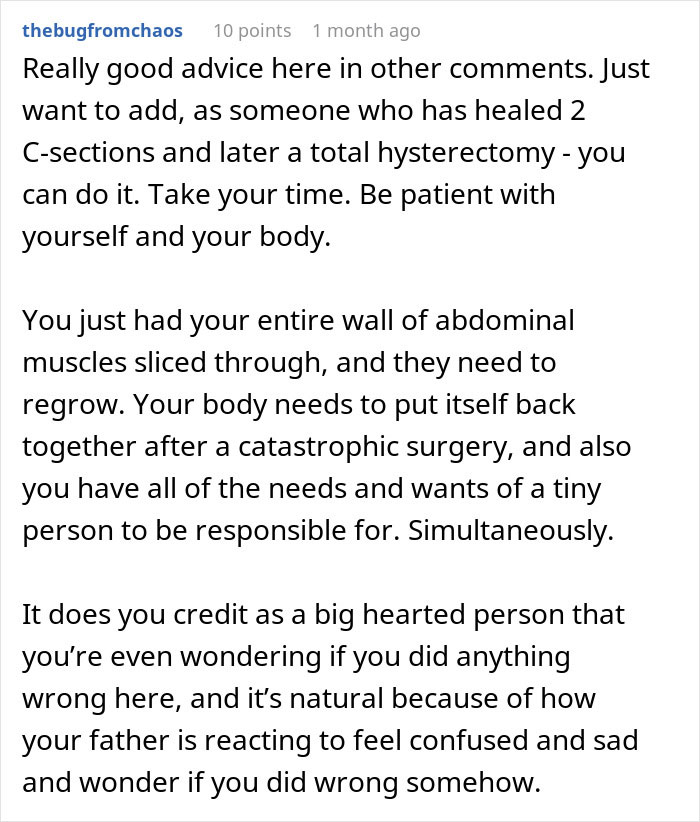
Physical recovery is another major part of the postpartum experience that often gets underestimated. Whether someone gives birth vaginally or through a C-section, the body needs significant time to heal. There can be incision pain, perineal soreness, intense cramping as the uterus contracts back to its original size, backaches, and general physical discomfort that lingers for weeks. Recovery doesn’t happen overnight, and yet many women feel pressure to “bounce back” quickly. The reality is that postpartum healing is a gradual process, and every mother’s timeline looks different.
Image credits: Anna Tolipova / Magnific (not the actual photo)
Breastfeeding can also come with challenges that many new moms don’t anticipate. It’s often described as natural, but that doesn’t always mean it comes naturally. Issues like painful latching, cracked nipples, milk supply concerns, and anxiety over whether the baby is feeding enough can create a lot of stress. For some mothers, feeding becomes a source of pressure rather than bonding, especially when expectations don’t match reality. It’s one more reminder that new mothers often carry far more than what’s visible on the surface.
On top of that, there are physical changes that can feel difficult to talk about openly. Things like urinary incontinence, constipation, hemorrhoids, and pelvic floor discomfort are incredibly common after birth, yet they’re rarely discussed enough. These symptoms can be uncomfortable, frustrating, and even embarrassing for mothers who feel like they’re expected to quietly “deal with it.” Combined with the emotional shifts already happening, these challenges can take a real toll on confidence and overall well-being.
And then there’s the identity shift that comes with becoming a parent. Beyond the physical recovery and emotional changes, many women find themselves adjusting to an entirely new version of life. The transition from being an independent adult to suddenly being responsible for a tiny human 24/7 can feel disorienting. Many mothers struggle to balance their own needs with caring for their baby, maintaining relationships, managing household responsibilities, and simply remembering who they were before motherhood. It’s a huge adjustment, and one that deserves far more understanding than it often gets.
Despite all these challenges, motherhood can also be deeply rewarding. Somewhere in the middle of the sleepless nights, the uncertainty, and the exhaustion, there are moments of immense love and connection that make the journey incredibly meaningful. The postpartum phase is not about perfection—it’s about adjustment, resilience, and learning as you go. What every new mother deserves during this time is patience, empathy, and unwavering support from the people around her.
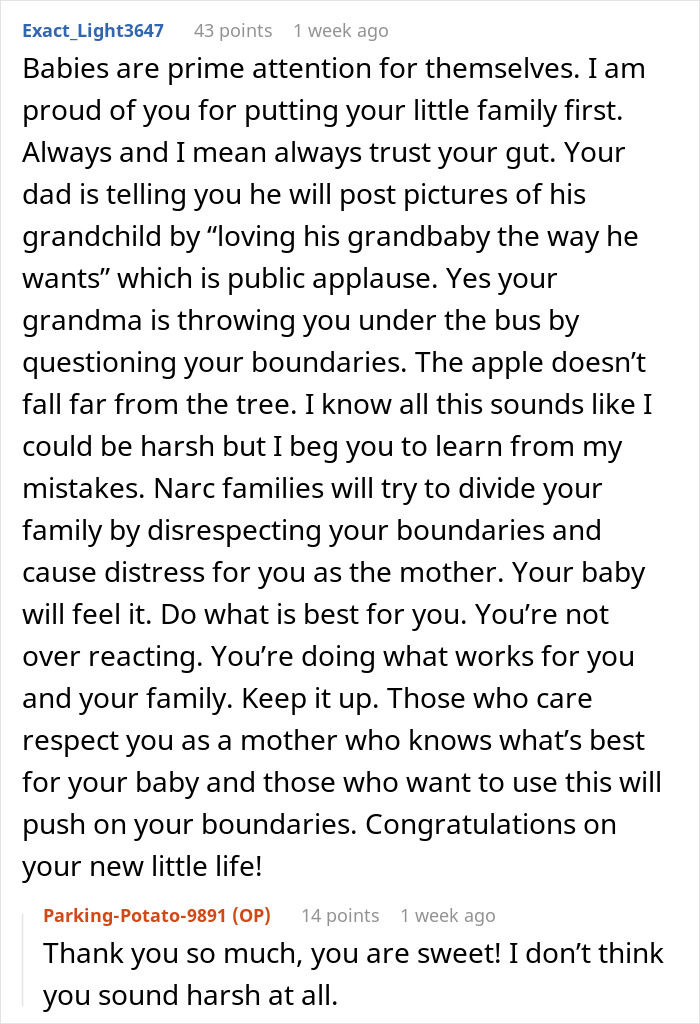
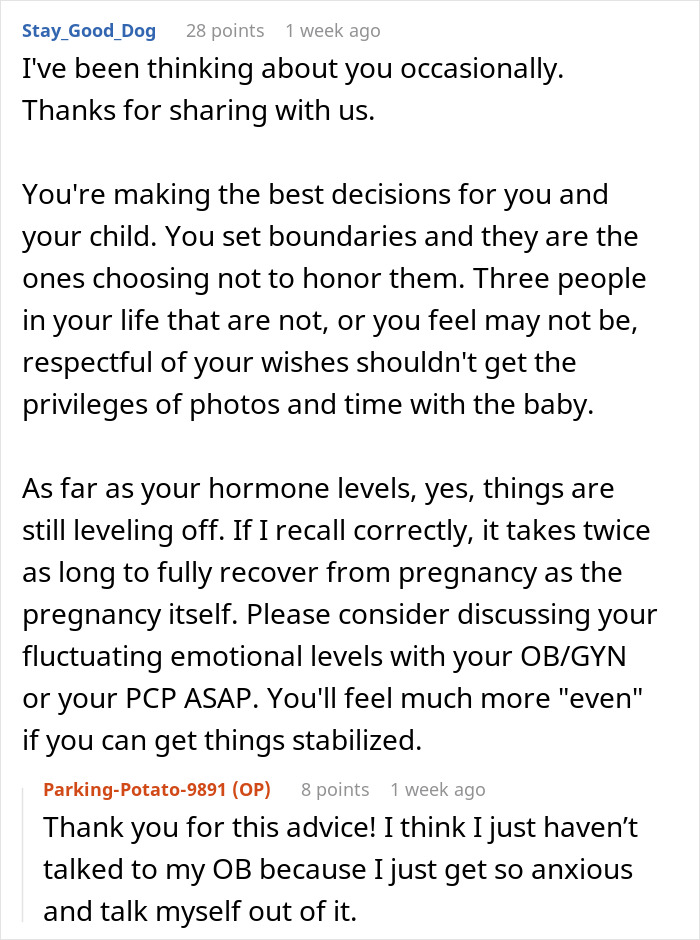
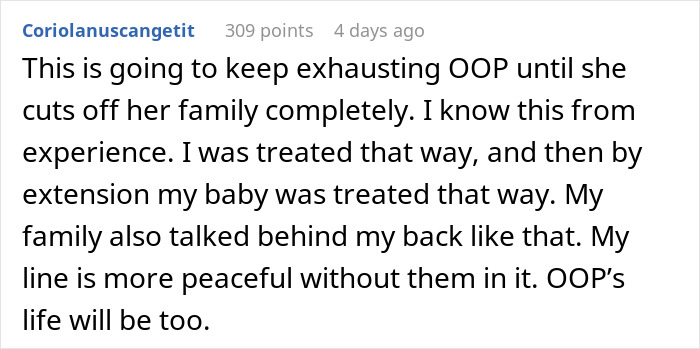
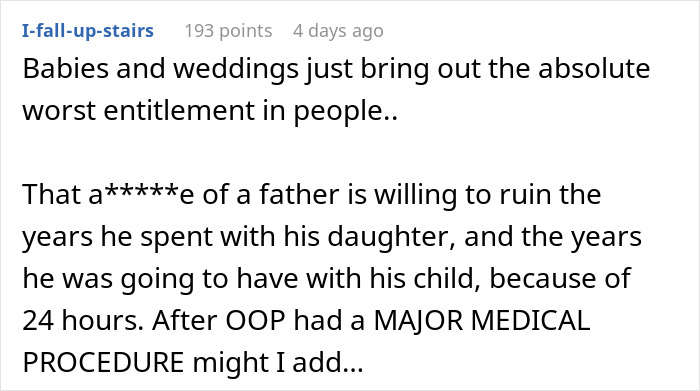
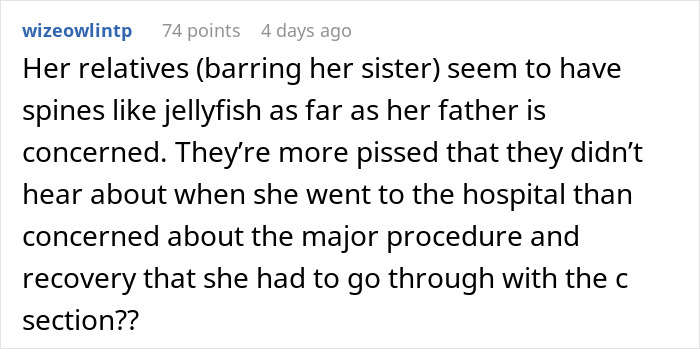
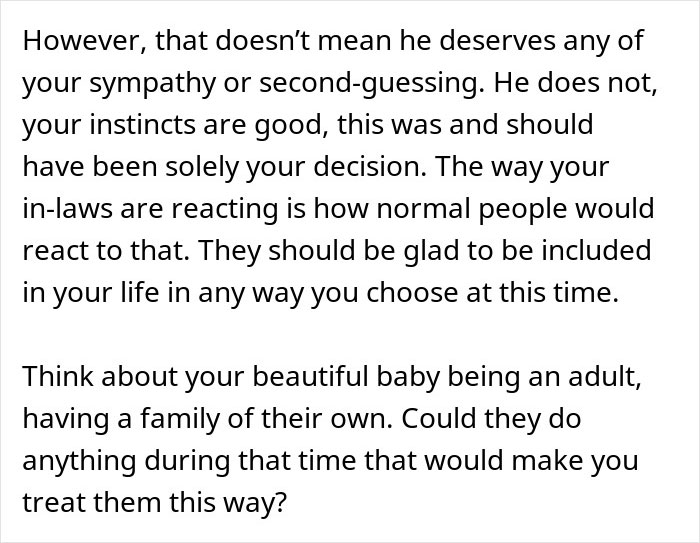
Which is exactly why the way the author’s father behaved in this situation feels so disappointing. Instead of showing concern for his daughter’s recovery, offering help, or simply respecting the boundaries she and her husband set, he chose entitlement and anger during one of the most vulnerable moments of her life. Postpartum is a time when new mothers need understanding, not emotional guilt trips and unnecessary conflict. What are your thoughts on this situation? Do you think her family crossed a line, or could this have been handled differently?
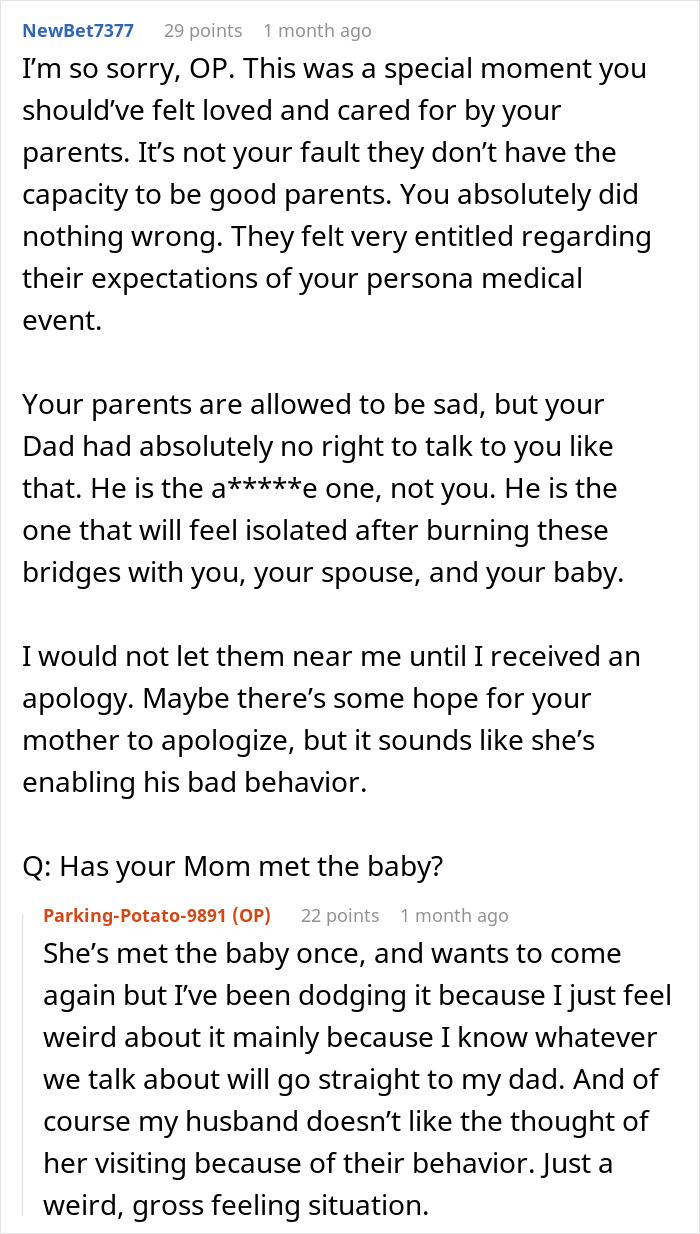
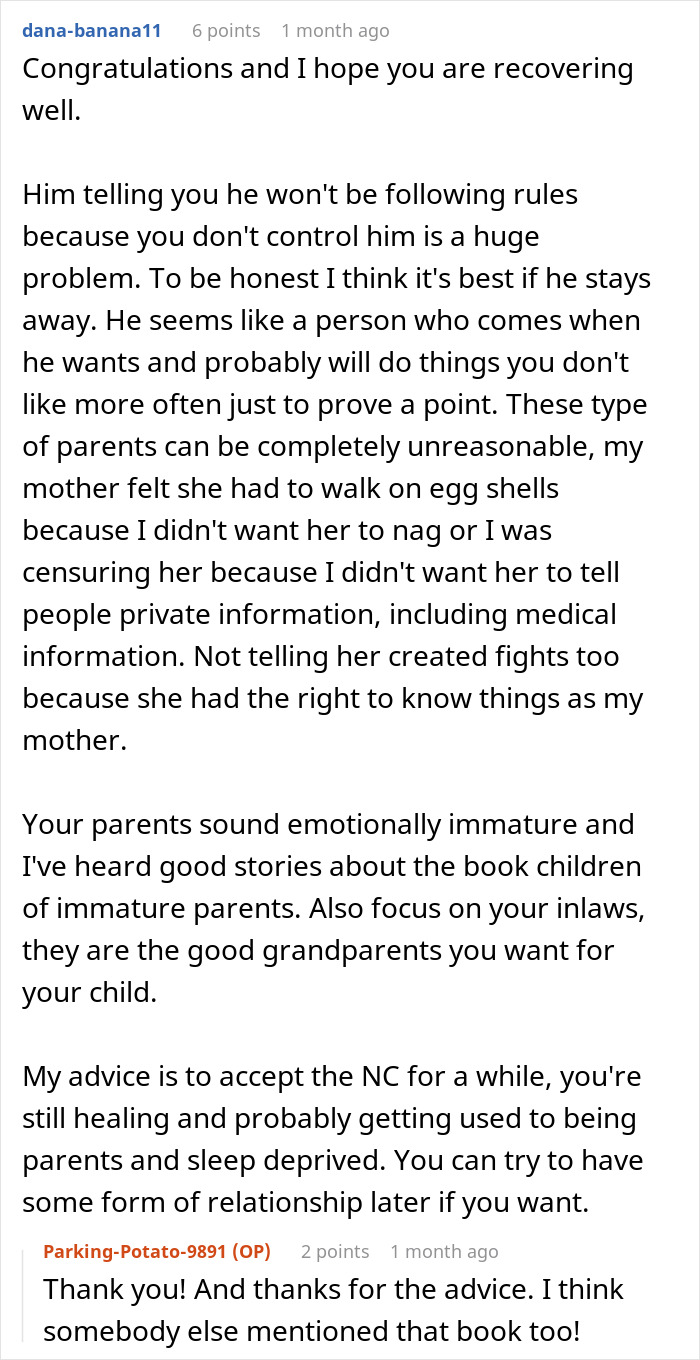
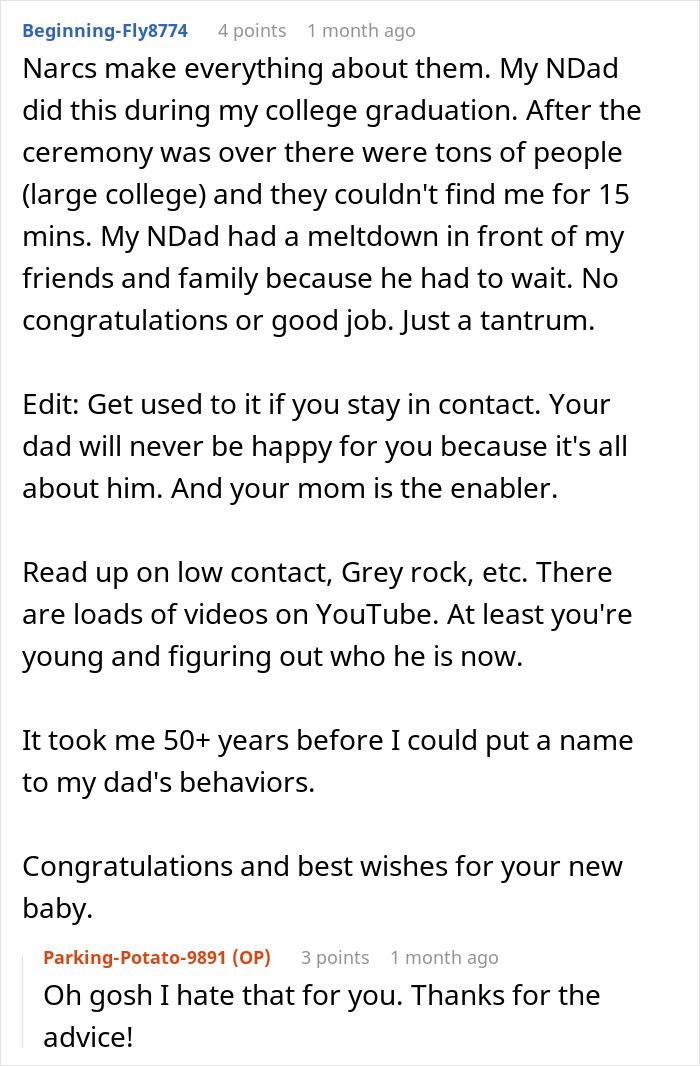
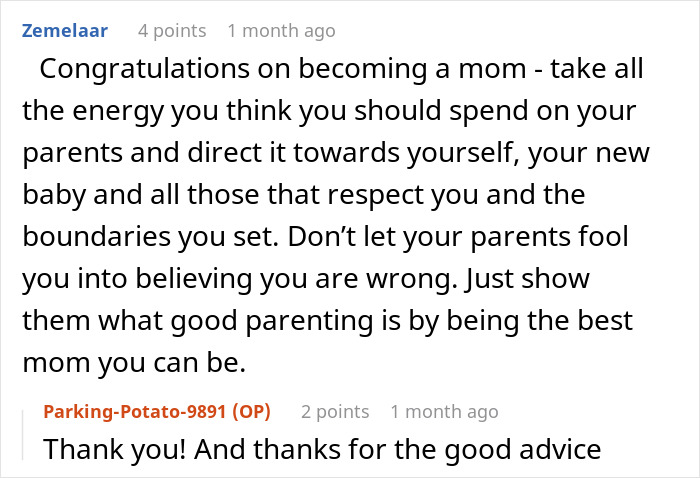
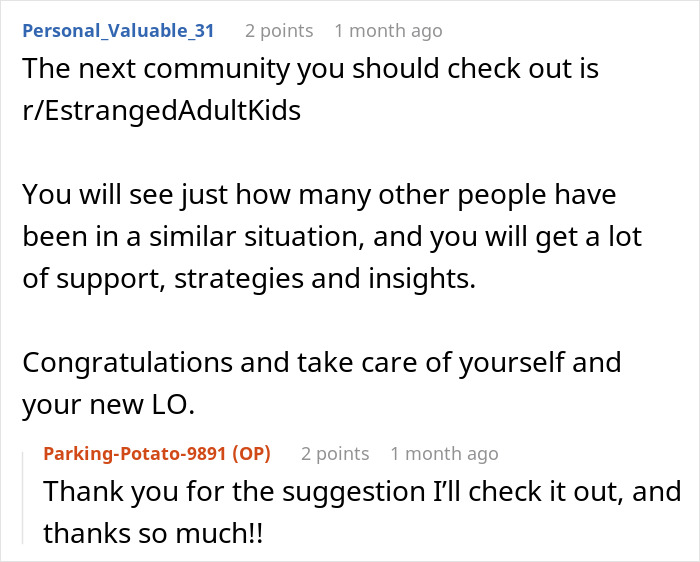
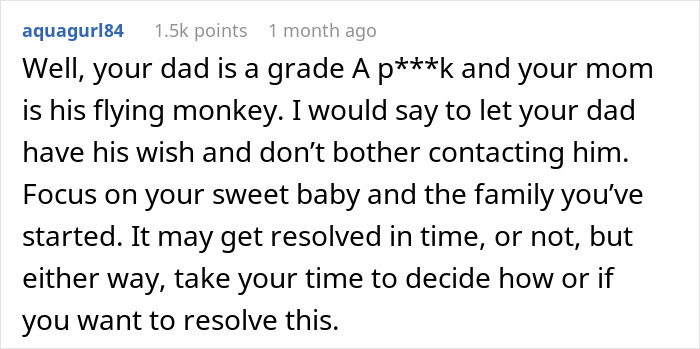
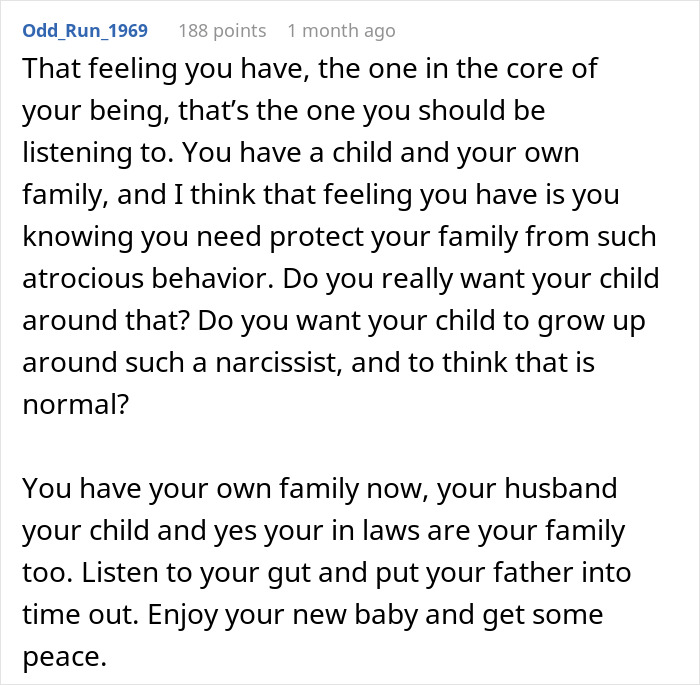
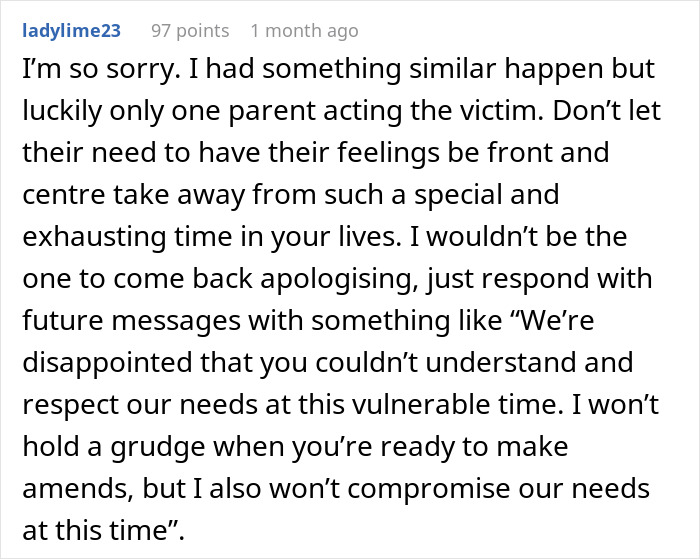

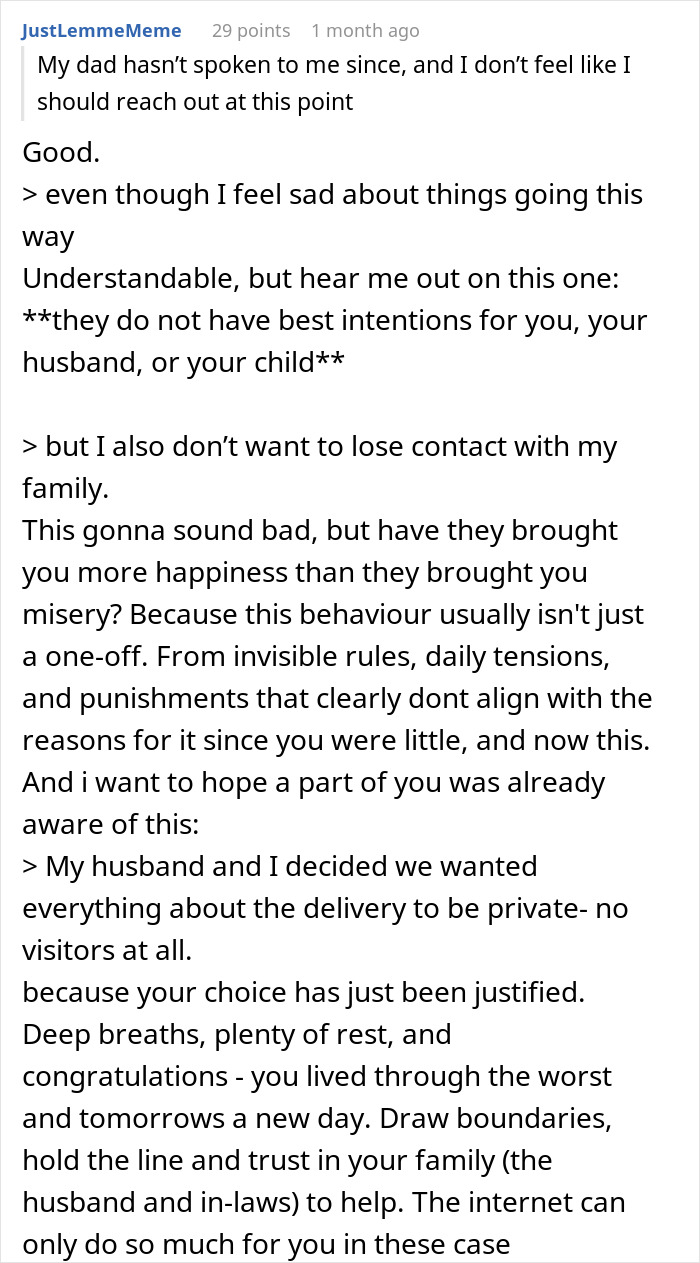
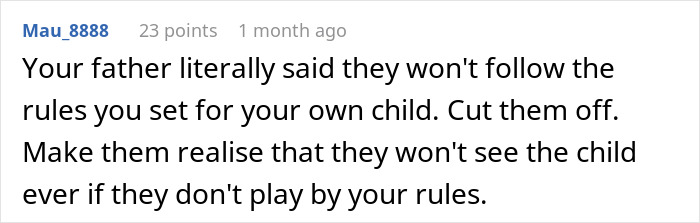
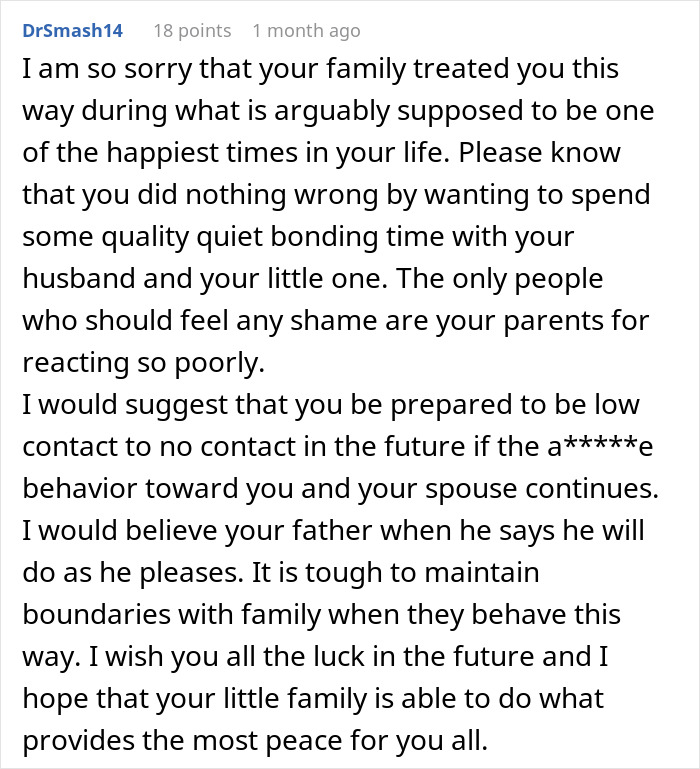
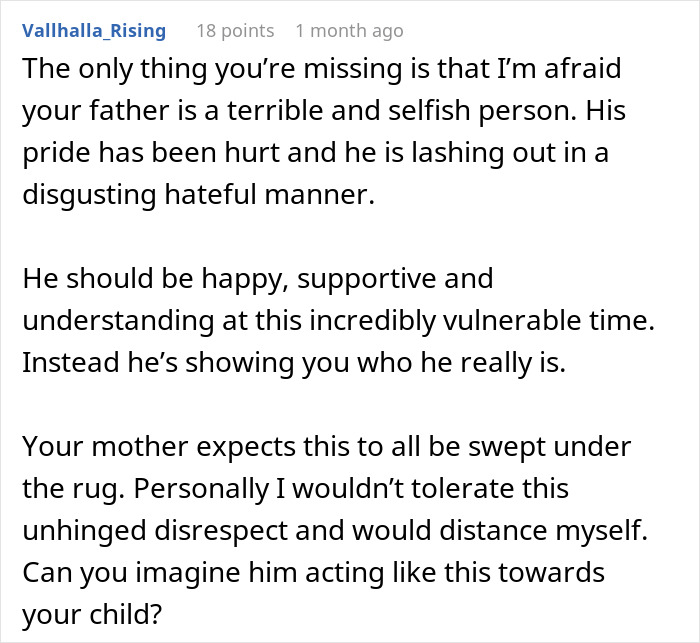
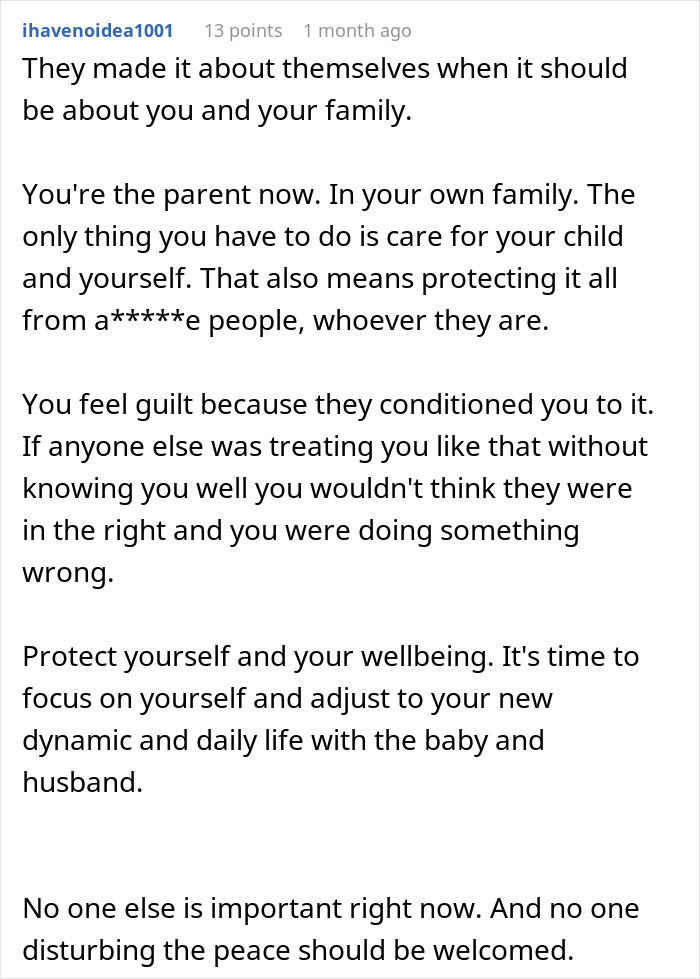

Image credits: Kamran Abdullayev / Unsplash (not the actual photo)
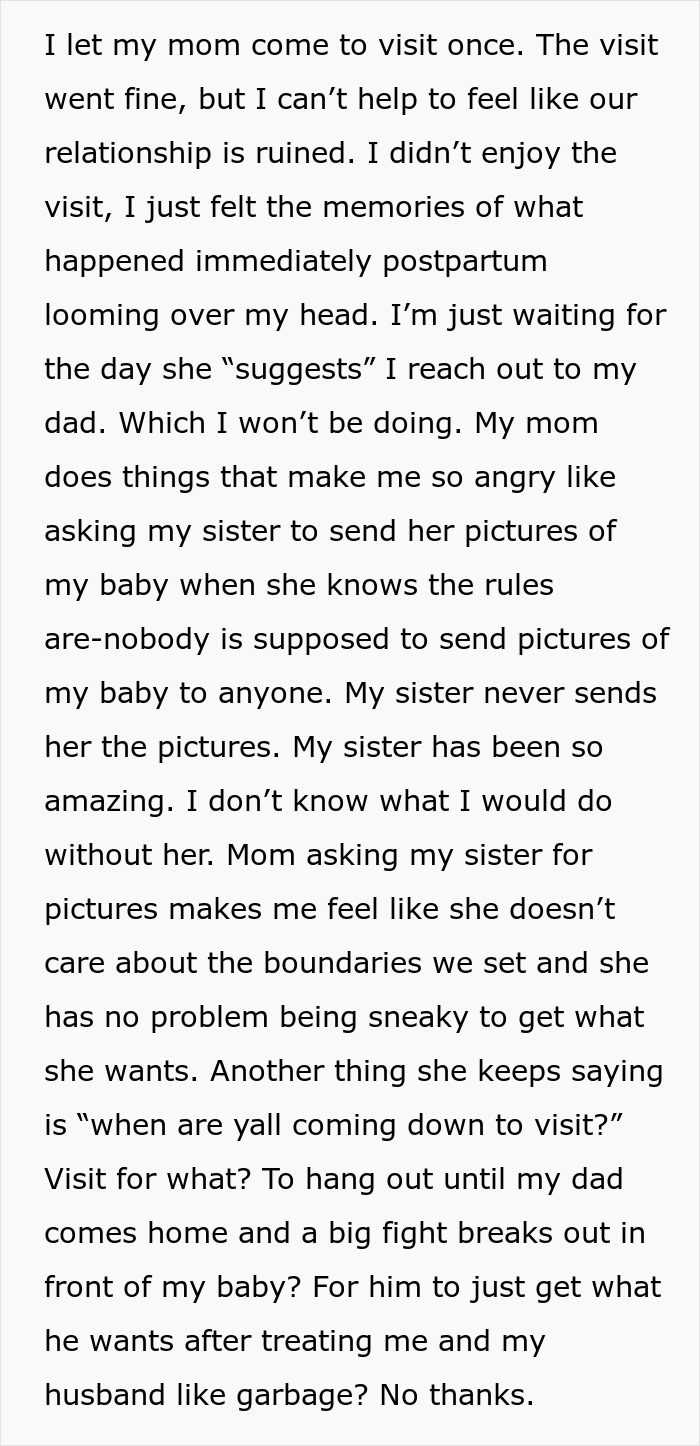
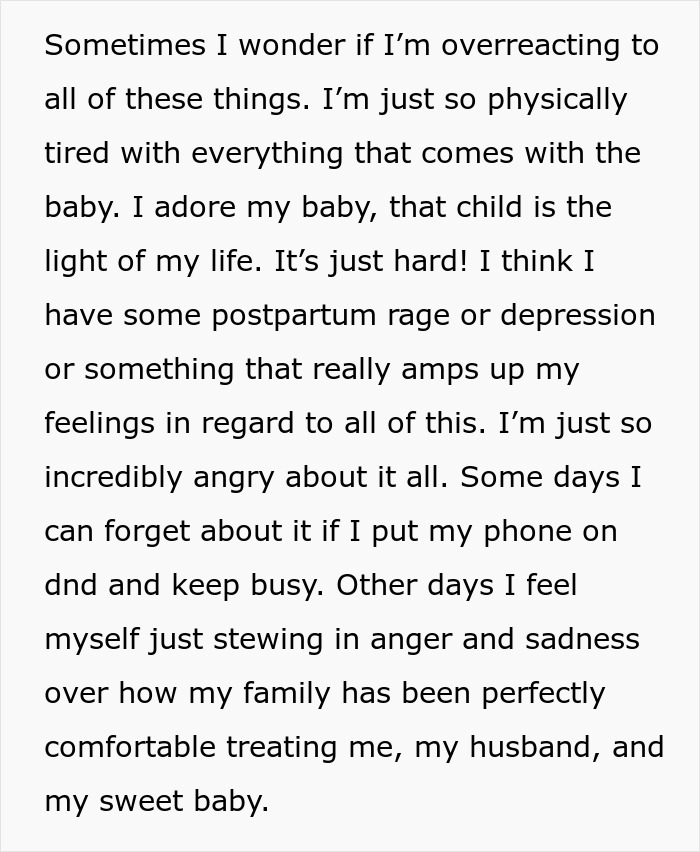
Image credits: Getty Images / Unsplash (not the actual photo)
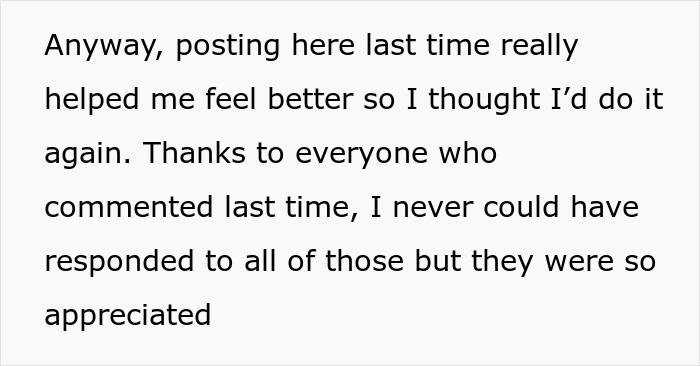
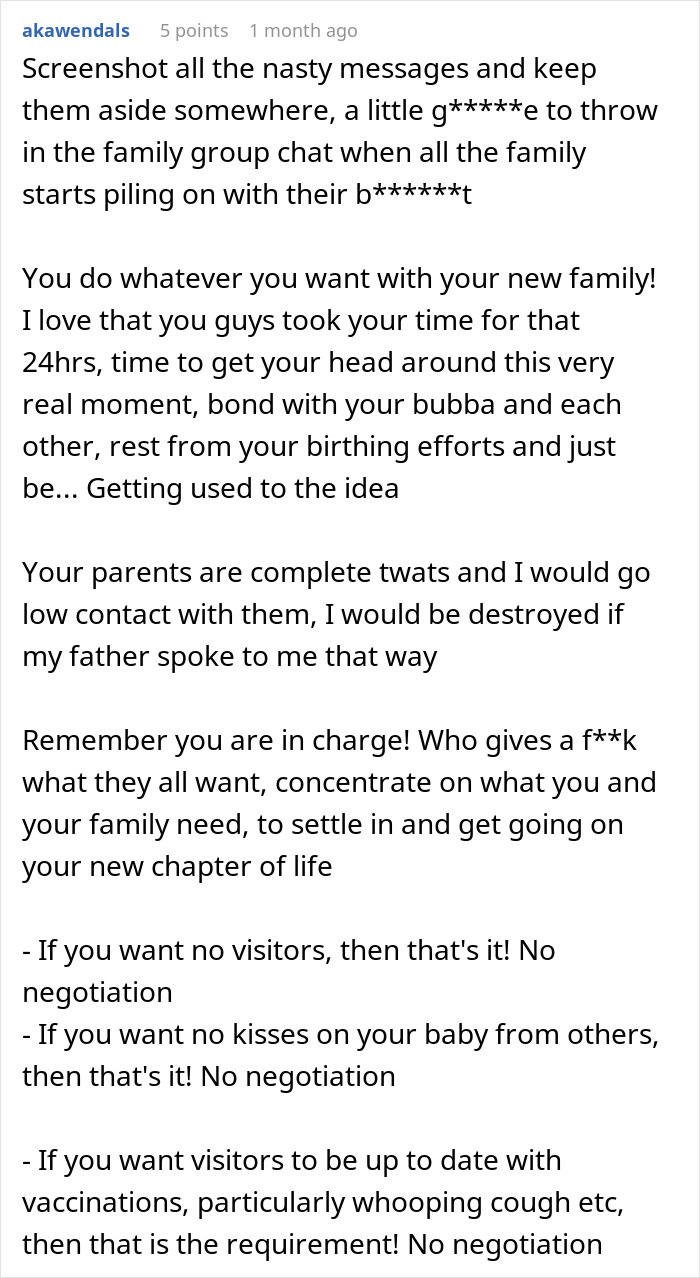
Image credits: Parking-Potato-9891






By entering your email and clicking Subscribe, you're agreeing to let us send you customized marketing messages about us and our advertising partners. You are also agreeing to our Privacy Policy.
Thank you! You've successfully subscribed to newsletters!


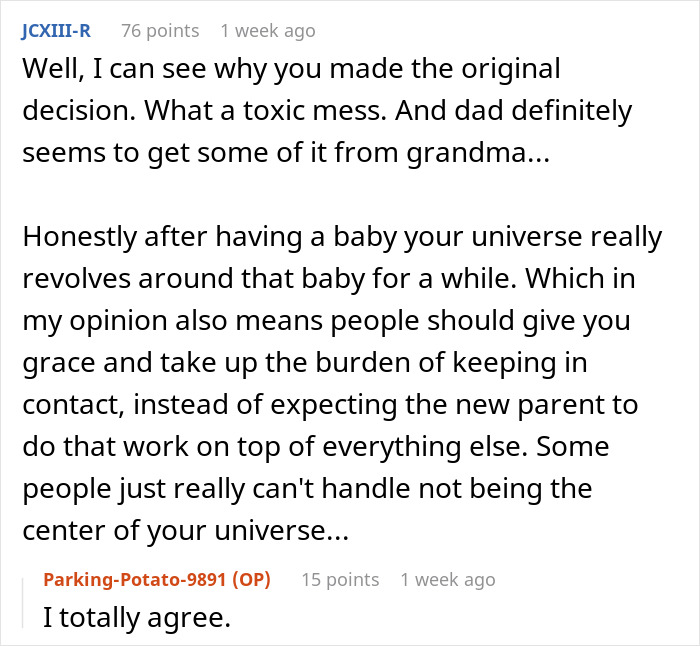
I wouldn't want my kids anywhere near that psychotic man, ever. It's a boon he isn't speaking to you, save you the trouble of going no contact. Mom would be on a very short rope, that could be cut should she start any nonsense.

I wouldn't want my kids anywhere near that psychotic man, ever. It's a boon he isn't speaking to you, save you the trouble of going no contact. Mom would be on a very short rope, that could be cut should she start any nonsense.





























 No fees, cancel anytime










36
20