Get Premium
Dark mode theme is available exclusively for premium users. Learn more about the benefits of subscribing.
No fees, cancel anytime.

 Dark Mode Ad-Free Browsing Unlimited Content
 Ad-Free Browsing Unlimited Content Dark Mode
Join 1.2 million Panda readers who get the best art, memes, and fun stories every week!

Gone are the days when working tirelessly after hours and on weekends was considered the norm.
In the 21st century, the focus has shifted toward “working smart, not hard,” where maintaining a healthy life-work balance is just as vital as climbing the corporate ladder.
This shift has sparked numerous global debates regarding the steps countries take to improve employee well-being versus those that continue to prioritize toiling away at the office.
To provide clarity, the experts at Remote.com, leaders in global HR and employment, analyzed index data from the world’s top 60 economies by GDP to determine which global powers offer the best balance for their employees.
These 60 nations serve as a global sample to assess who successfully juggles work and home life to ensure health, happiness, and productivity. In this list, we will count down the 20 countries with the worst work-life balance to understand why they rank so poorly compared to New Zealand, the reigning global champion of work-life balance.

The Remote.com 2025 Global Life-Work Balance Index used a uniform methodology to evaluate the world’s top 60 economies by GDP. The data was pulled and analyzed in April 2025.
Rather than relying on a single metric, they use a weighted composite score out of 100 based on nine key data points to determine their final ranking.
The following are the factors used to calculate the scores for the countries:
1.) Statutory annual leave: The minimum number of paid vacation days mandated by law, which also includes public holidays.
2.) Minimum statutory sick pay: The percentage and duration of the wages covered if a worker falls ill.
3.) Statutory maternity leave: The number of weeks of paid leave available to expectant mothers.
4.) Statutory maternity leave payment rate: The wage percentage of the worker’s salary paid during maternity leave.
5.) Average hours per week per employed person: The actual time employees spend working, including overtime.
6.) Minimum wage: Calculated in USD per hour.
7.) Healthcare status: The quality and accessibility of the nation’s healthcare system.
8.) Happiness Index: The overall self-reported well-being of the population is measured on a scale of 1 to 10, with 10 being the highest.
9.) LGBTQ+ inclusivity: Valued between 0-100, 100 being the highest, to reflect the Legal Index scores the legal rights and freedoms LGBTQ+ people have.
10.) Safety: Global Peace Index, valued between 1-4, the lower the better.
This post may include affiliate links.
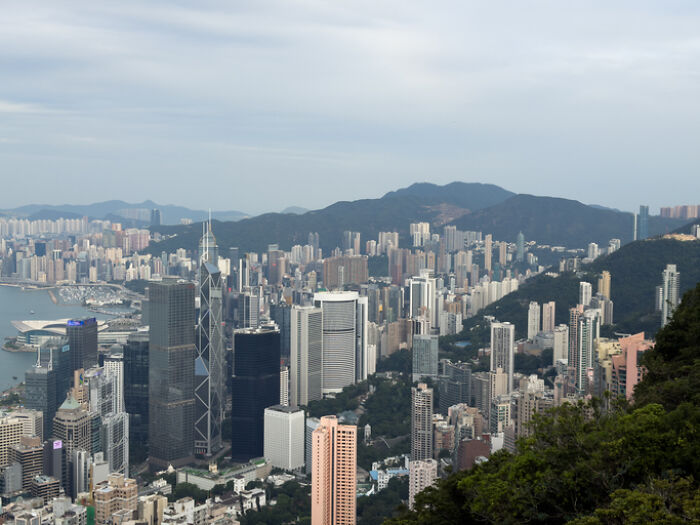
⭐ Overall Rank: Hong Kong ranks #46 globally with a global index score of 43.87.
The workforce in Hong Kong values job security and financial stability over work-life balance (via HK Business). This could be the key factor in their exceptionally low Happiness Index score of 5.49.
The city’s incredibly competitive financial culture leads workers to use their high salaries to pay for luxurious services to escape stress, but then they must work longer hours to afford that lifestyle, creating a burnout loop.
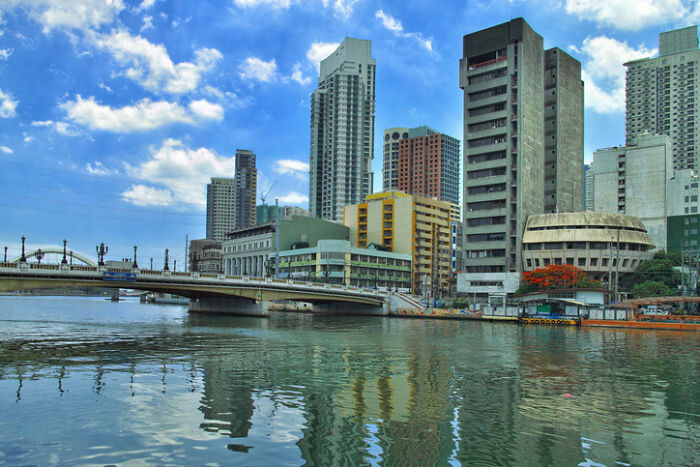
⭐ Overall Rank: The Philippines ranks #41 globally for work-life balance, with a global index score of 46.60 out of 100.
This is a significant improvement from their rank in Remote’s Global Life-Work Balance Index 2024, where they were ranked 59 out of 60 countries.
They are at the higher end of the work-hours spectrum, with Filipino employees averaging 42.25 hours per week. Interestingly, Filipino workers have a higher Happiness Index score of 6.04, which is higher than most of the other cities on this list.
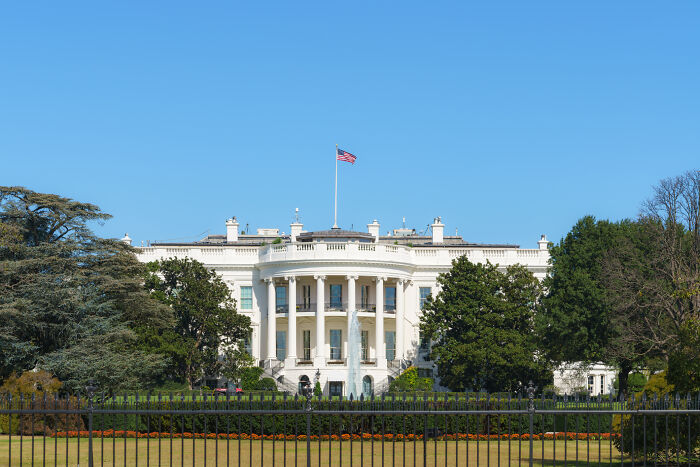
⭐ Overall Rank: The United States ranks #59 globally, making it the second-worst country in the world with an alarmingly low global index score of 31.17.
The world’s largest economy remains the only advanced economy without federally mandated paid vacation days or paid maternity leave. They prioritize productivity over all other metrics.
In the US, work is often tied to survival, since healthcare is primarily linked to employment. In fact, health care has accounted for about a third of their employment growth (via The NY Times).

I retired a few years ago. I like to sum up American corporate attitude as having the expectation that you can do more and more with less and less. Soon you will be able to do anything with nothing. My $25B employer couldn't even get me sufficient floor space for my very critical lab. It took nearly 18 months to stop having nightmares about that job.
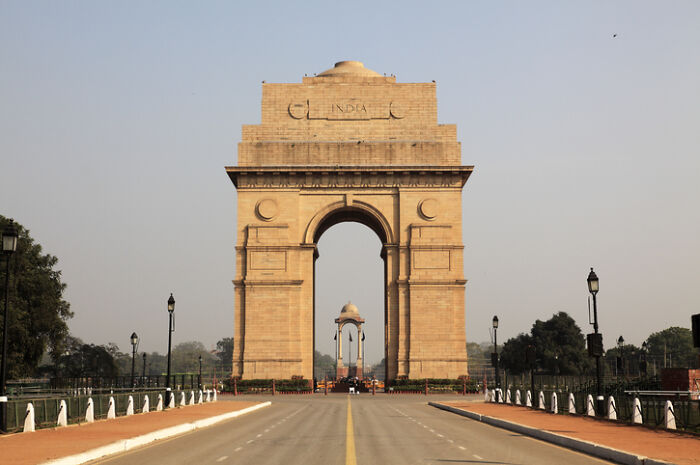
⭐ Overall Rank: New Delhi ranks #52 globally with a poor global index score of 41.00.
India provides a mere 15 days of statutory annual leave, in addition to 3 public holidays. They have an average workweek of 45.7 hours and a minimum wage amounting to a shocking $0.27 USD per hour.
Moreover, sick leave compensation is often below 60% of wages, making it financially challenging for workers to realistically take time off. Their Happiness Index score is 4.39, with women granted 12 weeks of 100% paid maternity leave.
Despite the evolution of its corporate landscape, the country is engulfed by its hustle culture. This is due to the continual belief that longer hours are essential to match global income levels (via Economic Times).

Maternity leave is usually 26 weeks in India(paid and applicable on first two children only). However more than eighty percent of the female workforce is in unorganised sector which suffers from absence of job and social security.
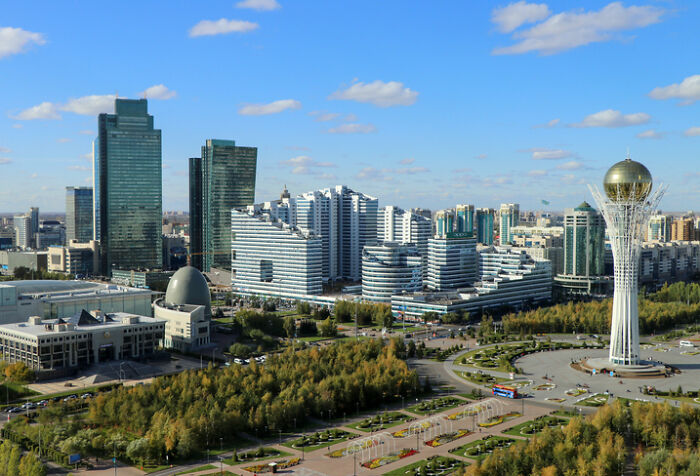
⭐ Overall Rank: Nursultan ranks #43 globally with a global index score of 44.57.
While Nursultan provides a statutory minimum of 24 days of annual leave, it struggles with a depressingly low LGBTQ+ inclusivity score of 25 out of 100, which mirrors the broader regional challenges for the rights of minorities in the workplace.
The economy is heavily centered on mining and heavy industry in regions surrounding the capital. The mining sector in Kazakhstan is a major global supplier of uranium, accounting for over 40 percent of the world’s supply (via Expat Arrivals).
This creates a work culture where weeks are often spent in high-intensity environments far from home, followed by long recovery periods that blur the line between work and life.
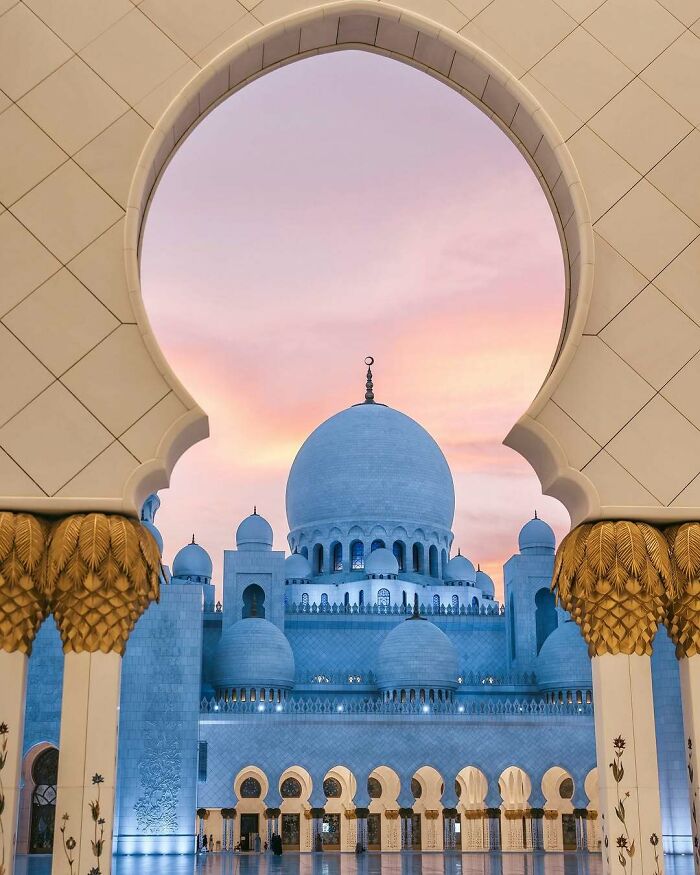
⭐ Overall Rank: Abu Dhabi in the UAE ranks #44 globally for work-life balance with a global index score of 44.46 out of 100.
The UAE has some of the highest weekly work hours in the study, with a standard private-sector week often hitting 48.74 hours. Women are given only 6.3 weeks of maternity leave, during which they are paid 100% of their wages. They also have an LGBTQ+ inclusivity score of 13, which is among the lowest on the list.
While work hours are long, Abu Dhabi residents report a high level of happiness at 6.76/10, largely supported by a strong social support network, where they feel they have a community outside their workplace (via People Matters).
They also boast a world-class safety index score of 1.90, ranking among the safest nations for women to walk alone at night.
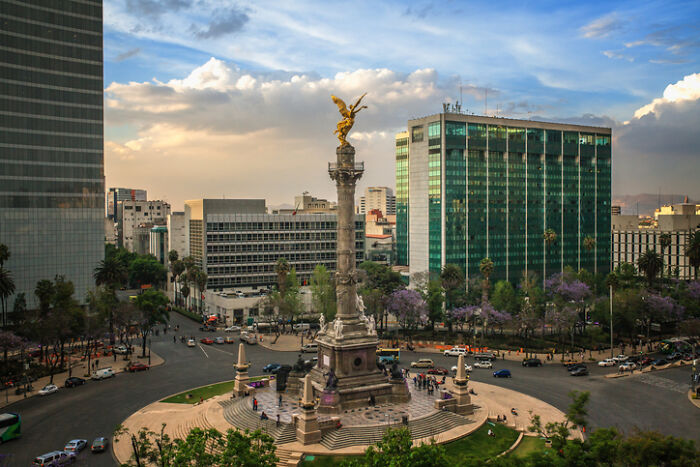
⭐ Overall Rank: Mexico City ranks #45 globally, with a low global index score of 44.04 out of 100.
Mexico City receives less than 60% of its wages during a statutory sickness period and 100% of its wages during 12 weeks of paid maternity leave. The minimum wage is set at a significantly low $2.01 USD per hour, with statutory leave remaining below the global average for its GDP.
On the bright side, Mexico’s federal government has pledged a gradual transition to a 40-hour workweek from the current 48 hours by the close of President Claudia Sheinbaum’s term in 2030 (via HRD).
They also have a reasonable Happiness Index of 6.98 and a soaring LGBTQ+ inclusivity score of 70.
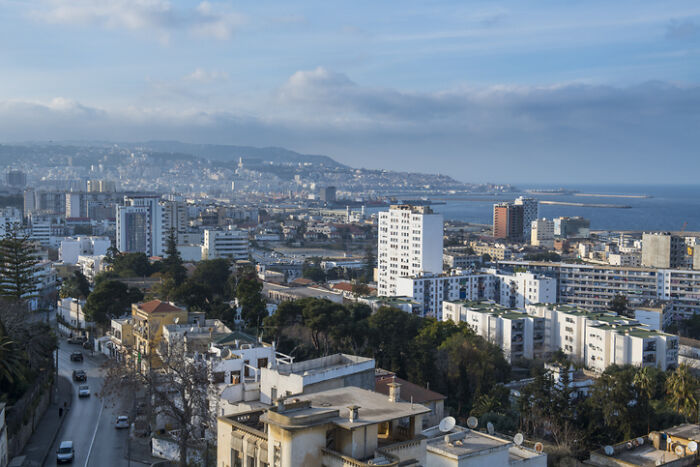
⭐ Overall Rank: Algiers ranks #47 globally with a global index score of 43.63.
Algeria struggles with an extremely low minimum wage of merely $0.85 USD per hour and a Happiness Index score of 5.57.
The city’s LGBTQ+ inclusivity score of 13 out of 100 contributes to its lower ranking on the list, along with other factors such as poor maternity leave and limited access to general healthcare infrastructure.
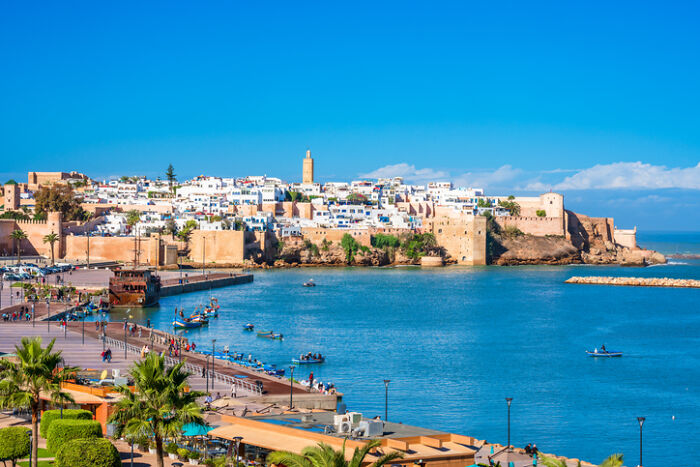
⭐ Overall Rank: Rabat ranks #50 globally with a global index score of 43.01.
Key Data: Employees in Morocco work an average of 44 hours per week, one of the highest rates in North Africa. Employees in Morocco are granted 18 days of vacation and 12 public holidays, with paid sick leave at a rate below 60% of their wages.
The country also scored poorly on quality-of-life indicators, with a happiness index of 4.62 out of 10 and a safety index of 2.05 out of 10. The scores reflect deep, ongoing social and economic challenges Morocco faces in providing its citizens with a good quality of life (via MWN).
⭐ Overall Rank: Beijing ranks #51 globally with a global index score of 42.64.
The second-largest economy in the world, China, offers the lowest statutory leave in the 2025 index, with employees entitled to just 5 days of annual leave after their first year. This is paired with an average workweek of 46.1 hours, making it the longest in the Asia-Pacific region.
A contributing factor to the work-life balance challenge in China is the cultural expectation of job commitment, often resulting in overtime (via HROne).
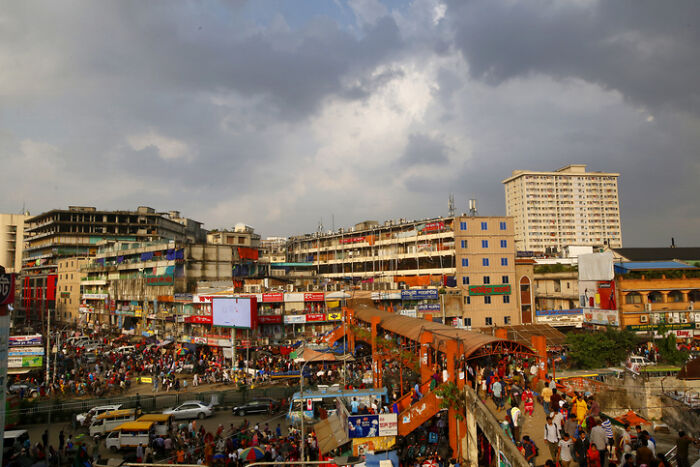
⭐ Overall Rank: Dhaka ranks #53 globally, with a global index score of 39.45.
Bangladesh has one of the lowest Happiness Index scores, at 4.3 out of 10 across the study. They have an average workweek of 46.02 hours and a minimum wage of $0.08 USD per hour, both of which are incredibly concerning.
Workers in Dhaka frequently face mandatory overtime during peak production seasons, leaving virtually no time for life outside the factory walls. Working late is seen as a badge of honor, and leaving the office on time is frowned upon (via The Daily Star).
⭐ Overall Rank: Doha ranks #54 globally with a global index score of 38.33.
Despite having one of the highest GDPs per capita, Qatar ranks amongst the absolute bottom for LGBTQ+ inclusivity and worker happiness. The index highlights a massive disconnect between national wealth and workers' individual fulfillment.
Women are allowed only 7 weeks of maternity leave, and are paid 100% of their wages for the first two weeks and only 50% for the remaining four weeks.
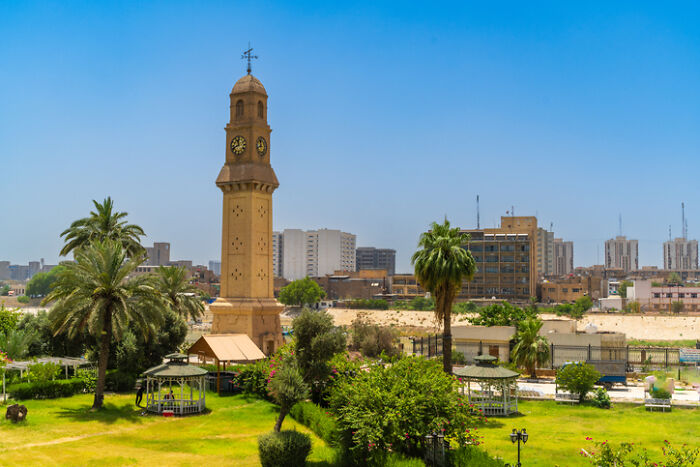
⭐ Overall Rank: Baghdad ranks #56 globally, with a global index score of 37.66, making it one of the top 5 countries with the worst work-life balance.
Iraq is tanking near the absolute bottom for public safety, LGBTQ+ inclusivity, and Happiness Index score. They are offered a total of 20 days of statutory leave, and women are given 8.6 weeks of 100% paid maternity leave.
Some industries in Iraq operate under different working-hour regulations, such as healthcare workers, oil and gas workers, security personnel, and those in hospitality, who often follow shift patterns that may exceed standard daily limits but eventually balance out (via Pay Roll).
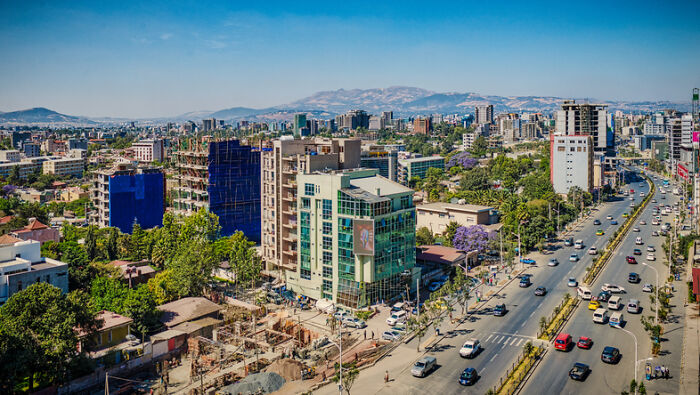
⭐ Overall Rank: Addis Ababa ranks #57 globally with a global index score of 37.61.
Ethiopia is one of the few countries in the top 60 by GDP that doesn’t have a minimum wage. If you don’t work, you don’t get paid, creating a dire situation for many. To make matters worse, they have a community-based healthcare system, unlike most other countries that have public healthcare systems.
Their LGBTQ+ inclusivity score is an unfortunate 10 out of 100, and their Happiness Index is a poor 3.90.
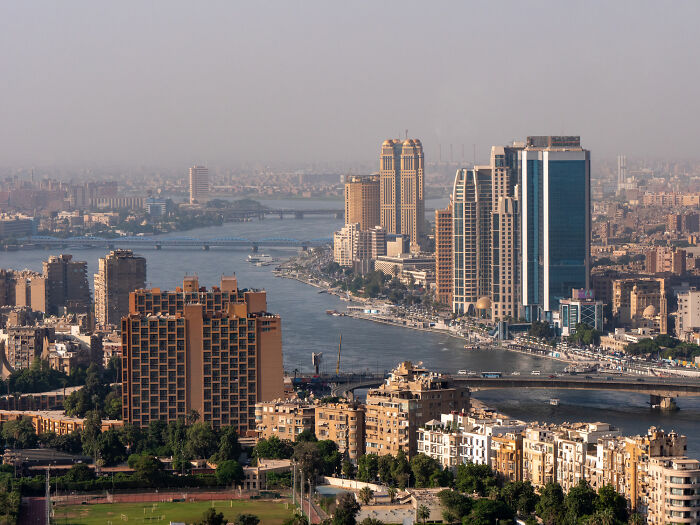
⭐ Overall Rank: Cairo ranks #58 globally, with an alarmingly low global index score of 36.90, making it the third-worst country for work-life balance.
Egypt features the longest average workweek at 44.44 and an exceptionally low Happiness Index of 3.82. The minimum wage remains a challenge at $0.55 USD per hour.
Egypt also has a significantly low LGBTQ+ inclusivity score of 11 out of 100. Women are granted 7 weeks of 100% paid maternity leave.
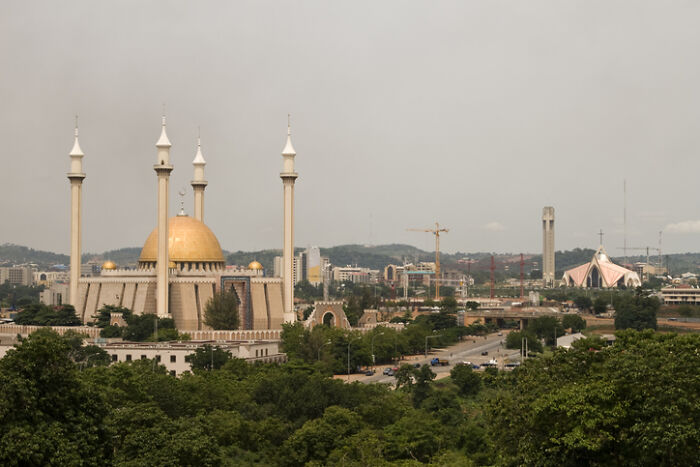
⭐ Overall Rank: Nigeria ranks #60 globally, holding the title of the worst global life-work balance index 2025, with a score of 30.07.
Nigeria holds the bottom spot due to a combination of just 6 days of statutory leave, one of the lowest healthcare access scores, and one of the lowest safety ratings in the entire 2025 index.
Many Nigerian employees, especially in urban hubs like Lagos and Abuja, report working overtime and a work culture that expects one to stay connected even after hours, significantly disrupting personal time and leisure.
They also have rigid office structures that limit remote work flexibility, placing them at the bottom of the list (via Aureole).
⭐ Overall Rank: Moscow ranks #42 globally, struggling with a global index score of 45.29.
Russia has a lower happiness index of 5.95 and an alarming LGBTQ+ inclusivity score of 27 out of 100. Queer Russians say they live in fear of discrimination or worse at work, in schools, and at medical centers (via Context).
They have 100% paid maternity leave for 20 weeks.
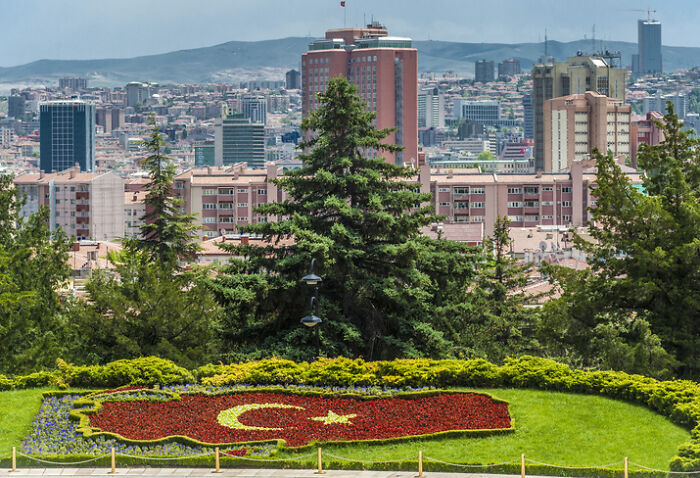
⭐ Overall Rank: Ankara ranks #48 globally with a global index score of 43.48.
Employees in Turkey have 14 vacation days and 14 public holidays, with paid sick leave at less than 60% of their wages. Women are offered 16 weeks of maternity leave and paid 66.7% of their salaries during that period.
These extreme numbers are paired with a low LGBTQ+ inclusivity rating, as well as a unimpressive public safety ranking and an incredibly low Happiness Index.
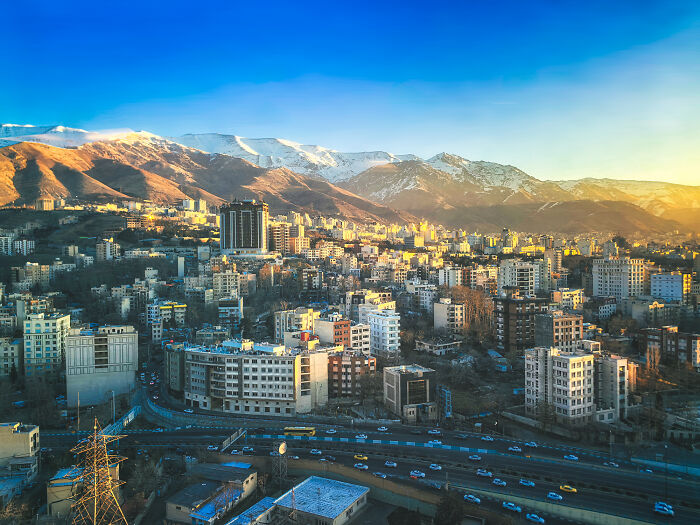
⭐ Overall Rank: Tehran ranks #49 globally, with a global index score of 43.11.
Iran combines an intense average workweek with some of the lowest scores in the index for public safety and the Happiness Index. The statutory workweek is officially 46.84 hours, and the minimum wage is a meager $0.76 USD per hour.
To make things worse, they have a terribly low LGBTQ+ inclusivity score of just 5 out of 100.
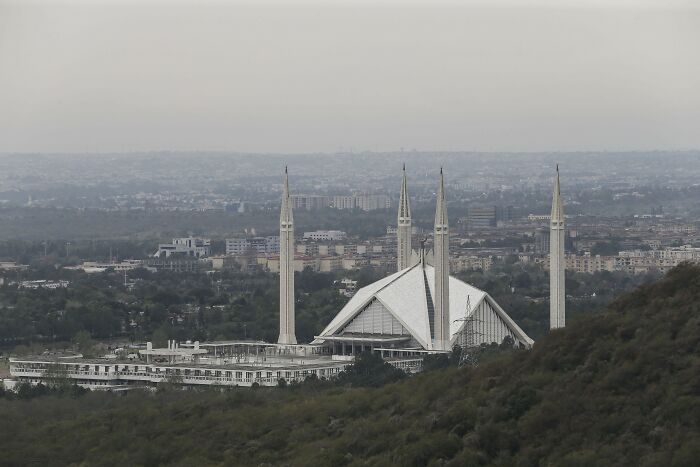
⭐ Overall Rank: Islamabad ranks #55 globally with a global index score of 38.27.
Pakistan struggles with a Happiness Index of 4.77 and 14 days of statutory annual leave, in addition to 15 public holidays. While statutory leave is technically on the books, the lack of social safety nets also makes it risky for many employees to take time off.
Cultural expectations make long days at the office particularly challenging for women who are expected to manage all the domestic work and multi-generational family care, leaving little to no time to themselves (via Research Gate).



I actually only clicked on this list to see if Korea was on it, because when I lived in Korea I was FLOORED by the work lives of my Korean colleagues.
Load More Replies... I actually only clicked on this list to see if Korea was on it, because when I lived in Korea I was FLOORED by the work lives of my Korean colleagues.
Load More Replies...






































 No fees, cancel anytime