Get Premium
Dark mode theme is available exclusively for premium users. Learn more about the benefits of subscribing.
No fees, cancel anytime.

 Dark Mode Ad-Free Browsing Unlimited Content
 Ad-Free Browsing Unlimited Content Dark Mode
Join 1.2 million Panda readers who get the best art, memes, and fun stories every week!

43submissions
1week left

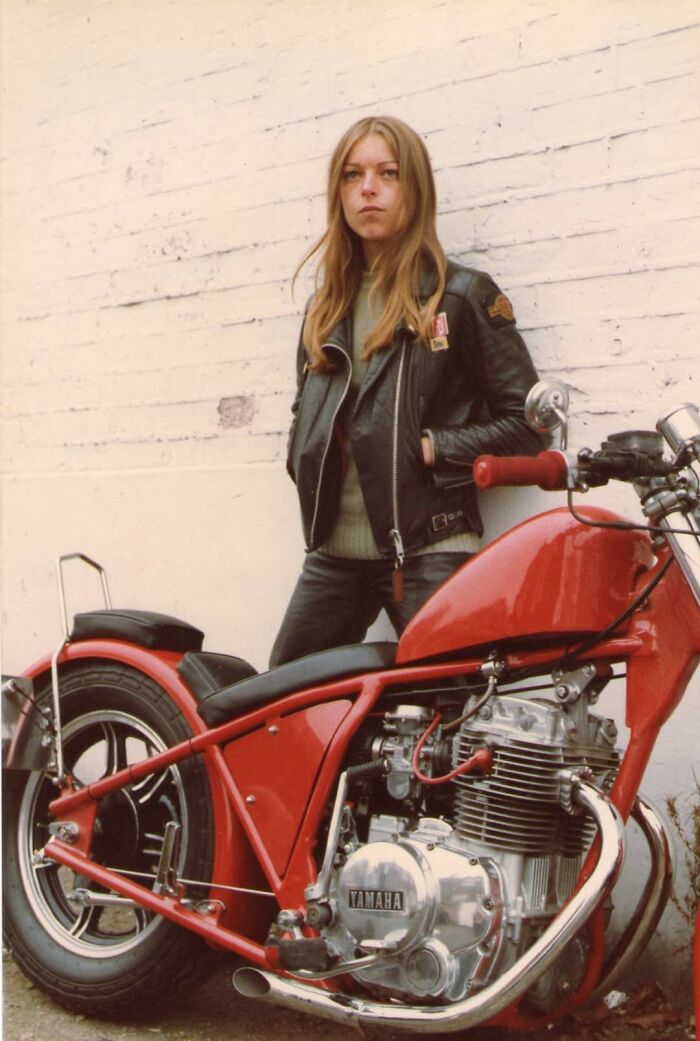
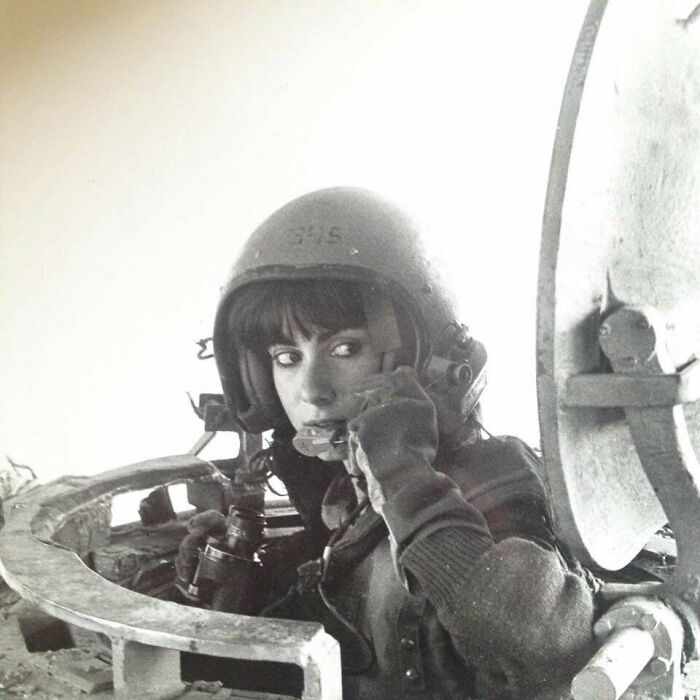
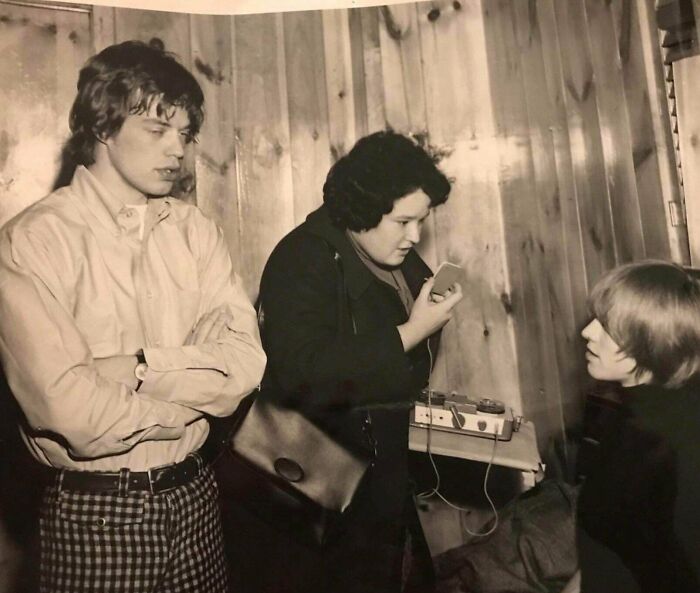
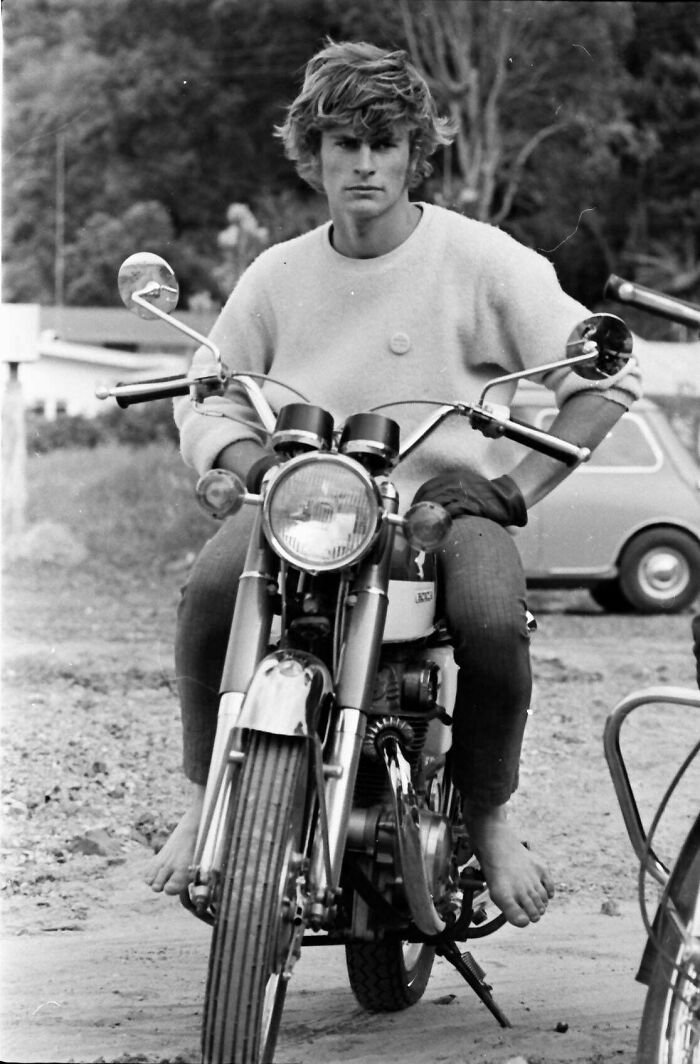
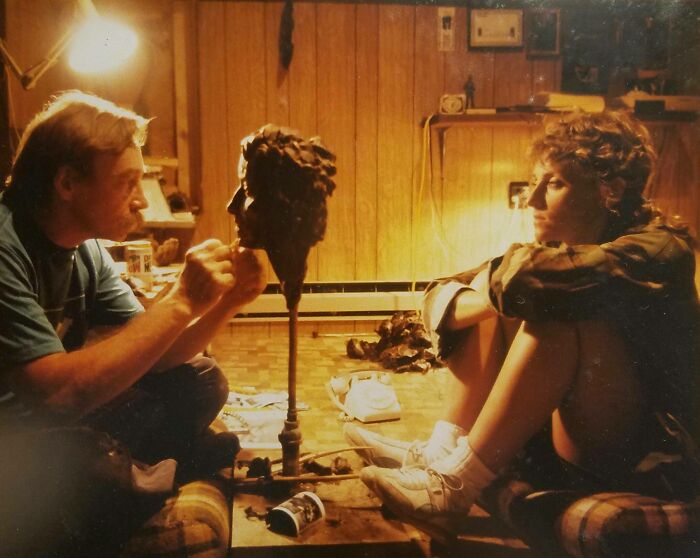
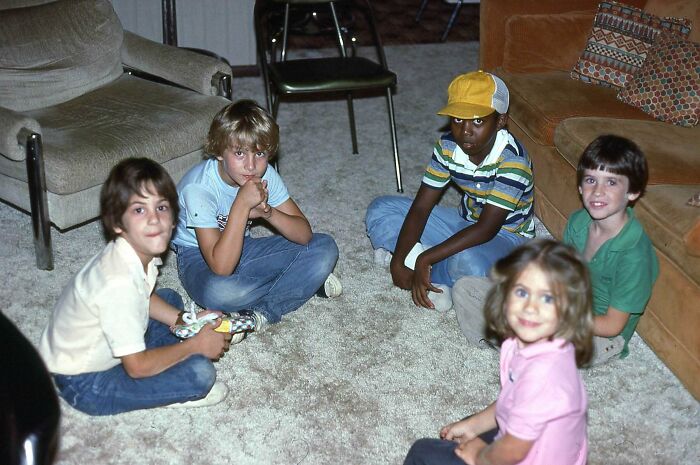
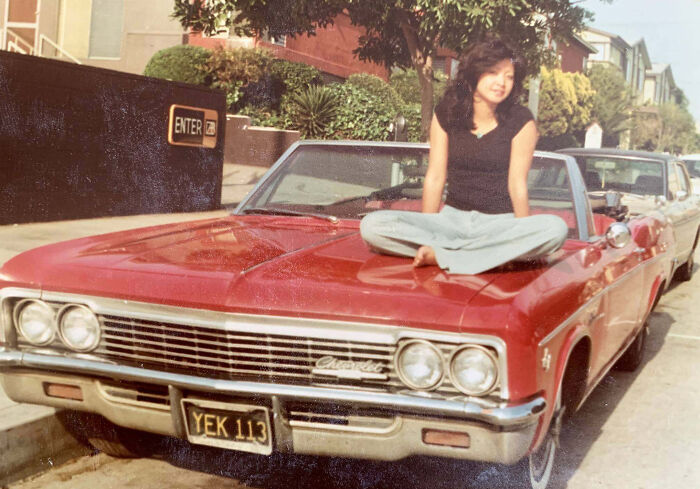
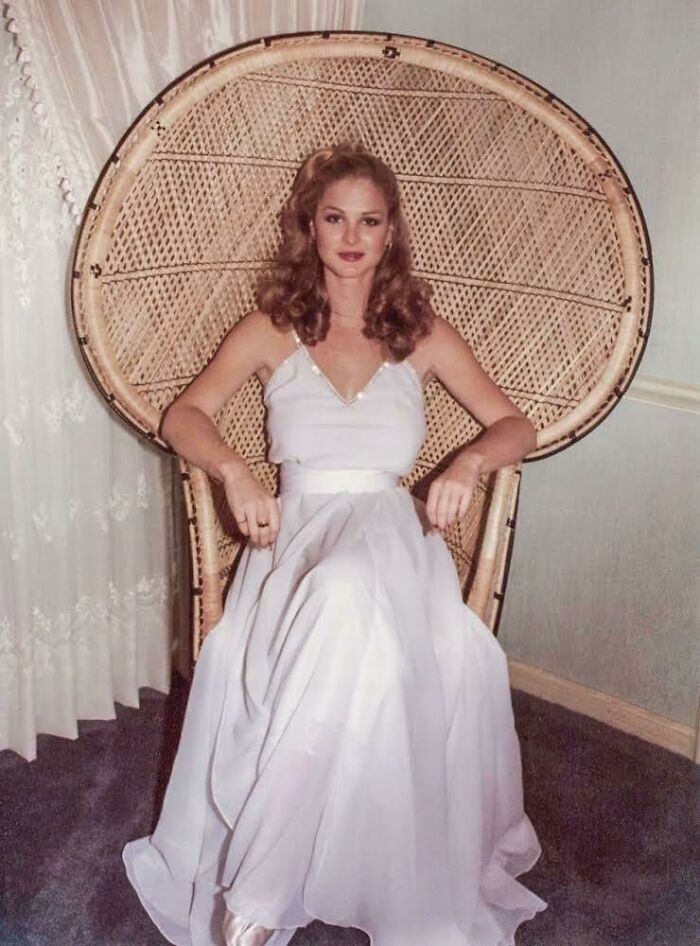
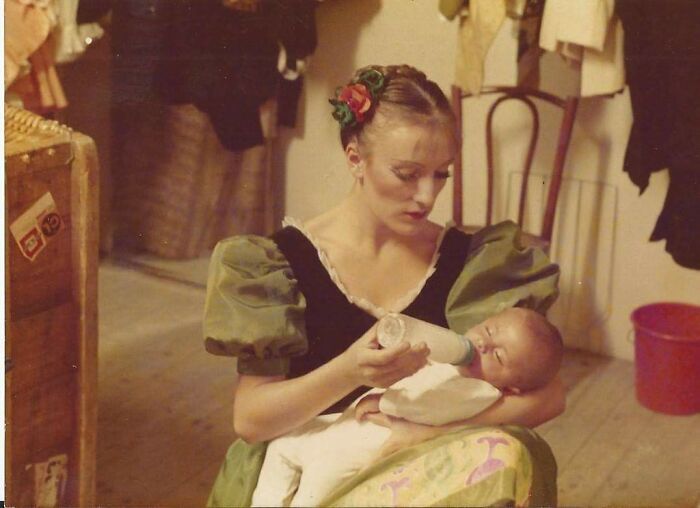
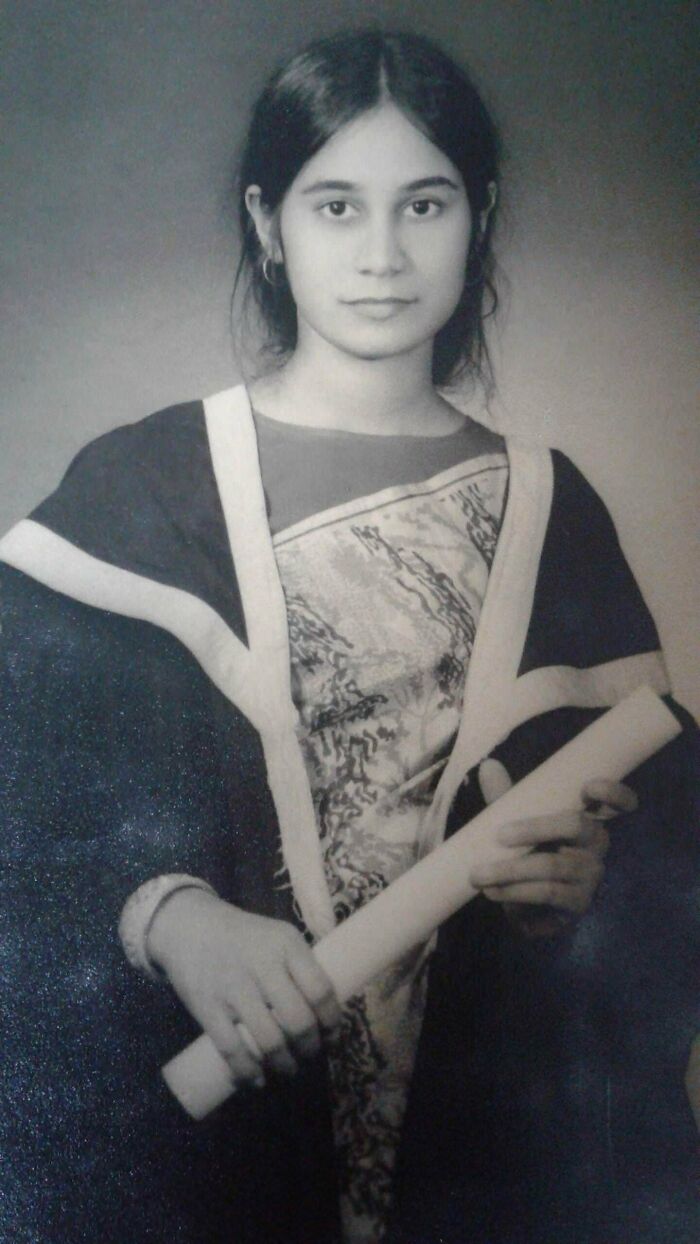
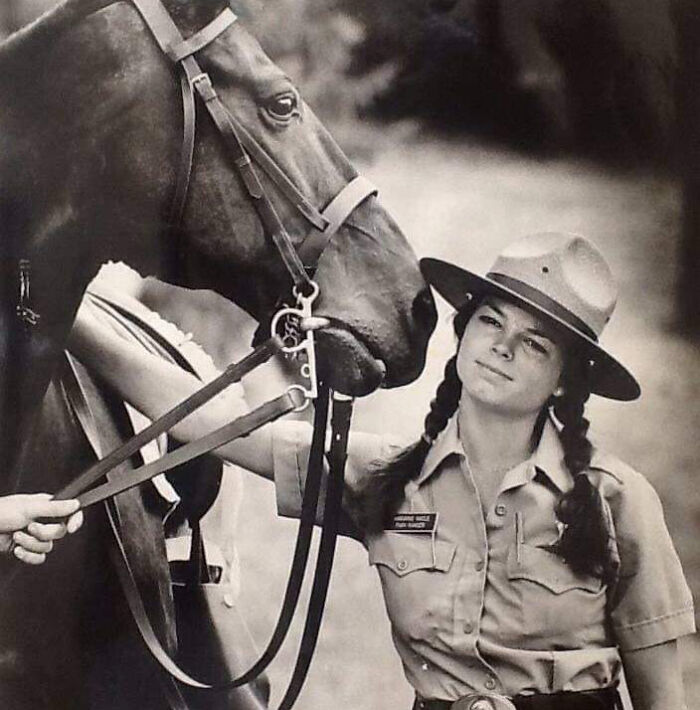
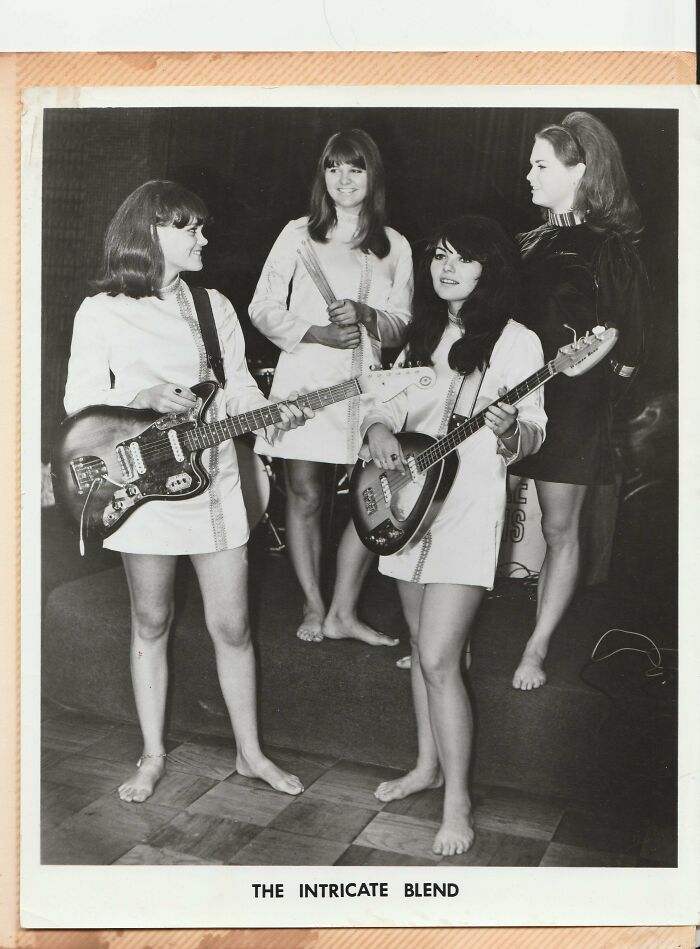
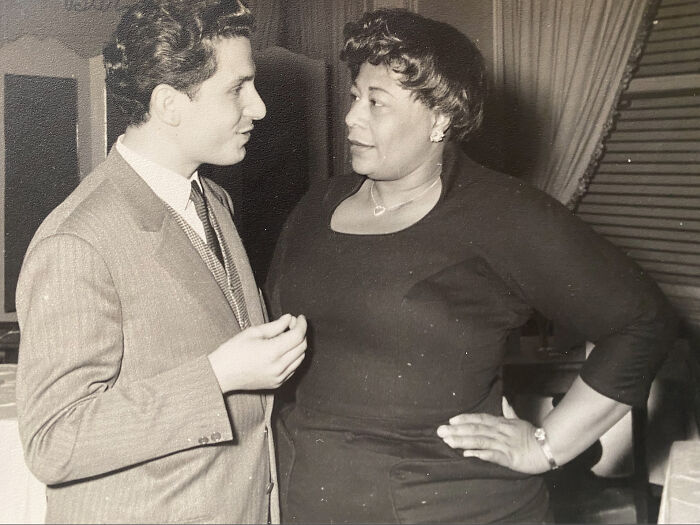
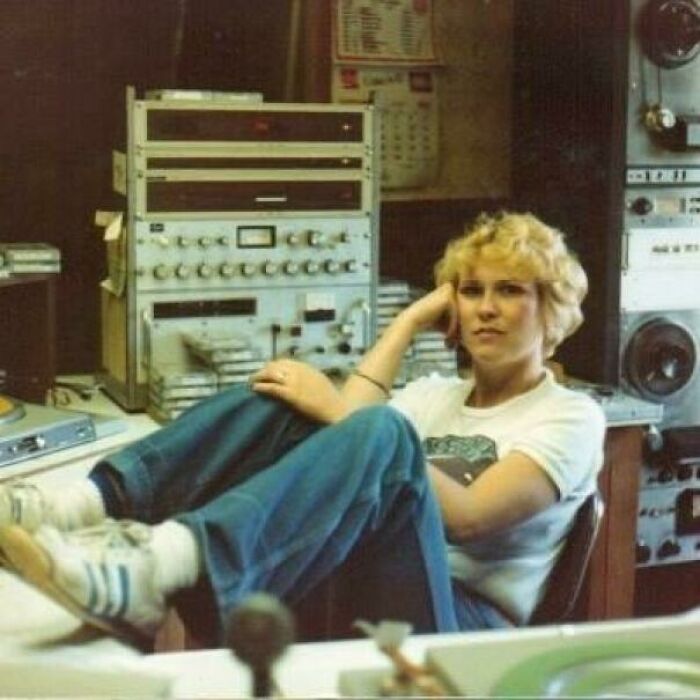
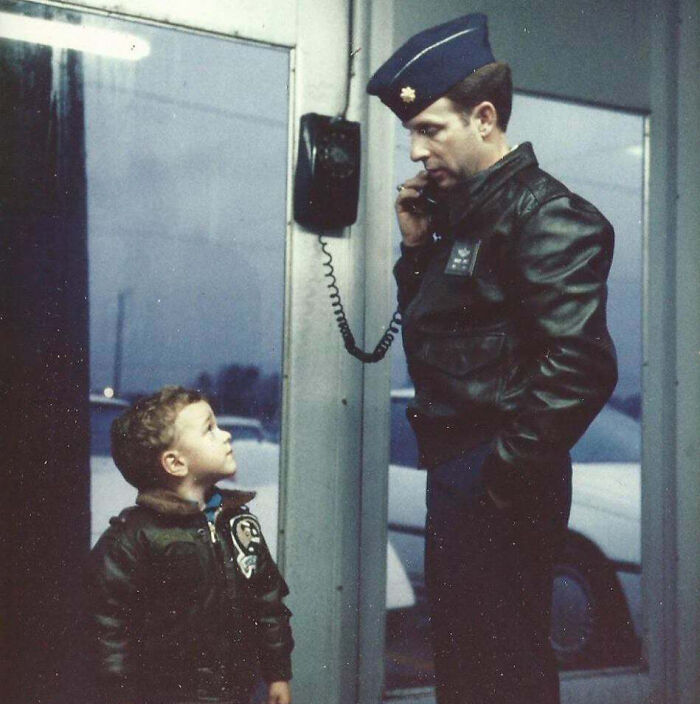
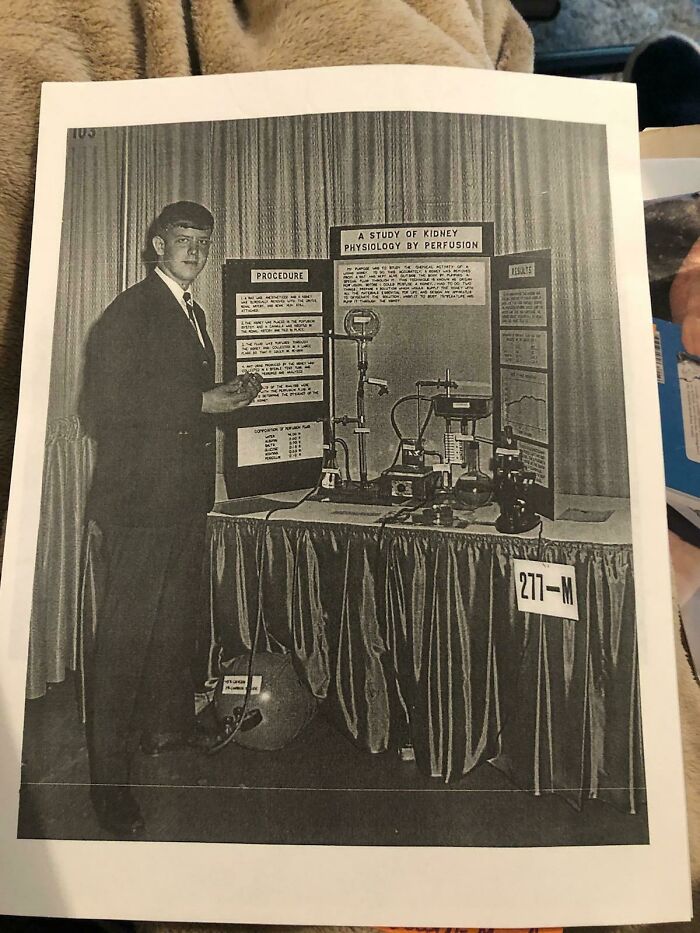
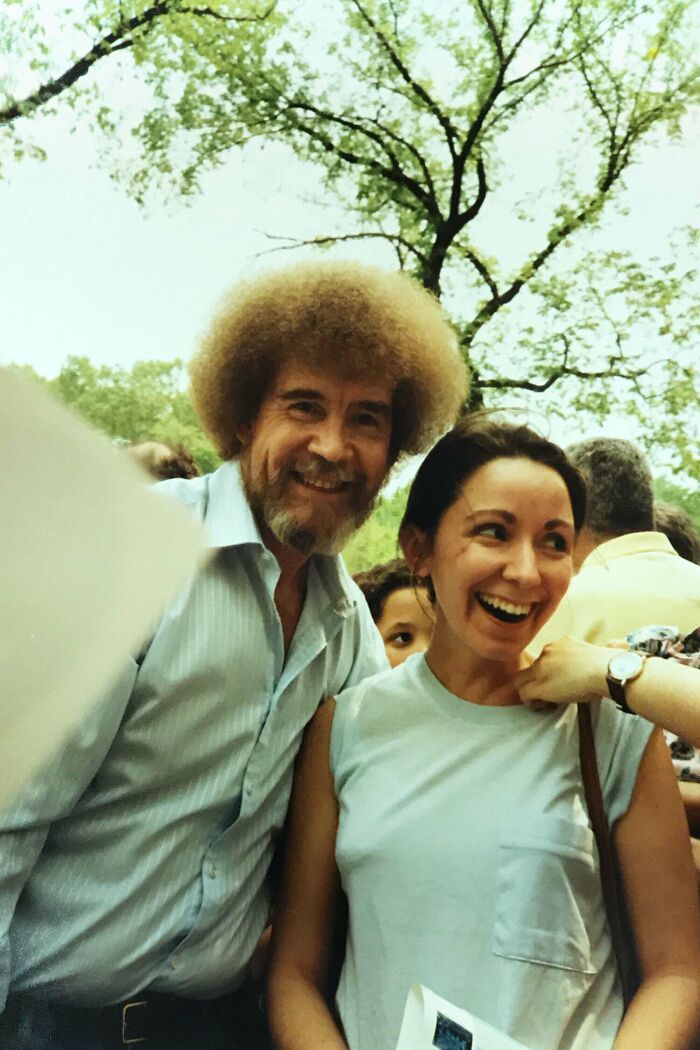
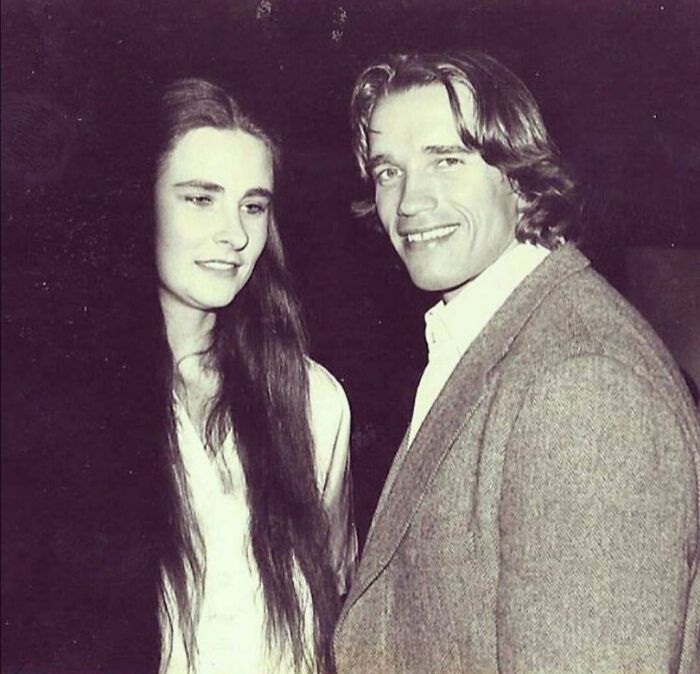
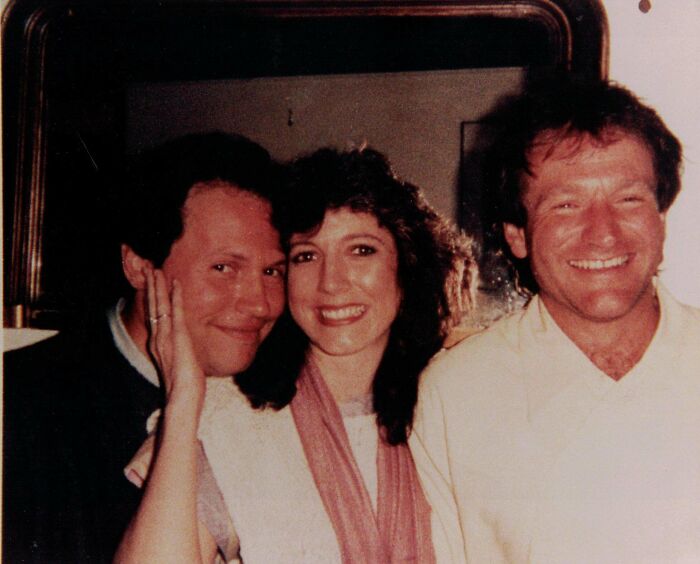
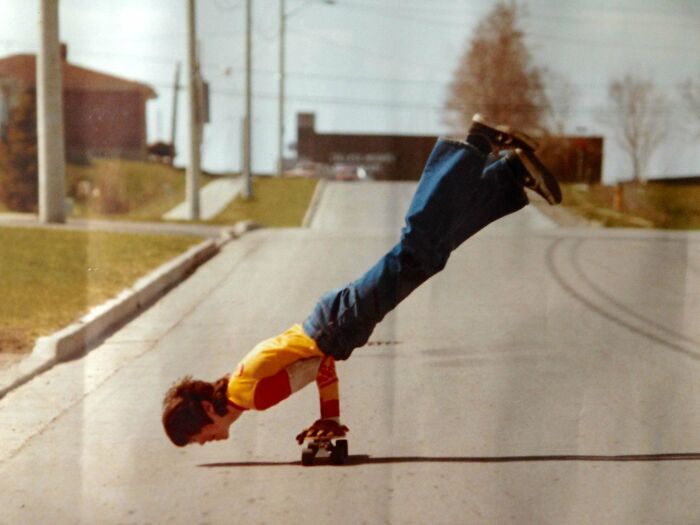
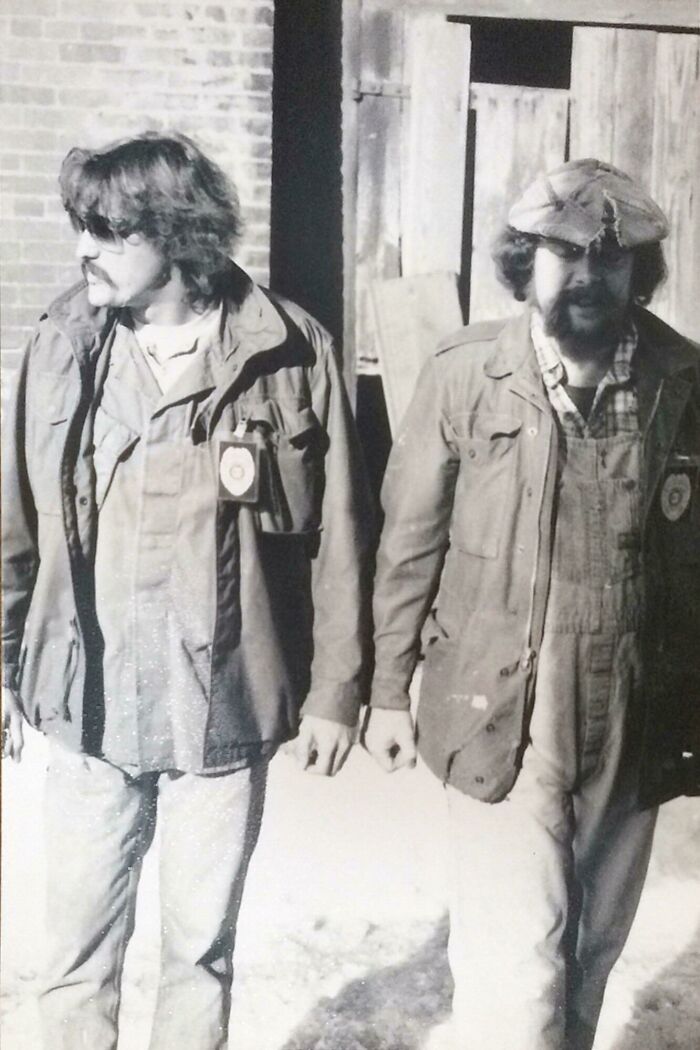
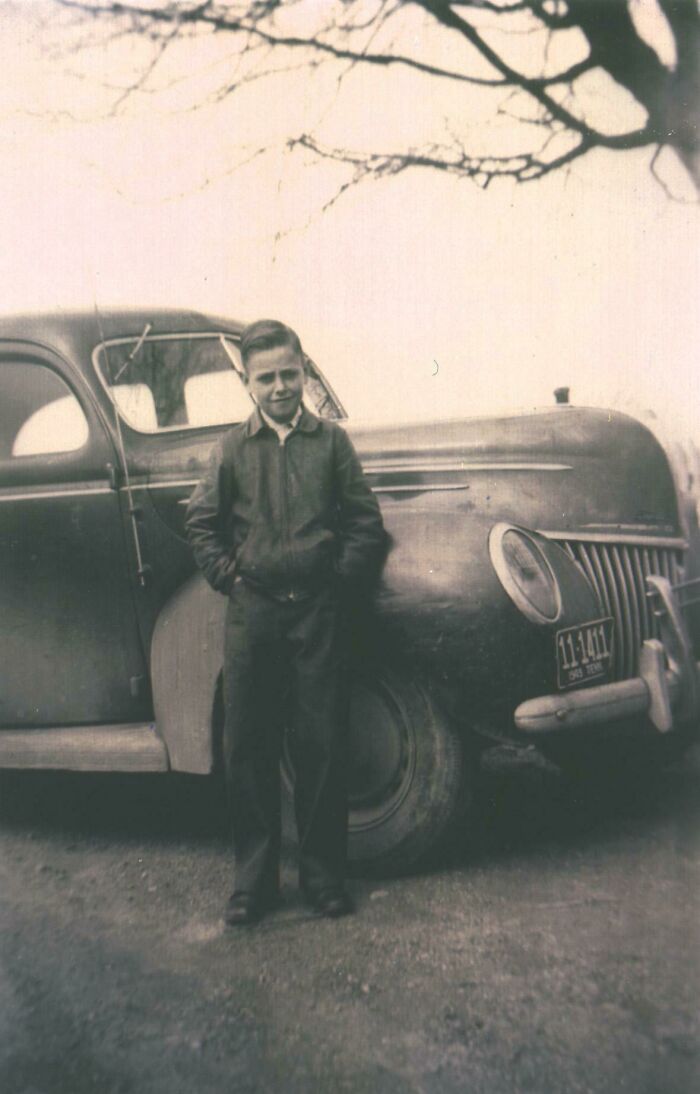
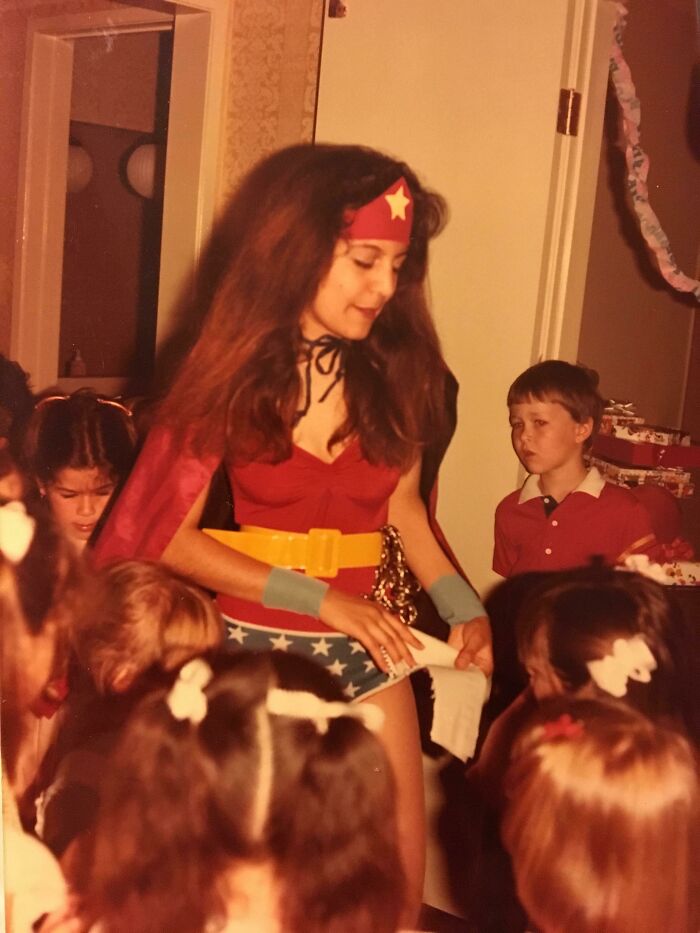
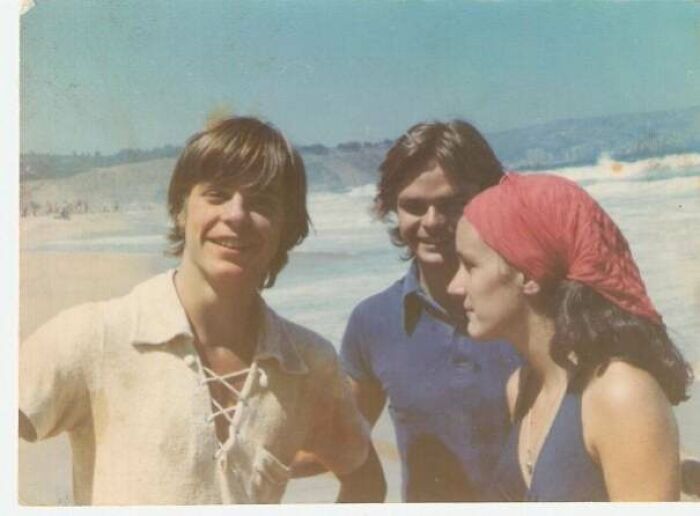
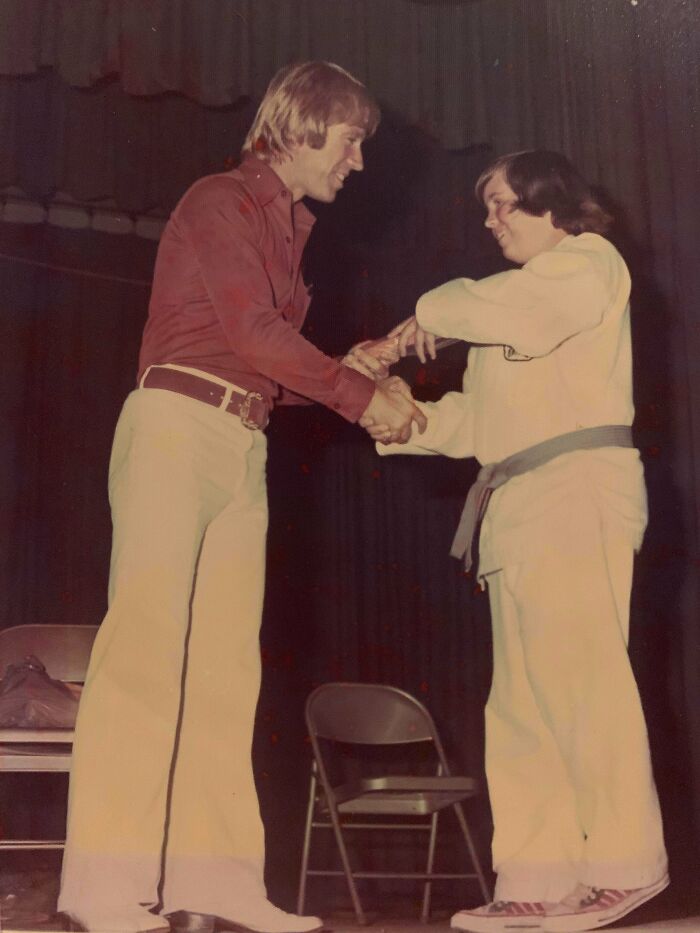
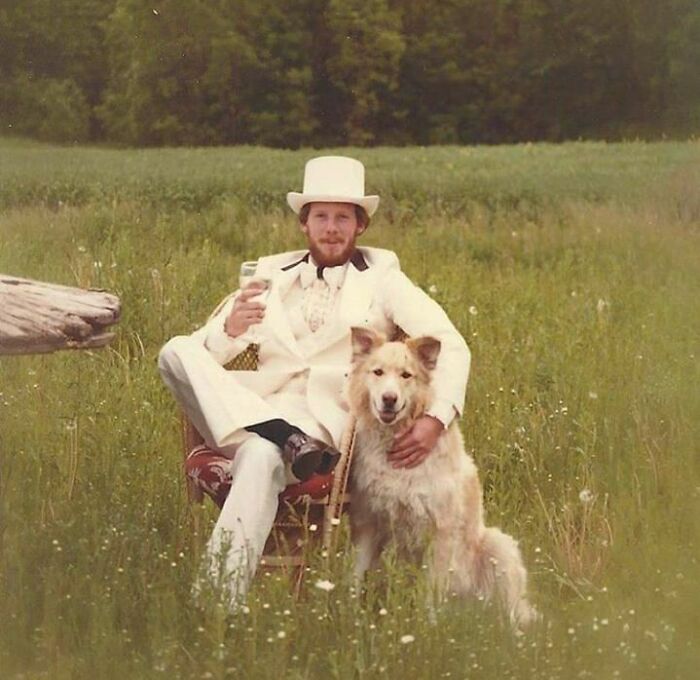
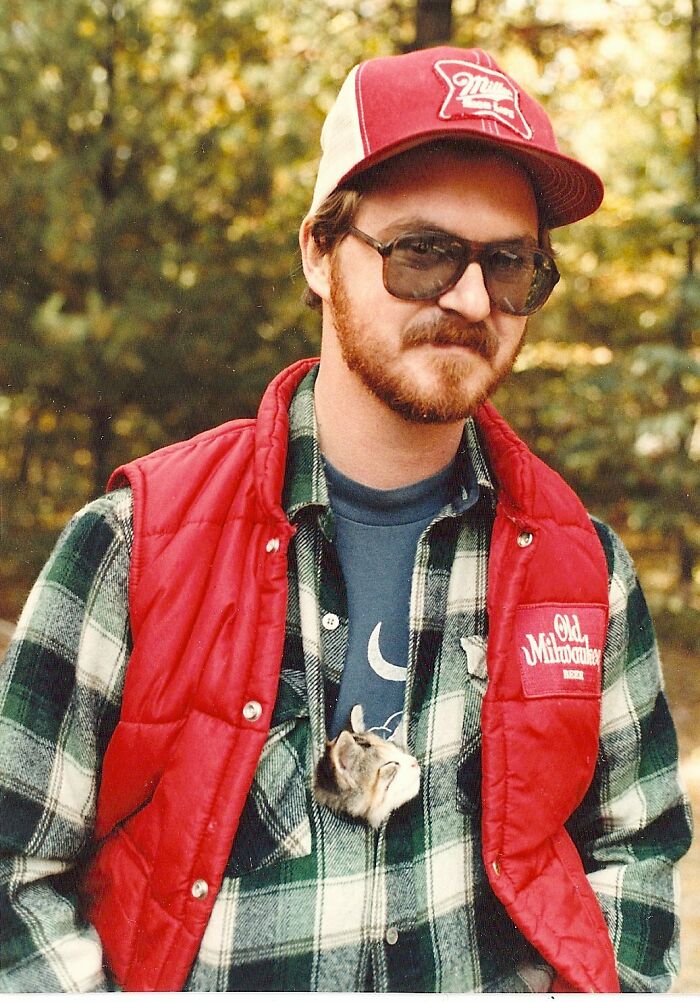
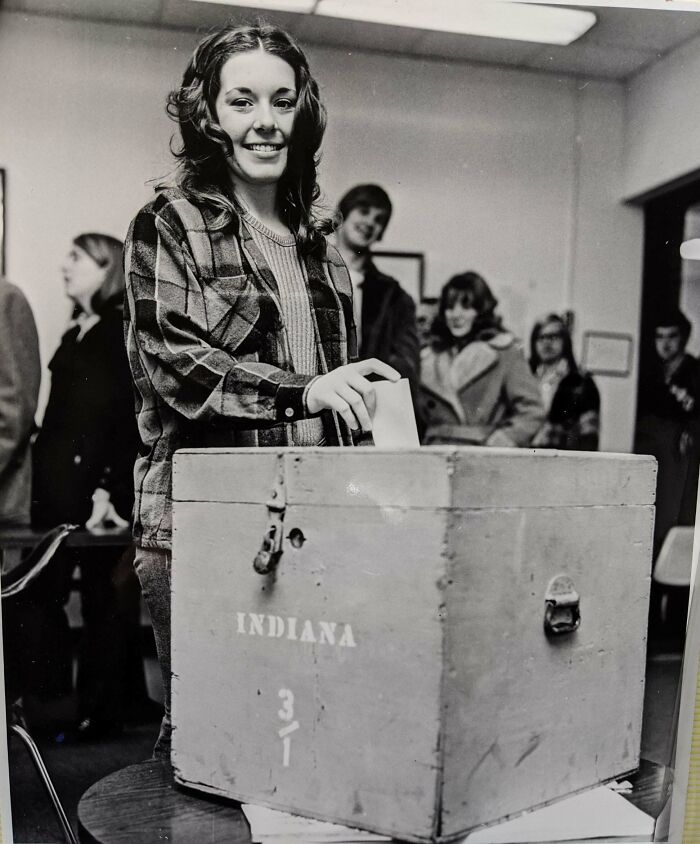
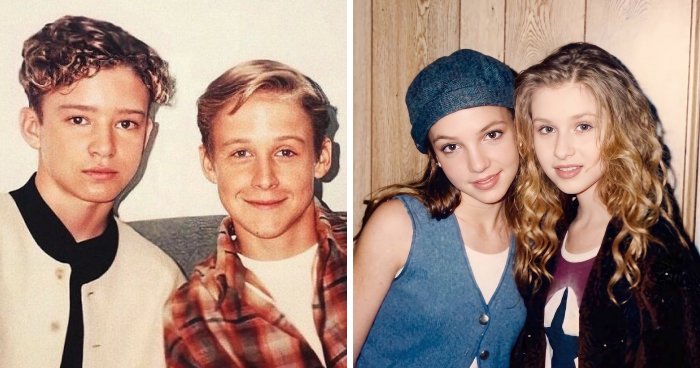
Our parents weren't always parents. Yes, I know, that sounds self-explanatory, but let that sink in. Before these people were changing our diapers, they were young, wild, and free to do whatever they desired. In many cases, their old lives were even more impressive than our current ones. Building motorcycles, stopping bank robberies... It's one thing to hear those stories, but it's another to see photographic proof.
Surprised by and proud of their parents' past, people are sharing photos of their moms and dads on the subreddit r/OldSchoolCool. So continue scrolling to take a trip back in time to when they were rocking leather jackets and high-waisted jeans and when you're done, check out similar Bored Panda articles here and here.
Click here & follow us for more lists, facts, and stories.
This post may include affiliate links.
Interestingly. what is considered to be cool changes all the time. Research led by a University of Rochester Medical Center psychologist and published by the Journal of Individual Differences has discovered the characteristics associated with coolness today are quite different than those that gave birth to the concept of cool.
"When I set out to find what people mean by coolness, I wanted to find corroboration of what I thought coolness was," said Ilan Dar-Nimrod, Ph.D., lead author of Coolness: An Empirical Investigation. "I was not prepared to find that coolness has lost so much of its historical origins and meaning—the very heavy countercultural, somewhat individualistic pose I associated with [it]."
Dar-Nimrod and his colleagues recruited almost 1,000 people in the Vancouver, British Columbia, area, who completed an extensive questionnaire on the attributes, behaviors and individuals they associated with the word cool.
They did that by conducting three separate studies. In Study 1, participants generated characteristics that they perceived to be cool. In Study 2, two samples of participants rated dozens of these characteristics on two dimensions: coolness and social desirability. In Study 3, participants rated friends both on their coolness and on a variety of personality descriptors that were identified as relevant in the other studies.
A significant number of participants chose adjectives that focused on positive, socially desirable traits, such as friendly, competent, trendy and attractive.
"Today, ... sociability is considered to be cool, being nice is considered to be cool. And in an oxymoron, being passionate is considered to be cool—at least, it is part of the dominant perception of what coolness is. How can you combine the idea of cool—emotionally controlled and distant—with passionate?" Dar-Nimrod said surprised by the results.
Participants in the study still appreciated the traditional elements of cool, such as rebelliousness and detachment, but nowhere near as strongly as friendliness and warmth.
"We have a kind of a schizophrenic coolness concept in our mind," Dar-Nimrod said. "Almost any one of us will be cool in some people’s eyes, which suggests the idiosyncratic way coolness is evaluated. But some will be judged as cool in many people’s eyes, which suggests there is a core valuation to coolness, and today that does not seem to be the historical nature of cool. We suggest there is some transition from the countercultural cool to a generic version of it’s good and I like it. But this transition is by no way completed."
So I guess, in a way, you could say that these parents were ahead of their time.











 No fees, cancel anytime