Get Premium
Dark mode theme is available exclusively for premium users. Learn more about the benefits of subscribing.
No fees, cancel anytime.

 Dark Mode Ad-Free Browsing Unlimited Content
 Ad-Free Browsing Unlimited Content Dark Mode
Join 1.2 million Panda readers who get the best art, memes, and fun stories every week!

A company called Colossal Biosciences has spent years trying to do something that once sounded like pure science fiction- bring extinct animals back to life.
The company recently announced a major breakthrough after successfully creating artificial eggs designed to help grow embryos of long-lost species.
The update followed Colossal’s recent creation of wolf pups with traits linked to the dire wolf, which drew further attention to its de-extinction efforts.
“This is the coolest thing I’ve ever worked on,” Colossal bioengineer Trevor Snyder said.
Image credits: DC Studio/Magnific (Not the actual image)
The artificial egg project is central to Colossal’s goals of reviving the dodo and giant moa.
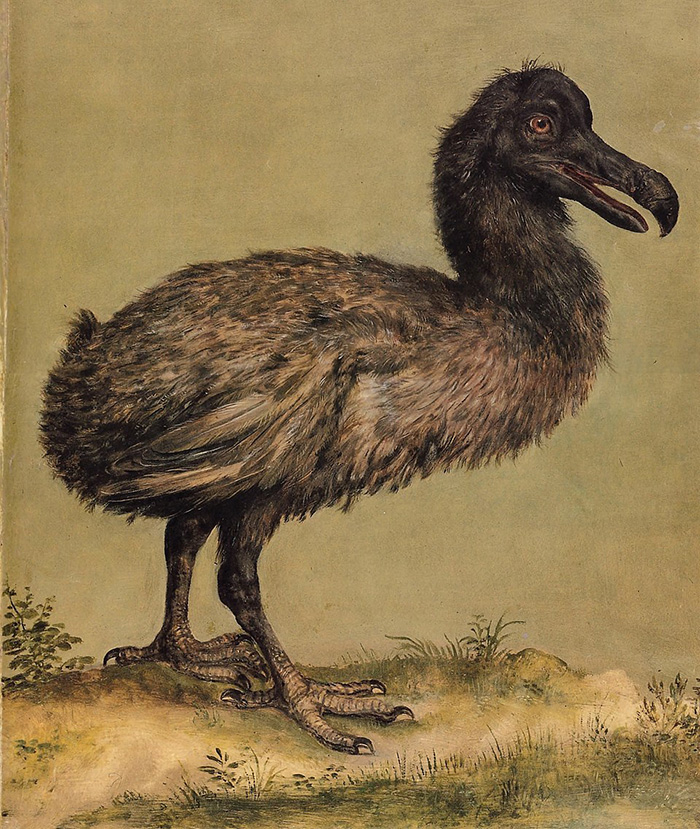
The dodo became one of history’s most famous examples of extinction. The flightless bird once lived on Mauritius. Dutch sailors first encountered the species around the 1600s. Less than 80 years later, it had vanished. Scientists reported that hunting, deforestation, and the introduction of animals by humans destroyed nests and dramatically reduced populations.
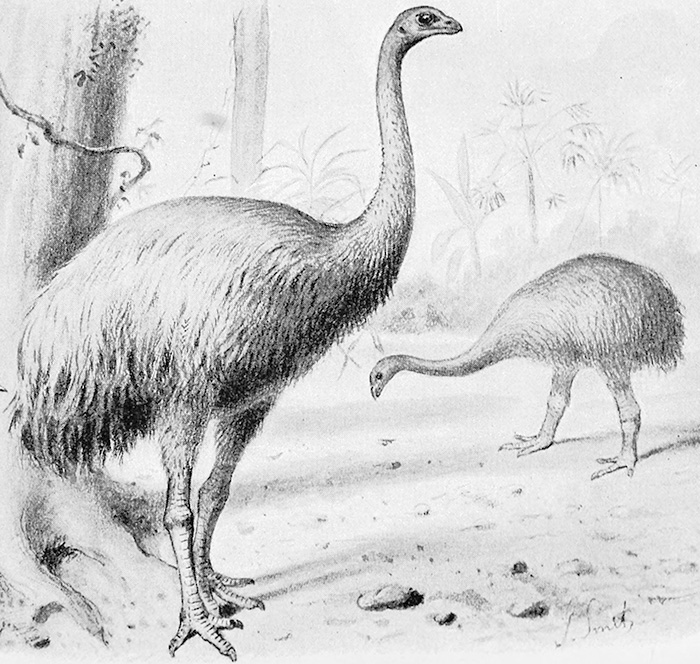
Similarly, the giant moa once roamed forests and plains throughout New Zealand and stood much taller than modern flightless birds. It resembled an oversized ostrich. But by the late 13th century, human activity and overhunting led to its disappearance.
Image credits: Wikipedia
Colossal argues that bringing these animals back could help restore ecological balance, emphasizing this as a key reason behind their work.
The company further contends that because humans caused these species’ extinctions, there is a moral obligation for humans to attempt to reverse some of that harm.
“We’re undoing the sins of the past,” Colossal co-founder and CEO Ben Lamm said. “There’s nothing more ethical than what we’re doing.”
Image credits: Wikipedia
The biggest problem Colossal faced was where exactly to grow an extinct bird embryo.
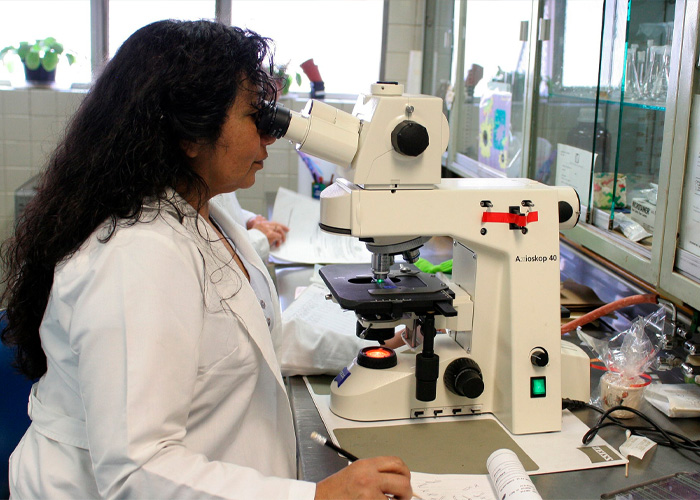
Trevor Synder showed NPR one of the company’s experimental eggs. The device looked less like a traditional egg and more like a futuristic capsule or coffee pod.
Inside was a developing chicken embryo.
“This is a chicken embryo,” Snyder explained. “You can see the little chicken embryos moving around in there. You can see it has eyes. It has a heartbeat. It has a beak. It has feathers.”
The company started with chickens as a test because dodos and giant moas create a major size problem.
While dodo eggs were larger than chicken eggs, giant moa eggs were enormous, roughly football-sized. No living bird today could realistically incubate a moa embryo.
Image credits: ernestoeslava/Pixabay (Not the actual image)
“There’s no bird on Earth today that could grow a moa embryo inside one of their eggs,” Snyder said. “So we have to come up with artificial eggs.”
As a result, the artificial egg is designed to mimic the function of real eggs. The honeycomb-shaped structure allows oxygen to enter while preventing contents from leaking.
The goal is to recreate every environment an embryo naturally receives inside a shell.
Recently, Colossal announced that more than two dozen healthy chicks had successfully hatched from these artificial eggs. Scientists also called it proof that the concept works.
View this post on Instagram
Andrew Pask, Colossal’s Chief Biology Officer, praised the breakthrough, saying, “This is really an incredible feat to be able to do this. It’s really fantastic.”
The next involves creating embryos using gene-edited cells from modern relatives such as the Nicobar pigeon for dodos and possibly emus for moas.
Those embryos would eventually be placed inside larger artificial eggs.
View this post on Instagram
This is not Colossal’s first highly publicized project.
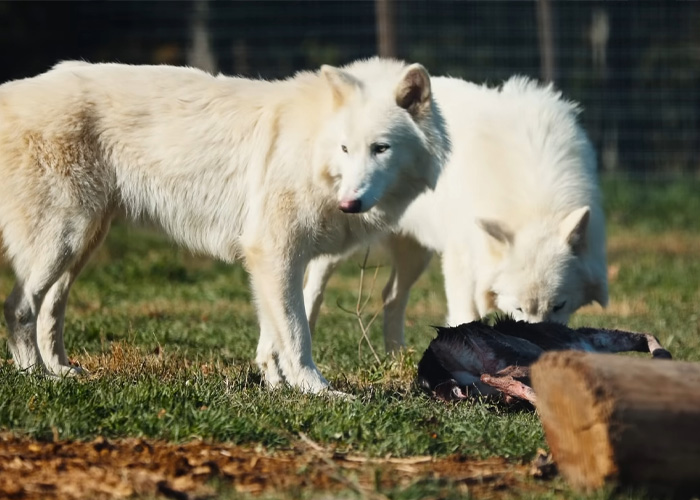
In April 2025, the company announced it had created three pups with physical characteristics linked to the extinct dire wolf.
Using DNA taken from a 13,000-year-old tooth and a 72,000-year-old skull, scientists altered gray wolf DNA and created animals named Romulus, Remus, and Khaleesi.
“Our team took DNA from a 13,000-year-old tooth and a 72,000-year-old skull and made healthy dire wolf puppies,” Lamm said.
But not everyone accepted the announcement. Critics argued the pups were not true dire wolves at all.
Professor Vincent Lynch called the claims misleading. “It is not a dire wolf,” he said.
View this post on Instagram
“It is a gray wolf clone with some mutations that make it superficially resemble a dire wolf.”
Colossal responded by clarifying that the perfect recreation was never the goal.
“For anyone working on de-extinction, the goal has never been perfect genomic recreation, but rather restoring the functional traits and ecological role of lost species,” the company explained.
Image credits: Colossal Biosciences/YouTube
The company’s work has sparked intense debate across the scientific world. Some researchers believed these technologies could become valuable tools for helping endangered species survive.
Paleobiologist Neil Gostling called the breakthrough in artificial eggs remarkable.
“I’m genuinely blown away by it,” he said. “This is brilliant. It’s the sort of thing in science fiction.”
Others remained far more cautious.
Associate professor Nic Rawlence questioned whether Colossal was actually bringing extinct animals back at all.
“They’re not what I would actually call de-extinct species,” he argued. “They’re poor facsimiles of extinct species. Extinction is still forever.”
Scientists have also raised ethical concerns. Some feared that recreated animals could struggle because the environments they once lived in no longer exist.
Others expressed concern that reintroducing long-extinct species into ecosystems might have unforeseen consequences.
“It could be catastrophic,” biologist Jeanne Loring warned. “There are too many variables that we don’t understand.”
Still, Colossal insisted the technology could do more than recreate extinct species.
The company argued that the tools being developed today could eventually help save living animals on the brink of disappearing tomorrow.
“In the past, extinction was permanent,” Snyder said. “We’re changing that.”

By entering your email and clicking Subscribe, you're agreeing to let us send you customized marketing messages about us and our advertising partners. You are also agreeing to our Privacy Policy.
Thank you! You've successfully subscribed to newsletters!


“That's how it always starts. Then later there's running and screaming.”
“That's how it always starts. Then later there's running and screaming.”


























 No fees, cancel anytime















29
1