Get Premium
Dark mode theme is available exclusively for premium users. Learn more about the benefits of subscribing.
No fees, cancel anytime.

 Dark Mode Ad-Free Browsing Unlimited Content
 Ad-Free Browsing Unlimited Content Dark Mode
Join 1.2 million Panda readers who get the best art, memes, and fun stories every week!

We spend roughly a third of our time working, so our professional lives inevitably shape who we become. We may find allies who make difficult days easier, or encounter foes who will test our limits.
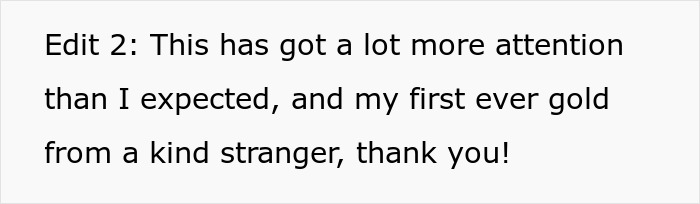
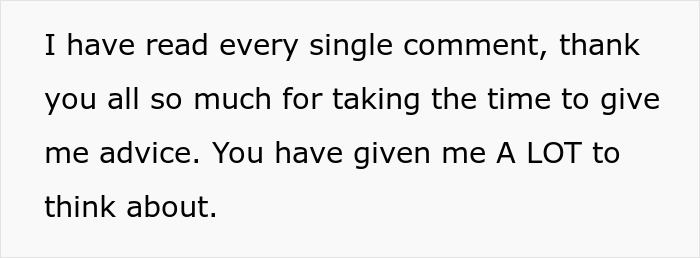
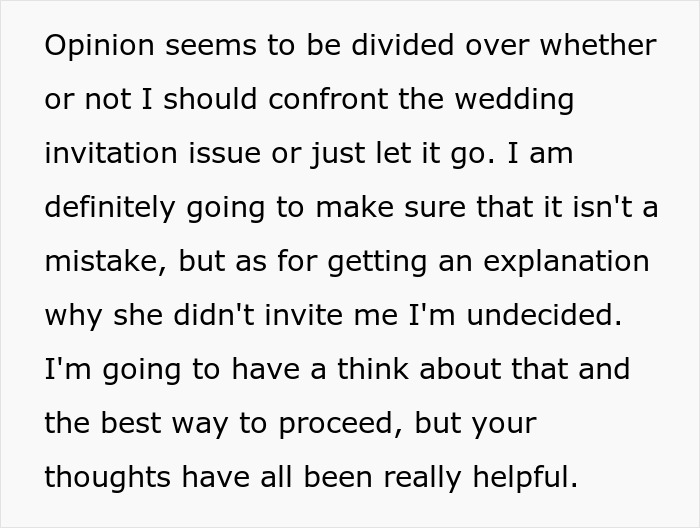
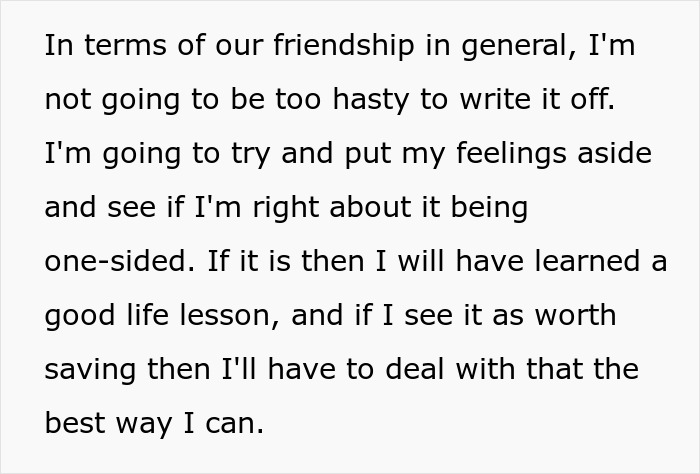
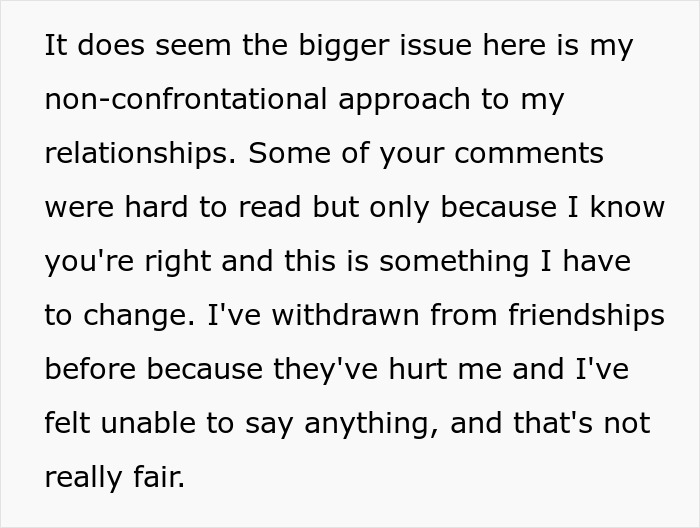
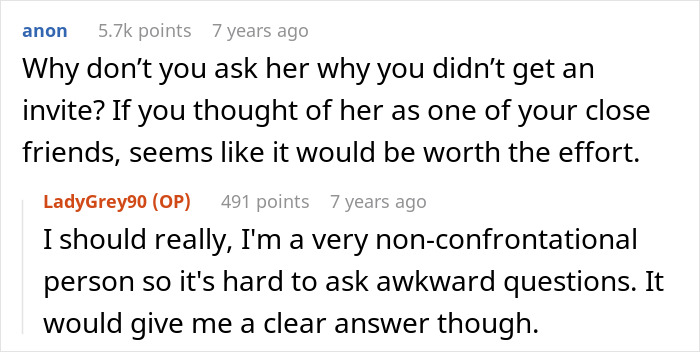
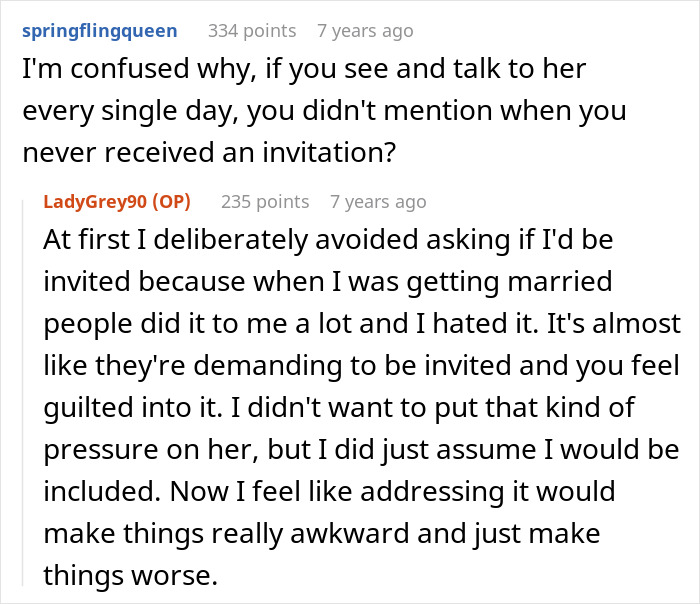
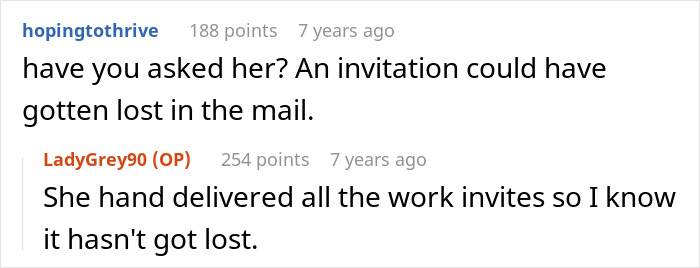
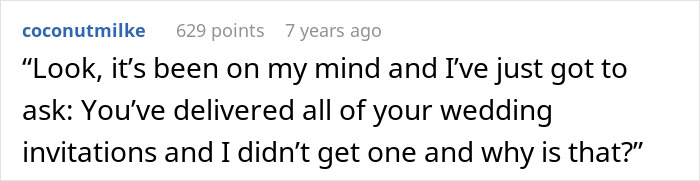
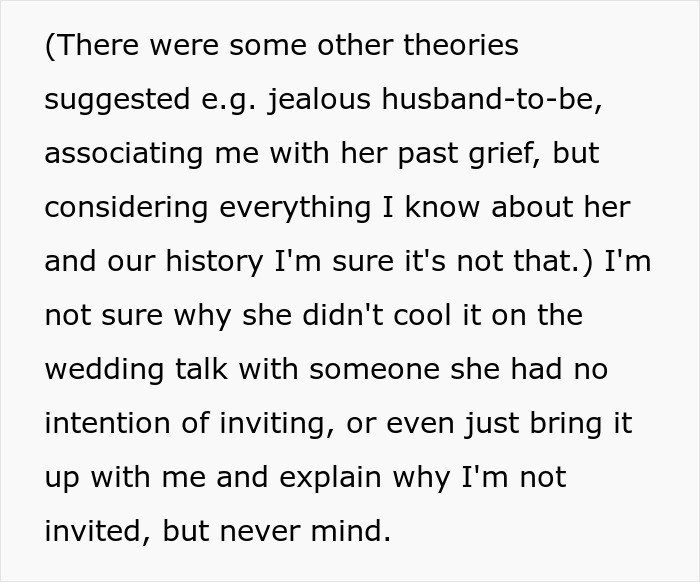
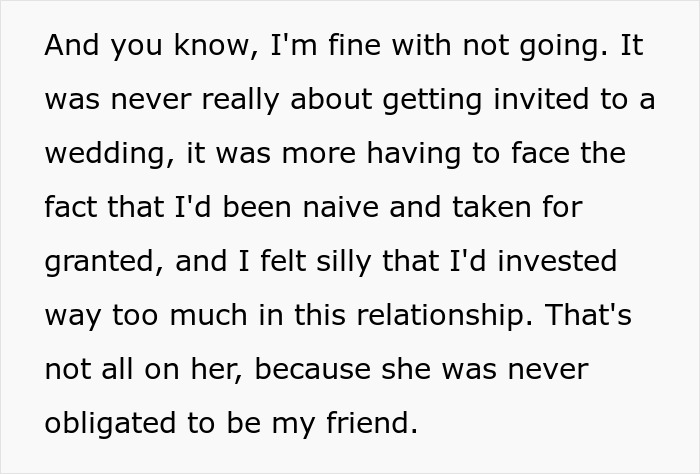
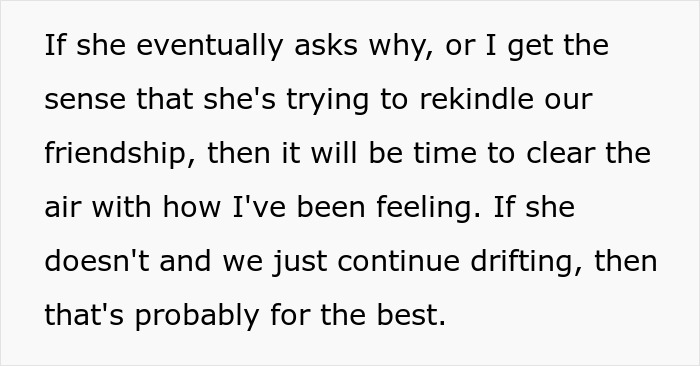
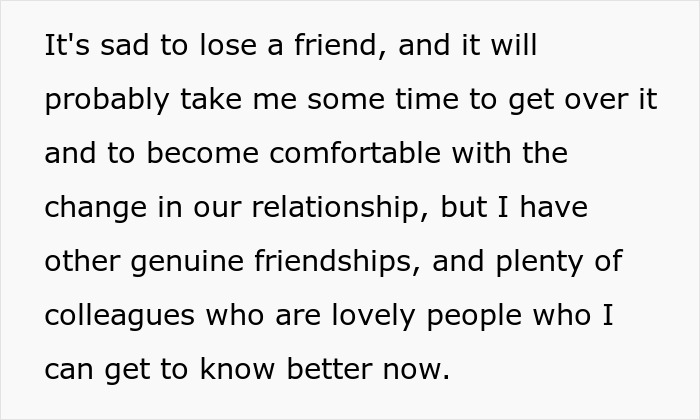
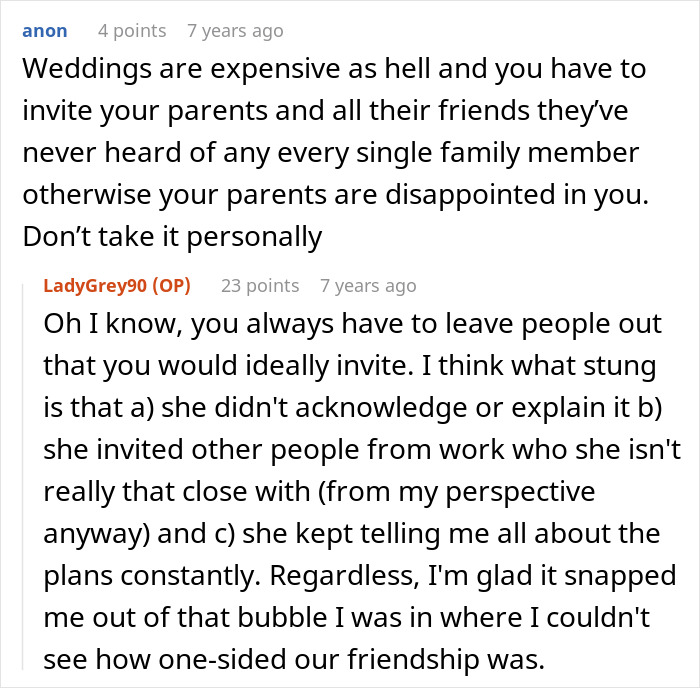
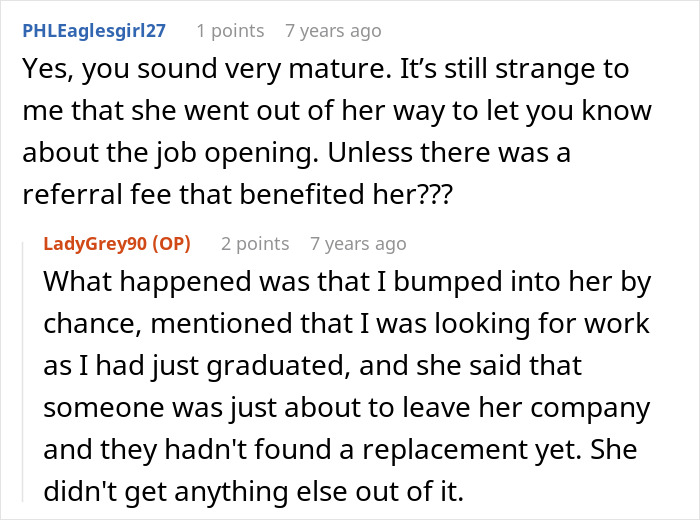
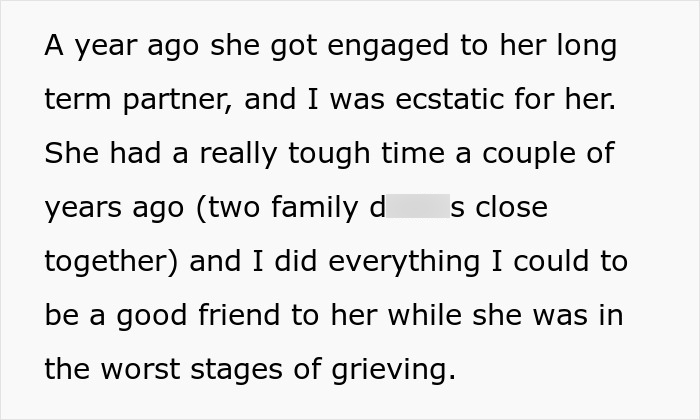
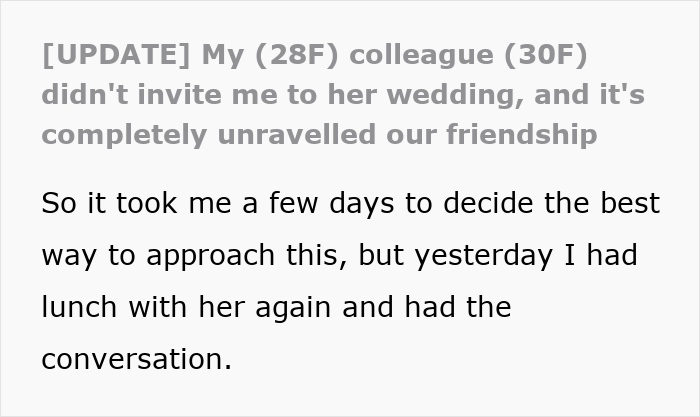
The woman behind this story experienced that tension with a longtime coworker she considered a close friend. After discovering she had been excluded from her friend’s wedding, she began questioning their friendship and reconsidered years of shared experiences.
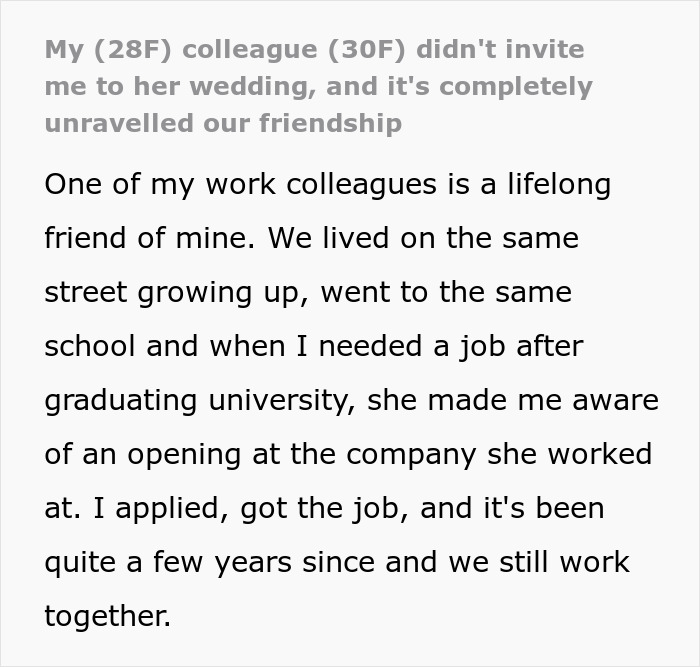
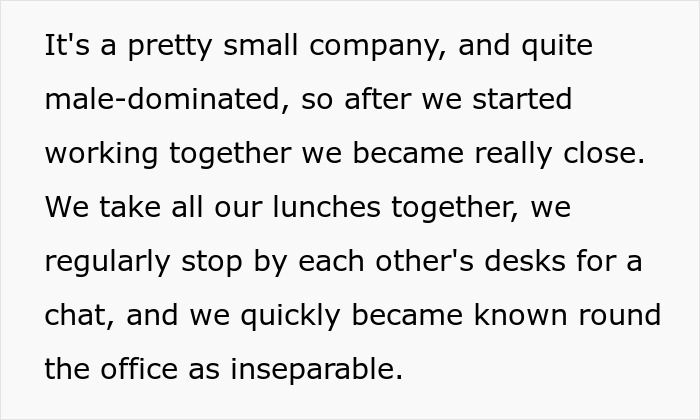
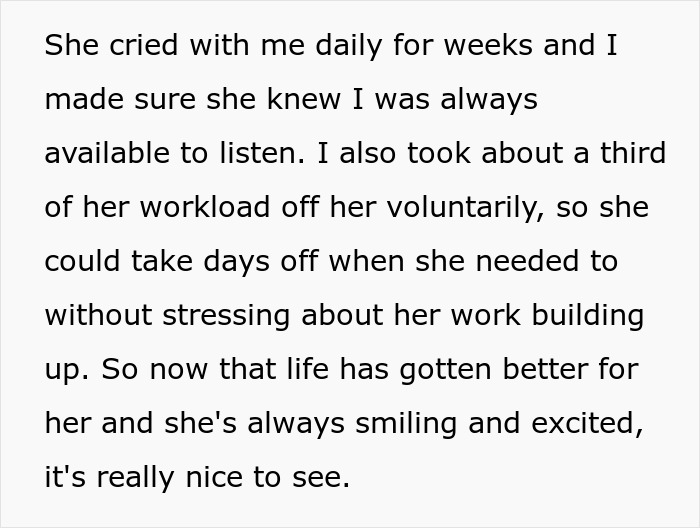
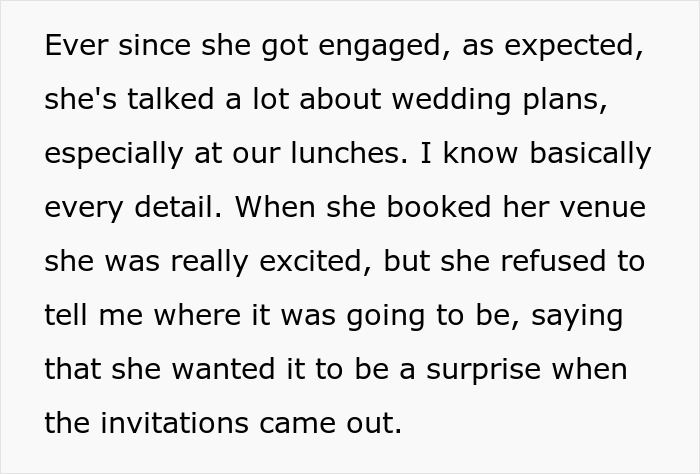
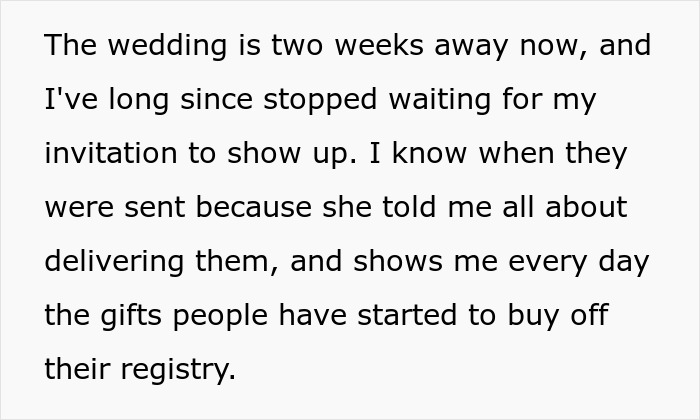
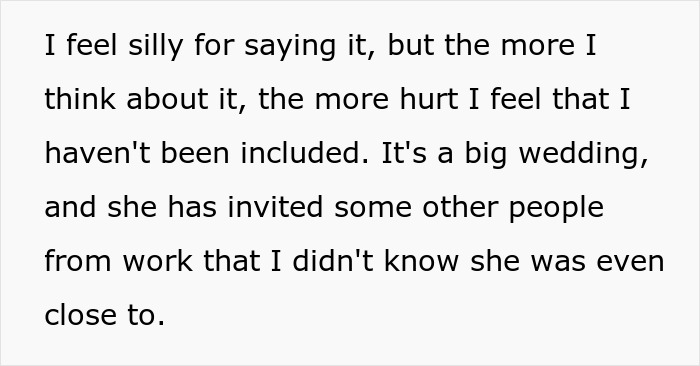
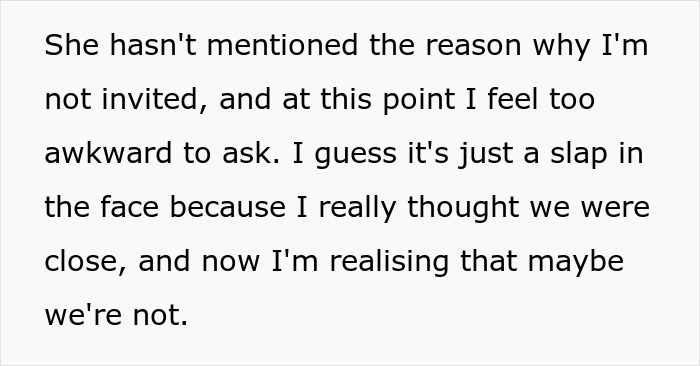
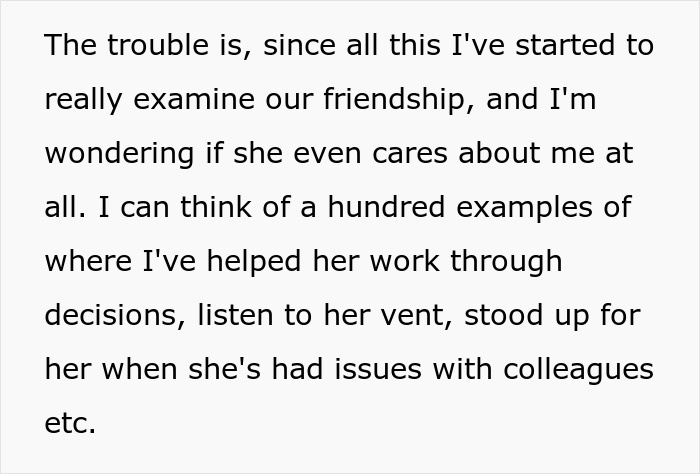
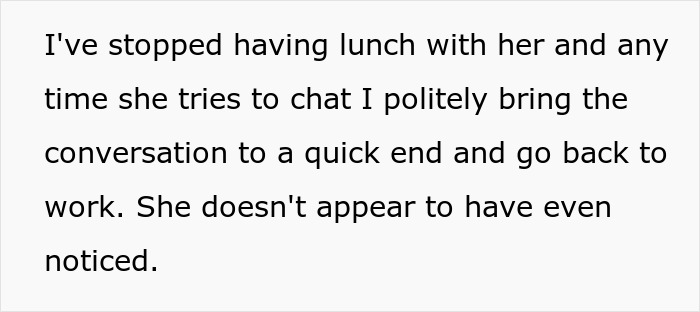
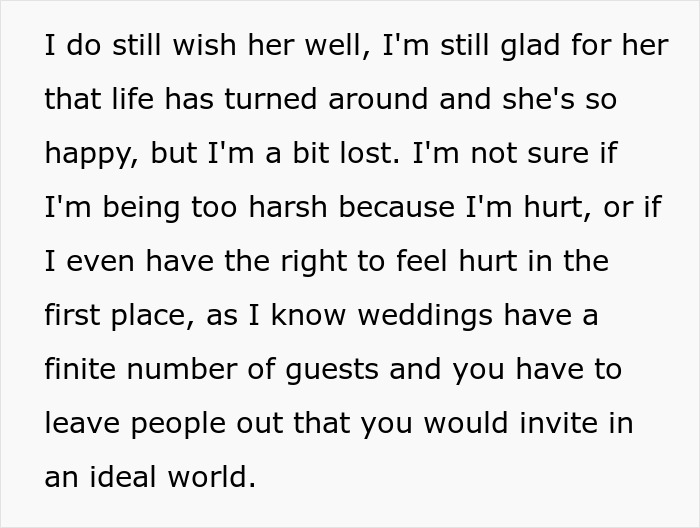
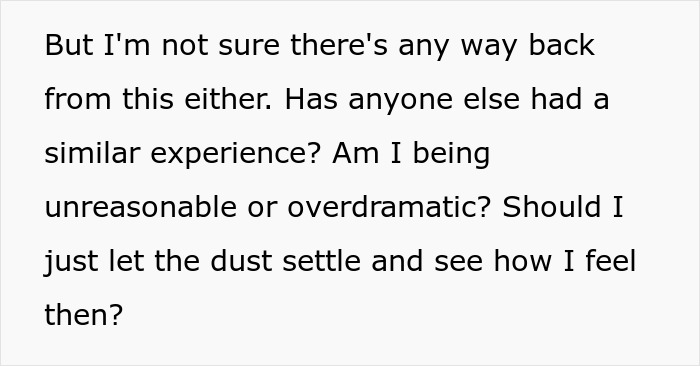
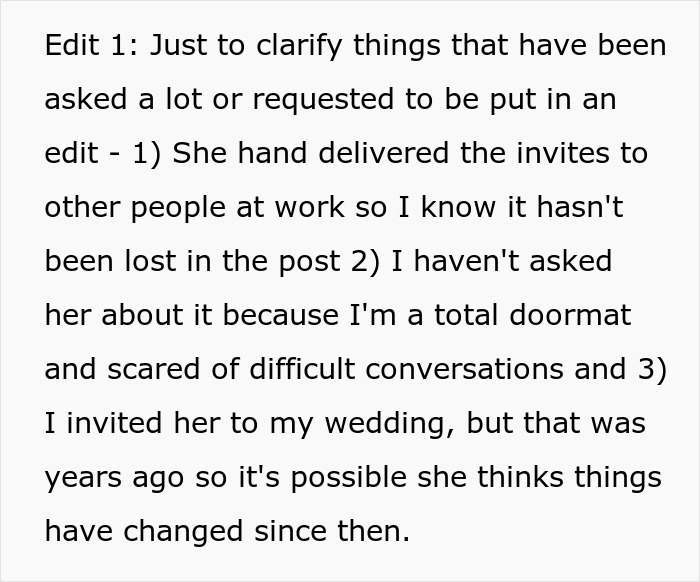
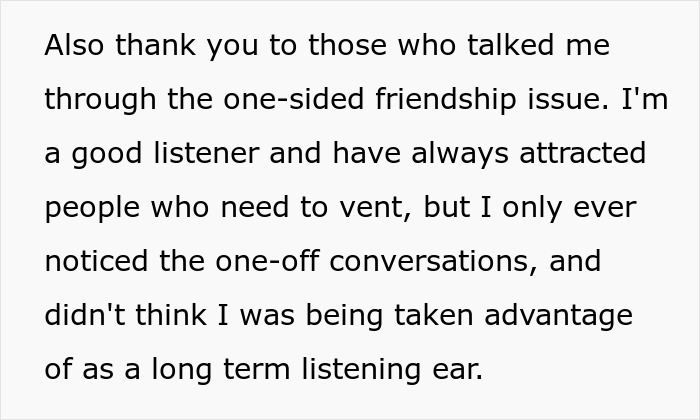
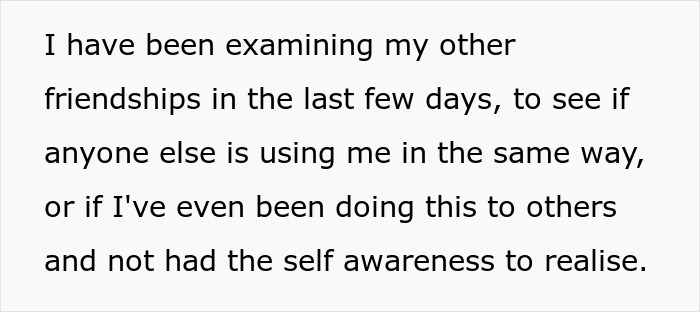
One-sided friendships are harsh, mostly because they are hard to recognize. When one person puts in all the effort, it doesn’t always seem that way at first. There are warning signs, though. These include always being the one who reaches out, favors that are never returned, or noticing that the other person rarely asks about your life.
Once those patterns become clear, communication can help you set more balanced expectations. Dr. Sanam Hafeez, who is a New York City-based neuropsychologist and director of Comprehend the Mind, a psychological practice that treats learning disorders, anxiety, depression and other psychopathological disorders, recommends stepping back to see if the other person takes initiative, while also paying attention to reciprocity.
Even though you might want to salvage a one-sided friendship, not all of them can, or should, be saved. Psychologist Marisa Franco, Ph.D., notes that people have different expectations around reciprocity, and some may be comfortable giving more without resentment. The important question is how the relationship affects you.
There is also no universal rule for when a friendship deserves another chance. Some naturally go through rough patches, and both people may accept the dynamic. But when you start getting hurt, stepping away may be the best way to protect your well-being.
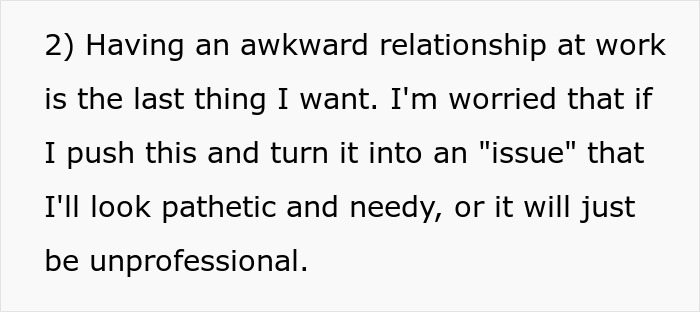
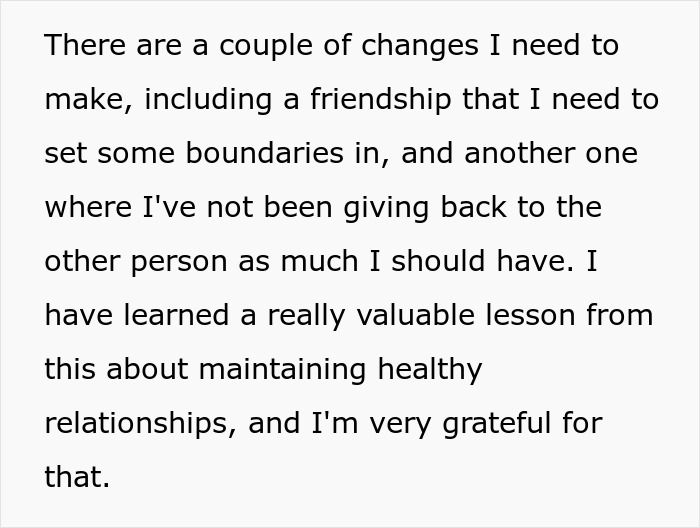
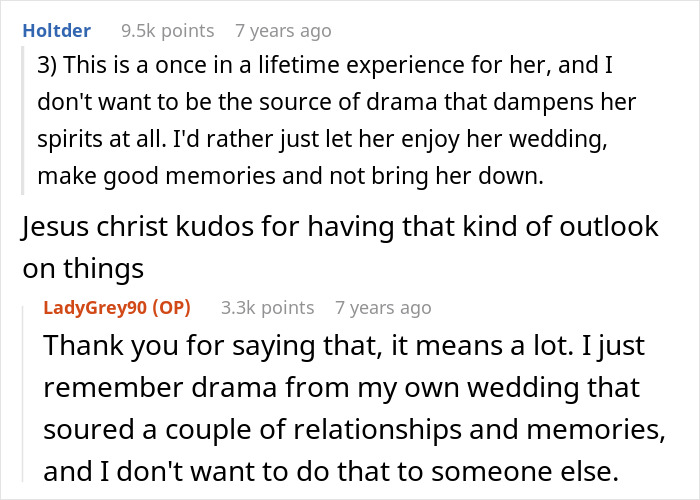
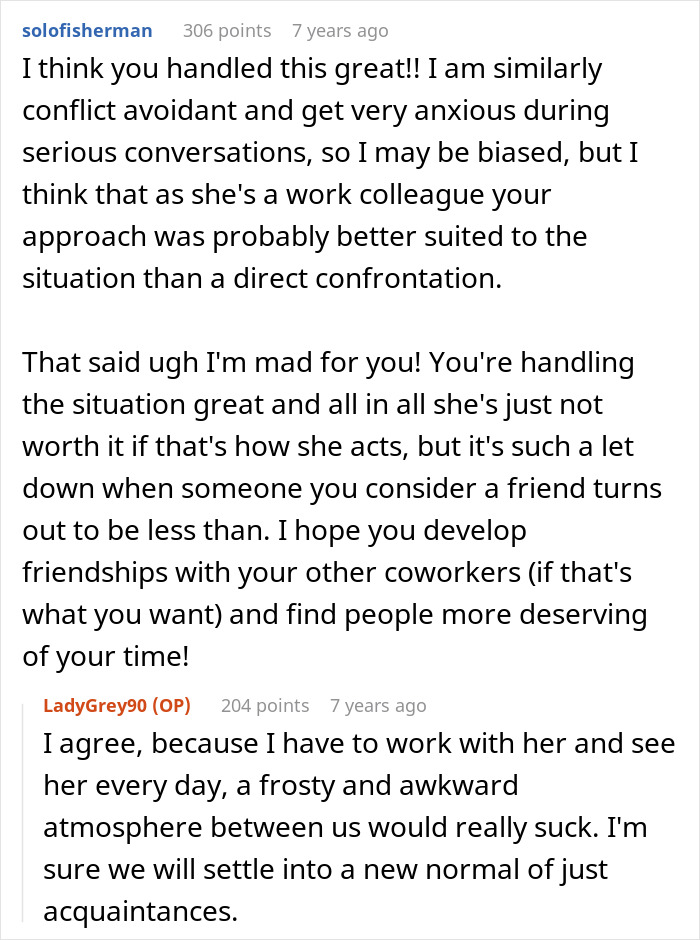
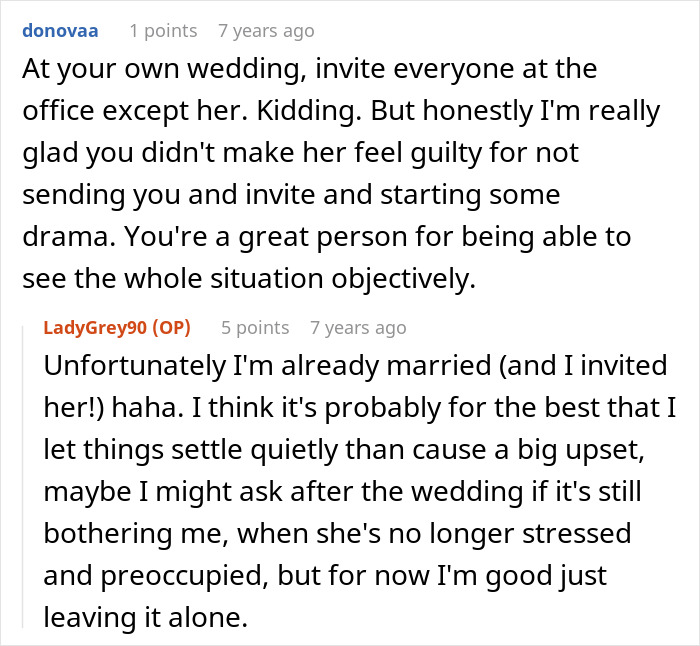
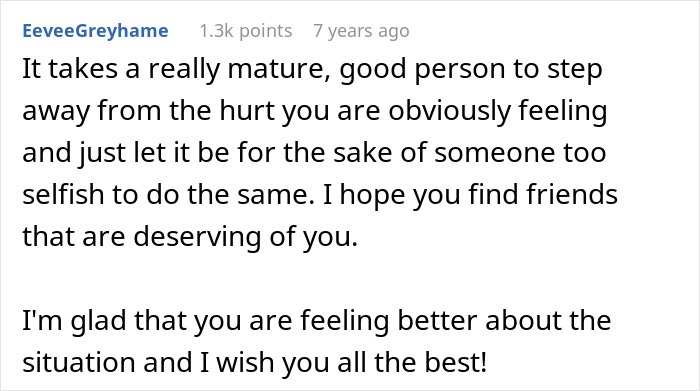
The woman in our story felt like she needed distance, and that’s okay. According to psychologists, boundaries involve understanding what you expect, what you will accept, and communicating those limits clearly and calmly. Her decision to ask for help and, allowing her to protect herself without starting unnecessary fights at work.
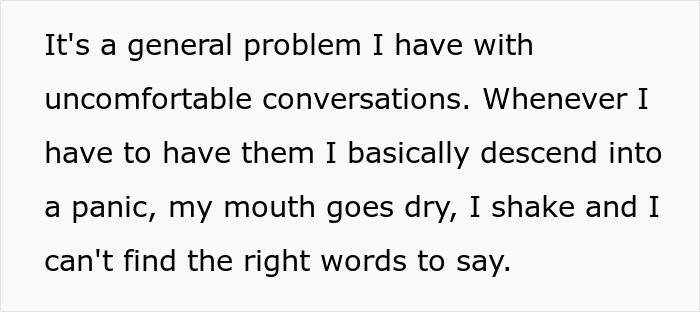
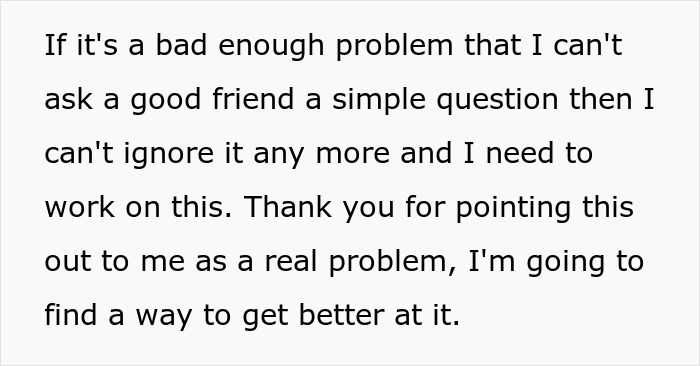
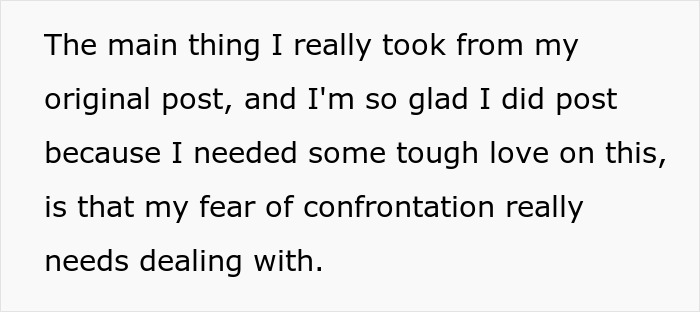
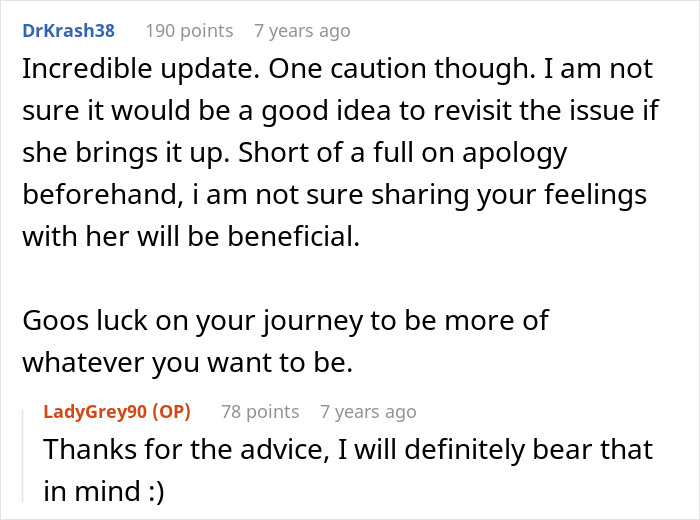
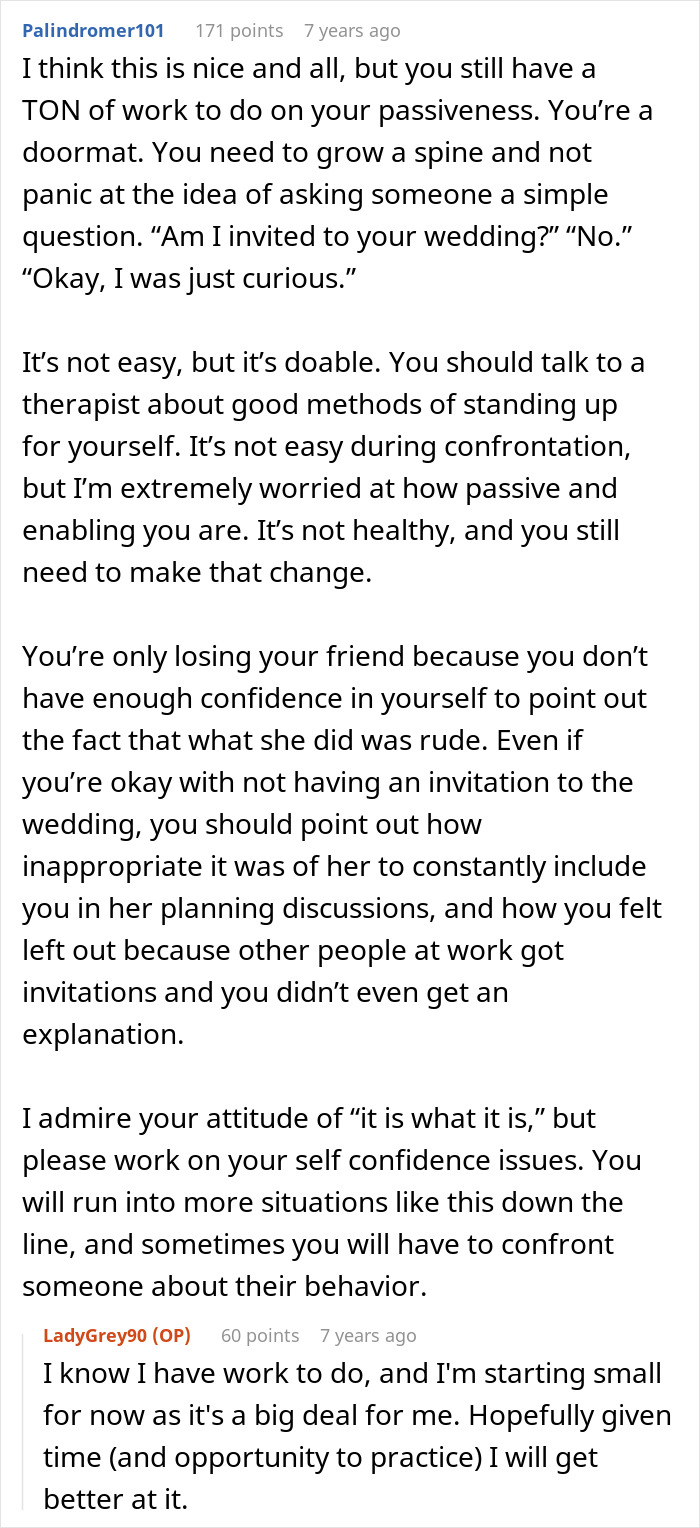
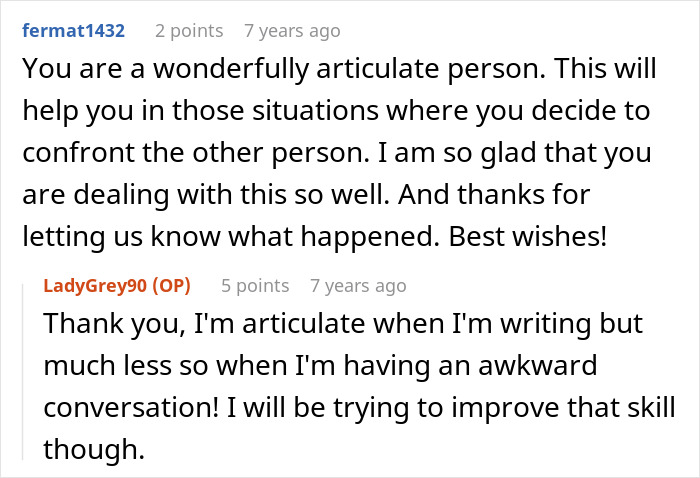
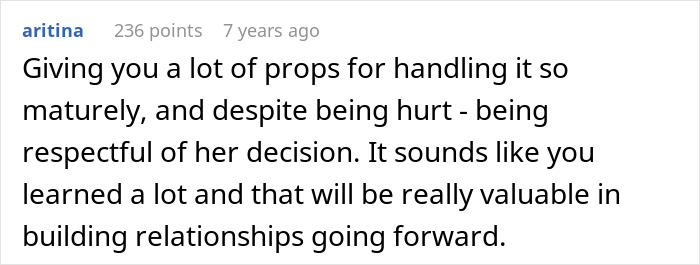
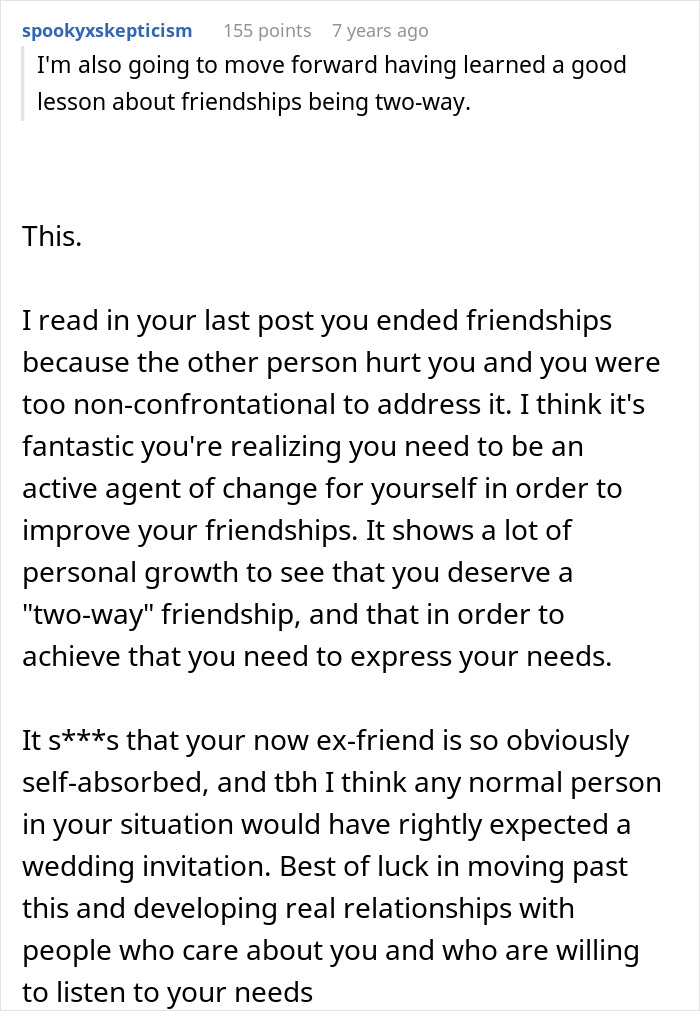
Although she handled the situation in a very mature way, she recognized that avoiding difficult conversations made her problems worse, not only with this particular friend, but in other relationships as well.
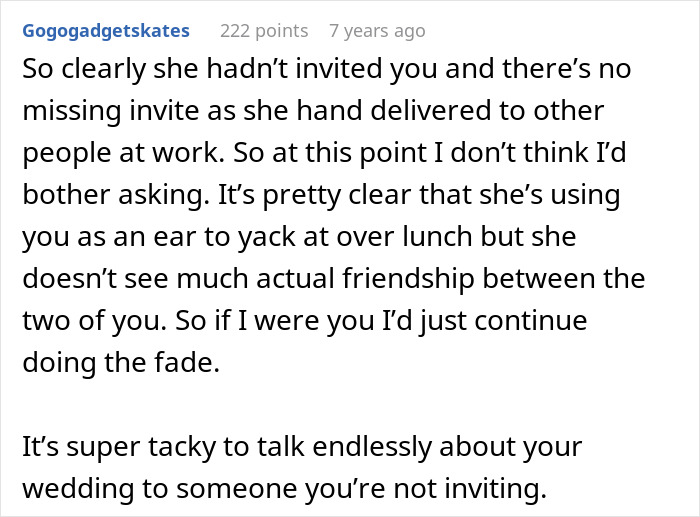
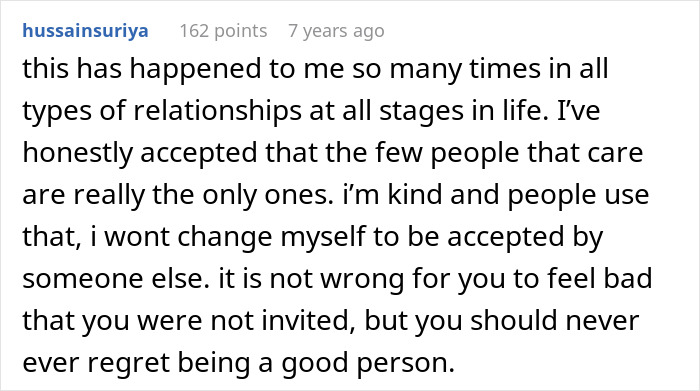
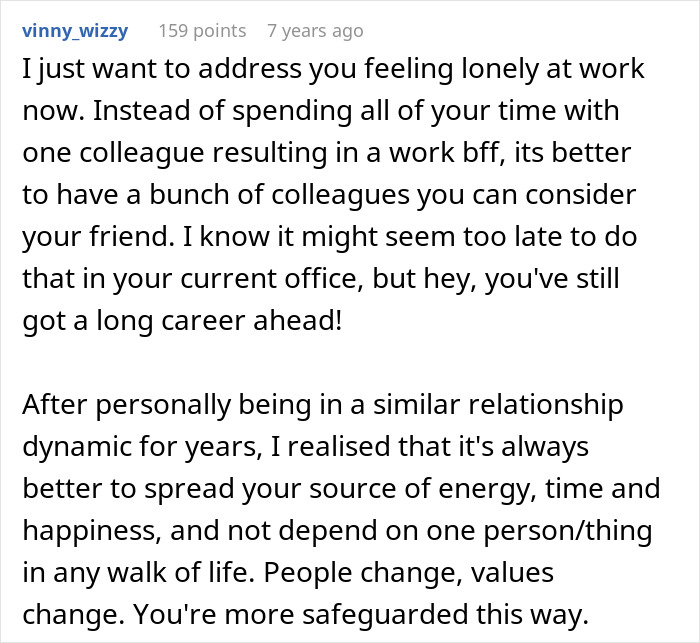
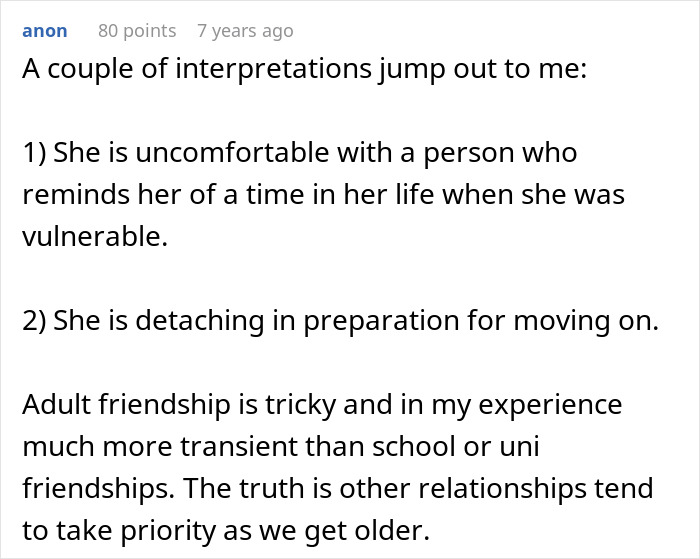
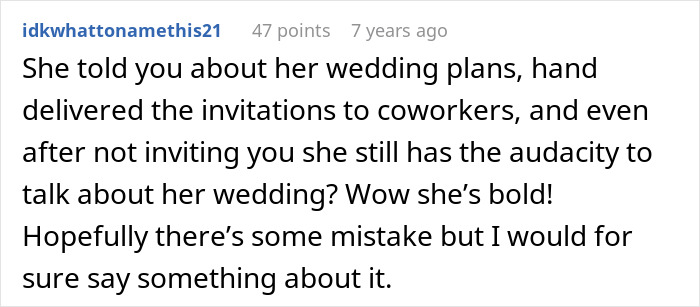
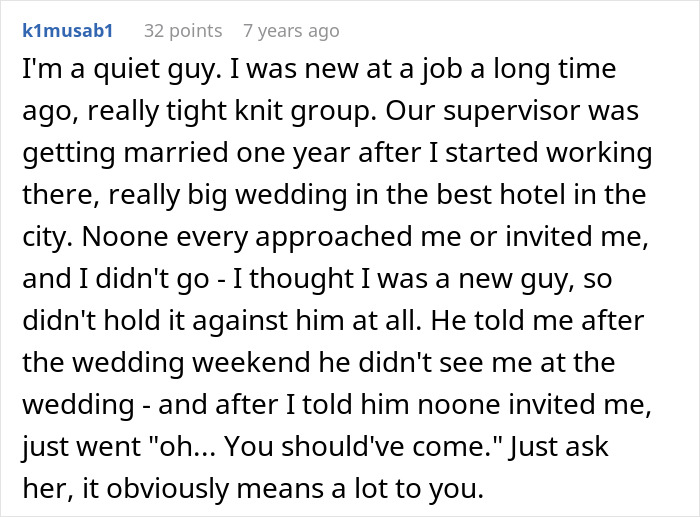
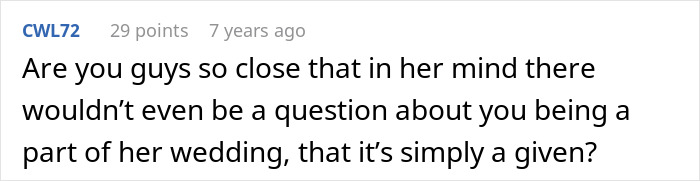

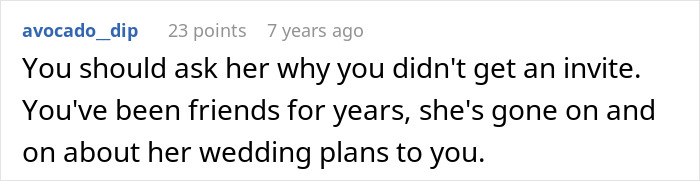
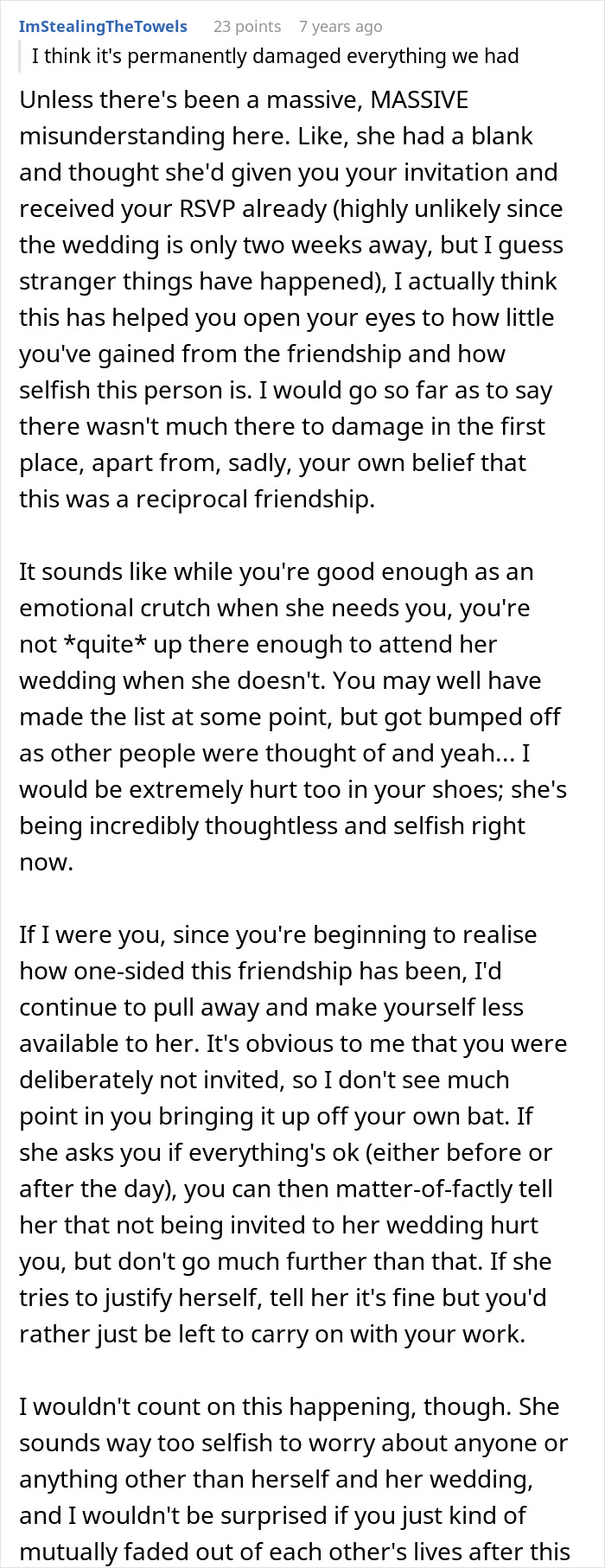
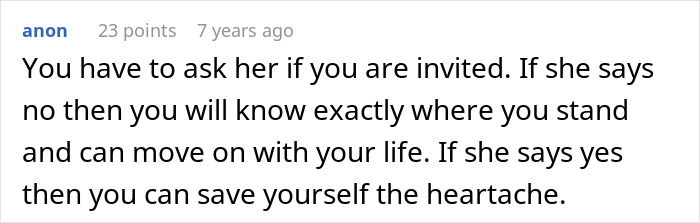
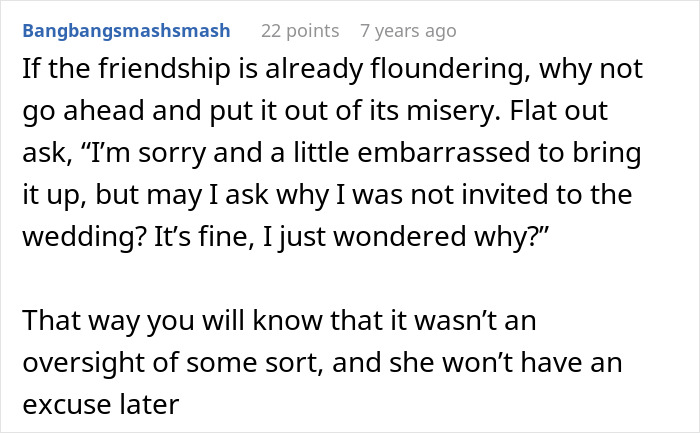
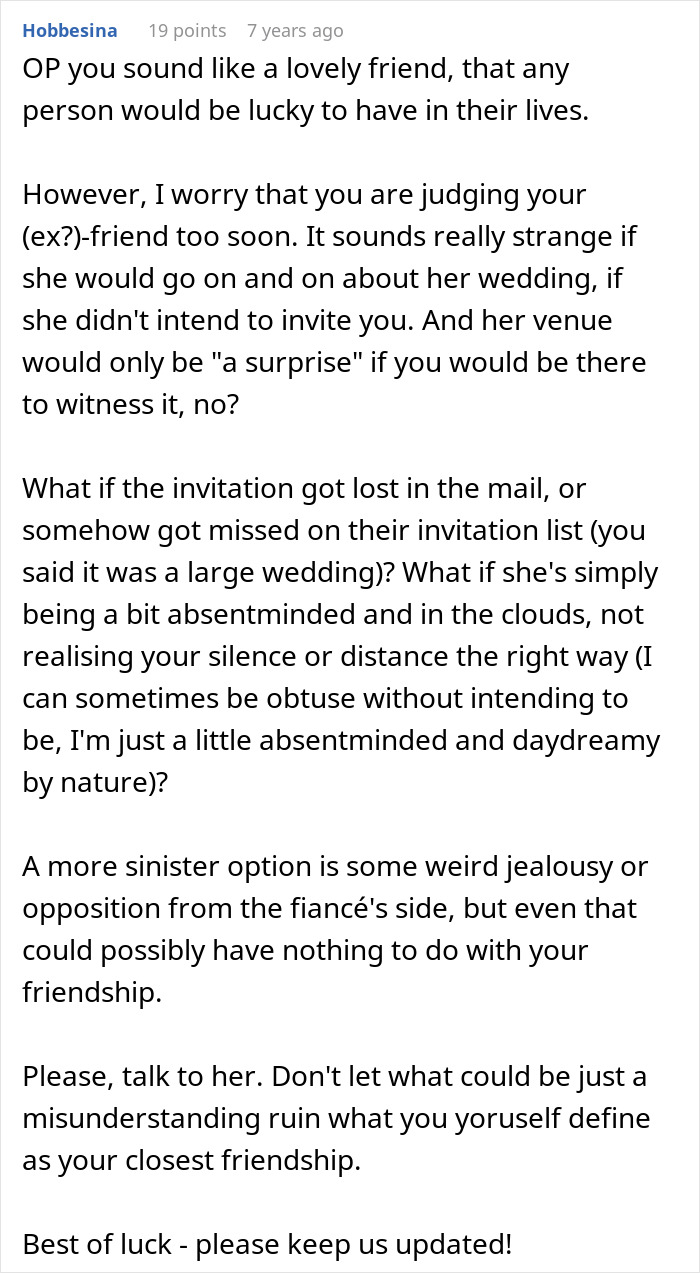
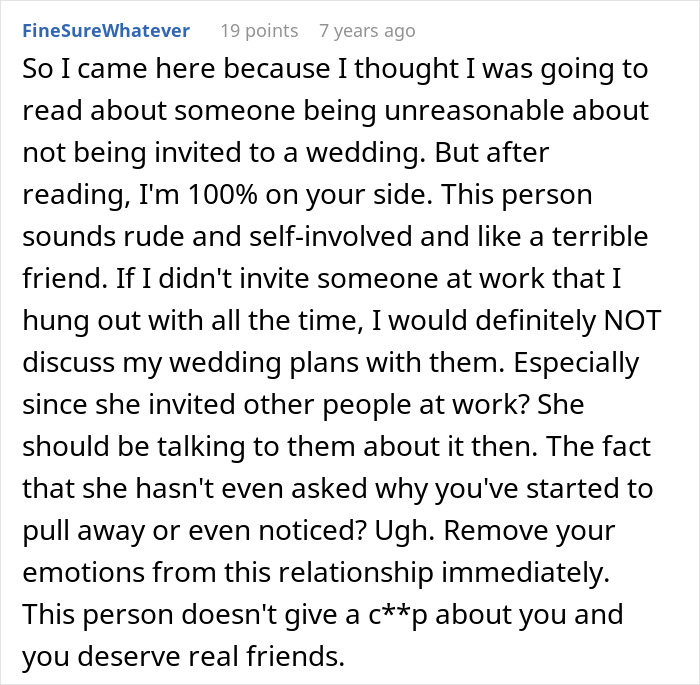
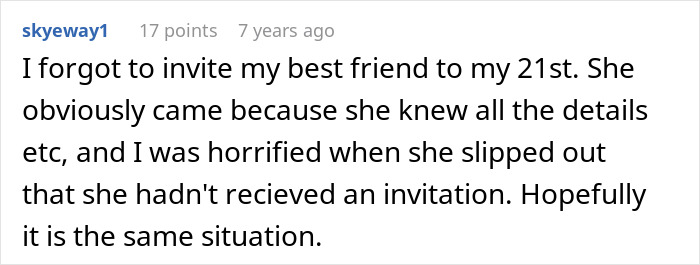
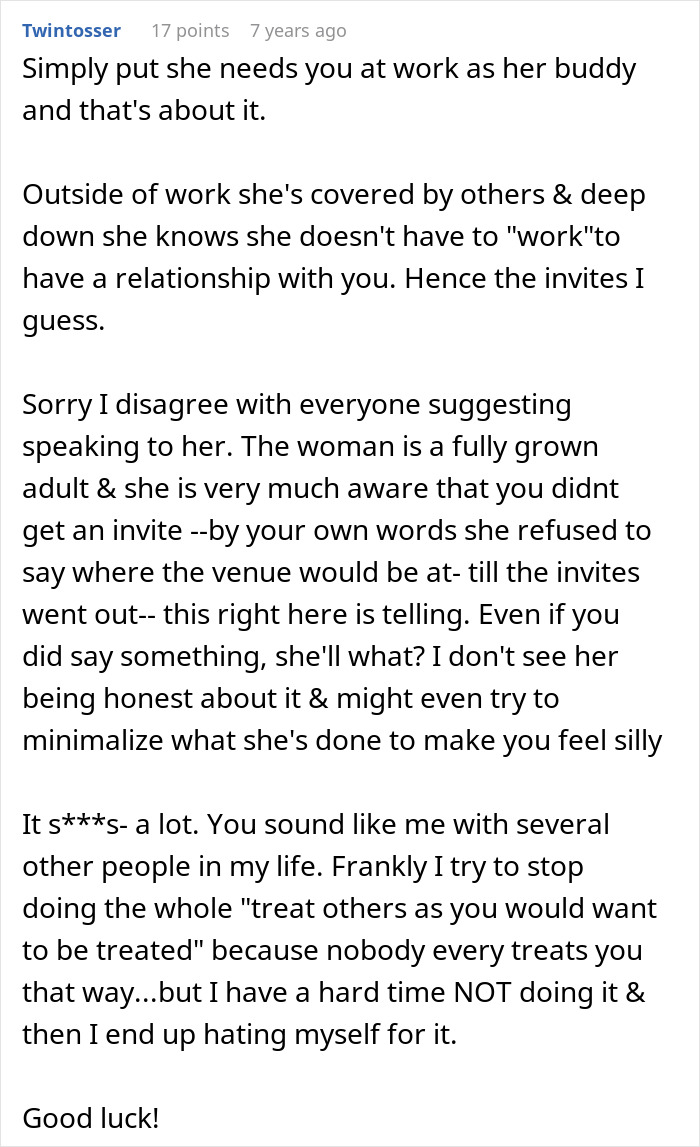
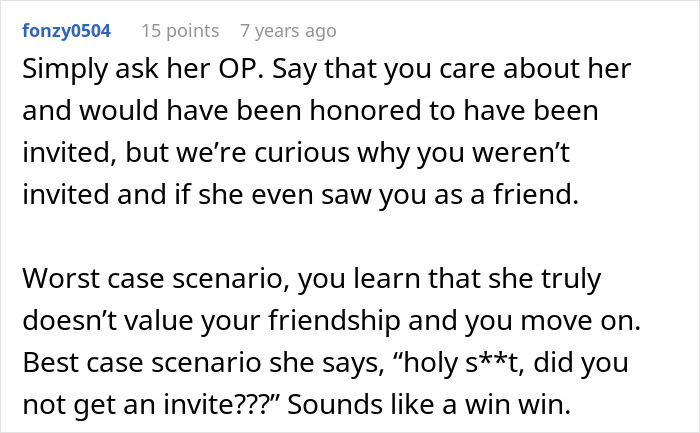
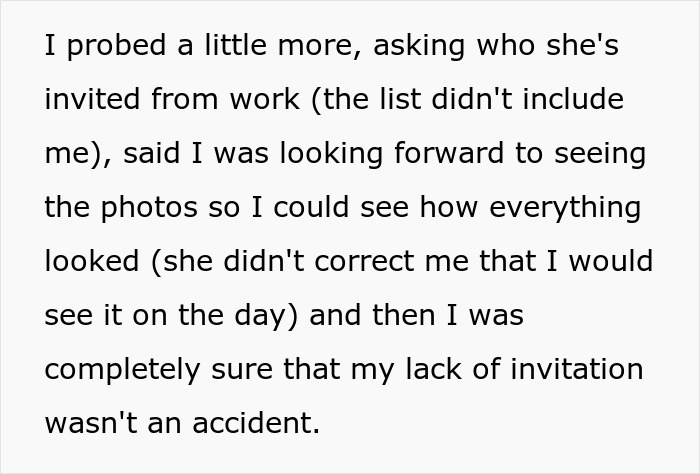
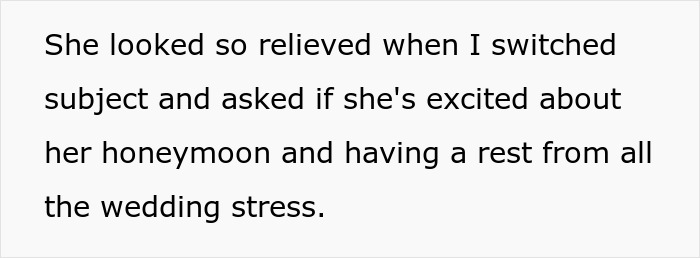
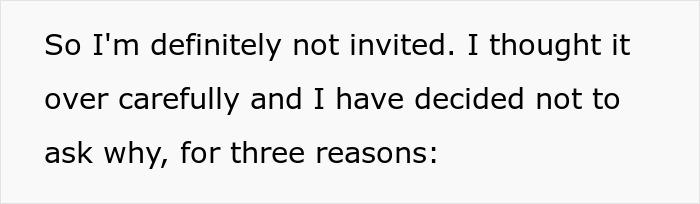
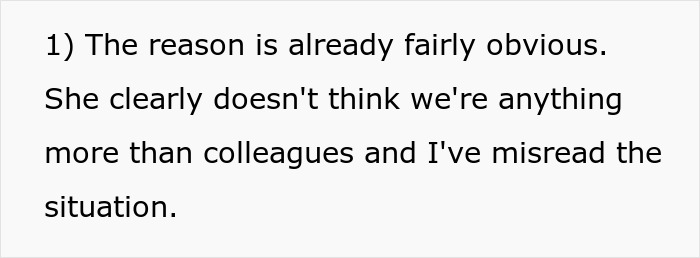
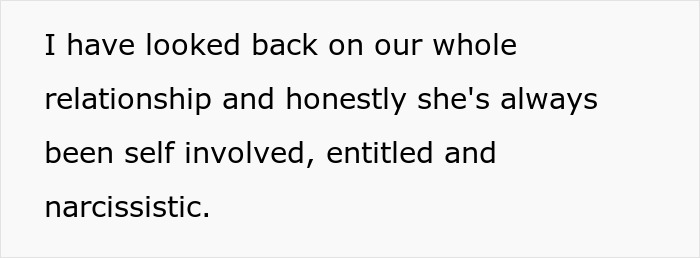
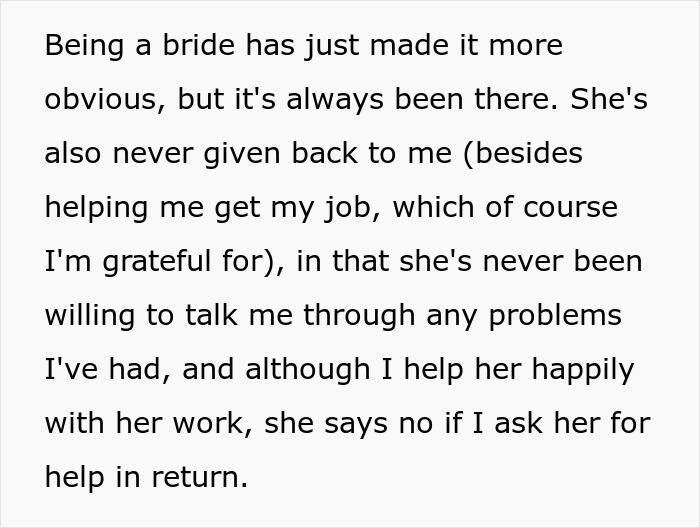
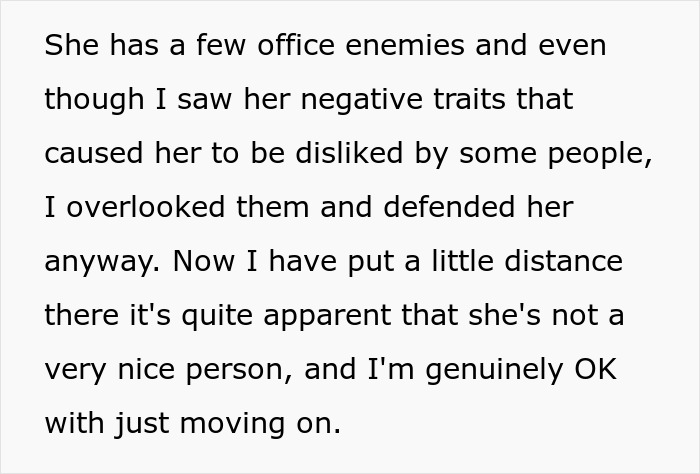
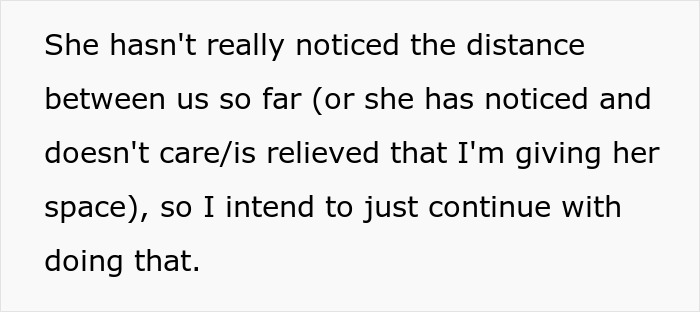
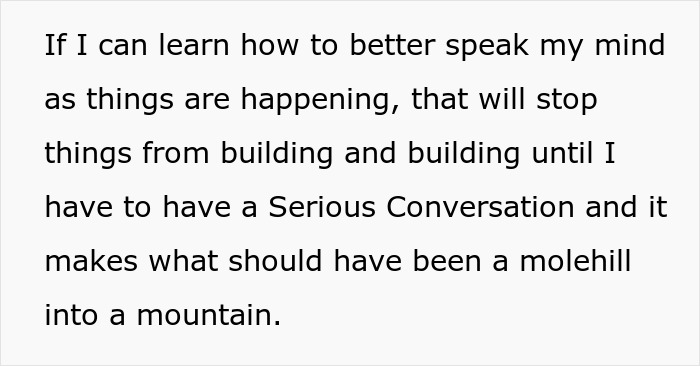
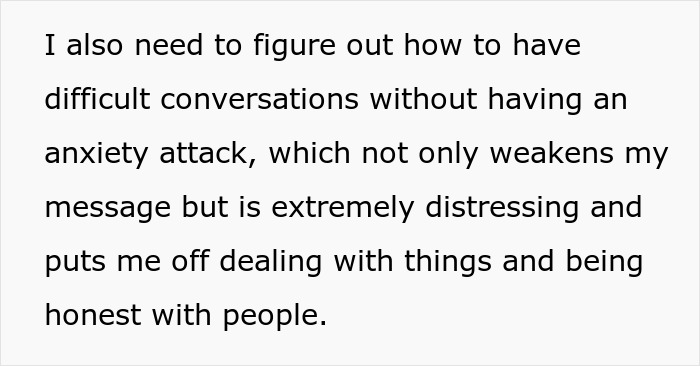
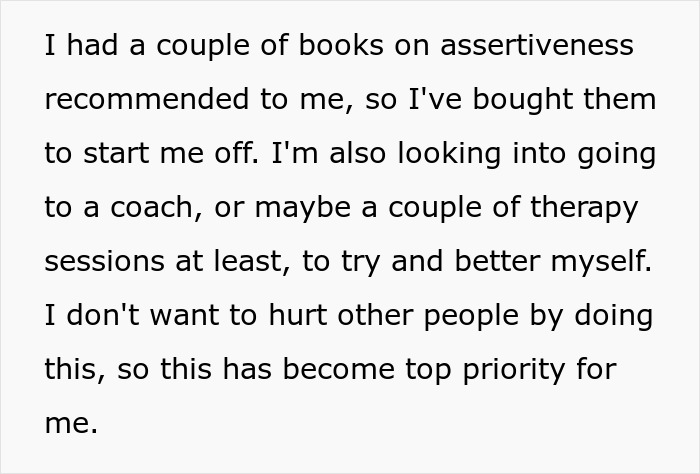
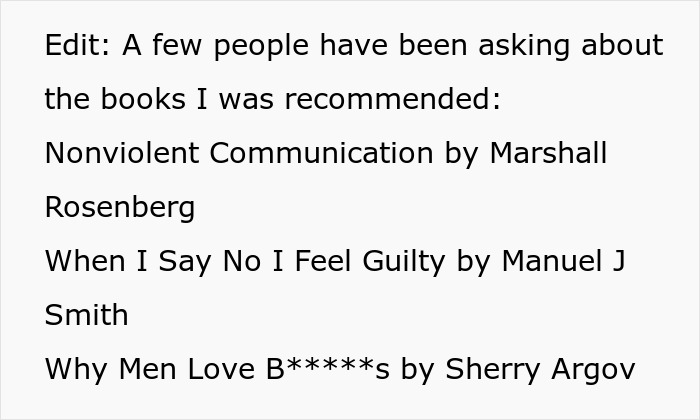
The general approach should be trying to communicate better. The book Nonviolent Communication by Marshall Rosenberg, PhD., focuses on “compassionate connection” and highlights a four-part process: observing without judgment, identifying feelings, recognizing needs, and making clear requests.
There are also tools that can help people maintain their position calmly while handling conflict. For instance, the Broken Record Technique is a communication method used to set and maintain boundaries without getting pulled into unnecessary arguments. You calmly state your position, and keep on repeating the same message without overexplaining it.
There’s also the Negative Inquiry technique, which is used to respond to criticism by calmly asking for more specific information instead of becoming defensive. You invite the other person to speak their mind, reducing the room for vague information.
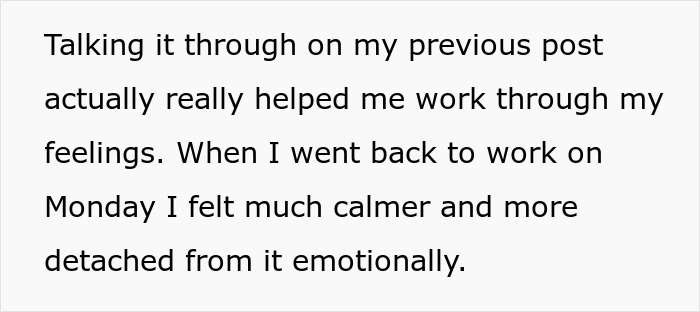
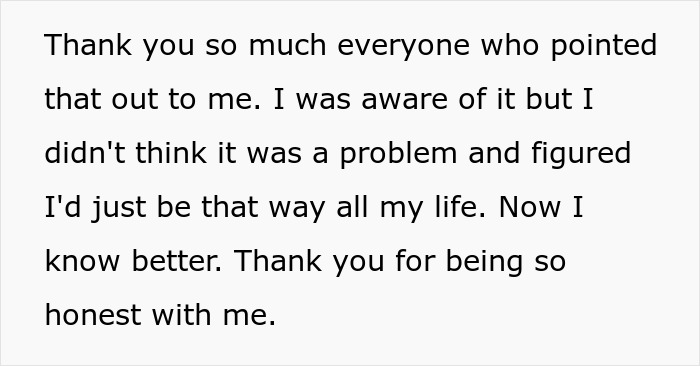
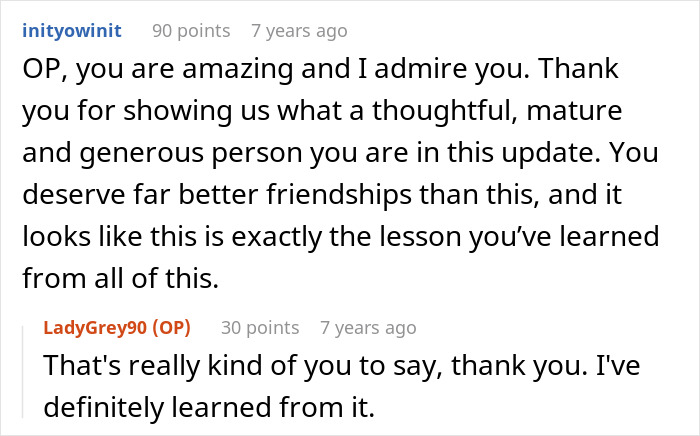
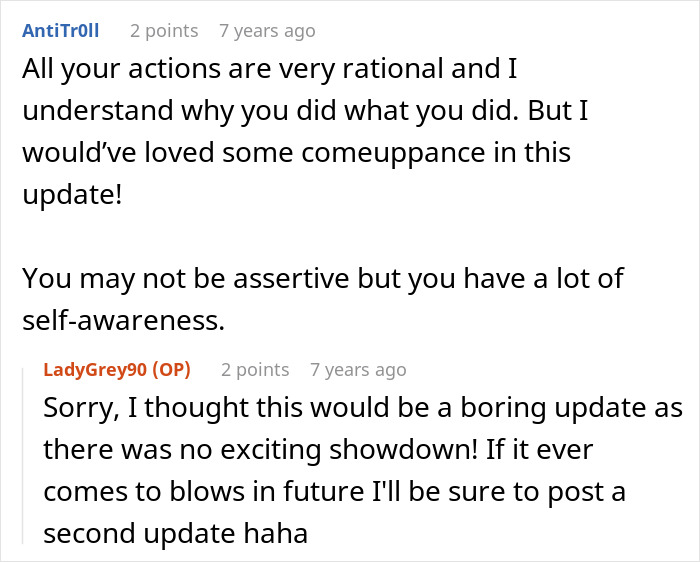
Ultimately, the woman walked away with more than one answer about her friendship. She recognized she needed to become more assertive and that sometimes, uncomfortable experiences lead to personal growth.
Do you think she was right to step back from the friendship? What would you have done? Share your thoughts in the comments!


By entering your email and clicking Subscribe, you're agreeing to let us send you customized marketing messages about us and our advertising partners. You are also agreeing to our Privacy Policy.
Thank you! You've successfully subscribed to newsletters!

She was smart not to make a big deal at work. Don't s**t where you eat. She learned a hard lesson, but perhaps it will help her to do better at seeing through users in future.


This person is too nice. I hope she found a little more steel and didn't continue being taken advantage of.
She was smart not to make a big deal at work. Don't s**t where you eat. She learned a hard lesson, but perhaps it will help her to do better at seeing through users in future.
This person is too nice. I hope she found a little more steel and didn't continue being taken advantage of.










 No fees, cancel anytime










27
4