Get Premium
Dark mode theme is available exclusively for premium users. Learn more about the benefits of subscribing.
No fees, cancel anytime.

 Dark Mode Ad-Free Browsing Unlimited Content
 Ad-Free Browsing Unlimited Content Dark Mode
Join 1.2 million Panda readers who get the best art, memes, and fun stories every week!

True love helps overcome all obstacles… but relationships require a lot of hard work and mutual respect. If your ‘soulmate’ isn’t willing to do their part, everything stands on shaky ground. Fundamentally, if your partner doesn’t care about your feelings, religion, culture, or background, you have to ask yourself whether you want to spend the rest of your life with them.
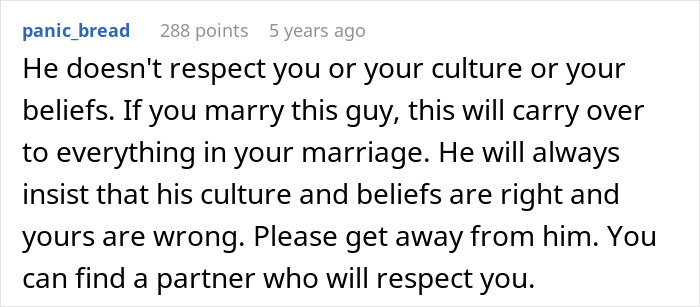
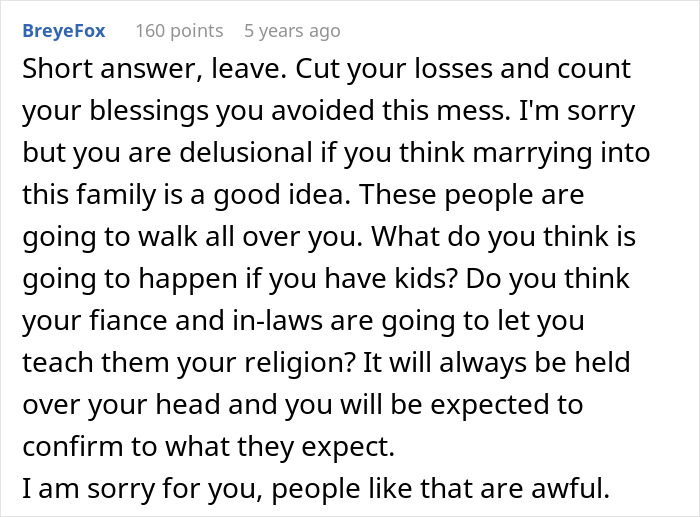
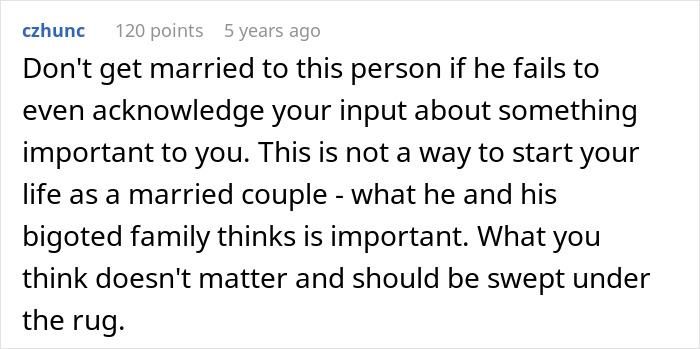
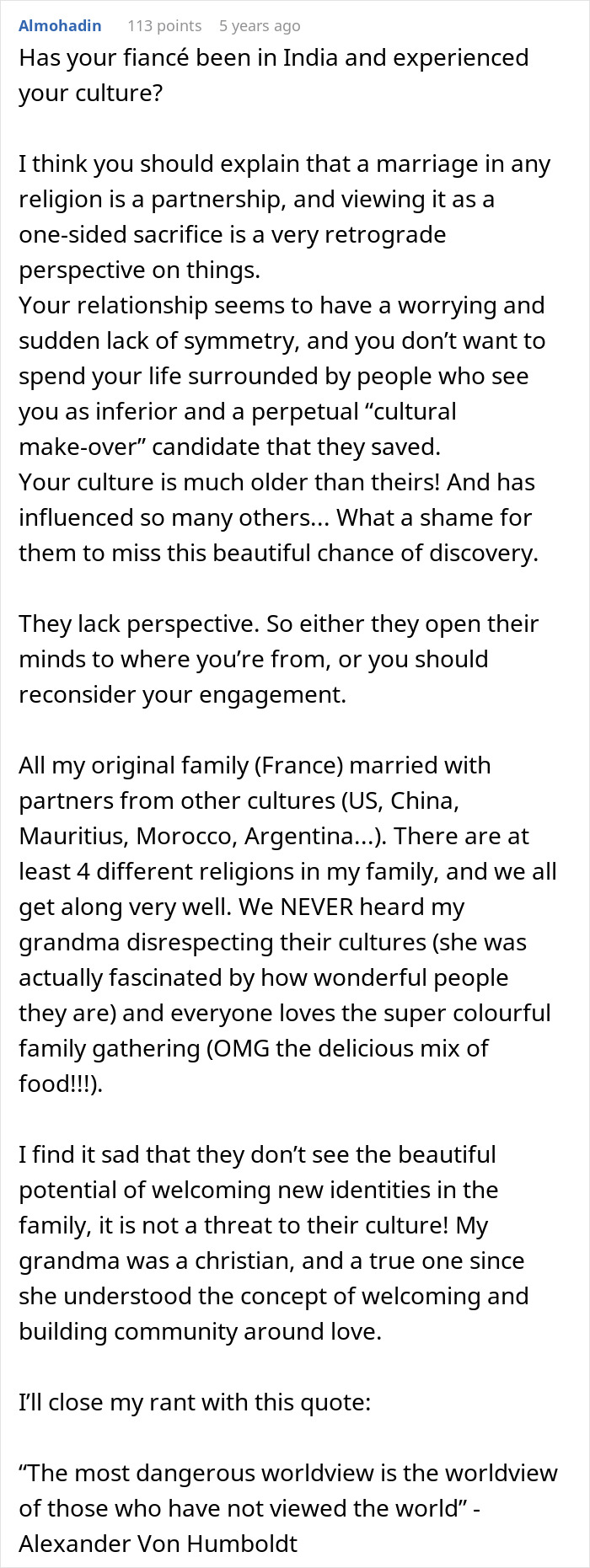
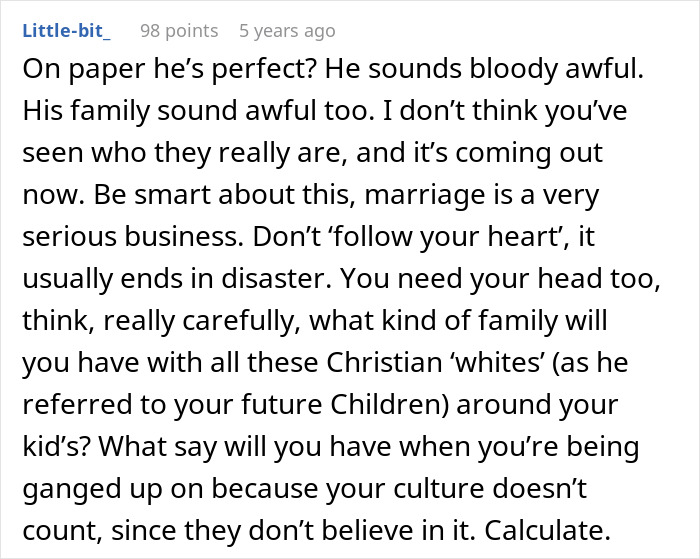
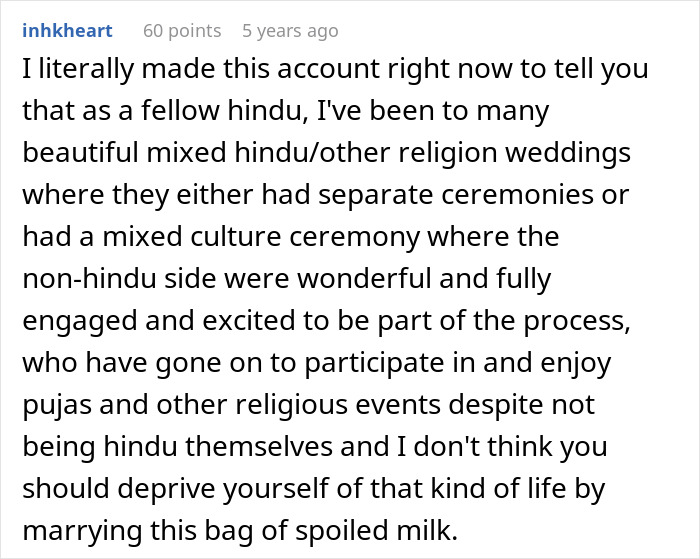
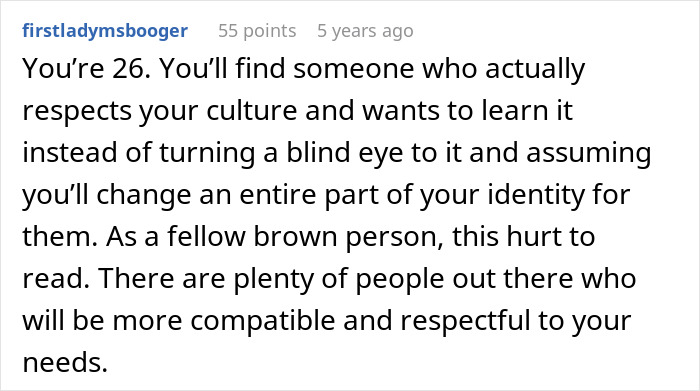
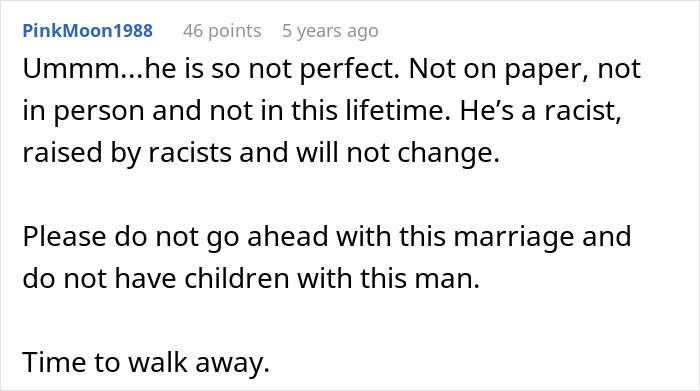
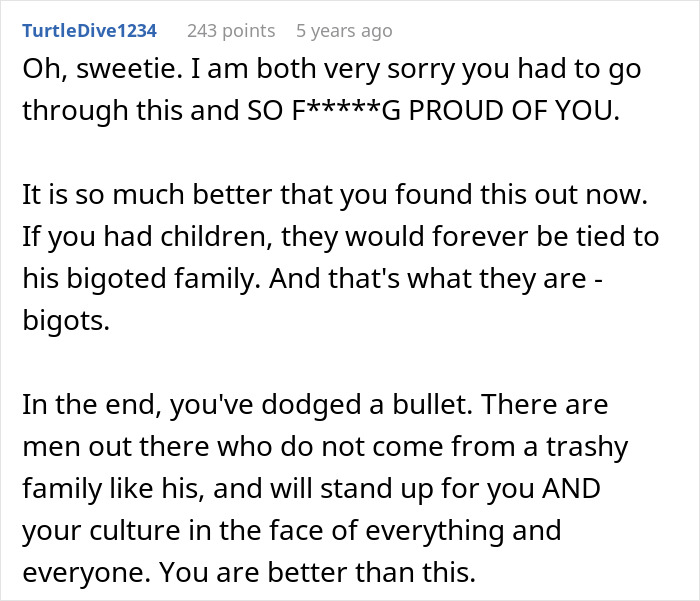
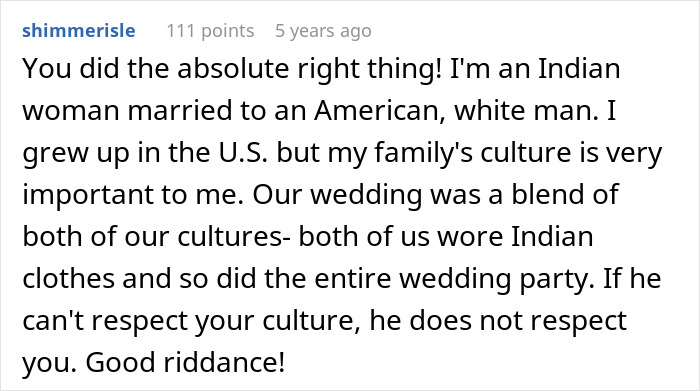
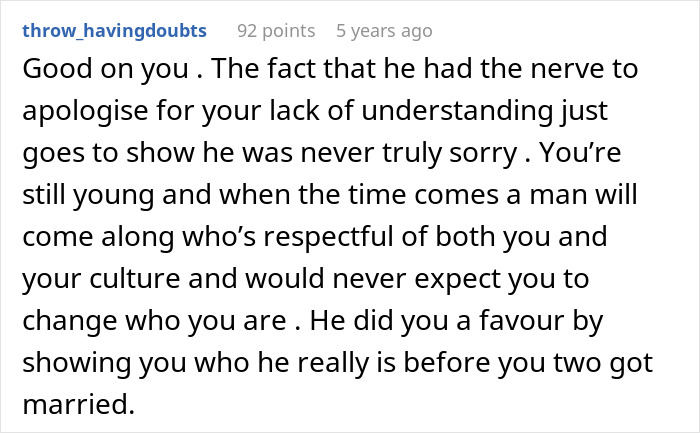
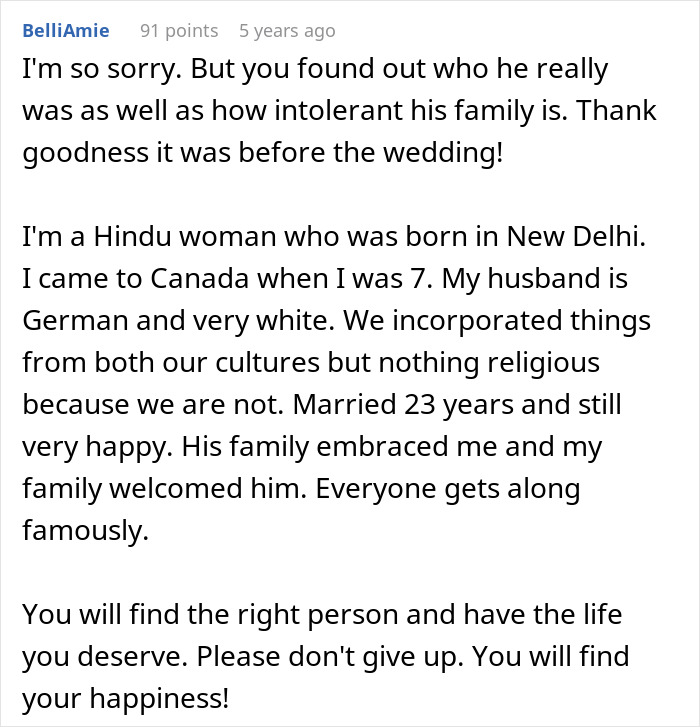
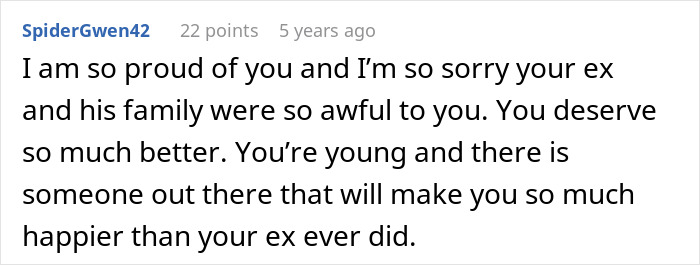
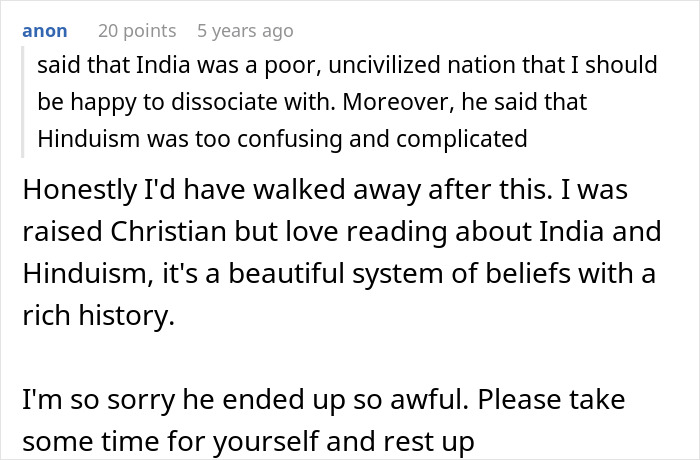
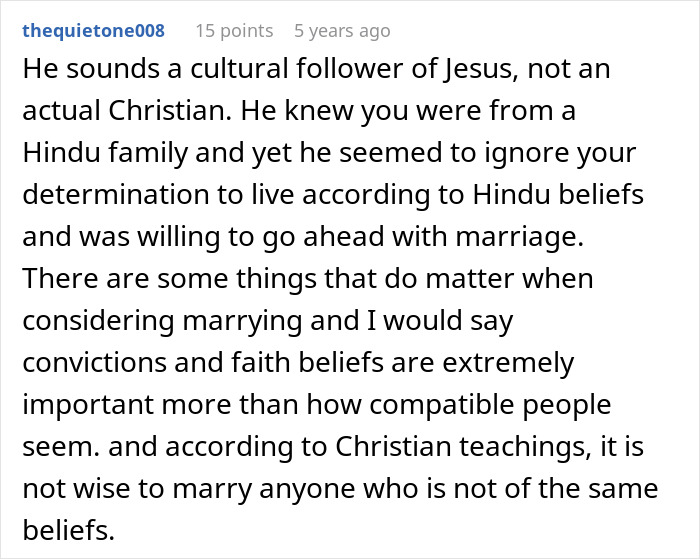
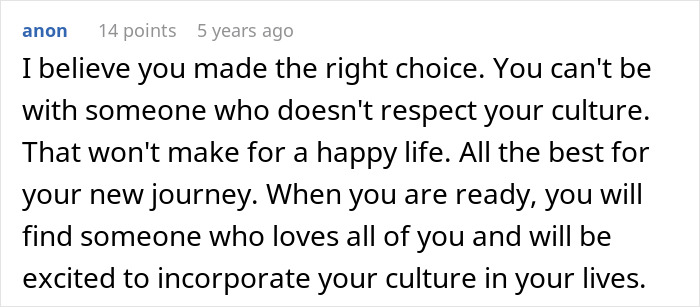
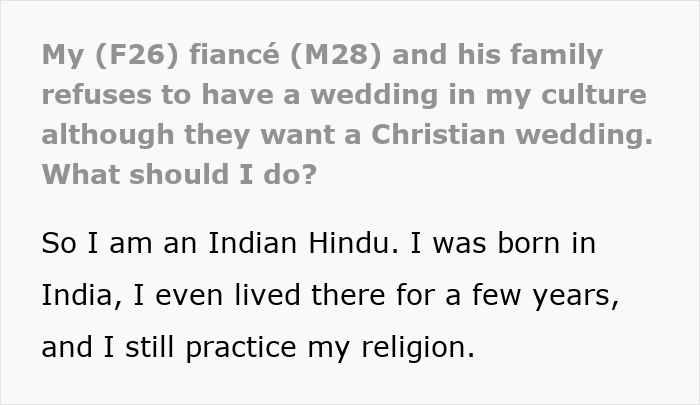
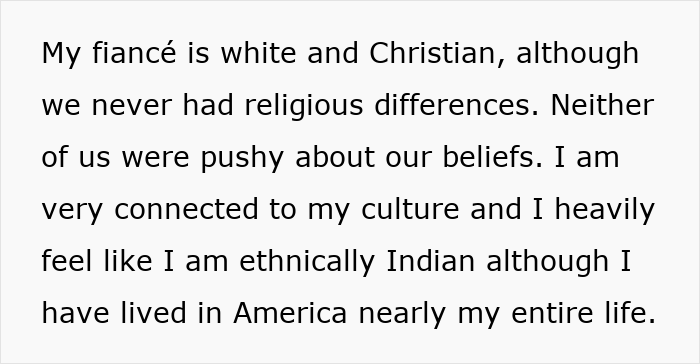
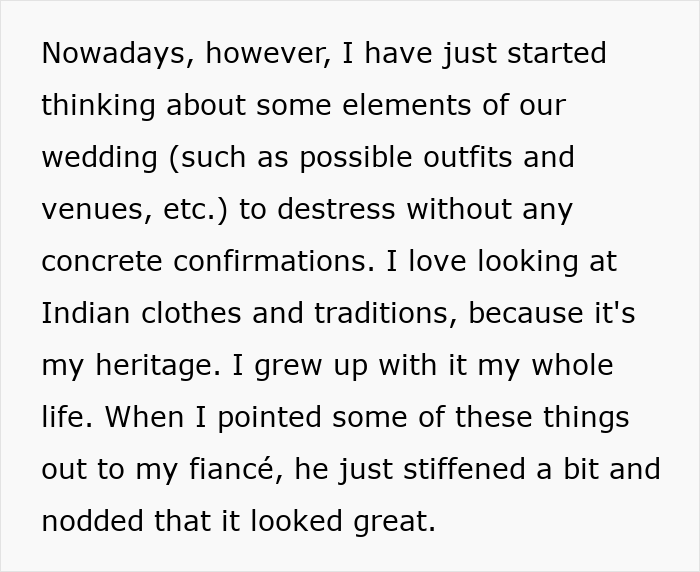
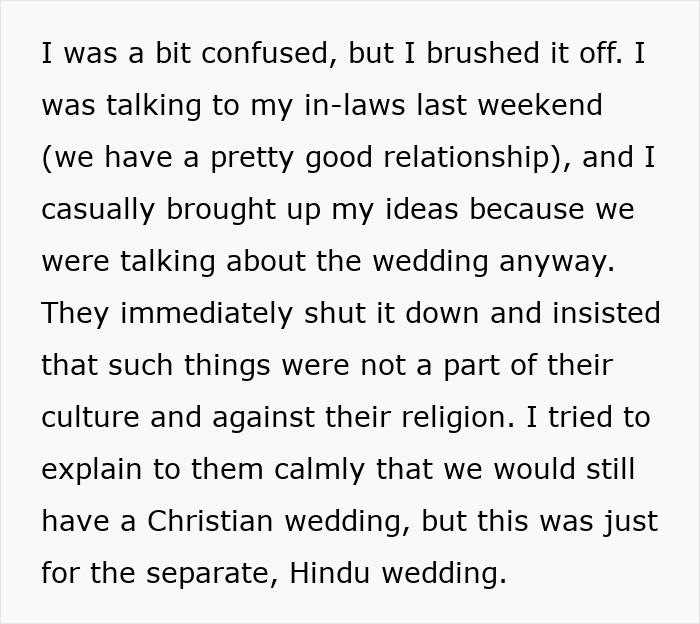
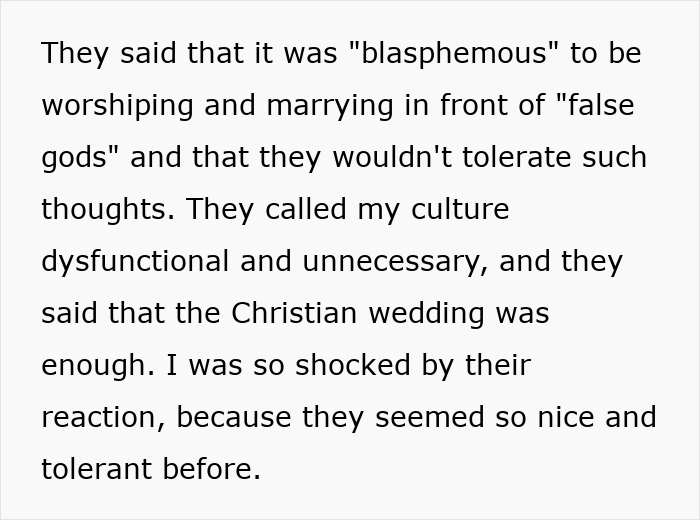
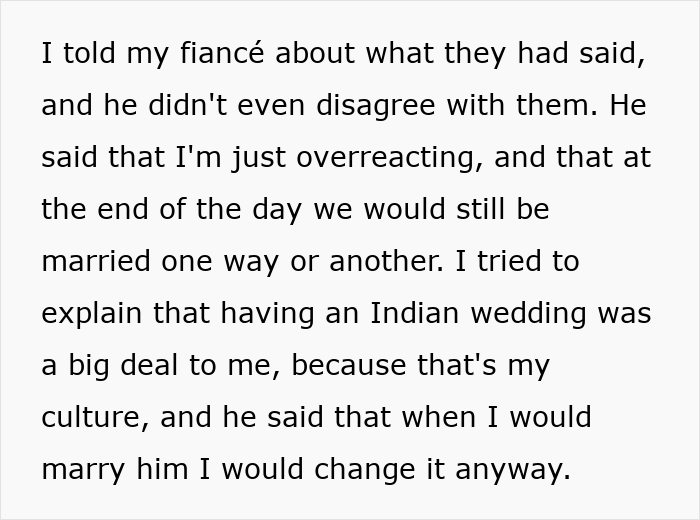
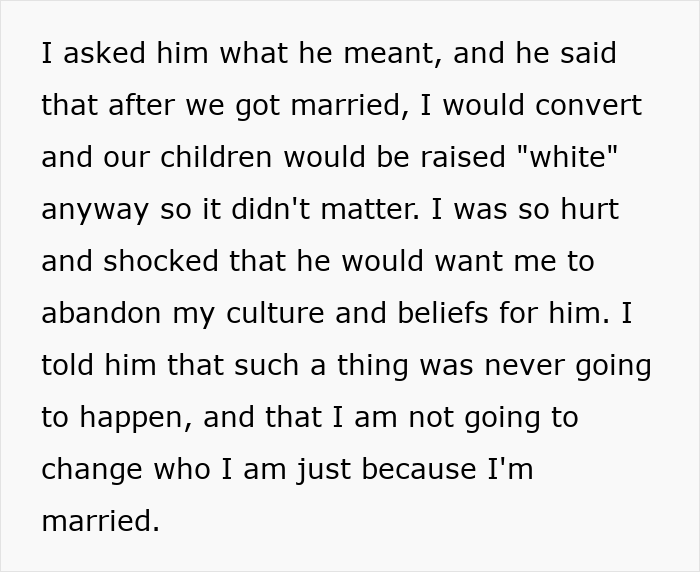
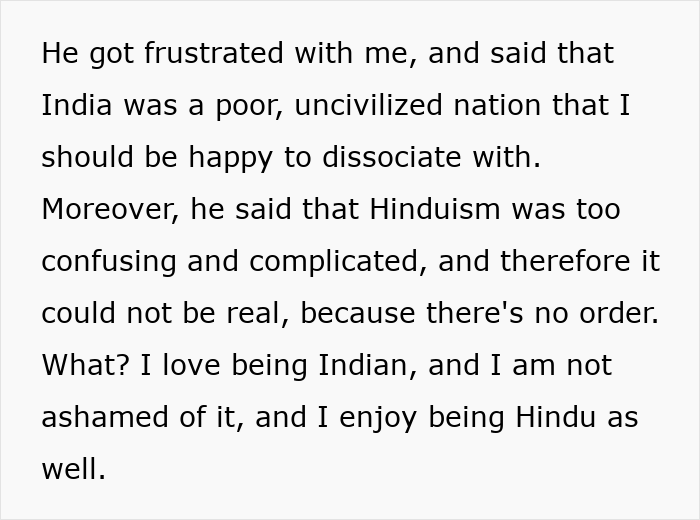
And if they prioritize their family over you, your inner alarm bells should be going off. Unfortunately, this is the reality that one woman had to deal with. Her story went viral on the ‘Relationship Advice’ group after she asked for advice on how to handle her fiancé and in-laws’ complete disrespect of her culture, who called it “blasphemous.” You’ll find the full wedding drama, including a hugely important update, below.

Pew Research Center emphasizes that religious disagreements are more common in religiously mixed marriages.
That being said, overall, “in all kinds of marital combinations, religious discord is the exception rather than the rule; majorities in all types of pairings say they disagree with their spouse about religion ‘not much’ or ‘not at all.’” In other words, faith-centered disagreements are actually rare.
However, if problems do pop up, the healthiest thing to do is to tackle relationship challenges either proactively or as they arise, instead of ignoring them. Ignoring issues can only lead to more frustration, resentment, and bitterness down the line.
If you’re actually considering getting married to someone, you don’t want that kind of emotional pressure constantly weighing on you in the background. What’s more, you should actually feel comfortable raising any issues with your partner. If they shut you down and don’t even care to see things from your perspective, it’s seriously worrying.
According to Verywell Mind, it is vital that couples talk openly about religious concerns, for instance, how they might handle holidays, services, practices, and your children’s upbringing. Meanwhile, if you take a “love conquers all” attitude and try to ignore your relationship problems, thinking they will go away, you’re only making things worse.

It is essential that couples understand, respect, accept, and deal with religious differences, instead of trying to pretend that they’re unimportant. What’s more, it is important to look for commonalities in religions and backgrounds, instead of believing that converting will make things easier. Both sides need to be willing to compromise instead of trying to dominate each other.
“One of the major mistakes both before marriage and after involves not talking about religious concerns. Having open discussions and talking about shared values is important, however. Look at these conversations as a chance to learn more about your partner’s faith. It isn’t about trying to convince one another that your religion is ‘right,’ but rather a way to celebrate the shared foundations and diversity of your religious background and experiences.”
At the end of the day, what matters is that the couple makes all important decisions together, and then presents them to their families, again, together. “Each partner must decide that their spouse comes first, and protect them from family strife,” Verywell Mind explains.
What’s your perspective, Pandas? What are the biggest relationship red flags that you wish everyone knew? On the other hand, what are some signs that someone might be a genuinely great significant other? Have you ever clashed with your partner’s family over differences in values, backgrounds, and cultures? How do you protect your boundaries from the people who are meant to support you but don’t? Share your thoughts in the comments.






By entering your email and clicking Subscribe, you're agreeing to let us send you customized marketing messages about us and our advertising partners. You are also agreeing to our Privacy Policy.
Thank you! You've successfully subscribed to newsletters!



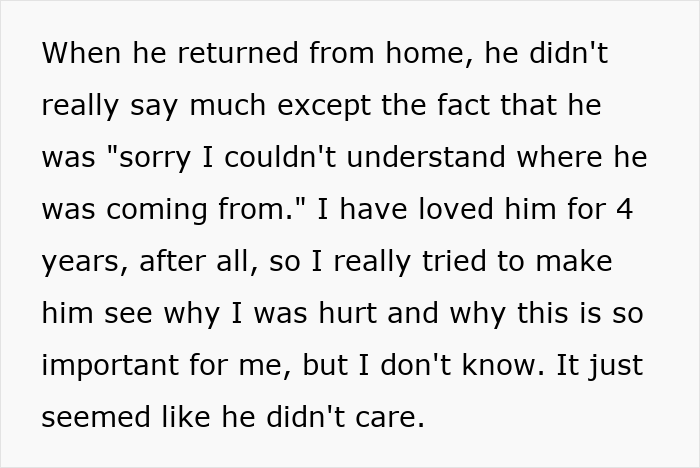
He said he's sorry she can't see where HE'S coming from!? This guy lacks some serious self awareness.

"I'm sorry, too... I guess I just can't seem to get my head as far up my a**e as you." 🤷🖕💩
Load More Replies... He said he's sorry she can't see where HE'S coming from!? This guy lacks some serious self awareness.
"I'm sorry, too... I guess I just can't seem to get my head as far up my a**e as you." 🤷🖕💩
Load More Replies...




























 No fees, cancel anytime













38
32