Get Premium
Dark mode theme is available exclusively for premium users. Learn more about the benefits of subscribing.
No fees, cancel anytime.

 Dark Mode Ad-Free Browsing Unlimited Content
 Ad-Free Browsing Unlimited Content Dark Mode
Join 1.2 million Panda readers who get the best art, memes, and fun stories every week!

45submissions
1week left
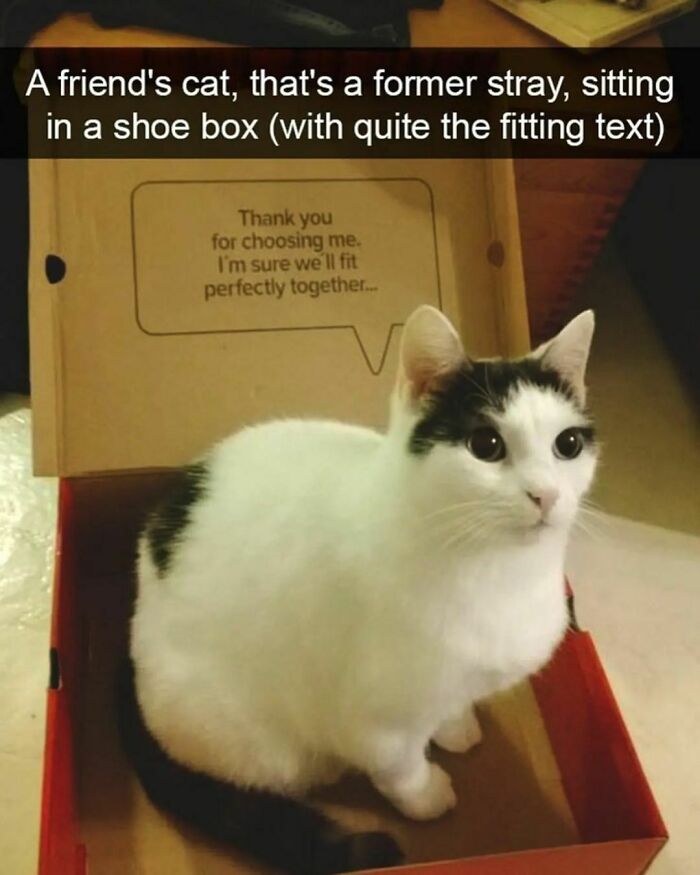
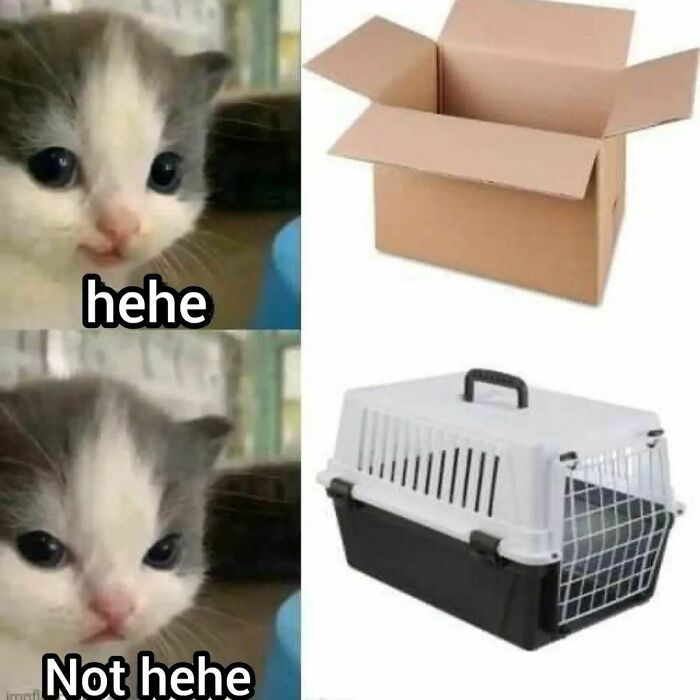
As a proud owner of two mischievous but adorable cats, I’ve come to realize just how much joy and laughter these furry companions bring into our lives. Their tricks, like knocking things off the table or squeezing into yet another cardboard box, never fail to entertain.
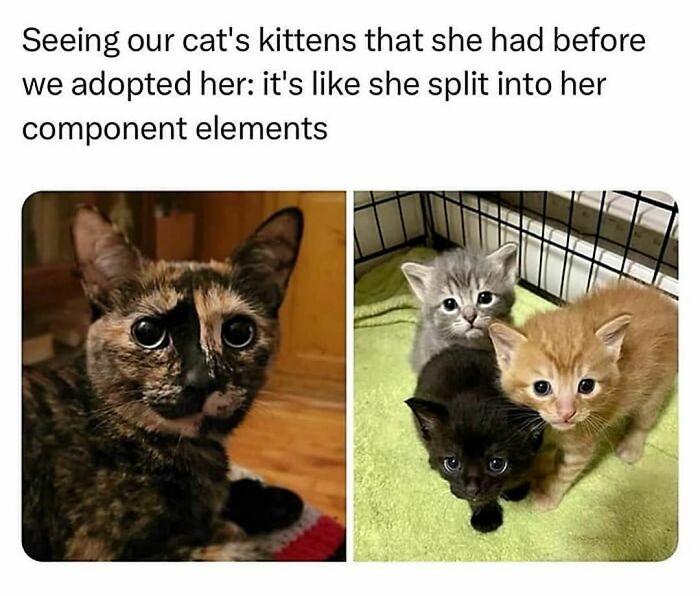
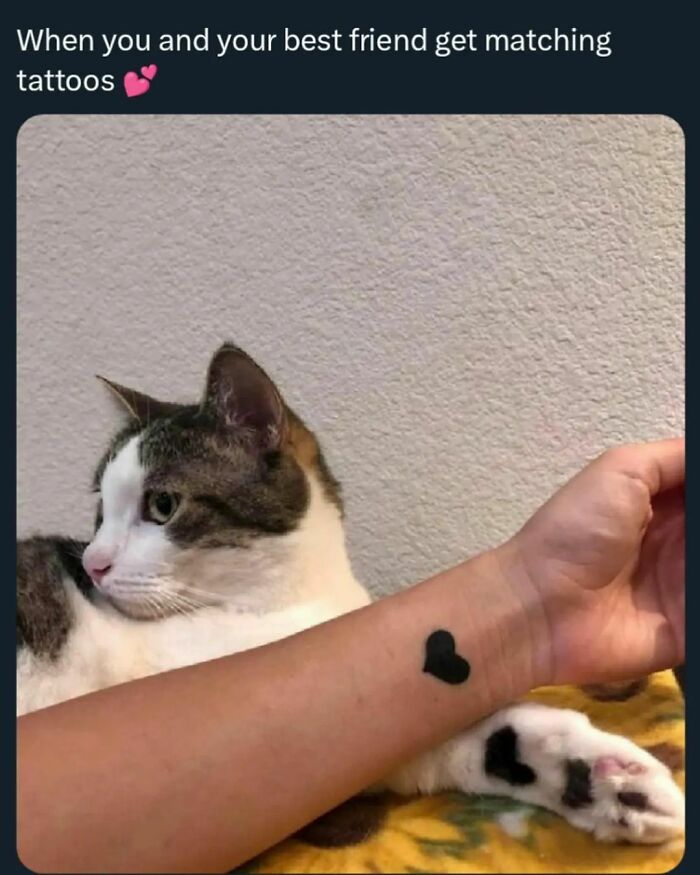
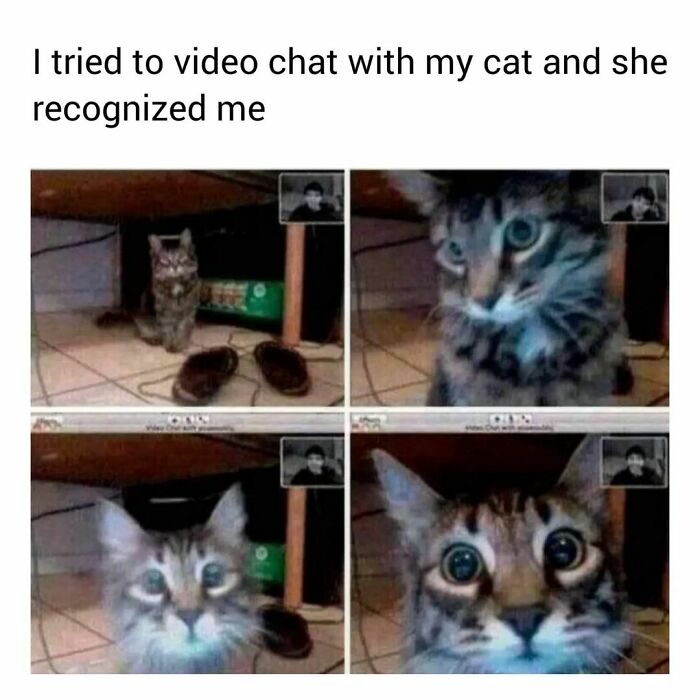
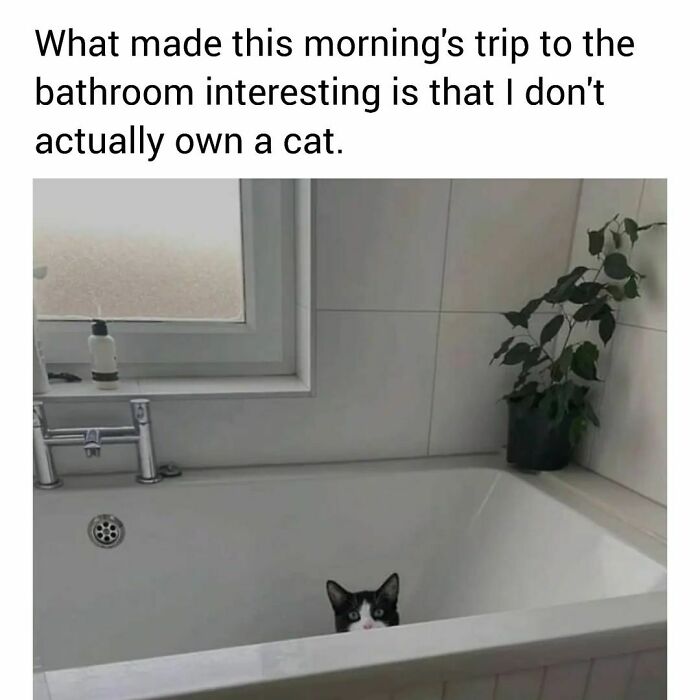
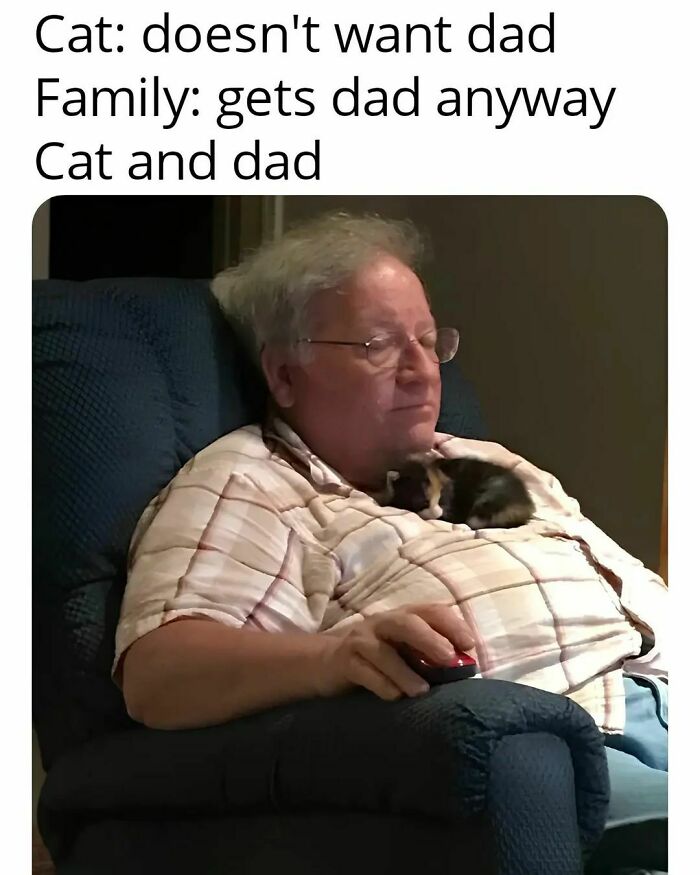
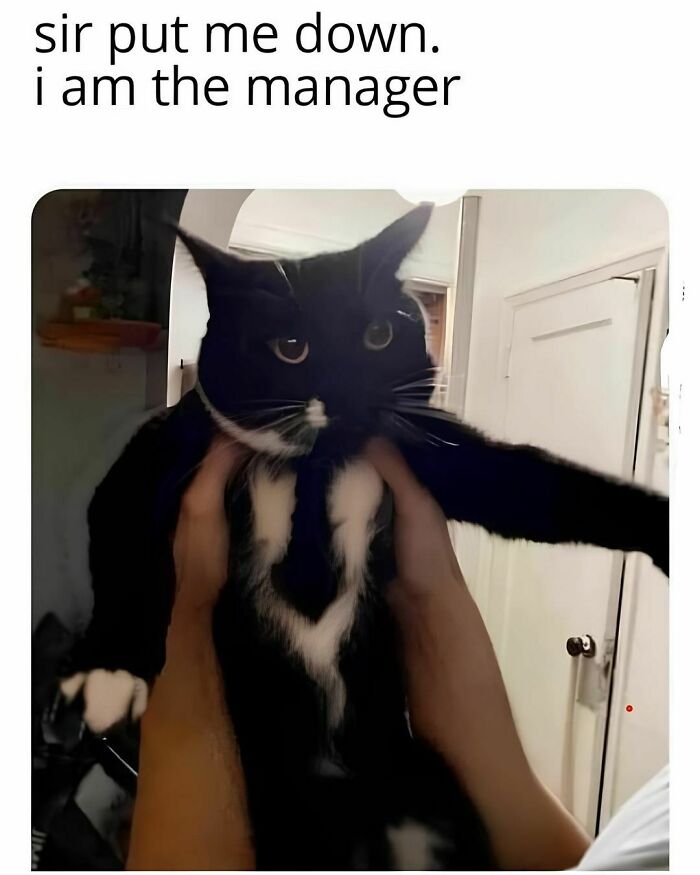
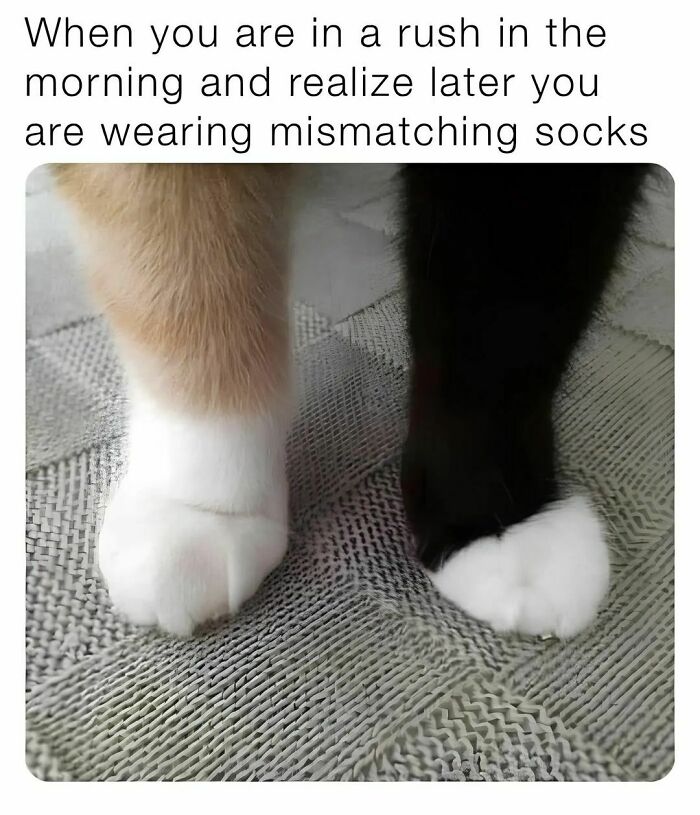
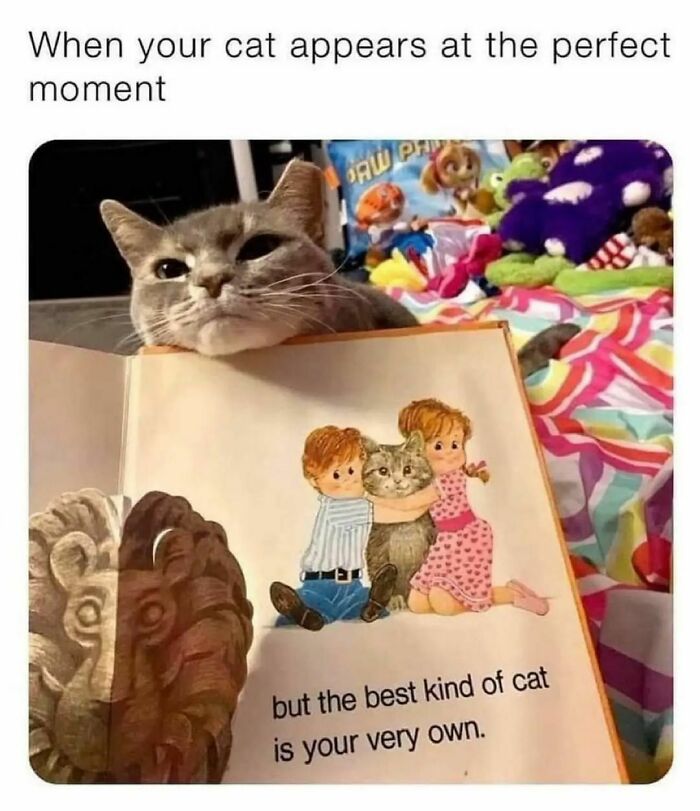
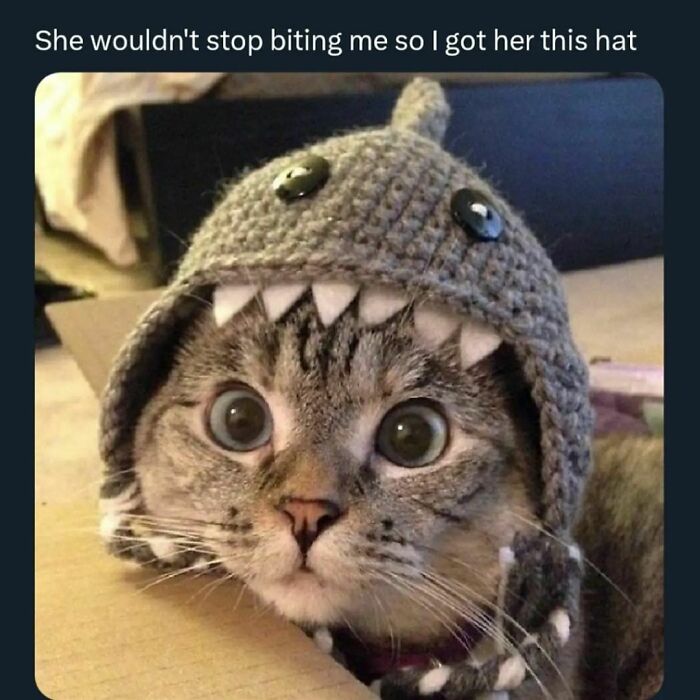
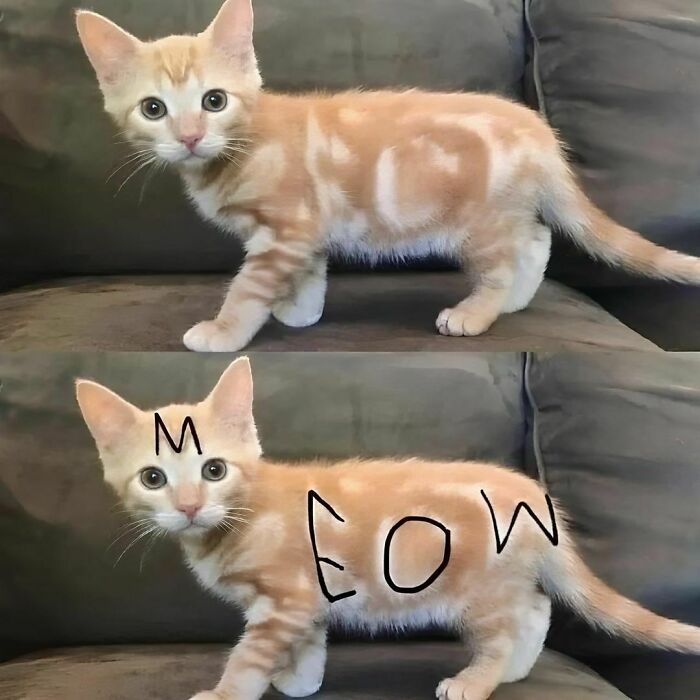
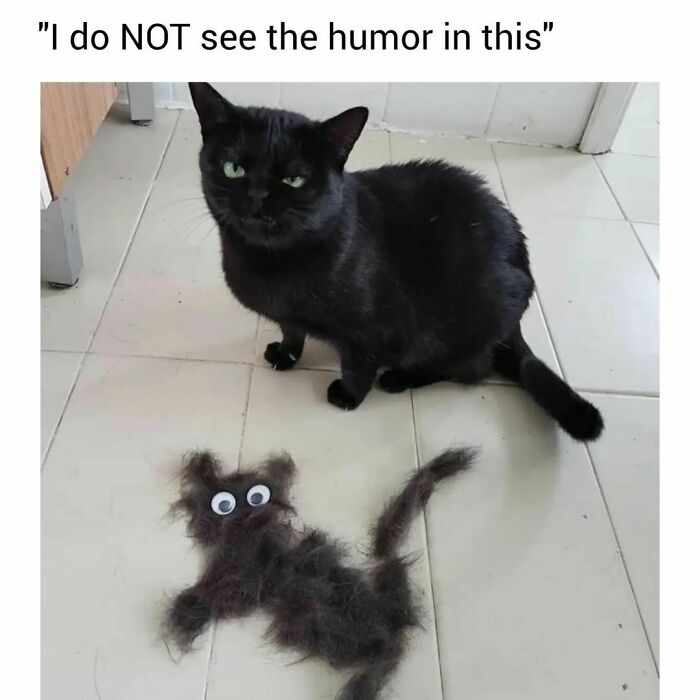
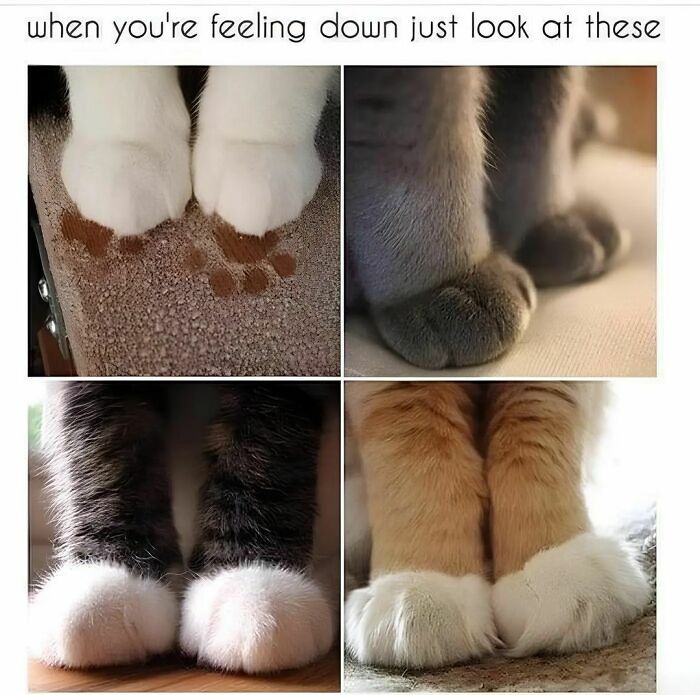
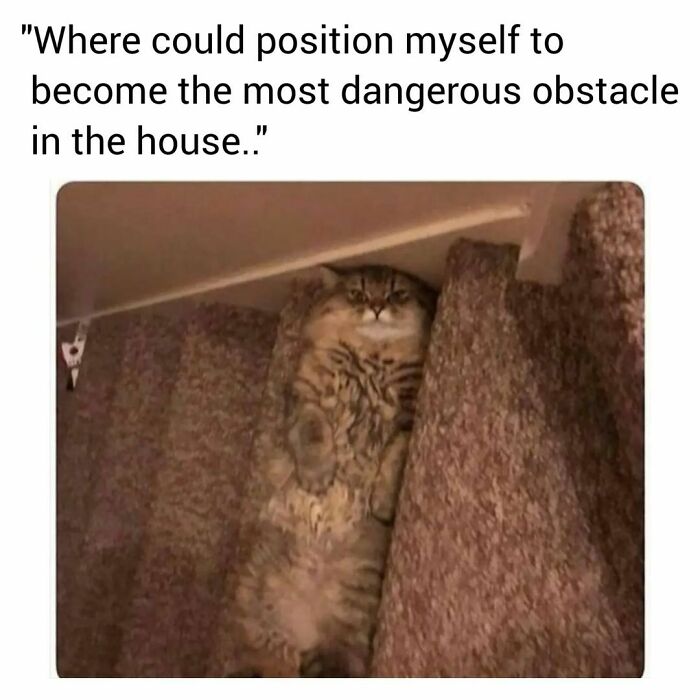
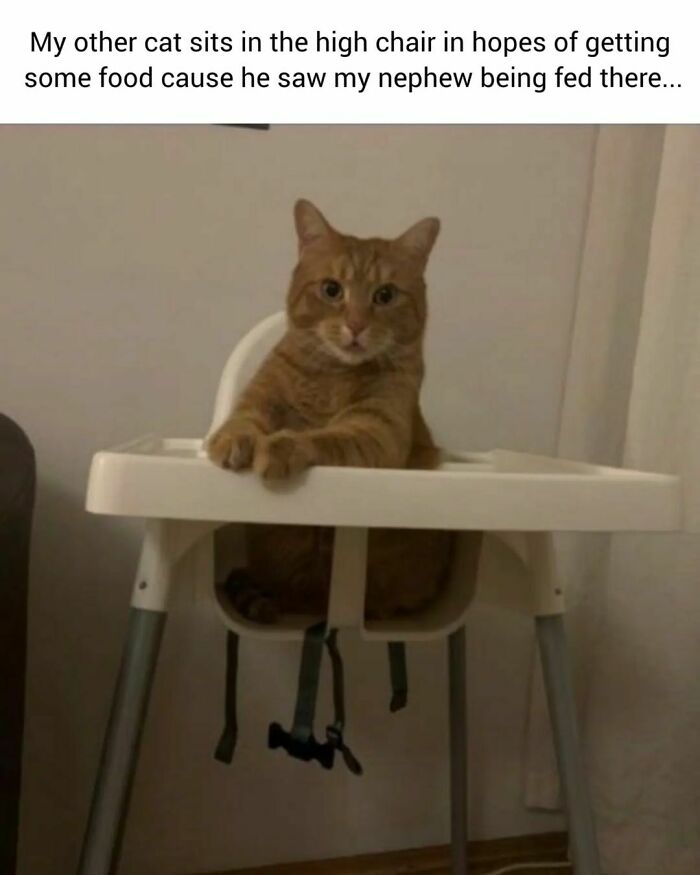
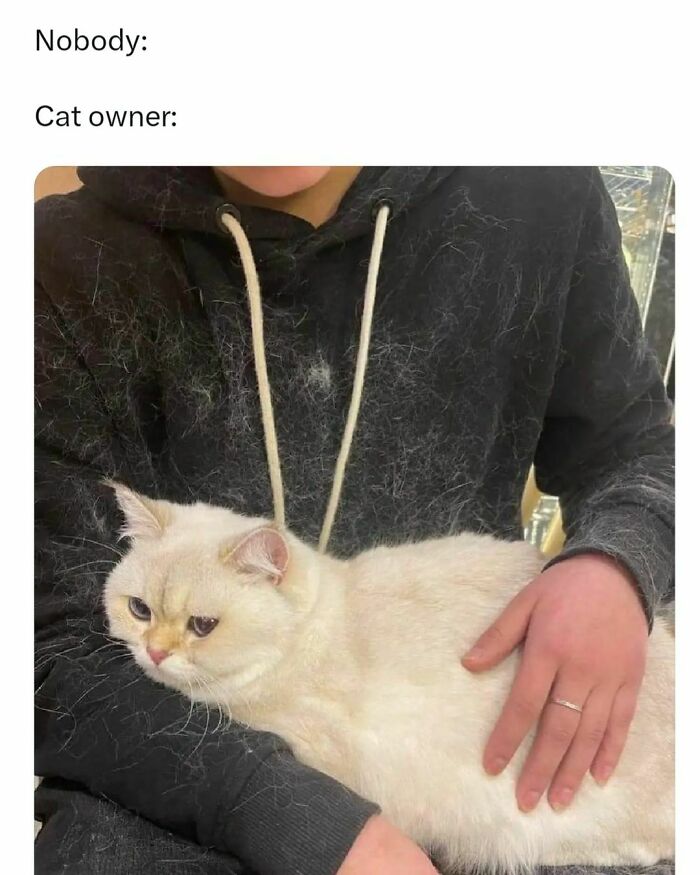
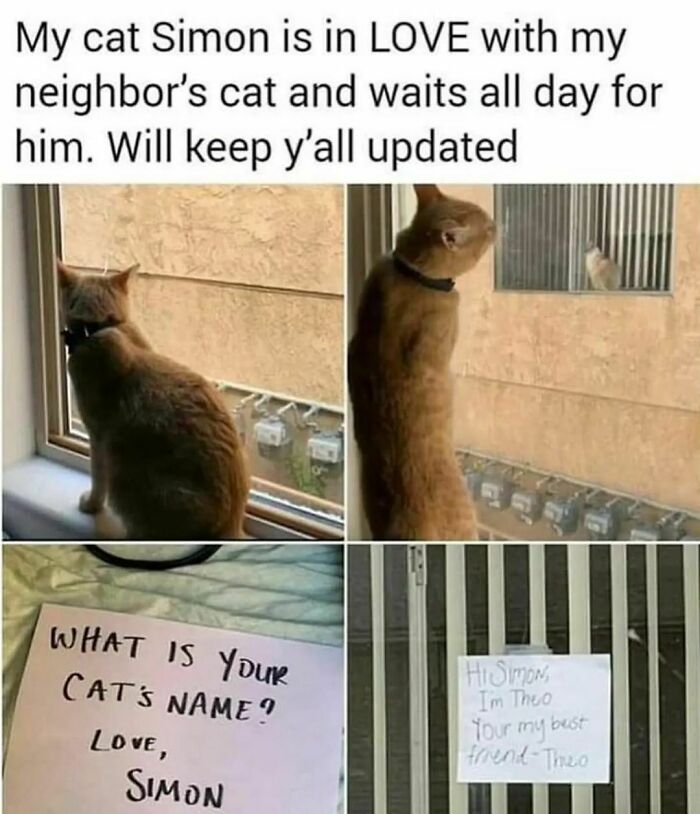
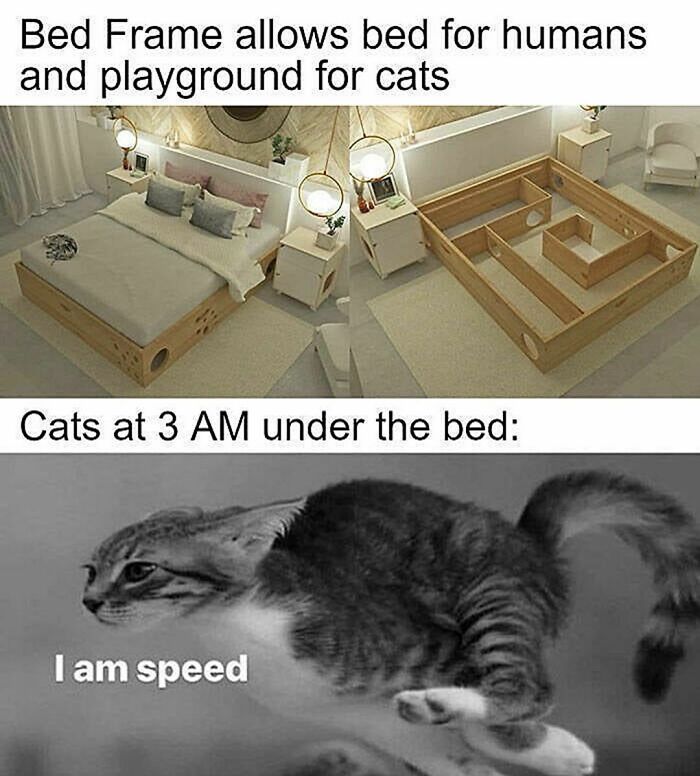
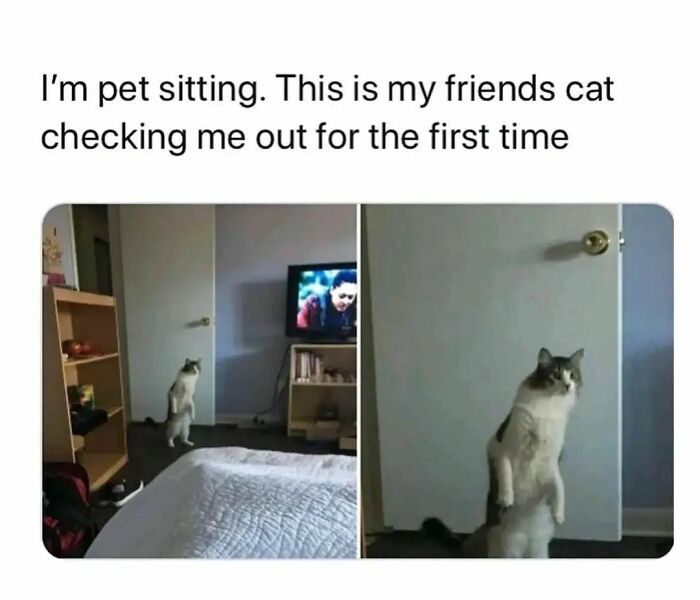
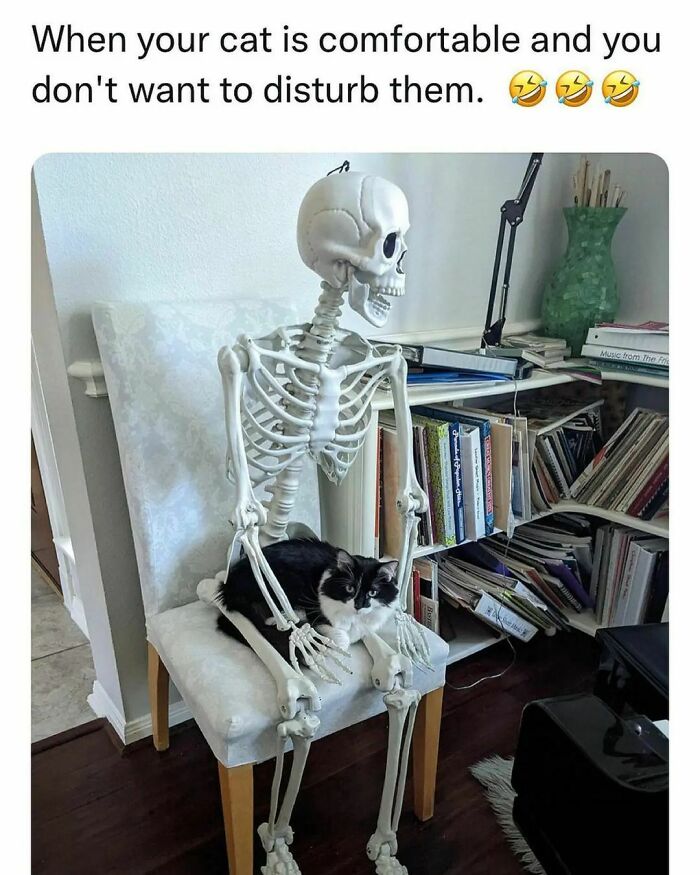
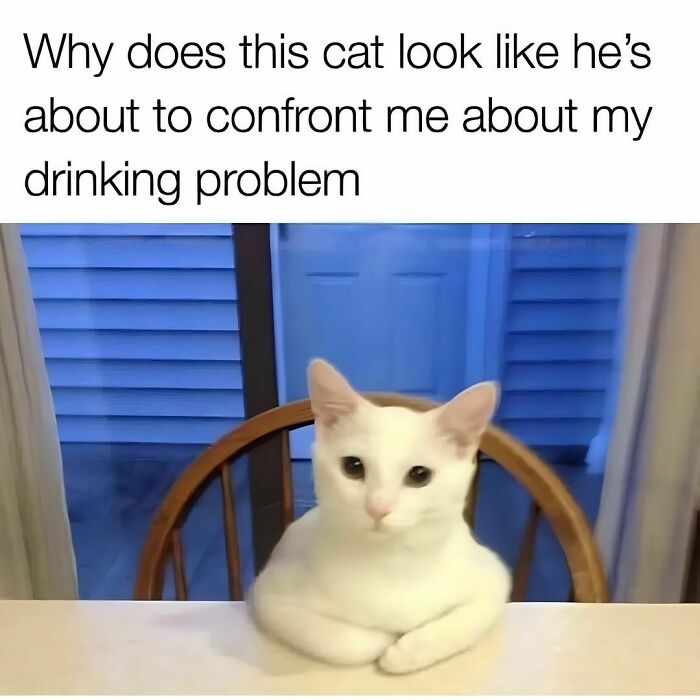
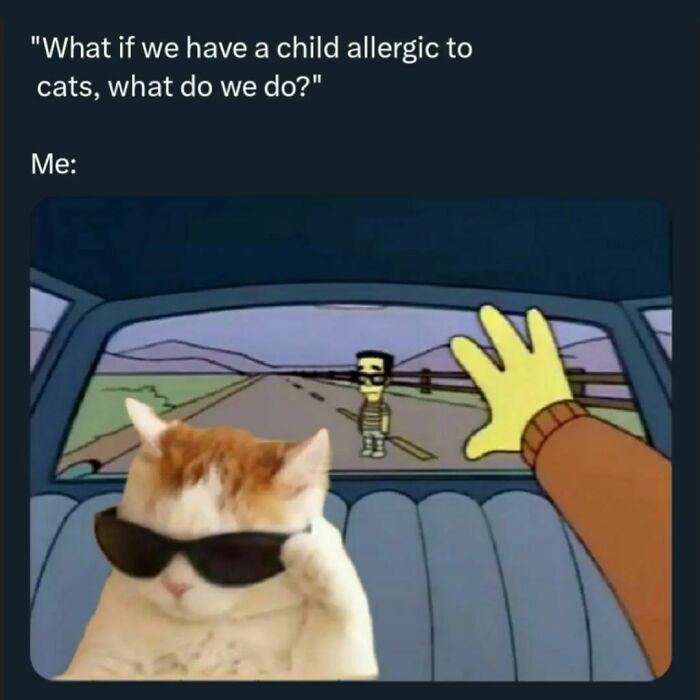
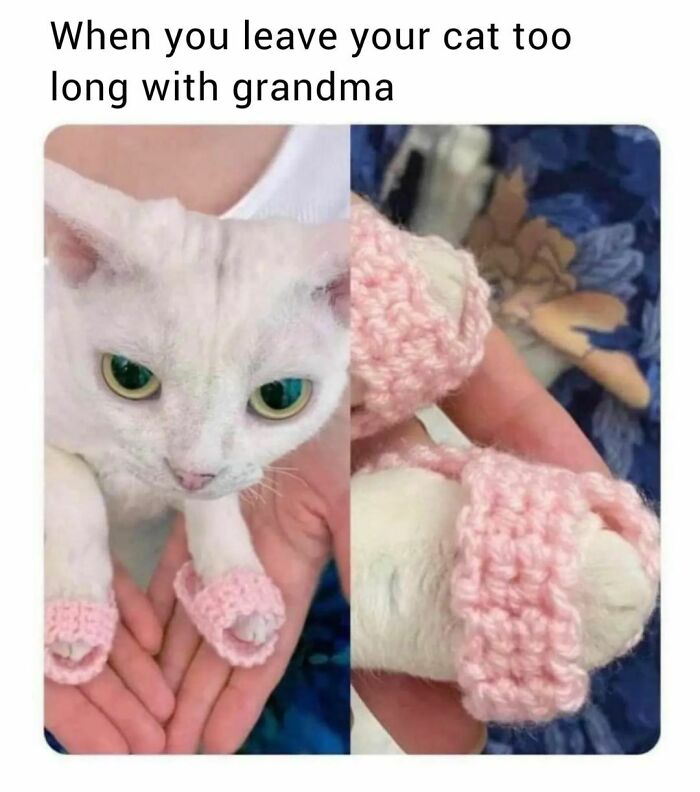
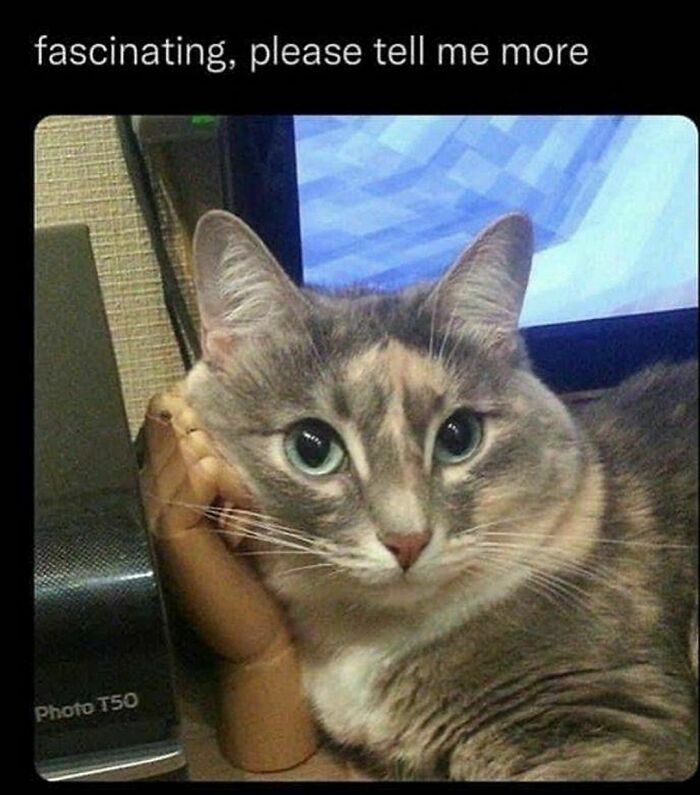
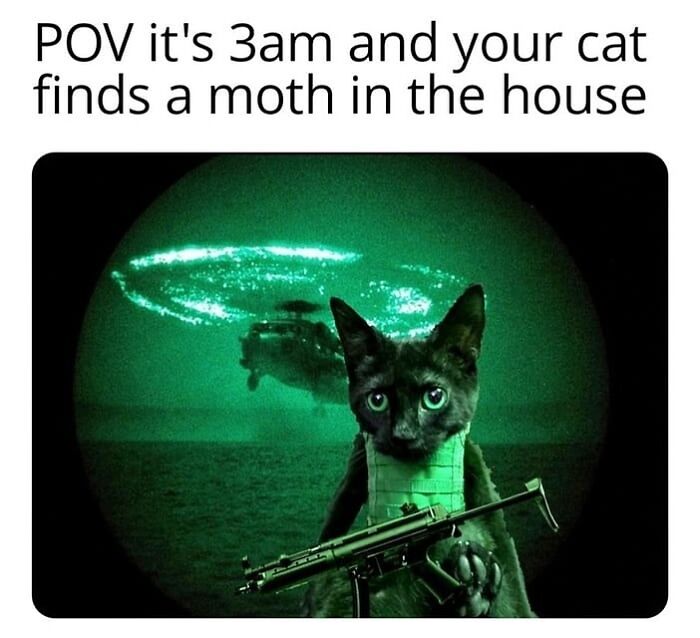
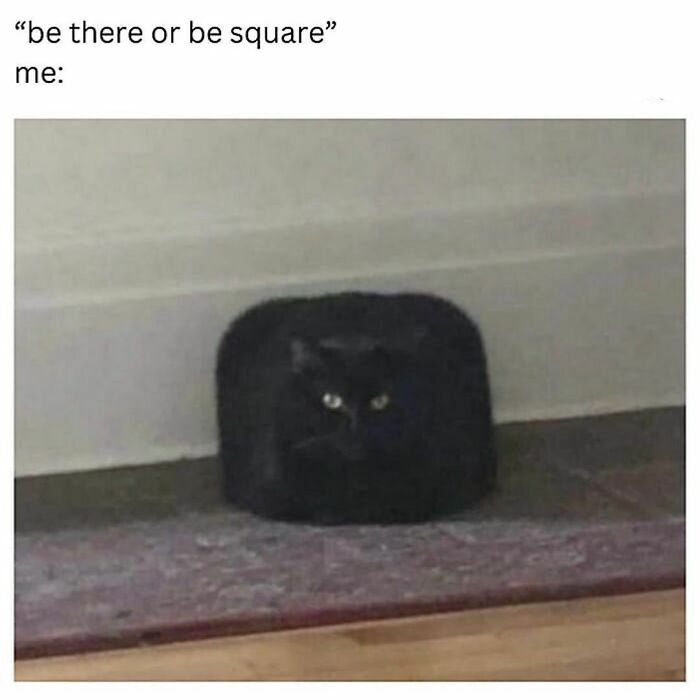
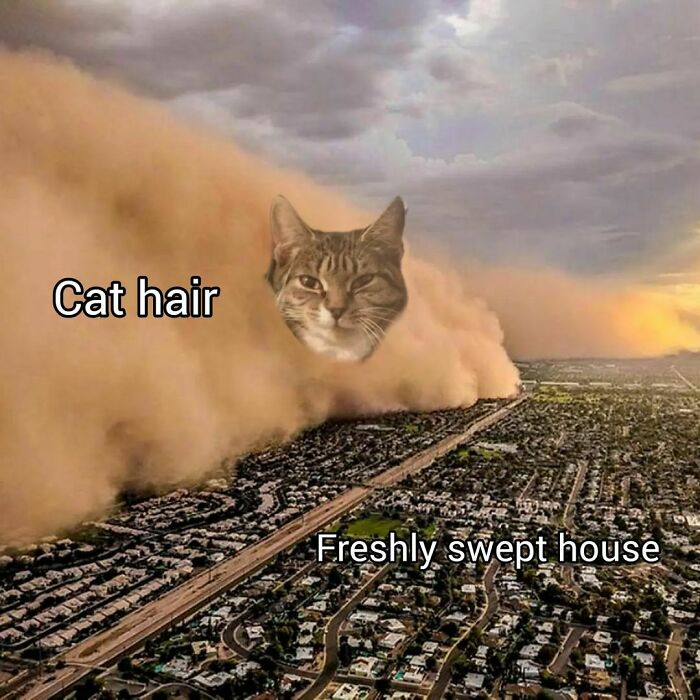
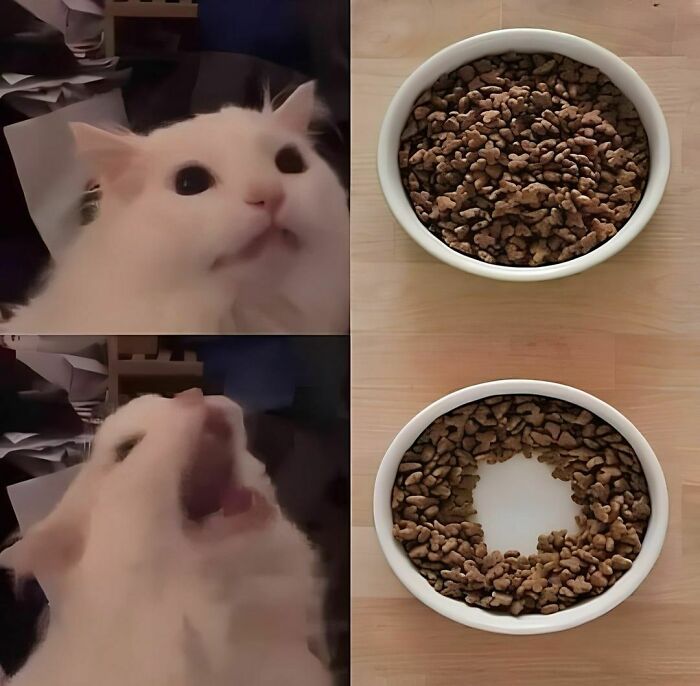
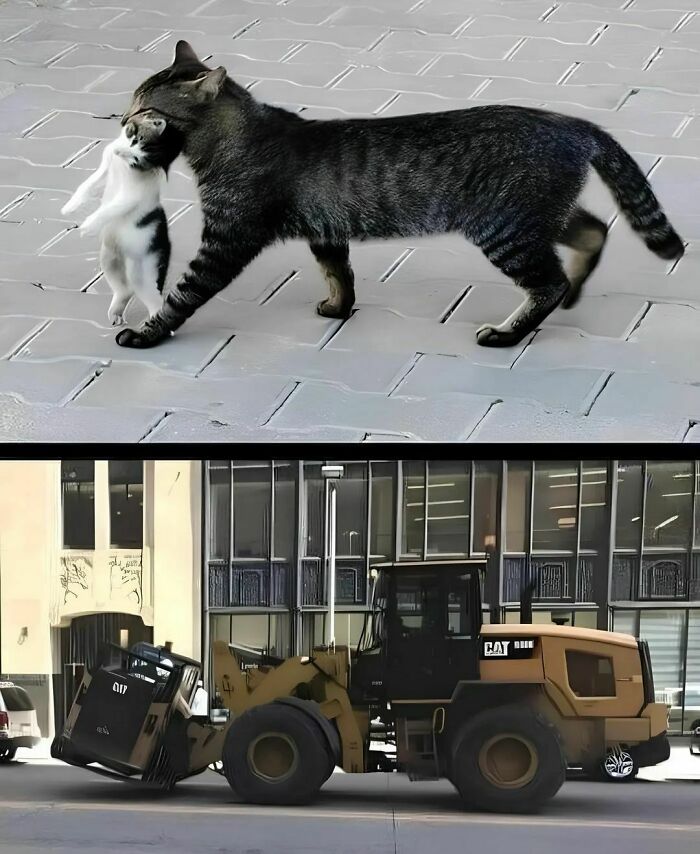
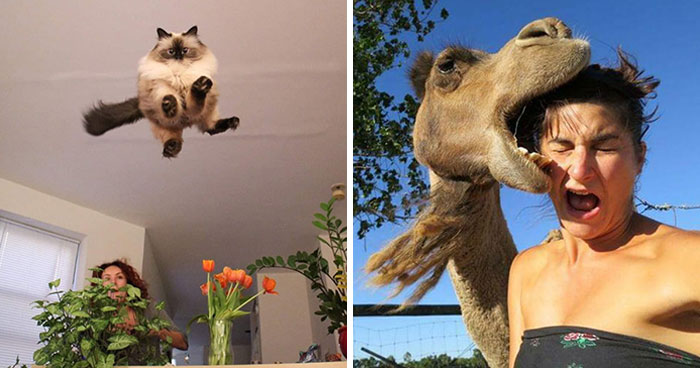
I could spend hours on my phone just looking at all the hilarious cat memes out there. If you do too, let’s make sure our feeds stay fresh, shall we? The Instagram page Catslix has memes to make you smile and help you bond with your feline friend.
Scroll down to check them out and don’t miss our chat with British cat behaviorist Alex Worth!
Click here & follow us for more lists, facts, and stories.
This post may include affiliate links.
Cats and memes are a match made in internet heaven. But while these creatures provide us with a non-stop supply of fun, their unpredictability often leaves us puzzled.
Alex Worth, certified feline behaviorist and a member of the International Society of Animal Professionals, believes that cats are often misunderstood. “One of the most challenging aspects is their independent nature and the difficulty in interpreting their subtle communication signals,” she told Bored Panda.
However, understanding what a cat is feeling becomes much simpler when you know what to look out for. To help others with this, Worth created a Facebook group.
The expert advises tuning into your pet’s overall demeanor, paying attention to both body language and the sounds they make. “A cat with a relaxed body posture, purring, and slow blinking is typically content,” she noted. On the other hand, flattened ears, hissing, and a tucked tail are signs of fear or aggression.
But keep in mind that cats can mask their discomfort, and studies show people often struggle to recognize it. To pick up on signs of pain, Worth suggests using the Feline Grimace Scale (FGS), a handy tool for checking on your cat’s well-being. If you notice increased tension around the muzzle, it could mean your kitty is feeling a bit off.
Changes in routine behavior sometimes get overlooked, the feline behaviorist points out. If your pet starts doing something unusual, it might just be a response to a source of stress. These could range from household changes to new animals, unfamiliar faces, rearranged furniture, or even the presence of mirrors.
“Providing a stable, calm environment is crucial,” Worth underscores. This means maintaining a consistent schedule, as well as feeding and playing with your cats at the same time each day.
If a cat is being aggressive, you need to figure out why. Is it because they’re scared, tired of petting, or playing too rough? Watch for known signs of aggressive behavior and avoid using physical punishment. Instead, focus on rewarding good behavior with treats.
Introducing a new cat to your home can be a triggering experience for your current pet. Take it slow and keep them in separate rooms at first so they can get used to each other’s smells.
Try using a clean sock and gently swipe it across the new cat’s nose to collect their pheromones. “Facial pheromones are the ‘friendly’ ones that cats deposit when they feel comfortable,” according to Alex Worth. Leave the sock in the other cat’s room to see how they react and repeat the process with the other cat.
“Fully introduce the cats in short, supervised sessions only after the previous steps have gone smoothly. Watch their body language for signs of stress and separate them if needed,” the behaviorist encourages.
Moreover, make sure the cats have multiple litter boxes, cat trees and food or water stations. Don’t rush them to be in the same space during feeding time. “Forcing them to eat close to each other, especially when they are just slowly getting to know each other, can make them feel vulnerable or create tension,” said Worth.
Lastly, Alex Worth reminds us that while it’s important to understand the behavior of cats, sometimes issues are not just psychological and could require medical attention. Taking a holistic approach keeps your kitty happy and healthy.
By learning more about your pets, you can become better at giving them the love and care they need. Maybe next time, you might even spot their feelings in memes!
You might also like: Funny candid animal photos that are impossible not to love

































 No fees, cancel anytime