Get Premium
Dark mode theme is available exclusively for premium users. Learn more about the benefits of subscribing.
No fees, cancel anytime.

 Dark Mode Ad-Free Browsing Unlimited Content
 Ad-Free Browsing Unlimited Content Dark Mode
Join 1.2 million Panda readers who get the best art, memes, and fun stories every week!
When you become a parent, staying alert to a child’s well-being can feel like second nature.
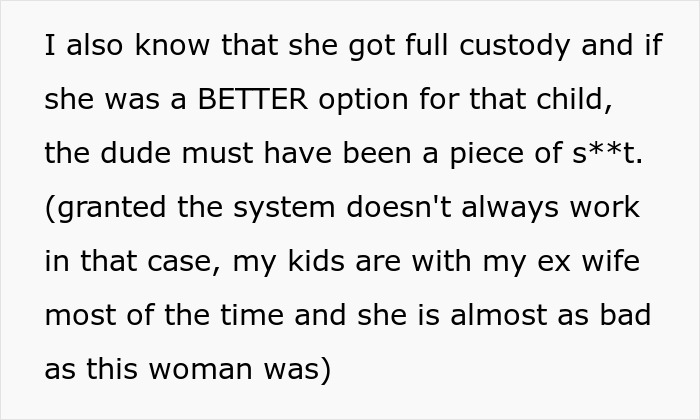
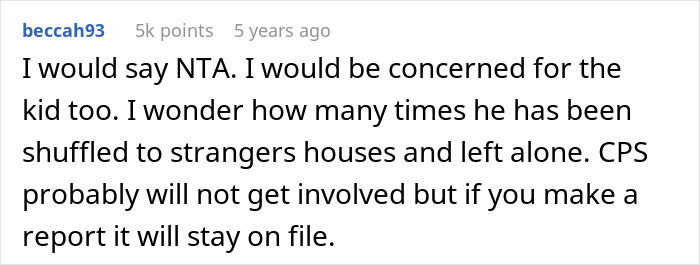
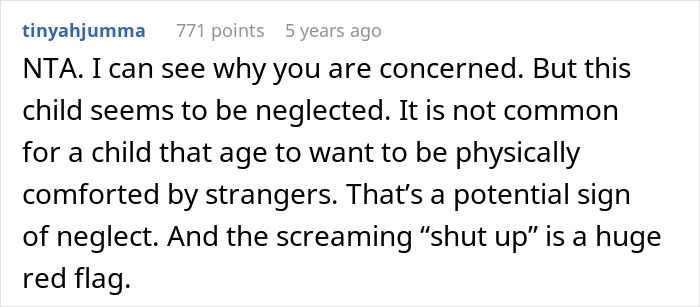
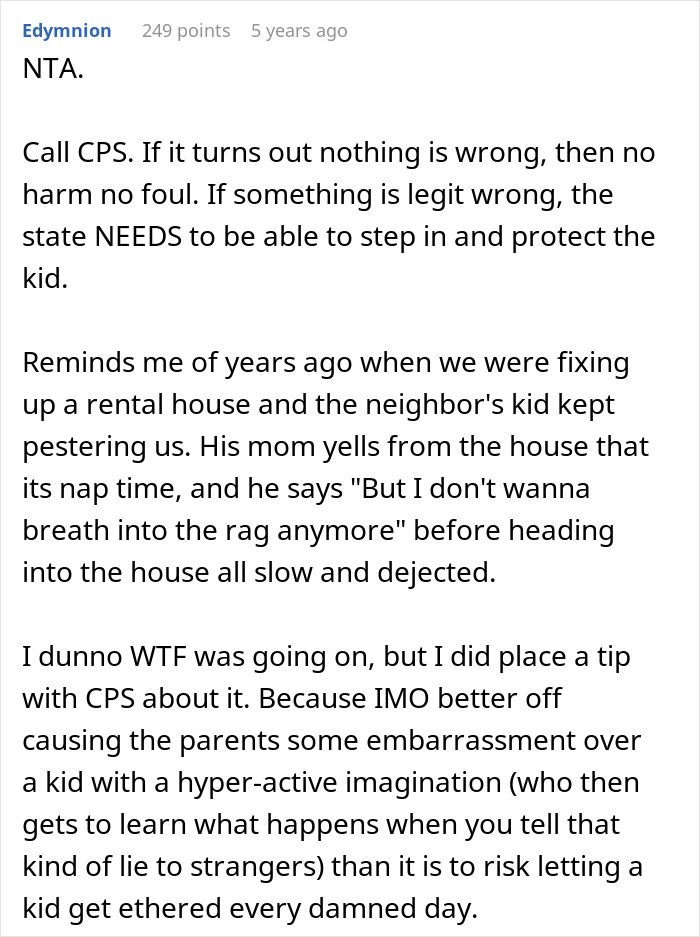
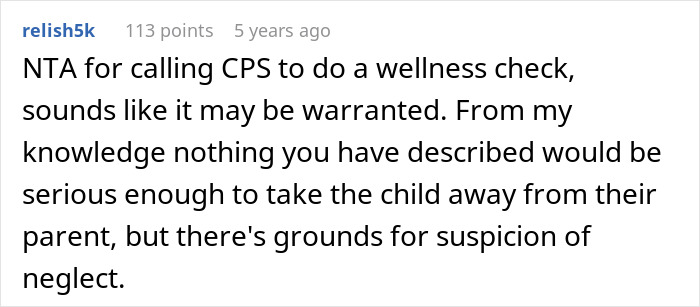
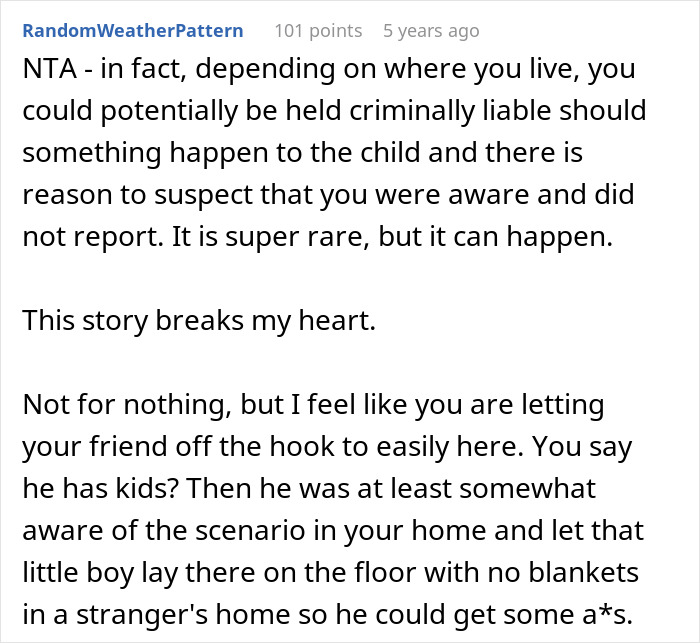
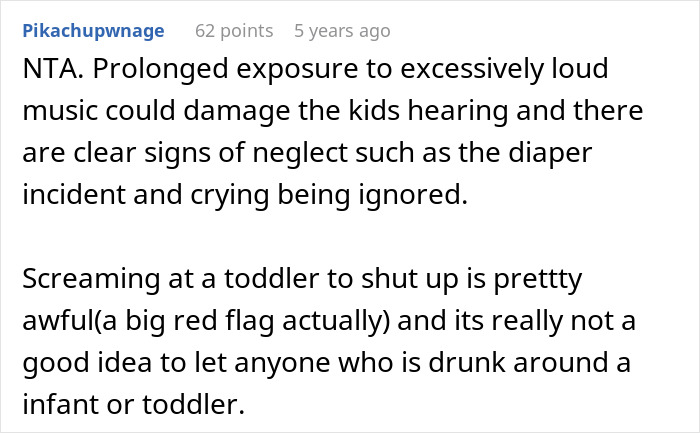
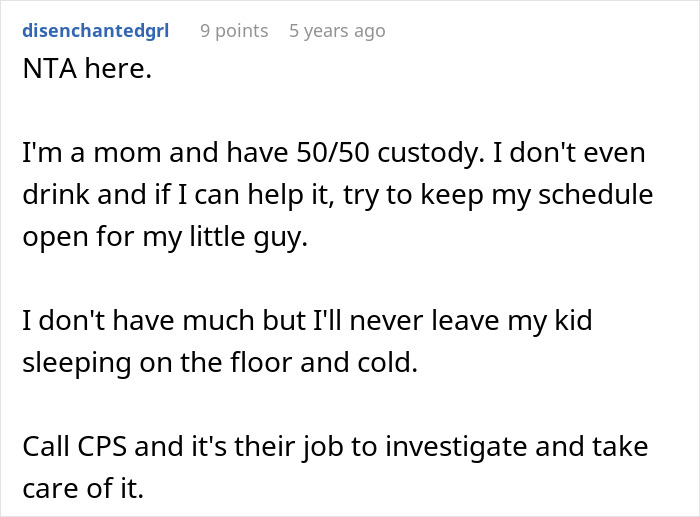
So when this Redditor saw how his roommate’s guest was treating her own toddler during a visit, he was stunned. As a dad himself, he couldn’t ignore the signs: the child was left crying for hours while the mother partied, eventually ending up curled on the floor in nothing but a diaper.
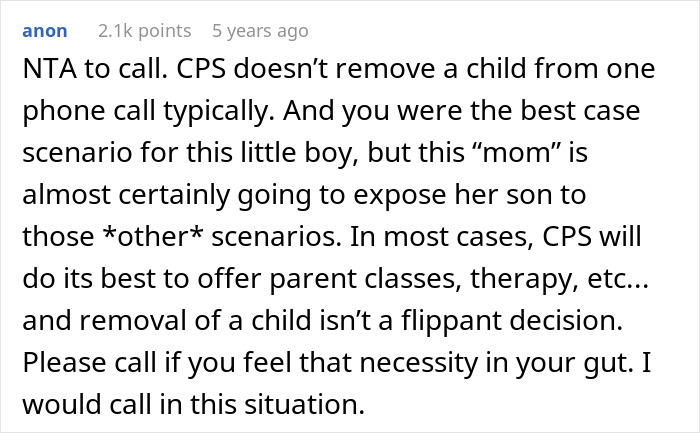
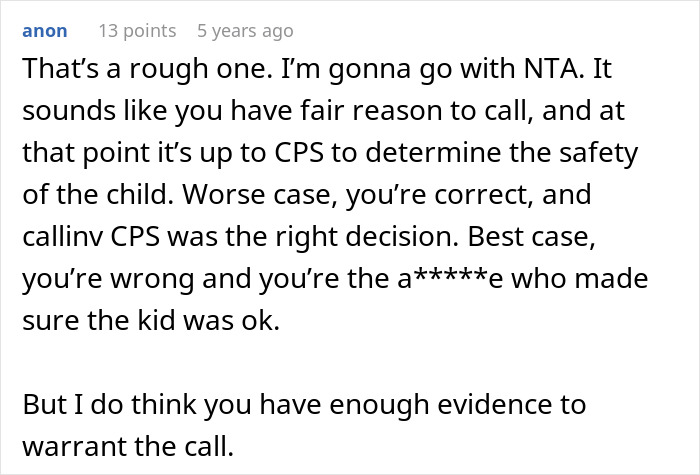
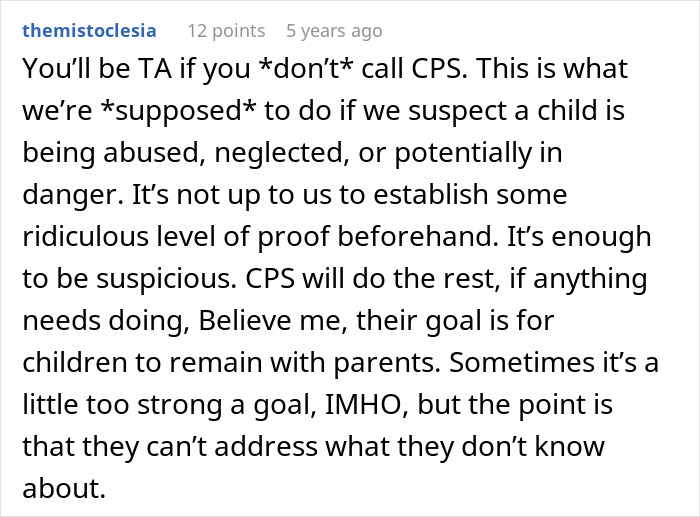
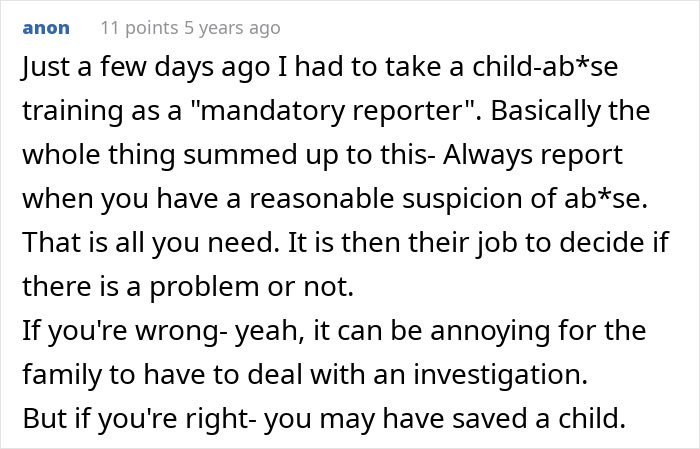
At one point, he stepped in to comfort the boy—but now he’s left wondering: does what he witnessed justify a call to CPS?
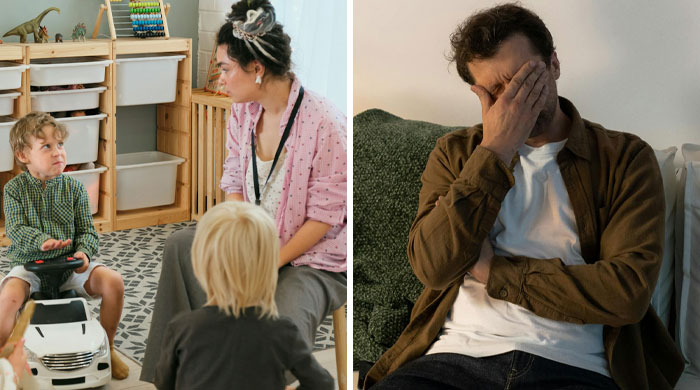
Image credits: Helena Lopes / unsplash (not the actual photo)
Image credits: Panagiotis Falcos / unsplash (not the actual photo)
Image credits: Callum Hill / unsplash (not the actual photo)
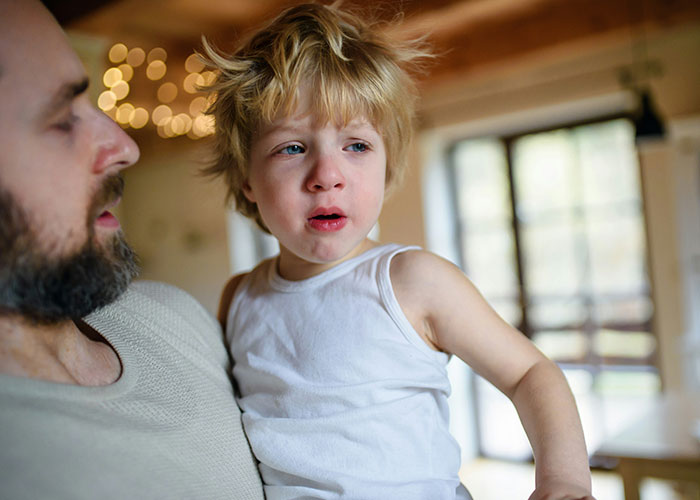
Image credits: Getty Images / unsplash (not the actual photo)
Image credits: anonymous
Image credits: Toa Heftiba / unsplash (not the actual photo)
Raising children is deeply rewarding, but it’s also incredibly demanding. It can take a serious toll on your physical and mental energy, sometimes to the point where you just want a moment to disappear. It’s a lot, and that’s completely valid.
But part of being a parent is showing up for your child, even when it’s hard. Caring for them, even when they’re upset, acting out, or having a tantrum, is not optional, it’s essential. As seen in the story above, choosing to ignore a distressed child can have serious consequences on their emotional and cognitive development.
Sometimes, parents fall back on advice they were given growing up: that kids are just being manipulative or “acting out” for attention, and the best response is to ignore the behavior until it stops.
But, as Sarah R. Moore, founder of Dandelion Seeds Positive Parenting and author of Peaceful Discipline, explains in an article for Motherly, that approach often backfires. Here’s why:
1. It sends the message that love is conditional
Just as it’s confusing and painful for an adult to receive the silent treatment from a partner, it’s even more disorienting for a child to be ignored by their parent.
What they learn is what they observe: “My trusted adult isn’t seeing me. I’ve disappeared from their world.” That perception can lead to deep feelings of isolation.
While ignoring a child might seem to “work” temporarily (the behavior may stop), it can come at a significant cost to the child’s sense of self-worth.
What to do instead: connect before you correct.
“A child often isn’t mentally capable of hearing instruction or correction when they’re acting out. The part of the brain that handles those types of conversations is essentially in the ‘off’ position until they can return to a calmer state,” says Moore.
That means the best thing you can do is stay present—emotionally and physically—until they’re ready. Once they’ve calmed down, you can gently talk about what happened, why it wasn’t okay, and then reconnect through a moment of play or shared activity.
2. It hinders brain development
Children aren’t born knowing how to explain what they’re feeling. Their brains are still developing, especially the prefrontal cortex, which handles rational thinking and emotional regulation.
As adults, when we’re overwhelmed or upset, we can usually communicate what we need. But kids don’t have that ability yet. So, when a child is struggling and we ignore them, they aren’t learning how to work through that moment. Instead, the distress builds. and studies show that ignoring negative behavior can actually make it worse, not better.
What to do instead:model emotional regulation.
Rather than meeting a child’s upset with our own, or leaving them to handle it alone, we can show them it’s okay to feel big emotions, and that there are safe ways to express them.
3. It overlooks the real need behind the behavior
Most experts agree: all behavior is communication. Even when a child expresses something in a way we don’t like, the underlying need doesn’t go away just because we ignore it.
Maybe they’re tired, hungry, overstimulated, or just feeling disconnected from us. Maybe we’ve been on our phones too much, or they need a quiet moment and don’t know how to ask for it. Sometimes, even they don’t know why they’re upset, but they still look to us to help them sort it out.
What to do instead: look for the need, not just the behavior.
Take a moment to run through a quick checklist:
Understanding the why behind the behavior can lead to calmer, more compassionate parenting, and fewer meltdowns in the long run.
“We know our kids best. With that knowledge (and our love), we can reframe attention-seeking behavior from having a negative connotation to a developmental expectation that we have of our children,” says Moore. “Of course they need our attention. They’re children. What they want more than anything is to rely on our acceptance, our unconditional love and our consistent emotional presence.”
Image credits: Getty Images / unsplash (not the actual photo)

By entering your email and clicking Subscribe, you're agreeing to let us send you customized marketing messages about us and our advertising partners. You are also agreeing to our Privacy Policy.
Thank you! You've successfully subscribed to newsletters!



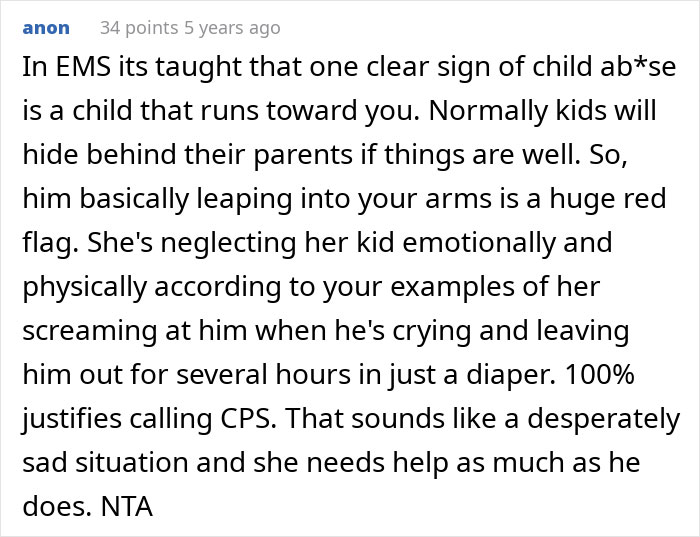
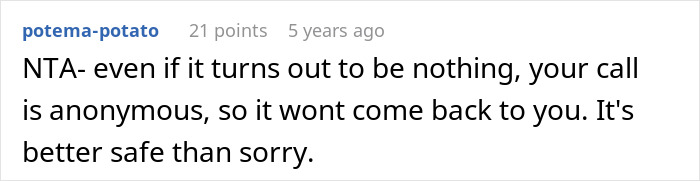
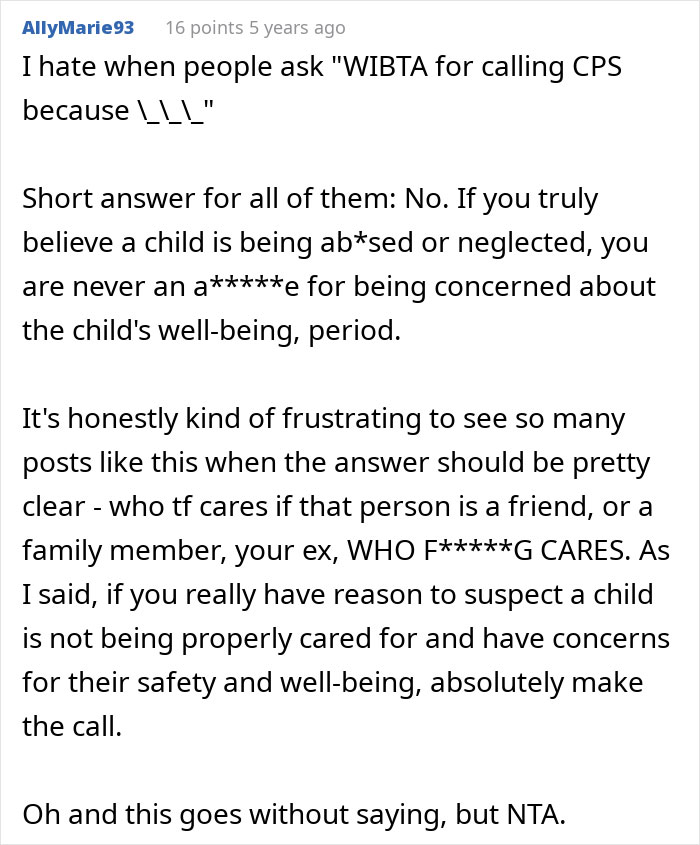
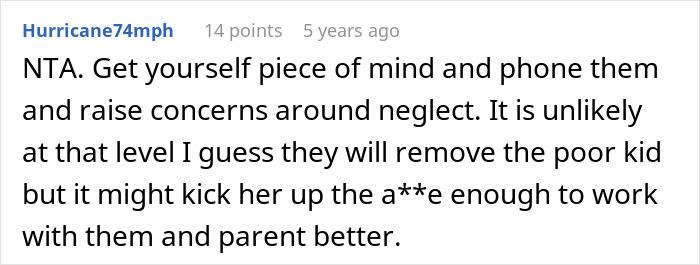
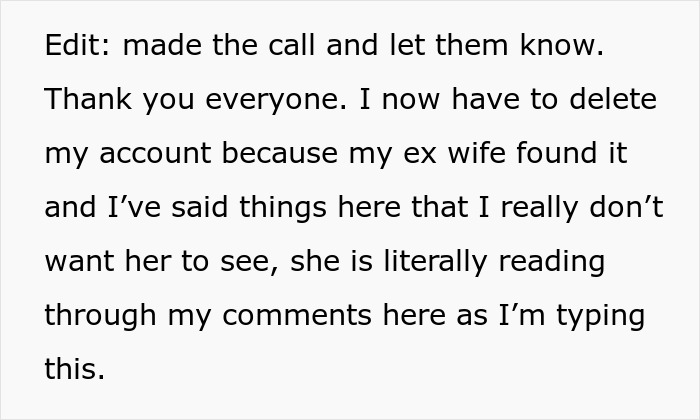
Poor child. If,that child gets neglected now, when he grows up, he will feel like he won't be ever to be loved. Glad OP decided to call CPS.

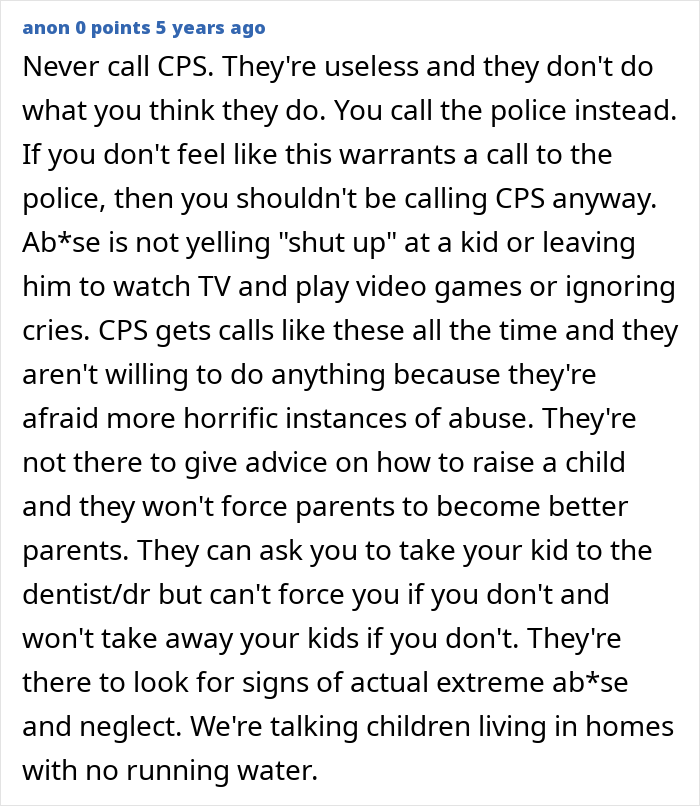
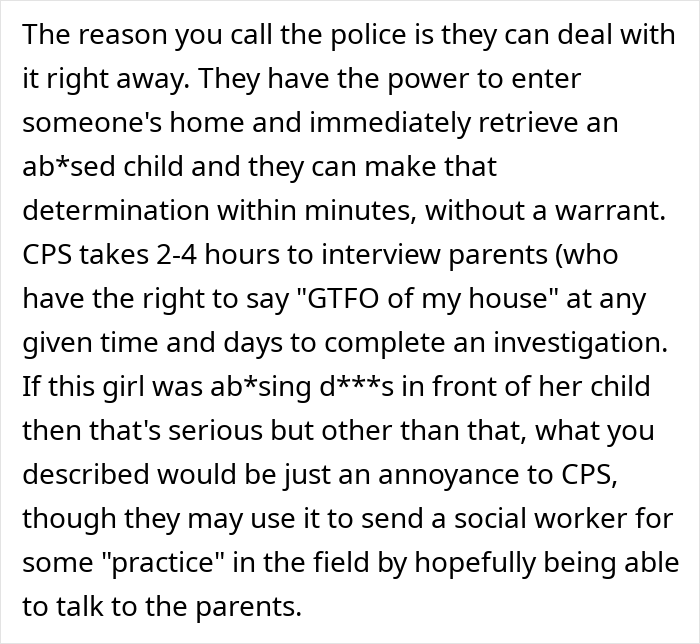
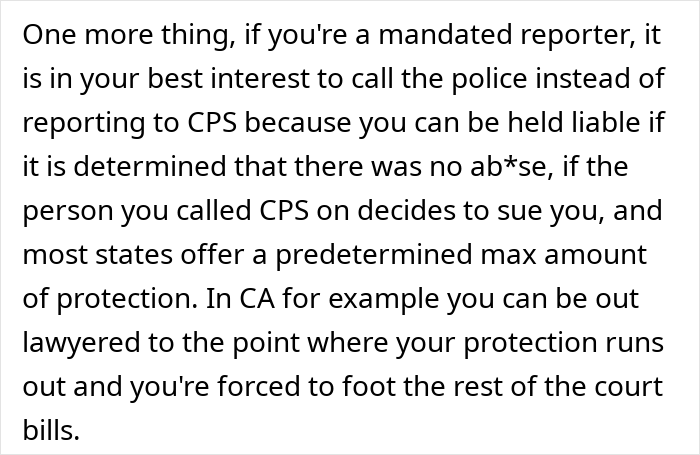
that anon zero points feels like a debate trap but gosh aren't they stupid and have no idea on how the system works. but just in case people seriously don't know what theyre about: you arent held liable for false reports because that would stop people from reporting at all. its always best to report and realise you were wrong than not report at all. they will just bin the case and move on like?? cps is also there to help guide parents and act as support if they realise theres no abuse happening, but rather it being a clueless parent who might be overwhelmed. cps do a lot of things, removing children from unstable homes is just one of them. also they can in fact step into someone's home if abuse is suspected of a higher degree. they would want to have a look around and should be talking to both parent and child about the situation. sometimes they give a heads up with a time and day, other times they could show up unannounced to fully scope the situation. cps can be useless, however
Poor child. If,that child gets neglected now, when he grows up, he will feel like he won't be ever to be loved. Glad OP decided to call CPS.
that anon zero points feels like a debate trap but gosh aren't they stupid and have no idea on how the system works. but just in case people seriously don't know what theyre about: you arent held liable for false reports because that would stop people from reporting at all. its always best to report and realise you were wrong than not report at all. they will just bin the case and move on like?? cps is also there to help guide parents and act as support if they realise theres no abuse happening, but rather it being a clueless parent who might be overwhelmed. cps do a lot of things, removing children from unstable homes is just one of them. also they can in fact step into someone's home if abuse is suspected of a higher degree. they would want to have a look around and should be talking to both parent and child about the situation. sometimes they give a heads up with a time and day, other times they could show up unannounced to fully scope the situation. cps can be useless, however




























 No fees, cancel anytime

















44
13