Brutalism is an architectural style that prioritizes bare building materials and structural elements over decorative design. It is generally associated with rough, unfinished surfaces, unusual shapes, and just an overall heavy look.
Originating in the 1950s and 1960s, brutalist buildings were popular in public housing projects, government buildings, and universities. Despite criticism for its rough appearance and perceived coldness, the style has gained a big following in recent years, and the Instagram account BRUTgroup is an excellent illustration of that.
Sharing pictures of brutalist aesthetics, it has garnered a following of 445K people (one of whom is a brilliant Polish composer, Hania Rani, who has a beautiful Instagram account of her own), and the number just keeps climbing. Continue scrolling to check out some of the account's most-liked uploads and see for yourself that structures can elicit strong emotions. Whether it's love or hate.
More info: Instagram
Click here & follow us for more lists, facts, and stories.
This post may include affiliate links.
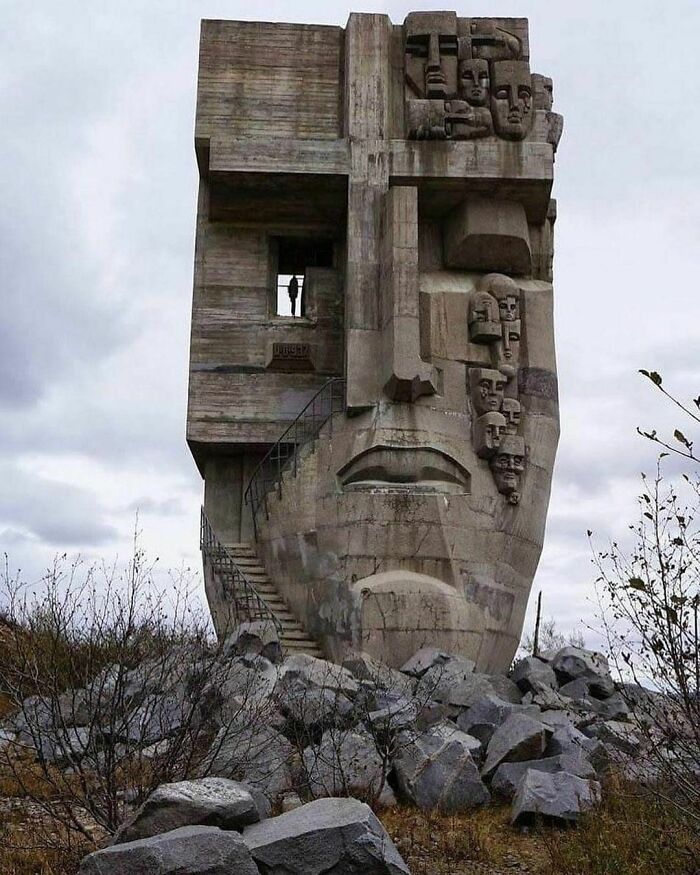
Mask Of Sorrow (1996, Dedicated To The Memory For The Prisoners Of Gulag) Magadan, Russia Sculptor : Ernst Neizvestny
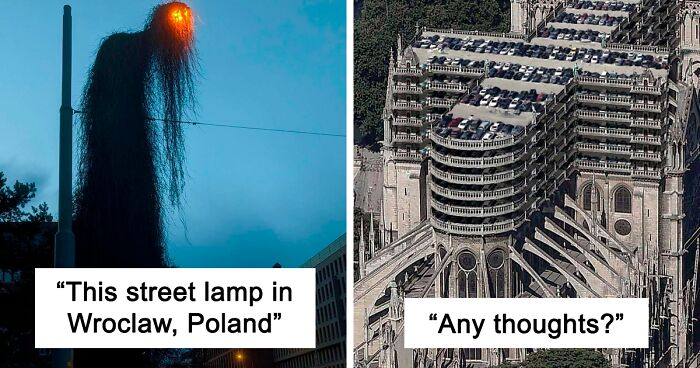
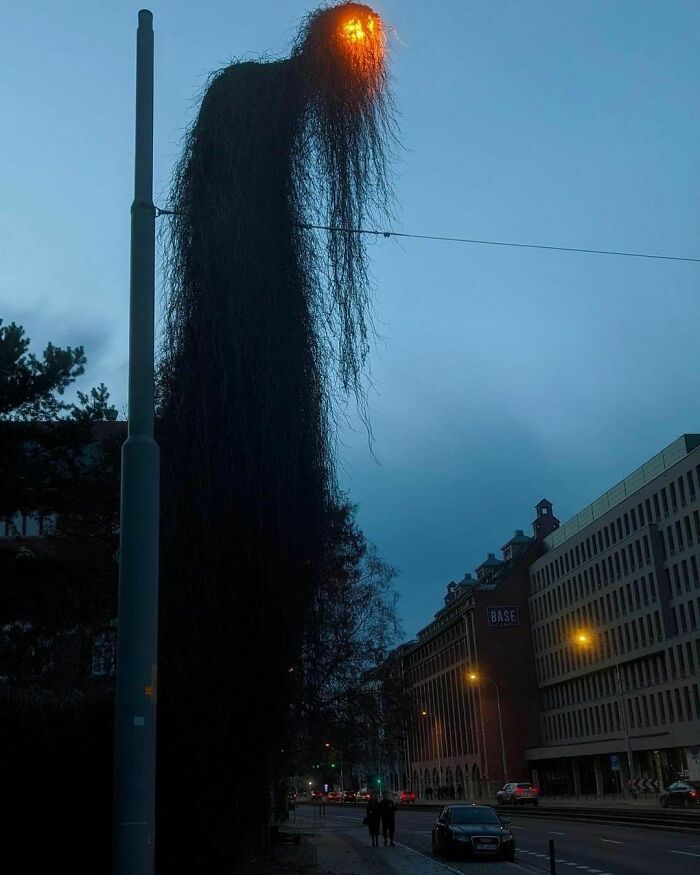
This Street Lamp In Wroclaw, Poland
Descending from modernism, Brutalism is said to be a reaction against the nostalgia of the 1940s. Derived from the Swedish phrase nybrutalism, the term "New Brutalism" was first used by British architects Alison and Peter Smithson for their pioneering approach to design.
The style was further popularized in a 1955 essay by architectural critic Reyner Banham, who associated the movement with the French phrases beton brut ("raw concrete") and art brut ("raw art").
The style was partly foreshadowed by the modernist work of other architects such as French-Swiss Le Corbusier, Estonian-American Louis Kahn, German-American Mies van der Rohe, and Finnish Alvar Aalto.
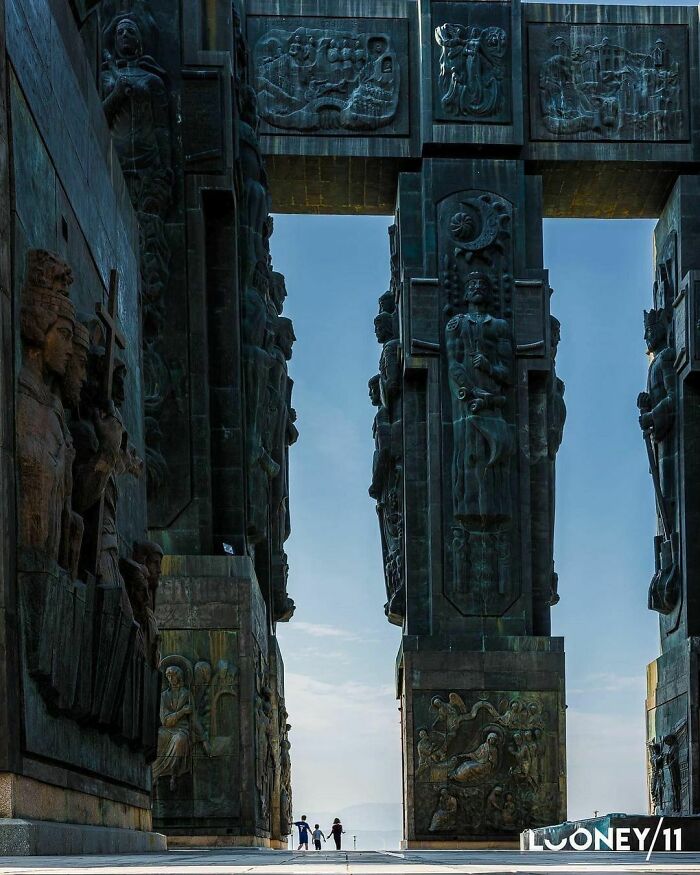
Chronicles Of Georgia, Tbilisi
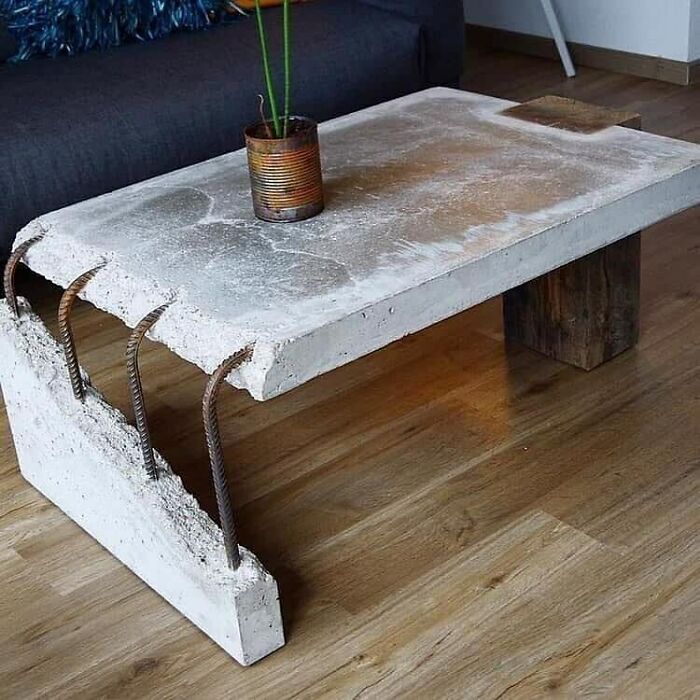
Table. Author Stephan Schmitz
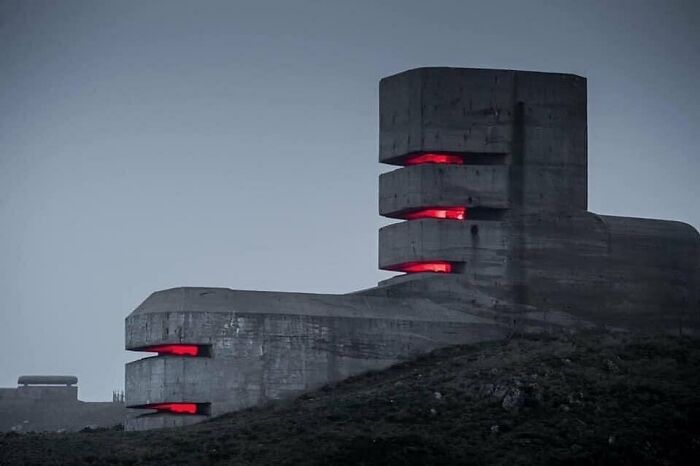
Ww2 German Observation Tower On Guernsey Island
Given the style's European roots, it's no surprise that many of the structures that appear on this Instagram account are from that continent.
One of Brutalism’s most famous critics is King Charles III of England, whose speeches and writings on architecture have criticized Brutalism, calling many of the structures "piles of concrete" and likening them to "a monstrous carbuncle."
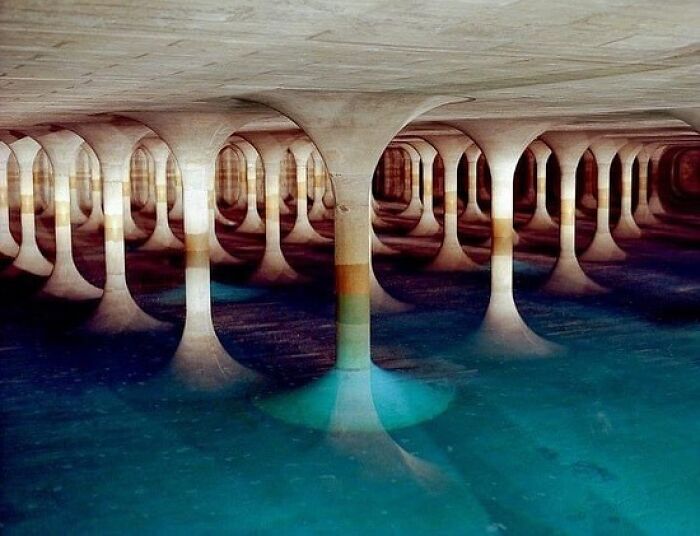
One Of Two Twin Underground Reservoirs In Forstenried Park Holding The Drinking Water For Munich, Germany
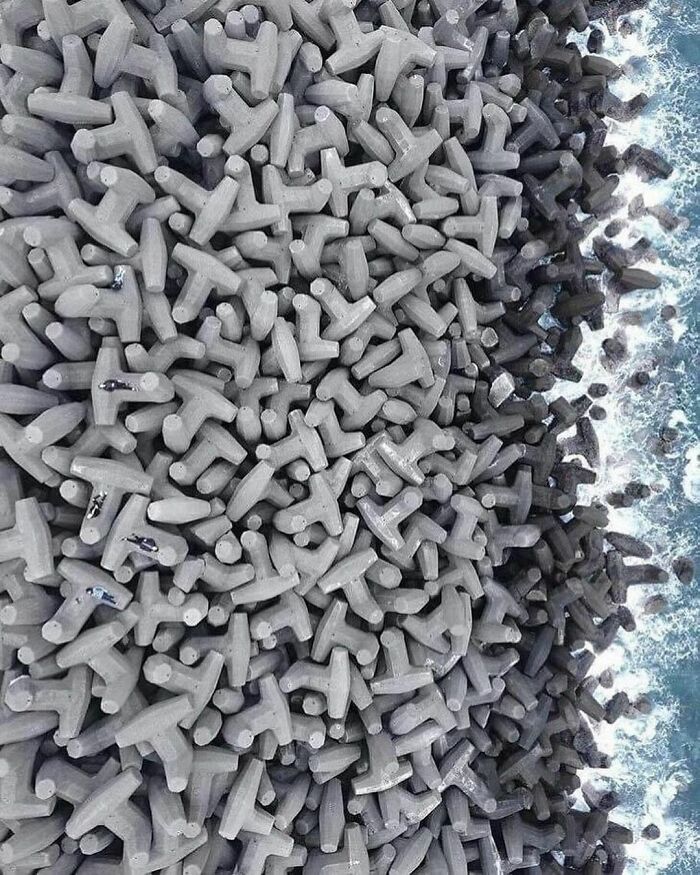
High Island Reservoir East Dam, Sai Kung East Country Park, Sai Kung, Hong Kong
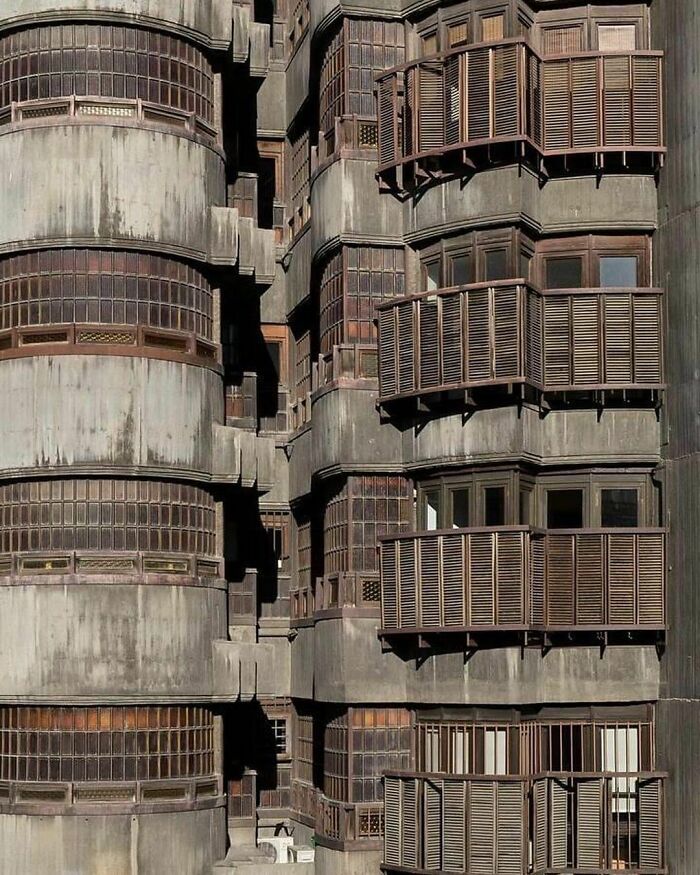
Torres Blancas In Madrid. Photo By Gregor Pieplow
And his arguments were valid. Brutalism's functionality made it the perfect fit for cash-strapped post-war Europe, seeking to rebuild urban centers for growing populations. It became the go-to choice for many low-cost housing projects and, as a result, in Western Europe, Brutalism became a symbol of poverty. In Eastern Europe this was compounded; elision between projects and the governments that commissioned them often precluded appreciation of Brutalism's merits.
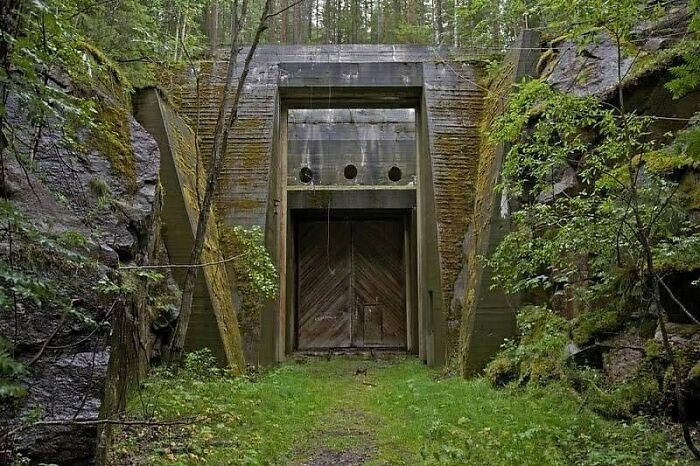
Backup Power Station, Sweden
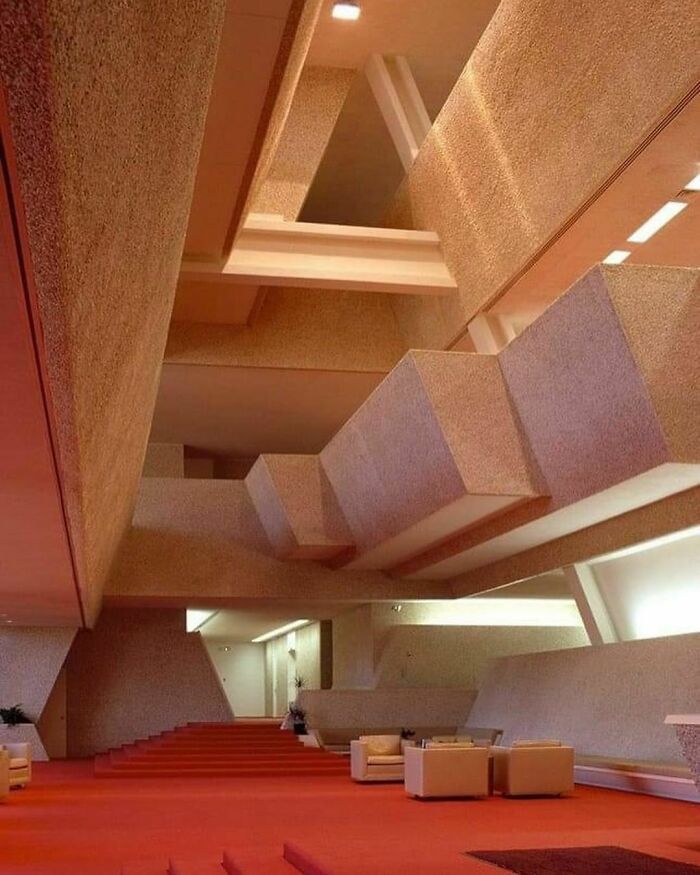
Burroughs Wellcome Building, Paul Rudolph Architect Research Triangle Park, North Carolina, USA, 1972
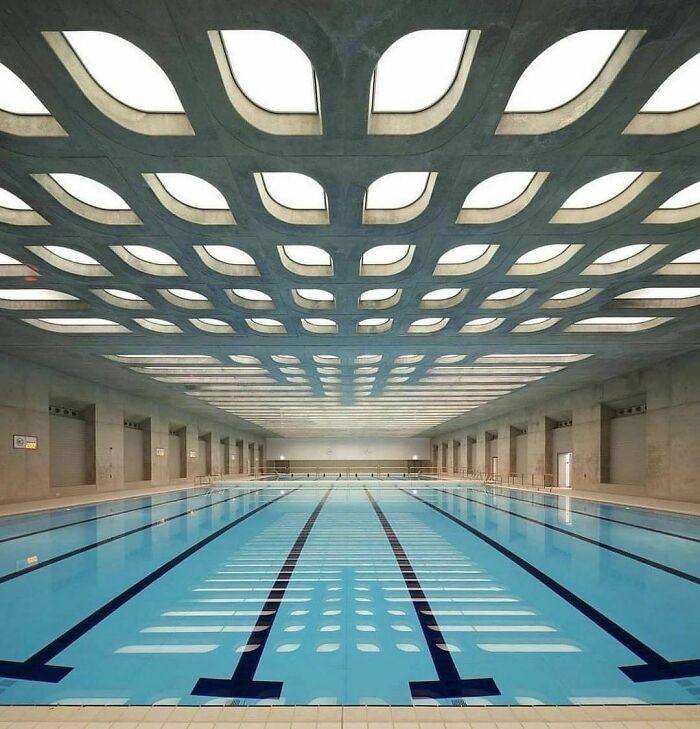
London Aquatics Centre, 2014
Glencairn Tower, Motherwell, Scotland Photo By Les Shafer
"A lot of post-war developments were really badly designed and badly maintained housing estates," Peter Chadwick, the author of This Brutal World told CNN.
"Flats, many stories up, don't have direct access to outside space, so the 'outside' is on the ground level. There's these negative, redundant spaces around the building, which prompts anti-social behavior. Brutalism has suffered because of this."
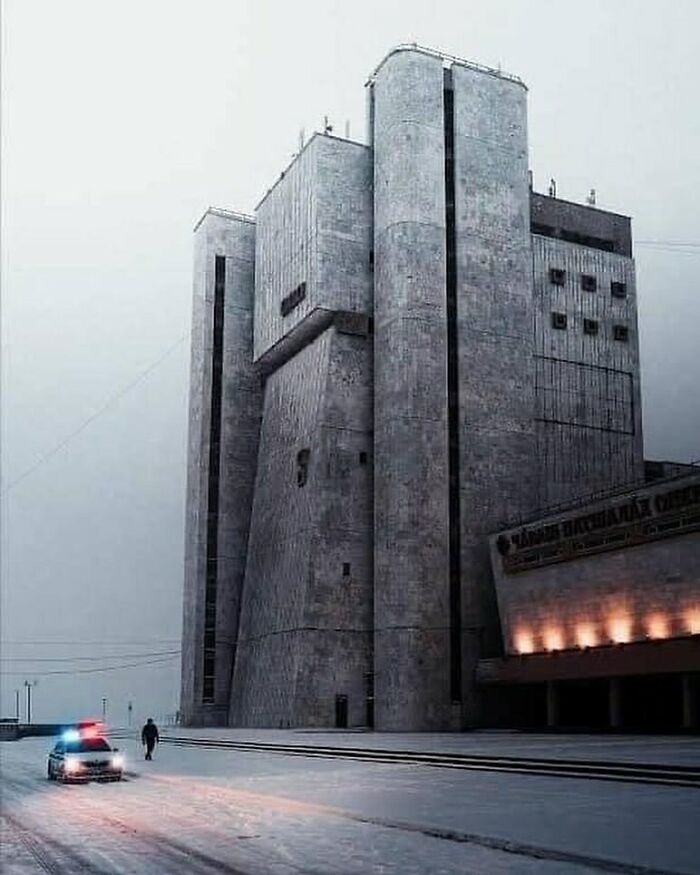
Chuvash State Opera And Ballet Center, Chuvash Republic
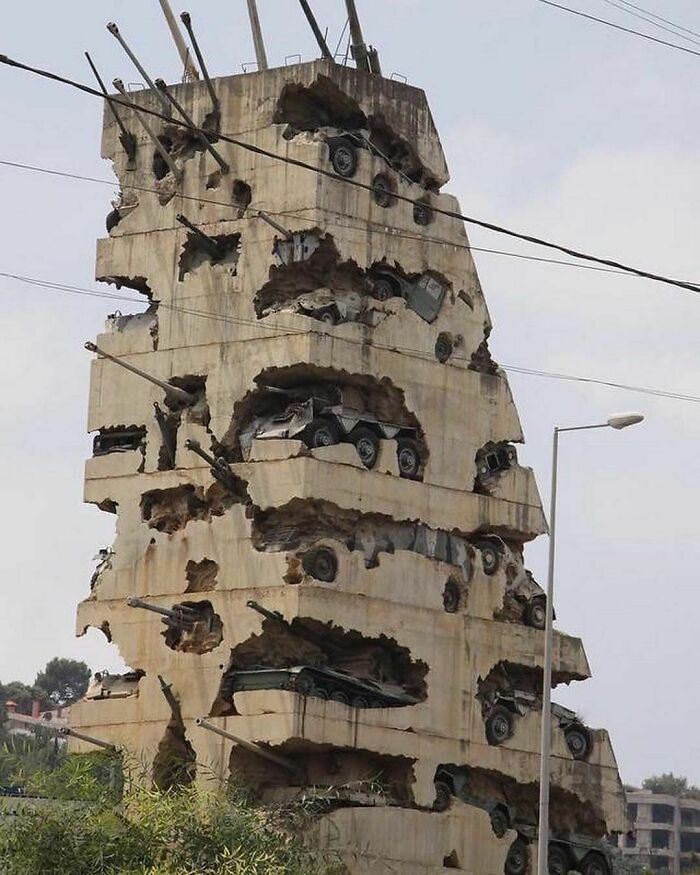
1994. The Hope For Peace (Espoir De Paix) Monument Is A Monument In Yarze, Lebanon
Made to celebrate the end of the Lebanese Civil War in 1990. It was designed by the artist Armand Fernandez
Art Work: Martin Loureiro
Beirut. Photo By Serge Najjar
Although the Brutalist movement was largely over by the late 1970s and early 1980s, it has experienced a resurgence of interest since about 2015.
Many of the defining aspects of the style have been softened in newer buildings, with concrete façades often being sandblasted to create a stone-like surface, covered in stucco, or composed of patterned, pre-cast elements. These features are also found in renovations of older Brutalist buildings, such as the redevelopment of Sheffield’s Park Hill in South Yorkshire, England.
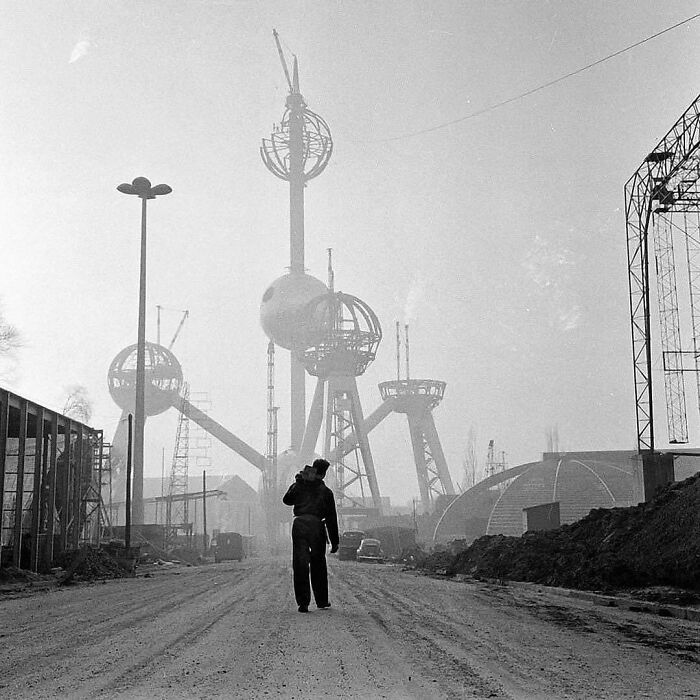
Construction Of The Atomium, The Belgian Pavilion For The World Expo 58 In Brussels, Belgium, 1957. Photo By Dolf Kruger
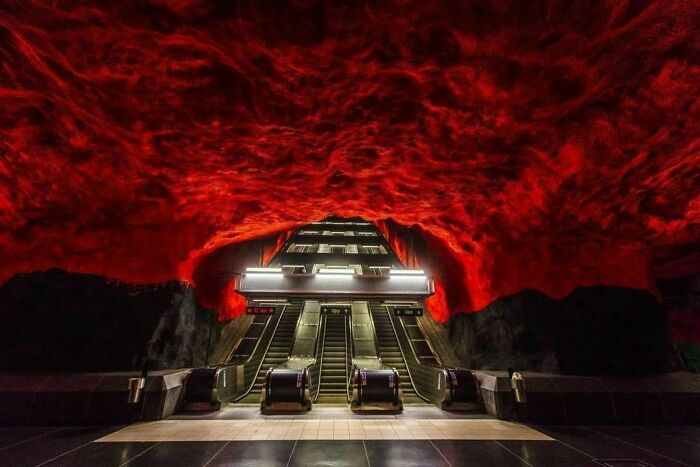
Solna Centrum Station, Stockholm, Sweden
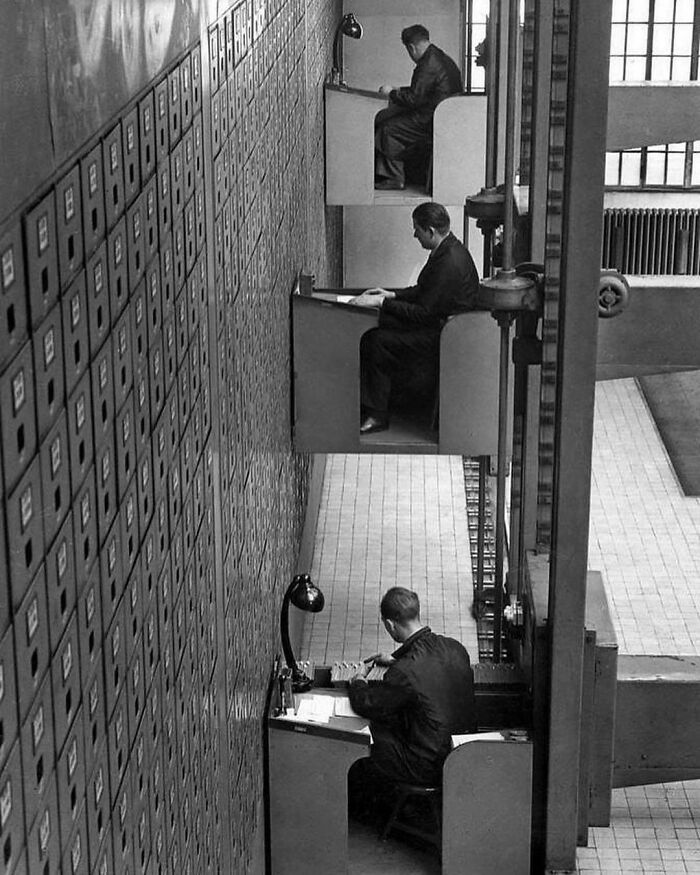
Offices Of The Central Social Institution, Prague, Czechoslovakia - Ca.1937
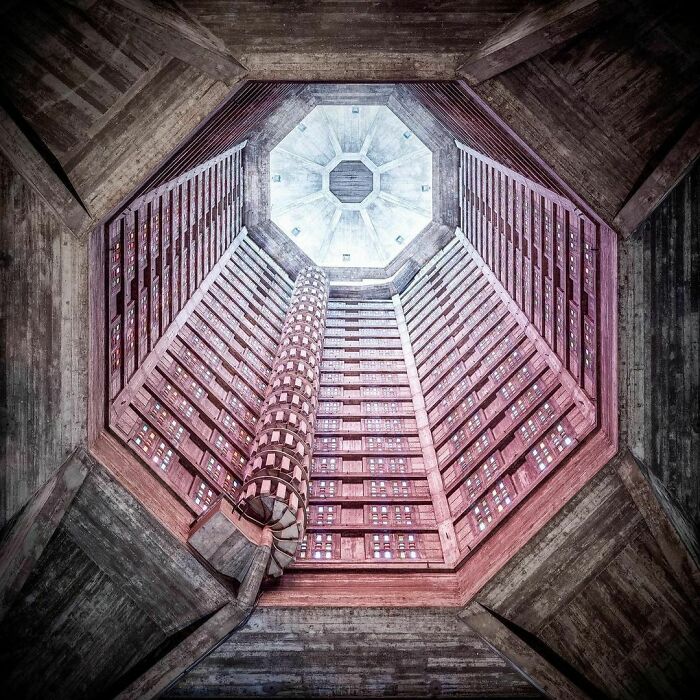
This Is The View Looking Up To A Spiralling Staircase, Seen Inside The Main Tower Of A Church In France. Building: St. Joseph's Church
Location: Le Havre, France Architect: Auguste Perret
However, its future remains cloudy. "Unfortunately it's a lot more expensive to preserve the buildings than to knock them down and build something else in their place," Chadwick explained.
"[Brutalism] is definitely having its moment, which is great. I just hope it continues, the interest and the preservation of buildings, before we lose any more."
Climbing Holidays, 2017
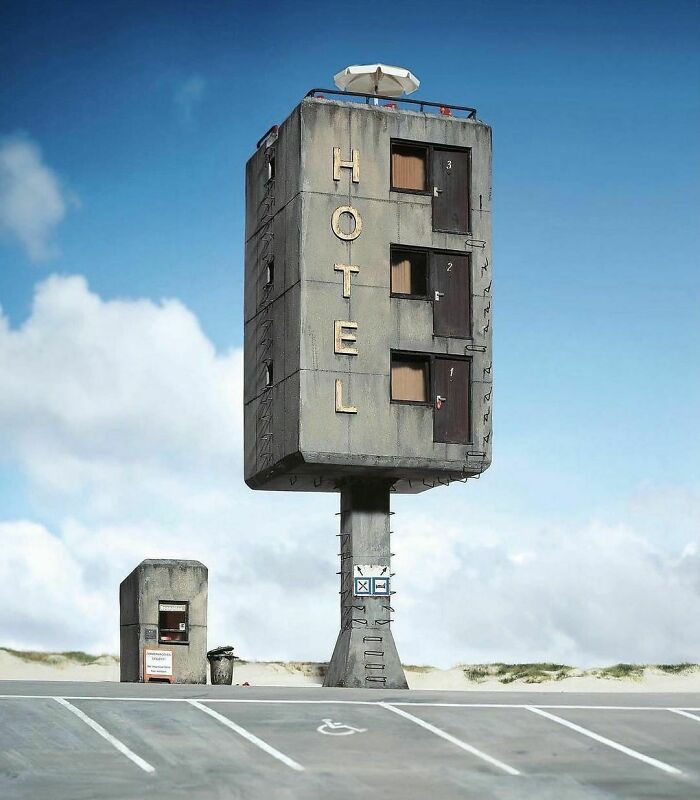
This model of a hotel on stilts brings to mind Tatzu Nishi’s suspended spaces, in which rooms, and even functioning hotels, are installed around historical public monuments

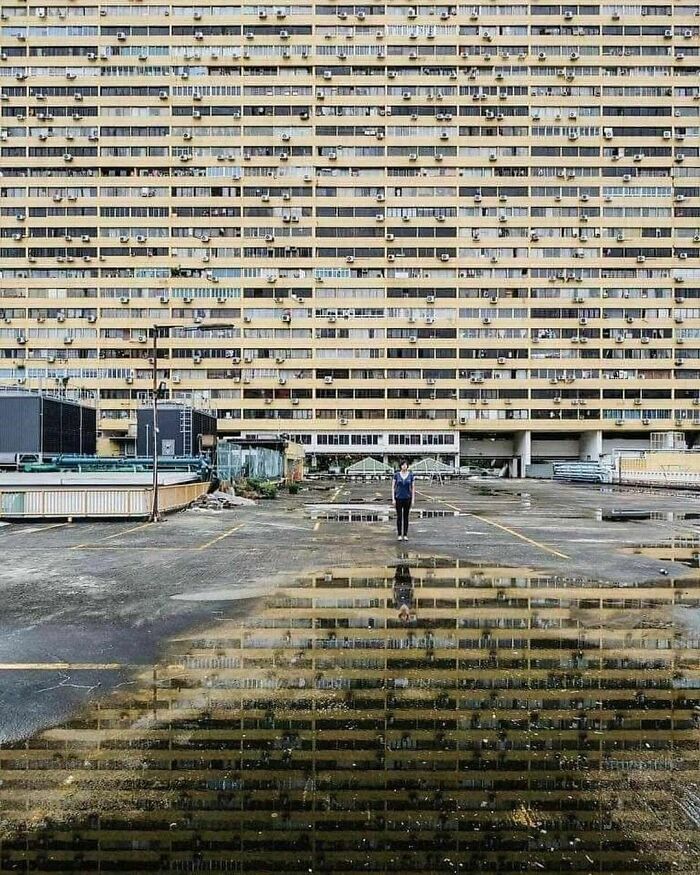
Singapore Photo By Leslie Heng
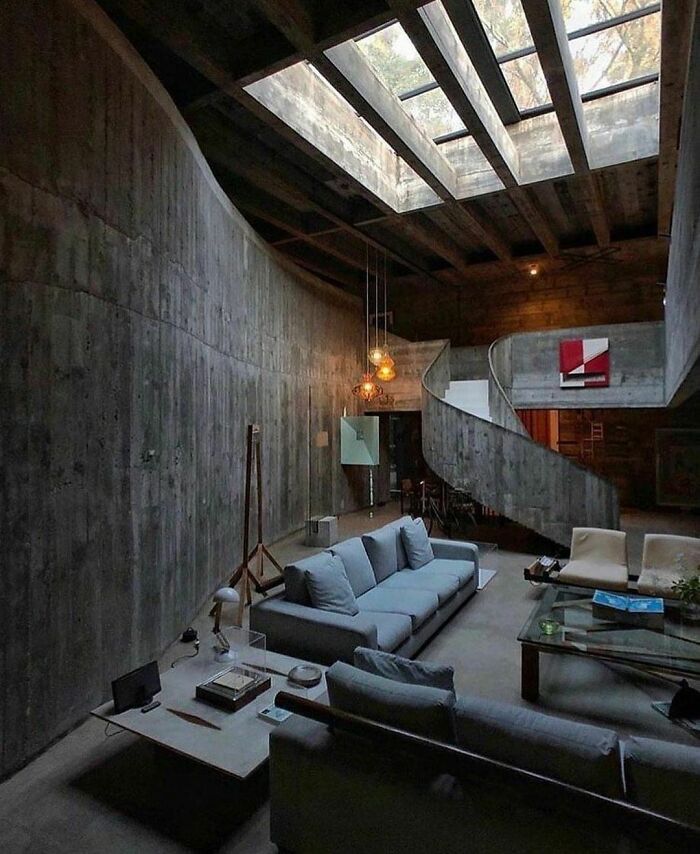
House Lim-Millan (Also Leme House) By Paulo Mendes Da Rocha Sao Paulo, Brazil 1970-74
Tbilisi, Georgia
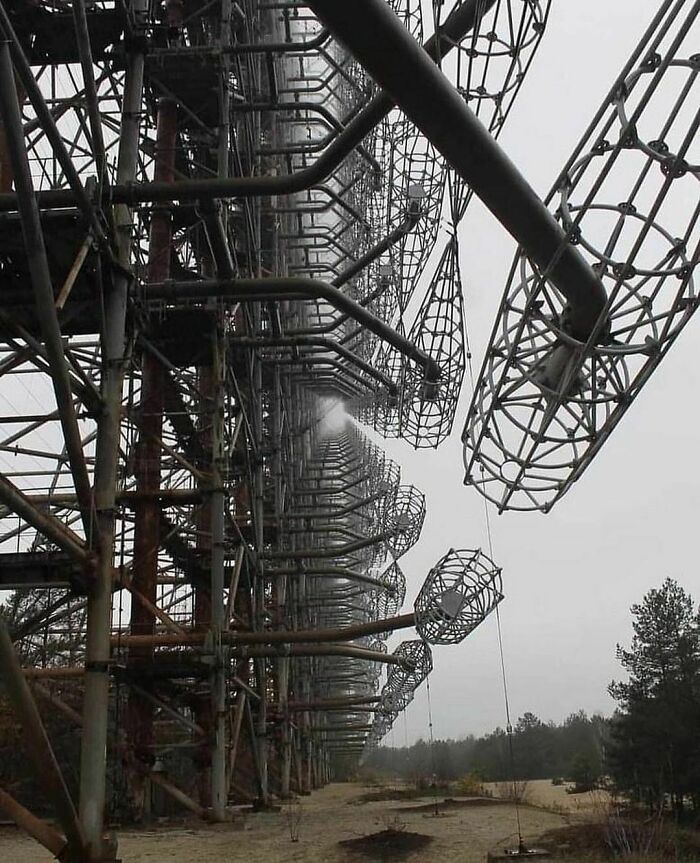
Duga, Outside Of Chernobyl, Was A Soviet Experimental Over-The-Horizon Radar System. It Was Developed For The Soviet Abm Early-Warning Network. The System Operated From 1976 To 1989
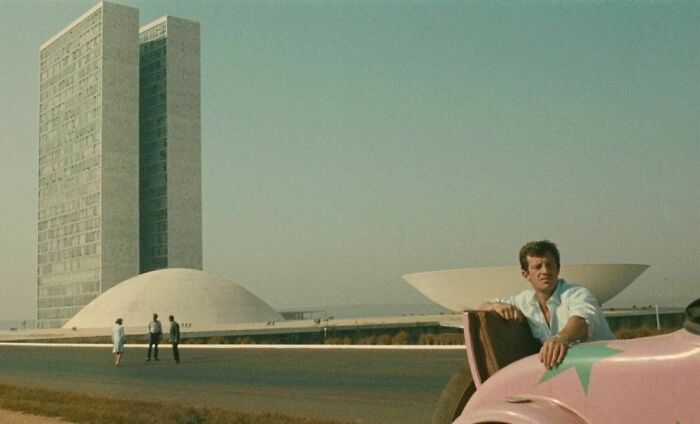
Congresso Nacional Do Brasil, Brasília, Brazil. 60s Architect: Oscar Niemeyer
Any Thoughts?
You might also like: 50 People Who Tried To Be Creative With Their Homes And Failed (New Pics)