Get Premium
Dark mode theme is available exclusively for premium users. Learn more about the benefits of subscribing.
No fees, cancel anytime.

 Dark Mode Ad-Free Browsing Unlimited Content
 Ad-Free Browsing Unlimited Content Dark Mode
Join 1.2 million Panda readers who get the best art, memes, and fun stories every week!

We all love a good revenge story. From Batman declaring himself vengeance to Edmond Dantès systematically ruining his enemies in The Count of Monte Cristo, there is something deeply satisfying about seeing bad people get what they deserve. Even the internet has a dedicated corner for it: r/ProRevenge, a place where people gather to cheer on sweet karma.
However, as much as this community loves a satisfying payback, they also know how to spot a line that has been crossed.
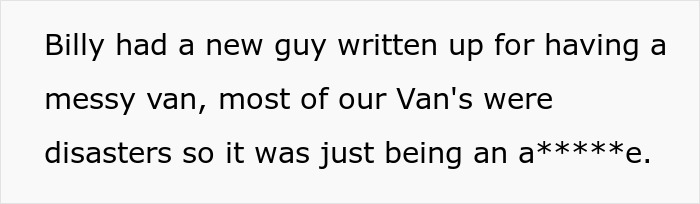
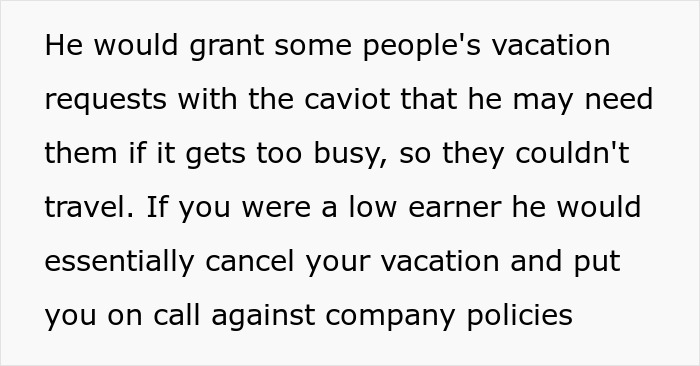
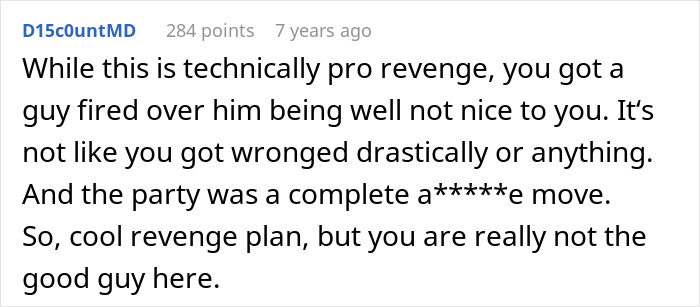
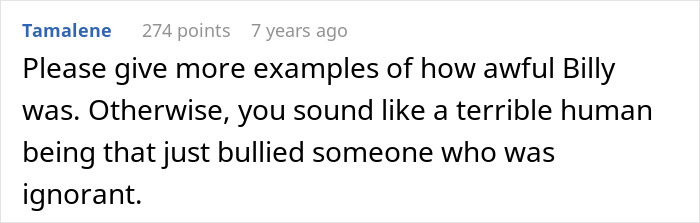
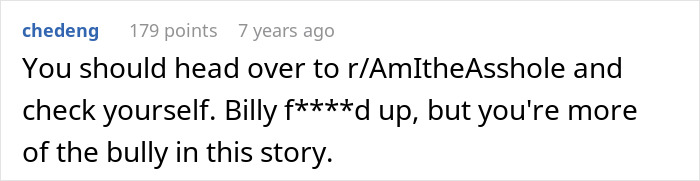
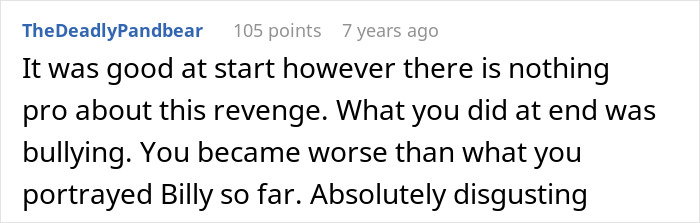
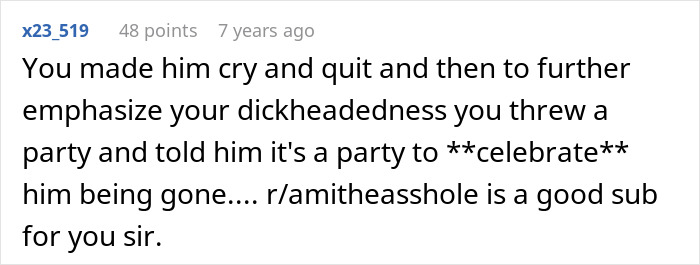
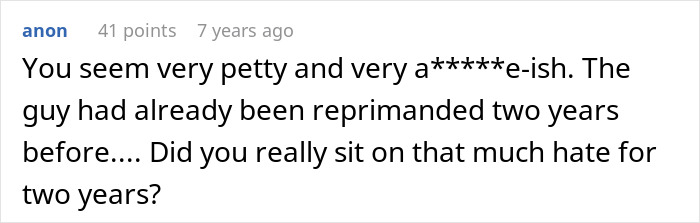
Recently, a technician proudly posted a detailed account of how he took down his toxic former supervisor. After successfully getting the manager demoted, the worker organized a campaign to relentlessly harass him at work.
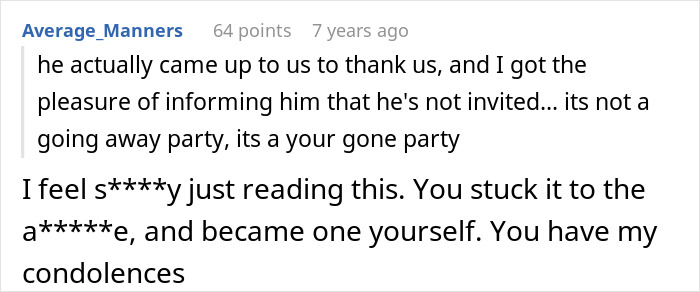
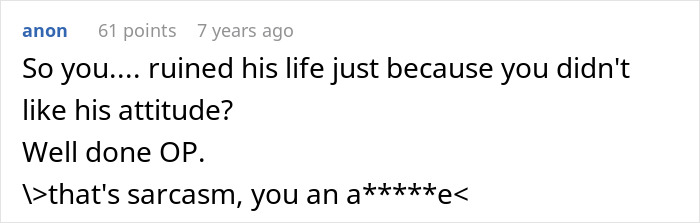
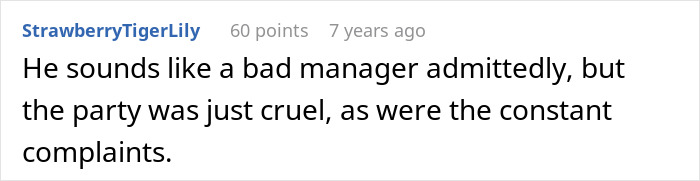
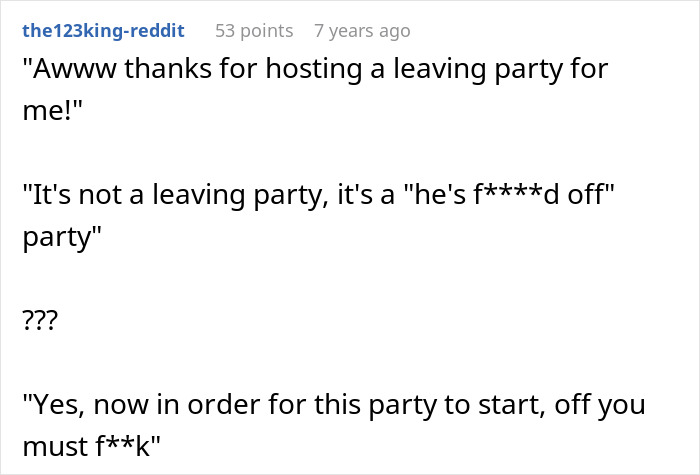
Read on for the full story to find out how far the crew took their retaliation, and how the internet quickly realized that this isn’t some triumphant payback story — just plain old mob bullying.

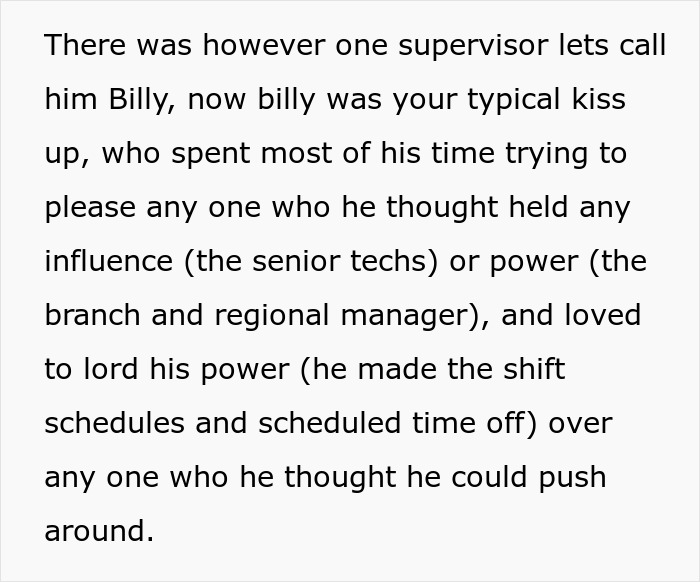
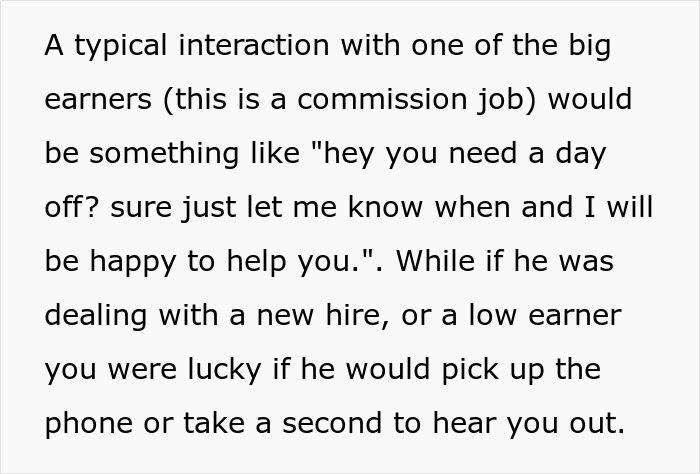
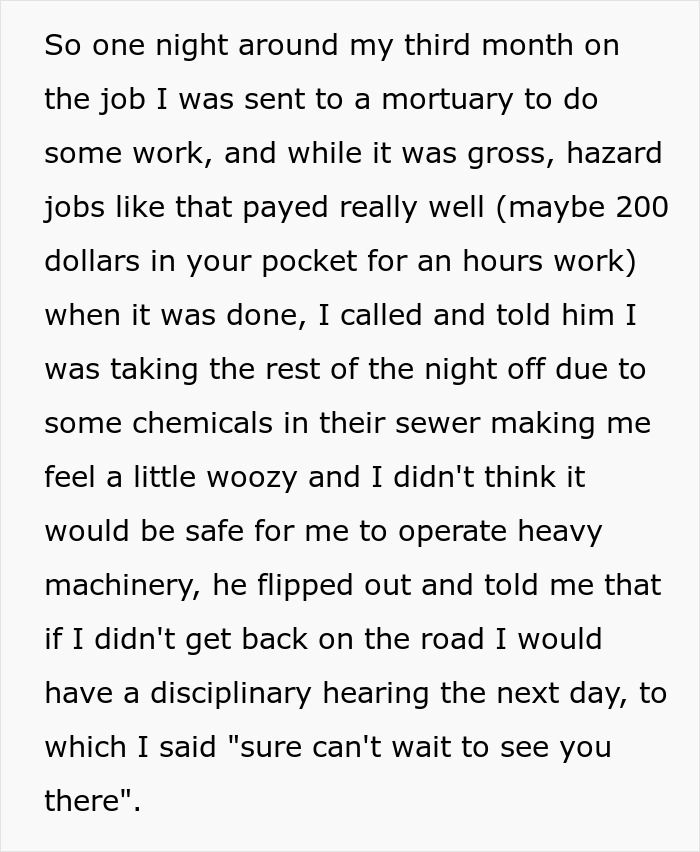
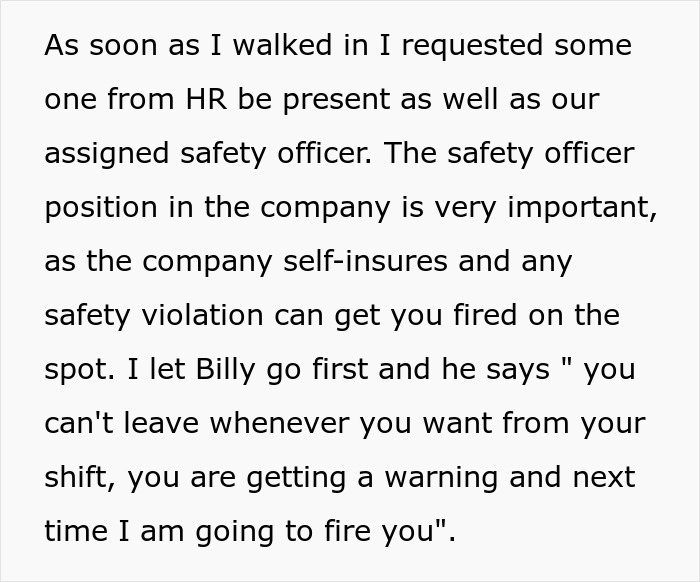


Some people can easily brush off an offense, but others struggle to ignore that ancient evolutionary itch.
Long ago, there were no courts of law or jails to handle wrongdoing. Our ancestors relied on gut instincts and immediate payback to keep rivals from stealing resources, taking territory, or harming loved ones. Retaliation was a practical defense mechanism — if someone wronged you, payback made sure they wouldn’t try it twice.
But the world looks completely different today. We have courts, police forces, and legally binding contracts. In a civilized society, taking matters into your own hands like a comic-book vigilante isn’t just unnecessary; it can be illegal too.
Still, that deeply ingrained drive hasn’t gone extinct in some people. It has even prompted researchers to study why this ancient evolutionary instinct persists, and whether getting even serves any real purpose.
Scientists scanned the brains of people actively nursing a grudge and waiting for the perfect moment to get even. What they found explains exactly why revenge feels so intoxicating, even when it is a terrible idea.
First, your brain’s pain alarm — a spot called the anterior insula — gets triggered over the insult. But almost immediately, that pain also triggers a deep, primal hunger for payback. That is when the brain’s craving and reward centers, the nucleus accumbens and the dorsal striatum, suddenly light up. Just thinking about retaliation floods your system with excitement. It is the same chemical rush you get from an intense craving, making revenge taste sweet.
Meanwhile, the voice of reason completely leaves the building. The prefrontal cortex — the logical, adult part of your brain that usually stops you from doing stupid things — goes totally dark. It stops weighing the costs against the benefits, leaving you ready to burn bridges.
In short, the thrilling anticipation of that sweet satisfaction drives us to plot our payback in the first place.
A 2008 study by psychologist Ozlem Ayduk found that certain people are highly “rejection sensitive.” Because of past hurts, they constantly expect to be dumped, excluded, or cast aside.
This anxiety leaves them on high alert. “They have this tendency to see rejection even where it doesn’t exist. Rejection is an existential threat, so that expectation [of rejection] actually prepares — both mentally and physiologically — the person to defend themselves,” says Ayduk.
No matter how good revenge might feel in the moment, it can prolong the unpleasantness of the original offense.
Studies show that people often report far more negative mood immediately after engaging in an act of revenge.
The big culprit here is something psychologists call the “affective forecasting error.” Humans are notoriously terrible at guessing how they will feel down the line. We assume hurting a colleague will wipe away our anger, but it usually backfires.
Research also shows that people who execute revenge end up obsessing over the wrongdoer far longer than those who just walk away.
But the wild part is that even when participants felt worse after taking payback, they still insisted it helped them. They convinced themselves that doing nothing would have felt even worse. The myth runs so deep that we defend our spite even when it burns us.
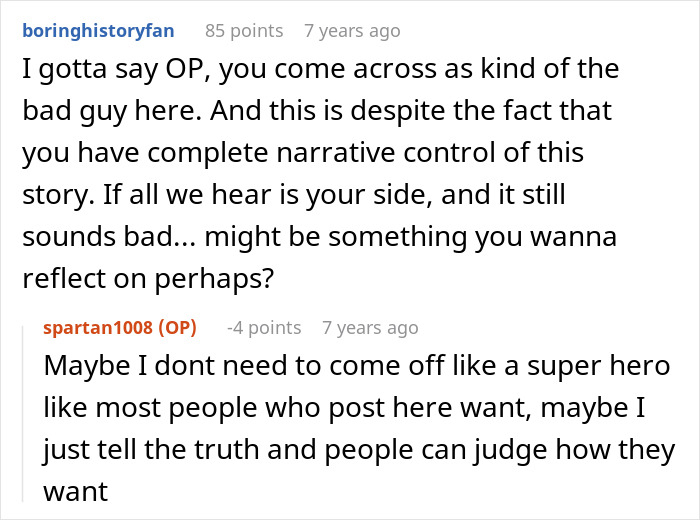
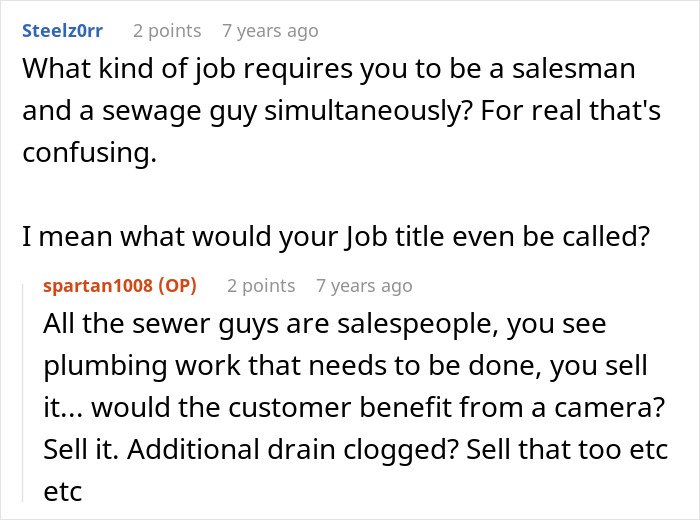
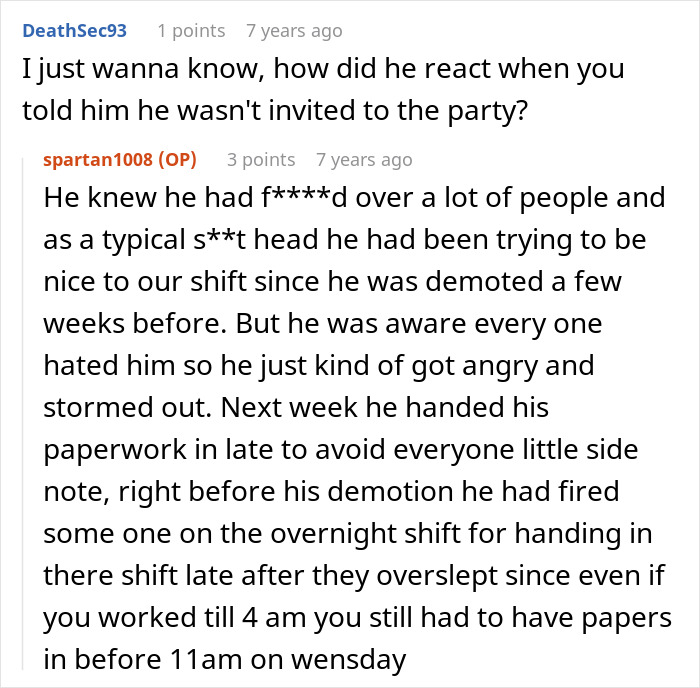
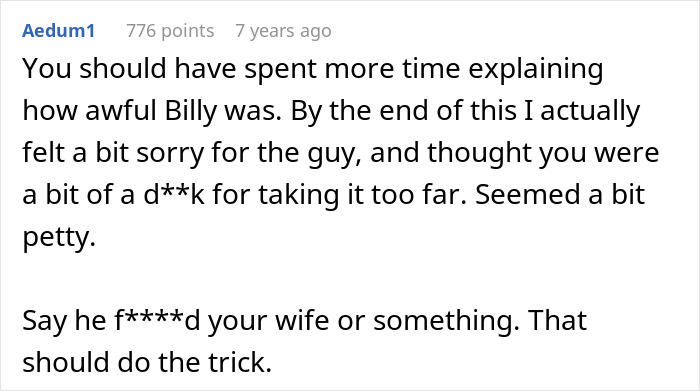
Online stories and news headlines also show just how far revenge can go when left unchecked. It can easily mutate from a one-time payback into a relentless campaign of bullying. For instance, in this Reddit story, an employee’s quest to get even over a minor snub snowballed into an obsession.
If revenge is a chemical trap, forgiveness is the jailbreak. Research shows that deciding to forgive completely reverses all three of the chaotic brain reactions.
When you let a grudge go, you instantly calm the pain network, shut down the obsessive craving circuitry, and bring your prefrontal cortex’s logic back online. Forgiveness is more a gift for yourself than the other person.
Choosing this path over payback is the ultimate act of emotional intelligence. Revenge promises a clean slate, but it rarely delivers because one person’s idea of a fair score almost never matches another’s. Instead of balancing the scales, striking back just traps you in an endless cycle of retaliation. In the end, the ultimate revenge is simply moving on and keeping your peace of mind.




By entering your email and clicking Subscribe, you're agreeing to let us send you customized marketing messages about us and our advertising partners. You are also agreeing to our Privacy Policy.
Thank you! You've successfully subscribed to newsletters!
































 No fees, cancel anytime











27
0