Get Premium
Dark mode theme is available exclusively for premium users. Learn more about the benefits of subscribing.
No fees, cancel anytime.

 Dark Mode Ad-Free Browsing Unlimited Content
 Ad-Free Browsing Unlimited Content Dark Mode
Join 1.2 million Panda readers who get the best art, memes, and fun stories every week!
When AI became available to everyone a couple of years ago, it felt like the future had arrived overnight. The chatbot could write entire essays in seconds and solve complex problems without breaking a sweat. But the more people used it, the clearer it became that AI was prone to mistakes, and those mistakes can have real consequences.
One boss learned this the hard way after he fired an entire team and replaced them with AI, convinced it could do their jobs. Instead, it created a full-blown mess. And in a truly entitled move, he’s now demanding that the very employees he fired come back to fix it.
Read the full story below.
Image credits: hryshchyshen / Magnific (not the actual photo)
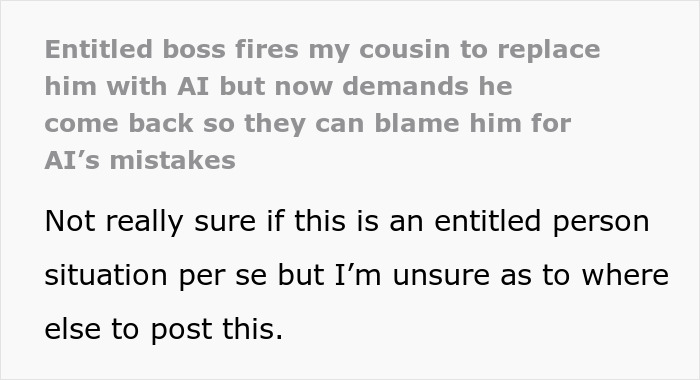
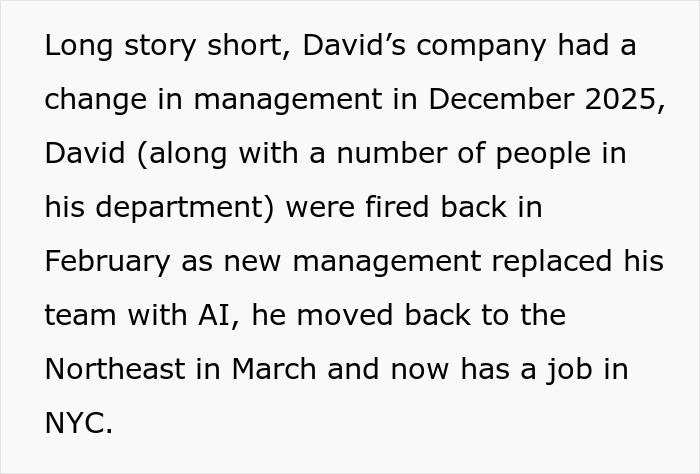
Image credits: semenay erdoğan / Unsplash (not the actual photo)
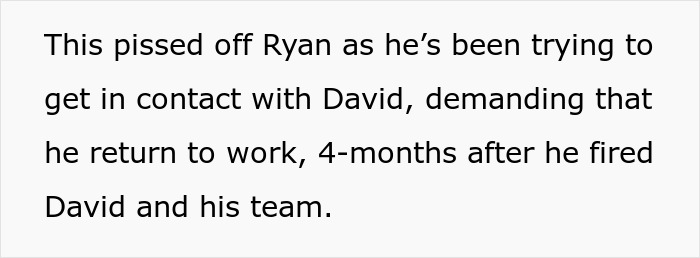
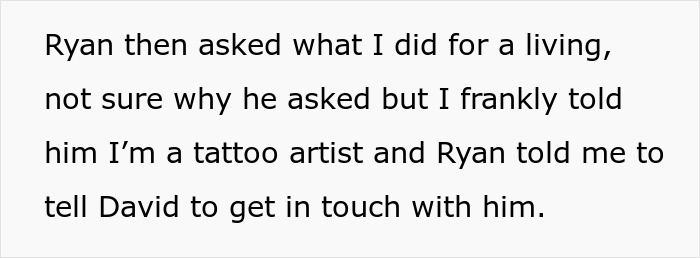
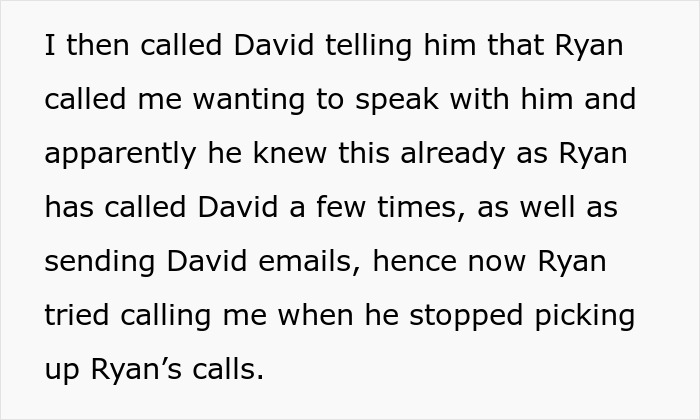
Image credits: yanalya / Magnific (not the actual photo)
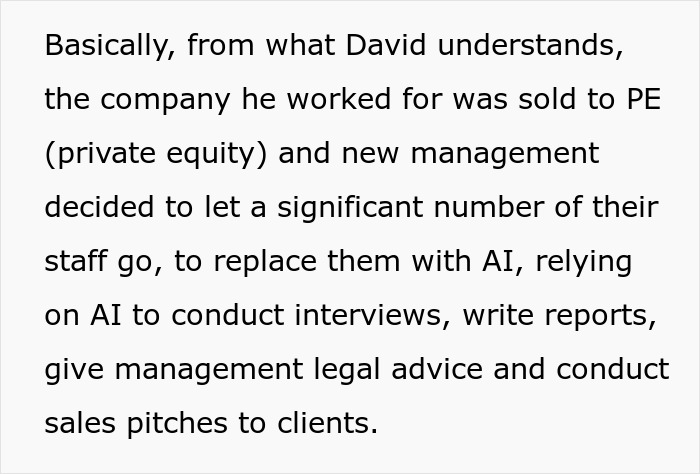
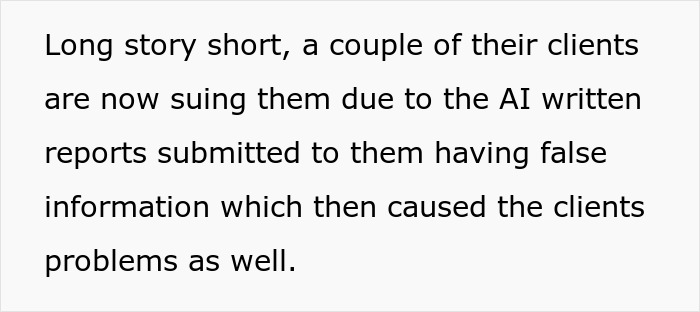
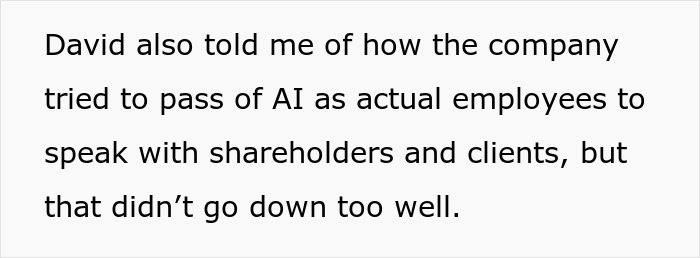
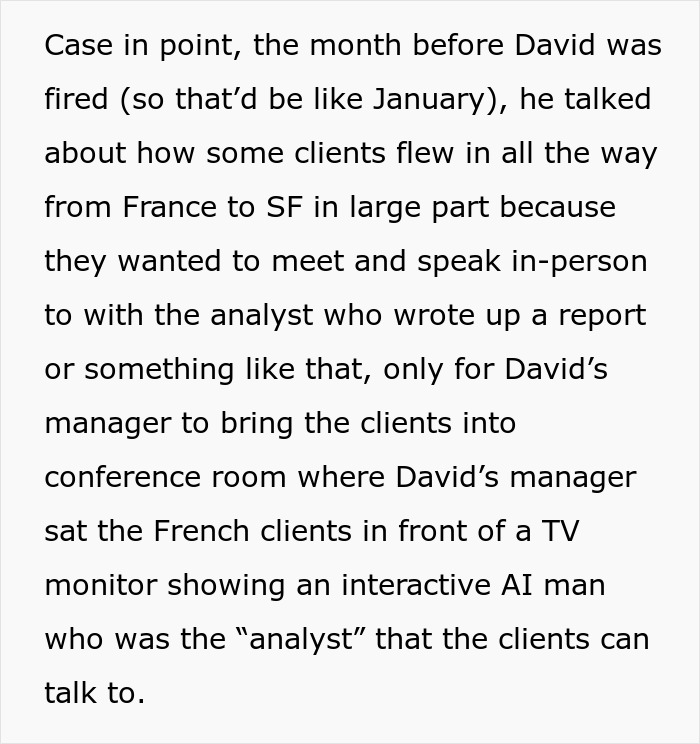
Image credits: tsyhun / Magnific (not the actual photo)
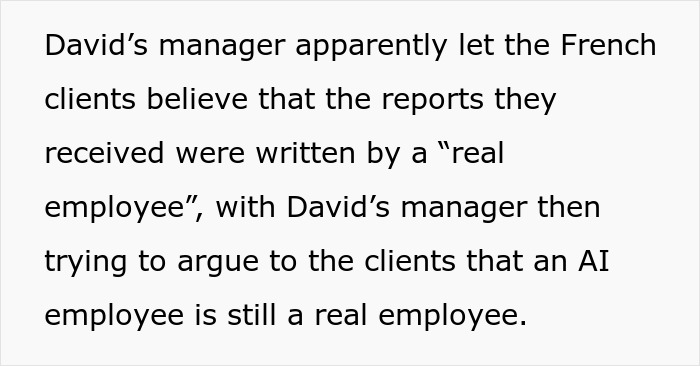
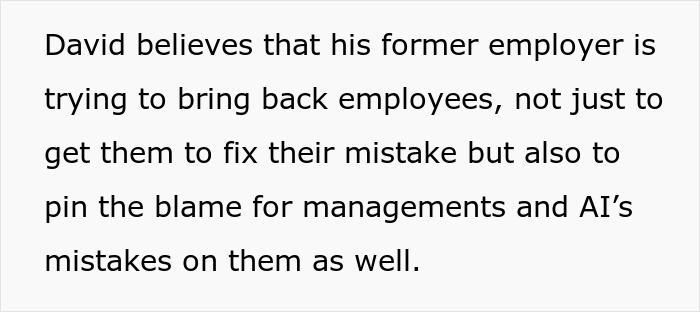
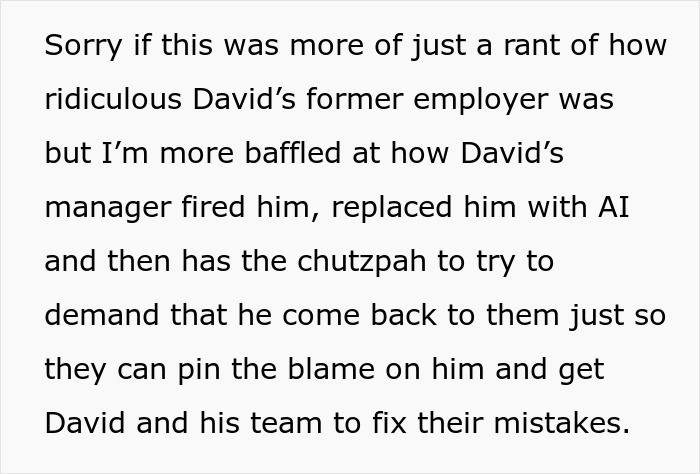
Image credits: MsRothArtist
Image credits: hryshchyshen / Magnific (not the actual photo)
Remember how, in the past, we imagined the future would be all flying cars and robots that solved our problems? Well, the flying cars apparently aren’t happening anytime soon, mostly because they’d be a safety nightmare. And while the tech we do have can be incredibly useful, it has also created plenty of new concerns.
Among the biggest worries is the fear that AI might take people’s jobs, which is exactly what happened in this story. If you’ve been paying attention to the news lately, that fear doesn’t feel unreasonable at all.
Microsoft cut 15,000 workers last year. Amazon laid off 30,000 over the course of several months. And according to outplacement firm Challenger, Gray & Christmas, U.S. employers announced just over 97,000 job cuts in May 2026 alone. That’s the highest May number since 2020, right when Covid was getting started.
What’s even more telling is how many of those cuts are directly tied to AI. Employers cited AI as the primary reason for almost 40% of the job cuts announced in May. At the start of the year, that number was just 7% in January. By February it climbed to 10%, then 25% in March, 26% in April, and now we’re looking at nearly half.
When you put any emotions aside and look at this purely from a business perspective, you can understand why replacing people with AI is appealing. Businesses want to be as profitable as possible. They want to spend as little as they can and make as much as they can.
On paper, AI can deliver that. It doesn’t get tired, so it doesn’t need breaks and can work around the clock. Because it doesn’t get fatigued, it shouldn’t slip up the way an exhausted employee might. It can also process massive amounts of data in seconds.
But does it actually pay off when you’re replacing thousands of real people?
For the boss in this story, it clearly didn’t. Once he let go of an entire team, the AI created a huge mess and now lawsuits are piling up. The bigger question is whether these kinds of consequences will start happening across the board.
Image credits: Drazen Zigic / Magnific (not the actual photo)
We’re already starting to get some answers. From the looks of it, plenty of companies are paying the price for letting people go too quickly. Last year, a report from Forrester Research found that 55% of employers regretted laying off staff because of AI.
New research from consulting firm Robert Half tells a similar story, showing that nearly a third of hiring managers admitted their company fired someone because they figured AI could handle the work, only to turn around and rehire for that exact same role when it turned out AI couldn’t.
There were a few reasons why companies ended up bringing people back after replacing them with AI. Some realized the job required context and human judgment that a tool simply could not copy. Others found that the promised productivity gains were much smaller than expected. In many cases, AI also needed far more human oversight than companies had planned for.
Because despite what many companies may have hoped, AI still makes a lot of mistakes. A study published by the BBC and the European Broadcasting Union last year found that around 45% of AI news queries to ChatGPT, Microsoft Copilot, Gemini, and Perplexity contained errors.
That means humans often have to step in and fix whatever the tool got wrong. In some cases, people relying on AI can end up spending more time on a task than if they had just done the work themselves from the start.
Image credits: aksenova_sveta / Magnific (not the actual photo)
What makes this even trickier is that AI errors can be hard to predict, explains Dr. Ng Chong, Chief of Information Technology and Director of the UNU Campus Computing Centre. AI is known for hallucinating, which basically means confidently making up information that is not true. The difficult part is that there is no simple way to know where those errors will appear.
“An AI might perfectly solve complex equations one moment, then confidently declare that cabbages eat goats the next,” he says.
Of course, humans make mistakes too. But we usually understand why those mistakes happen. People slip up when they are tired, stressed, distracted, or missing important information. Since these patterns are familiar, we have been able to build safeguards around them.
With AI, that kind of safety net is much harder to build. Its mistakes are not always logical or easy to anticipate, which means companies still need real people to review the work and take responsibility for it.
Nobody knows exactly how much we will rely on AI in the future, or whether the current hype will eventually cool down. But for now, we are definitely seeing plenty of companies learn the hard way that replacing people is not as simple as plugging in a chatbot and calling it a day.
What do you think? Did this company get what was coming to them? Is the man right to stay away? Share your thoughts in the comments below.
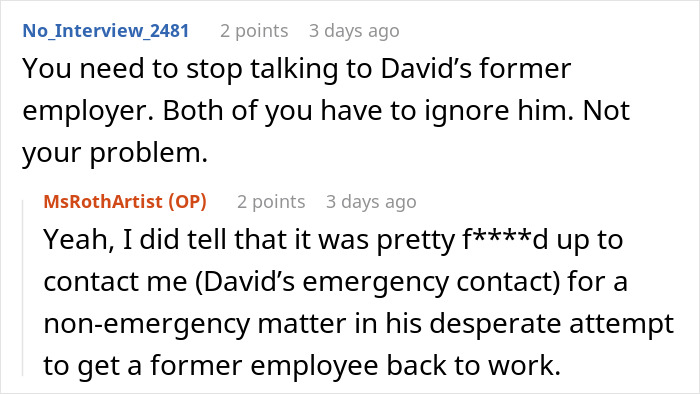
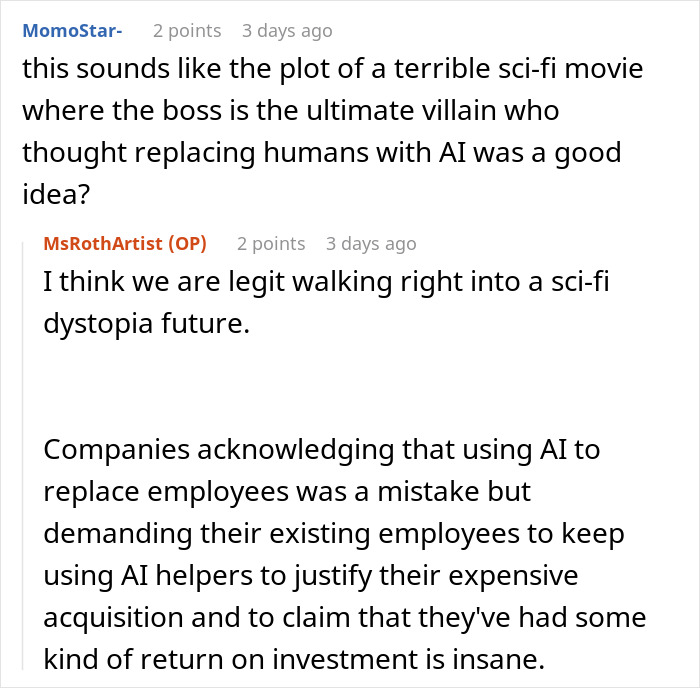

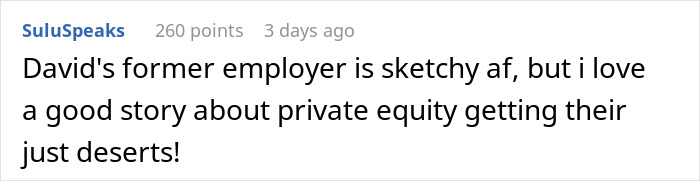

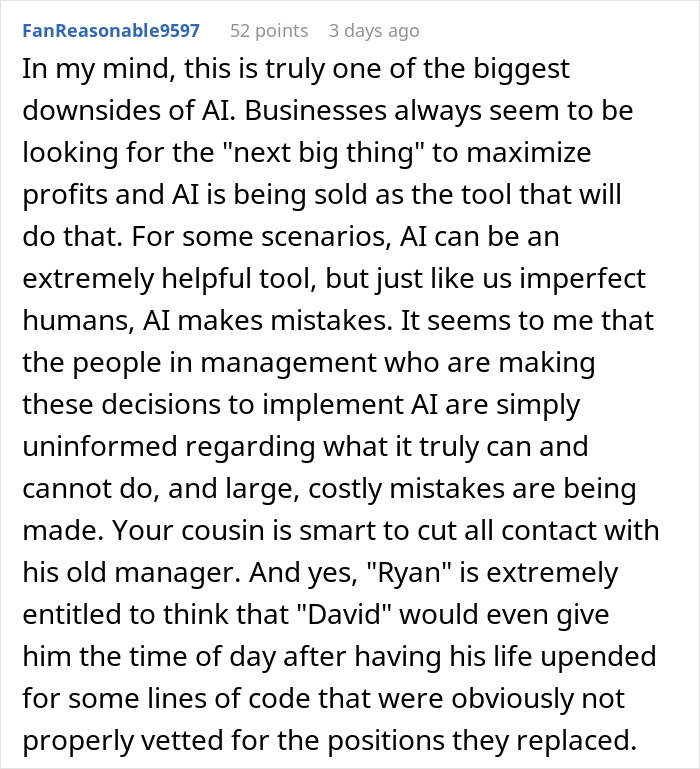

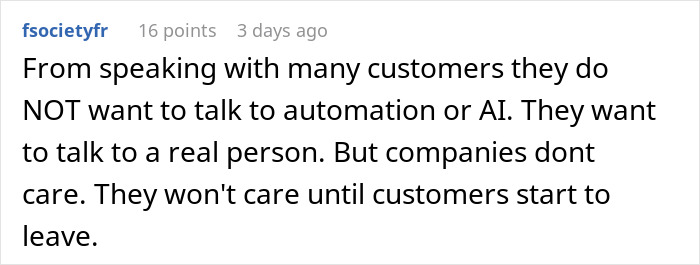
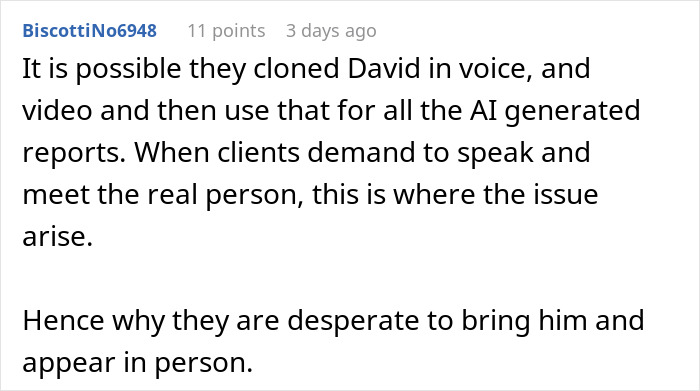
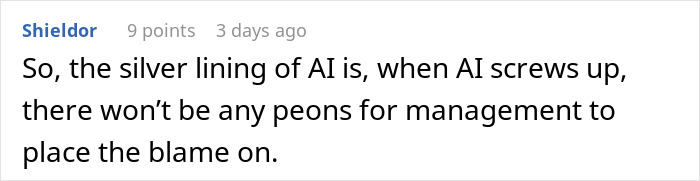
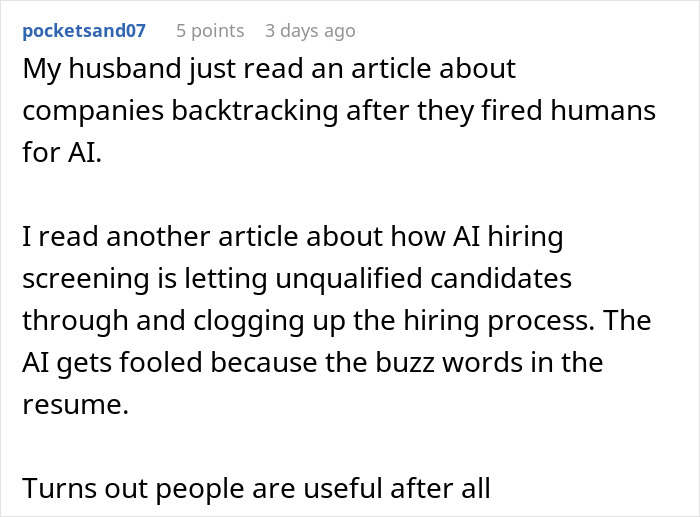


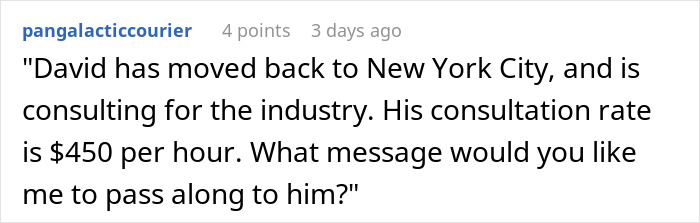
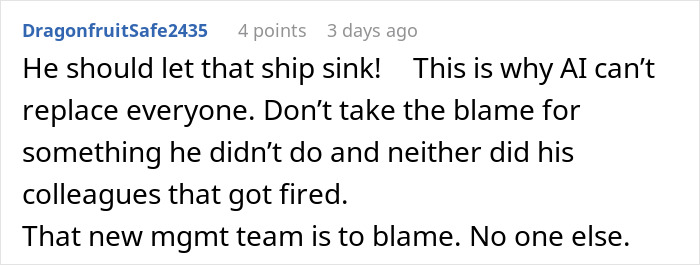



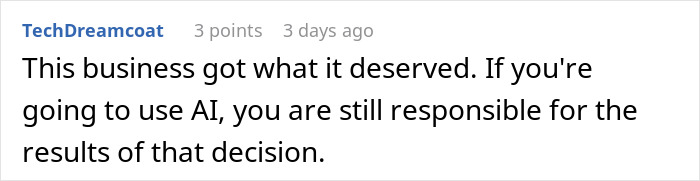

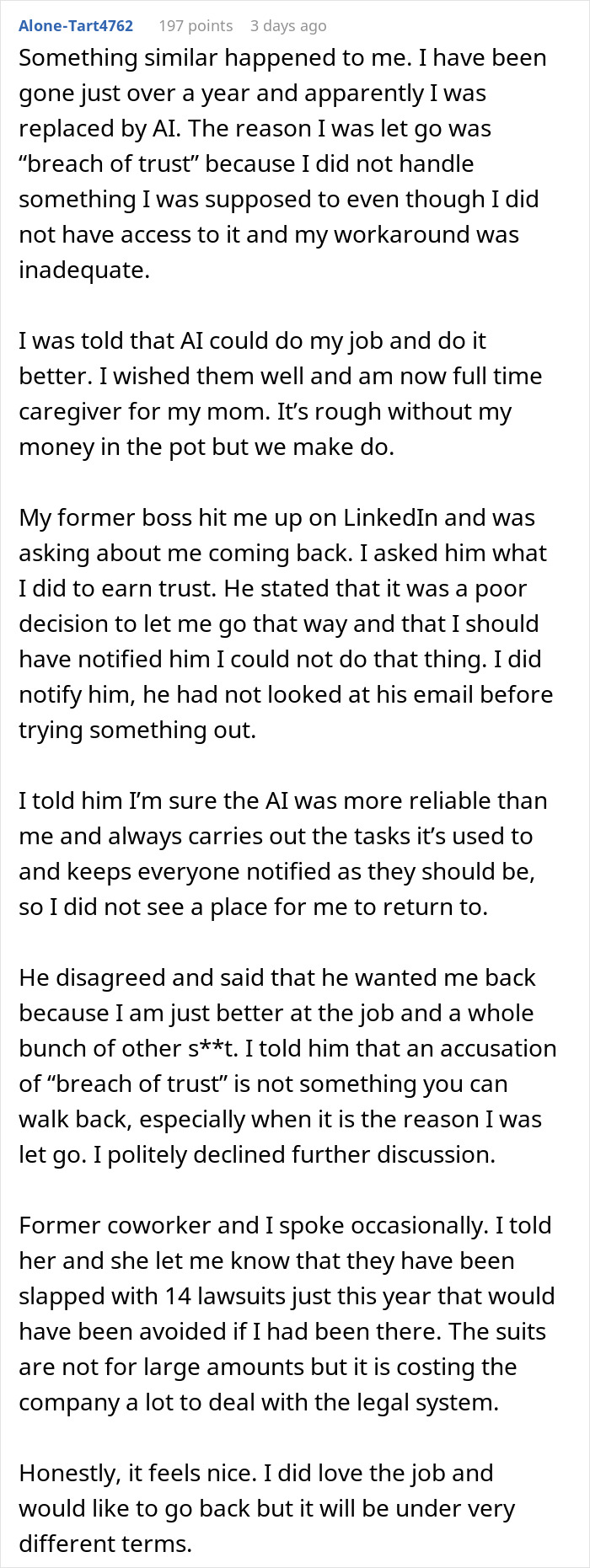
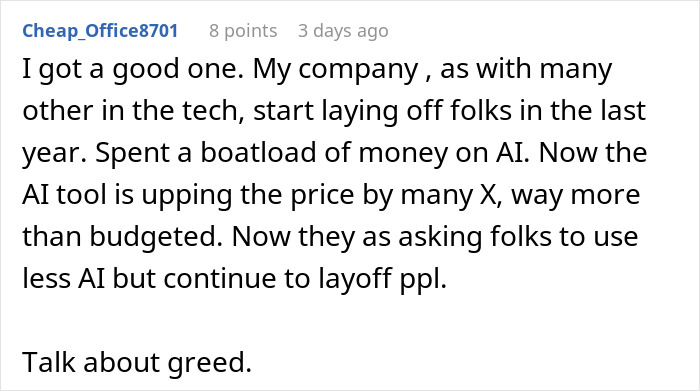
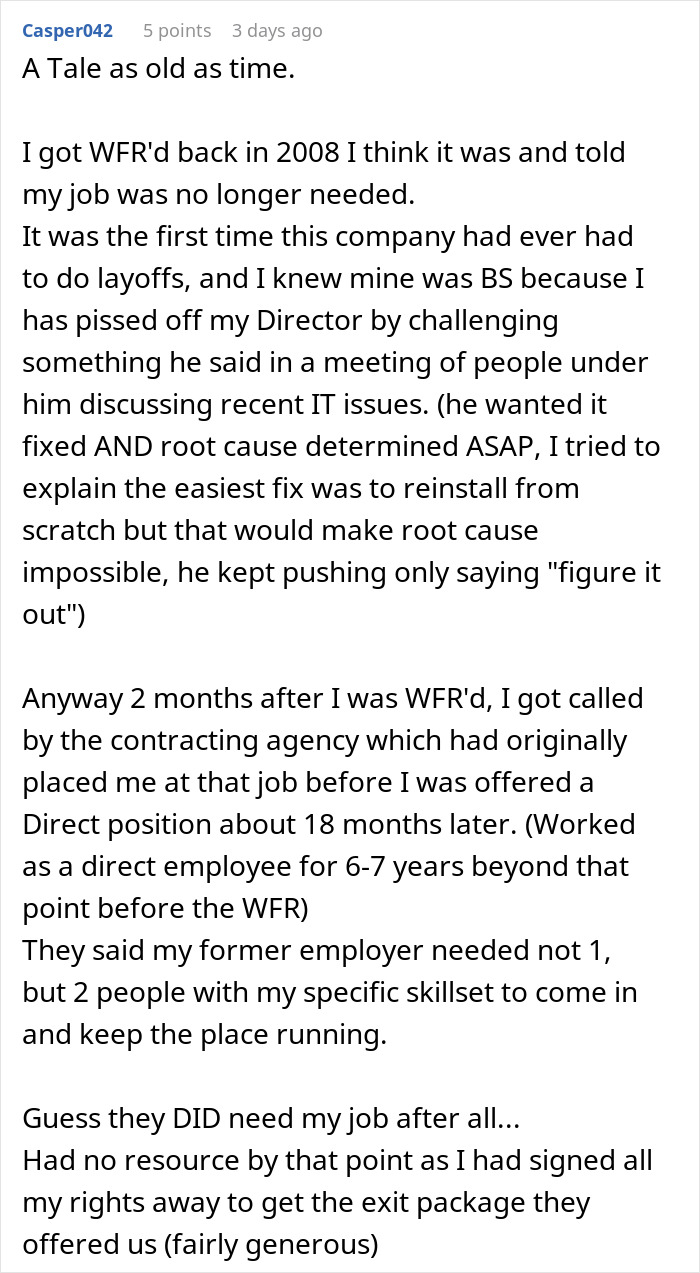
Image credits: Coconut_Puzzled

By entering your email and clicking Subscribe, you're agreeing to let us send you customized marketing messages about us and our advertising partners. You are also agreeing to our Privacy Policy.
Thank you! You've successfully subscribed to newsletters!

Until people understand that there is no "I" in AI, this kind of thing will keep happening because clueless managers will see "AI can do this for X" and "employees can do this for Y" and in their minds as long as X<Y then it's a good deal. The fact that humans have to take responsibility for their actions, and AI bots pretty much disclaim any hint of liability means that any company replacing people with bots deserves to be flushed down the U bend.
Until people understand that there is no "I" in AI, this kind of thing will keep happening because clueless managers will see "AI can do this for X" and "employees can do this for Y" and in their minds as long as X<Y then it's a good deal. The fact that humans have to take responsibility for their actions, and AI bots pretty much disclaim any hint of liability means that any company replacing people with bots deserves to be flushed down the U bend.

















 No fees, cancel anytime















35
7