Get Premium
Dark mode theme is available exclusively for premium users. Learn more about the benefits of subscribing.
No fees, cancel anytime.

 Dark Mode Ad-Free Browsing Unlimited Content
 Ad-Free Browsing Unlimited Content Dark Mode
Join 1.2 million Panda readers who get the best art, memes, and fun stories every week!
Did you know English didn’t really start out as English?
A huge chunk of the language actually comes from elsewhere. In fact, some estimates say close to 80% of English words were borrowed from other languages over time. We’ve picked up German (kindergarten), Latin (audio), Italian (opera), Japanese (karaoke), plus words from Sanskrit (yoga) and even Finnish (sauna). And that’s not the end – it’s still evolving every day.
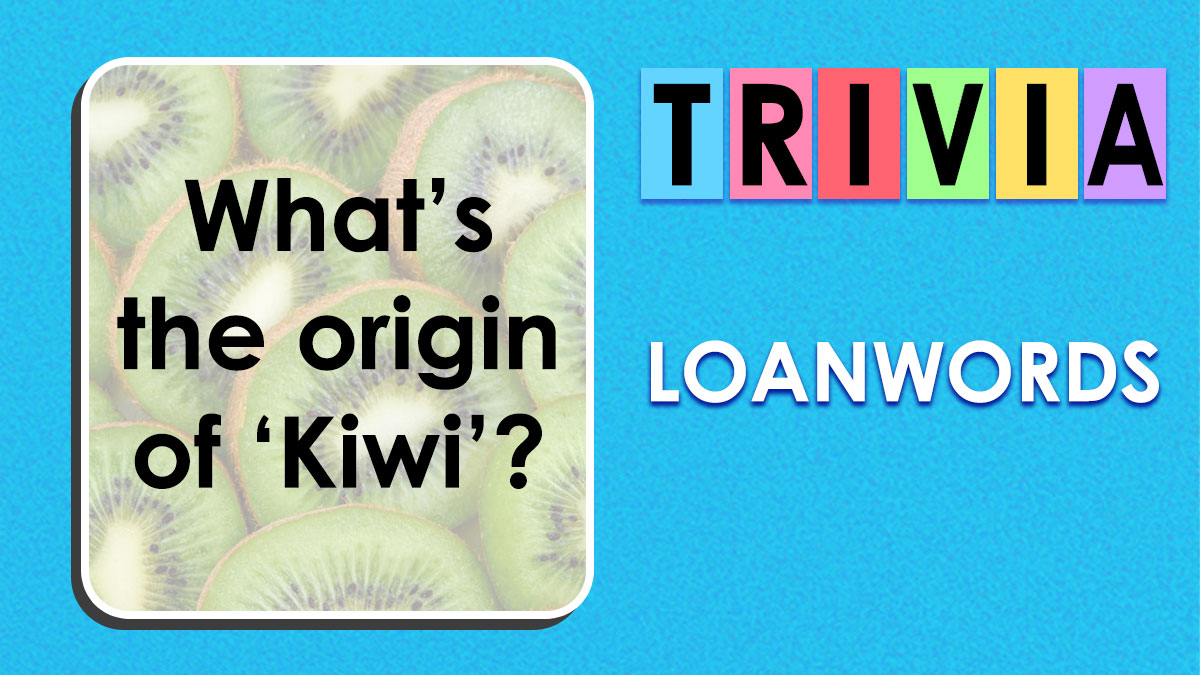
In this quiz, you’ll get 30 loanwords that we use every day. All you have to do is spot the language they came from.
If you haven’t tried Part 1 of this quiz yet, definitely check it out here!
Let’s see how many you know! 📖
🚀 💡 Want more or looking for something else? Head over to the Bored Panda Quizzes and explore our full collection of quizzes and trivia designed to test your knowledge, reveal hidden insights, and spark your curiosity.💡 🚀
Image credits: ClickerHappy
Not Quite Done Yet!
Subscribe Premium to Compare Your Stats with Others
| User | Result | Reward |
|---|---|---|
  | / 30 | |
| | / 30 | |



These "root word" quizzes should avoid cases where a correct selection is an origin or derivative of a "wrong" selection. For instance, I knew "genre" would be French. (Besides knowing French, it's just so d**n French.) But it comes from "genere," which is a Latin word. See also: gender, genus, general, for examples.
Aw come on, everyone knows that avocado comes from the Italian word for "lawyer." I think it may be because someone thought lawyers are the pits? (It's a joke; it sounds just like "avvocato," given the Italian/New York/Most of America way of pronouncing "t.")

Bruno, French has perfected it. Avocat means avocado orlawyer. Both words have the same spelling.
Load More Replies... These "root word" quizzes should avoid cases where a correct selection is an origin or derivative of a "wrong" selection. For instance, I knew "genre" would be French. (Besides knowing French, it's just so d**n French.) But it comes from "genere," which is a Latin word. See also: gender, genus, general, for examples.
Aw come on, everyone knows that avocado comes from the Italian word for "lawyer." I think it may be because someone thought lawyers are the pits? (It's a joke; it sounds just like "avvocato," given the Italian/New York/Most of America way of pronouncing "t.")
Bruno, French has perfected it. Avocat means avocado orlawyer. Both words have the same spelling.
Load More Replies...





































 No fees, cancel anytime






24
8