Get Premium
Dark mode theme is available exclusively for premium users. Learn more about the benefits of subscribing.
No fees, cancel anytime.

 Dark Mode Ad-Free Browsing Unlimited Content
 Ad-Free Browsing Unlimited Content Dark Mode
Join 1.2 million Panda readers who get the best art, memes, and fun stories every week!

In many relationships, one has to sometimes accommodate their partner’s family. But, as with everything else, there have to be boundaries, because realizing you are not your partner’s first priority tends to end up destroying a relationship in the long run.
A man asked the internet for advice after shutting off the Wi-Fi at night. As innocuous as it seems, this immediately caused drama with his girlfriend’s brother, who had been living with them, rent free, for multiple years at this point. He later shared an update on what happened after he told her enough was enough.
Image credits: Drazen Zigic / Magnific (not the actual photo)
Image credits: DC Studio / Magnific (not the actual photo)
Image credits: undefinedstock / Magnific (not the actual photo)
Image credits: ginkoveyka / Magnific (not the actual photo)
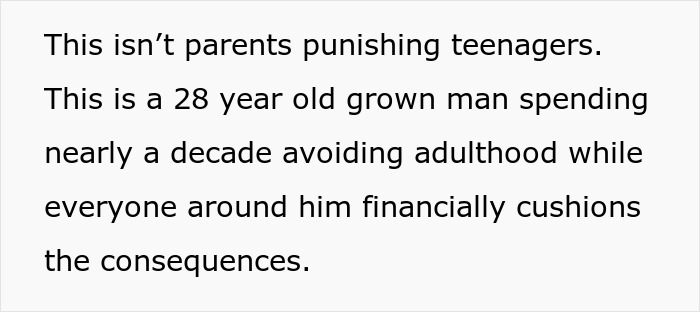
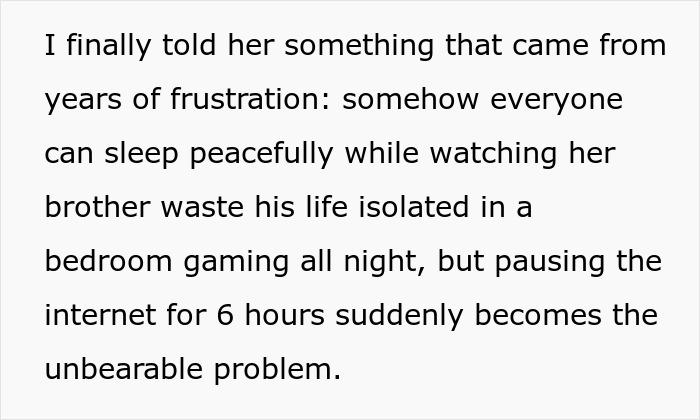
Image credits: Alyptic
It is incredibly common to want to support a partner by offering a helping hand to their struggling family member. In the beginning, it feels like the right, compassionate thing to do. You share your space, your resources, and your patience because you believe there is an end date in sight. But when weeks turn into months and months stretch into a decade, the lines between generosity and enabling become dangerously blurred. At that point, the issue is no longer just about the relative who refuses to grow up. It becomes a fundamental test of the boundaries, respect, and communication within your own romantic relationship.
Living in an environment where everyone recognizes a problem but nobody is willing to confront it creates a toxic psychological echo chamber. It is deeply frustrating to watch a grown adult escape into a world of isolation and video games while you fund their lifestyle. When an entire family chooses avoidance over accountability, the partner who speaks up is often cast as the cruel or unfeeling villain. This creates a painful dynamic where you begin to feel like a stranger in your own home. The resentment that builds in this situation is rarely just about the financial cost of extra utilities or groceries. The real damage happens when you realize your partner is prioritizing their family member’s comfort over the long term health and peace of your shared relationship.
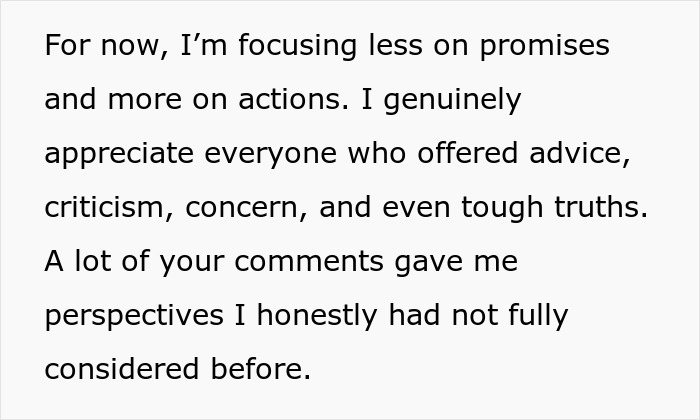
When frustration reaches a boiling point after years of silence, it is easy to see why someone would take unilateral action, such as cutting off the internet during the night. It feels like a logical, low-impact way to disrupt a cycle of endless stagnation without causing a massive scene. However, taking matters into your own hands without your partner’s explicit agreement can backfire spectacularly. It often shifts the focus away from the actual problem of the freeloading relative and turns the spotlight onto your methods.
For a partner who grew up in an environment with controlling parental figures, a sudden restriction can trigger old emotional wounds and intense feelings of helplessness. Suddenly, the conversation is no longer about an adult wasting their life away, it is about control, trust, and emotional safety within the couple.
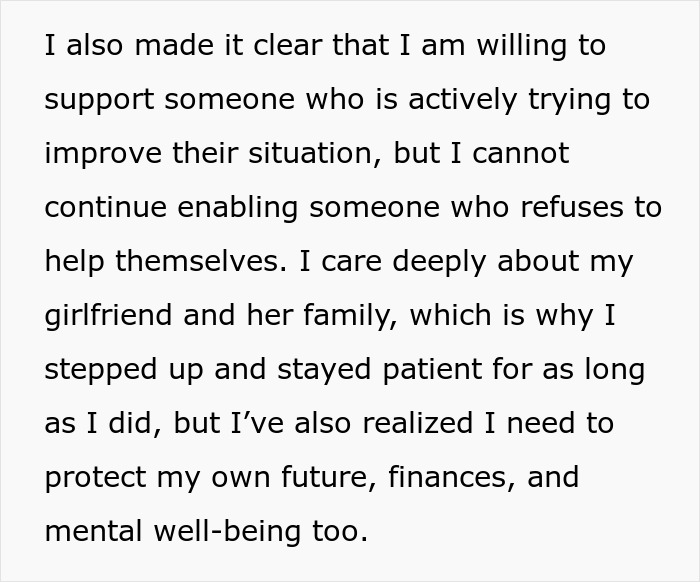
This mismatch highlights a massive disconnect in how different people define help. True support empowers a person to build a meaningful life and overcome obstacles, whereas enabling simply shields them from the natural consequences of their inaction. Providing free housing, food, and endless entertainment to an adult who shows no ambition is not an act of kindness. It is a form of emotional cushioning that keeps them trapped in a perpetual state of childhood. While mental health struggles like depression may very well be a factor, allowing someone to self-destruct in a bedroom for years under the guise of compassion is actually doing them a great disservice. It ignores the reality that discomfort is often the very catalyst required for human growth and change.
To navigate this successfully, a couple must find a way to get back on the same team. You cannot set a functional boundary with an outside family member if you and your partner are completely divided. It requires moving past the daily bickering and having deeply uncomfortable conversations about the future of your home. It means asking hard questions about what the exit strategy looks like and setting firm, non-negotiable timelines for change. Protecting your shared peace is not cruel, and wanting a functional partner who respects your boundaries is not selfish. A healthy relationship requires a foundation of mutual respect, and that foundation cannot stand if one person is expected to quietly carry the weight of an entire family’s denial.

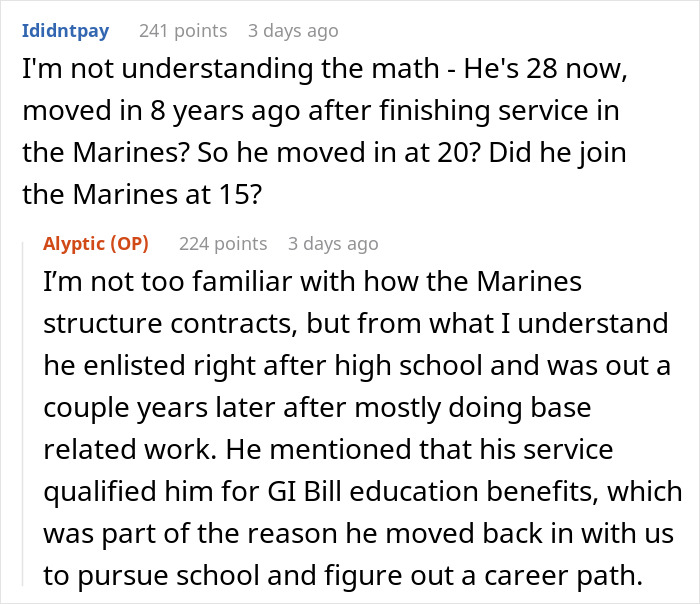

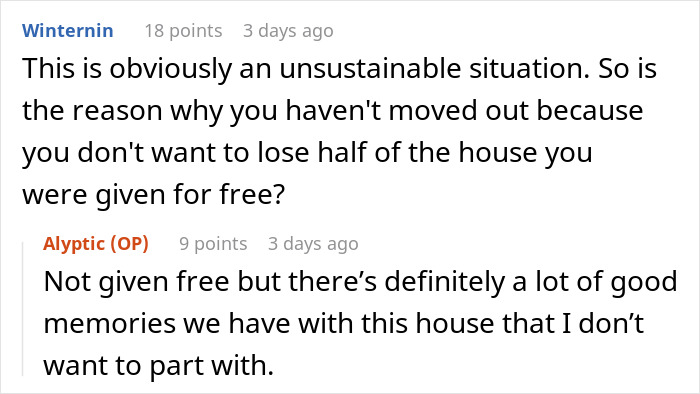
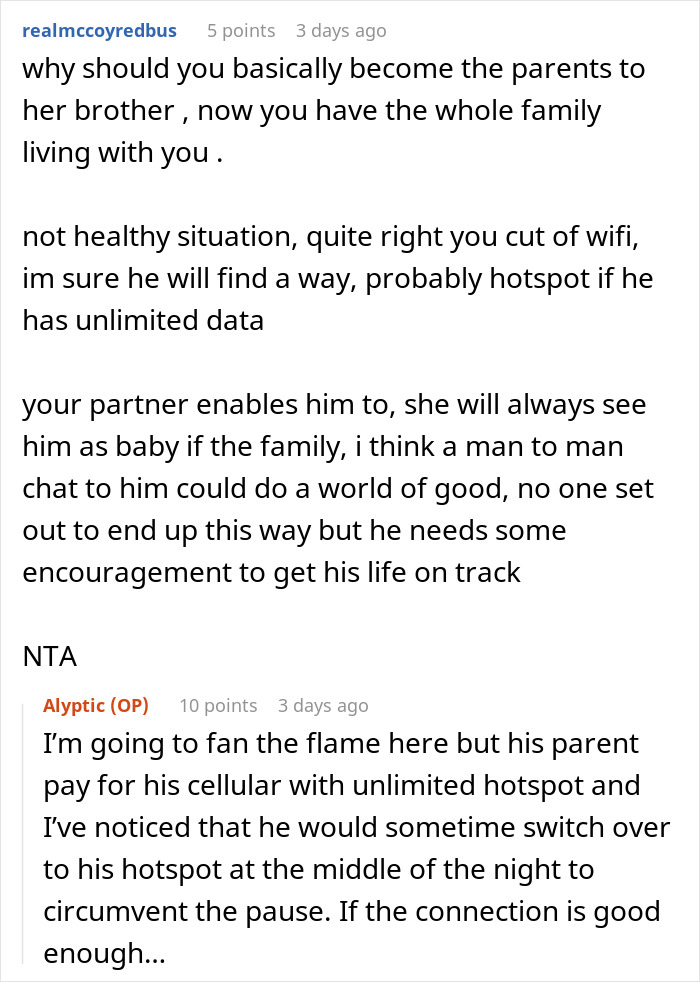
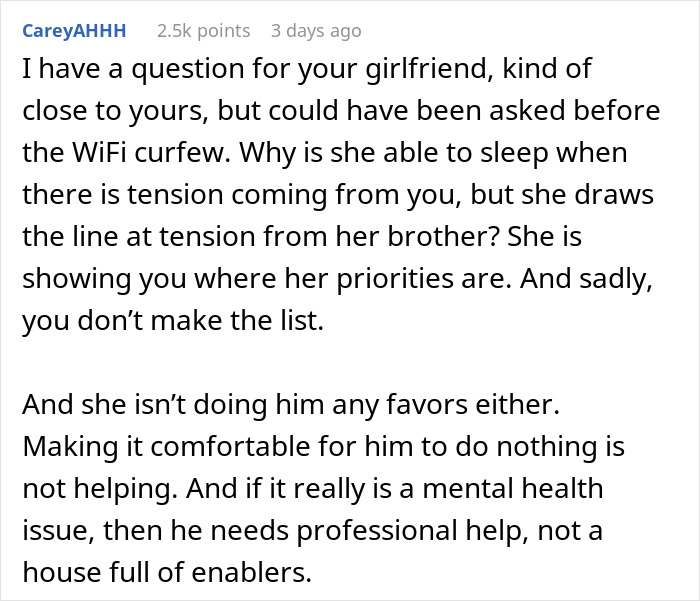






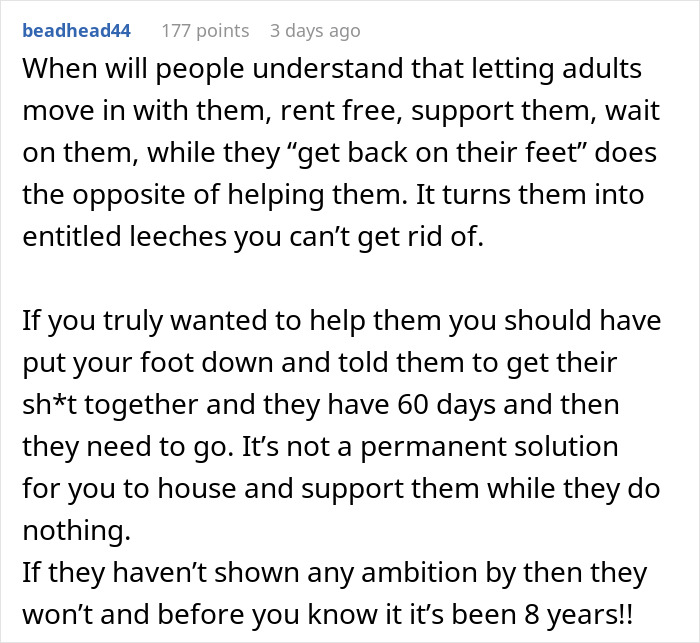







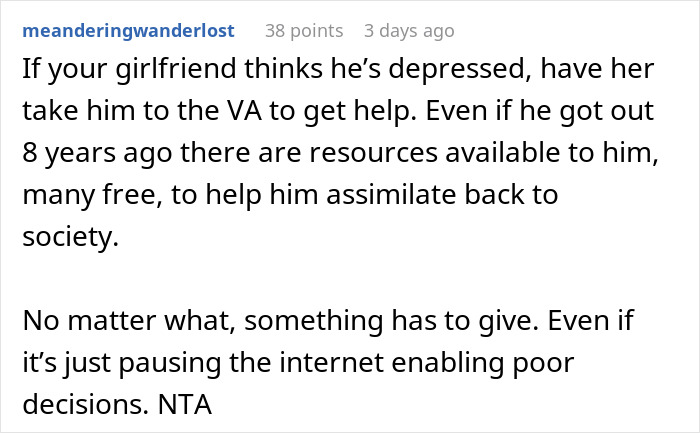

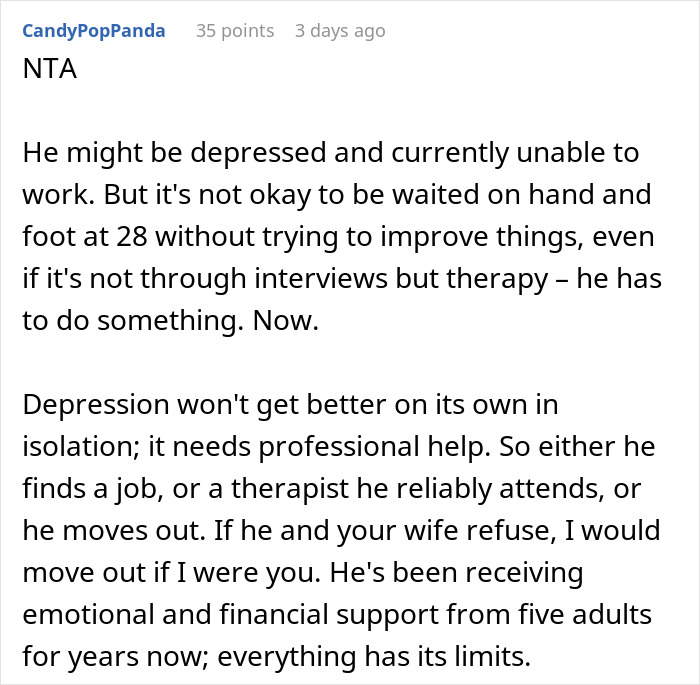
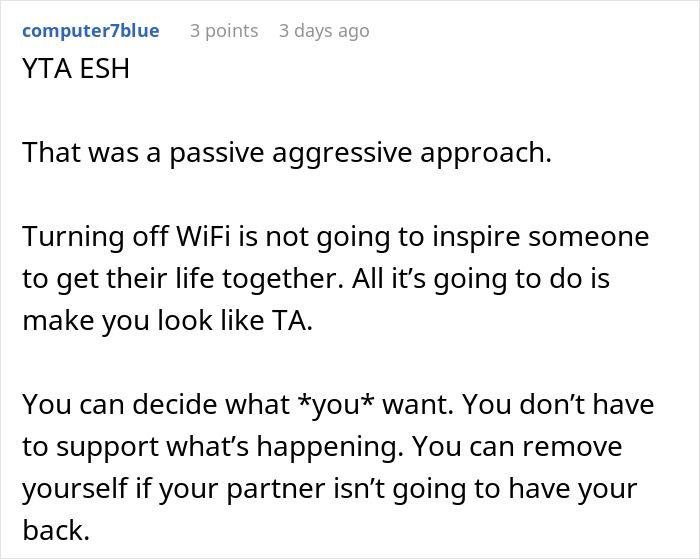

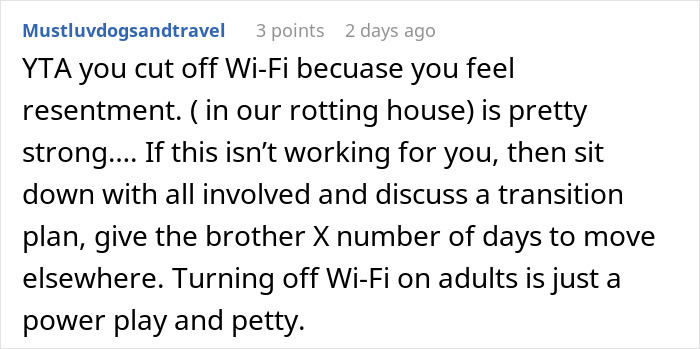
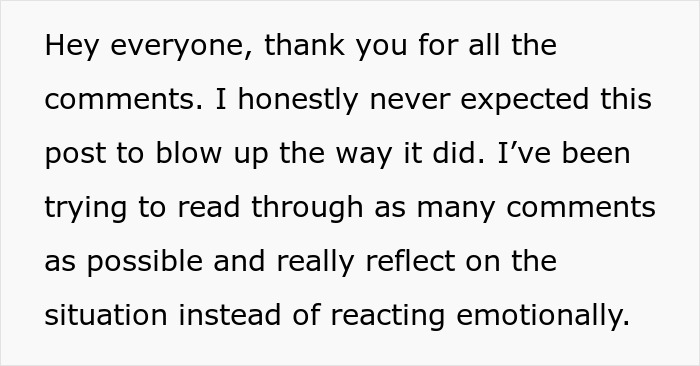
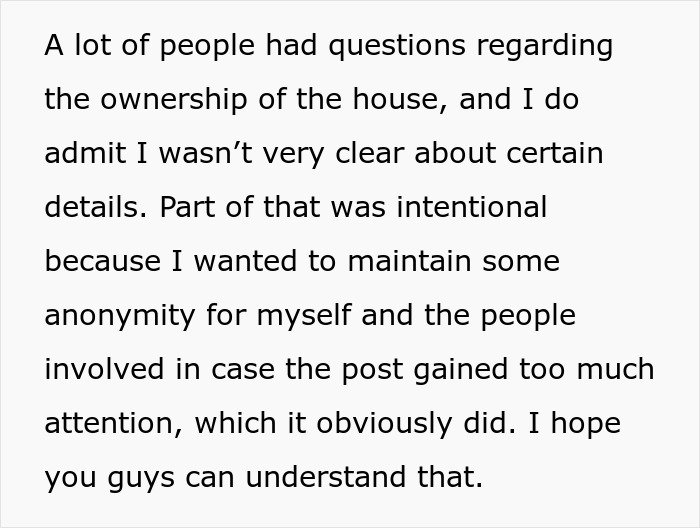
Image credits: wirestock / Magnific (not the actual photo)
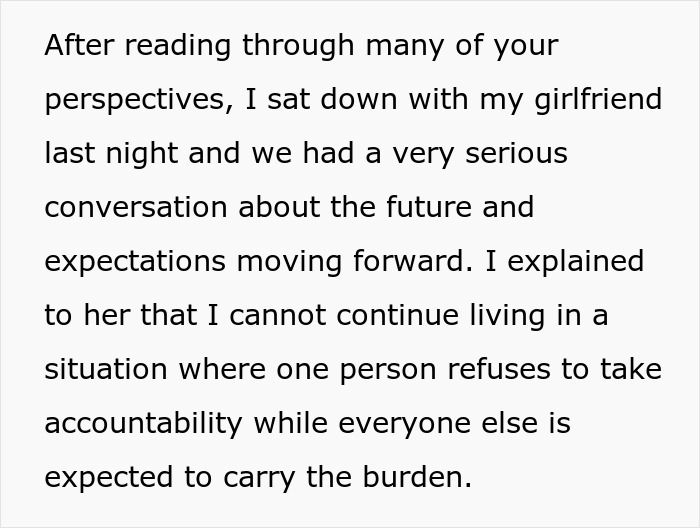
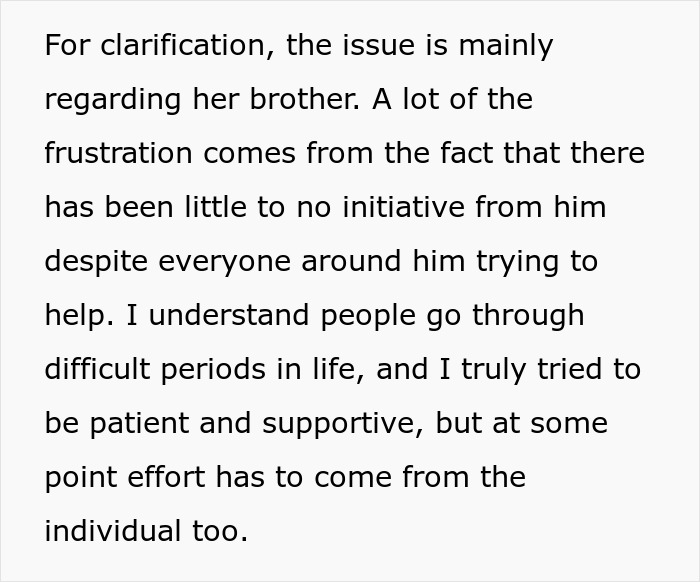
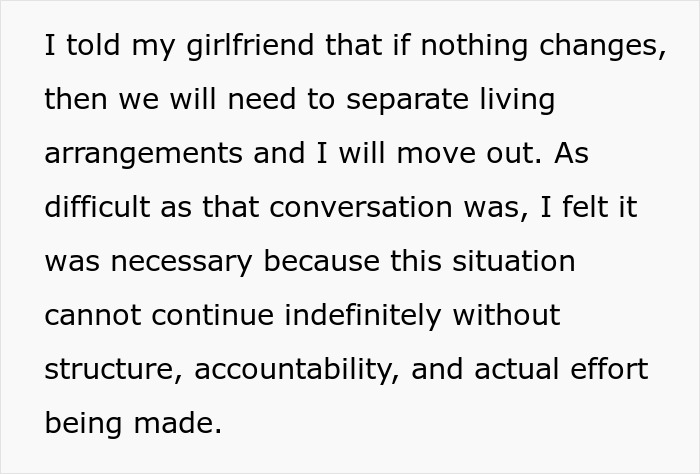
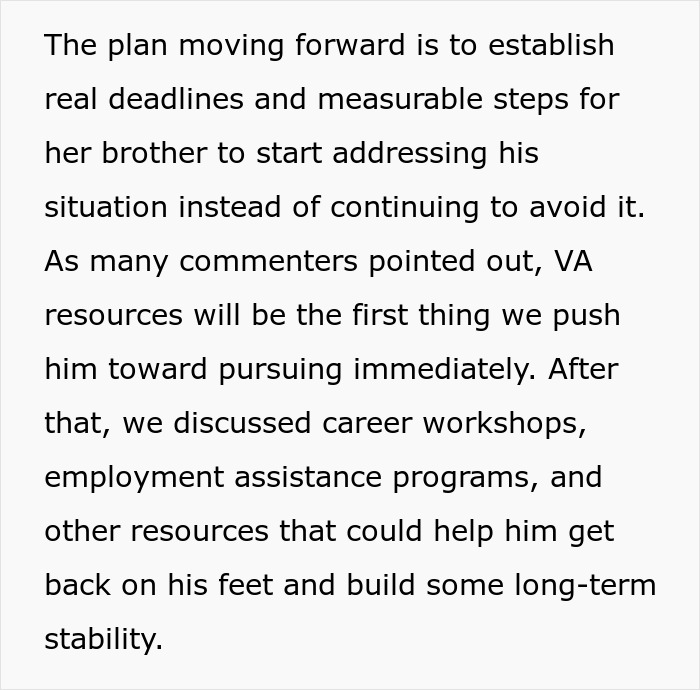
Image credits: The Yuri Arcurs Collection / Magnific (not the actual photo)

By entering your email and clicking Subscribe, you're agreeing to let us send you customized marketing messages about us and our advertising partners. You are also agreeing to our Privacy Policy.
Thank you! You've successfully subscribed to newsletters!


Op's girlfriend hasn't care about what he thinks for 10 years, and he thinks a "ultimatum" (that will not happen) of him leaving will matter? Also the delusion thinking this is a "brother problem" and not his girlfriend
Op's girlfriend hasn't care about what he thinks for 10 years, and he thinks a "ultimatum" (that will not happen) of him leaving will matter? Also the delusion thinking this is a "brother problem" and not his girlfriend
































 No fees, cancel anytime










34
2