Get Premium
Dark mode theme is available exclusively for premium users. Learn more about the benefits of subscribing.
No fees, cancel anytime.

 Dark Mode Ad-Free Browsing Unlimited Content
 Ad-Free Browsing Unlimited Content Dark Mode
Join 1.2 million Panda readers who get the best art, memes, and fun stories every week!
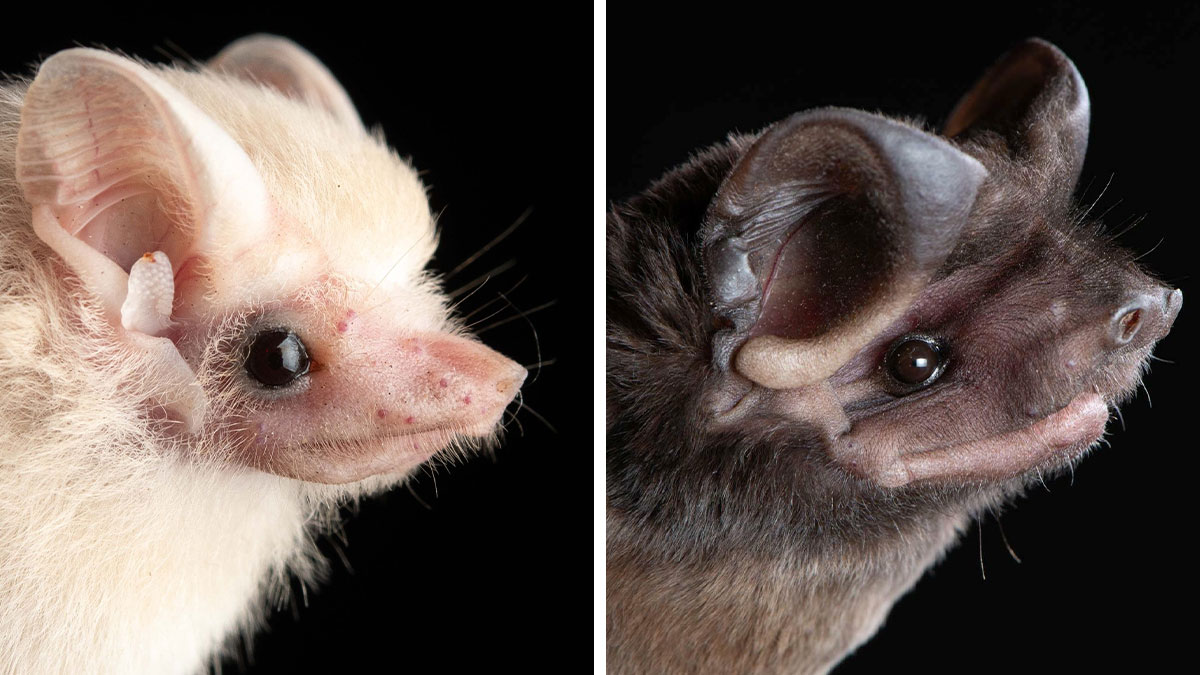

José G. Martínez-Fonseca has spent years documenting the hidden beauty of bats, and his work shows just how misunderstood these animals really are. As a Nicaraguan biologist and postdoctoral researcher at Northern Arizona University, he studies how wildlife responds to environmental change, often working directly in the field to track and understand the lives of small mammals.
His photography captures bats in stunning detail, revealing their expressive faces, delicate fur, and incredible variety. Through a combination of scientific research and art, José hopes to help people see bats not as spooky creatures, but as vital, complex animals that play an essential role in the balance of ecosystems.
More info: Instagram | josegabrielwildlife.com
This post may include affiliate links.
Bats are often misunderstood, but for biologist and photographer José G. Martínez-Fonseca, they are some of the most fascinating animals on the planet. Originally from Nicaragua and now a postdoctoral researcher at Northern Arizona University, José has spent years documenting bat biodiversity, studying their behavior, and capturing close-up portraits that reveal just how expressive they really are.
To start, he told us about the moment he first realized bats were going to shape his life.
"I had my first experience with bats when I was 19 during a workshop that I signed up for out of sheer curiosity. I found them fascinating right away, and I think the biggest thing that impacted me was their diversity. I already liked photography and thought bats would be a great subject. I especially liked how portraits of their faces could tell you about their ecological habits. What has kept me interested after all these years is the different techniques needed to record bats in photos and videos."

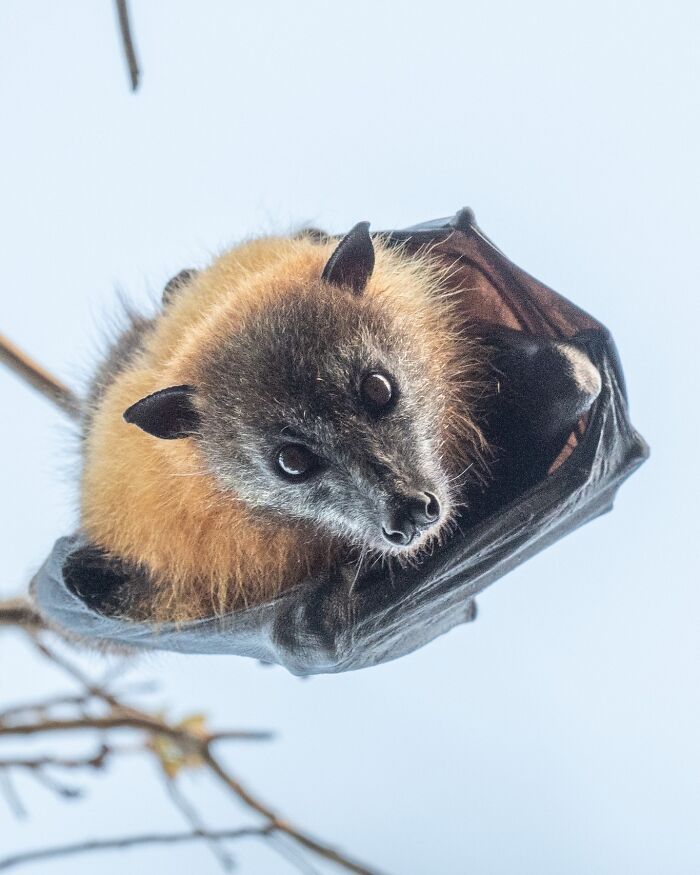
The Grey headed Flying Fox. Native to Australia, it can have a wingspan up to 3m!
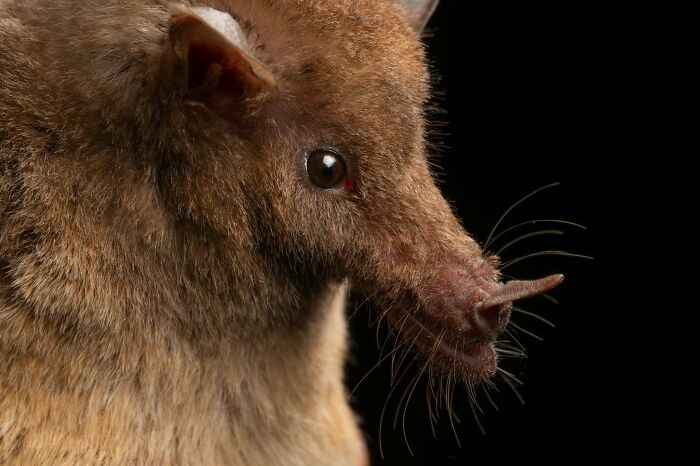
This handsome fella is the Mexican long-tongued bat. It feeds on the nectar of agave and cacti (among others) in Mexico, Central America, and South Western US. They're super important to the pollination of plants they feed on and are considered "keystone mutualists".
He explained that photographing them is never boring, because their personalities constantly surprise him.
"All the time! Bats have a lot of personality. I handle many bats to collect data and photograph them, and during handling I see how different individuals of the same species can be. Bats are very intelligent and often I see them being attracted to the calls of other animals when we are working in the field. Of course, there are trends in behavior that are shared between some species, like free-tailed bats that seem to always have a smile on their faces."

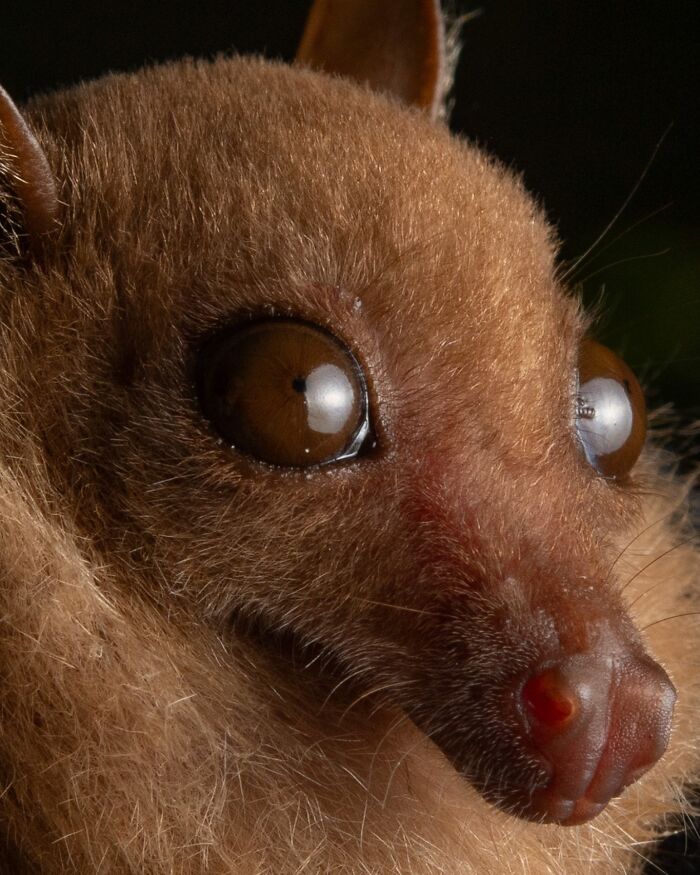
The lesser short-nosed fruit bat. They are also known for making little tents for themselves out of leaves! 🏕️
José also shared how his photography directly supports conservation and education efforts back home in Nicaragua.
"Nicaragua is a fascinating place, incredibly diverse, and with great potential for new discoveries about the natural world. Unfortunately, there have been a lot of challenges in the conservation of natural resources and in documenting biodiversity there. As a Nicaraguan-born myself, I feel it is my duty to not only help with research in the country but also to contribute as much as I can to young biologists.
Last year I ran a workshop to train 15 students in bat handling and detection techniques. Our team also does a lot of outreach in the communities where we do bat research to highlight the value of bats to our ecosystems and to dispel myths about them. We have camera traps all across the country to document the movement and behaviors of understudied species. Over the last 15 years, the efforts of our team have resulted in numerous scientific publications from all over the country. We have increased the known number of bat species in Nicaragua to 116 — one of the highest per unit of area in the world. Plus, we have contributed to the knowledge of the ecology of many rare bat species – diet, movement, roosting preferences – which are essential to act in conserving them."
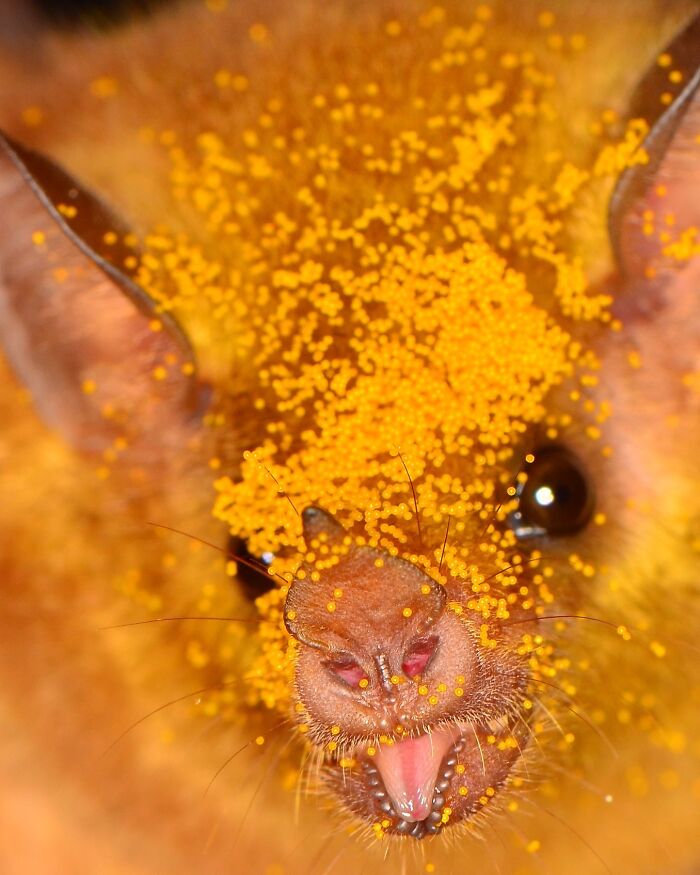
The Commissaris's long-tongued bat, a nectar feeding bat (and known stealer of cheese puffs)
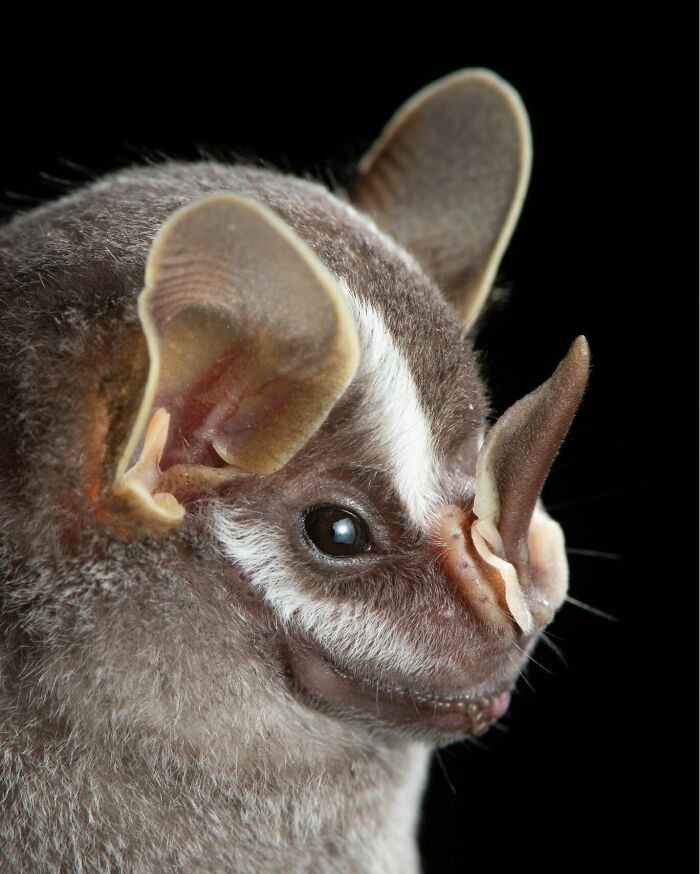
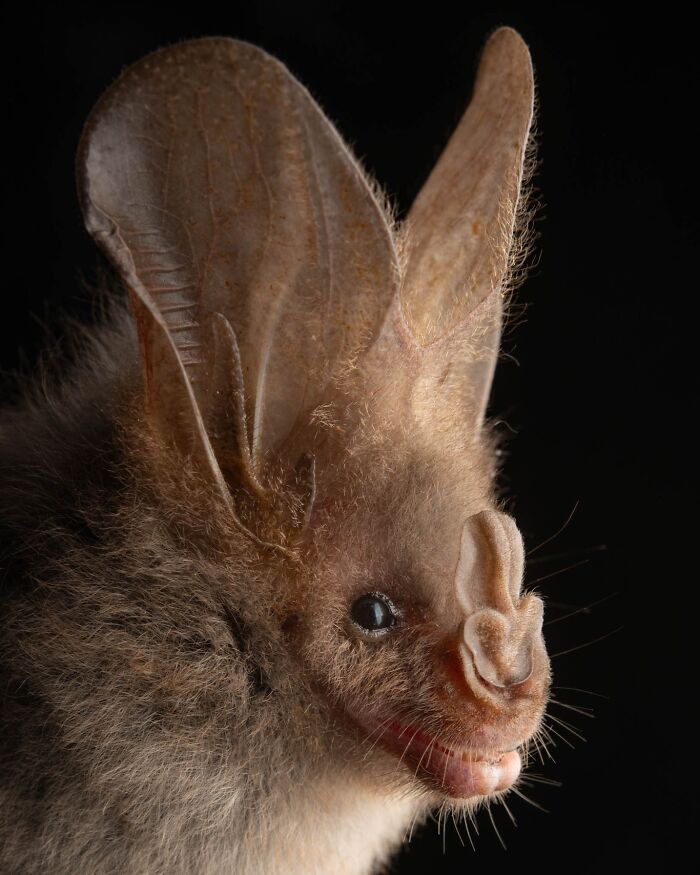
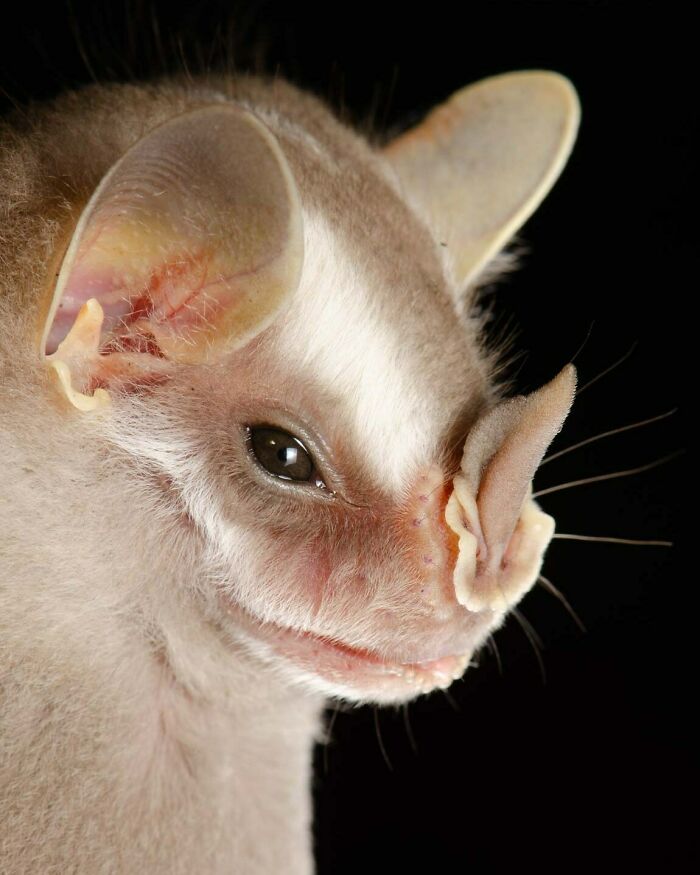
Ooh, the white-lined broad-nosed bat! This little guy's distinct leaf shaped nose is thought to help him with echolocation as they reside mainly in lowland forests of Central and South America
When asked if there is still a “dream bat” he hopes to photograph one day, he didn’t hesitate.
"It would be difficult for me to pick a single one. There are over 1,500 species in the world, many that are absolutely incredible. But if I had to pick, I would say the Visor Bat — an alien-looking species from South America that I find fascinating."
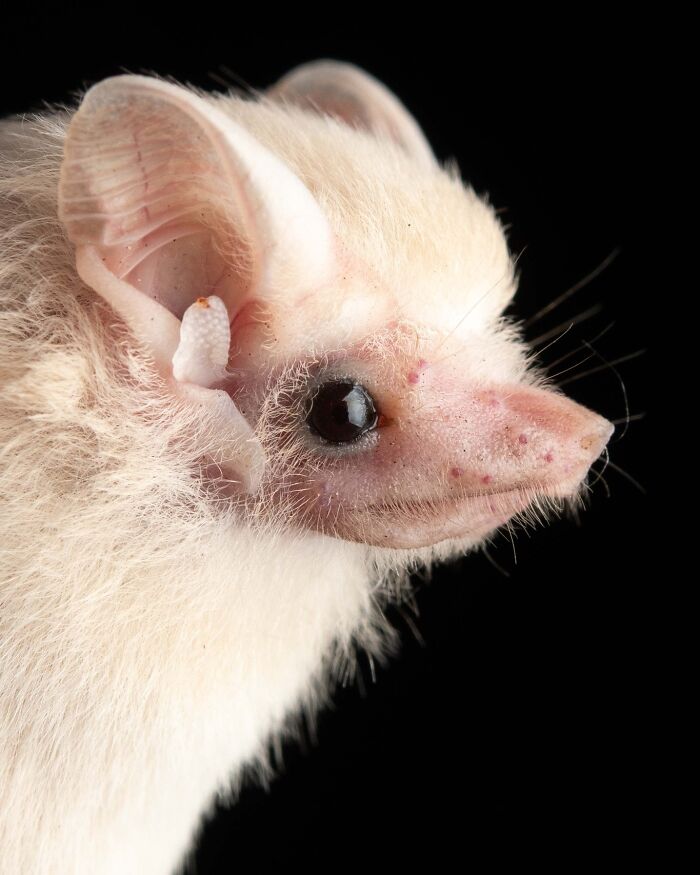
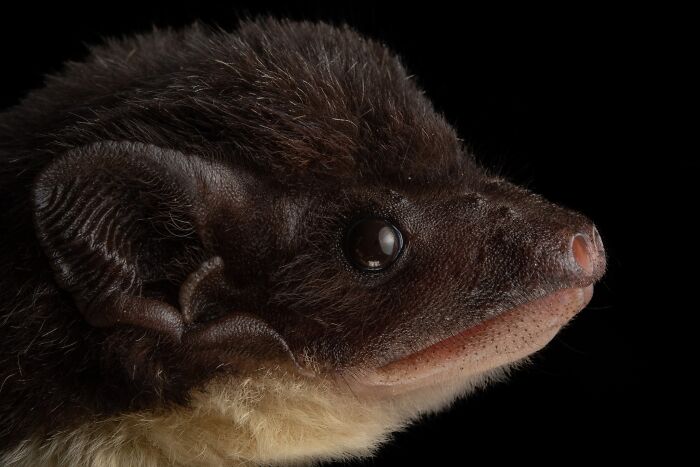
This little cutie looks like a sheath tailed bat. Probably the yellow bellied one, which is a large insect eater. It could also be the Seychelles, who are sadly critically endangered due to habitat loss 🙁
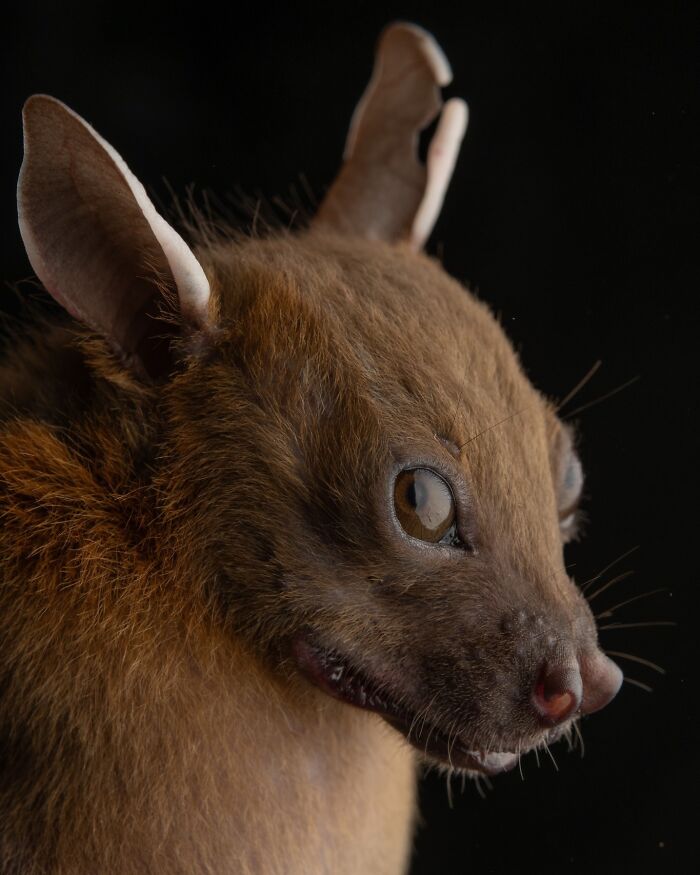
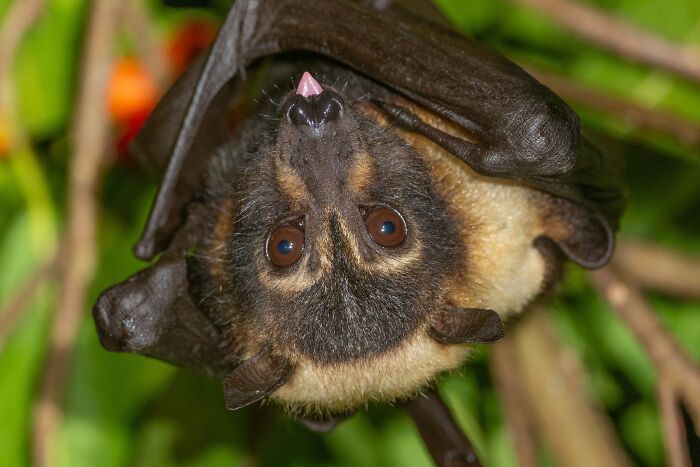
This little teddy bear is the Spectacled flying fox. A species of mega bat that lives up to it's name as one of the largest species of bat in the world. And of course it's found in Australia (as well as New Guinea)
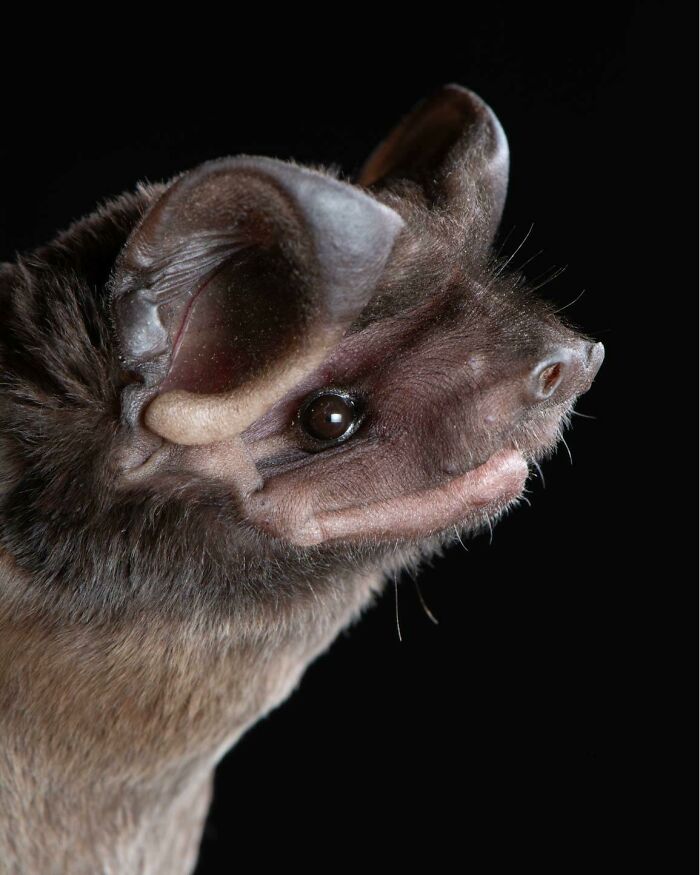
Those big ol' ears point to this being a Western mastiff bat, or Western Bonneted bat as they're commonly called. It is the largest bat species native to North America, with a wingspan of almost two feet. And can also be found across Mexico and into Central America 🐘

The lesser vampire bat! Which is actually a misnomer, because it's not related to the vampire bat we commonly think of and does not feed on blood. Although they do eat insects and have been known to eat small vertebrates, including other bats ::gulp::
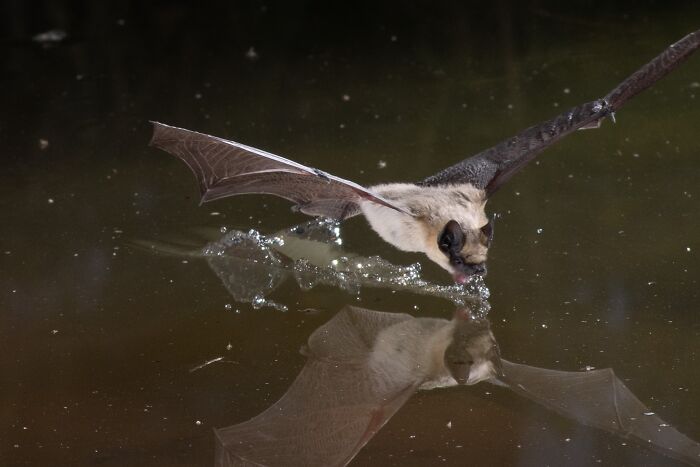
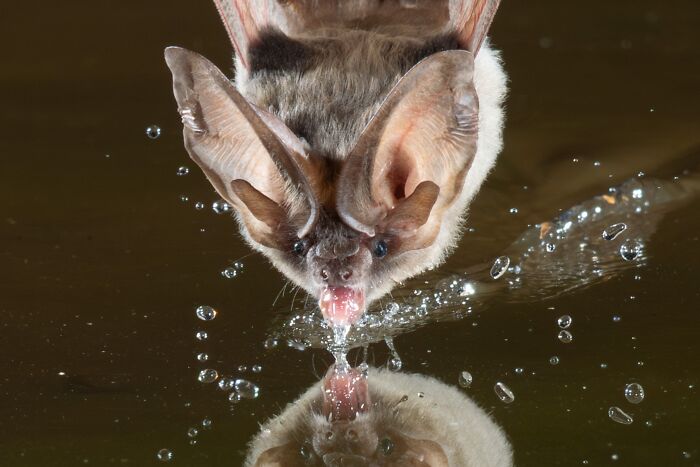
The canyon bat, drinking "on the wing". These itty bitty cuties are the smallest North American bat species, weighing on average the same as a US dime (the coin, get your head out of the gutter).
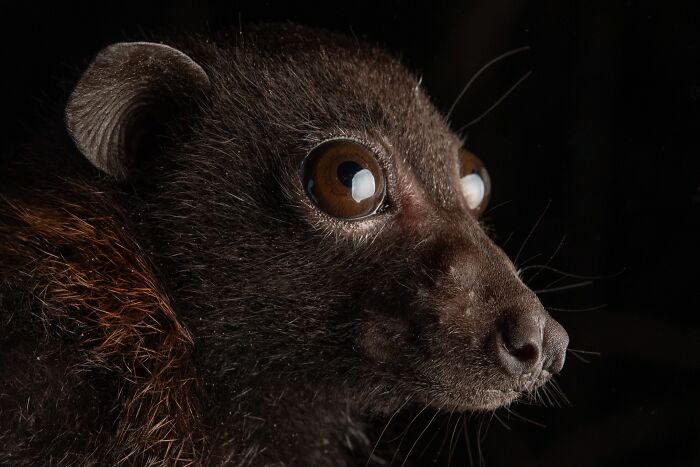
The Island Flying Fox. TIL that unlike other bats who rely on echolocation to navigate, flying foxes use their vision and excellent sense of smell to find food.
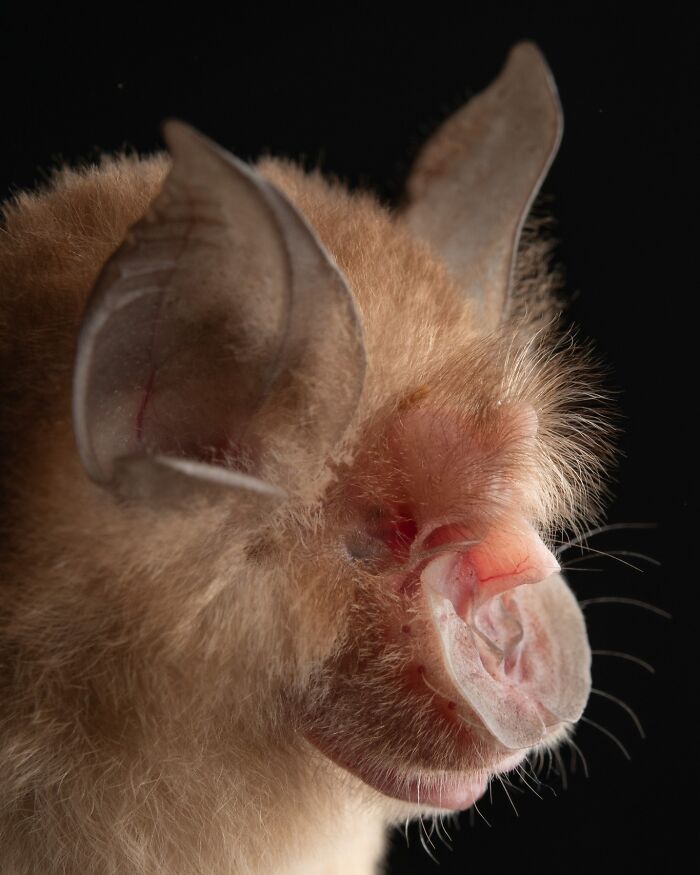
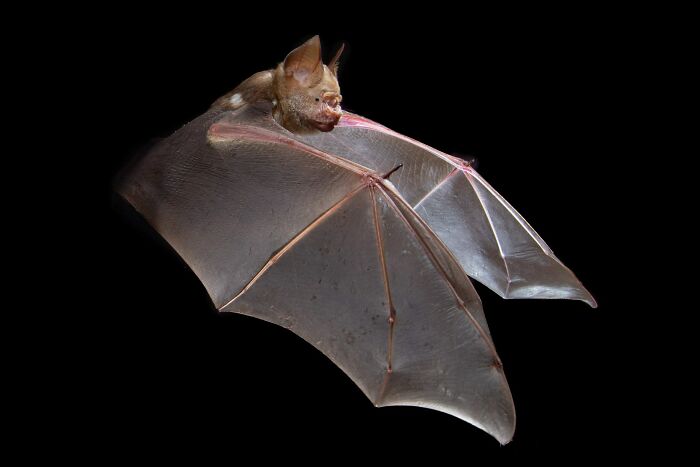
This derpy looking guy is the Mediterranean horseshoe bat. As the name suggests, you can find them in the Mediterranean, the Balkan peninsula and parts of Italy.
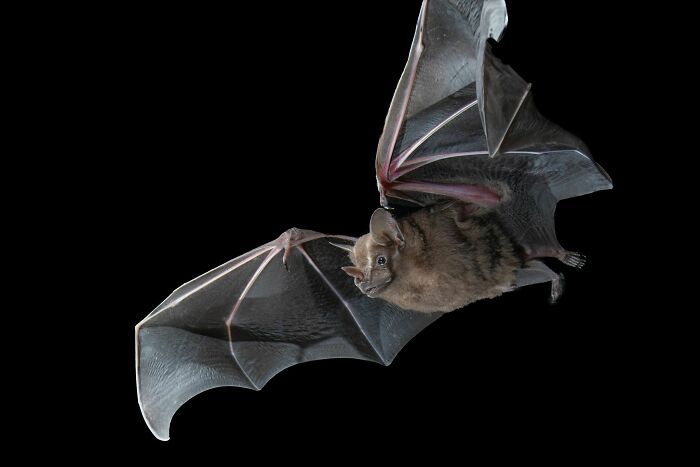
I think it's the Jamaican Fruit Bat. As the name suggests, they're found in Caribbean Islands, as well as Mexico, Brazil, and Argentina.
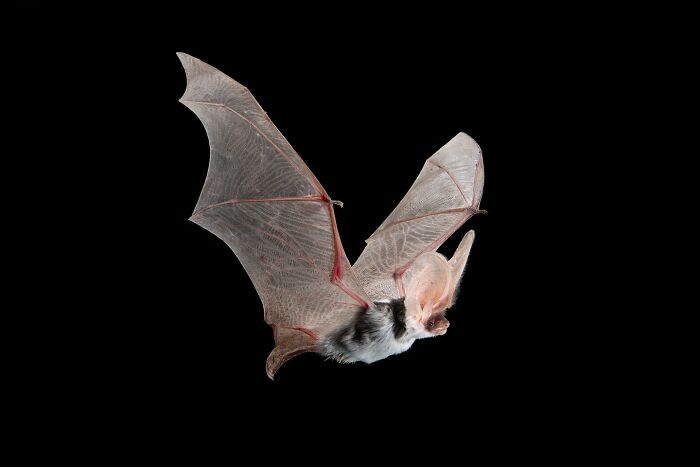
This beauty is the Spotted Bat - distinguished by the 3 white spots on it's back. It has a wingspan of over a foot and is also known for it's long silky hair (jealous!).
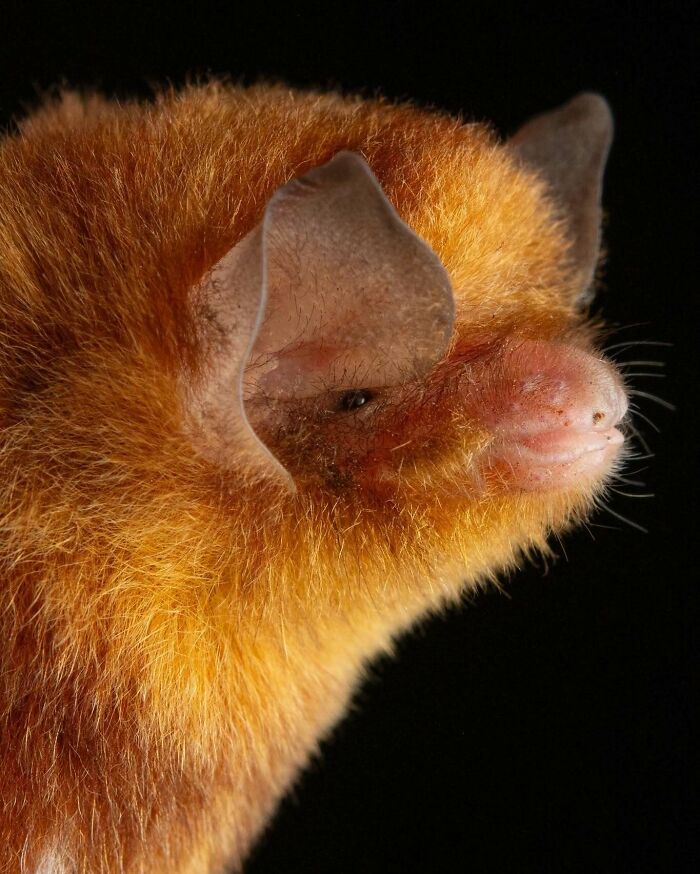
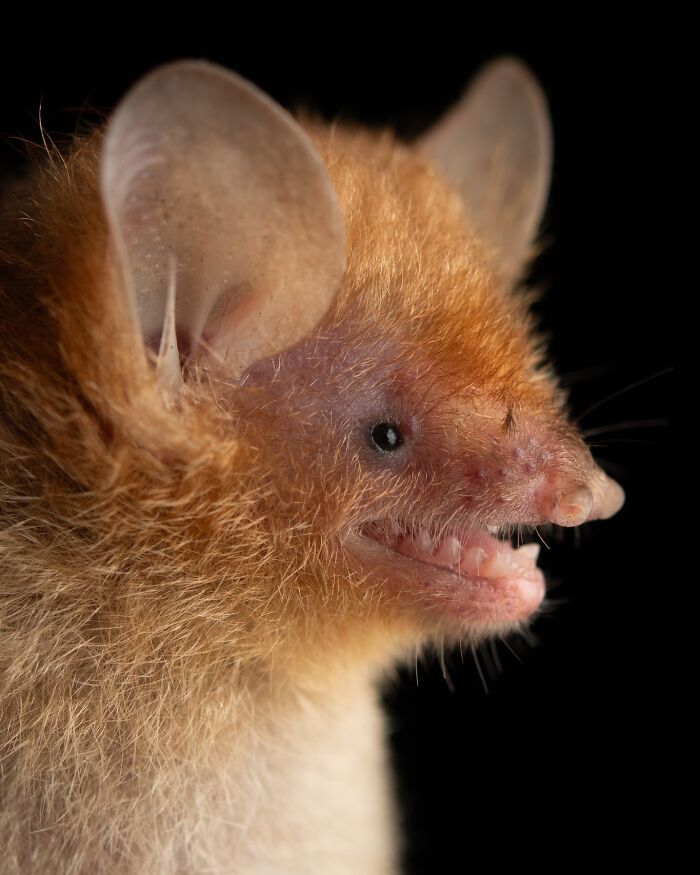
The little bent wing bat - the smallest of the bent wings! (If you've watched the newest The Grinch movie, you'll know the color of his fur is "Chocolate Explosion" 😁)
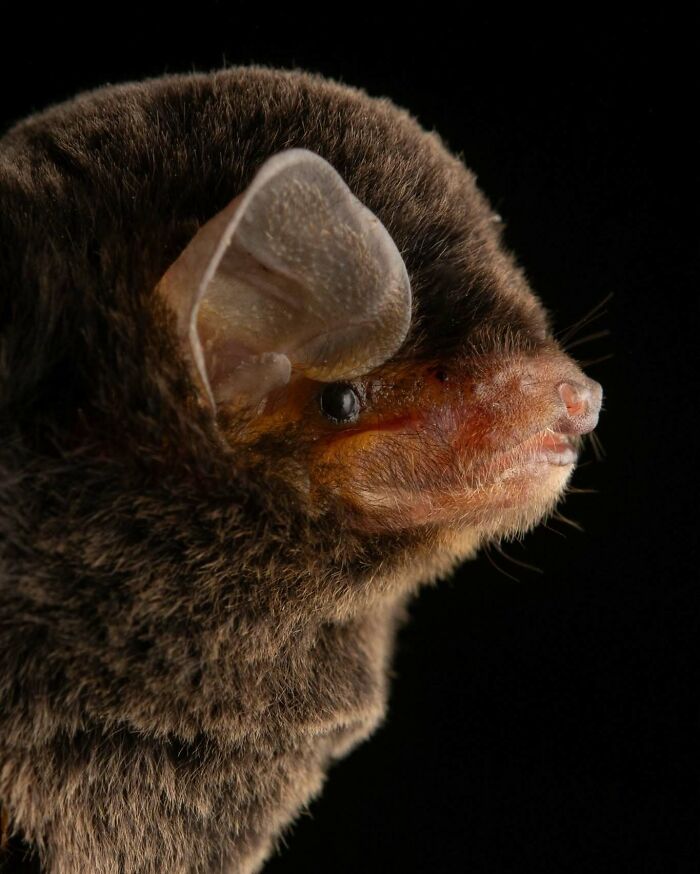
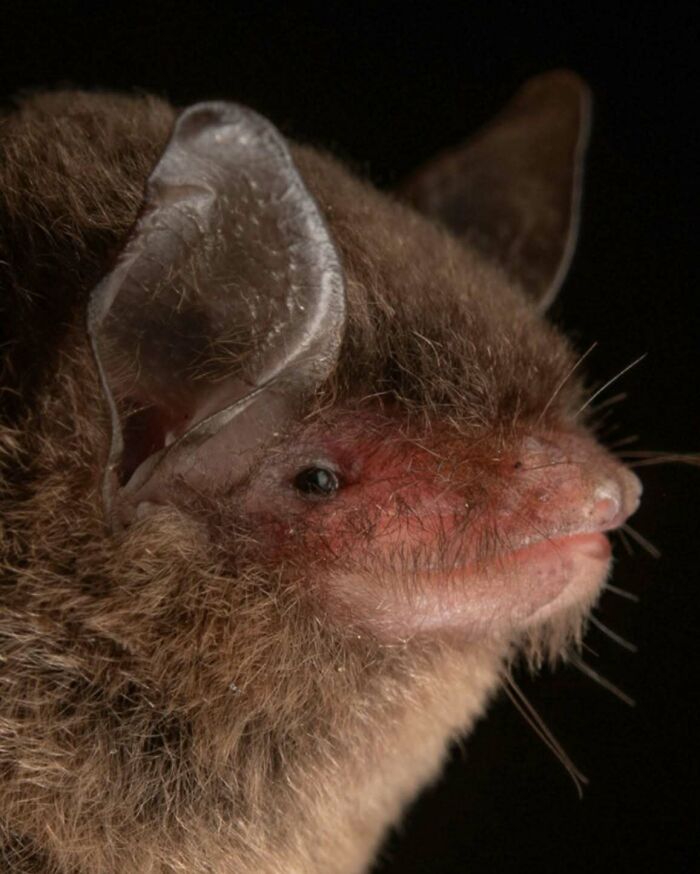
The Riparian Myotis. The photographer and his friend actually found evidence of this fluffy little furball in several previously unrecorded places including Guatemala, Belize, El Salvador, and Northern Honduras. And yes, he is judging you.
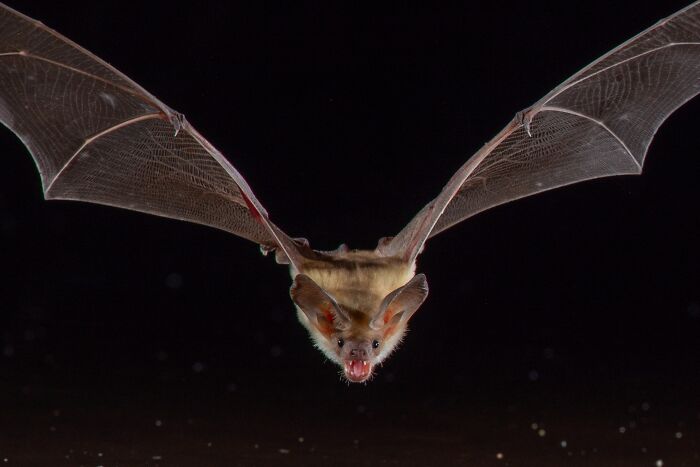
Weeeee!! The Pallid bat! These excited little creatures are unique among bats in that they hunt for their food (primarily insects) on the ground, and are immune to the venom of scorpions (one of their fav snacks).
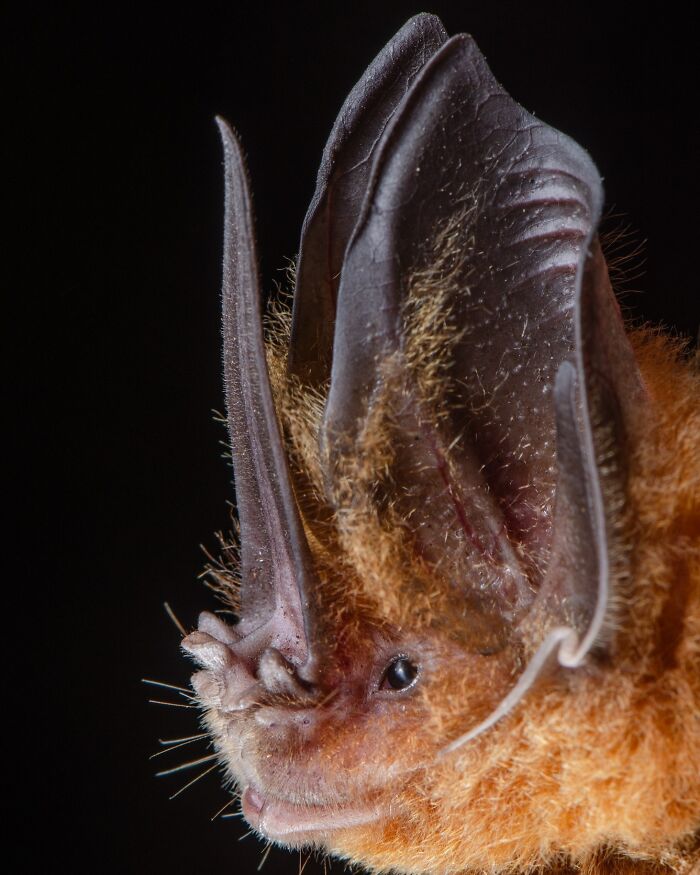
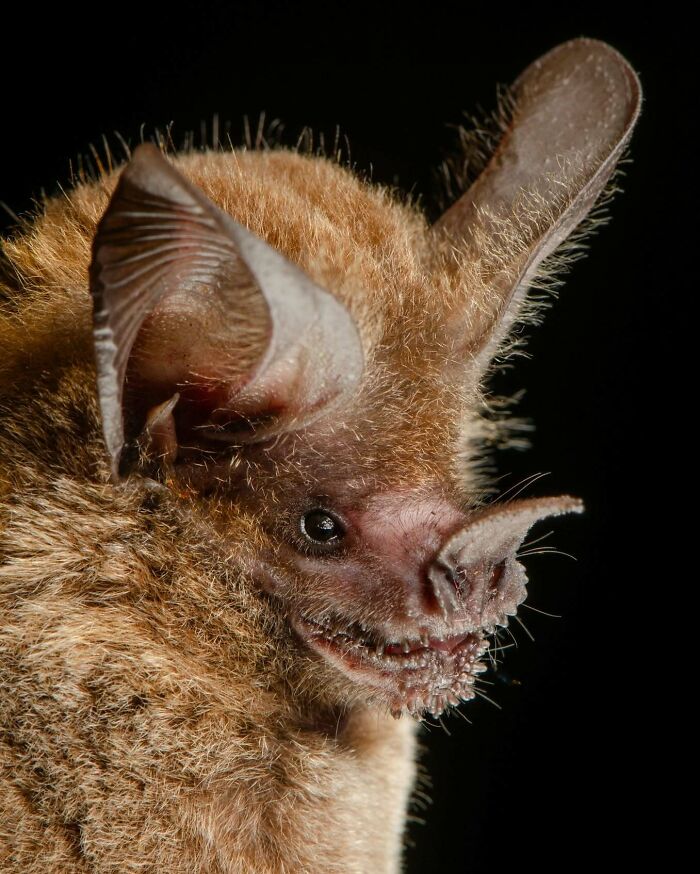
Tomes's Sword Nosed Bat. Surprisingly I couldn't find a lot of info on them. But that beak is impressive!
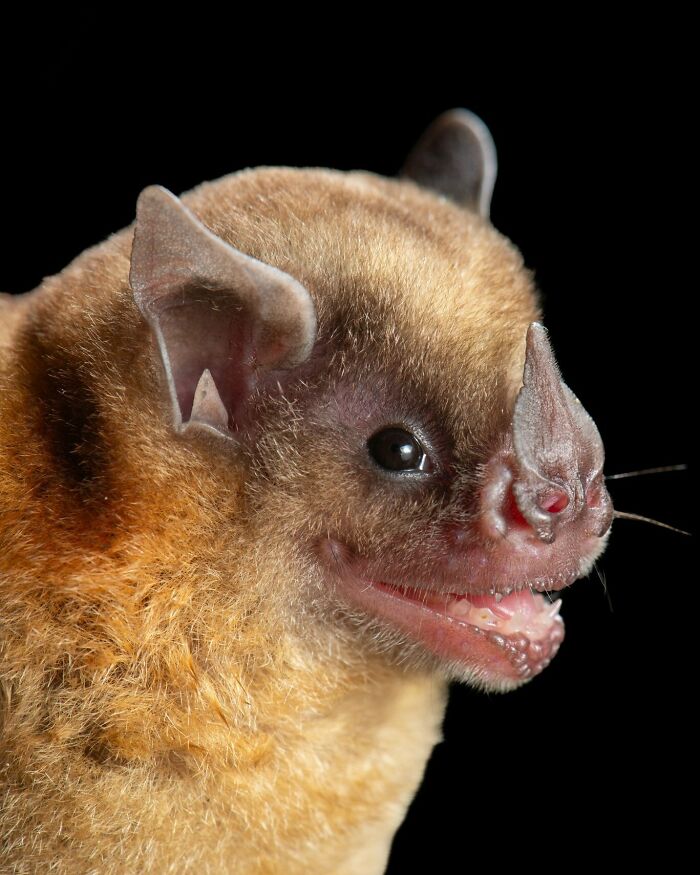
Not super sure, but I think this is the Hellers broad nose bat. They're social little fruitivarians that often cluster in small groups in trees and under leaves. Judging by the look on its face, they're likely plotting global domination (we can only hope).
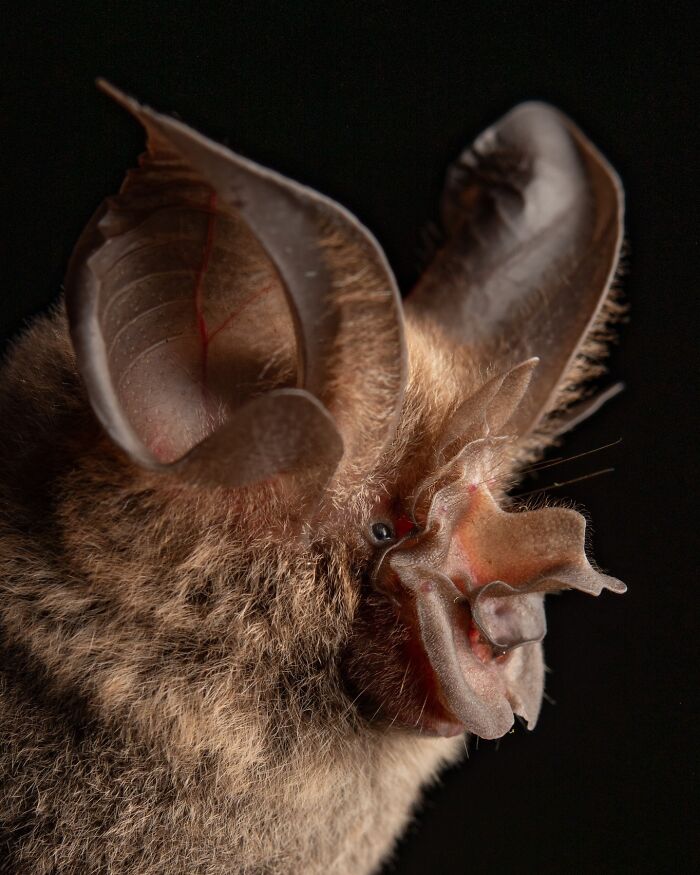
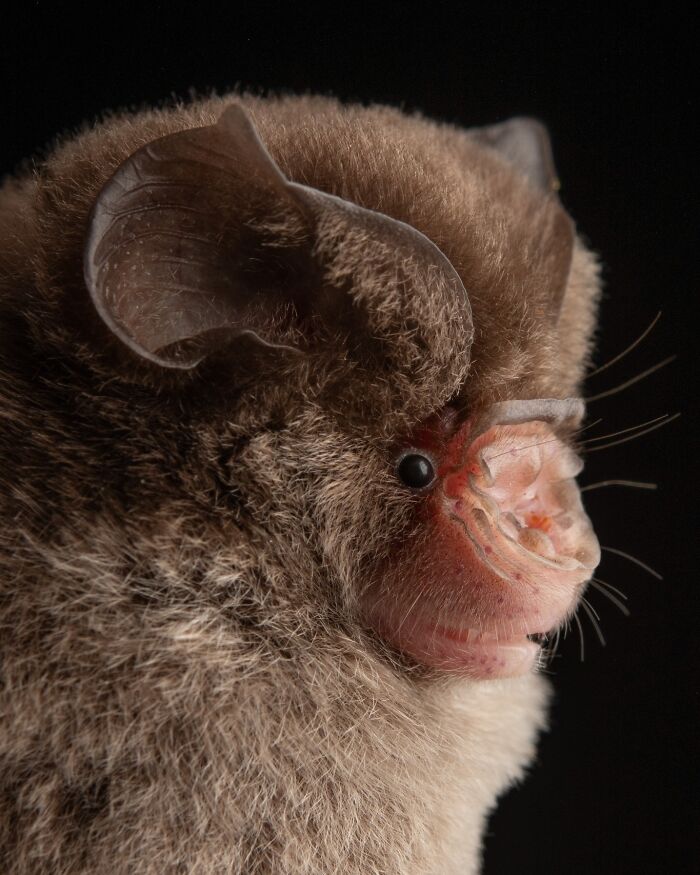
The great roundleaf bat - the details of his nose are amazing!
The fringe lipped bat! Because "wart lipped bat" sounded gross 😂
The Ussuri tube-nosed bat - the only mammal, besides the polar bear, known to hibernate in the snow! He also does a great Beavis impersonation.
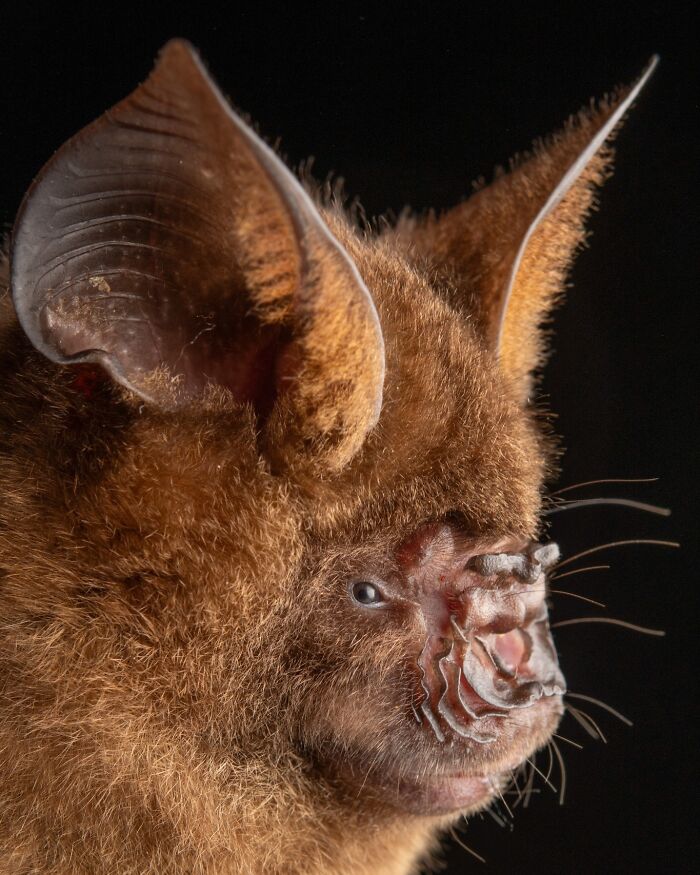
From the photographer's Facebook: "In today's episode of Bats with fascinating faces: the croslet horseshoe bat (Rhinolophus coelophyllus). A bat we encountered several night in Langkawi Island, Malaysia back in February. This bat is not blind, it's just the angle of this photo. However, many bats can retract their eyes and in this case these are also blocked by the facial hair and folds of the face. These structures help produce and direct echolocation calls that are necessary for navigating in the dark. "
I love bats!! They are such awesome and adorable creatures ❤️ The photographer's IG is fantastic

Thank you SO MUCH for going to work of identifying these for us! I am quite grateful, loving bats as much as I do.
Load More Replies...


Don't get me wrong, I like bats myself but with the close up of the bats faces, I think they are ugly.
What is going on with the noses? The Mediterranean horseshoe bat in particular. They evolved for a reason but not one I can imagine.
Echolocation! I'm not certain, but I'm guessing the various folds and crevices in their noses allow them to echo locate with more precision and depth?
Load More Replies...
Yeah. They are cute ... if you like Jean Paul Belmondo, and Fiat Multipla car :-)
I was looking for a definition of 'cute' that could possibly include these mini-monsters; I think you've nailed it. The car acquired the nickname Fuglipla in some circles, as in F. Ugly.
Load More Replies... I love bats!! They are such awesome and adorable creatures ❤️ The photographer's IG is fantastic
Thank you SO MUCH for going to work of identifying these for us! I am quite grateful, loving bats as much as I do.
Load More Replies... Don't get me wrong, I like bats myself but with the close up of the bats faces, I think they are ugly.
What is going on with the noses? The Mediterranean horseshoe bat in particular. They evolved for a reason but not one I can imagine.
Echolocation! I'm not certain, but I'm guessing the various folds and crevices in their noses allow them to echo locate with more precision and depth?
Load More Replies... Yeah. They are cute ... if you like Jean Paul Belmondo, and Fiat Multipla car :-)
I was looking for a definition of 'cute' that could possibly include these mini-monsters; I think you've nailed it. The car acquired the nickname Fuglipla in some circles, as in F. Ugly.
Load More Replies...





































 No fees, cancel anytime