Get Premium
Dark mode theme is available exclusively for premium users. Learn more about the benefits of subscribing.
No fees, cancel anytime.

 Dark Mode Ad-Free Browsing Unlimited Content
 Ad-Free Browsing Unlimited Content Dark Mode
Join 1.2 million Panda readers who get the best art, memes, and fun stories every week!
Photos can be surprisingly deceptive. And no, we’re not talking about AI-generated images here. Sometimes, all it takes is a carefully chosen angle, clever lighting, a bit of Photoshop, or some seriously flattering editing to make something look far better than it does in real life. And when it comes to architecture, hotels, and vacation rentals, the gap between expectation and reality can sometimes be absolutely hilarious.
For today’s collection, we scoured the internet for some of the most disappointing expectation-versus-reality photos out there. From buildings that looked impressive online but turned out to be underwhelming in person to Airbnb listings that could give catfishing a whole new meaning, these pictures prove that you really can’t always trust what you see. Keep scrolling to check out these spectacular cases where reality definitely failed to live up to the photo.
This post may include affiliate links.

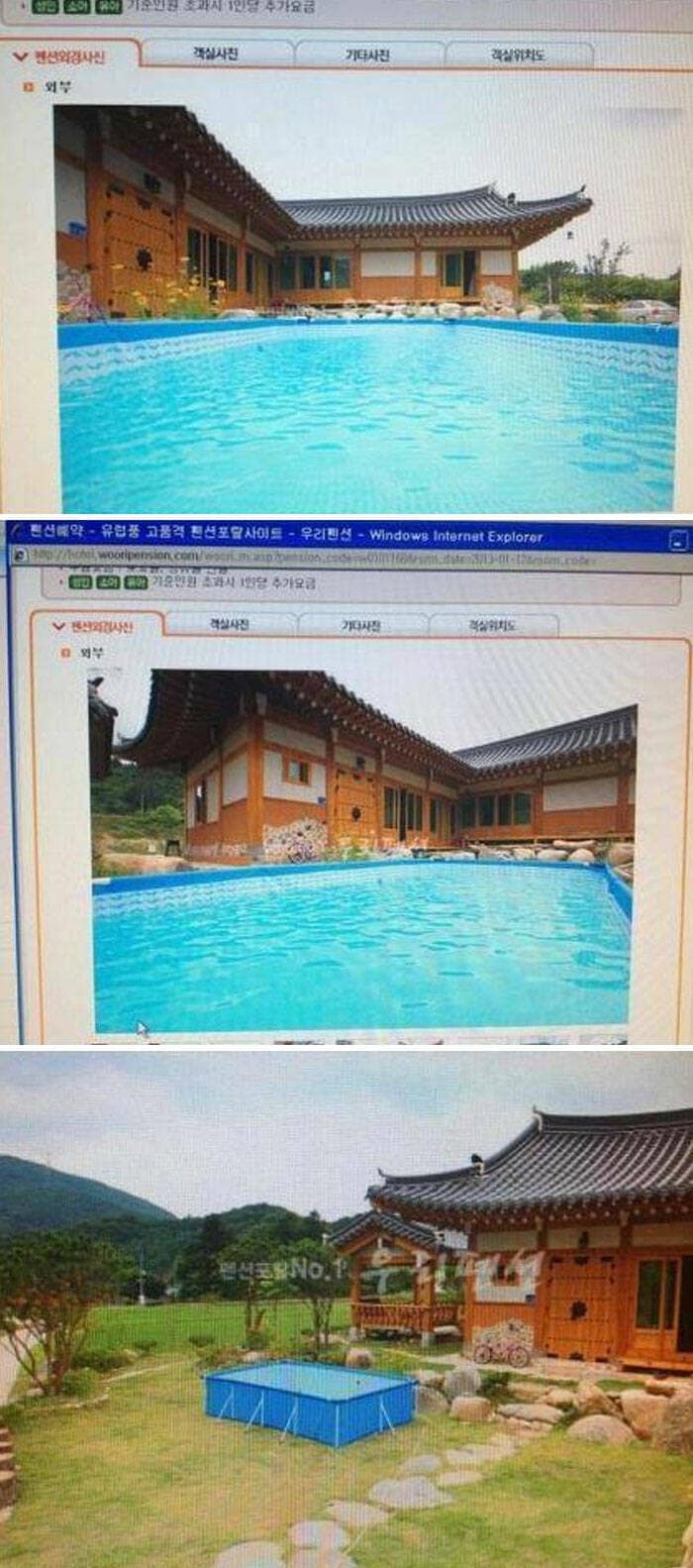
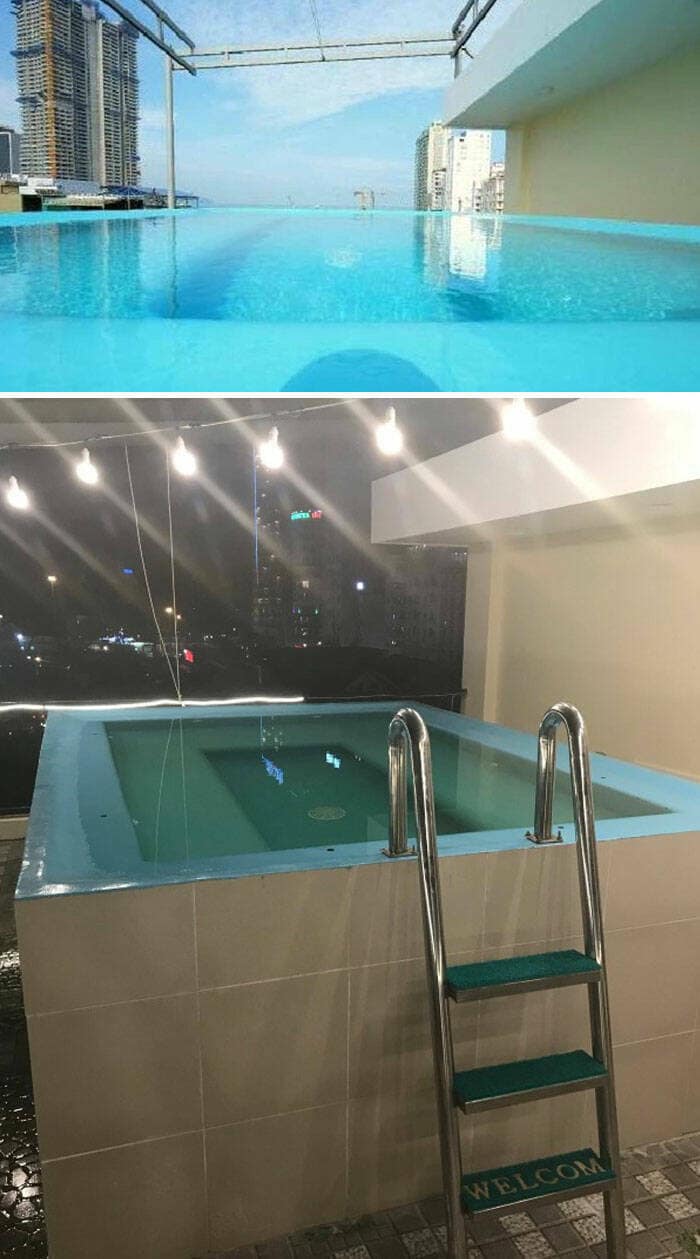
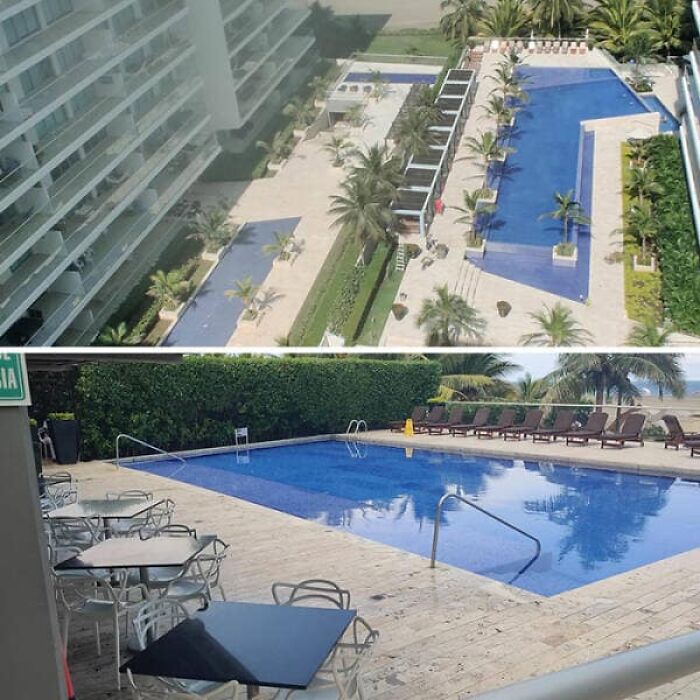
Always look at the place from multiple angles. Sketchy places can fake things - like pools end up being a kid's pool or the "ocean view" ends up being a sliver between buildings. If it seems too good to be true it probably is. I refuse to use Airbnb anyway. It's gotten ridiculous.
Sometimes, architecture goes wrong because of things no one could have predicted. A sudden storm, unusual soil conditions, or a material behaving differently than expected can turn even a well-planned project into a disaster. But sometimes, the problem comes down to people getting a little too ambitious with a design and forgetting that, unfortunately, physics always gets the final say. Architects may focus on creating a dramatic silhouette or an eye-catching structure without fully considering how wind, sunlight, water, and gravity will interact with it over time.
The Leaning Tower of Pisa is a perfect example. It wasn’t designed to become the world’s most famous crooked building. During construction in the 12th century, its heavy foundation was built on soft, unstable clay soil that simply couldn’t support it properly. The tower began leaning, and well, the rest is history. Luckily, that particular architectural mishap turned into a world-famous landmark.
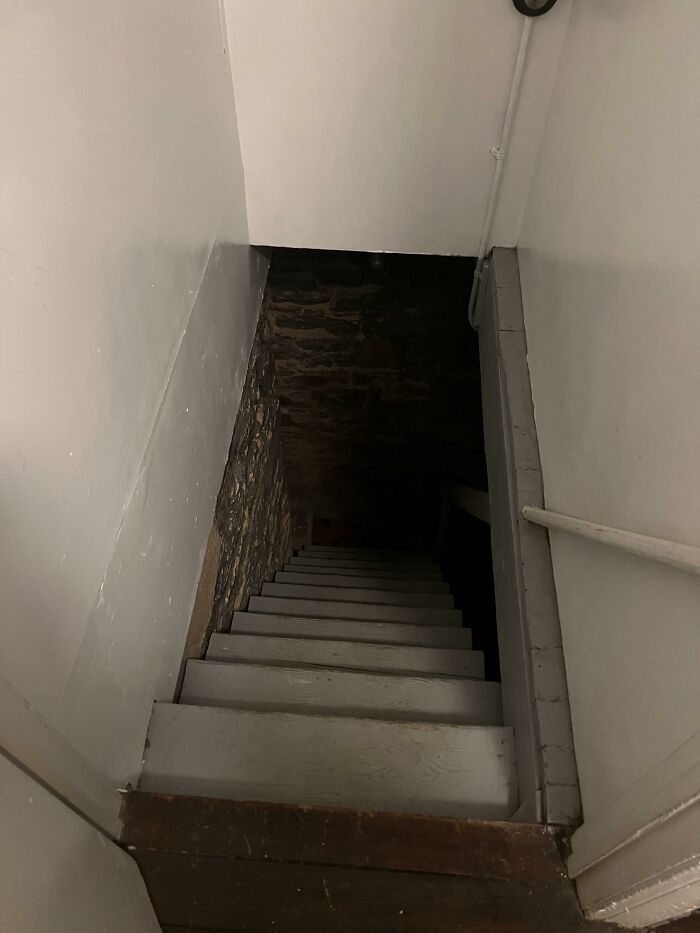
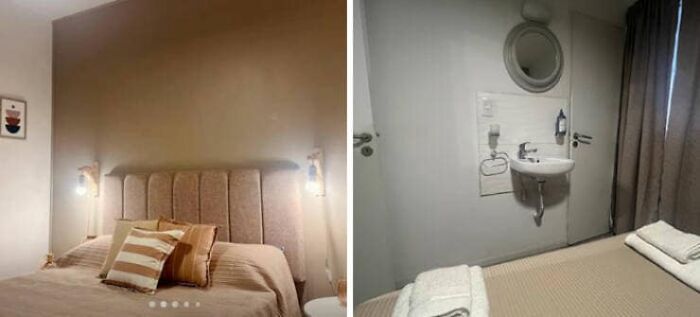
The Airbnb I’m staying in says it’s a laundry room, so I’ll be wearing dirty clothes all week.
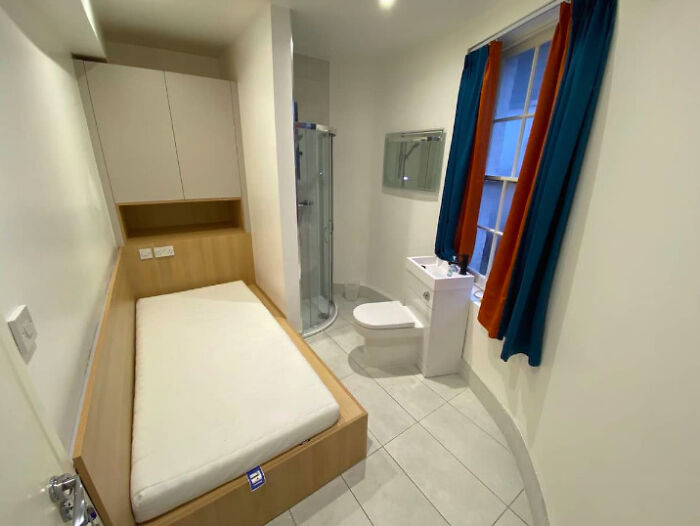
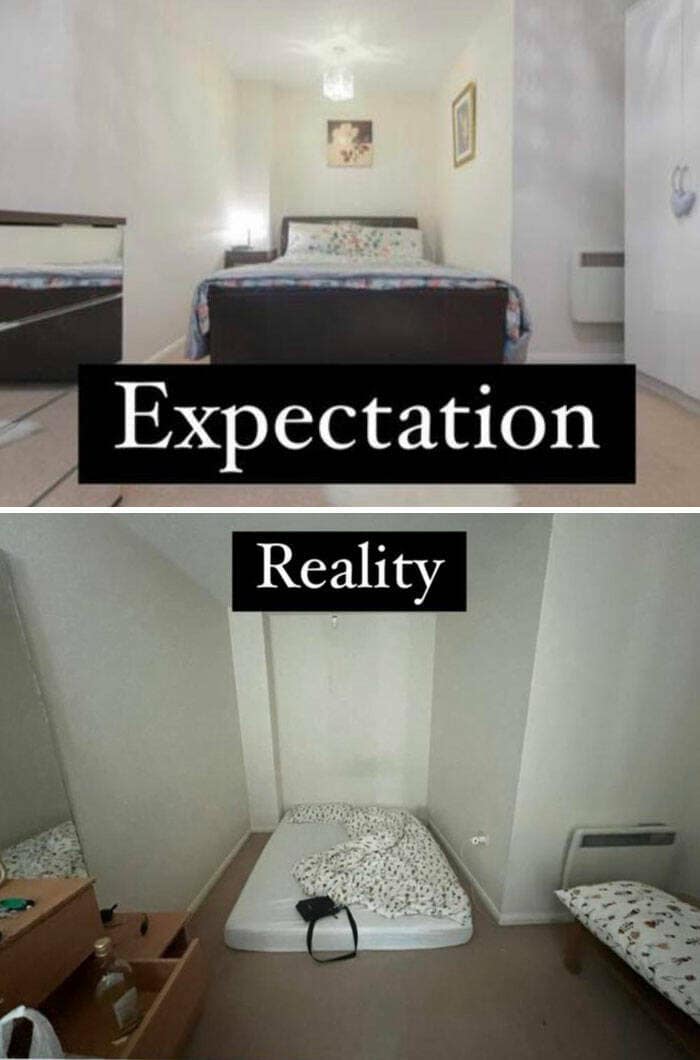
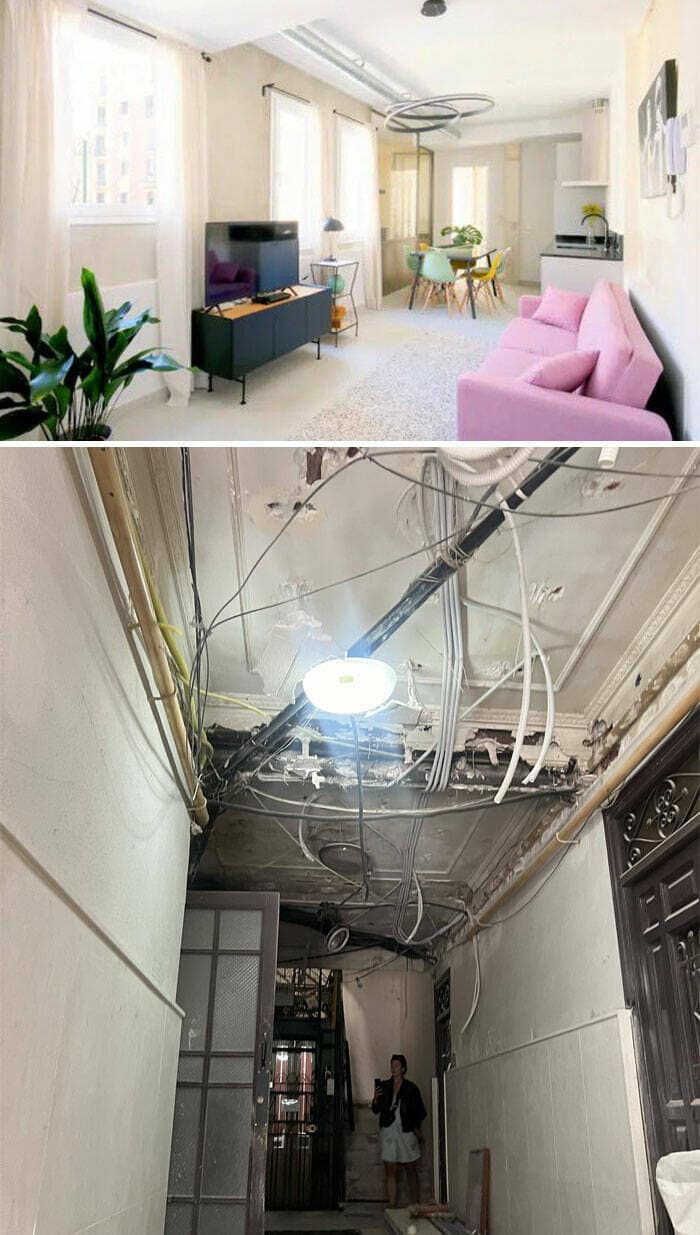
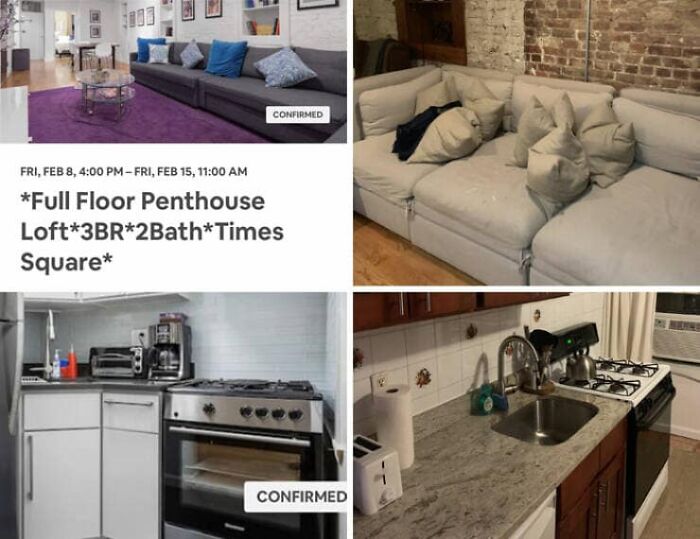
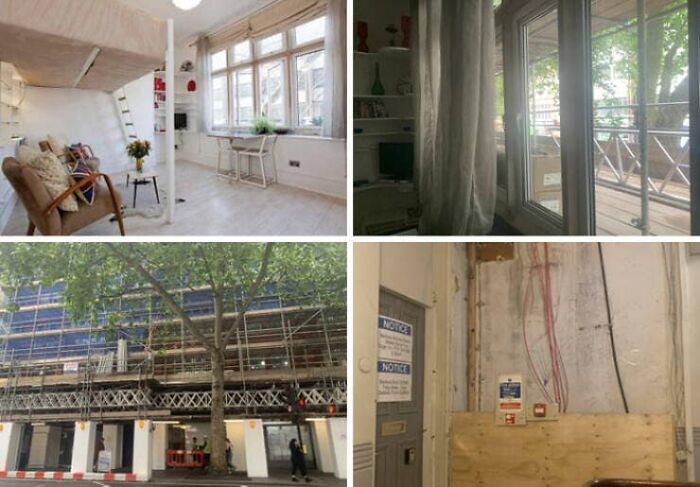
Just saw this on Airbnb - What £2100 per month get's you in central London
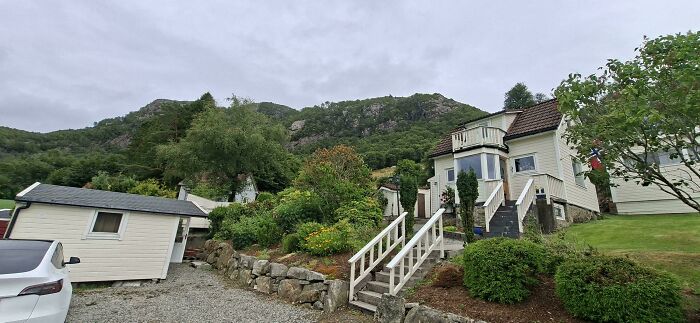
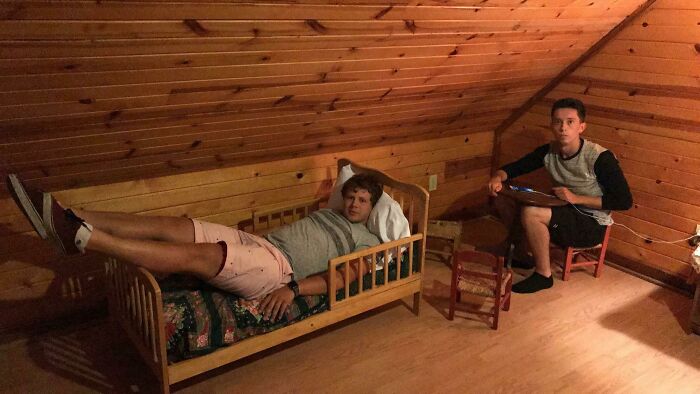
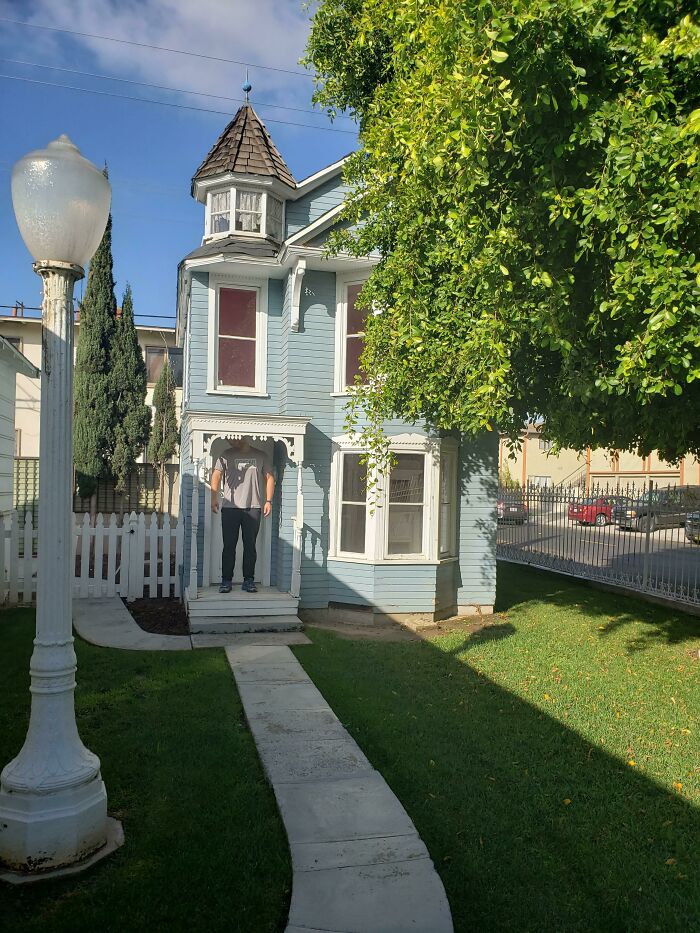
Booked an airbnb with 4 bedrooms, the ad didnt say anything about bedrooms separated from the house, so now my brother and i have to sleep in the little shed on the left.
Speaking of nature having the last laugh, let’s talk about what happened to the Tacoma Narrows Bridge in Washington, USA. You might think a little wind wouldn’t be a huge problem for a massive bridge made of steel, but “Galloping Gertie,” as it became known, proved otherwise. In Why Buildings Fall Down: How Structures Fail, Matthys Levy and Mario Salvadori describe the famous 1940 collapse as a major lesson in aerodynamic instability and aeroelastic flutter. Earlier suspension bridges used deep, open trusses underneath the roadway, which allowed wind to pass through more easily.
The Tacoma Narrows Bridge, however, used shallow, solid steel plate girders because they gave it a sleek, modern appearance. Unfortunately, those solid plates interacted with the wind in a way that caused the bridge to twist and move dramatically. The motion kept getting worse instead of calming down, until the structure could no longer handle the stress. It was a spectacular failure, but it also changed the way engineers think about designing bridges.
My Airbnb host used some creative lighting in the listing
Another lesson in why real life doesn’t always behave like a computer model came with the Hartford Civic Center roof collapse in Connecticut, USA. The arena had an enormous space-frame roof made from an impressive web of interconnected steel triangles. On paper, everything seemed to make sense. The designers even used a computer program to calculate how the structure would handle different loads. The trouble was that the software made some assumptions that didn’t quite hold up in the real world.
It assumed the long steel rods would remain perfectly straight, but under the weight of heavy snow, those struts became vulnerable to buckling. Because the roof didn’t have enough lateral bracing, one failure led to another in a domino effect. Eventually, the entire 1,400-ton roof came crashing down into the empty stadium. Thankfully, no one was inside at the time. Still, the incident became an important reminder that computers can be incredibly helpful, but they can’t replace careful engineering and an understanding of how materials actually behave.
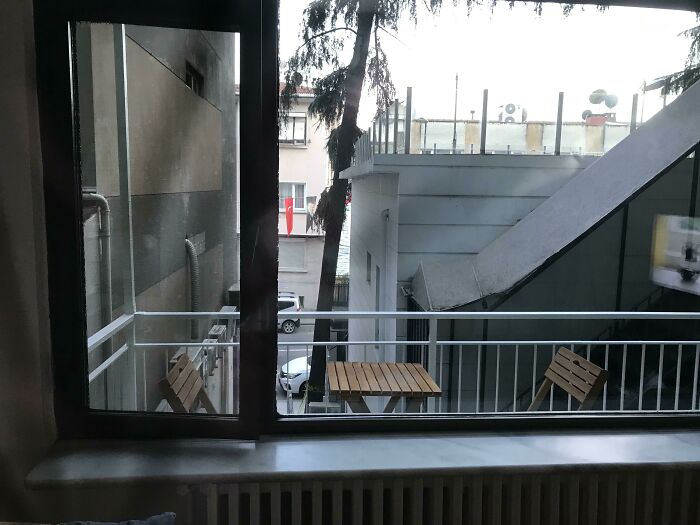
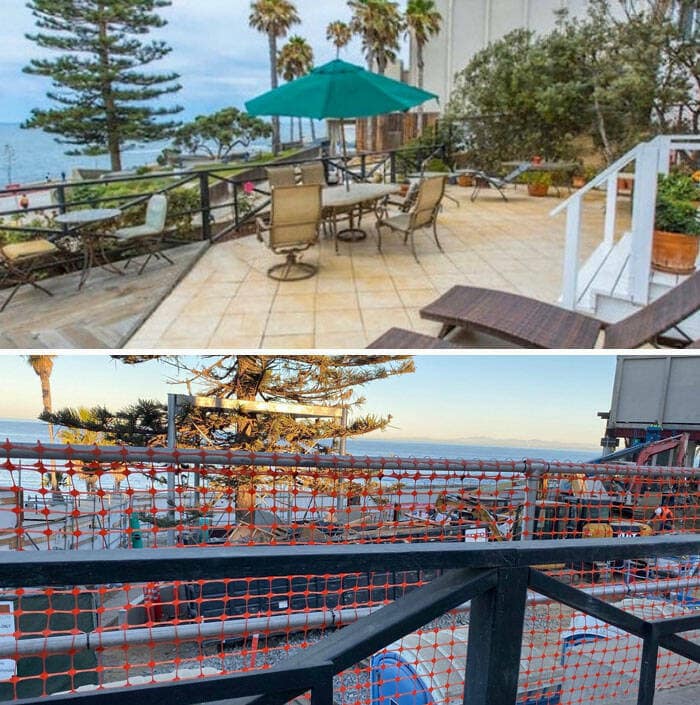
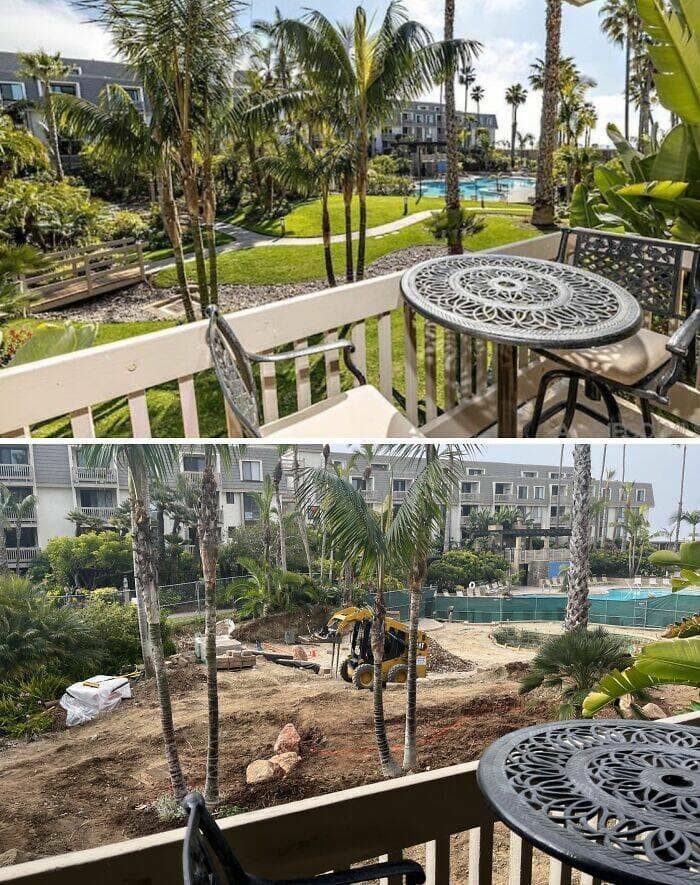
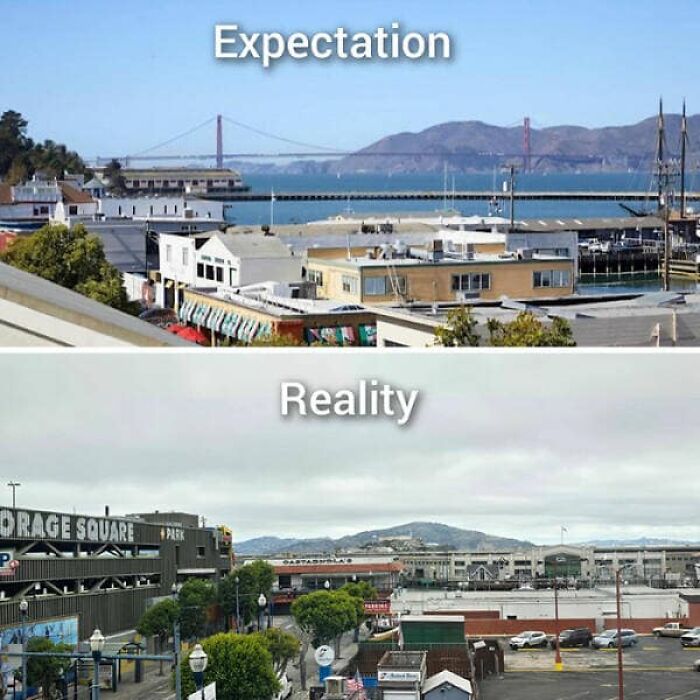
They said there was a sea view at our AirBNB
If you didn't see pics proving it you shouldn't trust them. Technically they're not lying, but that's totally sh.itty.
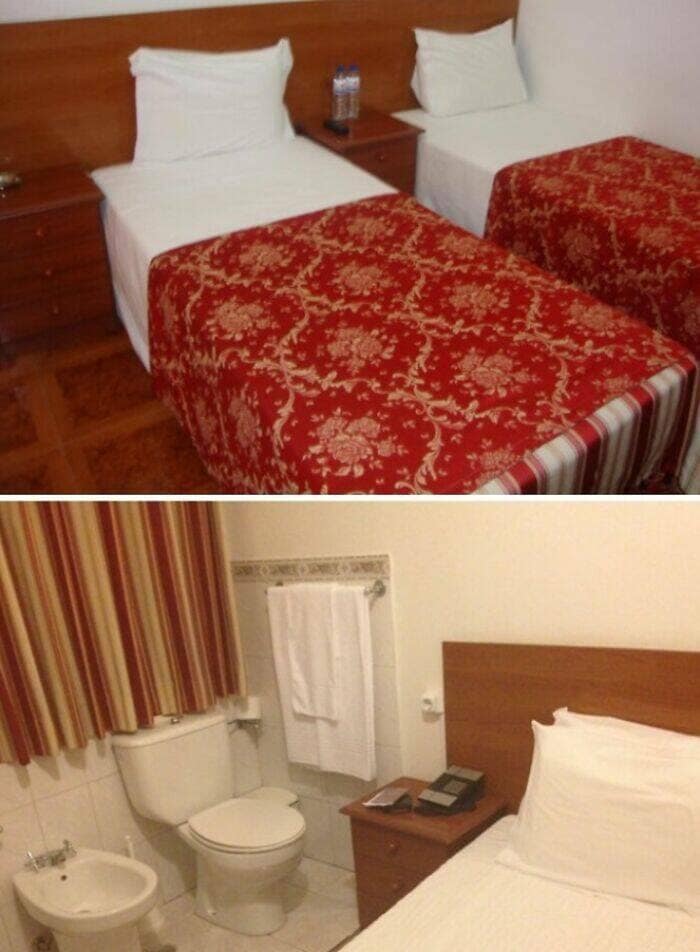
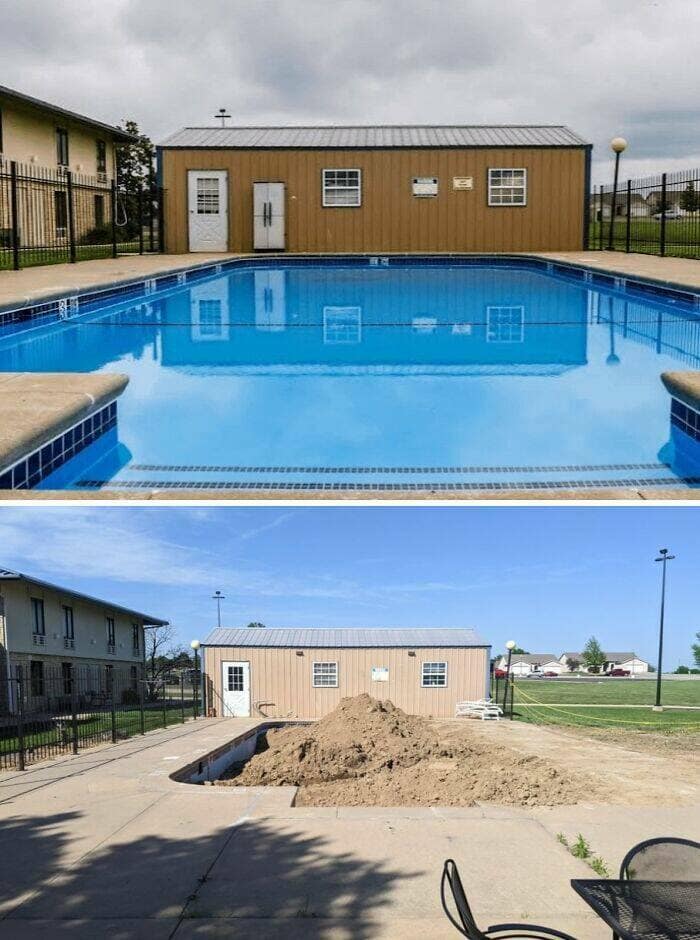
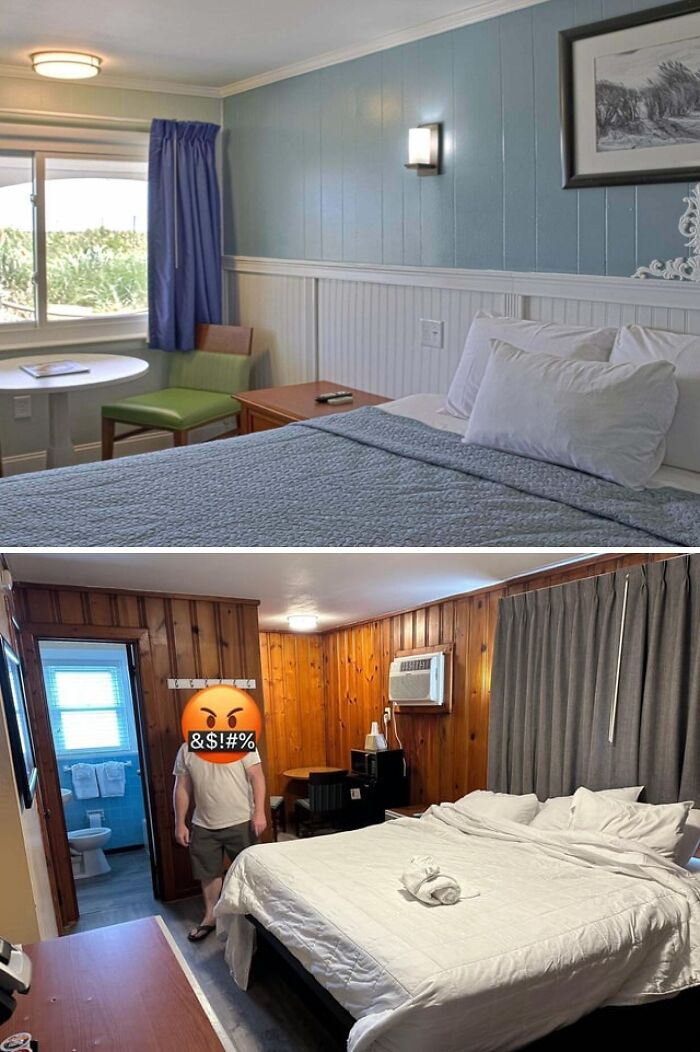
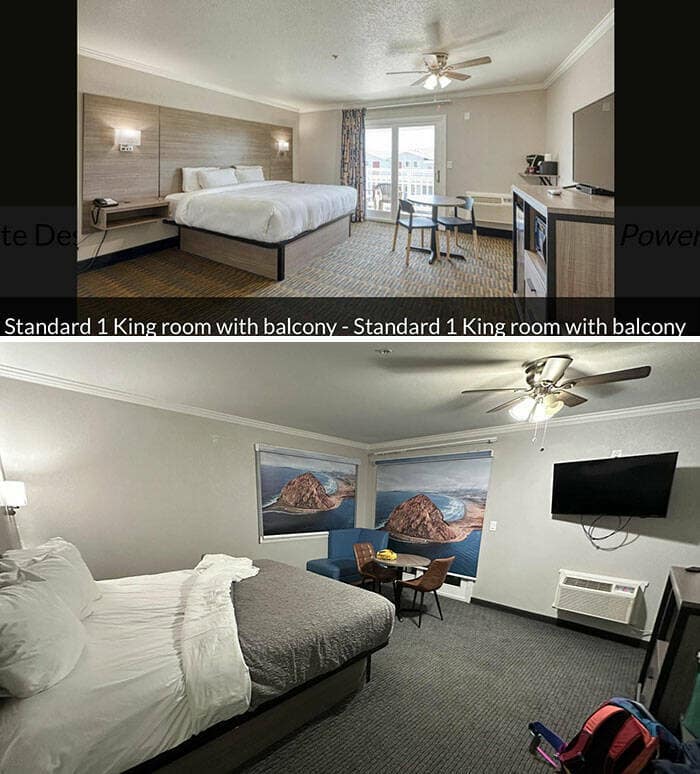
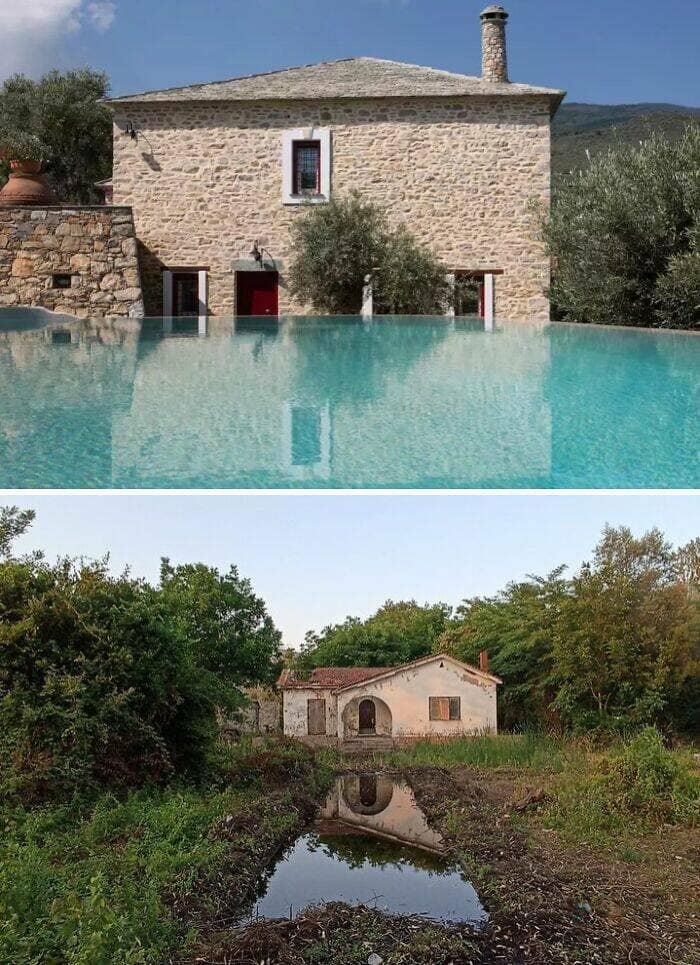
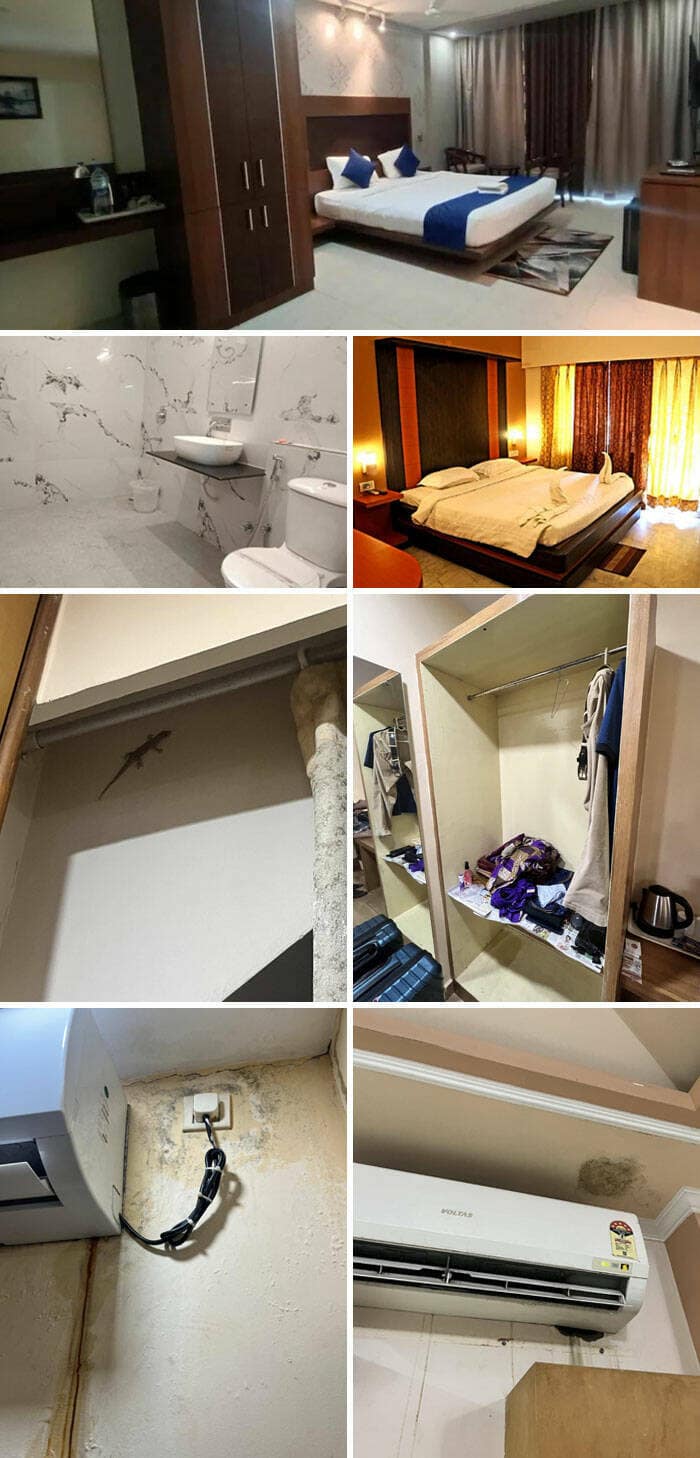
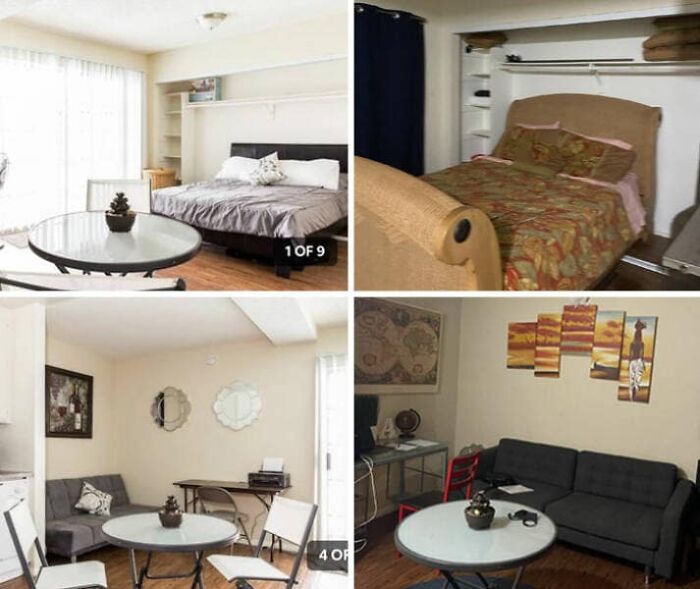
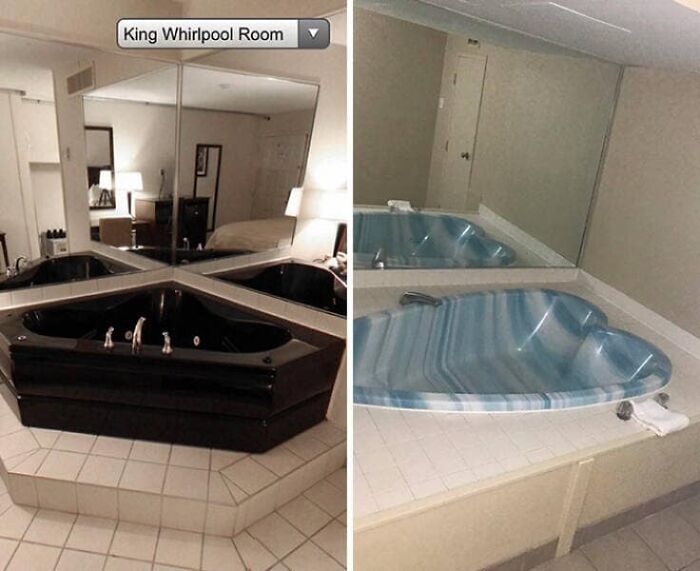
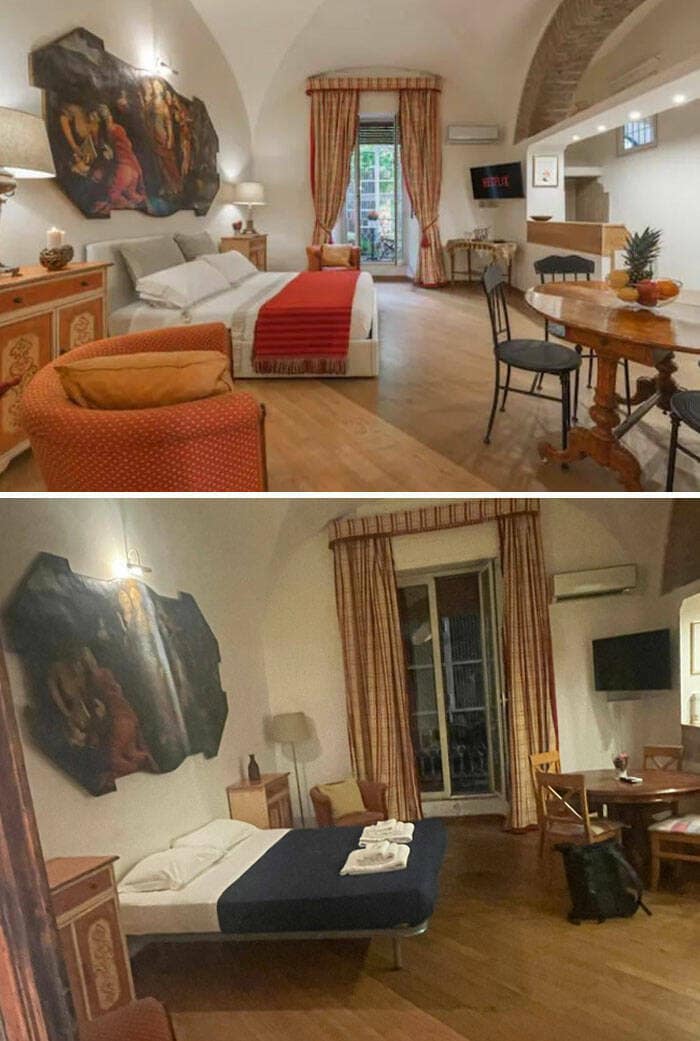
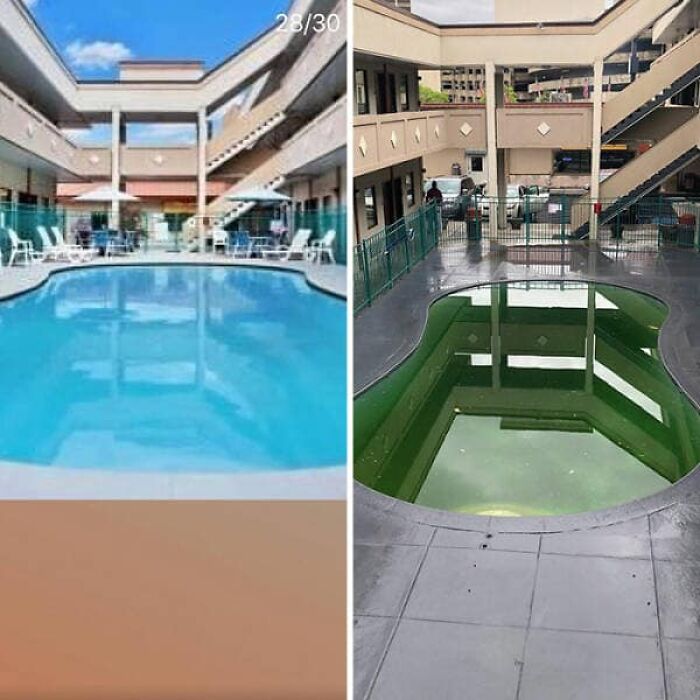
Hubby and I decided to get away for a week. Found a little hotel with a decent price on Expedia. It had mixed reviews, as most places do. We don’t need a place at the ritz, just a clean, quiet safe place to lay our heads at night in between activities. Behold, the photos all over the internet vs what we walked into. Can’t help but to laugh at the situation
Even some of the most breathtaking buildings in history have had their fair share of problems. Just look at Hagia Sophia in Istanbul, Turkey. Today, its enormous dome is one of the most recognizable architectural wonders in the world, but getting there wasn’t exactly a smooth journey. Levy and Salvadori examine the dome’s partial collapses as a result of the incredible scale and ambition behind the project. Built in the 6th century, Hagia Sophia’s creators were brilliant mathematicians, but they were also attempting something few people had ever tried on such a scale.
A dome doesn’t simply push downward—it also pushes outward, creating enormous pressure on the walls and supports around it. The original dome was relatively flat, which increased that outward force and gradually pushed the supporting walls away. Over time, the materials compressed unevenly, and parts of the dome eventually collapsed. Later builders redesigned it with a taller, more conical shape, making the structure more stable. So, yes, even one of history’s greatest buildings had to learn a few lessons the hard way.
Of course, architecture doesn’t always fail because of some dramatic engineering disaster. Sometimes, the issue is much simpler: the people drawing the plans and the people actually building the thing don’t seem to be on the same page. A project can quickly go off the rails when complicated blueprints leave important details unclear and contractors are left figuring things out as they go.
That’s when you end up with the kind of architectural fails we all love seeing online—stairs leading straight into a wall, balconies with no doors, or windows placed in spots where they serve absolutely no obvious purpose. Mid-project changes can make things even messier. An owner might suddenly want something different, the budget may get cut, or a perfectly reasonable part of the original plan may be removed to save money. One small change can affect another, and before long, something that made complete sense on paper becomes a real-life head-scratcher.
This is where you contact the company and insist they move you somewhere that is consistent with what you paid for. Just don't use Airbnb is probably a better solution.
Then there are those times when a material looks absolutely gorgeous but turns out to be a nightmare once it has to deal with actual weather. Chicago’s Aon Center is a great example of this. The skyscraper was originally covered in thin panels of Italian Carrara marble, which gave the building a beautiful, elegant appearance. It probably looked fantastic in the design meetings, too. But over time, the thin marble panels began reacting poorly to changing temperatures and environmental conditions.
Some started bowing, cracking, and even detaching from the building. What was supposed to be a stunning exterior feature quickly became a major safety concern. Eventually, the marble had to be replaced with granite in a massive, multimillion-dollar project. It’s an expensive reminder that, in architecture, looking good is only half the job. The materials also have to survive years of wind, rain, heat, cold, and everything else the real world throws at them.
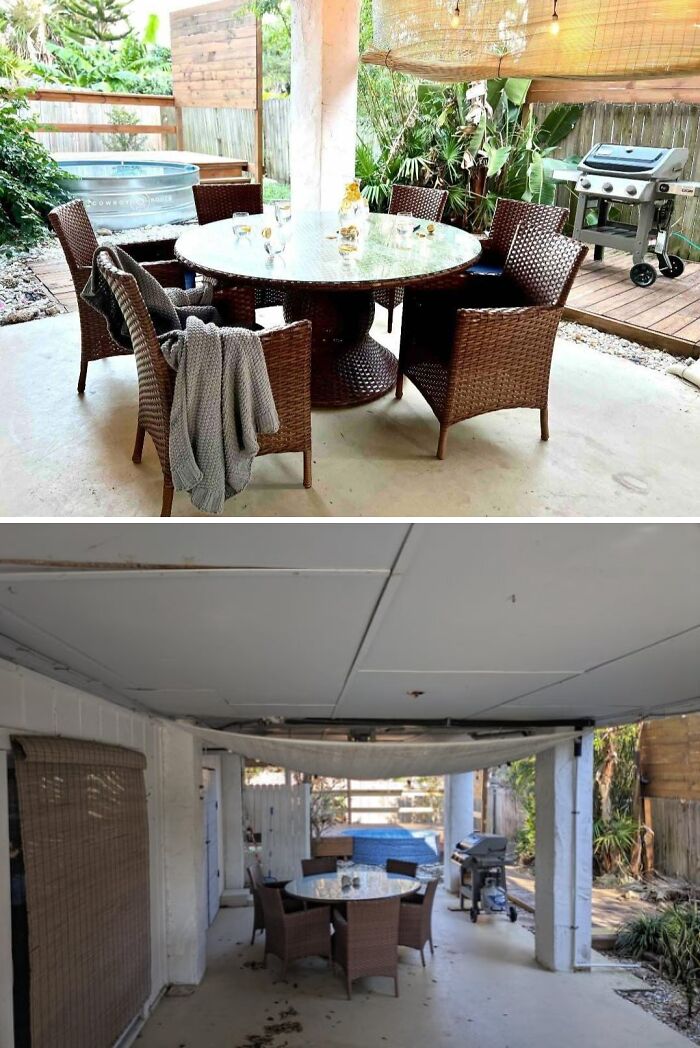
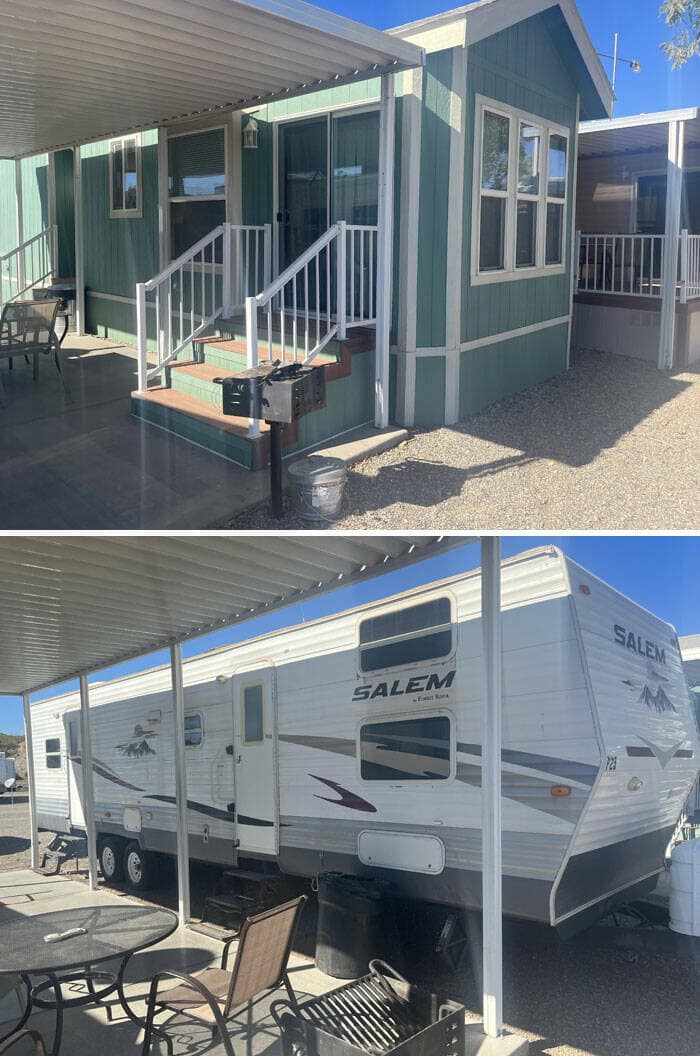
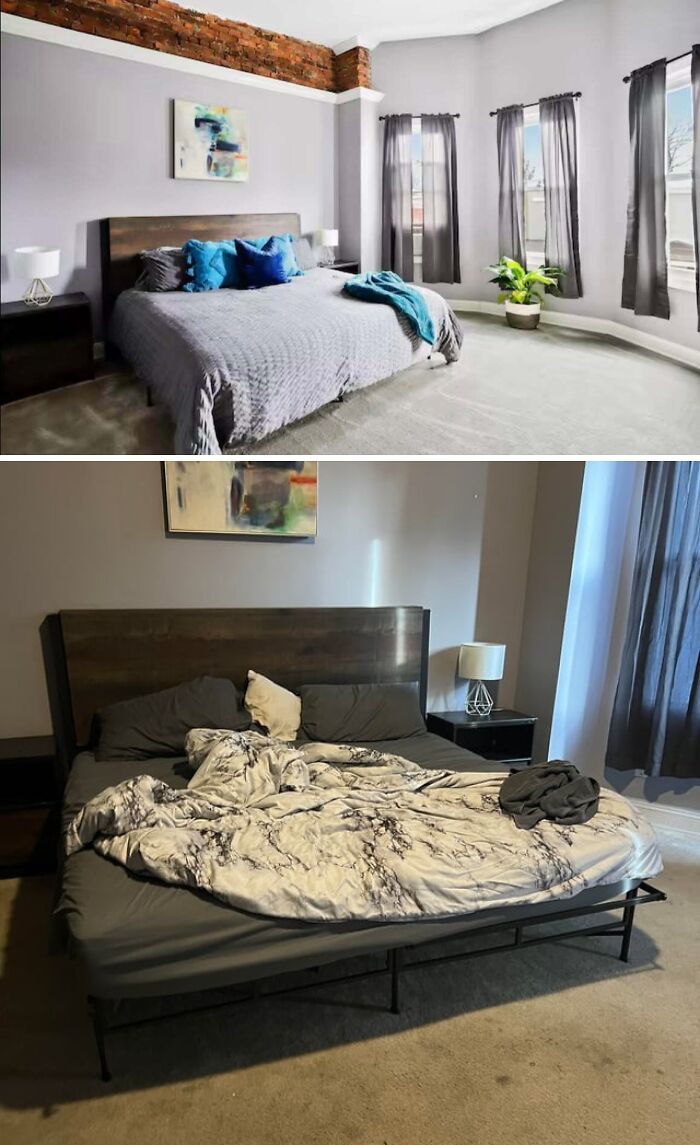
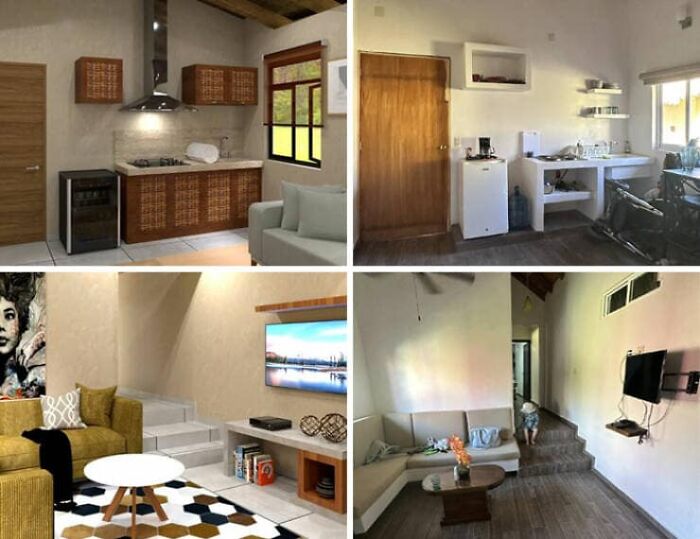
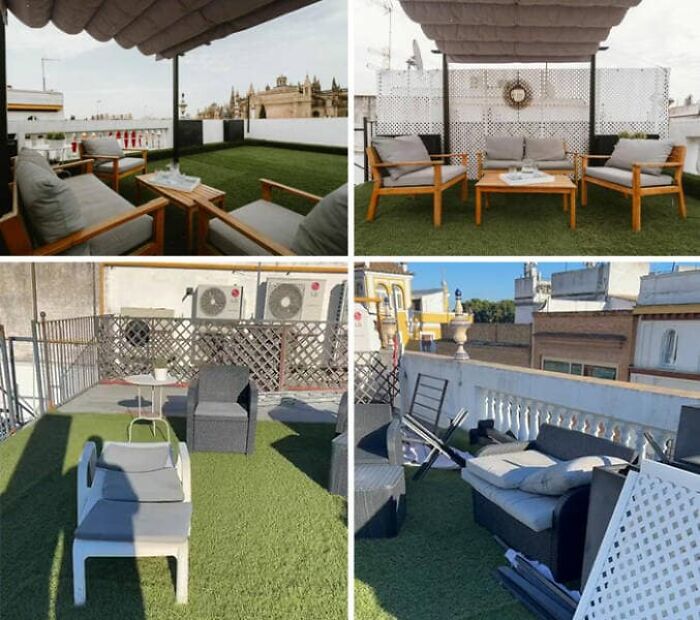
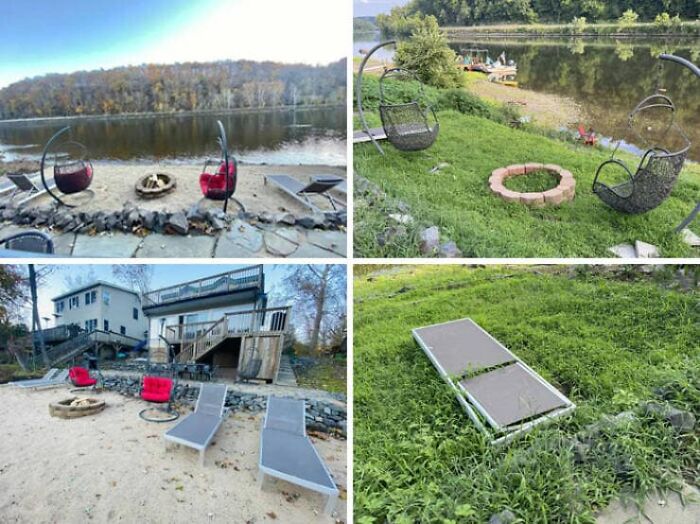
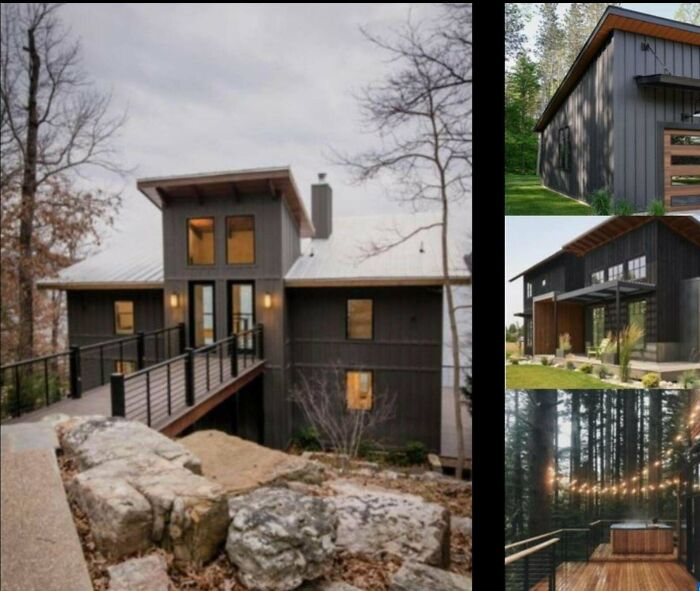
Well, the AirBnB looked nice online...
😂 That looks like one of those fancy playhouses for kids! How do they get away with it?
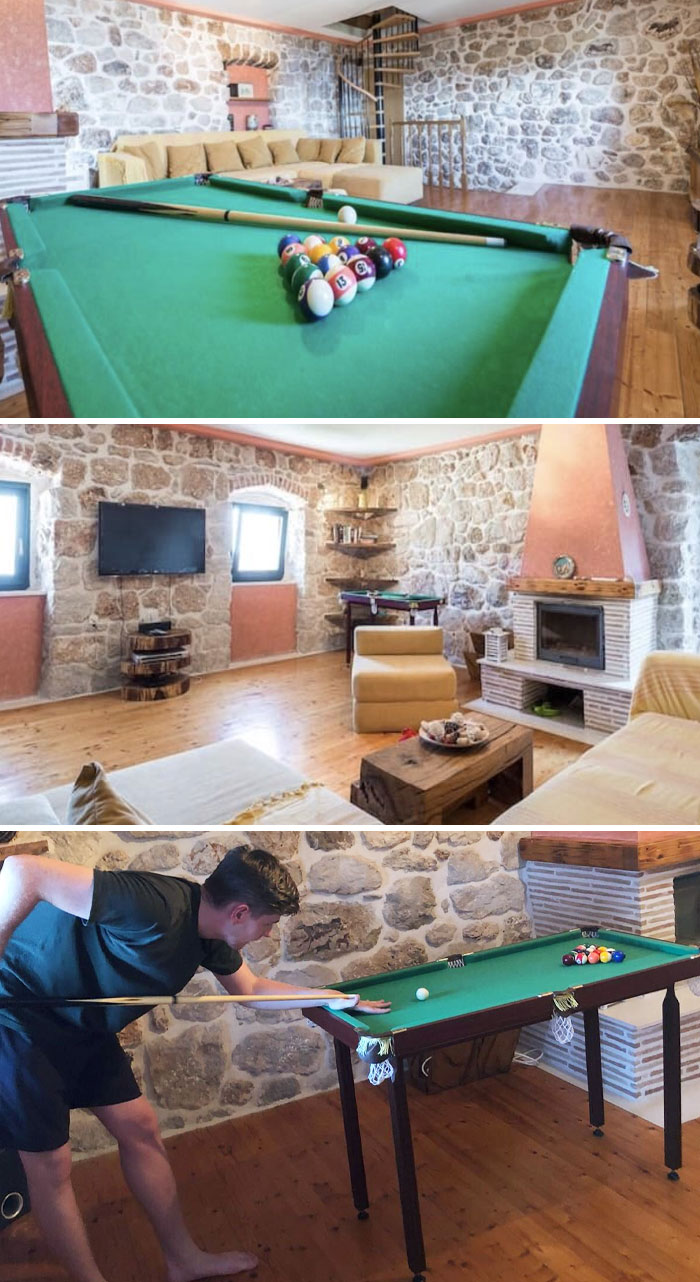
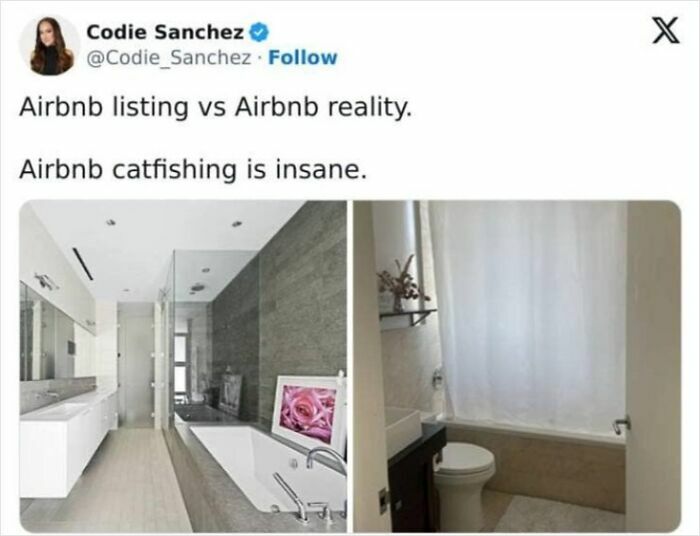
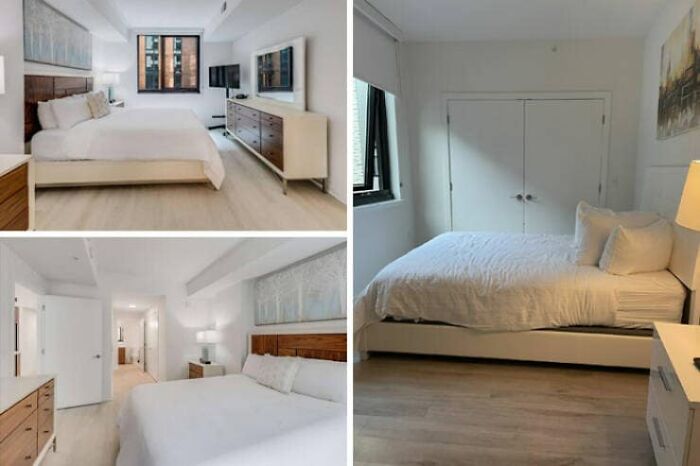
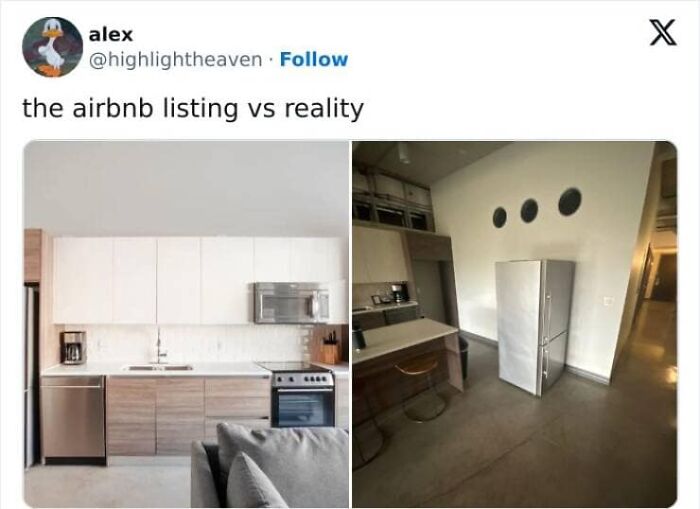
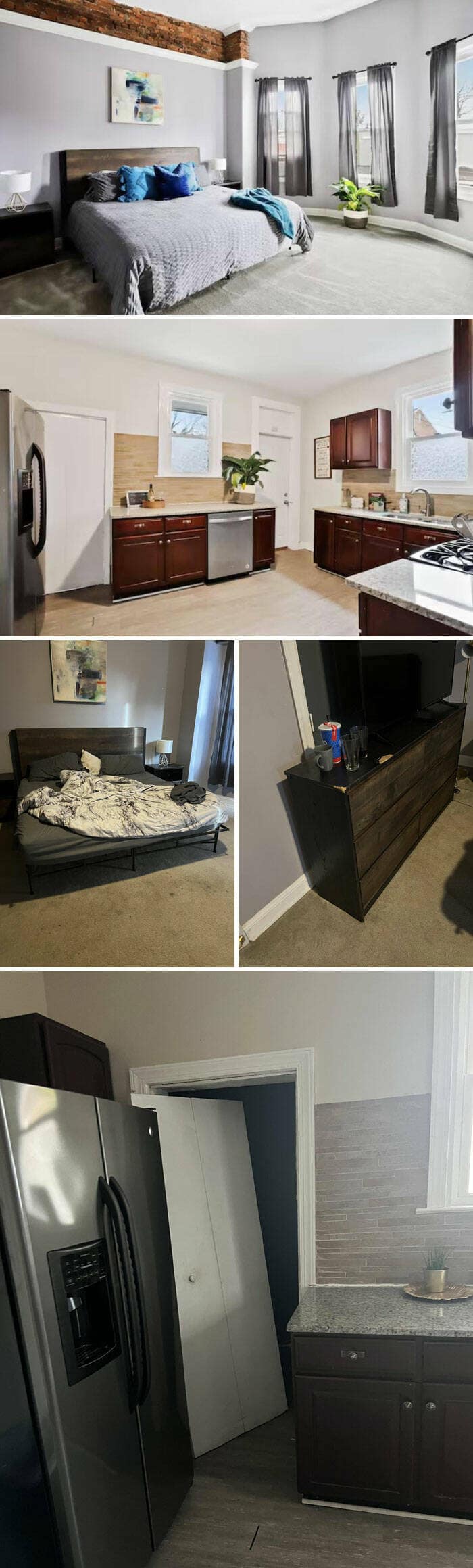
Airbnb listing vs reality.
Obviously the place hadn’t been cleaned prior to our arrival, but also it was absolutely filthy and doors were broken and so much more. Got a full refund and went to a hotel. Customer service (air bnb, not host) was amazing and fast though.
And here’s something else: a building can be perfectly safe, structurally sound, and still be considered a failure. If people don’t want to use it, can’t figure out what it’s for, or simply don’t need it, all that impressive architecture can become an incredibly expensive problem. This is often called a “white elephant”—something grand and costly that ends up being more trouble than it’s worth. London’s Millennium Dome initially struggled with exactly this problem. The huge structure was built as a major attraction, but after its original exhibition ended, there wasn’t a clear plan for what it would become next. The result was an enormous building with huge maintenance costs and no obvious long-term purpose. Thankfully, the site was eventually redeveloped, but it shows that architecture has to be about more than creating something that looks impressive. At the end of the day, people need to know what a building is actually for.
The resort is responsible for notifying guests of this ahead of time. Really shady.

Coming back to today’s post, thankfully, we’re not looking at anything quite as dramatic as collapsing bridges or 1,400-ton roofs crashing down. These are the much more harmless (and honestly, much funnier) architectural fails that make you stop scrolling and ask, “Wait… how did this actually get built?” From doors that lead nowhere to designs that seem to ignore basic human movement altogether, these photos are proof that even the simplest projects can sometimes go spectacularly wrong. Some may have happened because of poor planning, others because of miscommunication, and a few might simply be the result of someone making a truly questionable decision. Whatever the reason, they’re definitely entertaining. So, Pandas, which one of these architectural fails made you laugh—and which one had you wondering who exactly approved the final design?
«Dont rent before checking pictures match the description» they say. And pay attention to small details. Well this list made me realise no matter how much you look at pictures and descriptions, you can never be sure what’s waiting for you when you arrive. So many uses AI pictures and get away with it. Sad, because I want to say that most people are honest but some a-holes ruin the Airbnb reputation.

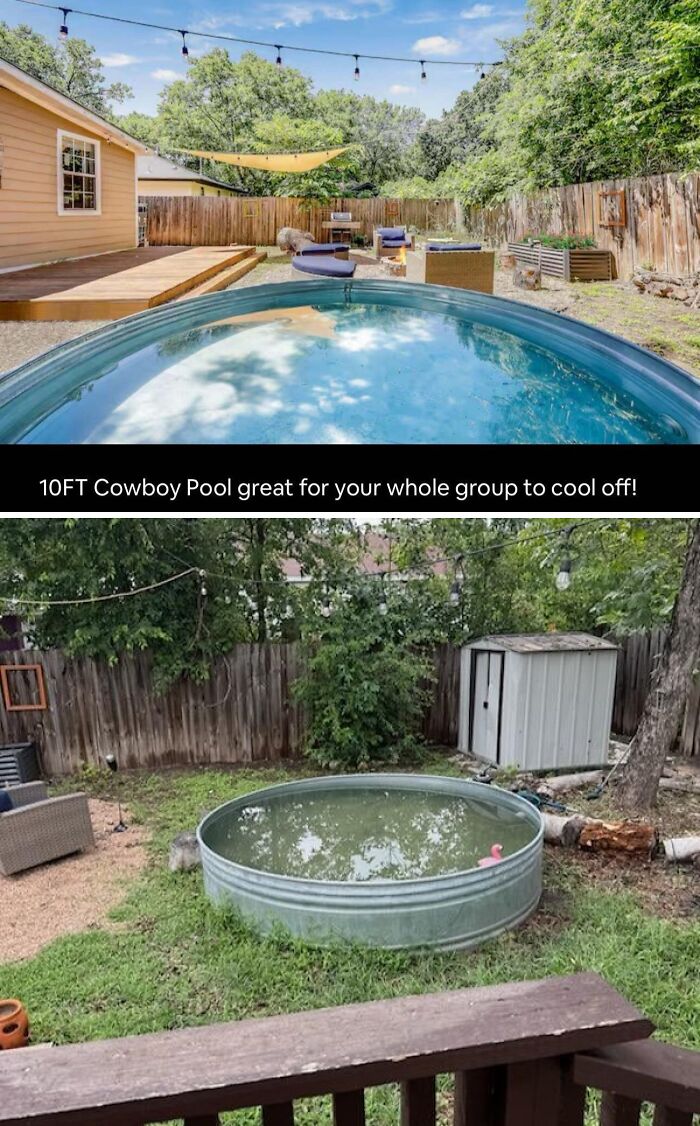
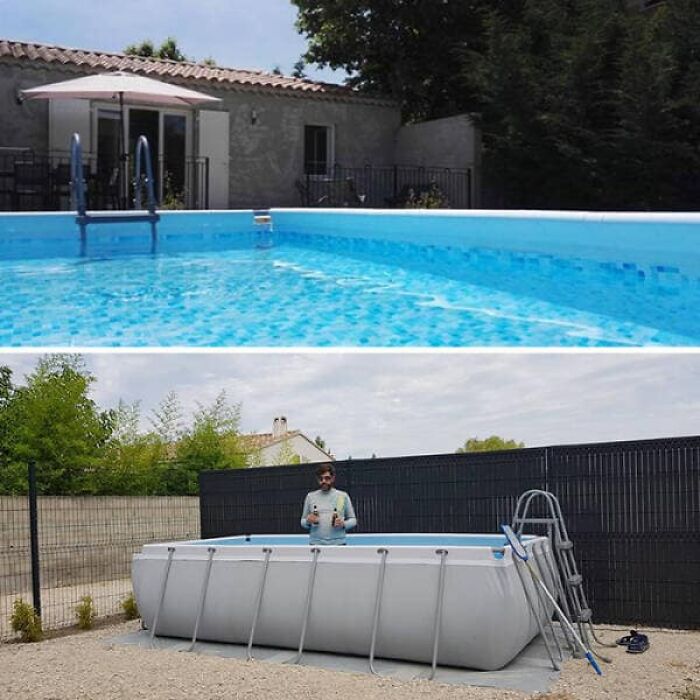
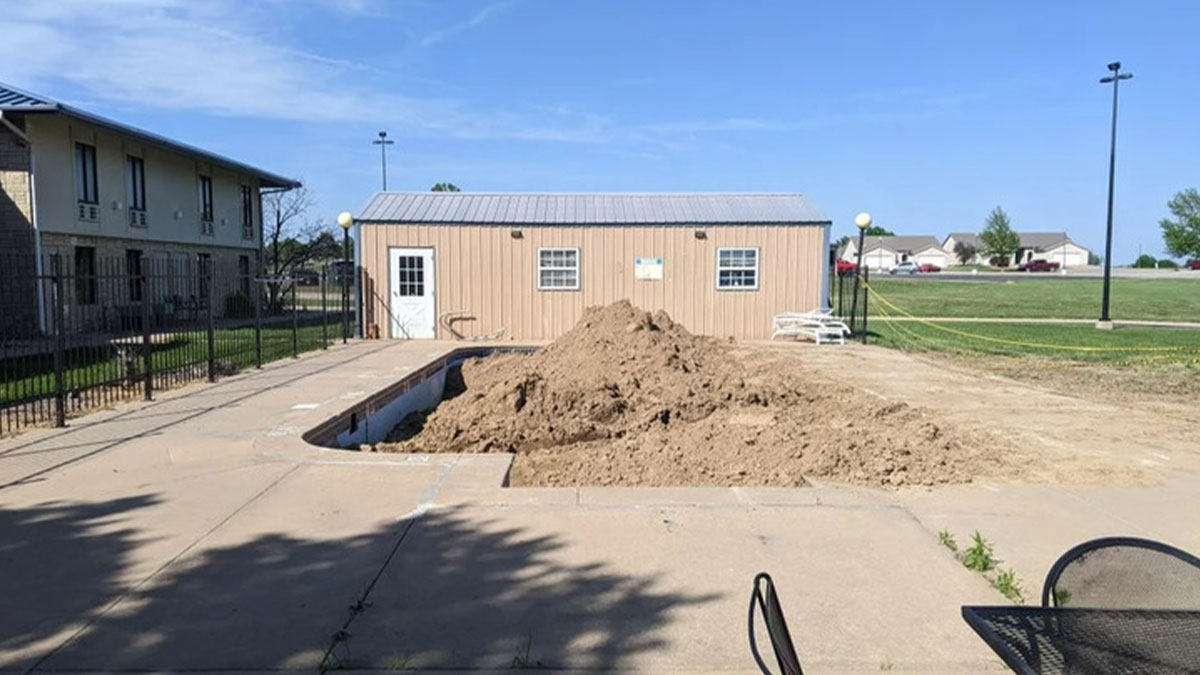
Can people not tell the difference between an inground pool an an above ground pool. The visible frame in the corner the fact that the bottom of the house is below the water level in the pic.
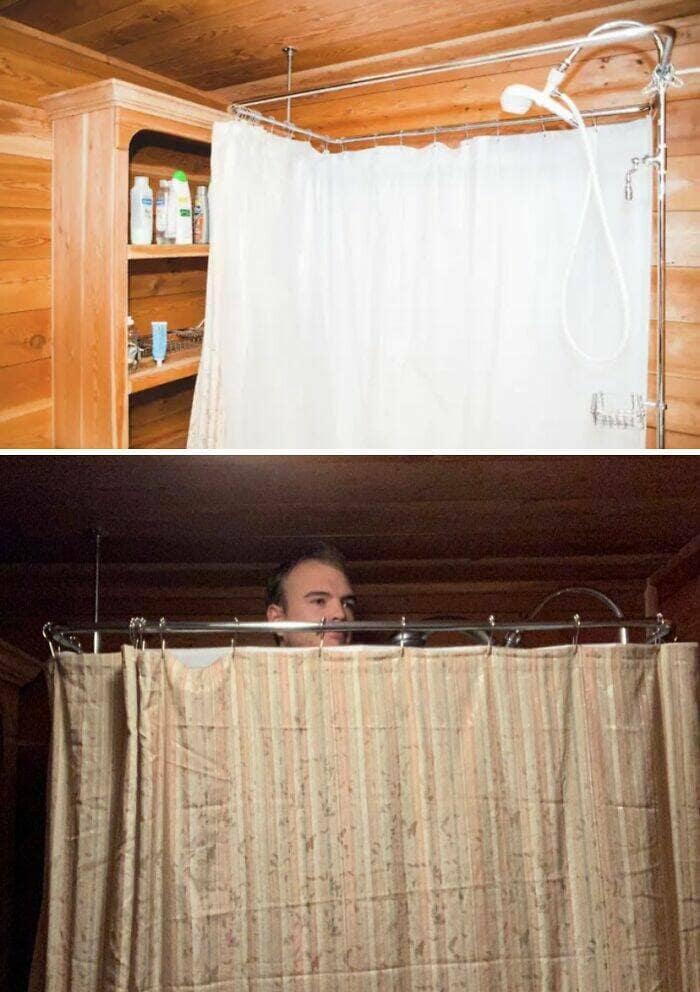
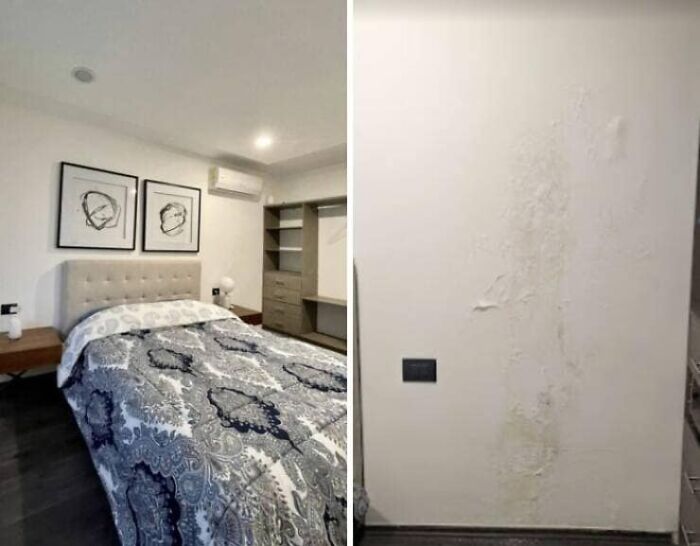
Is the bathroom walls WOOD? Doesn’t that turn into mold very quickly when people shower and the heat from shower go into the walls??

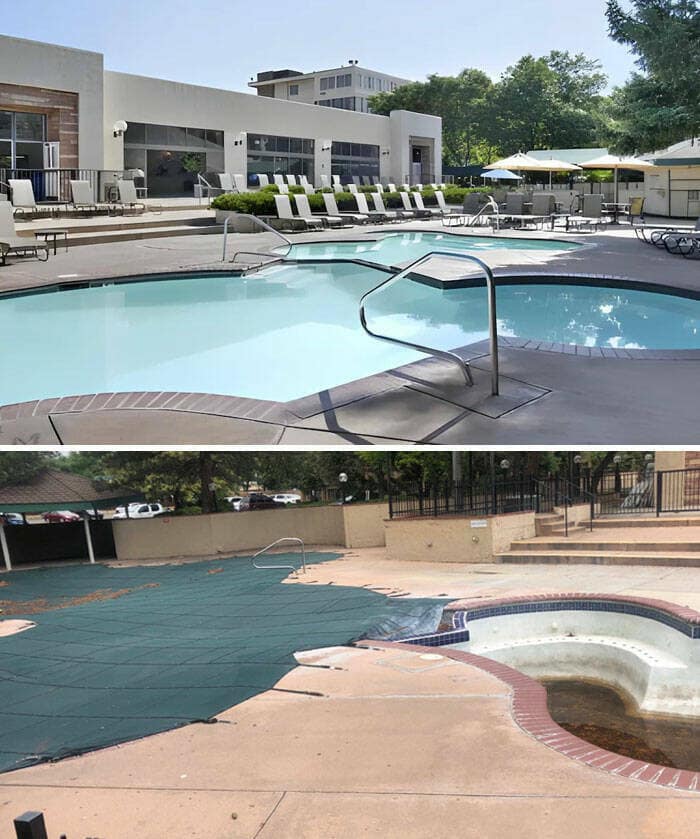
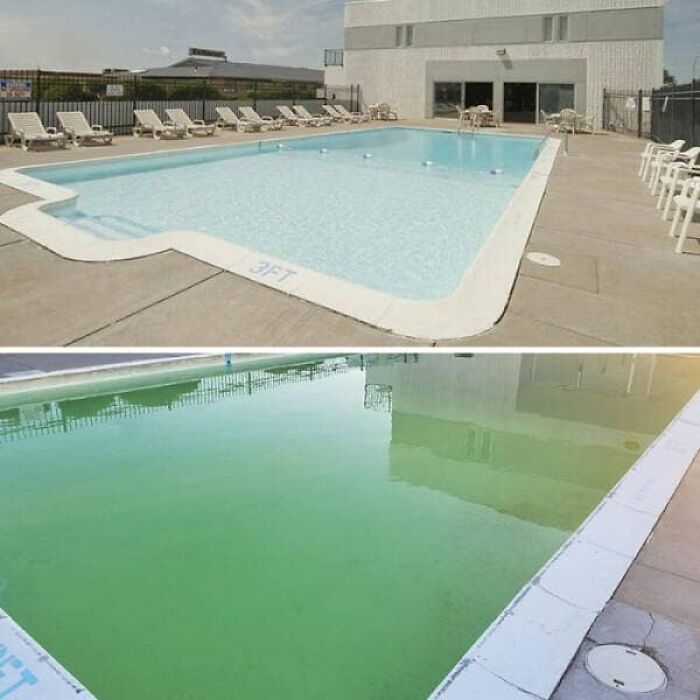
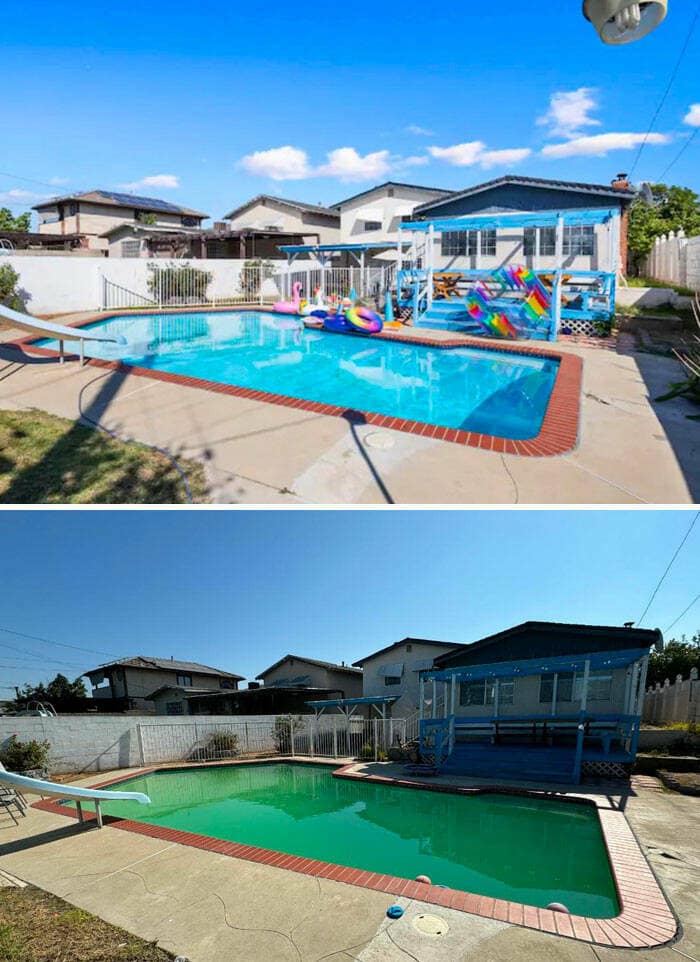
It costs less to keep a pool treated than it does to bring it back from being green, especially if the algae gets into the plaster.

Welcome to London. You'll need to go down the hall to use the loo and bathe.
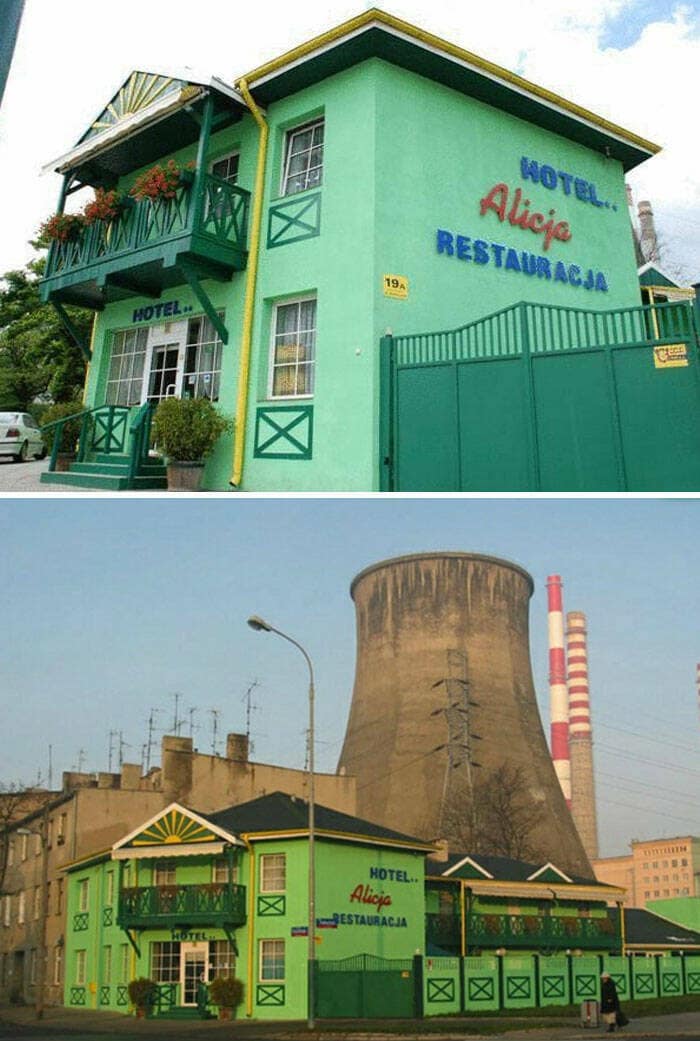
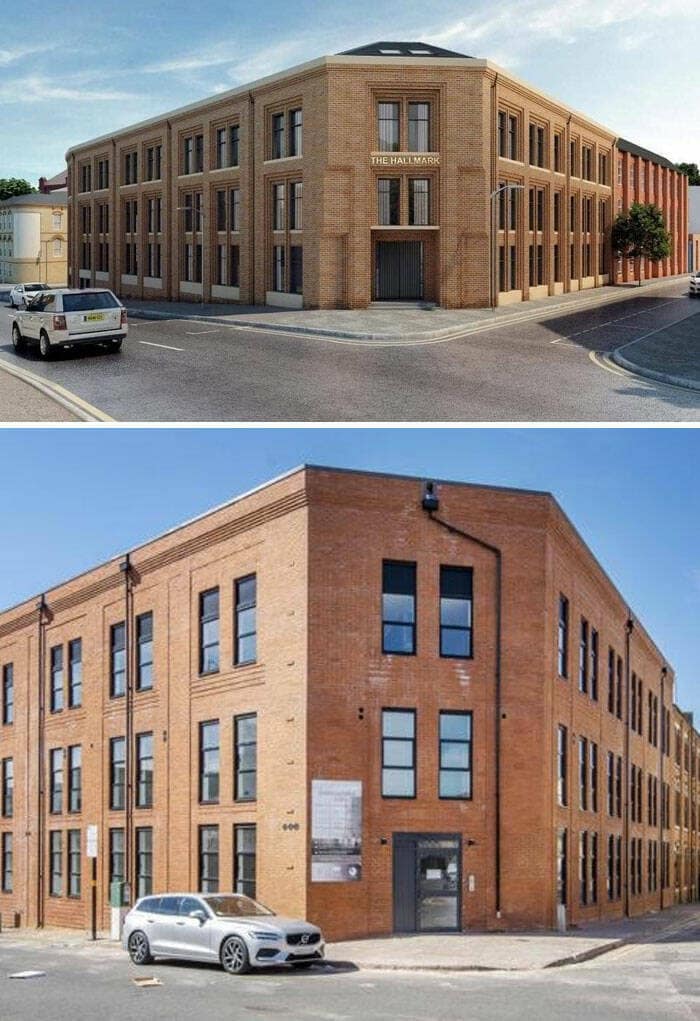
Looks like a Norwegian prison from the outside. Not saying that’s a bad thing, our prisons are pretty much like hotels so😅

If you don't mind their support for the occupation of the west bank and you don't mind their active lobbying against affordable housing in many cities, you won't mind using Google, so you should Street View and satellite view anywhere you're staying just as a matter of course, even if you don't read the reviews
If you don't mind their support for the occupation of the west bank and you don't mind their active lobbying against affordable housing in many cities, you won't mind using Google, so you should Street View and satellite view anywhere you're staying just as a matter of course, even if you don't read the reviews





















 No fees, cancel anytime