Get Premium
Dark mode theme is available exclusively for premium users. Learn more about the benefits of subscribing.
No fees, cancel anytime.

 Dark Mode Ad-Free Browsing Unlimited Content
 Ad-Free Browsing Unlimited Content Dark Mode
Join 1.2 million Panda readers who get the best art, memes, and fun stories every week!
46submissions
Finished
If we’re being completely honest with you, growing up, some of us really wanted to be archeologists. Inspired a little bit by history books (and a lot by Indiana Jones and Lara Croft), we thought that working as an archeologist would be all about non-stop adventures. And though the real job is much more low-key, the discoveries that professionals make are astounding.
‘Archaeology News & Architecture’ is a Facebook group run by the ‘Archaeology News Network’ that’s dedicated to sharing interesting information about discoveries both old and new. We’ve collected some of their most intriguing featured finds to pique your interest. Scroll down to check them out!
More info: Facebook | ArchaeologyNewsNetwork.com
Click here & follow us for more lists, facts, and stories.
This post may include affiliate links.
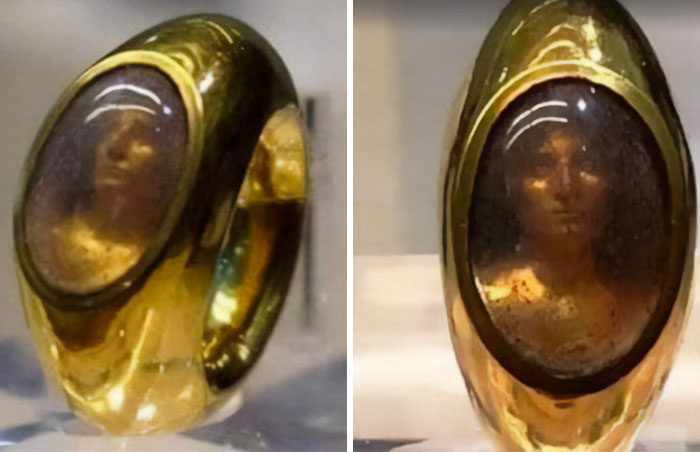
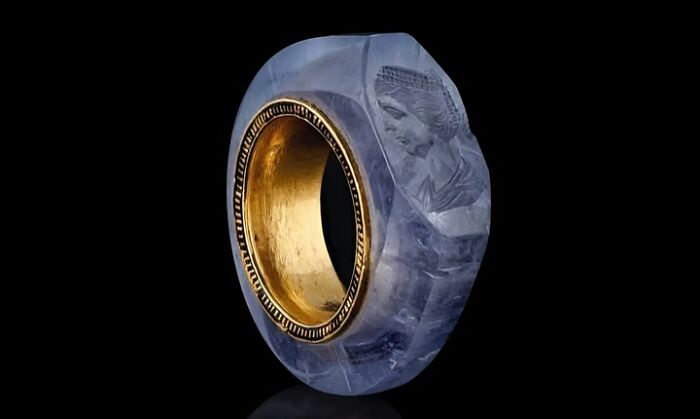
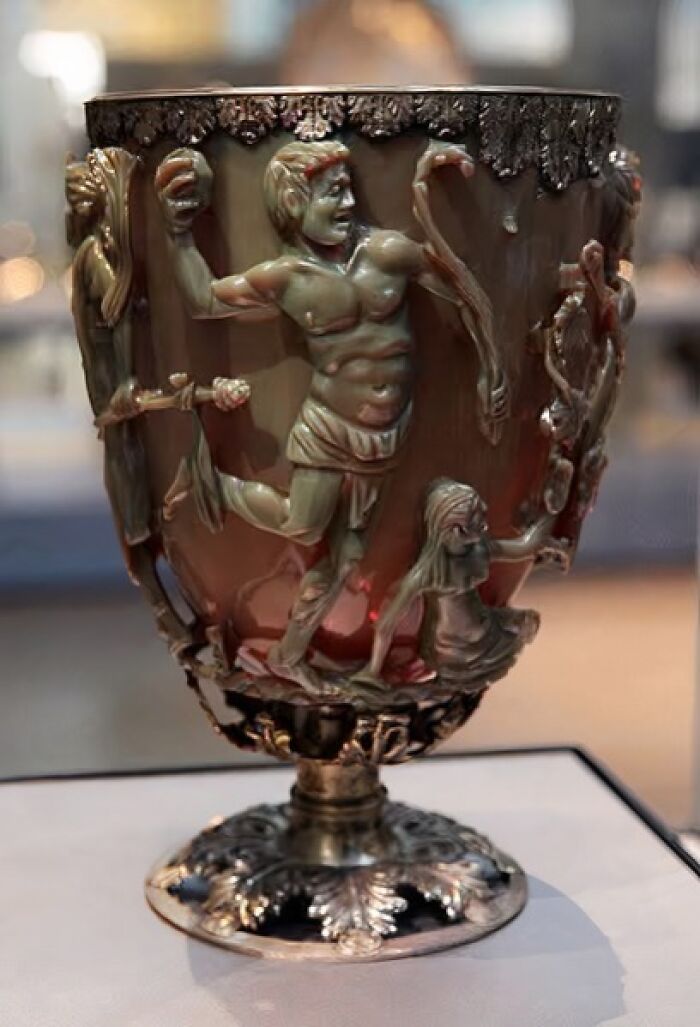
This exquisite artifact features a rock crystal intricately carved to depict her son, Titus Carvilius Gemello. The engraving on the back of the crystal skillfully manipulates light, creating a holographic effect that makes the image appear remarkably lifelike. Now housed at the Museo Archeologico Nazionale di Palestrina, this piece showcases the advanced artistic techniques and craftsmanship of the ancient Romans.
Archeologists need a wide range of skills to do their jobs well, and it’s not far off from what Indiana Jones and Lara Croft embody in popular culture. According to the Welsh Government website, archeologists need persistence, determination, and self-motivation.
On top of that, archeologists should have an analytical and logical mind to “piece together information from findings,” as well as practical skills to excavate carefully and to handle extremely delicate objects.
What’s more, archeologists should aim to have good physical stamina, a willingness to work in all types of weather, good IT skills, and the ability to work in cramped conditions, sometimes kneeling, during excavation work. And, like in many other jobs, you’ll also need excellent communication, teamwork, negotiation, and report-writing skills. Having a driver’s license is also a plus!
Meanwhile, The CEO Views explains that archeologists need to have strong research and analytical skills, experience with excavation techniques, mapping and Geographic Information Systems (GIS) skills, communication and collaboration skills, physical endurance and adaptability, as well as problem-solving and critical thinking abilities.
As per ‘Indeed,’ the average archeologist working in the United States makes $68,641 per year. However, the pay is better in certain American cities. For example, archeologists working in Austin, Texas, can stand to make $72,574 per year on average. Meanwhile, you can get $72,178 per year in Saint Paul, Minnesota.
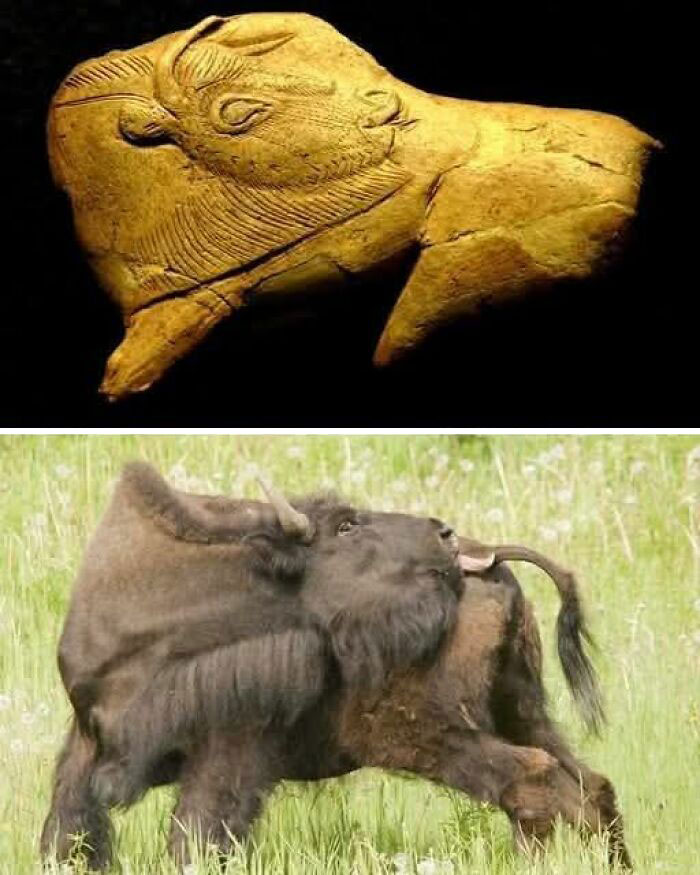
Discovered in France, this remarkable prehistoric sculpture depicts a bison intently licking an insect bite on its flank. Carved from reindeer antler—likely repurposed from a spear thrower—the 4-inch figure showcases astonishing detail and realism. Dating back to the Magdalenian period, it offers a rare glimpse into the artistic skill and daily observations of Ice Age hunters.
The bison’s posture and expression convey movement and emotion, highlighting the artist’s deep understanding of animal behavior. Tiny etchings mimic fur, while the licking gesture adds a touch of relatability, bridging the gap between ancient and modern viewers.
This artifact, now housed in the National Archaeological Museum, stands as a testament to humanity’s enduring creativity. Far more than a tool, it’s a timeless work of art that connects us to our distant past.
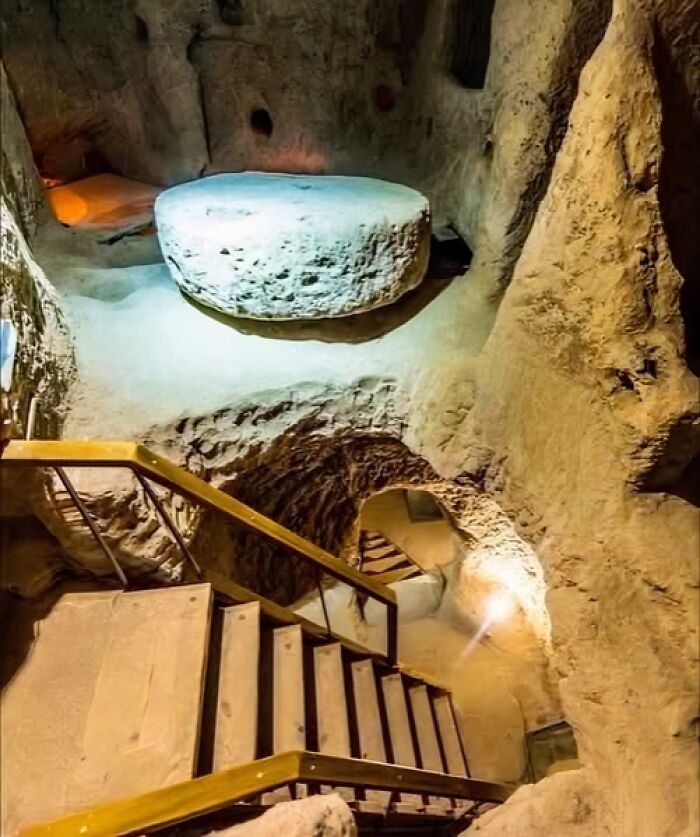
Dating back to around 1200 BC, this sprawling complex was first carved out by the Hittites and later expanded by the Phrygians and early Christians. With 18 levels descending deep into the earth, Derinkuyu was a marvel of engineering, complete with chapels, stables, and even facilities for producing wine and olive oil.
Capable of sheltering up to 20,000 people, the city served as a safe haven during invasions and conflicts over the centuries. Its intricate ventilation shafts, wells, and massive stone doors ensured survival for those hiding within. Today, Derinkuyu stands as a testament to human ingenuity and resilience, offering a fascinating glimpse into the past.
Some of the most popular content online finds a way to combine both education and entertainment. Not only does it hook social media users in with a tantalizing premise, but it also offers them useful information, expands their minds, and gets them curious about new topics. And if you can inspire your readers to do some research on their own, well, that’s a huge win.
The ‘Archaeology News Network,’ which was launched back in 2017, describes itself as a “leading online science, research and publishing news service, covering a full range of topics across the scientific spectrum.” Though they sometimes post about science news, their main focus is on archeology, paleontology, and palaeoanthropology.
The ‘Archaeology News Network’ comprises a team of historians and archeologists who have a “passion for quality publishing and the dissemination of knowledge.”
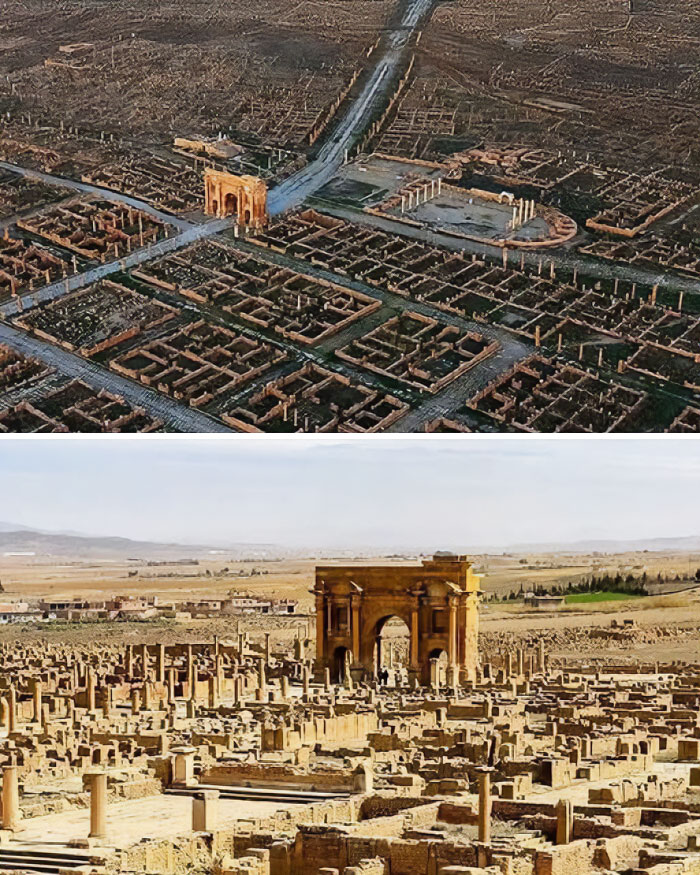
Established around 100 AD by Emperor Trajan in what is now Algeria, the town was meticulously planned, showcasing Roman architectural features such as streets arranged in a grid, public baths, grand arches, and an impressive theater.
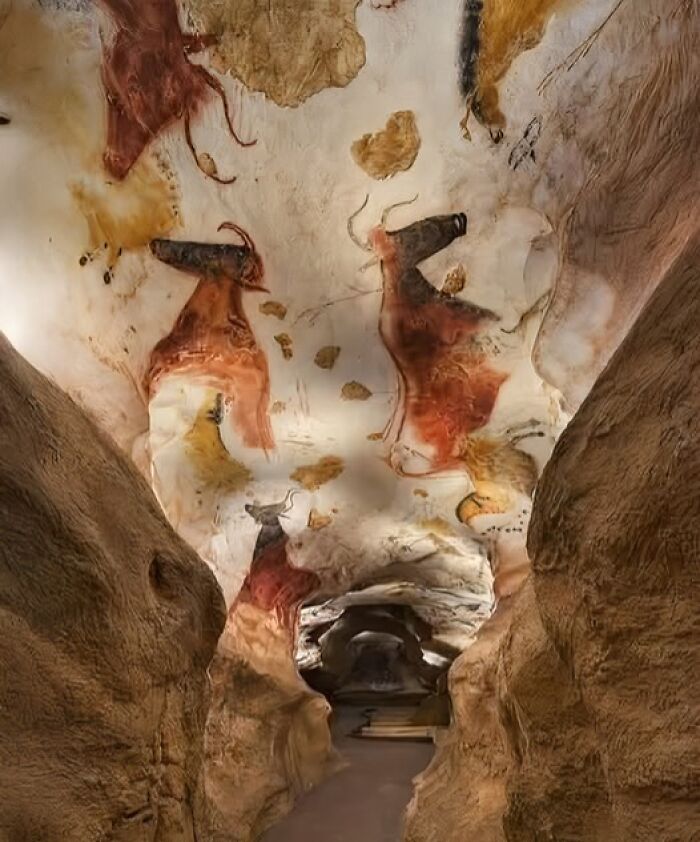
Possibly tied to the enigmatic Solutrean or Magdalenian cultures. Researchers have played their games with radiocarbon dating and unearthed artifacts like a carved reindeer antler, tracing the artwork's origins, but the nagging question remains: what the h**l were they really for? The mystery only deepens, beckoning us to dig deeper into the psyche of our ancient ancestors.
According to the ‘Archaeology News Network’ website, the people who contribute articles to it include “leading academic institutions, universities, and research projects from across the globe.”
Meanwhile, the ‘Archaeology News & Architecture’ Facebook group was created in early 2020. It was originally named ‘Archaeology News, Ancient Wonders, Medieval Art & Architecture’ until changing its name in mid-2021. At the time of writing, the group boasts 74.9k members on the social network.
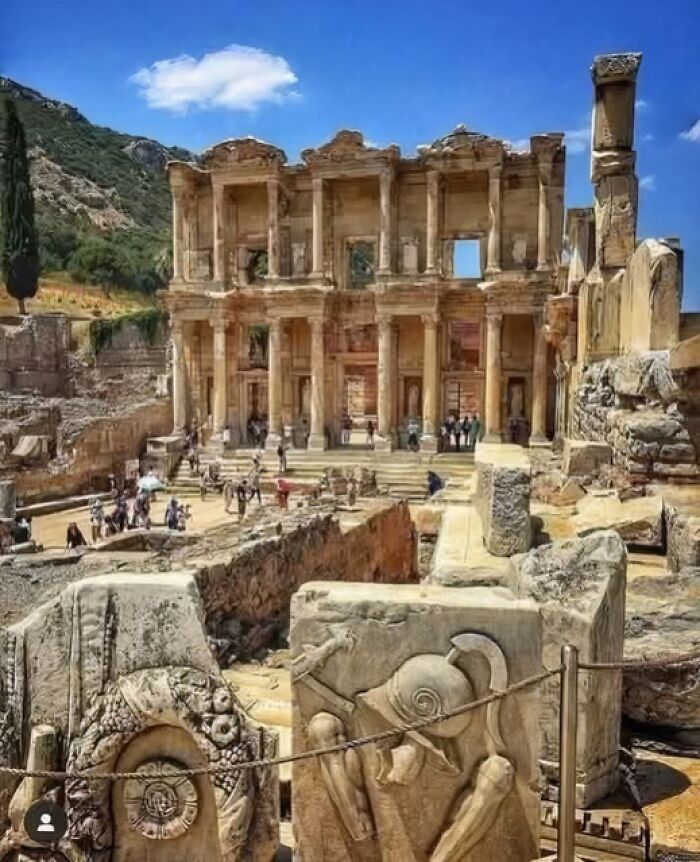
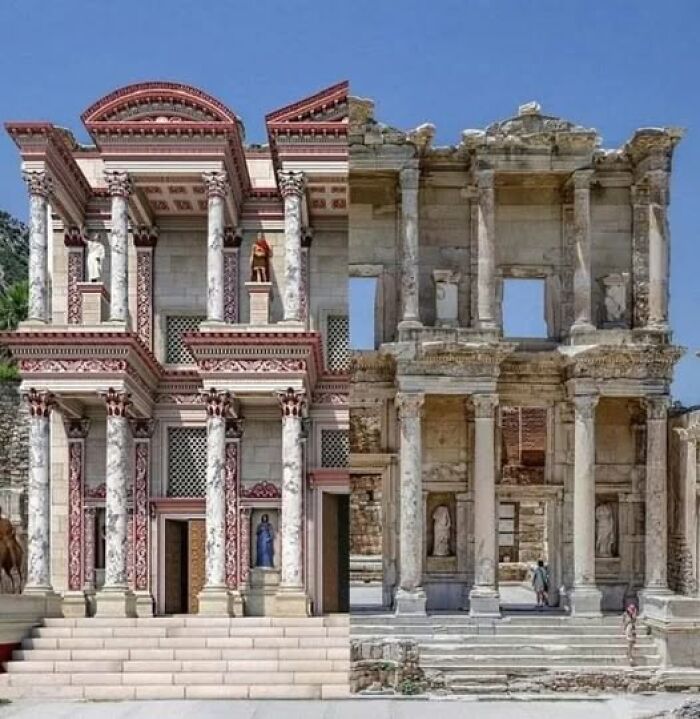
Built between 114-117 AD, in honor of Roman official Celsus Polemaeanus. It was once the third-largest library in the ancient world, housing 12,000 scrolls and attracting brilliant minds. Though damaged by earthquakes, it was revived through 20th-century restoration. Today, the library stands as a lasting tribute to humanity’s pursuit of knowledge.
Love, Light, and Eternal Evolution.
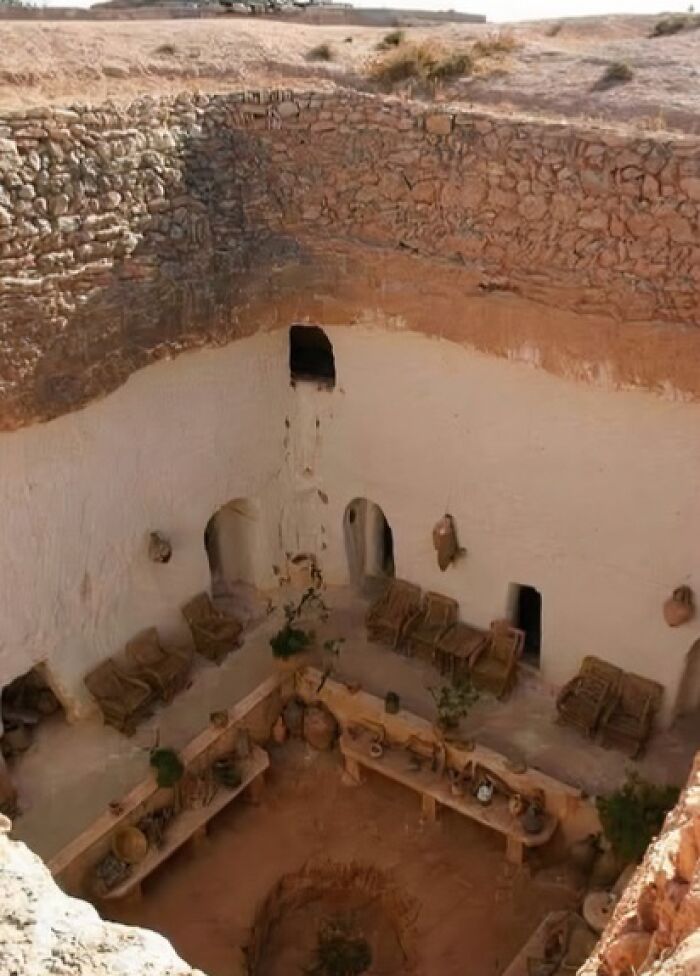
Invisible from afar, cool in summer, warm in winter—these underground sanctuaries tell stories older than cities. Some are over 2,000 years old, with roots so deep even ancient Greek writers took note.
Locals like Al-Arbi Belhaj still live among the carved stone and ancestral echoes, welcoming curious travelers with tea, stories, and a glimpse into a forgotten way of life.
Gharyan doesn’t just preserve history—it lives in it.
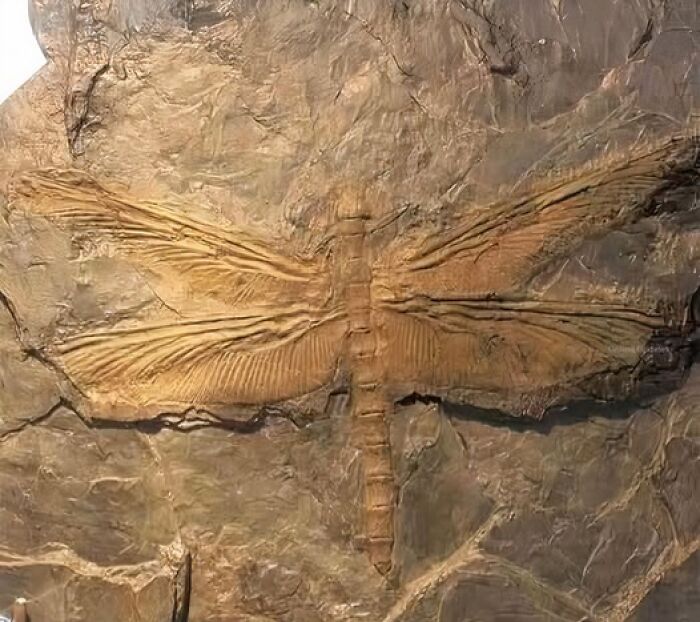
In the dense Carboniferous forests, it hunted with incredible precision, thriving in an oxygen-rich atmosphere that fostered astonishing growth. This remarkable creature serves as a fascinating glimpse into an era when insects were the true rulers of the air, a time that ignites wonder about the evolutionary forces at play and the extraordinary life forms that inhabited our planet long before humans.
Have you ever dreamed of working in archeology, dear Pandas? What do you find the most fascinating about archeology as a whole? Which of these bits of news caught your attention the most? Do we have anyone in the audience here today with a background in archeology, history, paleontology, or ancient architecture?
Feel free to share your thoughts in the comments below. We’d love to hear your opinions on everything.
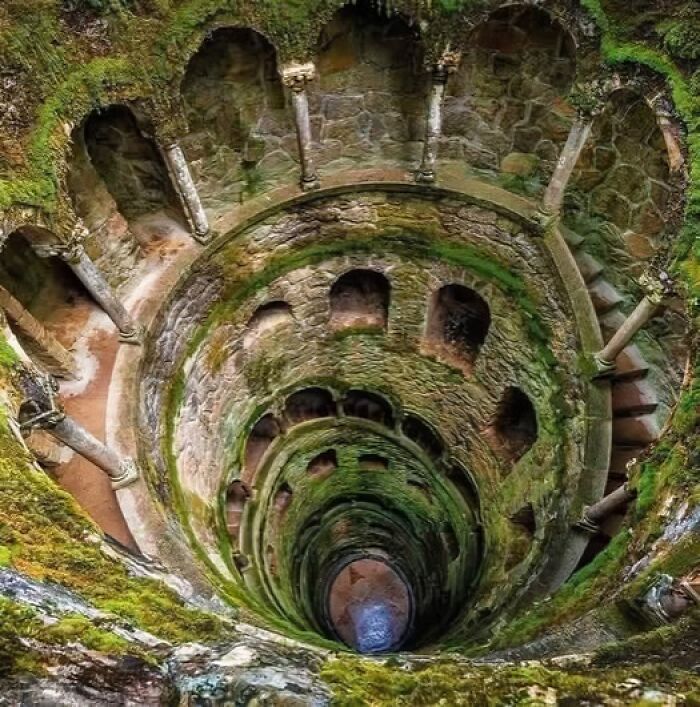
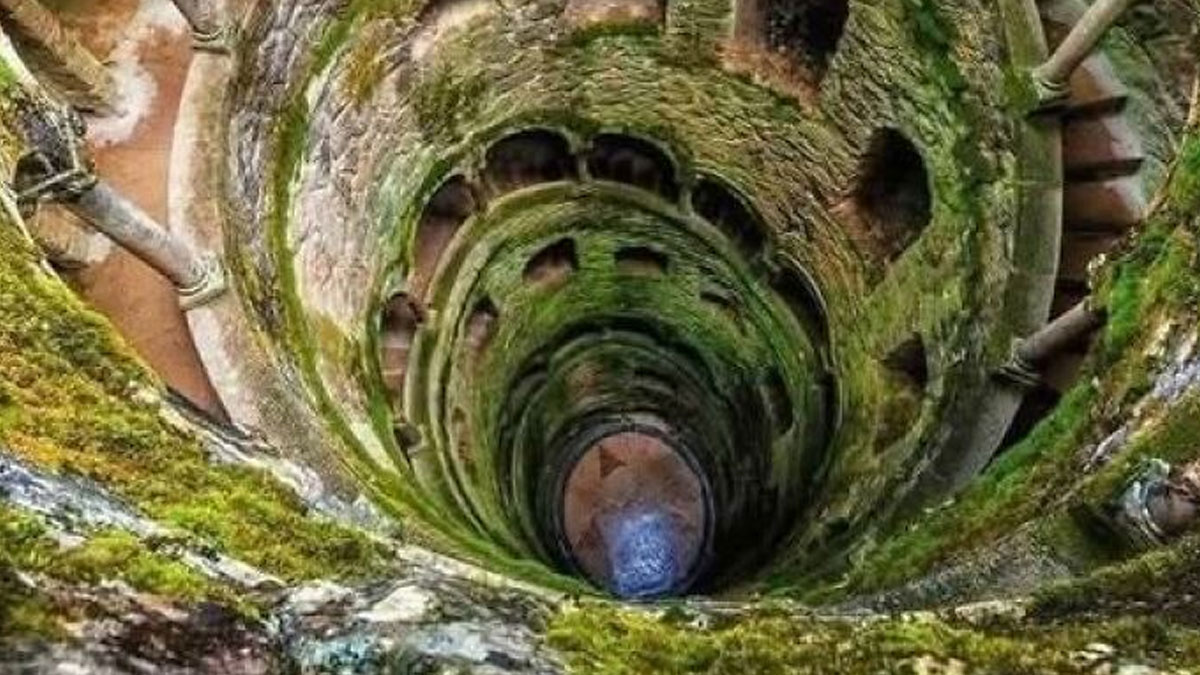
The well was never used as a well and, in fact, was never built to serve as a water resource at all. It was actually built for secret ceremonial purposes. It has a spiral staircase of 27m to the bottom.
Initiation Well looks like an inverted tower. It is either a journey into depths of Mother Earth or a rise up into light. Well represents end of life/rebirth allegory, typical within many mystical traditions. Journey through well is like a rebirth through Mother Earth’s womb.
Now, Initiation Well in Quinta da Regaleira Park, Sintra, Portugal, under UNESCO Protection.
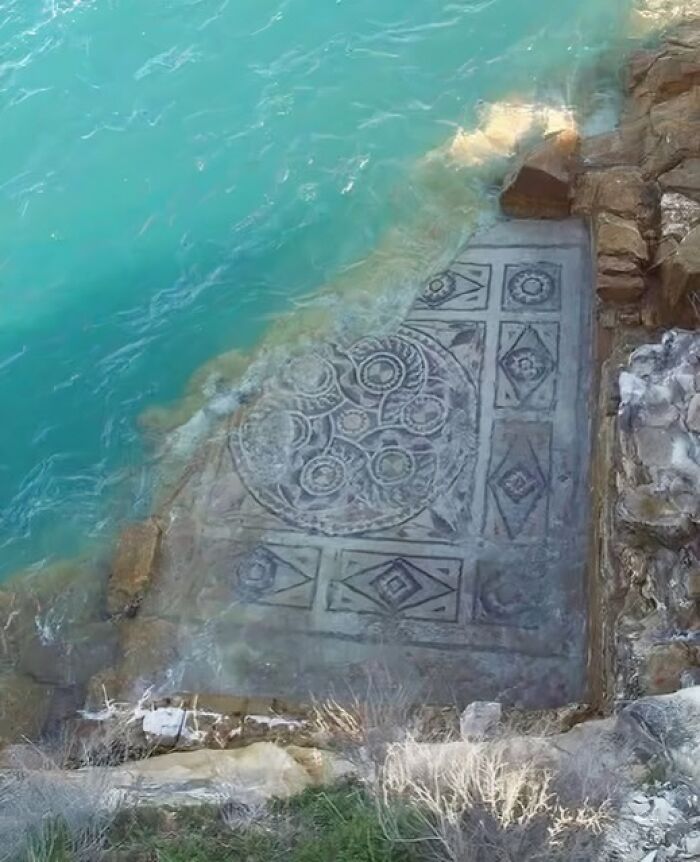
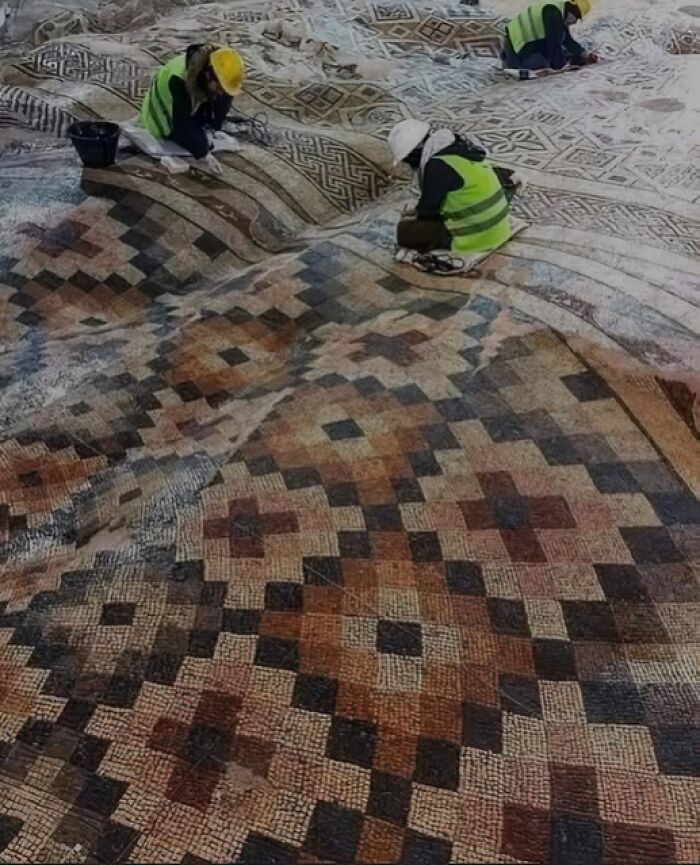
The stone is distinctive due to its curved, rug-like surface, and the artifact grew curved as a result of earthquakes in 526 and 528 AD.
Despite the quakes, however, the mosaic never broke, and made it to the present day intact and unbroken.
Unearthing the piece took nine years of hard work, and other historical artifacts were brought out during the excavation.
The massive mosaic proved that the mosaics of Antakya - ancient Antioch, in the Hatay province - are the finest historical artifacts not only in Turkey, but in the entire world.
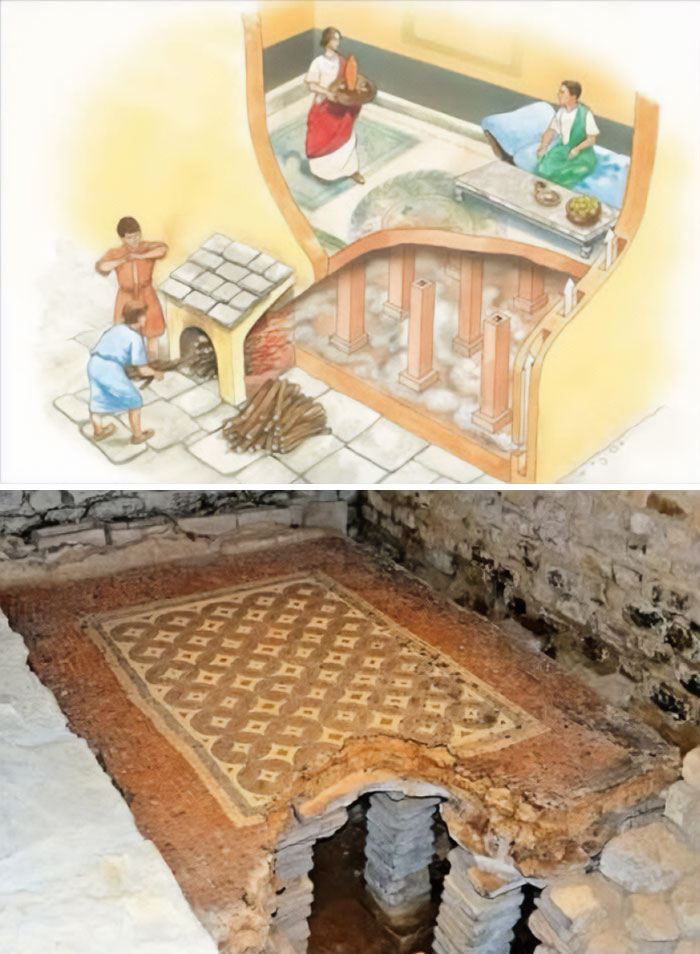
In ancient Rome, a furnace was built on the floor of houses, baths and other buildings, and the hot air produced in the furnace heated the building through channels called Hypocaust.
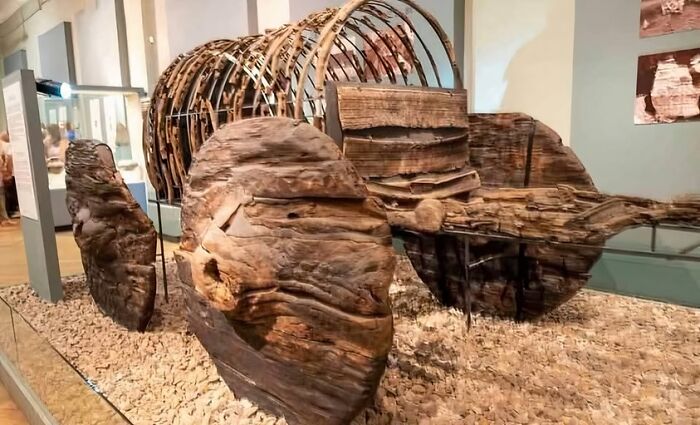
It is one of the oldest known wheeled vehicles in existence, showcasing advanced woodworking techniques such as mortise and tenon joints. The wagon's preservation is remarkable, offering valuable insights into the technological capabilities and daily life of the people who inhabited the region during the 2nd millennium BC.
The exceptional preservation of the Lchashen Wagon can be attributed to a combination of factors: the protective environment of the burial mound, stable climate and soil conditions, the durability of oak wood, and the potential influence of burial customs. These conditions collectively created an ideal situation for the wagon to remain in an unusually well-preserved state, allowing it to serve as a significant historical artifact that highlights the sophistication and craftsmanship of ancient societies.
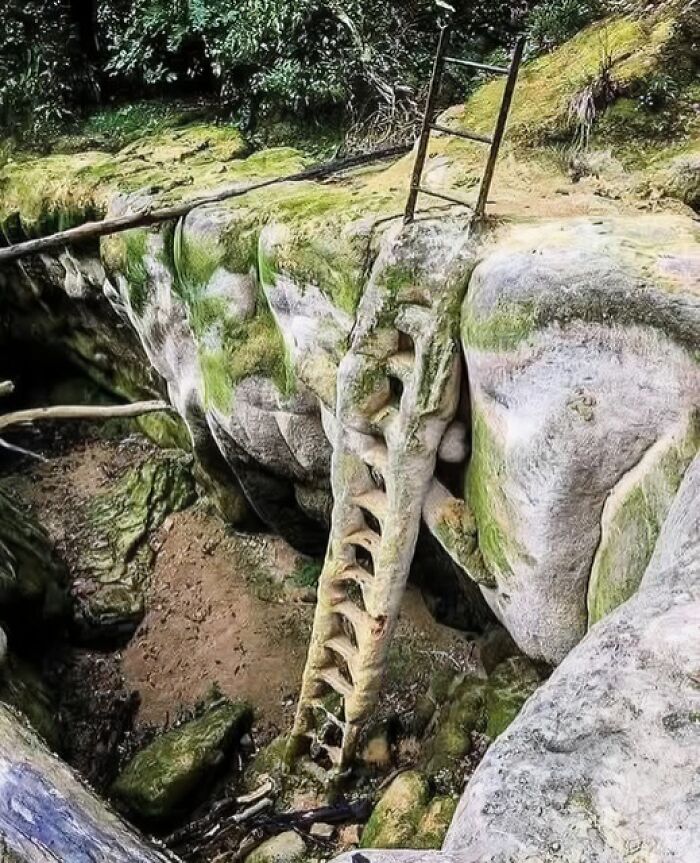
Driven by the river’s mineral-rich waters, this rapid transformation has turned the ladder into a striking stone artifact. It’s a vivid reminder of how nature can swiftly turn everyday objects into extraordinary geological treasures.
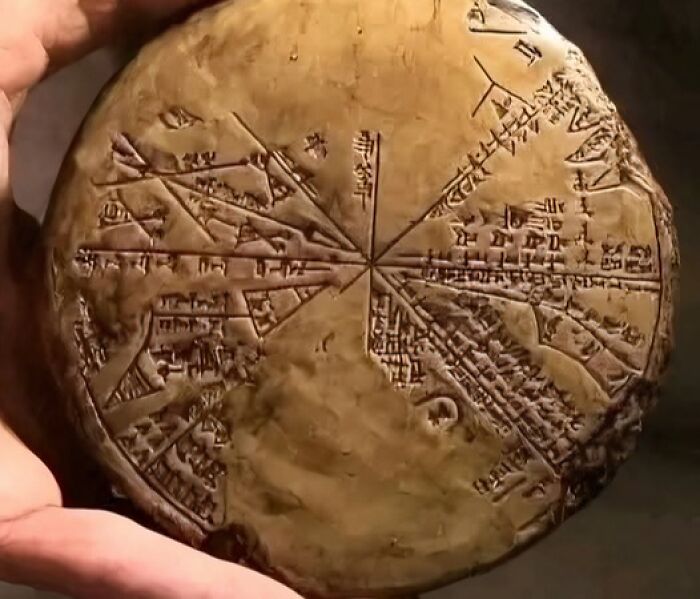
Discovered in the late 19th century in the 650 BC underground library of King Ashurbanipal in Nineveh, Iraq, the tablet was initially thought to be Assyrian. However, computer analysis has revealed it corresponds to the sky over Mesopotamia in 3300 BC, proving its Sumerian origin. Known as an "Astrolabe," it is the oldest known astronomical instrument, featuring a segmented, disk-shaped star chart with angle measurements inscribed on its rim.
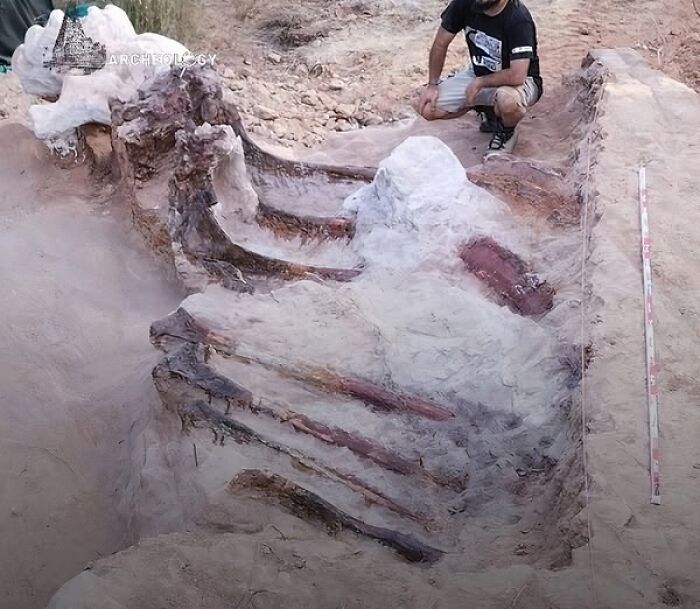
Although much of the creature is still buried, the colossal bones uncovered so far strongly suggest that this ancient giant was a long-necked sauropod, likely tipping the scales at an astonishing 48 tons.
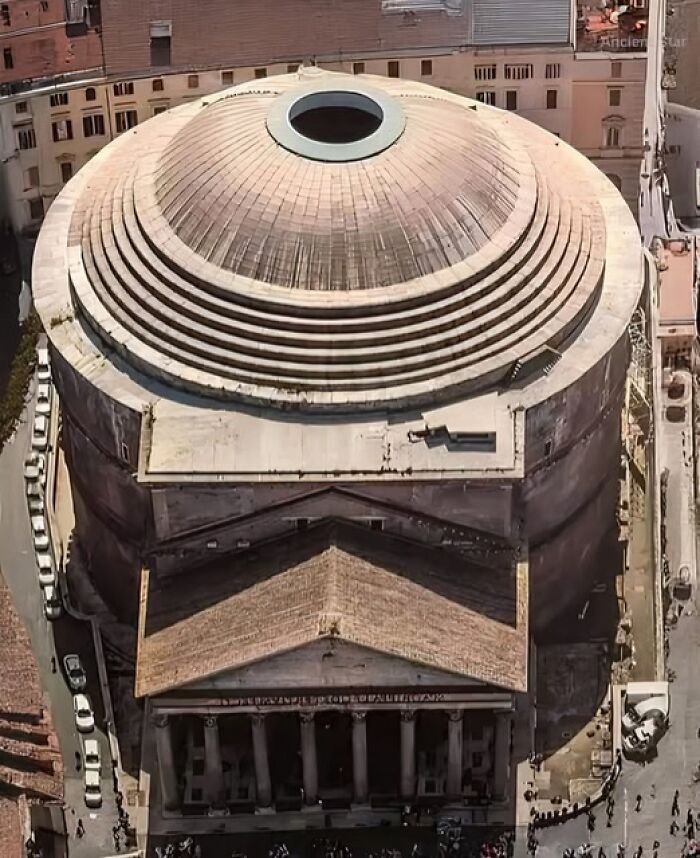
Standing at 43 meters (141 feet), this architectural gem is a testament to Roman engineering brilliance. While the Romans didn’t create concrete, they totally nailed the recipe, thanks to Vitruvius, mixing lime, pozzolana, and more for unbeatable strength. It’s amazing to think that this incredible structure has stood the test of time all on its own—no modern reinforcements needed! Talk about ancient ingenuity inspiring us today!
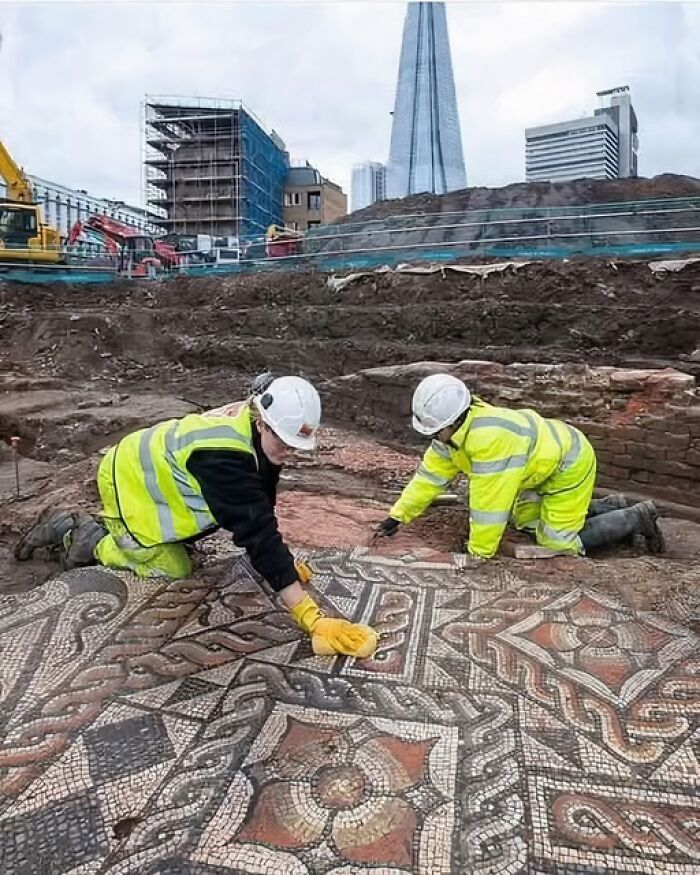
The two highly decorated panels feature large, colourful flowers, geometric patterns and elaborate motifs in a style unique to the capital.
It is thought it once decorated the floor of a Roman dining room.
The Museum of London Archaeology (MOLA) find came during excavations as part of the construction of a regeneration project near the Shard in Southwark.
MOLA site supervisor, Antonietta Lerz, said: "This is a once-in-a-lifetime find in London. It has been a privilege to work on such a large site where the Roman archaeology is largely undisturbed by later activity - when the first flashes of colour started to emerge through the soil everyone on site was very excited."
It is made up of two panels, with the largest showing large, colourful flowers surrounded by bands of intertwining strands - a motif known as a guilloche.
While the largest mosaic panel can be dated to the late 2nd to early 3rd century AD, traces of an earlier mosaic underneath the one currently visible have been identified which shows the room was refurbished over the years.
It was located on the outskirts of Roman Londinium, an area centred on the north bank of the Thames which roughly corresponds to the modern City of London.
A spokesperson for MOLA added the room it was situated in would have contained dining couches, where people would have reclined to eat and it might have been part of a Roman mansion - an upmarket "motel" for state couriers and officials travelling to and from London
One of these spectacular buildings is the Library of Celsus which is counted as one of the biggest libraries of ancient times.
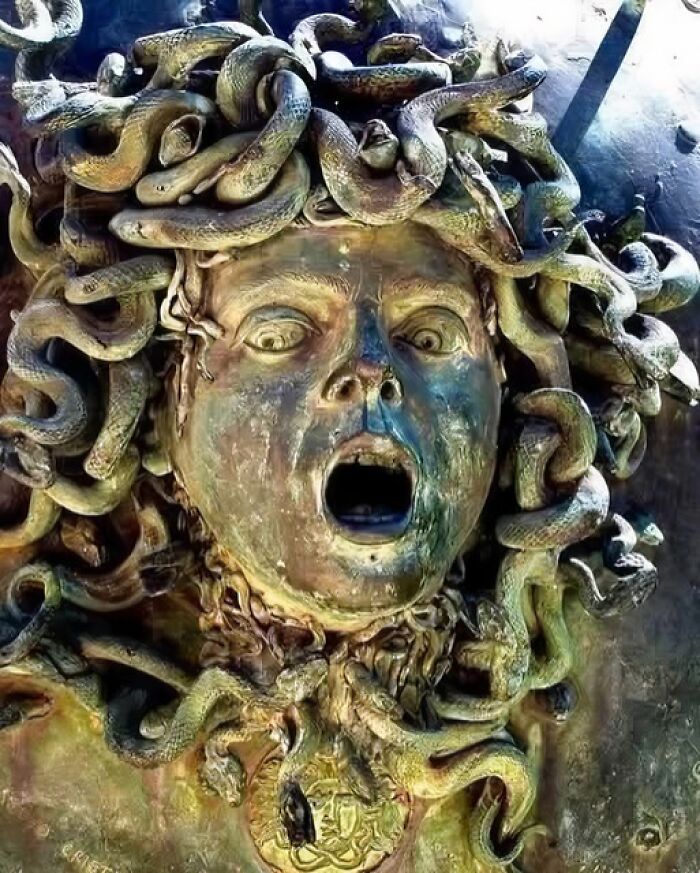
Discovered at Hadrian’s Villa in Tivoli, Italy, this artifact reflects the sophistication and creativity of ancient Roman craftsmanship. Emperor Hadrian’s villa was a lavish retreat, symbolizing the wealth and power of Rome’s elite. The head, with its intricate details and dramatic expression, captures the legendary Gorgon’s terrifying beauty. This piece not only highlights Roman sculptural skill but also their fascination with mythological narratives. Today, it stands as a testament to the enduring legacy of Roman art and culture.
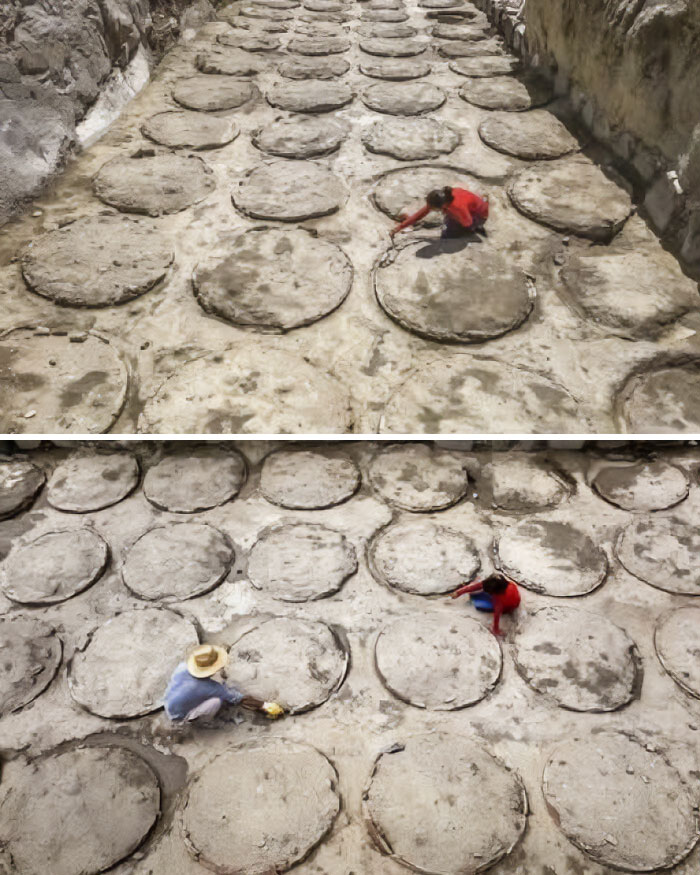
Archaeologists made an exciting discovery in 2015 in Van, eastern Turkey: 2,800-year-old pithos tombs from the ancient Kingdom of Urartu. The tombs were found intact, containing human remains and grave goods, suggesting they belonged to high-status individuals.
The Urartu Kingdom, which thrived between the 9th and 6th centuries BCE, was known for its advanced metallurgy, fortresses, and unique burial customs. Pithos tombs were a common feature, reflecting the civilization's cultural and religious beliefs. The discovery in Van provides valuable insights into their society, trade connections, and craftsmanship.
This find underscores the rich archaeological heritage of eastern Turkey, where Urartian ruins continue to reveal secrets of a once-powerful kingdom. Researchers hope further studies will uncover more about daily life, rituals, and the kingdom's eventual decline.
In conclusion, these ancient pithos tombs serve as a remarkable link to the past, deepening our understanding of Urartu's legacy.
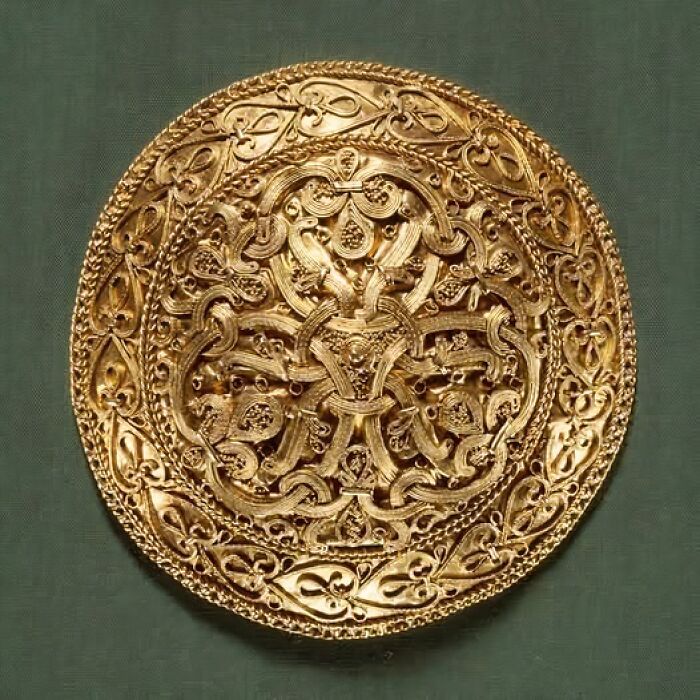
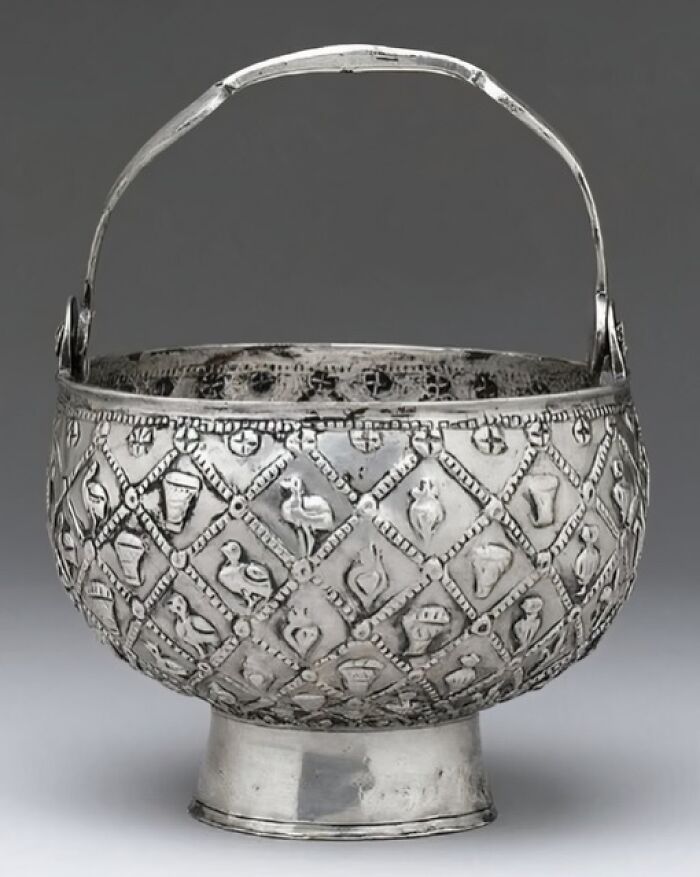
It was part of a treasure buried in the 6th-7th century by the Avars or the Bulgars who revolted against them, and was most probably made up of either war booty or the goods received by the Avars as tribute payment from the Byzantine emperor Justinian.
The small bucket, 15 cm high without the handle and measuring nearly half a kilo, bears a Byzantine silver stamp. However, its exact origins are unknown.
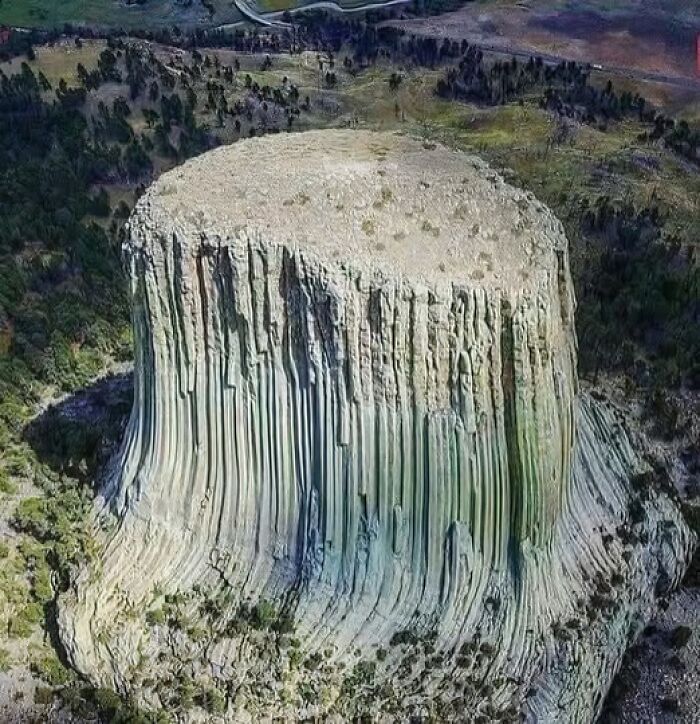
But here's the weird part: no one knows for certain how it formed. While geologists have theories, ranging from volcanic activity to erosion, indigenous legends tell a different story, describing a giant bear clawing at the rock to create its unique, column-like ridges. Whether a natural phenomenon or the stuff of tales, this mysterious monolith continues to captivate and mystify visitors from all corners of the globe.
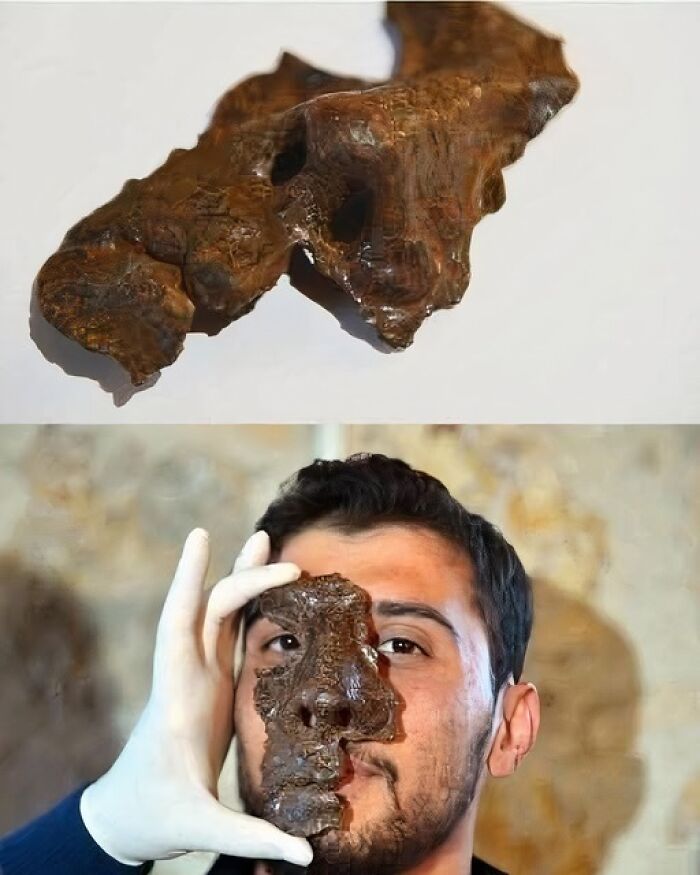
Discovered during excavations in the ancient city of Hadrianopolis, the bronze mask once belonged to a Roman soldier, likely part of an elite cavalry unit. Such masks were not only functional, protecting the face during battle, but also served as symbols of status and intimidation on the battlefield.
The discovery confirms the presence of the Roman Empire in this part of modern-day Turkey, shedding light on the empire's extensive reach and military organization. Hadrianopolis, named after Emperor Hadrian, was a significant settlement during the Roman period, and this find adds to the growing evidence of its historical importance.
The mask, intricately designed with detailed facial features, highlights the craftsmanship of Roman artisans. It also underscores the strategic role of cavalry units in the Roman military, which were crucial for reconnaissance, skirmishes, and flanking maneuvers during combat.
Archaeologists are thrilled by the find, as it provides valuable insights into the lives of Roman soldiers and the empire's influence in Anatolia. The mask will undergo further analysis and conservation before being displayed, allowing the public to connect with this remarkable piece of history.
This discovery not only enriches our understanding of Roman military practices but also reinforces the enduring legacy of the Roman Empire in shaping the cultural and historical landscape of Turkey.
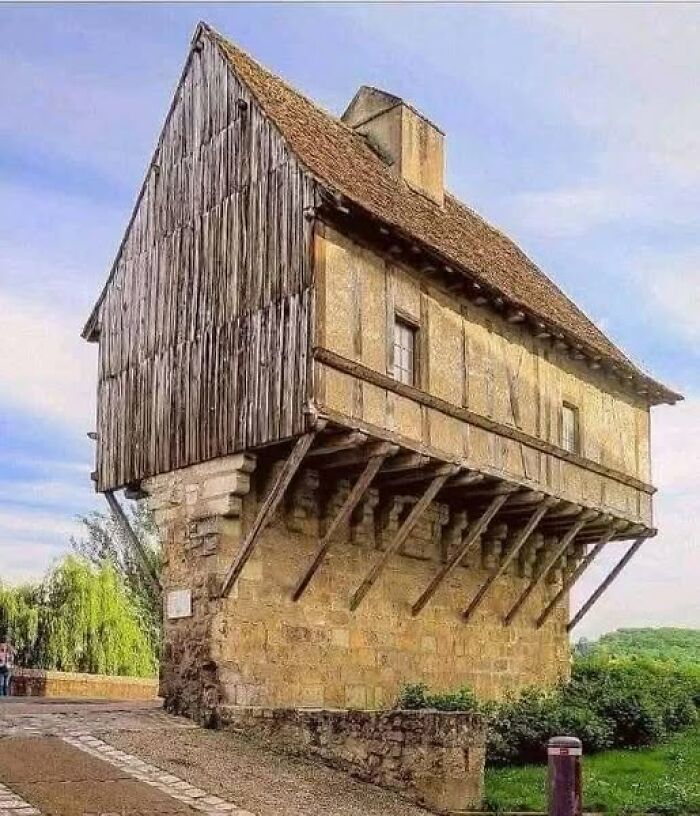
It's an oak timber frame building with wattle & daub infill, built in 1347.
The building is balanced on the narrow ramparts of Puy-Saint-Front (the medieval centre of Périgueux) supported on oak struts along its length.
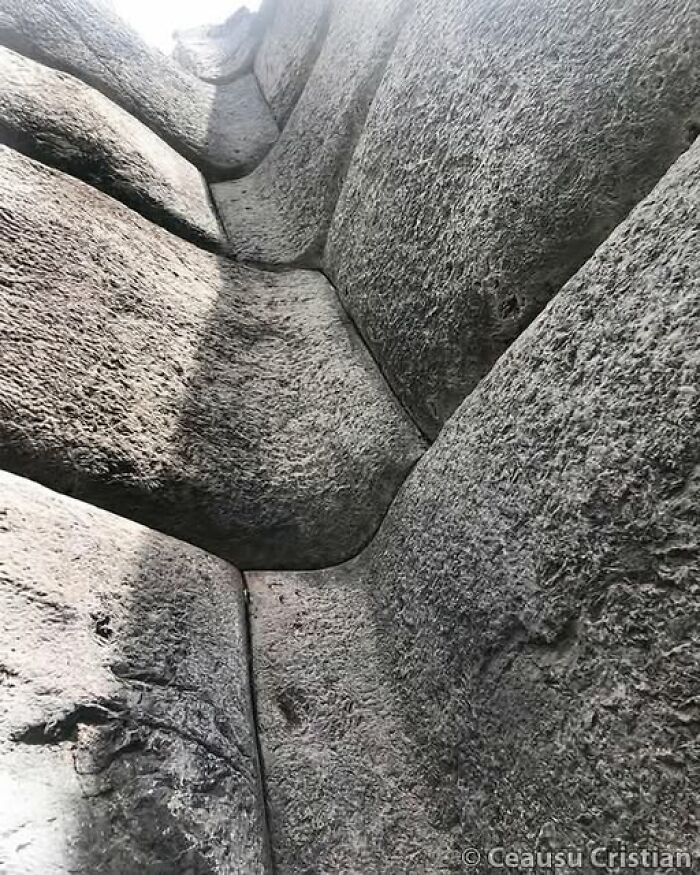
However, some scholars propose that these structures may actually be remnants of a more ancient culture, later rediscovered and repurposed by the Inca. The massive blocks that comprise the walls are noteworthy for their precise fit, achieved without the use of mortar, and their intricate rounded edges which interlock seamlessly—an accomplishment that would present significant challenges to contemporary engineers. This raises questions about the possibility that these formidable walls were constructed thousands of years ago by a lost civilization utilizing techniques that remain largely unexplained. Sacsayhuamán thus presents an intriguing enigma, inviting speculation about the true origins of this remarkable edifice and the sophisticated knowledge possessed by its builders, who left no historical record beyond these enduring stones.
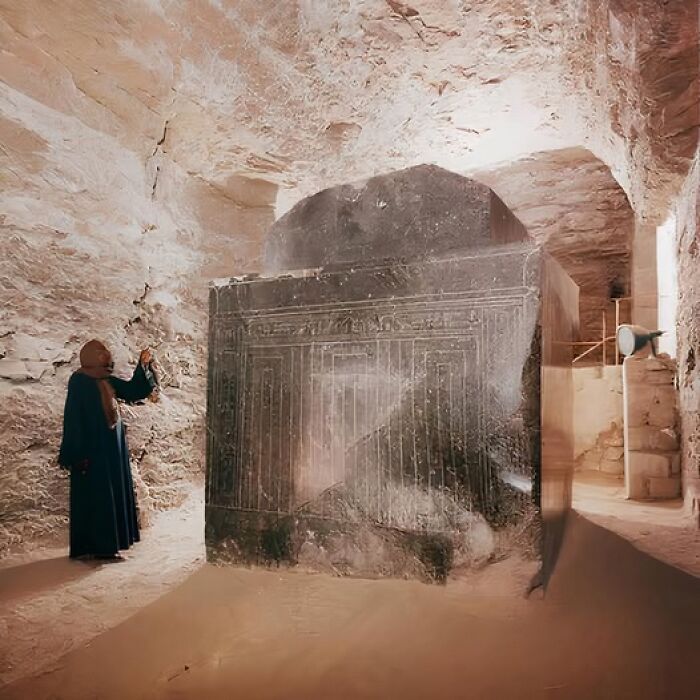
Dating back over 3,000 years to the 19th Dynasty, these massive granite sarcophagi weigh up to 70 tons each. Their impressive scale and precision contribute to the surreal atmosphere of the site. The methods and techniques employed by the Egyptians to create and transport such colossal structures remain a subject of fascination, showcasing both their ingenuity and skill in overcoming the limitations of their time. The Serapeum continues to inspire awe and curiosity about ancient construction methods.
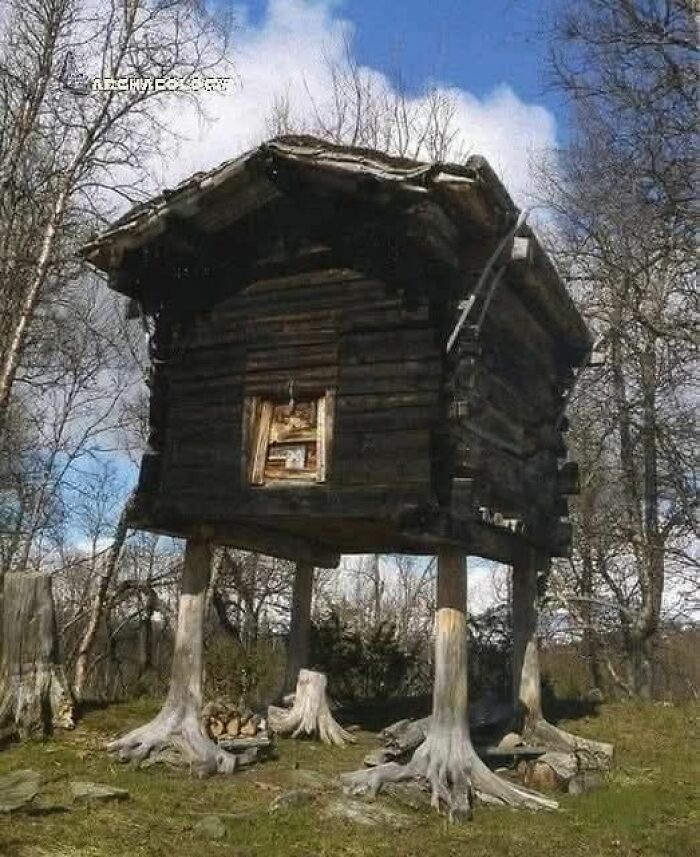
This strange house, built in the 18th Century CE, is one of the oldest buildings in Hattfjelldal municipality in Norland, Norway.
Constructed on these tree stumps serving as the foundation and which somehow resemble chicken legs, it seems as if the house is about to walk away. In Norwegian it is called a ""Stabbur"". They were used to store food and other items off of the ground and away from animals.
Many people say the structure reminds them of Baba Yaga, an enigmatic or ambiguous character from Slavic folklore (one of a trio of sisters of the same name) who has two opposite roles. In some motifs she is described as a repulsive or ferocious-looking old woman who fries and eats children, while in others she is a nice old woman, who helps out the hero. She is often associated with forest wildlife. Her distinctive traits are flying around in a mortar, wielding a pestle, and dwelling deep in the forest in a hut standing on chicken legs.
Mussorgsky's 1874 suite Pictures at an Exhibition has a movement titled ""The Hut on Hen's Legs (Baba Yaga)"". The rock adaptation of this piece recorded by English progressive rock band Emerson, Lake & Palmer includes a two-part track ""The Hut of Baba Yaga"", interrupted by ""The Curse of Baba Yaga"" (movements 8 to 10). Animated segments telling the story of Baba Yaga were used in 2014 documentary 'The Vanquishing of the Witch Baba Yaga', directed by American filmmaker Jessica Oreck. GennaRose Nethercott's first novel, Thistlefoot, ""reimagines Baba Yaga as a Jewish woman living in an Eastern European shtetl in 1919, during a time of civil war and pogroms."" Sophie Anderson's book The House With Chicken Legs, which received various accolades, features Marinka, the granddaughter of Baba Yaga. Here ""Yaga"" is not a name, but a title for the guardian who guides the lifeless into the afterlife and Marinka is being trained for this role. Yagas are reimagined as kind and benevolent.
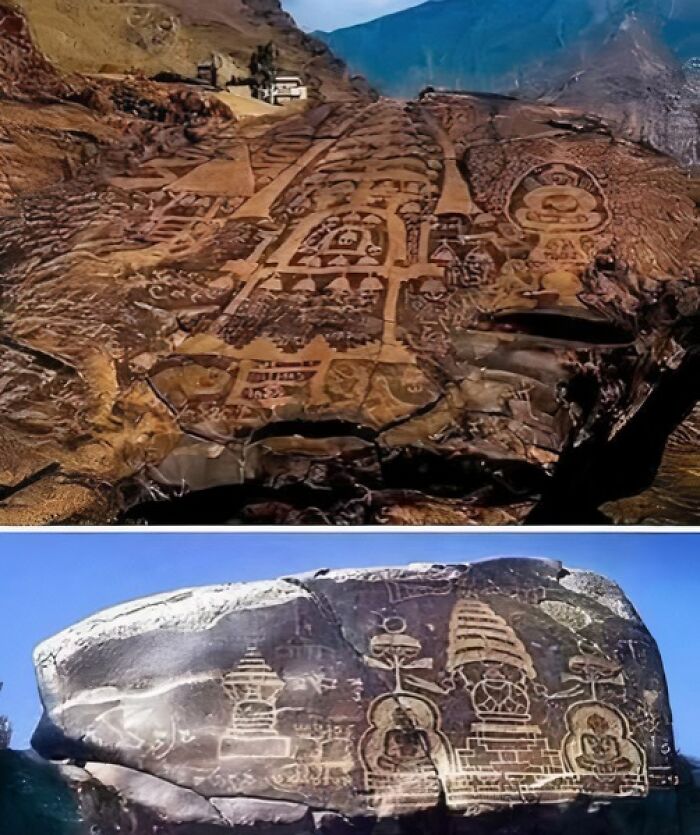
From the 9th century BCE to the 16th century CE, these ancient masterpieces offer a stunning glimpse into centuries of human creativity and belief.
Far more than just carvings, they tell stories of gods, rituals, and everyday life, challenging us to rethink history. Unlike limited museum exhibits, these expansive outdoor treasures immerse visitors in an unfiltered connection to the past. Every stroke and symbol whispers the secrets of civilizations long gone, urging modern explorers to unravel their mysteries.
Forget textbooks—this is history carved in stone, waiting to be discovered. Whether you’re an art enthusiast or a history buff, this unparalleled site promises an unforgettable journey through time. Don’t miss your chance to witness humanity’s enduring legacy etched into the landscape
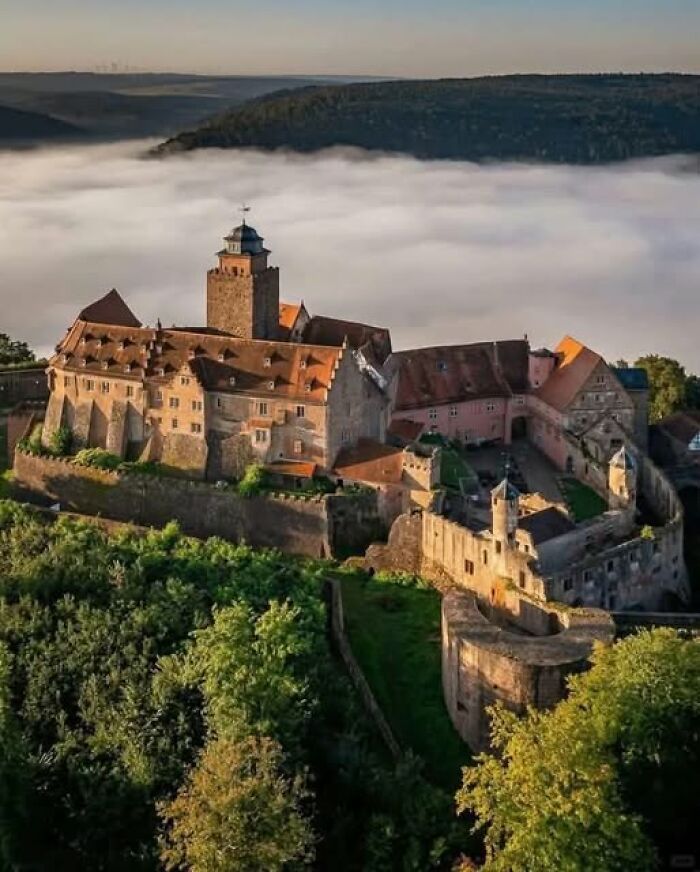
Although it has suffered damage during its long history, it has never been completely destroyed or burned down. This is quite unique because once inside the castle, you can admire multiple architectural styles built in different periods: from Romanesque to Gothic to Renaissance. The oldest part of the castle is its bergfried which dates back to the 13th century. An interesting fact is that during World War II, Polish and Russian female prisoners of war were held in the castle's prison, they worked in the nearby workshops, and you can see the messages they left on the castle's walls. The castle is no longer a scary place. It is now a museum owned by the state of Hesse.
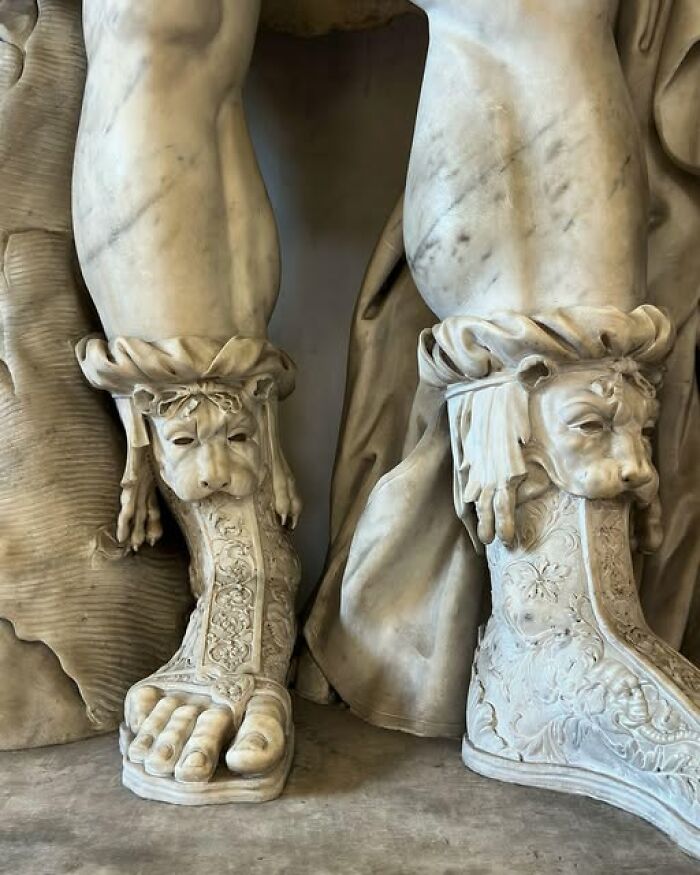
This impressive sculpture reflects the extraordinary talent of Roman craftsmen, particularly evident in its elaborate features, including the 'Calcei of Mars'—the intricately designed shoes embellished with sophisticated patterns.
As the deity of warfare, the depiction of Mars encapsulates the cultural values and ideals that were significant during that time.
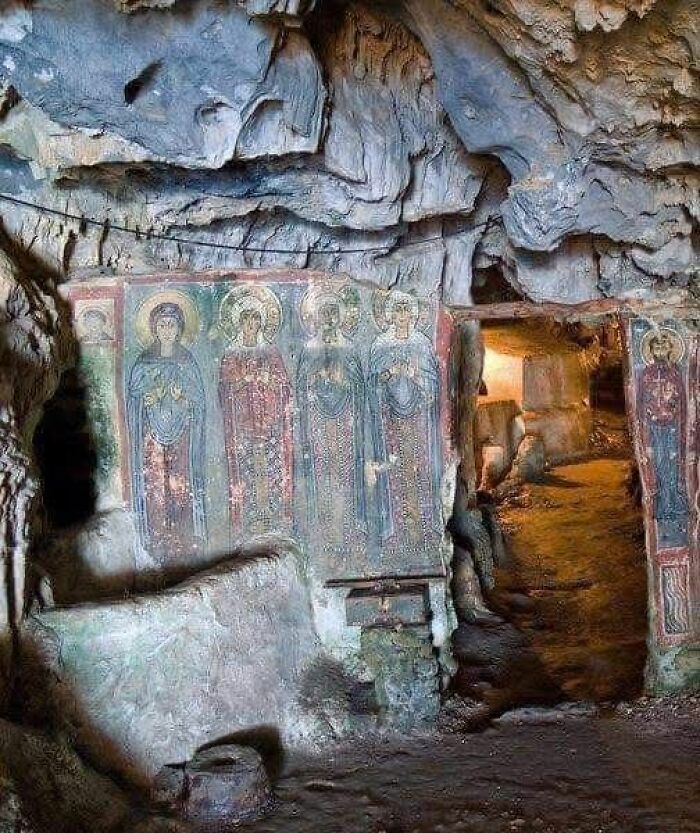
Inside the cave, there is a nice church with an open roof dedicated to Saint Sofia. A legend says that her grave was found there and residents of Mylopotamos village built a chapel in 1875 CE, to honor her.
This church has some holy icons and fine frescoes (dated 13th Century CE), such as fresco with figure of Agia Sofia (wisdom) and her three daughters (Love, Faith, and Hope) - Elpida (Hope), Pisti (Faith) and Agapi (Love), right at the entrance.
Some remains of early Christian era have also been found in the cave, indicating that Christian cults were held there.
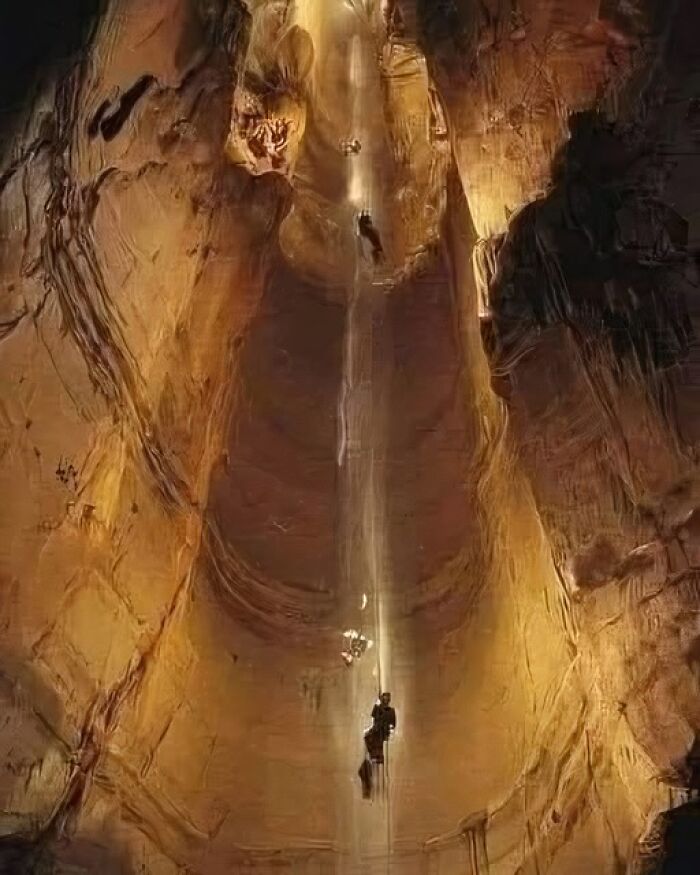
While Veryovkina Cave may not lead us that far, it does bring us remarkably close to the planet’s core. At approximately 2,212 meters deep, Veryovkina Cave holds the title of the deepest cave in the world.
It is located at the intersection of Mount Krepost and Mount Zont in the region of Abkhazia, a self-declared independent nation that is officially recognized as part of Georgia. The cave was discovered in 1968 by speleologists from the city of Krasnoyarsk, who managed to reach a depth of 115 meters. By 1986, a new team from Moscow, led by Oleg Parfenov, reached a depth of 440 meters.
Since 2015, a series of expeditions by the Perovo-Speleo group continued to push the limits of exploration, reaching deeper levels repeatedly until achieving the record-breaking depth of 2,212 meters in March 2018. The cave system is now known to include more than 6,000 meters of underground tunnels.
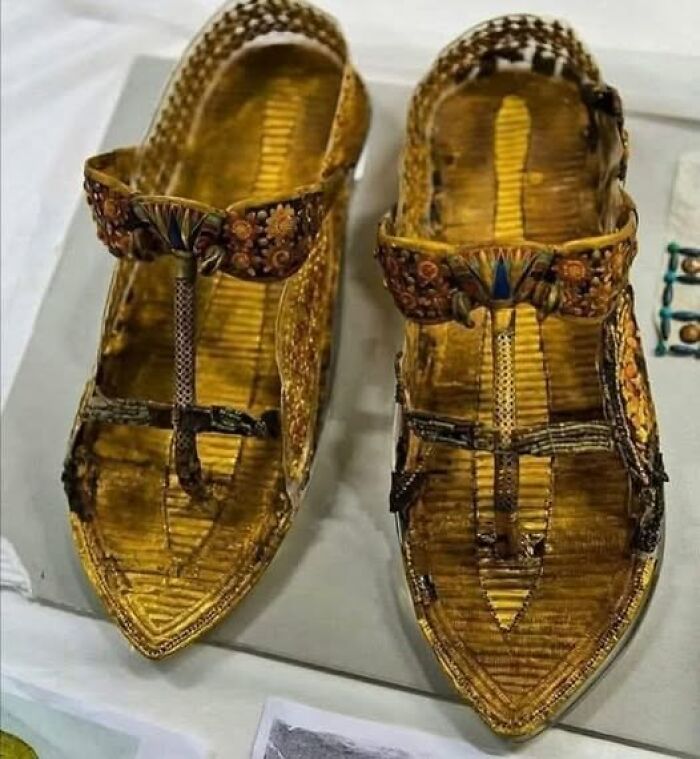
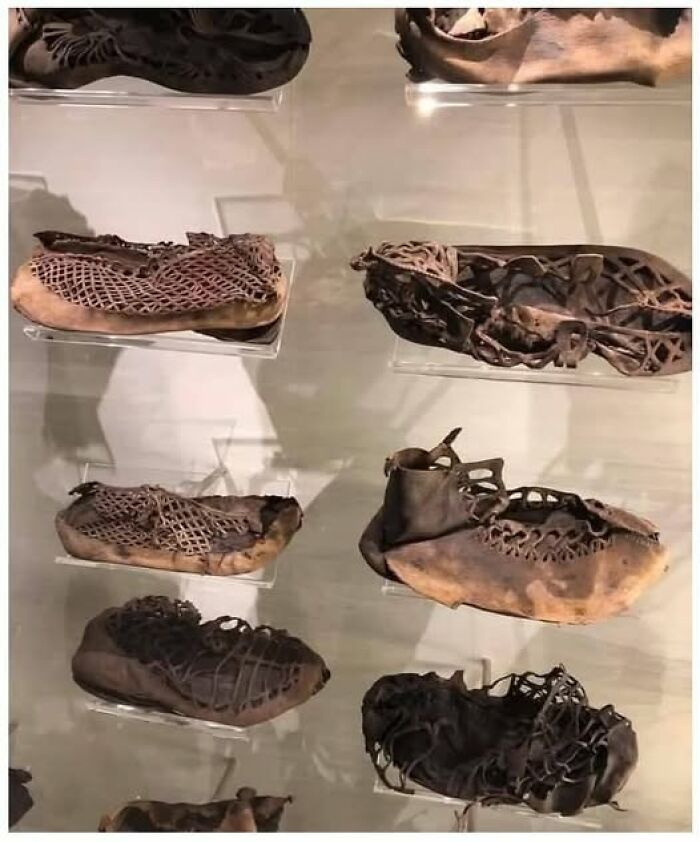
Greeks and Egyptians developed simple sandals appropriate for their relatively warm climates. However, Italian Peninsula's temperate yet varied climate, along with ever-growing reach of Empire, required ancient Romans to develop a way to protect their feet. Their advancements in footwear played an often overlooked part in their eventual expansion; healthy feet, combined with their comprehensive network of roads, enabled Roman army to cover more ground than their predecessors or enemies. Both civilians and soldiers wore sandals. Basic style and form of sandals were, in main, fairly consistent across different social classes. Particular design concepts were used to add stylistic flourishes or functionality.
Romans wore both open sandals, similar to modern-day flip-flops, and enclosed sandals, which were still breathable but provided increased protection and traction. A key component of Roman soldiers' equipment was their footwear, called caligae. These were heavy-soled and durable sandals worn as the primary footwear. Romans designed them to be mass-produced, comfortable and functional.
Roman legions had to cover vast distances by foot to stage, mobilize and fight as Empire expanded. Soldiers' feet needed to be protected to ensure they could battle effectively after long marches. Caligae were open-toed sandals that enveloped the foot and ankle with straps that covered instep and lower leg. Soldiers wore metal shin guard armor on top of laced part of their sandals for protection of legs. Soles were made of three layers of durable leather bound together with iron nails. While bottom layer was rugged, inner layer was soft. This construction prevented blistering and trench foot while guarding soldier from rough terrain. Foot integrity was critical for army's ability to travel and fight.
Unlike the basic footwear of earlier civilizations, ancient Romans cut theirs to account for differences between the left and right feet. This customization added to their functionality and comfort. Sutors or shoemakers, were esteemed craftsmen who were financially successful throughout Rome. Armies often traveled with sutors, who could craft and repair shoes on go to keep military agile. These artisans used forma, a foot-shaped wooden block, to craft shoes and an iron block to turn and flatten nails used to fashion soles.
Archeologists unearthed excellently preserved footprints made by caligae at Hippos-Sussita archaeological site near Sea of Galilee, dated 1st Century AD. They were almost identical in design to shoeprints found at a separate archeological site in Britain, indicating precision of Roman design and skill of sutors.
As mentioned above, Roman Empire's diverse topography forced soldiers to march across rugged terrain. Unlike civilian sandals, sutors studded the soles of military sandals with metal spikes. They provided extra traction for mountainous or uneven treks. Spikes also had a combat application. A typical Roman legion marched ten men deep. As it advanced during battle, the spikes allowed soldiers to stomp their fallen foes. This ensured enemy would not get up to continue fight and attack advancing Romans from behind. spikes also made a distinct sound as a legion, which consisted of more than 1000 men, approached. The clacking acted as an early type of psychological warfare for approaching Roman armies.
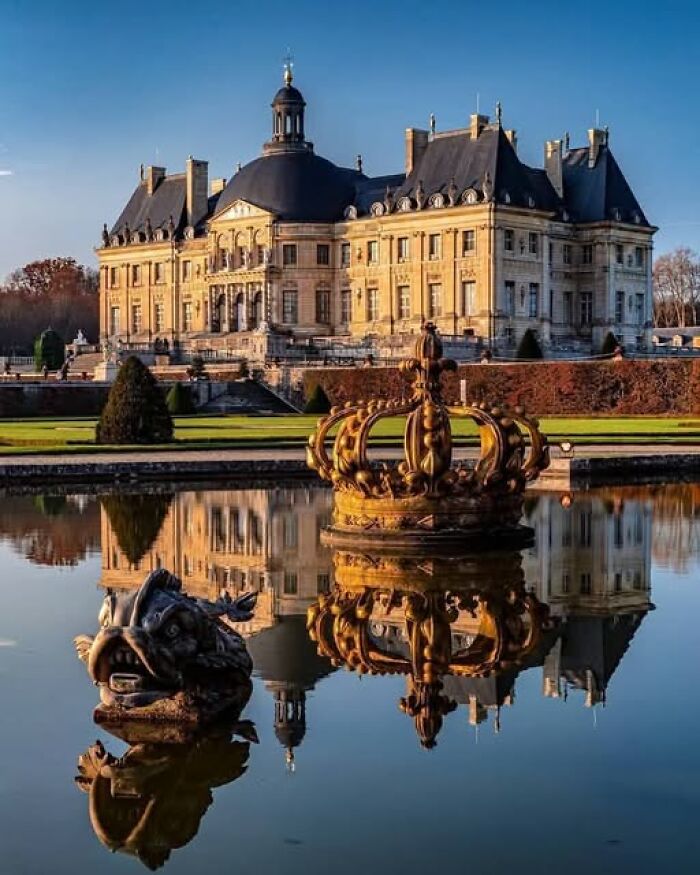
It was commissioned by Nicolas Fouquet, the superintendent of finances to King Louis XIV. The construction of the château began in 1658 and was completed in 1661.
This architectural masterpiece was designed by the architect Louis Le Vau, the landscape was designed by André Le Nôtre, and the interior decoration was created by Charles Le Brun. The château is renowned for its elegant design and the lavish gardens surrounding it, which later influenced the design of the more famous Palace of Versailles.
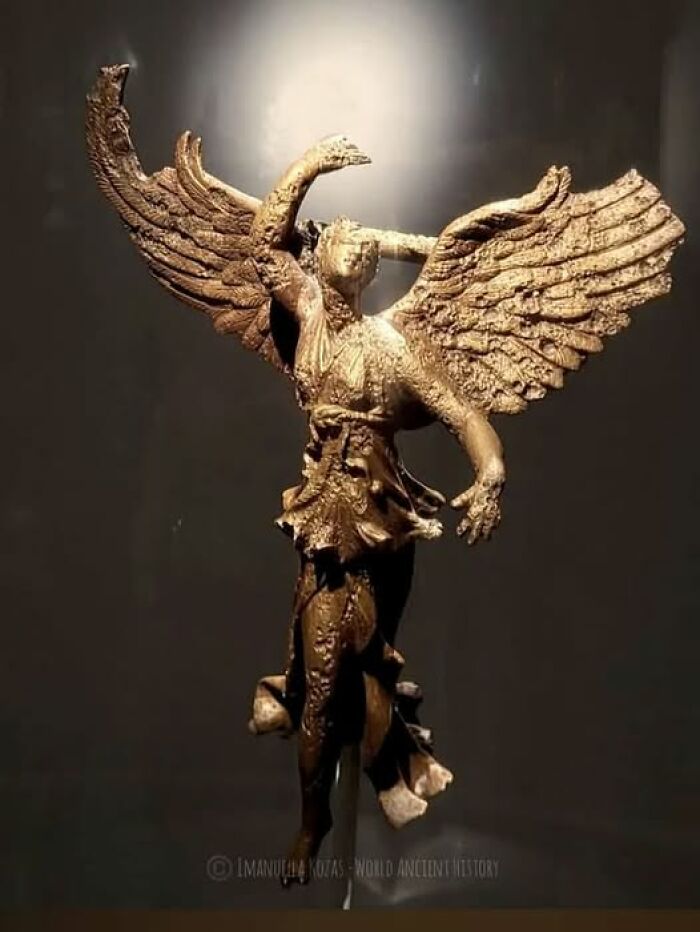
The Statuette was discovered in the Vani Archaeological Site, which was part of the ancient Kingdom of #Colchis (modern-day Georgia).Vani was a vibrant urban settlement from the 8th century down to the mid-1st century BC. The ancient name for Vani is unknown: two hypotheses identify the site with the Surium of Pliny the Elder or the Leucothea of Strabo.
Colchis is known in Greek mythology as the destination of the Argonauts, as well as the home to Medea and the Golden Fleece. It was described as a land rich with gold, iron, timber and honey that would export its resources mostly to ancient Hellenic city-states.
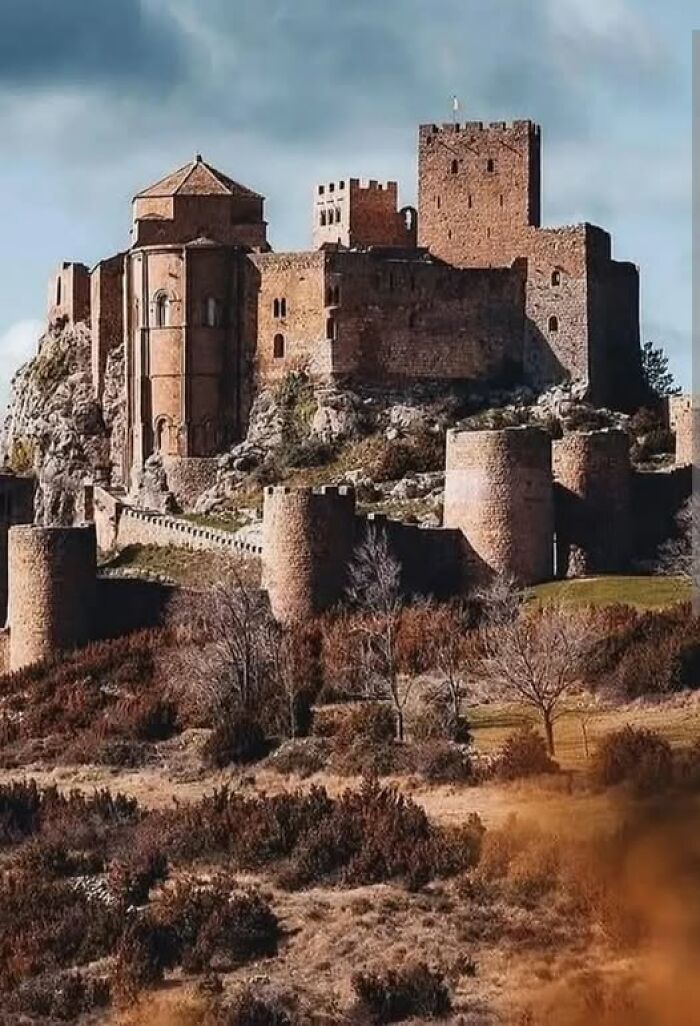
Built in the 11th century, it stands proudly atop a hill overlooking the vast plains of the Hoya de Huesca, with the Pyrenees forming a dramatic backdrop. This castle is among the best-preserved fortresses in Spain, offering visitors a glimpse into medieval life. Its origins date back to the reign of King Sancho III of Navarre, who strategically positioned it to defend against Muslim forces and assert control over the Aragon region. Over time, Castillo de Loarre was expanded, with additional defensive structures added by subsequent rulers.
The castle complex includes a chapel, a tower, and a crypt, each contributing to its imposing presence. Its sturdy stone walls and towers demonstrate medieval military ingenuity, designed to repel invaders and provide a safe haven. The intricate stonework and frescoes within the chapel showcase Romanesque artistry and religious devotion. Visitors can explore winding staircases, narrow corridors, and hidden passages that evoke a sense of mystery and adventure. Castillo de Loarre’s panoramic views and historical significance have made it a popular filming location, notably featured in the 2005 film Kingdom of Heaven. It remains a captivating destination for history enthusiasts and travelers alike.
You might also like: Forgotten history: 83 rare images that reveal how people used to live



































 No fees, cancel anytime