Get Premium
Dark mode theme is available exclusively for premium users. Learn more about the benefits of subscribing.
No fees, cancel anytime.

 Dark Mode Ad-Free Browsing Unlimited Content
 Ad-Free Browsing Unlimited Content Dark Mode
Join 1.2 million Panda readers who get the best art, memes, and fun stories every week!
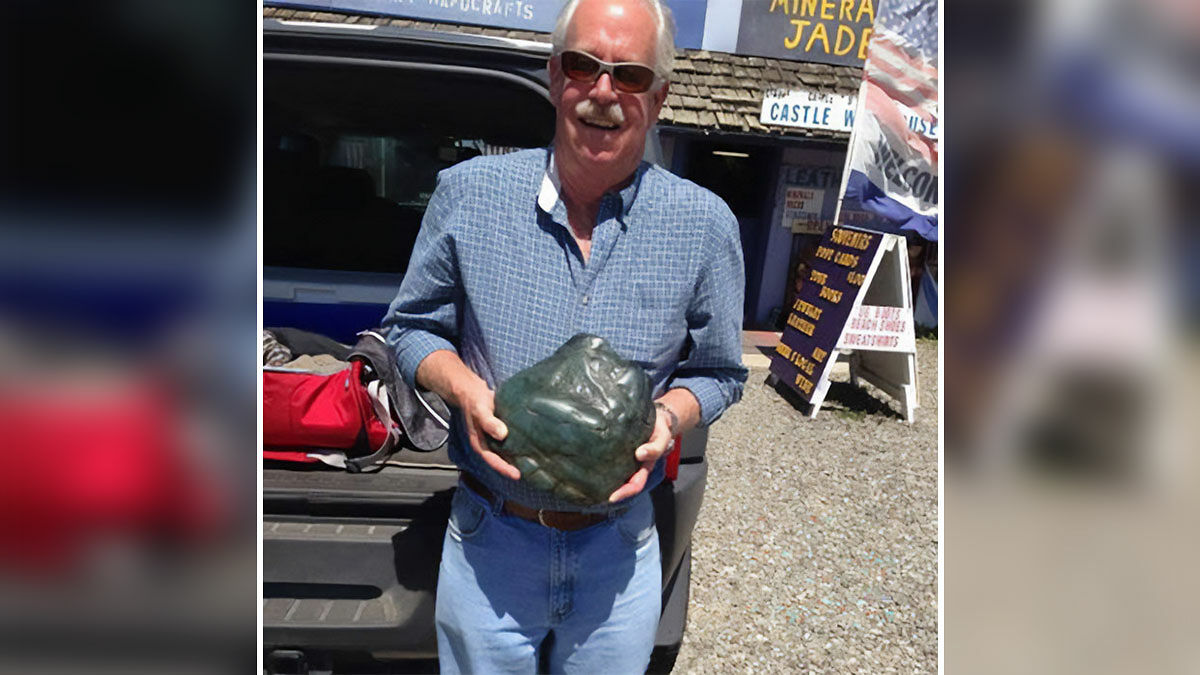
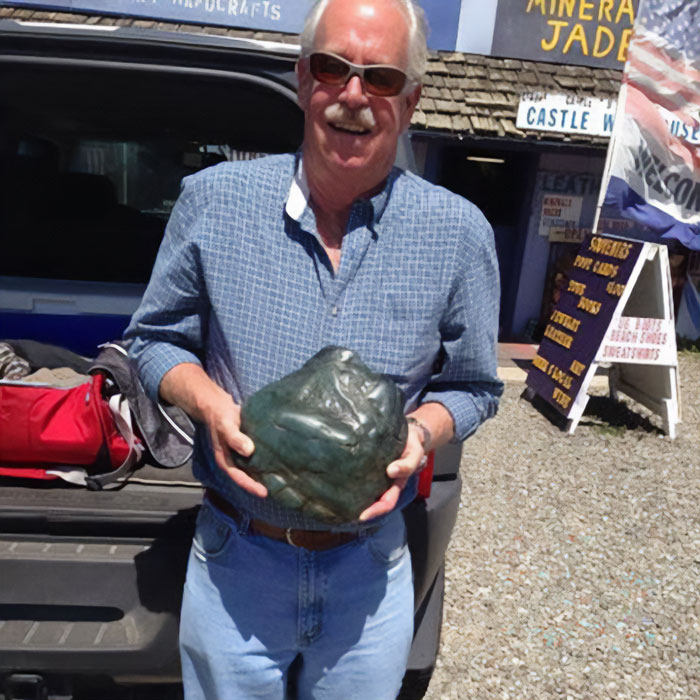
Deep beneath the sands of California’s Mojave Desert, a retired insurance salesman may have uncovered something that archaeologists probably overlooked for generations.
Richard Dempsey is a retired insurance salesman from Long Beach.
But his passion for digging may have led to a discovery that redefines what experts know about prehistoric art.
Image credits: Richard Dempsey
Richard Dempsey said he discovered thousands of unusual stone objects that are not ordinary Stone Age tools (such as arrowheads or scrapers) but are quite possibly intentional works of symbolic art.
It was almost six years ago when the amateur archeologist first identified “previously unobserved and unknown” Paleolithic artifacts and decided to call them Paleo Story Stones.
“Paleo” refers to the Paleolithic Era (“Old Stone Age”), when early humans used stone tools and began developing symbolic expression.
This era began 3.3 million years ago and ended around 10,000 BCE.
Image credits: Brett Buskirk/Pexels (not an actual photo)
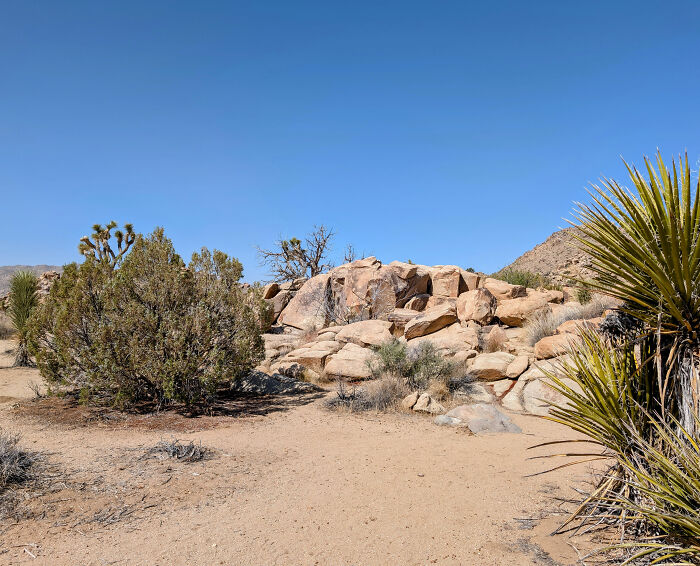
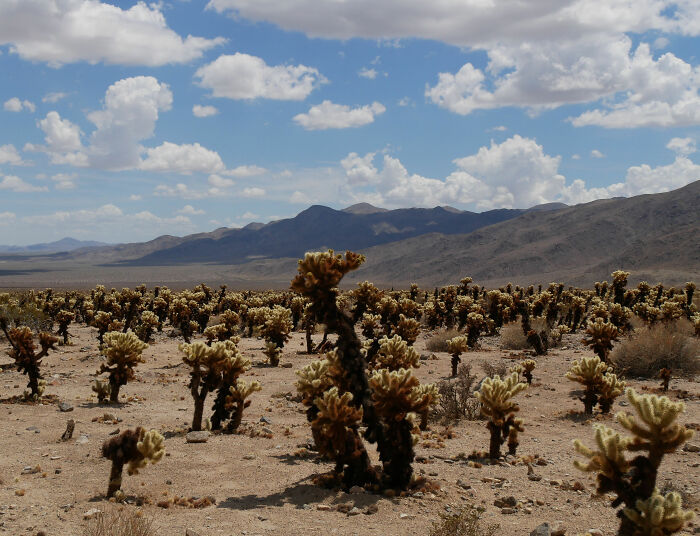
Back in October 2020, Dempsey was surveying Paleolithic sites along the ancient shoreline of Pleistocene Lake Manix.
That’s when he noticed something that he believes was “overlooked” by “generations of collectors, archaeologists, and geologists.”
Dempsey noticed patterns on the flaked stone objects that appeared to resemble recognizable figures.
Image credits: Richard Dempsey
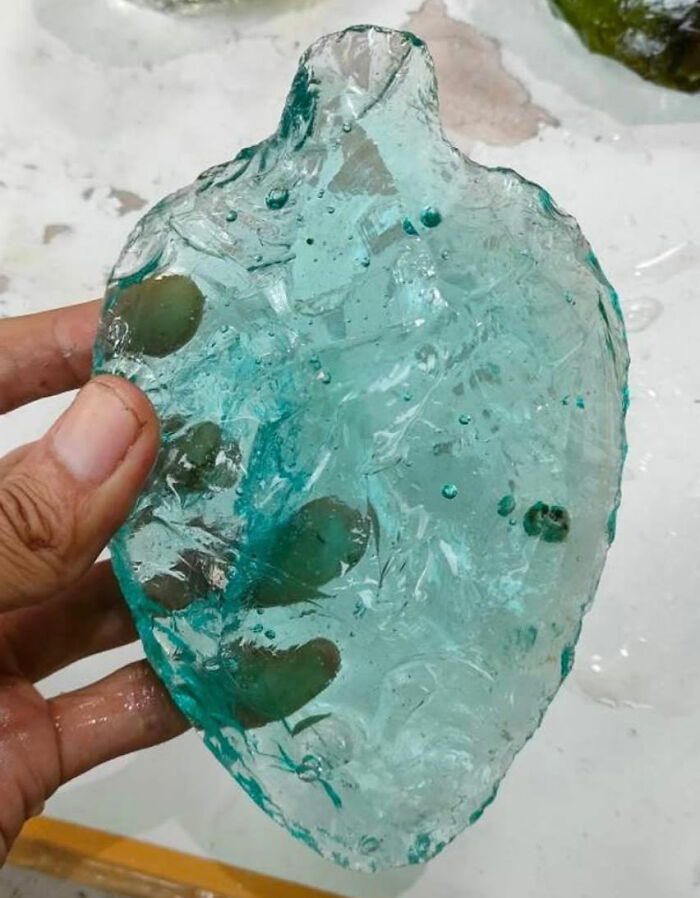
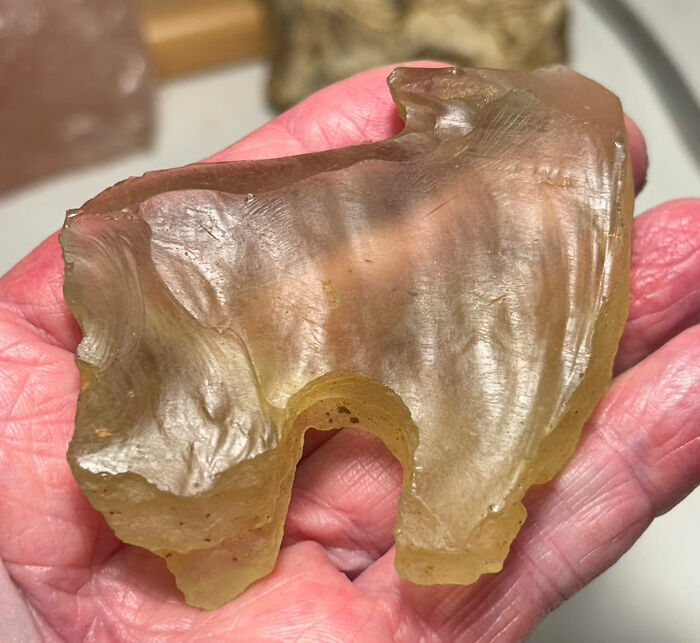
The artifacts did not seem like ordinary Stone Age tools, but carefully shaped objects featuring images of humans and mammoths.
“Certain flaked stone artifacts consistently displayed recognizable images of young and old human faces alongside juvenile and mature mammoths,” according to a press release.
Image credits: Richard Dempsey
“More remarkably, the same visual patterns appeared repeatedly on artifacts made from completely different materials and recovered from widely separated locations,” the message continued.
Dempsey believes they could be evidence of prehistoric storytelling, which still remains unknown to today’s archaeologists.
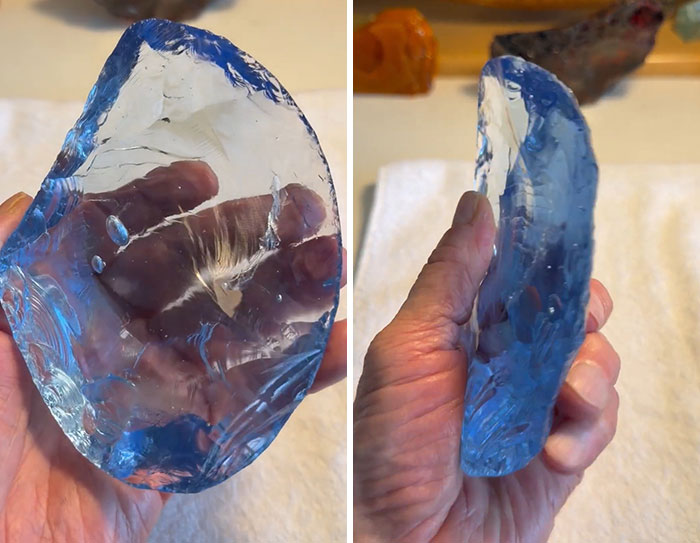
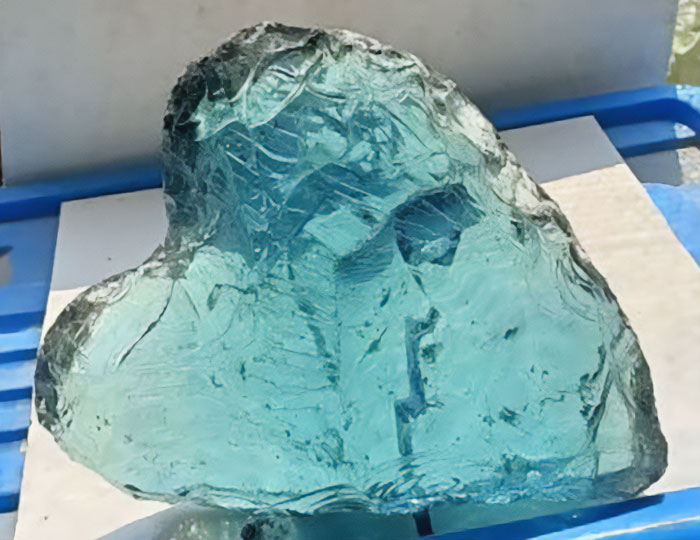
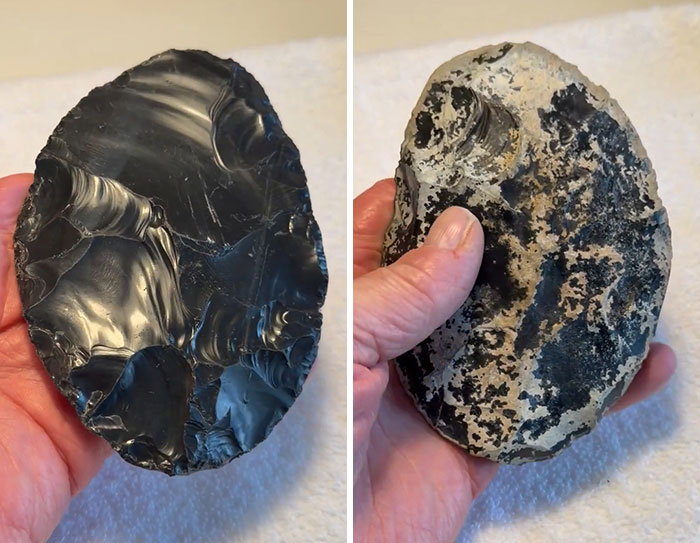
Over the years, he has gathered together thousands of similar artifacts made from a variety of materials like jasper, chert, quartz crystal, citrine, rose quartz, obsidian, volcanic glass, meteorites, fossil coral, bone, antler, and so on.
Moreover, these artifacts have been found across all continents, except for Antarctica.
Image credits: AntiquitiesoftheAmericas
Image credits: VulcanJoker
Dempsey said the recurring imagery on the artifacts follows a “remarkably consistent pattern,” irrespective of the “geography or material.”
“Unlike conventional projectile points or scrapers, these objects were intentionally shaped around their outer edges to create symbolic imagery,” explained the press release.
Image credits: Richard Dempsey
“Many also display fine engraving, grooving, and smoothing that Dempsey argues were previously unrecognized elements of flaked stone Paleolithic craftsmanship.”
Dempsey’s work challenges the idea that early humans were merely toolmakers.
Image credits: AntiquitiesoftheAmericas
It suggests that people from the Paleolithic era, regardless of the geographical region they were living in, may have had a shared symbolic artistic tradition “spanning most of the globe for hundreds of thousands, perhaps even millions of years,” he said.
“Rather than viewing early humans primarily as toolmakers, the evidence raises the possibility that they were also accomplished artists, storytellers and symbolic thinkers who encoded recurring imagery into the very tools and offerings they created,” his research concluded.
Image credits: Rino Adamo/Pexels (not an actual photo)
The earliest widely accepted examples of prehistoric art include cave paintings, engravings and carvings found at archaeological sites around the world.
Researchers have long studied these works as evidence of early humans’ ability to tell stories and communicate ideas beyond basic survival.
Dempsey’s discovery could have major implications for the study of prehistoric art and address whether the artifacts represent an overlooked slice of human creativity.
His discovery has piqued the interest of many in the archaeology community, including Dr. Richard Michael Gramly, former curator at the Buffalo Museum of Science.
Gramly documented Dempsey’s work in his book Guide to Palaeolithic Artifacts and Features of the Americas.

By entering your email and clicking Subscribe, you're agreeing to let us send you customized marketing messages about us and our advertising partners. You are also agreeing to our Privacy Policy.
Thank you! You've successfully subscribed to newsletters!


If he claimed to have found a site of previous unknown artifacts, I would potentially believe it, but as soon as people like this start claiming that they have found the same items all over the world, and that nobody else but them has ever identified them, it lacks credibility for me. Plus, it is being presented as if people during that period only created tools or weapons, and he is the first to consider they could be creating art, when there are a huge array of surviving artifacts that were created purely for art or as part of a culture, all across the world.

Humans have done a lot more traveling and trading than we ever gave them credit for.

If he claimed to have found a site of previous unknown artifacts, I would potentially believe it, but as soon as people like this start claiming that they have found the same items all over the world, and that nobody else but them has ever identified them, it lacks credibility for me. Plus, it is being presented as if people during that period only created tools or weapons, and he is the first to consider they could be creating art, when there are a huge array of surviving artifacts that were created purely for art or as part of a culture, all across the world.
Humans have done a lot more traveling and trading than we ever gave them credit for.






































 No fees, cancel anytime





38
9