Get Premium
Dark mode theme is available exclusively for premium users. Learn more about the benefits of subscribing.
No fees, cancel anytime.

 Dark Mode Ad-Free Browsing Unlimited Content

 Ad-Free Browsing Unlimited Content Dark Mode

Join 1.2 million Panda readers who get the best art, memes, and fun stories every week!
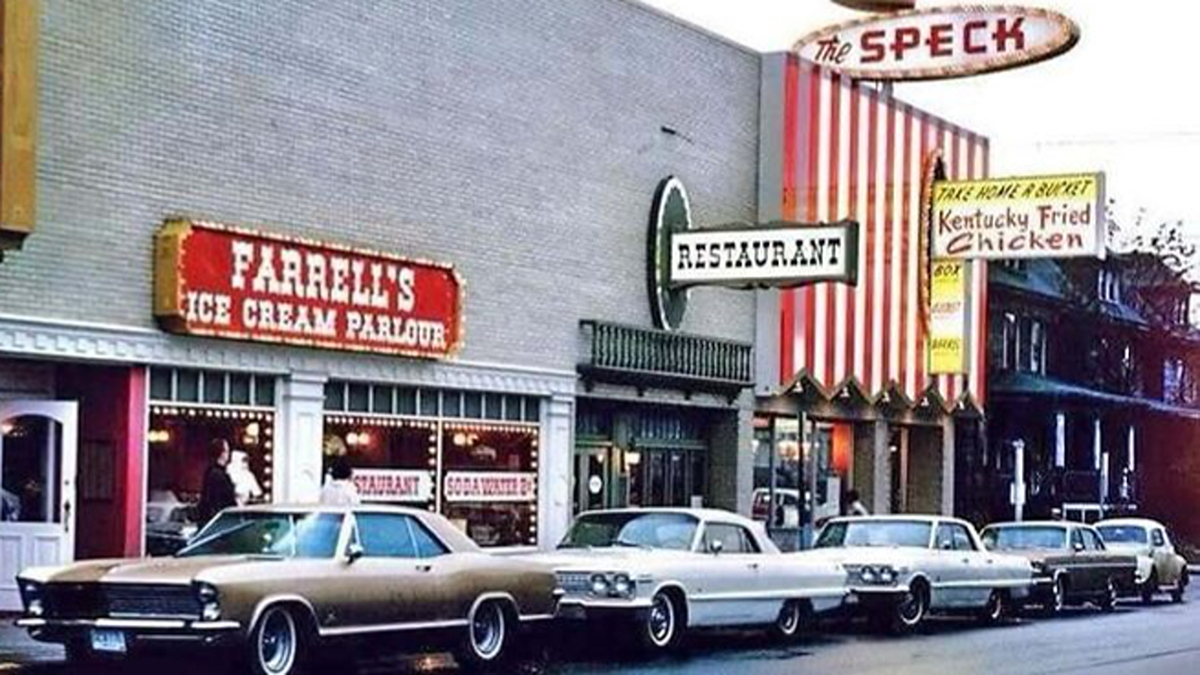
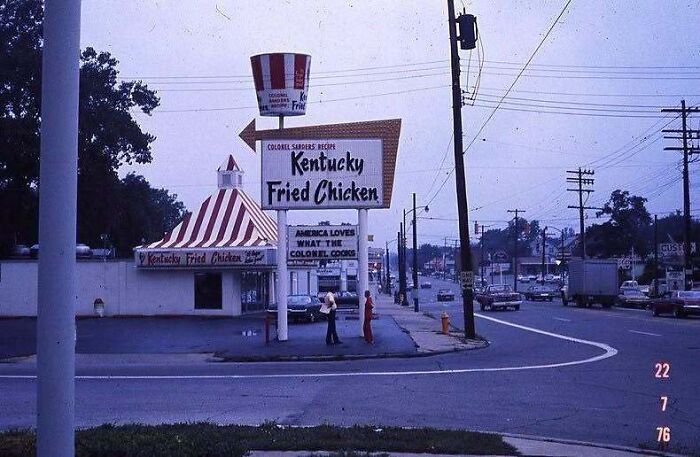
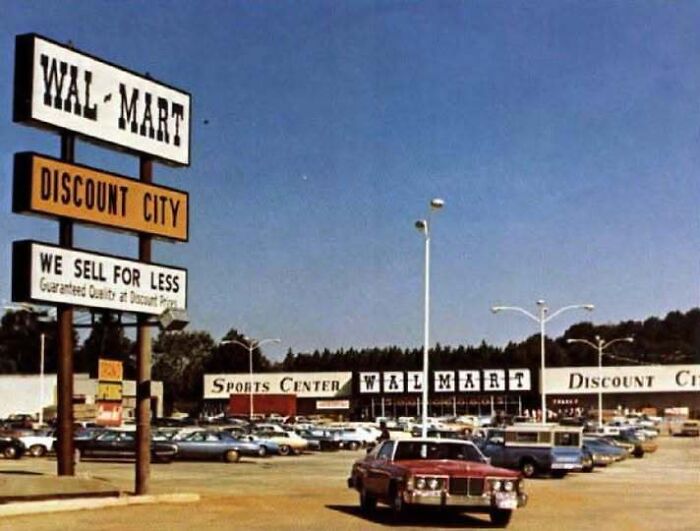
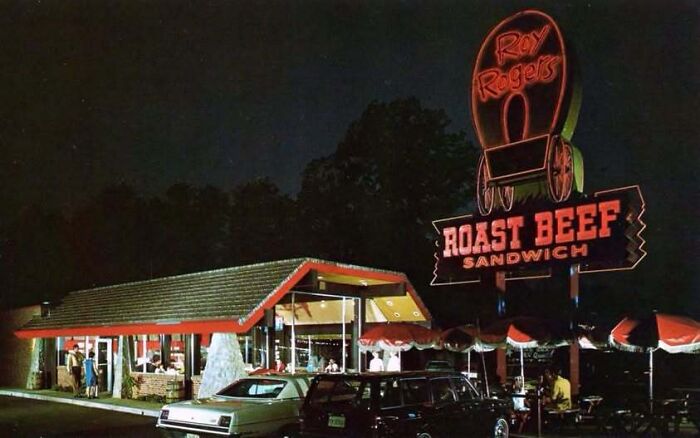
Have you ever felt the ache of looking at a photograph of a place you have never been, in a time before you existed, and feeling like you have lost something anyway? Old American photos do this better than almost anything else. The chrome diners with the rotating pie displays and drive-in movie theatres with the speakers hooked over the car window- they ooze nostalgia.
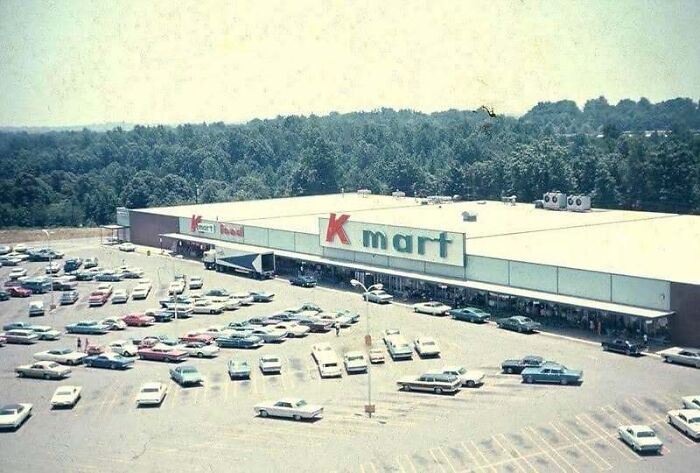
The archive of vintage America is vast, and the Yesterday in America page has elected itself as a curator of the finest images. These photos were collected from across the decades, and they can trigger something inside you whether you grew up in America or not. And even more weirdly, whether you were alive or not! So, step into our time machine thread and reminisce about the good old days, regardless of whether you were part of it.
This post may include affiliate links.

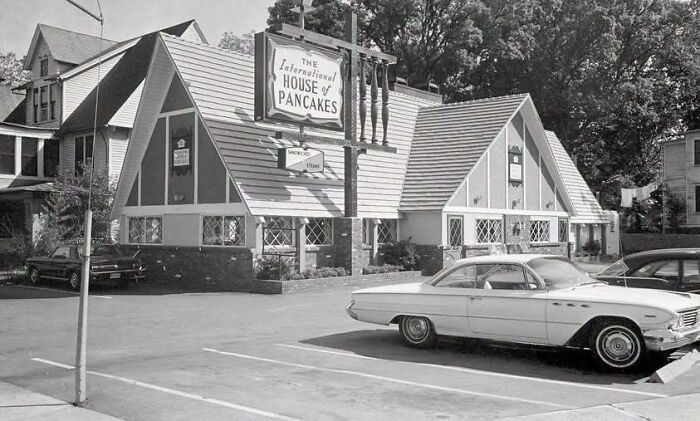
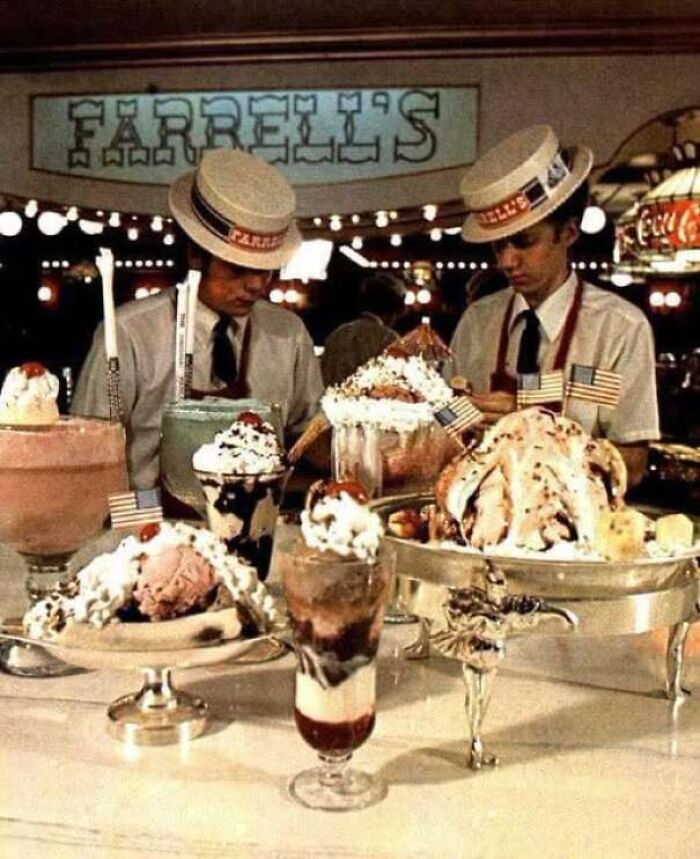
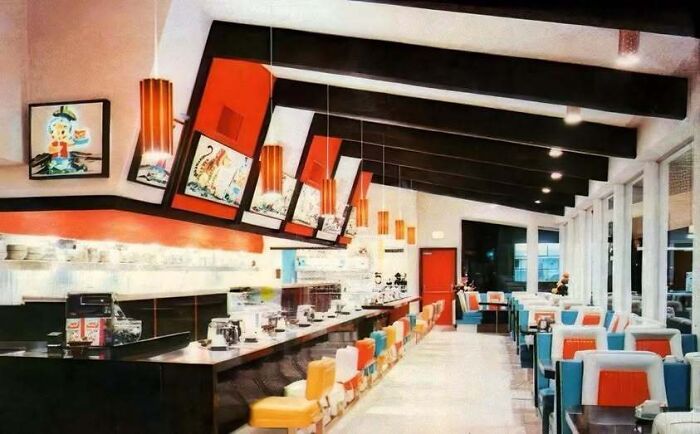
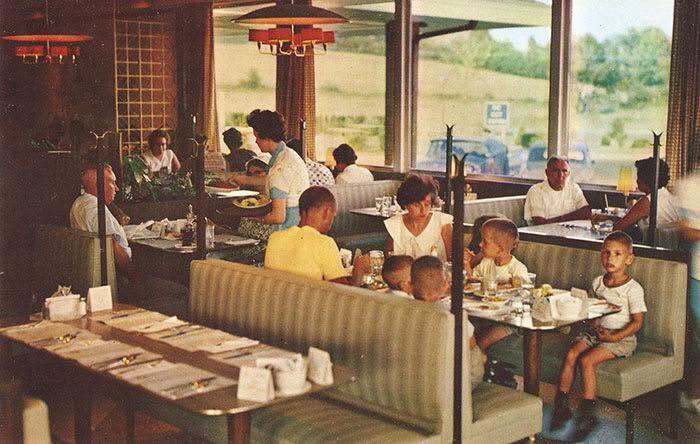
The American diner is one of the most recognizable images in the entire archive, and its origin is much humbler than the chrome and neon suggest. It started with horse-drawn lunch wagons in the 1870s, serving factory workers who needed a hot meal and nowhere particularly comfortable to eat it.
By the 1950s, the diner had evolved into the social infrastructure of American towns, a place where you could get a slice of pie, a cup of coffee that was refilled without asking, and a conversation with whoever happened to sit down next to you. At their peak, there were over 6,000 diners operating across the United States. The aesthetic that every modern brunch restaurant is currently trying to recreate was just another day in 1955.
The drive-in theatre opened for the first time in Camden, New Jersey in 1933, the invention of a man named Richard Hollingshead, who tested the concept in his own driveway using a projector mounted on the hood of his car and a screen nailed to trees.
By 1958, there were over 4,000 drive-ins operating across the United States, and the Friday night visit had become a cultural institution deeply embedded in American life. The decline came quickly once multiplex cinemas arrived in the 1970s and the real estate became more valuable than the business. There are fewer than 300 drive-ins left operating today, and each one is a minor miracle of survival.
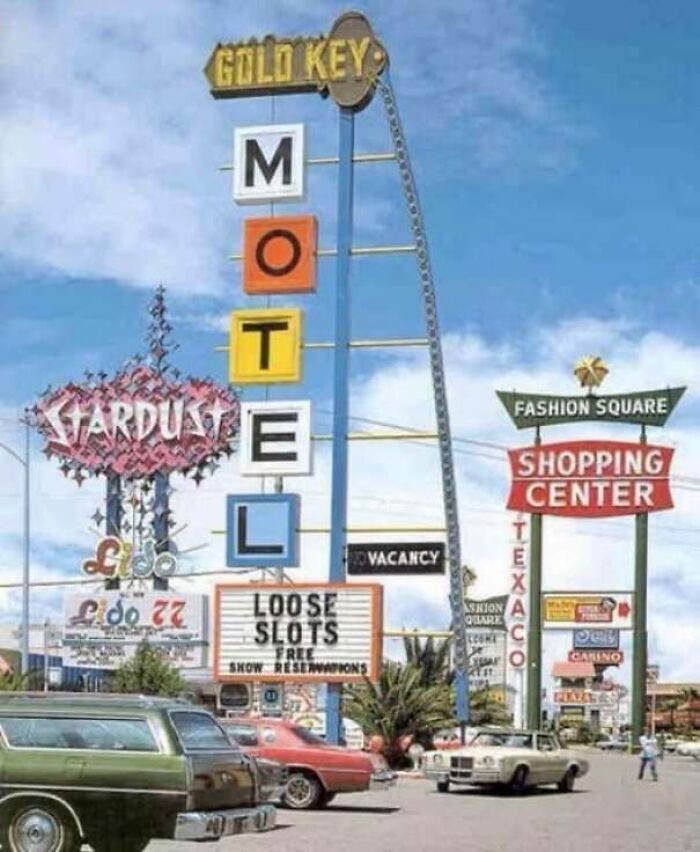
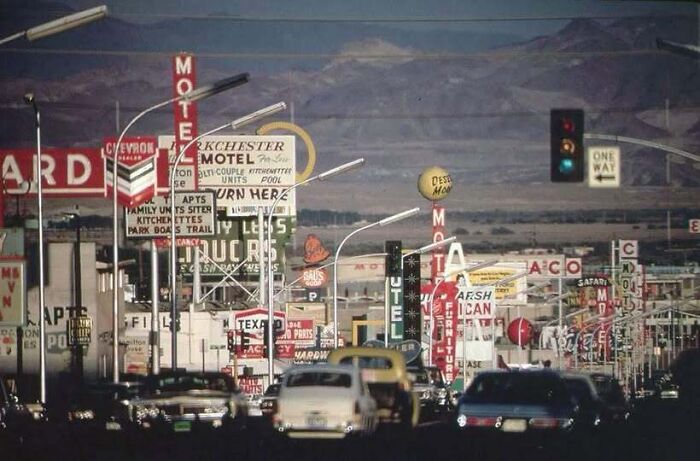
My comedian uncle opened for some headliners in Vegas, but the city has never tempted me to visit.
Route 66, established in 1926 and running 2,400 miles from Chicago to Santa Monica, was never just a road. It was the physical spine of mid-century American optimism, the route taken by migrant workers during the Dust Bowl, by families heading west for a new start, and eventually by tourists who had read Steinbeck and wanted to see it for themselves.
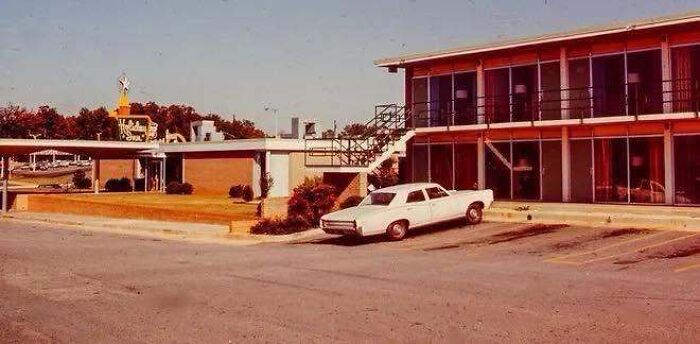
The motels, the roadside diners, the novelty attractions built purely to give drivers a reason to stop: all of it grew up around the highway like an ecosystem. It was officially decommissioned in 1985 when the interstate system made it redundant, but the stretch of road it occupied has never stopped being romanticized. Now many sections are non-existent, and towns are empty, but people won’t stop putting up Route 66 signs in their man caves.

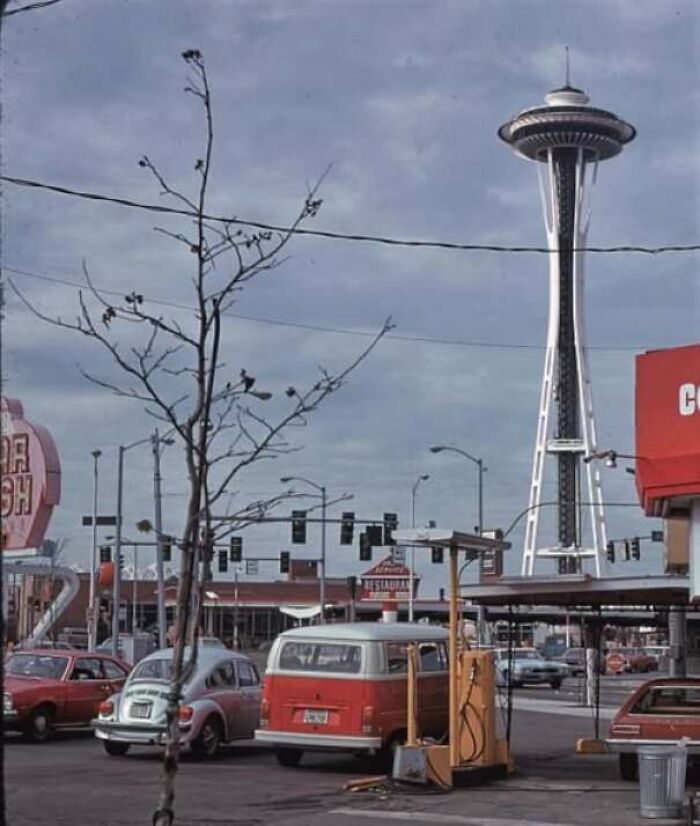
That car wash is still there AFAIK. Hard to miss a giant pink elephant.
Kodak made most of these images possible. The Brownie camera, launched in 1900 for one dollar, put photography in the hands of ordinary Americans for the first time. Before it, portraits were formal, expensive, and taken in studios by professionals. After it, families started documenting their own lives.
Kodak's marketing actively encouraged this, coining the term "Kodak moment" to describe the everyday scene worth preserving. The archive of vintage America exists because a camera company convinced ordinary people that their ordinary lives were worth photographing, and they were absolutely right.

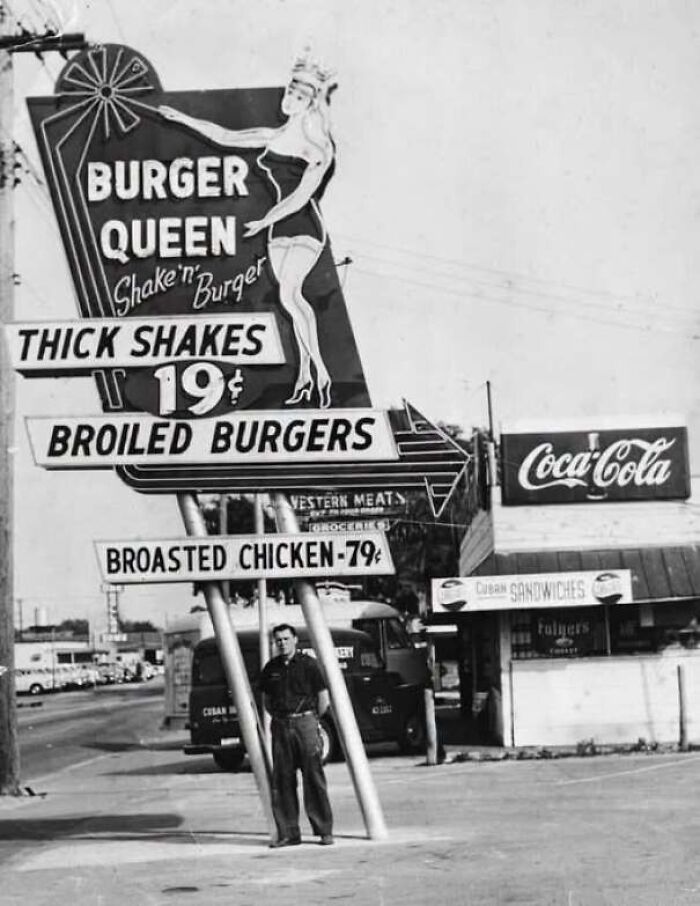
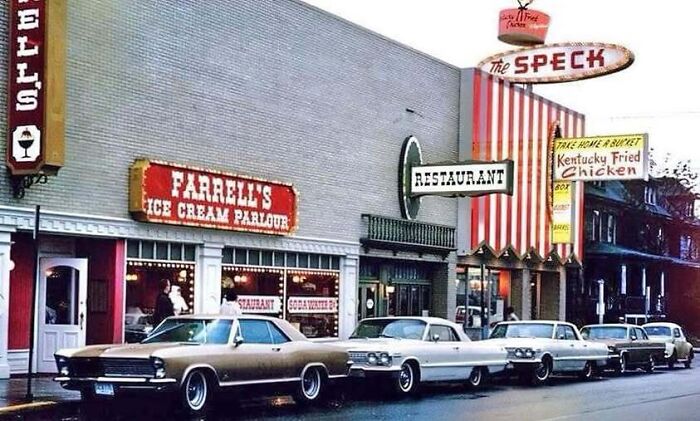
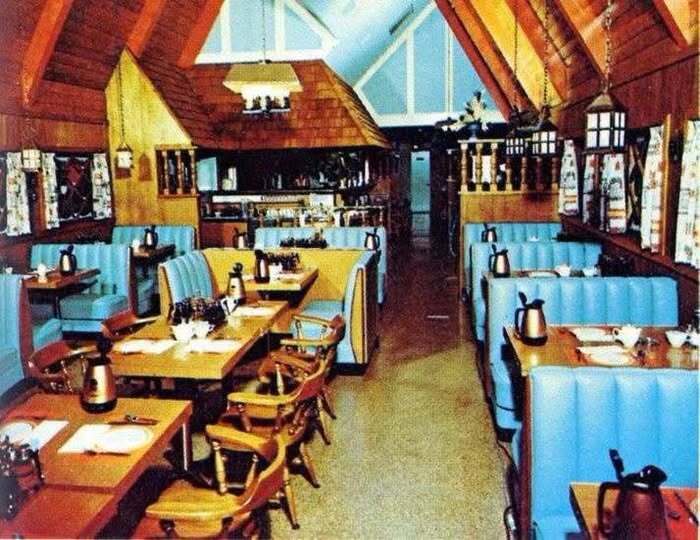
Broasted chicken! The broaster was a sort of pressure cooker; hot oil under pressure. It was a product, sold to restaurants under that name.

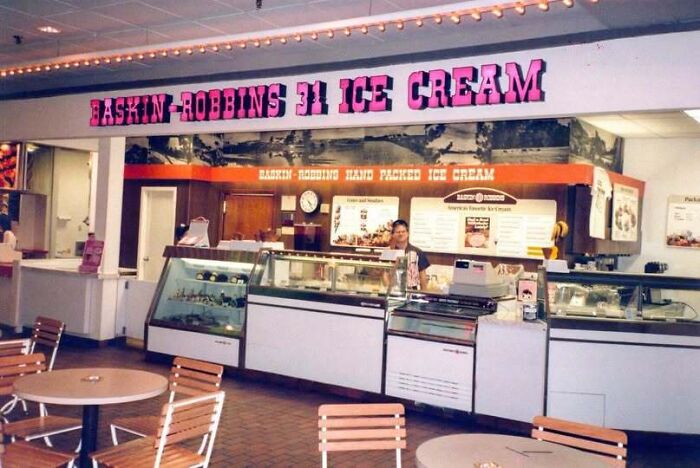
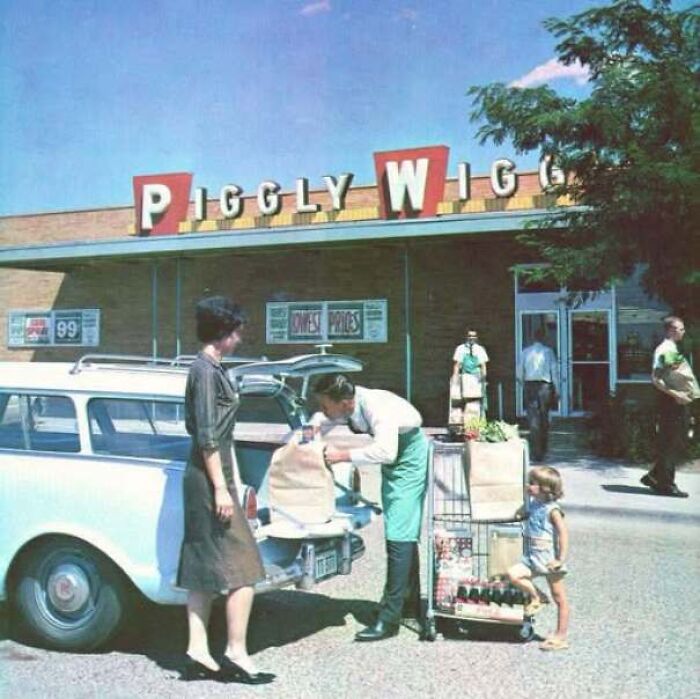
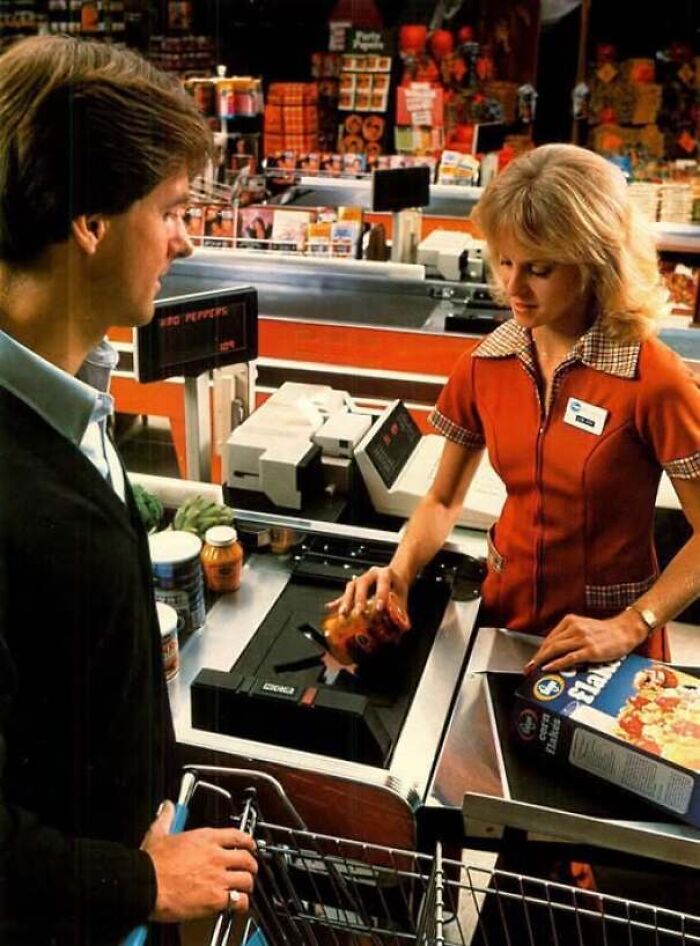
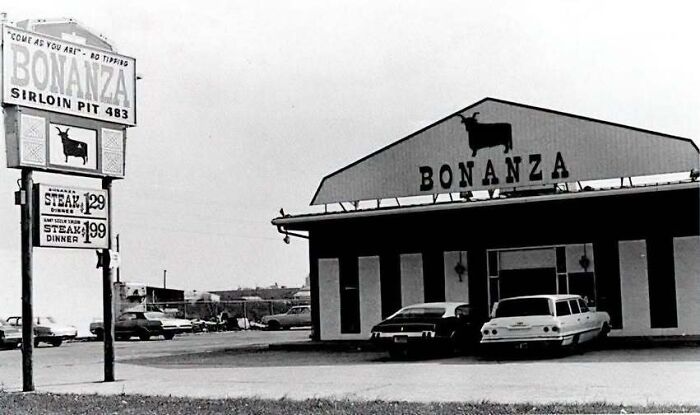
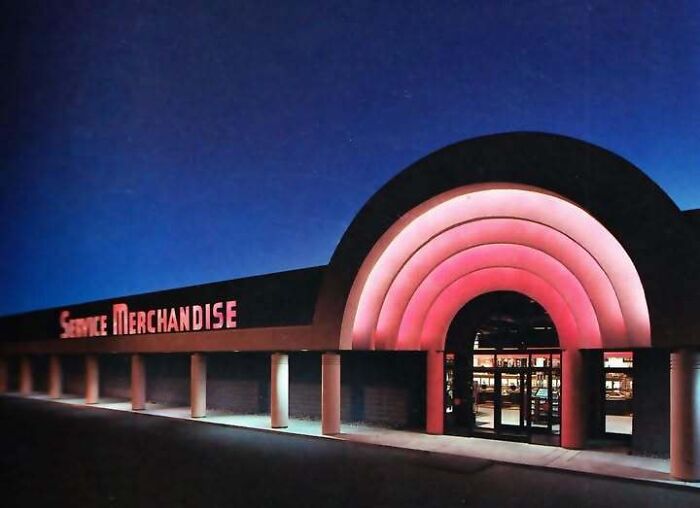
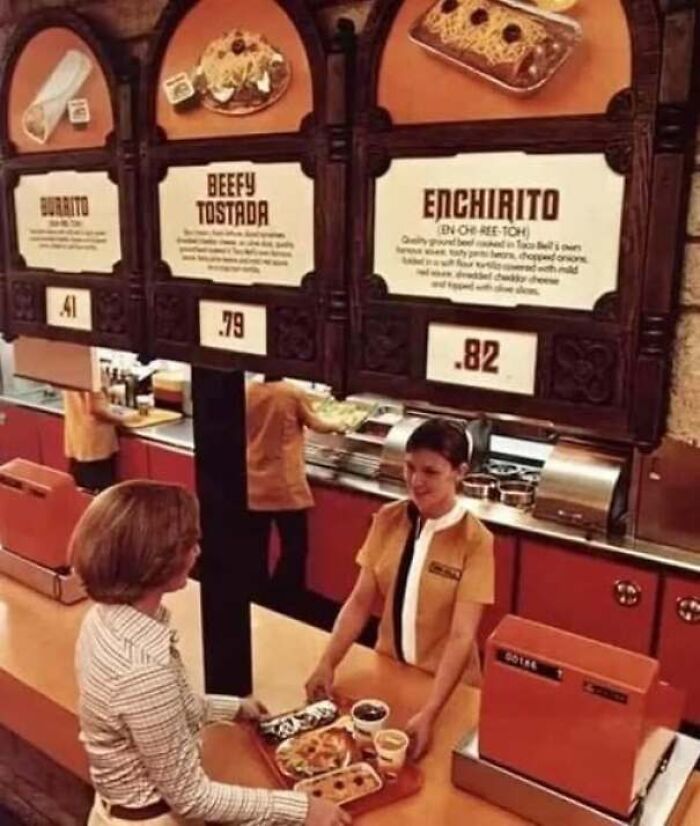
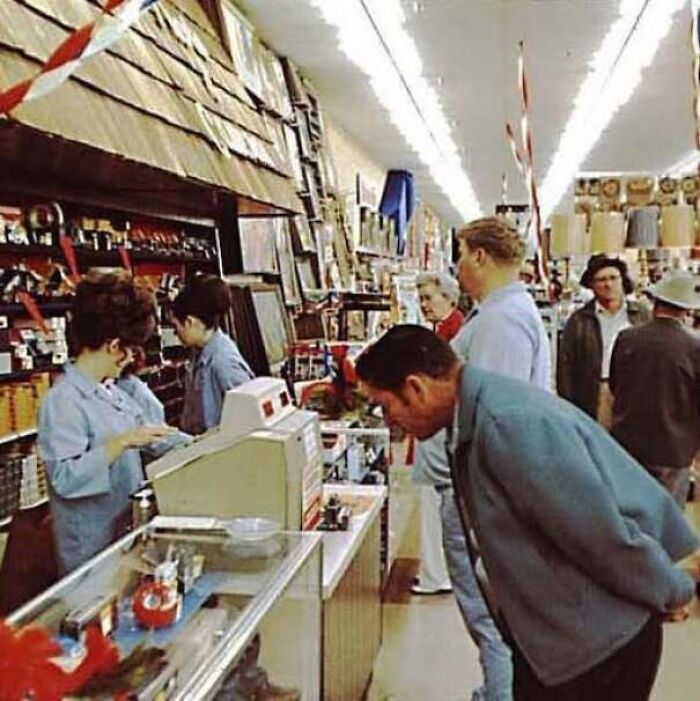
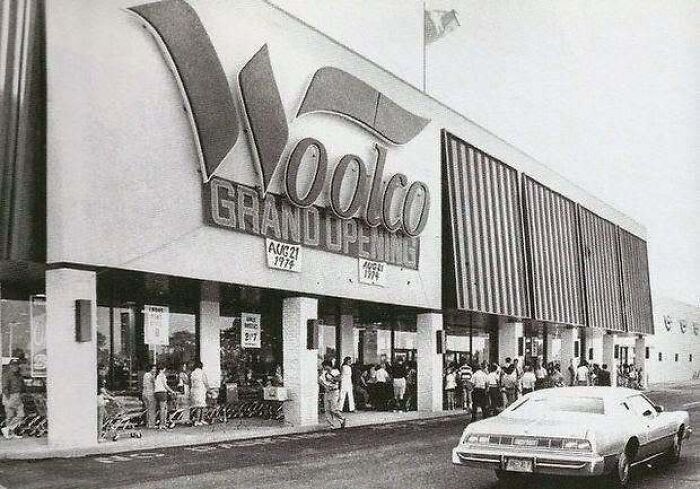
One of, if not the first, chain to require you to select your items and proceed to checkout rather than having your stuff picked for you.
The post-war economic boom of the late 1940s and 1950s produced a version of American life that these photographs capture at its most confident. Between 1945 and 1960, the American GDP nearly doubled, home ownership rose from 44% to 62%, and the suburban landscape expanded at an incredible rate.
This brought entirely new infrastructure, new schools, new shopping centers, and new ways of moving through a world being built from scratch. The optimism in these images is a real expression of a country that had just come through a war and was experiencing prosperity at a massive scale. Can we bring that back, please? Asking for a friend.
There is a name for the psychology of feeling nostalgic for something you never experienced: anemoia. It was coined by writer John Koenig in his Dictionary of Obscure Sorrows. The more formal term used by researchers is "borrowed nostalgia," and studies show it is remarkably common, particularly among younger generations who have grown up with access to historical imagery at a scale no previous generation had.
A 2023 study found that 65% of Gen Z report feeling nostalgic for eras they did not live through. It might sound paradoxical until you consider that nostalgia isn’t only about memory. It is more about the feeling of a simpler, more coherent world. The photographs provide the aesthetic while the brain supplies the longing.
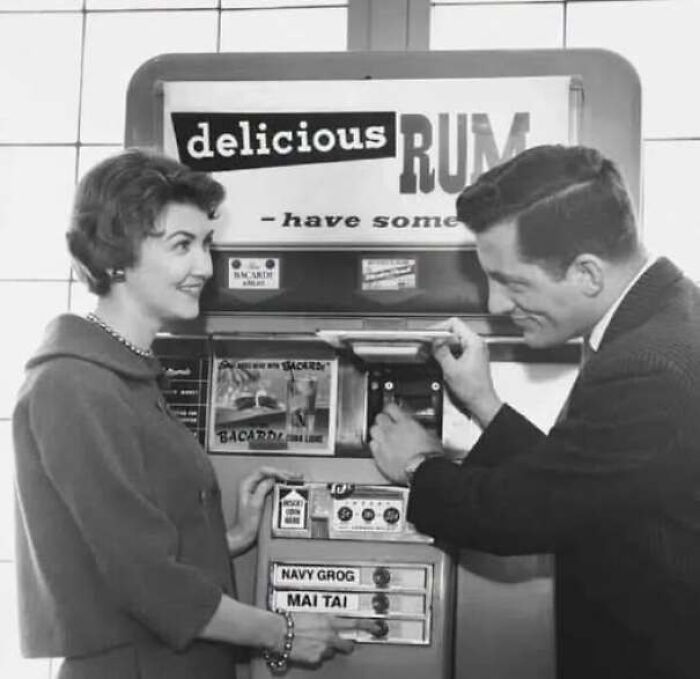
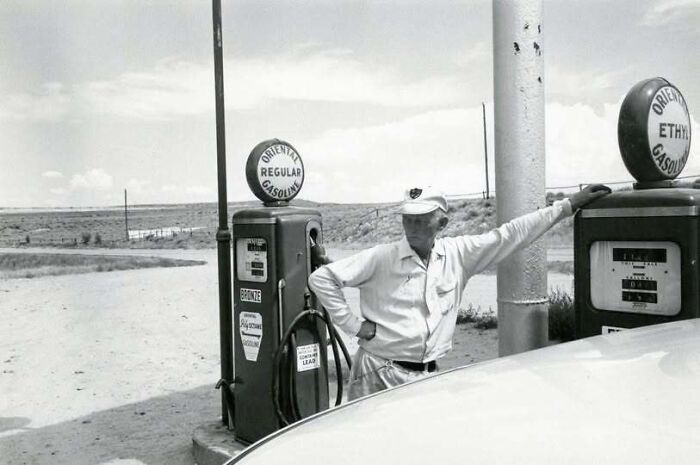
I did this as recently as 1986. Take the card, go inside, fill out the carboned sales reciept, take it back out, 'shick-schick' get the signature, give them the bottom copy...
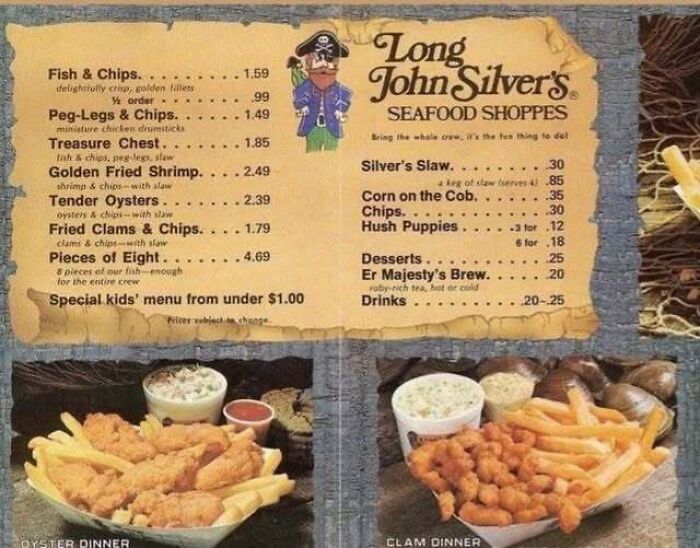
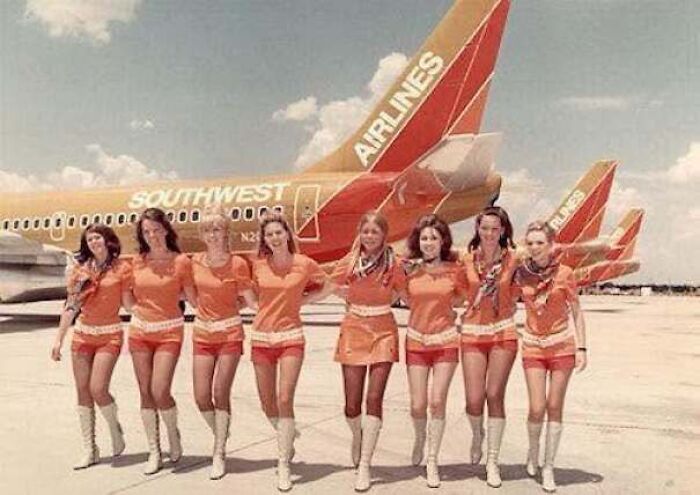
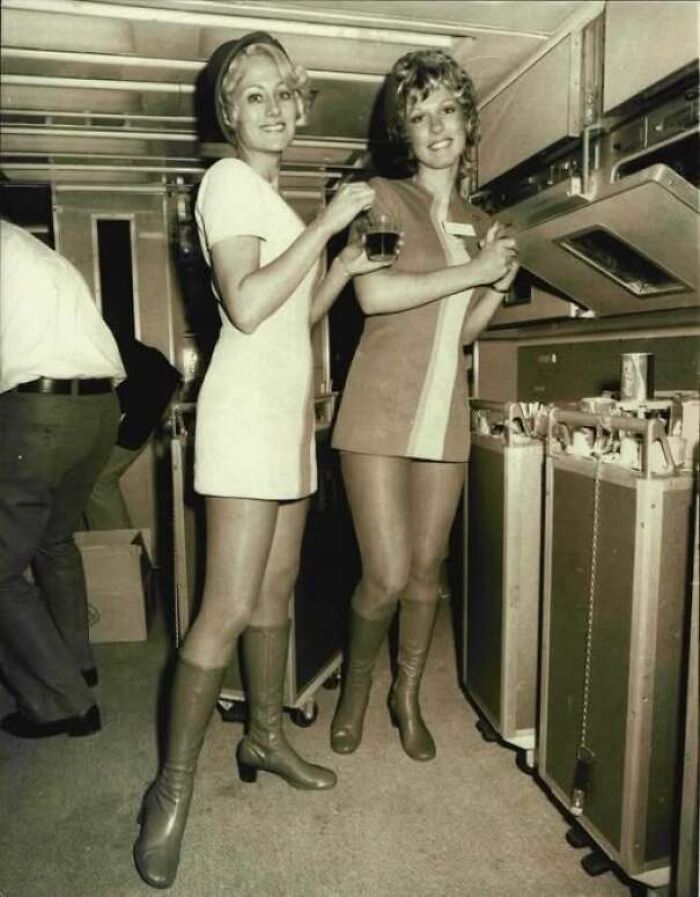
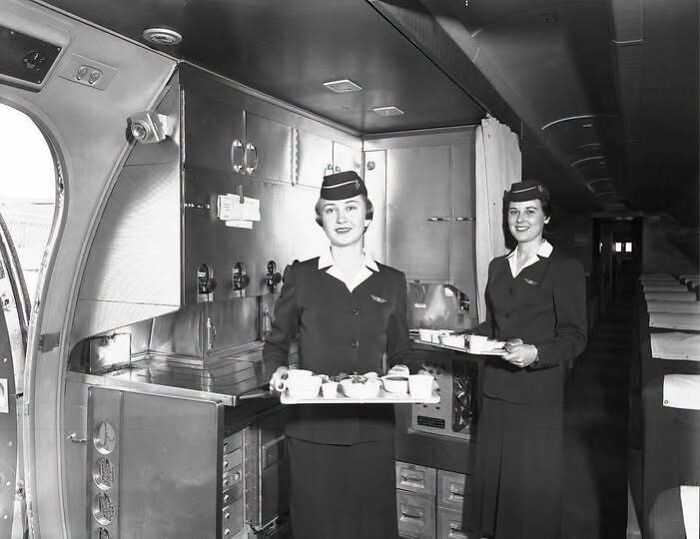
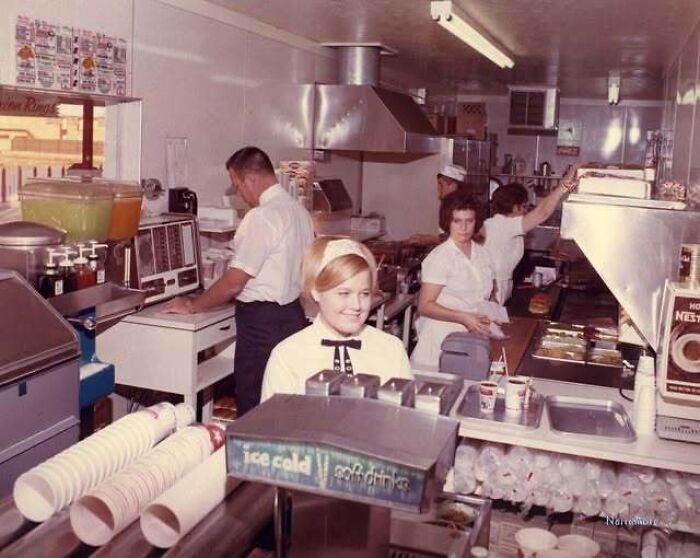
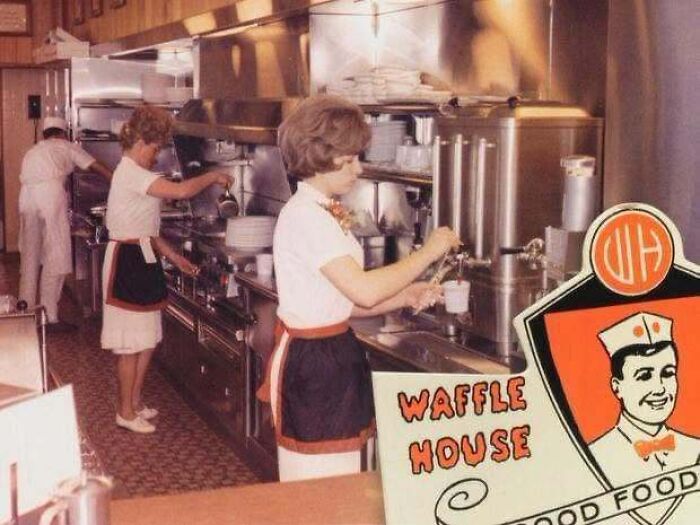
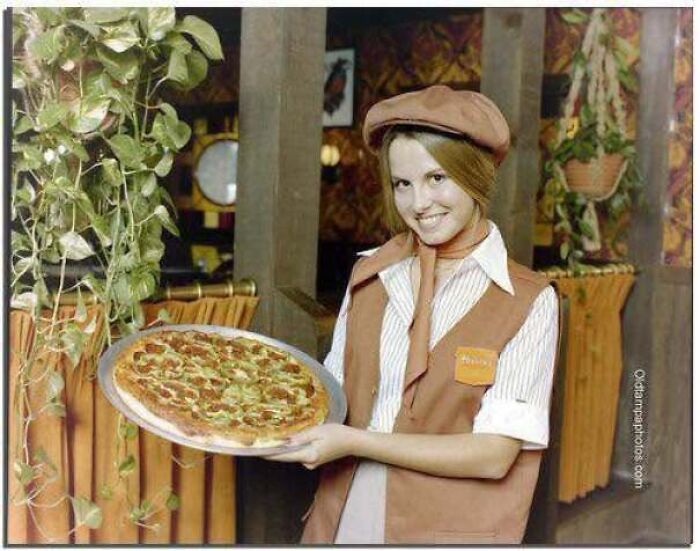
My husband is crew. If they dressed like that today, I might not be married still.
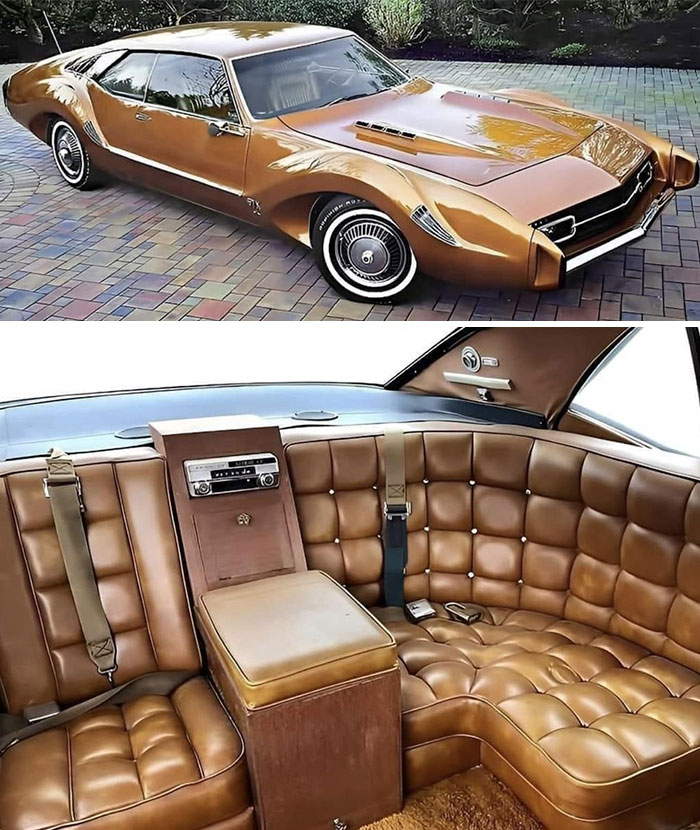
American car culture in these images is loud and proud. In 1950, the United States had more registered vehicles than any other country on earth, and the car was not just transport but identity, status, and freedom in a single object. The designs of the period was all about tail fins, chrome details, and two-tone paint jobs.
They were expressions of optimism so literal they were built into the bodywork. General Motors employed designers who came from fashion and Hollywood, treating the annual model update as a cultural event. These days, less is more and most of us sentimental old fools hate every moment of it.
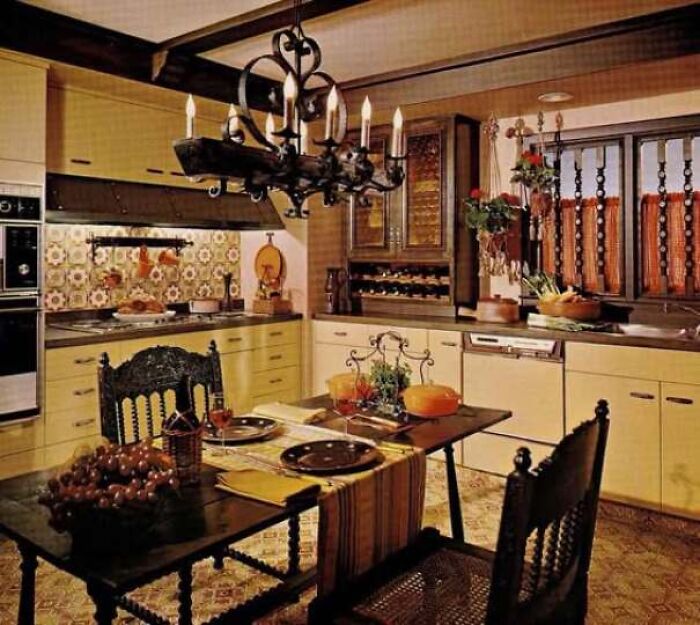
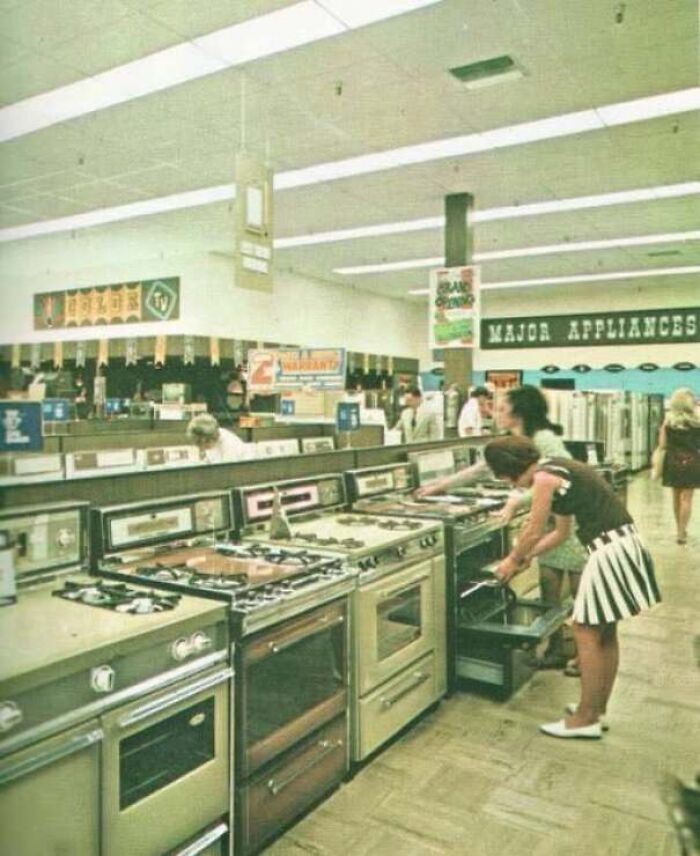
Chances are one of those ovens is still kicking around somewhere today
The photographers who captured everyday American life during this period were not always professionals. Some of the most significant archives came from amateurs, people who simply pointed a camera at what was in front of them without any intention of creating a historical document.
Vivian Maier, a nanny who spent decades photographing street life in Chicago and New York, left behind over 150,000 negatives that were discovered at auction only after her passing in 2009. She never showed the work to anyone. The photographs that now feel like essential records of mid-century American life were taken by someone who had no idea they would ever be seen, making them all the more honest.
What these images have in common is not a particular decade or a particular place. It is the feeling of a world that moved at a relaxed pace, where the diner was open, the drive-in was packed, and someone thought to bring a camera. The Yesterday in America page keeps adding to the archive because the appetite for it never seems to run out, and why would it? The past is not going anywhere, and neither, apparently, are we.
Which one of these triggered a flood of nostalgia? Tell us in the comments!
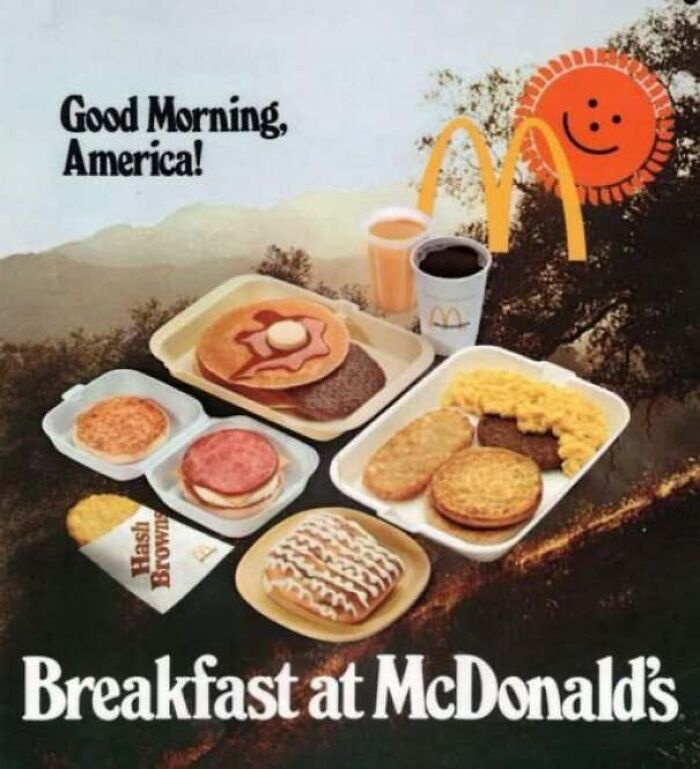
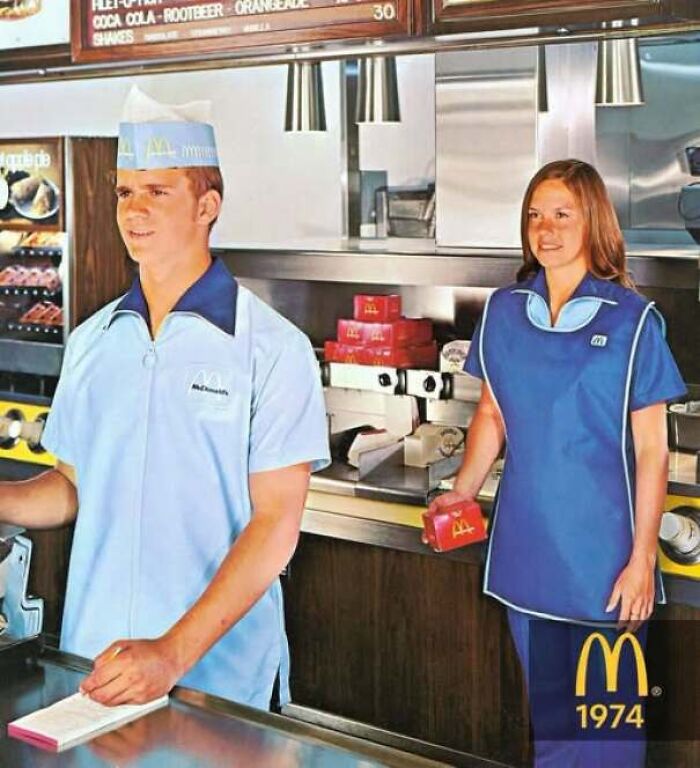
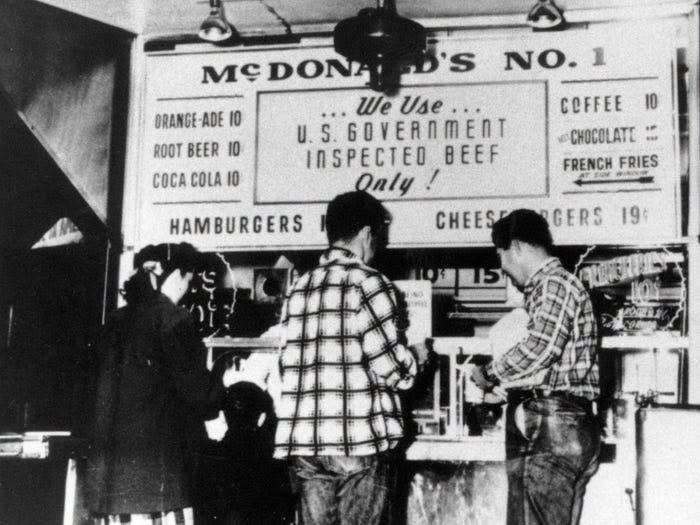
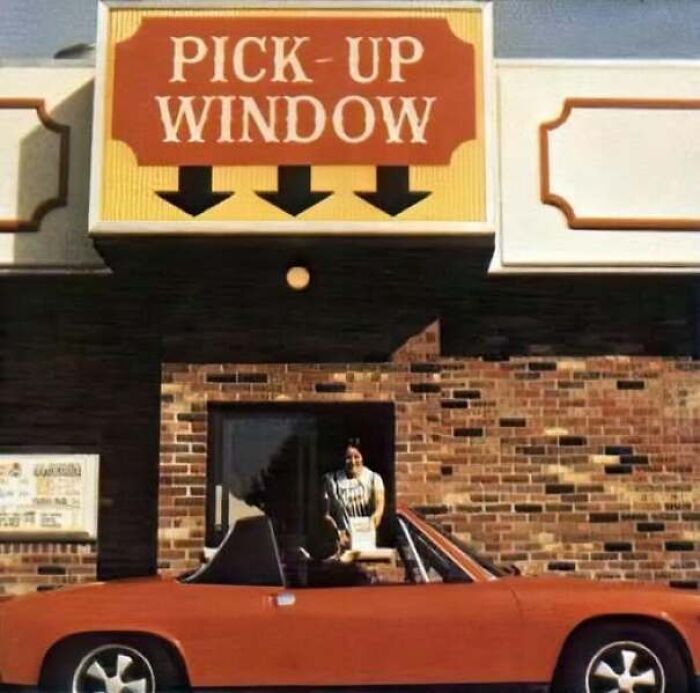
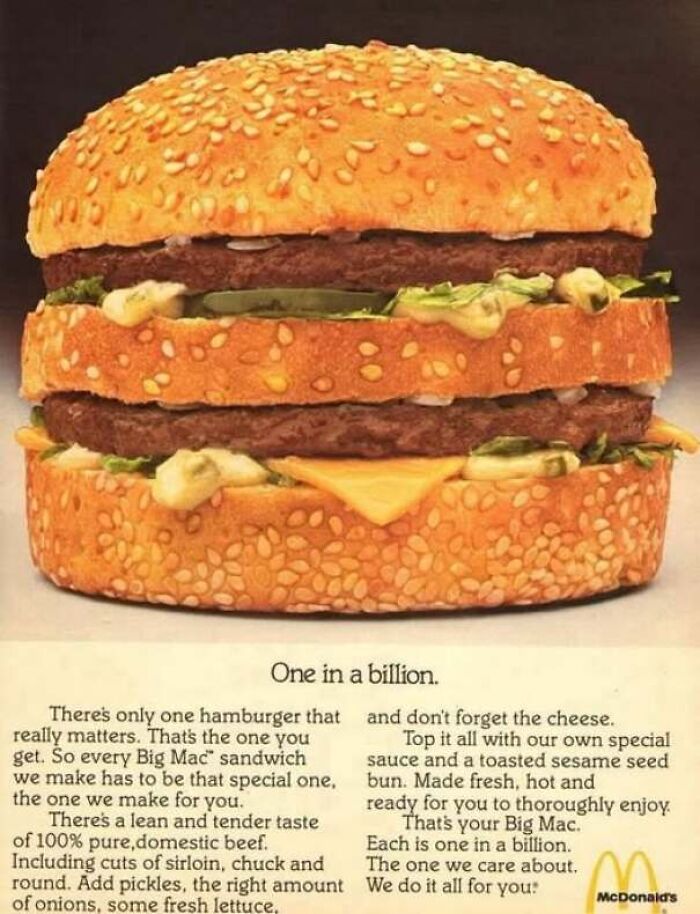
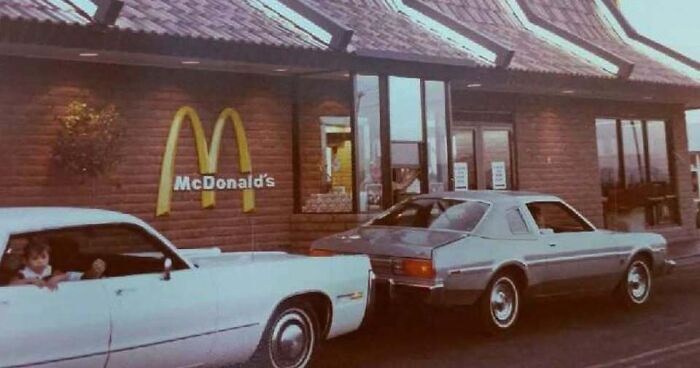
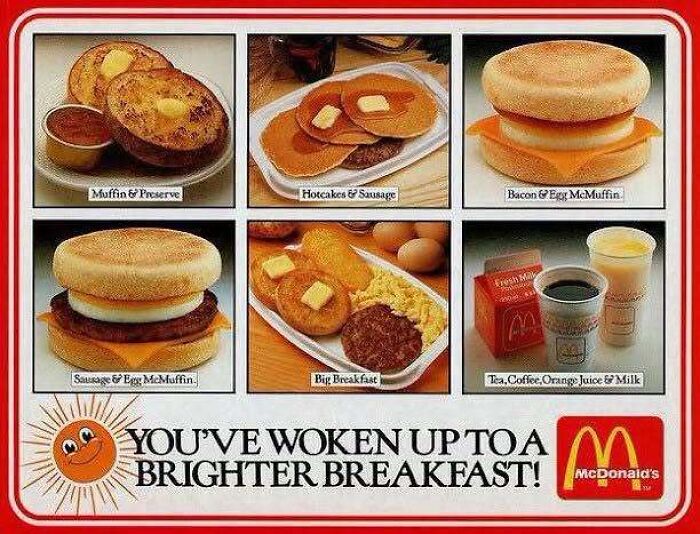
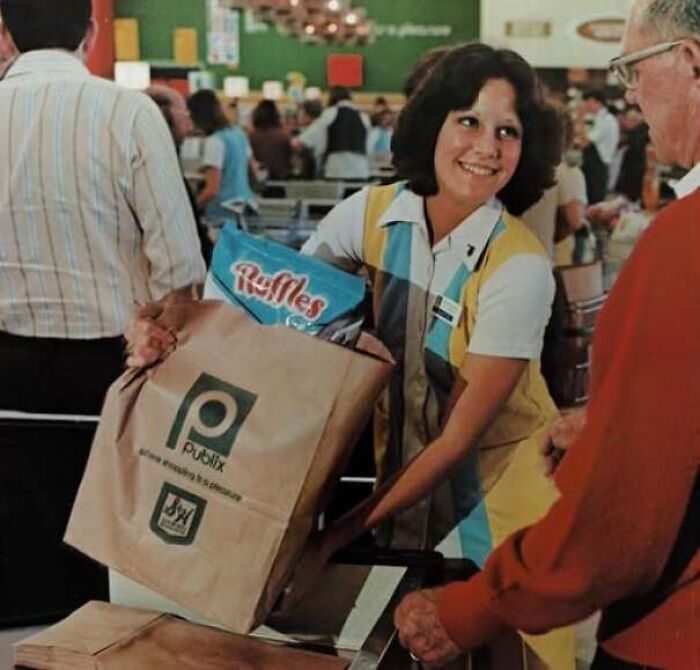
I worked at a McDonald's around that time. They are both missing their name tags, and both of them have obviously never worked the grill. The girls at my store did not have that strange-looking apron thing.
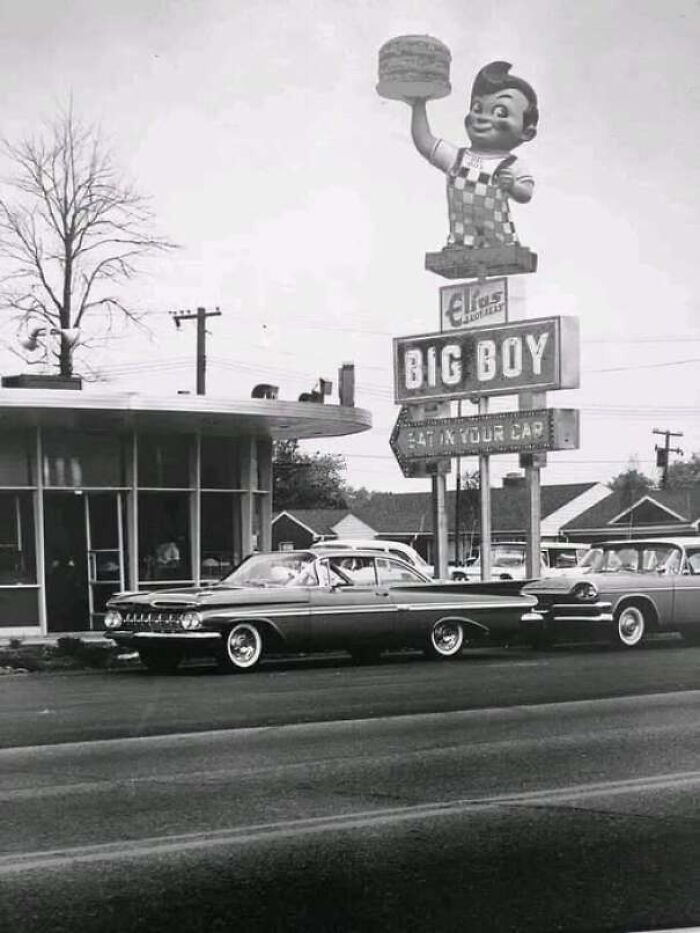
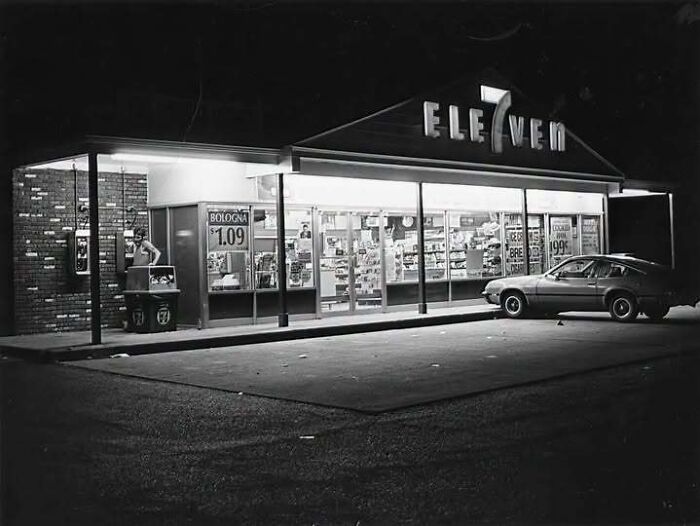
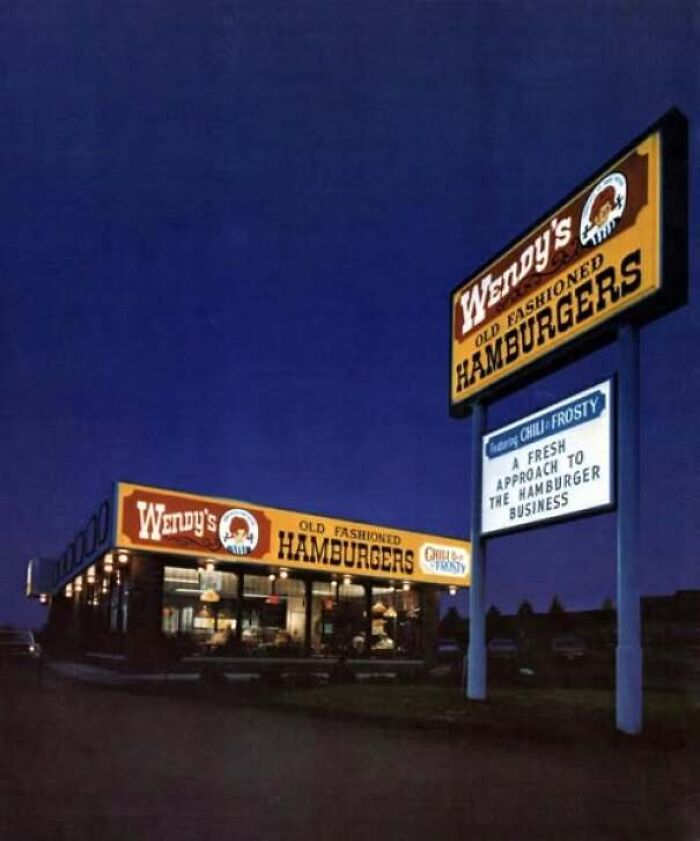
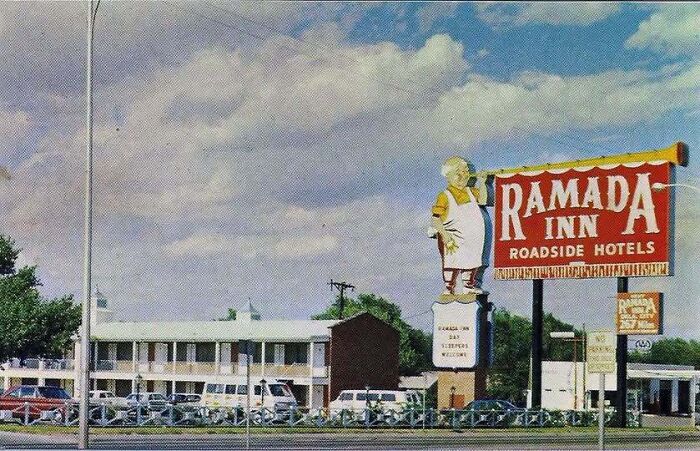
We always stopped at the one in Ionia Mich. on our way 'up north'.
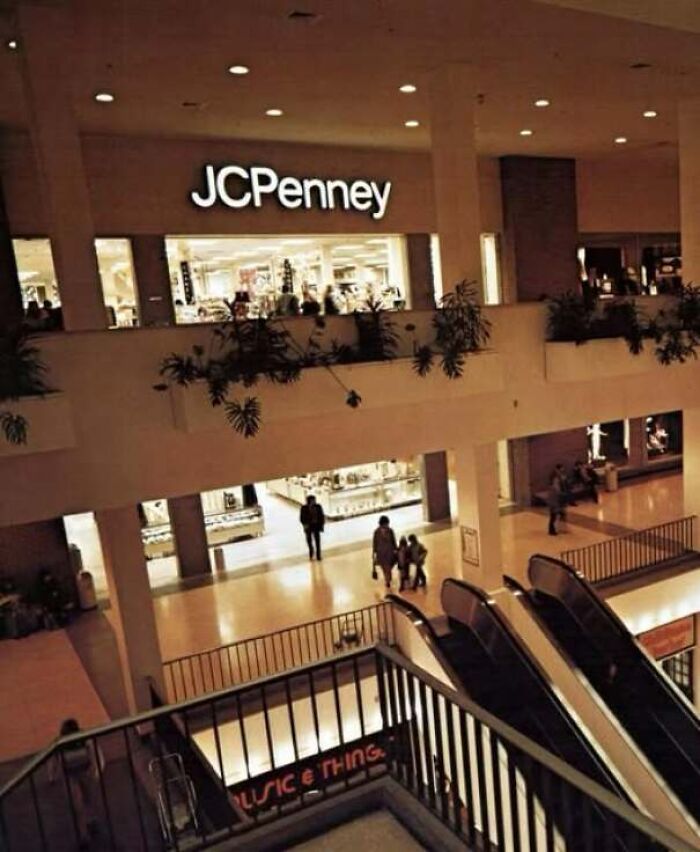
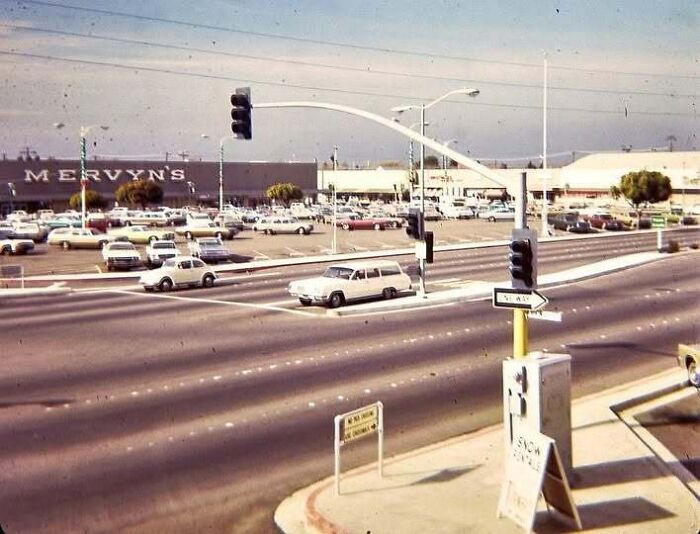
Too bad there's no pic of Meijer in the 60's. Little Dutch boy mascot and all. Ours had 3- 40 yd dumpsters in the parking lot for glass, metal, aluminum recycling (Saginaw Hwy, Lansing, Mi). Mezzanine with barber shop, beauty shop, bank branch, and cafeteria.

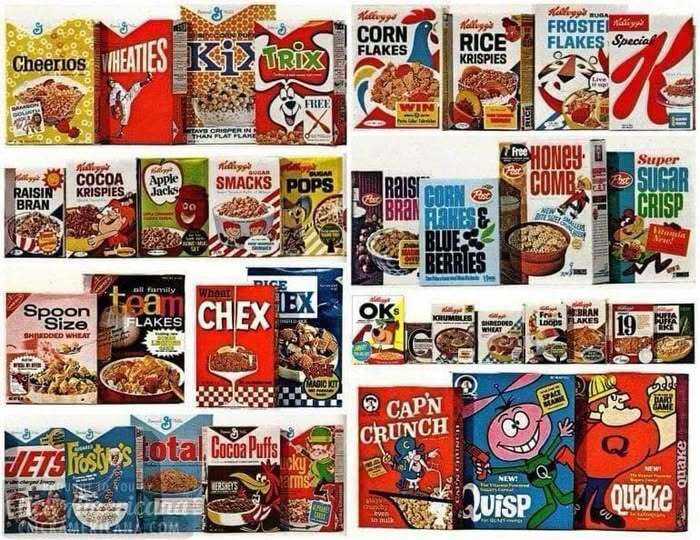
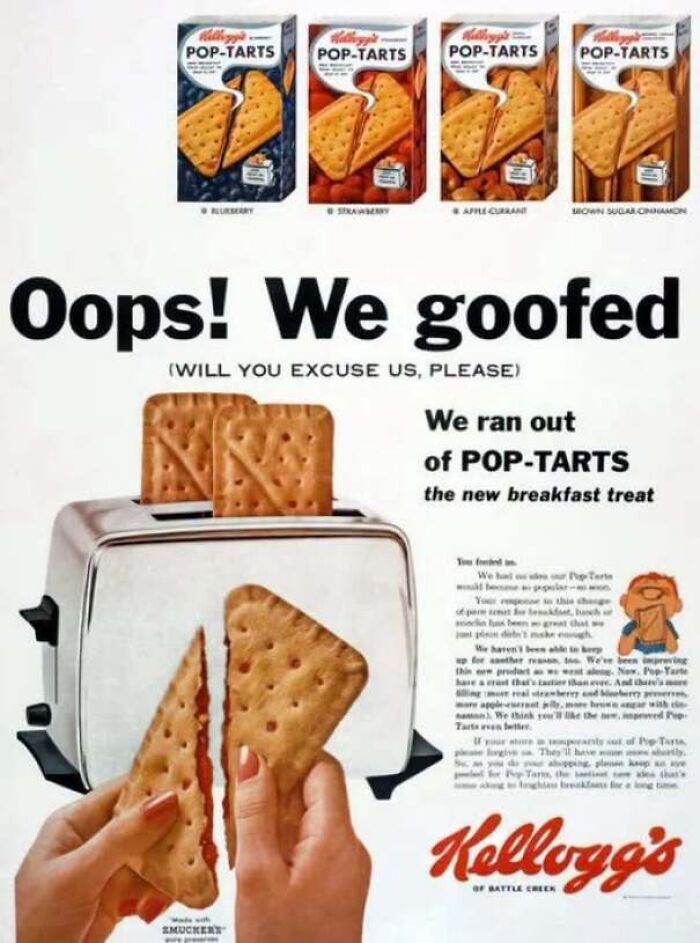
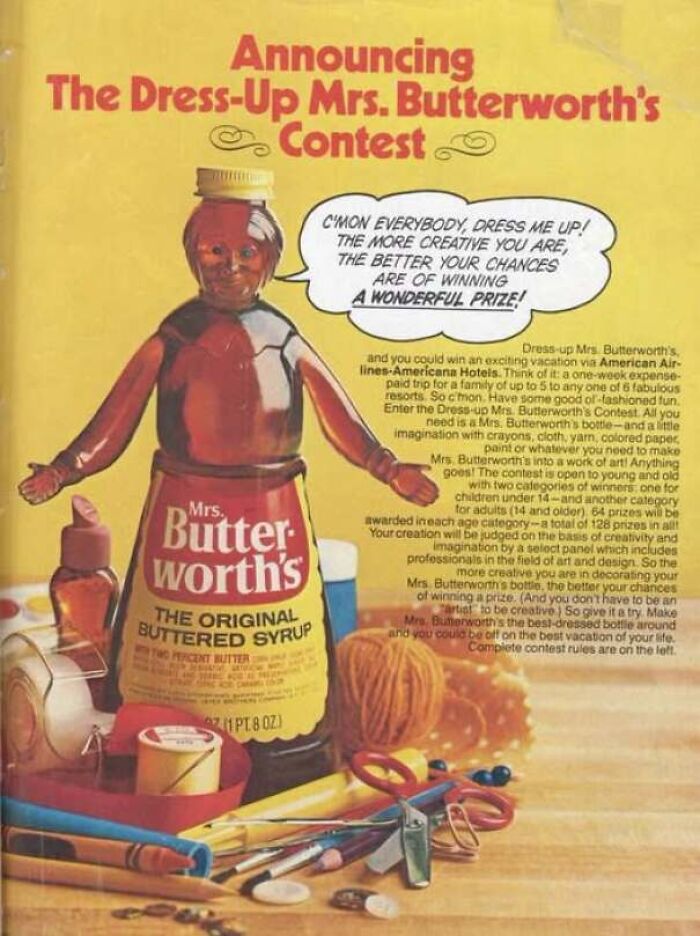
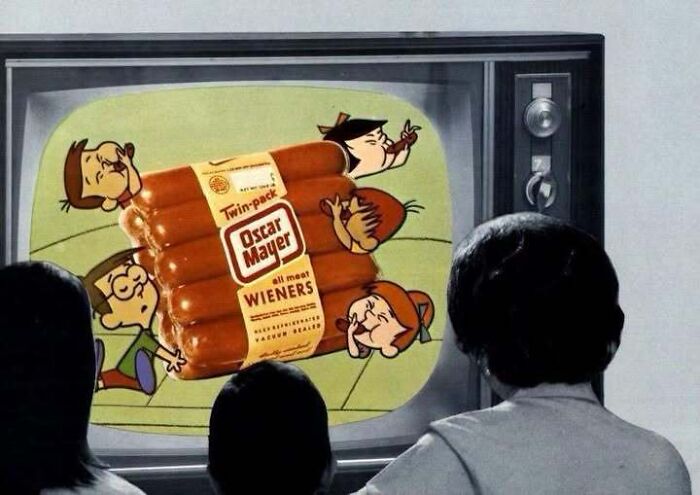
Not going to lie, the old design of the boxes looks way better than what we have now
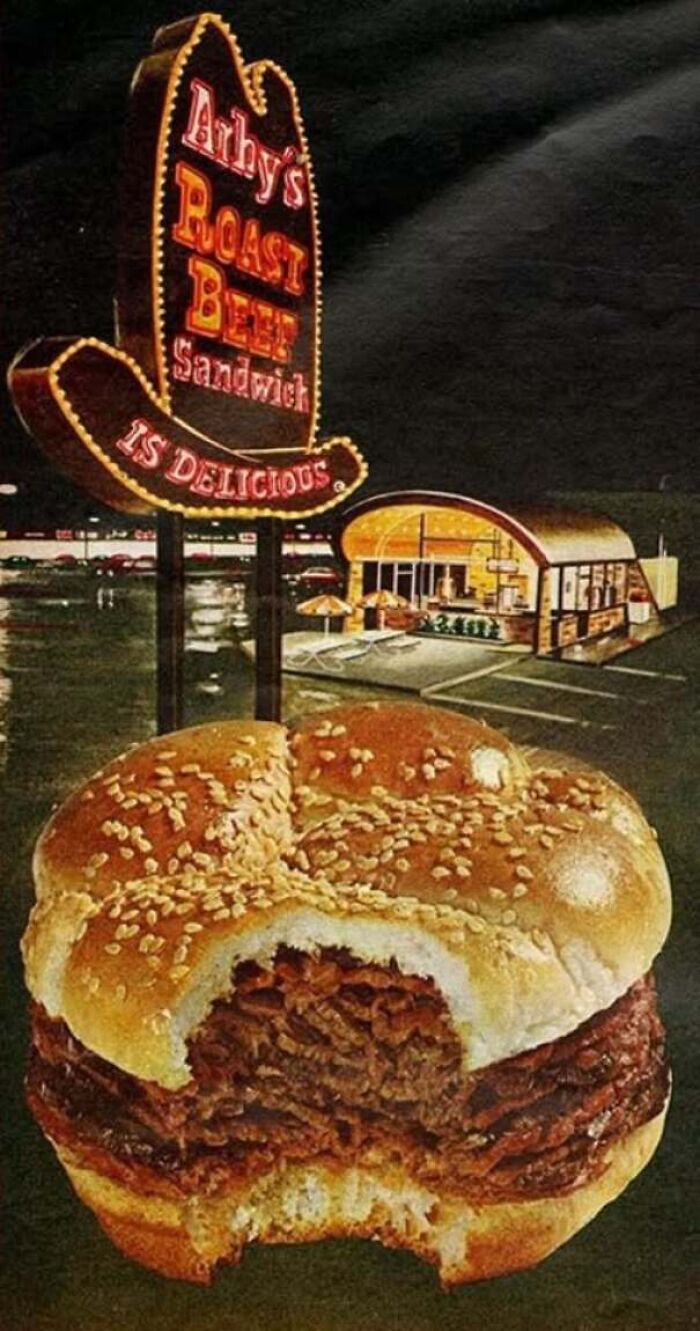
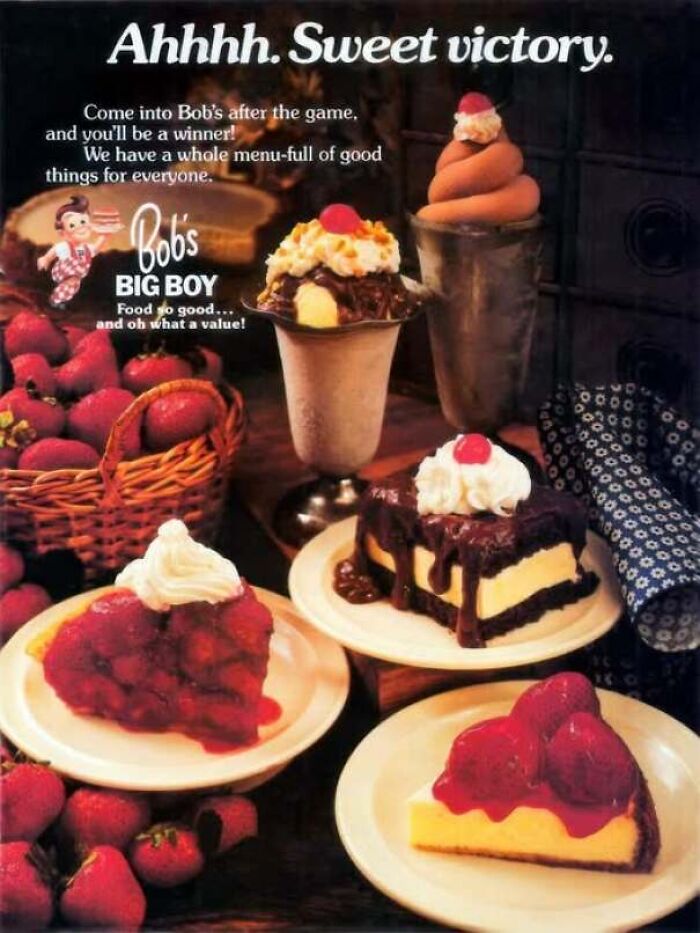
Theses are examples of the reality looking better than the advertising picture.





Being born in 1972, none of these images are especially shocking. If I had some kind of time traveling special power, might easily slip into a schizophrenia state pretty quick.
I groan because I was alive for all but two or three of these and they almost all bring back memories.
Being born in 1972, none of these images are especially shocking. If I had some kind of time traveling special power, might easily slip into a schizophrenia state pretty quick.
I groan because I was alive for all but two or three of these and they almost all bring back memories.










 No fees, cancel anytime