Get Premium
Dark mode theme is available exclusively for premium users. Learn more about the benefits of subscribing.
No fees, cancel anytime.

 Dark Mode Ad-Free Browsing Unlimited Content
 Ad-Free Browsing Unlimited Content Dark Mode
Join 1.2 million Panda readers who get the best art, memes, and fun stories every week!
78submissions
1week left

If you’ve ever looked up at the clear night sky, it’s likely you’ve marveled at the sheer number of stars shining down on you. But have you ever wondered where all those stars came from? Well, every one of them was born in a nebula.
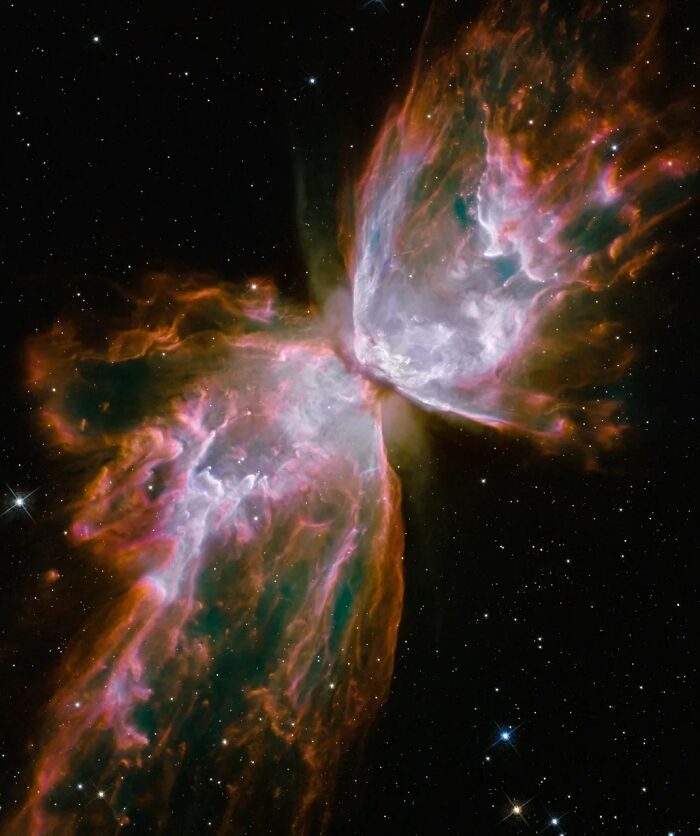
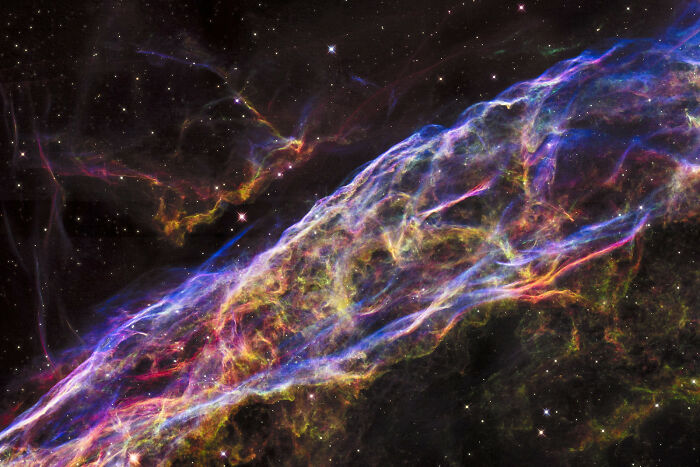
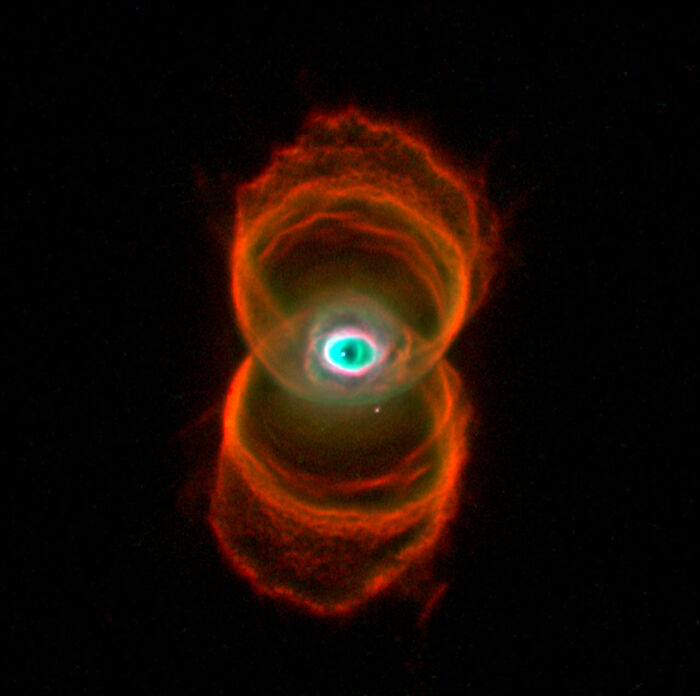
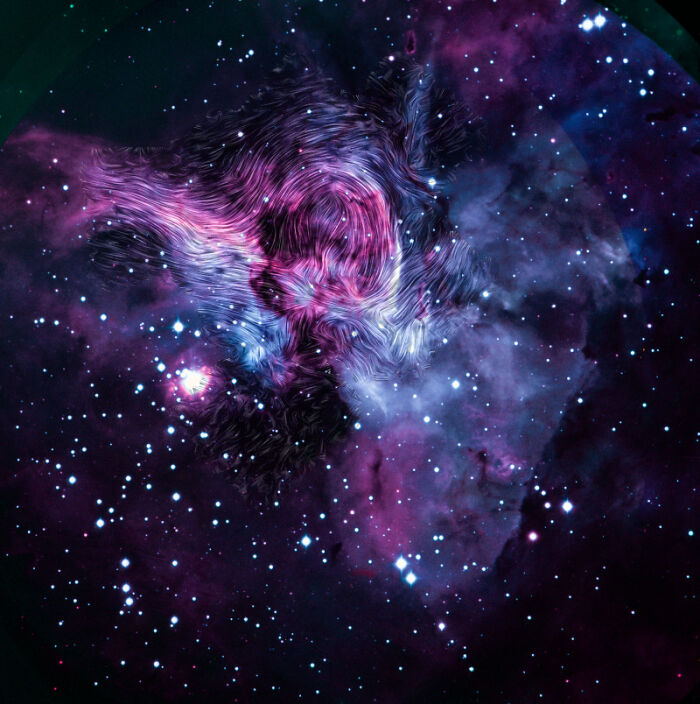
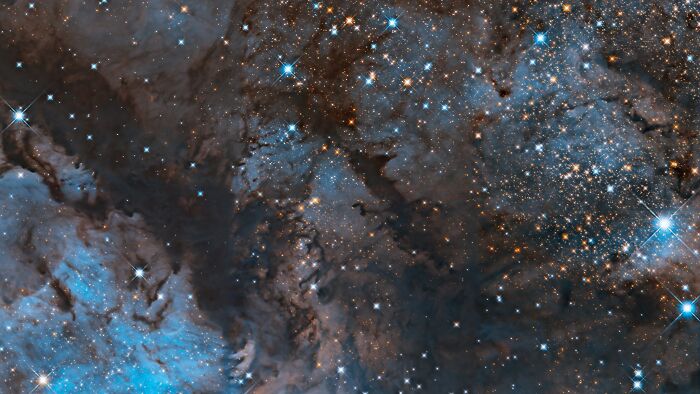
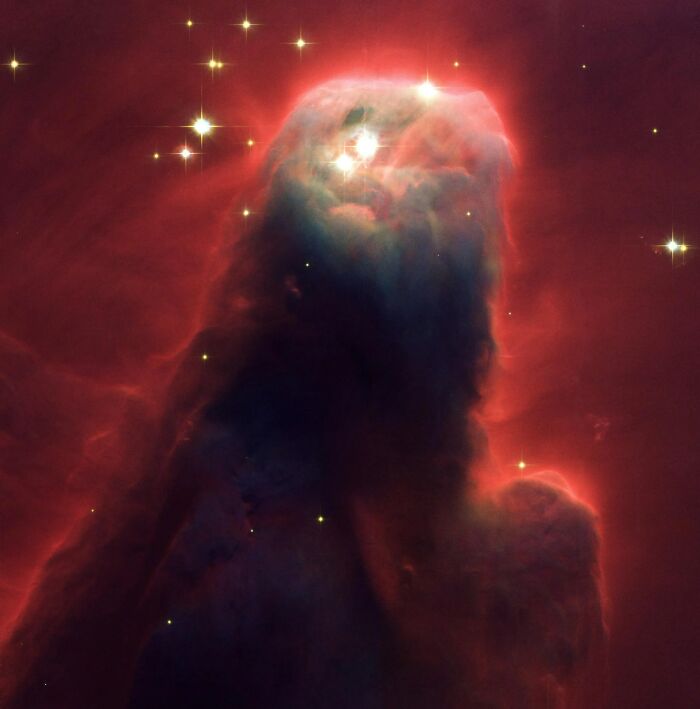
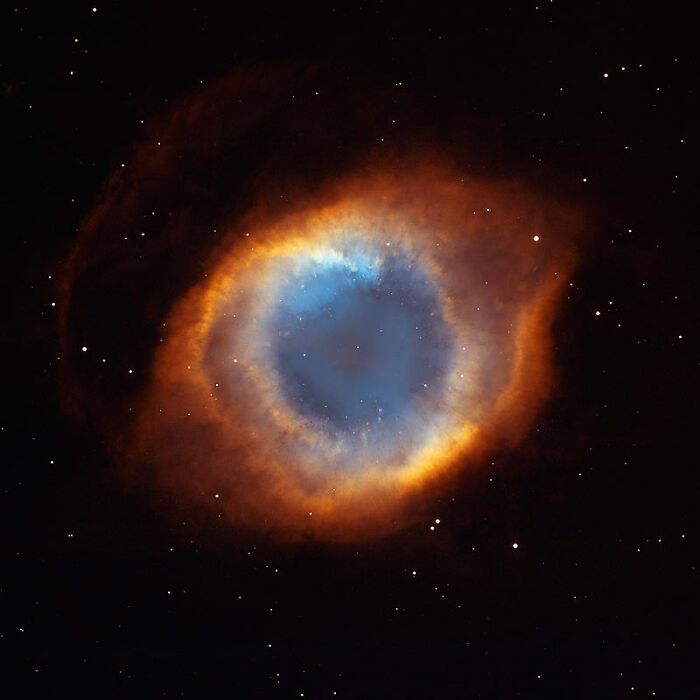
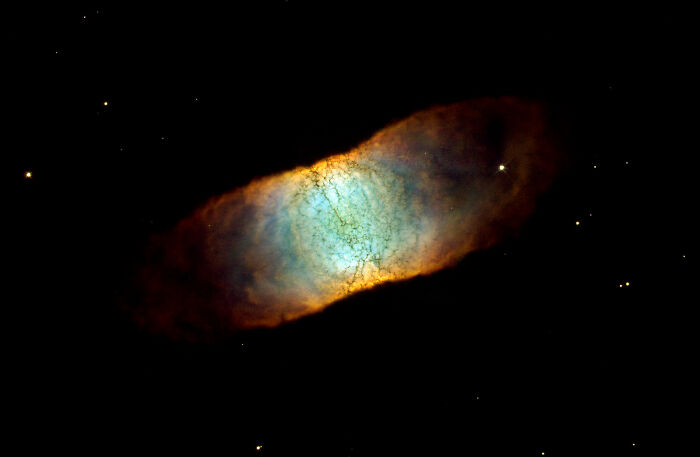
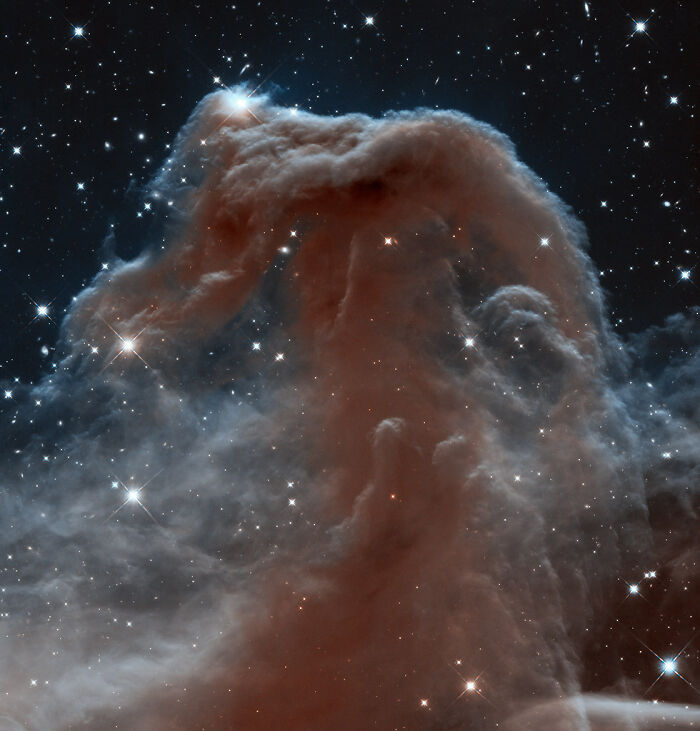
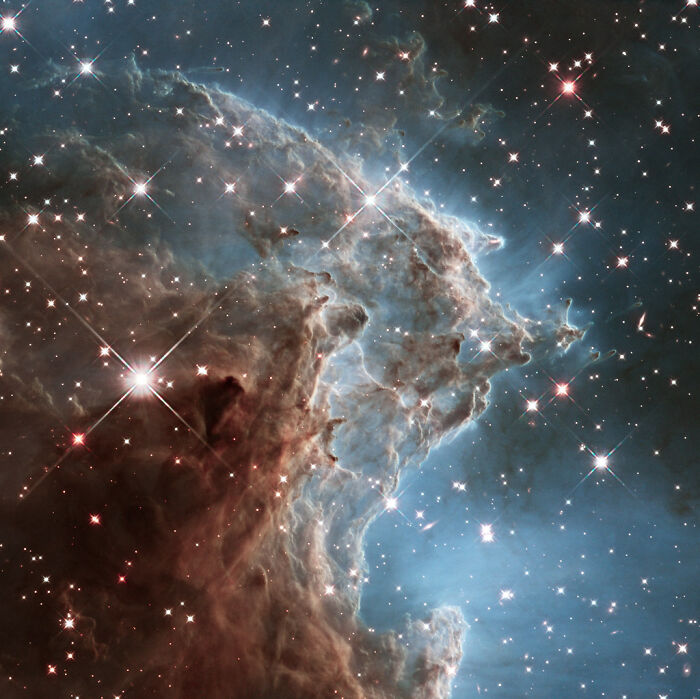
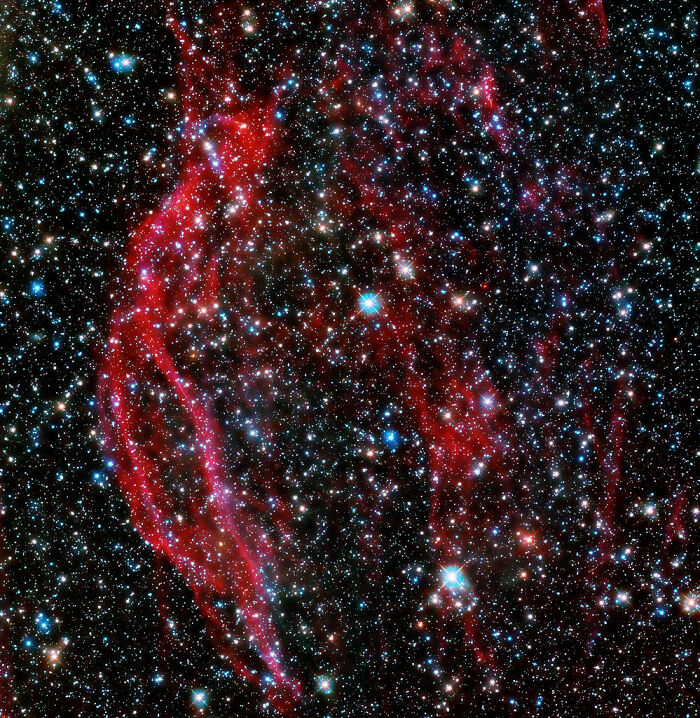
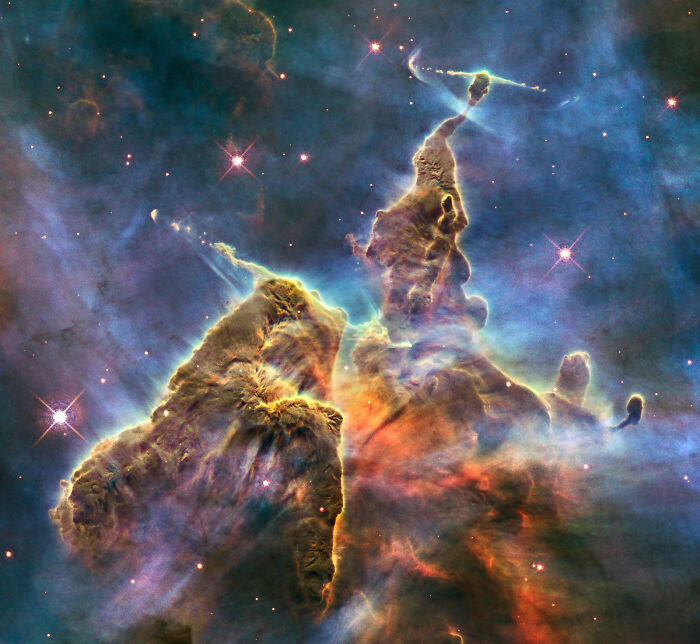
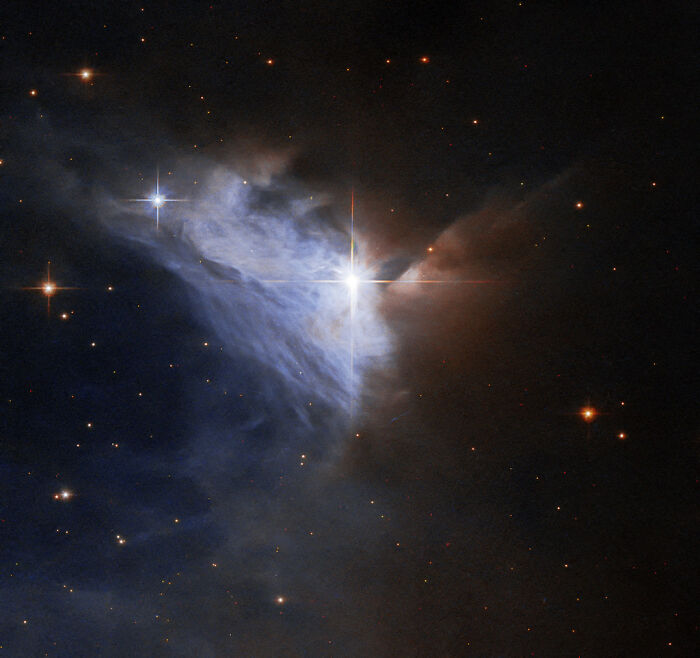
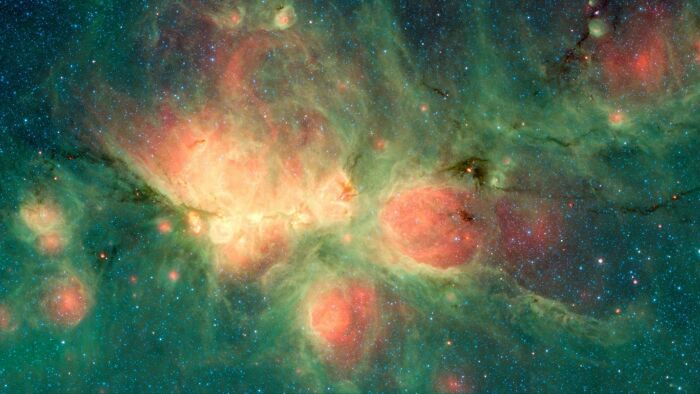
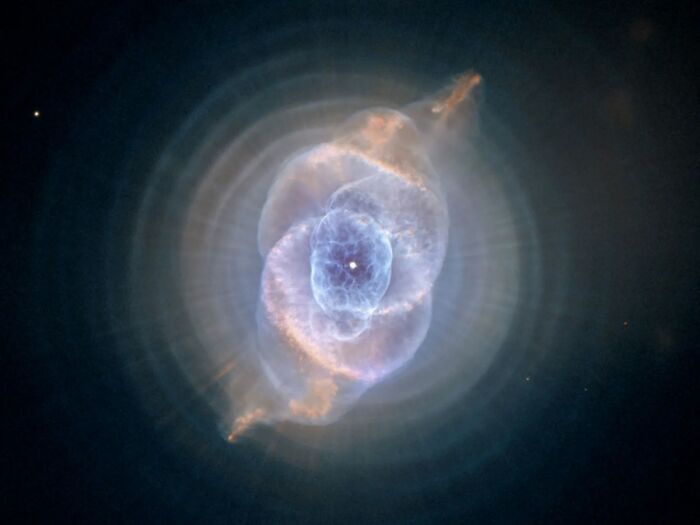
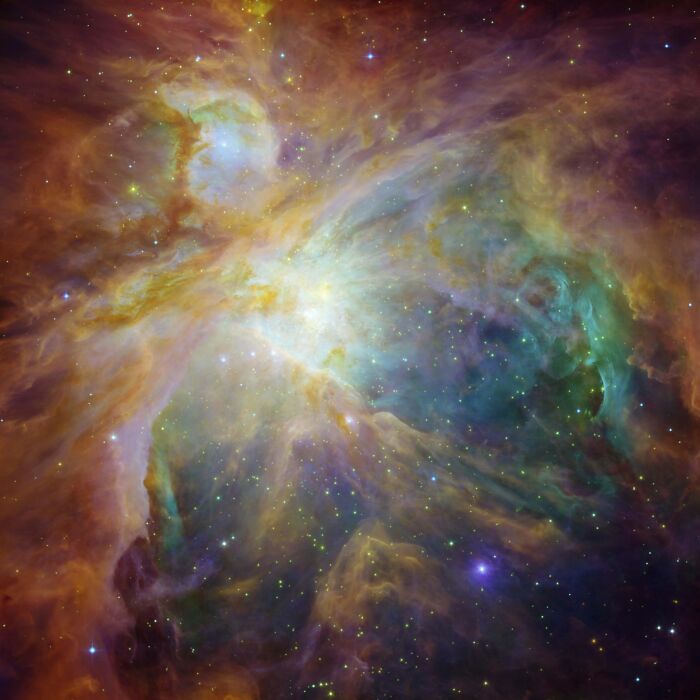
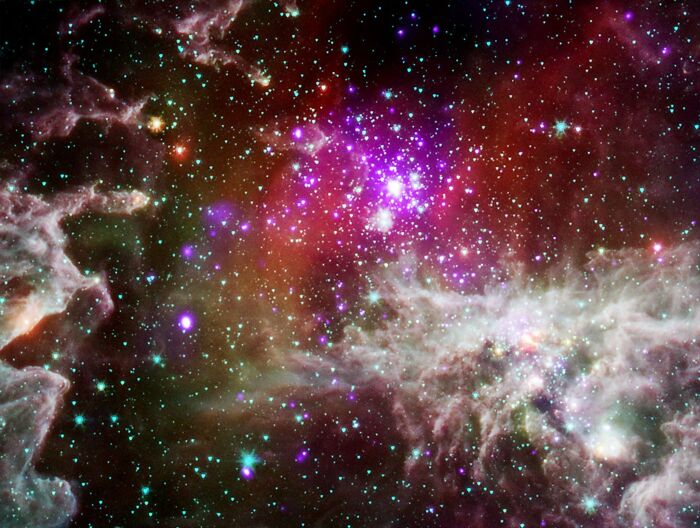
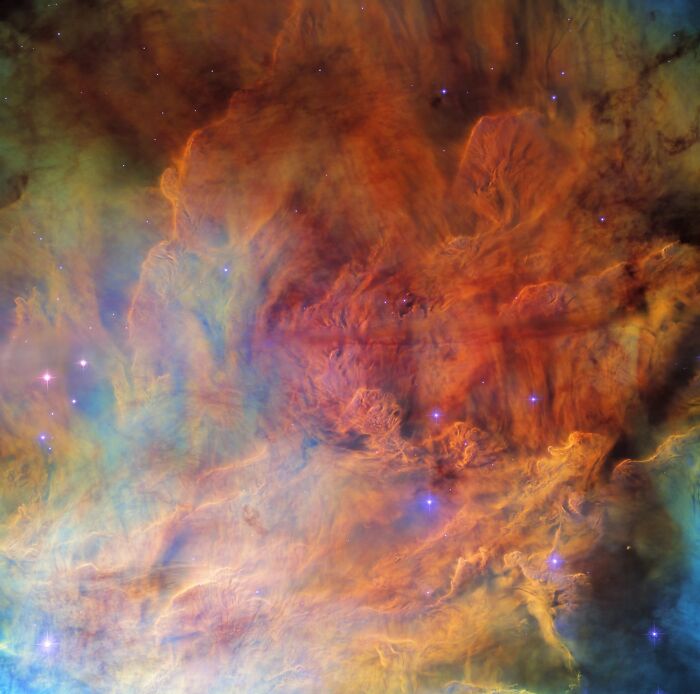
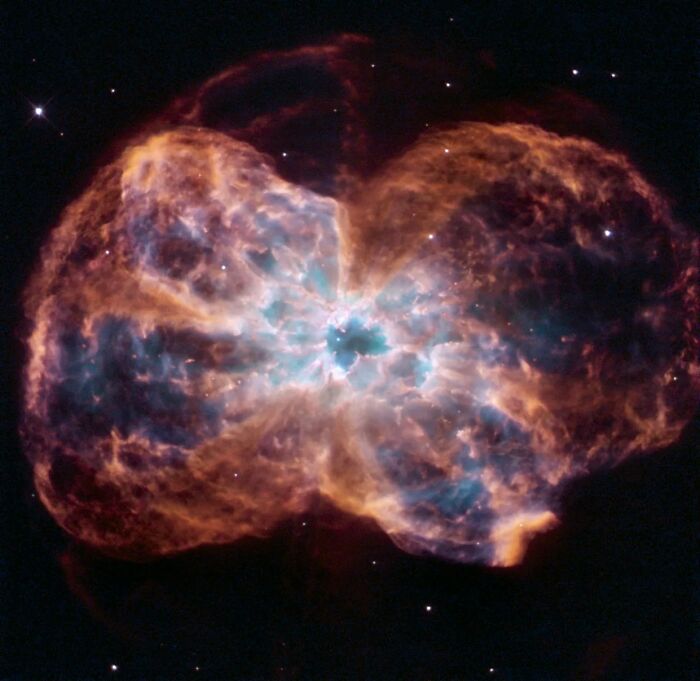
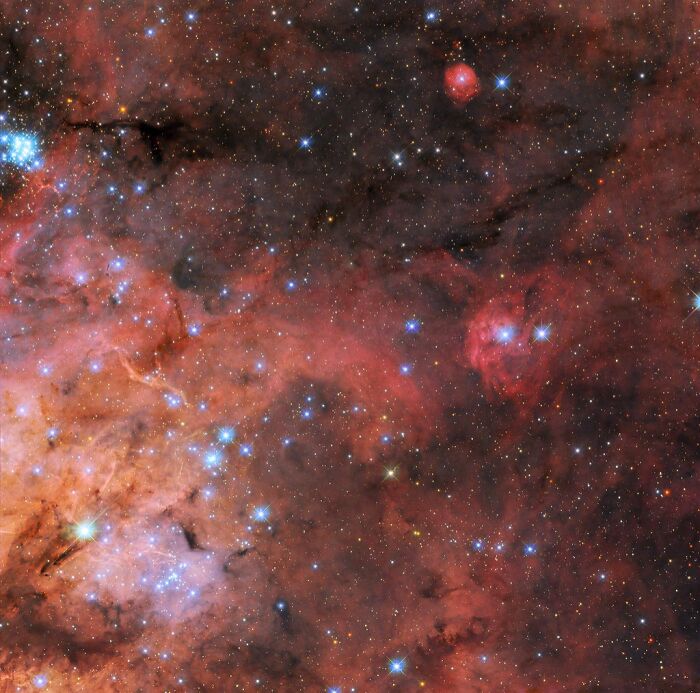
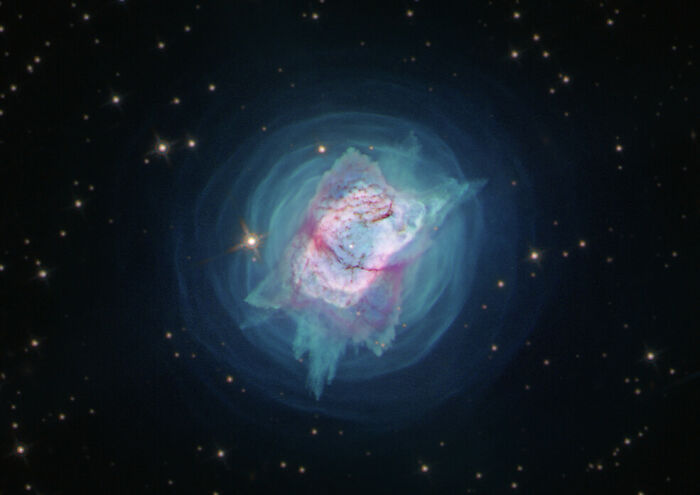
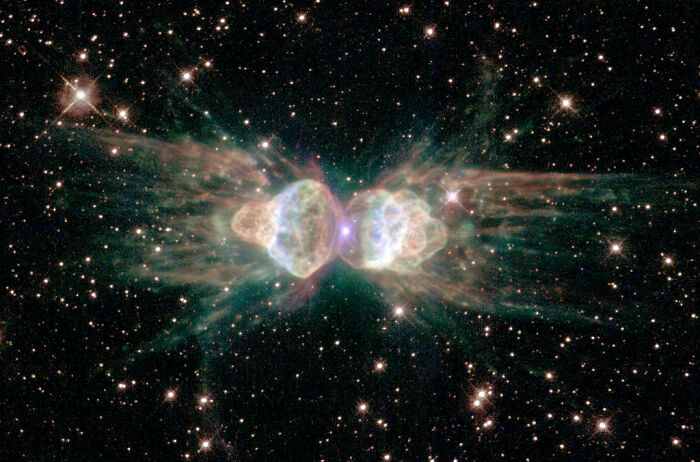
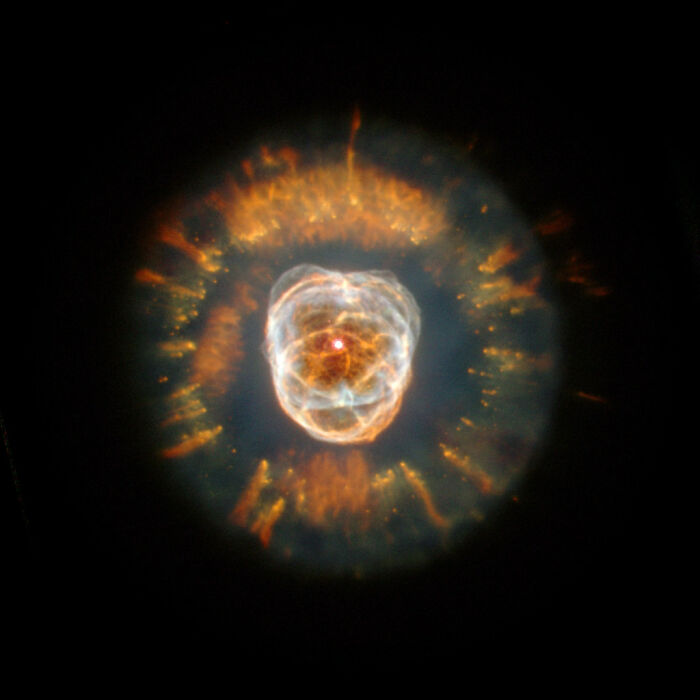
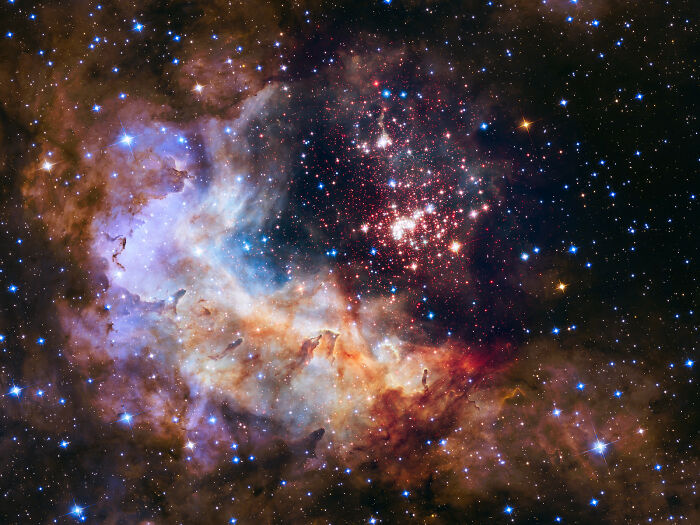
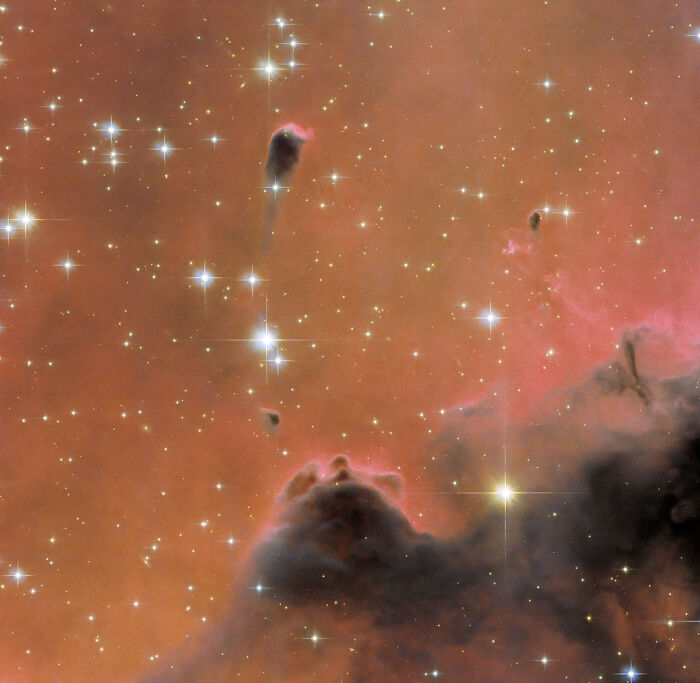
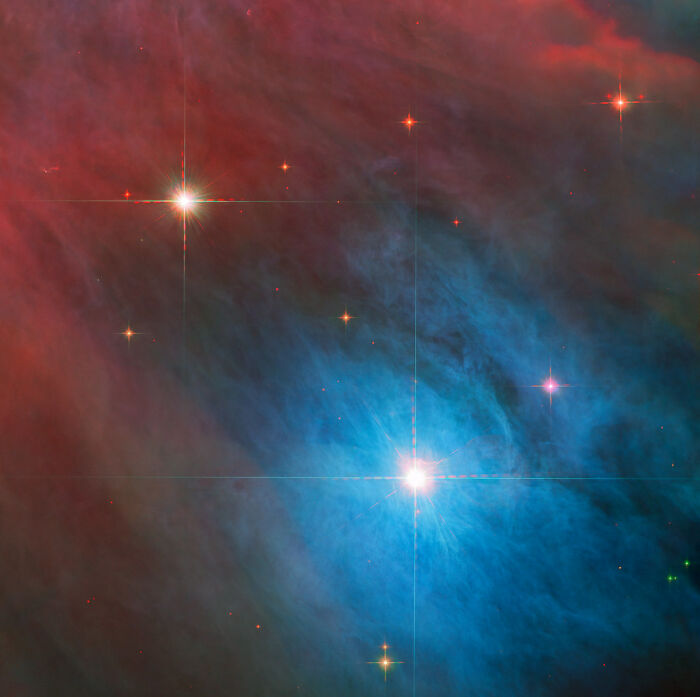
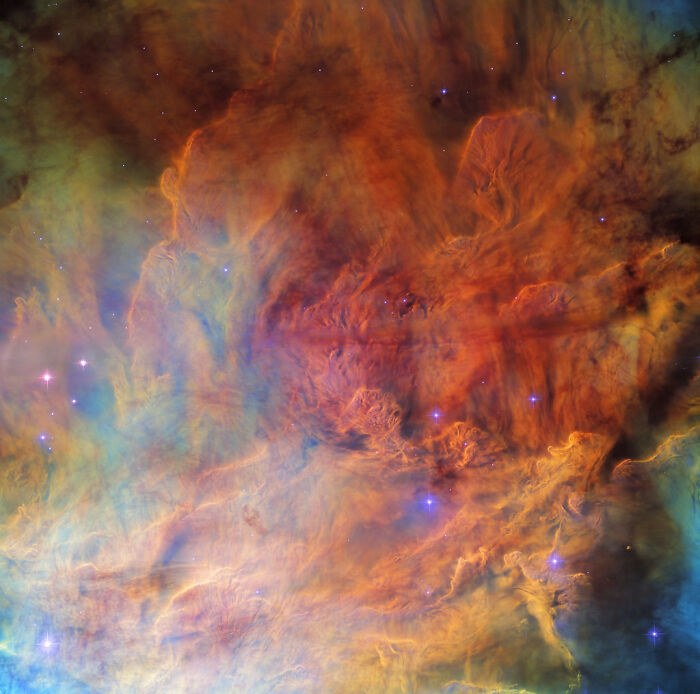
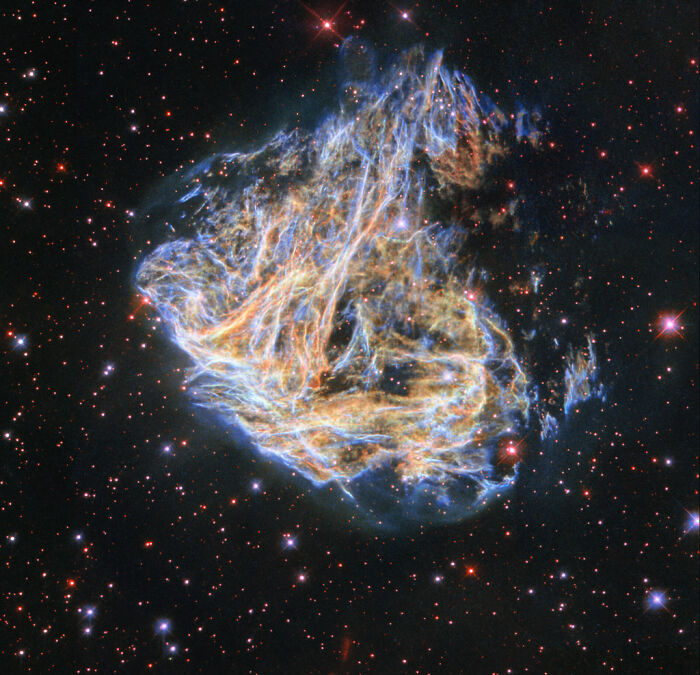
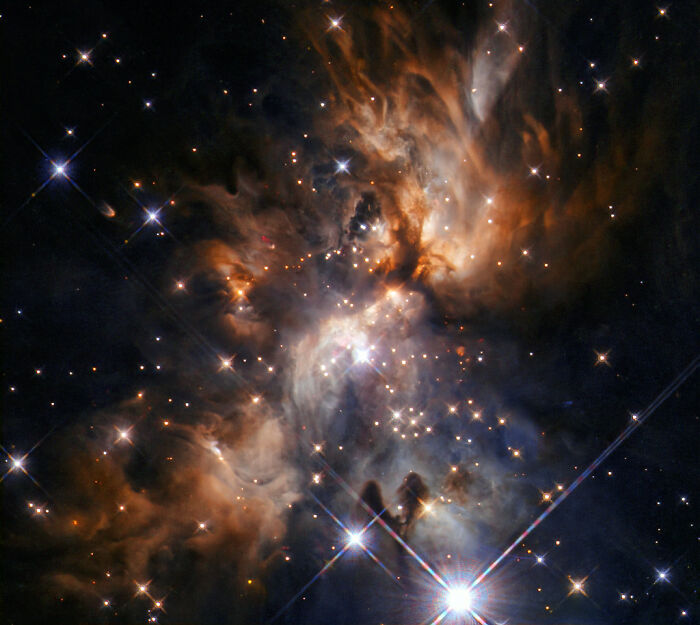
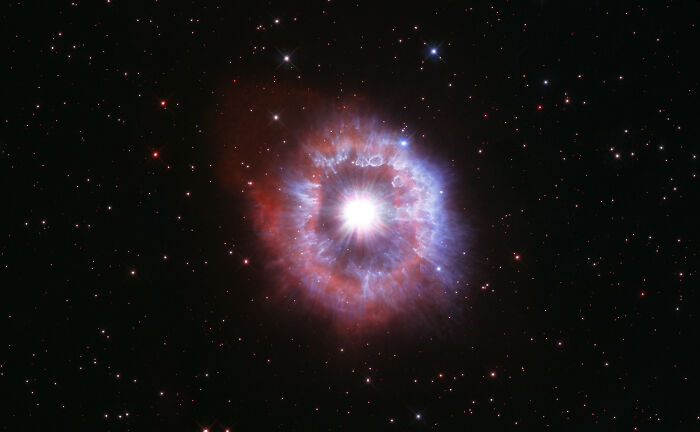
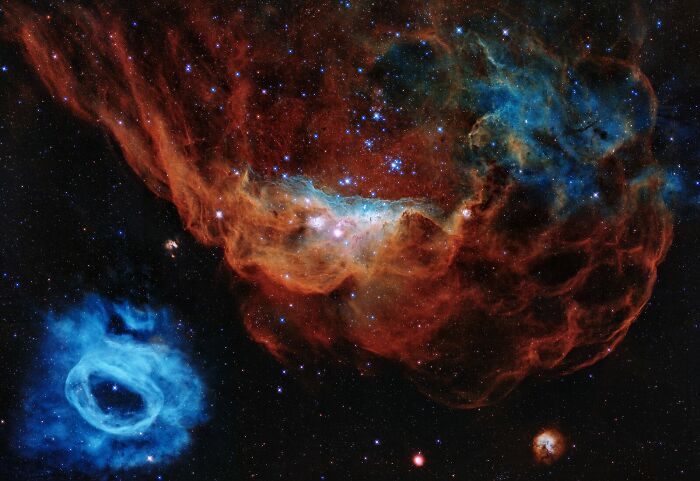
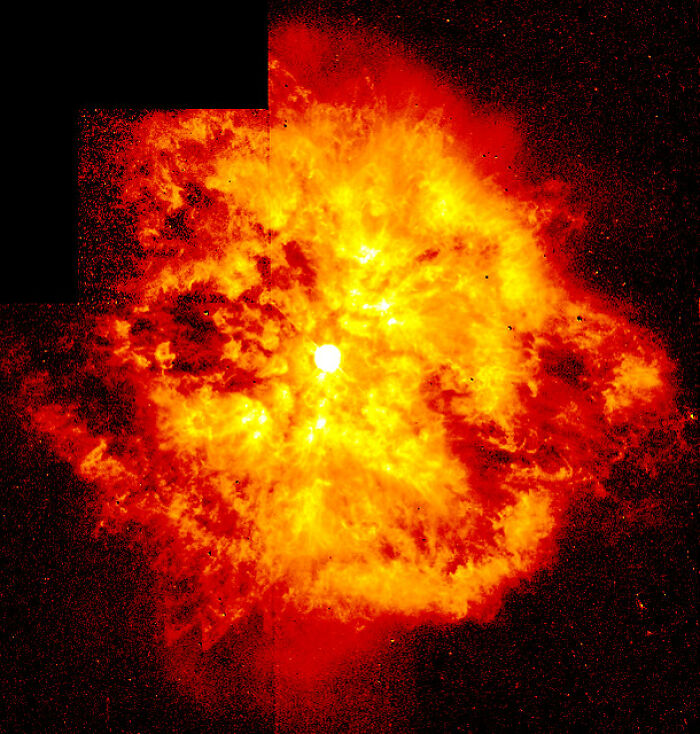
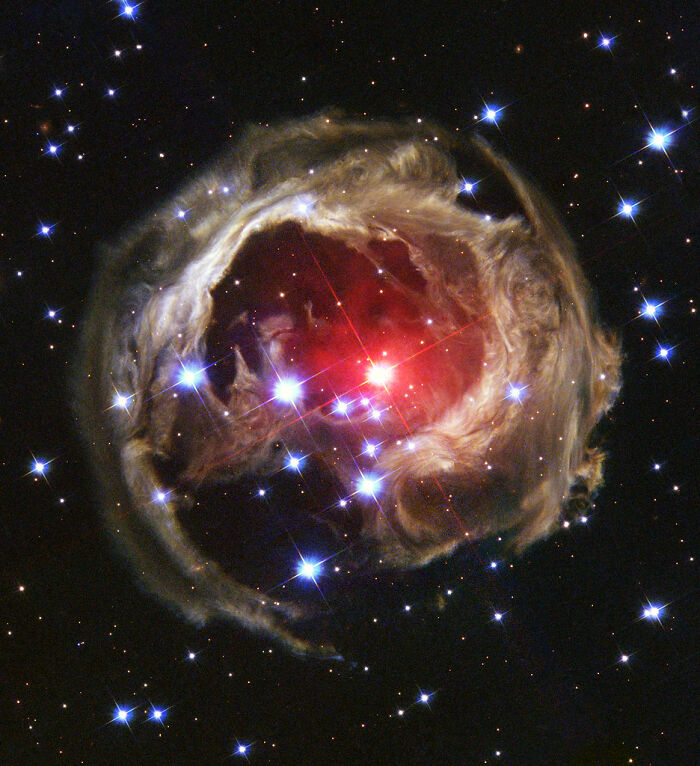
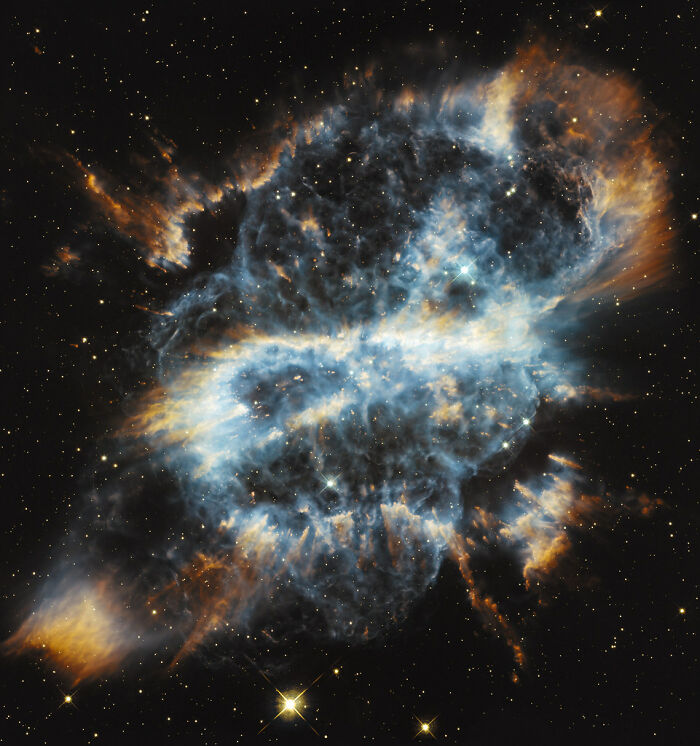
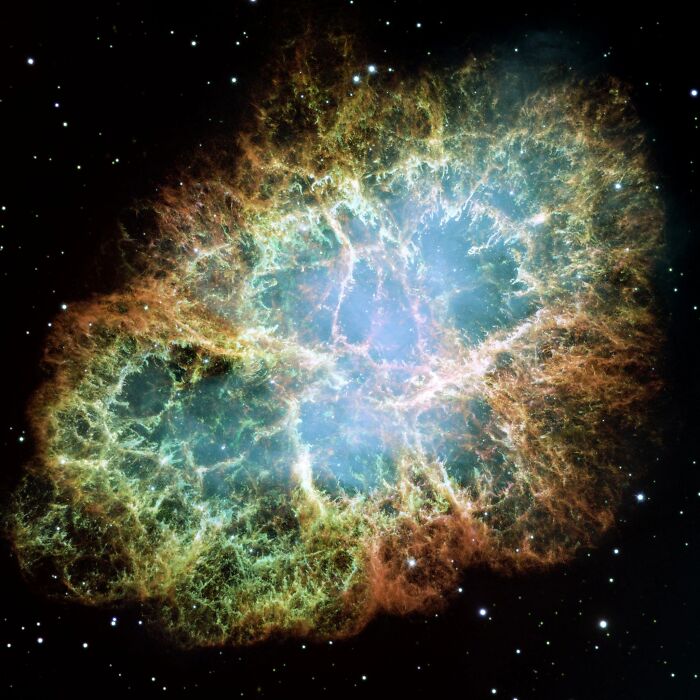
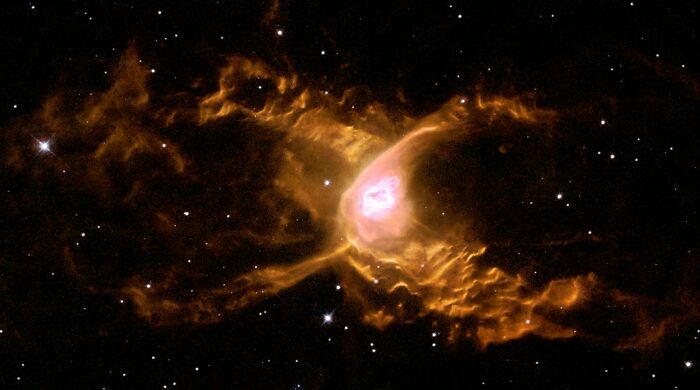
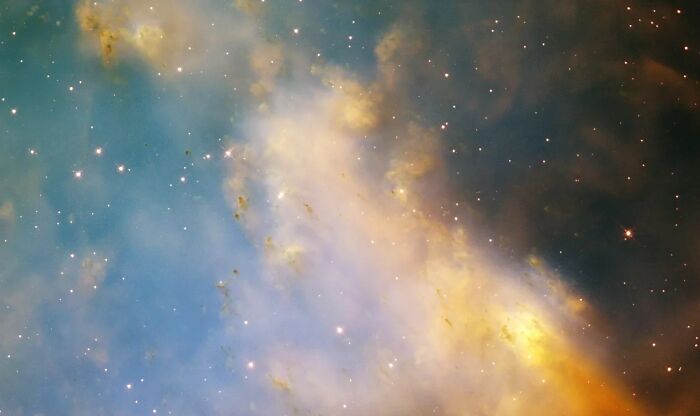
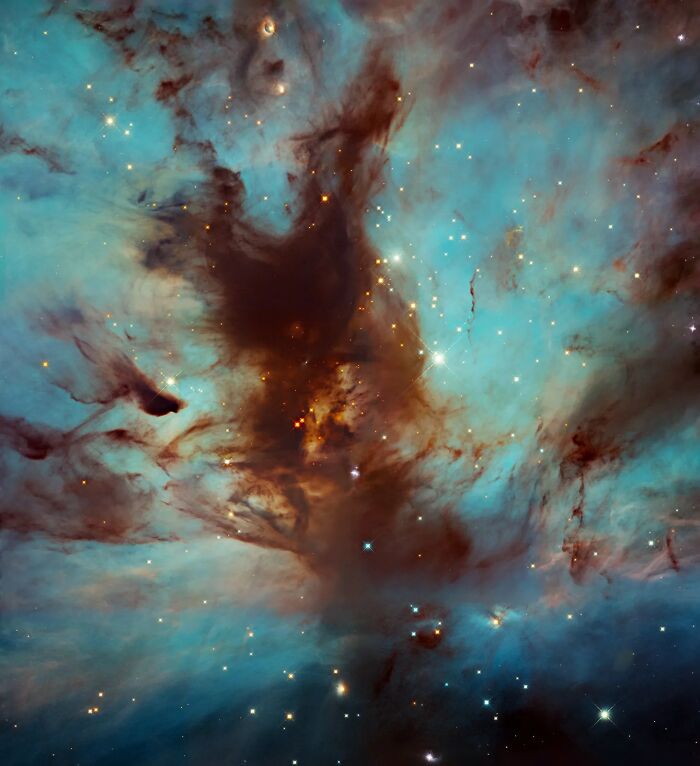
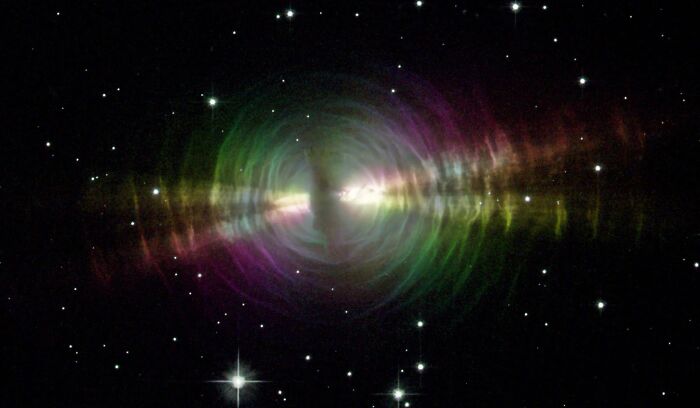
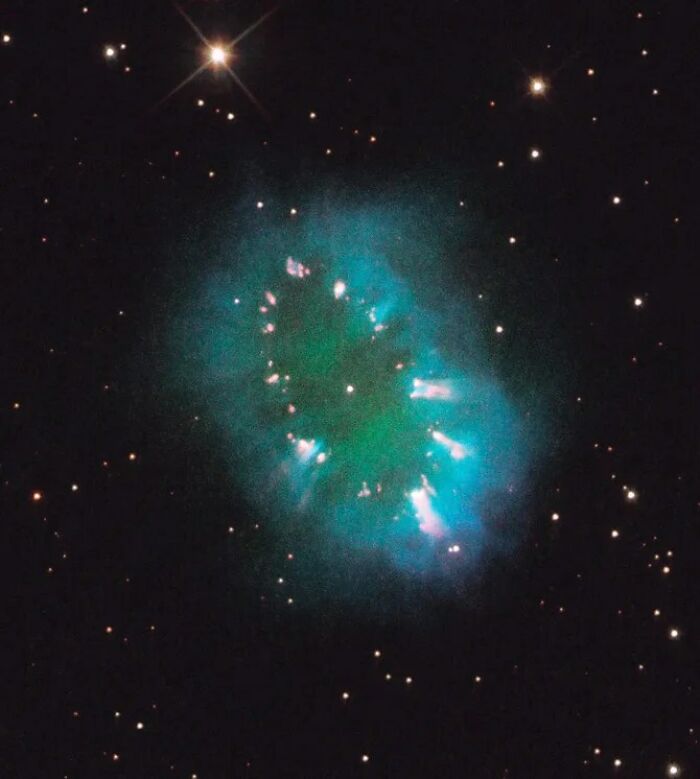
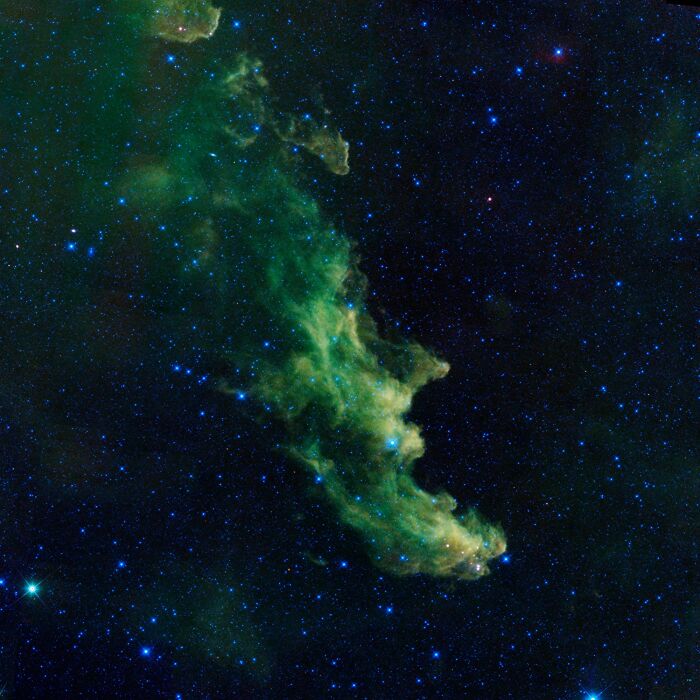
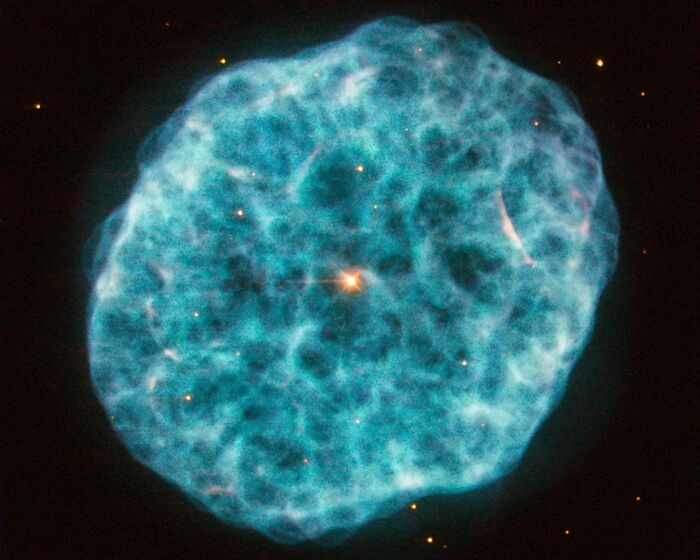
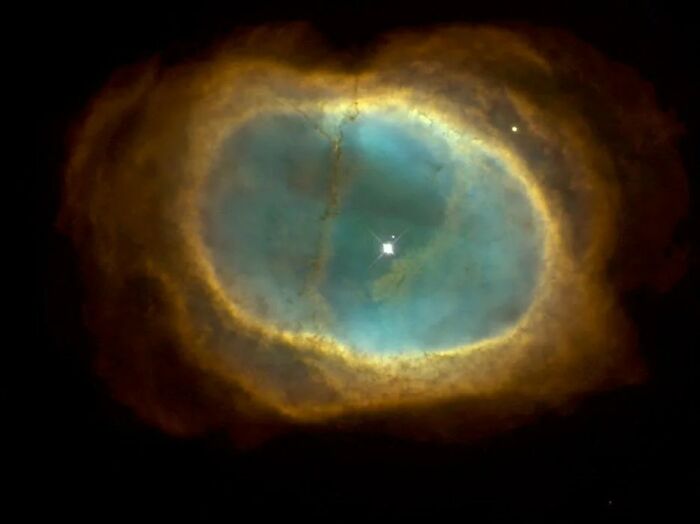
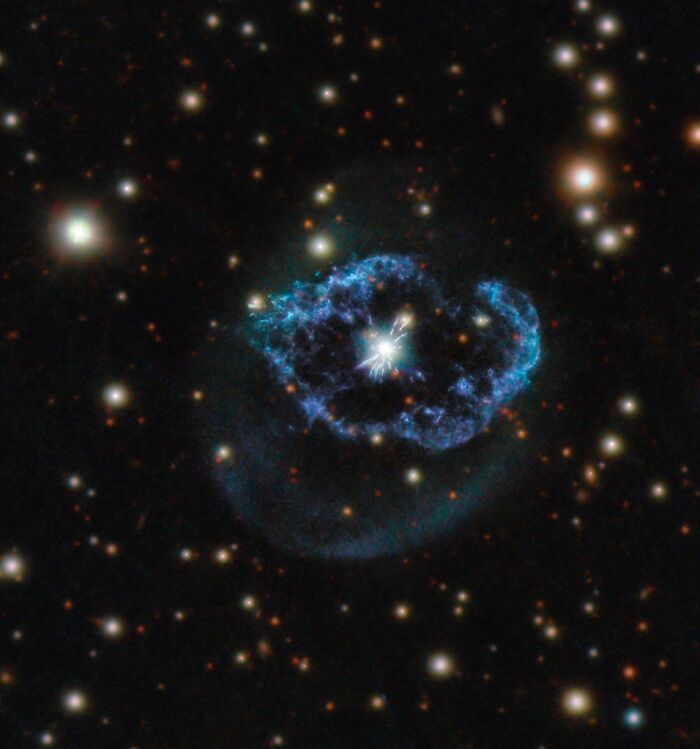
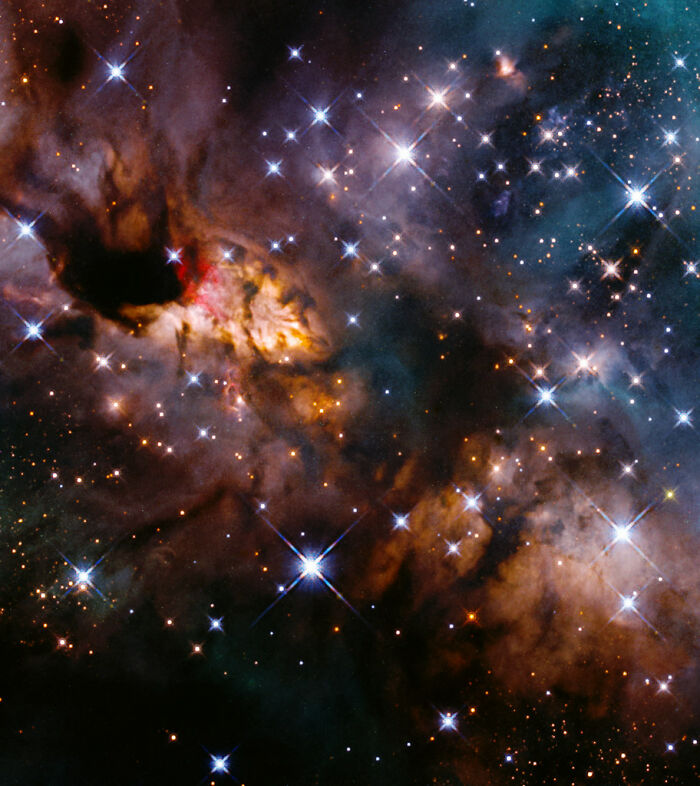
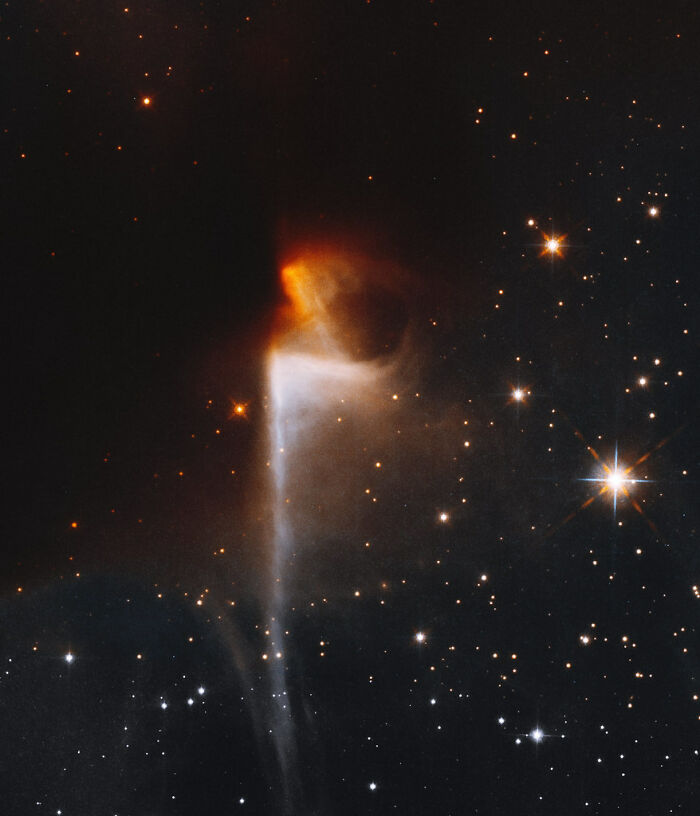
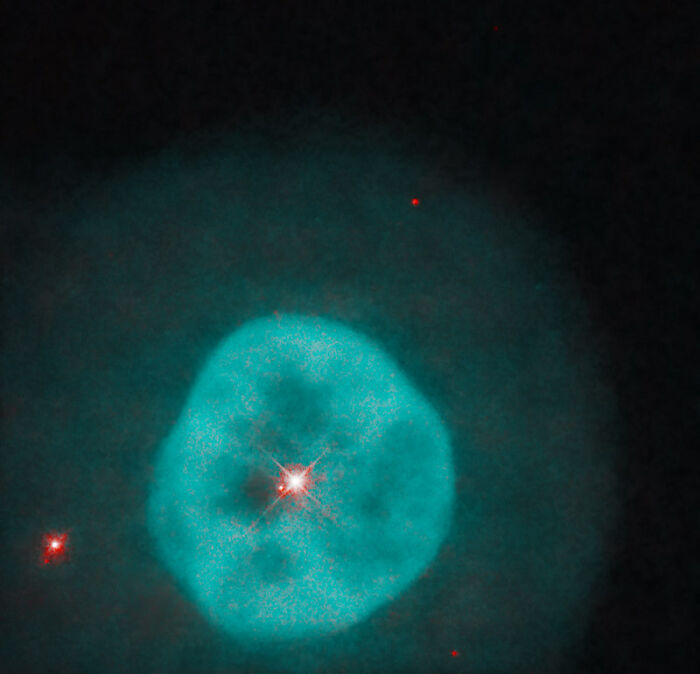
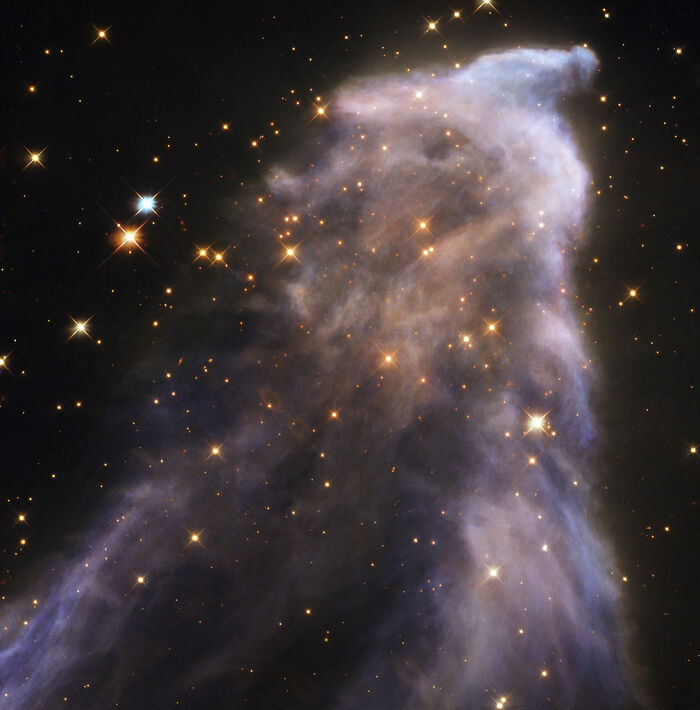
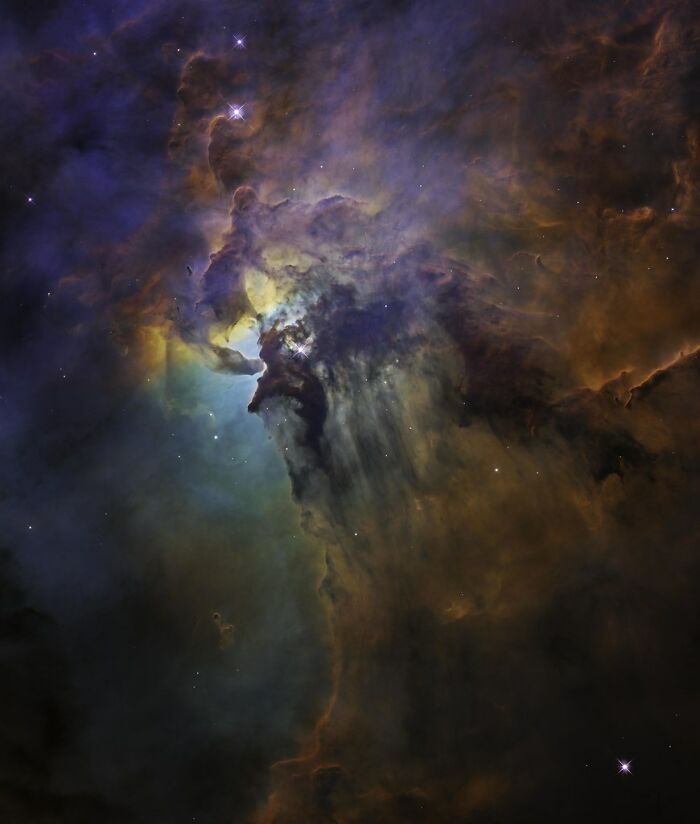
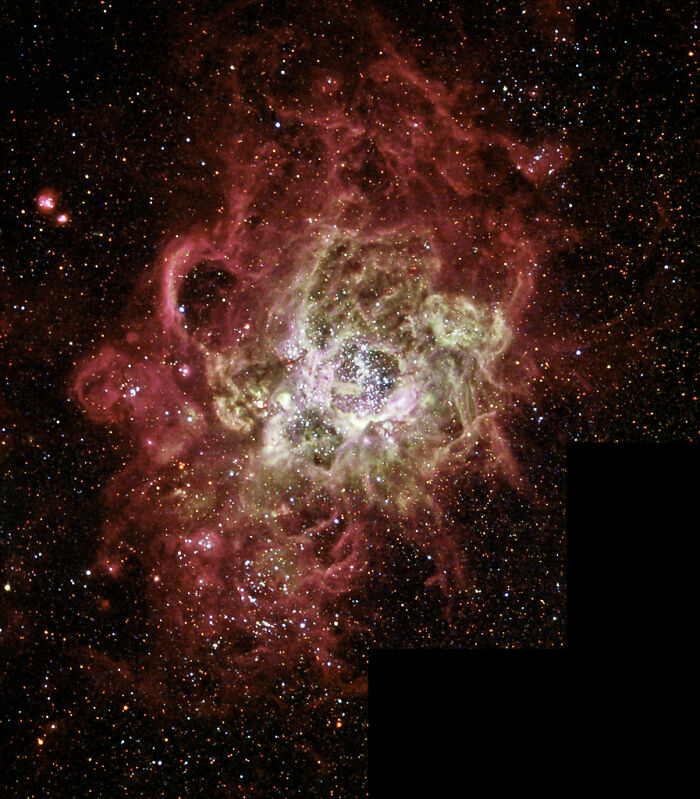
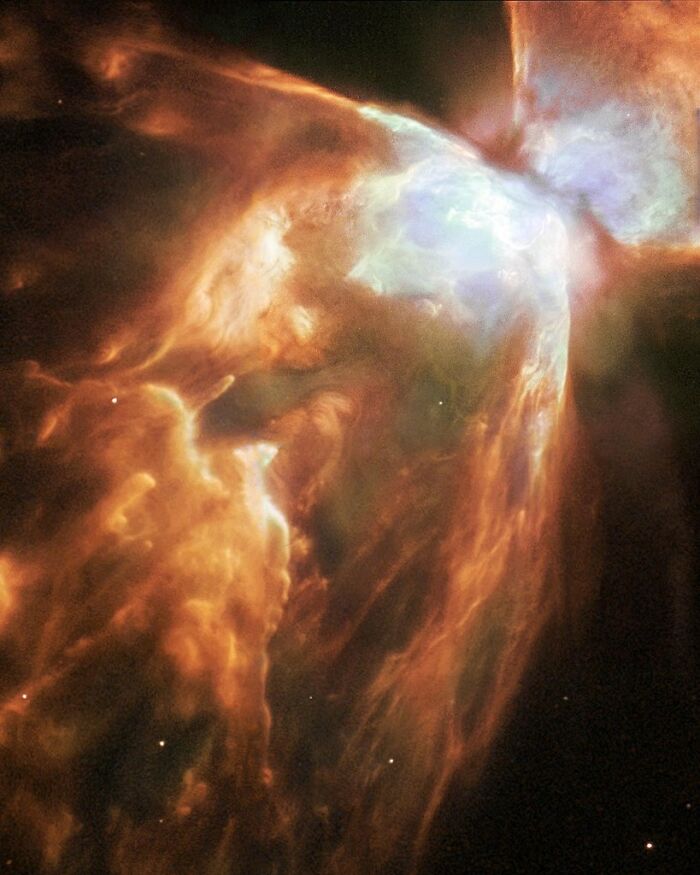
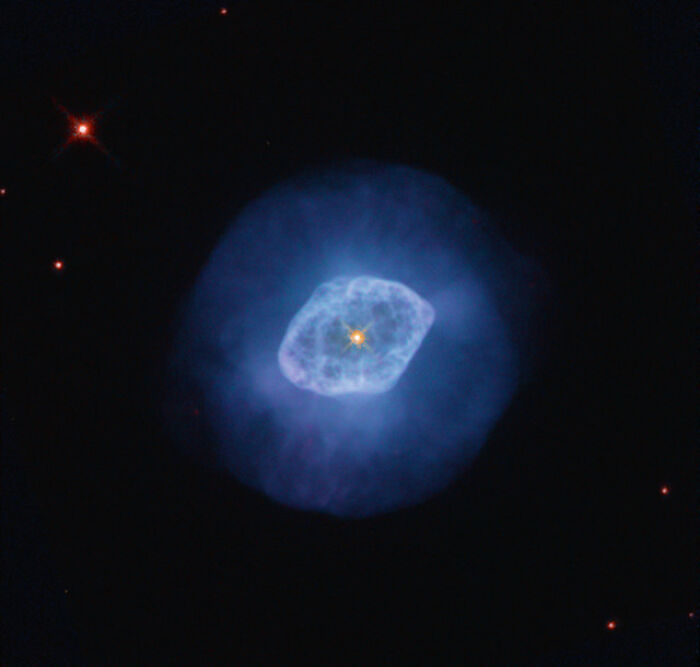
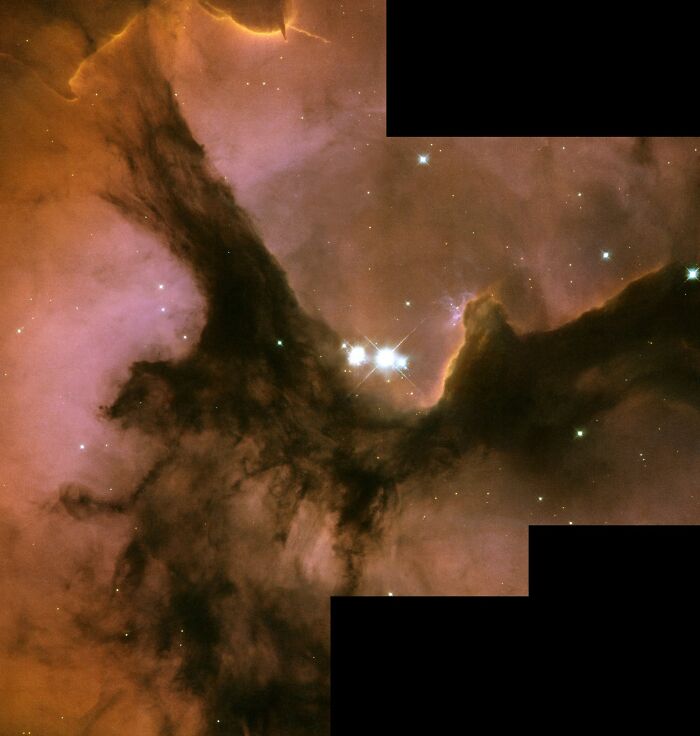
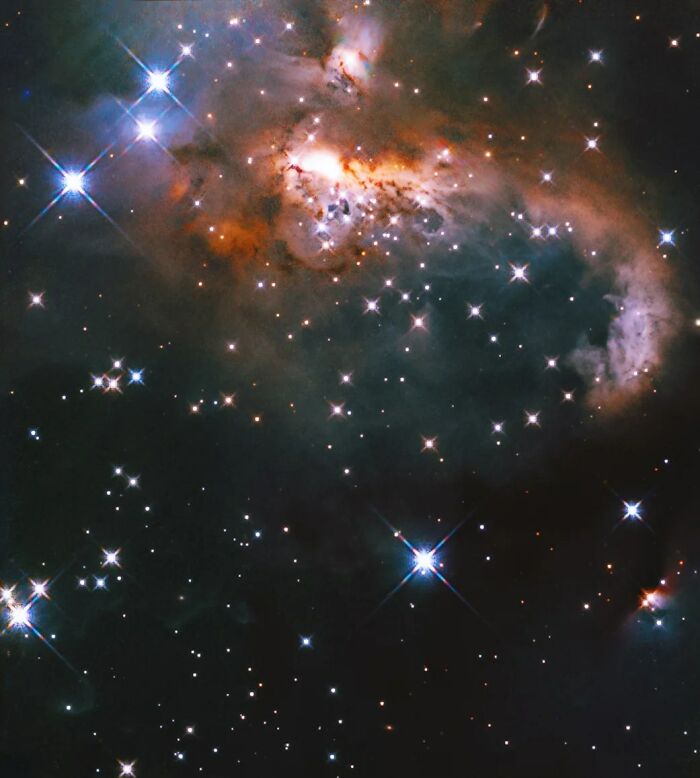
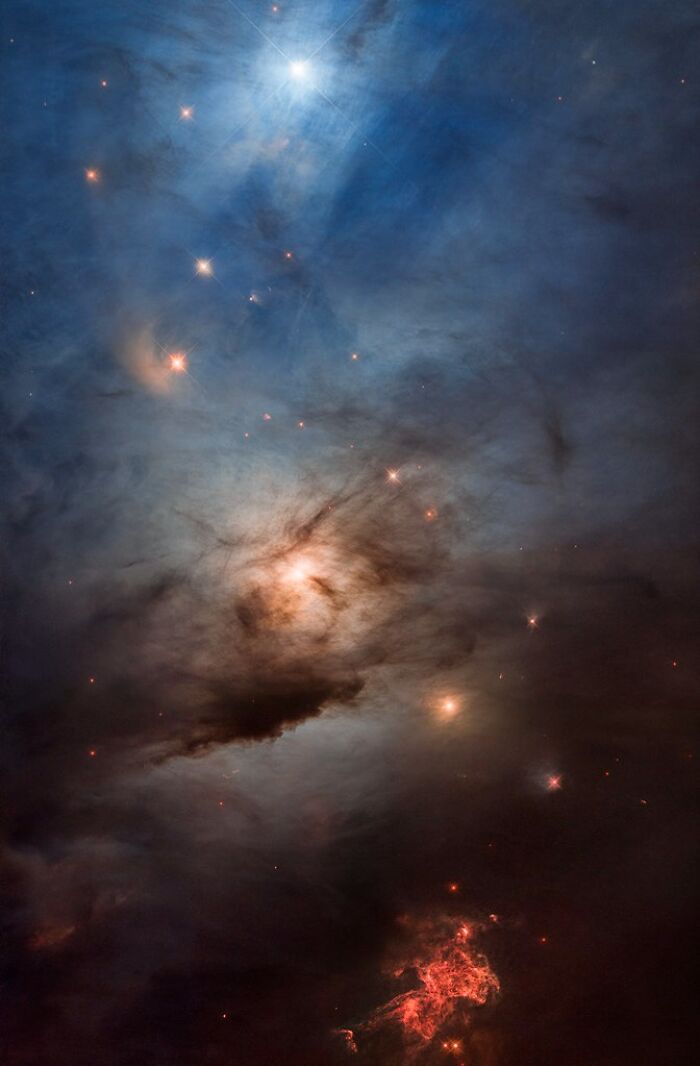
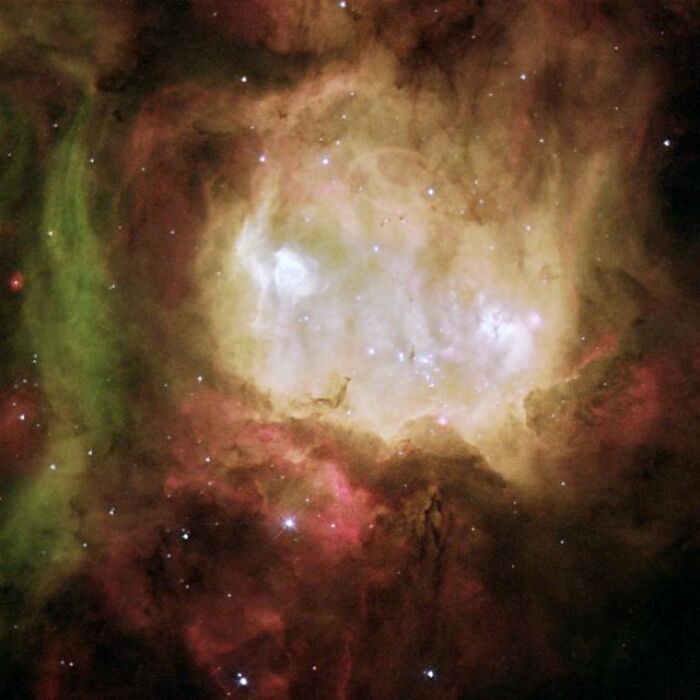
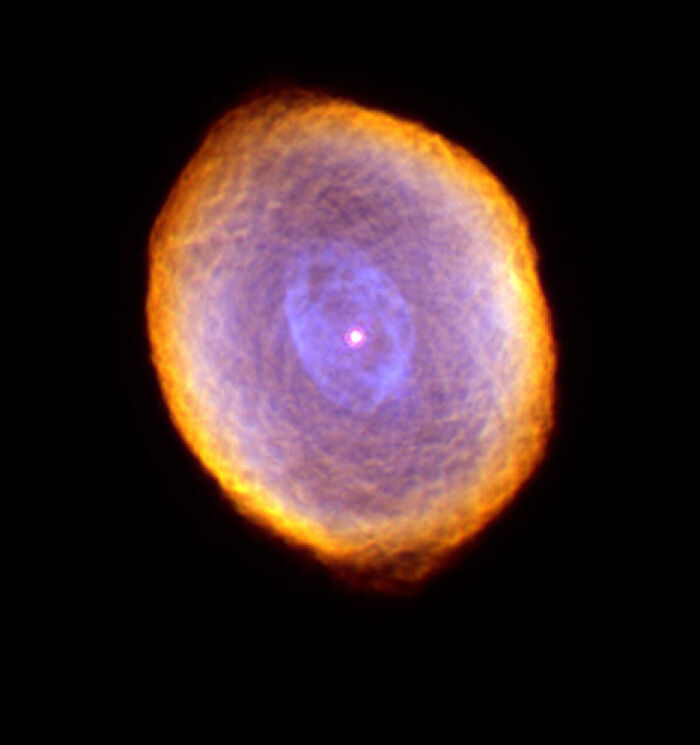
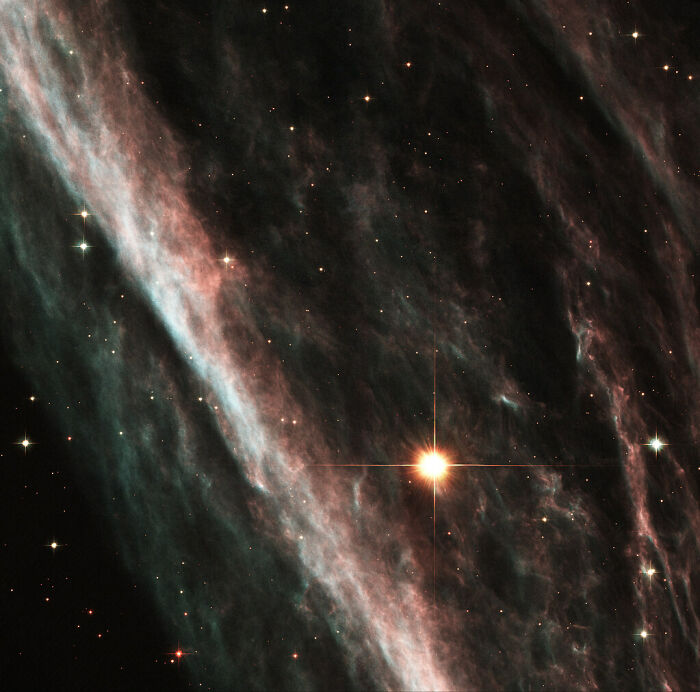
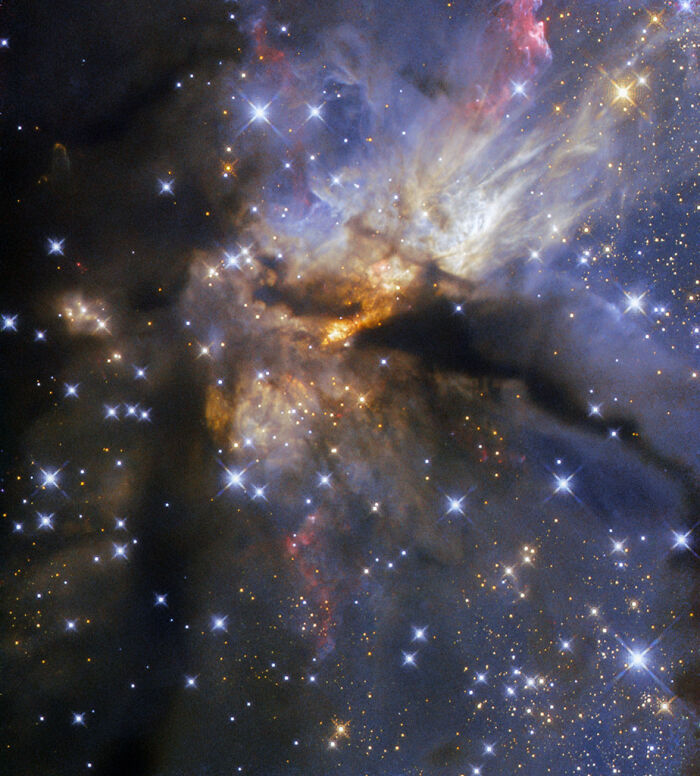
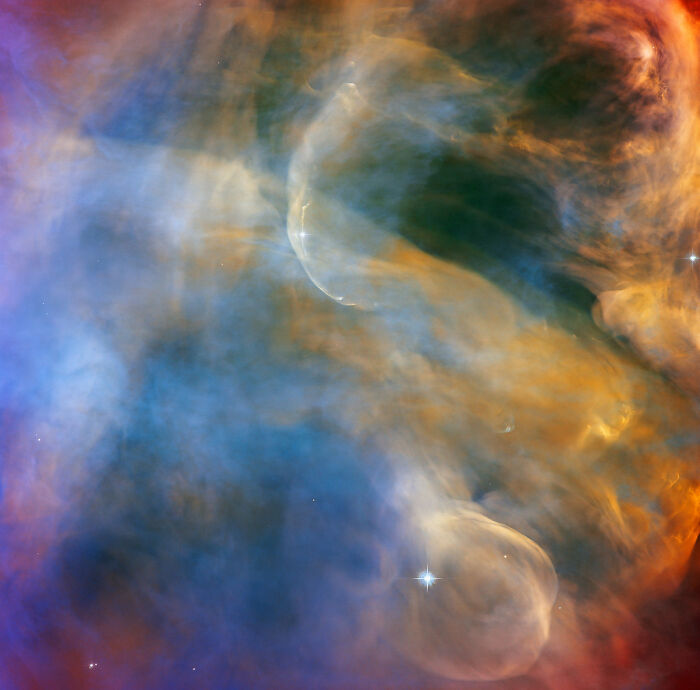
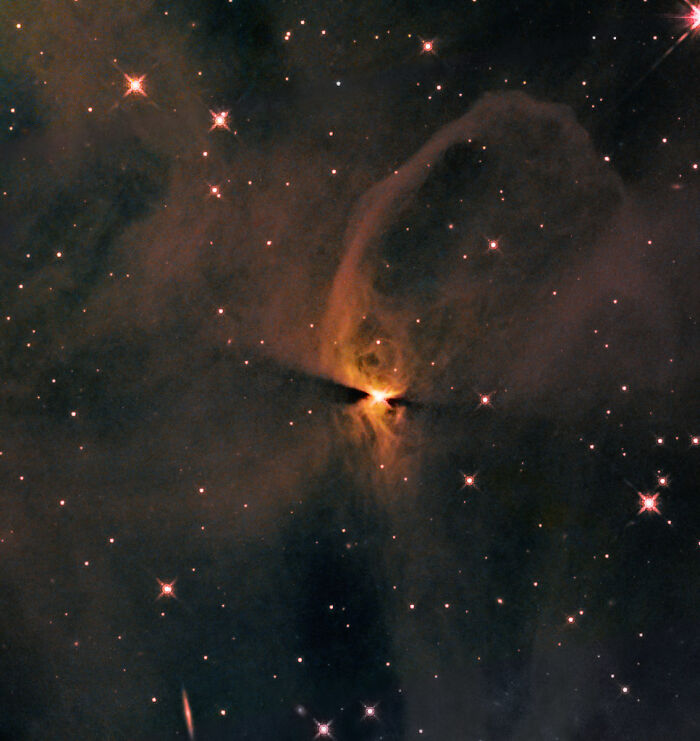
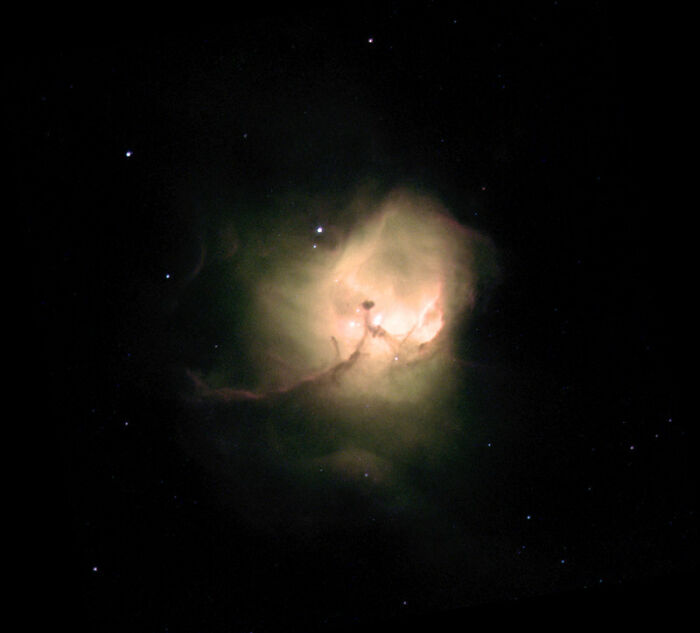
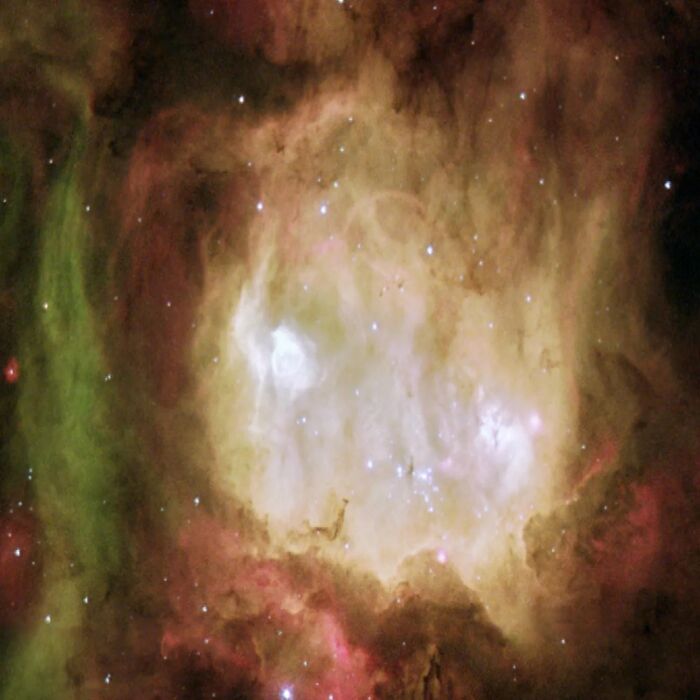
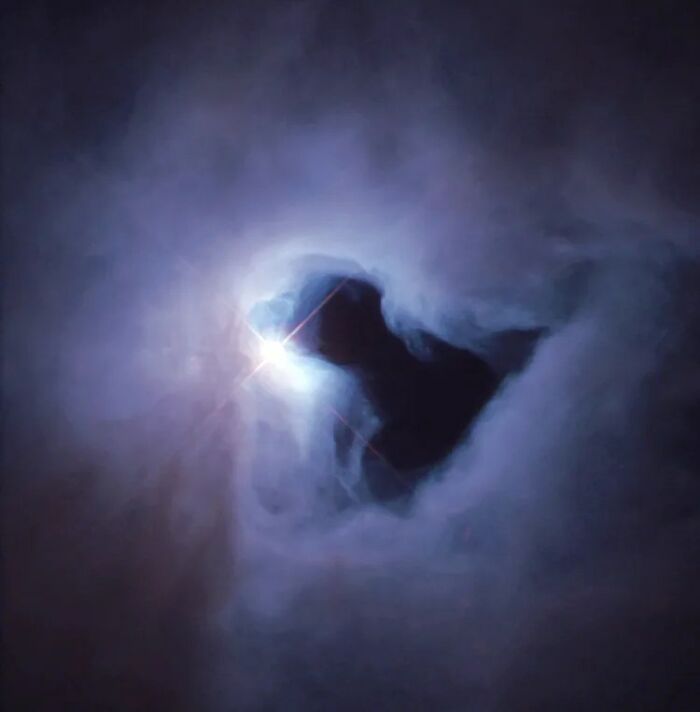
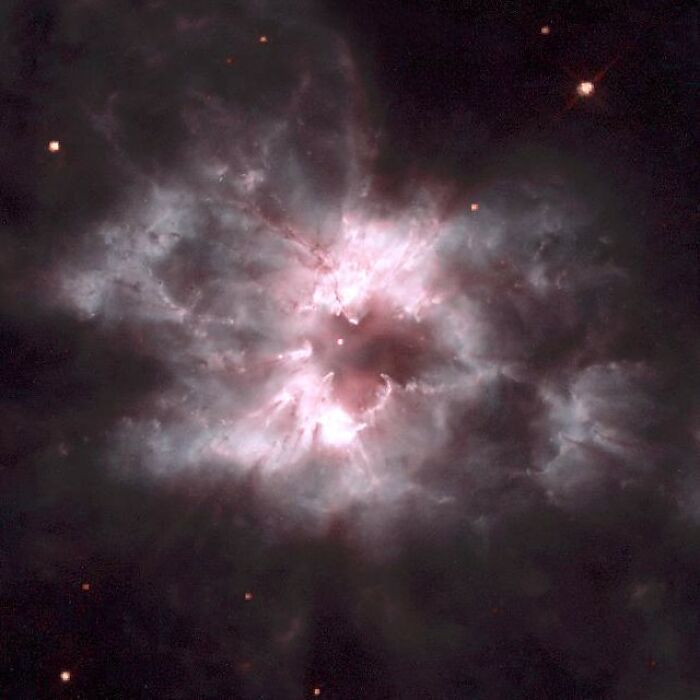
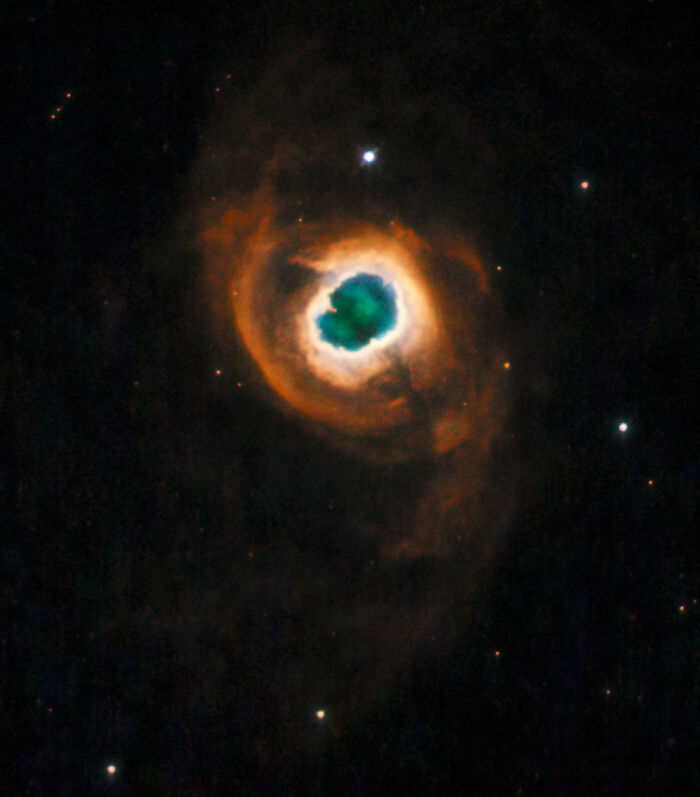
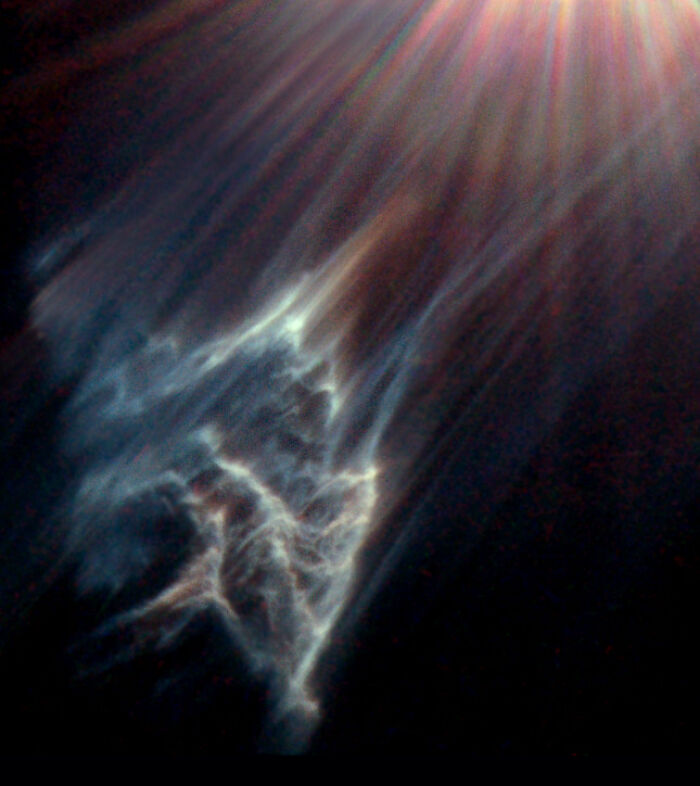
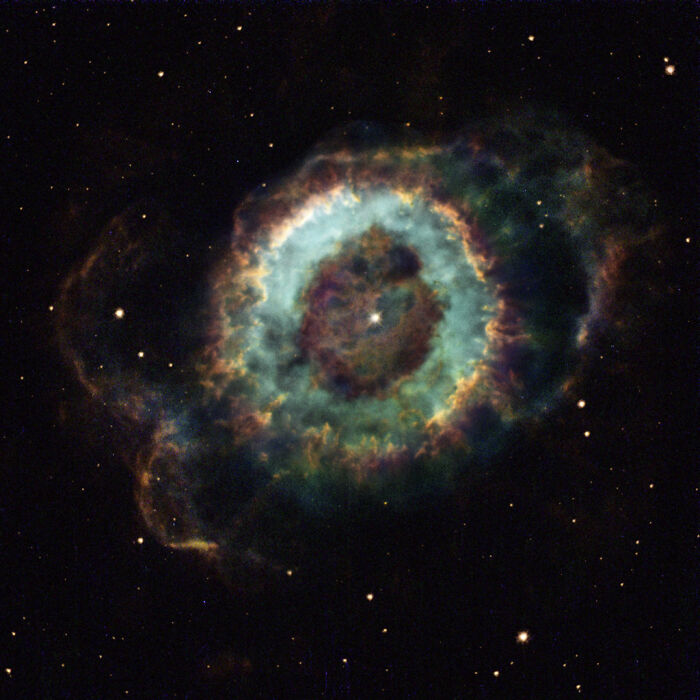
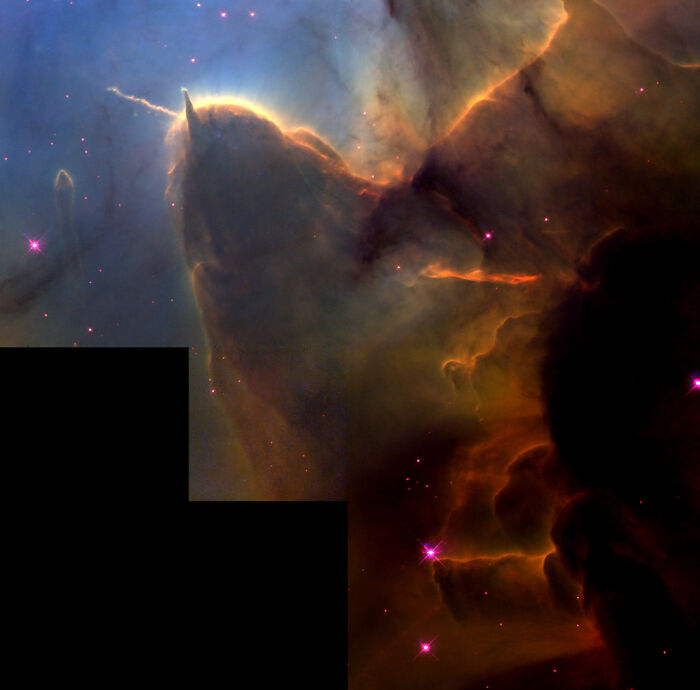
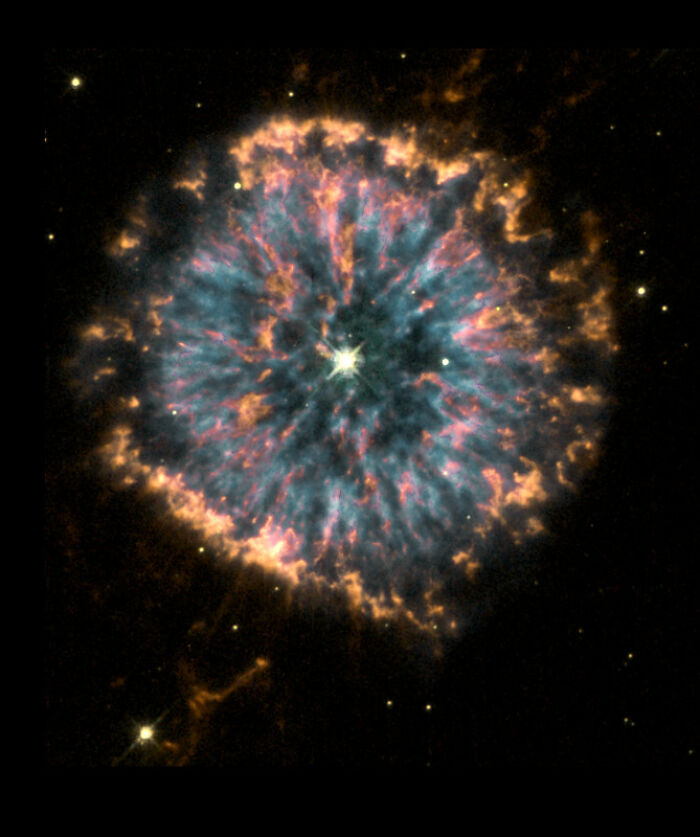
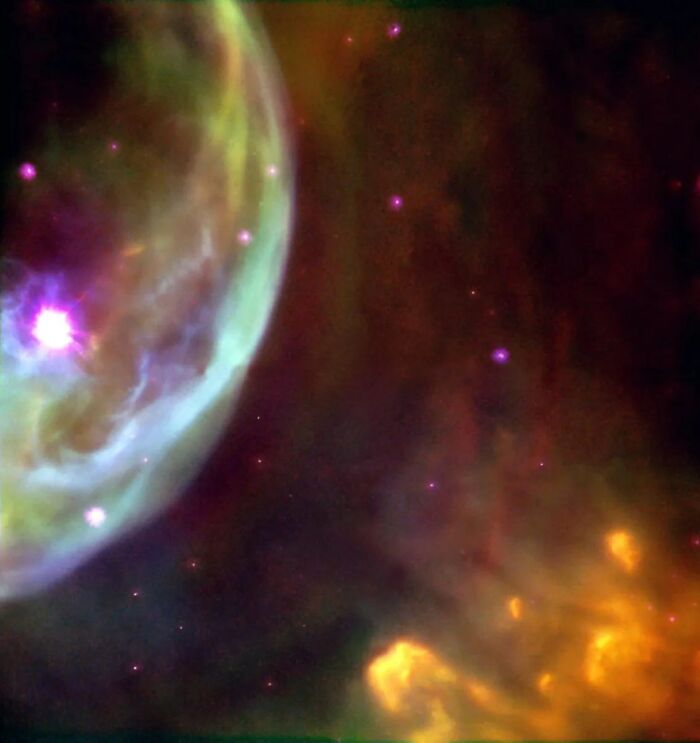
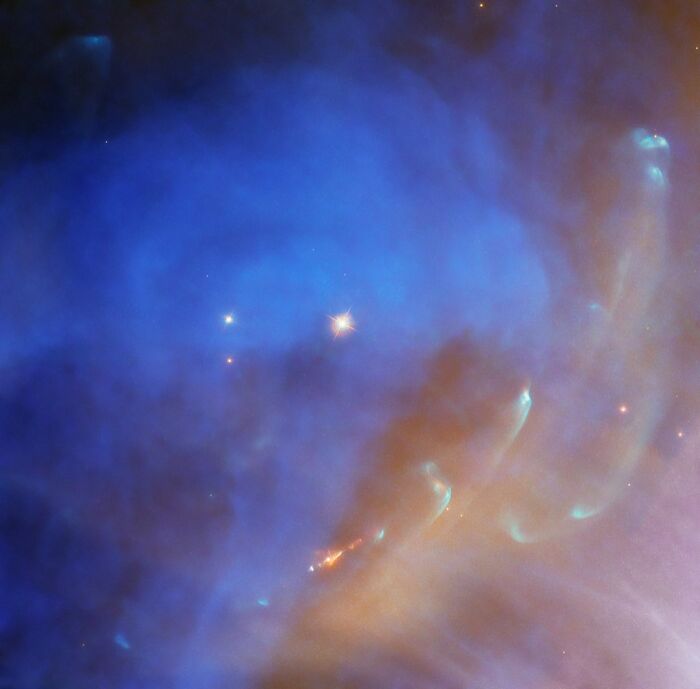
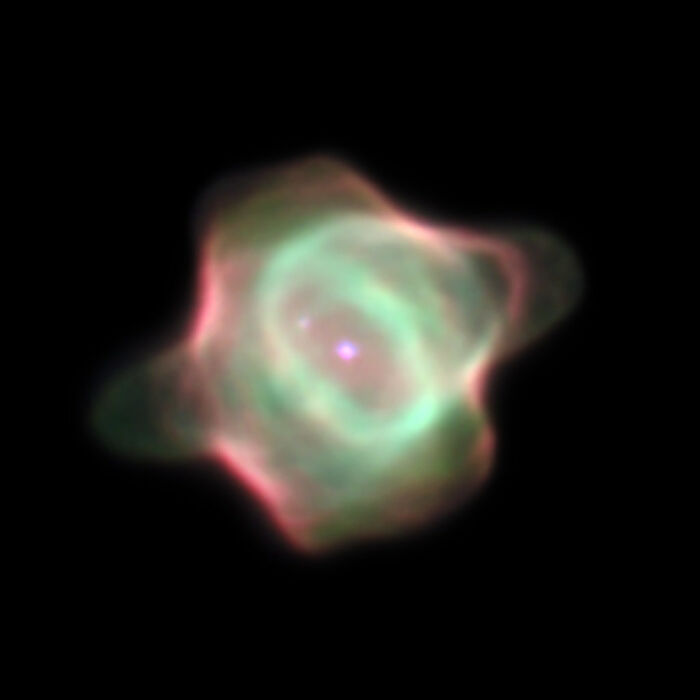
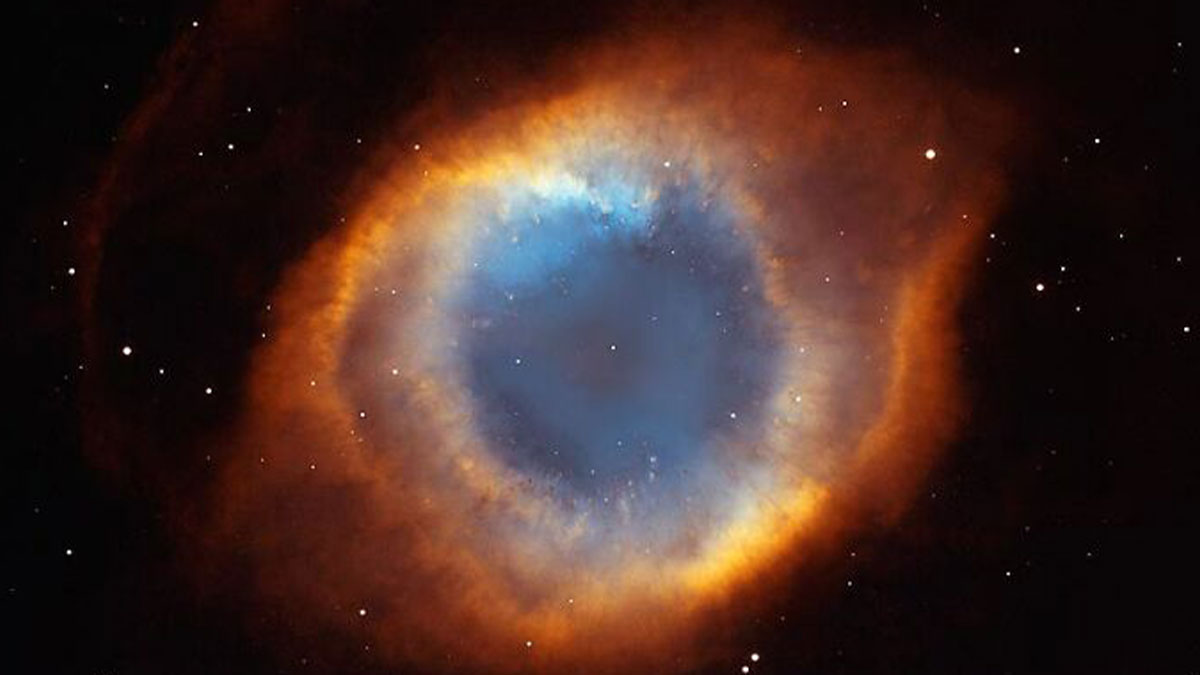
A nebula is an enormous cloud of dust and gas, mostly hydrogen and helium, occupying the space between stars, or interstellar space. Modern telescopes have given us spellbinding images of these colossal celestial bodies and here are some of our favorites.
Click here & follow us for more lists, facts, and stories.
This post may include affiliate links.
Stars form within a nebula through a process of gravity, friction, and heat. The cold temperatures of the molecular clouds cause gas to clump together, forming high-density regions called knots. The clumps' gravity grows as they collect more matter or collide with each other in the volatile heavenly environment.
Eventually, gravity causes the clumps to collapse. As they do so, friction causes the material to heat up until the material at the center of the cloud becomes hot enough to form a protostar, or baby star. When the core of that protostar becomes hot enough, hydrogen begins to fuse into helium, releasing energy and creating a star.
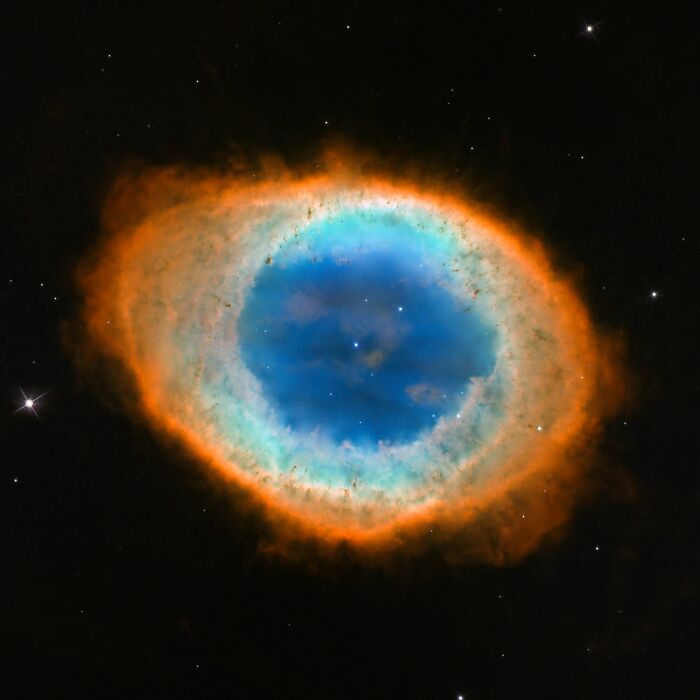
Nebulae formation can happen in a few different ways, depending on the type of nebula. Stellar nurseries, or emission nebulae, form in regions where gas and dust are dense enough for gravity to cause the material to collapse and form stars. The intense radiation from young, hot stars ionizes the surrounding gas, causing it to glow.
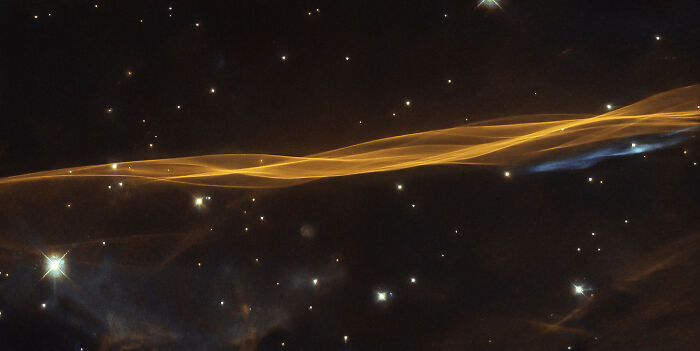
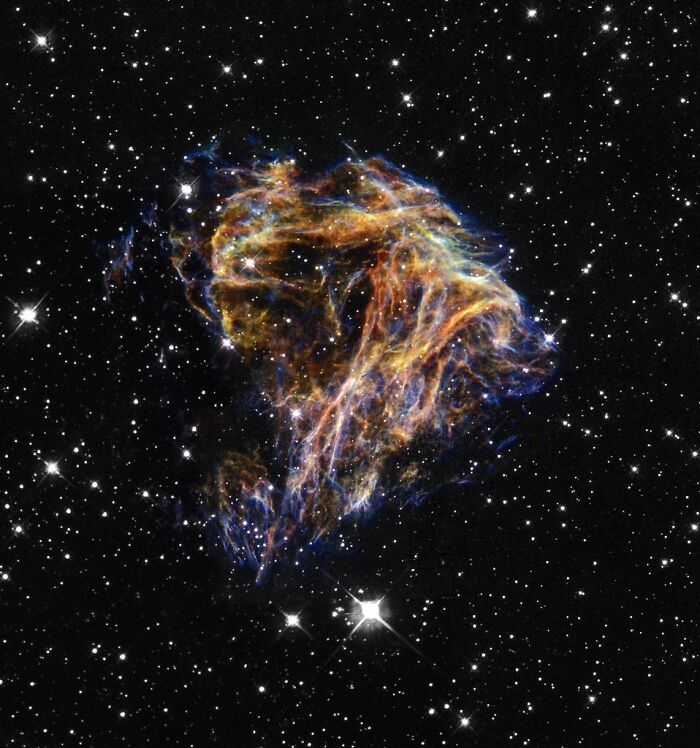
Other nebulae are supernova remnants, formed when a massive star reaches the end of its life, exploding as a supernova. This violent explosion ejects the star’s outer layers into space, creating a nebula. The Crab Nebula formed from a supernova observed in 1054 CE. Some other types of nebulae include planetary nebulae, reflection nebulae, and dark nebulae.
Famous nebulae include the Orion Nebula, the Horsehead Nebula, the Eagle Nebula, the Helix Nebula, the Lagoon Nebula, and the Eskimo Nebula. But where do these nebulae get their names from? Well, they’re named after things they resemble, and we can get a really good look at them thanks to the wonders of modern telescope technologies.
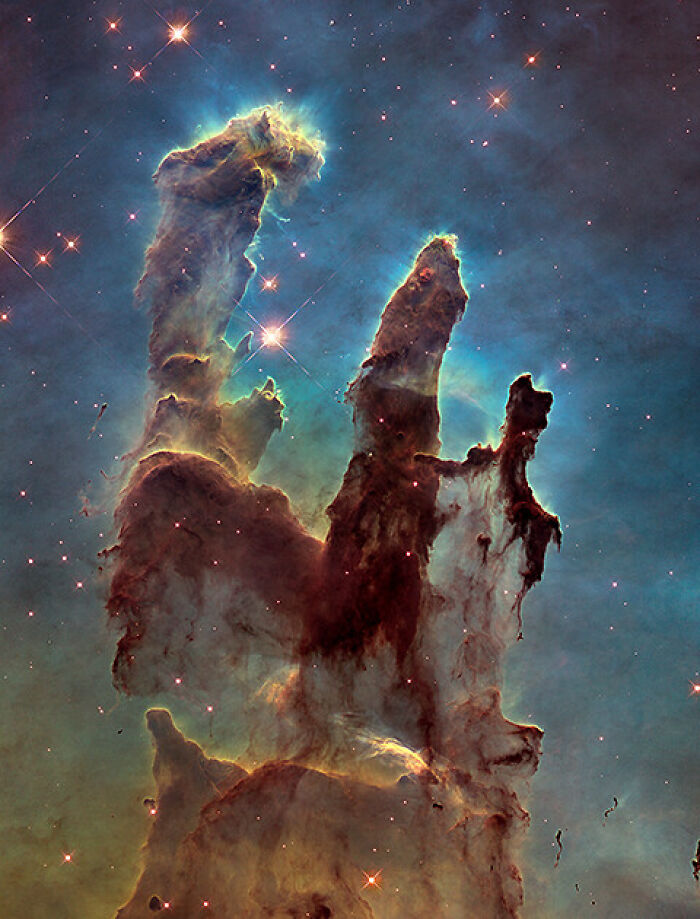
The Hubble Space Telescope is celebrated for capturing breathtaking images of nebulae, including iconic examples like the Pillars of Creation in the Eagle Nebula. Hubble operates in visible, ultraviolet, and near-infrared wavelengths, making it a favorite for detailed studies of nebulae's gas and dust structures.
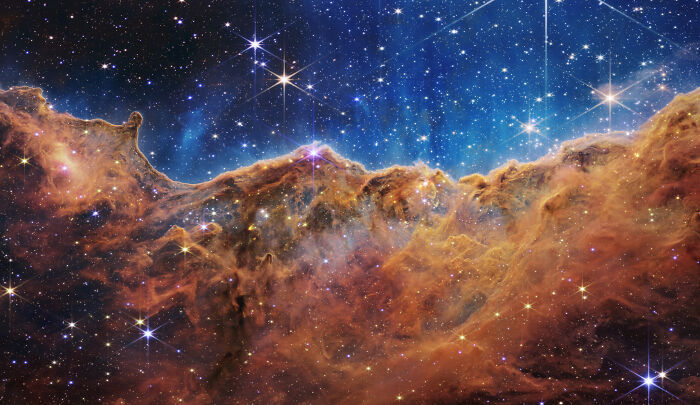
The James Webb Space Telescope (JWST) observes space in the infrared spectrum, allowing astronomers to look through dust clouds and study star formation. Its advanced technology provides unprecedented detail and clarity, delivering spellbinding images that are helping communities of astronomers theorize about the evolution of the universe.
The good news is that you don’t need space-age equipment to capture nebulae yourself. This useful astrophotography checklist will guide you through everything you need to photograph deep-space objects.
What do you think of this list of mesmerizing nebulae? Keep scrolling for more and don’t forget to upvote and comment on your favorites!
You might also like: 50 ‘Weird Facts’ About The World That Might Give You A Fresh Perspective





































 No fees, cancel anytime