Get Premium
Dark mode theme is available exclusively for premium users. Learn more about the benefits of subscribing.
No fees, cancel anytime.

 Dark Mode Ad-Free Browsing Unlimited Content
 Ad-Free Browsing Unlimited Content Dark Mode
Join 1.2 million Panda readers who get the best art, memes, and fun stories every week!
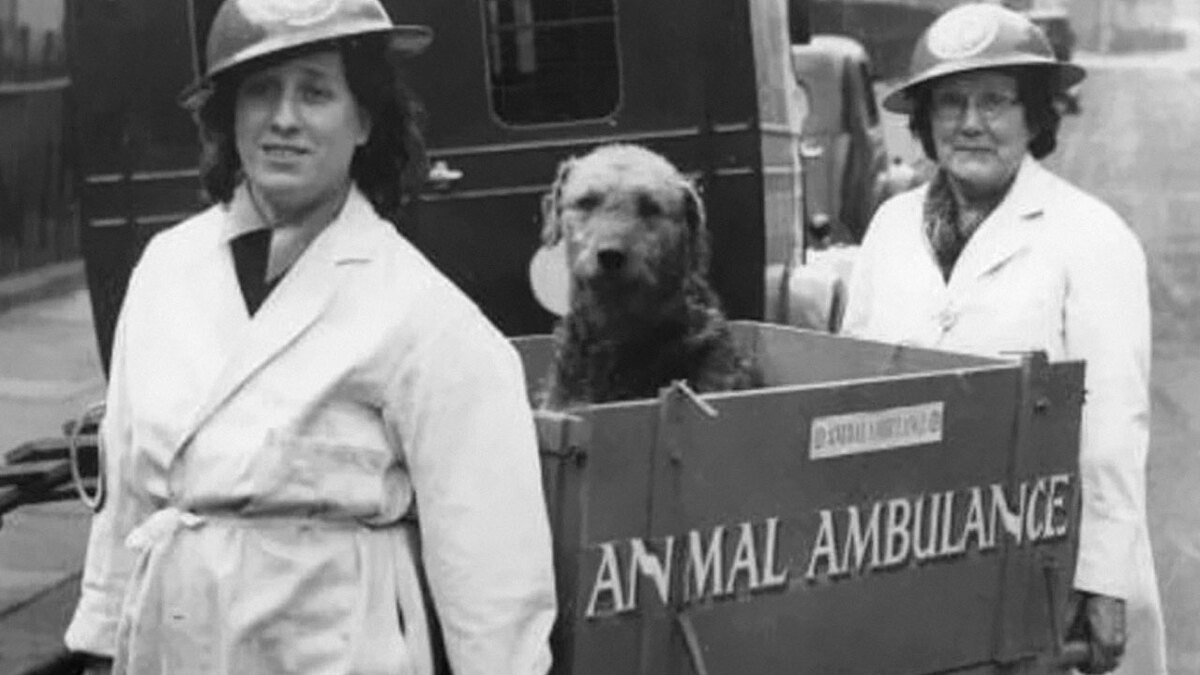
As a self-proclaimed history nerd, I find the subject incredibly fascinating. We keep making “new” discoveries about things that our ancestors did ages ago. Yet, we can never figure out all of history. It’s probably this element of mystery and intrigue that keeps making us want to know more about the past.
And what better way than looking at historic photos and artifacts? That’s what this article is all about. The “All That History” community on Facebook collects photos of hidden stories and mysteries from the past. We have compiled the most fascinating ones below, and many will have you digging up stories related to them. Just scroll down to check them out!
This post may include affiliate links.
It’s amazing how these pictures generate more curiosity about the past. This shows how powerful they can be and how much impact they have on us. For deeper insights, Bored Panda reached out to Shravani Acharya, a researcher and assistant professor of History at JSPM University.
She believes artifacts and historical photographs have always appealed to people. “Firstly, these are tangible evidence of the past. We can feel the history oozing through them. They tell us exactly what to expect from the past, and they also capture the exact essence of the same,” she explains.
Having said that, Prof. Acharya also says historic photos are a relatively new invention, yet they have changed how we see history. She notes that when we look at these photos, we realize that people have always been “human.” Photos help us understand that history isn’t distant. For instance, she adds that even a photograph from a decade ago can serve as historical evidence of that era.
While some things from the past get documented through photos, not everyone gets to see them. We asked Prof. Acharya to share something she wished the world knew. She told us about the Bhimbetka Caves in India. It’s a UNESCO World Heritage Site with rock paintings dating to the Mesolithic, Paleolithic, and Neolithic periods.
“I couldn’t help but wonder about the humans who painted the pictures, their lives in those caves. I don’t know their names, gender, age, hobbies, or what they liked. They are frozen in history. Maybe they were my age, but I wouldn’t know them. I always think about those who left traces of their existence, only to be remembered for what they did and not who they were,” she narrated.
While discussing historical evidence, we also spoke with our expert about how our own cultural and political moments shape how we write history. She explains this beautifully using colonial India as an example: After the 18th century, colonizers started writing about indigenous history. Their biases and curiosities shaped it. Later nationalist historians wrote history to suit their own circumstances.
She continues, “Post-independence, the demand for representation was more apparent, so history written from the perspectives of subalterns or feminists emerged. The present demand for space in society follows the need to find space in the past as well. So since the last half of the century, we can see the rise of political movements for representation, closely followed by alternative writings and retellings of history.”

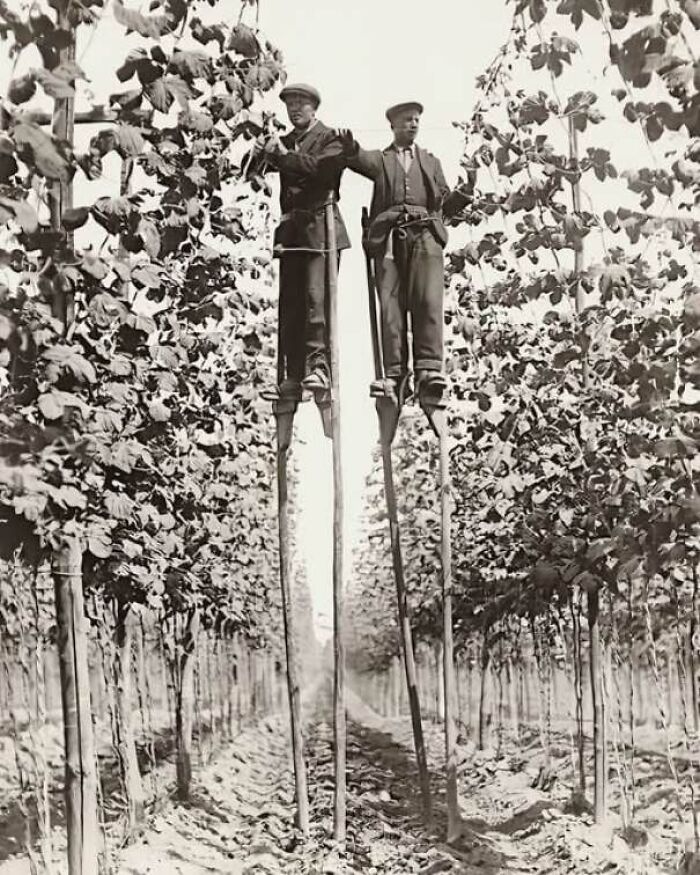
You'd need extraordinary balance to do this, especially with the rutted ground.
We also wanted to know whether history can ever be “objective,” or whether it's always filtered through perspective. Prof. Acharya said that we should always strive to be objective, but as humans, it can be very difficult. In fact, she personally believes that no history can be objective. The very act of choosing one topic over another shows that even researchers are not objective.
She gave an example to elaborate her thoughts: if I care more about women and their space in literature, then it’s hard for me to be objective when I am reading about their subjugation or subordination. That shows that we must question every picture or artifact we see because we don’t really know how objective the photographer or maker was.
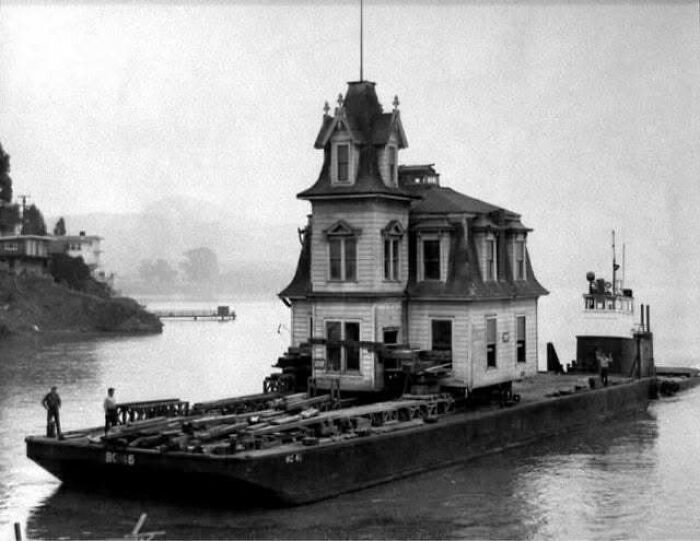
I would have expected that by 1957, they'd be using machines to transport houses on land.
History may be objective, but it repeats itself. Our expert enlightened us about historical patterns she sees repeating today that worry her or give her hope.
“Historically, it’s the common people who have sustained the kingdoms, be it small or large. They are the backbone of the systems. The more oppressed the commoners are, the more likely it is for the empire to fall,” she commented.
According to her, the non-ruling class has very few expectations of their lives, or even of their rulers. They ask for enough food, good infrastructure, and enough resources to pass down to the next generation. She stresses that when those small expectations aren’t met, common dissent is enough to shake empires.
“It happened in France during the revolution; it happened in independence movements across Asia and Africa. Now the same pattern is being repeated throughout the world. The myth of capitalism and individualism is getting broken. People, especially students, women, and queer rights activists, are leading the movements. The non-ruling class is getting united,” she emphasized.
Looking at the political situation around the world, Prof. Acharya spoke about the importance of history. She says some people dismiss it because they are not interested in understanding the lives of those who came before us. However, she believes that forgetting history is how we forget how to be human.
She elaborates, “Humans have been able to conquer the world with history at their side. Without knowing what happened in the past, one cannot even dream of building the future. The discouragement of history is the very proof of why it matters. If we cannot know what mistakes previous humans made, our understanding of the world will be narrow and hollow.”
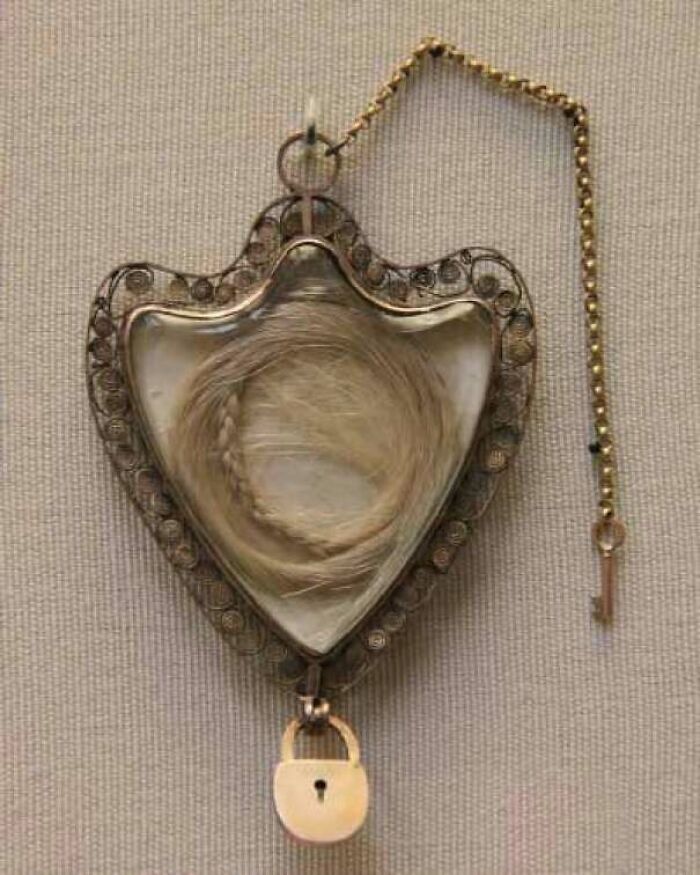
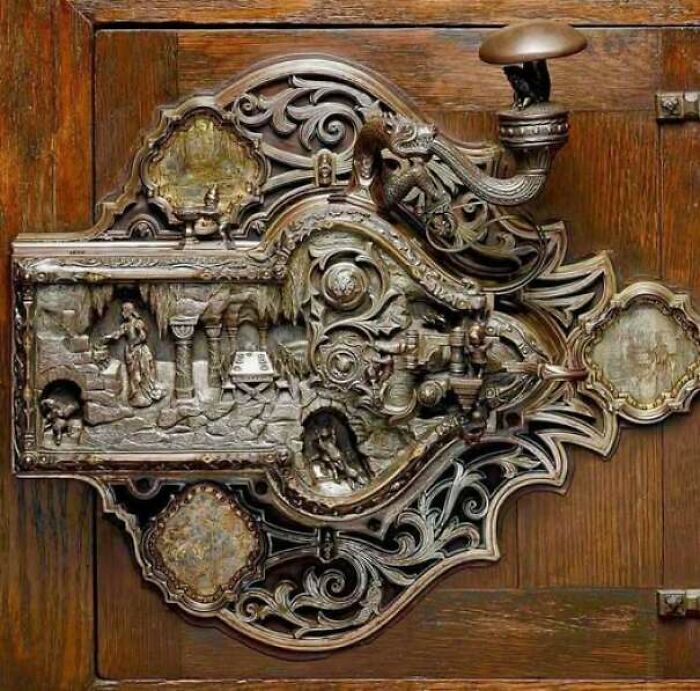
Given what happened to her, the locks would have been easy to get. But the courage to collect and preserve them in revolutionary France. Well that's a different story.
Lastly, we asked our expert how future generations will perceive our history when they look at our photos. She chuckled and added that they will be extremely confused. “AI has overtaken even the basic human expressions. I am personally fed up with the AI-generated banners, flyers, posters everywhere. And people are also craving the human touch,” she notes.
She also said younger generations are opting for digi cams or vintage filters to make photos look like the soft, yellow world we saw in the first two decades of the 2000s. She concluded that while analyzing all this, future generations might wonder why all advertisements looked the same and why soft filters made a comeback.
Honestly, that’s a really interesting thought. I really feel bad for our predecessors. They will have a field day identifying true history versus an artificial one. Don’t you agree as well? Also, did you enjoy this fascinating list? We would love to hear your thoughts, so drop them in the comments! For more history pics, check out these interesting photos from the Victorian era!
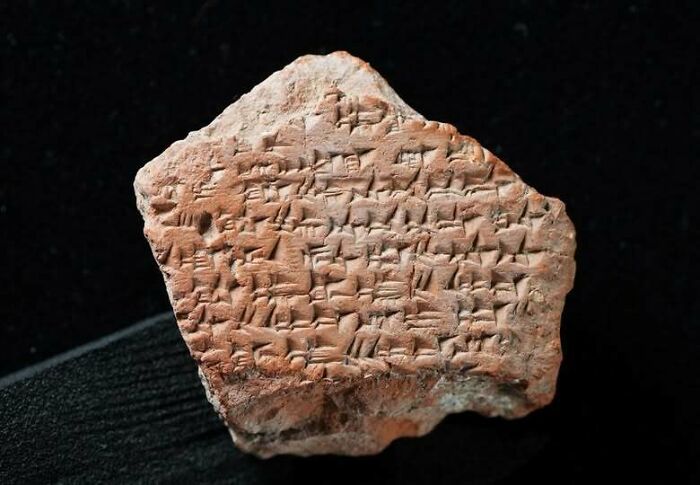
The 13th-century BCE agreement between Hittite king Hattusili III and Egyptian pharaoh Ramesses II.
The tablet was found near Building E in the Büyükkale citadel area. Only one face survives; the text is fragmentary, and a full scholarly transcription has not yet been released. Türkiyes Culture and Tourism Minister Mehmet Nuri Ersoy announced the identification in late September 2026. Current excavations at the site are directed by Prof. Dr. Andreas Schachner.

It's Ea-nāṣir's response to the complaint about his copper. Loosely, "Your mummy's so phat..."
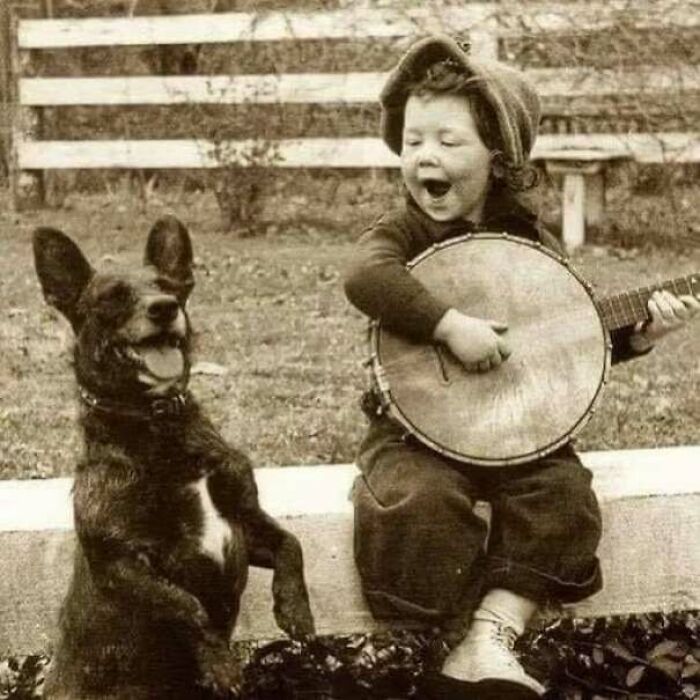
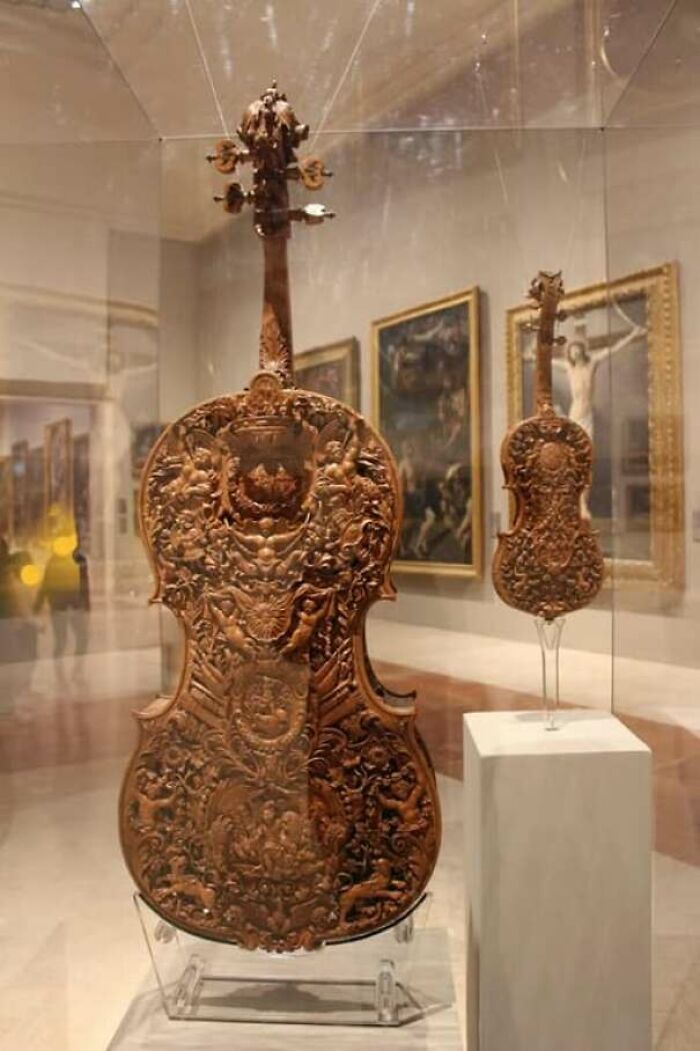
I'm no musician, but I'm guessing that neither plays as well the plain versions.
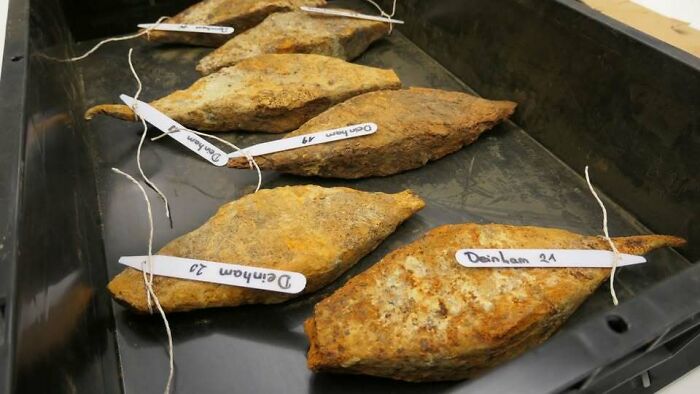
They’re La Tène semi-finished iron, recovered in 2019. The leading read is transport loss from a river craft; ritual deposition isn’t ruled out, and no wreck was found. A Bavaria / Manching origin is plausible but unproven.
Sword- or nail-count comparisons are only a scale check — not evidence of an army. Keep “largest…yet published” and absolute-year claims soft and sourced.





































 No fees, cancel anytime