Get Premium
Dark mode theme is available exclusively for premium users. Learn more about the benefits of subscribing.
No fees, cancel anytime.

 Dark Mode Ad-Free Browsing Unlimited Content
 Ad-Free Browsing Unlimited Content Dark Mode
Join 1.2 million Panda readers who get the best art, memes, and fun stories every week!
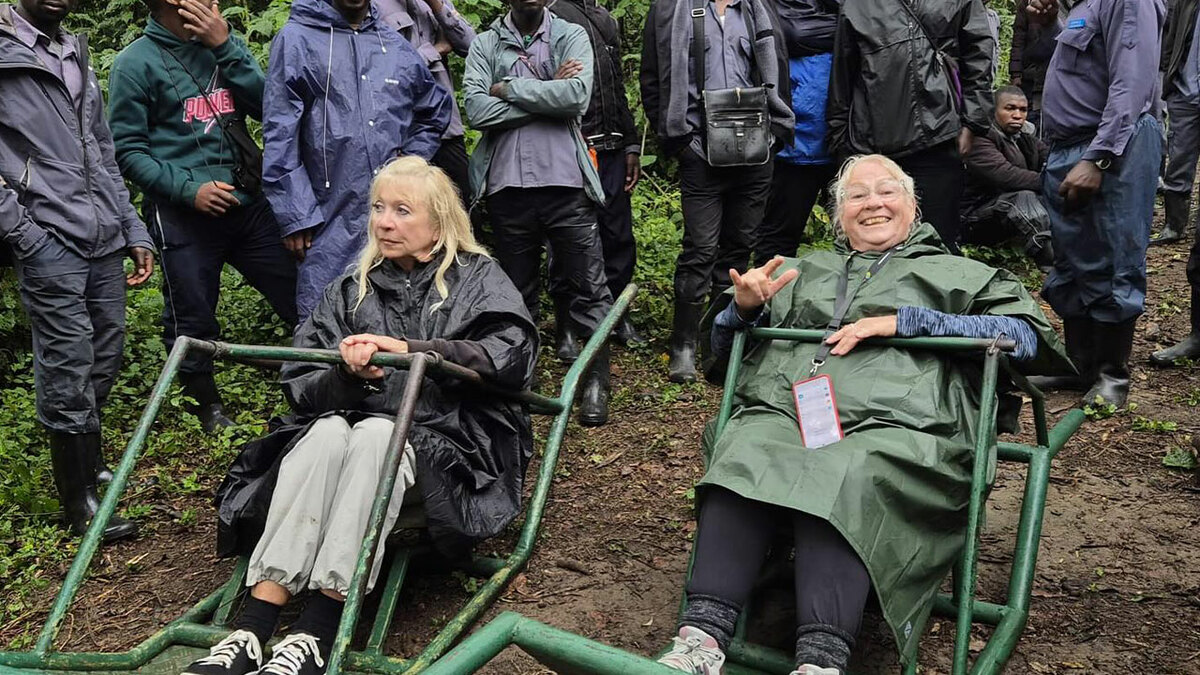
My lust for adventure is as fiery as the next person’s, and the tattoo around my wrist confirms that “fear will not steal my energy.” What will steal my energy, however, is the knowledge that I have some physical limitations I have chosen to make peace with. As much as I long to stare into the eyes of a mountain gorilla (and I have been told you should not make direct eye contact but I prefer to imagine I have Jane Goodall-level animal telepathy), I also know I will be the first person to start complaining after a kilometre of humid jungle trekking. Possibly before that.
The peak of Everest piercing through clouds at basecamp sounds deeply transcendent. Weeks of altitude acclimatisation and squatting over a hole in the floor of a teahouse at 5,000 metres, less so. I subscribe to what might be called the adventure lite package. I stay within driving distance of an airport served by Ryanair, sleep on a friend’s couch at worst, and learn enough of the local language to order coffee and apologise for my pronunciation.
But some people look at their physical limitations and throw them out the window of their private charter, because they have money and they have ambition and they have found a local solution to both. They can be carried into the gorilla forest in a sedan chair by twelve rotating porters. They can be guided to the summit of the highest mountain on earth by a Sherpa who will carry their pack, fix their ropes, and in many documented cases physically drag them to the top.
And the question of whether any of this is a dignified arrangement for anyone involved is one that the travel industry has been avoiding. Is it economic opportunity or colonial cosplay? Is it employment or exploitation dressed up as adventure tourism? And who exactly gets to decide, the person in the chair or the person carrying it?
 Exclusive Content Ad-Free Browsing Dark Mode Exclusive Content Ad-Free Browsing Dark Mode














 No fees, cancel anytime